


(ד) וָאֵ֡רֶא וְהִנֵּה֩ ר֨וּחַ סְעָרָ֜ה בָּאָ֣ה מִן־הַצָּפ֗וֹן עָנָ֤ן גָּדוֹל֙ וְאֵ֣שׁ מִתְלַקַּ֔חַת וְנֹ֥גַֽהּ ל֖וֹ סָבִ֑יב וּמִ֨תּוֹכָ֔הּ כְּעֵ֥ין הַחַשְׁמַ֖ל מִתּ֥וֹךְ הָאֵֽשׁ׃ (ה) וּמִ֨תּוֹכָ֔הּ דְּמ֖וּת אַרְבַּ֣ע חַיּ֑וֹת וְזֶה֙ מַרְאֵיהֶ֔ן דְּמ֥וּת אָדָ֖ם לָהֵֽנָּה׃ (ו) וְאַרְבָּעָ֥ה פָנִ֖ים לְאֶחָ֑ת וְאַרְבַּ֥ע כְּנָפַ֖יִם לְאַחַ֥ת לָהֶֽם׃ (ז) וְרַגְלֵיהֶ֖ם רֶ֣גֶל יְשָׁרָ֑ה וְכַ֣ף רַגְלֵיהֶ֗ם כְּכַף֙ רֶ֣גֶל עֵ֔גֶל וְנֹ֣צְצִ֔ים כְּעֵ֖ין נְחֹ֥שֶׁת קָלָֽל׃ (ח) (וידו) [וִידֵ֣י] אָדָ֗ם מִתַּ֙חַת֙ כַּנְפֵיהֶ֔ם עַ֖ל אַרְבַּ֣עַת רִבְעֵיהֶ֑ם וּפְנֵיהֶ֥ם וְכַנְפֵיהֶ֖ם לְאַרְבַּעְתָּֽם׃ (ט) חֹ֥בְרֹ֛ת אִשָּׁ֥ה אֶל־אֲחוֹתָ֖הּ כַּנְפֵיהֶ֑ם לֹא־יִסַּ֣בּוּ בְלֶכְתָּ֔ן אִ֛ישׁ אֶל־עֵ֥בֶר פָּנָ֖יו יֵלֵֽכוּ׃ (י) וּדְמ֣וּת פְּנֵיהֶם֮ פְּנֵ֣י אָדָם֒ וּפְנֵ֨י אַרְיֵ֤ה אֶל־הַיָּמִין֙ לְאַרְבַּעְתָּ֔ם וּפְנֵי־שׁ֥וֹר מֵהַשְּׂמֹ֖אול לְאַרְבַּעְתָּ֑ן וּפְנֵי־נֶ֖שֶׁר לְאַרְבַּעְתָּֽן׃ (יא) וּפְנֵיהֶ֕ם וְכַנְפֵיהֶ֥ם פְּרֻד֖וֹת מִלְמָ֑עְלָה לְאִ֗ישׁ שְׁ֚תַּיִם חֹבְר֣וֹת אִ֔ישׁ וּשְׁתַּ֣יִם מְכַסּ֔וֹת אֵ֖ת גְּוִיֹּתֵיהֶֽנָה׃ (יב) וְאִ֛ישׁ אֶל־עֵ֥בֶר פָּנָ֖יו יֵלֵ֑כוּ אֶ֣ל אֲשֶׁר֩ יִֽהְיֶה־שָּׁ֨מָּה הָר֤וּחַ לָלֶ֙כֶת֙ יֵלֵ֔כוּ לֹ֥א יִסַּ֖בּוּ בְּלֶכְתָּֽן׃ (יג) וּדְמ֨וּת הַחַיּ֜וֹת מַרְאֵיהֶ֣ם כְּגַחֲלֵי־אֵ֗שׁ בֹּֽעֲרוֹת֙ כְּמַרְאֵ֣ה הַלַּפִּדִ֔ים הִ֕יא מִתְהַלֶּ֖כֶת בֵּ֣ין הַחַיּ֑וֹת וְנֹ֣גַהּ לָאֵ֔שׁ וּמִן־הָאֵ֖שׁ יוֹצֵ֥א בָרָֽק׃ (יד) וְהַחַיּ֖וֹת רָצ֣וֹא וָשׁ֑וֹב כְּמַרְאֵ֖ה הַבָּזָֽק׃
(4) I looked, and lo, a stormy wind came sweeping out of the north—a huge cloud and flashing fire, surrounded by a radiance; and in the center of it, in the center of the fire, a gleam as of amber. (5) In the center of it were also the figures of four creatures. And this was their appearance:They had the figures of human beings. (6) However, each had four faces, and each of them had four wings; (7) the legs of each were [fused into] a single rigid leg, and the feet of each were like a single calf’s hoof;blike a single calf’s hoof I.e., cleft in front. and their sparklecsparkle Or “plumage.” was like the luster of burnished bronze. (8) They had human hands below their wings. The four of them had their faces and their wings on their four sides. (9) Each one’s wings touched those of the other. They did not turn when they moved; each could move in the direction of any of its faces. (10) Each of them had a human face [at the front]; each of the four had the face of a lion on the right; each of the four had the face of an ox on the left; and each of the four had the face of an eagle [at the back]. (11) Such were their faces. As for their wings, they were separated: above, each had two touching those of the others, while the other two covered its body. (12) And each could move in the direction of any of its faces; they went wherever the spirit impelled them to go, without turning when they moved. (13) Such then was the appearance of the creatures. With them was something that looked like burning coals of fire. This fire, suggestive of torches, kept moving about among the creatures; the fire had a radiance, and lightning issued from the fire. (14) Dashing to and fro [among] the creatures was something that looked like flares.dDashing to and fro [among] the creatures was something that looked like flares Meaning of Heb. uncertain.
גֶּפֶת f. (גפף) a pressed hard mass, peat, turf. Sabb. IV, 1. Ib. 47ᵇ ג׳ של זתים peat made of olive peels, דשומשמין of poppy seed (after the oil is pressed out). Kel. IX, 5; a. fr.—Ch. גִּיפְתָּא.
בְּזַק ch. same. —Pa. בַּזֵּק to cast (or shoot) a mass of fragments (as from a catapult). Snh. 108ᵇ ב׳ בהון עפרא וכ׳ Ar. (ed. והוה שדינן) he shot at them with dust and it turned into swords &c. *B. Bath. 73ᵃ והוה כי מבזק ארבעין גירוי דברזלא and there was a flash as if one shot forty arrows of iron (v. Koh. Ar. Compl. s. v. בזק, note 5).—Ed. כי מבזר ארב׳ גריוי דחרדלא like one scattering forty measures of mustard [from a confusion of which two versions the variants in Mss. a. in Ar. arose, v. Rabb. D. S. a. l. note.—Ar. כמיבזק Ithpe.]. Ithpe. - אִיבְּזִיק to be broken. Yoma 22ᵇ how do you know that Bazek (I Sam. XI, 8, v. next w.) is here used לישנא דמיבזיק in the sense of being broken (a fragment of pottery); perhaps it is the name of a place? B. Bath. 73ᵃ Ar., v. supra.
זִיקָא I ch. same 1) shooting star, or comet. Y. Ber. IX, 13ᶜ.—Pl. זִיקִין, זִיקֵי. Targ. Y. Ex. XX, 2, sq. —2) blast, wind, draught (spirit). Targ. Y. Lev. XVI, 22 רוח ז׳. Targ. Job IV, 15; a. e.—Ab. Zar. 28ᵇ ויזדהר מז׳ and let him beware of exposing his ear to a draught.—Ber. 40ᵇ תמרי ז׳ dates blown down by the wind. Ned. 28ᵇ איכא ז׳ נפישא a strong wind is blowing (threatening to mow down the standing crop). Esth. R. to I, 12 פח ז׳ וכ׳ blow a blast into his belly (arouse his anger). Taan. 24ᵃ נשב ז׳ (not נשא) a wind arose (gathering clouds); ib. 25ᵇ; B. Mets. 85ᵇ; a. e.—Sabb. 129ᵃ היכא דכריך ז׳ in a room where the air is turned around, i.e. in a draught.—Gen. R. s. 50, beg. (ref. to כמראה הבזק, Ez. I, 14) כרוחא לז׳ as the wind drives the sparks at a conflagration; [comment.: as the wind shakes the suspended leather-hose, v. next w.]; ib. כז׳ לעננא as the wind scatters the clouds. Ber. 59ᵃ כז׳ על פום דני like the rumbling sound produced by blowing into wine vessels; a. fr.
(י) כִּֽי־יָ֭דַע דֶּ֣רֶךְ עִמָּדִ֑י בְּ֝חָנַ֗נִי כַּזָּהָ֥ב אֵצֵֽא׃ (יא) בַּ֭אֲשֻׁרוֹ אָחֲזָ֣ה רַגְלִ֑י דַּרְכּ֖וֹ שָׁמַ֣רְתִּי וְלֹא־אָֽט׃ (יב) מִצְוַ֣ת שְׂ֭פָתָיו וְלֹ֣א אָמִ֑ישׁ מֵ֝חֻקִּ֗י צָפַ֥נְתִּי אִמְרֵי־פִֽיו׃ (יג) וְה֣וּא בְ֭אֶחָד וּמִ֣י יְשִׁיבֶ֑נּוּ וְנַפְשׁ֖וֹ אִוְּתָ֣ה וַיָּֽעַשׂ׃ (יד) כִּ֭י יַשְׁלִ֣ים חֻקִּ֑י וְכָהֵ֖נָּה רַבּ֣וֹת עִמּֽוֹ׃ (טו) עַל־כֵּ֭ן מִפָּנָ֣יו אֶבָּהֵ֑ל אֶ֝תְבּוֹנֵ֗ן וְאֶפְחַ֥ד מִמֶּֽנּוּ׃
(10) But He knows the way I take;Would He assay me, I should emerge pure as gold. (11) I have followed in His tracks,Kept His way without swerving, (12) I have not deviated from what His lips commanded;I have treasured His words more than my daily bread. (13) He is one; who can dissuade Him?Whatever He desires, He does. (14) For He will bring my term to an end,But He has many more such at His disposal. (15) Therefore I am terrified at His presence;When I consider, I dread Him.
(א) וַ֠יָּבֹ֠אוּ שְׁנֵ֨י הַמַּלְאָכִ֤ים סְדֹ֙מָה֙ בָּעֶ֔רֶב וְל֖וֹט יֹשֵׁ֣ב בְּשַֽׁעַר־סְדֹ֑ם וַיַּרְא־לוֹט֙ וַיָּ֣קׇם לִקְרָאתָ֔ם וַיִּשְׁתַּ֥חוּ אַפַּ֖יִם אָֽרְצָה׃
(1) The two messengers arrived in Sodom in the evening, as Lot was sitting in the gate of Sodom. When Lot saw them, he rose to greet them and, bowing low with his face to the ground,
הֶגְמוֹנְיָא, הֶגְמוֹנְיָה f. (ἡγεμονία) 1) commandership, consulship. Gen. R. s. 50, beg.; Lev. R. s. 26 נטל ה׳ וכ׳ got an appointment as a consul from the King. Cant. R. to I, 6; Lam. R., introd. (R. Yitsḥ. 3) וכולן עשו ישראל ה׳ (אחת) וכ׳ and Israel declared all these gods one government and worshipped all of them; Esth. R. to I, 9 אומוניאה (read: אֶגְמוֹנִיאָה, cmp. אֶגְמוֹן).—Pl. הֶגְמוֹנִיּוֹת staff of commanding officers. Tanḥ. Yithro 5 לה׳ שעליהם (not להגמונות) to the staff appointed over them (to take them to the exile). Midr. Till. to Ps. CXVIII, 6 he will send forth דוגמניות על וכ׳ (corr. acc.) staffs to all countries &c. —2) (v. Sm. Ant. s. v. Eisagogeis) court, administration, jurisdiction, district. Gitt. I, 1 מה׳ לה׳ from one jurisdiction to another.—Pl. as above. Ib. 4ᵇ there were in one town שתי ה׳ וכ׳ two jurisdictions jealous of each other.
פָּגָן m. (paganus) villager, commoner, civilian. Y’lamd. to Lev. V, 21, quot. in Ar. פולח פ׳ וכ׳ a soldier and a civilian who provoked the king to anger (Tanḥ. Vayikra 6 קרתני ובן פלטרין). Tanḥ., ed. Bub., Vayera 21; Gen. R. s. 50, a. e., v. סָגוּם. Num. R. s. 15; Tanḥ. Bhaʿăl. 11; ed. Bub. 20 היום איפרכוס למחר פ׳ למחר קומוס למחר סרדיוט (not סגן) (under the Roman government) one is to-day a consul, to-morrow a civilian &c., v. סְרַדְיוֹט; a. e.—Pl. פָּגָאנִים, פָּגָנִים. Ex. R. s. 15 (Matt. K. פָּגָאנִין).
כְּלָמוּס m. (χλαμύς) chlamys, officer’s cloak (v. Sm. Ant. s. v.). Y’lamd. to Gen. XXV, 23; 25, quot. in Ar., corresp. to the Jewish garment טַלִּית, v. כֹּכְלָא.—Tanḥ. Vayera, ed. Bub., 21 [read:] כל הימים … היה מהלך בסגון כיון שנכנס הלביש הכלמוס שלו (v. ib. notes 124; 125) as long as he was on the road, he travelled in a sagum (common soldier’s cloak), when he entered to take office, he put on the chlamys; Gen. R. s. 50, beg. כפגן … כקאלמין; Lev. R. s. 26 כפגן … כקלאמין; Yalk. Gen. 84 כגפ׳ … כקאלמין (read: בסגון … בכְלָאמִין or בקְלָאמִין).
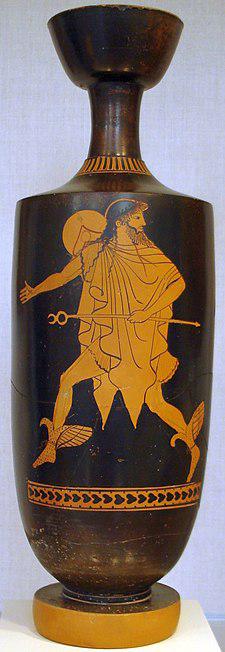
The chlamys (Ancient Greek: χλαμύς, chlamýs, genitive: χλαμύδος, chlamydos) was a type of an ancient Greek cloak.[1] By the time of the Byzantine Empire it was, although in a much larger form, part of the state costume of the emperor and high officials. It survived as such until at least the 12th century AD.
The ephaptis (Ancient Greek: ἐφαπτίς) was a similar garment, typically worn by infantrymen.[2]
Ancient Greece
[edit]
The chlamys was made from a seamless rectangle of woolen material about the size of a blanket, usually bordered. It was normally pinned with a fibula at the right shoulder. Originally it was wrapped around the waist like a loincloth, but by the end of the 5th century BC it was worn over the elbows. It could be worn over another item of clothing but was often the sole item of clothing for young soldiers and messengers, at least in Greek art. As such, the chlamys is the characteristic garment of Hermes (Roman Mercury), the messenger god usually depicted as a young man.
The chlamys was typical Greek military attire from the 5th to the 3rd century BC. As worn by soldiers, it could be wrapped around the arm and used as a light shield in combat.
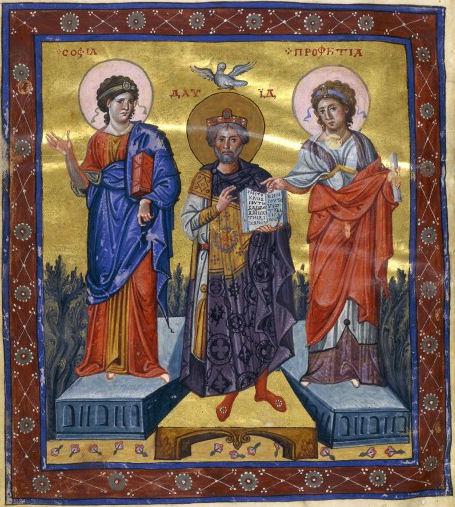
King David in the Paris Psalter, 10th century AD
(יח) יָשׁ֣וּבוּ רְשָׁעִ֣ים לִשְׁא֑וֹלָה כׇּל־גּ֝וֹיִ֗ם שְׁכֵחֵ֥י אֱלֹקִֽים׃
(18) Let the wicked befOthers “return to.” in Sheol,all the nations who ignore God!
Notarikon (Hebrew: נוטריקון Noṭriqōn) is a Talmudic and Kabbalistic method of deriving a word, by using each of its initial (Hebrew: ראשי תיבות) or final letters (סופי תיבות) to stand for another, to form a sentence or idea out of the words. Another variation uses the first and last letters, or the two middle letters of a word, in order to form another word.[1] The word "notarikon" is borrowed from the Greek language (νοταρικόν), and was derived from the Latin word "notarius" meaning "shorthand writer."[2]
Notarikon is one of the three ancient methods used by the Kabbalists (the other two are gematria and temurah) to rearrange words and sentences. These methods were used in order to derive the esoteric substratum and deeper spiritual meaning of the words in the Bible. Notarikon was also used in alchemy.
The term is mostly used in the context of Kabbalah. Common Hebrew abbreviations are described by ordinary linguistic terms.
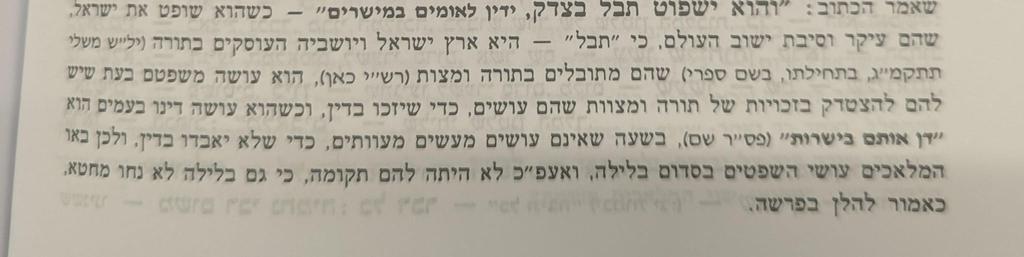
(ט) וְה֗וּא יִשְׁפֹּֽט־תֵּבֵ֥ל בְּצֶ֑דֶק יָדִ֥ין לְ֝אֻמִּ֗ים בְּמֵישָׁרִֽים׃
(9) it is He who judges the world with righteousness,rules the peoples with equity.
אַרְכִי I f. (ארך, v. עַרְכִי; an adaptation of ἀρχή, cmp. אַרְכָן) term of office, office, court of elders. Num. R. s. 9 whoever was signed as a witness בא׳ ישנה וכ׳ (Kidd. IV, 5 ערכי q. v.) in the old court of Zepphoris.—Y. M. Kat. II, end, 81ᵇ מעלה לאַרְכִיָים he (the gentile) takes the deed to their (gentile) office for recording. Y. Gitt. I, 43ᵈ top.—Ruth R. to I, 3 א׳ של בנך דוחקת the time of thy son’s accession to office presses. Deut. R. s. 2 הגיע א׳ וכ׳ surrender thy office to Joshua. Ib. a prefect שהיה בא׳ שלו who was in his office; a. fr.—Pl. אַרְכִיּוֹת. Ruth. R. l. c. א׳ א׳ הן the terms of office are predestined (cmp. Sabb. 30ᵃ bot. ואין מלכות וכ׳). [עַרְכָאוֹת, v. עַרְכִי.]
אַרְכִי III (Greek pref. ἀρχι—) chief of (gen. followed by a pl.) as א׳ בִּרְיוֹנִים chief of the castle guard. Pesik. Ekha p. 122ᵇ Ar. (ed. אדושם מריונים, corr. acc.); v. respective determinants.
מַסְטֵי m. (סְטֵי) one who diverts judgment from its straight path (= h. מַטֵּה דִין), prevaricator. Targ. Is. LVIII, 6 דין מ׳ (h. text מוֹטָה).—Gen. R. s. 50 (fictitious name of a Sodomite judge) רב מַסְטֵידִין (= מַסְטֵי דין, some ed. מסטירין, corr. acc.) Chief Prevaricator (Snh. 109ᵇ מצלי דינא); Yalk. ib. 84 (corr. acc.).
קְלָאפַנְדָּר, קְלָפַ׳ pr. n. (a comp. of κλεπ- and ανδρ-) ḳ’lafandar (Man-Stealer), fictitious name of one of the judges of Sodom. Gen. R. s. 50 Ar. (ed. קלא פ׳, combine); Yalk. ib. 84 קלפ׳.
(ט) וַיֹּאמְר֣וּ ׀ גֶּשׁ־הָ֗לְאָה וַיֹּֽאמְרוּ֙ הָאֶחָ֤ד בָּֽא־לָגוּר֙ וַיִּשְׁפֹּ֣ט שָׁפ֔וֹט עַתָּ֕ה נָרַ֥ע לְךָ֖ מֵהֶ֑ם וַיִּפְצְר֨וּ בָאִ֤ישׁ בְּלוֹט֙ מְאֹ֔ד וַֽיִּגְּשׁ֖וּ לִשְׁבֹּ֥ר הַדָּֽלֶת׃
(9) But they said, “Stand back! The fellow,” they said, “came here as an alien, and already he acts the ruler! Now we will deal worse with you than with them.” And they pressed hard against that householder*against that householder Heb. ba-’ish; NJPS “against the person [of Lot],” trad. “upon the man.” See the Dictionary under ’ish. —against Lot—and moved forward to break the door.
(א) ויאמרו גש הלאה. קְרַב לְהָלְאָה, כְּלוֹמַר, הִתְקָרֵב לַצְּדָדִין וְהִתְרַחֵק מִמֶּנּוּ, וְכֵן כָּל הָלְאָה שֶׁבַּמִּקְרָא לְשׁוֹן רִחוּק, כְּמוֹ זְרֵה הָלְאָה (במדבר י"ז), הִנֵּה הַחֵצִי מִמְּךָ וָהָלְאָה (שמואל א' כ'), גֶּשׁ הָלְאָה, (ישעיהו מ"ט) – הִמָּשֵׁךְ לְהַלָּן, בִּלְשׁוֹן לַעַז טריטי"דנוש, וּדְבַר נְזִיפָה הוּא, לוֹמַר – אֵין אָנוּ חוֹשְׁשִׁין לְךָ. וְדוֹמֶה לוֹ קְרַב אֵלֶיךָ אַל תִּגַּשׁ בִּי (ישעיהו ס"ה), וְכֵן גְּשָׁה לִּי וְאֵשֵׁבָה (שם מ"ט) – הִמָּשֵׁךְ לַצְּדָדִין בַּעֲבוּרִי וְאֵשֵׁב אֶצְלְךָ; אַתָּה מֵלִיץ עַל הָאוֹרְחִין, אֵיךְ מְלָאֲךָ לִבְּךָ? עַל שֶׁאָמַר לָהֶם עַל הַבָּנוֹת, אָמְרוּ לוֹ גש הלאה, לְשׁוֹן נַחַת; וְעַל שֶׁהָיָה מֵלִיץ עַל הָאוֹרְחִים – האחד בא לגור, אָדָם נָכְרִי יְחִידִי אַתָּה בֵינֵינוּ, שֶׁבָּאתָ לָגוּר, וישפוט שפוט, וְנַעֲשֵׂיתָ מוֹכִיחַ אוֹתָנוּ?
(1) ויאמרו גש הלאה AND THEY SAID, STEP BACK — Get you away over there — as much as to say, Take yourself aside and keep away from us. Similarly wherever the word הלאה occurs in Scripture it has the meaning of further away. For example: (Numbers 17:2) “Scatter (הלאה) yonder”; (1 Samuel 20:22) “Behold the arrows are beyond thee (הלאה)” Thus גש הלאה signifies, withdraw yourself further away (old French Retire-toi de nous). It is an expression of contempt, signifying, “we do not take any notice of you!” Of a similar character are: (Isaiah 65:5) “Stand by thyself (אל תגש בי) come not near unto me”, and (Isaiah 49:20) גשה לי “Give place to me that I may dwell” which means “withdraw aside for my sake (לי) that I may dwell where you are now”. — They really meant to say to Lot: “You intercede for these strangers; how dare you!” In reply to what he had said to them regarding his daughters they answered: “Get out of the way” — a somewhat gentle expression — whilst with regard to his advocacy for the strangers they retorted, האחד בא לגור THIS MAN CAME TO SOJOURN — You are the only strange man amongst us, for you have come to sojourn here, וישפוט שפוט and you make yourself a Reprover of us!
(1) [נָגַשׁ125] vb. draw near, approach, less freq. syn. of קרב q.v. (NH id. Hiph. (rare) and deriv.);—Qal68 Impf. יִגַּשׁ Ex 24:14 +, יִגָּ֑שׁ ψ 91:7, וַיִּגַּשׁ Gn 18:23 +; 3 fs. וַתִּגַּשׁ Gn 33:7; 2 ms. תִּגַּשׁ־ Is 65:5; 3 mpl. יִגְּשׁוּ Is 41:1 +, יִגָּ֑שׁוּ Ex 24:2, יִגַּ֑שׁוּ Jb 41:8 (Baer; van d. H. יִגָּ֑שׁוּ); 3 fpl. וַתִּגַּשְׁןָ Gn 33:6, etc.; Imv. גַּשׁ 2 S 1:15, גֶּשׁ־ Gn 19:9, גְּשָׁה Gn 27:21 +; גֹּשִׁי Ru 2:14, וּגְשׁוּ Je 46:3 גּשׁוּ Jos 3:9; Inf. cstr. לָגֶ֫שֶׁת Ju 20:23 +; sf. גִּשְׁתּוֹ Gn 33:3; גִּשְׁתָּם Ex 28:43 + 2 times;—draw or come near, 1. human subj.: sq. אֶל־ pers. Gn 27:22; 43:19; 44:18; 45:4 (all J), Ex 19:15 (of sexual intercourse), 24:2 Nu 32:16; Jos 14:6 (all E), Ex 34:30; Jos 21:1 (P), + 10 times elsewhere (not D), + ψ 91:7 (subj. pestilence personif.); of priestly approach to י׳ Ez 44:13, cf. Je 30:21b, also sq. אֶל־ of altar Ex 28:43; 30:20; Lv 21:23 and abs., v 21 (all P or H); sq. אֶל־ rei also Nu 8:19; sq. עַד־ pers. Gn 33:3 (J), rei Ju 9:52; sq. עַל־ pers. Ez 9:6, rei 44:13; sq. בְּ pers. Is 65:5 (‖ קָרַב אֶל־); in Am 9:10 read תִּגַּשׁ בַּעֲדֵנוּ (for MT תַּגִּישׁ Hiph. cf. We GASm Dr Now; ‖ קִדֵּם); sq. לַמִּלְחָמָה draw near for battle Ju 20:23; Je 46:3; 2 S 10:13 = 1 Ch 19:14 (+ לִפְנֵי pers.); sq. acc. pers. 1 S 9:18; 30:21, rei Nu 4:19 (P), but acc. difficult; Dr reads אֶל־ for אֶת־ 1 S 9:18 Nu 4:19, cf. Klo HPS; in 1 S 30:21 Dr takes אֶת־ = with; sq. הֲלוֹם hither, 1 S 14:38 Ru 2:14; abs. Gn 18:23; 27:21; 29:10; 33:6, 7; 45:4 (all J), Ex 24:2 (E), Jos 8:11 (E; + ויבאו), + 9 times (not P, D), + Gn 27:26, 27 (E), Jos 3:9 (J), 2 S 1:15; 2 Ch 29:31 (all Imv. sq. 2nd Imv.), + Gn 19:9 (J), Lv 21:21(×2) (H), 2 K 4:27 (all sq. Inf. purpose). Note especially גֶּשׁ־הָ֫לְאָה Gn 19:9 lit. approach thither! i.e. move away! cf. גְּשָׁה־לִי וְאֵשֵׁ֑בָה Is 49:20 move away for me (make room for me) that I may dwell (‖ צַר־לִי הַמָּקוֹם). 2. inanim. subj. אֶחָד בְּאֶחָד יִגַּ֑שׁוּ Jb 41:8 one to another they approach (fit closely together; of scales of crocodile).—Qal not in D.Niph. Pf. נִגַּשׁ Gn 33:7 +; 3 fs. וְנִגְּשָׁה Dt 25:9; 3 mpl. נִגְּשׁוּ Ex 34:32 +; נִגַּשְׁתֶּם 2 S 11:20, 21; Pt. pl. נִגָּשִׁים Ex 19:22;—draw near = Qal (and substit. for it in D):—sq. אֶל־ pers. Dt 25:9; 1 K 20:13; Ezr 9:1, of priestly approach to Yahweh Ex 19:22 (J), Je 30:21; sq. אֶל־ rei Ex 20:21; 24:2 (both E), 2 S 11:20, 21, אֶל־הַמִּשְׁפָּט Dt 25:1; sq. בְּ pers. Am 9:13; sq. לַמִּלְחָמָה 1 S 7:10; abs. Gn 33:7 (J), Dt 20:2 (‖ קרב), 21:5; Ex 34:32 (P), so fig. of worship Is 29:13.†Hiph. Pf. 3 ms. sf. consec. וְהִגִּישׁוֹ Ex 21:6(×2), וְהִגִּישָׁהּ Lv 2:8; 3 pl. הִגִּ֫ישׁוּ 2 S 17:29; 2 mpl. הִגַּשְׁתֶּם Am 5:25; Impf. juss. יַגֵּשׁ Jb 40:19; וַיַּגֶּשׁ־ Gn 27:25; וַיַּגַּ֑שׁ Ju 6:19; 3 fs. תַּגִּישׁ Am 9:10, וַתַּגֵּשׁ 1 S 28:25; 2 S 13:11; 3 mpl. יַגִּ֫ישׁוּ Is 41:22; 2 mpl. תַּגִּ֫ישׁוּ Mal 1:8, תַּגִּישׁוּן v 8, וַתַּגִּישׁוּן Am 6:3, etc.; Imv. ms. הַגִּ֫ישָׁה Gn 27:25 +; mpl. הַגִּ֫ישׁוּ 1 S 13:9 +; Pt. מַגִּישׁ Mal 2:12; pl. cstr. מַגִּישֵׁי Mal 3:3, etc.;—cause to approach, bring near, bring, sq. אֶל־ pers. (usually obj. acc. rei, rarely pers. Ex 21:6(×2) 1 S 15:32; Gn 48:10 cf. v 13):—Gn 48:10, 13 (E), Ex 21:6(×2) (E), 1 S 13:9; 14:34; 15:32; 2 S 13:11 (+ Inf. purpose), 2 K 4:5, 6; sq. אֶל־הַמִּזְבֵּחַ Lv 2:8 (P; of sacrifice); עַל־מִזְבְּחִי Mal 1:7 (sacrif.); לְ pers. Gn 27:25(×2) (E), 1 S 30:7; 2 S 17:29 (read וַיַּגִּישׁוּ 𝔊 Th We Klo Kit, cf. Dr), of sacrifice Am 5:25 Mal 2:12; 3:3; לִפְנֵי pers. 1 S 28:25; 2 Ch 29:23; no prep. Ex 32:6 (J), 1 S 14:18, 34; 23:9; 30:7; Ju 6:19 (foll. הוציא אֶל־), Am 6:3; 1 K 5:1; Lv 8:14 (P), of sacrif. also Mal 1:8 (לִזְבֹּחַ), v 8 (‖ הקריב); fig. (obj. proofs, evidences) Is 41:21 (‖ קרב), v 22 (+ וַיַּגִּידוּ), cf. 45:21 (‖ הַגִּידוּ); הָעשֹׁוֹ יַגֵּשׁ חַרְבּוֹ Jb 40:19 let him that made him (the hippot.) draw near his sword, is dub.; Du הֶעָשׂוּ[י] נֹגֵשׂ חֲבֵרָו wh. is made ruler of its fellows (other conject. v. Di Bu); Am 9:10 read תִּגַּשׁ Qal q.v.).†Hoph. Pf. 3 mpl. לֹא־לִנְחֻשְׁתַּיִם הֻנַּ֑שׁוּ 2 S 3:34 (Ginsb הֻנָּ֑שׁוּ) thy feet have not been brought near (put into) fetters; Pt. מֻגָּשׁ לשׁמי Mal 1:11 it (impers.) is offered to my name.†Hithp. Imv. mpl. הִתְנַגְּשׁוּ Is 45:20 draw near! (‖ הִקָּֽבְצוּ וָבֹאוּ).
(1) † הָֽ֫לְאָה (i.e. hā-leʾāh, the final -āh, the ה locale, being toneless), adv. out there, onwards, further (𝔗 הָלָא, always with לְ or מֵ prefixed; Syriac ܠܗܰܠ, ܘܰܠܗܰܠ PS 1009 id.; Arabic هَلَا forward! on! FlKl.Schr. i. 355)—a. of place Gn 19:9 גֶּשׁ־הָֽלְאָה approach out there! i.e. make way, get back (𝔊 ἀπόστα ἐκεῖ: 𝔙 recede illuc), Nu 17:2 and the fire זְרֵה־הָֽלְאָה scatter yonder; מֵהָֽלְאָה לְ beyond (lit. off the yonder side of; v. מִן 4 c Gn 35:21 Je 22:19 Am 5:27 beyond Damascus: וָהָֽלְאָה attached to an indication of place, to mark direction, 1 S 10:3 and thou shalt pass on מִשָּׁם וָהָֽלְאָה thence and onwards; 20:22 מִמְּךָ וָהָֽלְאָה from thee and onwards i.e. beyond thee (opp. to מִמְּךָ וָהֵ֫נָּה v 21), v 37 Nu 32:19 on the side of Jordan forwards (opp. to ‘on the side of Jordan eastwards’).b. of time, Lv 22:27 from the 8th day וָהָֽלְאָה and onwards, Nu 15:23 1 S 18:9 מהיום ההוא והלאה from that day and onwards, Ez 39:22; 43:27 Is 18:2, 7. Hence
Particle Interrogative¶
Summary¶
Interrogative particles indicate that a sentence is a question. The standard interrogative prefix -הֲ (he with hateph pathah vowel) should not be confused with the definite article -הַ (he with pathah vowel). The interrogative particles מִי and מָה can also function as interrogative pronouns (“who?” and “what?”) or indefinite pronouns (“whoever” and “whatever”).
https://www.tandfonline.com/doi/full/10.1080/1047840X.2020.1721233
Tribalism in War and Peace: The Nature and Evolution of Ideological Epistemology
Over the past several decades, social scientists have sedulously documented various tribal and ideological psychological tendencies on the political right, and more recent work has documented similar tendencies on the political left. We contend that these tribal tendencies and propensities can lead to ideologically distorted information processing in any group. And this ideological epistemology can become especially problematic for the pursuit of the truth when groups are ideologically homogenous and hold sacred values that might be contradicted by empirical inquiry.
(ב) וַיֹּ֜אמֶר הִנֶּ֣ה נָּא־אדושם ס֣וּרוּ נָ֠א אֶל־בֵּ֨ית עַבְדְּכֶ֤ם וְלִ֙ינוּ֙ וְרַחֲצ֣וּ רַגְלֵיכֶ֔ם וְהִשְׁכַּמְתֶּ֖ם וַהֲלַכְתֶּ֣ם לְדַרְכְּכֶ֑ם וַיֹּאמְר֣וּ לֹּ֔א כִּ֥י בָרְח֖וֹב נָלִֽין׃
(2) he said, “Please, my lords, turn aside to your servant’s house to spend the night, and bathe your feet; then you may be on your way early.” But they said, “No, we will spend the night in the square.”
https://www.tehillim-center.co.il/tefila/1337
אֱ-לֹהַי, עַד שֶׁלֹּא נוֹצַרְתִּי אֵינִי כְדַאי, וְעַכְשָׁיו שֶׁנּוֹצַרְתִּי כְּאִלּוּ לֹא נוֹצַרְתִּי, עָפָר אֲנִי בְּחַיַּי קַל וָחֹמֶר בְּמִיתָתִי, הֲרֵי אֲנִי לְפָנֶיךָ כִּכְלִי מָלֵא בוּשָׁה וּכְלִמָּה: יְהִי רָצוֹן מִלְּפָנֶיךָ אדושם אֱלֹקַי וֵאלֹקֵי אֲבוֹתַי שֶׁלֹּא אֶחֱטָא עוֹד, וּמַה שֶּׁחָטָאתִי לְפָנֶיךָ מְחֹק בְּרַחֲמֶיךָ הָרַבִּים, אֲבָל לֹא עַל יְדֵי יִסּוּרִים וָחֳלָיִים רָעִים:
עקם to bend, curve, wind. — Qal - עָקַם he bent, curved, wound. — Niph. - נֶעֱקַם was bent, was curved, was wound. — Pi. - עִקֵּם 1 he bent, curved, wound; 2 he distorted, perverted. — Pu. - עֻקַּם PBH 1 was bent, was curved, was wound; NH 2 was distorted, was perverted. — Hith. - הִתְעַקֵּם NH 1 was bent, was curved, was wound; PBH 2 became distorted, became perverted. — Hiph. - הֶעֱקִים 1 he bent, curved, wound; 2 he distorted, perverted. — Hoph. - הָעֳקַם 1 was bent, was curved, was wound; 2 was distorted, was perverted. [Aram. עֲקַם (= was curved), Syr. עַקֵּם (= he turned aside, perverted), עְקִימָא (= perverted). cp. Arab. ‘ aqima (= was sterile). Related to עקף.] Derivatives: עָקֹם, עֹקֶם, עַקְמוּמִי, עַקְמָן, עַקְמָנִי, עִקּוּם, הַעֲקָמָה, הֵעָקְמוּת, הִתְעַקְּמוּת, מְעֻקָּם.
(ב) וַיֹּ֜אמֶר הִנֶּ֣ה נָּא־אדושם ס֣וּרוּ נָ֠א אֶל־בֵּ֨ית עַבְדְּכֶ֤ם וְלִ֙ינוּ֙ וְרַחֲצ֣וּ רַגְלֵיכֶ֔ם וְהִשְׁכַּמְתֶּ֖ם וַהֲלַכְתֶּ֣ם לְדַרְכְּכֶ֑ם וַיֹּאמְר֣וּ לֹּ֔א כִּ֥י בָרְח֖וֹב נָלִֽין׃
(2) he said, “Please, my lords, turn aside to your servant’s house to spend the night, and bathe your feet; then you may be on your way early.” But they said, “No, we will spend the night in the square.”
(ד) יֻקַּֽח־נָ֣א מְעַט־מַ֔יִם וְרַחֲצ֖וּ רַגְלֵיכֶ֑ם וְהִֽשָּׁעֲנ֖וּ תַּ֥חַת הָעֵֽץ׃
(4) Let a little water be brought; bathe your feet and recline under the tree.
(ג) וַיִּפְצַר־בָּ֣ם מְאֹ֔ד וַיָּסֻ֣רוּ אֵלָ֔יו וַיָּבֹ֖אוּ אֶל־בֵּית֑וֹ וַיַּ֤עַשׂ לָהֶם֙ מִשְׁתֶּ֔ה וּמַצּ֥וֹת אָפָ֖ה וַיֹּאכֵֽלוּ׃
(3) But he urged them strongly, so they turned his way and entered his house. He prepared a feast for them and baked unleavened bread, and they ate.
† [פָּצַר] vb. push, press (perhaps related, by transp., to Arabic فَرَضَ appoint, prescribe, Assyrian parṣu, command, cf. BaZMG xliii (1889), 188);—Qal Impf. 3 ms. וַיִּפְצַר־ Gn 19:3 +, 3 mpl. וַיִּפְצְרוּ v 9 2 K 2:17;—push, press, upon (ב pers.) physically Gn 19:9; = urge v 3 33:11 Ju 19:7 2 K 2:17, + inf. 5:16; read also prob. וַיִּפְצַר־בּוֹ 2 S 13:25, 27 2 K 5:23 (for וַיִּפְרָץ־), וַיִּפְצְרוּ־בוֹ 1 S 28:23 (for וַיִּפְרְצוּ־), Tanchum (cf. The), Weir in Dr 1 S 28:23 Kitid. Bu HPS Löhr.Hiph. Inf. abs. הַפְצַ֑ר 1 S 15:23 to display pushing (i.e. arrogance, presumption; ‖ מֶ֔רִי; cf. Dr).
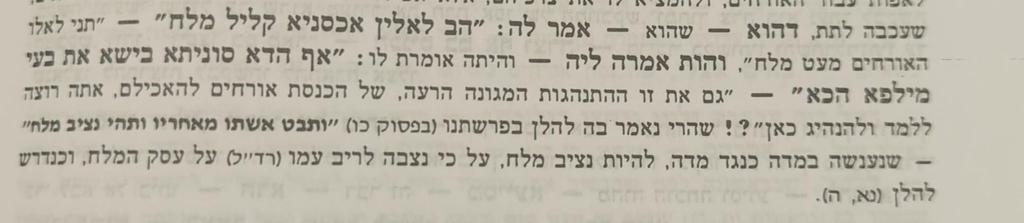
(ד) טֶ֘רֶם֮ יִשְׁכָּ֒בוּ֒ וְאַנְשֵׁ֨י הָעִ֜יר אַנְשֵׁ֤י סְדֹם֙ נָסַ֣בּוּ עַל־הַבַּ֔יִת מִנַּ֖עַר וְעַד־זָקֵ֑ן כׇּל־הָעָ֖ם מִקָּצֶֽה׃
(4) They had not yet lain down, when the town council [and] the militia of Sodom—insignificant and influential alike, the whole assembly gathered about the house.

(ה) וַיִּקְרְא֤וּ אֶל־לוֹט֙ וַיֹּ֣אמְרוּ ל֔וֹ אַיֵּ֧ה הָאֲנָשִׁ֛ים אֲשֶׁר־בָּ֥אוּ אֵלֶ֖יךָ הַלָּ֑יְלָה הוֹצִיאֵ֣ם אֵלֵ֔ינוּ וְנֵדְעָ֖ה אֹתָֽם׃
(5) And they shouted to Lot and said to him, “Where are the ones who came to you tonight? Bring them out to us, that we may know them.”
(א) וְהָ֣אָדָ֔ם יָדַ֖ע אֶת־חַוָּ֣ה אִשְׁתּ֑וֹ וַתַּ֙הַר֙ וַתֵּ֣לֶד אֶת־קַ֔יִן וַתֹּ֕אמֶר קָנִ֥יתִי אִ֖ישׁ אֶת־יקוק׃
(1) Now the Human knew his wife Eve, and she conceived and bore Cain, saying, “I have gained*gained Echoing the Heb. wordplay: qanithi, connected with “Cain”; lit. “created, acquired.” a person*a person Or “someone new.” Lit. “a participant whose involvement defines the depicted situation.” Unlike “man” in contemporary English, Heb. ’ish can include infants in its denotative scope, as here and in Isa. 66.13. NJPS “male child”; trad. “man.” Cf. note at Num. 30.4 and see the Dictionary under ’ish. with the help of*with the help of Or “as did”; precise force of Heb. ’et uncertain. יקוק.”
קרי, קָרָה I, (קָרָא) (b. h.) to join.—Denom. קוֹרָה III.—לִקְרַאת to meet. Sabb. 31ᵃ ויצא לִקְרָאתוֹ and came out to meet him. Ib. 119ᵃ; B. Kam. 32ᵃ top לקראת כלה to meet the bride (the Sabbath); a. fr. Nif. - נִקְרָה to meet, join, esp. נִקְרֵי, נִיקְרֵי (denom. of קֶרִי) to lose semen. Gen. R. s. 52; s. 74, a. e. אין הלשון הזה וַיִּקָּר אלא לשון טומאה this expression vayiḳḳar (Num. XXIII, 4) has the meaning of uncleanness (by analogy from Deut. XXIII, 11).—Meg. 15ᵃ; Taan. 5ᵇ. Yeb. 76ᵃ Hof. - הוּקְרָה same, to have (nocturnal) pollution; to lose semen. Y. Snh. II, 20ᵇ top; Midr. Sam. ch. XXIII (ref. to I Sam. XXV, 20) ותפגש אותם הוּקְרוּ כולן ‘she struck them’ (with her charms), all of them met with &c.
(ו) וַיֵּצֵ֧א אֲלֵהֶ֛ם ל֖וֹט הַפֶּ֑תְחָה וְהַדֶּ֖לֶת סָגַ֥ר אַחֲרָֽיו׃ (ז) וַיֹּאמַ֑ר אַל־נָ֥א אַחַ֖י תָּרֵֽעוּ׃ (ח) הִנֵּה־נָ֨א לִ֜י שְׁתֵּ֣י בָנ֗וֹת אֲשֶׁ֤ר לֹֽא־יָדְעוּ֙ אִ֔ישׁ אוֹצִֽיאָה־נָּ֤א אֶתְהֶן֙ אֲלֵיכֶ֔ם וַעֲשׂ֣וּ לָהֶ֔ן כַּטּ֖וֹב בְּעֵינֵיכֶ֑ם רַ֠ק לָֽאֲנָשִׁ֤ים הָאֵל֙ אַל־תַּעֲשׂ֣וּ דָבָ֔ר כִּֽי־עַל־כֵּ֥ן בָּ֖אוּ בְּצֵ֥ל קֹרָתִֽי׃
(6) So Lot went out to them to the entrance, shut the door behind him, (7) and said, “I beg you, my friends, do not commit such a wrong.
(8) Look, I have two daughters who have not known a man. Let me bring them out to you, and you may do to them as you please; but do not do anything to the others,*the others since they have come under the shelter of my roof.”
(כט) וַיְהִ֗י בְּשַׁחֵ֤ת אֱלֹקִים֙ אֶת־עָרֵ֣י הַכִּכָּ֔ר וַיִּזְכֹּ֥ר אֱלֹקִ֖ים אֶת־אַבְרָהָ֑ם וַיְשַׁלַּ֤ח אֶת־לוֹט֙ מִתּ֣וֹךְ הַהֲפֵכָ֔ה בַּהֲפֹךְ֙ אֶת־הֶ֣עָרִ֔ים אֲשֶׁר־יָשַׁ֥ב בָּהֵ֖ן לֽוֹט׃
(29) Thus it was that, when God destroyed the cities of the Plain and annihilated the cities where Lot dwelt, God was mindful of Abraham and removed Lot from the midst of the upheaval.
נָטָה215 vb. stretch out, spread out, extend, incline, bend (NH id., incline, spread tent, etc.; Arabic نطو, نَطَا stretch out);—Qal137 Pf. 3 ms. נ׳ Gn 33:19 +; 3 fs. נָֽטְתָה Nu 22:33; 2 ms. נָטִיתָ Ex 15:12; 3 pl. נָטוּ ψ 21:12 Is 45:12, נָטָ֫יוּ ψ 73:2 Qr, etc.; Impf. יִטֶּה Jb 15:29, juss. יֵט Zp 2:13; וַיֵּט Gn 12:8 +, וַיֶּט־ Gn 26:27 +; 3 fs. תִּטֶּה Jb 31:7, וַתֵּט Nu 22:23 +; 2 ms. juss. תֵּט Pr 4:5, 27; Impf. Is אָט Jb 23:11; 3 mpl. וַיִּטּוּ 1 S 8:3; 1 pl. נִטֶּה Nu 20:17; Imv. נְטֵה Ex 8:1 +; Inf. cstr. נְטוֹת Ju 19:8 + 4 times, נְטֹת Ex 23:2; sf. נְטֹתִי Ex 7:5, נְטוֹתוֹ ψ 109:23; Pt. act. נֹטֶה Je 10:20 + 6 times, נוֹטֶה Ez 25:16 + 3 times; sf. נוֹטֵיהֶם Is 42:5; pass. נָטוּי ψ 62:4 + 2 times, + ψ 73:2 (v. infr.); fs. נְטוּיָה Is 5:25 + 24 times; pl. נְטֻיוֹת Is 3:16 Qr (Kt נטוות):— 1. a. stretch out, extend, hand, rod, usually c. acc. + עַל of direction Ex 9:22, 23; 10:12, 13, 21, 22 (all E), 7:19; 14:16, 21, 26, 27 (all P), abs. Jos 8:19 (JE), Ex 8:12 (P); c. ב of dart or rod נ׳ בַּכִּידוֹן אֶל־ Jos 8:18(×2) (JE), נ׳ יָֽדְךָ בְּמַטֶּ֔ךָ עַל־ Ex 8:1 (P), cf. v 2 and (עַל om.) v 13 (all P), Jos 8:26 (JE); fig. of hostility to God נ׳ יָדוֹ אֶל־ Jb 15:25; especially of God stretching out his hand over (עַל), often with idea of against, i. e. in judgment, Is 5:25; 23:11 Zp 1:4; 2:13 Ez 6:14 + 7 times Ez, Ex 7:5 (P); c. אֶל־ against Je 51:25, cf. sword Ez 30:25; abs. Ex 15:12 (song); pt. pass. נ׳ גָּרוֹן Is 3:16 outstretched of neck; often זְרוֹע נְטוּיָה arm stretched out (of י׳) to deliver, Dt 4:34 + 14 times (v. זְרוֹעַ); אֶזְרוֹעַ נ׳ Je 32:21; יָד נ׳, to oppose, Je 21:5; עוֹד יָדוֹ נְטוּיָה in judgment, Is 5:25 (‖ לֹא שָׁב אַפּוֹ), so 9:11, 16, 20; 10:4 (all ‖ id.), cf. 14:27; הַיָּד הַנְּטוּיָה עַל־ v 26; נָטִיתִי יָדִי Pr 1:24 (of wisdom’s appeal; ‖ קָרָאתִי). b. stretch line and plummet, c. עַל, 2 K 21:13 (subj. י׳; fig. of destruction), cf. Is 34:11 La 2:8; line, of artisan’s measurements (abs.) Is 44:13, and (c. עַל) Jb 38:5. c. = offer, only שָׁלוֹשׁ אֲנִי נֹטֶה עָלֶיךָ 1 Ch 21:10 three things do I offer unto thee (so read prob. also ‖ 2 S 24:12, v. נטל). 2. Spread out, i. e. pitch, tent Gn 12:8; 26:25; 35:21 (all J), 33:19 (E), Ju 4:11, cf. Je 43:10; fig. of establishing people Je 10:20; of sacred tent Ex 33:7 (JE), 2 S 6:17 = 1 Ch 16:1, 1 Ch 15:1 2 Ch 1:4; obj. heavens (spread out by י׳ as tent) Je 10:12 + 9 times, cf. Jb 26:7; obj. likeness of firmament in Ezek.’s vision Ez 1:22. 3. Bend, turn, incline: a. intrans., of wady Nu 21:15 (JE; c. לְ); turn aside, of Balaam’s ass 22:23 (מִן־הַדֶּרֶךְ), v 33 (מִפָּנַי), cf. v 33 (לְפָנַי); c. adv. acc. 22:26, so of Isr. 20:17, and (c. מֵעָלָיו) v 21; c. ב into, 21:22; of individ. 2 S 2:19 (לָלֶכֶת עַל), v 21 (עַל), Je 14:8 (c. inf.); cf. Gn 38:1 (עַד), v 16 (אֶל־); fig. of deviating from path of loyalty 1 K 2:28 (c. אַחֲרֵי), cf. Ju 9:3 (of heart), or of righteousness Ex 23:2 [yet on text cf. Bu ZAW xi (1891), 113 Ry ad loc.], 1 S 8:3 (all c. אַחֲרֵי); c. מִן Jb 31:7 ψ 44:19, cf. Pr 4:5 and (c. adv. acc.) v 27; מֵעִם י׳ 1 K 11:9 (of heart), cf. ψ 119:51, 157; incline, of heart, c. לְ 1 S 14:7 (read לְבָֽבְךָ נָטָה לוֹ or נֹטֶה ל׳ Th We Dr Klo Bu HPS Löhr); decline, of shadow on dial 2 K 20:10 (‖ הָלַךְ, opp. אֲחֹרַנִּית שׁוּב), fig. of failing life ψ 102:12; 109:23; of day Ju 19:8 + v 9 (text emend., v. GFM); bend down יִטֶּה לָאָרֶץ Jb 15:29, לִנְטוֹת בָּאָרֶץ ψ 17:11; appar. וַיֵּט בְּכחַ Ju 16:30 and he bowed with all his might (after וַיִּלְפֹּת, וַיִּסָּמֵךְ; al. stretched himself, i. e. gave a thrust, Be GFM, but vb. less often intrans. in this sense); of י׳, וַיֵּט אֵלַי ψ 40:2 and he inclined unto me. b. less often trans., bend, bow, וַיֵּט שִׁכְמוֹ לִסְבֹּל Gn 49:15 (Issachar under fig. of ass); קִיר נָטוּי ψ 62:4 (sim. of fate of wicked; ‖ גָּדֵר הַדְּחוּיָה); here belongs also prob. וַאֲנִי כִּמְעַט נָטוּי רַגְלָ֑י ψ 73:2 (Kt) and I was almost prostrated as to my feet (i.e. by stumbling; Qr נָטָיוּ Pf. 3 mpl. but needless, cf. Ol Bae; ‖ כְּאַיִן שֻׁפְּכֻה אֲשֻׁרָֽי׃); נָטִיתִי לִבִּי ψ 119:112 I have inclined my heart (c. inf.); of י׳, שָׁמַיִם וַיֵּרַ֑ד וַיֵּט 2 S 22:10 = ψ 18:10; also fig., hold out, extend unto, of י׳, obj. חֶסֶד Gn 39:21 (J), שָׁלוֹם, etc., Is 66:12 (both c. אֶל־); of men רָעָה ψ 21:12 (עַל).†Niph. be stretched out;—Pf. 3 mpl. נִטָּ֫יוּ Nu 24:6 (JE; cf. ii. נַחַל); Impf. 3 ms. יִנָּטֶה עַל־ Zc 1:16 (of measuring line, for building); stretch themselves out, i. e. grow long, 3 mpl. יִנָּטוּ Je 6:4 (of shadows, ‖ פָּנָה הַיּוֹם).Hiph.75 Pf. הִטָּה Ezr 7:28 ψ 116:2, sf. הִטָּ֫הוּ; 3 fs. sf. הִטַּ֫תּוּ Pr 7:21; 1 s. הִטִּיתִי Pr 5:13; 3 pl. הִטּוּ Am 5:12 + 8 times; 2 mpl. הִטִּיתֶם Je 25:4; 35:15; Impf. יַטֶּה Is 31:3, וַיַּט 2 S 19:15 Ezr 9:9; 2 ms. תַּטֶּה Ex 23:6 + 3 times, juss. תַּט ψ 27:9; 141:4; 1 s. אַטֶּה Je 6:12 ψ 49:5, אָ֑ט Jb 23:11, וְאַט Ho 11:4, but read perhaps וָאַט (cf. Now) as Je 15:6; etc.; Imv. הַטֵּה 2 K 19:16 + 7 times, הַט ψ 17:6 + 5 times ψψ Pr; fs. הַטִּי Gn 24:14 ψ 45:11; mpl. הַטּוּ Jos 24:23 + 3 times; Inf. cstr. לְהַטּוֹת Is 10:8 + 4 times, לְהַטֹּת Ex 23:2; sf. לְהַטּוֹתָהּ Nu 22:23; Pt. מַטֶּה Dt 27:19; mpl. מַטִּים ψ 125:5, cstr. מַטֵּי Mal 3:5;— 1. rarely stretch out (as Qal 1), hand Is 31:3 (of י׳ in hostility), c. עַל Je 6:12; 15:6. 2. rarely spread out cloth on (אֶל) rock 2 S 21:10; as Qal 2: tent 16:22 (+ ל pers.), tent-curtains (fig. of growth) Is 54:2. 3. usually turn, incline, c. acc., in many senses: a. lit. turn ass into (acc.) road Nu 22:23 (JE); take aside 2 S 3:27 (acc. pers. + אֶל־), 6:10 (acc. rei + acc. = to) = 1 Ch 13:13 (אֶל־); incline, turn jar of water Gn 24:14 (J; to give drink); intrans. only יַטּוּ עַל־ Am 2:8 on garments taken in pledge they recline, and הַטּוּ מִנֵּי־אֹרַח Is 30:11 turn aside, out of the path (i. e. do not interfere with us; ‖ סוּרוּ מִנֵּי־דֶרֶךְ). b. fig., הַמַּטִּים עֲקַלְקַלּוֹתָם ψ 125:5 those turning aside their crooked (ways), i. e. making their ways crooked; cf. (neg.) Jb 23:11. c. turn, = influence, heart 2 S 19:15; turn (away) heart (cause to apostatize) 1 K 11:2, 4 (c. אַחֲרֵי), v 3 (abs.); לֵב subj., c. acc. pers. Is 44:20 cf. Jb 36:18 (acc. pers.); of persuasion, c. acc. pers. Pr 7:21 (‖ תַּדִּיחֶנּוּ). d. incline one’s own heart unto (אֶל) God and his commands, Jos 24:23 (E), cf. Pr 2:2 (ל); subj. י׳, 1 K 8:58 ψ 119:36, c. עַל־ Pr 21:1; neg. (c. ל) ψ 141:4. e. especially incline the ear, of men (in obedience to God), usually ‖ שָׁמַע: abs. Je 7:24 + 6 times Je (all neg.), so 25:4; 44:5 (+ inf.), Is 55:3; to inspired teacher Pr 4:20 (‖ הִקְשִׁיב), 5:1 (‖ id.) v 13 (all c. ל), 22:17 ψ 45:11; 78:1 (‖ הַאֲזִינָה); to receive revelation ψ 49:5; of God, listening to men, sometimes ‖ שָׁמַע: 2 K 19:16 = Is 37:17, Dn 9:18, c. ל ψ 17:6; also (c. אֶל־) 31:3; 71:2; 102:3, c. לְ 88:3; 116:2, abs. 86:1; once וְאַט אֵלָיו Ho 11:4 and I used to incline etc. (either rare intrans., or obj. om., e.g. אָזְנִי; read perhaps וָאַט (וָאֵט?) and I inclined, after וָאֶהְיֶה). f. bend down heavens, of י׳ (cf. Qal 3 b), ψ 144:5; = hold out, extend unto (from above, עַל) Ezr 7:28; 9:9 (obj. חֶסֶד). g. thrust aside, especially c. acc. מִשְׁפָּט, of perverting or wresting justice: Ex 23:6 (E), 1 S 8:3 Dt 16:19; 24:17; 27:19 La 3:35, cf. Am 2:7; לְהַטּוֹת אָרְחוֹת מִשְׁפָּט Pr 17:23; also c. acc. pers. לְהַטּוֹת מִדִּין דַּלִּים Is 10:2 Am 5:12; Is 29:21 Mal 3:5, יַטּוּ אֶבְיֹנִים מִדָּ֑רֶךְ Jb 24:4, לְהַטּוֹת צַדִּיק בַּמִּשְׁפָּט Pr 18:5; here belongs prob. לְהַטֹּת Ex 23:2 (E; abs.), perhaps ins. מִשְׁפָּט (cf. Bu ZAW xi. (1891), 113 Ryad loc.). h. thrust away, of י׳, אַל־תַּט בְּאַף עַבְדֶּ֑ךָ ψ 27:9; cf. עֲוֹנוֹתֵיכֶם הִטּוּ־אֵלֶּה Je 5:25 your iniquities have thrust away (deprived you of) these (harvests).
(א) וַ֠יָּבֹ֠אוּ שְׁנֵ֨י הַמַּלְאָכִ֤ים סְדֹ֙מָה֙ בָּעֶ֔רֶב וְל֖וֹט יֹשֵׁ֣ב בְּשַֽׁעַר־סְדֹ֑ם וַיַּרְא־לוֹט֙ וַיָּ֣קׇם לִקְרָאתָ֔ם וַיִּשְׁתַּ֥חוּ אַפַּ֖יִם אָֽרְצָה׃ (ב) וַיֹּ֜אמֶר הִנֶּ֣ה נָּא־אדושם ס֣וּרוּ נָ֠א אֶל־בֵּ֨ית עַבְדְּכֶ֤ם וְלִ֙ינוּ֙ וְרַחֲצ֣וּ רַגְלֵיכֶ֔ם וְהִשְׁכַּמְתֶּ֖ם וַהֲלַכְתֶּ֣ם לְדַרְכְּכֶ֑ם וַיֹּאמְר֣וּ לֹּ֔א כִּ֥י בָרְח֖וֹב נָלִֽין׃ (ג) וַיִּפְצַר־בָּ֣ם מְאֹ֔ד וַיָּסֻ֣רוּ אֵלָ֔יו וַיָּבֹ֖אוּ אֶל־בֵּית֑וֹ וַיַּ֤עַשׂ לָהֶם֙ מִשְׁתֶּ֔ה וּמַצּ֥וֹת אָפָ֖ה וַיֹּאכֵֽלוּ׃ (ד) טֶ֘רֶם֮ יִשְׁכָּ֒בוּ֒ וְאַנְשֵׁ֨י הָעִ֜יר אַנְשֵׁ֤י סְדֹם֙ נָסַ֣בּוּ עַל־הַבַּ֔יִת מִנַּ֖עַר וְעַד־זָקֵ֑ן כׇּל־הָעָ֖ם מִקָּצֶֽה׃ (ה) וַיִּקְרְא֤וּ אֶל־לוֹט֙ וַיֹּ֣אמְרוּ ל֔וֹ אַיֵּ֧ה הָאֲנָשִׁ֛ים אֲשֶׁר־בָּ֥אוּ אֵלֶ֖יךָ הַלָּ֑יְלָה הוֹצִיאֵ֣ם אֵלֵ֔ינוּ וְנֵדְעָ֖ה אֹתָֽם׃ (ו) וַיֵּצֵ֧א אֲלֵהֶ֛ם ל֖וֹט הַפֶּ֑תְחָה וְהַדֶּ֖לֶת סָגַ֥ר אַחֲרָֽיו׃ (ז) וַיֹּאמַ֑ר אַל־נָ֥א אַחַ֖י תָּרֵֽעוּ׃ (ח) הִנֵּה־נָ֨א לִ֜י שְׁתֵּ֣י בָנ֗וֹת אֲשֶׁ֤ר לֹֽא־יָדְעוּ֙ אִ֔ישׁ אוֹצִֽיאָה־נָּ֤א אֶתְהֶן֙ אֲלֵיכֶ֔ם וַעֲשׂ֣וּ לָהֶ֔ן כַּטּ֖וֹב בְּעֵינֵיכֶ֑ם רַ֠ק לָֽאֲנָשִׁ֤ים הָאֵל֙ אַל־תַּעֲשׂ֣וּ דָבָ֔ר כִּֽי־עַל־כֵּ֥ן בָּ֖אוּ בְּצֵ֥ל קֹרָתִֽי׃ (ט) וַיֹּאמְר֣וּ ׀ גֶּשׁ־הָ֗לְאָה וַיֹּֽאמְרוּ֙ הָאֶחָ֤ד בָּֽא־לָגוּר֙ וַיִּשְׁפֹּ֣ט שָׁפ֔וֹט עַתָּ֕ה נָרַ֥ע לְךָ֖ מֵהֶ֑ם וַיִּפְצְר֨וּ בָאִ֤ישׁ בְּלוֹט֙ מְאֹ֔ד וַֽיִּגְּשׁ֖וּ לִשְׁבֹּ֥ר הַדָּֽלֶת׃ (י) וַיִּשְׁלְח֤וּ הָֽאֲנָשִׁים֙ אֶת־יָדָ֔ם וַיָּבִ֧יאוּ אֶת־ל֛וֹט אֲלֵיהֶ֖ם הַבָּ֑יְתָה וְאֶת־הַדֶּ֖לֶת סָגָֽרוּ׃ (יא) וְֽאֶת־הָאֲנָשִׁ֞ים אֲשֶׁר־פֶּ֣תַח הַבַּ֗יִת הִכּוּ֙ בַּסַּנְוֵרִ֔ים מִקָּטֹ֖ן וְעַד־גָּד֑וֹל וַיִּלְא֖וּ לִמְצֹ֥א הַפָּֽתַח׃ (יב) וַיֹּאמְר֨וּ הָאֲנָשִׁ֜ים אֶל־ל֗וֹט עֹ֚ד מִֽי־לְךָ֣ פֹ֔ה חָתָן֙ וּבָנֶ֣יךָ וּבְנֹתֶ֔יךָ וְכֹ֥ל אֲשֶׁר־לְךָ֖ בָּעִ֑יר הוֹצֵ֖א מִן־הַמָּקֽוֹם׃ (יג) כִּֽי־מַשְׁחִתִ֣ים אֲנַ֔חְנוּ אֶת־הַמָּק֖וֹם הַזֶּ֑ה כִּֽי־גָדְלָ֤ה צַעֲקָתָם֙ אֶת־פְּנֵ֣י יקוק וַיְשַׁלְּחֵ֥נוּ יקוק לְשַׁחֲתָֽהּ׃ (יד) וַיֵּצֵ֨א ל֜וֹט וַיְדַבֵּ֣ר ׀ אֶל־חֲתָנָ֣יו ׀ לֹקְחֵ֣י בְנֹתָ֗יו וַיֹּ֙אמֶר֙ ק֤וּמוּ צְּאוּ֙ מִן־הַמָּק֣וֹם הַזֶּ֔ה כִּֽי־מַשְׁחִ֥ית יקוק אֶת־הָעִ֑יר וַיְהִ֥י כִמְצַחֵ֖ק בְּעֵינֵ֥י חֲתָנָֽיו׃ (טו) וּכְמוֹ֙ הַשַּׁ֣חַר עָלָ֔ה וַיָּאִ֥יצוּ הַמַּלְאָכִ֖ים בְּל֣וֹט לֵאמֹ֑ר קוּם֩ קַ֨ח אֶֽת־אִשְׁתְּךָ֜ וְאֶת־שְׁתֵּ֤י בְנֹתֶ֙יךָ֙ הַנִּמְצָאֹ֔ת פֶּן־תִּסָּפֶ֖ה בַּעֲוֺ֥ן הָעִֽיר׃ (טז) וַֽיִּתְמַהְמָ֓הּ ׀ וַיַּחֲזִ֨יקוּ הָאֲנָשִׁ֜ים בְּיָד֣וֹ וּבְיַד־אִשְׁתּ֗וֹ וּבְיַד֙ שְׁתֵּ֣י בְנֹתָ֔יו בְּחֶמְלַ֥ת יקוק עָלָ֑יו וַיֹּצִאֻ֥הוּ וַיַּנִּחֻ֖הוּ מִח֥וּץ לָעִֽיר׃ (יז) וַיְהִי֩ כְהוֹצִיאָ֨ם אֹתָ֜ם הַח֗וּצָה וַיֹּ֙אמֶר֙ הִמָּלֵ֣ט עַל־נַפְשֶׁ֔ךָ אַל־תַּבִּ֣יט אַחֲרֶ֔יךָ וְאַֽל־תַּעֲמֹ֖ד בְּכׇל־הַכִּכָּ֑ר הָהָ֥רָה הִמָּלֵ֖ט פֶּן־תִּסָּפֶֽה׃ (יח) וַיֹּ֥אמֶר ל֖וֹט אֲלֵהֶ֑ם אַל־נָ֖א אדושם׃ (יט) הִנֵּה־נָ֠א מָצָ֨א עַבְדְּךָ֣ חֵן֮ בְּעֵינֶ֒יךָ֒ וַתַּגְדֵּ֣ל חַסְדְּךָ֗ אֲשֶׁ֤ר עָשִׂ֙יתָ֙ עִמָּדִ֔י לְהַחֲי֖וֹת אֶת־נַפְשִׁ֑י וְאָנֹכִ֗י לֹ֤א אוּכַל֙ לְהִמָּלֵ֣ט הָהָ֔רָה פֶּן־תִּדְבָּקַ֥נִי הָרָעָ֖ה וָמַֽתִּי׃ (כ) הִנֵּה־נָ֠א הָעִ֨יר הַזֹּ֧את קְרֹבָ֛ה לָנ֥וּס שָׁ֖מָּה וְהִ֣וא מִצְעָ֑ר אִמָּלְטָ֨ה נָּ֜א שָׁ֗מָּה הֲלֹ֥א מִצְעָ֛ר הִ֖וא וּתְחִ֥י נַפְשִֽׁי׃ (כא) וַיֹּ֣אמֶר אֵלָ֔יו הִנֵּה֙ נָשָׂ֣אתִי פָנֶ֔יךָ גַּ֖ם לַדָּבָ֣ר הַזֶּ֑ה לְבִלְתִּ֛י הׇפְכִּ֥י אֶת־הָעִ֖יר אֲשֶׁ֥ר דִּבַּֽרְתָּ׃ (כב) מַהֵר֙ הִמָּלֵ֣ט שָׁ֔מָּה כִּ֣י לֹ֤א אוּכַל֙ לַעֲשׂ֣וֹת דָּבָ֔ר עַד־בֹּאֲךָ֖ שָׁ֑מָּה עַל־כֵּ֛ן קָרָ֥א שֵׁם־הָעִ֖יר צֽוֹעַר׃ (כג) הַשֶּׁ֖מֶשׁ יָצָ֣א עַל־הָאָ֑רֶץ וְל֖וֹט בָּ֥א צֹֽעֲרָה׃ (כד) וַֽיקוק הִמְטִ֧יר עַל־סְדֹ֛ם וְעַל־עֲמֹרָ֖ה גׇּפְרִ֣ית וָאֵ֑שׁ מֵאֵ֥ת יקוק מִן־הַשָּׁמָֽיִם׃ (כה) וַֽיַּהֲפֹךְ֙ אֶת־הֶעָרִ֣ים הָאֵ֔ל וְאֵ֖ת כׇּל־הַכִּכָּ֑ר וְאֵת֙ כׇּל־יֹשְׁבֵ֣י הֶעָרִ֔ים וְצֶ֖מַח הָאֲדָמָֽה׃ (כו) וַתַּבֵּ֥ט אִשְׁתּ֖וֹ מֵאַחֲרָ֑יו וַתְּהִ֖י נְצִ֥יב מֶֽלַח׃ (כז) וַיַּשְׁכֵּ֥ם אַבְרָהָ֖ם בַּבֹּ֑קֶר אֶ֨ל־הַמָּק֔וֹם אֲשֶׁר־עָ֥מַד שָׁ֖ם אֶת־פְּנֵ֥י יקוק׃ (כח) וַיַּשְׁקֵ֗ף עַל־פְּנֵ֤י סְדֹם֙ וַעֲמֹרָ֔ה וְעַֽל־כׇּל־פְּנֵ֖י אֶ֣רֶץ הַכִּכָּ֑ר וַיַּ֗רְא וְהִנֵּ֤ה עָלָה֙ קִיטֹ֣ר הָאָ֔רֶץ כְּקִיטֹ֖ר הַכִּבְשָֽׁן׃ (כט) וַיְהִ֗י בְּשַׁחֵ֤ת אֱלֹקִים֙ אֶת־עָרֵ֣י הַכִּכָּ֔ר וַיִּזְכֹּ֥ר אֱלֹקִ֖ים אֶת־אַבְרָהָ֑ם וַיְשַׁלַּ֤ח אֶת־לוֹט֙ מִתּ֣וֹךְ הַהֲפֵכָ֔ה בַּהֲפֹךְ֙ אֶת־הֶ֣עָרִ֔ים אֲשֶׁר־יָשַׁ֥ב בָּהֵ֖ן לֽוֹט׃ (ל) וַיַּ֩עַל֩ ל֨וֹט מִצּ֜וֹעַר וַיֵּ֣שֶׁב בָּהָ֗ר וּשְׁתֵּ֤י בְנֹתָיו֙ עִמּ֔וֹ כִּ֥י יָרֵ֖א לָשֶׁ֣בֶת בְּצ֑וֹעַר וַיֵּ֙שֶׁב֙ בַּמְּעָרָ֔ה ה֖וּא וּשְׁתֵּ֥י בְנֹתָֽיו׃ (לא) וַתֹּ֧אמֶר הַבְּכִירָ֛ה אֶל־הַצְּעִירָ֖ה אָבִ֣ינוּ זָקֵ֑ן וְאִ֨ישׁ אֵ֤ין בָּאָ֙רֶץ֙ לָב֣וֹא עָלֵ֔ינוּ כְּדֶ֖רֶךְ כׇּל־הָאָֽרֶץ׃ (לב) לְכָ֨ה נַשְׁקֶ֧ה אֶת־אָבִ֛ינוּ יַ֖יִן וְנִשְׁכְּבָ֣ה עִמּ֑וֹ וּנְחַיֶּ֥ה מֵאָבִ֖ינוּ זָֽרַע׃ (לג) וַתַּשְׁקֶ֧יןָ אֶת־אֲבִיהֶ֛ן יַ֖יִן בַּלַּ֣יְלָה ה֑וּא וַתָּבֹ֤א הַבְּכִירָה֙ וַתִּשְׁכַּ֣ב אֶת־אָבִ֔יהָ וְלֹֽא־יָדַ֥ע בְּשִׁכְבָ֖הּ וּבְקוּׄמָֽהּ׃ (לד) וַֽיְהִי֙ מִֽמׇּחֳרָ֔ת וַתֹּ֤אמֶר הַבְּכִירָה֙ אֶל־הַצְּעִירָ֔ה הֵן־שָׁכַ֥בְתִּי אֶ֖מֶשׁ אֶת־אָבִ֑י נַשְׁקֶ֨נּוּ יַ֜יִן גַּם־הַלַּ֗יְלָה וּבֹ֙אִי֙ שִׁכְבִ֣י עִמּ֔וֹ וּנְחַיֶּ֥ה מֵאָבִ֖ינוּ זָֽרַע׃ (לה) וַתַּשְׁקֶ֜יןָ גַּ֣ם בַּלַּ֧יְלָה הַה֛וּא אֶת־אֲבִיהֶ֖ן יָ֑יִן וַתָּ֤קׇם הַצְּעִירָה֙ וַתִּשְׁכַּ֣ב עִמּ֔וֹ וְלֹֽא־יָדַ֥ע בְּשִׁכְבָ֖הּ וּבְקֻמָֽהּ׃ (לו) וַֽתַּהֲרֶ֛יןָ שְׁתֵּ֥י בְנֽוֹת־ל֖וֹט מֵאֲבִיהֶֽן׃ (לז) וַתֵּ֤לֶד הַבְּכִירָה֙ בֵּ֔ן וַתִּקְרָ֥א שְׁמ֖וֹ מוֹאָ֑ב ה֥וּא אֲבִֽי־מוֹאָ֖ב עַד־הַיּֽוֹם׃ (לח) וְהַצְּעִירָ֤ה גַם־הִוא֙ יָ֣לְדָה בֵּ֔ן וַתִּקְרָ֥א שְׁמ֖וֹ בֶּן־עַמִּ֑י ה֛וּא אֲבִ֥י בְנֵֽי־עַמּ֖וֹן עַד־הַיּֽוֹם׃ {ס}
(1) The two messengers arrived in Sodom in the evening, as Lot was sitting in the gate of Sodom. When Lot saw them, he rose to greet them and, bowing low with his face to the ground, (2) he said, “Please, my lords, turn aside to your servant’s house to spend the night, and bathe your feet; then you may be on your way early.” But they said, “No, we will spend the night in the square.” (3) But he urged them strongly, so they turned his way and entered his house. He prepared a feast for them and baked unleavened bread, and they ate. (4) They had not yet lain down, when the town council [and] the militia of Sodom*town council [and] the militia of Sodom Cf. Gen. 34.20, Josh. 7.4–5, and Judg. 20.2. Heb. we-’anshe ha-‘ir ’anshe sedom; NJPS “the townspeople, the men of Sodom,” trad. “the men of the city, the men of Sodom.” —insignificant and influential alike,*insignificant and influential alike NJPS “young and old,” trad. “both young and old”; Heb. mi-na‘ar we-‘ad zaqen. See the Dictionary under na‘ar and “elders.” the whole assembly without exception—gathered about the house. (5) And they shouted to Lot and said to him, “Where are the ones*ones Lit. “participants whose involvement defines the depicted situation.” NJPS “men.” See the Dictionary under ’ish. who came to you tonight? Bring them out to us, that we may be intimate with*be intimate with I.e., humiliate. them.” (6) So Lot went out to them to the entrance, shut the door behind him, (7) and said, “I beg you, my friends, do not commit such a wrong. (8) Look, I have two daughters*daughters I.e., of great value to Lot; cf. Judg. 11.35; 2 Sam. 12.3. who have not known a man. Let me bring them out to you, and you may do to them as you please;*do to them as you please I.e., I will entrust them to you as hostages if you will trust me meanwhile with the visitors. but do not do anything to the others,*the others NJPS “these men.” Cf. note at v. 5. since they have come under the shelter of my roof.” (9) But they said, “Stand back! The fellow,” they said, “came here as an alien, and already he acts the ruler! Now we will deal worse with you than with them.” And they pressed hard against that householder*against that householder Heb. ba-’ish; NJPS “against the person [of Lot],” trad. “upon the man.” See the Dictionary under ’ish. —against Lot—and moved forward to break the door. (10) But the agents*agents See notes at 18.2, 16; cf. 19.1. stretched out their hands and pulled Lot into the house with them, and shut the door. (11) And the people*people So NJPS; lit. “[other] participants whose involvement defines the depicted situation.” Trad. “men.” See the Dictionary under ’ish. who were at the entrance of the house, low and high alike,*low and high alike Cf. note at v. 4. Heb. mi-katon we-‘ad gadol; NJPS “young and old,” trad. “both small and great.” they struck with blinding light, so that they were helpless to find the entrance. (12) Then the agents said to Lot, “Whom else have you here? Sons-in-law, your sons and daughters, or anyone else that you have in the city—bring them out of the place. (13) For we are about to destroy this place; because the outcry against them before יקוק has become so great that יקוק has sent us to destroy it.” (14) So Lot went out and spoke to his sons-in-law, who had married his daughters, and said, “Up, get out of this place, for יקוק is about to destroy the city.” But he seemed to his sons-in-law as one who jests. (15) As dawn broke, the messengers urged Lot on, saying, “Up, take your wife and your two remaining daughters, lest you be swept away because of the iniquity of the city.” (16) Still he delayed. So the agents seized his hand, and the hands of his wife and his two daughters—in יהוה’s mercy on him—and brought him out and left him outside the city. (17) When they had brought them outside, one said, “Flee for your life! Do not look behind you, nor stop anywhere in the Plain; flee to the hills, lest you be swept away.” (18) But Lot said to them, “Oh no, my lord! (19) You have been so gracious to your servant, and have already shown me so much kindness in order to save my life; but I cannot flee to the hills, lest the disaster overtake me and I die. (20) Look, that town there is near enough to flee to; it is such a little place! Let me flee there—it is such a little place—and let my life be saved.” (21) He replied, “Very well, I will grant you this favor too, and I will not annihilate the town of which you have spoken. (22) Hurry, flee there, for I cannot do anything until you arrive there.” Hence the town came to be called Zoar.*Zoar Connected with miṣ‘ar “a little place,” v. 20. (23) As the sun rose upon the earth and Lot entered Zoar, (24) יקוק rained upon Sodom and Gomorrah sulfurous fire from יקוק out of heaven— (25) annihilating those cities and the entire Plain, and all the inhabitants of the cities and the vegetation of the ground. (26) Lot’s*Lot’s Lit. “His.” wife looked back,*back Lit. “behind him.” and she thereupon turned into a pillar of salt. (27) Next morning, Abraham hurried to the place where he had stood before יקוק, (28) and, looking down toward Sodom and Gomorrah and all the land of the Plain, he saw the smoke of the land rising like the smoke of a kiln. (29) Thus it was that, when God destroyed the cities of the Plain and annihilated the cities where Lot dwelt, God was mindful of Abraham and removed Lot from the midst of the upheaval. (30) Lot went up from Zoar and settled in the hill country with his two daughters, for he was afraid to dwell in Zoar; and he and his two daughters lived in a cave. (31) And the older one said to the younger, “Our father is old, and there is not a man on earth to consort with us in the way of all the world. (32) Come, let us make our father drink wine, and let us lie with him, that we may maintain life through our father.” (33) That night they made their father drink wine, and the older one went in and lay with her father; he did not know when she lay down or when she rose. (34) The next day the older one said to the younger, “See, I lay with Father last night; let us make him drink wine tonight also, and you go and lie with him, that we may maintain life through our father.” (35) That night also they made their father drink wine, and the younger one went and lay with him; he did not know when she lay down or when she rose. (36) Thus the two daughters of Lot became pregnant by their father. (37) The older one bore a son and named him Moab;*Moab As though me-’ab “from (my) father.” he is the father of the Moabites of today. (38) And the younger also bore a son, and she called him Ben-ammi;*Ben-ammi As though “son of my (paternal) kindred.” See further the Dictionary under ‘am. he is the father of the Ammonites of today.
(ט) וַיֹּאמְר֣וּ ׀ גֶּשׁ־הָ֗לְאָה וַיֹּֽאמְרוּ֙ הָאֶחָ֤ד בָּֽא־לָגוּר֙ וַיִּשְׁפֹּ֣ט שָׁפ֔וֹט עַתָּ֕ה נָרַ֥ע לְךָ֖ מֵהֶ֑ם וַיִּפְצְר֨וּ בָאִ֤ישׁ בְּלוֹט֙ מְאֹ֔ד וַֽיִּגְּשׁ֖וּ לִשְׁבֹּ֥ר הַדָּֽלֶת׃
(9) But they said, “Stand back! The fellow,” they said, “came here as an alien, and already he acts the ruler! Now we will deal worse with you than with them.” And they pressed hard against that householder. —against Lot—and moved forward to break the door.
(יז) וַֽיקוק אָמָ֑ר הַֽמְכַסֶּ֤ה אֲנִי֙ מֵֽאַבְרָהָ֔ם אֲשֶׁ֖ר אֲנִ֥י עֹשֶֽׂה׃ (יח) וְאַ֨בְרָהָ֔ם הָי֧וֹ יִֽהְיֶ֛ה לְג֥וֹי גָּד֖וֹל וְעָצ֑וּם וְנִ֨בְרְכוּ־ב֔וֹ כֹּ֖ל גּוֹיֵ֥י הָאָֽרֶץ׃ (יט) כִּ֣י יְדַעְתִּ֗יו לְמַ֩עַן֩ אֲשֶׁ֨ר יְצַוֶּ֜ה אֶת־בָּנָ֤יו וְאֶת־בֵּיתוֹ֙ אַחֲרָ֔יו וְשָֽׁמְרוּ֙ דֶּ֣רֶךְ יקוק לַעֲשׂ֥וֹת צְדָקָ֖ה וּמִשְׁפָּ֑ט לְמַ֗עַן הָבִ֤יא יקוק עַל־אַבְרָהָ֔ם אֵ֥ת אֲשֶׁר־דִּבֶּ֖ר עָלָֽיו׃
(17) Now יקוק had said, “Shall I hide from Abraham what I am about to do, (18) since Abraham is to become a great and populous nation and all the nations of the earth are to bless themselves by him? (19) For I have singled him out, that he may instruct his children and his posterity to keep the way of יקוק by doing what is just and right, in order that יקוק may bring about for Abraham what has been promised him.”
(י) וַיִּשְׁלְח֤וּ הָֽאֲנָשִׁים֙ אֶת־יָדָ֔ם וַיָּבִ֧יאוּ אֶת־ל֛וֹט אֲלֵיהֶ֖ם הַבָּ֑יְתָה וְאֶת־הַדֶּ֖לֶת סָגָֽרוּ׃ (יא) וְֽאֶת־הָאֲנָשִׁ֞ים אֲשֶׁר־פֶּ֣תַח הַבַּ֗יִת הִכּוּ֙ בַּסַּנְוֵרִ֔ים מִקָּטֹ֖ן וְעַד־גָּד֑וֹל וַיִּלְא֖וּ לִמְצֹ֥א הַפָּֽתַח׃
(10) But the agents stretched out their hands and pulled Lot into the house with them, and shut the door. (11) And the people who were at the entrance of the house, low and high alike, they struck with blinding light, so that they were helpless to find the entrance.
(ד) טֶ֘רֶם֮ יִשְׁכָּ֒בוּ֒ וְאַנְשֵׁ֨י הָעִ֜יר אַנְשֵׁ֤י סְדֹם֙ נָסַ֣בּוּ עַל־הַבַּ֔יִת מִנַּ֖עַר וְעַד־זָקֵ֑ן כׇּל־הָעָ֖ם מִקָּצֶֽה׃
(4) They had not yet lain down, when the town council [and] the militia of Sodom*town council [and] the militia of Sodom Cf. Gen. 34.20, Josh. 7.4–5, and Judg. 20.2. Heb. we-’anshe ha-‘ir ’anshe sedom; NJPS “the townspeople, the men of Sodom,” trad. “the men of the city, the men of Sodom.” —insignificant and influential alike,*insignificant and influential alike NJPS “young and old,” trad. “both young and old”; Heb. mi-na‘ar we-‘ad zaqen. See the Dictionary under na‘ar and “elders.” the whole assembly without exception—gathered about the house.
(כג) וַיִּ֜מַח אֶֽת־כׇּל־הַיְק֣וּם ׀ אֲשֶׁ֣ר ׀ עַל־פְּנֵ֣י הָֽאֲדָמָ֗ה מֵאָדָ֤ם עַד־בְּהֵמָה֙ עַד־רֶ֙מֶשׂ֙ וְעַד־ע֣וֹף הַשָּׁמַ֔יִם וַיִּמָּח֖וּ מִן־הָאָ֑רֶץ וַיִּשָּׁ֧אֶר אַךְ־נֹ֛חַ וַֽאֲשֶׁ֥ר אִתּ֖וֹ בַּתֵּבָֽה׃
(23) All existence on earth was blotted out—humans, cattle, creeping things, and birds of the sky; they were blotted out from the earth. Only Noah was left, and those with him in the ark.
(ה) וַיַּ֣רְא יקוק כִּ֥י רַבָּ֛ה רָעַ֥ת הָאָדָ֖ם בָּאָ֑רֶץ וְכׇל־יֵ֙צֶר֙ מַחְשְׁבֹ֣ת לִבּ֔וֹ רַ֥ק רַ֖ע כׇּל־הַיּֽוֹם׃
(5) יקוק saw how great was human wickedness on earth—how every plan devised by the human mind was nothing but evil all the time.
(יג) כִּ֣י לִי֮ כׇּל־בְּכוֹר֒ בְּיוֹם֩ הַכֹּתִ֨י כׇל־בְּכ֜וֹר בְּאֶ֣רֶץ מִצְרַ֗יִם הִקְדַּ֨שְׁתִּי לִ֤י כׇל־בְּכוֹר֙ בְּיִשְׂרָאֵ֔ל מֵאָדָ֖ם עַד־בְּהֵמָ֑ה לִ֥י יִהְי֖וּ אֲנִ֥י יקוק׃ {פ}
(13) For every male first-born is Mine: at the time that I smote every [male] first-born in the land of Egypt, I consecrated every male first-born in Israel, human and beast, to Myself, to be Mine, יהוה’s.

(כז) וְהִשְׁקָ֣הּ אֶת־הַמַּ֗יִם וְהָיְתָ֣ה אִֽם־נִטְמְאָה֮ וַתִּמְעֹ֣ל מַ֣עַל בְּאִישָׁהּ֒ וּבָ֨אוּ בָ֜הּ הַמַּ֤יִם הַמְאָֽרְרִים֙ לְמָרִ֔ים וְצָבְתָ֣ה בִטְנָ֔הּ וְנָפְלָ֖ה יְרֵכָ֑הּ וְהָיְתָ֧ה הָאִשָּׁ֛ה לְאָלָ֖ה בְּקֶ֥רֶב עַמָּֽהּ׃
(27) Once he has made her drink the water—if she has defiled herself by breaking faith with her husband, the spell-inducing water shall enter into her to bring on bitterness, so that her belly shall distend and her thigh shall sag; and the wife shall become a curse among her people.
(א) וַיְדַבֵּ֥ר יְהֹוָ֖ה אֶל־מֹשֶׁ֥ה לֵּאמֹֽר׃ (ב) צַ֚ו אֶת־בְּנֵ֣י יִשְׂרָאֵ֔ל וִֽישַׁלְּחוּ֙ מִן־הַֽמַּחֲנֶ֔ה כׇּל־צָר֖וּעַ וְכׇל־זָ֑ב וְכֹ֖ל טָמֵ֥א לָנָֽפֶשׁ׃ (ג) מִזָּכָ֤ר עַד־נְקֵבָה֙ תְּשַׁלֵּ֔חוּ אֶל־מִח֥וּץ לַֽמַּחֲנֶ֖ה תְּשַׁלְּח֑וּם וְלֹ֤א יְטַמְּאוּ֙ אֶת־מַ֣חֲנֵיהֶ֔ם אֲשֶׁ֥ר אֲנִ֖י שֹׁכֵ֥ן בְּתוֹכָֽם׃ (ד) וַיַּֽעֲשׂוּ־כֵן֙ בְּנֵ֣י יִשְׂרָאֵ֔ל וַיְשַׁלְּח֣וּ אוֹתָ֔ם אֶל־מִח֖וּץ לַֽמַּחֲנֶ֑ה כַּאֲשֶׁ֨ר דִּבֶּ֤ר יְהֹוָה֙ אֶל־מֹשֶׁ֔ה כֵּ֥ן עָשׂ֖וּ בְּנֵ֥י יִשְׂרָאֵֽל׃ {פ} (ה) וַיְדַבֵּ֥ר יְהֹוָ֖ה אֶל־מֹשֶׁ֥ה לֵּאמֹֽר׃ (ו) דַּבֵּר֮ אֶל־בְּנֵ֣י יִשְׂרָאֵל֒ אִ֣ישׁ אֽוֹ־אִשָּׁ֗ה כִּ֤י יַעֲשׂוּ֙ מִכׇּל־חַטֹּ֣את הָֽאָדָ֔ם לִמְעֹ֥ל מַ֖עַל בַּיהֹוָ֑ה וְאָֽשְׁמָ֖ה הַנֶּ֥פֶשׁ הַהִֽוא׃ (ז) וְהִתְוַדּ֗וּ אֶֽת־חַטָּאתָם֮ אֲשֶׁ֣ר עָשׂוּ֒ וְהֵשִׁ֤יב אֶת־אֲשָׁמוֹ֙ בְּרֹאשׁ֔וֹ וַחֲמִישִׁת֖וֹ יֹסֵ֣ף עָלָ֑יו וְנָתַ֕ן לַאֲשֶׁ֖ר אָשַׁ֥ם לֽוֹ׃ (ח) וְאִם־אֵ֨ין לָאִ֜ישׁ גֹּאֵ֗ל לְהָשִׁ֤יב הָאָשָׁם֙ אֵלָ֔יו הָאָשָׁ֛ם הַמּוּשָׁ֥ב לַיהֹוָ֖ה לַכֹּהֵ֑ן מִלְּבַ֗ד אֵ֚יל הַכִּפֻּרִ֔ים אֲשֶׁ֥ר יְכַפֶּר־בּ֖וֹ עָלָֽיו׃ (ט) וְכׇל־תְּרוּמָ֞ה לְכׇל־קׇדְשֵׁ֧י בְנֵי־יִשְׂרָאֵ֛ל אֲשֶׁר־יַקְרִ֥יבוּ לַכֹּהֵ֖ן ל֥וֹ יִהְיֶֽה׃ (י) וְאִ֥ישׁ אֶת־קֳדָשָׁ֖יו ל֣וֹ יִהְי֑וּ אִ֛ישׁ אֲשֶׁר־יִתֵּ֥ן לַכֹּהֵ֖ן ל֥וֹ יִהְיֶֽה׃ {פ} (יא) וַיְדַבֵּ֥ר יְהֹוָ֖ה אֶל־מֹשֶׁ֥ה לֵּאמֹֽר׃ (יב) דַּבֵּר֙ אֶל־בְּנֵ֣י יִשְׂרָאֵ֔ל וְאָמַרְתָּ֖ אֲלֵהֶ֑ם אִ֥ישׁ אִישׁ֙ כִּֽי־תִשְׂטֶ֣ה אִשְׁתּ֔וֹ וּמָעֲלָ֥ה ב֖וֹ מָֽעַל׃ (יג) וְשָׁכַ֨ב אִ֣ישׁ אֹתָהּ֮ שִׁכְבַת־זֶ֒רַע֒ וְנֶעְלַם֙ מֵעֵינֵ֣י אִישָׁ֔הּ וְנִסְתְּרָ֖ה וְהִ֣יא נִטְמָ֑אָה וְעֵד֙ אֵ֣ין בָּ֔הּ וְהִ֖וא לֹ֥א נִתְפָּֽשָׂה׃ (יד) וְעָבַ֨ר עָלָ֧יו רֽוּחַ־קִנְאָ֛ה וְקִנֵּ֥א אֶת־אִשְׁתּ֖וֹ וְהִ֣וא נִטְמָ֑אָה אוֹ־עָבַ֨ר עָלָ֤יו רֽוּחַ־קִנְאָה֙ וְקִנֵּ֣א אֶת־אִשְׁתּ֔וֹ וְהִ֖יא לֹ֥א נִטְמָֽאָה׃ (טו) וְהֵבִ֨יא הָאִ֣ישׁ אֶת־אִשְׁתּוֹ֮ אֶל־הַכֹּהֵן֒ וְהֵבִ֤יא אֶת־קׇרְבָּנָהּ֙ עָלֶ֔יהָ עֲשִׂירִ֥ת הָאֵיפָ֖ה קֶ֣מַח שְׂעֹרִ֑ים לֹֽא־יִצֹ֨ק עָלָ֜יו שֶׁ֗מֶן וְלֹֽא־יִתֵּ֤ן עָלָיו֙ לְבֹנָ֔ה כִּֽי־מִנְחַ֤ת קְנָאֹת֙ ה֔וּא מִנְחַ֥ת זִכָּר֖וֹן מַזְכֶּ֥רֶת עָוֺֽן׃ (טז) וְהִקְרִ֥יב אֹתָ֖הּ הַכֹּהֵ֑ן וְהֶֽעֱמִדָ֖הּ לִפְנֵ֥י יְהֹוָֽה׃ (יז) וְלָקַ֧ח הַכֹּהֵ֛ן מַ֥יִם קְדֹשִׁ֖ים בִּכְלִי־חָ֑רֶשׂ וּמִן־הֶֽעָפָ֗ר אֲשֶׁ֤ר יִהְיֶה֙ בְּקַרְקַ֣ע הַמִּשְׁכָּ֔ן יִקַּ֥ח הַכֹּהֵ֖ן וְנָתַ֥ן אֶל־הַמָּֽיִם׃ (יח) וְהֶעֱמִ֨יד הַכֹּהֵ֥ן אֶֽת־הָאִשָּׁה֮ לִפְנֵ֣י יְהֹוָה֒ וּפָרַע֙ אֶת־רֹ֣אשׁ הָֽאִשָּׁ֔ה וְנָתַ֣ן עַל־כַּפֶּ֗יהָ אֵ֚ת מִנְחַ֣ת הַזִּכָּר֔וֹן מִנְחַ֥ת קְנָאֹ֖ת הִ֑וא וּבְיַ֤ד הַכֹּהֵן֙ יִהְי֔וּ מֵ֥י הַמָּרִ֖ים הַמְאָֽרְרִֽים׃ (יט) וְהִשְׁבִּ֨יעַ אֹתָ֜הּ הַכֹּהֵ֗ן וְאָמַ֤ר אֶל־הָֽאִשָּׁה֙ אִם־לֹ֨א שָׁכַ֥ב אִישׁ֙ אֹתָ֔ךְ וְאִם־לֹ֥א שָׂטִ֛ית טֻמְאָ֖ה תַּ֣חַת אִישֵׁ֑ךְ הִנָּקִ֕י מִמֵּ֛י הַמָּרִ֥ים הַֽמְאָרְרִ֖ים הָאֵֽלֶּה׃ (כ) וְאַ֗תְּ כִּ֥י שָׂטִ֛ית תַּ֥חַת אִישֵׁ֖ךְ וְכִ֣י נִטְמֵ֑את וַיִּתֵּ֨ן אִ֥ישׁ בָּךְ֙ אֶת־שְׁכׇבְתּ֔וֹ מִֽבַּלְעֲדֵ֖י אִישֵֽׁךְ׃ (כא) וְהִשְׁבִּ֨יעַ הַכֹּהֵ֥ן אֶֽת־הָאִשָּׁה֮ בִּשְׁבֻעַ֣ת הָאָלָה֒ וְאָמַ֤ר הַכֹּהֵן֙ לָֽאִשָּׁ֔ה יִתֵּ֨ן יְהֹוָ֥ה אוֹתָ֛ךְ לְאָלָ֥ה וְלִשְׁבֻעָ֖ה בְּת֣וֹךְ עַמֵּ֑ךְ בְּתֵ֨ת יְהֹוָ֤ה אֶת־יְרֵכֵךְ֙ נֹפֶ֔לֶת וְאֶת־בִּטְנֵ֖ךְ צָבָֽה׃ (כב) וּ֠בָ֠אוּ הַמַּ֨יִם הַמְאָרְרִ֤ים הָאֵ֙לֶּה֙ בְּֽמֵעַ֔יִךְ לַצְבּ֥וֹת בֶּ֖טֶן וְלַנְפִּ֣ל יָרֵ֑ךְ וְאָמְרָ֥ה הָאִשָּׁ֖ה אָמֵ֥ן ׀ אָמֵֽן׃ (כג) וְ֠כָתַ֠ב אֶת־הָאָלֹ֥ת הָאֵ֛לֶּה הַכֹּהֵ֖ן בַּסֵּ֑פֶר וּמָחָ֖ה אֶל־מֵ֥י הַמָּרִֽים׃ (כד) וְהִשְׁקָה֙ אֶת־הָ֣אִשָּׁ֔ה אֶת־מֵ֥י הַמָּרִ֖ים הַמְאָֽרְרִ֑ים וּבָ֥אוּ בָ֛הּ הַמַּ֥יִם הַֽמְאָרְרִ֖ים לְמָרִֽים׃ (כה) וְלָקַ֤ח הַכֹּהֵן֙ מִיַּ֣ד הָֽאִשָּׁ֔ה אֵ֖ת מִנְחַ֣ת הַקְּנָאֹ֑ת וְהֵנִ֤יף אֶת־הַמִּנְחָה֙ לִפְנֵ֣י יְהֹוָ֔ה וְהִקְרִ֥יב אֹתָ֖הּ אֶל־הַמִּזְבֵּֽחַ׃ (כו) וְקָמַ֨ץ הַכֹּהֵ֤ן מִן־הַמִּנְחָה֙ אֶת־אַזְכָּ֣רָתָ֔הּ וְהִקְטִ֖יר הַמִּזְבֵּ֑חָה וְאַחַ֛ר יַשְׁקֶ֥ה אֶת־הָאִשָּׁ֖ה אֶת־הַמָּֽיִם׃ (כז) וְהִשְׁקָ֣הּ אֶת־הַמַּ֗יִם וְהָיְתָ֣ה אִֽם־נִטְמְאָה֮ וַתִּמְעֹ֣ל מַ֣עַל בְּאִישָׁהּ֒ וּבָ֨אוּ בָ֜הּ הַמַּ֤יִם הַמְאָֽרְרִים֙ לְמָרִ֔ים וְצָבְתָ֣ה בִטְנָ֔הּ וְנָפְלָ֖ה יְרֵכָ֑הּ וְהָיְתָ֧ה הָאִשָּׁ֛ה לְאָלָ֖ה בְּקֶ֥רֶב עַמָּֽהּ׃ (כח) וְאִם־לֹ֤א נִטְמְאָה֙ הָֽאִשָּׁ֔ה וּטְהֹרָ֖ה הִ֑וא וְנִקְּתָ֖ה וְנִזְרְעָ֥ה זָֽרַע׃ (כט) זֹ֥את תּוֹרַ֖ת הַקְּנָאֹ֑ת אֲשֶׁ֨ר תִּשְׂטֶ֥ה אִשָּׁ֛ה תַּ֥חַת אִישָׁ֖הּ וְנִטְמָֽאָה׃ (ל) א֣וֹ אִ֗ישׁ אֲשֶׁ֨ר תַּעֲבֹ֥ר עָלָ֛יו ר֥וּחַ קִנְאָ֖ה וְקִנֵּ֣א אֶת־אִשְׁתּ֑וֹ וְהֶעֱמִ֤יד אֶת־הָֽאִשָּׁה֙ לִפְנֵ֣י יְהֹוָ֔ה וְעָ֤שָׂה לָהּ֙ הַכֹּהֵ֔ן אֵ֥ת כׇּל־הַתּוֹרָ֖ה הַזֹּֽאת׃ (לא) וְנִקָּ֥ה הָאִ֖ישׁ מֵעָוֺ֑ן וְהָאִשָּׁ֣ה הַהִ֔וא תִּשָּׂ֖א אֶת־עֲוֺנָֽהּ׃ {פ}
(1) יהוה spoke to Moses, saying: (2) Instruct the Israelites to remove from camp anyone with an eruption or a discharge*an eruption or a discharge See Leviticus chapters 13 and 15, respectively. and anyone defiled by a corpse. (3) Remove male and female alike; put them outside the camp so that they do not defile the camp of those in whose midst I dwell. (4) The Israelites did so, putting them outside the camp; as יהוה had spoken to Moses, so the Israelites did. (5) יהוה spoke to Moses, saying: (6) Speak to the Israelites: When men or women individually commit any wrong toward a fellow human being, thus breaking faith with יהוה, and they realize their guilt, (7) they shall confess the wrong that they have done. They shall make restitution in the principal amount and add one-fifth to it, giving it to the one who was wronged. (8) If that party [is deceased and] has no kin*kin Lit. “redeemer.” to whom restitution can be made, the amount repaid shall go to יהוה for the priest—in addition to the ram of expiation with which expiation is made on their behalf.*in addition to … on their behalf Cf. Lev. 5.15 f. (9) So, too, any gift among the sacred donations that the Israelites offer shall be the priest’s. (10) And each shall retain his sacred donations: each priest shall keep what is given to him. (11) יהוה spoke to Moses, saying: (12) Speak to the Israelite people and say to them: Any party whose wife has gone astray and broken faith with him, (13) in that another man*another man Lit. “a participant whose involvement defines the depicted situation.” See the Dictionary under ’ish. has had carnal relations with her unbeknown to her husband, and she keeps secret the fact that she has defiled herself without being forced, and there is no witness against her, (14) but a fit of jealousy comes over him and he is wrought up about the wife who has defiled herself—or if a fit of jealousy comes over him and he is wrought up about his wife although she has not defiled herself— (15) that party shall bring his wife to the priest. And he shall bring as an offering for her one-tenth of an ephah of barley flour. No oil shall be poured upon it and no frankincense shall be laid on it, for it is a meal offering of jealousy, a meal offering of remembrance which recalls wrongdoing. (16) The priest shall bring her forward and have her stand before יהוה. (17) The priest shall take sacral water in an earthen vessel and, taking some of the earth that is on the floor of the Tabernacle, the priest shall put it into the water. (18) After he has made the woman*the woman Lit. “the (womanly) participant whose involvement defines the depicted situation,” namely the ritual proceeding. Labeling her as “woman” in this passage means that she is construed mainly as a party to the proceeding, rather than as her husband’s wife. See the Dictionary under ’ish. stand before יהוה, the priest shall bare the woman’s head*bare the woman’s head Or “dishevel the woman’s hair”; cf. Lev. 10.6. and place upon her hands the meal offering of remembrance, which is a meal offering of jealousy. And in the priest’s hands shall be the water of bitterness that induces the spell.*that induces the spell Meaning of Heb. ha-me’arerim uncertain. (19) The priest shall adjure the woman, saying to her, “If no other party has lain with you, if you have not gone astray in defilement while living in your husband’s household,*living in your husband’s household More precisely, “under [the jurisdiction of] your [marriage] partner.” NJPS “while married to your husband.” See the Dictionary under “householder,” “marriage,” and ’ish. be immune to harm from this water of bitterness that induces the spell. (20) But if you have gone astray while living in your husband’s household*living in your husband’s household See note at v. 19. and have defiled yourself, if any party other than your husband has had carnal relations with you”— (21) here the priest shall administer the curse of adjuration to the woman, as the priest goes on to say to the woman—“may יהוה make you a curse and an imprecation among your people, as יהוה causes your thigh to sag and your belly to distend;*distend Meaning of Heb. uncertain. (22) may this water that induces the spell enter your body, causing the belly to distend and the thigh to sag.” And the woman shall say, “Amen, amen!” (23) The priest shall put these curses down in writing and rub it off into the water of bitterness. (24) He is to make the woman drink the water of bitterness that induces the spell, so that the spell-inducing water may enter into her to bring on bitterness. (25) Then the priest shall take from the woman’s hand the meal offering of jealousy, elevate the meal offering before יהוה, and present it on the altar. (26) The priest shall scoop out of the meal offering a token part of it and turn it into smoke on the altar. Last, he shall make the woman drink the water. (27) Once he has made her drink the water—if she has defiled herself by breaking faith with her husband, the spell-inducing water shall enter into her to bring on bitterness, so that her belly shall distend and her thigh shall sag; and the wife shall become a curse among her people. (28) But if the woman has not defiled herself and is pure, she shall be unharmed and able to retain seed. (29) This is the ritual in cases of jealousy, when a woman goes astray while living in her husband’s household,*living in her husband’s household Cf. note at v. 19. and defiles herself, (30) or when a fit of jealousy comes over a husband and he is wrought up over his wife: the woman shall be made to stand before יהוה and the priest shall carry out all this ritual with her. (31) The man*man More precisely, the “party” who initiated the proceeding (v. 15). See the Dictionary under ’ish. shall be clear of guilt; but that woman*that woman I.e., the guilty one in the initial case. See the first note at v. 18. shall suffer for her guilt.
(יא) וְֽאֶת־הָאֲנָשִׁ֞ים אֲשֶׁר־פֶּ֣תַח הַבַּ֗יִת הִכּוּ֙ בַּסַּנְוֵרִ֔ים מִקָּטֹ֖ן וְעַד־גָּד֑וֹל וַיִּלְא֖וּ לִמְצֹ֥א הַפָּֽתַח׃
(11) And the people who were at the entrance of the house, low and high alike, they struck with blinding light, so that they were helpless to find the entrance.
† [לָאָה] vb. be weary, impatient (cf. Arabic لَأَى be slow, hesitating (Frey); بَعْدَ لَأْىٍ after difficulty, لَأْيًا with difficulty (Lane3007); Aramaic לְאִי, ܠܐܴܐ, ܠܐܻܝ );—Qal Impf. 2 ms. תִּלְאֶה Jb 4:2; וַתֵּ֫לֶא Jb 4:5; 3 pl. וַיִּלְאוּ Gn 19:11;—be weary (in vain endeavour) sq. Inf. Gn 19:11; be weary, impatient at attempted consolation abs. Jb 4:2; at calamity abs. Jb 4:5 (‖ בָּהַל).Niph. Pf. נִלְאָה Pr 26:15 + 2 times; 2 fs. נִלְאֵית Is 47:13; נִלְאֵיתִי Is 1:14 + 3 times;—sq. inf. be weary (ל) of doing a thing, Ex 7:18 (JE), make oneself weary in doing something Pr 26:15 (of sluggard’s laziness), weary (i.e. strenuously exert) oneself to Je 9:4; 20:9 (both ל om.); abs. of hopeless prayer נִל׳ על־הַבָּמָה Moab, Is 16:12 (‖ נִרְאָה, בָּא אֶל־מִקְדָּשׁוֹ לְהִתְפַּלֵּל); of vain consultations, (sq. בְּ) Babylon Is 47:13; subj. י׳, sq. inf. Is 1:14; Je 6:11; 15:6, always of exhausted patience; fig. of parched soil (abs.) ψ 68:10.Hiph. Pf. 3 ms. sf. הֶלְאָנִי Jb 16:7; 3 fs. הֶלְאָת Ez 24:12 (del. 𝔊 Co), 1 s. sf. הֶלְאֵתִיךָ Mi 6:3; Impf. וַיַּלְאוּךָ Je 12:5; תַּלְאוּ Is 7:13; Inf. cstr. הַלְאוֹת Is 7:13;—weary, make weary, exhaust, sq. acc. Jb 16:7 (subj. God); exhaust patience of, obj. God Is 7:13; obj. men Is 7:13; Je 12:5; Mi 6:3.
(יב) וְהָיָ֧ה כִֽי־נִרְאָ֛ה כִּֽי־נִלְאָ֥ה מוֹאָ֖ב עַל־הַבָּמָ֑ה וּבָ֧א אֶל־מִקְדָּשׁ֛וֹ לְהִתְפַּלֵּ֖ל וְלֹ֥א יוּכָֽל׃ {ס}
(12) And when it has become apparent that Moab has gained nothing in the outdoor shrine, he shall come to pray in his temple—but to no avail.
(יד) חׇדְשֵׁיכֶ֤ם וּמֽוֹעֲדֵיכֶם֙ שָֽׂנְאָ֣ה נַפְשִׁ֔י הָי֥וּ עָלַ֖י לָטֹ֑רַח נִלְאֵ֖יתִי נְשֹֽׂא׃
(14) Your new moons and fixed seasons Fill Me with loathing; They are become a burden to Me, I cannot endure them.
(כב) כִּ֣י ׀ אֱוִ֣יל עַמִּ֗י אוֹתִי֙ לֹ֣א יָדָ֔עוּ בָּנִ֤ים סְכָלִים֙ הֵ֔מָּה וְלֹ֥א נְבוֹנִ֖ים הֵ֑מָּה חֲכָמִ֥ים הֵ֙מָּה֙ לְהָרַ֔ע וּלְהֵיטִ֖יב לֹ֥א יָדָֽעוּ׃
(22) For My people are stupid, They give Me no heed; They are foolish children, They are not intelligent. They are clever at doing wrong, But unable to do right.
(יג) כִּֽי־מַשְׁחִתִ֣ים אֲנַ֔חְנוּ אֶת־הַמָּק֖וֹם הַזֶּ֑ה כִּֽי־גָדְלָ֤ה צַעֲקָתָם֙ אֶת־פְּנֵ֣י יְהֹוָ֔ה וַיְשַׁלְּחֵ֥נוּ יְהֹוָ֖ה לְשַׁחֲתָֽהּ׃
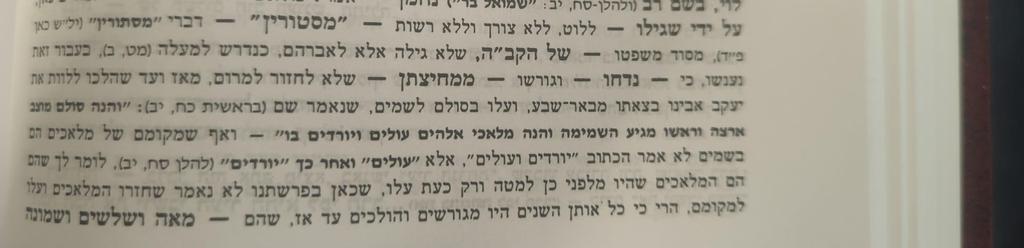
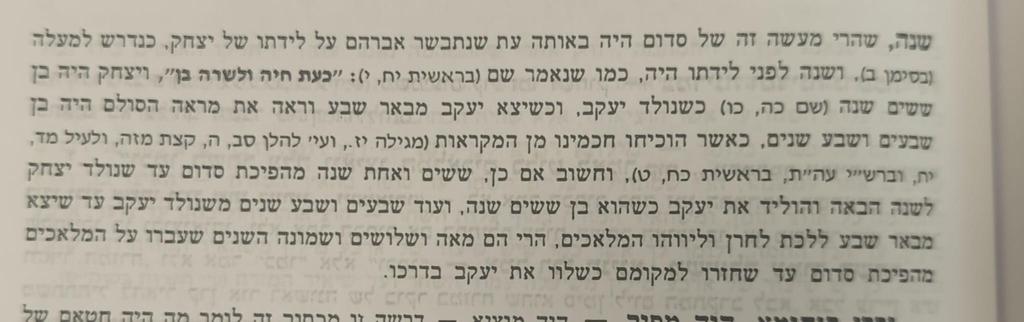
(יד) וַיֵּצֵ֨א ל֜וֹט וַיְדַבֵּ֣ר ׀ אֶל־חֲתָנָ֣יו ׀ לֹקְחֵ֣י בְנֹתָ֗יו וַיֹּ֙אמֶר֙ ק֤וּמוּ צְּאוּ֙ מִן־הַמָּק֣וֹם הַזֶּ֔ה כִּֽי־מַשְׁחִ֥ית יְהֹוָ֖ה אֶת־הָעִ֑יר וַיְהִ֥י כִמְצַחֵ֖ק בְּעֵינֵ֥י חֲתָנָֽיו׃
(14) So Lot went out and spoke to his sons-in-law, who had married his daughters, and said, “Up, get out of this place, for יהוה is about to destroy the city.” But he seemed to his sons-in-law as one who jests.

(יג) כִּֽי־מַשְׁחִתִ֣ים אֲנַ֔חְנוּ אֶת־הַמָּק֖וֹם הַזֶּ֑ה כִּֽי־גָדְלָ֤ה צַעֲקָתָם֙ אֶת־פְּנֵ֣י יְהֹוָ֔ה וַיְשַׁלְּחֵ֥נוּ יְהֹוָ֖ה לְשַׁחֲתָֽהּ׃
(טו) וּכְמוֹ֙ הַשַּׁ֣חַר עָלָ֔ה וַיָּאִ֥יצוּ הַמַּלְאָכִ֖ים בְּל֣וֹט לֵאמֹ֑ר קוּם֩ קַ֨ח אֶֽת־אִשְׁתְּךָ֜ וְאֶת־שְׁתֵּ֤י בְנֹתֶ֙יךָ֙ הַנִּמְצָאֹ֔ת פֶּן־תִּסָּפֶ֖ה בַּעֲוֺ֥ן הָעִֽיר׃ (טז) וַֽיִּתְמַהְמָ֓הּ ׀ וַיַּחֲזִ֨יקוּ הָאֲנָשִׁ֜ים בְּיָד֣וֹ וּבְיַד־אִשְׁתּ֗וֹ וּבְיַד֙ שְׁתֵּ֣י בְנֹתָ֔יו בְּחֶמְלַ֥ת יְהֹוָ֖ה עָלָ֑יו וַיֹּצִאֻ֥הוּ וַיַּנִּחֻ֖הוּ מִח֥וּץ לָעִֽיר׃ (יז) וַיְהִי֩ כְהוֹצִיאָ֨ם אֹתָ֜ם הַח֗וּצָה וַיֹּ֙אמֶר֙ הִמָּלֵ֣ט עַל־נַפְשֶׁ֔ךָ אַל־תַּבִּ֣יט אַחֲרֶ֔יךָ וְאַֽל־תַּעֲמֹ֖ד בְּכׇל־הַכִּכָּ֑ר הָהָ֥רָה הִמָּלֵ֖ט פֶּן־תִּסָּפֶֽה׃ (יח) וַיֹּ֥אמֶר ל֖וֹט אֲלֵהֶ֑ם אַל־נָ֖א אֲדֹנָֽי׃ (יט) הִנֵּה־נָ֠א מָצָ֨א עַבְדְּךָ֣ חֵן֮ בְּעֵינֶ֒יךָ֒ וַתַּגְדֵּ֣ל חַסְדְּךָ֗ אֲשֶׁ֤ר עָשִׂ֙יתָ֙ עִמָּדִ֔י לְהַחֲי֖וֹת אֶת־נַפְשִׁ֑י וְאָנֹכִ֗י לֹ֤א אוּכַל֙ לְהִמָּלֵ֣ט הָהָ֔רָה פֶּן־תִּדְבָּקַ֥נִי הָרָעָ֖ה וָמַֽתִּי׃ (כ) הִנֵּה־נָ֠א הָעִ֨יר הַזֹּ֧את קְרֹבָ֛ה לָנ֥וּס שָׁ֖מָּה וְהִ֣וא מִצְעָ֑ר אִמָּלְטָ֨ה נָּ֜א שָׁ֗מָּה הֲלֹ֥א מִצְעָ֛ר הִ֖וא וּתְחִ֥י נַפְשִֽׁי׃ (כא) וַיֹּ֣אמֶר אֵלָ֔יו הִנֵּה֙ נָשָׂ֣אתִי פָנֶ֔יךָ גַּ֖ם לַדָּבָ֣ר הַזֶּ֑ה לְבִלְתִּ֛י הׇפְכִּ֥י אֶת־הָעִ֖יר אֲשֶׁ֥ר דִּבַּֽרְתָּ׃ (כב) מַהֵר֙ הִמָּלֵ֣ט שָׁ֔מָּה כִּ֣י לֹ֤א אוּכַל֙ לַעֲשׂ֣וֹת דָּבָ֔ר עַד־בֹּאֲךָ֖ שָׁ֑מָּה עַל־כֵּ֛ן קָרָ֥א שֵׁם־הָעִ֖יר צֽוֹעַר׃
(15) As dawn broke, the messengers urged Lot on, saying, “Up, take your wife and your two remaining daughters, lest you be swept away because of the iniquity of the city.” (16) Still he delayed. So the agents seized his hand, and the hands of his wife and his two daughters—in יהוה’s mercy on him—and brought him out and left him outside the city. (17) When they had brought them outside, one said, “Flee for your life! Do not look behind you, nor stop anywhere in the Plain; flee to the hills, lest you be swept away.” (18) But Lot said to them, “Oh no, my lord! (19) You have been so gracious to your servant, and have already shown me so much kindness in order to save my life; but I cannot flee to the hills, lest the disaster overtake me and I die. (20) Look, that town there is near enough to flee to; it is such a little place! Let me flee there—it is such a little place—and let my life be saved.” (21) He replied, “Very well, I will grant you this favor too, and I will not annihilate the town of which you have spoken. (22) Hurry, flee there, for I cannot do anything until you arrive there.” Hence the town came to be called Zoar.
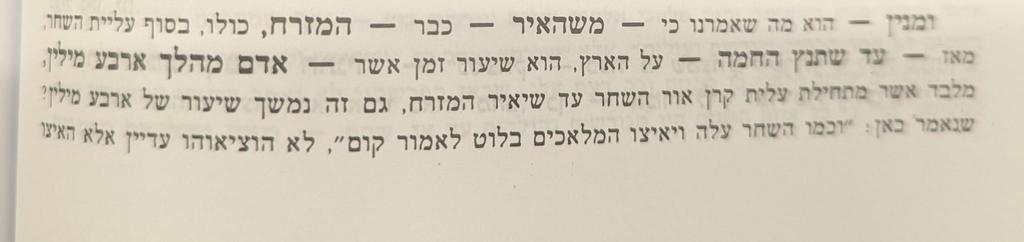
The mile (Mil) is thus about 963 or 1146 meters (3160 or 3760 ft)—approximately six or seven tenths of a mile, and significantly shorter than the modern statute or land mile of 5280 ft or 1760 yd (approximately 1.6 km).
(כג) הַשֶּׁ֖מֶשׁ יָצָ֣א עַל־הָאָ֑רֶץ וְל֖וֹט בָּ֥א צֹֽעֲרָה׃
(23) As the sun rose upon the earth and Lot entered Zoar,
קָדַר I, (קָדַד) (cmp. כָּדַר, גָּדַר, גָּדַד) to cut around, perforate, cut out. Sabb. 116ᵃ; Y. ib. XVI, 15ᶜ bot. קוֹדֵר (Ar. קוֹדֵד), v. אַזְכָּרָה. Snh. 103ᵇ מנשה ק׳ וכ׳ (Ar. קדר) Manasseh cut the divine names out (of the Scriptures). Kidd. 22ᵇ קוֹדֵד ויורד וכ׳ Ar. (ed. דוקד והולך) one must bore (through the slave’s ear) until the door is reached. Ḥull. 77ᵃ כל שהרופא קוֹדְרוֹ (Ar. a. Ms. M. correct. קוֹדְדוֹ, v. Rabb. D. S. a. l. note) such flesh as the physician cuts out; a. e.—Part. pass. (קָדוּד) קָדוּר. Ab. Zar. 32ᵃ (expl. עור לבוב) כל שקרוע … וק׳ וכ׳ a hide which is slit open opposite the heart and cut out like an air-hole; Tosef. ib. IV (V), 7 כל שק׳ כנגד לבו Var. ed. Zuck. (text שנקוב, oth. ed. שקרוע). Ukts. II, 4 קְדוּרָה (ed. Dehr. קְדוּדָה) cut into, opp. שלמה. Pi. - (קִדֵּד) קִדֵּר 1) to cut through; (in measuring distances) to estimate the level distance between two places separated by mountains. Erub. V, 4 (58ᵃ) שמעתי שמְקַדְּרִין בהרים (Y. ed. Ven. שמְקַדְּדִין; v. Rabb. D. S. a. l. note 90) I have heard a tradition that in measuring Sabbath distances elevations are considered as cut through. Ib. 58ᵇ כיצד מְקַדְּרִין וכ׳ how is the measuring done to obtain the tunnel distance? He who stands below holds the rope against his heart, while he who stands above holds the other end of the rope against his feet. Ib. אין מקדרין אלא בחבל וכ׳ only a rope of four cubits can be used for measuring &c. Ib. אין מקדרין לא בעגלה וכ׳ this method of measuring distances is not applied in the case of a slain body found in the field (v. עֶגְלָה), or for cities of refuge. Tosef. ib. VI (V), 11 מְקַדֵּר ועולה מק׳ ויורד וכ׳ we go up measuring the air-line and down again (on the other side), and consider the elevation as if it were cut through before us. Erub. 58ᵃ מַקְדִּיר ועולה וכ׳; Tosef. l. c. 12 מקדר. Y. ib. V, 22ᵈ (repeatedly מְקַדְּדִין). Ib. מקדימין (corr. acc.). Y. Sot. V, 20ᵇ bot. מקדדין; Y. Macc. II, end, 32ᵃ מקדרין; a. fr.—Y. Keth. XIII, 36ᵇ top מקדר ויוצא וכ׳ he may cut his way through the vines and get out (v. פָּסַג).—[Pes. 11ᵇ מקדרין, read: מקרדין, v. קָרַד.] —2) (denom. of קָדֵר or קַדָּר) to make pots, pretend to be a potter. Ruth R. to I, 1 (s. 2), v. קַדָּרוּת. Hif. - הִקְדִּיר to cut through; to penetrate. Erub. 58ᵃ, v. supra. Nidd. 56ᵇ; Tosef. ib. VI, 13 מַקְדִּיר, v. גָּלַד; [perh. fr. קָדַר II, becomes dull]. Nif. - נִקְדַּר to be cut out. Ḥull. 77ᵃ נ׳ כמין טבעת (Ar. נִקְדַּד) if the flesh over a fracture is cut out like a ring. Ib. 57ᵇ רחל … שנ׳ קנה שלה וכ׳ a lamb … whose windpipe was perforated, and they inserted a tube of reed, and it recovered.
Astronomical dawn

Main article: Twilight § Astronomical twilight
Dawn at La Silla Observatory, Chile[4]
Astronomical dawn begins when the center of the Sun is 18 degrees below the horizon in the morning. Astronomical twilight follows instantly until the center of the Sun is 12 degrees below the horizon.[5] At this point, a very small portion of the Sun's rays illuminate the sky and the fainter stars begin to disappear. Astronomical dawn is often indistinguishable from night, especially in areas with light pollution. Astronomical dawn marks the beginning of astronomical twilight, which lasts until nautical dawn.[6]
Nautical dawn
Main article: Twilight § Nautical twilight
Nautical twilight begins when there is enough light for sailors to distinguish the horizon at sea, but the sky is still too dark to perform outdoor activities. It begins when the center of the Sun is 12 degrees below the horizon in the morning. Nautical dawn marks the start of nautical twilight, which lasts until civil dawn.[6][5]
Civil dawn
Main article: Twilight § Civil twilight
Serra dos Órgãos National Park, in Rio de Janeiro state, Brazil, at dawn
Civil dawn begins when there is enough light for most objects to be distinguishable, so that some outdoor activities can commence. It occurs when the center of the Sun is 6 degrees below the horizon in the morning.[5]
When the sky is clear, it is blue colored, and if there are clouds or haze, bronze, orange and yellow colors are seen. Some bright stars and planets such as Venus and Jupiter are still visible to the naked eye at civil dawn. This moment marks the start of civil twilight, which lasts until sunrise.[6]
Effects of latitude
This section needs additional citations for verification. Please help improve this article by adding citations to reliable sources in this section. Unsourced material may be challenged and removed. (July 2022) (Learn how and when to remove this message)
The duration of the morning twilight (i.e. between astronomical dawn and sunrise) varies greatly depending on the observer's latitude: from a little over 70 minutes at the Equator, to many hours in the polar regions.[7][8]
The Equator
The period of twilight is shortest at the Equator, where the equinox Sun rises due east and sets due west, at a right angle to the horizon. Each stage of twilight (civil, nautical, and astronomical) lasts only 24 minutes. From anywhere on Earth, the twilight period is shortest around the equinoxes and longest on the solstices.[citation needed]
Polar regions
See also: Midnight sun
Daytime becomes longer as the summer solstice approaches, while nighttime gets longer as the winter solstice approaches. This can have a potential impact on the times and durations of dawn and dusk. This effect is more pronounced closer to the poles, where the Sun rises at the vernal equinox and sets at the autumn equinox, with a long period of twilight, lasting for a few weeks.[citation needed]
The polar circle (at 66°33′50.2″ north or south) is defined as the lowest latitude at which the Sun does not set at the summer solstice. Therefore, the angular radius of the polar circle is equal to the angle between Earth's equatorial plane and the ecliptic plane. This period of time with no sunset lengthens closer to the pole.[citation needed]
Near the summer solstice, latitudes higher than about 54°34′ get no darker than nautical twilight; the "darkness of the night" varies greatly at these latitudes.[citation needed]
At latitudes higher than about 60°34′, summer nights get no darker than civil twilight. This period of "bright nights" is longer at higher latitudes.[citation needed]
Example
Around the summer solstice, Glasgow, Scotland at 55°51′ N, and Copenhagen, Denmark at 55°40′ N, get a few hours of "night feeling". Oslo, Norway at 59°56′ N, and Stockholm, Sweden at 59°19′ N, seem very bright when the Sun is below the horizon. When the Sun gets 9.0 to 9.5 degrees below the horizon (at summer solstice this is at latitudes 57°30′–57°00′), the zenith gets dark even on cloud-free nights (if there is no full moon), and the brightest stars are clearly visible in a large majority of the sky.[citation needed]
וּכְמוֹ֙ הַשַּׁ֣חַר עָלָ֔ה וַיָּאִ֥יצוּ הַמַּלְאָכִ֖ים בְּל֣וֹט לֵאמֹ֑ר קוּם֩ קַ֨ח אֶֽת־אִשְׁתְּךָ֜ וְאֶת־שְׁתֵּ֤י בְנֹתֶ֙יךָ֙ הַנִּמְצָאֹ֔ת פֶּן־תִּסָּפֶ֖ה בַּעֲוֺ֥ן הָעִֽיר׃
As dawn broke, the messengers urged Lot on, saying, “Up, take your wife and your two remaining daughters, lest you be swept away because of the iniquity of the city.”
Naamah (Hebrew: נַעֲמָה, romanized: Naʿămā, lit. 'pleasant; lovely') was one of the 700 wives and 300 concubines of King Solomon and mother of his heir, Rehoboam, according to both 1 Kings 14:21–31, and 2 Chronicles 12:13 in the Hebrew Bible.[1] She was an Ammonite, and, as such, one of only two of all the Queen Mothers of Israel or Judah who was a foreigner (the other being Jezebel).[2] She was also the only one of Solomon's wives to be mentioned, within the Hebrew Bible, as having borne a child.
Naamah is mentioned in Bava Kamma 38b wherein it states that Moses had previously been warned by God not to make war upon the Ammonites, Molech worshippers, for Naamah was to descend from them.[3]
She was said to be the daughter of Hanun, king of the Ammonites in Greek biblical texts and rabbinical literature.[4]
In literature
Literature
Naamah, a princess of Ammon, (part of present-day Jordan) who arrives in Jerusalem at age fourteen to marry King Solomon and of all his wives becomes the mother of his dynasty, is the narrator of Aryeh Lev Stollman's novel published by Aryeh Nir/Modan (Tel Aviv) in Hebrew translation under the title Divrei Y'mai Naamah (דברי ימי נעמה).
Rabbinical literature
One legend concerning Asmodeus (see: The Story of King Solomon and Ashmedai) goes on to state that Solomon one day asked Asmodeus what could make demons powerful over man, and Asmodeus asked to be freed and given the ring so that he could demonstrate; Solomon agreed but Asmodeus threw the ring into the sea and it was swallowed by a fish. Asmodeus then swallowed the king, stood up fully with one wing touching heaven and the other earth, and spat out Solomon to a distance of 400 miles. The Rabbis claim this was a divine punishment for Solomon's having failed to follow three divine commands, and Solomon was forced to wander from city to city, until he eventually arrived in an Ammonite city where he was forced to work in the king's kitchens. Solomon gained a chance to prepare a meal for the Ammonite king, which the king found so impressive that the previous cook was sacked and Solomon put in his place; the king's daughter, Naamah, subsequently fell in love with Solomon, but the family (thinking Solomon a commoner) disapproved, so the king decided to kill them both by sending them into the desert. Solomon and the king's daughter wandered the desert until they reached a coastal city, where they bought a fish to eat, which just happened to be the one which had swallowed the magic ring. Solomon was then able to regain his throne and expel Asmodeus.[5] The element of a ring thrown into the sea and found back in a fish's belly also appeared in Herodotus' account of Polycrates, the tyrant of Samos (c. 538–522 BCE).
אֲזַל הוּא לְחוֹדֵיהּ גַּבֵּיהּ. אֲמַר לֵיהּ: ״וַיֹּאמֶר ה׳ (אֶל מֹשֶׁה) אַל תָּצַר אֶת מוֹאָב וְאַל תִּתְגָּר בָּם מִלְחָמָה״; וְכִי מָה עָלָה עַל דַּעְתּוֹ שֶׁל מֹשֶׁה, לַעֲשׂוֹת מִלְחָמָה שֶׁלֹּא בִּרְשׁוּת?! אֶלָּא נָשָׂא מֹשֶׁה קַל וָחוֹמֶר בְּעַצְמוֹ – אָמַר: וּמָה מִדְיָנִים שֶׁלֹּא בָּאוּ אֶלָּא לַעֲזוֹר אֶת מוֹאָב, אָמְרָה תּוֹרָה: ״צָרוֹר אֶת הַמִּדְיָנִים וְהִכִּיתֶם אוֹתָם״,
Ulla therefore went to console Rav Shmuel bar Yehuda by himself, and said to him: The verse states: “And the Lord said to me, do not be at enmity with Moab, neither contend with them in battle” (Deuteronomy 2:9). What entered Moses’s mind, that God had to warn him not to undertake a particular action? Did it enter his mind to wage war with the Moabites without permission? Rather, Moses reasoned an a fortiori inference by himself, saying: And if with regard to the Midianites, who came only to help the Moabites harm the Jewish people (see Numbers, chapter 22), the Torah said: “Harass the Midianites and smite them” (Numbers 25:17),
מוֹאָבִים עַצְמָן לֹא כׇּל שֶׁכֵּן?
with regard to the Moabites themselves, is it not clear all the more so that they should be attacked?
אָמַר לוֹ הַקָּדוֹשׁ בָּרוּךְ הוּא: לֹא כְּשֶׁעָלְתָה עַל דַּעְתְּךָ עָלְתָה עַל דַּעְתִּי, שְׁתֵּי פְּרִידוֹת טוֹבוֹת יֵשׁ לִי לְהוֹצִיא מֵהֶן – רוּת הַמּוֹאֲבִיָּה וְנַעֲמָה הָעַמּוֹנִית.
To counter this, the Holy One, Blessed be He, said to him: That which has entered your mind has not entered Mine, because I have two virtuous fledglings [feridot], i.e., girls, to extract from them: Ruth the Moabite, who will be the foremother of the dynasty of David, and Naamah the Ammonite, Solomon’s wife, from whom the continuation of that dynasty will emerge. For the sake of these women, the Moabites and Ammonites must not be destroyed.
פְּרִידָה f. (פָּרַד) 1) one of a pair of pigeons, single pigeon, opp. to קֵן. Kinn. III, 6 צריכה … פ׳ אחת she is bound to offer a single pigeon in addition; Zeb. 67ᵇ. Sifra Vayikra, N’dab., ch. VIII, Par. 7; Zeb. 65ᵃ אפי׳ פ׳ אחת וכ׳ he may offer even one single pigeon; a. fr.—Pl. פְּרִידִין (m.), פְּרִידוֹת. Kinn. l. c. דין … Bab. ed. (Mish. ed. דות …). Sifra l. c.; a. fr.—Trnsf. a dear person. B. Mets. 84ᵇ פ׳ אחת יש לי … ואי אתם וכ׳ one pigeon (my son’s body) is among you, and you will not let him come to me (be buried by my side)? Ib. פ׳ … ואתם וכ׳ I have a dear son among you, and you want to deprive me of him (expose him to the evil eye by showing him too much honor)?—Pl. פְּרִידוֹת. B. Kam. 38ᵇ שתי פ׳ טובות וכ׳ two fine pigeons (precious proselytes) do I expect to bring forth from among you (v. בָּרַךְ Hif.). —2) a single berry; a slice of a pomegranate. Y. Ber. VI, 10ᵃ top פ׳ אחת של ענב one grape berry; פ׳ אחת של רמון one slice of a pomegranate. Y. Naz. VI, 54ᵈ [read:] פ׳ של רמון … שחלקה בפיו ואכלה a piece of a pomegranate of ʿOrlah (v. עָרְלָה) which one cut off with his mouth and ate. Y. Maasr. I, 48ᵈ; a. e. —3) pebble, particle. Nidd. 27ᵃ, sq. על פ׳ אחת של רקב to one particle of decayed matter; על פ׳ אחת של עפר to one particle of earth. Y. Yoma II, 39ᶜ top ברוב כל פ׳ ופ׳ (the fire must have seized) the larger portion of every particle, opp. רובו של קומץ the larger portion of the handful (of the meal offering); a. e.—Pl. פְּרִידוֹת. Nidd. l. c.—[פרידה ch., v. פְּרִידָא I.]
יֵ֚שׁ רָעָ֣ה חוֹלָ֔ה רָאִ֖יתִי תַּ֣חַת הַשָּׁ֑מֶשׁ עֹ֛שֶׁר שָׁמ֥וּר לִבְעָלָ֖יו לְרָעָתֽוֹ׃
Here is a grave evil I have observed under the sun: riches hoarded by their owner to his misfortune,
(א) וַיְהִ֗י אַחַר֙ הַדְּבָרִ֣ים הָאֵ֔לֶּה כֶּ֧רֶם הָיָ֛ה לְנָב֥וֹת הַיִּזְרְעֵאלִ֖י אֲשֶׁ֣ר בְּיִזְרְעֶ֑אל אֵ֚צֶל הֵיכַ֣ל אַחְאָ֔ב מֶ֖לֶךְ שֹׁמְרֽוֹן׃ (ב) וַיְדַבֵּ֣ר אַחְאָ֣ב אֶל־נָב֣וֹת ׀ לֵאמֹר֩ ׀ תְּנָה־לִּ֨י אֶֽת־כַּרְמְךָ֜ וִיהִי־לִ֣י לְגַן־יָרָ֗ק כִּ֣י ה֤וּא קָרוֹב֙ אֵ֣צֶל בֵּיתִ֔י וְאֶתְּנָ֤ה לְךָ֙ תַּחְתָּ֔יו כֶּ֖רֶם ט֣וֹב מִמֶּ֑נּוּ אִ֚ם ט֣וֹב בְּעֵינֶ֔יךָ אֶתְּנָֽה־לְךָ֥ כֶ֖סֶף מְחִ֥יר זֶֽה׃ (ג) וַיֹּ֥אמֶר נָב֖וֹת אֶל־אַחְאָ֑ב חָלִ֤ילָה לִּי֙ מֵֽיהוה מִתִּתִּ֛י אֶת־נַחֲלַ֥ת אֲבֹתַ֖י לָֽךְ׃ (ד) וַיָּבֹא֩ אַחְאָ֨ב אֶל־בֵּית֜וֹ סַ֣ר וְזָעֵ֗ף עַל־הַדָּבָר֙ אֲשֶׁר־דִּבֶּ֣ר אֵלָ֗יו נָבוֹת֙ הַיִּזְרְעֵאלִ֔י וַיֹּ֕אמֶר לֹא־אֶתֵּ֥ן לְךָ֖ אֶת־נַחֲלַ֣ת אֲבוֹתָ֑י וַיִּשְׁכַּב֙ עַל־מִטָּת֔וֹ וַיַּסֵּ֥ב אֶת־פָּנָ֖יו וְלֹא־אָ֥כַל לָֽחֶם׃ (ה) וַתָּבֹ֥א אֵלָ֖יו אִיזֶ֣בֶל אִשְׁתּ֑וֹ וַתְּדַבֵּ֣ר אֵלָ֗יו מַה־זֶּה֙ רֽוּחֲךָ֣ סָרָ֔ה וְאֵינְךָ֖ אֹכֵ֥ל לָֽחֶם׃ (ו) וַיְדַבֵּ֣ר אֵלֶ֗יהָ כִּֽי־אֲ֠דַבֵּ֠ר אֶל־נָב֨וֹת הַיִּזְרְעֵאלִ֜י וָאֹ֣מַר ל֗וֹ תְּנָה־לִּ֤י אֶֽת־כַּרְמְךָ֙ בְּכֶ֔סֶף א֚וֹ אִם־חָפֵ֣ץ אַתָּ֔ה אֶתְּנָֽה־לְךָ֥ כֶ֖רֶם תַּחְתָּ֑יו וַיֹּ֕אמֶר לֹא־אֶתֵּ֥ן לְךָ֖ אֶת־כַּרְמִֽי׃ (ז) וַתֹּ֤אמֶר אֵלָיו֙ אִיזֶ֣בֶל אִשְׁתּ֔וֹ אַתָּ֕ה עַתָּ֛ה תַּעֲשֶׂ֥ה מְלוּכָ֖ה עַל־יִשְׂרָאֵ֑ל ק֤וּם אֱכׇל־לֶ֙חֶם֙ וְיִטַ֣ב לִבֶּ֔ךָ אֲנִי֙ אֶתֵּ֣ן לְךָ֔ אֶת־כֶּ֖רֶם נָב֥וֹת הַיִּזְרְעֵאלִֽי׃ (ח) וַתִּכְתֹּ֤ב סְפָרִים֙ בְּשֵׁ֣ם אַחְאָ֔ב וַתַּחְתֹּ֖ם בְּחֹתָמ֑וֹ וַתִּשְׁלַ֣ח (הספרים) [סְפָרִ֗ים] אֶל־הַזְּקֵנִ֤ים וְאֶל־הַחֹרִים֙ אֲשֶׁ֣ר בְּעִיר֔וֹ הַיֹּשְׁבִ֖ים אֶת־נָבֽוֹת׃ (ט) וַתִּכְתֹּ֥ב בַּסְּפָרִ֖ים לֵאמֹ֑ר קִֽרְאוּ־צ֔וֹם וְהֹשִׁ֥יבוּ אֶת־נָב֖וֹת בְּרֹ֥אשׁ הָעָֽם׃ (י) וְ֠הוֹשִׁ֠יבוּ שְׁנַ֨יִם אֲנָשִׁ֥ים בְּנֵֽי־בְלִיַּ֘עַל֮ נֶגְדּוֹ֒ וִיעִדֻ֣הוּ לֵאמֹ֔ר בֵּרַ֥כְתָּ אֱלֹהִ֖ים וָמֶ֑לֶךְ וְהוֹצִיאֻ֥הוּ וְסִקְלֻ֖הוּ וְיָמֹֽת׃ (יא) וַיַּעֲשׂוּ֩ אַנְשֵׁ֨י עִיר֜וֹ הַזְּקֵנִ֣ים וְהַחֹרִ֗ים אֲשֶׁ֤ר הַיֹּֽשְׁבִים֙ בְּעִיר֔וֹ כַּאֲשֶׁ֛ר שָׁלְחָ֥ה אֲלֵיהֶ֖ם אִיזָ֑בֶל כַּאֲשֶׁ֤ר כָּתוּב֙ בַּסְּפָרִ֔ים אֲשֶׁ֥ר שָׁלְחָ֖ה אֲלֵיהֶֽם׃ (יב) קָרְא֖וּ צ֑וֹם וְהֹשִׁ֥יבוּ אֶת־נָב֖וֹת בְּרֹ֥אשׁ הָעָֽם׃ (יג) וַ֠יָּבֹ֠אוּ שְׁנֵ֨י הָאֲנָשִׁ֥ים בְּנֵֽי־בְלִיַּ֘עַל֮ וַיֵּשְׁב֣וּ נֶגְדּוֹ֒ וַיְעִדֻ֩הוּ֩ אַנְשֵׁ֨י הַבְּלִיַּ֜עַל אֶת־נָב֗וֹת נֶ֤גֶד הָעָם֙ לֵאמֹ֔ר בֵּרַ֥ךְ נָב֛וֹת אֱלֹהִ֖ים וָמֶ֑לֶךְ וַיֹּצִאֻ֙הוּ֙ מִח֣וּץ לָעִ֔יר וַיִּסְקְלֻ֥הוּ בָאֲבָנִ֖ים וַיָּמֹֽת׃ (יד) וַֽיִּשְׁלְח֖וּ אֶל־אִיזֶ֣בֶל לֵאמֹ֑ר סֻקַּ֥ל נָב֖וֹת וַיָּמֹֽת׃ (טו) וַֽיְהִי֙ כִּשְׁמֹ֣עַ אִיזֶ֔בֶל כִּי־סֻקַּ֥ל נָב֖וֹת וַיָּמֹ֑ת וַתֹּ֨אמֶר אִיזֶ֜בֶל אֶל־אַחְאָ֗ב ק֣וּם רֵ֞שׁ אֶת־כֶּ֣רֶם ׀ נָב֣וֹת הַיִּזְרְעֵאלִ֗י אֲשֶׁ֤ר מֵאֵן֙ לָתֶת־לְךָ֣ בְכֶ֔סֶף כִּ֣י אֵ֥ין נָב֛וֹת חַ֖י כִּי־מֵֽת׃ (טז) וַיְהִ֛י כִּשְׁמֹ֥עַ אַחְאָ֖ב כִּ֣י מֵ֣ת נָב֑וֹת וַיָּ֣קׇם אַחְאָ֗ב לָרֶ֛דֶת אֶל־כֶּ֛רֶם נָב֥וֹת הַיִּזְרְעֵאלִ֖י לְרִשְׁתּֽוֹ׃ {פ}
(1) [The following events] occurred some time afterward: Naboth the Jezreelite owned a vineyard in Jezreel, adjoining the palace of King Ahab of Samaria. (2) Ahab said to Naboth, “Give me your vineyard, so that I may have it as a vegetable garden, since it is right next to my palace. I will give you a better vineyard in exchange; or, if you prefer, I will pay you the price in money.” (3) But Naboth replied, “GOD forbid that I should give up to you what I have inherited from my fathers!” (4) Ahab went home dispirited and sullen because of the answer that Naboth the Jezreelite had given him: “I will not give up to you what I have inherited from my fathers!” He lay down on his bed and turned away his face, and he would not eat. (5) His wife Jezebel came to him and asked him, “Why are you so dispirited that you won’t eat?” (6) So he told her, “I spoke to Naboth the Jezreelite and proposed to him, ‘Sell me your vineyard for money, or if you prefer, I’ll give you another vineyard in exchange’; but he answered, ‘I will not give my vineyard to you.’” (7) His wife Jezebel said to him, “Now is the time to show yourself king over Israel. Rise and eat something, and be cheerful; I will get the vineyard of Naboth the Jezreelite for you.” (8) So she wrote letters in Ahab’s name and sealed them with his seal, and sent the letters to the elders and the nobles who lived in the same town with Naboth. (9) In the letters she wrote as follows: “Proclaim a fast and seat Naboth at the front of the assembly. (10) And seat two scoundrels opposite him, and let them testify against him: ‘You have reviled God and king!’ Then take him out and stone him to death.” (11) The people of his town—the elders and nobles who lived in his town—did as Jezebel had instructed them, just as was written in the letters she had sent them: (12) They proclaimed a fast and seated Naboth at the front of the assembly. (13) Then the two scoundrels came and sat down opposite him; and those scoundrels testified against Naboth publicly as follows: “Naboth has reviled God and king.” Then they took him outside the town and stoned him to death. (14) Word was sent to Jezebel: “Naboth has been stoned to death.” (15) As soon as Jezebel heard that Naboth had been stoned to death, she said to Ahab, “Go and take possession of the vineyard that Naboth the Jezreelite refused to sell you for money; for Naboth is no longer alive, he is dead.” (16) When Ahab heard that Naboth was dead, Ahab set out for the vineyard of Naboth the Jezreelite to take possession of it.
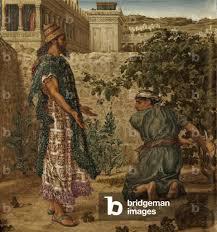
https://www.thetorah.com/article/serach-jacobs-immortal-granddaughter
Serach is the Wise Old Woman at Abel Beth-Maacah
Serach’s life is extended still further, placing her at Abel Beth-Maacah at the end of King David’s reign.[28] David’s general Joab lays seige to the city,[29] where the traitor Sheba son of Bichri has fled (2 Sam 20). Joab prepares to destroy the place but a wise old woman emerges upon the ramparts to negotiatiate for Sheba’s extradition and save the residents of the town from the death threat.
When Joab asks her who she is, she shouts to the general from the walls, saying:
שׁמואל ב כ:יט אָנֹכִי שְׁלֻמֵי אֱמוּנֵי יִשְׂרָאֵל אַתָּה מְבַקֵּשׁ לְהָמִית עִיר וְאֵם בְּיִשְׂרָאֵל לָמָּה תְבַלַּע נַחֲלַת יקוק. 2 Sam 20:19 “I am of those that are peaceable and faithful in Israel. Do you seek to destroy a city and a mother in Israel? Why will you swallow up the inheritance of YHWH?”
Though she remains unnamed in the biblical text, the midrash Genesis Rabbah identifies her as Serach, the one who completed the number seventy of Jacob’s descendants who went down to Egypt,[30] following the principle of “the conservation of biblical personalities” (or, in J. Heinemann’s terms בריחה מאנונימיות, “flight from anonymity”).[31]
(יז) וַיְהִי֩ כְהוֹצִיאָ֨ם אֹתָ֜ם הַח֗וּצָה וַיֹּ֙אמֶר֙ הִמָּלֵ֣ט עַל־נַפְשֶׁ֔ךָ אַל־תַּבִּ֣יט אַחֲרֶ֔יךָ וְאַֽל־תַּעֲמֹ֖ד בְּכׇל־הַכִּכָּ֑ר הָהָ֥רָה הִמָּלֵ֖ט פֶּן־תִּסָּפֶֽה׃
(17) When they had brought them outside, one said, “Flee for your life! Do not look behind you, nor stop anywhere in the Plain; flee to the hills, lest you be swept away.”
My Perfect One: Typology and Early Rabbinic Interpretation of Song of Songs
Jonathan Kaplan
Chapter 1 examines how the interpretation of Song of Songs in the tannaitic midrashim should be characterized—as an allegory, as a mashal(rabbinic parable), or as something entirely different. To frame this exploration, it first examines the various approaches to early rabbinic interpretation of Song of Songs, typified by the work of Daniel Boyarin and David Stern, before offering its own proposal. It contends that figural interpretation, akin to the form of typological interpretation practiced in early Christianity, provides a better description of tannaitic interpretation of Song of Songs. Using a typological mode of interpretation, the first rabbinic interpreters read Song of Songs as an idealized figuration of God’s loving relationship with Israel, which they located in the framework of Israel’s national narrative.
(א) אֲנִי֙ חֲבַצֶּ֣לֶת הַשָּׁר֔וֹן שֽׁוֹשַׁנַּ֖ת הָעֲמָקִֽים׃ (ב) כְּשֽׁוֹשַׁנָּה֙ בֵּ֣ין הַחוֹחִ֔ים כֵּ֥ן רַעְיָתִ֖י בֵּ֥ין הַבָּנֽוֹת׃ (ג) כְּתַפּ֙וּחַ֙ בַּעֲצֵ֣י הַיַּ֔עַר כֵּ֥ן דּוֹדִ֖י בֵּ֣ין הַבָּנִ֑ים בְּצִלּוֹ֙ חִמַּ֣דְתִּי וְיָשַׁ֔בְתִּי וּפִרְי֖וֹ מָת֥וֹק לְחִכִּֽי׃ (ד) הֱבִיאַ֙נִי֙ אֶל־בֵּ֣ית הַיָּ֔יִן וְדִגְל֥וֹ עָלַ֖י אַהֲבָֽה׃ (ה) סַמְּכ֙וּנִי֙ בָּֽאֲשִׁישׁ֔וֹת רַפְּד֖וּנִי בַּתַּפּוּחִ֑ים כִּי־חוֹלַ֥ת אַהֲבָ֖ה אָֽנִי׃ (ו) שְׂמֹאלוֹ֙ תַּ֣חַת לְרֹאשִׁ֔י וִימִינ֖וֹ תְּחַבְּקֵֽנִי׃ (ז) הִשְׁבַּ֨עְתִּי אֶתְכֶ֜ם בְּנ֤וֹת יְרוּשָׁלַ֙͏ִם֙ בִּצְבָא֔וֹת א֖וֹ בְּאַיְל֣וֹת הַשָּׂדֶ֑ה אִם־תָּעִ֧ירוּ ׀ וְֽאִם־תְּע֥וֹרְר֛וּ אֶת־הָאַהֲבָ֖ה עַ֥ד שֶׁתֶּחְפָּֽץ׃ {ס} (ח) ק֣וֹל דּוֹדִ֔י הִנֵּה־זֶ֖ה בָּ֑א מְדַלֵּג֙ עַל־הֶ֣הָרִ֔ים מְקַפֵּ֖ץ עַל־הַגְּבָעֽוֹת׃ (ט) דּוֹמֶ֤ה דוֹדִי֙ לִצְבִ֔י א֖וֹ לְעֹ֣פֶר הָֽאַיָּלִ֑ים הִנֵּה־זֶ֤ה עוֹמֵד֙ אַחַ֣ר כׇּתְלֵ֔נוּ מַשְׁגִּ֙יחַ֙ מִן־הַֽחַלֹּנ֔וֹת מֵצִ֖יץ מִן־הַחֲרַכִּֽים׃ (י) עָנָ֥ה דוֹדִ֖י וְאָ֣מַר לִ֑י ק֥וּמִי לָ֛ךְ רַעְיָתִ֥י יָפָתִ֖י וּלְכִי־לָֽךְ׃ (יא) כִּֽי־הִנֵּ֥ה הַסְּתָ֖ו עָבָ֑ר הַגֶּ֕שֶׁם חָלַ֖ף הָלַ֥ךְ לֽוֹ׃
(1) I am a rose of Sharon, A lily of the valleys. (2) Like a lily among thorns, So is my darling among the maidens. (3) Like an apple tree among trees of the forest, So is my beloved among the youths. I delight to sit in his shade, And his fruit is sweet to my mouth. (4) He brought me to the banquet room And his banner of love was over me. (5) “Sustain me with raisin cakes, Refresh me with apples, For I am faint with love.” (6) His left hand was under my head, His right arm embraced me. (7) I adjure you, O maidens of Jerusalem, By gazelles or by hinds of the field: Do not wake or rouse Love until it please! (8) Hark! My beloved! There he comes, Leaping over mountains, Bounding over hills. (9) My beloved is like a gazelle Or like a young stag. There he stands behind our wall, Gazing through the window, Peering through the lattice. (10) My beloved spoke thus to me, “Arise, my darling; My fair one, come away! (11) For now the winter is past, The rains are over and gone.
https://seforimblog.com/2012/09/introduction-to-song-of-songs-excerp/
Introduction to The Song of Songs (An Excerpt) by Amos Hakham
The Content and Meaning of the Song of Songs in the Literal Sense
The Song of Songs, in the natural sense of Scripture [peshuto shel mikra], is about a man’s love for his beloved woman [ahavat ha-dod le-ra’eyato], and the woman’s love for him.
The question of continuity and division is critical for understanding the Song of Songs, and there are a variety of views on the subject. Aggadists tended to interpret its verses independently, each conveying its own idea. Opposing this method, Rashi wrote in his Introduction: “There are many aggadot on this book . . . but they are inconsistent with the syntax of Scripture and the sequence of the verses. I have endeavored to follow the natural sense of the verses and to interpret them sequentially . . .” Indeed, one who studies Rashi’s commentary on the Song of Songs will find that he attempts to interpret the entire book as a single, continuous poem. For Rashi, the continuity of the Song of Songs lies mainly within its referent [nimshal], which is Israel’s history from its origin to the end of days. R. Abraham ibn Ezra interpreted the Song of Songs in similar fashion, though Ibn Ezra also tried to find continuity within its literal sense. In his commentary, the Song of Songs is a chronology of events taking place between two lovers.
A number of modern biblical scholars attempted to follow this approach to its logical conclusion; they maintained that the Song of Songs is a single, continuous poem written in the form of a dramatic dream vision. But adherents of this view are forced to posit far-fetched interpretations and to take many verses out of context. Other scholars held that the Song of Songs is an anthology of several poems (excerpts of poems, for the most part) — composed in various periods and provenances — which were compiled haphazardly at a later time.
The most plausible approach, I believe, is as follows: The Song of Songs is not a continuous chronology of two lovers, and it is certainly not a drama. But neither is it an anthology of poetic excerpts. Rather, it is an anthology of complete poems written by a single author on a single subject, following a specific methodology and purpose. The poems are sometimes brief and simple, sometimes lengthy and complex. Nevertheless, for the most part they are self-contained units. In the commentary, I have assigned a unique title to each poem and have also noted its division into sections or stanzas. Often, the divisions are ambiguous; other commentators have split or combined the poems differently. But these are merely details which do not undermine the central thesis that the Song of Songs is an anthology of complete poems.
As mentioned, the overall theme of the poems is the love between the dod and his ra’eyah. However, there are several differing opinions regarding the circumstances in which the poems were composed. Rashi (in the Introduction to his commentary) says that the ra’eyah in the Song of Songs is a “widow of the living,” i.e., her husband has abandoned but has not divorced her, and she longs for him in her songs. He consoles her, promising that he will yet return. Ibn Ezra reads the Song of Songs as the story of a preadolescent girl, whose beloved is a shepherd, guarding a vineyard.
Modern biblical scholars have suggested that the poems in this book do not describe events which took place between a particular pair of lovers but, instead, these songs were popular at wedding banquets. As proof, some point to a statement of the Sages forbidding the use of lyrics from Song of Songs in drinking halls (Sanhedrin 101a; Tosefta Sanhedrin 12:5). Because the Sages prohibited such a practice, their argument goes, this was in fact the original custom. It was eventually forbidden, they say, due to deteriorating moral standards and out of fear that it might create an atmosphere of levity leading to the desecration of the sacred. Among those who maintain that the Song of Songs comprises wedding songs, some suggest that the name “Solomon” — appearing seven times in the book — refers not to King Solomon, but to the groom, who is likened to a king. In light-hearted humor, he is caricatured as “Solomon.” Some have claimed that these songs were originally sung at festivals for Israelite girls, such as the dance festival at Shiloh recorded in Judges (21:21), and the festival mentioned at the end of Mishnah Ta’anit (4:8) as well as the Targum to Lamentations, on the phrase “her maidens are unhappy” (1:4).
The most reasonable approach, I believe, is as follows: Although the Song of Songs does include dance songs (e.g., “Turn back, turn back, O maid of Shulem!” 7:1), one cannot claim that all the poems are dance songs. It is likely that the poet borrowed phrases from dance songs and embedded them, as necessary, within his poems. Likewise, some of the poems may have originally been wedding songs — at least one, ending in the words, “Eat, friends, drink deeply, beloved” (5:1), is an obvious example; it is a call to the diners at a wedding banquet to eat and drink — but one cannot generalize this to all the poems. Most likely, the portraits of the lovers within the Song of Songs depict a variety of circumstances. In some, the lovers may be formally unconnected; in others, they may be betrothed, at their wedding banquet, or already married. Also, the notion that every “Solomon” is a metaphor for the groom seems far-fetched. Sometimes, “Solomon” is simply King Solomon himself.
(א) שִׁמְעוּ־נָ֕א אֵ֥ת אֲשֶׁר־יְהֹוָ֖ה אֹמֵ֑ר ק֚וּם רִ֣יב אֶת־הֶהָרִ֔ים וְתִשְׁמַ֥עְנָה הַגְּבָע֖וֹת קוֹלֶֽךָ׃ (ב) שִׁמְע֤וּ הָרִים֙ אֶת־רִ֣יב יְהֹוָ֔ה וְהָאֵתָנִ֖ים מ֣וֹסְדֵי אָ֑רֶץ כִּ֣י רִ֤יב לַֽיהֹוָה֙ עִם־עַמּ֔וֹ וְעִם־יִשְׂרָאֵ֖ל יִתְוַכָּֽח׃ (ג) עַמִּ֛י מֶה־עָשִׂ֥יתִי לְךָ֖ וּמָ֣ה הֶלְאֵתִ֑יךָ עֲנֵ֥ה בִֽי׃ (ד) כִּ֤י הֶעֱלִתִ֙יךָ֙ מֵאֶ֣רֶץ מִצְרַ֔יִם וּמִבֵּ֥ית עֲבָדִ֖ים פְּדִיתִ֑יךָ וָאֶשְׁלַ֣ח לְפָנֶ֔יךָ אֶת־מֹשֶׁ֖ה אַהֲרֹ֥ן וּמִרְיָֽם׃ (ה) עַמִּ֗י זְכׇר־נָא֙ מַה־יָּעַ֗ץ בָּלָק֙ מֶ֣לֶךְ מוֹאָ֔ב וּמֶה־עָנָ֥ה אֹת֖וֹ בִּלְעָ֣ם בֶּן־בְּע֑וֹר מִן־הַשִּׁטִּים֙ עַד־הַגִּלְגָּ֔ל לְמַ֕עַן דַּ֖עַת צִדְק֥וֹת יְהֹוָֽה׃ (ו) בַּמָּה֙ אֲקַדֵּ֣ם יְהֹוָ֔ה אִכַּ֖ף לֵאלֹהֵ֣י מָר֑וֹם הַאֲקַדְּמֶ֣נּוּ בְעוֹל֔וֹת בַּעֲגָלִ֖ים בְּנֵ֥י שָׁנָֽה׃ (ז) הֲיִרְצֶ֤ה יְהֹוָה֙ בְּאַלְפֵ֣י אֵילִ֔ים בְּרִֽבְב֖וֹת נַחֲלֵי־שָׁ֑מֶן הַאֶתֵּ֤ן בְּכוֹרִי֙ פִּשְׁעִ֔י פְּרִ֥י בִטְנִ֖י חַטַּ֥את נַפְשִֽׁי׃ (ח) הִגִּ֥יד לְךָ֛ אָדָ֖ם מַה־טּ֑וֹב וּמָֽה־יְהֹוָ֞ה דּוֹרֵ֣שׁ מִמְּךָ֗ כִּ֣י אִם־עֲשׂ֤וֹת מִשְׁפָּט֙ וְאַ֣הֲבַת חֶ֔סֶד וְהַצְנֵ֥עַ לֶ֖כֶת עִם־אֱלֹהֶֽיךָ׃ {ס}
(1) Hear what GOD is saying: Come, present [My] case before the mountains, And let the hills hear you pleading. (2) Hear, you mountains, GOD’s case— You firm foundations of the earth! For GOD has a case against this covenanted people— A suit against Israel. (3) “My people! What wrong have I done you? What hardship have I caused you? Testify against Me. (4) In fact, I brought you up from the land of Egypt, I redeemed you from the house of bondage, And I sent before you Moses, Aaron, and Miriam. (5) “My people, Remember what Balak king of Moab Plotted against you, And how Balaam son of Beor Responded to him. [Recall your passage] From Shittim to Gilgal— And you will recognize GOD’s gracious acts.” (6) With what shall I approach GOD, Do homage to God on high? Shall I approach with burnt offerings, With calves a year old? (7) Would GOD be pleased with thousands of rams, With myriads of streams of oil? Shall I give my first-born for my transgression, The fruit of my body for my sins? (8) “You have been told, O mortal, what is good, And what GOD requires of you: Only to do justice And to love goodness, And to walk modestly with your God;
(יח) וַיֹּ֥אמֶר ל֖וֹט אֲלֵהֶ֑ם אַל־נָ֖א אדושם׃ (יט) הִנֵּה־נָ֠א מָצָ֨א עַבְדְּךָ֣ חֵן֮ בְּעֵינֶ֒יךָ֒ וַתַּגְדֵּ֣ל חַסְדְּךָ֗ אֲשֶׁ֤ר עָשִׂ֙יתָ֙ עִמָּדִ֔י לְהַחֲי֖וֹת אֶת־נַפְשִׁ֑י וְאָנֹכִ֗י לֹ֤א אוּכַל֙ לְהִמָּלֵ֣ט הָהָ֔רָה פֶּן־תִּדְבָּקַ֥נִי הָרָעָ֖ה וָמַֽתִּי׃
(18) But Lot said to them, “Oh no, my lord! (19) You have been so gracious to your servant, and have already shown me so much kindness in order to save my life; but I cannot flee to the hills, lest the disaster overtake me and I die.
(ח) וַיְהִ֥י דְבַר־יקוק אֵלָ֥יו לֵאמֹֽר׃ (ט) ק֣וּם לֵ֤ךְ צָֽרְפַ֙תָה֙ אֲשֶׁ֣ר לְצִיד֔וֹן וְיָשַׁבְתָּ֖ שָׁ֑ם הִנֵּ֨ה צִוִּ֥יתִי שָׁ֛ם אִשָּׁ֥ה אַלְמָנָ֖ה לְכַלְכְּלֶֽךָ׃ (י) וַיָּ֣קׇם ׀ וַיֵּ֣לֶךְ צָֽרְפַ֗תָה וַיָּבֹא֙ אֶל־פֶּ֣תַח הָעִ֔יר וְהִנֵּה־שָׁ֛ם אִשָּׁ֥ה אַלְמָנָ֖ה מְקֹשֶׁ֣שֶׁת עֵצִ֑ים וַיִּקְרָ֤א אֵלֶ֙יהָ֙ וַיֹּאמַ֔ר קְחִי־נָ֨א לִ֧י מְעַט־מַ֛יִם בַּכְּלִ֖י וְאֶשְׁתֶּֽה׃ (יא) וַתֵּ֖לֶךְ לָקַ֑חַת וַיִּקְרָ֤א אֵלֶ֙יהָ֙ וַיֹּאמַ֔ר לִֽקְחִי־נָ֥א לִ֛י פַּת־לֶ֖חֶם בְּיָדֵֽךְ׃ (יב) וַתֹּ֗אמֶר חַי־יקוק אֱלֹקֶ֙יךָ֙ אִם־יֶשׁ־לִ֣י מָע֔וֹג כִּ֣י אִם־מְלֹ֤א כַף־קֶ֙מַח֙ בַּכַּ֔ד וּמְעַט־שֶׁ֖מֶן בַּצַּפָּ֑חַת וְהִנְנִ֨י מְקֹשֶׁ֜שֶׁת שְׁנַ֣יִם עֵצִ֗ים וּבָ֙אתִי֙ וַעֲשִׂיתִ֙יהוּ֙ לִ֣י וְלִבְנִ֔י וַאֲכַלְנֻ֖הוּ וָמָֽתְנוּ׃ (יג) וַיֹּ֨אמֶר אֵלֶ֤יהָ אֵלִיָּ֙הוּ֙ אַל־תִּ֣ירְאִ֔י בֹּ֖אִי עֲשִׂ֣י כִדְבָרֵ֑ךְ אַ֣ךְ עֲשִׂי־לִֽי־מִ֠שָּׁ֠ם עֻגָ֨ה קְטַנָּ֤ה בָרִֽאשֹׁנָה֙ וְהוֹצֵ֣את לִ֔י וְלָ֣ךְ וְלִבְנֵ֔ךְ תַּעֲשִׂ֖י בָּאַחֲרֹנָֽה׃ (יד) כִּ֣י כֹה֩ אָמַ֨ר יקוק אֱלֹקֵ֣י יִשְׂרָאֵ֗ל כַּ֤ד הַקֶּ֙מַח֙ לֹ֣א תִכְלָ֔ה וְצַפַּ֥חַת הַשֶּׁ֖מֶן לֹ֣א תֶחְסָ֑ר עַ֠ד י֧וֹם (תתן) [תֵּת־]יְהֹוָ֛ה גֶּ֖שֶׁם עַל־פְּנֵ֥י הָאֲדָמָֽה׃ (טו) וַתֵּ֥לֶךְ וַֽתַּעֲשֶׂ֖ה כִּדְבַ֣ר אֵלִיָּ֑הוּ וַתֹּ֧אכַל (הוא והיא) [הִֽיא־וָה֛וּא] וּבֵיתָ֖הּ יָמִֽים׃ (טז) כַּ֤ד הַקֶּ֙מַח֙ לֹ֣א כָלָ֔תָה וְצַפַּ֥חַת הַשֶּׁ֖מֶן לֹ֣א חָסֵ֑ר כִּדְבַ֣ר יקוק אֲשֶׁ֥ר דִּבֶּ֖ר בְּיַ֥ד אֵֽלִיָּֽהוּ׃ {פ} (יז) וַיְהִ֗י אַחַר֙ הַדְּבָרִ֣ים הָאֵ֔לֶּה חָלָ֕ה בֶּן־הָאִשָּׁ֖ה בַּעֲלַ֣ת הַבָּ֑יִת וַיְהִ֤י חׇלְיוֹ֙ חָזָ֣ק מְאֹ֔ד עַ֛ד אֲשֶׁ֥ר לֹא־נֽוֹתְרָה־בּ֖וֹ נְשָׁמָֽה׃ (יח) וַתֹּ֙אמֶר֙ אֶל־אֵ֣לִיָּ֔הוּ מַה־לִּ֥י וָלָ֖ךְ אִ֣ישׁ הָאֱלֹקִ֑ים בָּ֧אתָ אֵלַ֛י לְהַזְכִּ֥יר אֶת־עֲוֺנִ֖י וּלְהָמִ֥ית אֶת־בְּנִֽי׃ (יט) וַיֹּ֥אמֶר אֵלֶ֖יהָ תְּנִי־לִ֣י אֶת־בְּנֵ֑ךְ וַיִּקָּחֵ֣הוּ מֵחֵיקָ֗הּ וַֽיַּעֲלֵ֙הוּ֙ אֶל־הָעֲלִיָּ֗ה אֲשֶׁר־הוּא֙ יֹשֵׁ֣ב שָׁ֔ם וַיַּשְׁכִּבֵ֖הוּ עַל־מִטָּתֽוֹ׃ (כ) וַיִּקְרָ֥א אֶל־יקוק וַיֹּאמַ֑ר יקוק אֱלֹקָ֔י הֲ֠גַ֠ם עַֽל־הָאַלְמָנָ֞ה אֲשֶׁר־אֲנִ֨י מִתְגּוֹרֵ֥ר עִמָּ֛הּ הֲרֵע֖וֹתָ לְהָמִ֥ית אֶת־בְּנָֽהּ׃ (כא) וַיִּתְמֹדֵ֤ד עַל־הַיֶּ֙לֶד֙ שָׁלֹ֣שׁ פְּעָמִ֔ים וַיִּקְרָ֥א אֶל־יקוק וַיֹּאמַ֑ר יקוק אֱלֹקָ֔י תָּ֥שׇׁב נָ֛א נֶפֶשׁ־הַיֶּ֥לֶד הַזֶּ֖ה עַל־קִרְבּֽוֹ׃ (כב) וַיִּשְׁמַ֥ע יקוק בְּק֣וֹל אֵֽלִיָּ֑הוּ וַתָּ֧שׇׁב נֶֽפֶשׁ־הַיֶּ֛לֶד עַל־קִרְבּ֖וֹ וַיֶּֽחִי׃ (כג) וַיִּקַּ֨ח אֵלִיָּ֜הוּ אֶת־הַיֶּ֗לֶד וַיֹּרִדֵ֤הוּ מִן־הָֽעֲלִיָּה֙ הַבַּ֔יְתָה וַֽיִּתְּנֵ֖הוּ לְאִמּ֑וֹ וַיֹּ֙אמֶר֙ אֵ֣לִיָּ֔הוּ רְאִ֖י חַ֥י בְּנֵֽךְ׃ (כד) וַתֹּ֤אמֶר הָֽאִשָּׁה֙ אֶל־אֵ֣לִיָּ֔הוּ עַתָּה֙ זֶ֣ה יָדַ֔עְתִּי כִּ֛י אִ֥ישׁ אֱלֹקִ֖ים אָ֑תָּה וּדְבַר־יקוק בְּפִ֖יךָ אֱמֶֽת׃ {פ}
(8) And the word of GOD came to him: (9) “Go at once to Zarephath of Sidon, and stay there; I have designated a widow there to feed you.” (10) So he went at once to Zarephath. When he came to the entrance of the town, a widow was there gathering wood. He called out to her, “Please bring me a little water in your pitcher, and let me drink.” (11) As she went to fetch it, he called out to her, “Please bring along a piece of bread for me.” (12) “As the ETERNAL your God lives,” she replied, “I have nothing baked, nothing but a handful of flour in a jar and a little oil in a jug. I am just gathering a couple of sticks, so that I can go home and prepare it for me and my son; we shall eat it and then we shall die.” (13) “Don’t be afraid,” said Elijah to her. “Go and do as you have said; but first make me a small cake from what you have there, and bring it out to me; then make some for yourself and your son. (14) For thus said the ETERNAL, the God of Israel: The jar of flour shall not give out and the jug of oil shall not fail until the day that GOD sends rain upon the ground.” (15) She went and did as Elijah had spoken, and she and he and her household had food for a long time. (16) The jar of flour did not give out, nor did the jug of oil fail, just as GOD had spoken through Elijah. (17) After a while, the son of that woman—the owner of the house—fell sick, and his illness grew worse, until he had no breath left in him. (18) She said to Elijah, “What harm have I done you, O agent of God, that you should come here to recall my sin and cause the death of my son?” (19) “Give me the boy,” he said to her; and taking him from her arms, he carried him to the upper chamber where he was staying, and laid him down on his own bed. (20) He cried out to GOD and said, “My ETERNAL God, will You bring calamity upon this widow whose guest I am, and let her son die?” (21) Then he stretched out over the child three times, and cried out to GOD, saying, “My ETERNAL God, let this child’s life return to his body!” (22) GOD heard Elijah’s plea; the child’s life returned to his body, and he revived. (23) Elijah picked up the child and brought him down from the upper room into the main room, and gave him to his mother. “See,” said Elijah, “your son is alive.” (24) And the woman answered Elijah, “Now I know that you are an agent of God and that the word of GOD is truly in your mouth.”
Towards a Conservative Theology of Magic
Ahem, Me
As a definition of magic I enjoy the articulation of Marcel Mauss. For Mauss, magic 'is a giant variation on the theme of the principle of causality'. An example will be helpful. Were I to lay my hand on a person's back their skin would depress, this would be a standard consequence of the theme of the principle of causation. If, as a result of my laying hands, the person recovered from some illness, that would be a giant variation on this principle. Of course, this articulation provides no way of gauging whether a particular effect is indeed a 'giant variation' on the principle of causality and therefore magic, or merely an oddity and therefore simply ... an oddity, and indeed I will return to this question of quantitative assessment of magic later, but for now I believe the articulation is helpful.
Magic, therefore becomes a method of cheating the Universe. Rationality would suggest that in order for a person to achieve effect E, he or she would need to access the causal mechanisms A,B,C and D. Magic is the shortcut, a way of moving directly from A to E. Indeed the idea of magic as shortcut is well known to the Rabbis of the Talmud. The term used is kifitsat haaretz. In BT Sanhedrin 95a-b we find Avishai, King David's General taking a shower. As he washes his hair he sees blood and realizing his master is in grave danger he jumps on David's horse and sets off to rescue his King. As he does so, the Gemorah informs us, the ground collapses beneath him and by means of kifitsah he immediately arrives at his faraway destination and is able to rescue the King from the clutches of his enemy.
Another key articulation is that of the father of modern anthropology, James Frazer. According to Frazer there are two principles of magic, the first, the Law of Similarity, claims that 'like produces like, or that an effect resembles its cause.' The second, the Law of Contact or Contagion, claims 'things which have once been in contact with one another continue to act on each other at a distance after physical contact has been severed.' Both these principles are well-known in Jewish practice. The act of semicha - the laying of hands - whether it be on the goat to be sent to Azazel, or any of the various sacrificial animals catalogued in the opening chapters of Leviticus, or even the action of conferring Rabbinic ordination (also called semicha) is predicated on the notion that touch imparts something from the toucher to the touched. The notion of Contagion is established in quantum theory and also documented in the field of twin studies, but let us also consider a less rigorously scientific example of the power of touch. Surely anyone who has ever hugged or been hugged is aware of the operation of the Law of Contagion, but is it right to call this magic? Again our desire to retain clear distinctions between 'giant variation' and normal operation is thwarted.
Examples of attempts to influence by Similarity are also common in Jewish ritual. The pouring of water during the temple celebration of the Festival of Succot seems like an attempt to entice God into bringing rain for the Children of Israel by acting in a similar way to the way we wish the heavens to respond. Likewise, we can see in the mezuzah an attempt to gain divine protection through mimicking the acts of the ancient Israelites on the night the Angel of Death passed over their houses on the way to the houses of the Egyptians. Indeed the very language with which Jews explain ritual suggests an awareness of the role of similarity. The word tam - taste - is used to express an almost homeopathic sense of mimicking cosmic ideas through patterns of ritual observance. Reams of exegesis are devoted to ascertaining tamei mizvot - the taste (or relevance) of the commandments, Shabbat therefore becomes a tam of the world to come and we observe it mimicking the resting of the Divine on the seventh day. The word cneged, literally meaning opposite, also lexicographically encodes a sense of the mimicry that Jews perform in an attempt to win Divine favour. Thus the four cups of wine at the Passover Seder are explained to be cneged the four ways in which the children of Israel were rescued, saved, redeemed and taken out of Egypt. When we, as Jews, do an act cneged an action of the Divine we have the opportunity to do more than merely encode as ritual non-corporeal sensitivities, we have the option to attempt to influence cosmic patterns through accessing the power of the Law of Similarity.
Judaism's self-confessed relation to magic is complex. 'A witch you shall not permit to live', says Exodus, which sounds straightforward, until, in a discussion on that very verse the Rabbis of the Talmud are revealed to be using variations of letters to mimic the Divine act of Creation thereby creating a three-year-old calf which they would eat for Shabbat dinner. We also gain a sense of the subtlety of the prohibition against witchery from the counsel of the Sefer Gematriaot, here the verse 'A witch you shall not permit to live' is suggested as an inscription for amulets to ward off the magic of others! As Levinas explains in his discussion of the talmudic episode of the magic creation of the calf, the Rabbis seem far more concerned with expunging idol worship from the Children of Israel than in removing from the individual human the ability to shake the standard principle of cause and effect. Magic is to be prescribed within acceptable borders of halachic monotheism, rather than proscribed out of the tradition altogether.
Let us consider the example of Elisha and the Shunamite woman. The wandering Elisha regularly lodges with one particular couple when he visits Shunem. As a mark of his gratitude for the couple's hospitality, he appears to arrange for the childless pair to bear a son. One day, however, the child dies and the mother sends for Elisha demanding that he remedy the situation.
II Kings 4:32-35
Elisha came into the house, and there was the boy, laid out dead on the couch. He went in, shut the door behind the two of them, and prayed to HaShem. Then he mounted [the bed], and placed himself over the child. He put his mouth on his mouth, his eyes on his eyes, and his hands upon his hands, as he bent over him. And the body of the child became warm. Then he stepped down, and walked once up and down the room, then mounted and bent over him. Thereupon the boy sneezed seven times and the boy opened his eyes.
In this episode we see a number of issues illustrated clearly. We see Elisha making use of Similarity and Contagion, breathing into the child and pressing against him. We note Elisha calls on God using the tetragrammaton, thereby eliminating any suggestion of idolatry. And we also see the normal function of the principle of cause and effect is shattered, or do we? To the modern rational mind one could see in this tale an exaggerated retelling of a case of Cardio-Pulmonary Resuscitation. But is CPR magical? What are we to make of the medical ability to resuscitate - the human power to raise the dead? Yet again we are challenged by the desire to distinguish more clearly between 'giant variations' and standard unfolding of the principle of causation. Maybe the problem, instead of gnawing at us, should serve as an inspiration. I suggest the willingness to look at the oddities in the world and be moved by the gigantic nature of their oddness is close to what A. J. Heschel called radical amazement. When we begin to see magic in the world, our appreciation of the Universe and its ultimate cause is heightened. In this world where the power of perception, the subjective, is the only thing we can, objectively, be sure of, the ability to see magic in the world becomes not a mark of objective certainty (how could it ever be?) rather an act of faith.
נָוֶה II m. , , v. אָוָה II) marked-off place, circle, dwelling. Y. Ber. IX, 13ᶜ bot. (ref. to Jer. XXV, 30) בשביל נָוֵיהוּ on account of his (destroyed) dwelling (the Temple); Midr. Till. to Ps. XVIII. Mekh. B’shall., Shir., s. 3 (ref. to ואנוהו, Ex. XV, 2) ואין נ׳ אלא וכ׳ (not נאה) naveh means the Temple (ref. to Ps. LXXIX, 7, a. e.). Sot. 9ᵃ (ref. to Ps. XXXIII, 1) אל תקרי נאוה אלא נְוֵה תהלה read not nâvah (becoming) but n’veh of glory, i.e. a dwelling of glory is that of the righteous (which no human hand is permitted to destroy). Ib. 47ᵇ (ref. to Hab. II, 5) לא יִנְוֶה אפי׳ בנ׳ שלו he will not be pleasing (popular) even in his own household; B. Bath. 98ᵃ; Yalk. Hab. 562. Keth. XIII, 9 מוציאין מנ׳ הרעה נ׳ היפה וכ׳ a husband may compel his wife to move with him from a worse to a better house (and style of living). Ib. הנ׳ היפה בודק, v. בָּדַק. Ib. 110ᵇ לאיתויי … לנ׳ הרע including even a change from a better to a worse household; Arakh. 3ᵇ.—Trnsf. climate; health. Gen. R. s. 64 [read:] מפני מה לא גזרו על הנ׳ … שנָוָהּ רע why did they not forbid (as unclean) the air of Gerariké? Because its climate is bad; Y. Shebi. VI, 36ᶜ bot. מפני מה לא גזרו על הרוח … שנִיוְיָהּ וכ׳. Ib. והרי עזה ניויה יפה but there is Gaza whose climate is healthy. Y. B. Bath. II, 13ᶜ top נִיאוֹ רע (prob. to be read: נִיוְיוֹ) a tree makes the neighborhood unhealthy; v. נוֹי 2.
טוּר II, טוּרָא I, טַוְורָא m. (preced., cmp. b. h. צוּר) mount, mountain. Targ. O. Ex. III, 12 (Y. טוורא). Targ. Y. Gen. XXIII, 2; a. fr.—Ḥull. 7ᵇ, v. גְּבַהּ. Sabb. 152ᵃ ט׳תלג a mountain of snow (my head is white). Gen. R. s. 32, v. בְּרַךְ; a. fr.—Pl. טוּרִין, טוּרַיָּא, טוּרֵי, טַוְו׳. Targ. Job. IX, 5. Targ. Deut. XI, 11; a. fr.—Gen. R. l. c. אי מט׳ רמיא if it belongs among the high mountains; a. e.—[Sabb. 98ᵇ כי טירין, v. טָרִיז.]—טור מלכא (h. הר המלך) King’s Mountain, ט׳ שמעון Mount Simeon. Gitt. 55ᵇ. Y. Taan. IV, 69ᵃ; Lam. R. to II, 2 (v. Neub. Géogr. p. 41; p. 267).—ט׳ פרזלא Iron Mount. Targ. Y. Num. XXXIV, 3.—For other compounds, v. respective determinants.
tor (n.)
"high, rocky hill," Old English torr "rock, crag" (said to be a different word from torr "tower"); from a Celtic source cognate with Gaelic torr "lofty hill, mound," Old Welsh twrr "heap, pile;" and perhaps ultimately with Latin turris "high structure" (see tower (n.)). But sources disagree on whether the Celts borrowed it from the Anglo-Saxons or the other way. English tore "projecting ornament" (1550s) also might be related.
(כ) הִנֵּה־נָ֠א הָעִ֨יר הַזֹּ֧את קְרֹבָ֛ה לָנ֥וּס שָׁ֖מָּה וְהִ֣וא מִצְעָ֑ר אִמָּלְטָ֨ה נָּ֜א שָׁ֗מָּה הֲלֹ֥א מִצְעָ֛ר הִ֖וא וּתְחִ֥י נַפְשִֽׁי׃ (כא) וַיֹּ֣אמֶר אֵלָ֔יו הִנֵּה֙ נָשָׂ֣אתִי פָנֶ֔יךָ גַּ֖ם לַדָּבָ֣ר הַזֶּ֑ה לְבִלְתִּ֛י הׇפְכִּ֥י אֶת־הָעִ֖יר אֲשֶׁ֥ר דִּבַּֽרְתָּ׃
(20) Look, that town there is near enough to flee to; it is such a little place! Let me flee there—it is such a little place—and let my life be saved.” (21) He replied, “Very well, I will grant you this favor too, and I will not annihilate the town of which you have spoken.
(כד) יְבָרֶכְךָ֥ יְהֹוָ֖ה וְיִשְׁמְרֶֽךָ׃ {ס} (כה) יָאֵ֨ר יְהֹוָ֧ה ׀ פָּנָ֛יו אֵלֶ֖יךָ וִֽיחֻנֶּֽךָּ׃ {ס} (כו) יִשָּׂ֨א יְהֹוָ֤ה ׀ פָּנָיו֙ אֵלֶ֔יךָ וְיָשֵׂ֥ם לְךָ֖ שָׁלֽוֹם׃ {ס}
In Genesis 19:16, it is used on the word "VaYitmah'maH" (and he lingered), when Lot is lingering in Sodom as it is marked for destruction, to show Lot's uncertainty.[8][9]
In Genesis 24:12, it is used on the word "Vayomer" (and he said), when Abraham's servant is trying to find a woman to marry Abraham's son Isaac, to indicate the hesitation the servant shows.[10]
In Genesis 39:8, it is used on the word "VaY'maen" (and he refused), during Joseph's attempted seduction by Potiphar's wife, to indicate Joseph's struggle against temptation.[11]
In Leviticus 8:23, the Shalshelet is used on the word "Vayishchat" (and he slaughtered), because Moses was slaughtering an animal in preparation for the anointment of his brother and nephews as priests, a position he coveted for himself. He is therefore sad he was not given this honor.[6]
Vayikra Rabba 11:6 R. Shemu’el bar Nachman said: All the seven days of the [burning] bush, the Holy One, blessed be He, was trying to persuade Moshe to go on His mission to Egypt. This is [indicated in] what is written, “Also from yesterday, also from the day before, also since Thou hast spoken unto Thy servant (Shemoth 4:10)”, which makes six days, and on the seventh day he said to Him, “Oh L-rd, send, I pray Thee, by the hand of whom Thou wilt send (Shemoth 4:13).” Said the Holy One, blessed be He, to Moshe: As thou livest, I shall tie this in thy skirts [indicating retribution]. When did He repay him? ... R. Chelbo said: All the seven days of consecration Moshe ministered in the office of High Priest, and he imagined it was his. On the seventh day He said to him: It belongs not to thee but to thy brother Aharon.
(ט) אֹהֵ֥ב כֶּ֙סֶף֙ לֹא־יִשְׂבַּ֣ע כֶּ֔סֶף וּמִֽי־אֹהֵ֥ב בֶּהָמ֖וֹן לֹ֣א תְבוּאָ֑ה גַּם־זֶ֖ה הָֽבֶל׃ (י) בִּרְבוֹת֙ הַטּוֹבָ֔ה רַבּ֖וּ אוֹכְלֶ֑יהָ וּמַה־כִּשְׁרוֹן֙ לִבְעָלֶ֔יהָ כִּ֖י אִם־[רְא֥וּת] (ראית) עֵינָֽיו׃ (יא) מְתוּקָה֙ שְׁנַ֣ת הָעֹבֵ֔ד אִם־מְעַ֥ט וְאִם־הַרְבֵּ֖ה יֹאכֵ֑ל וְהַשָּׂבָע֙ לֶֽעָשִׁ֔יר אֵינֶ֛נּוּ מַנִּ֥יחַֽ ל֖וֹ לִישֽׁוֹן׃ (יב) יֵ֚שׁ רָעָ֣ה חוֹלָ֔ה רָאִ֖יתִי תַּ֣חַת הַשָּׁ֑מֶשׁ עֹ֛שֶׁר שָׁמ֥וּר לִבְעָלָ֖יו לְרָעָתֽוֹ׃ (יג) וְאָבַ֛ד הָעֹ֥שֶׁר הַה֖וּא בְּעִנְיַ֣ן רָ֑ע וְהוֹלִ֣יד בֵּ֔ן וְאֵ֥ין בְּיָד֖וֹ מְאֽוּמָה׃ (יד) כַּאֲשֶׁ֤ר יָצָא֙ מִבֶּ֣טֶן אִמּ֔וֹ עָר֛וֹם יָשׁ֥וּב לָלֶ֖כֶת כְּשֶׁבָּ֑א וּמְא֙וּמָה֙ לֹא־יִשָּׂ֣א בַעֲמָל֔וֹ שֶׁיֹּלֵ֖ךְ בְּיָדֽוֹ׃ (טו) וְגַם־זֹה֙ רָעָ֣ה חוֹלָ֔ה כׇּל־עֻמַּ֥ת שֶׁבָּ֖א כֵּ֣ן יֵלֵ֑ךְ וּמַה־יִּתְר֣וֹן ל֔וֹ שֶֽׁיַּעֲמֹ֖ל לָרֽוּחַ׃
(9) A lover of money never has his fill of money, nor a lover of wealth his fill of income. That too is futile. (10) As his substance increases, so do those who consume it; what, then, does the success of its owner amount to but feasting his eyes? (11) A worker’s sleep is sweet, whether he has much or little to eat; but the rich man’s abundance doesn’t let him sleep. (12) Here is a grave evil I have observed under the sun: riches hoarded by their owner to his misfortune, (13) in that those riches are lost in some unlucky venture; and if he begets a son, he has nothing in hand. (14) Another grave evil is this: He must depart just as he came. As he came out of his mother’s womb, so must he depart at last, naked as he came. He can take nothing of his wealth to carry with him. (15) So what is the good of his toiling for the wind?
(כב) מַהֵר֙ הִמָּלֵ֣ט שָׁ֔מָּה כִּ֣י לֹ֤א אוּכַל֙ לַעֲשׂ֣וֹת דָּבָ֔ר עַד־בֹּאֲךָ֖ שָׁ֑מָּה עַל־כֵּ֛ן קָרָ֥א שֵׁם־הָעִ֖יר צֽוֹעַר׃
(22) Hurry, flee there, for I cannot do anything until you arrive there.” Hence the town came to be called Zoar.
רדד to beat down, repel, subdue, flatten. — Qal - רָדַד, רַד he repelled, subdued. — Niph. - נִרֽדַּד was beaten down, was flattened. — Pu. - רֻדַּד was beaten down, was flattened; was made shallow. — Hith. - הִתְרַדֵּד PBH 1 was beaten down; NH 2 became shallow. — Hiph. - הֵרֵד he beat out, flattened. [Whence also JAram. רְדַד (= he beat, stamped, stretched), possibly also Arab. radda (= he threw back, drove back, repelled), and Akka. radādu (= to pursue the enemy), related to רדה ᴵ.] Derivatives: רֶדֶד, רָדוּד, רִדּוּד, רְדִיד ᴵᴵ, הִתְרַדְּדוּת, מְרֻדָּד.
(כג) הַשֶּׁ֖מֶשׁ יָצָ֣א עַל־הָאָ֑רֶץ וְל֖וֹט בָּ֥א צֹֽעֲרָה׃
(23) As the sun rose upon the earth and Lot entered Zoar,
(א) לַמְנַצֵּ֥חַ אַל־תַּשְׁחֵ֗ת לְדָוִ֥ד מִכְתָּֽם׃ (ב) הַאֻמְנָ֗ם אֵ֣לֶם צֶ֭דֶק תְּדַבֵּר֑וּן מֵישָׁרִ֥ים תִּ֝שְׁפְּט֗וּ בְּנֵ֣י אָדָֽם׃ (ג) אַף־בְּלֵב֮ עוֹלֹ֢ת תִּפְעָ֫ל֥וּן בָּאָ֡רֶץ חֲמַ֥ס יְ֝דֵיכֶ֗ם תְּפַלֵּסֽוּן׃ (ד) זֹ֣רוּ רְשָׁעִ֣ים מֵרָ֑חֶם תָּע֥וּ מִ֝בֶּ֗טֶן דֹּבְרֵ֥י כָזָֽב׃ (ה) חֲמַת־לָ֗מוֹ כִּדְמ֥וּת חֲמַת־נָחָ֑שׁ כְּמוֹ־פֶ֥תֶן חֵ֝רֵ֗שׁ יַאְטֵ֥ם אׇזְנֽוֹ׃ (ו) אֲשֶׁ֣ר לֹֽא־יִ֭שְׁמַע לְק֣וֹל מְלַחֲשִׁ֑ים חוֹבֵ֖ר חֲבָרִ֣ים מְחֻכָּֽם׃ (ז) אֱֽלֹהִ֗ים הֲרׇס־שִׁנֵּ֥ימֽוֹ בְּפִ֑ימוֹ מַלְתְּע֥וֹת כְּ֝פִירִ֗ים נְתֹ֣ץ ׀ יְהֹוָֽה׃ (ח) יִמָּאֲס֣וּ כְמוֹ־מַ֭יִם יִתְהַלְּכוּ־לָ֑מוֹ יִדְרֹ֥ךְ חִ֝צָּ֗ו כְּמ֣וֹ יִתְמֹלָֽלוּ׃ (ט) כְּמ֣וֹ שַׁ֭בְּלוּל תֶּ֣מֶס יַהֲלֹ֑ךְ נֵ֥פֶל אֵ֝֗שֶׁת בַּל־חָ֥זוּ שָֽׁמֶשׁ׃ (י) בְּטֶ֤רֶם ׀ יָבִ֣ינוּ סִּירֹתֵכֶ֣ם אָטָ֑ד כְּמוֹ־חַ֥י כְּמוֹ־חָ֝ר֗וֹן יִשְׂעָרֶֽנּוּ׃ (יא) יִשְׂמַ֣ח צַ֭דִּיק כִּי־חָזָ֣ה נָקָ֑ם פְּעָמָ֥יו יִ֝רְחַ֗ץ בְּדַ֣ם הָרָשָֽׁע׃ (יב) וְיֹאמַ֣ר אָ֭דָם אַךְ־פְּרִ֣י לַצַּדִּ֑יק אַ֥ךְ יֵשׁ־אֱ֝לֹהִ֗ים שֹׁפְטִ֥ים בָּאָֽרֶץ׃ {פ}
(1) For the leader; al tashḥeth. Of David. A michtam. (2) aMeaning of Heb. uncertain.O mighty ones,-a do you really decree what is just?Do you judge mankind with equity? (3) In your minds you devise wrongdoing in the land;aMeaning of Heb. uncertain.with your hands you deal out lawlessness.-a (4) The wicked are defiant from birth;the liars go astray from the womb. (5) Their venom is like that of a snake,a deaf viper that stops its ears (6) so as not to hear the voice of charmersor the expert mutterer of spells. (7) O God, smash their teeth in their mouth;shatter the fangs of lions, O LORD; (8) let them melt, let them vanish like water;let Him aim His arrows that they be cut down; (9) aMeaning of Heb. uncertain.like a snail that melts away as it moves;-alike a woman’s stillbirth, may they never see the sun! (10) Before aMeaning of Heb. uncertain.the thorns grow into a bramble,may He whirl them away alive in fury.-a (11) The righteous man will rejoice when he sees revenge;he will bathe his feet in the blood of the wicked. (12) Men will say,“There is, then, a reward for the righteous;there is, indeed, divine justice on earth.”
נֵֽפֶל m.n. 1 miscarriage, abortion (in the Bible occurring only Job 3:16; Ps. 58:9; Eccles. 6:3). NH 2 dud shell (military). [From נפל. cp. נָפִיל.]