


רְא֗וּ כִּֽי־יהוה נָתַ֣ן לָכֶ֣ם הַשַּׁבָּת֒ עַל־כֵּ֠ן ה֣וּא נֹתֵ֥ן לָכֶ֛ם בַּיּ֥וֹם הַשִּׁשִּׁ֖י לֶ֣חֶם יוֹמָ֑יִם שְׁב֣וּ ׀ אִ֣ישׁ תַּחְתָּ֗יו אַל־יֵ֥צֵא אִ֛ישׁ מִמְּקֹמ֖וֹ בַּיּ֥וֹם הַשְּׁבִיעִֽי׃
See that the Lord gave you the Sabbath, therefore He gives you two days’ food on the sixth day. Let everyone remain in place; let no one leave their place on the seventh day.
וַיְצַ֣ו מֹשֶׁ֗ה וַיַּעֲבִ֨ירוּ ק֥וֹל בַּֽמַּחֲנֶה֮ לֵאמֹר֒ אִ֣ישׁ וְאִשָּׁ֗ה אַל־יַעֲשׂוּ־ע֛וֹד מְלָאכָ֖ה לִתְרוּמַ֣ת הַקֹּ֑דֶשׁ וַיִּכָּלֵ֥א הָעָ֖ם מֵהָבִֽיא׃
Moses thereupon had this proclamation made throughout the camp: “Let no man or woman make further effort toward gifts for the sanctuary!” So the people stopped bringing:
יְצִיאוֹת הַשַּׁבָּת שְׁתַּיִם שֶׁהֵן אַרְבַּע בִּפְנִים, וּשְׁתַּיִם שֶׁהֵן אַרְבַּע בַּחוּץ. כֵּיצַד.
הֶעָנִי עוֹמֵד בַּחוּץ וּבַעַל הַבַּיִת בִּפְנִים,
פָּשַׁט הֶעָנִי אֶת יָדוֹ לִפְנִים וְנָתַן לְתוֹךְ יָדוֹ שֶׁל בַּעַל הַבַּיִת, אוֹ שֶׁנָּטַל מִתּוֹכָהּ וְהוֹצִיא, הֶעָנִי חַיָּב וּבַעַל הַבַּיִת פָּטוּר.
פָּשַׁט בַּעַל הַבַּיִת אֶת יָדוֹ לַחוּץ וְנָתַן לְתוֹךְ יָדוֹ שֶׁל עָנִי, אוֹ שֶׁנָּטַל מִתּוֹכָהּ וְהִכְנִיס, בַּעַל הַבַּיִת חַיָּב וְהֶעָנִי פָּטוּר.
פָּשַׁט הֶעָנִי אֶת יָדוֹ לִפְנִים וְנָטַל בַּעַל הַבַּיִת מִתּוֹכָהּ, אוֹ שֶׁנָּתַן לְתוֹכָהּ וְהוֹצִיא, שְׁנֵיהֶם פְּטוּרִין.
פָּשַׁט בַּעַל הַבַּיִת אֶת יָדוֹ לַחוּץ וְנָטַל הֶעָנִי מִתּוֹכָהּ, אוֹ שֶׁנָּתַן לְתוֹכָהּ וְהִכְנִיס, שְׁנֵיהֶם פְּטוּרִין:
The carryings out of Shabbat are two which are four from the inside, and two which are four from the outside. How is this so?
The poor man stands outside and the householder stands inside.
If the poor man reaches his hand inside and places into the hand of the householder, or if he takes from it and carries it out, the poor man is liable, and the householder is exempt.
If the householder reaches his hand outside and places in the poor man's hand, or takes from it and carries it in, the householder is liable, while the poor man is exempt.
If the poor man reaches his hand inside and the householder takes from it or places in it and then he carries it out, both are exempt;
If the householder stretches his hand outside and the poor man takes from it, or places in it, and he carries it inside, both are exempt.
לֹא יֵשֵׁב אָדָם לִפְנֵי הַסַּפָּר סָמוּךְ לַמִּנְחָה, עַד שֶׁיִּתְפַּלֵּל.
לֹא יִכָּנֵס אָדָם לַמֶּרְחָץ וְלֹא לַבֻּרְסְקִי וְלֹא לֶאֱכֹל וְלֹא לָדִין. וְאִם הִתְחִילוּ, אֵין מַפְסִיקִין. מַפְסִיקִים לִקְרוֹת קְרִיאַת שְׁמַע, וְאֵין מַפְסִיקִים לַתְּפִלָּה:
One may not sit down before a barber near Minhah until he has prayed.
One may not enter the baths or a tannery, or to eat or to judge. But if they began, they need not break off.
One must break off for the reading of the Shema, but not for the tefilla.
לֹא יֵצֵא הַחַיָּט בְּמַחְטוֹ סָמוּךְ לַחֲשֵׁכָה, שֶׁמָּא יִשְׁכַּח וְיֵצֵא. וְלֹא הַלַּבְלָר בְּקֻלְמוֹסוֹ.
וְלֹא יְפַלֶּה אֶת כֵּלָיו, וְלֹא יִקְרָא לְאוֹר הַנֵּר.
בֶּאֱמֶת אָמְרוּ, הַחַזָּן רוֹאֶה הֵיכָן תִּינוֹקוֹת קוֹרְאִים, אֲבָל הוּא לֹא יִקְרָא. כַּיּוֹצֵא בוֹ, לֹא יֹאכַל הַזָּב עִם הַזָּבָה, מִפְּנֵי הֶרְגֵּל עֲבֵרָה:
A tailor must not go out with his needle near nightfall, lest he forget and go out. Nor a scribe with his quill.
And one may not search his garments nor read by the light of a lamp.
In truth it was said, the hazzan may see where the children are reading from, but he himself must not read. Similarly, a zav must not eat together with a zavah, because familiarity may lead to sin.
וְאֵלּוּ מִן הַהֲלָכוֹת שֶׁאָמְרוּ בַעֲלִיַּת חֲנַנְיָה בֶן חִזְקִיָּה בֶן גֻּרְיוֹן כְּשֶׁעָלוּ לְבַקְּרוֹ. נִמְנוּ וְרַבּוּ בֵּית שַׁמַּאי עַל בֵּית הִלֵּל, וּשְׁמֹנָה עָשָׂר דְּבָרִים גָּזְרוּ בוֹ בַיּוֹם:
And these are of the halakhot which they stated in the upper chamber of Hananiah ben Hezekiah ben Gurion, when they went up to visit him. They took a count, and Bet Shammai outnumbered Beth Hillel and on that day they enacted eighteen measures.
אוֹתוֹ הַיּוֹם הָיָה קָשֶׁה לְיִשְׂרָאֵל כַּיּוֹם שֶׁנַּעֲשֶׂה בוֹ הָעֶגֶל. . . תַּנָּא רִבִּי יְהוֹשֻׁעַ אוֹנָייָא. תַּלְמִידֵי בֵית שַׁמַּי עָֽמְדוּ לָהֶן מִלְּמַטָּה וְהָיוּ הוֹרְגִין בְּתַלְמִידֵי בֵית הִלֵּל. תַּנֵּי. שִׁשָּׁה מֵהֶן עָלוּ וְהַשְּׁאָר עָֽמְדוּ עֲלֵיהֶן בַּחֲרָבוֹת וּבִרְמָחִין.
This day was hard for Israel like the day on which the Calf was made. . . . Rebbi Joshua from Ono taught: The students of the House of Shammai were standing downstairs and killing the students of the House of Hillel. It was stated, six of them went up; the rest were standing around them with swords and lances.
בֵּית שַׁמַּאי אוֹמְרִים, אֵין שׁוֹרִין דְּיוֹ וְסַמְמָנִים וְכַרְשִׁינִים, אֶלָּא כְּדֵי שֶׁיִּשּׁוֹרוּ מִבְּעוֹד יוֹם.
וּבֵית הִלֵּל מַתִּירִין:
Beth Shammai says: ink, dyes and vetch may not be soaked [on Friday afternoon] unless they can be fully soaked while it is yet day.
And Bet Hillel permits it.
בֵּית שַׁמַּאי אוֹמְרִים, אֵין נוֹתְנִין אוּנִין שֶׁל פִּשְׁתָּן לְתוֹךְ הַתַּנּוּר, אֶלָּא כְּדֵי שֶׁיַּהְבִּילוּ מִבְּעוֹד יוֹם, וְלֹא אֶת הַצֶּמֶר לַיּוֹרָה, אֶלָּא כְדֵי שֶׁיִּקְלֹט הָעַיִן.
וּבֵית הִלֵּל מַתִּירִין. בֵּית שַׁמַּאי אוֹמְרִים, אֵין פּוֹרְשִׂין מְצוּדוֹת חַיָּה וְעוֹפוֹת וְדָגִים, אֶלָּא כְדֵי שֶׁיִּצּוֹדוּ מִבְּעוֹד יוֹם. וּבֵית הִלֵּל מַתִּירִין:
Beth Shammai says: bundles of wet flax may not be placed in an oven unless they can begin to steam while it is still day, nor wool in the dyer’s kettle unless it can [absorb the color] such that [the color] is visible.
And Bet Hillel permits it.
Bet Shammai says: traps for wild beasts, fowl, and fish may not be spread unless they can be caught while it is still day.
And Bet Hillel permits it.
בֵּית שַׁמַּאי אוֹמְרִים, אֵין מוֹכְרִין לַנָּכְרִי וְאֵין טוֹעֲנִין עִמּוֹ וְאֵין מַגְבִּיהִין עָלָיו, אֶלָּא כְּדֵי שֶׁיַּגִּיעַ לְמָקוֹם קָרוֹב. וּבֵית הִלֵּל מַתִּירִין:
Bet Shammai says: one must not sell to a non-Jew, or help him to load, or lift something up on him unless he can reach a near place.
But Bet Hillel permits it.
בֵּית שַׁמַּאי אוֹמְרִים, אֵין נוֹתְנִין עוֹרוֹת לְעַבְּדָן וְלֹא כֵלִים לְכוֹבֵס נָכְרִי, אֶלָּא כְּדֵי שֶׁיֵּעָשׂוּ מִבְּעוֹד יוֹם. וּבְכֻלָּן בֵּית הִלֵּל מַתִּירִין עִם הַשָּׁמֶשׁ:
Bet Shammai says: hides must not be given to a tanner, nor clothing to a non-Jewish launderer, unless they can be done while it is yet day;
But in all these Bet Hillel, permits as long as the sun is still shining.
אָמַר רַבָּן שִׁמְעוֹן בֶּן גַּמְלִיאֵל, נוֹהֲגִין הָיוּ בֵּית אַבָּא שֶׁהָיוּ נוֹתְנִין כְּלֵי לָבָן לְכוֹבֵס נָכְרִי שְׁלשָׁה יָמִים קֹדֶם לַשַּׁבָּת.
וְשָׁוִין אֵלּוּ וָאֵלּוּ, שֶׁטּוֹעֲנִין קוֹרוֹת בֵּית הַבַּד וְעִגּוּלֵי הַגָּת:
Rabban Shimon ben Gamaliel said: My father’s house was accustomed to giving white clothing to a non-Jewish launderer three days before Shabbat.
And both of these agree that they lay down olive press beams and wine vat discs.
אֵין צוֹלִין בָּשָׂר, בָּצָל, וּבֵיצָה, אֶלָּא כְּדֵי שֶׁיִּצּוֹלוּ מִבְּעוֹד יוֹם.
אֵין נוֹתְנִין פַּת לַתַּנּוּר עִם חֲשֵׁכָה, וְלֹא חֲרָרָה עַל גַּבֵּי גֶחָלִים, אֶלָּא כְּדֵי שֶׁיִּקְרְמוּ פָנֶיהָ מִבְּעוֹד יוֹם.
רַבִּי אֱלִיעֶזֶר אוֹמֵר, כְּדֵי שֶׁיִּקְרֹם הַתַּחְתּוֹן שֶׁלָּהּ:
We don't roast meat, onion, and egg unless they can be roasted while it is still day.
We don't put bread into an oven as dark falls, nor a cake upon coals, unless its surface can form a crust while it is still day.
Rabbi Eliezer says: there must be time for the bottom to form a crust.
כדי שיצולו. כמאכל בן דרוסאי, והוא שליש בשול, ובכך הוא ראוי לאכילה ותו ליכא למיגזר שמא יחתה בגחלים:
Unless they can be roasted – like the food of Ben Drosai, one-third cooked. As such it would be edible and therefore there was no fear that he stir the coals.
מְשַׁלְשְׁלִין אֶת הַפֶּסַח בַּתַּנּוּר עִם חֲשֵׁכָה.
וּמַאֲחִיזִין אֶת הָאוּר בִּמְדוּרַת בֵּית הַמּוֹקֵד.
וּבַגְּבוּלִין, כְּדֵי שֶׁיֶּאֱחֹז הָאוּר בְּרֻבָּן.
רַבִּי יְהוּדָה אוֹמֵר, בְּפֶחָמִין, כָּל שֶׁהוּא:
One lowers the passover sacrifice into the oven just before nightfall
And they light the fire in the fireplace of the Chamber of the Hearth.
But in the provinces there must be time for the fire to take hold of its greater part.
Rabbi Judah says: in the case of charcoal, a minimal quantity.
משלשלין את הפסח. התנורים שלהן פיהן למעלה ומורידין הצלי לתוכו, להכי תני משלשלין:
One lowers the passover sacrifice – their ovens have their openings above and they lower the roast into it, and for that reason, it teaches, משלשלין - they "lower".
וְהַשְׁתָּא דְּאָמַר מָר גְּזֵירָה שֶׁמָּא יְחַתֶּה בַּגֶּחָלִים, הַאי קְדֵרָה חַיְּיתָא שְׁרֵי לְאַנּוּחַהּ עֶרֶב שַׁבָּת עִם חֲשֵׁיכָה בְּתַנּוּרָא. מַאי טַעְמָא? — כֵּיוָן דְּלָא חֲזֵי לְאוּרְתָּא, אַסּוֹחֵי מַסַּח דַּעְתֵּיהּ מִינֵּיהּ וְלָא אָתֵי לְחַתּוֹיֵי גֶּחָלִים. וּבְשִׁיל — שַׁפִּיר דָּמֵי. בְּשִׁיל וְלָא בְּשִׁיל — אֲסִיר. וְאִי שְׁדָא בֵּיהּ גַּרְמָא חַיָּיא — שַׁפִּיר דָּמֵי.
The Gemara comments: And now that the Master said that in these cases the prohibition of placing the pot on the fire is due to a decree issued by the Sages lest he stoke the coals; with regard to this pot of raw meat, it is permitted to place it in an oven on Shabbat eve at nightfall. What is the reason for this? Since it is not fit for consumption during the night, as it will not be cooked by then, he diverts his thoughts from it and will not come to stoke the coals. And the same is true of cooked meat; it is permitted to place it on the fire on Shabbat eve at nightfall. Since it is reasonably cooked, one will not come to stoke the coals to cook it more. Meat that is cooked and not sufficiently cooked is prohibited, as there is concern lest he come to stoke the coals. And if he threw a raw bone into this pot, he may well do so, as due to the bone he will not remove the meat to eat it in the evening.
בַּמֶּה מַדְלִיקִין וּבַמָּה אֵין מַדְלִיקִין.
אֵין מַדְלִיקִין לֹא בְלֶכֶשׁ, וְלֹא בְחֹסֶן, וְלֹא בְכָלָךְ, וְלֹא בִפְתִילַת הָאִידָן, וְלֹא בִפְתִילַת הַמִּדְבָּר, וְלֹא בִירוֹקָה שֶׁעַל פְּנֵי הַמָּיִם.
וְלֹא בְזֶפֶת, וְלֹא בְשַׁעֲוָה, וְלֹא בְשֶׁמֶן קִיק, וְלֹא בְשֶׁמֶן שְׂרֵפָה, וְלֹא בְאַלְיָה, וְלֹא בְחֵלֶב.
נַחוּם הַמָּדִי אוֹמֵר, מַדְלִיקִין בְּחֵלֶב מְבֻשָּׁל. וַחֲכָמִים אוֹמְרִים, אֶחָד מְבֻשָּׁל וְאֶחָד שֶׁאֵינוֹ מְבֻשָּׁל, אֵין מַדְלִיקִין בּוֹ:
With what may one light and with what may one not light?
One may not light with cedar fiber, uncarded flax, a raw silk, willow strands, a desert wick, or seaweed.
And not with pitch, wax, castor oil, terumah oil which must be burnt [shemen s'refa], tail fat, or helev.
Nahum the Mede says: one may light with melted helev. And the sages say: whether melted or not, one may not light with it.
ואנן קיימא לן דנר של שבת חובה:
We hold that the Shabbat candle is obligatory.
אָמַר רַבָּה: פְּתִילוֹת שֶׁאָמְרוּ חֲכָמִים אֵין מַדְלִיקִין בָּהֶן בְּשַׁבָּת, מִפְּנֵי שֶׁהָאוּר מְסַכְסֶכֶת בָּהֶן. שְׁמָנִים שֶׁאָמְרוּ חֲכָמִים אֵין מַדְלִיקִין בָּהֶן, מִפְּנֵי שֶׁאֵין נִמְשָׁכִין אַחַר הַפְּתִילָה.
Rabba said: Those wicks about which the Sages said one may not light with them on Shabbat, the reason is: Because the fire flickers on them. It sputters on the wick and does not burn well. Those oils with which the Sages said that one may not light on Shabbat, the reason is: Because they are not drawn effectively by the wick.
וְלֹא־תוֹתִ֥ירוּ מִמֶּ֖נּוּ עַד־בֹּ֑קֶר וְהַנֹּתָ֥ר מִמֶּ֛נּוּ עַד־בֹּ֖קֶר בָּאֵ֥שׁ תִּשְׂרֹֽפוּ׃
You shall not leave any of it over until morning; if any of it is left until morning, you shall burn it.
אֵין מַדְלִיקִין בְּשֶׁמֶן שְׂרֵפָה בְּיוֹם טוֹב.
רַבִּי יִשְׁמָעֵאל אוֹמֵר, אֵין מַדְלִיקִין בְּעִטְרָן, מִפְּנֵי כְבוֹד הַשַּׁבָּת. וַחֲכָמִים מַתִּירִין בְּכָל הַשְּׁמָנִים, בְּשֶׁמֶן שֻׁמְשְׁמִין, בְּשֶׁמֶן אֱגוֹזִים, בְּשֶׁמֶן צְנוֹנוֹת, בְּשֶׁמֶן דָּגִים, בְּשֶׁמֶן פַּקּוּעוֹת, בְּעִטְרָן וּבְנֵפְט.
רַבִּי טַרְפוֹן אוֹמֵר, אֵין מַדְלִיקִין אֶלָּא בְשֶׁמֶן זַיִת בִּלְבָד:
They may not light with shemen s'refa on festivals.
Rabbi Ishmael says: they may not light with tar, because of the honor of the Shabbat. But the sages permit with all oils: with sesame oil, nut oil, radish oil, fish oil, gourd oil, tar and naphtha.
Rabbi Tarfon says: they don’t light with anything but olive oil.
עָמַד רַבִּי יוֹחָנָן בֶּן נוּרִי עַל רַגְלָיו וְאָמַר: מַה יַּעֲשׂוּ אַנְשֵׁי בָבֶל שֶׁאֵין לָהֶם אֶלָּא שֶׁמֶן שׁוּמְשְׁמִין? וּמַה יַּעֲשׂוּ אַנְשֵׁי מָדַי שֶׁאֵין לָהֶם אֶלָּא שֶׁמֶן אֱגוֹזִים? וּמַה יַּעֲשׂוּ אַנְשֵׁי אֲלֶכְּסַנְדְּרִיָּא שֶׁאֵין לָהֶם אֶלָּא שֶׁמֶן צְנוֹנוֹת? וּמַה יַּעֲשׂוּ אַנְשֵׁי קַפּוֹטְקִיָּא שֶׁאֵין לָהֶם לֹא כָּךְ וְלֹא כָּךְ, אֶלָּא נֵפְטְ? — אֶלָּא אֵין לְךָ אֶלָּא מַה שֶּׁאָמְרוּ חֲכָמִים אֵין מַדְלִיקִין.
The Gemara relates: Rabbi Yoḥanan ben Nuri stood on his feet and, contrary to this statement, said: And what shall the people of Babylonia, who have only sesame oil, do? And what shall the people of Medea, who have only nut oil, do? And what shall the people of Alexandria, who have only radish oil, do? And what shall the people of Cappadocia, who have neither this nor that but only naphtha, do? Rather, you have a prohibition only with regard to those substances with regard to which the Sages said: One may not light with them. All other oils are permitted.
כָּל הַיּוֹצֵא מִן הָעֵץ אֵין מַדְלִיקִין בּוֹ אֶלָּא פִשְׁתָּן.
וְכָל הַיּוֹצֵא מִן הָעֵץ אֵינוֹ מִטַּמֵּא טֻמְאַת אֹהָלִים אֶלָּא פִשְׁתָּן.
פְּתִילַת הַבֶּגֶד שֶׁקִּפְּלָהּ וְלֹא הִבְהֲבָהּ, רַבִּי אֱלִיעֶזֶר אוֹמֵר, טְמֵאָה, וְאֵין מַדְלִיקִין בָּהּ. רַבִּי עֲקִיבָא אוֹמֵר, טְהוֹרָה, וּמַדְלִיקִין בָּהּ:
They may not light with anything that comes from a tree except flax.
And whatever comes from a tree cannot be defiled with tent-uncleanness except linen.
A wick made of cloth which was twisted but not singed: Rabbi Eliezer says: it is unclean, and one may not light with it; Rabbi Akiva says: it is clean and one may light with it.

לֹא יִקֹּב אָדָם שְׁפוֹפֶרֶת שֶׁל בֵּיצָה וִימַלְאֶנָּה שֶׁמֶן וְיִתְּנֶנָּה עַל פִּי הַנֵּר בִּשְׁבִיל שֶׁתְּהֵא מְנַטֶּפֶת, אֲפִלּוּ הִיא שֶׁל חֶרֶס. וְרַבִּי יְהוּדָה מַתִּיר. אֲבָל אִם חִבְּרָהּ הַיּוֹצֵר מִתְּחִלָּה, מֻתָּר, מִפְּנֵי שֶׁהוּא כְלִי אֶחָד.
לֹא יְמַלֵּא אָדָם אֶת הַקְּעָרָה שֶׁמֶן וְיִתְּנֶנָּה בְצַד הַנֵּר וְיִתֵּן רֹאשׁ הַפְּתִילָה בְתוֹכָהּ, בִּשְׁבִיל שֶׁתְּהֵא שׁוֹאֶבֶת. וְרַבִּי יְהוּדָה מַתִּיר:
One may not pierce an egg shell, fill it with oil, and place it over the mouth of a lamp, in order that it should drip, and even if it is of clay. And Rabbi Judah permits it. But if the potter connects it beforehand it is permitted, because it is one utensil.
One may not fill a dish of oil, place it at the side of a lamp, and put the wick end in it in order that it should draw. And Rabbi Judah permits it.
הַמְכַבֶּה אֶת הַנֵּר מִפְּנֵי שֶׁהוּא מִתְיָרֵא מִפְּנֵי גוֹיִם, מִפְּנֵי לִסְטִים, מִפְּנֵי רוּחַ רָעָה, וְאִם בִּשְׁבִיל הַחוֹלֶה שֶׁיִּישַׁן, פָּטוּר.
כְּחָס עַל הַנֵּר, כְּחָס עַל הַשֶּׁמֶן, כְּחָס עַל הַפְּתִילָה, חַיָּב. וְרַבִּי יוֹסֵי פּוֹטֵר בְּכֻלָּן חוּץ מִן הַפְּתִילָה, מִפְּנֵי שֶׁהוּא עוֹשָׂהּ פֶּחָם:
One who extinguishes the lamp because he is afraid of non-Jews, robbers, or an evil spirit, or so that a sick person may sleep, he is exempt. If [he does so because] he wants to spare the lamp, the oil, or the wick, he is liable. Rabbi Yose exempts in all cases, except for the wick, because he makes charcoal.
עַל שָׁלשׁ עֲבֵרוֹת נָשִׁים מֵתוֹת בִּשְׁעַת לֵדָתָן, עַל שֶׁאֵינָן זְהִירוֹת בַּנִּדָּה וּבַחַלָּה וּבְהַדְלָקַת הַנֵּר:
For three sins women die in childbirth: because they are not observant of niddah, hallah, and the kindling of the lights.
וְגַבְרֵי הֵיכָא מִיבַּדְקִי? אָמַר רֵישׁ לָקִישׁ: בְּשָׁעָה שֶׁעוֹבְרִים עַל הַגֶּשֶׁר. גֶּשֶׁר וְתוּ לָא? אֵימָא: כְּעֵין גֶּשֶׁר. רַב לָא עָבַר בְּמַבָּרָא דְּיָתֵיב בֵּיהּ גּוֹי, אָמַר: דִילְמָא מִיפְּקִיד לֵיהּ דִּינָא עֲלֵיהּ וּמִתְּפִיסְנָא בַּהֲדֵיהּ. שְׁמוּאֵל לָא עָבַר אֶלָּא בְּמַבָּרָא דְּאִית בֵּיהּ גּוֹי, אָמַר: שִׂטְנָא בִּתְרֵי אוּמֵּי לָא שָׁלֵיט.
And the Gemara asks: And where are men examined? When are men vulnerable to judgment and held accountable for their actions? Reish Lakish said: When they are crossing a bridge. The Gemara wonders: Only when they are crossing a bridge and at no other time? Rather, say: Anything like a bridge, any place where danger is commonplace. On a similar note, the Gemara relates: Rav would not cross a river in a ferry in which a gentile sat. He said to himself: Perhaps a judgment will be reckoned with him, and I will be caught together with him when he is punished. Whereas, Shmuel would only cross in a ferry if there was a gentile in it. He said: Satan does not have dominion over two nations. He settles his accounts with people from each nationality separately.
רַבִּי יַנַּאי בָּדֵיק וְעָבַר. רַבִּי יַנַּאי לְטַעְמֵיהּ, דְּאָמַר: לְעוֹלָם אַל יַעֲמוֹד אָדָם בְּמָקוֹם סַכָּנָה לוֹמַר שֶׁעוֹשִׂין לוֹ נֵס, שֶׁמָּא אֵין עוֹשִׂין לוֹ נֵס. וְאִם עוֹשִׂין לוֹ נֵס — מְנַכִּין לוֹ מִזְּכֻיוֹתָיו. אָמַר רַבִּי חָנִין: מַאי קְרָאָה? — ״קָטֹנְתִּי מִכֹּל הַחֲסָדִים וּמִכׇּל הָאֱמֶת״. רַבִּי זֵירָא בְּיוֹמָא דְשׁוּתָא לָא נָפֵיק לְבֵינֵי דִּיקְלֵי.
Rabbi Yannai would examine the ferry and cross. The Gemara comments that Rabbi Yannai acted in accordance with his reasoning stated elsewhere, as he said: A person should never stand in a place of danger saying that they on High will perform a miracle for him, lest in the end they do not perform a miracle for him. And, moreover, even if they do perform a miracle for him, they will deduct it from his merits. Rabbi Ḥanin said: What is the verse that alludes to this? When Jacob said: “I am not worthy of all the mercies, and of all the truth, which You have shown unto Your servant” (Genesis 32:11), and he explains: Since You have bestowed upon me so much kindness and truth, my merits have been diminished. Similarly, the Gemara relates that Rabbi Zeira would not go out and walk among the palm trees on a day when there was a southern wind blowing due to the fear that the trees might fall on him.
שְׁלשָׁה דְבָרִים צָרִיךְ אָדָם לוֹמַר בְּתוֹךְ בֵּיתוֹ עֶרֶב שַׁבָּת עִם חֲשֵׁכָה. עִשַּׂרְתֶּם. עֵרַבְתֶּם. הַדְלִיקוּ אֶת הַנֵּר.
סָפֵק חֲשֵׁכָה סָפֵק אֵין חֲשֵׁכָה, אֵין מְעַשְּׂרִין אֶת הַוַּדַּאי, וְאֵין מַטְבִּילִין אֶת הַכֵּלִים, וְאֵין מַדְלִיקִין אֶת הַנֵּרוֹת, אֲבָל מְעַשְּׂרִין אֶת הַדְּמַאי, וּמְעָרְבִין, וְטוֹמְנִין אֶת הַחַמִּין:
A person must say three things in his house on the eve of Shabbat just before night:
Have you separated tithes? Have you prepared the ‘eruv? Light the lamp.
If it is doubtful whether it is dark, one does do not tithe that which is certainly untithed, nor immerse utensils, nor light the lights.
But one may tithe demai [doubtfully tithed produce], and make an eruv, and cover hot food.
Two stoves from the time of the Mishnah, found at Massada. Each one is a "kira" and has space for two pots on top. The fire burned below. (image from Steinsaltz Talmud, ad loc)
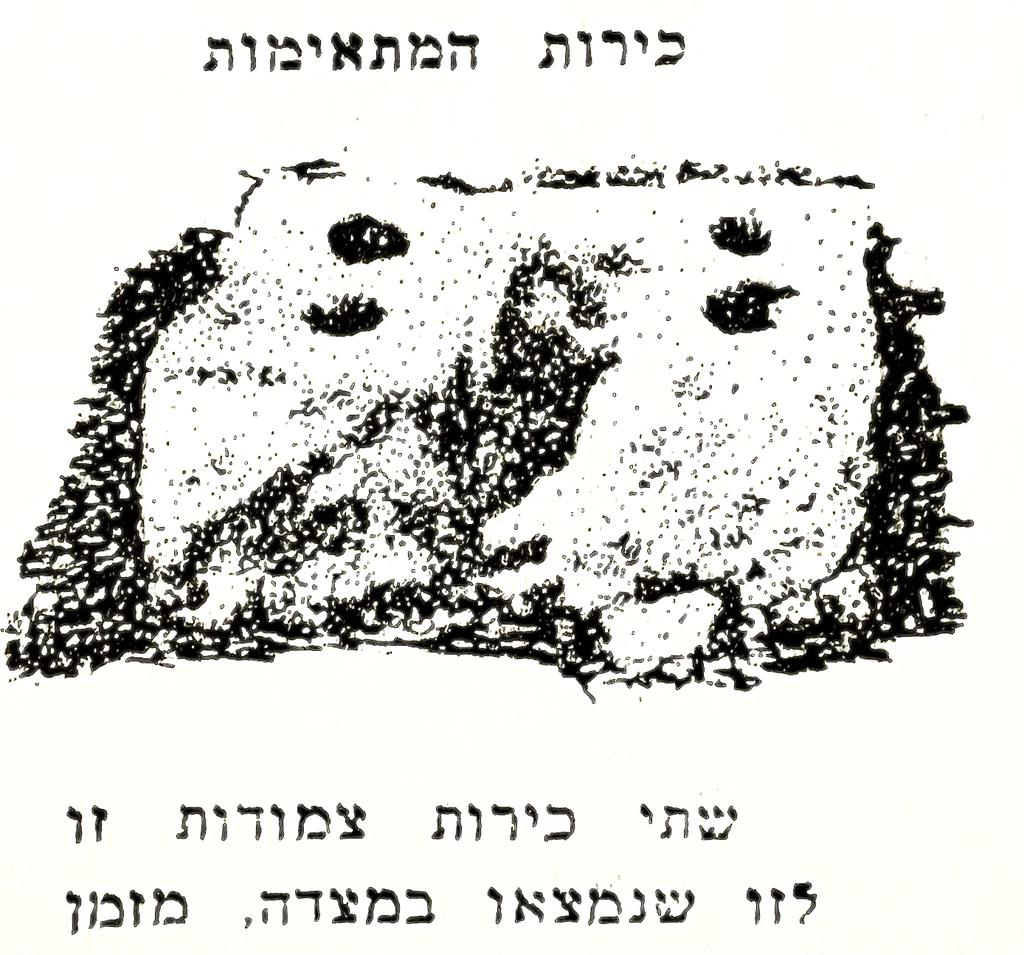
כִּירָה שֶׁהִסִּיקוּהָ בְקַשׁ וּבִגְבָבָא, נוֹתְנִים עָלֶיהָ תַּבְשִׁיל.
בְּגֶפֶת וּבְעֵצִים, לֹא יִתֵּן עַד שֶׁיִּגְרֹף, אוֹ עַד שֶׁיִּתֵּן אֶת הָאֵפֶר.
בֵּית שַׁמַּאי אוֹמְרִים, חַמִּין אֲבָל לֹא תַבְשִׁיל. וּבֵית הִלֵּל אוֹמְרִים, חַמִּין וְתַבְשִׁיל.
בֵּית שַׁמַּאי אוֹמְרִים, נוֹטְלִין אֲבָל לֹא מַחֲזִירִין. וּבֵית הִלֵּל אוֹמְרִים, אַף מַחֲזִירִין:
If a double-stove was heated with stubble or straw, one may put a cooked dish on it. With peat or wood, one may not before raking it out or covering it with ashes.
Bet Shammai says: hot water, but not cooked food and Bet Hillel says: both hot water and cooked dishes.
Bet Shammai says: one may remove it, but not put it back and Bet Hillel says: one may even put it back.
נותנים עליה תבשיל. מערב שבת להשהותו שם בשבת:
Put cooked food on it. From Shabbat eve to rest there on Shabbat.
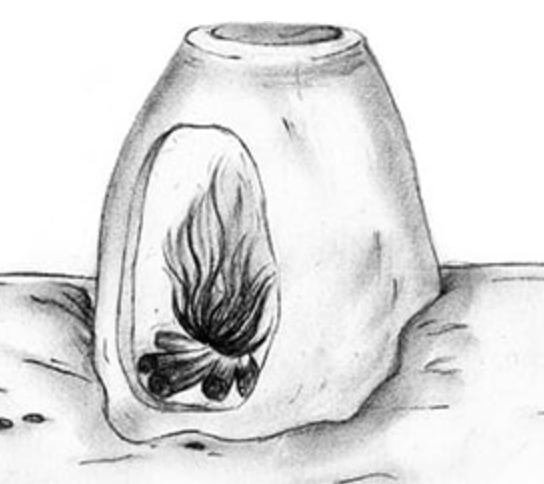
An image of an oven in the time of the Mishnah, with a fuel-feeder at the front and a hole at the top. (image from Chabad website illustrating the halakha in the Shulhan Arukh of the Rav)
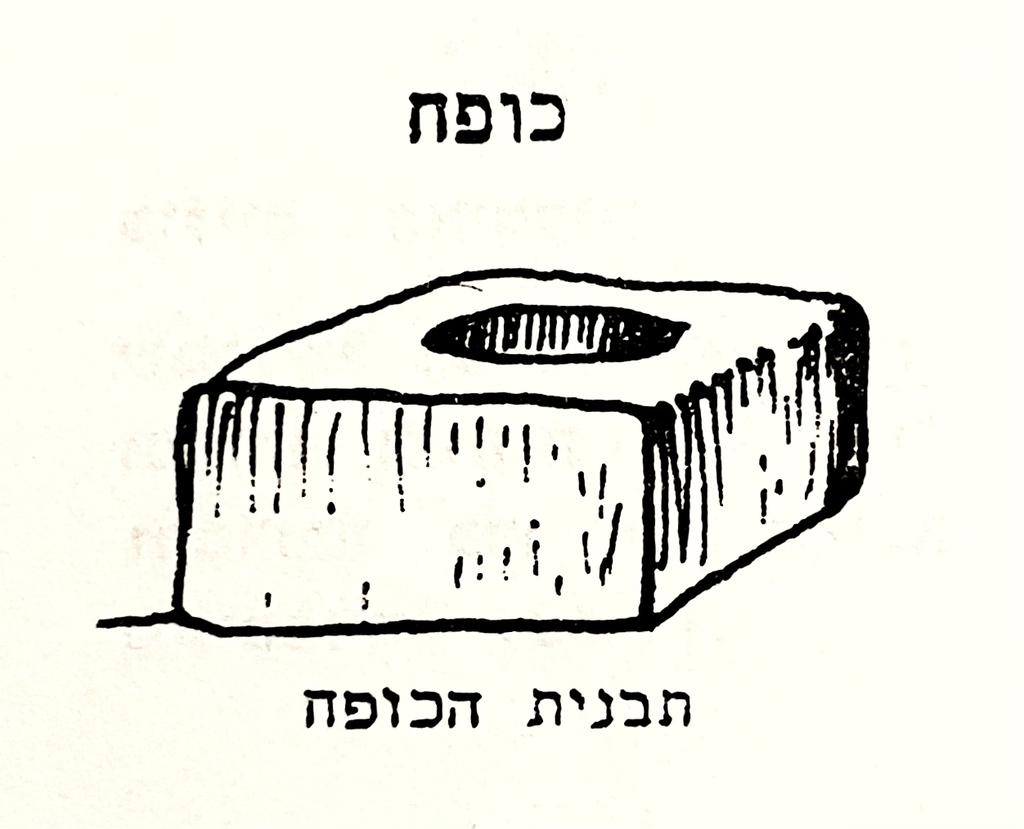
Single-topped stove from the time of the Mishnah, called a "kupah" with space for one pot on top. The fire burned below. It looks somewhat like half a "kira"but it's close too to the oven. (image from Steinsaltz Talmud, ad loc)
תַּנּוּר שֶׁהִסִּיקוּהוּ בְקַשׁ וּבַגְּבָבָא, לֹא יִתֵּן בֵּין מִתּוֹכוֹ בֵּין מֵעַל גַּבָּיו.
כֻּפָּח שֶׁהִסִּיקוּהוּ בְקַשׁ וּבִגְבָבָא, הֲרֵי זֶה כְכִירַיִם, בְּגֶפֶת וּבְעֵצִים, הֲרֵי הוּא כְתַנּוּר:
If an oven was heated with stubble or straw, one may not place anything inside it or on top.
If a "kupah", a single-stove, is heated with stubble or straws it is like a double-stove; with peat or wood, it is like an oven.
אֵין נוֹתְנִין בֵּיצָה בְצַד הַמֵּחַם בִּשְׁבִיל שֶׁתִּתְגַּלְגֵּל. וְלֹא יַפְקִיעֶנָּה בְסוּדָרִין. וְרַבִּי יוֹסֵי מַתִּיר.
וְלֹא יַטְמִינֶנָּה בְחֹל וּבַאֲבַק דְּרָכִים בִּשְׁבִיל שֶׁתִּצָּלֶה:
One may not place an egg at the side of a boiler for it to be lightly roasted and one may not break it into a cloth. Rabbi Yose permits.
And one may not cover it in hot sand or road dust for it to be roasted.
ולא יפקיענה בסודרין. לא ישברנה על סודר שהוחם בחמה כדי שתצלה בו, דגזרינן תולדות חמה אטו תולדות האור:
Break it into a cloth. He should not crack it on wrapping that was warmed by the sun in order that it be roasted by it, for we decreed that derivatives of the sun are because of the derivatives of the heat.
מַעֲשֶׂה שֶׁעָשׂוּ אַנְשֵׁי טְבֶרְיָא וְהֵבִיאוּ סִלּוֹן שֶׁל צוֹנֵן לְתוֹךְ אַמָּה שֶׁל חַמִּין.
אָמְרוּ לָהֶן חֲכָמִים, אִם בְּשַׁבָּת, כְּחַמִּין שֶׁהוּחַמּוּ בְשַׁבָּת, אֲסוּרִין בִּרְחִיצָה וּבִשְׁתִיָּה; בְּיוֹם טוֹב, כְּחַמִּין שֶׁהוּחַמּוּ בְיוֹם טוֹב, אֲסוּרִין בִּרְחִיצָה וּמֻתָּרִין בִּשְׁתִיָּה.
מוּלְיָאר הַגָּרוּף, שׁוֹתִין הֵימֶנּוּ בְשַׁבָּת. אַנְטִיכִי, אַף עַל פִּי שֶׁגְּרוּפָה, אֵין שׁוֹתִין מִמֶּנָּה:
The people of Tiberias once brought a pipe of cold water through a branch of the hot springs.
The sages said to them: if this happened on the Shabbat, it is like hot water heated on the Shabbat, and is forbidden both for washing and for drinking; if on a festival, it is like water heated on a festival, which is forbidden for washing but permitted for drinking.
A mulyar which is cleared of its ashes--one may drink from it on Shabbat. An antiki even if its ashes have been cleared--they may not drink from it.
גְּמָ׳ הֵיכִי דָּמֵי מוּלְיָאר הַגָּרוּף? תָּנָא, מַיִם מִבִּפְנִים וְגֶחָלִים מִבְּחוּץ. אַנְטִיכֵי: . . . תַּנְיָא כְּווֹתֵיהּ דְּרַב נַחְמָן: אַנְטִיכֵי אַף עַל פִּי שֶׁגְּרוּפָה וּקְטוּמָה אֵין שׁוֹתִין הֵימֶנָּה מִפְּנֵי שֶׁנְּחוּשְׁתָּהּ מְחַמַּמְתָּהּ.
GEMARA: The Gemara asks: What is a swept mulyar? It is taught, water on the inside and coals on the outside.
Antikhi? . . . . It was taught in accordance with Rav Naḥman: An antikhi, even if it was swept and covered with ashes, one may not drink from it because its copper heats it.
*אַנְטִיכִי f. (ἀγγοθήκη, ἐγγυθήκη, lat. mutilat. incitega) a receptacle for vessels, a stand for hanging in kettles, tripods &c. Sabb. III, 4 (41ᵃ); Ib. ib. one opin., בי כירי antichi (in the Mishnah) means a vessel suspended between fire places (heated bricks); another opin., בי דודי a metal vessel suspended within a cauldron-like vessel, the vacant space beneath being filled with coals.
הַמֵּחַם שֶׁפִּנָּהוּ, לֹא יִתֵּן לְתוֹכוֹ צוֹנֵן בִּשְׁבִיל שֶׁיֵּחַמּוּ, אֲבָל נוֹתֵן הוּא לְתוֹכוֹ אוֹ לְתוֹךְ הַכּוֹס כְּדֵי לְהַפְשִׁירָן.
הָאִלְפָּס וְהַקְּדֵרָה שֶׁהֶעֱבִירָן מְרֻתָּחִין, לֹא יִתֵּן לְתוֹכָן תְּבָלִין, אֲבָל נוֹתֵן הוּא לְתוֹךְ הַקְּעָרָה אוֹ לְתוֹךְ הַתַּמְחוּי.
רַבִּי יְהוּדָה אוֹמֵר, לַכֹּל הוּא נוֹתֵן, חוּץ מִדָּבָר שֶׁיֶּשׁ בּוֹ חֹמֶץ וְצִיר:
A kettle which was removed/emptied: one may not pour cold water into it so that it should warm up, but one may pour into it or into a cup in order to cool it.
One should not put spices into a pan or pot which was removed from boiling, it, but one may put into a dish or a casserole.
Rabbi Judah says: on may put into anything except something that contains vinegar or brine.
אֵין נוֹתְנִין כְּלִי תַּחַת הַנֵּר לְקַבֵּל בּוֹ אֶת הַשֶּׁמֶן. וְאִם נוֹתְנוֹ מִבְּעוֹד יוֹם, מֻתָּר. וְאֵין נֵאוֹתִין מִמֶּנּוּ, לְפִי שֶׁאֵינוֹ מִן הַמּוּכָן.
מְטַלְטְלִין נֵר חָדָשׁ, אֲבָל לֹא יָשָׁן.
רַבִּי שִׁמְעוֹן אוֹמֵר, כָּל הַנֵּרוֹת מְטַלְטְלִין, חוּץ מִן הַנֵּר הַדּוֹלֵק בְּשַׁבָּת.
נוֹתְנִין כְּלִי תַחַת הַנֵּר לְקַבֵּל נִיצוֹצוֹת. וְלֹא יִתֵּן לְתוֹכוֹ מַיִם, מִפְּנֵי שֶׁהוּא מְכַבֶּה:
One may not place a vessel under a lamp to catch the oil. But if it was placed there before sunset it is permitted. Yet one may not benefit from it because it is not prepared.
One may handle a new lamp but not an old one.
Rabbi Shimon says: all lamps may be handled, except a lamp burning on Shabbat. A vessel may be placed under a lamp to catch the sparks, but one does not pour water into it, because it extinguishes.
בַּמֶּה טוֹמְנִין וּבַמָּה אֵין טוֹמְנִין.
אֵין טוֹמְנִין לֹא בְגֶפֶת וְלֹא בְזֶבֶל, לֹא בְמֶלַח וְלֹא בְסִיד וְלֹא בְחֹל, בֵּין לַחִים בֵּין יְבֵשִׁים.
לֹא בְתֶבֶן וְלֹא בְזָגִים וְלֹא בְמוֹכִים וְלֹא בַעֲשָׂבִים בִּזְמַן שֶׁהֵן לַחִים, אֲבָל טוֹמְנִין בָּהֶן כְּשֶׁהֵן יְבֵשִׁין.
טוֹמְנִין בִּכְסוּת וּבְפֵרוֹת, בְּכַנְפֵי יוֹנָה וּבִנְסֹרֶת שֶׁל חָרָשִׁים וּבִנְעֹרֶת שֶׁל פִּשְׁתָּן דַּקָּה.
רַבִּי יְהוּדָה אוֹסֵר בְּדַקָּה וּמַתִּיר בְּגַסָּה:
With what may one cover and with what may one not cover?
One may not cover in peat, compost, salt, lime, or sand, whether moist or dry.
Nor in straw, grape-skins, rags or grasses, when they are moist but one may cover in them when they are dry.
One may cover in garments, produce, doves’ wings, carpenters’ sawdust and chips of flax.
Rabbi Judah forbids in fine, but permits in coarse.
טוֹמְנִין בִּשְׁלָחִין, וּמְטַלְטְלִין אוֹתָן, בְּגִזֵּי צֶמֶר, וְאֵין מְטַלְטְלִין אוֹתָן.
כֵּיצַד הוּא עוֹשֶׂה, נוֹטֵל אֶת הַכִּסּוּי וְהֵן נוֹפְלוֹת.
רַבִּי אֶלְעָזָר בֶּן עֲזַרְיָה אוֹמֵר, קֻפָּה, מַטָּהּ עַל צִדָּהּ וְנוֹטֵל, שֶׁמָּא יִטֹּל וְאֵינוֹ יָכֹל לְהַחֲזִיר.
וַחֲכָמִים אוֹמְרִים, נוֹטֵל וּמַחֲזִיר.
לֹא כִסָּהוּ מִבְּעוֹד יוֹם, לֹא יְכַסֶּנּוּ מִשֶּׁתֶּחְשָׁךְ.
כִּסָּהוּ וְנִתְגַּלָּה, מֻתָּר לְכַסּוֹתוֹ.
מְמַלֵּא אֶת הַקִּיתוֹן וְנוֹתֵן לְתַחַת הַכַּר, אוֹ תַחַת הַכָּסֶת:
One covers up with hides, and moves them; with wool shearings, but one does not move them.
What does one do? One takes the lid and they fall off.
Rabbi Elazar ben Azariah says: the basket is tilted on its side and one takes, lest one lift and cannot replace it.
But the Sages say: one may lift and replace.
If one did not cover it while it was day, it may not be covered after nightfall. If it was covered but became uncovered, it may be covered again.
One may fill a jug and place it under a pillow or blanket.
גְּמָ׳ אָמַר רַב יְהוּדָה אָמַר שְׁמוּאֵל: מוּתָּר לְהַטְמִין אֶת הַצּוֹנֵן. אָמַר רַב יוֹסֵף: מַאי קָמַשְׁמַע לַן? תְּנֵינָא: מְמַלֵּא אָדָם קִיתוֹן וְנוֹתֵן תַּחַת הַכַּר אוֹ תַּחַת הַכֶּסֶת!
GEMARA: Rav Yehuda said that Shmuel said: It is permitted to insulate the cold food on Shabbat to keep it cold. There is no concern that this will lead one to insulate hot food on Shabbat to keep it hot. Rav Yosef said: What is Shmuel teaching us with this statement? We already learned in our mishna: One may fill a jug with cold water on Shabbat and place it beneath a pillow or a mattress to prevent it from getting warm.
שֵׁ֤שֶׁת יָמִים֙ תַּעֲשֶׂ֣ה מַעֲשֶׂ֔יךָ וּבַיּ֥וֹם הַשְּׁבִיעִ֖י תִּשְׁבֹּ֑ת לְמַ֣עַן יָנ֗וּחַ שֽׁוֹרְךָ֙ וַחֲמֹרֶ֔ךָ וְיִנָּפֵ֥שׁ בֶּן־אֲמָתְךָ֖ וְהַגֵּֽר׃
Six days you shall do your work, but on the seventh day you shall cease from labor, in order that your ox and your ass may rest, and that your home-born slave and the stranger may be refreshed.
בַּמֶּה בְּהֵמָה יוֹצְאָה וּבַמָּה אֵינָהּ יוֹצְאָה.
יוֹצֵא הַגָּמָל בְּאַפְסָר, וְנָאקָה בַחֲטָם, וְלֻבְדְּקִיס בִּפְרֻמְבְּיָא, וְסוּס בְּשֵׁיר, וְכָל בַּעֲלֵי הַשֵּׁיר יוֹצְאִים בַּשֵּׁיר וְנִמְשָׁכִים בַּשֵּׁיר,
וּמַזִּין עֲלֵיהֶן וְטוֹבְלִין בִּמְקוֹמָן:
With what may an animal go out and with what may it not go out?
A camel goes out with a bit, a female camel with its nose-ring, a Libyan donkey with an iron bridle, a horse with its chain, and all chain-wearing animals go out with their chains and are led by their chains.
And one may sprinkle upon them and they may be immersed in their place.
במרדעת. כמין אוכף קטן, ומניחים אותו על החמור כל היום כולו כדי שיתחמם:
מרדעת – a kind of small saddle and we place it on the donkey all day long in order that the donkey can be kept warm.
חֲמוֹר יוֹצֵא בְמַרְדַּעַת, בִּזְמַן שֶׁהִיא קְשׁוּרָה לוֹ. זְכָרִים יוֹצְאִין לְבוּבִין. רְחֵלוֹת יוֹצְאוֹת שְׁחוּזוֹת, כְּבוּלוֹת וּכְבוּנוֹת.
הָעִזִּים יוֹצְאוֹת צְרוּרוֹת.
רַבִּי יוֹסֵי אוֹסֵר בְּכֻלָּן, חוּץ מִן הָרְחֵלִין הַכְּבוּנוֹת.
רַבִּי יְהוּדָה אוֹמֵר, עִזִּים יוֹצְאוֹת צְרוּרוֹת לְיַבֵּשׁ, אֲבָל לֹא לְחָלָב:
A donkey may go out with its saddle-cloth if it is fastened to it. Rams may go out with strapped up. Ewes may go out with their tails tied up, tied down, or covered.
Goats may go out tied up. Rabbi Yose forbids in all these cases, save ewes that are covered.
Rabbi Judah says: goats may go out tied up in order to dry them up, but not to save their milk.
וּבַמָּה אֵינָהּ יוֹצְאָה. לֹא יֵצֵא גָמָל בִּמְטוּטֶלֶת, לֹא עָקוּד וְלֹא רָגוּל, וְכֵן שְׁאָר כָּל הַבְּהֵמוֹת.
לֹא יִקְשֹׁר גְּמַלִּים זֶה בָזֶה וְיִמְשֹׁךְ. אֲבָל מַכְנִיס חֲבָלִים לְתוֹךְ יָדוֹ וְיִמְשֹׁךְ, וּבִלְבַד שֶׁלֹּא יִכְרֹךְ:
And with what may it not go out?
A camel may not go out with a pad and not with forelegs bound together or with hind legs bound together and the same is true for other animals.
One should not tie camels together and pull. But one may take the cords in hand and pull providing he does not twist them together.
אֵין חֲמוֹר יוֹצֵא בְמַרְדַּעַת בִּזְמַן שֶׁאֵינָהּ קְשׁוּרָה לוֹ, וְלֹא בְזוֹג, אַף עַל פִּי שֶׁהוּא פָקוּק, וְלֹא בְסֻלָּם שֶׁבְּצַוָּארוֹ, וְלֹא בִרְצוּעָה שֶׁבְּרַגְלוֹ.
וְאֵין הַתַּרְנְגוֹלִין יוֹצְאִין בְּחוּטִין, וְלֹא בִרְצוּעוֹת שֶׁבְּרַגְלֵיהֶם. וְאֵין הַזְּכָרִים יוֹצְאִין בַּעֲגָלָה שֶׁתַּחַת הָאַלְיָה שֶׁלָּהֶן. וְאֵין הָרְחֵלִים יוֹצְאוֹת חֲנוּנוֹת. וְאֵין הָעֵגֶל יוֹצֵא בְגִימוֹן. וְלֹא פָרָה בְּעוֹר הַקֻּפָּר, וְלֹא בִרְצוּעָה שֶׁבֵּין קַרְנֶיהָ.
פָּרָתוֹ שֶׁל רַבִּי אֶלְעָזָר בֶּן עֲזַרְיָה הָיְתָה יוֹצְאָה בִרְצוּעָה שֶׁבֵּין קַרְנֶיהָ, שֶׁלֹּא בִרְצוֹן חֲכָמִים:
A donkey may not go out with a saddle-cloth, when it is not tied to it, or with a bell, even if it is plugged, or with a ladder around its neck, or with a strap around its foot.
Fowls may not go out with ribbons, or with straps on their legs. Rams may not go out with a wagon under their tails. Ewes may not go out with a nostril-chip. A calf may not go out with a small yoke,nor a cow with the skin of a hedgehog, or with the strap between its horns.
Rabbi Elazar ben Azariah’s cow used to go out with a strap between its horns, not with the approval of the rabbis.
תָּנָא: לֹא שֶׁלּוֹ הָיְתָה אֶלָּא שֶׁל שְׁכֶינְתּוֹ הָיְתָה, וּמִתּוֹךְ שֶׁלֹּא מִיחָה בָּהּ נִקְרֵאת עַל שְׁמוֹ.
It was taught: it was not his but his neighbor’s.
Because he did not protest, it was called by his name.
בַּמֶּה אִשָּׁה יוֹצְאָה וּבַמָּה אֵינָהּ יוֹצְאָה.
לֹא תֵצֵא אִשָּׁה לֹא בְחוּטֵי צֶמֶר וְלֹא בְחוּטֵי פִשְׁתָּן וְלֹא בִרְצוּעוֹת שֶׁבְּרֹאשָׁהּ. וְלֹא תִטְבֹּל בָּהֶן עַד שֶׁתְּרַפֵּם.
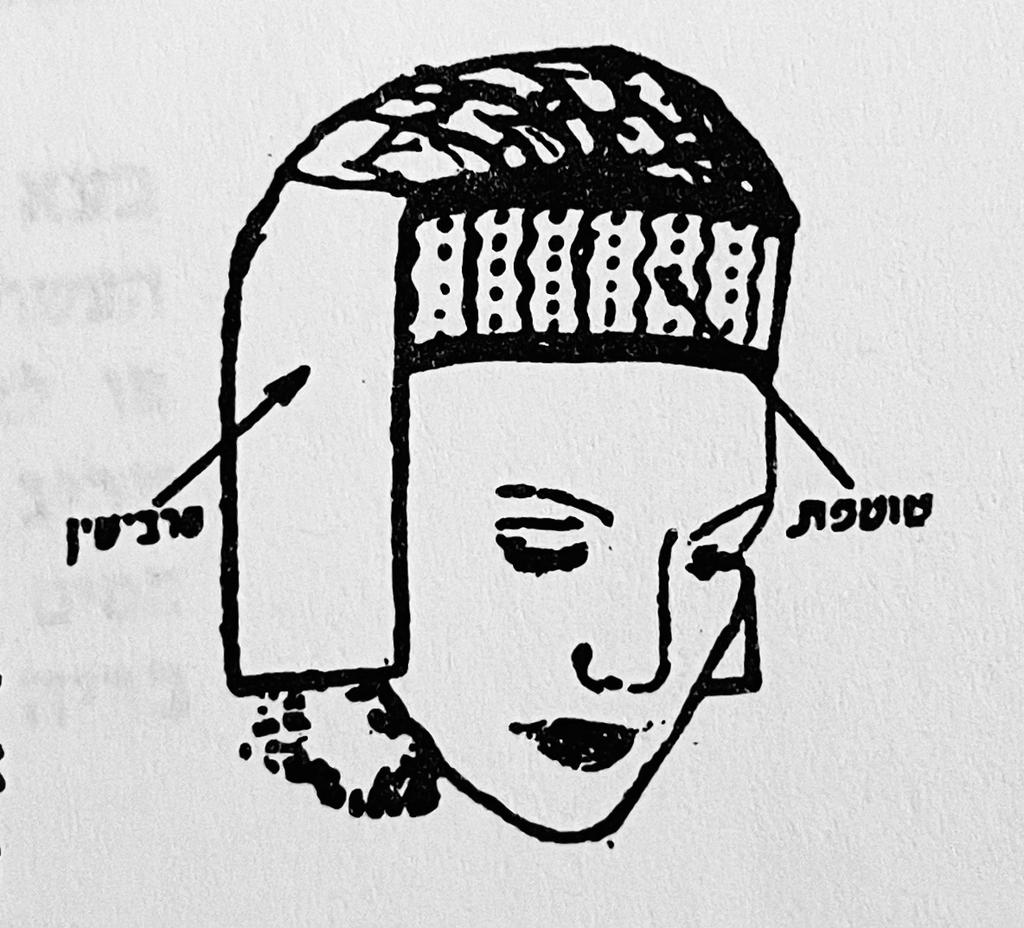
וְלֹא בְטֹטֶפֶת וְלֹא בְסַנְבּוּטִין בִּזְמַן שֶׁאֵינָן תְּפוּרִין. וְלֹא בְכָבוּל לִרְשׁוּת הָרַבִּים. וְלֹא בְעִיר שֶׁל זָהָב, וְלֹא בְקַטְלָא, וְלֹא בִנְזָמִים, וְלֹא בְטַבַּעַת שֶׁאֵין עָלֶיהָ חוֹתָם, וְלֹא בְמַחַט שֶׁאֵינָהּ נְקוּבָה.
וְאִם יָצָאת, אֵינָהּ חַיֶּבֶת חַטָּאת:
With what may a woman go out and with what may she not go out?
A woman may not go out with wool threads, linen threads, or straps around her head, nor may she immerse while wearing them, until she loosens them.
Not with a frontlet or head-dress if they are not sewn, or with a hair-net into the public domain, or with a gold crown, or with a necklace or with ear-rings, or with a ring without seal, or with an unpierced needle.
And if she goes out with these, she is not liable to a sin-offering.
לֹא יֵצֵא הָאִישׁ בְּסַנְדָּל הַמְסֻמָּר, וְלֹא בְיָחִיד בִּזְמַן שֶׁאֵין בְּרַגְלוֹ מַכָּה, וְלֹא בִתְפִלִּין, וְלֹא בְקָמֵעַ בִּזְמַן שֶׁאֵינוֹ מִן הַמֻּמְחֶה, וְלֹא בְשִׁרְיוֹן, וְלֹא בְקַסְדָּא, וְלֹא בְמַגָּפָיִם.
וְאִם יָצָא, אֵינוֹ חַיָּב חַטָּאת:
A man may not go out with a nail-studded sandal, nor with a single one if he has no wound on his foot; nor with tefillin, nor with an amulet, if it is not from an expert; nor with a coat of mail, nor with a helmet; nor with iron boots.
And if he goes out with these, he is not liable for a sin-offering.
לֹא תֵצֵא אִשָּׁה בְמַחַט הַנְּקוּבָה, וְלֹא בְטַבַּעַת שֶׁיֵּשׁ עָלֶיהָ חוֹתָם, וְלֹא בְכוֹלְיָאר, וְלֹא בְכוֹבֶלֶת, וְלֹא בִצְלוֹחִית שֶׁל פַּלְיָטוֹן. וְאִם יָצְתָה, חַיֶּבֶת חַטָּאת, דִּבְרֵי רַבִּי מֵאִיר.
וַחֲכָמִים פּוֹטְרִין בְּכוֹבֶלֶת וּבִצְלוֹחִית שֶׁל פַּלְיָטוֹן:
A woman may not go out with a pierced needle nor with a signet ring, nor with a coliyar, nor with a spice box, nor with a perfume vial; And if she does go out, according to Rabbi Meir she is liable for a sin-offering.
But the sages say that she is not liable in the case of a spice tie and a perfume vial.
לֹא יֵצֵא הָאִישׁ לֹא בְסַיִף, וְלֹא בְקֶשֶׁת, וְלֹא בִתְרִיס, וְלֹא בְאַלָּה, וְלֹא בְרֹמַח. וְאִם יָצָא, חַיָּב חַטָּאת.
רַבִּי אֱלִיעֶזֶר אוֹמֵר, תַּכְשִׁיטִין הֵן לוֹ.
וַחֲכָמִים אוֹמְרִים, אֵינָן אֶלָּא לִגְנַאי, שֶׁנֶּאֱמַר (ישעיה ב) וְכִתְּתוּ חַרְבוֹתָם לְאִתִּים וַחֲנִיתוֹתֵיהֶם לְמַזְמֵרוֹת, לֹא יִשָּׂא גּוֹי אֶל גּוֹי חֶרֶב וְלֹא יִלְמְדוּ עוֹד מִלְחָמָה.
בִּירִית, טְהוֹרָה, וְיוֹצְאִין בָּהּ בְּשַׁבָּת. כְּבָלִים, טְמֵאִין, וְאֵין יוֹצְאִין בָּהֶם בְּשַׁבָּת:
A man may not go out with a sword, bow, shield, club, or spear, and if he does go out, he is liable for a sin-offering.
Rabbi Eliezer says: they are ornaments for him.
But the sages say, they are nothing but a disgrace, as it is said, “And they shall beat their swords into plowshares, and their spears into pruning hooks: nation shall not lift up sword against nation, neither shall they learn war any more” (Isaiah 2:4).
A garter is clean, and one goes out wearing it on Shabbat. Knee-bands are unclean and one may not go out with them on Shabbat.
יוֹצְאָה אִשָּׁה בְחוּטֵי שֵׂעָר, בֵּין מִשֶּׁלָּהּ בֵּין מִשֶּׁל חֲבֶרְתָּהּ בֵּין מִשֶּׁל בְּהֵמָה, וּבְטֹטֶפֶת וּבְסַנְבּוּטִין בִּזְמַן שֶׁהֵן תְּפוּרִין.
בְּכָבוּל וּבְפֵאָה נָכְרִית לֶחָצֵר. בְּמוֹךְ שֶׁבְּאָזְנָהּ וּבְמוֹךְ שֶׁבְּסַנְדָּלָהּ וּבְמוֹךְ שֶׁהִתְקִינָה לְנִדָּתָהּ.
בְּפִלְפֵּל וּבְגַרְגִּיר מֶלַח וּבְכָל דָּבָר שֶׁתִּתֵּן לְתוֹךְ פִּיהָ, וּבִלְבַד שֶׁלֹּא תִתֵּן לְכַתְּחִלָּה בְשַׁבָּת. וְאִם נָפַל, לֹא תַחֲזִיר. שֵׁן תּוֹתֶבֶת וְשֵׁן שֶׁל זָהָב, רַבִּי מַתִּיר, וַחֲכָמִים אוֹסְרִים:
A woman may go out with ribbons made of hair, whether they are of her own hair or her friend’s, or an animal’s; and with frontlets or head-bangles if they are sewn.
With a hair-net and with a wig into a courtyard; and with wool in her ear, with wool in her sandals, and with wool which she prepared for her period.
With a peppercorn, with a lump of salt and anything that is placed in her mouth, providing that she does not put it in her mouth in the first place on Shabbat. And if it falls out, she may not put it back. A false tooth or a gold tooth: Rabbi permits but the sages forbid it.
פּוֹרֶפֶת עַל הָאֶבֶן וְעַל הָאֱגוֹז וְעַל הַמַּטְבֵּעַ, וּבִלְבַד שֶׁלֹּא תִפְרֹף לְכַתְּחִלָּה בְשַׁבָּת:
She may fasten onto a stone, nut, or coin, providing that she does not first fasten it on Shabbat.
יוֹצְאָה בְסֶלַע שֶׁעַל הַצִּינִית. הַבָּנוֹת קְטַנּוֹת יוֹצְאוֹת בְּחוּטִין וַאֲפִלּוּ בְקִסְמִין שֶׁבְּאָזְנֵיהֶם. עַרְבִיּוֹת יוֹצְאוֹת רְעוּלוֹת, וּמָדִיּוֹת פְּרוּפוֹת, וְכָל אָדָם, אֶלָּא שֶׁדִּבְּרוּ חֲכָמִים בַּהֹוֶה:
She may go out with a sela on a tzinit. Young girls may go out with threads, and even with chips in their ears. Arabian women go out veiled and Medean women go out fastened - as may all people but that the sages spoke of the present.
לֹא יִכָּנֵס לְהַר הַבַּיִת בְּמַקְלוֹ, וּבְמִנְעָלוֹ, וּבְפֻנְדָּתוֹ, וּבְאָבָק שֶׁעַל רַגְלָיו, וְלֹא יַעֲשֶׂנּוּ קַפַּנְדַּרְיָא, וּרְקִיקָה מִקַּל וָחֹמֶר. . .
. . . . One should not enter the Temple Mount with a staff, or with shoes on, or with a wallet, or with dusty feet; nor should one make it a short cut, all the more spitting . . .
הַקִּטֵּעַ יוֹצֵא בְקַב שֶׁלּוֹ, דִּבְרֵי רַבִּי מֵאִיר. וְרַבִּי יוֹסֵי אוֹסֵר.
וְאִם יֶשׁ לוֹ בֵית קִבּוּל כְּתוּתִים, טָמֵא.
סָמוֹכוֹת שֶׁלּוֹ, טְמֵאִין מִדְרָס, וְיוֹצְאִין בָּהֶן בְּשַׁבָּת, וְנִכְנָסִין בָּהֶן בָּעֲזָרָה.
כִּסֵּא וְסָמוֹכוֹת שֶׁלּוֹ, טְמֵאִין מִדְרָס, וְאֵין יוֹצְאִין בָּהֶן בְּשַׁבָּת, וְאֵין נִכְנָסִין בָּהֶן בָּעֲזָרָה.
אַנְקַטְמִין טְהוֹרִין, וְאֵין יוֹצְאִין בָּהֶן:
An amputee may go out with his stump, according to Rabbi Meir and Rabbi Yose forbids it.
And if it has a receptacle for pads, it is unclean.
His supports are subject to midras uncleanness, and one may go out with them on Shabbat, and enter the Temple court while wearing them.
His chair and its supports are subject to midras uncleanness, and one may not go out with them on Shabbat, and one may not enter the Temple court with them.
Ankatmin are clean, but one may not go out with them.
הקיטע יוצא בקב שלו דברי ר' מאיר אנקטמים כמו מנעל מעץ . . .
Antakmim are like a wooden shoe . . .
הַבָּנִים יוֹצְאִין בִּקְשָׁרִים, וּבְנֵי מְלָכִים בְּזוֹגִין. וְכָל אָדָם, אֶלָּא שֶׁדִּבְּרוּ חֲכָמִים בַּהֹוֶה:
Boys may go out with knots and children of royalty children may go out with bells - as may all people but that the sages spoke of the present.
יוֹצְאִין בְּבֵיצַת הַחַרְגּוֹל, וּבְשֵׁן שׁוּעָל, וּבְמַסְמֵר מִן הַצָּלוּב, מִשּׁוּם רְפוּאָה, דִּבְרֵי רַבִּי יוֹסֵי.
וַרַבִּי מֵאִיר אוֹמֵר, אַף בְּחֹל אָסוּר, מִשּׁוּם דַּרְכֵי הָאֱמוֹרִי:
One may go out with a locust’s egg, a fox’s tooth, and a nail from a crucifix for purposes of healing, in Rabbi Yose's view.
But Rabbi Meir says: even on weekdays this is forbidden on account of “the ways of the Amorite”.
כְּמַעֲשֵׂ֧ה אֶֽרֶץ־מִצְרַ֛יִם אֲשֶׁ֥ר יְשַׁבְתֶּם־בָּ֖הּ לֹ֣א תַעֲשׂ֑וּ וּכְמַעֲשֵׂ֣ה אֶֽרֶץ־כְּנַ֡עַן אֲשֶׁ֣ר אֲנִי֩ מֵבִ֨יא אֶתְכֶ֥ם שָׁ֙מָּה֙ לֹ֣א תַעֲשׂ֔וּ וּבְחֻקֹּתֵיהֶ֖ם לֹ֥א תֵלֵֽכוּ׃
You shall not copy the practices of the land of Egypt where you dwelt, or of the land of Canaan to which I am taking you; nor shall you follow their laws.
והלכה כרבי יוסי כי העיקר אצלנו כל שיש בו משום רפואה אין בו משום דרכי האמורי ועל זה לא אמר הכתוב ולא תלכו בחוקות הגוים (שם כ):
The halakha is according to Rabbi Yose because our principle is that anything which has the power to heal is not "the way of the Amorite" and the text did not refer to these when it said "don't follow the laws of the nations".
כְּלָל גָּדוֹל אָמְרוּ בַשַּׁבָּת. כָּל הַשּׁוֹכֵחַ עִקַּר שַׁבָּת וְעָשָׂה מְלָאכוֹת הַרְבֵּה בְשַׁבָּתוֹת הַרְבֵּה, אֵינוֹ חַיָּב אֶלָּא חַטָּאת אֶחָת.
הַיּוֹדֵעַ עִקַּר שַׁבָּת וְעָשָׂה מְלָאכוֹת הַרְבֵּה בְּשַׁבָּתוֹת הַרְבֵּה, חַיָּב עַל כָּל שַׁבָּת וְשַׁבָּת.
הַיּוֹדֵעַ שֶׁהוּא שַׁבָּת וְעָשָׂה מְלָאכוֹת הַרְבֵּה בְּשַׁבָּתוֹת הַרְבֵּה, חַיָּב עַל כָּל אַב מְלָאכָה וּמְלָאכָה.
הָעוֹשֶׂה מְלָאכוֹת הַרְבֵּה מֵעֵין מְלָאכָה אַחַת, אֵינוֹ חַיָּב אֶלָּא חַטָּאת אֶחָת:
A great principle they stated in respect to Shabbat: someone who forgets the principle of Shabbat and performed many labors on many Shabbatot, is liable for only one sin-offering.
Someone who knows the principle of Shabbat and performs many labors on many Shabbatot is liable for a sin-offering for each and every Shabbat.
One who knows that it is Shabbat and performs many labors on many Shabbatot, is liable for every primary category.
Someone who performs many labors belonging to the same category is obligated for only one sin-offering.
וַיַּקְהֵ֣ל מֹשֶׁ֗ה אֶֽת־כׇּל־עֲדַ֛ת בְּנֵ֥י יִשְׂרָאֵ֖ל וַיֹּ֣אמֶר אֲלֵהֶ֑ם אֵ֚לֶּה הַדְּבָרִ֔ים אֲשֶׁר־צִוָּ֥ה יהוה לַעֲשֹׂ֥ת אֹתָֽם׃ שֵׁ֣שֶׁת יָמִים֮ תֵּעָשֶׂ֣ה מְלָאכָה֒ וּבַיּ֣וֹם הַשְּׁבִיעִ֗י יִהְיֶ֨ה לָכֶ֥ם קֹ֛דֶשׁ שַׁבַּ֥ת שַׁבָּת֖וֹן לַיהוה כׇּל־הָעֹשֶׂ֥ה ב֛וֹ מְלָאכָ֖ה יוּמָֽת׃ לֹא־תְבַעֲר֣וּ אֵ֔שׁ בְּכֹ֖ל מֹשְׁבֹֽתֵיכֶ֑ם בְּי֖וֹם הַשַּׁבָּֽת׃ {פ} וַיֹּ֣אמֶר מֹשֶׁ֔ה אֶל־כׇּל־עֲדַ֥ת בְּנֵֽי־יִשְׂרָאֵ֖ל לֵאמֹ֑ר זֶ֣ה הַדָּבָ֔ר אֲשֶׁר־צִוָּ֥ה יהוה לֵאמֹֽר׃
And Moshe gathered all the congregation of the children of Yisra᾽el together, and said to them, These are the words which the Lord has commanded, that you should do them. Six days shall work be done, but on the seventh day there shall be to you a holy day, a sabbath of rest to the Lord: whoever does work on it shall be put to death. You shall kindle no fire throughout your habitations on the sabbath day.
And Moshe spoke to all the congregation of the children of Yisra᾽el, saying, This is the thing which the Lord commanded, saying . . . .
אֲבוֹת מְלָאכוֹת אַרְבָּעִים חָסֵר אֶחָת. הַזּוֹרֵעַ. וְהַחוֹרֵשׁ. וְהַקּוֹצֵר. וְהַמְעַמֵּר. הַדָּשׁ. וְהַזּוֹרֶה. הַבּוֹרֵר. הַטּוֹחֵן. וְהַמְרַקֵּד. וְהַלָּשׁ. וְהָאוֹפֶה.
הַגּוֹזֵז אֶת הַצֶּמֶר. הַמְלַבְּנוֹ. וְהַמְנַפְּצוֹ. וְהַצּוֹבְעוֹ. וְהַטּוֹוֶה. וְהַמֵּסֵךְ. וְהָעוֹשֶׂה שְׁנֵי בָתֵּי נִירִין. וְהָאוֹרֵג שְׁנֵי חוּטִין. וְהַפּוֹצֵעַ שְׁנֵי חוּטִין. הַקּוֹשֵׁר. וְהַמַּתִּיר. וְהַתּוֹפֵר שְׁתֵּי תְפִירוֹת. הַקּוֹרֵעַ עַל מְנָת לִתְפֹּר שְׁתֵּי תְפִירוֹת.
הַצָּד צְבִי. הַשּׁוֹחֲטוֹ. וְהַמַּפְשִׁיטוֹ. הַמּוֹלְחוֹ, וְהַמְעַבֵּד אֶת עוֹרוֹ. וְהַמּוֹחֲקוֹ. וְהַמְחַתְּכוֹ. הַכּוֹתֵב שְׁתֵּי אוֹתִיּוֹת. וְהַמּוֹחֵק עַל מְנָת לִכְתֹּב שְׁתֵּי אוֹתִיּוֹת.
הַבּוֹנֶה. וְהַסּוֹתֵר. הַמְכַבֶּה. וְהַמַּבְעִיר. הַמַּכֶּה בַפַּטִּישׁ. הַמּוֹצִיא מֵרְשׁוּת לִרְשׁוּת. הֲרֵי אֵלּוּ אֲבוֹת מְלָאכוֹת אַרְבָּעִים חָסֵר אֶחָת:
The primary labors are forty less one: sowing, plowing, reaping, binding sheaves, threshing, winnowing, selecting, grinding, sifting, kneading, baking.
Shearing wool, bleaching, hackling, dyeing, spinning, weaving, the making of two loops, weaving two threads, dividing two threads, tying and untying, sewing two stitches, tearing in order to sew two stitches.
Hunting a deer, slaughtering it, flaying it, salting it, curing its hide, scraping it, cutting it up, writing two letters, erasing in order to write two letters.
Building, tearing down, extinguishing, kindling, striking with a hammer, carrying out from one domain to another, These are the forty primary labors less one.
וְעוֹד כְּלָל אַחֵר אָמְרוּ. כָּל הַכָּשֵׁר לְהַצְנִיעַ וּמַצְנִיעִין כָּמוֹהוּ וְהוֹצִיאוֹ בְשַׁבָּת, חַיָּב עָלָיו חַטָּאת,
וְכָל שֶׁאֵינוֹ כָשֵׁר לְהַצְנִיעַ וְאֵין מַצְנִיעִין כָּמוֹהוּ וְהוֹצִיאוֹ בְשַׁבָּת, אֵינוֹ חַיָּב אֶלָּא הַמַּצְנִיעוֹ:
They also stated another general principle: whatever is fit to store and people generally store things like it, if someone carries it out on Shabbat they are liable for a sin-offering for it.
But whatever is not fit to store and people do not store things like it, if someone carries it out on Shabbat, only he that stores it is liable.
הַמּוֹצִיא תֶבֶן, כִּמְלֹא פִי פָרָה. עָצָה, כִּמְלֹא פִי גָמָל. עָמִיר, כִּמְלֹא פִי טָלֶה. עֲשָׂבִים, כִּמְלֹא פִי גְדִי. עֲלֵי שׁוּם וַעֲלֵי בְצָלִים, לַחִים, כִּגְרוֹגֶרֶת, יְבֵשִׁים, כִּמְלֹא פִי גְדִי.
וְאֵין מִצְטָרְפִין זֶה עִם זֶה, מִפְּנֵי שֶׁלֹּא שָׁווּ בְשִׁעוּרֵיהֶן.
הַמּוֹצִיא אֳכָלִים כִּגְרוֹגֶרֶת, חַיָּב, וּמִצְטָרְפִין זֶה עִם זֶה, מִפְּנֵי שֶׁשָּׁווּ בְשִׁעוּרֵיהֶן, חוּץ מִקְּלִפֵּיהֶן וְגַרְעִינֵיהֶן וְעֻקְצֵיהֶן וְסֻבָּן וּמֻרְסָנָן.
רַבִּי יְהוּדָה אוֹמֵר, חוּץ מִקְּלִפֵּי עֲדָשִׁים שֶׁמִּתְבַּשְּׁלוֹת עִמָּהֶן:
Someone who carries out straw, a cow’s mouthful; pea stalks, a camel’s mouthful; ears of wheat, a lamb’s mouthful; herbs, a goat’s mouthful; grasses, moist leaves of garlic or moist leaves of onion, the size of a dried fig; dry leaves, a goat’s mouthful.
And they do not combine with each other, because they are not alike in their standards. Someone who carries out foodstuffs the size of a dried fig is liable and they combine with one other, because they are equal in their standards, except their shells, kernels, stalks, husks and coarse bran.
Rabbi Judah said: excluding the shells of lentils, because they are boiled together with them.
הַמּוֹצִיא יַיִן, כְּדֵי מְזִיגַת הַכּוֹס. חָלָב, כְּדֵי גְמִיעָה. דְּבַשׁ, כְּדֵי לִתֵּן עַל הַכָּתִית. שֶׁמֶן, כְּדֵי לָסוּךְ אֵבֶר קָטָן. מַיִם, כְּדֵי לָשׁוּף בָּהֶם אֶת הַקִּילוֹר.
וּשְׁאָר כָּל הַמַּשְׁקִין, בִּרְבִיעִית. וְכָל הַשּׁוֹפָכִין, בִּרְבִיעִית.
רַבִּי שִׁמְעוֹן אוֹמֵר, כֻּלָּן בִּרְבִיעִית, וְלֹא אָמְרוּ כָל הַשִּׁעוּרִין הַלָּלוּ אֶלָּא לְמַצְנִיעֵיהֶן:
Someone who carries out wine, enough for the mixing of a cup; milk, as much as is swallowed at a time; honey, as much as is placed on a scab; oil, as much as is required to rub on a small limb; water, enough to make an eye-wash. And all other liquids, a revi’it (86ml, 3 fluid ounces); and all waste water, a revi’it. Rabbi Shimon says: all of them are a revi’it, they stated all of these measures only in respect of those who store them away.
הַמּוֹצִיא חֶבֶל, כְּדֵי לַעֲשׂוֹת אֹזֶן לְקֻפָּה. גֶּמִי, כְּדֵי לַעֲשׂוֹת תְּלַאי לְנָפָה וְלִכְבָרָה. רַבִּי יְהוּדָה אוֹמֵר, כְּדֵי לִטֹּל מִמֶּנּוּ מִדַּת מִנְעָל לְקָטָן.
נְיָר, כְּדֵי לִכְתֹּב עָלָיו קֶשֶׁר מוֹכְסִין. וְהַמּוֹצִיא קֶשֶׁר מוֹכְסִין, חַיָּב. נְיָר מָחוּק, כְּדֵי לִכְרֹךְ עַל פִּי צְלוֹחִית קְטַנָּה שֶׁל פַּלְיָטוֹן:
Someone who carries out rope, as much as is required for making a handle for a basket; A reed cord: as much as is required for making a hanger for a sifter or a sieve. Rabbi Judah says: as much as is required for taking the measure of a child's shoe.
Paper, in order to write a tax-collector’s receipt on it. And one who carries out a tax-collector’s receipt is liable. Erased paper, as much as is required to wrap round a small vial of perfume.
עוֹר, כְּדֵי לַעֲשׂוֹת קָמֵעַ. קְלָף, כְּדֵי לִכְתֹּב עָלָיו פָּרָשָׁה קְטַנָּה שֶׁבַּתְּפִלִּין, שֶׁהִיא שְׁמַע יִשְׂרָאֵל. דְּיוֹ, כְּדֵי לִכְתֹּב שְׁתֵּי אוֹתִיּוֹת. כְּחֹל, כְּדֵי לִכְחֹל עַיִן אֶחָת:
Leather, enough for making an amulet. Parchment, for writing on it the short passage of the tefillin, which is “Sh’ma Yisrael”. Ink, for writing two letters. Eye-shadow, for painting one eye.
דֶּבֶק, כְּדֵי לִתֵּן בְּרֹאשׁ הַשַּׁבְשֶׁבֶת. זֶפֶת וְגָפְרִית, כְּדֵי לַעֲשׂוֹת נֶקֶב. שַׁעֲוָה, כְּדֵי לִתֵּן עַל פִּי נֶקֶב קָטָן. חַרְסִית, כְּדֵי לַעֲשׂוֹת פִּי כוּר שֶׁל צוֹרְפֵי זָהָב. רַבִּי יְהוּדָה אוֹמֵר, כְּדֵי לַעֲשׂוֹת פִּטְפּוּט.
סֻבִּין, כְּדֵי לִתֵּן עַל פִּי כוּר שֶׁל צוֹרְפֵי זָהָב. סִיד, כְּדֵי לָסוּד קְטַנָּה שֶׁבַּבָּנוֹת. רַבִּי יְהוּדָה אוֹמֵר, כְּדֵי לַעֲשׂוֹת כִּלְכּוּל. רַבִּי נְחֶמְיָה אוֹמֵר, כְּדֵי לַעֲשׂוֹת אַנְדִּיפֵי:
Glue, for putting on the top of a twig. Pitch and sulfur, for a small hole. Wax, for putting over a small hole. Clay, for making a hole in a gold refiner’s pot. Rabbi Judah says, for making a [tripod’s] leg.
Bran, for putting on the mouth of a gold refiner’s pot. Lime, for smearing the smallest of girls. Rabbi Judah says, enough to take off the hair on the temples. Rabbi Nehemiah says, enough to take the hair of the forehead.
אֲדָמָה, כְּחוֹתַם הַמַּרְצוּפִים, דִּבְרֵי רַבִּי עֲקִיבָא. וַחֲכָמִים אוֹמְרִים, כְּחוֹתַם הָאִגְּרוֹת.
זֶבֶל וְחֹל הַדַּק, כְּדֵי לְזַבֵּל קֶלַח שֶׁל כְּרוּב, דִּבְרֵי רַבִּי עֲקִיבָא. וַחֲכָמִים אוֹמְרִים, כְּדֵי לְזַבֵּל כְּרֵשָׁא.
חֹל הַגַּס, כְּדֵי לִתֵּן עַל מְלֹא כַף סִיד. קָנֶה, כְּדֵי לַעֲשׂוֹת קֻלְמוֹס. וְאִם הָיָה עָב אוֹ מְרֻסָּס, כְּדֵי לְבַשֵּׁל בוֹ בֵיצָה קַלָּה שֶׁבַּבֵּיצִים, טְרוּפָה וּנְתוּנָה בָאִלְפָּס:
Earth, for a seal on merchandise bags, according to Rabbi Akiva. And the sages say, for a letter-seal.
Manure, or thin sand, for fertilizing a cabbage stalk, according to Rabbi Akiva. And the sages say: for fertilizing one leek plant.
Thick sand, for putting on a full plaster trowel. Reed, for making a pen. But if it is thick or crushed, as much as is required for boiling the lightest of eggs beaten up and placed in a stew pot.
עֶצֶם, כְּדֵי לַעֲשׂוֹת תַּרְוָד. רַבִּי יְהוּדָה אוֹמֵר, כְּדֵי לַעֲשׂוֹת מִמֶּנּוּ חָף.
זְכוּכִית, כְּדֵי לִגְרֹר בּוֹ רֹאשׁ הַכַּרְכָּר. צְרוֹר אוֹ אֶבֶן, כְּדֵי לִזְרֹק בְּעוֹף. רַבִּי אֱלִיעֶזֶר בַּר יַעֲקֹב אוֹמֵר, כְּדֵי לִזְרֹק בִּבְהֵמָה:
Bone, is as much as is required for making a spoon. Rabbi Judah says: enough for making the bit of a key.
Glass, enough for scraping the end of a shuttle. A pebble or a stone, large enough to throw at a bird; Rabbi Elazar ben Yaakov says: large enough to throw at an animal.
חֶרֶס, כְּדֵי לִתֵּן בֵּין פַּצִּים לַחֲבֵרוֹ, דִּבְרֵי רַבִּי יְהוּדָה. רַבִּי מֵאִיר אוֹמֵר, כְּדֵי לַחְתּוֹת בּוֹ אֶת הָאוּר. רַבִּי יוֹסֵי אוֹמֵר, כְּדֵי לְקַבֵּל בּוֹ רְבִיעִית.
אָמַר רַבִּי מֵאִיר, אַף עַל פִּי שֶׁאֵין רְאָיָה לַדָּבָר, זֵכֶר לַדָּבָר (ישעיה ל), וְלֹא יִמָּצֵא בִמְכִתָּתוֹ חֶרֶשׂ לַחְתּוֹת אֵשׁ מִיָּקוּד. אָמַר לוֹ רַבִּי יוֹסֵי, מִשָּׁם רְאָיָה, וְלַחְשֹׂף מַיִם מִגֶּבֶא (שם):
A shard, as much as is needed for placing between one board and another, the words of Rabbi Judah. Rabbi Meir says: enough to scoop out the coals with it. Rabbi Yose says: large enough to contain a revi’it.
Rabbi Meir said: even though there is no proof of the matter, there is a hint: “So that no shard is left in its breakage to scoop coals from a brazier” (Isaiah 30:10). Rabbi Yose said to him: there is proof is from there (Isaiah 30:10): “Or to take ladle water from a puddle”.
וּ֠שְׁבָרָ֠הּ כְּשֵׁ֨בֶר נֵ֧בֶל יוֹצְרִ֛ים כָּת֖וּת לֹ֣א יַחְמֹ֑ל
וְלֹֽא־יִמָּצֵ֤א בִמְכִתָּתוֹ֙ חֶ֔רֶשׂ לַחְתּ֥וֹת אֵשׁ֙ מִיָּק֔וּד וְלַחְשֹׂ֥ף מַ֖יִם מִגֶּֽבֶא׃ {ס}
It is smashed as one smashes an earthen jug, mercilessly shattered. So that no shard is left in its breakage To scoop coals from a brazier, Or ladle water from a puddle.
אָמַר רַבִּי עֲקִיבָא, מִנַּיִן לַעֲבוֹדָה זָרָה שֶׁהִיא מְּטַמְּאָה בְמַשָּׂא כַּנִּדָּה, שֶׁנֶּאֱמַר (ישעיה ל) תִּזְרֵם כְּמוֹ דָוָה, צֵא תֹּאמַר לוֹ, מַה נִּדָּה מְטַמְּאָה בְמַשָּׂא, אַף עֲבוֹדָה זָרָה מְטַמְּאָה בְמַשָּׂא:
Rabbi Akiva said: From where do we know that an idol defiles by being carried like a menstruant? Because it is said, “You shall cast them away as a menstruous woman. Out! You will say to them” (Isaiah 30:22). Just as a menstruant defiles by being carried, so does an idol defile by being carried.
מִנַּיִן לִסְפִינָה שֶׁהִיא טְהוֹרָה, שֶׁנֶּאֱמַר (משלי ל) דֶּרֶךְ אֳנִיָּה בְלֶב יָם.
מִנַּיִן לַעֲרוּגָה שֶׁהִיא שִׁשָּׁה עַל שִׁשָּׁה טְפָחִים שֶׁזּוֹרְעִין בְּתוֹכָהּ חֲמִשָּׁה זֵרְעוֹנִין, אַרְבָּעָה בְאַרְבַּע רוּחוֹת הָעֲרוּגָה וְאֶחָד בָּאֶמְצַע, שֶׁנֶּאֱמַר (ישעיה סא) כִּי כָאָרֶץ תּוֹצִיא צִמְחָהּ וּכְגַנָּה זֵרוּעֶיהָ תַצְמִיחַ, זַרְעָהּ לֹא נֶאֱמַר, אֶלָּא זֵרוּעֶיהָ:
How do we know that a ship is clean? Because it is said, “The way of a ship is in the midst of the sea” (Proverbs 30:19).
How do we know that if a furrow is six handbreadths by six handbreadths, they may sow in it five kinds of seeds, four on the four sides, and one in the middle? Because it is said, “For as the earth brings forth her growth, and as the garden causes its seeds to spring forth” (Isaiah 61:11) not its seed, but its seeds is stated.
Mishnah Shabbat 9:3 in Kaufman edition, corrected from "clean" to "unclean"
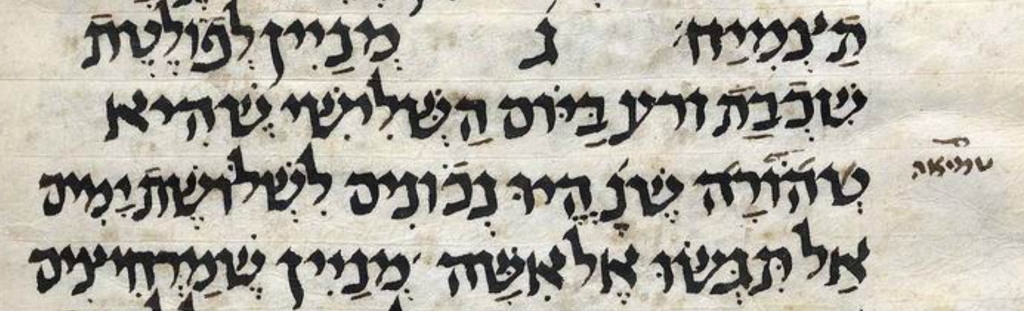
מִנַּיִן לְפוֹלֶטֶת שִׁכְבַת זֶרַע בַּיּוֹם הַשְּׁלִישִׁי שֶׁהִיא [טְמֵאָה][טְהוֹרָה], שֶׁנֶּאֱמַר (שמות יט) הֱיוּ נְכוֹנִים לִשְׁלשֶׁת יָמִים.
מִנַּיִן שֶׁמַּרְחִיצִין אֶת הַמִּילָה בַיּוֹם הַשְּׁלִישִׁי שֶׁחָל לִהְיוֹת בְּשַׁבָּת, שֶׁנֶּאֱמַר (בראשית לד) וַיְהִי בַיּוֹם הַשְּׁלִישִׁי בִּהְיוֹתָם כֹּאֲבִים.
מִנַּיִן שֶׁקּוֹשְׁרִין לָשׁוֹן שֶׁל זְהוֹרִית בְּרֹאשׁ שָׂעִיר הַמִּשְׁתַּלֵּחַ, שֶׁנֶּאֱמַר (ישעיה א) אִם יִהְיוּ חֲטָאֵיכֶם כַּשָּׁנִים כַּשֶּׁלֶג יַלְבִּינוּ:
How do we know that a woman who discharges semen on the third day she is [clean] [unclean]? Because it is said, “Be ready for the third day” (Exodus 19:15).
How do we know that one who has been circumcised may be bathed on the third day [after circumcision] which falls on Shabbat? Because it is said, “And it came to pass on the third day, when they were in pain” (Genesis 34:25).
How do we know that a crimson-colored strap is tied to the head of the goat that is sent? Because it is said, “If your sins be as scarlet, they shall be as white as snow” (Isaiah 1:18).
מִנַּיִן לְסִיכָה שֶׁהִיא כַשְּׁתִיָּה בְיוֹם הַכִּפּוּרִים,
אַף עַל פִּי שֶׁאֵין רְאָיָה לַדָּבָר, זֵכֶר לַדָּבָר, שֶׁנֶּאֱמַר (תהלים קט) וַתָּבֹא כַמַּיִם בְּקִרְבּוֹ וְכַשֶּׁמֶן בְּעַצְמוֹתָיו:
How do we know that anointing is the same as drinking on Yom Kippur?
Even though there is no proof of the matter, there is a hint, for it is said, “And it came into his inward parts like water, and like oil into his bones” (Psalms 109:18).
הַמּוֹצִיא עֵצִים, כְּדֵי לְבַשֵּׁל בֵּיצָה קַלָּה. תְּבָלִין, כְּדֵי לְתַבֵּל בֵּיצָה קַלָּה, וּמִצְטָרְפִין זֶה עִם זֶה.
קְלִפֵּי אֱגוֹזִים, קְלִפֵּי רִמּוֹנִים, אִסְטִיס וּפוּאָה, כְּדֵי לִצְבֹּעַ בָּהֶן בֶּגֶד קָטָן בַּסְּבָכָה.
מֵי רַגְלַיִם, נֶתֶר וּבֹרִית, קִמּוֹנְיָא וְאַשְׁלָג, כְּדֵי לְכַבֵּס בָּהֶן בֶּגֶד קָטָן בַּסְּבָכָה.
רַבִּי יְהוּדָה אוֹמֵר, כְּדֵי לְהַעֲבִיר עַל הַכָּתֶם:
Someone who carries out wood, as much as is required for boiling a light egg; spices, as much as is required for seasoning a light egg, and they combine with one another.
Nutshells, pomegranate peel, isatis tinctoria (woad) and rubia tinctorium(dyer's madder), as much as is required for dyeing a small piece of cloth the size of a hairnet.
Urine, carbonate of soda, lye, cimolian earth, and potash, as much as is required for washing a small piece of cloth the size of a hairnet.
Rabbi Judah says: as much as is required for removing the stain.
פִּלְפֶּלֶת, כָּל שֶׁהוּא. וְעִטְרָן, כָּל שֶׁהוּא. מִינֵי בְשָׂמִים וּמִינֵי מַתָּכוֹת, כָּל שֶׁהֵן.
מֵאַבְנֵי הַמִּזְבֵּחַ וּמֵעֲפַר הַמִּזְבֵּחַ, מֶקֶק סְפָרִים וּמֶקֶק מִטְפְּחוֹתֵיהֶם, כָּל שֶׁהוּא, שֶׁמַּצְנִיעִין אוֹתָן לְגָנְזָן.
רַבִּי יְהוּדָה אוֹמֵר, אַף הַמּוֹצִיא מִמְּשַׁמְּשֵׁי עֲבוֹדַת כּוֹכָבִים, כָּל שֶׁהוּא, שֶׁנֶּאֱמַר (דברים יג) וְלֹא יִדְבַּק בְּיָדְךָ מְאוּמָה מִן הַחֵרֶם:
Pepper, in whatever quantity. Olive-refuse, in whatever quantity. Various kinds of spices and various kinds of metal, in whatever quantity.
From the stones of the altar or the earth from the altar, worn-out pieces of scrolls or their worn-out covers, in whatever quantity, because they are stored away in order to hide them.
Rabbi Judah says: also he who carries out the service vessels of idols, in whatever quantity, [is liable], for it is said, “Let nothing that has been excommunicated stick to your hand” (Deuteronomy 13:18).
הַמּוֹצִיא קֻפַּת הָרוֹכְלִין, אַף עַל פִּי שֶׁיֶּשׁ בָּהּ מִינִין הַרְבֵּה, אֵינוֹ חַיָּב אֶלָּא חַטָּאת אֶחָת.
זֵרְעוֹנֵי גִנָּה, פָּחוֹת מִכַּגְּרוֹגֶרֶת. רַבִּי יְהוּדָה בֶּן בְּתֵירָא אוֹמֵר, חֲמִשָּׁה. זֶרַע קִשּׁוּאִין, שְׁנַיִם. זֶרַע דְּלוּעִין, שְׁנַיִם. זֶרַע פּוֹל הַמִּצְרִי, שְׁנַיִם.
חָגָב חַי טָהוֹר, כָּל שֶׁהוּא. מֵת, כַּגְּרוֹגֶרֶת. צִפֹּרֶת כְּרָמִים, בֵּין חַיָּה בֵּין מֵתָה, כָּל שֶׁהוּא, שֶׁמַּצְנִיעִין אוֹתָהּ לִרְפוּאָה.
רַבִּי יְהוּדָה אוֹמֵר, אַף הַמּוֹצִיא חָגָב חַי טָמֵא, כָּל שֶׁהוּא, שֶׁמַּצְנִיעִין אוֹתוֹ לְקָטָן לִשְׂחֹק בּוֹ:
Someone who carries out a peddler’s basket, even though it contains many types of things, he is liable for only one sin-offering.
Garden seeds, less than the size of a dried fig; Rabbi Judah ben Batera ruled: five. Cucumber seed, two. Gourd seed, two. Egyptian bean seed, two.
A live clean locust, whatever its size. Dead, the size of a dried fig. The bird of the vineyards, whether live or dead, whatever its size, because they store it for a medicine.
Rabbi Judah says: even one who carries out a live unclean locust, whatever its size, because they store it away for a child to play with.
הַמַּצְנִיעַ לְזֶרַע וּלְדֻגְמָא וְלִרְפוּאָה, וְהוֹצִיאוֹ בְּשַׁבָּת, חַיָּב בְּכָל שֶׁהוּא.
וְכָל אָדָם אֵין חַיָּב עָלָיו אֶלָּא כְשִׁעוּרוֹ.
חָזַר וְהִכְנִיסוֹ, אֵינוֹ חַיָּב עָלָיו אֶלָּא כְשִׁעוּרוֹ:
If one stores something for planting, for a sample, or for medicine, and carries it out on Shabbat, he is liable whatever its amount.
But all others are not liable except for its standard measure.
If he changed his mind and brought it in again, he is liable only for its standard measure.
הַמּוֹצִיא אֳכָלִין וּנְתָנָן עַל הָאַסְקֻפָּה, בֵּין שֶׁחָזַר וְהוֹצִיאָן בֵּין שֶׁהוֹצִיאָן אַחֵר, פָּטוּר, מִפְּנֵי שֶׁלֹּא עָשָׂה מְלַאכְתּוֹ בְּבַת אֶחָת.
קֻפָּה שֶׁהִיא מְלֵאָה פֵרוֹת וּנְתָנָהּ עַל הָאַסְקֻפָּה הַחִיצוֹנָה, אַף עַל פִּי שֶׁרֹב הַפֵּרוֹת מִבַּחוּץ, פָּטוּר, עַד שֶׁיּוֹצִיא אֶת כָּל הַקֻּפָּה:
If someone carries out food and places it on the threshold, whether he comes back and carries it out or another does so, he is not liable, because he did not perform the act in one go.
A basket which is full of produce which he placed on the outer threshold, though most of the produce is outside of the threshold, he is not liable unless he carries out the whole basket.
הַמּוֹצִיא בֵּין בִּימִינוֹ בֵּין בִּשְׂמֹאלוֹ, בְּתוֹךְ חֵיקוֹ אוֹ עַל כְּתֵפוֹ, חַיָּב, שֶׁכֵּן מַשָּׂא בְנֵי קְהָת.
כִּלְאַחַר יָדוֹ, בְּרַגְלוֹ, בְּפִיו וּבְמַרְפְּקוֹ, בְּאָזְנוֹ וּבִשְׂעָרוֹ, וּבְפֻנְדָּתוֹ וּפִיהָ לְמַטָּה, בֵּין פֻּנְדָּתוֹ לַחֲלוּקוֹ, וּבִשְׂפַת חֲלוּקוֹ, בְּמִנְעָלוֹ, בְּסַנְדָּלוֹ, פָּטוּר, שֶׁלֹּא הוֹצִיא כְּדֶרֶךְ הַמּוֹצִיאִין:
If someone carries something out, whether with his right or with his left hand, in his lap or on his shoulder, he is liable, because this the way of the carrying of the sons of Kohat (Numbers 7:6-9, below).
In a backhanded manner, with his foot, in his mouth, with his elbow, in his ear, in his hair, in his belt with its opening downwards, between his belt and his shirt, in the hem of his shirt, in his shoes or sandals, he is not liable, because he has not carried out as people carry out.
וַיִּקַּ֣ח מֹשֶׁ֔ה אֶת־הָעֲגָלֹ֖ת וְאֶת־הַבָּקָ֑ר וַיִּתֵּ֥ן אוֹתָ֖ם אֶל־הַלְוִיִּֽם׃ . . . וְלִבְנֵ֥י קְהָ֖ת לֹ֣א נָתָ֑ן כִּֽי־עֲבֹדַ֤ת הַקֹּ֙דֶשׁ֙ עֲלֵהֶ֔ם בַּכָּתֵ֖ף יִשָּֽׂאוּ׃
Moses took the carts and the oxen and gave them to the Levites . . . . . (7:9) But to the sons of Kohat he did not give. Since theirs was the service of the holy things, they carried on the shoulder.
הַמִּתְכַּוֵּן לְהוֹצִיא לְפָנָיו וּבָא לוֹ לְאַחֲרָיו, פָּטוּר, לְאַחֲרָיו וּבָא לוֹ לְפָנָיו, חַיָּב.
בֶּאֱמֶת אָמְרוּ, הָאִשָּׁה הַחוֹגֶרֶת בְּסִינָר בֵּין מִלְּפָנֶיהָ וּבֵין מִלְּאַחֲרֶיהָ חַיֶּבֶת, שֶׁכֵּן רָאוּי לִהְיוֹת חוֹזֵר.
רַבִּי יְהוּדָה אוֹמֵר, אַף מְקַבְּלֵי פִתְקִין:
Someone who intends to carry out in front of him, but it comes around behind him is not liable. Behind him, but it comes around in front of him, he is liable.
In truth they said: a woman who wraps herself with an apron whether in front of her or behind her, is liable, because it is normal for it to reverse itself.
Rabbi Judah said: also those who receive notes.
רבי יהודה אומר אף מקבלי פתקין. של מלך. הרצים הנושאים אגרות נותנים אותם בעצים חלולים כדמות קנים ותולים בצוארם, ודרך אותו קנה להיות חוזר וסובב מלפניו ומאחריו סביב לצוארו [ו] יודע היה שסופו להתהפך. ואין הלכה כר׳ יהודה:
Rabbi Judah said: also those who receive notes. Of the king. The runners who carry letters put them in hollowed-out sticks like reeds and hang them on their necks. It is the manner of that reed to shift around from in front of him to behind him around his neck [and] he knows that eventually it will turn around. And the halakha is not according to Rabbi Yehuda.
הַמּוֹצִיא כִכָּר לִרְשׁוּת הָרַבִּים, חַיָּב.
הוֹצִיאוּהוּ שְׁנַיִם, פְּטוּרִין. לֹא יָכֹל אֶחָד לְהוֹצִיאוֹ וְהוֹצִיאוּהוּ שְׁנַיִם, חַיָּבִים. וְרַבִּי שִׁמְעוֹן פּוֹטֵר.
הַמּוֹצִיא אֳכָלִין פָּחוֹת מִכַּשִּׁעוּר בִּכְלִי, פָּטוּר אַף עַל הַכְּלִי, שֶׁהַכְּלִי טְפֵלָה לוֹ. אֶת הַחַי בַּמִּטָּה, פָּטוּר אַף עַל הַמִּטָּה, שֶׁהַמִּטָּה טְפֵלָה לוֹ.
אֶת הַמֵּת בַּמִּטָּה, חַיָּב. וְכֵן כַּזַּיִת מִן הַמֵּת וְכַזַּיִת מִן הַנְּבֵלָה וְכָעֲדָשָׁה מִן הַשֶּׁרֶץ, חַיָּב. וְרַבִּי שִׁמְעוֹן פּוֹטֵר:
Someone who brings a loaf out into the public domain is liable.
If two carry it out, they are exempt. If one could not carry it out and two carry it out, they are liable; But Rabbi Shimon exempts.
Someone who carries out less than the standard quantity of food in a pot, he is not even liable for the pot, because the pot is secondary to it. A living person on a bed, he is not even liable for the bed, because the bed is secondary to him.
For a corpse in a bed, he is liable. Similarly for the size of an olive of a corpse, the size of an olive of a nevelah, or the size of a lentil of a sheretz, he is liable. But Rabbi Shimon exempts him.
וְאִם־נֶ֧פֶשׁ אַחַ֛ת תֶּחֱטָ֥א בִשְׁגָגָ֖ה מֵעַ֣ם הָאָ֑רֶץ . . . . וְאָשֵֽׁם׃
If one person from the common people unwittingly sins . . and is guilty
הַנּוֹטֵל צִפָּרְנָיו זוֹ בָזוֹ, אוֹ בְשִׁנָּיו, וְכֵן שְׂעָרוֹ, וְכֵן שְׂפָמוֹ, וְכֵן זְקָנוֹ, וְכֵן הַגּוֹדֶלֶת, וְכֵן הַכּוֹחֶלֶת, וְכֵן הַפּוֹקֶסֶת, רַבִּי אֱלִיעֶזֶר מְחַיֵּב, וַחֲכָמִים אוֹסְרִין מִשּׁוּם שְׁבוּת.
הַתּוֹלֵשׁ מֵעָצִיץ נָקוּב, חַיָּב, וְשֶׁאֵינוֹ נָקוּב, פָּטוּר.
וְרַבִּי שִׁמְעוֹן פּוֹטֵר בָּזֶה וּבָזֶה:
Someone who pares his nails with each other or with his teeth, likewise with his hair, likewise his moustache, likewise his beard; likewise braiding or blueing eyes or putting on rouge - Rabbi Eliezer makes them liable but the rabbis forbid because of “resting.”
Someone who plucks up from a perforated pot is liable. If unperforated, he is exempt.
Rabbi Shimon exempts in both cases.
הַזּוֹרֵק מֵרְשׁוּת הַיָּחִיד לִרְשׁוּת הָרַבִּים, מֵרְשׁוּת הָרַבִּים לִרְשׁוּת הַיָּחִיד, חַיָּב.
מֵרְשׁוּת הַיָּחִיד לִרְשׁוּת הַיָּחִיד וּרְשׁוּת הָרַבִּים בָּאֶמְצַע, רַבִּי עֲקִיבָא מְחַיֵּב, וַחֲכָמִים פּוֹטְרִין:
Someone who throws from the private domain into the public domain, or from the public domain into the private domain, is liable.
From a private domain to another private domain, with the public domain in-between, Rabbi Akiva makes him liable but the sages exempt him.
הזורק מרשות היחיד לרשות הרבים כו': דע כי רשות הרבים מגיע עד עשרה טפחים ולמעלה מעשרה טפחים ברשות הרבים הוא מקום פטור
והמחלוקת ביניהם הוא כי הזורק דבר מרשות היחיד לרשות היחיד ועבר על רשות הרבים רבי עקיבא אומר כי אם עבר אותו החפץ שזרק על אויר רשות הרבים בתוך עשרה שהוא כאילו נח ורבנן אינן אומרים כן אבל אם זרק למעלה מעשרה אפילו רבי עקיבא פוטר והלכה כחכמים:
Someone who throws from the private domain into the public domain. You should know that the public domain extends to the height of 10 handsbreadths. Higher than 10 handsbreadths in the public domain is free space.
The dispute between them is that Rabbi Akiva says that the person who threw from a private domain to a private domain over the public domain threw the object below a height of 10 handsbreadths while the rabbis don't agree.
If he had certainly thrown above the height of 10 handsbreadths even Rabbi Akiva would exempt him. And the halakha goes according to the sages.
כֵּיצַד. שְׁתֵּי גְזֻזְטְרָאוֹת זוֹ כְנֶגֶד זוֹ בִרְשׁוּת הָרַבִּים, הַמּוֹשִׁיט וְהַזּוֹרֵק מִזּוֹ לָזוֹ, פָּטוּר.
הָיוּ שְׁתֵּיהֶן בִּדְיוֹטָא אַחַת, הַמּוֹשִׁיט חַיָּב, וְהַזּוֹרֵק פָּטוּר, שֶׁכָּךְ הָיְתָה עֲבוֹדַת הַלְוִיִּם, שְׁתֵּי עֲגָלוֹת זוֹ אַחַר זוֹ בִּרְשׁוּת הָרַבִּים, מוֹשִׁיטִין הַקְּרָשִׁים מִזּוֹ לָזוֹ, אֲבָל לֹא זוֹרְקִין.
חֻלְיַת הַבּוֹר וְהַסֶּלַע שֶׁהֵן גְּבוֹהִין עֲשָׂרָה וְרָחְבָּן אַרְבָּעָה, הַנּוֹטֵל מֵהֶן וְהַנּוֹתֵן עַל גַּבָּן, חַיָּב, פָּחוֹת מִכֵּן, פָּטוּר:
How so? There are two balconies facing each other in the public domain. Someone who reaches over or throws from one to the other is exempt.
If both are on the same row, he who reaches over is liable while he who throws is exempt, for thus was the service of the Levites: they had two wagons, next to one another in the public domain, and they reached the boards over from one to another but they did not throw.
The border of a cistern and a rock which are ten [handbreadths] high and four wide, if someone removed from them or placed on them his is liable - if less than this, he is exempt.
אבל לא זורקים. שאין הקרשים נזרקין מפני כובדן:
They did not throw. – The boards were not thrown because of their weight.
הַזּוֹרֵק אַרְבַּע אַמּוֹת בַּכֹּתֶל, לְמַעְלָה מֵעֲשָׂרָה טְפָחִים, כְּזוֹרֵק בָּאֲוִיר, לְמַטָּה מֵעֲשָׂרָה טְפָחִים, כְּזוֹרֵק בָּאָרֶץ.
הַזּוֹרֵק בָּאָרֶץ אַרְבַּע אַמּוֹת, חַיָּב. זָרַק לְתוֹךְ אַרְבַּע אַמּוֹת וְנִתְגַּלְגֵּל חוּץ לְאַרְבַּע אַמּוֹת, פָּטוּר. חוּץ לְאַרְבַּע אַמּוֹת, וְנִתְגַּלְגֵּל לְתוֹךְ אַרְבַּע אַמּוֹת, חַיָּב:
Someone who throws four cubits onto a wall - above ten handbreadths, it is like throwing into the air; below, it is like throwing onto the ground.
Someone one who throws four cubits on the ground is liable. Someone who threw within four cubits and it rolled beyond four cubits, is exempt. One who threw beyond four cubits and it rolled within four cubits is liable.
הַזּוֹרֵק בַּיָּם אַרְבַּע אַמּוֹת, פָּטוּר.
אִם הָיָה רְקָק מַיִם וּרְשׁוּת הָרַבִּים מְהַלֶּכֶת בּוֹ, הַזּוֹרֵק לְתוֹכוֹ אַרְבַּע אַמּוֹת, חַיָּב.
וְכַמָּה הוּא רְקָק מַיִם, פָּחוֹת מֵעֲשָׂרָה טְפָחִים.
רְקָק מַיִם וּרְשׁוּת הָרַבִּים מְהַלֶּכֶת בּוֹ, הַזּוֹרֵק בְּתוֹכוֹ אַרְבַּע אַמּוֹת, חַיָּב:
Someone who throws four cubits in the sea is exempt.
If there is a pool of water and a public road crosses it, someone who throws four cubits in it is liable.
And how deep is a pool of water? Less than ten handbreadths.
A pool of water with a public road crossing it, someone throwing four cubits in it is liable.
הַזּוֹרֵק מִן הַיָּם לַיַּבָּשָׁה וּמִן הַיַּבָּשָׁה לַיָּם, וּמִן הַיָּם לַסְּפִינָה וּמִן הַסְּפִינָה לַיָּם, וּמִן הַסְּפִינָה לַחֲבֶרְתָּהּ, פָּטוּר.
סְפִינוֹת קְשׁוּרוֹת זוֹ בָזוֹ, מְטַלְטְלִין מִזּוֹ לָזוֹ.
אִם אֵינָן קְשׁוּרוֹת, אַף עַל פִּי שֶׁמֻּקָּפוֹת, אֵין מְטַלְטְלִין מִזּוֹ לָזוֹ:
Someone who throws from the sea to dry land, or from dry land to the sea, from the sea to a ship, or from a ship to the sea or from one ship to another, is exempt.
If ships are tied together, one may carry from one to another.
If they are not tied together, even though they lie close, one may not carry from one to another.
הַזּוֹרֵק וְנִזְכַּר לְאַחַר שֶׁיָּצְתָה מִיָּדוֹ, קְלָטָהּ אַחֵר, קְלָטָהּ כֶּלֶב, אוֹ שֶׁנִּשְׂרְפָה, פָּטוּר.
זָרַק לַעֲשׂוֹת חַבּוּרָה, בֵּין בְּאָדָם בֵּין בִּבְהֵמָה, וְנִזְכַּר עַד שֶׁלֹּא נַעֲשָׂה חַבּוּרָה, פָּטוּר.
זֶה הַכְּלָל, כָּל חַיָּבֵי חַטָּאוֹת אֵינָן חַיָּבִין עַד שֶׁתְּהֵא תְחִלָּתָן וְסוֹפָן שְׁגָגָה.
תְּחִלָּתָן שְׁגָגָה וְסוֹפָן זָדוֹן, תְּחִלָּתָן זָדוֹן וְסוֹפָן שְׁגָגָה, פְּטוּרִין, עַד שֶׁתְּהֵא תְחִלָּתָן וְסוֹפָן שְׁגָגָה:
Someone who throws and remembers after it leaves his hand, if another catches it, or a dog catches it or it is burnt, he is not liable. Someone who threw to inflict a wound whether to a person or a beast, and remembered before the wound was inflicted is not liable.
This is the general principle: those who are liable to sin-offerings are only liable if the beginning and the end are unwitting.
If their beginning is unwitting while their end is intentional, if their beginning is intentional while their end is unwitting, they are not liable, unless their beginning and end are unwitting.
הַבּוֹנֶה, כַּמָּה יִבְנֶה וִיהֵא חַיָּב?
הַבּוֹנֶה כָּל שֶׁהוּא, וְהַמְסַתֵּת, וְהַמַּכֶּה בַפַּטִּישׁ וּבְמַעֲצָד, הַקּוֹדֵחַ כָּל שֶׁהוּא, חַיָּב.
זֶה הַכְּלָל, כָּל הָעוֹשֶׂה מְלָאכָה וּמְלַאכְתּוֹ מִתְקַיֶּמֶת בְּשַׁבָּת, חַיָּב.
רַבָּן שִׁמְעוֹן בֶּן גַּמְלִיאֵל אוֹמֵר, אַף הַמַּכֶּה בְקֻרְנָס עַל הַסַּדָּן בִּשְׁעַת מְלָאכָה, חַיָּב, מִפְּנֵי שֶׁהוּא כִמְתַקֵּן מְלָאכָה:
One who builds: how much must he build to be liable?
He who builds any amount, and he who chisels, and he who strikes with a hammer or with an axe, and he who bores any amount, is liable.
This is the general principle: whoever does work and his work endures on Shabbat, he is liable.
Rabban Shimon ben Gamaliel says: even one who strikes with a sledgehammer on the anvil at the completion of his work is liable, because he is as one who improves his work.
הַחוֹרֵשׁ כָּל שֶׁהוּא, הַמְנַכֵּשׁ וְהַמְקַרְסֵם וְהַמְזָרֵד כָּל שֶׁהוּא, חַיָּב.
הַמְלַקֵּט עֵצִים, אִם לְתַקֵּן, כָּל שֶׁהֵן, אִם לְהֶסֵּק, כְּדֵי לְבַשֵּׁל בֵּיצָה קַלָּה. הַמְלַקֵּט עֲשָׂבִים, אִם לְתַקֵּן, כָּל שֶׁהוּא, אִם לִבְהֵמָה, כִּמְלֹא פִי הַגְּדִי:
He who plows any amount, or who weeds, or who prunes, or who cuts off young shoots, no matter the amount, is liable.
He who gathers wood: if in order to improve, for any amount; if for lighting a fire, enough to boil a light egg.
He who collects grasses: if in order to improve, for any amount; if for an animal, as much as fits in a kid’s mouth.
הַכּוֹתֵב שְׁתֵּי אוֹתִיּוֹת, בֵּין בִּימִינוֹ בֵּין בִּשְׂמֹאלוֹ, בֵּין מִשֵּׁם אֶחָד בֵּין מִשְּׁנֵי שֵׁמוֹת, בֵּין מִשְּׁנֵי סַמְמָנִיּוֹת, בְּכָל לָשׁוֹן, חַיָּב.
אָמַר רַבִּי יוֹסֵי, לֹא חִיְּבוּ שְׁתֵּי אוֹתִיּוֹת אֶלָּא מִשּׁוּם רֹשֶׁם, שֶׁכָּךְ הָיוּ כוֹתְבִין עַל קַרְשֵׁי הַמִּשְׁכָּן, לֵידַע אֵיזוֹ בֶן זוּגוֹ.
אָמַר רַבִּי, מָצִינוּ שֵׁם קָטָן מִשֵּׁם גָּדוֹל, שֵׁם מִשִּׁמְעוֹן וּשְׁמוּאֵל, נֹחַ מִנָּחוֹר, דָּן מִדָּנִיֵּאל, גָּד מִגַּדִּיאֵל:
He who writes two letters, whether with his right hand or with his left hand, whether the same name [letter] or two different names or in two pigments, in any language, is liable.
Rabbi Jose said: they made one liable for writing two letters only because of a mark, since this is how they would write on the boards of the tabernacle, to know which its companion was.
Rabbi Judah said: we find a short name from a long name: “Shem” from “Shimon” or “Shmuel”, “Noah” from “Nahor”, “Dan” from “Daniel”, “Gad” from “Gaddiel”.
בין משם אחד. שתיהן אלפין:
The same name – both of them are Alephs.
הַכּוֹתֵב שְׁתֵּי אוֹתִיּוֹת בְּהֶעְלֵם אֶחָד, חַיָּב.
כָּתַב בִּדְיוֹ, בְּסַם, בְּסִקְרָא, בְּקוֹמוֹס וּבְקַנְקַנְתּוֹם, וּבְכָל דָּבָר שֶׁהוּא רוֹשֵׁם, עַל שְׁנֵי כָתְלֵי זָוִיּוֹת וְעַל שְׁנֵי לוּחֵי פִנְקָס, וְהֵן נֶהְגִּין זֶה עִם זֶה, חַיָּב.
הַכּוֹתֵב עַל בְּשָׂרוֹ, חַיָּב. הַמְסָרֵט עַל בְּשָׂרוֹ, רַבִּי אֱלִיעֶזֶר מְחַיֵּב חַטָּאת, וְרַבִּי יְהוֹשֻׁעַ פּוֹטֵר:
Someone who writes two letters in one state of unawareness is liable.
If he wrote with ink, with paint, with red paint, gum, with blue vitriol, or with anything that leaves a mark, on the angle of two walls, or on the two boards of a writing-tablet, and they are read together, he is liable.
Someone who writes on his flesh is liable. He who scratches a mark on his flesh: Rabbi Eliezer declares him liable to a sin-offering and Rabbi Yehoshua exempts him.
בַּכֹּל כּוֹתְבִין, בִּדְיוֹ, בְּסַם, בְּסִקְרָא, וּבְקוֹמוֹס, וּבְקַנְקַנְתּוֹם, וּבְכָל דָּבָר שֶׁהוּא שֶׁל קְיָמָא.
אֵין כּוֹתְבִין לֹא בְמַשְׁקִים, וְלֹא בְמֵי פֵרוֹת, וְלֹא בְכָל דָּבָר שֶׁאֵינוֹ מִתְקַיֵּם.
One may write with anything: with ink, with paint, with red paint, gum, with blue vitriol, or with anything that is permanent.
One may not write with liquids, nor with fruit juice, nor with anything not permanent.
כָּתַב בְּמַשְׁקִין, בְּמֵי פֵרוֹת, בַּאֲבַק דְּרָכִים, בַּאֲבַק הַסּוֹפְרִים, וּבְכָל דָּבָר שֶׁאֵינוֹ מִתְקַיֵּם, פָּטוּר.
לְאַחַר יָדוֹ, בְּרַגְלוֹ, בְּפִיו וּבְמַרְפְּקוֹ, כָּתַב אוֹת אַחַת סָמוּךְ לִכְתָב, וּכְתָב עַל גַּבֵּי כְתָב, נִתְכַּוֵּן לִכְתֹּב חֵי"ת וְכָתַב שְׁנֵי זַיְ"נִין, אֶחָד בָּאָרֶץ וְאֶחָד בַּקּוֹרָה, כָּתַב עַל שְׁנֵי כָתְלֵי הַבַּיִת, עַל שְׁנֵי דַפֵּי פִנְקָס וְאֵין נֶהְגִּין זֶה עִם זֶה, פָּטוּר.
כָּתַב אוֹת אַחַת נוֹטָרִיקוֹן, רַבִּי יְהוֹשֻׁעַ בֶּן בְּתֵירָא מְחַיֵּב, וַחֲכָמִים פּוֹטְרִין:
If he wrote with liquids, with fruit juice, on the dust of the road, or on writer’s powder, or with anything that does not last, he is exempt.
With the back of his hand, with his foot, with his mouth, or with his elbow; if he wrote one letter near a written text, or wrote on top of a written text, if he intended to write a cheth but wrote two zayyins, one on the ground and another on a beam; of he wrote on two walls of the house, or on the two boards of a writing-tablet, and they are not read together, he is exempt.
If he wrote one letter in shorthand Rabbi Joshua ben Bathyra declares him liable and the sages exempt him.
הַכּוֹתֵב שְׁתֵּי אוֹתִיּוֹת בִּשְׁנֵי הֶעְלֵמוֹת, אַחַת שַׁחֲרִית וְאַחַת בֵּין הָעַרְבַּיִם, רַבָּן גַּמְלִיאֵל מְחַיֵּב, וַחֲכָמִים פּוֹטְרִין:
Someone who writes two letters in two states of unawareness, one in the morning and one in the evening - Rabban Gamaliel declares him liable and the sages exempt him.
רַבִּי אֱלִיעֶזֶר אוֹמֵר, הָאוֹרֵג שְׁלשָׁה חוּטִין בַּתְּחִלָּה וְאַחַת עַל הָאָרִיג, חַיָּב. וַחֲכָמִים אוֹמְרִים, בֵּין בַּתְּחִלָּה בֵּין בַּסּוֹף, שִׁעוּרוֹ שְׁנֵי חוּטִין:
Rabbi Eliezer says: he who weaves three threads at the beginning or one on woven cloth is liable.
And the sages say: whether at the beginning or at the end, its measure is two threads.
הָעוֹשֶׂה שְׁנֵי בָתֵּי נִירִין בַּנִּירִין, בַּקֵּרוֹס, בַּנָּפָה, בַּכְּבָרָה וּבַסַּל, חַיָּב. וְהַתּוֹפֵר שְׁתֵּי תְפִירוֹת, וְהַקּוֹרֵעַ עַל מְנָת לִתְפֹּר שְׁתֵּי תְפִירוֹת:
Someone who makes two loops, on either the cross-pieces or one the slips [keros], or in a sifter, sieve, or basket, is liable.
And someone who sews two stitches, and someone who tears in order to sew two stitches.

קֵירוֹס I m. (καῖρος) the row of slips or thrums in the loom to which the threads of the warp are attached. Sabb. XIII, 2 (105ᵃ), v. נִיר IV; expl. Y. ib. 14ᵃ בק׳ קירומה (not בקיריס) ḳeros is (καίρωμα) the arrangement of slips &c.
הַקּוֹרֵעַ בַּחֲמָתוֹ וְעַל מֵתוֹ, וְכָל הַמְקַלְקְלִין, פְּטוּרִין. וְהַמְקַלְקֵל עַל מְנָת לְתַקֵּן, שִׁעוּרוֹ כַמְתַקֵּן:
He who tears in his anger or for his dead, and all who damage are exempt. But he who damages in order to repair, his measure is as for repairing.
הקורע בהמתו ועל מתו וכל המקלקלין פטורין כו': והלכה הקורע בחמתו או על מת שחייב עליו קריעה חייב והטעם שיהיה הקורע בחמתו ועל מתו חייב מפני שדעתו מתישבת וחמומו מתפשר לאותו הקרע והוא דומה למתקן:
The halakha is that someone who tears in anger, or because of a dead person whom he is obliged to tear for, is liable because his mind is settled and his emotion is moderated by the tearing and this is similar to repair.
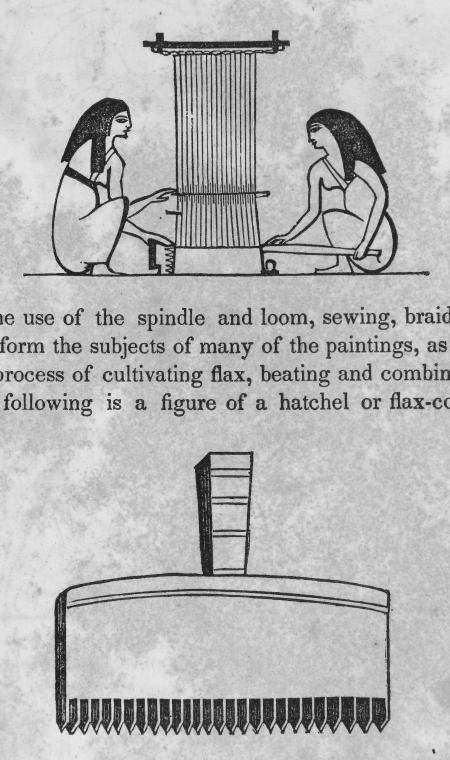
Archives and Rare Books Division, The New York Public Library. "Two women using a spindle and loom; a hatchel or flax-comb" The New York Public Library Digital Collections. 1844. https://digitalcollections.nypl.org/items/510d47da-7311-a3d9-e040-e00a18064a99
שִׁעוּר הַמְלַבֵּן וְהַמְנַפֵּץ וְהַצּוֹבֵעַ וְהַטּוֹוֶה, כִּמְלֹא רֹחַב הַסִּיט כָּפוּל.
וְהָאוֹרֵג שְׁנֵי חוּטִין, שִׁעוּרוֹ כִּמְלֹא הַסִּיט:
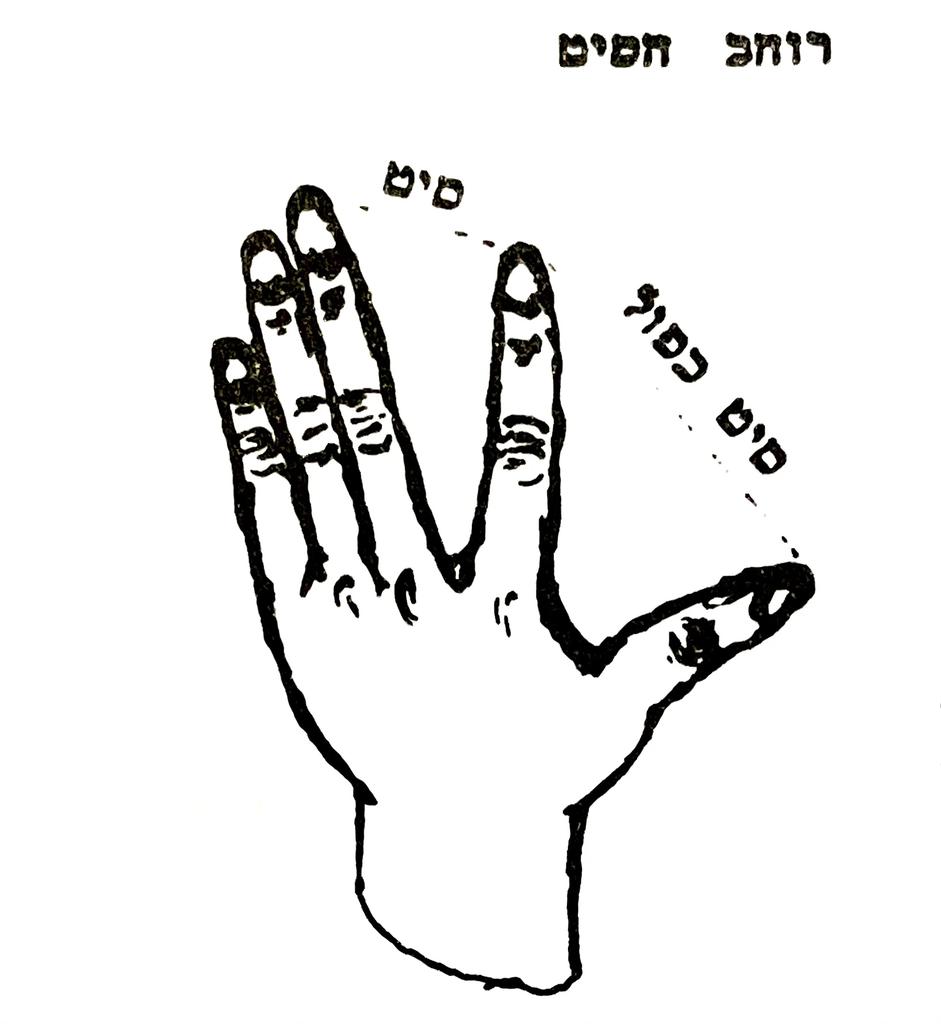
The measure for the bleacher and the hatcheler and the dyer and the spinner is a full double sit.
And for someone who weaves two threads together, the measure is a full sit.
"Sit" (between two fingers) and "double sit" (between thumb and first finger) according to Rashi
רַבִּי יְהוּדָה אוֹמֵר, הַצָּד צִפּוֹר לַמִּגְדָּל וּצְבִי לַבַּיִת, חַיָּב.
וַחֲכָמִים אוֹמְרִים, צִפּוֹר לַמִּגְדָּל, וּצְבִי לַבַּיִת וְלֶחָצֵר וְלַבֵּיבָרִין.
רַבָּן שִׁמְעוֹן בֶּן גַּמְלִיאֵל אוֹמֵר, לֹא כָל הַבֵּיבָרִין שָׁוִין. זֶה הַכְּלָל, מְחֻסַּר צִידָה, פָּטוּר, וְשֶׁאֵינוֹ מְחֻסַּר צִידָה, חַיָּב:
Rabbi Judah says, he who hunts a bird into a tower, or a deer into a house, is liable.
And the sages say, a bird into a tower, and a deer into a house, courtyard or vivarium.
Rabban Shimon ben Gamaliel says: not all vivariums are the same. This is the general principle: if it must still be hunted, he is exempt. If it no longer needs to be hunted, he is liable.
צְבִי שֶׁנִּכְנַס לַבַּיִת וְנָעַל אֶחָד בְּפָנָיו, חַיָּב. נָעֲלוּ שְׁנַיִם, פְּטוּרִין.
לֹא יָכֹל אֶחָד לִנְעֹל וְנָעֲלוּ שְׁנַיִם, חַיָּבִין. וְרַבִּי שִׁמְעוֹן פּוֹטֵר:
If a deer enters a house and one person locks it, he is liable. If two lock it, they are exempt.
If one could not shut it, and both shut it, they are liable. Rabbi Shimon exempts them.
יָשַׁב הָאֶחָד עַל הַפֶּתַח וְלֹא מִלְּאָהוּ, יָשַׁב הַשֵּׁנִי וּמִלְּאָהוּ, הַשֵּׁנִי חַיָּב.
יָשַׁב הָרִאשׁוֹן עַל הַפֶּתַח וּמִלְּאָהוּ, וּבָא הַשֵּׁנִי וְיָשַׁב בְּצִדּוֹ, אַף עַל פִּי שֶׁעָמַד הָרִאשׁוֹן וְהָלַךְ לוֹ, הָרִאשׁוֹן חַיָּב וְהַשֵּׁנִי פָּטוּר. הָא לְמַה זֶּה דוֹמֶה, לְנוֹעֵל אֶת בֵּיתוֹ לְשָׁמְרוֹ וְנִמְצָא צְבִי שָׁמוּר בְּתוֹכוֹ:
If someone sat down in the doorway but did not fill it, and a second sat down and filled it, the second is liable.
If the first sat down in the doorway and filled it, and a second came and sat down at his side, even if the first stands up and goes away, the first is liable and the second is exempt. To what is this similar? To one who shuts his house to guard it, and a deer is found to be guarded in it.
וְזֶ֤ה לָכֶם֙ הַטָּמֵ֔א בַּשֶּׁ֖רֶץ הַשֹּׁרֵ֣ץ עַל־הָאָ֑רֶץ הַחֹ֥לֶד וְהָעַכְבָּ֖ר וְהַצָּ֥ב לְמִינֵֽהוּ׃ וְהָאֲנָקָ֥ה וְהַכֹּ֖חַ וְהַלְּטָאָ֑ה וְהַחֹ֖מֶט וְהַתִּנְשָֽׁמֶת׃
These also shall be unclean to you among the creeping things that creep upon the earth; the rat, and the mouse, and the tortoise after its kind. And the gecko, and the monitor, and the lizard, and the skink, and the chameleon.
שְׁמֹנָה שְׁרָצִים הָאֲמוּרִים בַּתּוֹרָה, הַצָּדָן וְהַחוֹבֵל בָּהֶן, חַיָּב.
וּשְׁאָר שְׁקָצִים וּרְמָשִׂים, הַחוֹבֵל בָּהֶן פָּטוּר,
הַצָּדָן לְצֹרֶךְ, חַיָּב, שֶׁלֹּא לְצֹרֶךְ, פָּטוּר.
חַיָּה וְעוֹף שֶׁבִּרְשׁוּתוֹ, הַצָּדָן פָּטוּר, וְהַחוֹבֵל בָּהֶן חַיָּב:
The eight creeping things which are mentioned in the Torah: someone who hunts them or wounds them is liable;
But other abominations and creeping things, he who wounds them is exempt.
Someone who hunts them for need is liable; not for need, he is exempt.
Someone who hunts a beast or a bird in their own domain is exempt. Someone who wounds them is liable.
אֵין עוֹשִׂין הִילְמִי בְשַׁבָּת, אֲבָל עוֹשֶׂה הוּא אֶת מֵי הַמֶּלַח וְטוֹבֵל בָּהֶן פִּתּוֹ וְנוֹתֵן לְתוֹךְ הַתַּבְשִׁיל.
אָמַר רַבִּי יוֹסֵי, וַהֲלֹא הוּא הִילְמִי, בֵּין מְרֻבֶּה וּבֵין מֻעָט. וְאֵלוּ הֵן מֵי מֶלַח הַמֻּתָּרִין, נוֹתֵן שֶׁמֶן בַּתְּחִלָּה לְתוֹךְ הַמַּיִם אוֹ לְתוֹךְ הַמֶּלַח:
One does not prepare hilmy [pickling brine] on Shabbat, but someone may prepare salt water and dip his bread into it or put it into a cooked dish.
Rabbi Yose said: but isn't that hilmy, whether much or little? Rather, this is the salt water that is permitted: oil is put into the water first or into the salt.
דְחוּיָה הִיא שַׁבָּת אֵצֶל סַכָּנַת נְפָשׁוֹת כִּשְׁאָר כָּל הַמִּצְוֹת. לְפִיכָךְ חוֹלֶה שֶׁיֵּשׁ בּוֹ סַכָּנָה עוֹשִׂין לוֹ כָּל צְרָכָיו בְּשַׁבָּת עַל פִּי רוֹפֵא אֻמָּן שֶׁל אוֹתוֹ מָקוֹם.
Like all other precepts, the Sabbath is set aside where human life is in danger. For a person who is dangerously ill everything may be done on the Sabbath at the bidding of a local competent physician.
כְּשֶׁעוֹשִׂים דְּבָרִים הָאֵלּוּ אֵין עוֹשִׂין אוֹתָן לֹא עַל יְדֵי נָכְרִים וְלֹא עַל יְדֵי קְטַנִּים וְלֹא עַל יְדֵי עֲבָדִים וְלֹא עַל יְדֵי נָשִׁים כְּדֵי שֶׁלֹּא תְּהֵא שַׁבָּת קַלָּה בְּעֵינֵיהֶם. אֶלָּא עַל יְדֵי גְּדוֹלֵי יִשְׂרָאֵל וְחַכְמֵיהֶם.
When these things are done they should not be performed by non-Jews, minors, servants or women, lest they consider the Sabbath a light matter, but by the leaders of Israel and their sages.
אֵין אוֹכְלִין אֵזוֹביוֹן בְּשַׁבָּת, לְפִי שֶׁאֵינוֹ מַאֲכַל בְּרִיאִים, אֲבָל אוֹכֵל הוּא אֶת יוֹעֶזֶר וְשׁוֹתֶה אַבּוּב רוֹעֶה.
כָּל הָאֳכָלִין אוֹכֵל אָדָם לִרְפוּאָה, וְכָל הַמַּשְׁקִין שׁוֹתֶה, חוּץ מִמֵּי דְקָלִים וְכוֹס עִקָּרִים, מִפְּנֵי שֶׁהֵן לַיְרוֹקָה. אֲבָל שׁוֹתֶה הוּא מֵי דְקָלִים לִצְמָאוֹ, וְסָךְ שֶׁמֶן עִקָּרִין שֶׁלֹּא לִרְפוּאָה:
They do not eat Greek hyssop on Shabbat, because it is not the food of healthy people. But he may eat polytrichon and drink Eupatorium perfoliatum [boneset].
A person may eat any kind of food as medicine, and drink any liquid, except water of palm trees and a potion of roots, because they are for jaundice. But he may drink water of palm trees for his thirst and rub himself with oil of roots not for medicine.
הַחוֹשֵׁשׁ בְּשִׁנָּיו, לֹא יִגְמַע בָּהֶן אֶת הַחֹמֶץ, אֲבָל מְטַבֵּל הוּא כְדַרְכּוֹ, וְאִם נִתְרַפֵּא נִתְרַפֵּא.
הַחוֹשֵׁשׁ בְּמָתְנָיו, לֹא יָסוּךְ יַיִן וְחֹמֶץ, אֲבָל סָךְ הוּא אֶת הַשֶּׁמֶן, וְלֹא שֶׁמֶן וֶרֶד. בְּנֵי מְלָכִים סָכִין שֶׁמֶן וֶרֶד עַל מַכּוֹתֵיהֶן, שֶׁכֵּן דַּרְכָּם לָסוּךְ בַּחֹל.
רַבִּי שִׁמְעוֹן אוֹמֵר, כָּל יִשְׂרָאֵל בְּנֵי מְלָכִים הֵם:
Someone anxious about his teeth may not sip vinegar through them, but he may dip in the usual manner, and if he is cured, he is cured.
Someone anxious about his hips may not rub them with wine or vinegar, but he may anoint them with oil, but not rose oil. The children of royalty may anoint their wounds with rose oil, since it is their practice to anoint themselves thus on weekdays.
Rabbi Shimon said: all Israel are the children of royalty.
והלכה כרבי שמעון וצריך שתהיה אותה המשיחה משתמשין בה בני אדם הרבה:
The halakha is according to Rabbi Shimon, but it should be somewhere where people make frequent use of this anointment.
אֵלּוּ קְשָׁרִים שֶׁחַיָּבִין עֲלֵיהֶן, קֶשֶׁר הַגַּמָּלִין וְקֶשֶׁר הַסַּפָּנִין. וּכְשֵׁם שֶׁהוּא חַיָּב עַל קִשּׁוּרָן כָּךְ הוּא חַיָּב עַל הֶתֵּרָן.
רַבִּי מֵאִיר אוֹמֵר, כָּל קֶשֶׁר שֶׁהוּא יָכוֹל לְהַתִּירוֹ בְאַחַת מִיָּדָיו, אֵין חַיָּבִין עָלָיו:
These are the knots for which a person is liable: camel-drivers’ knots and sailors’ knots. And just as one is guilty for tying them, so one is guilty for untying them.
Rabbi Meir says: any knot which one can untie with one hand they are not liable for it.
אלו קשרים שחייבין עליהן כו': העיקר שתסמוך עליו הוא זה כל קשר שהוא של קיימא חייבין עליו ושאינו של קיימא אין חייבין עליו: אבל אם היה הקשר בלולאות או בחבור קצוות ועניבתם בלבד הוא מותר לכתחלה ואם הוא קשר הוא פטור אבל אסור אם אינו של קיימא. ואין הלכה כרבי מאיר:
The principle is that one is liable for any knot which is permanent.
יֵשׁ לְךָ קְשָׁרִים שֶׁאֵין חַיָּבִין עֲלֵיהֶן כְּקֶשֶׁר הַגַּמָּלִין וּכְקֶשֶׁר הַסַּפָּנִין.
קוֹשֶׁרֶת אִשָּׁה מִפְתַּח חֲלוּקָהּ, וְחוּטֵי סְבָכָה וְשֶׁל פְּסִיקְיָא, וּרְצוּעוֹת מִנְעָל וְסַנְדָּל, וְנוֹדוֹת יַיִן וָשֶׁמֶן, וּקְדֵרָה שֶׁל בָּשָׂר.
רַבִּי אֱלִיעֶזֶר בֶּן יַעֲקֹב אוֹמֵר, קוֹשְׁרִין לִפְנֵי הַבְּהֵמָה בִּשְׁבִיל שֶׁלֹּא תֵצֵא. קוֹשְׁרִין דְּלִי בִּפְסִיקְיָא, אֲבָל לֹא בְחֶבֶל. רַבִּי יְהוּדָה מַתִּיר.
כְּלָל אָמַר רַבִּי יְהוּדָה, כָּל קֶשֶׁר שֶׁאֵינוֹ שֶׁל קְיָמָא, אֵין חַיָּבִין עָלָיו:
You have some knots for which one is not liable as for camel-drivers’ knots and sailors’ knots.
A woman may tie up the opening of her chemise, the strings of her hair-net and of her belt, the laces of her shoes or sandals, leather-bottles of wine and oil, and a meat dish.
Rabbi Elazar ben Ya’akov says: one may tie [a rope] in front of an animal, that it should not go out. One may tie a bucket [over a well] with a belt but not with a rope; Rabbi Judah permits it.
Rabbi Judah stated a general rule: any knot that is not permanent one is not liable for it.
מְקַפְּלִין אֶת הַכֵּלִים אֲפִלּוּ אַרְבָּעָה וַחֲמִשָּׁה פְעָמִים, וּמַצִּיעִין אֶת הַמִּטּוֹת מִלֵּילֵי שַׁבָּת לְשַׁבָּת, אֲבָל לֹא מִשַּׁבָּת לְמוֹצָאֵי שַׁבָּת.
רַבִּי יִשְׁמָעֵאל אוֹמֵר, מְקַפְּלִין אֶת הַכֵּלִים וּמַצִּיעִין אֶת הַמִּטּוֹת מִיּוֹם הַכִּפּוּרִים לְשַׁבָּת, וְחֶלְבֵי שַׁבָּת קְרֵבִין בְּיוֹם הַכִּפּוּרִים.
רַבִּי עֲקִיבָא אוֹמֵר לֹא שֶׁל שַׁבָּת קְרֵבִין בְּיוֹם הַכִּפּוּרִים, וְלֹא שֶׁל יוֹם הַכִּפּוּרִים קְרֵבִין בְּשַׁבָּת:
One may fold clothing even four or five times, and spread the sheets on the beds on the Shabbat evening for Shabbat, but not on Shabbat for the day after Shabbat.
Rabbi Yishmael says: one may fold clothing and spread the sheets on the beds on Yom Kippur for Shabbat, and the fat pieces of the Shabbat offering may be offered on Yom Kippur.
Rabbi Akiva says: those of Shabbat may not be offered on Yom Kippur, nor may those of Yom Kippur be offered on Shabbat.
כָּל כִּתְבֵי הַקֹּדֶשׁ מַצִּילִין אוֹתָן מִפְּנֵי הַדְּלֵקָה, בֵּין שֶׁקּוֹרִין בָּהֶן וּבֵין שֶׁאֵין קוֹרִין בָּהֶן. וְאַף עַל פִּי שֶׁכְּתוּבִים בְּכָל לָשׁוֹן, טְעוּנִים גְּנִיזָה.
וּמִפְּנֵי מָה אֵין קוֹרִין בָּהֶן, מִפְּנֵי בִטּוּל בֵּית הַמִּדְרָשׁ.
מַצִּילִין תִּיק הַסֵּפֶר עִם הַסֵּפֶר, וְתִיק הַתְּפִלִּין עִם הַתְּפִלִּין, וְאַף עַל פִּי שֶׁיֵּשׁ בְּתוֹכָן מָעוֹת.
וּלְהֵיכָן מַצִּילִין אוֹתָן, לְמָבוֹי שֶׁאֵינוֹ מְפֻלָּשׁ. בֶּן בְּתֵירָא אוֹמֵר, אַף לִמְפֻלָּשׁ:
All sacred writings may be saved from a fire, whether we read from them or not. And even if they are written in any language, they must be stored away.
Why do we not read from them? Because of the neglect of the study house.
One may save the container of a scroll together with the scroll, and the container of tefillin together with the tefillin, even if it contains coins.
And to where may one save it? Into an alley that isn't open. Ben Batera says: even into an open one.
כתבי הקדש שקורין בהם הם הנביאים ושאינן קוראין בהם הם הכתובים ורוצה לומר שלא יקרא בהם כל אחד ואחד בביתו כדי שלא יבטל בה"מ ולא אסרו הקריאה בהם אלא בשעת המדרש בלבד. ומה שאמרו טעונין גניזה ר"ל בשאר ימים כשנקרעו או בלו אבל מפני הדליקה אין מצילין אותן אלא אם היו כתובים בכתב אשורית ובלשון עברית.
The the holy writings that we read from are the Prophets and those that we don't read from are the Writings. The text means that people should not read them on their own at home, so that they shouldn't miss the beyt midrash. They only forbade reading from them during the hours of the beyt midrash.
What they said about storing them applied on other days when they were torn or worn out. But they would only be saved from the fire if they were written in square script and in Hebrew.
Leningrad Manuscript with Numbers 10:35-36 highlighted between inverted "nuns", marking the minimal 85 characters required for a holy text to be saved
׆ וַיְהִ֛י בִּנְסֹ֥עַ הָאָרֹ֖ן וַיֹּ֣אמֶר מֹשֶׁ֑ה קוּמָ֣ה ׀ יהוה וְיָפֻ֙צוּ֙ אֹֽיְבֶ֔יךָ וְיָנֻ֥סוּ מְשַׂנְאֶ֖יךָ מִפָּנֶֽיךָ׃
When the ark set out Moshe said, Rise up, O Lord, let thy enemies be scattered and let those who hate thee flee before thee.
And when it rested, he said, Return, O Lord, to the ten thousands of thousands of Israel.
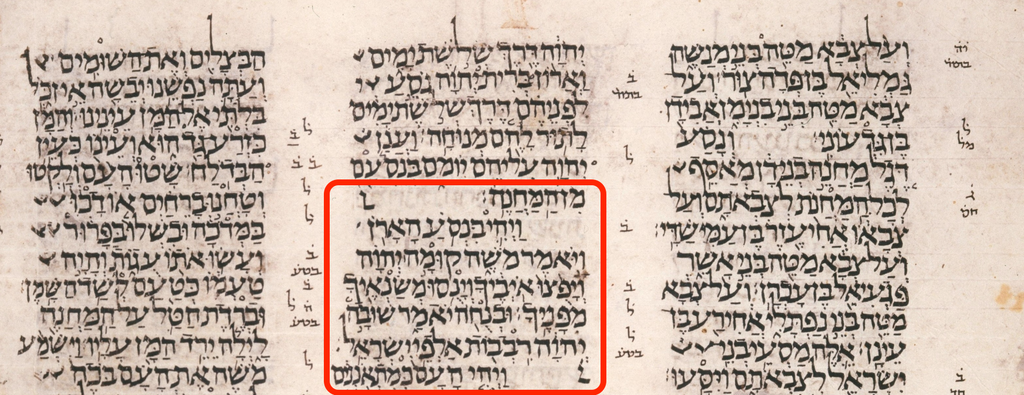
מַצִּילִין מְזוֹן שָׁלשׁ סְעֻדּוֹת, הָרָאוּי לְאָדָם לְאָדָם, הָרָאוּי לִבְהֵמָה לִבְהֵמָה.
כֵּיצַד. נָפְלָה דְלֵקָה בְלֵילֵי שַׁבָּת, מַצִּילִין מְזוֹן שָׁלשׁ סְעֻדּוֹת, בְּשַׁחֲרִית, מַצִּילִין מְזוֹן שְׁתֵּי סְעֻדּוֹת, בְּמִנְחָה, מְזוֹן סְעֻדָּה אֶחָת.
רַבִּי יוֹסֵי אוֹמֵר, לְעוֹלָם מַצִּילִין מְזוֹן שָׁלשׁ סְעֻדּוֹת:
We save food for three meals - that is fit for a person for a person; and that which is fit for a beast for a beast.
How so? If a fire breaks out on the eve of Shabbat, we save food for three meals. In the morning, we save food for two meals. At minhah, food for one meal. Rabbi Yose says: at all times we may save food for three meals.
גְּמָ׳ מִכְּדֵי בְּהֶיתֵּרָא קָטָרַח, נַצֵּיל טְפֵי
אָמַר רָבָא: מִתּוֹךְ שֶׁאָדָם בָּהוּל עַל מָמוֹנוֹ, אִי שָׁרֵית לֵיהּ — אָתֵי לְכַבּוֹיֵי.
GEMARA: Since he is exerting himself for something permitted let him rescue more.
Rava said: Since a person is agitated about his property, if you permit him he will come to extinguish the fire.
תָּנוּ רַבָּנַן: כַּמָּה סְעוּדוֹת חַיָּיב אָדָם לֶאֱכוֹל בַּשַּׁבָּת — שָׁלֹשׁ. רַבִּי חִידְקָא אוֹמֵר: אַרְבַּע. אָמַר רַבִּי יוֹחָנָן, וּשְׁנֵיהֶם מִקְרָא אֶחָד דָּרְשׁוּ: ״וַיֹּאמֶר מֹשֶׁה אִכְלוּהוּ הַיּוֹם כִּי שַׁבָּת הַיּוֹם לַיהוה הַיּוֹם לֹא תִמְצָאֻהוּ בַּשָּׂדֶה״. רַבִּי חִידְקָא סָבַר: הָנֵי תְּלָתָא ״הַיּוֹם״ לְבַר מֵאוּרְתָּא, וְרַבָּנַן סָבְרִי: בַּהֲדֵי דְּאוּרְתָּא.
The Sages taught: How many meals is a person obligated to eat on Shabbat? Three. Rabbi Ḥidka says: Four. Rabbi Yoḥanan said: And both of them derived their opinions from one verse: “Moses said: Eat it today, for today is Shabbat for God, today you will not find it in the field” (Exodus 16:25). Rabbi Ḥidka holds: These three "todays" are besides the evening meal. And the Rabbis hold that these three mentions include the evening meal.
מַצִּילִין סַל מָלֵא כִכָּרוֹת, וְאַף עַל פִּי שֶׁיֶּשׁ בּוֹ מֵאָה סְעֻדּוֹת, וְעִגּוּל שֶׁל דְּבֵלָה, וְחָבִית שֶׁל יַיִן. וְאוֹמֵר לַאֲחֵרִים, בֹּאוּ וְהַצִּילוּ לָכֶם. וְאִם הָיוּ פִקְחִין, עוֹשִׂין עִמּוֹ חֶשְׁבּוֹן אַחַר הַשַּׁבָּת.
לְהֵיכָן מַצִּילִין אוֹתָן, לְחָצֵר הַמְעֹרֶבֶת. בֶּן בְּתֵירָא אוֹמֵר, אַף לְשֶׁאֵינָהּ מְעֹרָבֶת:
We save a basket full of loaves, even if it contains a hundred meals, and a round cake of pressed figs, and a barrel of wine. And he may say to others, “Come and save for yourselves.” And if they are alert, they make an account with him after Shabbat.
To where may one save them? Into a courtyard with an eruv. Ben Batera says: even into a courtyard without an eruv.
. . . וּלְשָׁם מוֹצִיא כָל כְּלֵי תַשְׁמִישׁוֹ, וְלוֹבֵשׁ כָּל מַה שֶּׁיָּכוֹל לִלְבּשׁ, וְעוֹטֵף כָּל מַה שֶּׁיָּכוֹל לַעֲטֹף.
רַבִּי יוֹסֵי אוֹמֵר, שְׁמֹנָה עָשָׂר כֵּלִים. וְחוֹזֵר וְלוֹבֵשׁ וּמוֹצִיא, וְאוֹמֵר לַאֲחֵרִים, בֹּאוּ וְהַצִּילוּ עִמִּי:
. . . . and he may carry out all his utensils there, and he may wear all that he can wear and wrap himself in all that he can wrap himself.
Rabbi Yose says: eighteen items. And he may go back and put on more and carry out. And he says to others, “Come and save with me.”
רַבִּי שִׁמְעוֹן בֶּן נַנָּס אוֹמֵר, פּוֹרְסִין עוֹר שֶׁל גְּדִי עַל גַּבֵּי שִׁדָּה תֵּבָה וּמִגְדָּל שֶׁאָחַז בָּהֶן אֶת הָאוּר, מִפְּנֵי שֶׁהוּא מְחָרֵךְ.
וְעוֹשִׂין מְחִצָּה בְּכָל הַכֵּלִים, בֵּין מְלֵאִים בֵּין רֵיקָנִים, בִּשְׁבִיל שֶׁלֹּא תַעֲבֹר הַדְּלֵקָה.
רַבִּי יוֹסֵי אוֹסֵר בִּכְלֵי חֶרֶס חֲדָשִׁים מְלֵאִין מַיִם, לְפִי שֶׁאֵין יְכוֹלִין לְקַבֵּל אֶת הָאוּר וְהֵן מִתְבַּקְּעִין וּמְכַבִּין אֶת הַדְּלֵקָה:
Rabbi Shimon ben Nannas says: one spreads a goat skin over a box, chest, or trunk which has caught fire, because it only singes.
And one may makes a barrier with any vessel, whether full or empty, that the fire should not pass on.
Rabbi Yose forbids in the case of new earthen vessels filled with water, because since they cannot stand the heat, they will burst and extinguish the fire.
ואין הלכה כרבי יוסי:
The halakha is not according to Rabbi Yose.
דְּלֵקָה שֶׁנָּפְלָה בְּשַׁבָּת הַמְכַבֶּה אוֹתָהּ מִפְּנֵי אִבּוּד מָמוֹן חַיָּב שֶׁאֵין אִבּוּד מָמוֹן דּוֹחֶה שַׁבָּת אֶלָּא אִבּוּד נְפָשׁוֹת. לְפִיכָךְ יֵצְאוּ בְּנֵי אָדָם כְּדֵי שֶׁלֹּא יָמוּתוּ וְיַנִּיחוּ הָאֵשׁ תְּלַהֵט וַאֲפִלּוּ שׂוֹרֶפֶת כָּל דִּירָתוֹ כֻּלָּהּ:
If a fire breaks out on Shabbat someone who extinguish it because of the loss of property is liable because only loss of life, not loss of property takes precedence over the Shabbat. Therefore people should leave it in order to save their lives and let the fire burn even if it burns down the whole house
מֻתָּר לַעֲשׂוֹת מְחִצָּה בְּכָל הַכֵּלִים בֵּין מְלֵאִים בֵּין רֵיקָנִים כְּדֵי שֶׁלֹּא תַּעֲבֹר הַדְּלֵקָה. אֲפִלּוּ כְּלִי חֶרֶשׂ חֲדָשִׁים מְלֵאִים מַיִם עוֹשִׂין מֵהֶן מְחִצָּה אַף עַל פִּי שֶׁוַּדַּאי מִתְבַּקְּעִין וּמְכַבִּים. שֶׁגְּרַם כִּבּוּי מֻתָּר. וְכוֹפִין קְעָרָה עַל גַּבֵּי הַנֵּר בִּשְׁבִיל שֶׁלֹּא תֵּאָחֵז בַּקּוֹרָה:
It is permitted to make a barrier with any kind of vessel, either empty or full, in order that the fire should not pass. Even new earthenware vessels full of water are used to make a barrier, in spite of the fact that they will certainly break and put out the fire. For causing a fire to be put out is permitted.
נָכְרִי שֶׁבָּא לְכַבּוֹת, אֵין אוֹמְרִים לוֹ כַּבֵּה וְאַל תְּכַבֶּה, מִפְּנֵי שֶׁאֵין שְׁבִיתָתוֹ עֲלֵיהֶן,
אֲבָל קָטָן שֶׁבָּא לְכַבּוֹת, אֵין שׁוֹמְעִין לוֹ, מִפְּנֵי שֶׁשְּׁבִיתָתוֹ עֲלֵיהֶן:
If a non-Jew comes to extinguish, they neither say to him, “extinguish it” nor “do not extinguish,” because his rest is not their obligation.
But if a minor comes to extinguish, they must not listen to him, because his resting is their obligation.
כּוֹפִין קְעָרָה עַל גַּבֵּי הַנֵּר בִּשְׁבִיל שֶׁלֹּא תֶאֱחֹז בַּקּוֹרָה, וְעַל צוֹאָה שֶׁל קָטָן, וְעַל עַקְרָב שֶׁלֹּא תִשֹּׁךְ.
אָמַר רַבִּי יְהוּדָה, מַעֲשֶׂה בָא לִפְנֵי רַבָּן יוֹחָנָן בֶּן זַכַּאי בַּעֲרָב, וְאָמַר, חוֹשְׁשָׁנִי לוֹ מֵחַטָּאת:
One may turn a dish over a light so that the beams should not catch, and over an infant’s excrement, and over a scorpion so that it should not bite.
Rabbi Judah said: an incident came before Rabban Yohanan ben Zakkai in Arav and he said, “I fear that he may be liable for a sin-offering.”
שְׁלֹשָׁה דְבָרִים אָמְרוּ לִפְנֵי רַבִּי יִשְׁמָעֵאל, וְלֹא אָמַר בָּהֶם לֹא אִסּוּר וְהֶתֵּר, . . . . וְעַל הַצָּד נָחָשׁ בַּשַּׁבָּת, אִם מִתְעַסֵּק שֶׁלֹּא יִשְּׁכֶנּוּ, פָּטוּר, וְאִם לִרְפוּאָה, חַיָּב.
They said three things before Rabbi Yishmael, and he declared neither of them either forbidden or permitted . . . one who hunts a snake on the Sabbath: that if he was occupied with it in order that it should not bite him, he is innocent; but if that he might use it as a remedy, he is guilty.
נָכְרִי שֶׁהִדְלִיק אֶת הַנֵּר, מִשְׁתַּמֵּשׁ לְאוֹרוֹ יִשְׂרָאֵל, וְאִם בִּשְׁבִיל יִשְׂרָאֵל, אָסוּר.
מִלֵּא מַיִם לְהַשְׁקוֹת בְּהֶמְתּוֹ, מַשְׁקֶה אַחֲרָיו יִשְׂרָאֵל, וְאִם בִּשְׁבִיל יִשְׂרָאֵל, אָסוּר.
עָשָׂה גוֹי כֶּבֶשׁ לֵירֵד בּוֹ, יוֹרֵד אַחֲרָיו יִשְׂרָאֵל, וְאִם בִּשְׁבִיל יִשְׂרָאֵל, אָסוּר.
מַעֲשֶׂה בְרַבָּן גַּמְלִיאֵל וּזְקֵנִים שֶׁהָיוּ בָאִין בִּסְפִינָה, וְעָשָׂה גוֹי כֶּבֶשׁ לֵירֵד בּוֹ, וְיָרְדוּ בוֹ רַבָּן גַּמְלִיאֵל וּזְקֵנִים:
If a Gentile lights a lamp, an Jew may make use of its light. But if it's for the sake of a Jew, it is forbidden.
If he draws water to water his animal, an Jew may water after him. But if it's for the sake of a Jew, it is forbidden.
If a Gentile makes a plank to descend, a Jew may descend after him. But if it's for the sake of a Jew, it is forbidden.
It happened that Rabban Gamaliel and the elders were traveling in a ship and a Gentile made a plank for getting off and Rabban Gamaliel, and the elders descended by it.
כָּל הַכֵּלִים נִטָּלִין בְּשַׁבָּת וְדַלְתוֹתֵיהֶן עִמָּהֶן, אַף עַל פִּי שֶׁנִּתְפָּרְקוּ בְשַׁבָּת. שֶׁאֵינָן דּוֹמִין לְדַלְתוֹת הַבַּיִת, לְפִי שֶׁאֵינָן מִן הַמּוּכָן:
All utensils may be carried on Shabbat and their doors with them, even if they became detached on Shabbat, for they are not like the doors of a house, which are not set aside for use.
נוֹטֵל אָדָם קֻרְנָס לְפַצֵּעַ בּוֹ אֶת הָאֱגוֹזִים, וְקֻרְדֹּם לַחְתֹּךְ אֶת הַדְּבֵלָה. מְגֵרָה, לִגְרֹר בָּהּ אֶת הַגְּבִינָה. מַגְרֵפָה, לִגְרֹף בָּהּ אֶת הַגְּרוֹגָרוֹת. אֶת הָרַחַת וְאֶת הַמַּזְלֵג, לָתֵת עָלָיו לְקָטָן. אֶת הַכּוּשׁ וְאֶת הַכַּרְכָּר, לִתְחֹב בּוֹ. מַחַט שֶׁל יָד, לִטֹּל בּוֹ אֶת הַקּוֹץ, וְשֶׁל סַקָּאִים, לִפְתֹּחַ בּוֹ אֶת הַדָּלֶת:
A person may take a hammer to split nuts, an axe to cut a cake of pressed figs, a saw for sawing cheese, a rake to scoop up dried figs, a winnowing shovel and a pitchfork to serve a child, a reed or a whorl to stick with, a hand needle to remove a thorn, and a sack needle to open a door.
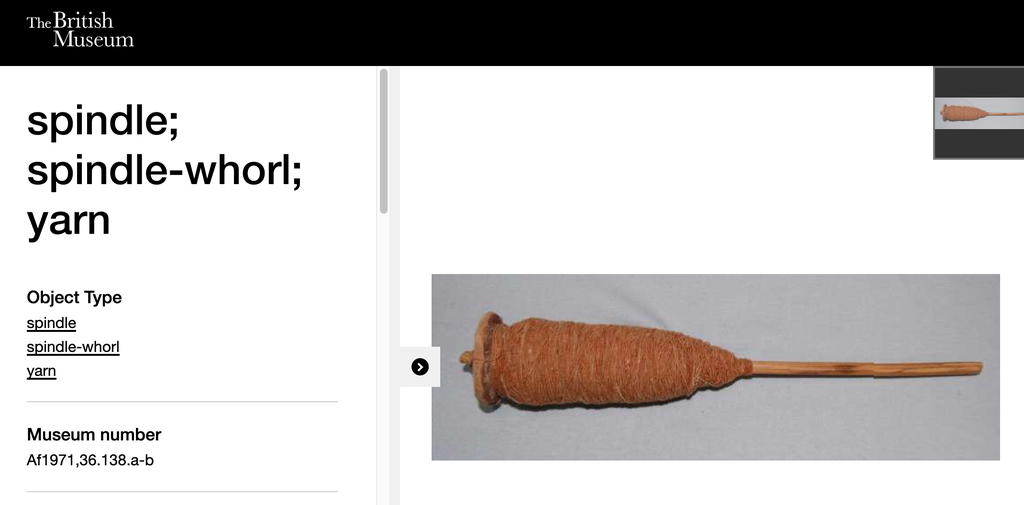
קָנֶה שֶׁל זֵיתִים, אִם יֵשׁ קֶשֶׁר בְּרֹאשׁוֹ, מְקַבֵּל טֻמְאָה, וְאִם לָאו, אֵין מְקַבֵּל טֻמְאָה. בֵּין כָּךְ וּבֵין כָּךְ, נִטָּל בְּשַׁבָּת:
A reed for olives, if it has a knot on its top, is susceptible to impurity; if not, it is not susceptible to impurity. In both cases it may be handled on Shabbat.
רַבִּי יוֹסֵי אוֹמֵר, כָּל הַכֵּלִים נִטָּלִין, חוּץ מִן הַמַּסָּר הַגָּדוֹל וְיָתֵד שֶׁל מַחֲרֵשָׁה.
כָּל הַכֵּלִים נִטָּלִין לְצֹרֶךְ וְשֶׁלֹּא לְצֹרֶךְ. רַבִּי נְחֶמְיָה אוֹמֵר, אֵין נִטָּלִין אֶלָּא לְצֹרֶךְ:
Rabbi Yose says: all vessels may be carried, except a large saw and the pin of a plough. All vessels may be carried whether required or not required. Rabbi Nehemiah says: they may be handled only for what is required.
כָּל הַכֵּלִים הַנִּטָּלִין בְּשַׁבָּת, שִׁבְרֵיהֶן נִטָּלִין עִמָּהֶן, וּבִלְבַד שֶׁיִּהְיוּ עוֹשִׂין מֵעֵין מְלָאכָה. שִׁבְרֵי עֲרֵבָה, לְכַסּוֹת בָּהֶן אֶת פִּי הֶחָבִית. שִׁבְרֵי זְכוּכִית, לְכַסּוֹת בָּהֶן אֶת פִּי הַפָּךְ.
רַבִּי יְהוּדָה אוֹמֵר, וּבִלְבַד שֶׁיִּהְיוּ עוֹשִׂין מֵעֵין מְלַאכְתָּן. שִׁבְרֵי עֲרֵבָה, לִצּוֹק לְתוֹכָן מִקְפָּה. וְשֶׁל זְכוּכִית לִצּוֹק לְתוֹכָן שָׁמֶן:
For all vessels which may be carried on Shabbat, their broken pieces may be carried with them, as long as they can perform something in the nature of work: fragments of a pot to cover the mouth of a barrel; fragments of glass to cover the mouth of a flask.
Rabbi Judah says: only if they can perform something in the nature of their own work: the fragments of a pot, to pour into them a thick mixture; or of a glass, to pour into them oil.
והמחלוקת שביניהן הוא כשנשברו בשבת אבל אם נשברו מע"ש אפי' אינן עושין מעין מלאכתן:
Their dispute concerns a breakage on Shabbat. If they broke before Shabbat [they could be carried] even if they did not perform something of their own work.
הָאֶבֶן שֶׁבְּקֵרוּיָה, אִם מְמַלְּאִין בָּהּ וְאֵינָהּ נוֹפֶלֶת, מְמַלְּאִין בָּהּ. וְאִם לָאו, אֵין מְמַלְּאִין בָּהּ.
זְמוֹרָה שֶׁהִיא קְשׁוּרָה בְטָפִיחַ, מְמַלְּאִין בָּהּ בְּשַׁבָּת:
The stone in a keruya [an earthenware bucket]: If one can fill with it and it does not fall out, one may fill with it; if not, one may not fill with it.
A vine-branch tied to a tafiah [pitcher]: one may fill with it on Shabbat.
האבן שבקירויה אם ממלאים בה ואינה נופלת כו': קירויה הוא כלי חרס ששואבין בו מים ותולים ממנו אבן כדי שיכבד וירד לתחתית המעין. טפיח קומקום קטן והטעם שבעבורו לא התירו לשאוב בשבת כשאינו מתוקן גזירה שמא יחתוך ממנו בידו בשבת ויתקנהו לשאוב:
A keruya is a clay pot used to draw water and they hung a stone from it to weight it so that it would drop to the bottom of the well.
A tafiah is a small pitcher and they did not allow drawing water with it on Shabbat without pre-preparation in case someone cut it off on Shabbat to get it ready for drawing water.
פְּקַק הַחַלּוֹן, רַבִּי אֱלִיעֶזֶר אוֹמֵר, בִּזְמַן שֶׁהוּא קָשׁוּר וְתָלוּי, פּוֹקְקִין בּוֹ, וְאִם לָאו, אֵין פּוֹקְקִין בּוֹ.
וַחֲכָמִים אוֹמְרִים, בֵּין כָּךְ וּבֵין כָּךְ פּוֹקְקִין בּוֹ:
A window-shutter: Rabbi Eliezer says that when it is connected and suspended, one may close with it; if not, one may not close with it.
And the sages say: in either case one may close with it.
כָּל כִּסּוּיֵי הַכֵּלִים שֶׁיֵּשׁ לָהֶם בֵּית אֲחִיזָה נִטָּלִים בְּשַׁבָּת.
אָמַר רַבִּי יוֹסֵי, בַּמֶּה דְבָרִים אֲמוּרִים. בְּכִסּוּי קַרְקַע, אֲבָל בְּכִסּוּי הַכֵּלִים, בֵּין כָּךְ וּבֵין כָּךְ נִטָּלִים בְּשַׁבָּת:
All lids of utensils which have a handle may be carried on Shabbat.
Rabbi Yose said: what are we discussing? In Lids which cover the ground. Lids of vessels may in either case be carried on Shabbat.
מְפַנִּין אֲפִלּוּ אַרְבַּע וְחָמֵשׁ קֻפּוֹת שֶׁל תֶּבֶן וְשֶׁל תְּבוּאָה מִפְּנֵי הָאוֹרְחִים וּמִפְּנֵי בִטּוּל בֵּית הַמִּדְרָשׁ, אֲבָל לֹא אֶת הָאוֹצָר.
מְפַנִּין תְּרוּמָה טְהוֹרָה, וּדְמַאי, וּמַעֲשֵׂר רִאשׁוֹן שֶׁנִּטְּלָה תְרוּמָתוֹ, וּמַעֲשֵׂר שֵׁנִי וְהֶקְדֵּשׁ שֶׁנִּפְדּוּ, וְהַתֻּרְמוֹס הַיָּבֵשׁ, מִפְּנֵי שֶׁהוּא מַאֲכָל לַעִזִּים.
אֲבָל לֹא אֶת הַטֶּבֶל, וְלֹא מַעֲשֵׂר רִאשׁוֹן שֶׁלֹּא נִטְּלָה תְרוּמָתוֹ, וְלֹא אֶת מַעֲשֵׂר שֵׁנִי וְהֶקְדֵּשׁ שֶׁלֹּא נִפְדּוּ, וְלֹא אֶת הַלּוּף, וְלֹא הַחַרְדָּל.
רַבָּן שִׁמְעוֹן בֶּן גַּמְלִיאֵל מַתִּיר בְּלוּף, מִפְּנֵי שֶׁהוּא מַאֲכַל עוֹרְבִין:
One may clear away even four or five baskets of straw or produce to make room for guests or on account of the neglect of the study hall, but not the storehouse.
One may clear away pure terumah, doubtfully tithed produce, the first tithe whose terumah has been separated, redeemed second tithe and sanctified things, and dry lupine, because it is food for goats.
But not untithed produce, first tithe whose terumah has not been taken, unredeemed second tithe and sanctified things, luf or mustard.
Rabban Shimon b. Gamaliel permits with luf, because it is food for ravens.
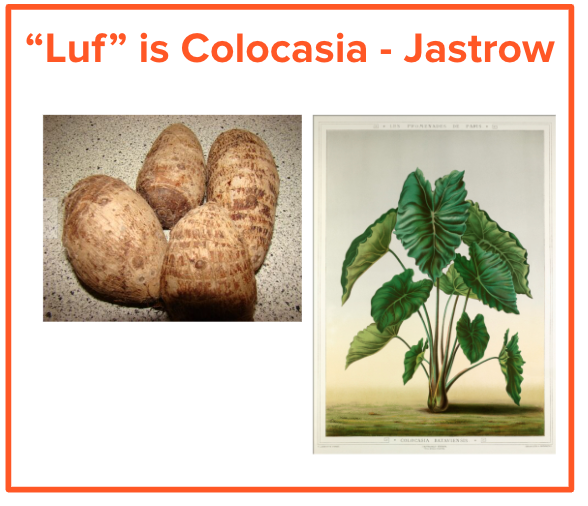
חֲבִילֵי קַשׁ וַחֲבִילֵי עֵצִים וַחֲבִילֵי זְרָדִים, אִם הִתְקִינָן לְמַאֲכַל בְּהֵמָה, מְטַלְטְלִין אוֹתָן. וְאִם לָאו, אֵין מְטַלְטְלִין אוֹתָן.
כּוֹפִין אֶת הַסַּל לִפְנֵי הָאֶפְרוֹחִים, כְּדֵי שֶׁיַּעֲלוּ וְיֵרְדוּ.
תַּרְנְגֹלֶת שֶׁבָּרְחָה, דּוֹחִין אוֹתָהּ עַד שֶׁתִּכָּנֵס. מְדַדִּין עֲגָלִין וּסְיָחִין בִּרְשׁוּת הָרַבִּים. אִשָּׁה מְדַדָּה אֶת בְּנָהּ.
אָמַר רַבִּי יְהוּדָה, אֵימָתַי, בִּזְמַן שֶׁהוּא נוֹטֵל אַחַת וּמֵנִיחַ אַחַת, אֲבָל אִם הָיָה גוֹרֵר, אָסוּר:
Bundles of straw, bundles of twigs, or bundles of young shoots, if they were prepared as animal food, they may be carried; if not, they may not be carried.
One may overturn a basket before young birds, so that they will get up and then get down.
If a chicken which has run away, one may push her until she re-enters.
One may make calves and foals walk in the public domain. And a woman may make her son walk.
Rabbi Judah says: when is this so? If he lifts one foot and places it down; but if he drags them it is forbidden.
אֵין מְיַלְּדִין אֶת הַבְּהֵמָה בְיוֹם טוֹב, אֲבָל מְסַעֲדִין.
וּמְיַלְּדִין אֶת הָאִשָּׁה בְּשַׁבָּת, וְקוֹרִין לָהּ חֲכָמָה מִמָּקוֹם לְמָקוֹם, וּמְחַלְּלִין עָלֶיהָ אֶת הַשַּׁבָּת, וְקוֹשְׁרִין אֶת הַטַּבּוּר. רַבִּי יוֹסֵי אוֹמֵר, אַף חוֹתְכִין.
וְכָל צָרְכֵי מִילָה עוֹשִׂין בְּשַׁבָּת:
One may not deliver an animal on a festival, but one may assist it.
One may deliver a woman on Shabbat, summon a midwife for her from place to place, desecrate Shabbat on her account, and tie up the umbilical cord. Rabbi Yose says: one may cut it too.
And all the requirements of circumcision may be done on Shabbat.
יתבארו צרכי מילה בפרק שאחר זה
The requirements for circumcision will be elucidated in the next chapter.
חָצֵר גְּדוֹלָה הָיְתָה בִירוּשָׁלַיִם, וּבֵית יַעְזֵק הָיְתָה נִקְרֵאת, וּלְשָׁם כָּל הָעֵדִים מִתְכַּנְּסִים, וּבֵית דִּין בּוֹדְקִין אוֹתָם שָׁם. וּסְעוּדוֹת גְּדוֹלוֹת עוֹשִׂין לָהֶם בִּשְׁבִיל שֶׁיְּהוּ רְגִילִין לָבֹא.
בָּרִאשׁוֹנָה לֹא הָיוּ זָזִין מִשָּׁם כָּל הַיּוֹם, הִתְקִין רַבָּן גַּמְלִיאֵל הַזָּקֵן שֶׁיְּהוּ מְהַלְּכִין אַלְפַּיִם אַמָּה לְכָל רוּחַ. וְלֹא אֵלּוּ בִלְבַד, אֶלָּא אַף הַחֲכָמָה הַבָּאָה לְיַלֵּד, וְהַבָּא לְהַצִּיל מִן הַדְּלֵקָה וּמִן הַגַּיִס וּמִן הַנָּהָר וּמִן הַמַּפֹּלֶת, הֲרֵי אֵלּוּ כְאַנְשֵׁי הָעִיר, וְיֵשׁ לָהֶם אַלְפַּיִם אַמָּה לְכָל רוּחַ:
There was a large courtyard in Jerusalem, and it was called Bet Yazek. There all the witnesses [to the new moon] used to assemble and the court would examine them there. They would make large feasts for them there so that they would have an incentive to come.
Originally they used not to leave the place the whole day, but Rabban Gamaliel decreed that they could go two thousand cubits from it in any direction. And these were not the only ones, but also a midwife who has come to deliver a child, or one who comes to rescue from a fire or from bandits or from a river in flood or from a building that has fallen in all these are like residents of the town, and may go two thousand cubits in any dirction.
הַיּוֹלֶדֶת כְּשֶׁכּוֹרַעַת לֵילֵד הֲרֵי הִיא בְּסַכָּנַת נְפָשׁוֹת וּמְחַלְּלִין עָלֶיהָ אֶת הַשַּׁבָּת. קוֹרְאִין לָהּ חֲכָמָה מִמָּקוֹם לְמָקוֹם וְחוֹתְכִים אֶת הַטַּבּוּר וְקוֹשְׁרִין אוֹתוֹ. וְאִם הָיְתָה צְרִיכָה לְנֵר בְּשָׁעָה שֶׁהִיא צוֹעֶקֶת בַּחֲבָלֶיהָ מַדְלִיקִין לָהּ אֶת הַנֵּר. וַאֲפִלּוּ הָיְתָה סוּמָא מִפְּנֵי שֶׁדַּעְתָּהּ מִתְיַשֶּׁבֶת עָלֶיהָ בַּנֵּר וְאַף עַל פִּי שֶׁאֵינָהּ רוֹאָה.
When a woman labor squats to give birth, her life is considered in danger and the Sabbath laws may be violated on her behalf. A midwife may be called from a distant place and the umbilical cord may be cut and tied. If she requires a light when she cries out because of her travails, a candle is lit for her, even if she is blind, because the light settles her mind even if she does not see.
רַבִּי אֱלִיעֶזֶר אוֹמֵר, אִם לֹא הֵבִיא כְלִי מֵעֶרֶב שַׁבָּת, מְבִיאוֹ בְשַׁבָּת מְגֻלֶּה. וּבַסַּכָּנָה, מְכַסֵּהוּ עַל פִּי עֵדִים.
וְעוֹד אָמַר רַבִּי אֱלִיעֶזֶר, כּוֹרְתִין עֵצִים לַעֲשׂוֹת פֶּחָמִין וְלַעֲשׂוֹת כְּלִי בַרְזֶל.
כְּלָל אָמַר רַבִּי עֲקִיבָא, כָּל מְלָאכָה שֶׁאֶפְשָׁר לַעֲשׂוֹתָהּ מֵעֶרֶב שַׁבָּת אֵינָהּ דּוֹחָה אֶת הַשַּׁבָּת, וְשֶׁאִי אֶפְשָׁר לַעֲשׂוֹתָהּ מֵעֶרֶב שַׁבָּת דּוֹחָה אֶת הַשַּׁבָּת:
Rabbi Eliezer says: if one did not bring an instrument on the eve of Shabbat, he must bring it on Shabbat uncovered; but in [times of] danger he hides it on the testimony of witnesses.
Rabbi Eliezer said further: one may cut wood to make charcoal to make an iron instrument.
Rabbi Akiva stated a general principle: work which could be performed before Shabbat does not supersede Shabbat; but that which could not be performed before Shabbat does supersede Shabbat.
ור"א מתיר להביא דרך רשות הרבים ואינה הלכה כי העיקר אצלנו שכלל שנתן ר"ע אמת והמילה א"א מערב שבת והוא לפי שמצותה בשמיני על כל פנים:
Rabbi Eliezer permits carrying it in the public domain but this is not the halakha for our principal is that the one given by Rabbi Akiva is true that the circumcision is impossible to carry out before Shabbat because it is commanded on the eighth day.
עוֹשִׂין כָּל צָרְכֵי מִילָה בְשַׁבָּת, מוֹהֲלִין, וּפוֹרְעִין, וּמוֹצְצִין, וְנוֹתְנִין עָלֶיהָ אִסְפְּלָנִית וְכַמּוֹן.
אִם לֹא שָׁחַק מֵעֶרֶב שַׁבָּת, לוֹעֵס בְּשִׁנָּיו וְנוֹתֵן.
אִם לֹא טָרַף יַיִן וְשֶׁמֶן מֵעֶרֶב שַׁבָּת, יִנָּתֵן זֶה בְעַצְמוֹ וְזֶה בְעַצְמוֹ.
וְאֵין עוֹשִׂין לָהּ חָלוּק לְכַתְּחִלָּה, אֲבָל כּוֹרֵךְ עָלֶיהָ סְמַרְטוּט. אִם לֹא הִתְקִין מֵעֶרֶב שַׁבָּת, כּוֹרֵךְ עַל אֶצְבָּעוֹ וּמֵבִיא, וַאֲפִלּוּ מֵחָצֵר אַחֶרֶת:
They may perform all the necessities of circumcision on Shabbat: circumcising, uncovering, sucking, and placing a compress and cumin.
If one did not grind [the cumin] on the eve of Shabbat, he may chew [it] with his teeth and apply it.
If he did not beat up wine and oil on the eve of Shabbat, each should be applied separately.
They may not make a cloak for it in the first place, but he may wrap a rag about it. If this was not prepared from the eve of Shabbat, he may wind it about his finger and bring it, and even from another courtyard.
מַרְחִיצִין אֶת הַקָּטָן, בֵּין לִפְנֵי הַמִּילָה וּבֵין לְאַחַר הַמִּילָה, וּמְזַלְּפִין עָלָיו בַּיָּד, אֲבָל לֹא בִכְלִי.
רַבִּי אֶלְעָזָר בֶּן עֲזַרְיָה אוֹמֵר, מַרְחִיצִין אֶת הַקָּטָן בַּיּוֹם הַשְּׁלִישִׁי שֶׁחָל לִהְיוֹת בְּשַׁבָּת, שֶׁנֶּאֱמַר (בראשית לד) וַיְהִי בַיּוֹם הַשְּׁלִישִׁי בִּהְיוֹתָם כֹּאֲבִים. סָפֵק וְאַנְדְּרוֹגִינוֹס אֵין מְחַלְּלִין עָלָיו אֶת הַשַּׁבָּת, וְרַבִּי יְהוּדָה מַתִּיר בְּאַנְדְּרוֹגִינוֹס:
They bathe the infant both before and after the circumcision, and sprinkle over him by hand but not with a vessel.
R. Elazar ben Azaryah says: they may bathe an infant on the third day which falls on the Shabbat, as it is said, “And it came to pass on the third day, when they were sore” (Genesis 34:25). For one who about whom it is doubtful, and for a hermaphrodite, they may not desecrate Shabbat But Rabbi Judah permits in the case of a hermaphrodite.
וחלק ר"א ב"ע על זה ואמר כי מותר לרחוץ כל גופו בשבת לפני המילה ולאחר המילה וביום השלישי למילה וזאת הרחיצה היא הרחיצה בחמין ואין הפרש בכאן בין חמין שהוחמו מערב שבת ובין שהוחמו בשבת לפי שהוא סכנת נפשות והלכה כרבי אלעזר בן עזריה.
ואין הלכה כרבי יהודה:
R. Elazar ben Azaryah disagrees and says that it is permitted to wash his whole body on Shabbat, both before and after the circumcision and on the third day, and this refers to washing in hot water, either heated up before Shabbat or on Shabbat, for his life is in danger and the halakha is according to R. Elazar ben Azaryah..
And not according to Rabbi Judah.
Key principle - circumcision happens on the 8th day if possible, or as soon as practical afterwards. There is no mitzvah to circumcise before the 8th day.
מִי שֶׁהָיוּ לוֹ שְׁתֵּי תִינוֹקוֹת, אֶחָד לָמוּל אַחַר הַשַּׁבָּת וְאֶחָד לָמוּל בְּשַׁבָּת, וְשָׁכַח וּמָל אֶת שֶׁל אַחַר הַשַּׁבָּת בְּשַׁבָּת, חַיָּב.
אֶחָד לָמוּל בְּעֶרֶב שַׁבָּת וְאֶחָד לָמוּל בְּשַׁבָּת, וְשָׁכַח וּמָל אֶת שֶׁל עֶרֶב שַׁבָּת בְּשַׁבָּת, רַבִּי אֱלִיעֶזֶר מְחַיֵּב חַטָּאת, וְרַבִּי יְהוֹשֻׁעַ פּוֹטֵר:
Someone who had two infants, one to circumcise after Shabbat and the other to circumcise on Shabbat. He forgot and circumcised the one who should be circumcised after Shabbat on the Shabbat. He is liable.
One to circumcise on the eve of Shabbat and another to circumcise on Shabbat., He forgot and circumcised the one who should have been circumcised on the eve of Shabbat on Shabbat. Rabbi Eliezer holds him liable to a sin-offering and Rabbi Joshua exempts him.
קָטָן נִמּוֹל לִשְׁמֹנָה, לְתִשְׁעָה, וְלַעֲשָׂרָה, וּלְאַחַד עָשָׂר, וְלִשְׁנֵים עָשָׂר, לֹא פָחוֹת וְלֹא יוֹתֵר. הָא כֵּיצַד.
כְּדַרְכּוֹ, לִשְׁמֹנָה.
נוֹלַד לְבֵין הַשְּׁמָשׁוֹת, נִמּוֹל לְתִשְׁעָה.
בֵּין הַשְּׁמָשׁוֹת שֶׁל עֶרֶב שַׁבָּת, נִמּוֹל לַעֲשָׂרָה.
יוֹם טוֹב לְאַחַר הַשַּׁבָּת, נִמּוֹל לְאַחַד עָשָׂר.
שְׁנֵי יָמִים טוֹבִים שֶׁל רֹאשׁ הַשָּׁנָה, נִמּוֹל לִשְׁנֵים עָשָׂר.
קָטָן הַחוֹלֶה, אֵין מוֹהֲלִין אוֹתוֹ עַד שֶׁיַּבְרִיא:
An infant is circumcised on the eighth, ninth, tenth, eleventh, and twelfth, neither earlier nor later. How so?
In the normal situation, on the eighth.
If he is born at twilight, on the ninth.
At twilight on the eve of Shabbat, on the tenth.
If a festival is after Shabbat, on the eleventh. If two days of Rosh Hashanah, on the twelfth.
An infant who is sick is not circumcised until he is healthy.
עד שיבריא. ויעברו עליו שבעה ימים שלמים מעת לעת מיום שהבריא ואחר כך מלין אותו:
Until he is healthy. And seven complete days should pass from the day that he is healed, and afterwards one circumcises him.
אֵלּוּ הֵן צִיצִין הַמְעַכְּבִין אֶת הַמִּילָה, בָּשָׂר הַחוֹפֶה אֶת רֹב הָעֲטָרָה. וְאֵינוֹ אוֹכֵל בַּתְּרוּמָה. וְאִם הָיָה בַעַל בָּשָׂר, מְתַקְּנוֹ מִפְּנֵי מַרְאִית הָעָיִן.
מָל וְלֹא פָרַע אֶת הַמִּילָה, כְּאִלּוּ לֹא מָל:
These are the shreds which invalidate circumcision: flesh that covers the greater part of the corona; and he may not eat terumah. And if he is chubby, he must repair it for appearance's sake.
If one circumcises but does not uncover the circumcision, it is as though he has not circumcised.
אֵין בֵּין יוֹם טוֹב לְשַׁבָּת אֶלָּא אֹכֶל נֶפֶשׁ בִּלְבָד.
The only difference between Shabbat and Yom Tov is human food.
רַבִּי אֱלִיעֶזֶר אוֹמֵר, תּוֹלִין אֶת הַמְשַׁמֶּרֶת בְּיוֹם טוֹב, וְנוֹתְנִין לַתְּלוּיָה בְשַׁבָּת.
וַחֲכָמִים אוֹמְרִים, אֵין תּוֹלִין אֶת הַמְשַׁמֶּרֶת בְּיוֹם טוֹב, וְאֵין נוֹתְנִין לַתְּלוּיָה בְשַׁבָּת, אֲבָל נוֹתְנִין לַתְּלוּיָה בְיוֹם טוֹב:
R. Eliezer says: one may suspend a strainer on festivals, and pour through a suspended strainer on Shabbat.
But the sages say: one may not suspend a strainer on festivals, nor pour through a suspended strainer on Shabbat, but one may pour through a suspended strainer on festivals.
נוֹתְנִין מַיִם עַל גַּבֵּי הַשְּׁמָרִים בִּשְׁבִיל שֶׁיִּצַּלּוּ, וּמְסַנְּנִין אֶת הַיַּיִן בְּסוּדָרִין וּבִכְפִיפָה מִצְרִית, וְנוֹתְנִין בֵּיצָה בִמְסַנֶּנֶת שֶׁל חַרְדָּל, וְעוֹשִׂין אֵנוּמְלִין בְּשַׁבָּת.
רַבִּי יְהוּדָה אוֹמֵר, בְּשַׁבָּת, בְּכוֹס, בְּיוֹם טוֹב, בְּלָגִין, וּבַמּוֹעֵד, בְּחָבִית. רַבִּי צָדוֹק אוֹמֵר, הַכֹּל לְפִי הָאוֹרְחִין:
One may pour water over lees in order to clarify them; and one may strain wine through cloths and through a basket made of palm twigs; and one may place an egg in a mustard strainer; and one may make anumlin on Shabbat.
Rabbi Judah says: on Shabbat in a cup; on festivals in a jug; and on the intermediate days of festivals in a barrel.
Rabbi Zadok says: it all depends on the guests.
ינומולין. יין ודבש ופלפלין:
Anumlin. Wine, honey and peppers.
Hiltith: Asa foetida by Engelbert Kaempfer, Amoenitatum exoticarum, 1712, p.536. For information on medical uses, see the NIH publication here.
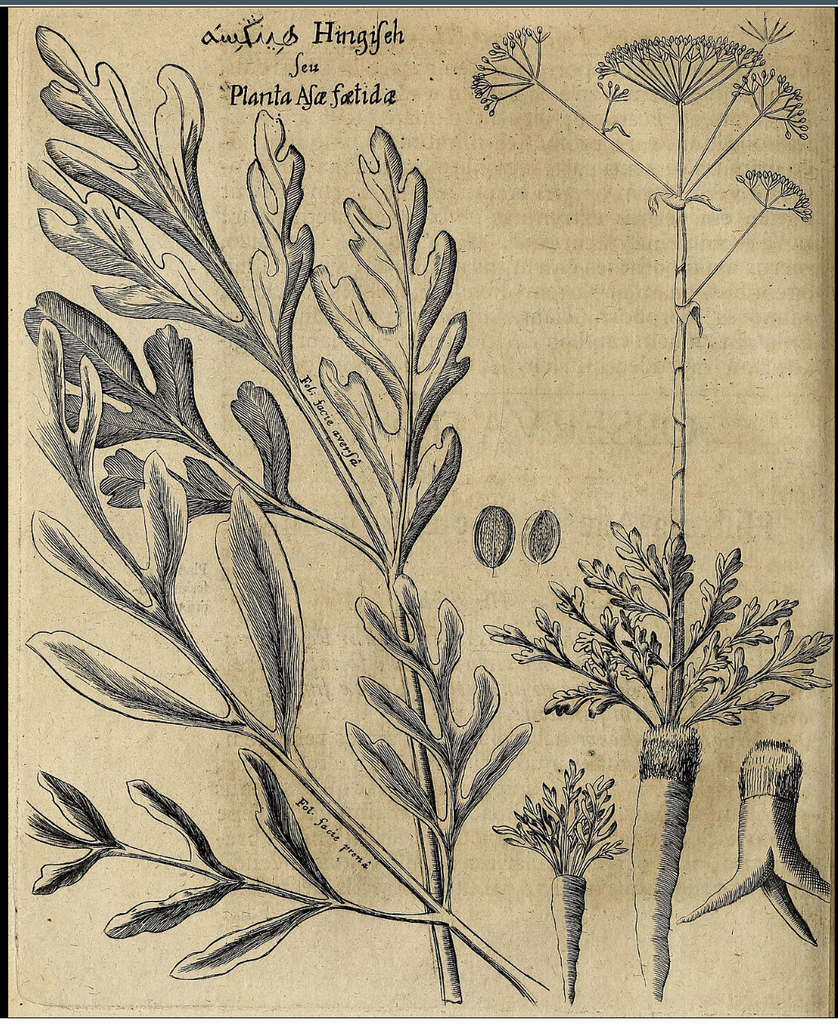
אֵין שׁוֹרִין אֶת הַחִלְתִּית בְּפוֹשְׁרִין, אֲבָל נוֹתֵן לְתוֹךְ הַחֹמֶץ.
וְאֵין שׁוֹרִין אֶת הַכַּרְשִׁינִין וְלֹא שָׁפִין אוֹתָן, אֲבָל נוֹתֵן לְתוֹךְ הַכְּבָרָה אוֹ לְתוֹךְ הַכַּלְכַּלָּה.
אֵין כּוֹבְרִין אֶת הַתֶּבֶן בִּכְבָרָה, וְלֹא יִתְּנֶנּוּ עַל גַּבֵּי מָקוֹם גָּבוֹהַּ בִּשְׁבִיל שֶׁיֵּרֵד הַמֹּץ, אֲבָל נוֹטֵל הוּא בִכְבָרָה וְנוֹתֵן לְתוֹךְ הָאֵבוּס:
One may not soak hiltith in warm water, but one may put it into vinegar.
And one may not soak leeks, nor rub them, but he may put them into a sieve or a basket. One may not sieve straw through a sieve, nor put it on a high place for the chaff to drop down, but one may take it up in a sieve and put it into the trough.
גּוֹרְפִין מִלִּפְנֵי הַפְּטָם, וּמְסַלְּקִין לִצְדָדִין מִפְּנֵי הָרְעִי, דִּבְרֵי רַבִּי דוֹסָא. וַחֲכָמִים אוֹסְרִין.
נוֹטְלִין מִלִּפְנֵי בְהֵמָה זוֹ וְנוֹתְנִין לִפְנֵי בְהֵמָה זוֹ בְּשַׁבָּת:
One may rake out for a fatted ox, and move to the sides for a grazing ox, according to Rabbi Dosa, but the sages prohibit it.
One may take from one animal and place it before another animal on Shabbat.
הַקַּשׁ שֶׁעַל גַּבֵּי הַמִּטָּה, לֹא יְנַעְנְעוֹ בְיָדוֹ, אֶלָּא מְנַעְנְעוֹ בְגוּפוֹ.
וְאִם הָיָה מַאֲכַל בְּהֵמָה, אוֹ שֶׁהָיָה עָלָיו כַּר אוֹ סָדִין, מְנַעְנְעוֹ בְיָדוֹ.
מַכְבֵּשׁ שֶׁל בַּעֲלֵי בָתִּים, מַתִּירִין, אֲבָל לֹא כוֹבְשִׁין.וְשֶׁל כּוֹבְסִין, לֹא יִגַּע בּוֹ.
רַבִּי יְהוּדָה אוֹמֵר, אִם הָיָה מֻתָּר מֵעֶרֶב שַׁבָּת, מַתִּיר אֶת כֻּלּוֹ וְשׁוֹמְטוֹ:
One should not move the straw on a bed with one's hand, but one may move it with one's body.
And if it was animal feed, or a pillow or a sheet was on it, one may move it by hand.
One may loosen a householder’s clothes press but not tighten it. A launderer’s should not be touched.
Rabbi Judah says: if it was loosened before Shabbat, one may unfasten the whole thing and remove it [or, as below from Kaufmann, "he recognises his clothes and takes them".

נוֹטֵל אָדָם אֶת בְּנוֹ וְהָאֶבֶן בְּיָדוֹ, וְכַלְכַּלָּה וְהָאֶבֶן בְּתוֹכָהּ.
וּמְטַלְטְלִין תְּרוּמָה טְמֵאָה עִם הַטְּהוֹרָה וְעִם הַחֻלִּין.
רַבִּי יְהוּדָה אוֹמֵר, אַף מַעֲלִין אֶת הַמְדֻמָּע בְּאֶחָד וּמֵאָה:
A person may pick up his son while he has a stone in his hand or a basket with a stone in it.
And one may carry impure terumah together with pure or with non-sacred produce.
Rabbi Judah said: one may also "lift up" mixtures of terumah in a hundred and one parts.
הָאֶבֶן שֶׁעַל פִּי הֶחָבִית, מַטָּהּ עַל צִדָּהּ וְהִיא נוֹפֶלֶת. הָיְתָה בֵין הֶחָבִיּוֹת, מַגְבִּיהַּ וּמַטָּהּ עַל צִדָּהּ וְהִיא נוֹפֶלֶת.
מָעוֹת שֶׁעַל הַכַּר, נוֹעֵר אֶת הַכַּר וְהֵן נוֹפְלוֹת.
הָיְתָה עָלָיו לַשְׁלֶשֶׁת, מְקַנְּחָהּ בִּסְמַרְטוּט. הָיְתָה שֶׁל עוֹר, נוֹתְנִין עָלֶיהָ מַיִם עַד שֶׁתִּכְלֶה:
If a stone is on the mouth of a cask one tilts it to its side and it falls off. If it is among other casks, he lifts it up, tilts it on its side, and it falls off. If money is lying on a cushion, one shakes the cushion, and it falls off.
If dirt was on it, one wipes it off with a rag; If it was leather, one pours water over it until it disappears.
בֵּית שַׁמַּאי אוֹמְרִים, מַגְבִּיהִין מִן הַשֻּׁלְחָן עֲצָמוֹת וּקְלִפִּין. וּבֵית הִלֵּל אוֹמְרִים, נוֹטֵל אֶת הַטַּבְלָה כֻלָּהּ וּמְנַעֲרָהּ.
מַעֲבִירִין מִלִּפְנֵי הַשֻּׁלְחָן פֵּרוּרִין פָּחוֹת מִכַּזַּיִת וְשֵׂעָר שֶׁל אֲפוּנִין וְשֵׂעָר שֶׁל עֲדָשִׁים, מִפְּנֵי שֶׁהוּא מַאֲכַל בְּהֵמָה.
סְפוֹג, אִם יֶשׁ לוֹ עוֹר בֵּית אֲחִיזָה, מְקַנְּחִין בּוֹ, וְאִם לָאו, אֵין מְקַנְּחִין בּוֹ. וַחֲכָמִים אוֹמְרִים בֵּין כָּךְ וּבֵין כָּךְ, נִטָּל בְּשַׁבָּת, וְאֵינוֹ מְקַבֵּל טֻמְאָה:
Bet Shammai say: one may remove bones and nutshells from the table. Beth Hillel say: one must remove the whole board and shake it off.
One may remove from the table crumbs less than the size of an olive and the husks of beans and lentils, because they are food for animals. A sponge, if it has a handle, one may wipe with it; if not, one may not wipe with it. The sages say: in either case it may be handled on Shabbat and it is not susceptible to defilement.
The Kaufmann manuscript and the Tosefta have the opposite version of this Mishnah as below.
ב"ה אומרים מגביהין מעל השולחן עצמות וקליפין ב"ש אומרים מסלק את הטבלא כולה ומנערה.
Bet Hillel say: one may remove bones and nutshells from the table. Beth Shammai say: one must remove the whole board and shake it off.
חָבִית שֶׁנִּשְׁבְּרָה, מַצִּילִין הֵימֶנָּה מְזוֹן שָׁלֹשׁ סְעֻדּוֹת, וְאוֹמֵר לַאֲחֵרִים, בֹּאוּ וְהַצִּילוּ לָכֶם, וּבִלְבַד שֶׁלֹּא יִסְפֹּג.
אֵין סוֹחֲטִין אֶת הַפֵּרוֹת לְהוֹצִיא מֵהֶן מַשְׁקִין, וְאִם יָצְאוּ מֵעַצְמָן, אֲסוּרִין.
רַבִּי יְהוּדָה אוֹמֵר, אִם לְאֳכָלִין, הַיּוֹצֵא מֵהֶן מֻתָּר, וְאִם לְמַשְׁקִין, הַיּוֹצֵא מֵהֶן אָסוּר.
חַלּוֹת דְּבַשׁ שֶׁרִסְּקָן מֵעֶרֶב שַׁבָּת וְיָצְאוּ מֵעַצְמָן, אֲסוּרִין. וְרַבִּי אֶלְעָזָר מַתִּיר:
A cask which was broken, one may save from it the requirements for three meals. And he may say to others, “come and save for yourselves”, provided that it is not sponged up.
One may not squeeze fruit in order to get out their juices, and if they exude of their own accord they are prohibited.
Rabbi Yose says: if they are meant to be eaten, that which exudes from it is permitted, but if [is meant to be] juice, that which exudes from it is prohibited.
Honeycombs which were crushed on the eve of Shabbat and it exude [honey] on their own are forbidden, but Rabbi Elazar permits it.
כֹּל שֶׁבָּא בְחַמִּין מֵעֶרֶב שַׁבָּת, שׁוֹרִין אוֹתוֹ בְחַמִּין בְּשַׁבָּת, וְכֹל שֶׁלֹּא בָא בְחַמִּין מֵעֶרֶב שַׁבָּת, מְדִיחִין אוֹתוֹ בְחַמִּין בְּשַׁבָּת, חוּץ מִן הַמָּלִיחַ הַיָּשָׁן, וְדָגִים מְלוּחִים קְטַנִּים וְקוּלְיָס הָאִסְפָּנִין, שֶׁהֲדָחָתָן זוֹ הִיא גְמַר מְלַאכְתָּן:
Whatever was put into hot water before Shabbat, may be soaked in hot water on Shabbat; But whatever was not put into hot water before Shabbat may be rinsed with hot water on Shabbat, except old salted fish, small salted fish, and Spanish colius, because their rinsing completes their preparation.
שׁוֹבֵר אָדָם אֶת הֶחָבִית לֶאֱכֹל הֵימֶנָּה גְרוֹגָרוֹת, וּבִלְבַד שֶׁלֹּא יִתְכַּוֵּן לַעֲשׂוֹת כְּלִי.
וְאֵין נוֹקְבִים מְגוּפָה שֶׁל חָבִית, דִּבְרֵי רַבִּי יְהוּדָה. וְרַבִּי יוֹסֵי מַתִּירִ. וְלֹא יִקְּבֶנָּה מִצִּדָּהּ.
וְאִם הָיְתָה נְקוּבָה, לֹא יִתֵּן עָלֶיהָ שַׁעֲוָה, מִפְּנֵי שֶׁהוּא מְמָרֵחַ. אָמַר רַבִּי יְהוּדָה, מַעֲשֶׂה בָא לִפְנֵי רַבָּן יוֹחָנָן בֶּן זַכַּאי בַּעֲרָב, וְאָמַר, חוֹשְׁשָׁנִי לוֹ מֵחַטָּאת:
A man may break open a cask in order to eat dried figs from it, provided that he does not intend to make a vessel.
And one may not perforate the stopper of a cask, the words of Rabbi Judah. But Rabbi Yose permit it. And one may not pierce it at its side.
If it is already perforated one may not place wax upon it, because he smoothes it out. Rabbi Judah said: a case came before Rabbi Yohanan ben Zakkai in Arav and he said, “I fear that he may be liable to a sin-offering.”
ובלבד שלא יתכוין לעשותה כלי. לעשות לה פה נאה:
Provided that he does not intend to make a vessel – to make for it a nice opening.
נוֹתְנִין תַּבְשִׁיל לְתוֹךְ הַבּוֹר בִּשְׁבִיל שֶׁיְּהֵא שָׁמוּר, וְאֶת הַמַּיִם הַיָּפִים בָּרָעִים בִּשְׁבִיל שֶׁיִּצַּנּוּ, וְאֶת הַצּוֹנֵן בַּחַמָּה בִּשְׁבִיל שֶׁיֵּחַמּוּ. מִי שֶׁנָּשְׁרוּ כֵלָיו בַּדֶּרֶךְ בְּמַיִם, מְהַלֵּךְ בָּהֶן וְאֵינוֹ חוֹשֵׁשׁ. הִגִּיעַ לֶחָצֵר הַחִיצוֹנָה, שׁוֹטְחָן בַּחַמָּה, אֲבָל לֹא כְנֶגֶד הָעָם:
One may place a cooked dish in a pit for it to keep, and good water into foul water for it to cool; or cool water in the sun for it to heat.
Someone whose clothes fell into water on the road may walk in them without concern. When he reaches the outer courtyard he may spread them out in the sun, but not in sight of the people.
הָרוֹחֵץ בְּמֵי מְעָרָה וּבְמֵי טְבֶרְיָא וְנִסְתַּפֵּג, אֲפִלּוּ בְעֶשֶׂר אֲלוּנְטִיאוֹת, לֹא יְבִיאֵם בְּיָדוֹ.
אֲבָל עֲשָׂרָה בְנֵי אָדָם מִסְתַּפְּגִין בַּאֲלוּנְטִית אַחַת פְּנֵיהֶם יְדֵיהֶם וְרַגְלֵיהֶם, וּמְבִיאִין אוֹתָהּ בְּיָדָן:
Someone who bathes in the water of a cave or in the waters of Tiberias and dries himself even with ten towels must not carry in his hand.
But ten people may dry their faces, hands, and feet on one towel and carry it in their hands.
סָכִין וּמְמַשְׁמְשִׁין בִּבְנֵי מֵעַיִם, אֲבָל לֹא מִתְעַמְּלִין וְלֹא מִתְגָּרְדִין. אֵין יוֹרְדִין לְפילוֹמָה, וְאֵין עוֹשִׂין אַפִּקְטְוִזִין, וְאֵין מְעַצְּבִין אֶת הַקָּטָן, וְאֵין מַחֲזִירִין אֶת הַשֶּׁבֶר.
מִי שֶׁנִּפְרְקָה יָדוֹ וְרַגְלוֹ, לֹא יִטְרְפֵם בְּצוֹנֵן, אֲבָל רוֹחֵץ הוּא כְדַרְכּוֹ, וְאִם נִתְרַפָּא נִתְרַפָּא:
One may oil and massage the stomach but not knead or scrape. One may not go down to a piloma, And one may not make an epiktvizin and one may not straighten an infant and one may not set a broken bone.
If one's hand or foot is dislocated, he must not agitate it violently in cold water but he may bathe it in the usual way, and if it heals, it heals.
סכין כלומר מושחין בשמן וממשמשין. הוא מגזרת משה משיתיהו (שמות ב׳:י)
Massage. From the root of "Mosses", "I drew him from the water [meshitihu]", (Exodus 2:10).
שׁוֹאֵל אָדָם מֵחֲבֵרוֹ כַּדֵּי יַיִן וְכַדֵּי שֶׁמֶן, וּבִלְבַד שֶׁלֹּא יֹאמַר לוֹ הַלְוֵנִי, וְכֵן הָאִשָּׁה מֵחֲבֶרְתָּהּ כִּכָּרוֹת.
וְאִם אֵינוֹ מַאֲמִינוֹ, מַנִּיחַ טַלִּיתוֹ אֶצְלוֹ וְעוֹשֶׂה עִמּוֹ חֶשְׁבּוֹן לְאַחַר שַׁבָּת.
וְכֵן עֶרֶב פֶּסַח בִּירוּשָׁלַיִם שֶׁחָל לִהְיוֹת בְּשַׁבָּת, מַנִּיחַ טַלִּיתוֹ אֶצְלוֹ וְנוֹטֵל אֶת פִּסְחוֹ, וְעוֹשֶׂה עִמּוֹ חֶשְׁבּוֹן לְאַחַר יוֹם טוֹב:
A person may borrow pitchers of wine and pitchers of oil from his neighbor, provided he does not say to him, “lease to me” and similarly a woman loaves from her neighbor.
If he does not trust him he may leave his cloak with him and account with him after Shabbat.
Similarly, if the eve of Passover in Jerusalem falls on Shabbat, he may leave his cloak with him and take his paschal lamb and account with him after the festival.
מוֹנֶה אָדָם אֶת אוֹרְחָיו וְאֶת פַּרְפְּרוֹתָיו מִפִּיו, אֲבָל לֹא מִן הַכְּתָב.
וּמֵפִיס עִם בָּנָיו וְעִם בְּנֵי בֵיתוֹ עַל הַשֻּׁלְחָן, וּבִלְבַד שֶׁלֹּא יִתְכַּוֵּן לַעֲשׂוֹת מָנָה גְדוֹלָה כְּנֶגֶד קְטַנָּה, מִשּׁוּם קֻבְיָא.
וּמַטִּילִין חֲלָשִׁים עַל הַקָּדָשִׁים בְּיוֹם טוֹב, אֲבָל לֹא עַל הַמָּנוֹת:
A person may count his guests and his desserts by word, but not from writing.
And a person may cast lots with his children and the members of his household on the table, provided that he does not make a large portion against a small one, because of gambling.
And they cast lots for sacrifices on festivals, but not for the portions.
לֹא יִשְׂכֹּר אָדָם פּוֹעֲלִים בְּשַׁבָּת, וְלֹא יֹאמַר אָדָם לַחֲבֵרוֹ לִשְׂכֹּר לוֹ פוֹעֲלִים.
אֵין מַחְשִׁיכִין עַל הַתְּחוּם לִשְׂכֹּר פּוֹעֲלִים וּלְהָבִיא פֵרוֹת, אֲבָל מַחְשִׁיךְ הוּא לִשְׁמֹר, וּמֵבִיא פֵרוֹת בְּיָדוֹ.
כְּלָל אָמַר אַבָּא שָׁאוּל, כֹּל שֶׁאֲנִי זַכַּאי בַּאֲמִירָתוֹ, רַשַּׁאי אֲנִי לְהַחְשִׁיךְ עָלָיו:
A person may not hire laborers on Shabbat, nor say to his fellow to hire laborers for him. Someone may not await nightfall at the Shabbat boundary in order to hire laborers or bring in produce; but one may do so in order to watch and bring back produce with him.
Abba Shaul stated a general principle: whatever I have a right to say, I am permitted to await nightfall for.
לא ישכור פועלים בשבת ולא יאמר אדם לחבירו כו': הכל מודים כי מותר לאדם שיאמר לחברו שמור לי פירותי שבתחומך ואשמור לך פירותיך שבתחומי
וכמו שמותר לצוות חברו בשמירה כך מותר לו שיחשיך לשמור
Everybody agrees that a person can say to his friend, "Watch over my fruit in your Shabbat boundary and I will watch over your fruit in my Shabbat boundary".
And just as it is permitted to command one's friend about watching it is permitted to await nightfall for watching.
מַחְשִׁיכִין עַל הַתְּחוּם לְפַקֵּחַ עַל עִסְקֵי כַלָּה, וְעַל עִסְקֵי הַמֵּת לְהָבִיא לוֹ אָרוֹן וְתַכְרִיכִין.
גּוֹי שֶׁהֵבִיא חֲלִילִין בְּשַׁבָּת, לֹא יִסְפֹּד בָּהֶן יִשְׂרָאֵל, אֶלָּא אִם כֵּן בָּאוּ מִמָּקוֹם קָרוֹב.
עָשׂוּ לוֹ אָרוֹן וְחָפְרוּ לוֹ קֶבֶר, יִקָּבֵר בּוֹ יִשְׂרָאֵל, וְאִם בִּשְׁבִיל יִשְׂרָאֵל, לֹא יִקָּבֵר בּוֹ עוֹלָמִית:
Someone may await nightfall at the Shabbat boundary in order to attend to the affairs of a bride or of a corpse to bring him a coffin and shrouds.
If a non-Jew brings reed-pipes on Shabbat, one must not bewail an Israelite with them, unless they came from a near place.
If he made a coffin for himself or dug a grave for himself, a Jew may be buried in it. But if he made it for the sake of a Jew, he may never be buried in it.
עוֹשִׂין כָּל צָרְכֵי הַמֵּת, סָכִין וּמְדִיחִין אוֹתוֹ, וּבִלְבַד שֶׁלֹּא יָזִיזוּ בוֹ אֵבֶר.
שׁוֹמְטִין אֶת הַכַּר מִתַּחְתָּיו וּמַטִּילִין אוֹתוֹ עַל הַחֹל בִּשְׁבִיל שֶׁיַּמְתִּין.
קוֹשְׁרִים אֶת הַלֶּחִי, לֹא שֶׁיַּעֲלֶה, אֶלָּא שֶׁלֹּא יוֹסִיף.
וְכֵן קוֹרָה שֶׁנִּשְׁבְּרָה, סוֹמְכִין אוֹתָהּ בְּסַפְסָל אוֹ בַּאֲרֻכּוֹת הַמִּטָּה, לֹא שֶׁתַּעֲלֶה, אֶלָּא שֶׁלֹּא תוֹסִיף.
אֵין מְעַמְּצִין אֶת הַמֵּת בְּשַׁבָּת, וְלֹא בְחֹל עִם יְצִיאַת נֶפֶשׁ. וְהַמְעַמֵּץ עִם יְצִיאַת נֶפֶשׁ, הֲרֵי זֶה שׁוֹפֵךְ דָּמִים:
We perform all the needs of the dead: anointing him with oil and washing him, provided that no limb of his is moved.
We remove the pillow from under him and place him on sand, to be preserved. We tie up the jaw, not in order that it should close but that it should go no further. Likewise, if a beam is broken we support it with a bench or bed-boards, not in order that it should rise up, but that it should go no further.
We may not close the eyes of a dead person on Shabbat, nor on weekdays when he is on the point of death. Someone who closes the eyes at the point of death is guilty of bloodshed.
ובלבד שלא יזיז בו אבר. שלא יטלטל ויגביה לא ידו ולא רגלו ולא ריסי עיניו, שאסור לטלטל המת או אבר מאבריו, אע״פ שמותר ליגע בו.
וכן כל מוקצה מותר בנגיעה ואסור בטלטול.
וביצה שנולדה בשבת או ביום טוב אסורה אפילו בנגיעה, שמפני כדוריתה נגיעתה זהו טלטולה:
Provided that no limb of his is moved. So that one should neither move nor raise his hand or his foot or eye lashes, for it is prohibited to carry a dead person or one of his limbs even though it is permitted to touch him.
Similarly, all things that are muktzeh are permitted for touching but forbidden for moving.
An egg that was laid on the Sabbath or on a Festival day it is prohibited for touching because its round shape makes touching it equivalent to moving it.
שֵׁ֤שֶׁת יָמִים֙ תַּעֲשֶׂ֣ה מַעֲשֶׂ֔יךָ וּבַיּ֥וֹם הַשְּׁבִיעִ֖י תִּשְׁבֹּ֑ת לְמַ֣עַן יָנ֗וּחַ שֽׁוֹרְךָ֙ וַחֲמֹרֶ֔ךָ וְיִנָּפֵ֥שׁ בֶּן־אֲמָתְךָ֖ וְהַגֵּֽר׃
Six days you shall do your work, but on the seventh day you shall cease from labor, in order that your ox and your ass may rest, and that your home-born slave and the stranger may be refreshed.
מִי שֶׁהֶחְשִׁיךְ בַּדֶּרֶךְ, נוֹתֵן כִּיסוֹ לְנָכְרִי, וְאִם אֵין עִמּוֹ נָכְרִי, מְנִיחוֹ עַל הַחֲמוֹר.
הִגִּיעַ לֶחָצֵר הַחִיצוֹנָה, נוֹטֵל אֶת הַכֵּלִים הַנִּטָּלִין בְּשַׁבָּת, וְשֶׁאֵינָן נִטָּלִין בְּשַׁבָּת, מַתִּיר אֶת הַחֲבָלִים, וְהַשַּׂקִּין נוֹפְלִין מֵאֲלֵיהֶם:
Someone who was on the road when it became dark may give his purse to a non-Jew, and if there was no non-Jew with him, he places it on a donkey.
When he reaches the outermost courtyard, he removes the objects which may be handled on Shabbat. As for those which may not be handled on Shabbat, he unties the cords and the sacks fall off of their own accord.
מי שהחשיך בדרך נותן כיסו לנכרי כו': התרנו לו שיתן כיסו לנכרי מפני שאדם בהול על ממונו ואי אפשר שיזרוק כיסו ולולי זאת ההתרה היה מביא אותו הוא בעצמו
We permit him to give his purse to a non-Jew because a person is anxious about his money and it is impossible that he'll throw his purse away. Without this he would carry it himself.
... הָיוּ הַשַּׂקִּים גְּדוֹלִים וּמְלֵאִים כְּלֵי זְכוּכִית וְכַיּוֹצֵא בָּהֶם פּוֹרֵק בְּנַחַת. וּמִכָּל מָקוֹם לֹא יַנִּיחָן שָׁם עַל גַּבֵּי בְּהֵמָה מִשּׁוּם צַעַר בַּעֲלֵי חַיִּים:
. . . If the sacks are large and contain glass utensils and the like, one should unload the sacks gently. In any case one may not leave them on the animal because of the pain to the animal.
מַתִּירִין פְּקִיעֵי עָמִיר לִפְנֵי בְהֵמָה, וּמְפַסְפְּסִים אֶת הַכֵּפִין, אֲבָל לֹא אֶת הַזֵּרִין.
אֵין מְרַסְּקִין לֹא אֶת הַשַּׁחַת וְלֹא אֶת הֶחָרוּבִין לִפְנֵי בְהֵמָה, בֵּין דַּקָּה בֵּין גַּסָּה. רַבִּי יְהוּדָה מַתִּיר בֶּחָרוּבִין לַדַּקָּה:
One may untie bundles of sheaves in front of cattle and one may separate bundles tied with three knots but not small ones.
One may not chop up unripe grain or carobs before cattle, whether goats, sheep or oxen.
Rabbi Judah permits it in the case of carobs for goats and sheep.
אֵין אוֹבְסִין אֶת הַגָּמָל, וְלֹא דוֹרְסִין, אֲבָל מַלְעִיטִין. וְאֵין מַמְרִים אֶת הָעֲגָלִים, אֲבָל מַלְעִיטִין.
וּמְהַלְקְטִין לַתַּרְנְגוֹלִין וְנוֹתְנִין מַיִם לַמֻּרְסָן, אֲבָל לֹא גוֹבְלִים.
וְאֵין נוֹתְנִין מַיִם לִפְנֵי דְבוֹרִים וְלִפְנֵי יוֹנִים שֶׁבַּשֹּׁבָךְ, אֲבָל נוֹתְנִין לִפְנֵי אֲוָזִים וְתַרְנְגוֹלִים וְלִפְנֵי יוֹנֵי הָרְדְּסִיּוֹת:
One may not stuff a camel nor cram, but one may put food into its mouth. And one may not force feed calves, but one may put food into their mouth.
One may scatter food for chickens and one may put water into coarse bran, but not knead it.
And one may not put water in front of bees or in front of doves in a dove-cote, but one may put it in front of geese, chickens and Herodian doves.
מְחַתְּכִין אֶת הַדְּלוּעִין לִפְנֵי הַבְּהֵמָה, וְאֶת הַנְּבֵלָה לִפְנֵי הַכְּלָבִים.
רַבִּי יְהוּדָה אוֹמֵר, אִם לֹא הָיְתָה נְבֵלָה מֵעֶרֶב שַׁבָּת, אֲסוּרָה, לְפִי שֶׁאֵינָהּ מִן הַמּוּכָן:
One may cut up gourds in front of beasts, and a carcass in front of dogs.
Rabbi Judah says: if it was not carcass by the eve of Shabbat it is forbidden, because it was not prepared.
מְפִירִין נְדָרִים בְּשַׁבָּת, וְנִשְׁאָלִין לִדְבָרִים שֶׁהֵן לְצֹרֶךְ הַשַּׁבָּת.
פּוֹקְקִין אֶת הַמָּאוֹר, וּמוֹדְדִין אֶת הַמַּטְלִית וְאֶת הַמִּקְוֶה.
וּמַעֲשֶׂה בִימֵי אָבִיו שֶׁל רַבִּי צָדוֹק וּבִימֵי אַבָּא שָׁאוּל בֶּן בָּטְנִית, שֶׁפָּקְקוּ אֶת הַמָּאוֹר בְּטָפִיחַ, וְקָשְׁרוּ אֶת הַמְּקֵדָה בְגֶמִי, לֵידַע אִם יֵשׁ בַּגִּיגִית פּוֹתֵחַ טֶפַח אִם לָאו. וּמִדִּבְרֵיהֶן לָמַדְנוּ, שֶׁפּוֹקְקִין וּמוֹדְדִין וְקוֹשְׁרִין בְּשַׁבָּת:
They may annul vows on Shabbat, and they may be asked about matters are necessary for Shabbat.
One may close up a window, and measure a rag and a ritual bath.
And it once happened in the days of Rabbi Zadok’s father and the days of Abba Shaul ben Botnit that they closed up the window with a small clay vessel and tied a pot to a string to ascertain whether there was the opening of a handbreadth or not in the barrel. And from their words we learn that we may close a window and measure and tie on Shabbat.
הֲדְרָן עֲלָךְ מַסֶּכֶת שַׁבָּת וְהֲדְרָךְ עֲלָן. דַּעְתָּן עֲלָךְ מַסֶּכֶת שַׁבָּת וְדַעְתָּךְ עֲלָן. לָא נִתֽנְשֵׁי מִינָךְ מַסֶּכֶת שַׁבָּת וְלֹא תִתְנְשֵׁי מִינָן, לָא בְּעָלְמָא הָדֵין וְלֹא בְּעָלְמָא דְאַָתֵי:
We will return to you, Tractate Shabbat, and you will return to us; our mind is on you, Tractate Shabbat, and your mind is on us; we will not forget you, Tractate Shabbat, and you will not forget us – not in this world and not in the next world.
הלכה: אֵילּוּ מֵהֲלָכוֹת שֶׁאָֽמְרוּ בַעֲלִייַת חֲנַנְיָה בֶן חִזְקִיָּה בֶן גָּרוֹן כְּשֶׁעָלוּ לְבַקְּרוֹ כול׳. אוֹתוֹ הַיּוֹם הָיָה קָשֶׁה לְיִשְׂרָאֵל כַּיּוֹם שֶׁנַּעֲשֶׂה בוֹ הָעֶגֶל. רִבִּי לִיעֶזֶר אוֹמֵר. בּוֹ בַיּוֹם גָּֽדְשׁוּ אֶת הַסְּאָה. רִבִּי יְהוֹשֻׁעַ אוֹמֵר. בּוֹ בַיּוֹם מָֽחֲקוּ אוֹתָהּ. אָמַר לוֹ רִבִּי לִיעֶזֶר. אִילּוּ הָֽיְתָה חֲסֵירָה וּמִילְאוּהָ. יְאוּת. לְחָבִית שֶׁהִיא מְלֵיאָה אֱגוֹזִין. כָּל־מַה שֶׁאַתָּה נוֹתֵן לְתוֹכָהּ שׁוּמְשְׁמִין הִיא מְחַזֶּקֶת. אָמַר לוֹ רִבִּי יְהוֹשֻׁעַ. אִילּוּ הָֽיְתָה מְלֵיאָה וְחִיסְּרוּהָ. יְאוּת. לְחָבִית שֶׁהָֽיְתָה מְלֵיאָה שֶׁמֶן. כָּל־מַה שֶׁאַתָּה נוֹתֵן לְתוֹכָהּ מַיִם הִיא מְפַזֶּרֶת אֶת הְשֶּׁמֶן.
HALAKHAH: Mishnah: “These are of the practices which were pronounced at the upper floor of Ḥananiah ben Ḥizqiah ben Garon, when they came to visit him,” etc. “This day was hard for Israel like the day on which the Golden C alf was made. Rebbi Eliezer said, on that day they filled the bushel to overflow. Rebbi Joshua said, on that day they filled the bushel to the rim. Rebbi Eliezer said to him, if it was deficient and they filled it it would have been reasonable, as with an amphora full of nuts; if you fill it with sesame seeds it will be strengthened. Rebbi Joshua said to him, if it had been full and they diminished it, it would have been reasonable, as with an amphora filled with oil; if you add water to it it dilutes the oil.”