


(א) וַיִּסַּ֨ע מִשָּׁ֤ם אַבְרָהָם֙ אַ֣רְצָה הַנֶּ֔גֶב וַיֵּ֥שֶׁב בֵּין־קָדֵ֖שׁ וּבֵ֣ין שׁ֑וּר וַיָּ֖גׇר בִּגְרָֽר׃
(1) Abraham journeyed from there to the region of the Negeb and settled between Kadesh and Shur. While he was sojourning in Gerar,
(ח) אִם־יַזְקִ֣ין בָּאָ֣רֶץ שׇׁרְשׁ֑וֹ וּ֝בֶעָפָ֗ר יָמ֥וּת גִּזְעֽוֹ׃
(8) If its roots are old in the earth,And its stump dies in the ground,
(א) שִׁמְע֥וּ אֵלַ֛י רֹ֥דְפֵי צֶ֖דֶק מְבַקְשֵׁ֣י יקוק הַבִּ֙יטוּ֙ אֶל־צ֣וּר חֻצַּבְתֶּ֔ם וְאֶל־מַקֶּ֥בֶת בּ֖וֹר נֻקַּרְתֶּֽם׃ (ב) הַבִּ֙יטוּ֙ אֶל־אַבְרָהָ֣ם אֲבִיכֶ֔ם וְאֶל־שָׂרָ֖ה תְּחוֹלֶלְכֶ֑ם כִּֽי־אֶחָ֣ד קְרָאתִ֔יו וַאֲבָרְכֵ֖הוּ וְאַרְבֵּֽהוּ׃
(1) Listen to Me, you who pursue justice,You who seek GOD:Look to the rock you were hewn from,To the quarry you were dug from. (2) Look back to Abraham your fatherAnd to Sarah who brought you forth.For he was only one when I called him,But I blessed him and made him many.
(יט) אָ֗ח נִפְשָׁ֥ע מִקִּרְיַת־עֹ֑ז (ומדונים) [וּ֝מִדְיָנִ֗ים] כִּבְרִ֥יחַ אַרְמֽוֹן׃
(19) A brother offended is more formidable than a stronghold;Such strife is like the bars of a fortress.
(יח) וַיָּ֩שֶׂם֩ יְהוֹיָדָ֨ע פְּקֻדּ֜וֹת בֵּ֣ית יקוק בְּיַ֨ד הַכֹּהֲנִ֣ים הַלְוִיִּם֮ אֲשֶׁ֣ר חָלַ֣ק דָּוִיד֮ עַל־בֵּ֣ית יקוק לְֽהַעֲל֞וֹת עֹל֣וֹת יקוק כַּכָּת֛וּב בְּתוֹרַ֥ת מֹשֶׁ֖ה בְּשִׂמְחָ֣ה וּבְשִׁ֑יר עַ֖ל יְדֵ֥י דָוִֽיד׃ (יט) וַֽיַּעֲמֵד֙ הַשּׁ֣וֹעֲרִ֔ים עַֽל־שַׁעֲרֵ֖י בֵּ֣ית יקוק וְלֹא־יָב֥וֹא טָמֵ֖א לְכׇל־דָּבָֽר׃
(18) Jehoiada put the officers of the House of the LORD in the charge of Levite priests whom David had assigned over the House of the LORD to offer up burnt offerings, as is prescribed in the Teaching of Moses, accompanied by joyful song as ordained by David. (19) He stationed the gatekeepers at the gates of the House of the LORD to prevent the entry of anyone unclean for any reason.
(ח) חֲכַם־לֵ֭ב יִקַּ֣ח מִצְוֺ֑ת וֶאֱוִ֥יל שְׂ֝פָתַ֗יִם יִלָּבֵֽט׃
(8) He whose heart is wise accepts commands,But he whose speech is foolish comes to grief.
קִילָּרִין, (קִילּוּרִ׳), קִלָּ׳ c. (cellarium) receptacle for food, pantry; provisions. Lev. R. s. 20 (ref. to Ex. XXIV, 11) וכי קילורין עלת וכ׳ (Ar. קילורית, corr. acc.) were provisions taken with them up to Sinai?; Tanḥ. Aḥăré 6 קלו׳; ed. Bub. 7 קלורין עלו (pl.); Yalk. Ex. 362 קלר׳. Gen. R. s. 11 וכי יש ק׳ … חסר כלום does the King’s pantry lack anything?; Yalk. ib. 16. Gen. R. 54; a. e.—Tanḥ. Ḳ’doshim 12 פרדס … היה כל קִלָּארִין וכ׳ (not היו) one garden out of which all his provisions came; א"י שהיא ק׳ וכ׳ Palestine which is the pantry of the Lord; from it the sacrifices, the show-bread &c.; ed. Bub. קלאדין (corr. acc.; Ms. R. קִילָּארִ׳); Yalk. Lev. 615 קלר׳; Yalk. Jer. 270 קילר׳.
(ג) וְהָעֲרָבָה֩ עַד־יָ֨ם כִּנְר֜וֹת מִזְרָ֗חָה וְ֠עַ֠ד יָ֣ם הָעֲרָבָ֤ה יָם־הַמֶּ֙לַח֙ מִזְרָ֔חָה דֶּ֖רֶךְ בֵּ֣ית הַיְשִׁמ֑וֹת וּמִ֨תֵּימָ֔ן תַּ֖חַת אַשְׁדּ֥וֹת הַפִּסְגָּֽה׃
(3) and over the eastern Arabah up to the Sea of Chinnereth and, southward by way of Beth-jeshimoth at the foot of the slopes of Pisgah on the east, down to the Sea of the Arabah, that is, the Dead Sea.
(ג) וּֽמֵאֲרָצ֗וֹת קִ֫בְּצָ֥ם מִמִּזְרָ֥ח וּמִֽמַּעֲרָ֑ב מִצָּפ֥וֹן וּמִיָּֽם׃
(3) whom He gathered in from the lands,from east and west,from the north and from the sea.
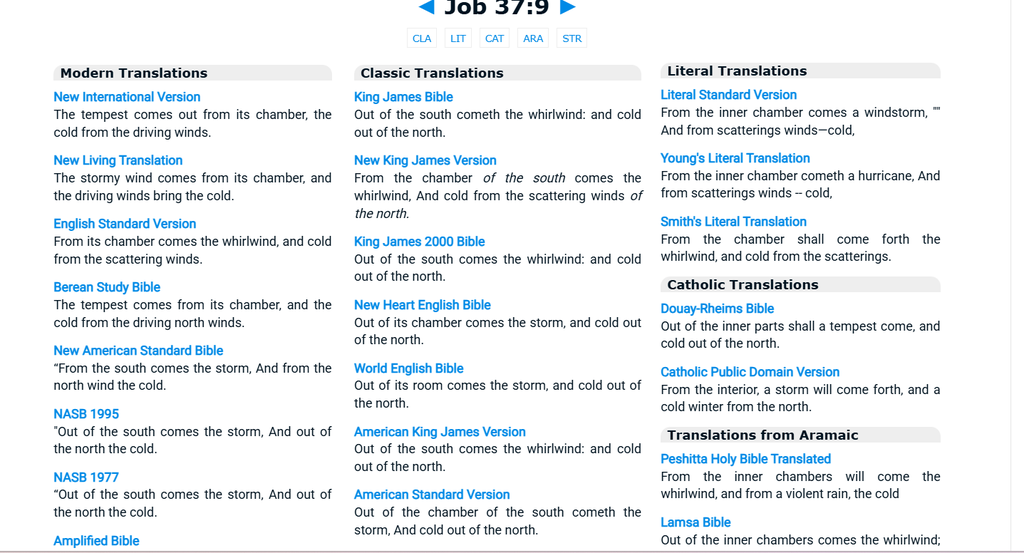
(ט) מִן־הַ֭חֶדֶר תָּב֣וֹא סוּפָ֑ה וּֽמִמְּזָרִ֥ים קָרָֽה׃
(9) The storm wind comes from its chamber,And the cold from the constellations.
(א) מן החדר תבא סופה - יתכן שהוא כמו חדרי תימן מפאת דרום כאשר פירשתי.
(יט) וַיַּעֲל֤וּ זִפִים֙ אֶל־שָׁא֔וּל הַגִּבְעָ֖תָה לֵאמֹ֑ר הֲל֣וֹא דָ֠וִ֠ד מִסְתַּתֵּ֨ר עִמָּ֤נוּ בַמְּצָדוֹת֙ בַּחֹ֔רְשָׁה בְּגִבְעַת֙ הַחֲכִילָ֔ה אֲשֶׁ֖ר מִימִ֥ין הַיְשִׁימֽוֹן׃
(19) Some Ziphites went up to Saul in Gibeah and said, “David is hiding among us in the strongholds of Horesh, at the hill of Hachilah south of Jeshimon.
(יב) הִנֵּה־אֵ֕לֶּה מֵרָח֖וֹק יָבֹ֑אוּ וְהִֽנֵּה־אֵ֙לֶּה֙ מִצָּפ֣וֹן וּמִיָּ֔ם וְאֵ֖לֶּה מֵאֶ֥רֶץ סִינִֽים׃
(12) Look! These are coming from afar,These from the north and the west,And these from the land of Sinim.eSinim 1QIsᵃ reads “the Syenians”; cf. Ezek. 30.6.
(ו) כֹּ֚ה אָמַ֣ר יקוק וְנָֽפְלוּ֙ סֹמְכֵ֣י מִצְרַ֔יִם וְיָרַ֖ד גְּא֣וֹן עֻזָּ֑הּ מִמִּגְדֹּ֣ל סְוֵנֵ֗ה בַּחֶ֙רֶב֙ יִפְּלוּ־בָ֔הּ נְאֻ֖ם אדושם יקוק׃
(6) Thus said GOD:Those who support Egypt shall fall,And her proud strength shall sink;There they shall fall by the sword,From Migdol to Syene—declares the Sovereign GOD.
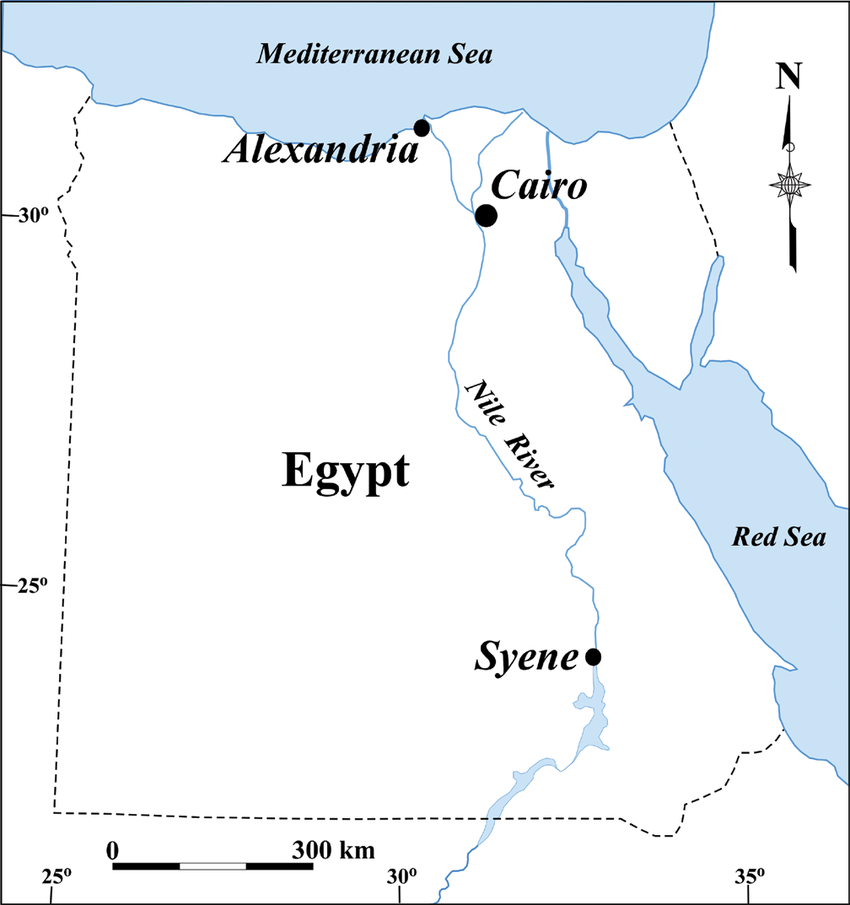
Aswan (/æsˈwɑːn, ɑːs-/, also US: /ˈæswɑːn, ˈɑːs-, ˈæz-/;[2][3][4][5] Arabic: أسوان, romanized: ʾAswān [ʔɑsˈwɑːn]; Coptic: Ⲥⲟⲩⲁⲛ Souan [swɑn]) is a city in Southern Egypt, and is the capital of the Aswan Governorate.
Aswan was formerly spelled Assuan or Assouan. Names in other languages include (Arabic: أسوان, romanized: ʾAswān; Ancient Egyptian: Swenett; Coptic: Ⲥⲟⲩⲁⲛ, romanized: Souan; Ancient Greek: Συήνη, romanized: Suēnē; proposed Biblical Hebrew: סְוֵנֵה Sǝwēnê). The Nubians also call the city Dib which means "fortress, palace" and is derived from the Old Nubian name ⲇⲡ̅ⲡⲓ.[8]
History
[edit]
| Era: Late Period(664–332 BC) | ||||
Aswan is the ancient city of Swenett, later known as Syene, which in antiquity was the frontier town of Ancient Egypt facing the south. Swenett is supposed to have derived its name from an Egyptian goddess with the same name.[10] This goddess later was identified as Eileithyia by the Greeks and Lucina by the Romans during their occupation of Ancient Egypt because of the similar association of their goddesses with childbirth, and of which the import is "the opener". The ancient name of the city also is said to be derived from the Egyptian symbol for "trade",[11] or "market".[12]
https://biblesocietyinisrael.com/the-four-directions-in-ancient-hebrew/
South: Negev, Darom, Teman, YaminWhen you are in Israel “towards the Great Sea” will always be to the west, and similarly “towards the Negev” will always be to the south (unless you are in Eilat). The Negev desert takes up two thirds of modern day Israel, but has very sparse population. The word “negev” originally means “parched,” an obvious name for a dry desert.In Modern Hebrew, we usually say “darom,” a word which means south and is often used in the Bible, with an unclear origin. One theory is that it comes from “dar,” which implies “to live” or “situated” and “rom” which means “high up.” This would be another reference to the sun. The south is the direction in which the sun is the highest in the sky.Another word for south which is very common in the Bible is teman, as in Deutronomy 3:27, “yama, tsfona, temana, mizracha.” Teman is derived from “yamin” which means right side. This is again based on the default position of facing the east. In Modern Hebrew, Teman is the name of the country Yemen (based on the theory that the name Yemen comes from the Old South Arabian equivalent “ymn”). It is used so often in Hebrew about a southern land, it is often hard for the translators to know whether it’s a specific country which was named Teman by the Israelites, or whether it was just a direction. You may recall we had a similar question about qedem. It could be equivalent to the actual Yemen, but could also be any other southern country. All three expressions are used in one single verse in Ezekiel:“Son of man, set your face towards Teman, and speak out against the Darom and prophecy against the forest land of the Negev.” (Ezekiel 20:46)In the verse “The north and the south, you have created them.” (Psalm 89:12) the Hebrew says yamin and tsafon – “right side and north.” A clear indication that yamin is here used as “south.”It’s a bit harder to know in Isaiah 54:3, “you will spread abroad to the right and to the left” – did they mean right and left, or did they mean south and north? We can’t really know, but since the passage is about possessing nations and resettle cities, it is tempting to interpret it as north and south. We saw in the psalm that yamin was definitely used as “south,” and as we shall see soon, the Hebrew word for left is sometimes used as “north.”
(ז) כִּ֤י לֹ֣א מִ֭מּוֹצָא וּמִֽמַּעֲרָ֑ב וְ֝לֹ֗א מִמִּדְבַּ֥ר הָרִֽים׃
(7) For what lifts a man comes not from the eastor the west or the wilderness;
History
[edit]
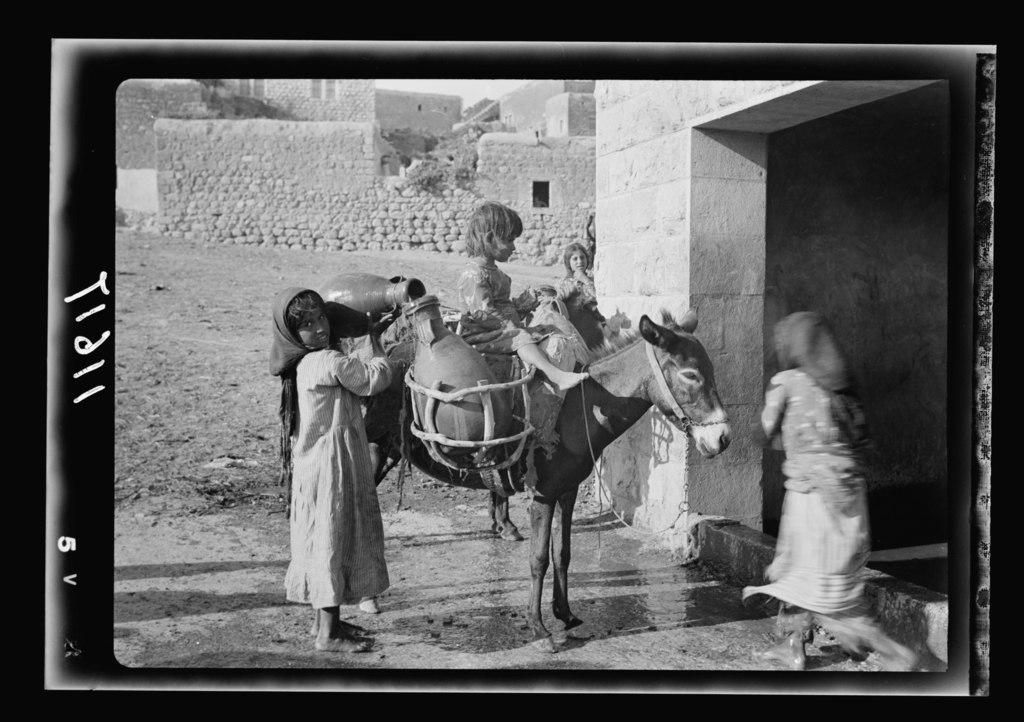
Historical photo of Saforis (Sepphoris). Village girl fetching water in jars carried on donkey back.
Based on numismatic evidence, the synagogue appears to have been built in the first half of the fifth century. It was located on the northern side of the city, not far from the city center.[1] Measuring 20.7 m (68 ft) long and 8 m (26 ft) wide, it is the narrowest ancient synagogue uncovered in the Land of Israel. The bimah was located in the western wall, not oriented towards Jerusalem as in other synagogues of that era.[2]
The Mishna describes Sepphoris as having had 18 synagogues at the time of the funeral of Rabbi Judah haNasi in the late second century CE.[2]
Discovery
[edit]
The mosaic floor of the ancient synagogue was discovered in 1993 by a crew building a parking lot at the edge of the national archaeological park of Sepphoris.[3] It is one of a handful of illustrated synagogue mosaics uncovered in Israel. Archaeologist Zeev Weiss, then a graduate student at the Hebrew University, and his teacher, archaeologist Ehud Netzer were called to the scene, and Weiss uncovered the floor and its environs.[4]
Mosaics
[edit]
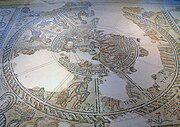
The mosaic floor is divided into seven parts. Near the entrance is a scene showing the angels visiting Sarah. The next section shows the binding of Isaac. There is a large Zodiac with the names of the months written in Hebrew. Helios sits in the middle, in his sun chariot. Next, there is a row of three panels depicting the offerings in the Temple at Jerusalem, including the "tamid" sacrifice, the showbread and the basket of first fruits. Above this is a depiction of Aaron offering sacrifices in the Tabernacle. Above that is another row of three panels, a Torah Ark, depicted as a pedimented building, and an incense shovel representing the incense shovels used in the Temple, flanked by two panels each displaying the seven-branched Menorah from the Temple at Jerusalem surrounded by symbols of the Jewish holidays including the Lulav and Shofar. The top, or front of the building section of the floor, another row of three panels, shows two lions flanking a wreath, their paws resting on the head of an ox.[5][6][page needed]
The largest panel or central sections of the mosaic is laid out as a large square containing a circle within a circle. This shows the Zodiac with Helios driving his chariot. As with the Hammat Tiberias Synagogue and the Beit Alfa Synagogue, the Zodiac panel at Sepphoris features Spandrels depicting the four seasons.[5]
An Aramaic mosaic inscription in honor of the donors reads: "May he be remembered for good Yudan son of Isaac the Priest and Paragri his daughter, Amen, Amen."[5]
(י) הֵם אָמְרוּ שְׁלשָׁה דְבָרִים. רַבִּי אֱלִיעֶזֶר אוֹמֵר, יְהִי כְבוֹד חֲבֵרְךָ חָבִיב עָלֶיךָ כְּשֶׁלָּךְ, וְאַל תְּהִי נוֹחַ לִכְעֹס. וְשׁוּב יוֹם אֶחָד לִפְנֵי מִיתָתְךָ. וֶהֱוֵי מִתְחַמֵּם כְּנֶגֶד אוּרָן שֶׁל חֲכָמִים, וֶהֱוֵי זָהִיר בְּגַחַלְתָּן שֶׁלֹּא תִכָּוֶה, שֶׁנְּשִׁיכָתָן נְשִׁיכַת שׁוּעָל, וַעֲקִיצָתָן עֲקִיצַת עַקְרָב, וּלְחִישָׁתָן לְחִישַׁת שָׂרָף, וְכָל דִּבְרֵיהֶם כְּגַחֲלֵי אֵשׁ:
(10) They [each] said three things: Rabbi Eliezer said: Let the honor of your friend be as dear to you as your own; And be not easily provoked to anger; And repent one day before your death. And [he also said:] warm yourself before the fire of the wise, but beware of being singed by their glowing coals, for their bite is the bite of a fox, and their sting is the sting of a scorpion, and their hiss is the hiss of a serpent, and all their words are like coals of fire.
(ב) וַיֹּ֧אמֶר אַבְרָהָ֛ם אֶל־שָׂרָ֥ה אִשְׁתּ֖וֹ אֲחֹ֣תִי הִ֑וא וַיִּשְׁלַ֗ח אֲבִימֶ֙לֶךְ֙ מֶ֣לֶךְ גְּרָ֔ר וַיִּקַּ֖ח אֶת־שָׂרָֽה׃
(2) Abraham said to Sarah his wife, “She is my sister.” So King Abimelech of Gerar had Sarah brought to him.
(יג) אִמְרִי־נָ֖א אֲחֹ֣תִי אָ֑תְּ לְמַ֙עַן֙ יִֽיטַב־לִ֣י בַעֲבוּרֵ֔ךְ וְחָיְתָ֥ה נַפְשִׁ֖י בִּגְלָלֵֽךְ׃
(13) Please say that you are my sister, that it may go well with me because of you, and that I may remain alive thanks to you.”
(ג) וַיָּבֹ֧א אֱלֹקִ֛ים אֶל־אֲבִימֶ֖לֶךְ בַּחֲל֣וֹם הַלָּ֑יְלָה וַיֹּ֣אמֶר ל֗וֹ הִנְּךָ֥ מֵת֙ עַל־הָאִשָּׁ֣ה אֲשֶׁר־לָקַ֔חְתָּ וְהִ֖וא בְּעֻ֥לַת בָּֽעַל׃
(3) But God came to Abimelech in a dream by night and said to him, “You are to die because of the woman that you have taken, for she is a married woman.”
(א) וַ֭יַּעַן אֱלִיפַ֥ז הַֽתֵּימָנִ֗י וַיֹּאמַֽר׃ (ב) הֲנִסָּ֬ה דָבָ֣ר אֵלֶ֣יךָ תִּלְאֶ֑ה וַעְצֹ֥ר בְּ֝מִלִּ֗ין מִ֣י יוּכָֽל׃
(1) Then Eliphaz the Temanite said in reply: (2) If one ventures a word with you, will it be too much?But who can hold back his words?
(יב) וְ֭אֵלַי דָּבָ֣ר יְגֻנָּ֑ב וַתִּקַּ֥ח אׇ֝זְנִ֗י שֵׁ֣מֶץ מֶֽנְהֽוּ׃ (יג) בִּ֭שְׂעִפִּים מֵחֶזְיֹנ֣וֹת לָ֑יְלָה בִּנְפֹ֥ל תַּ֝רְדֵּמָ֗ה עַל־אֲנָשִֽׁים׃
(12) A word came to me in stealth;My ear caught a whisper of it. (13) In thought-filled visions of the night,When deep sleep falls on men,
טְרִיקְלִין, טְרַקְלִין m. (τρικλίνιον, triclinium) l) dining couch. Y. Ḥag. II, 77ᵃ bot. הט׳ מוצע לכם the banqueting couch is spread for you (your reward in the hereafter is prepared).—2) dining room, reception room. Y. R. Hash. IV, 59ᵇ bot. אפ׳ מט׳ לקיטון even if they adjourned from the tricl. to the sleeping room. Y. Keth. IV, 28ᵈ; Y. Snh. XI, end, 30ᶜ [read:] בעיא הדא אומנתא ט׳ וקיטין חופה וקיטון וכ׳ the following construction is required (in order to make the reception of the bride in the triclinium a legal consummation of marriage) a tricl. and a marriage chamber, and that chamber communicating with the tricl.—Ab. IV, 16, v. פְּרוֹזְדּוֹר.—Tosef. Sabb. XVI (XVII), 18 ט׳ שהסיקה … בה in a banqueting room (triclinium hibernum) which has been heated a day before …, you may entertain company on the Sabbath. Tosef. Bets. II, 10 ט׳ שהסיקוהו וכ׳; a. e.—3) (τρίκλινος = ὅρριον, S.) granary. Y. Sot. V, 20ᵇ bot. איטלק עלוי חד ט׳ וכ׳ he was fined to fill a granary of forty by forty &c.
וִילוֹן m. (velum, βῆλον) door-curtain, curtain. Targ. Y. Ex. XXXVI, 37.—Kel. XX, 6 ועשאו ו׳ (Ar. בילן) and made of it a curtain (or sail); Tosef. Kel. B. Mets. XI, 8. Bets. 14ᵇ bot. ו׳ טמא וכ׳ a door-curtain is subject to levitical uncleanness, because &c. Sabb. 138ᵃ Erub. 102ᵃ. Gen. R. s. 52, beg. [read:] וּוִילון מונח ביניהם with a curtain let down between them; ib. s. 74; Lev. R. s. 1; Yalk. Job 897. Esth. R. to I, 6 נגללין כו׳ זה וכ׳ they were rolled up like the curtain before the ark of the Law; a. fr.—Esp. Vilon (Curtain), the lowest of the seven heavens. Ḥag. 12ᵇ. Ber. 58ᵇ ו׳ הוא דמגלגל Ms. M. (ed. דמקרע דמגלגל, one of which is a gloss) the Curtain is rolled up (torn apart).—Pl. וִילָאוֹת. B. Bath. IV, 6 (67ᵇ) את הו׳ Mish. a. Ms. M. (Bab. ed. בלניות, Y. ed. בולניות) the curtains belonging to the bath-house. Ib. 67ᵇ בית הו׳ the room in which the curtains are kept. Tosef. ib. III, 1 [read:] לא את הו׳ ולא את המרחצאות (הויסלאות ולא את, Var. הוילסאות, being a copyist’s corrupt tautography).—Chald. pl.: וֵילָתָא. Targ. Ps. CV, 39 (not וֵילְתָא).—וֵילָוָון. Targ. Y. Ex. XXVII, 9 (ed. Amst. וִילַיָן; Y. II וָוִילְוָון, read: וִוילָוָון); ib. XXXVIII, 9 וִילֵוֵּי (corr. acc.). Ib. 12; 14 וִילַוֵן (corr. acc.). Ib. 15 וִלַוַן.—וֵילָוָתָא, constr. וֵילָוַת. Ib. XXXV, 17 וָוִילְוַת (corr. acc.). Targ. Y. Num. III, 26 וִלַוַות.
פַּרְהֶסְיָא f. (παῤῥησία) free speech, frankness. Deut. R. s. 2, end אבל ביוה"כ … הן אומרים אותו בפ׳ וכ׳ but on the Day of Atonement … they say it openly (in a loud voice), Blessed be the name of his glorious kingdom, (opp. בלחישה (v. חֲשַׁאי).—Esp. בפ׳ publicly, opp. בצינעה. Ib. אל תתקשטי בה בפ׳ וכ׳ do not adorn thyself with it in public, but only in the house. Snh. 74ᵃ אבל בפ׳ אפי׳ מצוה וכ׳ but if a Jew is forced to transgress a religious law in public, he must surrender his life even for a minor law; ib.ᵇ וכמה פ׳ and the presence of how many is required to call it a public act? Ib. אין פ׳ פחותה וכ׳ a public is no less than ten persons. Ib. והא אסתר פ׳ הואי but was not Esther’s act (when she was forced to marry king Ahasverus) a public one? Ḥag. 5ᵃ (ref. to Koh. XII, 14) זה הנותן צדקה לעני בפ׳ this refers to one who gives charity to a poor man in public (the Lord judges whether this be a good or a bad deed).
(כ) וַיָּבֹ֨א אֱלֹקִ֥ים ׀ אֶל־בִּלְעָם֮ לַ֒יְלָה֒ וַיֹּ֣אמֶר ל֗וֹ אִם־לִקְרֹ֤א לְךָ֙ בָּ֣אוּ הָאֲנָשִׁ֔ים ק֖וּם לֵ֣ךְ אִתָּ֑ם וְאַ֗ךְ אֶת־הַדָּבָ֛ר אֲשֶׁר־אֲדַבֵּ֥ר אֵלֶ֖יךָ אֹת֥וֹ תַעֲשֶֽׂה׃
(20) That night God came to Balaam and said to him, “If the agents*agents See note at 13.2; cf. note at Gen. 18.2. have come to invite you, you may go with them. But whatever I command you, that you shall do.”
(כד) וַיָּבֹ֧א אֱלֹקִ֛ים אֶל־לָבָ֥ן הָאֲרַמִּ֖י בַּחֲלֹ֣ם הַלָּ֑יְלָה וַיֹּ֣אמֶר ל֗וֹ הִשָּׁ֧מֶר לְךָ֛ פֶּן־תְּדַבֵּ֥ר עִֽם־יַעֲקֹ֖ב מִטּ֥וֹב עַד־רָֽע׃
(24) But God appeared to Laban the Aramean in a dream by night and said to him, “Beware of attempting anything with Jacob, good or bad.”
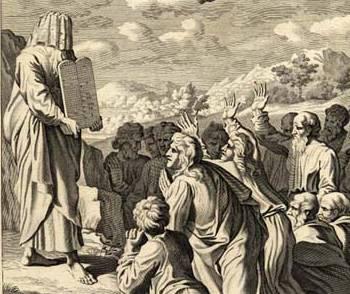
(לג) וַיְכַ֣ל מֹשֶׁ֔ה מִדַּבֵּ֖ר אִתָּ֑ם וַיִּתֵּ֥ן עַל־פָּנָ֖יו מַסְוֶֽה׃ (לד) וּבְבֹ֨א מֹשֶׁ֜ה לִפְנֵ֤י יקוק לְדַבֵּ֣ר אִתּ֔וֹ יָסִ֥יר אֶת־הַמַּסְוֶ֖ה עַד־צֵאת֑וֹ וְיָצָ֗א וְדִבֶּר֙ אֶל־בְּנֵ֣י יִשְׂרָאֵ֔ל אֵ֖ת אֲשֶׁ֥ר יְצֻוֶּֽה׃ (לה) וְרָא֤וּ בְנֵֽי־יִשְׂרָאֵל֙ אֶת־פְּנֵ֣י מֹשֶׁ֔ה כִּ֣י קָרַ֔ן ע֖וֹר פְּנֵ֣י מֹשֶׁ֑ה וְהֵשִׁ֨יב מֹשֶׁ֤ה אֶת־הַמַּסְוֶה֙ עַל־פָּנָ֔יו עַד־בֹּא֖וֹ לְדַבֵּ֥ר אִתּֽוֹ׃ {ס}
(33) And when Moses had finished speaking with them, he put a veil over his face. (34) Whenever Moses went in before יקוק to converse, he would leave the veil off until he came out; and when he came out and told the Israelites what he had been commanded, (35) the Israelites would see how radiant the skin of Moses’ face was. Moses would then put the veil back over his face until he went in to speak with God.
KEFAR MANDI (Heb. כְּפַר מַנְדִּי), village in Galilee, the seat of R. Issachar (tj, rh 1: 3, 57a). A document found in the Cairo *Genizah indicates that in 1065 Jews lived there, in particular one Abraham b. David al-Kafrmandi. Later travelers located the tombs of *Akavyah b. Mahalalel, and Rabban *Simeon b. Gamaliel, in the village. Arab sources, confusing Mandi with Midian, located there the tomb of Ṣaffūra (*Zipporah), the wife of Moses, and the well from which he rolled the stone, which was shown to travelers. The tombs of Athīr (*Asher) and *Naphtali, sons of Jacob, were also placed there. The present-day Arab village Kafr Mandā, with an area of 4.1 sq. mi. (10.7 sq. km.), is situated between Tiberias and Acre, 8 mi. (c. 13 km.) north of Nazareth. In 1964 it received municipal council status. In 1968, it had 3,180 inhabitants, increasing to 13,800 in 2002. Olive and other fruit trees, field crops, sheep, and cattle have constituted its principal farming branches.
(ד) וַיִּקָּ֥ר אֱלֹקִ֖ים אֶל־בִּלְעָ֑ם וַיֹּ֣אמֶר אֵלָ֗יו אֶת־שִׁבְעַ֤ת הַֽמִּזְבְּחֹת֙ עָרַ֔כְתִּי וָאַ֛עַל פָּ֥ר וָאַ֖יִל בַּמִּזְבֵּֽחַ׃
(4) God became manifest to Balaam, who stated, “I have set up the seven altars and offered up a bull and a ram on each altar.”
(א) ויקר. לְשׁוֹן עֲרַאי, לְשׁוֹן גְּנַאי, לְשׁוֹן טֻמְאַת קֶרִי, כְּלוֹמַר בְּקֹשִׁי וּבְבִזָּיוֹן, וְלֹא הָיָה נִגְלֶה אֵלָיו בַּיּוֹם אֶלָּא בִּשְׁבִיל לְהַרְאוֹת חִבָּתָן שֶׁל יִשְׂרָאֵל (בראשית רבה נ"ב):
(1) ויקר AND [GOD] HAPPENED TO MEET [BALAAM] — This is an expression ordinarily used to denote events of a casual character, an expression for something shameful, an expression for an unclean happening (קרי). It is as much as to say: with reluctance and in a contemptuous manner. And on this occasion He revealed Himself to him by day, only to show how dear Israel was to Him (cf. Genesis Rabbah 52:5; Rashi on Leviticus 1:1).
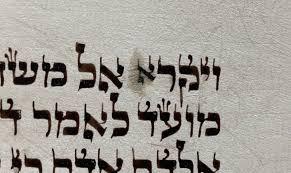
(א) וַיִּקְרָ֖א אֶל־מֹשֶׁ֑ה וַיְדַבֵּ֤ר יקוק אֵלָ֔יו מֵאֹ֥הֶל מוֹעֵ֖ד לֵאמֹֽר׃
(1) יקוק called to Moses and spoke to him from the Tent of Meeting, saying:
(א) ויקרא אל משה. לְכָל דִּבְּרוֹת וּלְכָל אֲמִירוֹת וּלְכָל צִוּוּיִים קָדְמָה קְרִיאָה, לְשׁוֹן חִבָּה, לָשׁוֹן שֶׁמַּלְאֲכֵי הַשָּׁרֵת מִשְׁתַּמְּשִׁין בּוֹ, שֶׁנֶּאֱמַר וְקָרָא זֶה אֶל זֶה (ישעיהו ו'), אֲבָל לִנְבִיאֵי אֻמּוֹת הָעוֹלָם נִגְלָה עֲלֵיהֶן בִּלְשׁוֹן עֲרָאִי וְטֻמְאָה, שֶׁנֶּאֱמַר וַיִּקָּר אֱלֹקִים אֶל בִּלְעָם (במדבר כ"ג):
(1) ויקרא אל משה AND [THE LORD] CALLED UNTO MOSES — All oral communications of the Lord to Moses whether they are introduced by דבר or by אמר or by צו were preceded by a call (to prepare him for the forthcoming address) (cf Sifra, Vayikra Dibbura d'Nedavah, Chapter 1 1-2). It is a way of expressing affection, the mode used by the ministering angels when addressing each other, as it is said (Isaiah 6:3) “And one called unto another [and said, Holy, holy, holy is the Lord of hosts]”. To the prophets of the nations of the world, however, God revealed himself in a manner which Scripture describes by an expression ordinarily used for denoting events of a casual character and of uncleanness, as it is said, (Numbers 23:4) “and God happened to meet (ויקר) Balaam” (the term ויקר, from the root ,קרה, is connected with מִקְרֶה which denotes “chance”, “occurrence”, and has also the meaning of “uncleanness”, by analogy with Deuteronomy 23:11: לא יהיה טהור מקרה לילה) (cf. Bereishit Rabbah 52:5).
(יא) כִּֽי־יִהְיֶ֤ה בְךָ֙ אִ֔ישׁ אֲשֶׁ֛ר לֹא־יִהְיֶ֥ה טָה֖וֹר מִקְּרֵה־לָ֑יְלָה וְיָצָא֙ אֶל־מִח֣וּץ לַֽמַּחֲנֶ֔ה לֹ֥א יָבֹ֖א אֶל־תּ֥וֹךְ הַֽמַּחֲנֶֽה׃
(11) If anyone among you has been rendered impure by a nocturnal emission, he must leave the camp, and he must not reenter the camp.
† מִקְרֶה n.m. 1 S 6:9 accident, chance, fortune;—abs. מ׳ 1 S 6:9 +; cstr. מִקְרֵה Ec 2:15 (so read also 3:19(×2) with 𝔊 RuëtKau Wild, for MT מִקְרֶה);—1. accident, chance, 1 S 6:9; 20:26; c. קָרָה Ru 2:3 (v. ק׳ 1).2. in Ec, fortune, fate, מ׳ אֶחָד יִקְרֶה אֶת־כֻּלָּם Ec 2:14 cf. v 15, 3:19(×3); 9:2, 3.
(ג) וְקָרָ֨א זֶ֤ה אֶל־זֶה֙ וְאָמַ֔ר קָד֧וֹשׁ ׀ קָד֛וֹשׁ קָד֖וֹשׁ יקוק צְבָא֑וֹת מְלֹ֥א כׇל־הָאָ֖רֶץ כְּבוֹדֽוֹ׃
(3) And one would call to the other,“Holy, holy, holy! GOD of Hosts—Whose presence fills all the earth!”
(כט) רָח֣וֹק יקוק מֵרְשָׁעִ֑ים וּתְפִלַּ֖ת צַדִּיקִ֣ים יִשְׁמָֽע׃
(29) The LORD is far from the wicked,But He hears the prayer of the righteous.
(ד) אַנְשֵׁי עִיר הַנִּדַּחַת אֵין לָהֶן חֵלֶק לָעוֹלָם הַבָּא, שֶׁנֶּאֱמַר (שם יג) יָצְאוּ אֲנָשִׁים בְּנֵי בְלִיַּעַל מִקִּרְבֶּךָ וַיַּדִּיחוּ אֶת ישְׁבֵי עִירָם. וְאֵינָן נֶהֱרָגִים עַד שֶׁיִּהְיוּ מַדִּיחֶיהָ מֵאוֹתָהּ הָעִיר וּמֵאוֹתוֹ הַשֵּׁבֶט, וְעַד שֶׁיֻּדַּח רֻבָּהּ, וְעַד שֶׁיַּדִּיחוּם אֲנָשִׁים. הִדִּיחוּהָ נָשִׁים וּקְטַנִּים אוֹ שֶׁהֻדַּח מִעוּטָהּ אוֹ שֶׁהָיוּ מַדִּיחֶיהָ חוּצָה לָהּ, הֲרֵי אֵלּוּ כִיחִידִים. וּצְרִיכִין שְׁנֵי עֵדִים וְהַתְרָאָה לְכָל אֶחָד וְאֶחָד. זֶה חֹמֶר בַּיְּחִידִים מִבַּמְּרֻבִּים, שֶׁהַיְּחִידִים בִּסְקִילָה, לְפִיכָךְ מָמוֹנָם פָּלֵט. וְהַמְּרֻבִּים בְּסַיִף, לְפִיכָךְ מָמוֹנָם אָבֵד:
(4) The residents of an idolatrous city have no share in the World-to-Come, as it is stated: “Certain men, wicked persons, are gone out from your midst, and have subverted the inhabitants of their city, saying: Let us go and let us worship other gods” (Deuteronomy 13:14). And idol worshippers are not executed as residents of an idolatrous city unless its subverters are from that city and from that tribe, and unless most of the inhabitants of the city are subverted, and unless men subvert the inhabitants of the city. If it occurs that women or children subvert the inhabitants of the city, or that a minority of the inhabitants of the city were subverted, or that its subverters were from outside the city and were neither residents of that city nor members of that tribe, these idol worshippers are judged as individuals. And to judge the inhabitants of a city one requires two witnesses and forewarning for each and every one who engaged in idol worship. This is a stringency with regard to individuals who worship idols that is more stringent than the halakha with regard to multitudes who worship idols: As the individuals who worship idols are executed by stoning; therefore, since there is a stringency with regard to their mode of execution, their property is spared and is inherited by their heirs. And the multitudes are executed by the sword; therefore, since there is a leniency with regard to their mode of execution, their property is eliminated.
(ד) אֵֽשֶׁת־חַ֭יִל עֲטֶ֣רֶת בַּעְלָ֑הּ וּכְרָקָ֖ב בְּעַצְמוֹתָ֣יו מְבִישָֽׁה׃
(4) A capable wife is a crown for her husband,But an incompetent one is like rot in his bones.
(ד) וַאֲבִימֶ֕לֶךְ לֹ֥א קָרַ֖ב אֵלֶ֑יהָ וַיֹּאמַ֕ר אדושם הֲג֥וֹי גַּם־צַדִּ֖יק תַּהֲרֹֽג׃
(4) Now Abimelech had not approached her. He said, “O lord,*lord See the Dictionary under “male metaphors for God.” will You slay people even though innocent?
(ה) הֲלֹ֨א ה֤וּא אָֽמַר־לִי֙ אֲחֹ֣תִי הִ֔וא וְהִֽיא־גַם־הִ֥וא אָֽמְרָ֖ה אָחִ֣י ה֑וּא בְּתׇם־לְבָבִ֛י וּבְנִקְיֹ֥ן כַּפַּ֖י עָשִׂ֥יתִי זֹֽאת׃
(5) He himself said to me, ‘She is my sister’! And she also said, ‘He is my brother.’ When I did this, my heart was blameless and my hands were clean.”
(א) גם הוא. לְרַבּוֹת עֲבַדִים וְגַמָּלִים וְחַמָּרִים שֶׁלָּהּ, אֶת כֻּלָּם שָׁאַלְתִּי וְאָמְרוּ לִי אָחִיהָ הוּא:
(1) גם הוא ALSO SHE HERSELF — The word “also” presupposes that others also said the same: it serves to include her servants, cameldrivers and assdrivers — all these I asked and they told me, “He is her brother” (Genesis Rabbah 52:6).
(ו) וַיֹּ֩אמֶר֩ אֵלָ֨יו הָֽאֱלֹקִ֜ים בַּחֲלֹ֗ם גַּ֣ם אָנֹכִ֤י יָדַ֙עְתִּי֙ כִּ֤י בְתׇם־לְבָבְךָ֙ עָשִׂ֣יתָ זֹּ֔את וָאֶחְשֹׂ֧ךְ גַּם־אָנֹכִ֛י אֽוֹתְךָ֖ מֵחֲטוֹ־לִ֑י עַל־כֵּ֥ן לֹא־נְתַתִּ֖יךָ לִנְגֹּ֥עַ אֵלֶֽיהָ׃
(6) And God said to him in the dream, “I knew that you did this with a blameless heart, and so I kept you from sinning against Me. That was why I did not let you touch her.
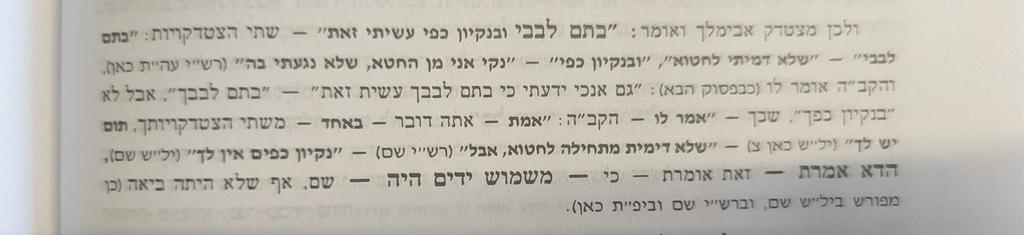
(א) ידעתי כי בתם לבבך וגו'. אֱמֶת שֶׁלֹּא דִמִּיתָ מִתְּחִלָּה לַחֲטֹא אֲבָל נִקְיוֹן כַּפַּיִם אֵין כָּאן:
(1) 'ידעתי כי בתם לבבך וגו I KNOW THAT IN THE INTEGRITY OF THY HEART etc. — It is true that at first you had no intention of sinning, but you cannot claim innocency of hands (Genesis Rabbah 52:6) —
(ב) לא נתתיך. לֹא מִמְּךָ הָיָה שֶׁלֹּא נָגַעְתָּ בָהּ, אֶלָּא חָשַׂכְתִּי אֲנִי אוֹתְךָ מֵחֲטֹא וְלֹא נָתַתִּי לְךָ כֹּחַ, וְכֵן וְלֹא נְתָנוֹ אֱלֹקִים (בראשית ל״א:ז׳), וְכֵן וְלֹא נְתָנוֹ אָבִיהָ לָבוֹא (שופטים ט"ו):
(2) because לא נתתיך I PERMITTED THEE NOT — It was not of your own will that you did not touch her, but it was “I” who withheld you from sinning, and “I” did not permit you the possibility to touch her (Genesis Rabbah 52:7). Similar examples of נתן in sense of permitting are, (31:7) “God permitted him not (לא נתנו)” and (Judges 15:1) “But her father did not permit him (ולא נתנו) to go in”.
(ז) וְעַתָּ֗ה הָשֵׁ֤ב אֵֽשֶׁת־הָאִישׁ֙ כִּֽי־נָבִ֣יא ה֔וּא וְיִתְפַּלֵּ֥ל בַּֽעַדְךָ֖ וֶֽחְיֵ֑ה וְאִם־אֵֽינְךָ֣ מֵשִׁ֔יב דַּ֚ע כִּי־מ֣וֹת תָּמ֔וּת אַתָּ֖ה וְכׇל־אֲשֶׁר־לָֽךְ׃
(7) Therefore, restore the man’s wife—since he is a prophet, he will intercede for you—to save your life. If you fail to restore her, know that you shall die, you and all that are yours.”
(ח) וַיַּשְׁכֵּ֨ם אֲבִימֶ֜לֶךְ בַּבֹּ֗קֶר וַיִּקְרָא֙ לְכׇל־עֲבָדָ֔יו וַיְדַבֵּ֛ר אֶת־כׇּל־הַדְּבָרִ֥ים הָאֵ֖לֶּה בְּאׇזְנֵיהֶ֑ם וַיִּֽירְא֥וּ הָאֲנָשִׁ֖ים מְאֹֽד׃
(8) Early next morning, Abimelech called his servants and told them all that had happened; and they*they Lit. “the [salient] participants.” See the Dictionary under ’ish. were greatly frightened.
(ט) וַיִּקְרָ֨א אֲבִימֶ֜לֶךְ לְאַבְרָהָ֗ם וַיֹּ֨אמֶר ל֜וֹ מֶֽה־עָשִׂ֤יתָ לָּ֙נוּ֙ וּמֶֽה־חָטָ֣אתִי לָ֔ךְ כִּֽי־הֵבֵ֧אתָ עָלַ֛י וְעַל־מַמְלַכְתִּ֖י חֲטָאָ֣ה גְדֹלָ֑ה מַעֲשִׂים֙ אֲשֶׁ֣ר לֹא־יֵֽעָשׂ֔וּ עָשִׂ֖יתָ עִמָּדִֽי׃
(9) Then Abimelech summoned Abraham and said to him, “What have you done to us? What wrong have I done that you should bring so great a guilt upon me and my kingdom? You have done to me things that ought not to be done.
(א) וַיִּסַּ֨ע מִשָּׁ֤ם אַבְרָהָם֙ אַ֣רְצָה הַנֶּ֔גֶב וַיֵּ֥שֶׁב בֵּין־קָדֵ֖שׁ וּבֵ֣ין שׁ֑וּר וַיָּ֖גׇר בִּגְרָֽר׃ (ב) וַיֹּ֧אמֶר אַבְרָהָ֛ם אֶל־שָׂרָ֥ה אִשְׁתּ֖וֹ אֲחֹ֣תִי הִ֑וא וַיִּשְׁלַ֗ח אֲבִימֶ֙לֶךְ֙ מֶ֣לֶךְ גְּרָ֔ר וַיִּקַּ֖ח אֶת־שָׂרָֽה׃ (ג) וַיָּבֹ֧א אֱלֹהִ֛ים אֶל־אֲבִימֶ֖לֶךְ בַּחֲל֣וֹם הַלָּ֑יְלָה וַיֹּ֣אמֶר ל֗וֹ הִנְּךָ֥ מֵת֙ עַל־הָאִשָּׁ֣ה אֲשֶׁר־לָקַ֔חְתָּ וְהִ֖וא בְּעֻ֥לַת בָּֽעַל׃ (ד) וַאֲבִימֶ֕לֶךְ לֹ֥א קָרַ֖ב אֵלֶ֑יהָ וַיֹּאמַ֕ר אֲדֹנָ֕י הֲג֥וֹי גַּם־צַדִּ֖יק תַּהֲרֹֽג׃ (ה) הֲלֹ֨א ה֤וּא אָֽמַר־לִי֙ אֲחֹ֣תִי הִ֔וא וְהִֽיא־גַם־הִ֥וא אָֽמְרָ֖ה אָחִ֣י ה֑וּא בְּתׇם־לְבָבִ֛י וּבְנִקְיֹ֥ן כַּפַּ֖י עָשִׂ֥יתִי זֹֽאת׃ (ו) וַיֹּ֩אמֶר֩ אֵלָ֨יו הָֽאֱלֹהִ֜ים בַּחֲלֹ֗ם גַּ֣ם אָנֹכִ֤י יָדַ֙עְתִּי֙ כִּ֤י בְתׇם־לְבָבְךָ֙ עָשִׂ֣יתָ זֹּ֔את וָאֶחְשֹׂ֧ךְ גַּם־אָנֹכִ֛י אֽוֹתְךָ֖ מֵחֲטוֹ־לִ֑י עַל־כֵּ֥ן לֹא־נְתַתִּ֖יךָ לִנְגֹּ֥עַ אֵלֶֽיהָ׃ (ז) וְעַתָּ֗ה הָשֵׁ֤ב אֵֽשֶׁת־הָאִישׁ֙ כִּֽי־נָבִ֣יא ה֔וּא וְיִתְפַּלֵּ֥ל בַּֽעַדְךָ֖ וֶֽחְיֵ֑ה וְאִם־אֵֽינְךָ֣ מֵשִׁ֔יב דַּ֚ע כִּי־מ֣וֹת תָּמ֔וּת אַתָּ֖ה וְכׇל־אֲשֶׁר־לָֽךְ׃ (ח) וַיַּשְׁכֵּ֨ם אֲבִימֶ֜לֶךְ בַּבֹּ֗קֶר וַיִּקְרָא֙ לְכׇל־עֲבָדָ֔יו וַיְדַבֵּ֛ר אֶת־כׇּל־הַדְּבָרִ֥ים הָאֵ֖לֶּה בְּאׇזְנֵיהֶ֑ם וַיִּֽירְא֥וּ הָאֲנָשִׁ֖ים מְאֹֽד׃ (ט) וַיִּקְרָ֨א אֲבִימֶ֜לֶךְ לְאַבְרָהָ֗ם וַיֹּ֨אמֶר ל֜וֹ מֶֽה־עָשִׂ֤יתָ לָּ֙נוּ֙ וּמֶֽה־חָטָ֣אתִי לָ֔ךְ כִּֽי־הֵבֵ֧אתָ עָלַ֛י וְעַל־מַמְלַכְתִּ֖י חֲטָאָ֣ה גְדֹלָ֑ה מַעֲשִׂים֙ אֲשֶׁ֣ר לֹא־יֵֽעָשׂ֔וּ עָשִׂ֖יתָ עִמָּדִֽי׃
(1) Abraham journeyed from there to the region of the Negeb and settled between Kadesh and Shur. While he was sojourning in Gerar, (2) Abraham said of Sarah his wife, “She is my sister.” So King Abimelech of Gerar had Sarah brought to him. (3) But God came to Abimelech in a dream by night and said to him, “You are to die because of the woman that you have taken, for she is a married woman.” (4) Now Abimelech had not approached her. He said, “O lord, will You slay people even though innocent? (5) He himself said to me, ‘She is my sister’! And she also said, ‘He is my brother.’ When I did this, my heart was blameless and my hands were clean.” (6) And God said to him in the dream, “I knew that you did this with a blameless heart, and so I kept you from sinning against Me. That was why I did not let you touch her. (7) Therefore, restore the man’s wife—since he is a prophet, he will intercede for you—to save your life. If you fail to restore her, know that you shall die, you and all that are yours.” (8) Early next morning, Abimelech called his servants and told them all that had happened; and they were greatly frightened. (9) Then Abimelech summoned Abraham and said to him, “What have you done to us? What wrong have I done that you should bring so great a guilt upon me and my kingdom? You have done to me things that ought not to be done.
(יח) כִּֽי־עָצֹ֤ר עָצַר֙ יְהֹוָ֔ה בְּעַ֥ד כׇּל־רֶ֖חֶם לְבֵ֣ית אֲבִימֶ֑לֶךְ עַל־דְּבַ֥ר שָׂרָ֖ה אֵ֥שֶׁת אַבְרָהָֽם׃ {ס}
(18) for יהוה had closed fast every womb of the household of Abimelech because of Sarah, the wife of Abraham.
(יג) וַיְהִ֞י כַּאֲשֶׁ֧ר הִתְע֣וּ אֹתִ֗י אֱלֹהִים֮ מִבֵּ֣ית אָבִי֒ וָאֹמַ֣ר לָ֔הּ זֶ֣ה חַסְדֵּ֔ךְ אֲשֶׁ֥ר תַּעֲשִׂ֖י עִמָּדִ֑י אֶ֤ל כׇּל־הַמָּקוֹם֙ אֲשֶׁ֣ר נָב֣וֹא שָׁ֔מָּה אִמְרִי־לִ֖י אָחִ֥י הֽוּא׃
(13) So when God made me wander from my father’s house, I said to her, ‘Let this be the kindness that you shall do me: whatever place we come to, say there of me: He is my brother.’”
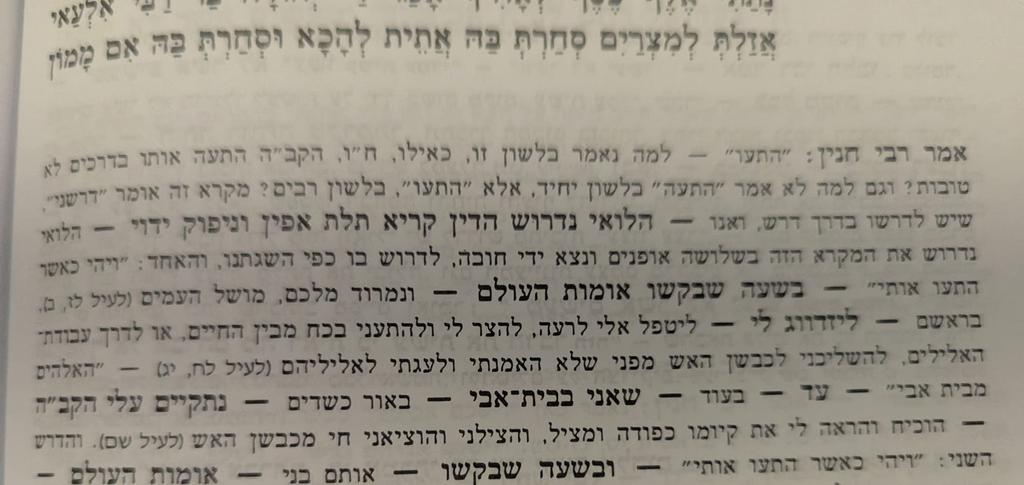
(יג) וַהֲוָה כַּד טָעוּ עַמְמַיָּא בָּתַר עוֹבָדֵי יְדֵיהוֹן יָתִי קָרִיב יקוק לְדַחַלְתֵּיהּ מִבֵּית אַבָּא וַאֲמָרִית לַהּ דֵּין (נ"י דָּא) טֵיבוּתִיךְ דִּי תַעְבְּדִי עִמִּי לְכָל אַתְרָא דִּנְהַךְ לְתַמָּן אֱמָרִי עֲלַי אָחִי הוּא:
(13) When Elohim caused me to wander from my father’s house [When the nations strayed after the works of their hands, Elohim brought me close to His worship from my father’s house], I said to her, this is the kindness [goodness] you shall do for me. At every place we come [go] to, say of me, He is my brother.
† תָּעָה vb. err (‖ form of טָעָה, q.v.; Aramaic (sometimes) תְּעָא, תְּעִי id.; NH = BH (rare));—Qal Pf. 3 ms. ת׳ Is 21:4; 1 s. תָּעִ֫יתִי ψ 119:110, 176, etc.; Impf. 3 fs. תֵּתַע Gn 21:14 Pr 7:25; 3 mpl. יִתְעוּ Is 35:8 +; Inf. cstr. תְּעוֹת Ez 44:10 +; Pt. תֹּעֶה Gn 37:15 +, etc.;— 1. physically, wander about, abs. Ex 23:4 (E) Is 35:8; 53:6; Jb 38:41 ψ 119:176;;c.; ב loc. Gn 21:14; 37:15 (JE), Pr 7:25 ψ 107:4;;c.; ל loc. Is 47:15; acc. loc. 16:8. 2. of intoxication,;c.; בְּ of wine Is 28:7; מן of wine v 7; fig. of perplexity, subj. לבב 21:4. 3. ethically, abs. Ez 44:10; 48:11(×3) ψ 58:4 prob. Pr 14:22 (cf. חוטא v 21, but Bu Toy go astray to ruin); תֹּעֵי רוח Is 29:24, תֹּעֵי לבב ψ 95:10; c. מן 119:110; Pr 21:16, מֵאַחֲרַי Ez 14:11, מֵעָלַי Ez 44:10, 15.Niph. 1. be made to wander about, as a drunkard: Inf. cstr. הִתָּעוֹת Is 19:14. 2. ethically: Pf. 3 ms. נִתְעָה be led astray Jb 15:31 (c. בשׁוא).Hiph. Pf. 3 ms. הִתְעָה Ho 4:12 (We הִתְעָם); Impf. וַיֶּ֫תַע 2 Ch 33:9; sf. וַיַּתְעֵם Jb 12:24 +; Pt. מַתְעֶה Is 30:28 +;— 1. physically: cause to wander about: abs. Is 30:28 (of bridle, in fig.), Pr 10:17; Je 50:6 (acc. of people as sheep); acc. pers. Pr 12:26; c. מן loc. Gn 20:13 (E), ב loc. Jb 12:24 = ψ 107:40. 2. of intoxication, Is 19:13, 14; Jb 12:25. 3. mentally and morally: cause to err, mislead: abs. Is 3:12; 9:15; Ho 4:12; c. acc. pers. Am 2:4; Mi 3:5; 2 K 21:9 = 2 Ch 33:9; Je 23:13, 32; c. ב obj. Je 42:20 (so Gf; Ke al. (so Pr 10:17) intr. err at cost of; 𝔊 Ew Du Co הֲרֵעֹתֶם); c. מן of י׳ Is 63:17.
כאשר התעו. לְשׁוֹן רַבִּים. וְאַל תִּתְמַהּ, כִּי הַרְבֵּה מְקוֹמוֹת לְשׁוֹן אֱלֹהוּת וּלְשׁוֹן מָרוּת קָרוּי בִּלְשׁוֹן רַבִּים, אֲשֶׁר הָלְכוּ אֱלֹהִים (שמואל ב ז'), אֱלֹהִים חַיִּים (דברים ה'), אֱלֹהִים קְדֹשִׁים (יהושע כ"ד), וְכָל לְשׁוֹן אַדְנוּת לְשׁוֹן רַבִּים; וְכֵן וַיִּקַּח אֲדֹנֵי יוֹסֵף (בראשית ל"ט), וַאֲדֹנֵי הָאֲדֹנִים (דברים י'), אֲדֹנֵי הָאָרֶץ (בראשית מ"ב), וְכֵן בְּעָלָיו עִמּוֹ (שמות כ"ב), וְהוּעַד בִּבְעָלָיו (שם כ"א). וְאִם תֹּאמַר מַהוּ לְשׁוֹן הִתְעוּ? כָּל הַגּוֹלֶה מִמְּקוֹמוֹ וְאֵינוֹ מְיֻשָּׁב קָרוּי תּוֹעֶה, כְּמוֹ וַתֵּלֶךְ וַתֵּתַע (בראשית כ"א), תָּעִיתִי כְּשֶׂה אֹבֵד (תהילים קי"ט), יִתְעוּ לִבְלִי אֹכֶל (איוב ל"ח) – יֵצְאוּ וְיִתְעוּ לְבַקֵּשׁ אָכְלָם:
כאשר התעו WHEN GOD (CAUSED ME TO WANDER — The verb is in the plural. Do not be surprised at this for in many passages words denoting Godship or denoting Authority are grammatically treated as plural, e. g., (2 Samuel 7:23) “Whom God went (הלכו plural) to redeem”; (Deuteronomy 5:23) “the living (חיים adjective, plural) God”; (Joshua 24:19) “a Holy (קדושים adjective, plural) God”. So, too, the idea of Authority is expressed by the plural form, as (39:20) “And the master of (אדני construct plural) Joseph took him” and as (Deuteronomy 10:17) “Lord of (אדני) lords (האדנים)”, and (42:30) “the lord of (אדני) the land”; as well as (Exodus 22:14) “if its owner (בעליו) be with it”, and (Exodus 21:19) “and warning has been given to its master (בעליו)”. If you ask why does it here use the term התעו, I reply, anyone who is exiled from his home and has no settled abode may be styled תועה a wanderer (or “one moving about aimlessly”), as (21:14) “And she, Hagar, went and strayed about (ותתע) in the wilderness”; (Psalms 119:176) “I have gone astray (תעיתי) like a lost sheep”, and (Job 38:41) “they wander (יתעו) through lack of food”, i.e. they go out and wander about to seek their food.
ויהי כאשר התעו וגו'. אֻנְקְלוֹס תִּרְגֵּם מַה שֶּׁתִּרְגֵּם; וְיֵשׁ לְיַשְּׁבוֹ עוֹד דָּבָר דָּבוּר עַל אָפְנָיו, כְּשֶׁהוֹצִיאַנִי הַקָּבָּ"ה מִבֵּית אָבִי לִהְיוֹת מְשׁוֹטֵט וְנָד מִמָּקוֹם לְמָקוֹם, יָדַעְתִּי שֶׁאֶעֱבֹר בִּמְקוֹם רְשָׁעִים ואמר לה זה חסדך:
'ויהי כאשר התעו אותי וגו AND IT CAME TO PASS WHEN GOD CAUSED ME TO WANDER etc. — Onkelos translates it in his own way, but it can be explained in another manner that is also appropriate: When the Holy One, blessed be He, brought me forth from my father’s house to be a nomad, wandering from place to place, I knew that I would traverse places where there are wicked people ואמר לה זה חסדך AND so I SAID UNTO HER THIS IS THY LOVINGKINDNESS [WHICH THOU SHALT SHOW UNTO ME].
(יד) וַיִּקַּ֨ח אֲבִימֶ֜לֶךְ צֹ֣אן וּבָקָ֗ר וַעֲבָדִים֙ וּשְׁפָחֹ֔ת וַיִּתֵּ֖ן לְאַבְרָהָ֑ם וַיָּ֣שֶׁב ל֔וֹ אֵ֖ת שָׂרָ֥ה אִשְׁתּֽוֹ׃ (טו) וַיֹּ֣אמֶר אֲבִימֶ֔לֶךְ הִנֵּ֥ה אַרְצִ֖י לְפָנֶ֑יךָ בַּטּ֥וֹב בְּעֵינֶ֖יךָ שֵֽׁב׃ (טז) וּלְשָׂרָ֣ה אָמַ֗ר הִנֵּ֨ה נָתַ֜תִּי אֶ֤לֶף כֶּ֙סֶף֙ לְאָחִ֔יךְ הִנֵּ֤ה הוּא־לָךְ֙ כְּס֣וּת עֵינַ֔יִם לְכֹ֖ל אֲשֶׁ֣ר אִתָּ֑ךְ וְאֵ֥ת כֹּ֖ל וְנֹכָֽחַת׃
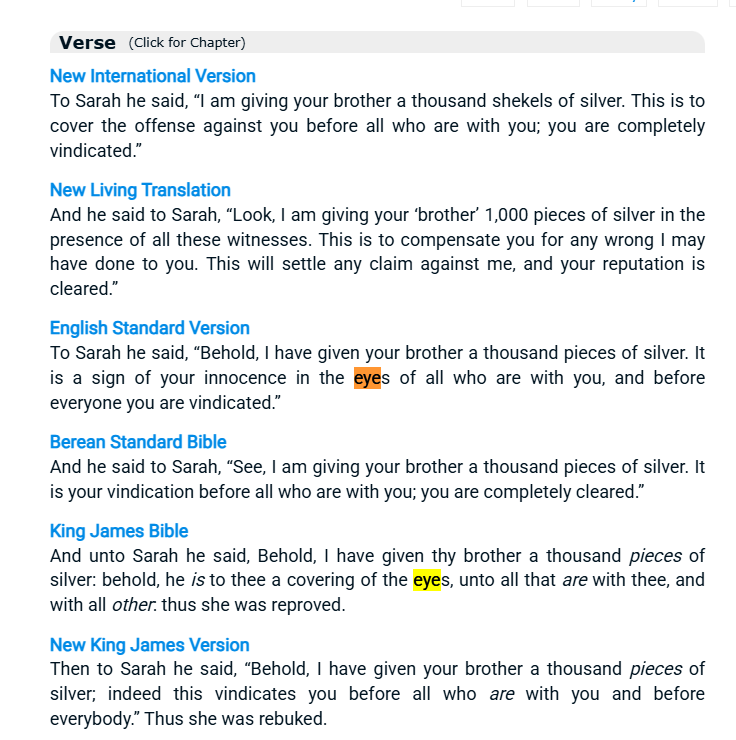
(14) Abimelech took sheep and oxen, and male and female slaves, and gave them to Abraham; and he restored his wife Sarah to him. (15) And Abimelech said, “Here, my land is before you; settle wherever you please.” (16) And to Sarah he said, “I herewith give your brother a thousand pieces of silver; this will serve you as vindication before all who are with you, and you are cleared before everyone.”
(יד) וַיִּקַּ֨ח אֲבִימֶ֜לֶךְ צֹ֣אן וּבָקָ֗ר וַעֲבָדִים֙ וּשְׁפָחֹ֔ת וַיִּתֵּ֖ן לְאַבְרָהָ֑ם וַיָּ֣שֶׁב ל֔וֹ אֵ֖ת שָׂרָ֥ה אִשְׁתּֽוֹ׃ (טו) וַיֹּ֣אמֶר אֲבִימֶ֔לֶךְ הִנֵּ֥ה אַרְצִ֖י לְפָנֶ֑יךָ בַּטּ֥וֹב בְּעֵינֶ֖יךָ שֵֽׁב׃ (טז) וּלְשָׂרָ֣ה אָמַ֗ר הִנֵּ֨ה נָתַ֜תִּי אֶ֤לֶף כֶּ֙סֶף֙ לְאָחִ֔יךְ הִנֵּ֤ה הוּא־לָךְ֙ כְּס֣וּת עֵינַ֔יִם לְכֹ֖ל אֲשֶׁ֣ר אִתָּ֑ךְ וְאֵ֥ת כֹּ֖ל וְנֹכָֽחַת׃
(14) Abimelech took sheep and oxen, and male and female slaves, and gave them to Abraham; and he restored his wife Sarah to him. (15) And Abimelech said, “Here, my land is before you; settle wherever you please.” (16) And to Sarah he said, “I herewith give your brother a thousand pieces of silver; this will serve you as vindication before all who are with you, and you are cleared before everyone.”
genesis
לכל אשר אתך. יְכַסּוּ עֵינֵיהֶם שֶׁלֹּא יְקִלּוּךְ, שֶׁאִלּוּ הֲשִׁיבוֹתִיךְ רֵיקָנִית, יֵשׁ לָהֶם לוֹמַר לְאַחַר שֶׁנִּתְעַלַּל בָּהּ הֶחֱזִירָהּ; עַכְשָׁו שֶׁהֻצְרַכְתִּי לְבַזְבֵּז מָמוֹן וּלְפַיְּסֵךְ, יוֹדְעִים יִהְיוּ שֶׁעַל כָּרְחִי הֲשִׁיבוֹתִיךְ וְעַל יְדֵי נֵס:
לך כסות עינים לכל אשר אתך SHALL BE UNTO THEE A COVERING OF THY EYES TO ALL WHO ARE WITH THEE — these will put a covering over the eyes of all who are with thee so that they shall not hold you in light esteem. But had I sent you back empty-handed, they might have said, “After he abused her he sent her back”; now, however, that I have had to lavish money and to mollify you they will understand that I have sent you back against my own will forced to do so by a miracle.
ותכהין. בַּעֲשָׁנָן שֶׁל אֵלּוּ. דָּ"אַ כְּשֶׁנֶּעֱקַד עַ"גַּ הַמִּזְבֵּחַ וְהָיָה אָבִיו רוֹצֶה לְשָׁחֳטוֹ, בְּאוֹתָהּ שָׁעָה נִפְתְּחוּ הַשָּׁמַיִם וְרָאוּ מַלְאֲכֵי הַשָּׁרֵת וְהָיוּ בוֹכִים, וְיָרְדוּ דִמְעוֹתֵיהֶם וְנָפְלוּ עַל עֵינָיו, לְפִיכָךְ כָּהוּ עֵינָיו. דָּ"אַ כְּדֵי שֶׁיִּטֹּל יַעֲקֹב אֶת הַבְּרָכוֹת:
ותכהין HIS EYES WERE DIM through the smoke raised by these women in offering incense to idols (Midrash Tanchuma, Toldot 8). Another explanation is: When Isaac was bound upon the altar and his father was about to slay him, at that very moment the heavens opened, the ministering angels saw it and wept, and their tears flowed and fell upon Isaac’s eyes which thus became dim (Genesis Rabbah 65:10). Another explanation is: They became dim just in order that Jacob might receive the blessings (Genesis Rabbah 65:8).
(יז) וַיִּתְפַּלֵּ֥ל אַבְרָהָ֖ם אֶל־הָאֱלֹקִ֑ים וַיִּרְפָּ֨א אֱלֹקִ֜ים אֶת־אֲבִימֶ֧לֶךְ וְאֶת־אִשְׁתּ֛וֹ וְאַמְהֹתָ֖יו וַיֵּלֵֽדוּ׃
(17) Abraham then prayed to God, and God healed Abimelech and his wife and his slave girls, so that they bore children;
(ז) הַמּוֹרֶדֶת עַל בַּעְלָהּ, פּוֹחֲתִין לָהּ מִכְּתֻבָּתָהּ שִׁבְעָה דִינָרִין בַּשַּׁבָּת. רַבִּי יְהוּדָה אוֹמֵר, שִׁבְעָה טַרְפְּעִיקִין. עַד מָתַי הוּא פוֹחֵת, עַד כְּנֶגֶד כְּתֻבָּתָהּ. רַבִּי יוֹסֵי אוֹמֵר, לְעוֹלָם הוּא פוֹחֵת וְהוֹלֵךְ, שֶׁמָּא תִפּוֹל לָהּ יְרֻשָּׁה מִמָּקוֹם אַחֵר, גּוֹבֶה הֵימֶנָּה. וְכֵן הַמּוֹרֵד עַל אִשְׁתּוֹ, מוֹסִיפִין לָהּ עַל כְּתֻבָּתָהּ שְׁלֹשָׁה דִינָרִין בַּשַּׁבָּת. רַבִּי יְהוּדָה אוֹמֵר, שְׁלֹשָׁה טַרְפְּעִיקִין:
(7) A woman who rebels against her husband is fined; her marriage contract is reduced by seven dinars each week. Rabbi Yehuda says: Seven half-dinars [terapa’ikin] each week. Until when does he reduce her marriage contract? Until the reductions are equivalent to her marriage contract, i.e., until he no longer owes her any money, at which point he divorces her without any payment. Rabbi Yosei says: He can always continue to deduct from the sum, even beyond that which is owed to her due to her marriage contract, so that if she will receive an inheritance from another source, he can collect the extra amount from her. And similarly, if a man rebels against his wife, he is fined and an extra three dinars a week are added to her marriage contract. Rabbi Yehuda says: Three terapa’ikin.
(א) הָאִשָּׁה נִקְנֵית בְּשָׁלשׁ דְּרָכִים, וְקוֹנָה אֶת עַצְמָהּ בִּשְׁתֵּי דְרָכִים. נִקְנֵית בְּכֶסֶף, בִּשְׁטָר, וּבְבִיאָה. בְּכֶסֶף, בֵּית שַׁמַּאי אוֹמְרִים, בְּדִינָר וּבְשָׁוֶה דִינָר. וּבֵית הִלֵּל אוֹמְרִים, בִּפְרוּטָה וּבְשָׁוֶה פְרוּטָה. וְכַמָּה הִיא פְרוּטָה, אֶחָד מִשְּׁמֹנָה בָאִסָּר הָאִיטַלְקִי. וְקוֹנָה אֶת עַצְמָהּ בְּגֵט וּבְמִיתַת הַבָּעַל. הַיְבָמָה נִקְנֵית בְּבִיאָה. וְקוֹנָה אֶת עַצְמָהּ בַּחֲלִיצָה וּבְמִיתַת הַיָּבָם:
(1) A woman is acquired by, i.e., becomes betrothed to, a man to be his wife in three ways, and she acquires herself, i.e., she terminates her marriage, in two ways. The mishna elaborates: She is acquired through money, through a document, and through sexual intercourse. With regard to a betrothal through money, there is a dispute between tanna’im: Beit Shammai say that she can be acquired with one dinar or with anything that is worth one dinar. And Beit Hillel say: She can be acquired with one peruta, a small copper coin, or with anything that is worth one peruta. The mishna further clarifies: And how much is the value of one peruta, by the fixed value of silver? The mishna explains that it is one-eighth of the Italian issar, which is a small silver coin. And a woman acquires herself through a bill of divorce or through the death of the husband. A woman whose husband, who had a brother, died childless [yevama], can be acquired by the deceased husband’s brother, the yavam, only through intercourse. And she acquires herself, i.e., she is released from her levirate bond, through ḥalitza or through the death of the yavam.
ב בשבת ב יום לחודש תמוז שנת חמשת אלפים ושבע מאות וששים
ו לבריאת העולם למנין שאנו מונין כאן בוובורן אשר במדינת אנגליה איך החתן
ר' יונתן בן משה ורות אמר להדא איתתא תמר בת שמעון ואלישבע הוי לי לאנתו כדת
משה וישראל ואנא אפלח ואוקיר ואיזון ואפרנס יתיכי ליכי כהלכות גוברין יהודאין
דפלחין ומוקרין וזנין ומפרנסין לנשיהון בקושטא ויהיבנא ליכי מוהר בתולייכי כסף זוזי
מאתן דחזי ליכי מדאורייתא ומזוניכי וכסותיכי וסיפוקיכי ומיעל לותיבי כאורח כל
ארעא וצביאת מרת תמר בת שמעון ואלישבע איתתא דא והות ליה לאנתו ואמרה אנא
אפלח ואוקיר ואיזון ואכסה ואפרנס יתיכי ליכי כדרך ארעא.
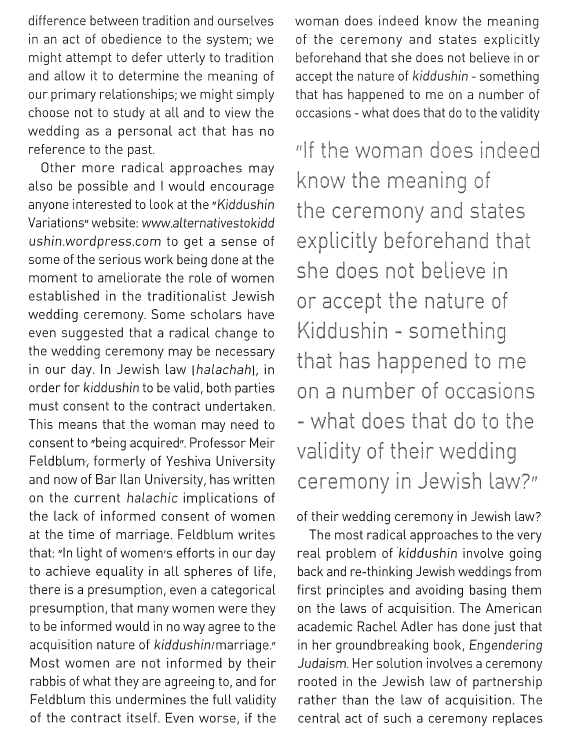
On the _______ day of the week, the _______ day of the month _______ in the year _______ since the creation of the world according to the reckoning which we are accustomed to use here in the city of _______ in _______, _______ son of _______ of the family _______ said to this maiden _______ daughter of _______ of the family _______ "Be thou my wife according to the law of Moses and Israel. and I will work for thee, honor, provide for, and support thee, in accordance with the practice of Jewish husbands, who work for their wives, honor, provide for and support them in truth. … and I will set aside for thee 200 silver zuz mohar due thee for thy maidenhood, which belong to thee according to the law of the Torah, and thy food, clothing, and other necessary benefits which a husband is obligated to provide; and I will live with thee in accordance with the requirements prescribed for each husband. … and this _______ maiden, consented and became his wife. The dowry (nedunya) that she brought from her _______ house, in silver, gold, valuables, clothing, and household furnishings, all this _______ the said groom accepted in the sum of 100 silver pieces."
Tucker Ketubah
On the ________ day of the week on the _________ day of the month of ___________
in the year five thousand ____________ according to the Hebrew calendar, corresponding to the ___________ day of the month of ______________, 20__, according to the reckoning that we use here in ___________________ in _______, we witness that the groom _______________, son of _____________and ____________ said to the bride ___________, daughter of ________________ and _______________, “With this ring you are consecrated to me according to the tradition of Moses and the people Israel.” And the bride ___________, daughter of ________________ and _______________, said to the groom _______________, son of _____________and ____________, “With this ring you are consecrated to me according to the tradition of Moses and the people Israel.”
The bride _____________ and the groom _____________ have accepted upon themselves all the conditions of marriage as required by the laws of the Torah and the enactments of our Sages of blessed memory.
They further agreed, freely and without compulsion, to serve, honor, support and nourish one another, to live as husband and wife, and to build together an enduring Jewish home, according to the custom of Jewish men and women.
The bride, ___________, accepted a ring from her beloved, and the groom __________, accepted a ring from his beloved, for the purpose of kiddushin and as a symbol of their love for one another. They further agreed to uphold the conditions of this ketubbah and to take responsibility for the money and property that comes with them from their homes and from their families’ homes.
(טז) וַ֠יְהִ֠י כִּֽי־הֵצִ֨יקָה לּ֧וֹ בִדְבָרֶ֛יהָ כׇּל־הַיָּמִ֖ים וַתְּאַֽלְצֵ֑הוּ וַתִּקְצַ֥ר נַפְשׁ֖וֹ לָמֽוּת׃
(16) Finally, after she had nagged him and pressed him constantly, he was wearied to death
(א) וַיֵּ֥לֶךְ שִׁמְשׁ֖וֹן עַזָּ֑תָה וַיַּרְא־שָׁם֙ אִשָּׁ֣ה זוֹנָ֔ה וַיָּבֹ֖א אֵלֶֽיהָ׃ (ב) לַעַזָּתִ֣ים ׀ לֵאמֹ֗ר בָּ֤א שִׁמְשׁוֹן֙ הֵ֔נָּה וַיָּסֹ֛בּוּ וַיֶּאֶרְבוּ־ל֥וֹ כׇל־הַלַּ֖יְלָה בְּשַׁ֣עַר הָעִ֑יר וַיִּתְחָֽרְשׁ֤וּ כׇל־הַלַּ֙יְלָה֙ לֵאמֹ֔ר עַד־א֥וֹר הַבֹּ֖קֶר וַהֲרַגְנֻֽהוּ׃ (ג) וַיִּשְׁכַּ֣ב שִׁמְשׁוֹן֮ עַד־חֲצִ֣י הַלַּ֒יְלָה֒ וַיָּ֣קׇם ׀ בַּחֲצִ֣י הַלַּ֗יְלָה וַיֶּאֱחֹ֞ז בְּדַלְת֤וֹת שַֽׁעַר־הָעִיר֙ וּבִשְׁתֵּ֣י הַמְּזֻז֔וֹת וַיִּסָּעֵם֙ עִֽם־הַבְּרִ֔יחַ וַיָּ֖שֶׂם עַל־כְּתֵפָ֑יו וַֽיַּעֲלֵם֙ אֶל־רֹ֣אשׁ הָהָ֔ר אֲשֶׁ֖ר עַל־פְּנֵ֥י חֶבְרֽוֹן׃ {פ} (ד) וַֽיְהִי֙ אַחֲרֵי־כֵ֔ן וַיֶּאֱהַ֥ב אִשָּׁ֖ה בְּנַ֣חַל שֹׂרֵ֑ק וּשְׁמָ֖הּ דְּלִילָֽה׃ (ה) וַיַּעֲל֨וּ אֵלֶ֜יהָ סַרְנֵ֣י פְלִשְׁתִּ֗ים וַיֹּ֨אמְרוּ לָ֜הּ פַּתִּ֣י אוֹת֗וֹ וּרְאִי֙ בַּמֶּה֙ כֹּח֣וֹ גָד֔וֹל וּבַמֶּה֙ נ֣וּכַל ל֔וֹ וַאֲסַרְנ֖וּהוּ לְעַנּוֹת֑וֹ וַאֲנַ֙חְנוּ֙ נִתַּן־לָ֔ךְ אִ֕ישׁ אֶ֥לֶף וּמֵאָ֖ה כָּֽסֶף׃ (ו) וַתֹּ֤אמֶר דְּלִילָה֙ אֶל־שִׁמְשׁ֔וֹן הַגִּידָה־נָּ֣א לִ֔י בַּמֶּ֖ה כֹּחֲךָ֣ גָד֑וֹל וּבַמֶּ֥ה תֵאָסֵ֖ר לְעַנּוֹתֶֽךָ׃ (ז) וַיֹּ֤אמֶר אֵלֶ֙יהָ֙ שִׁמְשׁ֔וֹן אִם־יַאַסְרֻ֗נִי בְּשִׁבְעָ֛ה יְתָרִ֥ים לַחִ֖ים אֲשֶׁ֣ר לֹא־חֹרָ֑בוּ וְחָלִ֥יתִי וְהָיִ֖יתִי כְּאַחַ֥ד הָאָדָֽם׃ (ח) וַיַּעֲלוּ־לָ֞הּ סַרְנֵ֣י פְלִשְׁתִּ֗ים שִׁבְעָ֛ה יְתָרִ֥ים לַחִ֖ים אֲשֶׁ֣ר לֹא־חֹרָ֑בוּ וַתַּאַסְרֵ֖הוּ בָּהֶֽם׃ (ט) וְהָאֹרֵ֗ב יֹשֵׁ֥ב לָהּ֙ בַּחֶ֔דֶר וַתֹּ֣אמֶר אֵלָ֔יו פְּלִשְׁתִּ֥ים עָלֶ֖יךָ שִׁמְשׁ֑וֹן וַיְנַתֵּק֙ אֶת־הַיְתָרִ֔ים כַּאֲשֶׁ֨ר יִנָּתֵ֤ק פְּתִֽיל־הַנְּעֹ֙רֶת֙ בַּהֲרִיח֣וֹ אֵ֔שׁ וְלֹ֥א נוֹדַ֖ע כֹּחֽוֹ׃ (י) וַתֹּ֤אמֶר דְּלִילָה֙ אֶל־שִׁמְשׁ֔וֹן הִנֵּה֙ הֵתַ֣לְתָּ בִּ֔י וַתְּדַבֵּ֥ר אֵלַ֖י כְּזָבִ֑ים עַתָּה֙ הַגִּידָה־נָּ֣א לִ֔י בַּמֶּ֖ה תֵּאָסֵֽר׃ (יא) וַיֹּ֣אמֶר אֵלֶ֔יהָ אִם־אָס֤וֹר יַאַסְר֙וּנִי֙ בַּעֲבֹתִ֣ים חֲדָשִׁ֔ים אֲשֶׁ֛ר לֹא־נַעֲשָׂ֥ה בָהֶ֖ם מְלָאכָ֑ה וְחָלִ֥יתִי וְהָיִ֖יתִי כְּאַחַ֥ד הָאָדָֽם׃ (יב) וַתִּקַּ֣ח דְּלִילָה֩ עֲבֹתִ֨ים חֲדָשִׁ֜ים וַתַּאַסְרֵ֣הוּ בָהֶ֗ם וַתֹּ֤אמֶר אֵלָיו֙ פְּלִשְׁתִּ֤ים עָלֶ֙יךָ֙ שִׁמְשׁ֔וֹן וְהָאֹרֵ֖ב יֹשֵׁ֣ב בֶּחָ֑דֶר וַֽיְנַתְּקֵ֛ם מֵעַ֥ל זְרֹעֹתָ֖יו כַּחֽוּט׃ (יג) וַתֹּ֨אמֶר דְּלִילָ֜ה אֶל־שִׁמְשׁ֗וֹן עַד־הֵ֜נָּה הֵתַ֤לְתָּ בִּי֙ וַתְּדַבֵּ֤ר אֵלַי֙ כְּזָבִ֔ים הַגִּ֣ידָה לִּ֔י בַּמֶּ֖ה תֵּאָסֵ֑ר וַיֹּ֣אמֶר אֵלֶ֔יהָ אִם־תַּאַרְגִ֗י אֶת־שֶׁ֛בַע מַחְלְפ֥וֹת רֹאשִׁ֖י עִם־הַמַּסָּֽכֶת׃ (יד) וַתִּתְקַע֙ בַּיָּתֵ֔ד וַתֹּ֣אמֶר אֵלָ֔יו פְּלִשְׁתִּ֥ים עָלֶ֖יךָ שִׁמְשׁ֑וֹן וַיִּיקַץ֙ מִשְּׁנָת֔וֹ וַיִּסַּ֛ע אֶת־הַיְתַ֥ד הָאֶ֖רֶג וְאֶת־הַמַּסָּֽכֶת׃ (טו) וַתֹּ֣אמֶר אֵלָ֗יו אֵ֚יךְ תֹּאמַ֣ר אֲהַבְתִּ֔יךְ וְלִבְּךָ֖ אֵ֣ין אִתִּ֑י זֶ֣ה שָׁלֹ֤שׁ פְּעָמִים֙ הֵתַ֣לְתָּ בִּ֔י וְלֹא־הִגַּ֣דְתָּ לִּ֔י בַּמֶּ֖ה כֹּחֲךָ֥ גָדֽוֹל׃ (טז) וַ֠יְהִ֠י כִּֽי־הֵצִ֨יקָה לּ֧וֹ בִדְבָרֶ֛יהָ כׇּל־הַיָּמִ֖ים וַתְּאַֽלְצֵ֑הוּ וַתִּקְצַ֥ר נַפְשׁ֖וֹ לָמֽוּת׃ (יז) וַיַּגֶּד־לָ֣הּ אֶת־כׇּל־לִבּ֗וֹ וַיֹּ֤אמֶר לָהּ֙ מוֹרָה֙ לֹא־עָלָ֣ה עַל־רֹאשִׁ֔י כִּֽי־נְזִ֧יר אֱלֹקִ֛ים אֲנִ֖י מִבֶּ֣טֶן אִמִּ֑י אִם־גֻּלַּ֙חְתִּי֙ וְסָ֣ר מִמֶּ֣נִּי כֹחִ֔י וְחָלִ֥יתִי וְהָיִ֖יתִי כְּכׇל־הָאָדָֽם׃ (יח) וַתֵּ֣רֶא דְלִילָ֗ה כִּֽי־הִגִּ֣יד לָהּ֮ אֶת־כׇּל־לִבּוֹ֒ וַתִּשְׁלַ֡ח וַתִּקְרָא֩ לְסַרְנֵ֨י פְלִשְׁתִּ֤ים לֵאמֹר֙ עֲל֣וּ הַפַּ֔עַם כִּֽי־הִגִּ֥יד (לה) [לִ֖י] אֶת־כׇּל־לִבּ֑וֹ וְעָל֤וּ אֵלֶ֙יהָ֙ סַרְנֵ֣י פְלִשְׁתִּ֔ים וַיַּעֲל֥וּ הַכֶּ֖סֶף בְּיָדָֽם׃ (יט) וַתְּיַשְּׁנֵ֙הוּ֙ עַל־בִּרְכֶּ֔יהָ וַתִּקְרָ֣א לָאִ֔ישׁ וַתְּגַלַּ֕ח אֶת־שֶׁ֖בַע מַחְלְפ֣וֹת רֹאשׁ֑וֹ וַתָּ֙חֶל֙ לְעַנּוֹת֔וֹ וַיָּ֥סַר כֹּח֖וֹ מֵעָלָֽיו׃
(1) Once Samson went to Gaza; there he met a prostitute and slept with her. (2) The Gazites [learned] that Samson had come there, so they gathered and lay in ambush for him in the town gate the whole night; and all night long they kept whispering to each other, “When daylight comes, we’ll kill him.” (3) But Samson lay in bed only till midnight. At midnight he got up, grasped the doors of the town gate together with the two gateposts, and pulled them out along with the bar. He placed them on his shoulders and carried them off to the top of the hill that is near Hebron. (4) After that, he fell in love with a woman in the Wadi Sorek, named Delilah. (5) The lords of the Philistines went up to her and said, “Coax him and find out what makes him so strong, and how we can overpower him, tie him up, and make him helpless; and we’ll each give you eleven hundred shekels of silver.” (6) So Delilah said to Samson, “Tell me, what makes you so strong? And how could you be tied up and made helpless?” (7) Samson replied, “If I were to be tied with seven fresh tendons that had not been dried, I should become as weak as an ordinary man.” (8) So the lords of the Philistines brought up to her seven fresh tendons that had not been dried. She bound him with them, (9) while an ambush was waiting in her room. Then she called out to him, “Samson, the Philistines are upon you!” Whereupon he pulled the tendons apart, as a strand of tow comes apart at the touch of fire. So the secret of his strength remained unknown. (10) Then Delilah said to Samson, “Oh, you deceived me; you lied to me! Do tell me now how you could be tied up.” (11) He said, “If I were to be bound with new ropes that had never been used, I would become as weak as an ordinary man.” (12) So Delilah took new ropes and bound him with them, while an ambush was waiting in a room. And she cried, “Samson, the Philistines are upon you!” But he tore them off his arms like a thread. (13) Then Delilah said to Samson, “You have been deceiving me all along; you have been lying to me! Tell me, how could you be tied up?” He answered her, “If you weave seven locks of my head into the web.” (14) And she pinned it with a peg and cried to him, “Samson, the Philistines are upon you!” Awaking from his sleep, he pulled out the peg, the loom, and the web. (15) Then she said to him, “How can you say you love me, when you don’t confide in me? This makes three times that you’ve deceived me and haven’t told me what makes you so strong.” (16) Finally, after she had nagged him and pressed him constantly, he was wearied to death (17) and he confided everything to her. He said to her, “No razor has ever touched my head, for I have been a nazirite to God since I was in my mother’s womb. If my hair were cut, my strength would leave me and I should become as weak as an ordinary man.” (18) Sensing that he had confided everything to her, Delilah sent for the lords of the Philistines, with this message: “Come up once more, for he has confided everything to me.” And the lords of the Philistines came up and brought the money with them. (19) She lulled him to sleep on her lap. Then she called in someone else, and she had him cut off the seven locks of his head; thus she weakened him and made him helpless: his strength slipped away from him.
(יז) וַיִּתְפַּלֵּ֥ל אַבְרָהָ֖ם אֶל־הָאֱלֹהִ֑ים וַיִּרְפָּ֨א אֱלֹהִ֜ים אֶת־אֲבִימֶ֧לֶךְ וְאֶת־אִשְׁתּ֛וֹ וְאַמְהֹתָ֖יו וַיֵּלֵֽדוּ׃ (יח) כִּֽי־עָצֹ֤ר עָצַר֙ יְהֹוָ֔ה בְּעַ֥ד כׇּל־רֶ֖חֶם לְבֵ֣ית אֲבִימֶ֑לֶךְ עַל־דְּבַ֥ר שָׂרָ֖ה אֵ֥שֶׁת אַבְרָהָֽם׃ {ס}
(17) Abraham then prayed to God, and God healed Abimelech and his wife and his slave girls, so that they bore children; (18) for יהוה had closed fast every womb of the household of Abimelech because of Sarah, the wife of Abraham.
[פָּלַל84] vb. prob. intervene, interpose (hence both arbitrate, judge, and intercede, pray, cf. Dr 1 S 2:25; NH פלל (rare), נתפלל, pray, פִּילּוּל act of prayer, פְּלִילָה judicial matter;—otherwise WeHeid. (2), 126 who conj. der. for הִתְפַּלֵּל from Arabic فَلَّ notch edge (of sword, etc.), i.e. cut oneself in worship);—†Pi. mediate, judge: Pf. 3 ms. consec., arbitrate, sf. וּפִלְלוֹ 1 S 2:25 (but read prob. 3 pl. וּפִלְלוּ We Dr al., word-play with יִתְפ׳ foll.); 2 fs. פִּלַּלְתְּ Ez 16:52 mediate for (ל pers.) viz., through thine own sins; 1 s. פִּלָּ֑לְתִּי Gn 48:11 (E; poss. denom. from פליל) I did not judge (have the opinion, expect) to see, etc.; Impf. 3 ms. וַיְפַלֵּל ψ 106:30 (abs.) he interposed (by slaying offender).Hithp.80 Pf. 3 ms. הִתְפַּלֵּל 1 K 8:42; 1 s. הִתְפַּלָּ֑לְתִּי 1 S 1:27, etc.; Impf. יִתְפַּלֵּל ψ 32:6 +; יִתְפַּלֶּל־ 1 S 2:25; 1 s. אֶתְפַּלָּ֑ל ψ 5:3, etc.; ei. הִתְפַּלֵּל Nu 21:7 +, etc.; Inf. cstr. הִתְפַּלֵּל Ez 10:1 +, etc.; Pt. מִתְפַּלֵּל Je 42:4 +, etc.;— 1. specif. intercede (with י׳), c. בעד, on behalf of Gn 20:7 Nu 21:7 (E) Dt 9:20; 1 S 12:23 + 6 times; c. לְ, 1 S 2:25; אֶל־יהוה Nu 11:2; 21:7 (JE) Dt 9:26; c. בעד + אל־יהוה 1 S 7:5; Je 29:7 + 4 times; אל־האלהים Gn 20:17 (E); c. על for pers. 2 Ch 30:18 Jb 42:8. 2. gen. pray, c. אֶל, unto idol Is 44:17; 45:20; unto Israel v 14; בוֹא אל־מקדשׁ להתפ׳ 16:12. 3. pray (to י׳), abs. 1 K 8:33; 2 K 6:17; Ezr 10:1; Dn 9:20; 2 Ch 6:24; 7:1, 14, c. אֶל־י׳ 1 S 1:26; 8:6; 2 K 4:33; 6:18; 20:2 = Is 38:2 = 2 Ch 32:24, + 10 times; הִתְפ׳ תפלה אֶל־י׳ 2 S 7:27;s 1 K 8:54; על יהוה 1 S 1:10 (read אֶל); לִפְנֵי 1 S 1:12; 1 K 8:28 + 5 times; c. לְ Dn 9:4; c. אֶל of thing prayed for 1 S 1:27; c. אֶל against 2 K 19:20 = Is 37:21 (read עַל); עַל־זֹאת because of this 2 Ch 32:20 ψ 32:6; c. אֶל loc.: אֶל־הַמָּקוֹם 1 K 8:29, 30, 35 = 2 Ch 6:20, 21, 26; אֶל־הַבַּית 1 K 8:42 = 2 Ch 6:32; c. acc. דֶּרֶךְ הָעִיר 1 K 8:44 = 2 Ch 6:34; דֶּרֶךְ אַרְצָם 1 K 8:48 = 2 Ch 6:38. 4. of poetical, liturgical prayer, abs. 1 S 2:1, c. אֶל Jon 2:2.
עָצַר46 vb. restrain, retain (NH id.; cf. prob. Assyrian eṣêru, retain, restrain, DlHWB 122 JägerBAS i.483 Zehnpfundib.500* cf. Assyrian uṣurtu, taboo SACJA, 1904, 754.; Ethiopic ዐጸረ: press, Arabic عَصَرَ; 𝔗 עֲצַר, Syriac ܥܨܰܪ id.);—Qal Pf. 3 ms. ע׳ Gn 20:18 +, sf. עֲצָרַנִי 16:2; 1 s. עָצַרְתִּי Dn 10:8, 16, etc.; Impf. 3 ms. יַעְצֹר 1 S 9:17 +, יַעְצָר־ 2 Ch 2:5; sf. יַעֲצָרְכָה 1 K 18:44, etc.; Inf. abs. עָצֹר Gn 20:18, cstr. לַעְצֹר 2 Ch 22:9, וַעְצֹר Jb 4:2 (Ges§ 28 b); Pt. pass. עָצוּר Je 33:1 +, etc.;— 1. restrain, c. acc. pers. Gn 16:2 (J; + מִן, i.e. prevent), עָצֹר עָצַר בְּעַד כָּל־רֶחֶם 20:18 (E), cf. abs. Is 66:9 (opp. מוֹלִיד); sq. inf. 2 K 4:24; c. acc. pers. alone 1 K 18:44 hinder, stop; c. acc. of sky (hindering rain) Dt 11:17; 2 Ch 7:13; pt. pass. abs. shut up, or hindered (for reasons not given) Je 36:5; Ne 6:10 (? by a vow, or by ceremonial uncleanness, cf. RSSem i. 436 f., 2nd ed. 455 f.); = shut up (c. ב, in prison) 2 K 17:4, pt. pass. Je 33:1; 39:15, fig. 20:9; on עָצוּר וְעָזוּב (5 times), v. I. עזב; עֲצֻרָה לָנוּ 1 S 21:6 women have been kept away with ref. to us (cf. RSl.c.); עָצוּר מִפְּנֵי 1 Ch 12:1 kept away from before Saul; = detain, c. acc. Ju 13:15, 16; in Jb c. בְּ, ע׳ בְּמִלִּין 4:2, cf. 29:9, so בַּמַּיִם 12:15; ע׳ בְּעַמִּי 1 S 9:17 is rule over, etc. (si vera l.); ins. also (with other words) 10:1 𝔊 We Dr al. 2. (late) retain, c. acc. כֹּחַ 2 Ch 13:20; 22:9 Dn 10:8, 16; 11:6; + inf. = be able to 1 Ch 29:14 2 Ch 2:5; om. כֹּחַ 14:10 (+ עִמְּךָ), 20:37 (+ inf.).†Niph. be restrained, stayed, of plague: Pf. 3 fs. נֶעֱצָ֑רָה Nu 17:15; Impf. 3 fs. תֵּעָצַר 2 S 24:21 = 1 Ch 21:22, וַתֵּעָצַר Nu 17:13; 25:8 (P) 2 S 24:25 ψ 106:30; be shut up (of sky), Inf. cstr. בְּהֵעָצֵר 1 K 8:35 = 2 Ch 6:26; be under restraint or detention Pt. נֶעְצָר 1 S 21:8 + לִפְנֵי י׳ (? i.e. kept by a vow, cf. HPS and Ne 6:10 supr.).
בעד כל רחם. כְּנֶגֶד כָּל פֶּתַח:
בעד כל רחם GOD HAD CLOSED UP EVERY רחם — means had closed up every opening (of the body)
על דבר שרה. עַל פִּי דִּבּוּרָהּ שֶׁל שָׂרָה:
'על דבר שרה וגו BECAUSE OF (literally, by the word of) SARAH — at Sarah’s bidding (Genesis Rabbah 52:13).
מַגְלָב m. (גלב, v. Fl. to Levy Targ. Dict. II, p. 567ᵃ) [scraper,] an instrument of torture, goad or whip. Gen. R. s. 41, beg.; s. 52; Yalk. Gen. 69 מגלבה; (Tanḥ. Lekh. 5 שרביט).—Pl. מַגְלָבִים, מַגְלָבִין. Ex. R. s. 14, beg. לך והכהו המשים מ׳ go and give him fifty lashes. Tanḥ. M’tsora 4 כבלים ומ׳ chains and straps; Num. R. s. 13. Ib. חמשה מ׳ five afflictions. Num. R. s. 10, beg.; Lev. R. s. 27; Cant. R. to V, 16, v. מַרְזוֹבוֹת.
(יז) וַיְנַגַּ֨ע יְהֹוָ֧ה ׀ אֶת־פַּרְעֹ֛ה נְגָעִ֥ים גְּדֹלִ֖ים וְאֶת־בֵּית֑וֹ עַל־דְּבַ֥ר שָׂרַ֖י אֵ֥שֶׁת אַבְרָֽם׃
(17) But יהוה afflicted Pharaoh and his household with mighty plagues on account of Sarai, the wife of Abram.