


Welcome
Plan for this class
- Rabbi Shimon/Simeon/Simon/שמעון (ben Yochai or bar Yochai), his life and character
- A Talmudic Tale: Years in a Cave
- Rabbi Shimon as master of mysticism
- Avot 4:13
- Rabban Shimon ben Gamliel II/רבן שמעון בן גמליאל: the return of the Nasi/Patriarch
- Avot 1:18
- Review and Next Class
Rabbi Shimon, his life and character
"The harsh decrees and religious persecutions of the Hadrianic era and the cruel martyrdom of his teachers intensified Simeon's hatred of gentiles in general-so that he said, 'Slay the best of gentiles' (Mekhilta Be-Shallah 2),— and of the Roman people and its culture in particular."
"He refused to resign himself to the fact of the crushing defeat of Bar Kokhba, and maintained his opposition to the Romans. As a result, he was sentenced to death." -- Israel Burgansky, "Simeon bar Yohai," Encyclopedia Judaica, 14:1552.
תָּנוּ רַבָּנַן: ״וְאָסַפְתָּ דְגָנֶךָ״ מָה תַּלְמוּד לוֹמַר? — לְפִי שֶׁנֶּאֱמַר: ״לֹא יָמוּשׁ סֵפֶר הַתּוֹרָה הַזֶּה מִפִּיךָ״ — יָכוֹל דְּבָרִים כִּכְתָבָן, תַּלְמוּד לוֹמַר: ״וְאָסַפְתָּ דְגָנֶךָ״ — הַנְהֵג בָּהֶן מִנְהַג דֶּרֶךְ אֶרֶץ, דִּבְרֵי רַבִּי יִשְׁמָעֵאל.
רַבִּי שִׁמְעוֹן בֶּן יוֹחַאי אוֹמֵר: אֶפְשָׁר אָדָם חוֹרֵשׁ בִּשְׁעַת חֲרִישָׁה, וְזוֹרֵעַ בִּשְׁעַת זְרִיעָה, וְקוֹצֵר בִּשְׁעַת קְצִירָה, וְדָשׁ בִּשְׁעַת דִּישָׁה, וְזוֹרֶה בִּשְׁעַת הָרוּחַ, תּוֹרָה מַה תְּהֵא עָלֶיהָ? אֶלָּא בִּזְמַן שֶׁיִּשְׂרָאֵל עוֹשִׂין רְצוֹנוֹ שֶׁל מָקוֹם — מְלַאכְתָּן נַעֲשֵׂית עַל יְדֵי אֲחֵרִים, שֶׁנֶּאֱמַר: ״וְעָמְדוּ זָרִים וְרָעוּ צֹאנְכֶם וְגוֹ׳״, וּבִזְמַן שֶׁאֵין יִשְׂרָאֵל עוֹשִׂין רְצוֹנוֹ שֶׁל מָקוֹם — מְלַאכְתָּן נַעֲשֵׂית עַל יְדֵי עַצְמָן, שֶׁנֶּאֱמַר: ״וְאָסַפְתָּ דְגָנֶךָ״. וְלֹא עוֹד אֶלָּא שֶׁמְּלֶאכֶת אֲחֵרִים נַעֲשֵׂית עַל יָדָן, שֶׁנֶּאֱמַר: ״וְעָבַדְתָּ אֶת אוֹיְבֶךָ וְגוֹ׳״.
The Sages taught: What is the meaning of that which the verse states: “And you shall gather your grain”? Because it is stated: “This Torah shall not depart from your mouths, and you shall contemplate in it day and night” (Joshua 1:8), I might have thought that these matters are to be understood as they are written; one is to literally spend his days immersed exclusively in Torah study. Therefore, the verse states: “And you shall gather your grain, your wine and your oil,” assume in their regard, the way of the world; set aside time not only for Torah, but also for work. This is the statement of Rabbi Yishmael.
Rabbi Shimon ben Yoḥai says: Is it possible that a person plows in the plowing season and sows in the sowing season and harvests in the harvest season and threshes in the threshing season and winnows in the windy season, as grain is separated from the chaff by means of the wind, and is constantly busy; what will become of Torah?
Rather, one must dedicate himself exclusively to Torah at the expense of other endeavors; as when Israel performs God’s will, their work is performed by others, as it is stated: “And strangers will stand and feed your flocks, and foreigners will be your plowmen and your vinedressers” (Isaiah 61:5). When Israel does not perform God’s will, their work is performed by them themselves, as it is stated: “And you shall gather your grain.”
Moreover, if Israel fails to perform God’s will, others’ work will be performed by them, as it is stated: “You shall serve your enemy whom God shall send against you, in hunger, in thirst, in nakedness and in want of all things” (Deuteronomy 28:48).
As Talmudic Tale: Years in a Cave
וְאַמַּאי קָרוּ לֵיהּ ״רֹאשׁ הַמְדַבְּרִים בְּכָל מָקוֹם״? דְּיָתְבִי רַבִּי יְהוּדָה וְרַבִּי יוֹסֵיוְרַבִּי שִׁמְעוֹן, וְיָתֵיב יְהוּדָה בֶּן גֵּרִים גַּבַּיְיהוּ. פָּתַח רַבִּי יְהוּדָה וְאָמַר: כַּמָּה נָאִים מַעֲשֵׂיהֶן שֶׁל אוּמָּה זוֹ: תִּקְּנוּ שְׁוָוקִים, תִּקְּנוּ גְּשָׁרִים, תִּקְנוּ מֶרְחֲצָאוֹת. רַבִּי יוֹסֵי שָׁתַק. נַעֲנָה רַבִּי שִׁמְעוֹן בֶּן יוֹחַאי וְאָמַר: כׇּל מַה שֶּׁתִּקְּנוּ, לֹא תִּקְּנוּ אֶלָּא לְצוֹרֶךְ עַצְמָן. תִּקְּנוּ שְׁוָוקִין — לְהוֹשִׁיב בָּהֶן זוֹנוֹת, מֶרְחֲצָאוֹת — לְעַדֵּן בָּהֶן עַצְמָן, גְּשָׁרִים — לִיטּוֹל מֵהֶן מֶכֶס. הָלַךְ יְהוּדָה בֶּן גֵּרִים וְסִיפֵּר דִּבְרֵיהֶם, וְנִשְׁמְעוּ לַמַּלְכוּת. אָמְרוּ: יְהוּדָה שֶׁעִילָּה — יִתְעַלֶּה. יוֹסֵי שֶׁשָּׁתַק — יִגְלֶה לְצִיפּוֹרִי. שִׁמְעוֹן שֶׁגִּינָּה — יֵהָרֵג.
Rabbi Yehuda is described as "head of the speakers in every place." The Gemara asks: And why did they call him head of the speakers in every place? The Gemara relates that this resulted due to an incident that took place when Rabbi Yehuda and Rabbi Yosei and Rabbi Shimon were sitting, and Yehuda, son of converts, sat beside them.
Rabbi Yehuda opened and said: How pleasant are the actions of this nation, the Romans, as they established marketplaces, established bridges, and established bathhouses.
Rabbi Yosei was silent.
Rabbi Shimon ben Yoḥai responded and said: Everything that they established, they established only for their own purposes. They established marketplaces, to place prostitutes in them; bathhouses, to pamper themselves; and bridges, to collect taxes from all who pass over them.
Yehuda, son of converts, went and related their statements to his household, and those statements continued to spread until they were heard by the monarchy. They ruled and said:
Yehuda, who elevated the Roman regime, shall be elevated and appointed as head of the Sages, the head of the speakers in every place.
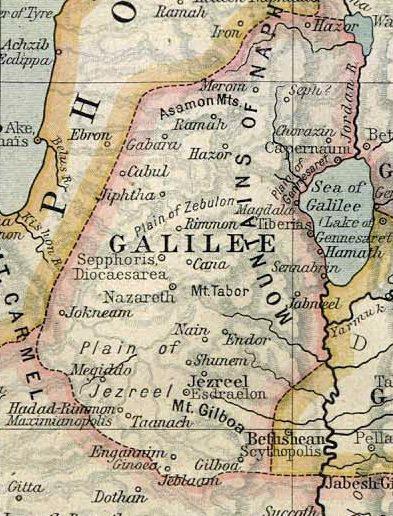
Yosei, who remained silent, shall be exiled from his home in Judea as punishment, and sent to the city of Tzippori [=Sephhoris] in the Galilee.
And Shimon, who denounced the government, shall be killed.
אֲזַל הוּא וּבְרֵיהּ, טְשׁוֹ בֵּי מִדְרְשָׁא. כׇּל יוֹמָא הֲוָה מַתְיָא לְהוּ דְּבֵיתְהוּ רִיפְתָּא וְכוּזָא דְמַיָּא וְכָרְכִי. כִּי תְּקֵיף גְּזֵירְתָא אֲמַר לֵיהּ לִבְרֵיהּ: נָשִׁים דַּעְתָּן קַלָּה עֲלֵיהֶן, דִילְמָא מְצַעֲרִי לַהּ וּמְגַלְּיָא לַן. אֲזַלוּ טְשׁוֹ בִּמְעָרְתָּא. אִיתְרְחִישׁ נִיסָּא אִיבְּרִי לְהוּ חָרוּבָא וְעֵינָא דְמַיָּא, וַהֲווֹ מַשְׁלְחִי מָנַיְיהוּ וַהֲווֹ יָתְבִי עַד צַוְּארַיְיהוּ בְּחָלָא. כּוּלֵּי יוֹמָא גָּרְסִי. בְּעִידָּן צַלּוֹיֵי לָבְשִׁי מִיכַּסּוּ וּמְצַלּוּ, וַהֲדַר מַשְׁלְחִי מָנַיְיהוּ כִּי הֵיכִי דְּלָא לִיבְלוּ. אִיתִּיבוּ תְּרֵיסַר שְׁנֵי בִּמְעָרְתָּא. אֲתָא אֵלִיָּהוּ וְקָם אַפִּיתְחָא דִמְעָרְתָּא, אֲמַר: מַאן לוֹדְעֵיהּ לְבַר יוֹחַי דְּמִית קֵיסָר וּבְטִיל גְּזֵירְתֵיהּ.
Rabbi Shimon bar Yoḥai and his son, Rabbi Elazar, went and hid in the study hall. Every day Rabbi Shimon’s wife would bring them bread and a jug of water and they would eat.
When the decree intensified, Rabbi Shimon said to his son: Women are easily impressionable and, therefore, there is room for concern lest the authorities torture her and she reveal our whereabouts. They went and they hid in a cave.
A miracle occurred and a carob tree was created for them as well as a spring of water. They would remove their clothes and sit covered in sand up to their necks. They would study Torah all day in that manner. At the time of prayer, they would dress, cover themselves, and pray, and they would again remove their clothes afterward so that they would not become tattered. They sat in the cave for twelve years.
Elijah the Prophet came and stood at the entrance to the cave and said: Who will inform bar Yoḥai that the emperor died and his decree has been abrogated?
נְפַקוּ, חֲזוֹ אִינָשֵׁי דְּקָא כָּרְבִי וְזָרְעִי, אָמְרִין: מַנִּיחִין חַיֵּי עוֹלָם וְעוֹסְקִין בְּחַיֵּי שָׁעָה. כׇּל מָקוֹם שֶׁנּוֹתְנִין עֵינֵיהֶן מִיָּד נִשְׂרָף. יָצְתָה בַּת קוֹל וְאָמְרָה לָהֶם: לְהַחֲרִיב עוֹלָמִי יְצָאתֶם?! חִיזְרוּ לִמְעָרַתְכֶם! הֲדוּר אֲזוּל אִיתִּיבוּ תְּרֵיסַר יַרְחֵי שַׁתָּא. אָמְרִי: מִשְׁפַּט רְשָׁעִים בְּגֵיהִנָּם שְׁנֵים עָשָׂר חֹדֶשׁ. יָצְתָה בַּת קוֹל וְאָמְרָה: צְאוּ מִמְּעָרַתְכֶם! נְפַקוּ. כָּל הֵיכָא דַּהֲוָה מָחֵי רַבִּי אֶלְעָזָר, הֲוָה מַסֵּי רַבִּי שִׁמְעוֹן. אָמַר לוֹ: בְּנִי, דַּי לָעוֹלָם אֲנִי וְאַתָּה.
They emerged from the cave, and saw people who were plowing and sowing. Rabbi Shimon bar Yoḥai said: These people abandon eternal life of Torah study and engage in temporal life for their own sustenance. The Gemara relates that every place that Rabbi Shimon and his son Rabbi Elazar directed their eyes was immediately burned.
A Divine Voice emerged and said to them: Did you emerge from the cave in order to destroy My world? Return to your cave. They again went and sat there for twelve months. They said: The judgment of the wicked in Gehenna lasts for twelve months. Surely their sin was atoned in that time.
A Divine Voice emerged and said to them: Emerge from your cave. They emerged. Everywhere that Rabbi Elazar would strike, Rabbi Shimon would heal. Rabbi Shimon said to Rabbi Elazar: My son, you and I suffice for the entire world, as the two of us are engaged in the proper study of Torah.
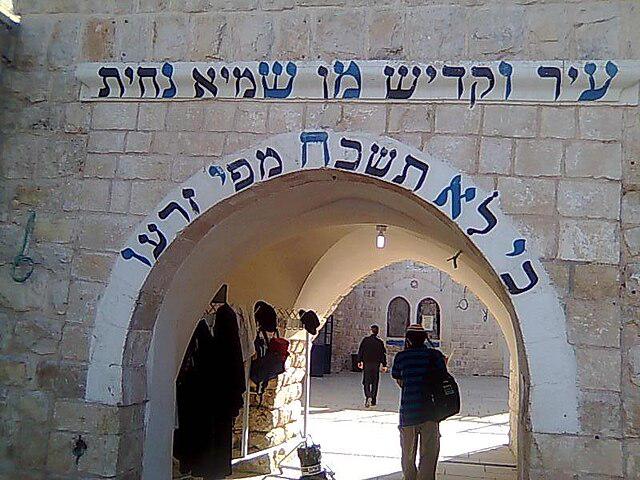
Rabbi Shimon as Mystical Master
(כא) וְ֠הָיָ֠ה כִּי־תִמְצֶ֨אןָ אֹת֜וֹ רָע֣וֹת רַבּוֹת֮ וְצָרוֹת֒ וְ֠עָנְתָ֠ה הַשִּׁירָ֨ה הַזֹּ֤את לְפָנָיו֙ לְעֵ֔ד כִּ֛י לֹ֥א תִשָּׁכַ֖ח מִפִּ֣י זַרְע֑וֹ כִּ֧י יָדַ֣עְתִּי אֶת־יִצְר֗וֹ אֲשֶׁ֨ר ה֤וּא עֹשֶׂה֙ הַיּ֔וֹם בְּטֶ֣רֶם אֲבִיאֶ֔נּוּ אֶל־הָאָ֖רֶץ אֲשֶׁ֥ר נִשְׁבַּֽעְתִּי׃
(21) and the many evils and troubles befall them—then thispoem shall confront them as a witness, since it willneverbelostfromthemouthoftheiroffspring. For I know what plans they are devising even now, before I bring them into the land that I promised on oath.
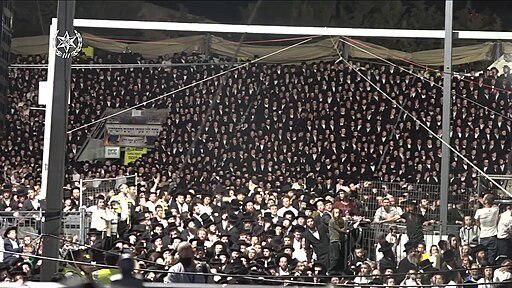
Meanwhile he [Rabbi Hiyya] heard a voice proclaiming, "Make way, make way—for King Messiah is coming to the Academy of Rabbi Shim'on!" For all the righteous present there are heads of academies, and those academies are designated there; and all members of each academy ascend from the Academy here [note: in the Garden of Eden] to the Academy of Heaven. The Messiah visits all those academies, setting his seal on the Torah issuing from the mouths of the rabbis. At that moment the Messiah arrived, adorned by the heads of the academies with celestial crowns. At that moment all the Companions [the fellowship of mystical rabbis in the Zohar] rose and Rabbi Shim'on rose, his light radiating to the vault of heaven.
He said to him [note: The Messiah said to Rabbi Shim`on], "Happy are you, Rabbi, for your Torah ascends in 370 lights, each and every light refracting into 613 senses, ascending and bathing in rivers of pure balsam. The blessed Holy One sets His seal on the Torah of your academy, and of the academy of Hezekiah, king of Judah, and of the academy of Ahiyah of Shiloh. I have not come to set my seal on what issues from your academy. Rather, the Master of Wings has entered here, for I know he enters no academy but yours.” - Introduction to the Zohar, 1:4 (Daniel Matt translation, The Zohar, Pritzker Edition, I:23-24).
Avot 4:13 (part 2)
(יג)רַבִּי שִׁמְעוֹן אוֹמֵר,
שְׁלשָׁה כְתָרִים הֵם,
כֶּתֶר תּוֹרָה
וְכֶתֶר כְּהֻנָּה
וְכֶתֶר מַלְכוּת,
וְכֶתֶר שֵׁם טוֹב עוֹלֶה עַל גַּבֵּיהֶן:
(13)Rabbi Shimon said:
There are three crowns:
the crown of Torah,
the crown of priesthood,
and the crown of royalty,
but the crown of a good name supersedes them all.
רבי שמעון אומר ג׳ כתרים הם אלו הן כתר תורה וכתר כהונה וכתר מלכות וכתר שם טוב עולה על גביהן.
כתר כהונה כיצד אפילו נותן (לו) כל כסף וזהב שבעולם אין נותנין לו כתר כהונה שנא׳ (במדבר כה) והיתה לו ולזרעו אחריו ברית כהונת עולם.
כתר מלכות אפילו נותן כל כסף וזהב שבעולם אין נותנין לו כתר מלכות שנאמר (יחזקאל לז) ודוד עבדי נשיא להם לעולם
אבל כתר תורה אינו כן עמלה של תורה כל הרוצה ליטול יבא ויטול שנאמר (ישעיה נה) הוי כל צמא לכו למים הוי עמל בדברי תורה ואל תתעסק בדברי בטילה.
Rabbi Shimon would say: There are three crowns: the crown of Torah, the crown of priesthood, the crown of kingship – and the crown of a good name is the greater than all of them.
How does the crown of priesthood work? Even if someone paid all the silver and gold in the world, we could not give him the crown of priesthood, as it says (Numbers 25:15), “It will be for him and his descendants after him an eternal covenant of priesthood.”
For the crown of kingship as well; even if someone paid all silver and gold in the world, we could not give him the crown of kingship, as it says (Ezekiel 37:24), “My servant David shall be their prince for all time.”
But the crown of Torah is different. For anyone who wishes to partake in the work of Torah may come and partake, as it says (Isaiah 55:1), “Ho, all who are thirsty, go to the water!” That is, go and labor in words of Torah and do not occupy yourself with meaningless things.
Rabban Shimon (Simeon) ben Gamaliel: The Return of the Nasi/Patriarch
"When the persecution abated and the danger to his life passed, he was appointed nasi of the Sanhedrin at the second meeting of the sages in Usha, as the son of the nasi Gamaliel and a link in the chain of the nesi'im [patriarchs] descended from Hillel. It is probable that the lengthy period when the Sanhedrin functioned without a nasi rendered Simeon's task a difficult one and he had to win his place with flexibility and understanding. Serving with him as av bet din was Nathan the Babylonian, and as hakham (apparently the head of and the deciding factor in the yeshivah), Meir."
"The fact that the scholars of Usha-Meir, Judah, Simeon b. Yohai and others- were recognized by the people as the tradents of the heritage of the Oral Law as it began to crystallize in the period of Jabneh (see Sanh. 86a) also made it difficult for him at the beginning to regain the high status enjoyed by his father. As a result there was a greater cooperation between Simeon b. Gamaliel and the members of the Sanhedrin than in the previous generation. He himself transmits halakhot in the names of many members of the Sanhedrin and even accepted their rulings in practical halakhah: 'Simeon b. Gamaliel said: 'It happened that my eyes were paining me in Caesarea, and Yose bei Rabbi permitted me and my servant to sleep outside the sukkah' (Tosefta Sukkah 2:2)... ” - Israel Burgansky, "SIMEON BEN GAMALIEL II," Encyclopedia Judaica 14:1556.
אָמַר רַבָּן שִׁמְעוֹן בֶּן גַּמְלִיאֵל: אַף אָנוּ מְחַבְּבִין אֶת הַצָּרוֹת, אֲבָל מַה נַּעֲשֶׂה שֶׁאִם בָּאנוּ לִכְתּוֹב אֵין אָנוּ מַסְפִּיקִין.
Rabban Shimon ben Gamliel said: We also hold dear the memory of the troubles from which Israel was saved, but what can we do? If we came to write all the days of that kind, we would not manage to do so, as the troubles that Israel experienced in every generation and era are numerous, and on each day there is an event worthy of commemoration.
(ה) א"ר ישמעאל [רבן שמעון בן גמל׳ - כי״ע] מיום שחרב בהמ"ק דין הוא שלא לאכול בשר ושלא לשתות יין אלא שאין ב"ד גוזרין על הצבור [דברים שאין יכולין לעמוד בהן] ...
(5) Rabban Shimon ben Gamliel [so in Ms. Erfurt] said: From the day that the Temple was destroyed, it would be appropriate that we not eat meat or drink wine (since these were used in the Temple service). But a court does not decree (restrictions) on the community which they cannot uphold.
See comment of Professor Lieberman.
Avot 1:18 and Commentaries
(יח)רַבָּן שִׁמְעוֹן בֶּן גַּמְלִיאֵל אוֹמֵר,
עַל שְׁלשָׁה דְבָרִים הָעוֹלָם עוֹמֵד,
עַל הַדִּין
וְעַל הָאֱמֶת
וְעַל הַשָּׁלוֹם,
שֶׁנֶּאֱמַר (זכריה ח) אֱמֶת וּמִשְׁפַּט שָׁלוֹם שִׁפְטוּ בְּשַׁעֲרֵיכֶם:
(18)Rabban Shimon ben Gamaliel used to say:
on three things does the world stand:
On justice,
on truth,
and on peace,
as it is said: “execute the judgment of truth and peace in your gates” (Zechariah 8:16).
(ב)שִׁמְעוֹן הַצַּדִּיק הָיָה מִשְּׁיָרֵי כְנֶסֶת הַגְּדוֹלָה. הוּא הָיָה אוֹמֵר,
עַל שְׁלשָׁה דְבָרִים הָעוֹלָם עוֹמֵד,
עַל הַתּוֹרָה
וְעַל הָעֲבוֹדָה
וְעַל גְּמִילוּת חֲסָדִים:
(2) Shimon the Righteous was one of the last of the men of the great assembly.
He used to say:
the world stands upon three things:
the Torah,
the Temple service,
and the practice of acts of piety.
(א)הָעוֹלָם עוֹמֵד. יִשּׁוּבָן שֶׁל בְּנֵי אָדָם מִתְקַיֵּם. אֵין זֶה כְּמוֹ הָעוֹלָם עוֹמֵד דִּלְעֵיל:
(1)"The world stands": [Meaning] the settlement of people is preserved. And this is not like "the world stands" of above.
Rabban Shimon ben Gamliel said: On three things the world stands (omed/עומד) - an alternative reading is the world endures (kayam/קיים),' stating that human civilization endures because of these three things (Bartenura).
[R. Menachem] Meiri (Provence, d. 1315) comments that the three things mentioned by Simon the Just (in the Second Mishnah, above) - Torah, Worship and Deeds of Loving-Kindness - are the very pillars of existence without which the world would perish; hence the expression 'omed" — "the world stands." Rabban Shimon ben Gamliel, on the other hand, speaks of the socio-political framework of the world; hence the term 'kayam' — "the world endures," for without it the society would be filled with violence, and human civilization would disintegrate.
On Judgement — that we acquit the just and convict the guilty, and save the oppressed from the hands of the oppressors. Thus we read (Shab. 10a, Sanh. 7a): "A judge who delivers judgement in perfect truth becomes a partner of God in the act of creation and causes the Shekhinah (Divine Presence) to dwell in the midst of Israel."
Moreover (Suk. 49b): "He who performs acts of charity and justice is regarded as though he had filled the whole world with loving-kindness. naN by And on Truth - men should not deceive one another, as we learn (Mekhilta, Beshalah): "'If you will diligently listen to the Lord your God, and do that which is right in His eyes' (Ex. 15:26) — this verse refers to business transactions, and teaches us that when a man deals in good faith, people are pleased with him, and he is regarded by the Torah as if he had fulfilled all its precepts."
And on Peace — among nations and individuals (Bartenura), as it is said (Lev. 26:6): "'And I will give peace in the land' — lest you say, 'Though we have food and drink, it is of no avail when there is no peace, therefore the Torah promises you 'And I will give peace in the land,' teaching us that peace out weighs all other blessings" (Sifra, Behukotai).
Moreover, "Great is peace, for even when Israel worships idols, if there is peace among them, strict justice is not invoked against them, as it is written (Hos. 4:17): 'Ephra'im is joined to idols; let him alone* (here havur 'joined,' also denotes 'fellowship,' and the prophet says that. even when Israel indulges in idol worship it is spared punishment while united — tr.). But when they are divided and there is no peace among them, though they observe the Torah, strict justice is brought to bear upon them, as it is written (ibid. 10.2): Their heart is divided; now shall they bear their guilt." This affirms the excellence of peace, and the vileness of division" (Sifrei, Naso), 42 (Nu 6 : 26 )
As it is said: Execute the judgement of truth and peace in your gates - the Talmud Yerushalmi says (Ta' an. 9:2): "These three are one, for when justice isenforced, truth and peace prevail; and all three are found in one verse: 'Execute the judgement of truth and peace in your gates.'"
Some commentators read this verse: "If you establish justice and peace you will deserve to dwell within your gates," as the Torah promised (Deut. 16:20): "Justice, justice shall you pursue, so that you may live and inherit the land." Rashi adds that the appointment of righteous judges gives life to Israel and enables them to possess the land (Mikhtav Eliyahu).