


Structure of the tractate
שָׁלֹ֣שׁ רְגָלִ֔ים תָּחֹ֥ג לִ֖י בַּשָּׁנָֽה׃
Three times a year you shall hold a festival for Me:
(טו) אֶת־חַ֣ג הַמַּצּוֹת֮ תִּשְׁמֹר֒ שִׁבְעַ֣ת יָמִים֩ תֹּאכַ֨ל מַצּ֜וֹת כַּֽאֲשֶׁ֣ר צִוִּיתִ֗ךָ לְמוֹעֵד֙ חֹ֣דֶשׁ הָֽאָבִ֔יב כִּי־ב֖וֹ יָצָ֣אתָ מִמִּצְרָ֑יִם וְלֹא־יֵרָא֥וּ פָנַ֖י רֵיקָֽם׃
(You shall observe the Feast of Unleavened Bread—eating unleavened bread for seven days as I have commanded you—at the time of the month of Abib, for in it you went forth from Egypt; and none shall appear before Me empty-handed;
וְחַ֤ג הַקָּצִיר֙ בִּכּוּרֵ֣י מַעֲשֶׂ֔יךָ אֲשֶׁ֥ר תִּזְרַ֖ע בַּשָּׂדֶ֑ה וְחַ֤ג הָֽאָסִף֙ בְּצֵ֣את הַשָּׁנָ֔ה בְּאׇסְפְּךָ֥ אֶֽת־מַעֲשֶׂ֖יךָ מִן־הַשָּׂדֶֽה׃
and the Feast of the Harvest, of the first fruits of your work, of what you sow in the field; and the Feast of Ingathering at the end of the year, when you gather in the results of your work from the field.
וּבְי֣וֹם הַבִּכּוּרִ֗ים בְּהַקְרִ֨יבְכֶ֜ם מִנְחָ֤ה חֲדָשָׁה֙ לַֽיהֹוָ֔ה בְּשָׁבֻעֹ֖תֵיכֶ֑ם מִֽקְרָא־קֹ֙דֶשׁ֙ יִהְיֶ֣ה לָכֶ֔ם כׇּל־מְלֶ֥אכֶת עֲבֹדָ֖ה לֹ֥א תַעֲשֽׂוּ׃
On the day of the first fruits, your Feast of Weeks, when you bring an offering of new grain to the Lord, you shall observe a sacred occasion: you shall do no work.
רֵאשִׁ֗ית בִּכּוּרֵי֙ אַדְמָ֣תְךָ֔ תָּבִ֕יא בֵּ֖ית יְהֹוָ֣ה אֱלֹהֶ֑יךָ לֹֽא־תְבַשֵּׁ֥ל גְּדִ֖י בַּחֲלֵ֥ב אִמּֽוֹ׃ {פ}
The choice first fruits of your soil you shall bring to the house of the Lord your God. You shall not boil a kid in its mother’s milk.
בִּכּוּרֵ֞י כׇּל־אֲשֶׁ֧ר בְּאַרְצָ֛ם אֲשֶׁר־יָבִ֥יאוּ לַיהֹוָ֖ה לְךָ֣ יִהְיֶ֑ה כׇּל־טָה֥וֹר בְּבֵיתְךָ֖ יֹאכְלֶֽנּוּ׃
The first fruits of everything in their land, that they bring to the Lord shall be yours; everyone of your household who is pure may eat them.
וְהָיָה֙ כִּֽי־תָב֣וֹא אֶל־הָאָ֔רֶץ אֲשֶׁר֙ יְהֹוָ֣ה אֱלֹהֶ֔יךָ נֹתֵ֥ן לְךָ֖ נַחֲלָ֑ה וִֽירִשְׁתָּ֖הּ וְיָשַׁ֥בְתָּ בָּֽהּ׃
And it shall be, when thou art come in to the land which the Lord thy God gives thee for an inheritance, and dost possess it and dost dwelt therein:
וְלָקַחְתָּ֞ מֵרֵאשִׁ֣ית ׀ כׇּל־פְּרִ֣י הָאֲדָמָ֗ה אֲשֶׁ֨ר תָּבִ֧יא מֵֽאַרְצְךָ֛ אֲשֶׁ֨ר יְהֹוָ֧ה אֱלֹהֶ֛יךָ נֹתֵ֥ן לָ֖ךְ וְשַׂמְתָּ֣ בַטֶּ֑נֶא וְהָֽלַכְתָּ֙ אֶל־הַמָּק֔וֹם אֲשֶׁ֤ר יִבְחַר֙ יְהֹוָ֣ה אֱלֹהֶ֔יךָ לְשַׁכֵּ֥ן שְׁמ֖וֹ שָֽׁם׃
that thou shalt take of the first of all the fruit of the earth, which thou shalt bring of thy land that the Lord thy God gives thee, and shalt put it in a basket, and shalt go to the place which the Lord thy God shall choose to place his name there.
וּבָאתָ֙ אֶל־הַכֹּהֵ֔ן אֲשֶׁ֥ר יִהְיֶ֖ה בַּיָּמִ֣ים הָהֵ֑ם וְאָמַרְתָּ֣ אֵלָ֗יו
הִגַּ֤דְתִּי הַיּוֹם֙ לַיהֹוָ֣ה אֱלֹהֶ֔יךָ כִּי־בָ֙אתִי֙ אֶל־הָאָ֔רֶץ אֲשֶׁ֨ר נִשְׁבַּ֧ע יְהֹוָ֛ה לַאֲבֹתֵ֖ינוּ לָ֥תֶת לָֽנוּ׃
And thou shalt go to the priest that shall be in those days, and say to him:
I declare today to the Lord thy God, that I am come to the country which the Lord swore to our fathers to give us.
וְלָקַ֧ח הַכֹּהֵ֛ן הַטֶּ֖נֶא מִיָּדֶ֑ךָ וְהִ֨נִּיח֔וֹ לִפְנֵ֕י מִזְבַּ֖ח יְהֹוָ֥ה אֱלֹהֶֽיךָ׃
And the priest shall take the basket out of thy hand, and set it down before the altar of the Lord thy God.
וְעָנִ֨יתָ וְאָמַרְתָּ֜ לִפְנֵ֣י ׀ יְהֹוָ֣ה אֱלֹהֶ֗יךָ אֲרַמִּי֙ אֹבֵ֣ד אָבִ֔י וַיֵּ֣רֶד מִצְרַ֔יְמָה וַיָּ֥גׇר שָׁ֖ם בִּמְתֵ֣י מְעָ֑ט וַֽיְהִי־שָׁ֕ם לְג֥וֹי גָּד֖וֹל עָצ֥וּם וָרָֽב׃
And thou shalt speak and say before the Lord thy God: My father was a wandering Aramean, and he went down to Egypt and sojourned there with a few, and became there a nation, great, mighty, and populous:
וַיָּרֵ֧עוּ אֹתָ֛נוּ הַמִּצְרִ֖ים וַיְעַנּ֑וּנוּ וַיִּתְּנ֥וּ עָלֵ֖ינוּ עֲבֹדָ֥ה קָשָֽׁה׃
The Egyptians dealt harshly with us and oppressed us; they imposed heavy labor upon us.
וַנִּצְעַ֕ק אֶל־יְהֹוָ֖ה אֱלֹהֵ֣י אֲבֹתֵ֑ינוּ וַיִּשְׁמַ֤ע יְהֹוָה֙ אֶת־קֹלֵ֔נוּ וַיַּ֧רְא אֶת־עׇנְיֵ֛נוּ וְאֶת־עֲמָלֵ֖נוּ וְאֶֽת־לַחֲצֵֽנוּ׃
and when we cried to the Lord God of our fathers, the Lord heard our voice, and looked on our affliction, and our labour, and our oppression:
וַיּוֹצִאֵ֤נוּ יְהֹוָה֙ מִמִּצְרַ֔יִם בְּיָ֤ד חֲזָקָה֙ וּבִזְרֹ֣עַ נְטוּיָ֔ה וּבְמֹרָ֖א גָּדֹ֑ל וּבְאֹת֖וֹת וּבְמֹפְתִֽים׃
and the Lord brought us out of Egypt with a mighty hand, and with an outstretched arm, and with great terribleness, and with signs, and with wonders:
וַיְבִאֵ֖נוּ אֶל־הַמָּק֣וֹם הַזֶּ֑ה וַיִּתֶּן־לָ֙נוּ֙ אֶת־הָאָ֣רֶץ הַזֹּ֔את אֶ֛רֶץ זָבַ֥ת חָלָ֖ב וּדְבָֽשׁ׃
and he brought us to this place, and gave us this land, a land flowing with milk and honey.
וְעַתָּ֗ה הִנֵּ֤ה הֵבֵ֙אתִי֙ אֶת־רֵאשִׁית֙ פְּרִ֣י הָאֲדָמָ֔ה אֲשֶׁר־נָתַ֥תָּה לִּ֖י יְהֹוָ֑ה
וְהִנַּחְתּ֗וֹ לִפְנֵי֙ יְהֹוָ֣ה אֱלֹהֶ֔יךָ וְהִֽשְׁתַּחֲוִ֔יתָ לִפְנֵ֖י יְהֹוָ֥ה אֱלֹהֶֽיךָ׃
And now, behold, I have brought the firstfruits of the land, which thou, O Lord, hast given me.
And thou shalt set it before the Lord thy God, and worship before the Lord thy God:
יֵשׁ מְבִיאִין בִּכּוּרִים וְקוֹרִין, מְבִיאִין וְלֹא קוֹרִין, וְיֵשׁ שֶׁאֵינָן מְבִיאִין.
אֵלּוּ שֶׁאֵינָן מְבִיאִין, הַנּוֹטֵעַ לְתוֹךְ שֶׁלּוֹ וְהִבְרִיךְ לְתוֹךְ שֶׁל יָחִיד אוֹ שֶׁל רַבִּים, וְכֵן הַמַּבְרִיךְ מִתּוֹךְ שֶׁל יָחִיד אוֹ מִתּוֹךְ שֶׁל רַבִּים לְתוֹךְ שֶׁלּוֹ.
הַנּוֹטֵעַ לְתוֹךְ שֶׁלּוֹ וְהִבְרִיךְ לְתוֹךְ שֶׁלּוֹ, וְדֶרֶךְ הַיָּחִיד וְדֶרֶךְ הָרַבִּים בָּאֶמְצַע, הֲרֵי זֶה אֵינוֹ מֵבִיא.
רַבִּי יְהוּדָה אוֹמֵר, כָּזֶה מֵבִיא:
There are some who bring bikkurim and recite; others who bring but do not recite; and there are some who do not bring.
The following are those that do not bring: one who plants on his own property, but buries a shoot onto property belonging to another individual or to the public.
And similarly if one buries a shoot from another person’s private property or from public property onto his own property;
Or, if one plants on his own property and buries a shoot on his own property, but there is a private or public road between, this person does not bring.
Rabbi Judah says: such a one has to bring.
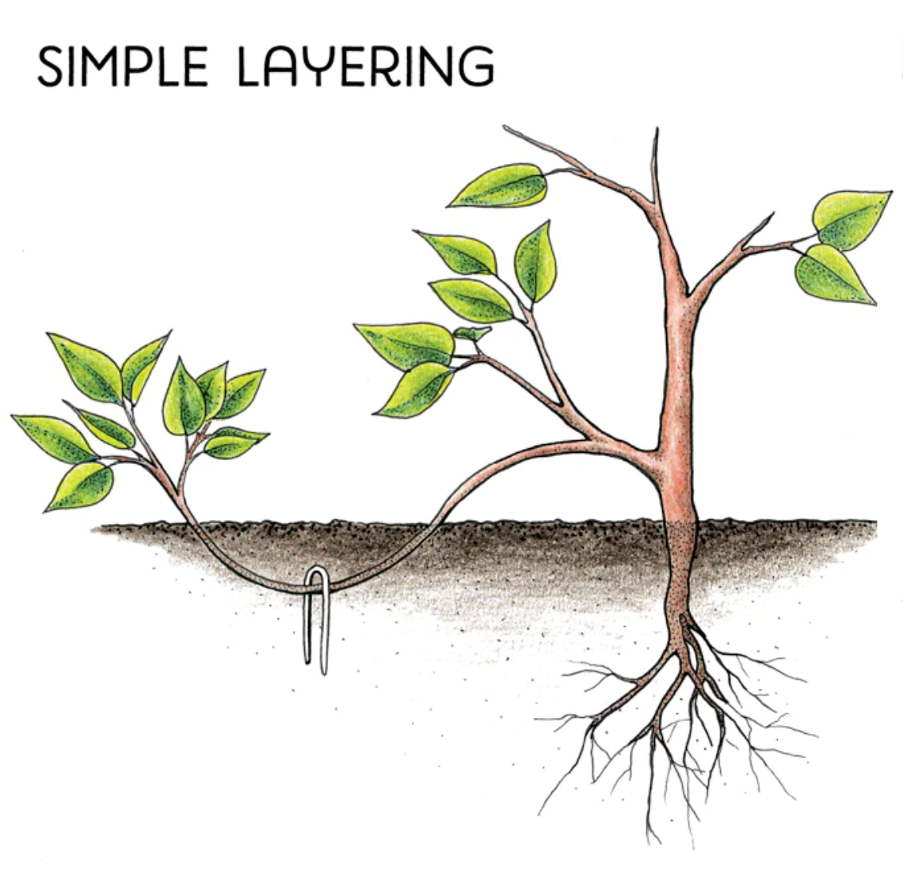
מבריכין. להשכיב האילן בארץ על ארכו ולהחזיר העפר עליו ויצמחו בו אילנות רבות.
Burying a shoot. Sinking a tree into the ground for its length and replacing the earth over it so that many trees will sprout from it.
מֵאֵיזֶה טַעַם אֵינוֹ מֵבִיא, מִשּׁוּם שֶׁנֶּאֱמַר, רֵאשִׁית בִּכּוּרֵי אַדְמָתְךָ (שמות כג), עַד שֶׁיְּהוּ כָל הַגִּדּוּלִין מֵאַדְמָתְךָ.
הָאֲרִיסִין וְהֶחָכוֹרוֹת וְהַסִּקָּרִיקוֹן וְהַגַּזְלָן, אֵין מְבִיאִין מֵאוֹתוֹ הַטַּעַם, מִשּׁוּם שֶׁנֶּאֱמַר, רֵאשִׁית בִּכּוּרֵי אַדְמָתְךָ:
For what reason may he not bring them? Because it is said, “The first-fruits of your land” (Exodus 23:19). Not unless all of their growth is from your land.
Sharecroppers, leasers, a sikarikon, and a robber do not bring them for the same reason, because it says, “The first-fruits of your land.”
אֵין מְבִיאִין בִּכּוּרִים חוּץ מִשִּׁבְעַת הַמִּינִים.
לֹא מִתְּמָרִים שֶׁבֶּהָרִים, וְלֹא מִפֵּרוֹת שֶׁבָּעֲמָקִים, וְלֹא מִזֵּיתֵי שֶׁמֶן שֶׁאֵינָם מִן הַמֻּבְחָר.
אֵין מְבִיאִין בִּכּוּרִים קֹדֶם לָעֲצֶרֶת.
אַנְשֵׁי הַר צְבוֹעִים הֵבִיאוּ בִכּוּרֵיהֶם קֹדֶם לָעֲצֶרֶת, וְלֹא קִבְּלוּ מֵהֶם, מִפְּנֵי הַכָּתוּב שֶׁבַּתּוֹרָה (שמות כג) וְחַג הַקָּצִיר בִּכּוּרֵי מַעֲשֶׂיךָ אֲשֶׁר תִּזְרַע בַּשָּׂדֶה:
Bikkurim are brought only from the seven species.
Not from dates grown on hills, nor from fruits grown in the valley, nor from olives that are not choice.
Bikkurim are not to be brought before Shavuot.
The people from Mt. Zevoim brought bikkurim prior to Shavuot, but they did not accept from them, on for it is written in the Torah: “And the festival of the harvest, the first-fruits of your labours, which you have sown in the field” (Exodus 23:16).
מִמּוֹשְׁבֹ֨תֵיכֶ֜ם תָּבִ֣יאּוּ ׀ לֶ֣חֶם תְּנוּפָ֗ה שְׁ֚תַּיִם שְׁנֵ֣י עֶשְׂרֹנִ֔ים סֹ֣לֶת תִּהְיֶ֔ינָה חָמֵ֖ץ תֵּאָפֶ֑ינָה בִּכּוּרִ֖ים לַֽיהֹוָֽה׃
You shall bring from your settlements two loaves of bread as an elevation offering; each shall be made of two-tenths of a measure of choice flour, baked after leavening, as first fruits to יהוה.
אֵלּוּ מְבִיאִין וְלֹא קוֹרִין, הַגֵּר מֵבִיא וְאֵינוֹ קוֹרֵא, שֶׁאֵינוֹ יָכוֹל לוֹמַר אֲשֶׁר נִשְׁבַּע ה' לַאֲבוֹתֵינוּ לָתֵת לָנוּ (דברים כ״ו:ג׳).
וְאִם הָיְתָה אִמּוֹ מִיִּשְׂרָאֵל, מֵבִיא וְקוֹרֵא.
וּכְשֶׁהוּא מִתְפַּלֵּל בֵּינוֹ לְבֵין עַצְמוֹ, אוֹמֵר, אֱלֹהֵי אֲבוֹת יִשְׂרָאֵל. וּכְשֶׁהוּא בְבֵית הַכְּנֶסֶת, אוֹמֵר, אֱלֹהֵי אֲבוֹתֵיכֶם. וְאִם הָיְתָה אִמּוֹ מִיִּשְׂרָאֵל, אוֹמֵר, אֱלֹהֵי אֲבוֹתֵינוּ:
These bring but do not recite:
the convert, since he cannot say, "Which you have sworn unto our forefathers to give to us” (Deuteronomy 26:3).
If his mother was an Israelite, then he brings and recites.
When he prays privately, he says: “God of the fathers of Israel,” but when he is in the synagogue, he should say: “The God of your fathers.” But if his mother was an Israelite, he says: “The God of our fathers’.
כל זה מבואר אלא שפסק הלכה מביא הגר עצמו בכורים וקורא וסמכו זה למה שאמר הש"י לאברהם (בראשית י״ז:ה׳) כי אב המון גוים נתתיך
אמרו לשעבר היית אב לארם עכשיו אתה אב לכל העולם כולו ומפני זה יכול כל גר לומר אשר נשבעת לאבותינו לפי שאברהם היה אב לכל העולם לפי שהוא למדם אמונה:
All this is clarified but the decision of the halakha is that the convert does bring and does recite. This is based on the verse (Genesis 17:5), "I have made you a father of many nations".
Before, you were a father to Aram but now you are a father to the whole world. For this reason every convert may recite, "Which you have sworn unto our forefathers", on the basis that Avraham was the father of whole world because he taught them about faith.
רַבִּי אֱלִיעֶזֶר בֶּן יַעֲקֹב אוֹמֵר, אִשָּׁה בַת גֵּרִים לֹא תִנָּשֵׂא לַכְּהֻנָּה, עַד שֶׁתְּהֵא אִמָּהּ מִיִּשְׂרָאֵל.
אֶחָד גֵּרִים וְאֶחָד עֲבָדִים מְשֻׁחְרָרִים, וַאֲפִלּוּ עַד עֲשָׂרָה דוֹרוֹת, עַד שֶׁתְּהֵא אִמָּן מִיִּשְׂרָאֵל.
הָאַפּוֹטְרוֹפּוֹס וְהַשָּׁלִיחַ וְהָעֶבֶד וְהָאִשָּׁה וְטֻמְטוּם וְאַנְדְּרוֹגִינוֹס, מְבִיאִין וְלֹא קוֹרִין, שֶׁאֵינָן יְכוֹלִין לוֹמַר (דברים כ״ו:י׳) אֲשֶׁר נָתַתָּה לִּי ה':
Rabbi Eliezer ben Yaakov says: a woman who is a daughter of a convert may not marry a priest unless her mother was an Israelite.
This applies whether converts or a freed slaves, even to ten generations, unless their mother is an Israelite.
A guardian, an agent, a slave, a woman, a tumtum [someone with no sexual organs], or a hermaphrodite bring but do not recite, since they cannot say: “Which you, O Lord, have given to me” (Deuteronomy 26:10).
הַקּוֹנֶה שְׁתֵּי אִילָנוֹת בְּתוֹךְ שֶׁל חֲבֵרוֹ, מֵבִיא וְאֵינוֹ קוֹרֵא. רַבִּי מֵאִיר אוֹמֵר, מֵבִיא וְקוֹרֵא.
יָבַשׁ הַמַּעְיָן, נִקְצַץ הָאִילָן, מֵבִיא וְאֵינוֹ קוֹרֵא. רַבִּי יְהוּדָה אוֹמֵר, מֵבִיא וְקוֹרֵא.
מֵעֲצֶרֶת וְעַד הֶחָג, מֵבִיא וְקוֹרֵא. מִן הֶחָג וְעַד חֲנֻכָּה, מֵבִיא וְאֵינוֹ קוֹרֵא. רַבִּי יְהוּדָה בֶן בְּתֵירָא אוֹמֵר, מֵבִיא וְקוֹרֵא:
Someone who buys two trees in his fellow's property brings bikkurim but does not recite. Rabbi Meir says: he brings and recites.
If the well dried up, or the tree was cut down, he brings but does not recite. Rabbi Judah says: he brings and recites.
From Atzeret (Shavuot) until the Festival he brings and recites. From the Festival until Hannukah he brings but does not recite. Rabbi Judah ben Batera says: he brings and recites.
רַבִּי אֱלִיעֶזֶר בֶּן יַעֲקֹב אוֹמֵר, יִשְׂרָאֵל שֶׁנָּשָׂא גִיּוֹרֶת, בִּתּוֹ כְשֵׁרָה לַכְּהֻנָּה. וְגֵר שֶׁנָּשָׂא בַת יִשְׂרָאֵל, בִּתּוֹ כְשֵׁרָה לַכְּהֻנָּה.
אֲבָל גֵּר שֶׁנָּשָׂא גִיּוֹרֶת, בִּתּוֹ פְסוּלָה לַכְּהֻנָּה. אֶחָד גֵּר וְאֶחָד עֲבָדִים מְשֻׁחְרָרִים, אֲפִלּוּ עַד עֲשָׂרָה דוֹרוֹת, עַד שֶׁתְּהֵא אִמּוֹ מִיִּשְׂרָאֵל.
רַבִּי יוֹסֵי אוֹמֵר, אַף גֵּר שֶׁנָּשָׂא גִיּוֹרֶת, בִּתּוֹ כְשֵׁרָה לַכְּהֻנָּה:
Rabbi Eliezer ben Ya’akov says: If there was an Israelite who married a female convert, his daughter is fit to marry into the priesthood, and similarly if there was a convert who married a Jewish woman, his daughter is fit to marry into the priesthood.
But if there was a male convert who married a female convert, his daughter is unfit to marry into the priesthood.
Whether converts or emancipated Canaanite slaves, their daughters are unfit to marry into the priesthood even up to ten generations.
This halakha applies to the offspring until his mother is born Jewish.
Rabbi Yosei says: Even if there was a male convert who married a female convert, his daughter is fit to marry into the priesthood.
הִפְרִישׁ בִּכּוּרָיו וּמָכַר שָׂדֵהוּ, מֵבִיא וְאֵינוֹ קוֹרֵא.
וְהַשֵּׁנִי, מֵאוֹתוֹ הַמִּין אֵינוֹ מֵבִיא, מִמִּין אַחֵר, מֵבִיא וְקוֹרֵא.
רַבִּי יְהוּדָה אוֹמֵר, אַף מֵאוֹתוֹ הַמִּין מֵבִיא וְקוֹרֵא:
Someone who sets aside his bikkurim and sold his field brings but does not recite.
The second one does not bring from the same species, but of another species he brings and recites.
Rabbi Judah says: he may also bring of the same kind and recite.
הִפְרִישׁ בִּכּוּרָיו, נִבְזְזוּ, נָמַקּוּ, נִגְנְבוּ, אָבְדוּ, אוֹ שֶׁנִּטְמְאוּ, מֵבִיא אֲחֵרִים תַּחְתֵּיהֶם וְאֵינוֹ קוֹרֵא. וְהַשְּׁנִיִּים אֵינָם חַיָּבִים עֲלֵיהֶם חֹמֶשׁ. נִטְמְאוּ בָעֲזָרָה, נוֹפֵץ וְאֵינוֹ קוֹרֵא:
If one set aside his bikkurim and they were robbed, or rotted, were stolen or lost, or became unclean, he must bring others in their place, but does not recite.
These others are not subject to the law of the fifth. If they become unclean while in the Temple court, he must scatter them and he does not recite.
הגדתי היום. פַּעַם אַחַת בַּשָּׁנָה וְלֹא שְׁתֵּי פְעָמִים (ספרי):
I recite today. — Once a year, but not twice a year. (Sifrei Devarim 299:2).
וּמִנַּיִן שֶׁהוּא חַיָּב בְּאַחֲרָיוּתָן עַד שֶׁיָּבִיא לְהַר הַבַּיִ?,
שֶׁנֶּאֱמַר (שמות כג) רֵאשִׁית בִּכּוּרֵי אַדְמָתְךָ תָּבִיא בֵּית ה' אֱלֹהֶיךָ, מְלַמֵּד שֶׁחַיָּב בְּאַחֲרָיוּתָם עַד שֶׁיָּבִיא לְהַר הַבָּיִת.
הֲרֵי שֶׁהֵבִיא מִמִּין אֶחָד וְקָרָא, וְחָזַר וְהֵבִיא מִמִּין אַחֵר, אֵינוֹ קוֹרֵא:
How do we know someone is responsible [for his bikkurim] until he brings them to the temple Mount?
Because it says: “The first of the first-fruits of your land you shall bring into the house of the Lord your God” (Exodus 23:19) this teaches that he is responsible until he brings them to the Temple Mount.
If he brought from one species and made the recital and then brought from another species, he does not recite.
וְאֵלּוּ מְבִיאִין וְקוֹרִין, מִן הָעֲצֶרֶת וְעַד הֶחָג, מִשִּׁבְעַת הַמִּינִים, מִפֵּרוֹת שֶׁבֶּהָרִים, מִתְּמָרוֹת שֶׁבָּעֲמָקִים, וּמִזֵּיתֵי שֶׁמֶן, מֵעֵבֶר הַיַּרְדֵּן. רַבִּי יוֹסֵי הַגְּלִילִי אוֹמֵר, אֵין מְבִיאִין בִּכּוּרִים מֵעֵבֶר הַיַּרְדֵּן, שֶׁאֵינָהּ אֶרֶץ זָבַת חָלָב וּדְבָשׁ:
These bring and recite: From Atzeret (Shavuot) until the Festival (Sukkot), from the seven species, from fruit grown on the mountains, or dates grown in the valleys, from oil-olives, and from the other side of the Jordan.
Rabbi Yose the Galilean says: one does not bring from the other side of the Jordan, since that is not a land flowing with milk and honey.
הַקּוֹנֶה שְׁלֹשָׁה אִילָנוֹת בְּתוֹךְ שֶׁל חֲבֵרוֹ, מֵבִיא וְקוֹרֵא. רַבִּי מֵאִיר אוֹמֵר, אֲפִלּוּ שְׁנָיִם.
קָנָה אִילָן וְקַרְקָעוֹ, מֵבִיא וְקוֹרֵא. רַבִּי יְהוּדָה אוֹמֵר, אַף בַּעֲלֵי אֲרִיסוּת וְחָכוֹרוֹת, מְבִיאִין וְקוֹרִין:
Someone who buys three trees in his neighbour's property brings and recites. Rabbi Meir says: even two.
If he bought one tree with its land, he brings and recites.
Rabbi Judah says: even sharecroppers and leasers bring and recite.
Chapter 2 begins with analytics on three kinds of offerings and then goes on to other kinds of analytics. We return to bukkurim and their processes in Chapter 3.
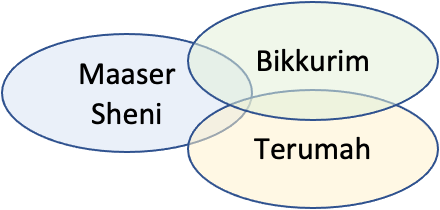
הַתְּרוּמָה וְהַבִּכּוּרִים, חַיָּבִים עֲלֵיהֶן מִיתָה וְחֹמֶשׁ, וַאֲסוּרִים לְזָרִים, וְהֵם נִכְסֵי כֹהֵן, וְעוֹלִין בְּאֶחָד וּמֵאָה, וּטְעוּנִין רְחִיצַת יָדַיִם וְהַעֲרֵב שֶׁמֶשׁ.
הֲרֵי אֵלּוּ בִתְרוּמָה וּבִכּוּרִים, מַה שֶׁאֵין כֵּן בַּמַּעֲשֵׂר:
Terumah and bikkurim.
Someone who eats both of them is liable to death, both require a fifth, both are forbidden to non-priests, both are the property of the priest, and both "go up" when diluted at 101:1, and they require washing of hands, and the setting of the sun.
These apply to terumah and bikkurim, but not to maaser.
יֵשׁ בְּמַעֲשֵׂר וּבִכּוּרִים מַה שֶּׁאֵין כֵּן בַּתְּרוּמָה, שֶׁהַמַּעֲשֵׂר וְהַבִּכּוּרִים טְעוּנִים הֲבָאַת מָקוֹם, וּטְעוּנִים וִדּוּי, וַאֲסוּרִין לָאוֹנֵן.
רַבִּי שִׁמְעוֹן מַתִּיר.
וְחַיָּבִין בַּבִּעוּר. וְרַבִּי שִׁמְעוֹן פּוֹטֵר.
וַאֲסוּרִין כָּל שֶׁהֵן מִלֶּאֱכֹל בִּירוּשָׁלַיִם. וְגִדּוּלֵיהֶן אֲסוּרִים מִלֶּאֱכֹל בִּירוּשָׁלַיִם אַף לְזָרִים וְלַבְּהֵמָה. רַבִּי שִׁמְעוֹן מַתִּיר. הֲרֵי אֵלּוּ בַּמַּעֲשֵׂר וּבַבִּכּוּרִים, מַה שֶּׁאֵין כֵּן בַּתְּרוּמָה:
Maaser and bikkurim but not terumah.
Maaser and bikkurim must both be brought to Place, they require recitation, they are forbidden to an onen.
Rabbi Shimon permits.
They are subject to removal. And Rabbi Shimon exempts.
And in Jerusalem the slightest mixture of them is forbidden to be consumed. And what grows from them in Jerusalem is forbidden to non-priests or to cattle (Rabbi Shimon permits).
These apply to maaser and bikkurim, but not to terumah.
יֵשׁ בַּתְּרוּמָה וְבַמַּעֲשֵׂר מַה שֶּׁאֵין כֵּן בַּבִּכּוּרִים, שֶׁהַתְּרוּמָה וְהַמַּעֲשֵׂר אוֹסְרִין אֶת הַגֹּרֶן, וְיֵשׁ לָהֶם שִׁעוּר, וְנוֹהֲגִים בְּכָל הַפֵּרוֹת, בִּפְנֵי הַבַּיִת וְשֶׁלֹּא בִפְנֵי הַבַּיִת, וּבָאֲרִיסִין וּבֶחָכוֹרוֹת וּבַסִּקָּרִיקוֹן וּבַגַּזְלָן. הֲרֵי אֵלּוּ בַתְּרוּמָה וּבַמַּעֲשֵׂר, מַה שֶּׁאֵין כֵּן בַּבִּכּוּרִים:
Terumah and maaser but not bikkurim.
Terumah and maaser render the threshing-floor forbidden, they have a set amount, they apply to all produce both during and after Temple times, they apply to to sharecroppers, leasers, or sikarikon, and robbers. These are [the laws] which apply to terumah and maaser [sheni], but not to bikkurim.
These apply to terumah and maaser, but not to bikkurim.
וְיֵשׁ בַּבִּכּוּרִים מַה שֶּׁאֵין כֵּן בַּתְּרוּמָה וּבַמַּעֲשֵׂר, שֶׁהַבִּכּוּרִים נִקְנִין בִּמְחֻבָּר לַקַּרְקַע,
וְעוֹשֶׂה אָדָם כָּל שָׂדֵהוּ בִּכּוּרִים,
וְחַיָּב בְּאַחֲרָיוּתָם,
וּטְעוּנִים קָרְבָּן וְשִׁיר וּתְנוּפָה וְלִינָה:
Apects of bikkurim which do not apply to terumah or maaser sheni.
Bikkurim can become acquired while still attached to the soil.
And a person may make his entire field bikkurim.
He is responsible for them.
And they require a sacrifice, a song, waving and spending the night in Jerusalem.
תְּרוּמַת מַעֲשֵׂר שָׁוָה לַבִּכּוּרִים בִּשְׁתֵּי דְרָכִים, וְלַתְּרוּמָה בִּשְׁתֵּי דְרָכִים.
נִטֶּלֶת מִן הַטָּהוֹר עַל הַטָּמֵא, וְשֶׁלֹּא מִן הַמֻּקָּף, כַּבִּכּוּרִים.
וְאוֹסֶרֶת אֶת הַגֹּרֶן, וְיֶשׁ לָהּ שִׁעוּר, כַּתְּרוּמָה:
Terumat maaser is like bikkurim in two ways, and like terumah in two other ways.
It may be taken from pure produce for impure produce; And from such produce that is not in close proximity, like bikkurim. And it renders the contents of the threshing-floor forbidden and has a prescribed amount like terumah.
אֶתְרוֹג שָׁוֶה לָאִילָן בִּשְׁלֹשָׁה דְרָכִים, וְלַיָּרָק בְּדֶרֶךְ אֶחָד.
שָׁוֶה לָאִילָן, בָּעָרְלָה וּבָרְבָעִי וּבַשְּׁבִיעִית. וְלַיָּרָק בְּדֶרֶךְ אֶחָד, שֶׁבִּשְׁעַת לְקִיטָתוֹ עִשּׂוּרוֹ, דִּבְרֵי רַבָּן גַּמְלִיאֵל.
רַבִּי אֱלִיעֶזֶר אוֹמֵר, שָׁוֶה לָאִילָן בְּכָל דָּבָר:
An etrog is like a tree in three ways and like a vegetable one way.
It is like a tree for orlah, fourth year planting, and the seventh year; it is similar to a vegetable in one thing: that its tithing goes according to the time it is harvested, the words of Rabban Gamaliel.
Rabbi Eliezer says: it is like a tree in everything.
דַּם מְהַלְּכֵי שְׁתַּיִם, שָׁוֶה לְדַם בְּהֵמָה, לְהַכְשִׁיר אֶת הַזְּרָעִים.
וְדַם הַשֶּׁרֶץ, אֵין חַיָּבִין עָלָיו:
The blood of two-legged animals is like the blood of beasts in that it renders seeds susceptible to impurity.
And like the blood of a creepy-crawly in that one is not liable for eating it.
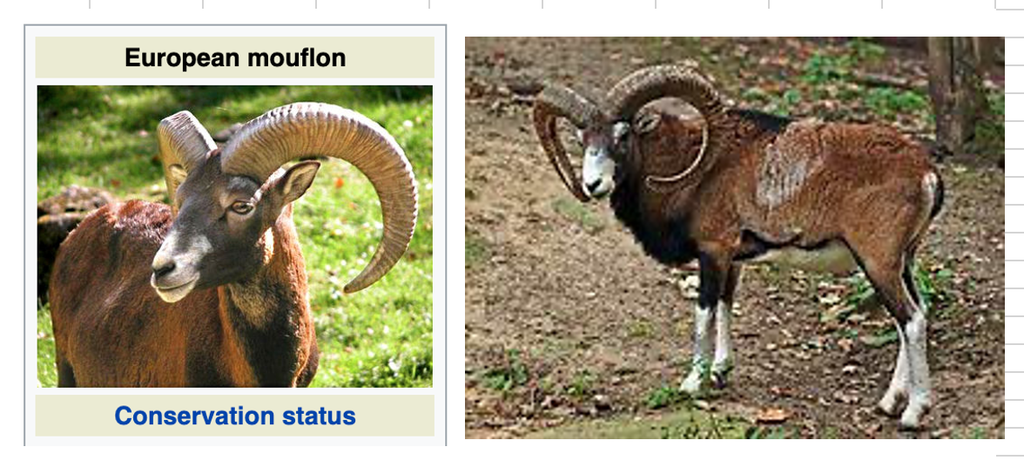
הכוי. הוא מין מורכב מן העז ומן הצבי וכן אמרו כוי בריה בפני עצמה היא ולא הכריעו בה חכמים אם מין בהמה או חיה היא ונתנו עליו חומרי בהמה וחומרי חיה כמו שיתבאר לקמן:
The koy. It is a cross-breed from a goat and deer and it is said that it is unique - the sages did not agree whether it was wild or domesticated so they judged it stringently according to both possibilities as is clarified below.
כּוֹי, יֶשׁ בּוֹ דְרָכִים שָׁוֶה לַחַיָּה, וְיֶשׁ בּוֹ דְרָכִים שָׁוֶה לַבְּהֵמָה, וְיֶשׁ בּוֹ דְרָכִים שָׁוֶה לַבְּהֵמָה וְלַחַיָּה, וְיֶשׁ בּוֹ דְרָכִים שֶׁאֵינוֹ שָׁוֶה לֹא לַבְּהֵמָה וְלֹא לַחַיָּה:
A koy has aspects like a wild animal; and aspects like a domesticated animal; and aspects like both a wild and a domestic animal; and aspects like neither a wild nor a domestic animal.
כֵּיצַד שָׁוֶה לַחַיָּה,
דָּמוֹ טָעוּן כִּסּוּי כְּדַם חַיָּה, וְאֵין שׁוֹחֲטִין אוֹתוֹ בְּיוֹם טוֹב, וְאִם שְׁחָטוֹ, אֵין מְכַסִּין אֶת דָּמוֹ,
וְחֶלְבּוֹ מְטַמֵּא בְטֻמְאַת נְבֵלָה כַּחַיָּה, וְטֻמְאָתוֹ בְסָפֵק, וְאֵין פּוֹדִין בּוֹ פֶּטֶר חֲמוֹר:
How is it like a wild animal?
Its blood must be covered like the blood of a wild animal, and it may not be slaughtered on a festival. If he slaughtered it, he should not cover its blood.
Its fat carries impurity like that of a wild animal, but its impurity is of doubtful status. One does not redeem with it the first-born of a donkey.
וְאִ֨ישׁ אִ֜ישׁ מִבְּנֵ֣י יִשְׂרָאֵ֗ל וּמִן־הַגֵּר֙ הַגָּ֣ר בְּתוֹכָ֔ם אֲשֶׁ֨ר יָצ֜וּד צֵ֥יד חַיָּ֛ה אוֹ־ע֖וֹף אֲשֶׁ֣ר יֵאָכֵ֑ל וְשָׁפַךְ֙ אֶת־דָּמ֔וֹ וְכִסָּ֖הוּ בֶּעָפָֽר׃
And if any Israelite or any stranger who resides among them hunts a wild animal or a bird that may be eaten, he shall pour out its blood and cover it with earth.
ואין שוחטין אותו ביום טוב. לפי שאסור לכסות את דמו, ואע״ג דאפר כירה מוכן הוא, מוכן לודאי ואינו מוכן לספק:
It may not be slaughtered on a festival – Because it is prohibited to cover its blood. Even though ashes of the stove are ready, they are ready/prepared for something definitive, but not something doubtful.
וְחֵ֤לֶב נְבֵלָה֙ וְחֵ֣לֶב טְרֵפָ֔ה יֵעָשֶׂ֖ה לְכׇל־מְלָאכָ֑ה וְאָכֹ֖ל לֹ֥א תֹאכְלֻֽהוּ׃
Fat from animals that died or were torn by beasts may be put to any use, but you must not eat it.
וּפֶ֤טֶר חֲמוֹר֙ תִּפְדֶּ֣ה בְשֶׂ֔ה וְאִם־לֹ֥א תִפְדֶּ֖ה וַעֲרַפְתּ֑וֹ
But the firstling of an ass you shall redeem with a sheep; if you do not redeem it, you must break its neck.
כֵּיצַד שָׁוֶה לַבְּהֵמָה,
חֶלְבּוֹ אָסוּר כְּחֵלֶב בְּהֵמָה, וְאֵין חַיָּבִין עָלָיו כָּרֵת,
וְאֵינוֹ נִלְקָח בְּכֶסֶף מַעֲשֵׂר לֶאֱכֹל בִּירוּשָׁלַיִם, וְחַיָּב בִּזְרוֹעַ וּלְחָיַיִם וְקֵבָה.
רַבִּי אֱלִיעֶזֶר פּוֹטֵר, שֶׁהַמּוֹצִיא מֵחֲבֵרוֹ עָלָיו הָרְאָיָה:
How is it like a domesticated animal?
Its fat is prohibited like the fat of a domesticated animal, but one is not liable for karet (for eating it).
It may not be bought with the money from second tithe to be eaten in Jerusalem.
It is subject to the shoulder, the cheeks and the stomach.
Rabbi Eliezer exempts it because the burden of proof is upon the one who takes from his neighbour.
לשון התורה שאין אסור לנו אלא חלב ג'מיני בהמה שור או כשב ועז וזה לפי שהוא ספק עז נאסר חלבו ואין אדם חייב עליו כרת לפי שהוא ספק:
According to the Torah we are only forbidden the fat of three species of cattle: ox, sheep and goat. Because this might possibly be a goat its fat is prohibited but someone is not subject to karet because of a possibility.
וכבר בארנו בפרק הראשון מ מס' מע"ש שאסור לקנות בהמה בכסף מע"ש אלא קרבן שלמים ולפיכך אסור לאדם לקנות הכוי ממעות מע"ש לפי שהוא ספק בהמה וא"א להקריבו שלמים לפי שהוא ספק חיה:
We have already explained in the first chapter of Maaser Sheni that one is only permitted to buy cattle for a peace-offering with Maaser Sheni money. So it is forbidden to buy a "koy" with Maaser Sheni money because it is only doubtfully cattle and it is not possible to bring a peace-offering that is possibly a wild animal.
וְזֶ֡ה יִהְיֶה֩ מִשְׁפַּ֨ט הַכֹּהֲנִ֜ים מֵאֵ֣ת הָעָ֗ם מֵאֵ֛ת זֹבְחֵ֥י הַזֶּ֖בַח אִם־שׁ֣וֹר אִם־שֶׂ֑ה וְנָתַן֙ לַכֹּהֵ֔ן הַזְּרֹ֥עַ וְהַלְּחָיַ֖יִם וְהַקֵּבָֽה׃
This then shall be the priests’ due from the people: Everyone who offers a sacrifice, whether an ox or a sheep, must give the shoulder, the cheeks, and the stomach to the priest.
כֵּיצַד אֵינוֹ שָׁוֶה לֹא לַחַיָּה וְלֹא לַבְּהֵמָה, אָסוּר מִשּׁוּם כִּלְאַיִם עִם הַחַיָּה וְעִם הַבְּהֵמָה,
הַכּוֹתֵב חַיָּתוֹ וּבְהֶמְתּוֹ לִבְנוֹ, לֹא כָתַב לוֹ אֶת הַכּוֹי,
אִם אָמַר הֲרֵינִי נָזִיר שֶׁזֶּה חַיָּה וּבְהֵמָה, הֲרֵי הוּא נָזִיר.
וּשְׁאָר כָּל דְּרָכָיו, שָׁוִים לַחַיָּה וְלַבְּהֵמָה, וְטָעוּן שְׁחִיטָה כָּזֶה וְכָזֶה, וּמְטַמֵּא מִשּׁוּם נְבֵלָה וּמִשּׁוּם אֵבֶר מִן הַחַי כָּזֶה וְכָזֶה:
How is it like neither a wild nor a domesticated animal?
It is forbidden because of kilayim [to yoke it] with either a wild or a domesticated animal. Someone who writes his son his wild and his domesticated animal has not written him the koy.
If one says, “I will become a nazir if this is a wild and a [or a] domesticated animal”, he is a nazir.
In all other ways it is like a a wild and a domesticated animal: it requires slaughtering like them both; it carries impurity from carrion and as a limb of a living being like them both.
כֵּיצַד מַפְרִישִׁין הַבִּכּוּרִים. יוֹרֵד אָדָם בְּתוֹךְ שָׂדֵהוּ וְרוֹאֶה תְּאֵנָה שֶׁבִּכְּרָה, אֶשְׁכּוֹל שֶׁבִּכֵּר, רִמּוֹן שֶׁבִּכֵּר, קוֹשְׁרוֹ בְגֶמִי, וְאוֹמֵר, הֲרֵי אֵלּוּ בִּכּוּרִים.
רַבִּי שִׁמְעוֹן אוֹמֵר, אַף עַל פִּי כֵן חוֹזֵר וְקוֹרֵא אוֹתָם בִּכּוּרִים מֵאַחַר שֶׁיִּתָּלְשׁוּ מִן הַקַּרְקָע:
How does one set aside first-fruits? A person goes down into his field and sees a fig that ripened, or a cluster of grapes that ripened, or a pomegranate that ripened, ties a reed-rope around it and says: “Let these be bikkurim.”
Rabbi Shimon says: even so, he must designate them as first-fruits again after they have been plucked from the soil.
כֵּיצַד מַעֲלִין אֶת הַבִּכּוּרִים.
כָּל הָעֲיָרוֹת שֶׁבַּמַּעֲמָד מִתְכַּנְּסוֹת לָעִיר שֶׁל מַעֲמָד, וְלָנִין בִּרְחוֹבָהּ שֶׁל עִיר, וְלֹא הָיוּ נִכְנָסִין לַבָּתִּים.
וְלַמַּשְׁכִּים, הָיָה הַמְמֻנֶּה אוֹמֵר (ירמיה לא), קוּמוּ וְנַעֲלֶה צִיּוֹן אֶל בֵּית ה' אֱלֹהֵינוּ:
How are the first-fruits brought up?
All the the cities of the maamad would assemble in the city of the maamad, and they would spend the night in the open street of the town, not entering any of the houses.
Early in the morning the officer would say: “Let us arise and go up to Zion, into the house of the Lord our God” (Jeremiah 31:5).
אֵלּוּ הֵן מַעֲמָדוֹת, לְפִי שֶׁנֶּאֱמַר (במדבר כח), צַו אֶת בְּנֵי יִשְׂרָאֵל וְאָמַרְתָּ אֲלֵהֶם אֶת קָרְבָּנִי לַחְמִי, וְכִי הֵיאַךְ קָרְבָּנוֹ שֶׁל אָדָם קָרֵב, וְהוּא אֵינוֹ עוֹמֵד עַל גַּבָּיו,
הִתְקִינוּ נְבִיאִים הָרִאשׁוֹנִים עֶשְׂרִים וְאַרְבַּע מִשְׁמָרוֹת. עַל כָּל מִשְׁמָר וּמִשְׁמָר הָיָה מַעֲמָד בִּירוּשָׁלַיִם שֶׁל כֹּהֲנִים, שֶׁל לְוִיִּם, וְשֶׁל יִשְׂרְאֵלִים.
הִגִּיעַ זְמַן הַמִּשְׁמָר לַעֲלוֹת, כֹּהֲנִים וּלְוִיִּם עוֹלִים לִירוּשָׁלַיִם, וְיִשְׂרָאֵל שֶׁבְּאוֹתוֹ מִשְׁמָר מִתְכַּנְּסִין לְעָרֵיהֶן וְקוֹרְאִין בְּמַעֲשֵׂה בְרֵאשִׁית:
These are the maamadot.
It is stated: “Command the children of Israel and say to them: My offering of food, which is presented to Me made by a fire, of a sweet savor to Me, you shall guard the sacrifice to Me in its due season” (Numbers 28:2).
How can a person’s offering be sacrificed when he is not standing next to it?
The early prophets ordained twenty-four priestly watches. For each and every priestly watch there was a maamad in Jerusalem of priests, Levites, and Israelites.
When the time arrived a priestly watch to ascend, the priests and Levites would ascend to Jerusalem. And the Israelites in that priestly watch would gather in their towns and read from the Creation.
מֵרָח֕וֹק יְהֹוָ֖ה נִרְאָ֣ה לִ֑י וְאַהֲבַ֤ת עוֹלָם֙ אֲהַבְתִּ֔יךְ עַל־כֵּ֖ן מְשַׁכְתִּ֥יךְ חָֽסֶד׃ ע֤וֹד אֶבְנֵךְ֙ וְֽנִבְנֵ֔ית בְּתוּלַ֖ת יִשְׂרָאֵ֑ל ע֚וֹד תַּעְדִּ֣י תֻפַּ֔יִךְ וְיָצָ֖את בִּמְח֥וֹל מְשַׂחֲקִֽים׃ ע֚וֹד תִּטְּעִ֣י כְרָמִ֔ים בְּהָרֵ֖י שֹֽׁמְר֑וֹן נָטְע֥וּ נֹטְעִ֖ים וְחִלֵּֽלוּ׃ כִּ֣י יֶשׁ־י֔וֹם קָרְא֥וּ נֹצְרִ֖ים בְּהַ֣ר אֶפְרָ֑יִם ק֚וּמוּ וְנַעֲלֶ֣ה צִיּ֔וֹן אֶל־יְהֹוָ֖ה אֱלֹהֵֽינוּ׃ {פ}
The Lord appeared of old to me, saying, I have loved thee with an everlasting love: therefore I have remained true to thee. Again I will build thee, and thou shalt be built, O virgin of Yisra᾽el: thou shalt again be adorned with thy timbrels, and shalt go out dancing with them that make merry. Thou shalt yet plant vines upon the mountains of Shomron: the planters shall plant, and shall enjoy the fruit. For there shall be a day, that the watchmen upon the mount Efrayim shall cry, Arise, and let us go up to Zion to the Lord our God.
הַקְּרוֹבִים מְבִיאִים הַתְּאֵנִים וְהָעֲנָבִים, וְהָרְחוֹקִים מְבִיאִים גְּרוֹגָרוֹת וְצִמּוּקִים.
וְהַשּׁוֹר הוֹלֵךְ לִפְנֵיהֶם, וְקַרְנָיו מְצֻפּוֹת זָהָב, וַעֲטֶרֶת שֶׁל זַיִת בְּרֹאשׁוֹ. הֶחָלִיל מַכֶּה לִפְנֵיהֶם, עַד שֶׁמַּגִּיעִים קָרוֹב לִירוּשָׁלָיִם.
הִגִּיעוּ קָרוֹב לִירוּשָׁלַיִם, שָׁלְחוּ לִפְנֵיהֶם, וְעִטְּרוּ אֶת בִּכּוּרֵיהֶם. הַפַּחוֹת, הַסְּגָנִים וְהַגִּזְבָּרִים יוֹצְאִים לִקְרָאתָם. לְפִי כְבוֹד הַנִּכְנָסִים הָיוּ יוֹצְאִים. וְכָל בַּעֲלֵי אֻמָּנִיּוֹת שֶׁבִּירוּשָׁלַיִם עוֹמְדִים לִפְנֵיהֶם וְשׁוֹאֲלִין בִּשְׁלוֹמָם, אַחֵינוּ אַנְשֵׁי הַמָּקוֹם פְּלוֹנִי, בָּאתֶם לְשָׁלוֹם:
Those who lived near would bring fresh figs and grapes, while those who lived far away would bring dried figs and raisins.
The ox would go in front of them, his horns bedecked with gold and with an olive-crown on its head. The flute would play before them until they would draw close to Jerusalem.
When they drew close to Jerusalem they would send messengers in advance, and they would adorn their bikkurim. The governors and chiefs and treasurers [of the Temple] would go out to greet them. According to the status of the those who arrived they would go forth.
And all the skilled artisans of Jerusalem would stand up before them and greet them saying, “Our brothers, men of such and such a place, you have come in peace.”
הֶחָלִיל מַכֶּה לִפְנֵיהֶם עַד שֶׁמַּגִּיעִין לְהַר הַבָּיִת.
הִגִּיעוּ לְהַר הַבַּיִת, אֲפִלּוּ אַגְרִיפַּס הַמֶּלֶךְ נוֹטֵל הַסַּל עַל כְּתֵפוֹ וְנִכְנָס, עַד שֶׁמַּגִּיעַ לָעֲזָרָה. הִגִּיעַ לָעֲזָרָה וְדִבְּרוּ הַלְוִיִּם בַּשִּׁיר, אֲרוֹמִמְךָ ה' כִּי דִלִּיתָנִי וְלֹא שִׂמַּחְתָּ אֹיְבַי לִי (תהלים ל):
The flute would play before them, until they reached the Temple Mount.
When they reached the Temple Mount even King Agrippas would take the basket and place it on his shoulder and walk as far as the Temple Court. When he got to the Temple Court, the Levites would sing the song: “I will extol You, O Lord, for You have raised me up, and You have not let my enemies rejoice over me” (Psalms 30:2).
לשון התורה הוא שיהיה אדם בעצמו נושא הבכורים ונותנן ביד הכהן אמר הש"י (דברים כ״ו:ד׳) ולקח הכהן הטנא מידך:
The Torah says that a person should carry the first-fruits themselves and give them into the hand of the priest . . . "And the priest shall take the basket out of thy hand"
הַגּוֹזָלוֹת שֶׁעַל גַּבֵּי הַסַּלִּים, הָיוּ עוֹלוֹת. וּמַה שֶּׁבְּיָדָם, נוֹתְנִים לַכֹּהֲנִים:
The birds on the basket were burnt-offerings, and those which they held in their hands they give to the priests.
עוֹדֵהוּ הַסַּל עַל כְּתֵפוֹ, קוֹרֵא מֵהִגַּדְתִּי הַיּוֹם לַה' אֱלֹהֶיךָ (דברים כו), עַד שֶׁגּוֹמֵר כָּל הַפָּרָשָׁה.
רַבִּי יְהוּדָה אוֹמֵר עַד אֲרַמִּי אֹבֵד אָבִי. הִגִּיעַ לַאֲרַמִּי אֹבֵד אָבִי, מוֹרִיד הַסַּל מֵעַל כְּתֵפוֹ וְאוֹחֲזוֹ בְשִׂפְתוֹתָיו, וְכֹהֵן מַנִּיחַ יָדוֹ תַחְתָּיו וּמְנִיפוֹ, וְקוֹרֵא מֵאֲרַמִּי אֹבֵד אָבִי עַד שֶׁהוּא גוֹמֵר כָּל הַפָּרָשָׁה, וּמַנִּיחוֹ בְּצַד הַמִּזְבֵּחַ, וְהִשְׁתַּחֲוָה וְיָצָא:
While the basket was still on his shoulder he recites from: "I declare today to the Lord thy God" . . . . (Deuteronomy 26:3) until he completes the passage.
Rabbi Judah said: until “My father was a wandering Aramean”. When he reaches, “My father was a wandering Aramean”, he takes the basket off his shoulder and holds it by its edges, and the priest places his hand beneath it and waves it and he recites from “My father was a wandering Aramean” until he finishes the whole passage.
He deposits the basket by the side of the altar, prostrates and departs.
בָּרִאשׁוֹנָה, כָּל מִי שֶׁיּוֹדֵעַ לִקְרוֹת, קוֹרֵא. וְכָל מִי שֶׁאֵינוֹ יוֹדֵעַ לִקְרוֹת, מַקְרִין אוֹתוֹ.
נִמְנְעוּ מִלְּהָבִיא, הִתְקִינוּ שֶׁיְּהוּ מַקְרִין אֶת מִי שֶׁיּוֹדֵעַ וְאֶת מִי שֶׁאֵינוֹ יוֹדֵעַ:
Originally all who knew how to read would recite, while for those who did not know how to read, someone would read it for them.
But when people refrained from bringing, they decreed that someone should read the words both for those who knew and for those who did not know.
שמונה פסוקים שבתורה . . . ומה שנוהגים עתה לקרוא שנים [בכל התורה] אומר ר"ת כדי שלא יתבייש מי שאינו יודע לקרות בעצמו כענין שמצינו במסכת ביכורים (פ"ג מ"ז)
The eight verses in the Torah. . . . Current practice, that two people read [the whole Torah] is, according to Rabbeinu Tam, so that someone who does not know how to read by himself should not be embarrassed, as we found in the tractate of Bikkurim (3:7) . . .
הָעֲשִׁירִים מְבִיאִים בִּכּוּרֵיהֶם בִּקְלָתוֹת שֶׁל כֶּסֶף וְשֶׁל זָהָב, וְהָעֲנִיִּים מְבִיאִין אוֹתָם בְּסַלֵּי נְצָרִים שֶׁל עֲרָבָה קְלוּפָה, וְהַסַּלִּים וְהַבִּכּוּרִים נִתָּנִין לַכֹּהֲנִים:
The rich would bring their bikkurim in containers of silver or gold, while the poor used wicker-baskets of peeled willow-branches, and the baskets and the bikkurim were given to the priest.
אמר ליה רבא לרבה בר מרי מנא הא מילתא דאמרי אינשי בתר עניא אזלא עניותא
אמר ליה דתנן עשירים מביאין בכורים בקלתות של זהב ושל כסף ועניים בסלי נצרים של ערבה קלופה הסלים והבכורים נותנים לכהנים אמר ליה את אמרת מהתם ואנא אמינא מהכא
Rava said to Rabba bar Mari: From where is derived this saying: Poverty follows the poor?
Rabba bar Mari said to him: As we learned in a mishna (Bikkurim 3:8): Rich people would bring first fruits in containers of gold and of silver, and poor people would bring first fruits in wicker baskets made of peeled willow, and they would give the baskets and the first fruits to the priests. The rich would have their baskets returned to them, while the poor would not. Rava said to him: You said the proof from there, from a mishna, and I say the proof from here, from a verse in the Torah:
רַבִּי שִׁמְעוֹן בֶּן נַנָּס אוֹמֵר, מְעַטְּרִין אֶת הַבִּכּוּרִים חוּץ מִשִּׁבְעַת הַמִּינִים. רַבִּי עֲקִיבָא אוֹמֵר, אֵין מְעַטְּרִין אֶת הַבִּכּוּרִים אֶלָּא מִשִּׁבְעַת הַמִּינִים:
Rabbi Shimon ben Nanas says: they would decorate the bikkurim with other than the seven species.
But Rabbi Akiva says: they may decorate only with produce of the seven kinds.
והלכה כר"ע:
The halakha follows Rabbi Akiva.
רַבִּי שִׁמְעוֹן אוֹמֵר, שָׁלֹשׁ מִדּוֹת בַּבִּכּוּרִים, הַבִּכּוּרִים, וְתוֹסֶפֶת הַבִּכּוּרִים, וְעִטּוּר הַבִּכּוּרִים. תּוֹסֶפֶת הַבִּכּוּרִים, מִין בְּמִינוֹ. וְעִטּוּר הַבִּכּוּרִים, מִין בְּשֶׁאֵינוֹ מִינוֹ.
תּוֹסֶפֶת הַבִּכּוּרִים נֶאֱכֶלֶת בְּטָהֳרָה, וּפְטוּרָה מִן הַדְּמַאי. וְעִטּוּר הַבִּכּוּרִים חַיָּב בַּדְּמַאי:
Rabbi Shimon [bar Yochai] says: there are three elements in bikkurim: the bikkurim, the additions to the bikkurim, and the ornamentations of the bikkurim.
The additions to the bikkurim must be of the same species but the ornamentations can be of a different species.
The additions to the bikkurim can only be eaten in purity, and are exempt from demai. But the ornamentations of the bikkurim are subject to demai.
אֵימָתַי אָמְרוּ תּוֹסֶפֶת הַבִּכּוּרִים כַּבִּכּוּרִים, בִּזְמַן שֶׁהִיא בָאָה מִן הָאָרֶץ.
וְאִם אֵינָהּ בָּאָה מִן הָאָרֶץ, אֵינָהּ כַּבִּכּוּרִים:
When did they say that the additions to the bikkurim are like bikkurim? When they come from the Land.
And if they do not come from the Land, they are not bikkurim.
לְמָה אָמְרוּ הַבִּכּוּרִים כְּנִכְסֵי כֹהֵן, שֶׁהוּא קוֹנֶה מֵהֶם עֲבָדִים וְקַרְקָעוֹת וּבְהֵמָה טְמֵאָה, וּבַעַל חוֹב נוֹטְלָן בְּחוֹבוֹ, וְהָאִשָּׁה בִכְתֻבָּתָהּ, כְּסֵפֶר תּוֹרָה.
וְרַבִּי יְהוּדָה אוֹמֵר, אֵין נוֹתְנִים אוֹתָם אֶלָּא לְחָבֵר בְּטוֹבָה.
וַחֲכָמִים אוֹמְרִים, נוֹתְנִין אוֹתָם לְאַנְשֵׁי מִשְׁמָר, וְהֵם מְחַלְּקִין בֵּינֵיהֶם, כְּקָדְשֵׁי הַמִּקְדָּשׁ:
In what respect did they say that bikkurim are the property of the priest? In that he can purchase from them slaves and land and unclean beasts, and a creditor may take them for his loan, and his wife for her ketubah. As may be done with a Torah scroll.
Rabbi Judah says: bikkurim may be given only to a haver and as a favor.
But the sages say: they are given to the men of the mishmar, and they divide them among themselves like temple-consecrated objects.
לחבר בטובה. שנותנין אותו לתלמיד חכם בדרך הצדקה והחסד ואפשר לעשות כן לדעת ר' יהודה והלכה כחכמים:
To a haver as a favour. Giving it to a sage by way of charity and lovingkindness is possible, according to Rabbi Yehuda, and the halakha follows the Sages.
תָּנוּ רַבָּנַן: לֹא יִמְכּוֹר אָדָם סֵפֶר תּוֹרָה אַף עַל פִּי שֶׁאֵינוֹ צָרִיךְ לוֹ.
יָתֵר עַל כֵּן אָמַר רַבָּן שִׁמְעוֹן בֶּן גַּמְלִיאֵל: אֲפִילּוּ אֵין לוֹ מַה יֹּאכַל וּמָכַר סֵפֶר תּוֹרָה אוֹ בִּתּוֹ — אֵינוֹ רוֹאֶה סִימַן בְּרָכָה לְעוֹלָם.
The Sages taught: A person may not sell a Torah scroll, even if he does not need it.
Furthermore, Rabban Shimon ben Gamliel said: Even if he has nothing to eat, if he sold a Torah scroll or sold his daughter, he will never sees a sign of blessing.
אַנְדְּרוֹגִינוֹס יֵשׁ בּוֹ דְּרָכִים שָׁוֶה לַאֲנָשִׁים, וְיֵשׁ בּוֹ דְּרָכִים שָׁוֶה לַנָּשִׁים, וְיֵשׁ בּוֹ דְּרָכִים שָׁוֶה לַאֲנָשִׁים וְנָשִׁים, וְיֵשׁ בּוֹ דְּרָכִים אֵינוֹ שָׁוֶה לֹא לַאֲנָשִׁים וְלֹא לַנָּשִׁים:
A hermaphrodite is in some ways like men, and in some ways like women, in some ways he is like men and women, and in others he is like neither men nor women.
כֵּיצַד שָׁוֶה לַאֲנָשִׁים: מְטַמֵּא בְּלֹבֶן כַּאֲנָשִׁים, וְנוֹשֵׂא אֲבָל לֹא נִשָּׂא כַּאֲנָשִׁים, וְחַיָּב בְּכָל מִצְוֹת הָאֲמוּרוֹת בַּתּוֹרָה כַּאֲנָשִׁים:
In what ways is he like men? He causes impurity with white discharge, like men; he can take a wife but not be taken as a wife, like men, and he must perform all the commandments of the Torah, like men.
כֵּיצַד שָׁוֶה לַנָּשִׁים: מְטַמֵּא בְּאֹדֶם כַּנָּשִׁים, וְאֵינוֹ מִתְיַחֵד עִם הָאֲנָשִׁים כַּנָּשִׁים, וְאֵינוֹ עוֹבֵר עַל "בַּל תַּקִּיף" וְלֹא עַל "בַּל תַּשְׁחִית" וְלֹא עַל "בַּל תְּטַמֵּא לַמֵּתִים" כַּנָּשִׁים,
וּפָסוּל מִן הָעֵדוּת כַּנָּשִׁים, וְאֵינוֹ נִבְעַל בַּעֲבֵירָה כַּנָּשִׁים, וְנִפְסַל מִן הַכְּהֻנָּה כַּנָּשִׁים:
And in what ways is he like women? He causes impurity with red discharge, like women; And he must not be secluded with men, like women; he does not transgresses the law of: “You shall not round” (Leviticus 19:2 and “You shall not destroy" like men, nor "You shall not defile for the dead,” (Leviticus 21:1) like men.
He he is ineligible as a witness, like women. He can't have illicit intercourse, he is ineligible for the priesthood, like women.
כֵּיצַד שָׁוֶה לַאֲנָשִׁים וְלַנָּשִׁים?
חַיָּבִים עַל מַכָּתוֹ וְעַל קִלְלָתוֹ כַּאֲנָשִׁים וְכַנָּשִׁים, וְהַהוֹרְגוֹ שׁוֹגֵג גּוֹלֶה וּמֵזִיד נֶהֱרַג כַּאֲנָשִׁים וְנָשִׁים, וְיוֹשֶׁבֶת עָלָיו דָּם טָהוֹר כַּאֲנָשִׁים וְכַנָּשִׁים, וְנוֹחֵל לְכָל הַנְּחָלוֹת כַּאֲנָשִׁים וְכַנָּשִׁים,
וְאִם אָמַר "הֲרֵינִי נָזִיר שֶׁזֶּה אִישׁ וְאִשָּׁה" הֲרֵי זֶה נָזִיר:
In what ways is he like both men and women?
One who strikes him or curses him is liable, as in the case of men and women; one who unwittingly kills him must go into exile, and if on purpose receives the death penalty, as in the case of men and women. His mother must [at his birth] bring an offering, as in the case of men and women; he may inherit any inheritance, as in the case of men and women.
If someone says, “I will become a nazir if this is a man and a woman”, he is a nazir.
כֵּיצַד אֵינוֹ שָׁוֶה לֹא לַאֲנָשִׁים וְלֹא לַנָּשִׁים:
אין חייבין על [חטאתו] ואין שורפין על טומאתו ,וְאֵינוֹ נֶעֱרָךְ לֹא כַּאֲנָשִׁים וְלֹא כַּנָּשִׁים, אין נמכר לעבד עברי לא כאנשים ולא כנשים.
וְאִם אָמַר "הֲרֵינִי נָזִיר שֶׁזֶּה לֹא אִישׁ וְלֹא אִשָּׁה" הֲרֵי זֶה נָזִיר.
רַבִּי יוֹסֵי אוֹמֵר: אַנְדְּרוֹגִינוֹס בְּרִיָּה בִּפְנֵי עַצְמָהּ הוּא וְלֹא יָכְלוּ חֲכָמִים לְהַכְרִיעַ עָלָיו אִם הוּא אִישׁ אוֹ אִשָּׁה. אֲבָל טֻמְטוּם אֵינוֹ כֵּן, פְּעָמִים שֶׁהוּא אִישׁ פְּעָמִים שֶׁהוּא אִשָּׁה:
And in what is he different from both men and women?
One does not burn terumah if it came into contact with his discharge; he is not valued like men or women; he must not be sold as a Hebrew slave, unlike men or women.
If someone says: “I will be a nazir, if he is neither a man nor a woman,” then he becomes a nazir.
Rabbi Yose says: the hermaphrodite is a unique creature, and the sages could not decide about him. But this is not so with a tumtum, for sometimes he is a man and sometimes he is a woman.
הֲדְרָן עֲלָךְ מַסֶּכֶת בִּכּוּרִים וְהֲדְרָךְ עֲלָן.
דַּעְתָּן עֲלָךְ מַסֶּכֶת בִּכּוּרִים וְדַעְתָּךְ עֲלָן.
לָא נִתֽנְשֵׁי מִינָךְ מַסֶּכֶת בִּכּוּרִים וְלֹא תִתְנְשֵׁי מִינָן, לָא בְּעָלְמָא הָדֵין וְלֹא בְּעָלְמָא דְאַָתֵי:
We will return to you, Tractate Bikkurim, and you will return to us;
Our mind is on you, Tractate Bikkurim, and your mind is on us;
We will not forget you, Tractate Bikkurim, and you will not forget us – not in this world and not in the next world.
רְא֗וּ כִּֽי־יְהֹוָה֮ נָתַ֣ן לָכֶ֣ם הַשַּׁבָּת֒ עַל־כֵּ֠ן ה֣וּא נֹתֵ֥ן לָכֶ֛ם בַּיּ֥וֹם הַשִּׁשִּׁ֖י לֶ֣חֶם יוֹמָ֑יִם שְׁב֣וּ ׀ אִ֣ישׁ תַּחְתָּ֗יו אַל־יֵ֥צֵא אִ֛ישׁ מִמְּקֹמ֖וֹ בַּיּ֥וֹם הַשְּׁבִיעִֽי׃
See, that the Lord has given you the sabbath, therefore he gives you on the sixth day the bread of two days: remain every man in his place, let no man go out of his place on the seventh day.