


Monsters as Primeval Power
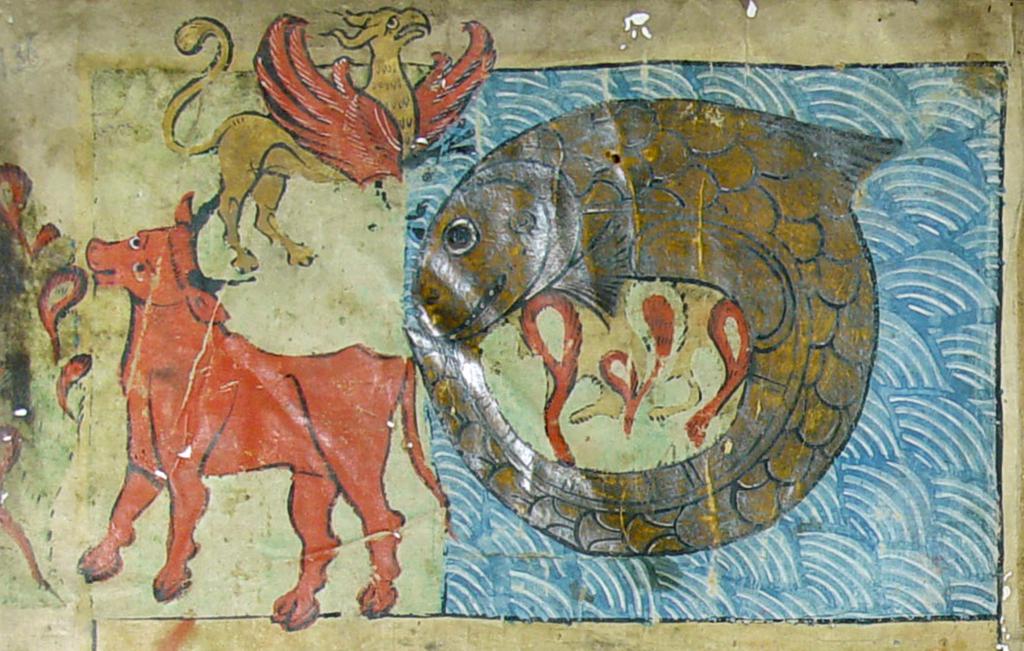
Type: Sea-monster / dragon
Description: A colossal sea-serpent or dragon representing the chaotic, untamed powers of the ocean. Leviathan’s flesh (or the salted flesh of his female mate) is reserved for the righteous to eat at the messianic banquet. According to Sefer Raziel, it takes the entire Jordan river to quench his thirst.
Cultural Notes: Supposedly combined with Canaanite myth of Lotan - a watery chaos dragon. Other surrounding cultures had similar water monsters called Prince Sea or Tiamat, which also must be slayed to provide an end to chaos.
(כה) תִּמְשֹׁ֣ךְ לִוְיָתָ֣ן בְּחַכָּ֑ה וּ֝בְחֶ֗בֶל תַּשְׁקִ֥יעַ לְשֹׁנֽוֹ׃ (כו) הֲתָשִׂ֣ים אַגְמֹ֣ן בְּאַפּ֑וֹ וּ֝בְח֗וֹחַ תִּקֹּ֥ב לֶחֱיֽוֹ׃
(25) Can you draw out Leviathan by a fishhook? Can you press down his tongue by a rope? (26) Can you put a ring through his nose, Or pierce his jaw with a barb?
(ז) גַּ֭אֲוָה אֲפִיקֵ֣י מָגִנִּ֑ים סָ֝ג֗וּר חוֹתָ֥ם צָֽר׃ (ח) אֶחָ֣ד בְּאֶחָ֣ד יִגַּ֑שׁוּ וְ֝ר֗וּחַ לֹא־יָבֹ֥א בֵינֵיהֶֽם׃ (ט) אִישׁ־בְּאָחִ֥יהוּ יְדֻבָּ֑קוּ יִ֝תְלַכְּד֗וּ וְלֹ֣א יִתְפָּרָֽדוּ׃ (י) עֲֽ֭טִישֹׁתָיו תָּ֣הֶל א֑וֹר וְ֝עֵינָ֗יו כְּעַפְעַפֵּי־שָֽׁחַר׃ (יא) מִ֭פִּיו לַפִּידִ֣ים יַהֲלֹ֑כוּ כִּיד֥וֹדֵי אֵ֝֗שׁ יִתְמַלָּֽטוּ׃ (יב) מִ֭נְּחִירָיו יֵצֵ֣א עָשָׁ֑ן כְּד֖וּד נָפ֣וּחַ וְאַגְמֹֽן׃ (יג) נַ֭פְשׁוֹ גֶּחָלִ֣ים תְּלַהֵ֑ט וְ֝לַ֗הַב מִפִּ֥יו יֵצֵֽא׃ (יד) בְּֽ֭צַוָּארוֹ יָלִ֣ין עֹ֑ז וּ֝לְפָנָ֗יו תָּד֥וּץ דְּאָבָֽה׃ (טו) מַפְּלֵ֣י בְשָׂר֣וֹ דָבֵ֑קוּ יָצ֥וּק עָ֝לָ֗יו בַּל־יִמּֽוֹט׃ (טז) לִ֭בּוֹ יָצ֣וּק כְּמוֹ־אָ֑בֶן וְ֝יָצ֗וּק כְּפֶ֣לַח תַּחְתִּֽית׃ (יז) מִ֭שֵּׂתוֹ יָג֣וּרוּ אֵלִ֑ים מִ֝שְּׁבָרִ֗ים יִתְחַטָּֽאוּ׃ (יח) מַשִּׂיגֵ֣הוּ חֶ֭רֶב בְּלִ֣י תָק֑וּם חֲנִ֖ית מַסָּ֣ע וְשִׁרְיָֽה׃
(7) His protective scales are his pride, Locked with a binding seal. (8) One scale touches the other; Not even a breath can enter between them. (9) Each clings to each; They are interlocked so they cannot be parted. (10) His sneezings flash lightning, And his eyes are like the glimmerings of dawn. (11) Firebrands stream from his mouth; Fiery sparks escape. (12) Out of his nostrils comes smoke As from a steaming, boiling cauldron. (13) His breath ignites coals; Flames blaze from his mouth. (14) Strength resides in his neck; Power leaps before him. (15) The layers of his flesh stick together; He is as though cast hard; he does not totter. (16) His heart is cast hard as a stone, Hard as the nether millstone. (17) Divine beings are in dread as he rears up; As he crashes down, they cringe. (18) No sword that overtakes him can prevail, Nor spear, nor missile, nor lance.
(כה) זֶ֤ה ׀ הַיָּ֥ם גָּדוֹל֮ וּרְחַ֢ב יָ֫דָ֥יִם שָֽׁם־רֶ֭מֶשׂ וְאֵ֣ין מִסְפָּ֑ר חַיּ֥וֹת קְ֝טַנּ֗וֹת עִם־גְּדֹלֽוֹת׃ (כו) שָׁ֭ם אֳנִיּ֣וֹת יְהַלֵּכ֑וּן לִ֝וְיָתָ֗ן זֶֽה־יָצַ֥רְתָּ לְשַֽׂחֶק־בּֽוֹ׃
(25) There is the sea, vast and wide, with its creatures beyond number, living things, small and great. (26) There go the ships, and Leviathan that You formed to sport with.
(ז) בַּחֲמִישִׁי הִשְׁרִיץ מִן הַמַּיִם לִוְיָתָן נָחָשׁ בָּרִיחַ, מְדוֹרוֹ בַּמַּיִם הַתַּחְתּוֹנִים, וּבֵין שְׁנֵי סְנַפִּירָיו הַבָּרִיחַ הַתִּיכוֹן שֶׁל אֶרֶץ עוֹמֵד, וְכָל הַתַּנִּינִים הַגְּדוֹלִים שֶׁבַּיָּם מְזוֹנוֹ שֶׁל לִוְיָתָן וְהַקָּדוֹשׁ בָּרוּךְ הוּא שׂוֹחֵק עִמּוֹ יוֹם יוֹם וְהוּא פּוֹתֵחַ פִּיו וְהַתַּנִּין הַגָּדוֹל שֶׁבָּא יוֹמוֹ לְהֵאָכֵל הוּא בּוֹרֵחַ וְנָס וְנִכְנָס לְתוֹךְ פִּיו שֶׁל לִוְיָתָן וְהַקָּדוֹשׁ בָּרוּךְ הוּא שׂוֹחֵק בּוֹ, שֶׁנֶּאֱמַר (תהלים קד, כו): ״לִוְיָתָן זֶה יָצַרְתָּ לְשַׂחֶק בּוֹ״.
(7) On the fifth day He brought forth from the water the Leviathan, the flying serpent, and its dwelling is in the lowest waters; and between its fins rests the middle bar of the earth. All the great sea monsters in the sea are the food for the Leviathan. Every day it opens its mouth, and the great sea monster destined to be eaten that day (tries) to escape and flee, but it enters the mouth of the Leviathan; and the Holy One, blessed be He, plays with it, as it is said, "This is the Leviathan, whom thou hast created to play with him" (Ps. 104:26).
Type: Land-monster / giant beast
Description: A massive terrestrial creature, often interpreted as the earth’s counterpart to Leviathan. Described as immensely strong and herbivorous in the biblical account, he is usually portrayed as a very large ox. He is so big, he supposedly sits on a thousand mountains. Will also be eaten at the messianic banquet.
(טו) הִנֵּה־נָ֣א בְ֭הֵמוֹת אֲשֶׁר־עָשִׂ֣יתִי עִמָּ֑ךְ חָ֝צִ֗יר כַּבָּקָ֥ר יֹאכֵֽל׃ (טז) הִנֵּה־נָ֣א כֹח֣וֹ בְמׇתְנָ֑יו וְ֝אוֹנ֗וֹ בִּשְׁרִירֵ֥י בִטְנֽוֹ׃ (יז) יַחְפֹּ֣ץ זְנָב֣וֹ כְמוֹ־אָ֑רֶז גִּידֵ֖י פַחֲדָ֣ו יְשֹׂרָֽגוּ׃ (יח) עֲ֭צָמָיו אֲפִיקֵ֣י נְחֻשָׁ֑ה גְּ֝רָמָ֗יו כִּמְטִ֥יל בַּרְזֶֽל׃ (יט) ה֭וּא רֵאשִׁ֣ית דַּרְכֵי־אֵ֑ל הָ֝עֹשׂ֗וֹ יַגֵּ֥שׁ חַרְבּֽוֹ׃
(15) Take now behemoth, whom I made as I did you; He eats grass, like the cattle. (16) His strength is in his loins, His might in the muscles of his belly. (17) He makes his tail stand up like a cedar; The sinews of his thighs are knit together. (18) His bones are like tubes of bronze, His limbs like iron rods. (19) He is the first of God’s works; Only his Maker can draw the sword against him.
Type: Giant sky-bird
Description: A gigantic bird whose wings can reportedly block out the sun. It's so big that it can stand in the sea with the water coming up only to its ankles. Will also be eaten at the messianic banquet
Cultural Notes: May be the Hebrew version of the Mesopotamian Anzu
וְאָמַר רַבָּה בַּר בַּר חָנָה: זִימְנָא חֲדָא הֲוָה אָזְלִינַן בִּסְפִינְתָּא, וַחֲזֵינַן הָהוּא צִיפְּרָא דְּקָאֵים עַד קַרְצוּלֵיהּ בְּמַיָּא, וְרֵישֵׁיהּ בִּרְקִיעַ. וְאָמְרִינַן לֵיכָּא מַיָּא, וּבָעֵינַן לֵחוּת לְאִקּוֹרֵי נַפְשִׁין; וּנְפַק בַּת קָלָא וְאָמַר לַן: ״לָא תֵּיחוּתוּ הָכָא, דִּנְפַלַת לֵיהּ חֲצִיצָא לְבַר נַגָּרָא הָא שַׁב שְׁנֵי, וְלָא קָא מָטְיָא אַאַרְעָא״. וְלָאו מִשּׁוּם דִּנְפִישִׁי מַיָּא, אֶלָּא מִשּׁוּם דִּרְדִפִי מַיָּא. אָמַר רַב אָשֵׁי: וְהָהוּא זִיז שָׂדַי הוּא, דִּכְתִיב: ״וְזִיז שָׂדַי עִמָּדִי״.
And Rabba bar bar Ḥana said: Once we were traveling in a ship and we saw a certain bird that was standing with water up to its ankles [kartzuleih] and its head was in the sky. And we said to ourselves that there is no deep water here, and we wanted to go down to cool ourselves off. And a Divine Voice emerged and said to us: Do not go down here, as the ax of a carpenter fell into it seven years ago and it has still not reached the bottom. And this is not because the water is so large and deep. Rather, it is because the water is turbulent. Rav Ashi said: And that bird is called ziz sadai, wild beast, as it is written: “I know all the fowls of the mountains; and the ziz sadai is Mine” (Psalms 50:11).
- Demonstrate divine power
- Explain chaos of nature
- Humans take place in creation by "eating" chaos and turning it into nutrition
Monsters as The Other
Type: Sea-monster
Description: A poetic name used in biblical and later texts as a personification of the chaotic sea, sometimes interchangeable with Leviathan. Known for smelling very bad. Often reinterpreted as a metaphor for Egypt.
Cultural Notes: The Talmud often calls him Prince of the Sea, similar to the Canaanite sea god which was called "Prince Sea"
(ט) עוּרִ֨י עוּרִ֤י לִבְשִׁי־עֹז֙ זְר֣וֹעַ יהוה ע֚וּרִי כִּ֣ימֵי קֶ֔דֶם דֹּר֖וֹת עוֹלָמִ֑ים הֲל֥וֹא אַתְּ־הִ֛יא הַמַּחְצֶ֥בֶת רַ֖הַב מְחוֹלֶ֥לֶת תַּנִּֽין׃
(9)Awake, awake, clothe yourself with splendor.O arm of the ETERNAL One! Awake as in days of old,As in former ages!It was you that hacked Rahab in pieces, That pierced the Dragon.
(יב) בְּ֭כֹחוֹ רָגַ֣ע הַיָּ֑ם (ובתובנתו)[וּ֝בִתְבוּנָת֗וֹ] מָ֣חַץ רָֽהַב׃
(12) By His power He stilled the sea; By His skill He struck down Rahab.
(יא) אַתָּ֤ה דִכִּ֣אתָ כֶחָלָ֣ל רָ֑הַב בִּזְר֥וֹעַ עֻ֝זְּךָ֗ פִּזַּ֥רְתָּ אוֹיְבֶֽיךָ׃
(11) You crushed Rahab; he was like a corpse; with Your powerful arm You scattered Your enemies.
וְאָמַר רַב יְהוּדָה אָמַר רַב: בְּשָׁעָה שֶׁבִּיקֵּשׁ הַקָּדוֹשׁ בָּרוּךְ הוּא לִבְראוֹת אֶת הָעוֹלָם, אָמַר לוֹ לְשַׂר שֶׁל יָם: פְּתַח פִּיךָ וּבְלַע כׇּל מֵימוֹת שֶׁבָּעוֹלָם. אָמַר לְפָנָיו: רִבּוֹנוֹ שֶׁל עוֹלָם, דַּי שֶׁאֶעְמוֹד בְּשֶׁלִּי. מִיָּד בָּעַט בּוֹ וַהֲרָגוֹ, שֶׁנֶּאֱמַר: ״בְּכֹחוֹ רָגַע הַיָּם וּבִתְבוּנָתוֹ מָחַץ רָהַב״. אָמַר רַבִּי יִצְחָק: שְׁמַע מִינַּהּ, שָׂרוֹ שֶׁל יָם ״רַהַב״ שְׁמוֹ; וְאִלְמָלֵא מַיִם מְכַסִּין אוֹתוֹ – אֵין כׇּל בְּרִיָּה יְכוֹלָה לַעֲמוֹד בְּרֵיחוֹ, שֶׁנֶּאֱמַר: ״לֹא יָרֵעוּ וְלֹא יַשְׁחִיתוּ בְּכׇל הַר קׇדְשִׁי וְגוֹ׳, כַּמַּיִם לַיָּם מְכַסִּים״ – אַל תִּקְרֵי ״לַיָּם מְכַסִּים״, אֶלָּא ״לְשָׂרָהּ שֶׁל יָם מְכַסִּים״.
And Rav Yehuda says that Rav says: At the time when the Holy One, Blessed be He, sought to create the world, He said to the minister of the sea: Open your mouth and swallow all the waters of the world, so that there will be room for land. The minister of the sea said before Him: Master of the Universe, it is enough that I will stay within my own waters. God immediately struck him and killed him; as it is stated: “He stirs up the sea with His power, and by His understanding He smites through Rahab” (Job 26:12). Rabbi Yitzḥak said: Conclude from here that the name of the minister of the sea is Rahab, and were it not for waters of the sea that cover him, no creature could withstand his smell, as his corpse emits a terrible stench. As it is stated: “They shall not hurt nor destroy in all My holy mountain; for the earth shall be full of the knowledge of the Lord, as the waters cover the sea” (Isaiah 11:9). Do not read this phrase as “cover the sea”; rather read it as: Cover the minister of the sea, i.e., the term sea is referring to the minister of the sea, not to the sea itself.
Type: Giants, ancient mighty beings
Description: Described in Genesis as “mighty men of old,” sometimes interpreted as giants or offspring of divine-human unions. Linked to the antediluvian world’s violence and sinfulness, however some clearly existed past the flood and giants are seen in the story of the scouting of Canaan and when Moshe refers to King Og of Bashan (and then later Goliath!). Often described with monstrous features including extra fingers, toes, teeth, etc.
Cultural Notes: May be intended to account for stories of mythological heroes throughout the ancient near-East
(א) וַֽיְהִי֙ כִּֽי־הֵחֵ֣ל הָֽאָדָ֔ם לָרֹ֖ב עַל־פְּנֵ֣י הָֽאֲדָמָ֑ה וּבָנ֖וֹת יֻלְּד֥וּ לָהֶֽם׃ (ב) וַיִּרְא֤וּ בְנֵי־הָֽאֱלֹהִים֙ אֶת־בְּנ֣וֹת הָֽאָדָ֔ם כִּ֥י טֹבֹ֖ת הֵ֑נָּה וַיִּקְח֤וּ לָהֶם֙ נָשִׁ֔ים מִכֹּ֖ל אֲשֶׁ֥ר בָּחָֽרוּ׃ (ג) וַיֹּ֣אמֶר יהוה לֹֽא־יָד֨וֹן רוּחִ֤י בָֽאָדָם֙ לְעֹלָ֔ם בְּשַׁגַּ֖ם ה֣וּא בָשָׂ֑ר וְהָי֣וּ יָמָ֔יו מֵאָ֥ה וְעֶשְׂרִ֖ים שָׁנָֽה׃ (ד) הַנְּפִלִ֞ים הָי֣וּ בָאָ֘רֶץ֮ בַּיָּמִ֣ים הָהֵם֒ וְגַ֣ם אַֽחֲרֵי־כֵ֗ן אֲשֶׁ֨ר יָבֹ֜אוּ בְּנֵ֤י הָֽאֱלֹהִים֙ אֶל־בְּנ֣וֹת הָֽאָדָ֔ם וְיָלְד֖וּ לָהֶ֑ם הֵ֧מָּה הַגִּבֹּרִ֛ים אֲשֶׁ֥ר מֵעוֹלָ֖ם אַנְשֵׁ֥י הַשֵּֽׁם׃ {פ}
(1) When humankind began to increase on earth and daughters were born to them, (2) the [males among the] divine beings saw how pleasing the human women were and took wives from among those who delighted them.— (3)יהוה said, “My breath shall not abide in humankind forever, since it too is flesh; let the days allowed them be one hundred and twenty years.”— (4) It was then, and later too, that the Nephilim appeared on earth—when divine beings cohabited with the human women, who bore them offspring. Such were the heroes of old, the men of renown.
(כו) בגלל הזנונים אשר זנו השומרים למורת חוקי משפטם אחרי בנות האדם, ולקחו להם נשים מכל אשר בחרו, המה עשו ראשית הטומאה:
(כז) ובניהם הנפילים וכל אחיהם חלק לבם, ויאכל איש את רעהו, הענק המית את הנפיל והנפיל המית את העליון והעליון המית את בני האדם ואדם את רעהו:
(26) owing to the fornication wherein the Watchers against the law of their ordinances went a whoring after the daughters of men, and took themselves wives of all which they chose: and they made the beginning of uncleanness.
(27) And they begat sons the Nâphîlîm, and they were all unlike, and they devoured one another: and the Giants slew the Nâphîl, and the Nâphîl slew the Eljô, and the Eljô mankind, and one man another.
Type: Goat-demons, satyr-like spirits
Description: Term literally meaning “hairy ones” or “goats”; in biblical contexts may refer to goats, satyrs, or wild mountain spirits. Later interpreted as demonic. Associated with desolate places, idolatrous rites, and demonic dwellings.
(ז) וְלֹא־יִזְבְּח֥וּ עוֹד֙ אֶת־זִבְחֵיהֶ֔ם לַשְּׂעִירִ֕ם אֲשֶׁ֛ר הֵ֥ם זֹנִ֖ים אַחֲרֵיהֶ֑ם חֻקַּ֥ת עוֹלָ֛ם תִּֽהְיֶה־זֹּ֥את לָהֶ֖ם לְדֹרֹתָֽם׃
(7) and that they may offer their sacrifices no more to the goat-demons after whom they stray. This shall be to them a law for all time, throughout the ages.
לשעירים. הם השדים ונקראו כן בעבור שישתער הגוף הרואה אותם והקרוב בעבור שיראו אותם המשוגעים כדמות שעירים ומלת עוד תורה שכן היו ישראל עושין במצרים:
UNTO THE SATYRS. Se’irim (satyrs) are the demons. They are so called because the body of one who sees them “storms.” However, it appears that they are so called because the insane see them in the form of goats (se’irim). The word “more” teaches that the Israelites did so in Egypt.
(כא) וְרָבְצוּ־שָׁ֣ם צִיִּ֔ים וּמָלְא֥וּ בָתֵּיהֶ֖ם אֹחִ֑ים וְשָׁ֤כְנוּ שָׁם֙ בְּנ֣וֹת יַעֲנָ֔ה וּשְׂעִירִ֖ים יְרַקְּדוּ־שָֽׁם׃
(21)But beasts shall lie down there, And the houses be filled with owls;There shall ostriches make their home,And there shall satyrs dance.
- Dehumanize idol worshippers
- Metaphorically demonstrate power of other nations, which makes it all the more great when our g-d overcomes them
- Explain evil generations' behavior, often through a veil of racism
Monsters as Cultural Anxieties
Type: Night-demon; later: vampiric or seductress figure
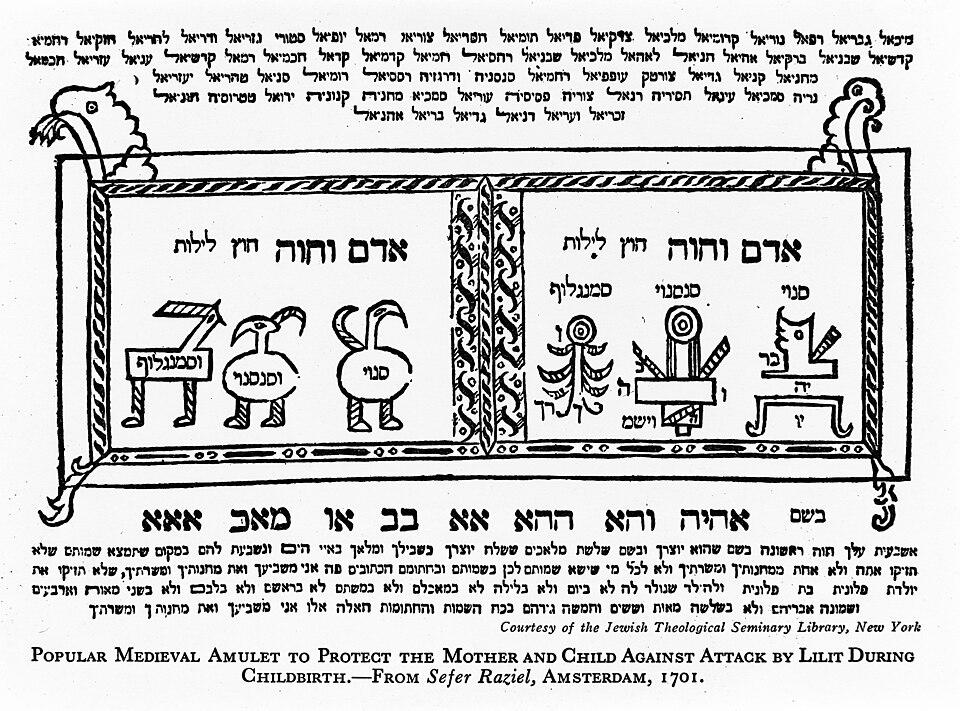
Description: In early texts a night creature, later described as a female demon / succubus in the Talmud where she was said to give birth to demonic offspring. From the medieval period onward Lilith accumulates many roles, most notably child-stealer (explanation of infant mortality) and seducer of men (explanation of nighttime seminal emissions). In later folk practice amulets and incantations protect newborns (especially boys) and pregnant women from Lilith. Kabbalistic systems elaborate a family of Lilith-associated demons and described Lilith as the feminine personification of evil.
Protection/Remedies: Amulets, shabbos candles, special prayers, Psalms 16, 91, 121, and 126, tying of red strings, angelic names Sanoi, Sansanoi, and Samnaglof.
Cultural Notes: Likely inspired by the Mesopotamian lilu meaning "aerial spirit," potentially also related to Babylonian demoness Lamashtu
(יד) וּפָגְשׁ֤וּ צִיִּים֙ אֶת־אִיִּ֔ים וְשָׂעִ֖יר עַל־רֵעֵ֣הוּ יִקְרָ֑א אַךְ־שָׁם֙ הִרְגִּ֣יעָה לִּילִ֔ית וּמָצְאָ֥ה לָ֖הּ מָנֽוֹחַ׃
(14)Wildcats shall meet hyenas, Goat-demons shall greet each other;There too the lilith shall repose And find herself a resting place.
אָמַר רַב יְהוּדָה אָמַר שְׁמוּאֵל: הַמַּפֶּלֶת דְּמוּת לִילִית, אִמּוֹ טְמֵאָה לֵידָה, וָלָד הוּא אֶלָּא שֶׁיֵּשׁ לוֹ כְּנָפַיִם. תַּנְיָא נָמֵי הָכִי: אָמַר רַבִּי יוֹסֵי, מַעֲשֶׂה בְּסִימוֹנְיָא בְּאַחַת שֶׁהִפִּילָה דְּמוּת לִילִית, וּבָא מַעֲשֶׂה לִפְנֵי חֲכָמִים וְאָמְרוּ: וָלָד הוּא אֶלָּא שֶׁיֵּשׁ לוֹ כְּנָפַיִם.
§ Rav Yehuda says that Shmuel says: In the case of a woman who discharges a fetus that has the form of a lilith, a female demon with wings and a human face, its mother is impure with the impurity of a woman after childbirth, as it is a viable offspring, only it has wings. This is also taught in a baraita: Rabbi Yosei said: An incident occurred in Simoni involving a certain woman who discharged a fetus that had the form of a lilith, and the incident was brought before the Sages; and they said that it is a viable offspring, only it has wings.
אָמַר רַבִּי חֲנִינָא: אָסוּר לִישַׁן בַּבַּיִת יְחִידִי, וְכׇל הַיָּשֵׁן בַּבַּיִת יְחִידִי — אֹחַזְתּוֹ לִילִית.
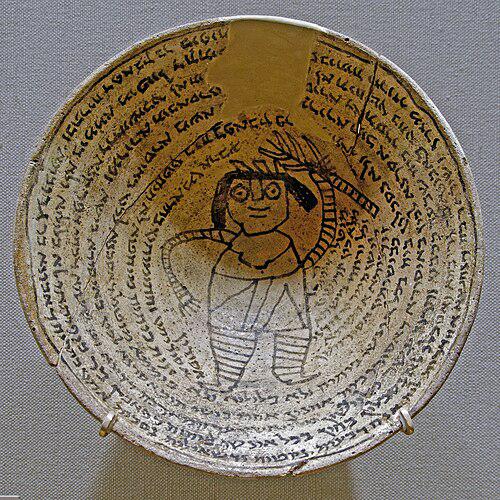
Type: Demon
Description: A broad category of non-human spirits, sometimes described as similar to humans in some respects (e.g., eating, sleeping) but invisible or non-material. The Talmud sometimes says shedim have humanlike tendencies and parentage; other texts emphasize their demonic harmfulness. Cause sickness, mischief, sexual temptation; occupy desolate and unclean places; implicated in cases of unexplained phenomena. Some demons are named, but many are unnamed.
Protection/Remedies: Ritual measures, mezuzot, G-d’s names, amulets, recitation of Psalms and specific prayers; community customs vary.
תָּנוּ רַבָּנַן, שִׁשָּׁה דְּבָרִים נֶאֶמְרוּ בַּשֵּׁדִים: שְׁלֹשָׁה כְּמַלְאֲכֵי הַשָּׁרֵת, וּשְׁלֹשָׁה כִּבְנֵי אָדָם. שְׁלֹשָׁה כְּמַלְאֲכֵי הַשָּׁרֵת — יֵשׁ לָהֶם כְּנָפַיִם כְּמַלְאֲכֵי הַשָּׁרֵת, וְטָסִין מִסּוֹף הָעוֹלָם וְעַד סוֹפוֹ כְּמַלְאֲכֵי הַשָּׁרֵת, וְיוֹדְעִין מַה שֶּׁעָתִיד לִהְיוֹת כְּמַלְאֲכֵי הַשָּׁרֵת. יוֹדְעִין סָלְקָא דַּעְתָּךְ?! אֶלָּא, שׁוֹמְעִין מֵאֲחוֹרֵי הַפַּרְגּוֹד, כְּמַלְאֲכֵי הַשָּׁרֵת. וּשְׁלֹשָׁה כִּבְנֵי אָדָם — אוֹכְלִין וְשׁוֹתִין כִּבְנֵי אָדָם, פָּרִין וְרָבִין כִּבְנֵי אָדָם, וּמֵתִים כִּבְנֵי אָדָם.
§ The Gemara returns to discussing the heavenly beings. The Sages taught: Six statements were said with regard to demons: In three ways they are like ministering angels, and in three ways they are like humans. The baraita specifies: In three ways they are like ministering angels: They have wings like ministering angels; and they fly from one end of the world to the other like ministering angels; and they know what will be in the future like ministering angels.The Gemara is puzzled by this last statement: Should it enter your mind that they know this? Not even the angels are privy to the future. Rather, they hear from behind the curtain when God reveals something of the future, like ministering angels.And in three ways they are similar to humans: They eat and drink like humans; they multiply like humans; and they die like humans.
אָמַר רַבִּי יוֹחָנָן: שְׁלֹשׁ מֵאוֹת מִינֵי שֵׁדִים הָיוּ בְּשִׁיחִין, וְשֵׁידָה עַצְמָהּ אֵינִי יוֹדֵעַ מָה הִיא.
Rabbi Yoḥanan says: There were three hundred types of demons in a place named Shiḥin, but I do not know what the form or nature of a demon itself is.
אָמַר רַב יוֹסֵף, אָמַר לִי יוֹסֵף שֵׁידָא: אַשְׁמְדַאי מַלְכָּא דְשֵׁידֵי — מְמוּנֶּה הוּא אַכּוּלְּהוּ זוּגֵי, וּמַלְכָּא לָא אִיקְּרִי מַזִּיק. אִיכָּא דְּאָמְרִי לַהּ לְהַאי גִּיסָא: אַדְּרַבָּה, מַלְכָּא [רַתְחָנָא הוּא], מַאי דְּבָעֵי עָבֵיד, שֶׁהַמֶּלֶךְ פּוֹרֵץ גָּדֵר לַעֲשׂוֹת לוֹ דֶּרֶךְ וְאֵין מוֹחִין בְּיָדוֹ. אָמַר רַב פָּפָּא, אָמַר לִי יוֹסֵף שֵׁידָא: בִּתְרֵי קָטְלִינַן, בְּאַרְבְּעָה לָא קָטְלִינַן, בְּאַרְבְּעָה מַזְּקִינַן. בִּתְרֵי, בֵּין בְּשׁוֹגֵג בֵּין בְּמֵזִיד. בְּאַרְבְּעָה, בְּמֵזִיד — אִין, בְּשׁוֹגֵג — לָא. וְאִי אִישְׁתְּלִי וְאִיקְּרִי וּנְפַק, מַאי תַּקַּנְתֵּיהּ? לִינְקוֹט זַקְפָּא דִידֵיהּ דְּיַמִּינֵיהּ בִּידָא דִשְׂמָאלֵיהּ וְזַקְפָּא דִשְׂמָאלֵיהּ בִּידָא דְיַמִּינֵיהּ, וְנֵימָא הָכִי: ״אַתּוּן וַאֲנָא — הָא תְּלָתָא״. וְאִי שְׁמִיעַ לֵיהּ דְּאָמַר: ״אַתּוּן וַאֲנָא — הָא אַרְבְּעָה״, נֵימָא לֵיהּ: ״אַתּוּן וַאֲנָא — הָא חַמְשָׁה״. וְאִי שְׁמִיעַ לֵיהּ דְּאָמַר: ״אַתּוּן וַאֲנָא — הָא שִׁיתָּא״, נֵימָא לֵיהּ: ״אַתּוּן וַאֲנָא — הָא שִׁבְעָה״. הֲוָה עוֹבָדָא עַד מְאָה וְחַד, וּפְקַע שֵׁידָא.
Rav Yosef said: Yosef the Demon said to me: Ashmedai, the king of the demons, is appointed over all who perform actions in pairs, and a king is not called a harmful spirit. A king would not cause harm. Consequently, there is no reason to fear the harm of demons for having performed an action in pairs. Some say this statement in this manner: On the contrary, he is an angry king who does what he wants, as the halakha is that a king may breach the fence of an individual in order to form a path for himself, and none may protest his action. Similarly, the king of demons has full license to harm people who perform actions in pairs. Rav Pappa said: Yosef the Demon said to me: If one drinks two cups, we demons kill him; if he drinks four, we do not kill him. But this person who drank four, we harm him. There is another difference between two and four: With regard to one who drinks two, whether he did so unwittingly or intentionally, we harm him. With regard to one who drinks four, if he does so intentionally, yes, he is harmed; if he does so unwittingly, no, he will not be harmed. The Gemara asks: And if one forgets and it happens that he goes outside after having drunk an even number of cups, what is his solution? The Gemara answers: He should take his right thumb in his left hand, and his left thumb in his right hand, and say as follows: You, my thumbs, and I are three, which is not a pair. And if he hears a voice that says: You and I are four, which makes a pair, he should say to it: You and I are five. And if he hears it say: You and I are six, he should say to it: You and I are seven. The Gemara relates that there was an incident in which someone kept counting after the demon until he reached a hundred and one, and the demon burst in anger.
אַבָּיֵי מְרַבְּיָא לֵיהּ אִמֵּיהּ אִמְּרָא לְמֵיעַל בַּהֲדֵיהּ לְבֵית הַכִּסֵּא. וּלְרַבֵּי לֵיהּ גַּדְיָא! שָׂעִיר בְּשָׂעִיר מִיחַלַּף.
Because fear of demons in bathrooms was pervasive, the Gemara relates: Abaye’s mother raised a lamb to accompany him to the bathroom. The Gemara objects: She should have raised a goat for him. The Gemara responds: A goat could be interchanged with a goat-demon. Since both the demon and the goat are called sa’ir, they were afraid to bring a goat to a place frequented by demons.
לְשֵׁידָא דְּבֵית הַכִּסֵּא, לֵימָא הָכִי: ״אַקַּרְקָפֵי דַאֲרִי וְאַאוֹסֵי דְגוּרַיְיתָא אַשְׁכַּחְתּוּן לְשֵׁידַאי בַּר שְׁרִיקָא פַּנְדָּא, בְּמֵישָׁרָא דְכַרָּתֵי חֲבַטְתֵּיהּ, בְּלוֹעָא דַחֲמָרָא חֲטַרְתֵּיהּ״.
To be saved from the demon of the bathroom, let him recite as follows: On the head of a lion and on the nose of a lioness we found the demon named bar Shirika Panda. With a bed of leeks I felled him, and with the jaw of the donkey I struck him.
וְאָמַר רַבִּי יִצְחָק: כׇּל הַקּוֹרֵא קְרִיאַת שְׁמַע עַל מִטָּתוֹ — מַזִּיקִין בְּדֵילִין הֵימֶנּוּ. שֶׁנֶּאֱמַר: ״וּבְנֵי רֶשֶׁף יַגְבִּיהוּ עוּף״, וְאֵין ״עוּף״ אֶלָּא תּוֹרָה, שֶׁנֶּאֱמַר: ״הֲתָעִיף עֵינֶיךָ בּוֹ וְאֵינֶנּוּ״. וְאֵין ״רֶשֶׁף״ אֶלָּא מַזִּיקִין, שֶׁנֶּאֱמַר: ״מְזֵי רָעָב וּלְחֻמֵי רֶשֶׁף וְקֶטֶב מְרִירִי״.
And Rabbi Yitzḥak said: Anyone who recites Shema upon his bed, demons stay away from him. This is alluded to, as it is stated: “But man is born into trouble, and the sparks [reshef ] fly [uf ] upward” (Job 5:7). The verse is explained: The word fly [uf ] means nothing other than Torah, as Torah is difficult to grasp and easy to lose, like something that floats away, as it is stated: “Will you set your eyes upon it? It is gone; for riches certainly make themselves wings, like an eagle that flies into the heavens” (Proverbs 23:5). The word “sparks” means nothing other than demons, as it is stated: “Wasting of hunger, and the devouring of the sparks [reshef] and bitter destruction [ketev meriri], and the teeth of beasts I will send upon them, with the venom of crawling things of the dust” (Deuteronomy 32:24). Here we see reshef listed along with ketev meriri, both of which are understood by the Sages to be names of demons.
Type: Mischievous / harmful spirits
Description: “Damagers” or “harmers”. In rabbinic texts mazzikin are invisible spirits that surround and can harm people or dwellings. They are often numerous and require protective practices. Responsible for tripping people, causing nightmares, small accidents; often kept at bay by protective gestures and rituals. Often interchangeable with demons, though not always.
Protection/Remedies: Spitting lightly (in old folk practice), handwashing rituals, amulets, formulas; specifics vary by community.
תַּנְיָא, אַבָּא בִּנְיָמִין אוֹמֵר: אִלְמָלֵי נִתְּנָה רְשׁוּת לָעַיִן לִרְאוֹת — אֵין כׇּל בְּרִיָּה יְכוֹלָה לַעֲמוֹד מִפְּנֵי הַמַּזִּיקִין. אָמַר אַבָּיֵי: אִינְהוּ נְפִישִׁי מִינַּן, וְקָיְימִי עֲלַן כִּי כִּסְלָא לְאוּגְיָא. אָמַר רַב הוּנָא: כֹּל חַד וְחַד מִינַּן, אַלְפָא מִשְּׂמָאלֵיהּ וּרְבַבְתָּא מִיַּמִּינֵיהּ. אָמַר רָבָא: הַאי דּוּחְקָא דְּהָוֵי בְּכַלָּה — מִנַּיְיהוּ הָוֵי. הָנֵי בִּרְכֵי דְּשָׁלְהִי — מִנַּיְיהוּ. הָנֵי מָאנֵי דְרַבָּנַן דְּבָלוּ — מֵחוּפְיָא דִידְהוּ. הָנֵי כַּרְעֵי דְּמִנַּקְפָן — מִנַּיְיהוּ. הַאי מַאן דְּבָעֵי לְמִידַּע לְהוּ לַיְיתֵי קִיטְמָא נְהִילָא, וְנַהְדַּר אַפּוּרְיֵיהּ, וּבְצַפְרָא חָזֵי כִּי כַּרְעֵי דְתַרְנְגוֹלָא. הַאי מַאן דְּבָעֵי לְמֶחֱזִינְהוּ, לַיְתֵי שִׁלְיְיתָא דְּשׁוּנָּרְתָּא אוּכַּמְתָּא בַּת אוּכַּמְתָּא בּוּכְרְתָא בַּת בּוּכְרְתָא, וְלִיקְלְיֵהּ בְּנוּרָא, וְלִשְׁחֲקֵיהּ, וְלִימְלֵי עֵינֵיהּ מִנֵּיהּ, וְחָזֵי לְהוּ. וְלִשְׁדְּיֵיהּ בְּגוּבְתָּא דְפַרְזְלָא, וְלַחְתְּמֵיהּ בְּגוּשְׁפַּנְקָא דְפַרְזְלָא, דִּילְמָא גָּנְבִי מִנֵּיהּ, וְלַחְתּוֹם פּוּמֵּיהּ, כִּי הֵיכִי דְּלָא לִיתַּזַּק. רַב בִּיבִי בַּר אַבָּיֵי עֲבַד הָכִי, חֲזָא וְאִתַּזַּק, בְּעוֹ רַבָּנַן רַחֲמֵי עֲלֵיהּ, וְאִתַּסִּי.
In another baraitait was taught that Abba Binyamin says: If the eye was given permission to see, no creature would be able to withstand the abundance and ubiquity of the demons and continue to live unaffected by them. Similarly, Abaye said: They are more numerous than we are and they stand over us like mounds of earth surrounding a pit.Rav Huna said: Each and every one of us has a thousand demons to his left and ten thousand to his right. God protects man from these demons, as it says in the verse: “A thousand may fall at your side, and ten thousand at your right hand; they will not approach you” (Psalms 91:7). Summarizing the effects of the demons, Rava said:The crowding at the kalla, the gatherings for Torah study during Elul and Adar, is from the demons; those knees that are fatigued even though one did not exert himself is from the demons; those clothes of the Sages that wear out, despite the fact that they do not engage in physical labor, is from friction with the demons; those feet that are in pain is from the demons. One who seeks to know that the demons exist should place fine ashes around his bed, and in the morning the demons’ footprints appear like chickens’ footprints, in the ash. One who seeks to see them should take the afterbirth of a firstborn female black cat, born to a firstborn female black cat, burn it in the fire, grind it and place it in his eyes, and he will see them. He must then place the ashes in an iron tube sealed with an iron seal [gushpanka] lest the demons steal it from him, and then seal the opening so he will not be harmed. Rav Beivai bar Abaye performed this procedure, saw the demons, and was harmed. The Sages prayed for mercy on his behalf and he was healed.
Type: Vampire-like creature
Description: A being that drinks blood, sometimes associated with Lilith or Lilith’s offspring. In some Jewish folk tales Alukah is a specific vampiric demon defeated by holy figures. A striya/estrie is a female vampiric demon described in medieval Ashkenazi Jewish tradition, particularly in the Sefer Ḥasidim (“Book of the Pious,” c. 12th–13th century, attributed to Judah the Pious). Linked to infant death and nocturnal blood-losses; occasionally appears in medieval bestiaries and later folk tales.
Protection/Remedies: Amulets, decapitation in folk narratives, protective prayers, oaths,
Cultural Notes: The striya is most likely influenced by Indigenous Germanic vampiric tales and the pietist movement’s interest in moral injunctions around speech, oaths, and household conduct
(טו) לַ֥עֲלוּקָ֨ה ׀ שְׁתֵּ֥י בָנוֹת֮ הַ֤ב׀ הַ֥֫ב
(15) The leech has two daughters, “Give!” and “Give!”
"There are women that are called estrie... They were created at sunset [before the first Sabbath before creation]. As a result of this, they are able to change form. There was one woman who was a estrie and she was very sick and there were two women with her at night; one was sleeping and one was awake. And the sick woman stood up and loosened her hair and she was about to fly and suck the blood of the sleeping woman. And the woman who was awake screamed and woke her friend and they grabbed the sick estrie, and after this she slept. And moreover, if she had been able to grab the other woman, then she, the estrie, would have lived. Since she was not able to hurt the other woman, the estrie died, because she needs to drink the blood of living flesh. The same is true of the werewolf. And since....the estrie need to loosen their hair before they fly, one must adjure her to come with her hair bound so that she cannot go anywhere without permission. And if a estrie is injured or seen by someone, she cannot live unless she eats of the bread and salt of the one who struck her. Then her soul will return to the way it was before."
Type: Jinn-like creature / were-wolf figure in some Sephardi/Mizrahi traditions
Description: A class of beings in some Sephardi/Mizrahi narratives that resembles local jinn or shapeshifters; the qutrub can be malevolent and is often described using Arabic-loan names. Appear in tales of night harassment and rural dangers..
Protection/Remedies: Local amulets, recitation of particular psalms, and talismanic formulas.
Type: Possessing spirit (a deceased soul)
Description: The dybbuk is the dislocated soul of a dead person that attaches to and often torments the living—usually because of unresolved business, sin, or need for rectification. Cases of dybbuk possession are dramatic features of 17th–20th-century Eastern European accounts. Dybbuks are disproportionately male and disproportionately possess women. Dramatized in S. Ansky’s Dybbuk (1914).
Protection/Remedies: Exorcism by learned rabbi or kabbalist, confession, ritual names, prayers, and sometimes symbolic marriage or burial rites for the dybbuk’s soul.
"The spirit which took possession of a young man was the spirit of one who, in his life, had sinned egregiously and that thereafter could find no peace. It had entered the youth's body after having been forced to flee its previous abode, the body of a cow which about to be slaughtered."
"[The dybbuk named] Samuel raised her [the victim's] legs and lowered them one after the other, with great speed, time and again. And with those movements, which he made with great strength, the blanket that was upon her fell off her feet and thighs, and she uncovered and humiliated herself before everyone's eyes. They came close to cover her thighs; but she had no self-consciousness in the course of any of this. Those who were acquainted with her knew of her great modesty..."
- Explain sickness, bad luck, or mental disorders
- Serve as scapegoat for bad behavior
- Express fear of the afterlife
- Integrate with surrounding common culture
Monsters as Part of Us
Type: Celestial beings, appearance varies by type
Description: Created by Hashem as messengers, mighty warriors, or machines who complete G-d’s will. There is an angel for each sefirot, month, planet, day, hour, second, etc. all the way to every individual blade of grass. Some of the subclassifications of angels include: Irinim (watchers/high angels), Cherubim (mighty ones), Sarim (princes), Serafim (fiery ones), Chayyot (holy creatures), and Ofanim (wheels). Three angels in the Torah are given names: Michael, Gabriel, and Satan (though that may not be a name).
(יח) וְעָשִׂ֛יתָ שְׁנַ֥יִם כְּרֻבִ֖ים זָהָ֑ב מִקְשָׁה֙ תַּעֲשֶׂ֣ה אֹתָ֔ם מִשְּׁנֵ֖י קְצ֥וֹת הַכַּפֹּֽרֶת׃ (יט) וַ֠עֲשֵׂ֠ה כְּר֨וּב אֶחָ֤ד מִקָּצָה֙ מִזֶּ֔ה וּכְרוּב־אֶחָ֥ד מִקָּצָ֖ה מִזֶּ֑ה מִן־הַכַּפֹּ֛רֶת תַּעֲשׂ֥וּ אֶת־הַכְּרֻבִ֖ים עַל־שְׁנֵ֥י קְצוֹתָֽיו׃ (כ) וְהָי֣וּ הַכְּרֻבִים֩ פֹּרְשֵׂ֨י כְנָפַ֜יִם לְמַ֗עְלָה סֹכְכִ֤ים בְּכַנְפֵיהֶם֙ עַל־הַכַּפֹּ֔רֶת וּפְנֵיהֶ֖ם אִ֣ישׁ אֶל־אָחִ֑יו אֶ֨ל־הַכַּפֹּ֔רֶת יִהְי֖וּ פְּנֵ֥י הַכְּרֻבִֽים׃ (כא) וְנָתַתָּ֧ אֶת־הַכַּפֹּ֛רֶת עַל־הָאָרֹ֖ן מִלְמָ֑עְלָה וְאֶל־הָ֣אָרֹ֔ן תִּתֵּן֙ אֶת־הָ֣עֵדֻ֔ת אֲשֶׁ֥ר אֶתֵּ֖ן אֵלֶֽיךָ׃ (כב) וְנוֹעַדְתִּ֣י לְךָ֮ שָׁם֒ וְדִבַּרְתִּ֨י אִתְּךָ֜ מֵעַ֣ל הַכַּפֹּ֗רֶת מִבֵּין֙ שְׁנֵ֣י הַכְּרֻבִ֔ים אֲשֶׁ֖ר עַל־אֲר֣וֹן הָעֵדֻ֑ת אֵ֣ת כׇּל־אֲשֶׁ֧ר אֲצַוֶּ֛ה אוֹתְךָ֖ אֶל־בְּנֵ֥י יִשְׂרָאֵֽל׃ {פ}
(18) Make two cherubim of gold—make them of hammered work—at the two ends of the cover. (19) Make one cherub at one end and the other cherub at the other end; of one piece with the cover shall you make the cherubim at its two ends. (20) The cherubim shall have their wings spread out above, shielding the cover with their wings. They shall confront each other, the faces of the cherubim being turned toward the cover. (21) Place the cover on top of the Ark, after depositing inside the Ark the Pact that I will give you. (22) There I will meet with you, and I will impart to you—from above the cover, from between the two cherubim that are on top of the Ark of the Pact—all that I will command you concerning the Israelite people.
(ב) שְׂרָפִ֨ים עֹמְדִ֤ים ׀ מִמַּ֙עַל֙ ל֔וֹ שֵׁ֧שׁ כְּנָפַ֛יִם שֵׁ֥שׁ כְּנָפַ֖יִם לְאֶחָ֑ד בִּשְׁתַּ֣יִם ׀ יְכַסֶּ֣ה פָנָ֗יו וּבִשְׁתַּ֛יִם יְכַסֶּ֥ה רַגְלָ֖יו וּבִשְׁתַּ֥יִם יְעוֹפֵֽף׃ (ג) וְקָרָ֨א זֶ֤ה אֶל־זֶה֙ וְאָמַ֔ר קָד֧וֹשׁ ׀ קָד֛וֹשׁ קָד֖וֹשׁ יהוה צְבָא֑וֹת מְלֹ֥א כׇל־הָאָ֖רֶץ כְּבוֹדֽוֹ׃ (ד) וַיָּנֻ֙עוּ֙ אַמּ֣וֹת הַסִּפִּ֔ים מִקּ֖וֹל הַקּוֹרֵ֑א וְהַבַּ֖יִת יִמָּלֵ֥א עָשָֽׁן׃ (ה) וָאֹמַ֞ר אֽוֹי־לִ֣י כִֽי־נִדְמֵ֗יתִי כִּ֣י אִ֤ישׁ טְמֵֽא־שְׂפָתַ֙יִם֙ אָנֹ֔כִי וּבְתוֹךְ֙ עַם־טְמֵ֣א שְׂפָתַ֔יִם אָנֹכִ֖י יוֹשֵׁ֑ב כִּ֗י אֶת־הַמֶּ֛לֶךְ יהוה צְבָא֖וֹת רָא֥וּ עֵינָֽי׃ (ו) וַיָּ֣עׇף אֵלַ֗י אֶחָד֙ מִן־הַשְּׂרָפִ֔ים וּבְיָד֖וֹ רִצְפָּ֑ה בְּמֶ֨לְקַחַ֔יִם לָקַ֖ח מֵעַ֥ל הַמִּזְבֵּֽחַ׃
(2) Seraphs stood in attendance, each with six wings—two covering the face, two covering the body, and two to fly with. (3)And one would call to the other,“Holy, holy, holy! GOD of Hosts— Whose presence fills all the earth!”(4) The doorposts would shake at the sound of the one who called, and the House kept filling with smoke. (5) I cried, “Woe is me; I am lost!For I am a man of impure lipsAnd I live among a peopleOf impure lips;Yet my own eyes have beheldThe Sovereign GOD of Hosts.” (6) Then one of the seraphs—who had taken a live coal from the altar with a pair of tongs—flew over to me,
Type: Animated clay figure
Description: A being formed from earth or clay and animated through divine names and rituas. Golems lack speech, initiative, or full humanity in many stories and are used as protectors or servants. Often created by pious rabbis to defend Jewish communities, perform labor, or act as guardians. Tales commonly end with the golem becoming uncontrollable or being deactivated.
Protection/Remedies: The “remedy” is often to deactivate the golem (removing its animating name) when it becomes dangerous.
רָבָא בְּרָא גַּבְרָא. שַׁדְּרֵיהּ לְקַמֵּיהּ דְּרַבִּי זֵירָא. הֲוָה קָא מִשְׁתַּעֵי בַּהֲדֵיהּ, וְלָא הֲוָה קָא מַהְדַּר לֵיהּ. אֲמַר לֵיהּ: מִן חַבְרַיָּא אַתְּ, הֲדַר לְעַפְרָיךְ.
Indeed, Rava created a man, a golem, using forces of sanctity. Ravasent his creation before Rabbi Zeira.Rabbi Zeirawould speak to him but he would not reply.Rabbi Zeirasaid to him: You were created by one of the members of the group, one of the Sages. Return to your dust.
"What did [the Golem] look like? You would like a portrait. In your own mind, he looks like a monster. You imagine him excessively tall, strong, heavy, dragging his body like lead — some kind of human beast that nature put on earth to mock or frighten it. Well, let me tell you, you are mistaken... He was somewhat taller than the Maharal, who was very tall, and somewhat heavier... Strange, mysterious, he seemed to plow earth and heaven all at once... I should add that he was blessed with both intuition and intelligence... he radiated a force which overwhelmed you, moved you, flooded you with emotion... But even more striking was his shadow, which followed the Maharal's as if refusing to let go."
Type: Magical creature (worm) with the power to cut stone
Description: A tiny creature or worm said to have the power to cleave or consume stone; used in legends to explain how Solomon or the masons avoided iron tools in building the Temple.
אָמַר לְהוּ לְרַבָּנַן: הֵיכִי אֶעֱבֵיד? אֲמַרוּ לֵיהּ: אִיכָּא שָׁמִירָא דְּאַיְיתִי מֹשֶׁה לְאַבְנֵי אֵפוֹד.
Solomonsaid to the sages: How shall I make it so that the stone will be precisely cut without using iron? They said to him: There is a creature called a shamir that can cut the stones, which Moses brought and used to cut the stones of the ephod.
מִשֶּׁחָרַב בֵּית הַמִּקְדָּשׁ בָּטַל הַשָּׁמִיר כּוּ׳. תָּנוּ רַבָּנַן: שָׁמִיר שֶׁבּוֹ בָּנָה שְׁלֹמֹה אֶת בֵּית הַמִּקְדָּשׁ, שֶׁנֶּאֱמַר: ״וְהַבַּיִת בְּהִבָּנֹתוֹ אֶבֶן שְׁלֵמָה מַסָּע נִבְנָה״ — הַדְּבָרִים כִּכְתָבָן, דִּבְרֵי רַבִּי יְהוּדָה.
§ The mishna taught: From the time when the First Temple was destroyed the shamir ceased to exist. The Sages taught: This shamir is the creature with which Solomon built the Temple, as it is stated: “For the house, when it was built, was built of whole stone from the quarry” (I Kings 6:7). Now these words should be understood exactly as they are written, that King Solomon took whole stones and shaped them by having the shamir do the cutting. This is the statement of Rabbi Yehuda.
תָּנוּ רַבָּנַן: שָׁמִיר זֶה, בְּרִיָּיתוֹ כִּשְׂעוֹרָה, וּמִשֵּׁשֶׁת יְמֵי בְּרֵאשִׁית נִבְרָא, וְאֵין כׇּל דָּבָר קָשֶׁה יָכוֹל לַעֲמוֹד בְּפָנָיו. בַּמֶּה מְשַׁמְּרִין אוֹתוֹ — כּוֹרְכִין אוֹתוֹ בִּסְפוֹגִין שֶׁל צֶמֶר, וּמַנִּיחִין אוֹתוֹ בְּאִיטְנִי שֶׁל אֲבָר מְלֵיאָה סוּבֵּי שְׂעוֹרִין.
The Sages taught: This shamir, its size is that of a barleycorn, and it was created in the six days of creation, and nothing hard can withstand it. In what is it kept, so that it will not break everything in the vicinity? They wrap it in tufts [sefogin] of wool and place it in a leaden vessel [itenei], full of barley bran, which is soft and will not be broken by the shamir.
Type: Positive spiritual possession
Description: An ibbur is a beneficial inhabitation of a living person by a righteous soul who temporarily joins to help that person accomplish pious tasks or heal. Unlike a dybbuk it’s constructive and consensual. An ibbur is sometimes invoked to explain sudden knowledge or extraordinary piety in a living person. Being possessed by an ibbur was often seen as a worthy mystical pursuit, and the seeker would need to go through a purification and some sort of ecstatic process.
Protection/Remedies: Considered benign; prayerful recognition and gratitude.
(א) בענין הגלגול והיבום והעבור, וז"ל, וראיתי להרחיב יותר בדרוש זה של הגלגול והיבום והעבור. הנה בחי' העבור היא בחיים כנז"ל, ר"ל, כי לפעמים יזדמן ליד האדם איזו מצוה, ויעשנה כתקנה, ואז יזדמן לו נפש אחד, מן איזה צדיק קדמון, שעשה אותה המצוה עצמה כתקנה, וכיון שנתדמו יחד בענין מצוה זאת, יתעבר בו נפש הצדיק ההוא. ולא עוד, אלא שגם אפשר, שבהיות גם הצדיק ההוא נמצא עמו בזמנו בחייו, תתעבר בו נפשו לסבה הנז', כי כאשר האיש הזה יעשה איזו מצוה, או מצות המתייחסות אל הצדיק ההוא, כי גם הוא עשאם כמוהו כתקנם, אז תתעבר בו נפש הצדיק ההוא, עם היות שניהם ביחד בחיים. וז"ס פסוק ותדבק נפש דוד ביהונתן, כי בהיות שניהם יחד בחיים, נתעברה נפש דוד ביונתן. ואמנם בחי' הגלגול, צריך להרחיב מעט בענינה, ולכן נתחיל עניינה מאדם הראשון, לכשיובנו הדברים בנקל. (הגהה - אמר הכותב, נראה כי במצוה אחת כתקנה יספיק להמשיך התחלת העבור ולא יצטרך להישתלם בכל המצות עד כאן:
(1) Hakdama 3 - Regarding Reincarnation, Yibbum, and Ibur. I saw fit to widen out this explanation of reincarnation, yibbum, and Ibur. Here, regarding Ibur, this [happens] during the life of a person (as explained in Hakdama 2). I wanted to say, that sometimes a person will merit through some mitzvah, and this makes a rectification. And through this rectification, he receives another Nefesh from an ancient Tzaddik (which already departed from the world). This Tzaddik [has a similarity to him in that he also] did the same mitzvah, and when the person does the mitzvah, the Nefesh of the Tzaddik enters into him (like a pregnancy or an additional soul added onto him). Not only this [that this happens from a Nefesh of a Tzaddik that already departed from this world], but it is also possible that this happens when the Tzaddik himself is alive and found with him within this person's lifetime. If this happens (that an Ibur of the Tzaddik happens when he is alive), the Ibur [of a spark of the Tzaddik's Nefesh] enters into him for the reasons we explained. So when this person does this mitzvah or mitzvot which are relevant to the Tzaddik that is with him in his lifetime, a spark of the Tzaddik's Nefesh enters into him, even though they are both alive at the same time. And this is the secret of the passuk, "Dovid's Nefesh connected to Yonoton." Even though the two of them were alive together, Dovid's Nefesh implanted (Ibur) into Yonoton. However, with regard to reincarnation ("Gilgul"), we need to widen out this concept a bit. Thus, we will begin the concept from Adam haRishon (another editor will fill in missing parts):
- Provide us with feelings of safety and protection
- Allow us to take part in creation
- Explain miracles or unexplainable parts of Torah