


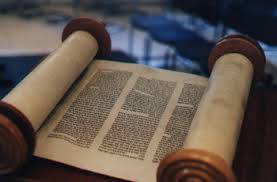


(יג) וַ֠יְהִ֠י בְּאַחַ֨ת וְשֵׁשׁ־מֵא֜וֹת שָׁנָ֗ה בָּֽרִאשׁוֹן֙ בְּאֶחָ֣ד לַחֹ֔דֶשׁ חָֽרְב֥וּ הַמַּ֖יִם מֵעַ֣ל הָאָ֑רֶץ וַיָּ֤סַר נֹ֙חַ֙ אֶת־מִכְסֵ֣ה הַתֵּבָ֔ה וַיַּ֕רְא וְהִנֵּ֥ה חָֽרְב֖וּ פְּנֵ֥י הָֽאֲדָמָֽה׃ (יד) וּבַחֹ֙דֶשׁ֙ הַשֵּׁנִ֔י בְּשִׁבְעָ֧ה וְעֶשְׂרִ֛ים י֖וֹם לַחֹ֑דֶשׁ יָבְשָׁ֖ה הָאָֽרֶץ׃ {ס}(טו) וַיְדַבֵּ֥ר אֱלֹהִ֖ים אֶל־נֹ֥חַ לֵאמֹֽר׃ (טז) צֵ֖א מִן־הַתֵּבָ֑ה אַתָּ֕ה וְאִשְׁתְּךָ֛ וּבָנֶ֥יךָ וּנְשֵֽׁי־בָנֶ֖יךָ אִתָּֽךְ׃ (יז) כׇּל־הַחַיָּ֨ה אֲשֶֽׁר־אִתְּךָ֜ מִכׇּל־בָּשָׂ֗ר בָּע֧וֹף וּבַבְּהֵמָ֛ה וּבְכׇל־הָרֶ֛מֶשׂ הָרֹמֵ֥שׂ עַל־הָאָ֖רֶץ (הוצא)[הַיְצֵ֣א] אִתָּ֑ךְ וְשָֽׁרְצ֣וּ בָאָ֔רֶץ וּפָר֥וּ וְרָב֖וּ עַל־הָאָֽרֶץ׃ (יח) וַיֵּ֖צֵא־נֹ֑חַ וּבָנָ֛יו וְאִשְׁתּ֥וֹ וּנְשֵֽׁי־בָנָ֖יו אִתּֽוֹ׃ (יט) כׇּל־הַֽחַיָּ֗ה כׇּל־הָרֶ֙מֶשׂ֙ וְכׇל־הָע֔וֹף כֹּ֖ל רוֹמֵ֣שׂ עַל־הָאָ֑רֶץ לְמִשְׁפְּחֹ֣תֵיהֶ֔ם יָצְא֖וּ מִן־הַתֵּבָֽה׃
(13) In the six hundred and first year, in the first month, on the first of the month, the waters began to dry from the earth; and when Noah removed the covering of the ark, he saw that the surface of the ground was drying.(14) And in the second month, on the twenty-seventh day of the month, the earth was dry.(15) God spoke to Noah, saying, (16) “Come out of the ark, together with your wife, your sons, and your sons’ wives. (17) Bring out with you every living thing of all flesh that is with you: birds, animals, and everything that creeps on earth; and let them swarm on the earth and be fertile and increase on earth.” (18) So Noah came out, together with his sons, his wife, and his sons’ wives. (19) Every animal, every creeping thing, and every bird, everything that stirs on earth came out of the ark by families.
עֵדוּת בִּיהוֹסֵף שָׂמוֹ בְּצֵאתוֹ וְגוֹ׳״. בְּרֹאשׁ הַשָּׁנָה בָּטְלָה עֲבוֹדָה מֵאֲבוֹתֵינוּ בְּמִצְרַיִם — כְּתִיב הָכָא: ״וְהוֹצֵאתִי אֶתְכֶם מִתַּחַת סִבְלוֹת מִצְרַיִם״, וּכְתִיב הָתָם: ״הֲסִירוֹתִי מִסֵּבֶל שִׁכְמוֹ״. בְּנִיסָן נִגְאֲלוּ — כִּדְאִיתָא. בְּתִשְׁרִי עֲתִידִין לִיגָּאֵל — אָתְיָא ״שׁוֹפָר״ ״שׁוֹפָר״. כְּתִיב הָכָא: ״תִּקְעוּ בַחֹדֶשׁ שׁוֹפָר״, וּכְתִיב הָתָם: ״בְּיוֹם הַהוּא יִתָּקַע בְּשׁוֹפָר גָּדוֹל״. רַבִּי יְהוֹשֻׁעַ אוֹמֵר: בְּנִיסָן נִגְאֲלוּ, בְּנִיסָן עֲתִידִין לִיגָּאֵל — מְנָלַן? אָמַר קְרָא: ״לֵיל שִׁמּוּרִים״ — לַיִל הַמְשׁוּמָּר וּבָא מִשֵּׁשֶׁת יְמֵי בְּרֵאשִׁית. וְאִידַּךְ: לַיְלָה הַמְּשׁוּמָּר וּבָא מִן הַמַּזִּיקִין. וְאָזְדוּ לְטַעְמַיְיהוּ, דְּתַנְיָא: ״בִּשְׁנַת שֵׁשׁ מֵאוֹת שָׁנָה לְחַיֵּי נֹחַ בַּחֹדֶשׁ הַשֵּׁנִי בְּשִׁבְעָה עָשָׂר יוֹם לַחֹדֶשׁ״, רַבִּי יְהוֹשֻׁעַ אוֹמֵר: אוֹתוֹ הַיּוֹם שִׁבְעָה עָשָׂר בְּאִיָּיר הָיָה, יוֹם שֶׁמַּזַּל כִּימָה שׁוֹקֵעַ בַּיּוֹם וּמַעְיָנוֹת מִתְמַעֲטִין. וּמִתּוֹךְ שֶׁשִּׁינּוּ מַעֲשֵׂיהֶן, שִׁינָּה הַקָּדוֹשׁ בָּרוּךְ הוּא עֲלֵיהֶם מַעֲשֵׂה בְרֵאשִׁית, וְהֶעֱלָה מַזַּל כִּימָה בַּיּוֹם, וְנָטַל שְׁנֵי כּוֹכָבִים מִכִּימָה וְהֵבִיא מַבּוּל לָעוֹלָם. רַבִּי אֱלִיעֶזֶר אוֹמֵר: אוֹתוֹ הַיּוֹם שִׁבְעָה עָשָׂר בְּמַרְחֶשְׁוָן הָיָה, יוֹם שֶׁמַּזַּל כִּימָה עוֹלֶה בַּיּוֹם וּמַעְיָנוֹת מִתְגַּבְּרִים.
And immediately afterward it is written: “This He ordained in Joseph for testimony, when he went out over the land of Egypt” (Psalms 81:6), implying that Joseph’s release from prison took place on Rosh HaShana. It was also taught in the baraita: On Rosh HaShana our forefathers’ slavery in Egypt ceased. From where is this known? It is written here: “And I will bring you out from under the burdens of Egypt” (Exodus 6:6); and it is written there, with regard to Joseph: “I removed his shoulder from the burden” (Psalms 81:7). From here it is derived by verbal analogy between the two instances of the word “burden” that just as Joseph was released from prison in Tishrei, so too, the slavery of our forefathers in Egypt ended in Tishrei. It was taught in the baraita: In Nisan our forefathers were redeemed from Egypt, as it is explicitly stated in the Torah. The baraita continues: In Tishrei in the future the Jewish peoplewill be redeemed in the final redemption. This is derived by means of a verbal analogy between one instance of the word shofar and another instance of the word shofar. It is written here, with regard to Rosh HaShana: “Sound a shofar at the New Moon” (Psalms 81:4), and it is written there, with regard to the final redemption: “And it shall come to pass on that day, that a great shofar shall be blown” (Isaiah 27:13). It was also taught in the baraita: Rabbi Yehoshua says: In Nisan our forefathers were redeemed from Egypt; and in Nisan in the future the Jewish peoplewill be redeemed in the final redemption. The Gemara asks: From where do we derive that the final redemption will be in Nisan? The verse states: “It is a night of watching for the Lord for bringing them out from the land of Egypt; this is the Lord’s night of watching, for all the children of Israel throughout their generations” (Exodus 12:42). This teaches that the night of Passover is a night that has been continuously watched, i.e., set aside for the purpose of redemption, from the six days of Creation, and it will continue to be so until the final redemption. The Gemara asks: And how does the othertanna, Rabbi Eliezer, understand this verse? He derives from it that this is a night that is continuously watched and protected from demons, meaning that demons have no power on the first night of Passover. AndRabbi Eliezer and Rabbi Yehoshuafollow their lines of reasoning, as they disagreed about this same issue in another context as well. As it is taught in a baraita: “In the six hundredth year of Noah’s life, in the second month, on the seventeenth day of the month, on that day were all the fountains of the great deep broken open, and the windows of heaven were opened” (Genesis 7:11). Rabbi Yehoshua says: That day was the seventeenth of Iyyar, the second month of the year counting from Nisan, which is the day that the constellation of Kima sets during the day and the season that the springs diminish with the increased heat. But because the people of the generation of the flood changed their actions for the worse, the Holy One, Blessed be He, changed for them the acts of Creation, and instead of Kima setting, He caused the constellation of Kima to rise during the day and He removed two stars from Kima, and in this way He brought a flood to the world.Rabbi Eliezer disagrees and says: That day was the seventeenth of Marḥeshvan, the second month counting from Tishrei, which is the day that the constellation of Kima rises during the day and the season that the springs increase.
(א)ויסר נח את מכסה התבה. חשב שכבר יבש לחות האויר המותריי: (ב)והנה חרבו פני האדמה. אבל לא יבשו באופן שיוכל לצאת:
(1) ויסר נח את מכסה התבה, he had thought that the earth had already dried out completely only to find (2) והנה חרבה פני האדמה, that whereas there was a thin layer of earth above the water, the earth had not yet dried out thoroughly.
(כא) וַיָּ֣רַח יהוה אֶת־רֵ֣יחַ הַנִּיחֹ֒חַ֒ וַיֹּ֨אמֶר יהוה אֶל־לִבּ֗וֹ לֹֽא־אֹ֠סִ֠ף לְקַלֵּ֨ל ע֤וֹד אֶת־הָֽאֲדָמָה֙ בַּעֲב֣וּר הָֽאָדָ֔ם כִּ֠י יֵ֣צֶר לֵ֧ב הָאָדָ֛ם רַ֖ע מִנְּעֻרָ֑יו וְלֹֽא־אֹסִ֥ף ע֛וֹד לְהַכּ֥וֹת אֶת־כׇּל־חַ֖י כַּֽאֲשֶׁ֥ר עָשִֽׂיתִי׃
(י) וַיֹּאמֶר יהוה אֶל לִבּוֹ (בראשית ח, כא), הָרְשָׁעִים הֵן בִּרְשׁוּת לִבָּן (תהלים יד, א): אָמַר נָבָל בְּלִבּוֹ, (בראשית כז, מא): וַיֹּאמֶר עֵשָׂו בְּלִבּוֹ, (מלכים א יב, כו): וַיֹּאמֶר יָרָבְעָם בְּלִבּוֹ, (אסתר ו, ו): וַיֹּאמֶר הָמָן בְּלִבּוֹ. אֲבָל הַצַּדִּיקִים לִבָּן בִּרְשׁוּתָן (שמואל א א, יג): וְחַנָּה הִיא מְדַבֶּרֶת עַל לִבָּהּ, (שמואל א כז, א): וַיֹּאמֶר דָּוִד אֶל לִבּוֹ, (דניאל א, ח): וַיָּשֶׂם דָּנִּיֵּאל עַל לִבּוֹ. וַיֹּאמֶר יהוה אֶל לִבּוֹ. (בראשית ח, כא): לֹא אֹסִף, לֹא אֹסִף לִסְגֵי לִסְגֵי. וְרַבָּנָן אָמְרִין לֹא אֹסִף לִבְנֵי נֹחַ, לֹא אֹסִף לַדּוֹרוֹת. אָמַר רַבִּי חִיָּא רַבָּה עֲלוּבָה הִיא הָעִסָּה שֶׁנַּחְתּוֹמָהּ מֵעִיד עָלֶיהָ שֶׁהִיא רָעָה. (בראשית ח, כא): כִּי יֵצֶר לֵב הָאָדָם רַע מִנְּעֻרָיו, אַבָּא יוֹסֵי הַתּוֹרְתִי אוֹמֵר עָלוּב הוּא הַשְּׂאוֹר, שֶׁמִּי שֶׁבָּרָא אוֹתוֹ מֵעִיד עָלָיו שֶׁהוּא רַע, שֶׁנֶּאֱמַר (תהלים קג, יד): כִּי הוּא יָדַע יִצְרֵנוּ זָכוּר כִּי עָפָר אֲנָחְנוּ. רַבָּנָן אָמְרֵי עֲלוּבָה הַנְּטִיעָה שֶׁמִּי שֶׁנְּטָעָהּ מֵעִיד עָלֶיהָ שֶׁהִיא רָעָה, שֶׁנֶּאֱמַר (ירמיה יא, יז): וַיהוה צְבָאוֹת הַנּוֹטֵעַ אוֹתָךְ דִּבֶּר עָלַיִךְ רָעָה. שָׁאַל אַנְטוֹנִינוֹס אֶת רַבֵּנוּ, אָמַר לוֹ מֵאֵימָתַי יֵצֶר הָרָע נָתוּן בָּאָדָם, מִשֶּׁיָּצָא מִמְּעֵי אִמּוֹ אוֹ עַד שֶׁלֹא יָצָא מִמְּעֵי אִמּוֹ, אָמַר לוֹ עַד שֶׁלֹא יָצָא מִמְּעֵי אִמּוֹ, אָמַר לוֹ לָאו, שֶׁאִלּוּ הָיָה נָתוּן בּוֹ עַד שֶׁהוּא בִּמְעֵי אִמּוֹ, הָיָה חוֹטֵט אֶת בְּנֵי מֵעֶיהָ וְיוֹצֵא, וְהוֹדָה לוֹ רַבִּי, שֶׁהִשְׁוָה לְדַעַת הַמִּקְרָא, שֶׁנֶּאֱמַר: כִּי יֵצֶר לֵב הָאָדָם רַע מִנְּעֻרָיו. רַבִּי יוּדָן אָמַר מִנְּעֻרָיו כְּתִיב, מִשָּׁעָה שֶׁהוּא נִנְעָר לָצֵאת מִמְּעֵי אִמּוֹ. וְעוֹד שָׁאַל אַנְטוֹנִינוֹס אֶת רַבֵּנוּ, אָמַר לוֹ מֵאֵימָתַי נְשָׁמָה נִתְּנָה בָּאָדָם מִשֶּׁיָּצָא מִמְּעֵי אִמּוֹ אוֹ עַד שֶׁלֹא יָצָא מִמְּעֵי אִמּוֹ, אָמַר לוֹ מִשֶּׁיָּצָא מִמְּעֵי אִמּוֹ, אָמַר לוֹ לָאו, מָשָׁל אִם תַּנִּיחַ בָּשָׂר שְׁלשָׁה יָמִים בְּלֹא מֶלַח מִיָּד הוּא מַסְרִיחַ. וְהוֹדָה לוֹ רַבִּי, שֶׁהִשְׁוָה דַּעְתּוֹ לְדַעַת הַמִּקְרָא, שֶׁנֶּאֱמַר (איוב י, יב): חַיִּים וָחֶסֶד עָשִׂיתָ עִמָּדִי וּפְקֻדָּתְךָ שָׁמְרָה רוּחִי, מֵאֵימָתַי נָתַתָּ בִּי אֶת הַנְּשָׁמָה מִשֶּׁהִפְקַדְתַּנִּי.
(10) “The Lord said to His heart” – the wicked are under the control of their hearts: “The scoundrel says in his heart” (Psalms 14:1); “Esau said in his heart” (Genesis 27:41); “Yerovam said in his heart” (I Kings 12:26); “Haman said in his heart” (Esther 6:6). But the righteous, their hearts are subject to them: “Hannah was speaking to her heart” (I Samuel 1:13); “David said to his heart” (I Samuel 27:1); “Daniel placed in his heart” (Daniel 1:8); “the Lord said to His heart.” “I will not continue…and I will not continue” – it is powerful, it is powerful. The Rabbis say: “I will not continue” for the [present] children of Noah, “and I will not continue” for [future] generations. Rabbi Ḥiyya the Great said: Wretched is the dough whose baker attests in its regard that it is inferior – “[and the Lord said to His heart…] as the inclination of man’s heart is evil from his youth.” Abba Yosei HaTorati says: Wretched is the leaven whose maker attests that it is inferior, as it is stated: “For He knows our inclination; mindful that we are dust” (Psalms 103:14). The Rabbis say: Wretched is the sapling whose planter attests that it is inferior, as it is stated: “The Lord of hosts, who planted you, spoke evil of you” (Jeremiah 11:17). Antoninos asked our Rabbi, saying to him: ‘From what point is the evil inclination implanted in a person? From the moment he emerges from his mother’s womb, or even before he emerges from his mother’s womb?’ He said to him:’ Before he emerges from his mother’s womb.’ He said to him: ‘No. Were it implanted in him while still in his mother’s womb, he [the fetus] would dig through her innards and emerge [by force].’ Rabbi conceded to him, as he was in agreement with the opinion of the Biblical verse: “As the inclination of man's heart is evil from his youth [neurav]” (Genesis 8:21). Rabbi Yudan said: “ne’erav” is written; from the moment that he pushes out [ninar] to emerge from his mother’s womb. Antoninos also asked our Rabbi, saying to him: ‘From when is a spirit embedded in a person? From the moment he emerges from his mother’s womb, or even before he emerges from his mother’s womb?’ He said to him: ‘After he emerges from his mother’s womb.’ He said to him: ‘No. This is analogous to a piece of meat, if one were to leave it without salting it for three days, it putrefies.’ Rabbi conceded to him, as he was in agreement with the opinion of the Biblical verse, as it is stated: ”You granted me life and kindness, and Your command [ufkudatekha] preserved my spirit” (Job 10:12) – from when did you place the soul in me? It is from when You deposited me [hifkadetani].
“because the tendencies of man’s heart are evil from his youth already.” Man’s immaturity in his younger years is the reason for these evil inclinations. G-d therefore had decided not to visit punishments on man promptly as a result this consideration as He used to do. (Chizkuni)
Animals which have been trained to do just that are not culpable for doing what comes naturally. Similarly, man, equipped as he is with an evil instinct from birth, is not culpable until he has learned to distinguish right from wrong. This rule applies to minors not being subject to the judiciary process. They are, however, punishable by G'd for not having heeded His call. In that respect man is not like the bull we mentioned. Man's advantage over the beasts is his knowledge of good and evil. He is charged with despising evil and choosing what is good. The fact that man was born with the יצר הרע only, acts like an extenuating circumstance protecting him against G'd's anger.(Or Ha'Chaim)
As he grows older, becomes more mature, forces known as the יצר טוב begin to assert themselves Seeing that man had been formed without the benefit of the impulse to do what is good, useful, rather than what is designed to gratify his baser urges, as G’d decided in His wisdom to do, seeing that man was part of the overall scheme of nature, he will become guilty of sin again and again, with the exception of an infinitely small percentage of people. Therefore, G’d would not continue to punish mankind at large on account of most people acting out their natural inclinations. According to Sanhedrin 91 the Roman governor Antoninus asked Rabbi Yehudah hanassi, his frequent companion, at what point the “evil urge” entered the human being. He wanted to know if this occurred at the moment of birth or at the moment when the fetus assumed a certain shape, say 40 days after fertilisation of the ovum. Rabbi Yehudah answered that this occurred already at the earlier of these two points in time. Antoninus found it difficult to accept this, saying that if it were so the fetus would keep hitting out at his mother while in her womb, and as a result, she would give birth prematurely. Rabbi Yehudah quoted as his source Genesis 4,7 where G’d told Kayin that the evil urge was lying already at the entrance of the birth canal, מפתח חטאת רובץ. Antoninus countered that from our verse here it seems that the evil urge commences his activity only after the child can be called נער, a lad. Rabbi Yehudah drew Antoninus’ attention to the defective spelling in the word נעריו, which if Antoninus were correct, should have had the letter ו after the letter ע, i.e. making נעוריו, after he had attained the status of a human being. Seeing that this letter is missing, this is a clear hint that this רע within the human being predates his birth. Rabbi Yudan, enlarging on this unusual spelling, plus the fact that the words לא אסיף are repeated twice in this verse, stated that such repetition, when reported in G’d’s name, is always an equivalent to an oath by G’d, i.e. something that He will not change for any reason This is why the prophet Isaiah correctly quoted G’d in Isaiah 54,9 as saying “I have sworn to Myself not to bring on another deluge of water such as in the days of Noach.”(Radak)
God recognizes that the inclination to do evil is part of human beings. God’s observation does not claim that humans are inherently sinful but rather recognizes human limitations. God’s subsequent laws reflect God’s new awareness.(Torah A Women's Commentary)