


(א) וְאַבְרָהָ֣ם זָקֵ֔ן בָּ֖א בַּיָּמִ֑ים וַֽיקוק בֵּרַ֥ךְ אֶת־אַבְרָהָ֖ם בַּכֹּֽל׃
(1) Abraham was now old, advanced in years, and יקוק had blessed Abraham in all things.
(לא) עֲטֶ֣רֶת תִּפְאֶ֣רֶת שֵׂיבָ֑ה בְּדֶ֥רֶךְ צְ֝דָקָ֗ה תִּמָּצֵֽא׃
(31) Gray hair is a crown of glory; It is attained by the way of righteousness.
(טו) וְאַתָּ֛ה תָּב֥וֹא אֶל־אֲבֹתֶ֖יךָ בְּשָׁל֑וֹם תִּקָּבֵ֖ר בְּשֵׂיבָ֥ה טוֹבָֽה׃
(15) As for you, You shall go to your ancestors in peace; You shall be buried at a ripe old age.
(ל) לָכֵ֗ן נְאֻם־יקוק אֱלֹקֵ֣י יִשְׂרָאֵל֒ אָמ֣וֹר אָמַ֔רְתִּי בֵּֽיתְךָ֙ וּבֵ֣ית אָבִ֔יךָ יִתְהַלְּכ֥וּ לְפָנַ֖י עַד־עוֹלָ֑ם וְעַתָּ֤ה נְאֻם־יקוק חָלִ֣ילָה לִּ֔י כִּֽי־מְכַבְּדַ֥י אֲכַבֵּ֖ד וּבֹזַ֥י יֵקָֽלּוּ׃ (לא) הִנֵּה֙ יָמִ֣ים בָּאִ֔ים וְגָֽדַעְתִּי֙ אֶת־זְרֹ֣עֲךָ֔ וְאֶת־זְרֹ֖עַ בֵּ֣ית אָבִ֑יךָ מִֽהְי֥וֹת זָקֵ֖ן בְּבֵיתֶֽךָ׃ (לב) וְהִבַּטְתָּ֙ צַ֣ר מָע֔וֹן בְּכֹ֥ל אֲשֶׁר־יֵיטִ֖יב אֶת־יִשְׂרָאֵ֑ל וְלֹא־יִֽהְיֶ֥ה זָקֵ֛ן בְּבֵיתְךָ֖ כׇּל־הַיָּמִֽים׃
(30) Assuredly—declares the ETERNAL, the God of Israel—I intended for you and your father’s house to remain in My service forever. But now—declares GOD—far be it from Me! For I honor those who honor Me, but those who spurn Me shall be dishonored. (31) A time is coming when I will break your power and that of your father’s house, and there shall be no elder in your house. (32) You will gaze grudgingly at all the bounty that will be bestowed on Israel, but there shall never be an elder in your house.
(יט) כִּ֣י יְדַעְתִּ֗יו לְמַ֩עַן֩ אֲשֶׁ֨ר יְצַוֶּ֜ה אֶת־בָּנָ֤יו וְאֶת־בֵּיתוֹ֙ אַחֲרָ֔יו וְשָֽׁמְרוּ֙ דֶּ֣רֶךְ יקוק לַעֲשׂ֥וֹת צְדָקָ֖ה וּמִשְׁפָּ֑ט לְמַ֗עַן הָבִ֤יא יקוק עַל־אַבְרָהָ֔ם אֵ֥ת אֲשֶׁר־דִּבֶּ֖ר עָלָֽיו׃
(כה) עֹז־וְהָדָ֥ר לְבוּשָׁ֑הּ וַ֝תִּשְׂחַ֗ק לְי֣וֹם אַחֲרֽוֹן׃
(25) She is clothed with strength and splendor; She looks to the future cheerfully.
(טז) אֹ֣רֶךְ יָ֭מִים בִּֽימִינָ֑הּ בִּ֝שְׂמֹאולָ֗הּ עֹ֣שֶׁר וְכָבֽוֹד׃
(16) In her right hand is length of days, In her left, riches and honor.
(יט) כִּ֣י יְדַעְתִּ֗יו לְמַ֩עַן֩ אֲשֶׁ֨ר יְצַוֶּ֜ה אֶת־בָּנָ֤יו וְאֶת־בֵּיתוֹ֙ אַחֲרָ֔יו וְשָֽׁמְרוּ֙ דֶּ֣רֶךְ יקוק לַעֲשׂ֥וֹת צְדָקָ֖ה וּמִשְׁפָּ֑ט לְמַ֗עַן הָבִ֤יא יקוק עַל־אַבְרָהָ֔ם אֵ֥ת אֲשֶׁר־דִּבֶּ֖ר עָלָֽיו׃
למיימינין - של תורה שמפשפשין טעמיהן בדקדוק ובוררין כימין המיומנת למלאכה:
רַב נַחְמָן בַּר יִצְחָק אָמַר: זוֹכִין לִדְבָרִים שֶׁנֶּאֶמְרוּ בִּימִינָהּ שֶׁל תּוֹרָה. דְּאָמַר רָבָא בַּר רַב שֵׁילָא, וְאָמְרִי לַהּ אָמַר רַב יוֹסֵף בַּר חָמָא אָמַר רַב שֵׁשֶׁת: מַאי דִכְתִיב ״אֹרֶךְ יָמִים בִּימִינָהּ בִּשְׂמֹאלָהּ עֹשֶׁר וְכָבוֹד״ — אֶלָּא בִּימִינָהּ אֹרֶךְ יָמִים אִיכָּא, עֹשֶׁר וְכָבוֹד לֵיכָּא?! אֶלָּא: לַמַּיְימִינִין בָּהּ — אֹרֶךְ יָמִים אִיכָּא, וְכָל שֶׁכֵּן עוֹשֶׁר וְכָבוֹד. לַמַּשְׂמְאִילִים בָּהּ — עוֹשֶׁר וְכָבוֹד אִיכָּא, אוֹרֶךְ יָמִים לֵיכָּא.
Rav Naḥman bar Yitzḥak said: They are rewarded with the matters stated with regard to the right hand of the Torah. As Rava bar Rav Sheila said and some say Rav Yosef bar Ḥama said that Rav Sheshet said: What is the meaning of that which is written, “Length of days is in her right hand and in her left hand are riches and honor” (Proverbs 3:16)? Is that to say, however, that in her right there is length of days, but there are not riches and honor? Rather, it means: Those who relate to it with the skilled right hand, i.e., who study Torah for its own sake and with proper intentions, there is length of days and all the more so riches and honor for them. Whereas, those who relate to it with the unskilled left hand, there are riches and honor; there is not length of days.
(יח) וְגַ֤ם עַד־זִקְנָ֨ה ׀ וְשֵׂיבָה֮ אֱלֹקִ֢ים אַֽל־תַּ֫עַזְבֵ֥נִי עַד־אַגִּ֣יד זְרוֹעֲךָ֣ לְד֑וֹר לְכׇל־יָ֝ב֗וֹא גְּבוּרָתֶֽךָ׃
(18) and even in hoary old age do not forsake me, God, until I proclaim Your strength to the next generation, Your mighty acts, to all who are to come,
(ח) יִמָּ֣לֵא פִ֭י תְּהִלָּתֶ֑ךָ כׇּל־הַ֝יּ֗וֹם תִּפְאַרְתֶּֽךָ׃ (ט) אַֽל־תַּ֭שְׁלִיכֵנִי לְעֵ֣ת זִקְנָ֑ה כִּכְל֥וֹת כֹּ֝חִ֗י אַֽל־תַּעַזְבֵֽנִי׃
(8) My mouth is full of praise to You, glorifying You all day long. (9) Do not cast me off in old age; when my strength fails, do not forsake me!
(ח) יִמָּ֣לֵא פִ֭י תְּהִלָּתֶ֑ךָ כׇּל־הַ֝יּ֗וֹם תִּפְאַרְתֶּֽךָ׃ (ט) אַֽל־תַּ֭שְׁלִיכֵנִי לְעֵ֣ת זִקְנָ֑ה כִּכְל֥וֹת כֹּ֝חִ֗י אַֽל־תַּעַזְבֵֽנִי׃
(8) My mouth is full of praise to You, glorifying You all day long. (9) Do not cast me off in old age; when my strength fails, do not forsake me!

(א) וּזְכֹר֙ אֶת־בּ֣וֹרְאֶ֔יךָ בִּימֵ֖י בְּחוּרֹתֶ֑יךָ עַ֣ד אֲשֶׁ֤ר לֹא־יָבֹ֙אוּ֙ יְמֵ֣י הָֽרָעָ֔ה וְהִגִּ֣יעוּ שָׁנִ֔ים אֲשֶׁ֣ר תֹּאמַ֔ר אֵֽין־לִ֥י בָהֶ֖ם חֵֽפֶץ׃ (ב) עַ֠ד אֲשֶׁ֨ר לֹֽא־תֶחְשַׁ֤ךְ הַשֶּׁ֙מֶשׁ֙ וְהָא֔וֹר וְהַיָּרֵ֖חַ וְהַכּוֹכָבִ֑ים וְשָׁ֥בוּ הֶעָבִ֖ים אַחַ֥ר הַגָּֽשֶׁם׃ (ג) בַּיּ֗וֹם שֶׁיָּזֻ֙עוּ֙ שֹׁמְרֵ֣י הַבַּ֔יִת וְהִֽתְעַוְּת֖וּ אַנְשֵׁ֣י הֶחָ֑יִל וּבָטְל֤וּ הַטֹּֽחֲנוֹת֙ כִּ֣י מִעֵ֔טוּ וְחָשְׁכ֥וּ הָרֹא֖וֹת בָּאֲרֻבּֽוֹת׃ (ד) וְסֻגְּר֤וּ דְלָתַ֙יִם֙ בַּשּׁ֔וּק בִּשְׁפַ֖ל ק֣וֹל הַֽטַּחֲנָ֑ה וְיָקוּם֙ לְק֣וֹל הַצִּפּ֔וֹר וְיִשַּׁ֖חוּ כׇּל־בְּנ֥וֹת הַשִּֽׁיר׃ (ה) גַּ֣ם מִגָּבֹ֤הַּ יִרָ֙אוּ֙ וְחַתְחַתִּ֣ים בַּדֶּ֔רֶךְ וְיָנֵ֤אץ הַשָּׁקֵד֙ וְיִסְתַּבֵּ֣ל הֶֽחָגָ֔ב וְתָפֵ֖ר הָֽאֲבִיּוֹנָ֑ה כִּֽי־הֹלֵ֤ךְ הָאָדָם֙ אֶל־בֵּ֣ית עוֹלָמ֔וֹ וְסָבְב֥וּ בַשּׁ֖וּק הַסּוֹפְדִֽים׃ (ו) עַ֣ד אֲשֶׁ֤ר לֹֽא־[יֵרָתֵק֙](ירחק) חֶ֣בֶל הַכֶּ֔סֶף וְתָר֖וּץ גֻּלַּ֣ת הַזָּהָ֑ב וְתִשָּׁ֤בֶר כַּד֙ עַל־הַמַּבּ֔וּעַ וְנָרֹ֥ץ הַגַּלְגַּ֖ל אֶל־הַבּֽוֹר׃ (ז) וְיָשֹׁ֧ב הֶעָפָ֛ר עַל־הָאָ֖רֶץ כְּשֶׁהָיָ֑ה וְהָר֣וּחַ תָּשׁ֔וּב אֶל־הָאֱלֹקִ֖ים אֲשֶׁ֥ר נְתָנָֽהּ׃
(1) So appreciate your vigor in the days of your youth, before those days of sorrow come and those years arrive of which you will say, “I have no pleasure in them”; (2) before sun and light and moon and stars grow dark, and the clouds come back again after the rain: (3) When the guards of the house become shaky, And the men of valor are bent, And the maids that grind, grown few, are idle, And the ladies that peer through the windows grow dim, (4) And the doors to the street are shut— With the noise of the hand mill growing fainter, And the song of the bird growing feebler, And all the strains of music dying down; (5) When one is afraid of heights And there is terror on the road.— For the almond tree may blossom, The grasshopper be burdened, And the caper bush may bud again; But man sets out for his eternal abode, With mourners all around in the street.— (6) Before the silver cord snaps And the golden bowl crashes, The jar is shattered at the spring, And the jug is smashed at the cistern. (7) And the dust returns to the ground As it was, And the lifebreath returns to God Who bestowed it.
For the child-aged cast of Tim Minchin’s Mathilda, ‘When I grow up,’ is a time of optimism. For Kohelet, in maturity, ageing is literally evil – ra’ah. What follows, is worse. Verses 3-7 are usually understood as a parable of the decay of our corpse.
For the Talmud (Shabbat 151b) the snapped silver cord is the spine, the shattered golden bowl is the penis, the pitcher is the stomach and the wheel is excrement. The prospect and experience of ageing into death is examined – as is so much else in this remarkable book – with a clear-eyed refusal to sweeten or dissemble. Life tends to entropy. But perhaps, as hard as it is to age, the other possibility offers no greater reward.
In Homo Deus, Noah Yuval Harari notes we don’t die like we used to. We used to die of pestilence or poverty. Now, we are propped up by medicine and prosperity and, as a race, we aren’t even as violent as we once were. We are heading not quite for immortality, but, says Harari, a-mortality. ‘Future superhumans could still die in some accident but so long as no bomb shreds them, they could go on indefinitely,’ - then comes a sensational observation - ‘which will probably make them the most anxious people in history. If you believe you can live forever, you would be crazy to gamble on infinity like that.’ A-mortality sounds desperately dull. Douglas Adams imagined an immortal alien, the wonderfully named, Bowerick Wowbagger the Infinitely Prolonged, who was so bored with his infinite lot, he decided to insult everyone in the entire universe in alphabetical order.
(יט) כִּ֣י יְדַעְתִּ֗יו לְמַ֩עַן֩ אֲשֶׁ֨ר יְצַוֶּ֜ה אֶת־בָּנָ֤יו וְאֶת־בֵּיתוֹ֙ אַחֲרָ֔יו וְשָֽׁמְרוּ֙ דֶּ֣רֶךְ יקוק לַעֲשׂ֥וֹת צְדָקָ֖ה וּמִשְׁפָּ֑ט לְמַ֗עַן הָבִ֤יא יקוק עַל־אַבְרָהָ֔ם אֵ֥ת אֲשֶׁר־דִּבֶּ֖ר עָלָֽיו׃
(כא) רֹ֭דֵף צְדָקָ֣ה וָחָ֑סֶד יִמְצָ֥א חַ֝יִּ֗ים צְדָקָ֥ה וְכָבֽוֹד׃
(21) He who strives to do good and kind deeds Attains life, success, and honor.
שָׁבַשׁ (= שבשב, cmp. שׁוֹבָב) to run in all directions, blunder.
Pi. - שִׁבֵּשׁto entangle, confound; part. pass.מְשׁוּבָּשׁ; f. מְשׁוּבֶּשֶׁתthrown into confusion. Yeb. XVI, 7, v. גַּיָּיס. Lev. R. s. 35; Cant. R. to VI, 11.
Hithpa. - הִשְׁתַּבֵּשׁto be entangled. Midr. Till. to Ps. XVIII, 11וטלפות סוסיהן מִשְׁתַּבְּשׁוֹת ed. Bub. (oth. ed. משתמטות) and the hoofs of their horses were entangled (caught in the mud).
שִׁבְשֵׁב (preced. wds.) to plait branches. Y. Sot. IX, 24ᵇ bot. ר׳ ירמיה שי׳ ולבש עטרה וכ׳ R. J. plaited and put on a crown of olive branches (in honor of a bridal couple).—[Lam. R. to V, 16ר׳ ירמיה דשבשב, some ed. דשבשבת, v. שְׁבִשְׁתָּא.]
שַׁבְשָׁבָה f. (preced.) branch, shoot. Gen. R. s. 59נחתת ש׳ דנור ואתעבידת כמו ש׳ דהדס וכ׳ a branch of fire came down and assumed the shape of a myrtle branch, and separated the bier from the people, v. שִׂבְּשָׁא.
שְׁבִשְׁתָּא, שְׁבִישְׁ׳, שַׁבֶּשְׁתָּא f. (preced. wds.) 1)shoot, twig. Targ. Ez. XV, 2 (h. text זמורה). Ib. XVII, 4 (h. text יניקות).—Ber. 5ᵇ שמיע לן … וכ׳ Ar. (ed. שְׁבִישָׁא) we have heard that you allow your tenant no share in the vines (when they are cut). Y. Peah I, 15ᵈהוה נסיב שיבשתיה וכ׳ (read: שְׁבִישְׁתָּא or שְׁבִישָׁתָהpl.) used to take a branch (branches) and dance in front of bridal processions; ib.דקמת ליה שְׁבִישְׁתֵּיה the merit of his (carrying the) twigs (or of his folly, v. שׁוֹטִיתָא) stood by him (at his funeral, when lightning in the shape of a twig came down, v. שִׁבְשָׁא a. שַׁבְשָׁבָה); Y. Ab. Zar. III, 42ᶜ top נסיב שׁוֹשִׁיבְתָּה (or שׁוֹשִׁיבָתָה pl.); ib.דעבדת ליה שושבתא, read: דעמדת ליה שׁוֹשַׁבְתֵּיה; Gen. R. s. 59דקמת ליה שַׁבֶּשְׁתֵּיה.—Pl.שְׁבִישָׁתָא, שְׁבִשָׁ׳. Koh. R. to III, 11 (in Hebr. dict.) נתן להם ש׳ דהדס וכ׳ he gave them myrtle twigs (in place of swords and spears), and they smote one another &c.; ib.שבישותה של הדס (corr. acc.).—Koh. R. to X, 5 ר׳ ירמיה דש׳ וכ׳ ‘R. Jeremiah of the branch’ (so surnamed for his manner of dancing before bridal couples) took a crown of olive branches &c. (v. שִׁבְשׁב); Lam. R. to V, 16דשבשב (some ed. דשבשבת). —2)confusion, mistake. B. Mets. 96ᵇ, a. e. לפום חורפא ש׳, v. חִוּרְפָּא. Pes. 112ᵃ, a. e. ש׳ כיון דעל וכ׳, v. עוּל.
עָרַס (cmp. אָרַס) to connect, intertwine, braid &c.—Denom. עָרִיס, עֲרִיסָה, עֶרֶס &c.
Pi. - עֵירֵס, עֵרֵס1) (denom. of (denom. of עָרִיס) to form an arbor.Kil. IV, 7אם עֵרְסָן מלמעלה if he connected them (the two rows of vines) above so as to form an arbor. —2) (denom. of עֲרִיסָה) to start dough, contrad. to לוש. Y. Pes. III, 30ᵃ; Y. Bets. I, 60ᵈ top ע׳ לא אמר אלא לש וכ׳ the Boraitha does not say, ‘if one started dough’, but, ‘if one kneaded’; but if one started (on the eve of a Holy Day), this prohibition does not apply.—In gen. to knead, work in (cmp. עָרַךְ). Ber. 37ᵇבשעֵרְסָנ when he worked the crumbs again into a compact mass; Men. 75ᵇבשעירסן. Y. Ḥall. I, 57ᵇ, v. עָסוּת.—Part. pass. מְעוֹרָס. Ib.וההן נשוך לאו כמע׳ הוא (not כמעירס) and that lump of dough made by pressing several pieces together (v. נָשַׁךְ),—is that not the same as if worked together?
Nif. - נֶעֱרַס, Hithpa. - הִתְעָרֵסto become connected, compact. Sifré Num. 110 (ref. to ערסתכם, Num. XV, 20, sq.) משיִתְעָרֵס (it is subject to Ḥallah) from the time it has become a compact mass; Yalk. ib. 748 משתֵּעָרֵס.
עֶרֶס, עַרְסָא ch. 1)same. Targ. O. Deut. III, 11. Targ. O. Ex. VII, 28. Targ. Y. II ib. XXI, 18; a. fr.—תשמיש (ד)ע׳ sexual connection. Targ. Y. II ib. XIX, 15 (Y. I דעָרִיס). Targ. Y. Num. V, 13דעריס; a. e.—Targ. II Sam. III, 31bier.—Snh. 20ᵃ; Ned. 56ᵇע׳ דגדא, v. גַּדָּא. Ib.ע׳ דצלא a bed with a leather mattress. Lam. R. to I, 1ע׳ (רבתי) פחיתא a broken bedstead. B. Bath. 22ᵃלעַרְסֵיה וכ׳ waiting for the bier of R. A. Y. Kil. IX, 32ᶜ bot.; Y. Keth. XII, 35ᵇיהבון עַרְסִי וכ׳ place my bier (coffin) at the sea-shore; a. fr.—Pl. עַרְסָן, עַרְסָתָא, עַרְסִין. Targ. Am. VI, 4עַרְסַתְהוֹן ed. Lag. (oth. ed. עַרְסֵיהוֹן). Lam. R. l. c. אתקין … עַרְסָאתָא he prepared for them four beds. Lev. R. s. 5 (transl. מטות שן Am. l. c.) ע׳ דפיל ivory bedsteads. Y. Ber. III, 6ᵃ top ע׳ קיסרייתא וכ׳ Cæsarean bedsteads which have holes for the girths; a. e. —2) (cmp. עָרִיס I) arcade along a row of buildings, sidewalk. Gitt. 6ᵃמצריך מע׳ לע׳ required identification of signatures on documents brought from one side of the street to the other. Y. Bets. I, 60ᶜ bot. מע׳ לע׳ from one side of the street to the other (or from one couch to the other, v. טְעַן II).—Pl. עַרְסָתָא. Erub. 26ᵃ מערב … ע׳ ע׳ Ar. (Ms. M. ערסא ערסא; ed. עַרְסְיָיתָא, fr. עַרְסִיתָא) provided the whole town of M. with ‘Erubs (v. עֵירוּב), one for each row of connected houses. —3)dish of the steel-yard, scales. Sabb. 60ᵃ, v. עֲדָשָׁה.
(ג) יׇפְיָפִ֡יתָ מִבְּנֵ֬י אָדָ֗ם ה֣וּצַק חֵ֭ן בְּשִׂפְתוֹתֶ֑יךָ עַל־כֵּ֤ן בֵּרַכְךָ֖ אֱלֹקִ֣ים לְעוֹלָֽם׃
(3) You are fairer than all men; your speech is endowed with grace; rightly has God given you an eternal blessing.
(ז) הֵ֚ן אֶרְאֶלָּ֔ם צָעֲק֖וּ חֻ֑צָה מַלְאֲכֵ֣י שָׁל֔וֹם מַ֖ר יִבְכָּיֽוּן׃
(7)Hark! The Arielites cry aloud; Shalom’s messengers weep bitterly.
(ג) מִֽי־יַעֲלֶ֥ה בְהַר־יקוק וּמִי־יָ֝ק֗וּם בִּמְק֥וֹם קׇדְשֽׁוֹ׃
(3) Who may ascend the mountain of the LORD? Who may stand in His holy place?—
(יב) וַיֹּ֗אמֶר אַל־תִּשְׁלַ֤ח יָֽדְךָ֙ אֶל־הַנַּ֔עַר וְאַל־תַּ֥עַשׂ ל֖וֹ מְא֑וּמָה כִּ֣י ׀ עַתָּ֣ה יָדַ֗עְתִּי כִּֽי־יְרֵ֤א אֱלֹקִים֙ אַ֔תָּה וְלֹ֥א חָשַׂ֛כְתָּ אֶת־בִּנְךָ֥ אֶת־יְחִידְךָ֖ מִמֶּֽנִּי׃
(12) “Do not raise your hand against the boy, or do anything to him. For now I know that you fear God, since you have not withheld your son, your favored one, from Me.”
(כו) וַתַּבֵּ֥ט אִשְׁתּ֖וֹ מֵאַחֲרָ֑יו וַתְּהִ֖י נְצִ֥יב מֶֽלַח׃ (כז) וַיַּשְׁכֵּ֥ם אַבְרָהָ֖ם בַּבֹּ֑קֶר אֶ֨ל־הַמָּק֔וֹם אֲשֶׁר־עָ֥מַד שָׁ֖ם אֶת־פְּנֵ֥י יקוק׃
(26) Lot’s wife looked back, and she thereupon turned into a pillar of salt. (27) Next morning, Abraham hurried to the place where he had stood before יקוק,
(כב) וַיֹּ֥אמֶר אַבְרָ֖ם אֶל־מֶ֣לֶךְ סְדֹ֑ם הֲרִמֹ֨תִי יָדִ֤י אֶל־יקוק אֵ֣ל עֶלְי֔וֹן קֹנֵ֖ה שָׁמַ֥יִם וָאָֽרֶץ׃ (כג) אִם־מִחוּט֙ וְעַ֣ד שְׂרֽוֹךְ־נַ֔עַל וְאִם־אֶקַּ֖ח מִכׇּל־אֲשֶׁר־לָ֑ךְ וְלֹ֣א תֹאמַ֔ר אֲנִ֖י הֶעֱשַׁ֥רְתִּי אֶת־אַבְרָֽם׃
(22) But Abram said to the king of Sodom, “I swear to יקוק, God Most High, Creator of heaven and earth: (23) I will not take so much as a thread or a sandal strap of what is yours; you shall not say, ‘It is I who made Abram rich.’
(כה) חָלִ֨לָה לְּךָ֜ מֵעֲשֹׂ֣ת ׀ כַּדָּבָ֣ר הַזֶּ֗ה לְהָמִ֤ית צַדִּיק֙ עִם־רָשָׁ֔ע וְהָיָ֥ה כַצַּדִּ֖יק כָּרָשָׁ֑ע חָלִ֣לָה לָּ֔ךְ הֲשֹׁפֵט֙ כׇּל־הָאָ֔רֶץ לֹ֥א יַעֲשֶׂ֖ה מִשְׁפָּֽט׃
(25) Far be it from You to do such a thing, to bring death upon the innocent as well as the guilty, so that innocent and guilty fare alike. Far be it from You! Shall not the Judge of all the earth deal justly?”
(ד) נְקִ֥י כַפַּ֗יִם וּֽבַר־לֵ֫בָ֥ב אֲשֶׁ֤ר ׀ לֹא־נָשָׂ֣א לַשָּׁ֣וְא נַפְשִׁ֑י וְלֹ֖א נִשְׁבַּ֣ע לְמִרְמָֽה׃
(4) He who has clean hands and a pure heart, who has not taken a false oath by My life or sworn deceitfully.
(ד) וַיְהִי בִּימֵי אַמְרָפֶל, שָׁלשׁ שֵׁמוֹת נִקְרְאוּ לוֹ: כּוּשׁ, וְנִמְרוֹד, וְאַמְרָפֶל. כּוּשׁ, שֶׁהָיָה כּוּשִׁי וַדַאי. נִמְרוֹד, שֶׁהֶעֱמִיד מֶרֶד בָּעוֹלָם. אַמְרָפֶל, שֶׁהָיְתָה אֲמִירָתוֹ אֲפֵלָה, דְּאַמְרֵי וְאַפְלֵי בְּעָלְמָא, דְּאַמְרֵי וְאַפְלֵי בְּאַבְרָהָם, שֶׁאָמַר שֶׁיֵּרֵד לְכִבְשַׁן הָאֵשׁ. וְאַרְיוֹךְ מֶלֶךְ אֶלָסָר, אָמַר רַבִּי יוֹסֵי מִמַּלְחַיָא, תַּמָּן תְּנִינַן אִיסָרִין לְשֵׁם אֶלָסָר. כְּדָרְלָעֹמֶר מֶלֶךְ עֵילָם וְתִדְעָל מֶלֶךְ גּוֹיִם, אָמַר רַבִּי לֵוִי אֲתַר הוּא תַּמָּן מִצְטַוַּח בְּרוֹמִי, וְנָטְלוּ אָדָם אֶחָד וְהִמְלִיכוּ אוֹתוֹ עֲלֵיהֶם, אָמַר רַבִּי יוֹחָנָן וְתִדְעָל הֲוָה שְׁמוֹ. דָּבָר אַחֵר, וַיְהִי בִּימֵי אַמְרָפֶל מֶלֶךְ שִׁנְעָר, זוֹ בָּבֶל. וְאַרְיוֹךְ מֶלֶךְ אֶלָסָר, זֶה אַנְטִיוֹכוּס. כְּדָרְלָעֹמֶר מֶלֶךְ עֵילָם, זֶה מָדַי. וְתִדְעָל מֶלֶךְ גּוֹיִם, זוֹ מַלְכוּת אֱדוֹם, שֶׁהִיא מַכְתֶּבֶת טִירוֹנְיָא מִכָּל אֻמּוֹת הָעוֹלָם. אָמַר רַבִּי אֶלְעָזָר בַּר אֲבִינָא אִם רָאִיתָ מַלְכֻיּוֹת מִתְגָּרוֹת אֵלּוּ בְּאֵלּוּ צַפֵּה לְרַגְלוֹ שֶׁל מָשִׁיחַ, תֵּדַע שֶׁכֵּן שֶׁהֲרֵי בִּימֵי אַבְרָהָם עַל יְדֵי שֶׁנִּתְגָּרוּ הַמַּלְכֻיּוֹת אֵלּוּ בְּאֵלּוּ בָּאָה הַגְּאֻלָּה לְאַבְרָהָם.
(4) “It was in the days of Amrafel” – he was called by three names: Kush, Nimrod, and Amrafel. Kush – because he was literally a Kushite. Nimrod – because he brought about a rebellion [mered] in the world. Amrafel – because his statements [imrato] were darkness [afela]. [In addition,] it is because he defied [amrei] and ridiculed [aflei] the world, and because he defied and ridiculed Abraham, because he said [amar] that he should be cast down into the fiery furnace. “Aryokh king of Elasar” – Rabbi Yosei of Milḥaya said: There we learned: The isar coin was named for Elasar. “Kedorlaomer king of Eilam, and Tidal king of Goyim” – Rabbi Levi said: There is a place there in Rome that is called this [Goyim]. They took one person and made him king over themselves. Rabbi Yoḥanan said: Tidal was his name. Another matter: “It was in the days of Amrafel king of Shinar” – this refers to Babylon; “Aryokh king of Elasar” – this refers to Greece; “Kedorlaomer king of Eilam” – this refers to Media; “and Tidal king of Goyim” – this refers to the kingdom of Edom, which recruits conscripts from all the nations of the world. Rabbi Elazar bar Avina said: If you see kingdoms clashing with one another, you should anticipate the coming of the Messiah. You may know that it is so, as in the days of Abraham, as a result of the kingdoms clashing with one another, redemption came to Abraham.
יְסוֹד הַיְסוֹדוֹת וְעַמּוּד הַחָכְמוֹת לֵידַע שֶׁיֵּשׁ שָׁם מָצוּי רִאשׁוֹן. וְהוּא מַמְצִיא כָּל נִמְצָא. וְכָל הַנִּמְצָאִים מִשָּׁמַיִם וָאָרֶץ וּמַה שֶּׁבֵּינֵיהֶם לֹא נִמְצְאוּ אֶלָּא מֵאֲמִתַּת הִמָּצְאוֹ:
The foundation of all foundations and the pillar of wisdom is to know that there is a Primary Being who brought into being all existence. All the beings of the heavens, the earth, and what is between them came into existence only from the truth of His being.
(יא) לְכׇל־הָ֨אֹתֹ֜ת וְהַמּוֹפְתִ֗ים אֲשֶׁ֤ר שְׁלָחוֹ֙ יקוק לַעֲשׂ֖וֹת בְּאֶ֣רֶץ מִצְרָ֑יִם לְפַרְעֹ֥ה וּלְכׇל־עֲבָדָ֖יו וּלְכׇל־אַרְצֽוֹ׃ (יב) וּלְכֹל֙ הַיָּ֣ד הַחֲזָקָ֔ה וּלְכֹ֖ל הַמּוֹרָ֣א הַגָּד֑וֹל אֲשֶׁר֙ עָשָׂ֣ה מֹשֶׁ֔ה לְעֵינֵ֖י כׇּל־יִשְׂרָאֵֽל׃
(11) for the various signs and portents that יקוק sent him to display in the land of Egypt, against Pharaoh and all his courtiers and his whole country, (12) and for all the great might and awesome power that Moses displayed before all Israel.
(ה) וַיֹּ֨אמֶר יקוק אֶל־מֹשֶׁ֗ה עֲבֹר֙ לִפְנֵ֣י הָעָ֔ם וְקַ֥ח אִתְּךָ֖ מִזִּקְנֵ֣י יִשְׂרָאֵ֑ל וּמַטְּךָ֗ אֲשֶׁ֨ר הִכִּ֤יתָ בּוֹ֙ אֶת־הַיְאֹ֔ר קַ֥ח בְּיָדְךָ֖ וְהָלָֽכְתָּ׃
(5) Then יקוק said to Moses, “Pass before the people; take with you some of the elders of Israel, and take along the rod with which you struck the Nile, and set out.
(טו) וַיִּ֥בֶן מֹשֶׁ֖ה מִזְבֵּ֑חַ וַיִּקְרָ֥א שְׁמ֖וֹ יקוק ׀ נִסִּֽי׃
(15) And Moses built an altar and named it Adonai-nissi.
(א) וַיִּקָּבְצ֧וּ כׇֽל־יִשְׂרָאֵ֛ל אֶל־דָּוִ֖יד חֶבְר֣וֹנָה לֵאמֹ֑ר הִנֵּ֛ה עַצְמְךָ֥ וּֽבְשָׂרְךָ֖ אֲנָֽחְנוּ׃ (ב) גַּם־תְּמ֣וֹל גַּם־שִׁלְשׁ֗וֹם גַּ֚ם בִּֽהְי֣וֹת שָׁא֣וּל מֶ֔לֶךְ אַתָּ֛ה הַמּוֹצִ֥יא וְהַמֵּבִ֖יא אֶת־יִשְׂרָאֵ֑ל וַיֹּ֩אמֶר֩ יקוק אֱלֹקֶ֜יךָ לְךָ֗ אַתָּ֨ה תִרְעֶ֤ה אֶת־עַמִּי֙ אֶת־יִשְׂרָאֵ֔ל וְאַתָּה֙ תִּֽהְיֶ֣ה נָגִ֔יד עַ֖ל עַמִּ֥י יִשְׂרָאֵֽל׃
(1) All Israel gathered to David at Hebron and said, “We are your own flesh and blood. (2) Long before now, even when Saul was king, you were the leader of Israel; and the LORD your God said to you: You shall shepherd My people Israel; you shall be ruler of My people Israel.”
(ג) דָּבָר אַחֵר, וּמשֶׁה הָיָה רֹעֶה, הֲדָא הוּא דִּכְתִיב (משלי ל, ה): כָּל אִמְרַת אֱלוֹקַּ צְרוּפָה, אֵין הַקָּדוֹשׁ בָּרוּךְ הוּא נוֹתֵן גְּדֻלָּה לָאָדָם עַד שֶׁבּוֹדְקֵהוּ בְּדָבָר קָטָן, וְאַחַר כָּךְ מַעֲלֵהוּ לִגְדֻלָּה, הֲרֵי לְךָ שְׁנֵי גְדוֹלֵי עוֹלָם שֶׁבְּדָקָן הַקָּדוֹשׁ בָּרוּךְ הוּא בְּדָבָר קָטָן וְנִמְצְאוּ נֶאֱמָנִים וְהֶעֱלָן לִגְדֻלָּה, בָּדַק לְדָוִד בַּצֹּאן וְלֹא נְהָגָם אֶלָא בַּמִּדְבָּר לְהַרְחִיקָם מִן הַגָּזֵל, שֶׁכֵּן אֱלִיאָב אוֹמֵר לְדָוִד (שמואל א יז, כח): וְעַל מִי נָטַשְׁתָּ מְעַט הַצֹּאן הָהֵנָה בַּמִּדְבָּר, מְלַמֵּד שֶׁהָיָה דָּוִד מְקַיֵּם הַמִּשְׁנָה (גמרא בבא קמא עט-ב): אֵין מְגַדְּלִין בְּהֵמָה דַקָּה בְּאֶרֶץ יִשְׂרָאֵל. אָמַר לֵיהּ הַקָּדוֹשׁ בָּרוּךְ הוּא נִמְצָא אַתָּה נֶאֱמָן בַּצֹּאן, בּוֹא וּרְעֵה צֹאנִי, שֶׁנֶּאֱמַר (תהלים עח, עא): מֵאַחַר עָלוֹת הֱבִיאוֹ, וְכֵן בְּמשֶׁה הוּא אוֹמֵר (שמות ג, א): וַיִּנְהַג אֶת הַצֹּאן אַחַר הַמִּדְבָּר, לְהוֹצִיאָן מִן הַגָּזֵל, וּלְקָחוֹ הַקָּדוֹשׁ בָּרוּךְ הוּא לִרְעוֹת יִשְׂרָאֵל, שֶׁנֶּאֱמַר (תהלים עז, כא): נָחִיתָ כַצֹּאן עַמֶּךָ בְּיַד משֶׁה וְאַהֲרֹן.
(3) Another matter, “Moses was herding” – that is what is written: “Every word of God is pure” (Proverbs 30:5); the Holy One blessed be He does not bestow greatness upon a person until He tests them with a minor matter, and only then does He elevate him to prominence. There were two preeminently great ones whom the Holy One blessed be He tested with a minor matter, and they were found trustworthy and He elevated them to prominence. He tested David with the flocks, and he led them only to the wilderness to distance them from robbery, as Eliav said to David: “With whom did you leave those few sheep in the wilderness?” (I Samuel 17:28). This teaches that David observed [the halakha cited in] the mishna (Bava Kamma 79a–79b): One may not raise a small domesticated animal in the Land of Israel. The Holy One blessed be He said to him: ‘You have been found trustworthy with the flocks, come and herd My flock,’ as it is stated: “From the suckling ewes He brought him” (Psalms 78:71). Likewise, regarding Moses it says: “He led the flock deep into the wilderness,” to remove them from theft [by grazing in fields belonging to others], and the Holy One blessed be He took him to herd Israel, as it is stated: “You led Your people like a flock in the hand of Moses and Aaron” (Psalms 77:21).
(ג) וְהָלְכ֥וּ גוֹיִ֖ם לְאוֹרֵ֑ךְ וּמְלָכִ֖ים לְנֹ֥גַהּ זַרְחֵֽךְ׃
(3)And nations shall walk by your light,Kings, by your shining radiance.
(יט) לֹא־יִֽהְיֶה־לָּ֨ךְ ע֤וֹד הַשֶּׁ֙מֶשׁ֙ לְא֣וֹר יוֹמָ֔ם וּלְנֹ֕גַהּ הַיָּרֵ֖חַ לֹא־יָאִ֣יר לָ֑ךְ וְהָֽיָה־לָ֤ךְ יקוק לְא֣וֹר עוֹלָ֔ם וֵאלֹקַ֖יִךְ לְתִפְאַרְתֵּֽךְ׃
(19)No longer shall you need the sunFor light by day,Nor the shining of the moonFor radiance [by night];For GOD shall be your light everlasting, Your God shall be your glory.
By: Executive Committee of the Editorial Board., M. Seligsohn
Table of Contents
Examples.
In the Cabala.
A system of shorthand consisting in either simply abbreviating the words or in writing only one letter of each word. This system, used by the Romans in their courts of justice for recording the proceedingsof the court (comp. Benjamin Mussafia in his additions to the "'Aruk," s.v.), was said by the Talmudists to have existed as early as the time of Moses; and they held that the latter used it in the composition of the Pentateuch. The law concerning noṭariḳon is the thirtieth of the thirty-two hermeneutic rules laid down by Eliezer b. Jose ha-Gelili for the interpretation of the Bible. Still, as Samson of Chinon remarks ("Sefer Keritut," Preface), it was used in haggadic interpretation only, not in halakic matters.
Interpretation by means of noṭariḳon is general in the pre-Talmudic literature, in both Talmuds, in the Midrashim, and in the later commentaries. But the term itself, while frequently met with elsewhere, occurs but once in the Jerusalem Talmud ('Orlah i. 61c), which apparently includes noṭariḳon in Gemaṭria (comp. Frankel in "Monatsschrift," xix. 144). In most of the haggadic interpretations by means of noṭariḳon, this system is referred to as consisting in writing the initials of words. Thus the word (Gen. xlix. 4) is interpreted as being composed of the initial letters of = "thou hast been wanton; thou hast sinned; thou hast committed adultery" (Midr. Aggadat Bereshit lxxxii.). The word , the first word of the Decalogue, is declared to be composed of = "I myself have written [the Torah] and delivered it," or = "a pleasant saying, written and delivered" (Shab. 105a). On Moses' rod were engraved the letters , which are the initials of the Hebrew terms for the ten plagues (Tan., Wa'era, 8). According to R. Joshua (Shab. 104b) if one writes on a Sabbath even a single letter in noṭariḳon—that is to say, indicating by a dot above the letter that it is an abbreviation (comp. Rashi ad loc.)—he is guilty of violating the Sabbath just as though he had written a whole word.
(יב) עוּרִ֤י עוּרִי֙ דְּבוֹרָ֔ה ע֥וּרִי ע֖וּרִי דַּבְּרִי־שִׁ֑יר ק֥וּם בָּרָ֛ק וּֽשְׁבֵ֥ה שֶׁבְיְךָ֖ בֶּן־אֲבִינֹֽעַם׃ (יג) אָ֚ז יְרַ֣ד שָׂרִ֔יד לְאַדִּירִ֖ים עָ֑ם יקוק יְרַד־לִ֖י בַּגִּבּוֹרִֽים׃ (יד) מִנִּ֣י אֶפְרַ֗יִם שׇׁרְשָׁם֙ בַּעֲמָלֵ֔ק אַחֲרֶ֥יךָ בִנְיָמִ֖ין בַּעֲמָמֶ֑יךָ מִנִּ֣י מָכִ֗יר יָֽרְדוּ֙ מְחֹ֣קְקִ֔ים וּמִ֨זְּבוּלֻ֔ן מֹשְׁכִ֖ים בְּשֵׁ֥בֶט סֹפֵֽר׃
(12)Awake, awake, O Deborah!Awake, awake, strike up the chant!Arise, O Barak;Take your captives, O son of Abinoam!(13)Then was the remnant made victor over the mighty, GOD’s people won my victory over the warriors. (14)From Ephraim came they whose roots are in Amalek;After you, your kin Benjamin;From Machir came down leaders,From Zebulun such as hold the marshal’s staff.
(ח) וַיָּבֹ֖א עֲמָלֵ֑ק וַיִּלָּ֥חֶם עִם־יִשְׂרָאֵ֖ל בִּרְפִידִֽם׃ (ט) וַיֹּ֨אמֶר מֹשֶׁ֤ה אֶל־יְהוֹשֻׁ֙עַ֙ בְּחַר־לָ֣נוּ אֲנָשִׁ֔ים וְצֵ֖א הִלָּחֵ֣ם בַּעֲמָלֵ֑ק מָחָ֗ר אָנֹכִ֤י נִצָּב֙ עַל־רֹ֣אשׁ הַגִּבְעָ֔ה וּמַטֵּ֥ה הָאֱלֹקִ֖ים בְּיָדִֽי׃ (י) וַיַּ֣עַשׂ יְהוֹשֻׁ֗עַ כַּאֲשֶׁ֤ר אָֽמַר־לוֹ֙ מֹשֶׁ֔ה לְהִלָּחֵ֖ם בַּעֲמָלֵ֑ק וּמֹשֶׁה֙ אַהֲרֹ֣ן וְח֔וּר עָל֖וּ רֹ֥אשׁ הַגִּבְעָֽה׃ (יא) וְהָיָ֗ה כַּאֲשֶׁ֨ר יָרִ֥ים מֹשֶׁ֛ה יָד֖וֹ וְגָבַ֣ר יִשְׂרָאֵ֑ל וְכַאֲשֶׁ֥ר יָנִ֛יחַ יָד֖וֹ וְגָבַ֥ר עֲמָלֵֽק׃ (יב) וִידֵ֤י מֹשֶׁה֙ כְּבֵדִ֔ים וַיִּקְחוּ־אֶ֛בֶן וַיָּשִׂ֥ימוּ תַחְתָּ֖יו וַיֵּ֣שֶׁב עָלֶ֑יהָ וְאַהֲרֹ֨ן וְח֜וּר תָּֽמְכ֣וּ בְיָדָ֗יו מִזֶּ֤ה אֶחָד֙ וּמִזֶּ֣ה אֶחָ֔ד וַיְהִ֥י יָדָ֛יו אֱמוּנָ֖ה עַד־בֹּ֥א הַשָּֽׁמֶשׁ׃ (יג) וַיַּחֲלֹ֧שׁ יְהוֹשֻׁ֛עַ אֶת־עֲמָלֵ֥ק וְאֶת־עַמּ֖וֹ לְפִי־חָֽרֶב׃ {פ}(יד) וַיֹּ֨אמֶר יקוק אֶל־מֹשֶׁ֗ה כְּתֹ֨ב זֹ֤את זִכָּרוֹן֙ בַּסֵּ֔פֶר וְשִׂ֖ים בְּאׇזְנֵ֣י יְהוֹשֻׁ֑עַ כִּֽי־מָחֹ֤ה אֶמְחֶה֙ אֶת־זֵ֣כֶר עֲמָלֵ֔ק מִתַּ֖חַת הַשָּׁמָֽיִם׃
(8) Amalek came and fought with Israel at Rephidim. (9) Moses said to Joshua, “Pick some troops for us, and go out and do battle with Amalek. Tomorrow I will station myself on the top of the hill, with the rod of God in my hand.” (10) Joshua did as Moses told him and fought with Amalek, while Moses, Aaron, and Hur went up to the top of the hill. (11) Then, whenever Moses held up his hand, Israel prevailed; but whenever he let down his hand, Amalek prevailed. (12) But Moses’ hands grew heavy; so they took a stone and put it under him and he sat on it, while Aaron and Hur, one on each side, supported his hands; thus his hands remained steady until the sun set. (13) And Joshua overwhelmed the people of Amalek with the sword. (14) Then יקוק said to Moses, “Inscribe this in a document as a reminder, and read it aloud to Joshua: I will utterly blot out the memory of Amalek from under heaven!”
(יד) וַיֹּ֨אמֶר יקוק אֶל־מֹשֶׁ֗ה כְּתֹ֨ב זֹ֤את זִכָּרוֹן֙ בַּסֵּ֔פֶר וְשִׂ֖ים בְּאׇזְנֵ֣י יְהוֹשֻׁ֑עַ כִּֽי־מָחֹ֤ה אֶמְחֶה֙ אֶת־זֵ֣כֶר עֲמָלֵ֔ק מִתַּ֖חַת הַשָּׁמָֽיִם׃ (טו) וַיִּ֥בֶן מֹשֶׁ֖ה מִזְבֵּ֑חַ וַיִּקְרָ֥א שְׁמ֖וֹ יקוק ׀ נִסִּֽי׃ (טז) וַיֹּ֗אמֶר כִּֽי־יָד֙ עַל־כֵּ֣ס יָ֔הּ מִלְחָמָ֥ה לַיקוק בַּֽעֲמָלֵ֑ק מִדֹּ֖ר דֹּֽר׃ {פ}
(14) Then יקוק said to Moses, “Inscribe this in a document as a reminder, and read it aloud to Joshua: I will utterly blot out the memory of Amalek from under heaven!” (15) And Moses built an altar and named it Adonai-nissi. (16) He said, “It means, ‘Hand upon the throne of יקוק !’ יקוק will be at war with Amalek throughout the ages.”
(כ) וּבְנֵ֥י אֶפְרַ֖יִם שׁוּתָ֑לַח וּבֶ֤רֶד בְּנוֹ֙ וְתַ֣חַת בְּנ֔וֹ וְאֶלְעָדָ֥ה בְנ֖וֹ וְתַ֥חַת בְּנֽוֹ׃ (כא) וְזָבָ֥ד בְּנ֛וֹ וְשׁוּתֶ֥לַח בְּנ֖וֹ וְעֵ֣זֶר וְאֶלְעָ֑ד וַהֲרָג֗וּם אַנְשֵׁי־גַת֙ הַנּוֹלָדִ֣ים בָּאָ֔רֶץ כִּ֣י יָֽרְד֔וּ לָקַ֖חַת אֶת־מִקְנֵיהֶֽם׃ (כב) וַיִּתְאַבֵּ֛ל אֶפְרַ֥יִם אֲבִיהֶ֖ם יָמִ֣ים רַבִּ֑ים וַיָּבֹ֥אוּ אֶחָ֖יו לְנַחֲמֽוֹ׃ (כג) וַיָּבֹא֙ אֶל־אִשְׁתּ֔וֹ וַתַּ֖הַר וַתֵּ֣לֶד בֵּ֑ן וַיִּקְרָ֤א אֶת־שְׁמוֹ֙ בְּרִיעָ֔ה כִּ֥י בְרָעָ֖ה הָיְתָ֥ה בְּבֵיתֽוֹ׃ (כד) וּבִתּ֣וֹ שֶֽׁאֱרָ֔ה וַתִּ֧בֶן אֶת־בֵּית־חוֹר֛וֹן הַתַּחְתּ֖וֹן וְאֶת־הָעֶלְי֑וֹן וְאֵ֖ת אֻזֵּ֥ן שֶׁאֱרָֽה׃ (כה) וְרֶ֣פַח בְּנ֗וֹ וְרֶ֧שֶׁף וְתֶ֛לַח בְּנ֖וֹ וְתַ֥חַן בְּנֽוֹ׃ (כו) לַעְדָּ֥ן בְּנ֛וֹ עַמִּיה֥וּד בְּנ֖וֹ אֱלִישָׁמָ֥ע בְּנֽוֹ׃ (כז) נ֥וֹן בְּנ֖וֹ יְהוֹשֻׁ֥עַ בְּנֽוֹ׃
(20) The sons of Ephraim: Shuthelah, his son Bered, his son Tahath, his son Eleadah, his son Tahath, (21) his son Zabad, his son Shuthelah, also Ezer and Elead. The men of Gath, born in the land, killed them because they had gone down to take their cattle. (22) And Ephraim their father mourned many days, and his brothers came to comfort him. (23) He cohabited with his wife, who conceived and bore a son; and she named him Beriah, because it occurred when there was misfortune in his house. (24) His daughter was Sheerah, who built both Lower and Upper Beth-horon, and Uzzen-sheerah. (25) His son Rephah, his son Resheph, his son Telah, his son Tahan, (26) his son Ladan, his son Ammihud, his son Elishama, (27) his son Non, his son Joshua.

*דיפלון , read: דִּיפְּלִין m. pl. (pl. of διπλός) double (years), double age, i.e. 140 years (Ps. XC, 10). Gen. R. s. 59 (expl. בא בימים, Gen. XXIV, 1) בא בדי׳ (some ed. בדיופ׳, Yalk. ib. 103 בדוּפְּלִין) he was entering into his double age (approaching his one hundred and fortieth year; cmp. Gen. XXI, 5; XXV, 20); comment.: double world (this life and the hereafter).
פָּלַשׁ Ito divide, go through.
Pi. - פִּילֵּשׁ1)to penetrate, go from end to end, perforate, v. infra., v. infra. —2)to search. Num. R. s. 14; Y. Snh. X, 29ᵇ bot. (play on עלי פלשת התרועעי, Ps. LX, 10) עלי לפַלֵּשׁ להם מעשים טובים לעשותן ריעים וכ׳ it is for me to search for their good deeds and make them friendly to wards one another. —3) (with אחר) [to dig after,] to go to extremes. Lam. R. to I, 1הם לא פִּלְּשׁוּ אחר מדת הדין והיא לא פִלְּשָׁה (היתה) אחריהם (Ar. פִילְּ׳) they (the Israelites) did not go to the extreme of rebellion against Justice, and she (Justice) did not go to the extreme in punishing them; (Var. in Ar. חִיפְּשׁוּ, חִיפְּשָׁה); ib. to II, 4; 5; Yalk. Hos. 521.
Pu. - פּוּלָּשׁto be perforated. Y. Succ. III, 53ᵈ ניקב ולא פ׳ מבפנים (not פילש) if the Ethrog is punctured but not perforated within (all through the skin).—Part. מְפוּלָּשׁ; f. מְפוּלֶּשֶׁת; pl. מְפוּלָּשִׁים, מְפוּלָּשִׁין; מְפוּלָּשׁוֹת. Bab. Succ. 36ᵃנקב מפ׳ a puncture going through (into the flesh). Sabb. XVI, 1מפ׳ (מבוי) an open alley, expl. ib. 117ᵃ an alley opening into a street, not closed by a legally required fictitious partition, v. לֶחִי. Erub. IX, 4, a. e. גשרים המפ׳, v. גֶּשֶׁר. Y. ib. VIII, 25ᵇ top (ref. to פִּיוְסָרוֹס) לעולם אין … מפ׳ מסוף העולם וכ׳ we never call a road a public area (v. רָשׁוּת), unless it is cut through from one end of the world to the other, i.e. runs in a straight line. Tosef. Kil. II, 1תלמים שלשה מפ׳ וכ׳ three furrows running from one end of the field to the other. Gen. R. s. 70; Yalk. ib. 124 (play on בנות, Gen. XXIX, 16 = בונית) כשתי קורות המפ׳ וכ׳ like two joists extending from one end of the world to the other, the one reared princes &c. Gen. R. s. 44 (ref. to ומאציליה, Is. XLI, 9) ממפ׳ שבה וכ׳ from the parts of the world that have been gone through (explored) have I called thee; a. fr.
כַּמָּה בָּנִים יִהְיוּ לְאִישׁ וְתִתְקַיֵּם מִצְוָה זוֹ בְּיָדוֹ. זָכָר וּנְקֵבָה. שֶׁנֶּאֱמַר (בראשית ה ב) "זָכָר וּנְקֵבָה בְּרָאָם". הָיָה הַבֵּן סָרִיס אוֹ שֶׁהָיְתָה הַבַּת אַיְלוֹנִית לֹא קִיֵּם מִצְוָה זוֹ:
How many children is it necessary for a man to have fathered to be considered to have fulfilled this mitzvah? One boy and one girl, as [implied by Genesis 5:2]: "He created them, a male and a female." If the son was a saris or the daughter an aylonit, he is not considered to have fulfilled this mitzvah.
קִילָּרִין, (קִילּוּרִ׳), קִלָּ׳ c. (cellarium) receptacle for food, pantry; provisions. Lev. R. s. 20 (ref. to Ex. XXIV, 11) וכי קילורין עלת וכ׳ (Ar. קילורית, corr. acc.) were provisions taken with them up to Sinai?; Tanḥ. Aḥăré 6 קלו׳; ed. Bub. 7 קלורין עלו (pl.); Yalk. Ex. 362קלר׳. Gen. R. s. 11וכי יש ק׳ … חסר כלום does the King’s pantry lack anything?; Yalk. ib. 16. Gen. R. 54; a. e.—Tanḥ. Ḳ’doshim 12 פרדס … היה כל קִלָּארִין וכ׳ (not היו) one garden out of which all his provisions came; א"י שהיא ק׳ וכ׳ Palestine which is the pantry of the Lord; from it the sacrifices, the show-bread &c.; ed. Bub. קלאדין (corr. acc.; Ms. R. קִילָּארִ׳); Yalk. Lev. 615קלר׳; Yalk. Jer. 270קילר׳.
זִיו m. (b. h.; = זהיו; זהה) 1)splendor, glory, countenance. Sot. IX, 15 (49ᵃ) ז׳ החכמה the glory of learning, ז׳ הכהונה of priesthood. Ber. 64ᵃ ז׳ השכינה Divine Glory; a. fr.—ז׳ איקונין, v. אִיקוֹנִין. —2)good looks, bloom of health. Koh. R. to III, 11עדיין לא בא זִיווֹ וכ׳ my son’s former good look has not come back yet; Cant. R. to II, 5עדיין לא בא בני בזִיווֹ הנשתנה וכ׳ my son has not yet recovered his bright looks which changed &c. Koh. R. l. c. זִיוָון של בני; Cant. R. l. c. זיותן וכ׳ (corr. acc.); Yalk. Ex. 272. —3)bloom, forth-coming vegetation. Y. R. Hash. I, 56ᵈ bot. ‘the month of Ziv’ (I Kings VI, 1) שבו זִיווֹ של עולם because in it the world appears in bloom. Cant. R. to VI, 11זיון של ירק (read זִיווֹ) the beauty of a vegetable garden. —4) (b. h. Ziv, name of the Spring-month. R. Hash. 11ᵃ, a. e., v. supra. Pesik. Baḥod., p. 106ᵇ; a. e.
אִיקוֹנִין, (אקונין) f. (εἰκόνιον) picture, image;Targ. Y. Gen. IV, 5features (pl.); a. fr.—Ex. R. s. 15. Deut. R. s. 4, v. אִיקוֹנְיָא II; a. fr.—Esp. זִיו א׳ the brightness of expression, features.—Gen. R. s. 53; a. fr.—Ex. R. s. 35א׳ נאה (sub. זיו) fine appearance;Cant. R. to III, 11אותונין (corr. acc.).—Pl. v. אִיקוֹן
זוֹנִין I m. pl. (of זוֹנֶה; זָנָה) [degenerate wheat,] a weed growing among wheat, darnel or rye-grass (Lolium perenne, v. Löw Pfl. p. 133). Kil. I, 1. Y. ib. 26ᵈ מין הטין וכ׳ they (zonin) are a kind of wheat, only that fruits degenerate, v. זָנָה. Tosef. Ter. VI, 10ז׳ שבה (Var. זוגין) the darnel in it; Y. ib. V, end, 43ᵈ ז׳ טנופת (strike out ט׳ as a gloss).
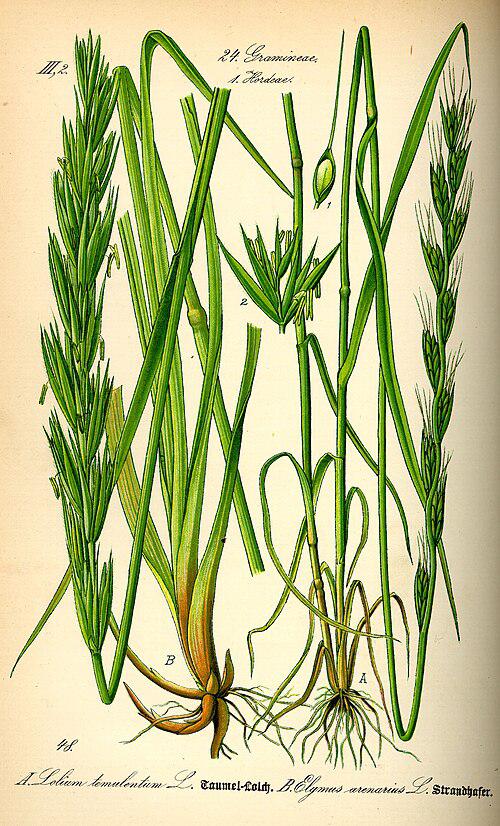
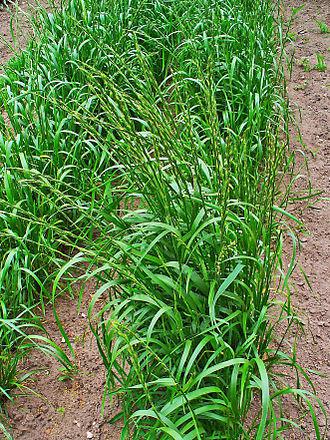
Darnel usually grows in the same production zones as wheat and was a serious weed of cultivation, a Vavilovian mimic of wheat, until modern sorting machinery enabled darnel seeds to be separated efficiently from seed wheat.[1] The similarity between these two plants is so great that in some regions, darnel is called "false wheat".[2] It bears a close resemblance to wheat until the ear appears. The spikes of L. temulentum are more slender than those of wheat. The spikelets are oriented edgeways to the rachis and have only a single glume, while those of wheat are oriented with the flat side to the rachis and have two glumes. Wheat will appear brown when ripe, whereas darnel is black.[3]
Darnel is mentioned in the Mishnah in Kilayim (1:1) as זונין (zunin), similar to the Arabic زؤان (zuʾān).[9]

(א) הַחִטִּים וְהַזּוּנִין אֵינָן כִּלְאַיִם זֶה בָזֶה. הַשְּׂעֹרִים וְשִׁבֹּלֶת שׁוּעָל, הַכֻּסְּמִין וְהַשִּׁיפוֹן, הַפּוֹל וְהַסַּפִּיר, הַפֻּרְקְדָן וְהַטֹּפֵחַ, וּפוֹל הַלָּבָן וְהַשְּׁעוּעִים, אֵינָם כִּלְאַיִם זֶה בָזֶה:
(1) Wheat and zunin do not constitute kilayim one with the other. Barley and oats, spelt and rye, or beans and sapir (a type of bean), or purkdan and tofah (two similar types of beans), or white beans and kidney beans, do not constitute kilayim one with the other.
LITERARY, RELIGIOUS, AND EVOLUTIONARY
SIGNIFICANCE
Howard Thomas1*, Jayne Elisabeth Archer2, and Richard Marggraf Turley3
The pre-industrial world, in which darnel was characterized as typically, although not exclusively, a “malign” influence, was alert to this fact. The perceived “malignity” of darnel testifies to its success. When it comes to fitness and survival, there is always agency. Crop plants have been selected to minimize antinutritional and antibiotic defenses; they cannot survive without human intervention (which includes both cultivation and adding back defense chemicals in the form of pesticides). Humans have exploited cereals, including darnel; in turn, darnel has exploited humans and
cereals. This mutualistic agency and exploitation is at the heart of darnel’s significance to human life and thought.
But while men were asleep, his enemy came and oversowed cockle among
the wheat and went his way... And the servants said to him:Wilt thou that
we go and gather it up? And he said: No, lest perhaps gathering up the
cockle, you root up the wheat also together with it ... Gather up first the
cockle, and bind it into bundles to burn, but the wheat gather ye into
my barn (Douay-Rheims 1582).
וַיְהִי בִּהְיוֹת הָאֲנָשִׁים יְשֵׁנִים וַיָּבֹא אֹיְבוֹ וַיִּזְרַע זוּנִין בֵּין הַחִטִּים וַיֵּלֶךְ לוֹ:
tares, may tomorrow be wheat. … The harvest will soon be here. The
angels will come who can make the separation, and who cannot make
mistakes. ... I tell you of a truth, my Beloved, even in these high seats there
is both wheat, and tares, and among the laity there is wheat, and tares. Let
the good tolerate the bad; let the bad change themselves, and imitate the
good. (Augustine 1888:vi 334-335)
Gill's Exposition of the Bible
And went his way; somewhere else, to do more mischief; and having done all he could at present here, undiscovered, not taken notice of by ministers and churches; they being all asleep, and having lost, in a great measure, the spirit of discerning. The word we render "tares", and the Ethiopic version "thistles", probably means the same the Jewish doctors call Zunin (s); and which, they say, is a sort of wheat, and not of a different kind from it; that when it is sown it looks like wheat, and is sown for it, but is changed in the earth, both as to its nature and form, and brings forth this kind. In the generation in which the flood was, they say (t), they sowed wheat, and the earth brought forth what we render "tares", and bids fair to be what is here meant; and fitly expresses false professors, nominal Christians, men of degenerate principles and practices: for not what we call tares, or vetches, can be meant, which may be removed from the wheat without danger, but rather this degenerate wheat; or that wheat which is blasted, and which may be observed sometimes to grow upon the same root, and therefore cannot be taken away, without rooting up the wheat also.
(ה) וַיֹּ֤אמֶר אֵלָיו֙ הָעֶ֔בֶד אוּלַי֙ לֹא־תֹאבֶ֣ה הָֽאִשָּׁ֔ה לָלֶ֥כֶת אַחֲרַ֖י אֶל־הָאָ֣רֶץ הַזֹּ֑את הֶֽהָשֵׁ֤ב אָשִׁיב֙ אֶת־בִּנְךָ֔ אֶל־הָאָ֖רֶץ אֲשֶׁר־יָצָ֥אתָ מִשָּֽׁם׃
(5) And the servant said to him, “What if the woman does not consent to follow me to this land, shall I then take your son back to the land from which you came?”
(ח) כְּנַ֗עַן בְּיָד֛וֹ מֹאזְנֵ֥י מִרְמָ֖ה לַעֲשֹׁ֥ק אָהֵֽב׃
(8)A trader who uses false balances,Who loves to overreach,
(ב) וַיֹּ֣אמֶר אַבְרָ֗ם אדושם יקוק מַה־תִּתֶּן־לִ֔י וְאָנֹכִ֖י הוֹלֵ֣ךְ עֲרִירִ֑י וּבֶן־מֶ֣שֶׁק בֵּיתִ֔י ה֖וּא דַּמֶּ֥שֶׂק אֱלִיעֶֽזֶר׃ (ג) וַיֹּ֣אמֶר אַבְרָ֔ם הֵ֣ן לִ֔י לֹ֥א נָתַ֖תָּה זָ֑רַע וְהִנֵּ֥ה בֶן־בֵּיתִ֖י יוֹרֵ֥שׁ אֹתִֽי׃
(2) But Abram said, “O lord יקוק, what can You give me, seeing that I shall die childless, and the one in charge of my household is Dammesek Eliezer!” (3) Abram said further, “Since You have granted me no offspring, my steward will be my heir.”
(ב) וַיֹּ֡אמֶר קַח־נָ֠א אֶת־בִּנְךָ֨ אֶת־יְחִֽידְךָ֤ אֲשֶׁר־אָהַ֙בְתָּ֙ אֶת־יִצְחָ֔ק וְלֶ֨ךְ־לְךָ֔ אֶל־אֶ֖רֶץ הַמֹּרִיָּ֑ה וְהַעֲלֵ֤הוּ שָׁם֙ לְעֹלָ֔ה עַ֚ל אַחַ֣ד הֶֽהָרִ֔ים אֲשֶׁ֖ר אֹמַ֥ר אֵלֶֽיךָ׃
(2) “Take your son, your favored one, Isaac, whom you love, and go to the land of Moriah, and offer him there as a burnt offering on one of the heights that I will point out to you.”
(ו) וַיֹּ֥אמֶר אֵלָ֖יו אַבְרָהָ֑ם הִשָּׁ֣מֶר לְךָ֔ פֶּן־תָּשִׁ֥יב אֶת־בְּנִ֖י שָֽׁמָּה׃ (ז) יקוק ׀ אֱלֹקֵ֣י הַשָּׁמַ֗יִם אֲשֶׁ֨ר לְקָחַ֜נִי מִבֵּ֣ית אָבִי֮ וּמֵאֶ֣רֶץ מֽוֹלַדְתִּי֒ וַאֲשֶׁ֨ר דִּבֶּר־לִ֜י וַאֲשֶׁ֤ר נִֽשְׁבַּֽע־לִי֙ לֵאמֹ֔ר לְזַ֨רְעֲךָ֔ אֶתֵּ֖ן אֶת־הָאָ֣רֶץ הַזֹּ֑את ה֗וּא יִשְׁלַ֤ח מַלְאָכוֹ֙ לְפָנֶ֔יךָ וְלָקַחְתָּ֥ אִשָּׁ֛ה לִבְנִ֖י מִשָּֽׁם׃
(6) Abraham answered him, “On no account must you take my son back there! (7)יקוק, the God of heaven—who took me from my father’s house and from my native land, who promised me on oath, saying, ‘I will assign this land to your offspring’—will send a messenger before you, and you will get a wife for my son from there.
(לא) וַיִּקַּ֨ח תֶּ֜רַח אֶת־אַבְרָ֣ם בְּנ֗וֹ וְאֶת־ל֤וֹט בֶּן־הָרָן֙ בֶּן־בְּנ֔וֹ וְאֵת֙ שָׂרַ֣י כַּלָּת֔וֹ אֵ֖שֶׁת אַבְרָ֣ם בְּנ֑וֹ וַיֵּצְא֨וּ אִתָּ֜ם מֵא֣וּר כַּשְׂדִּ֗ים לָלֶ֙כֶת֙ אַ֣רְצָה כְּנַ֔עַן וַיָּבֹ֥אוּ עַד־חָרָ֖ן וַיֵּ֥שְׁבוּ שָֽׁם׃ (לב) וַיִּהְי֣וּ יְמֵי־תֶ֔רַח חָמֵ֥שׁ שָׁנִ֖ים וּמָאתַ֣יִם שָׁנָ֑ה וַיָּ֥מׇת תֶּ֖רַח בְּחָרָֽן׃ {פ}
(31) Terah took his son Abram, his grandson Lot the son of Haran, and his daughter-in-law Sarai, the wife of his son Abram, and they set out together from Ur of the Chaldeans for the land of Canaan; but when they had come as far as Haran, they settled there. (32) The days of Terah came to 205 years; and Terah died in Haran.
(ח) וְאִם־לֹ֨א תֹאבֶ֤ה הָֽאִשָּׁה֙ לָלֶ֣כֶת אַחֲרֶ֔יךָ וְנִקִּ֕יתָ מִשְּׁבֻעָתִ֖י זֹ֑את רַ֣ק אֶת־בְּנִ֔י לֹ֥א תָשֵׁ֖ב שָֽׁמָּה׃
(8) And if the woman does not consent to follow you, you shall then be clear of this oath to me; but do not take my son back there.”
(י) וַיִּקַּ֣ח הָ֠עֶ֠בֶד עֲשָׂרָ֨ה גְמַלִּ֜ים מִגְּמַלֵּ֤י אֲדֹנָיו֙ וַיֵּ֔לֶךְ וְכׇל־ט֥וּב אֲדֹנָ֖יו בְּיָד֑וֹ וַיָּ֗קׇם וַיֵּ֛לֶךְ אֶל־אֲרַ֥ם נַֽהֲרַ֖יִם אֶל־עִ֥יר נָחֽוֹר׃
(10) Then the servant took ten of his master’s camels and set out, taking with him all the bounty of his master; and he made his way to Aram-naharaim, to the city of Nahor.
דִּיאֲתִיקִי, דְּיָיתִיקִי, (דְּיוֹ׳) f. (διαθήκη) a disposition of property, esp. by will and testament; covenant, contract, v. Y. Peah III, 17ᵈ bot. for difference between ד׳ a. מתנה.—Targ. Y. Gen. XXIV, 10 ד׳ דריבונא Ar. (ed. שפר אפותיקי); Gen. R. s. 59, end (ref. to Gen. l. c.) זו ד׳ this means (his master’s) will (in favor of Isaac).—Y. Ber. V, 9ᵇ top בד׳ נתתיו לו וכ׳ have I given it to him as a bequest (which may be cancelled)? I have given it to him as a donation. Y. B. Bath. VIII, 16ᵇ bot. ויחזור בדְיָיתִיקָתוֹ he may change his will. Ib.; Bab. B. Bath. 152ᵇד׳ מבטלת ד׳ the later will cancels the prior. Y. B. Mets. I, end, 8ᵃ אין … לפגם דייתיקין וכ׳ nobody is likely to make a defective will (by anticipating in it the receipt of a debt before it has been collected).—Pl. דְּיָיתִיקָאוֹת. B. Mets. 19ᵃ. Tosef. B. Bath. XI, 6; a. e.
Author: T M Kennedy
Category: Contemporary Issues
Created: 17 February 2014
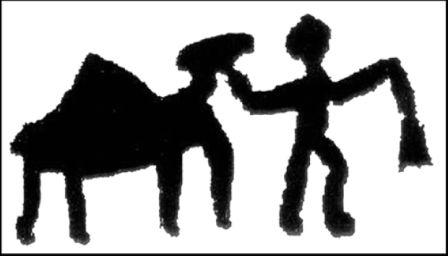
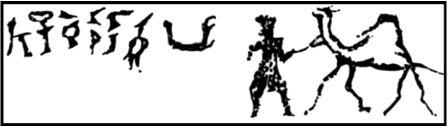
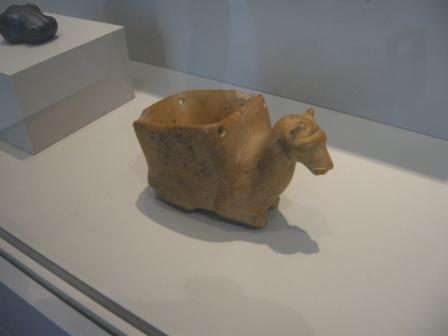
Dr. Erez Ben-Yosef and Dr. Lidar Sapir-Hen of Tel Aviv University's Department of Archaeology and Near Eastern Cultures have used radiocarbon dating in an attempt to pinpoint the time when domesticated camels arrived in the southern Levant, pushing the standard estimate from the 12th down to the 10th century BC. The findings, published recently in the journal Tel Aviv, are being used to argue that camels were first used in the mining operations near the end of the 10th century BC. They state that this is the first evidence of domesticated camels in ancient Israel. Such proclamations erroneously extrapolate the findings of the research far beyond what the actual data proves. In reality, there is abundant evidence that the Bible's mention of camels as early as the time of Abraham is contextually and historically accurate. In this article, TM Kennedy demonstrates the accuracy of the biblical texts in their historical setting as it pertains to camels.
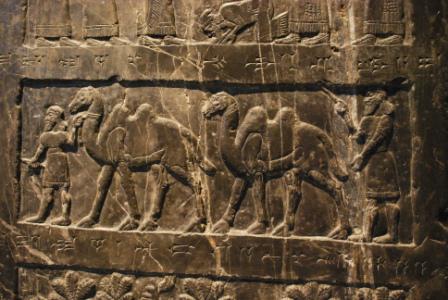
Evidence for Early Camel Domestication in the Ancient Near East
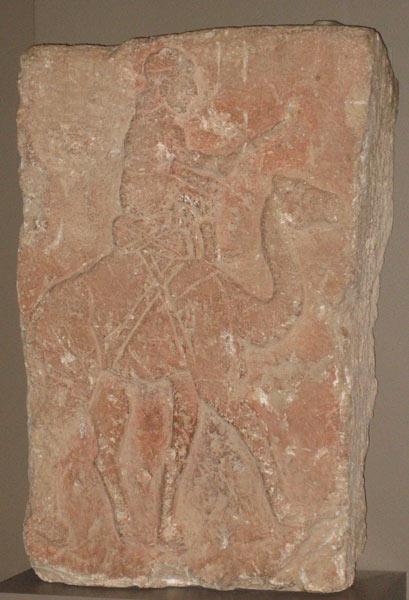
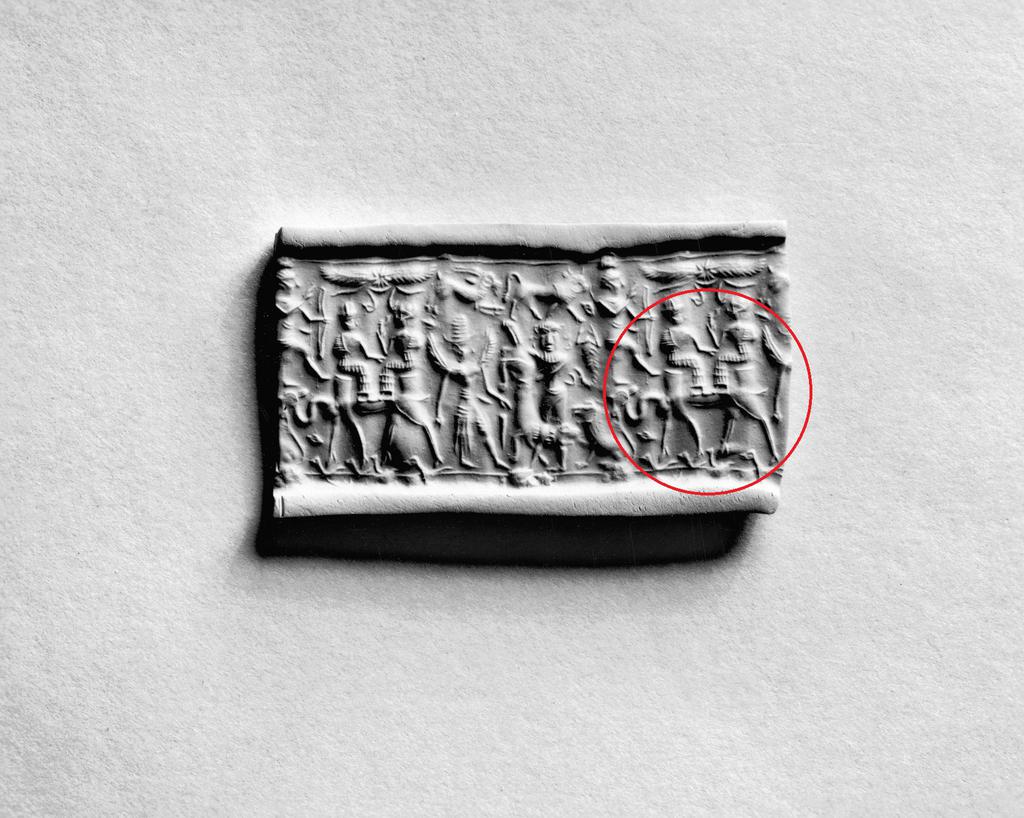
Syrian cylinder seal depicting a Bactrian camel. Walters Art Museum. (Click to Enlarge)
(יז) נַעְבְּרָה־נָּ֣א בְאַרְצֶ֗ךָ לֹ֤א נַעֲבֹר֙ בְּשָׂדֶ֣ה וּבְכֶ֔רֶם וְלֹ֥א נִשְׁתֶּ֖ה מֵ֣י בְאֵ֑ר דֶּ֧רֶךְ הַמֶּ֣לֶךְ נֵלֵ֗ךְ לֹ֤א נִטֶּה֙ יָמִ֣ין וּשְׂמֹ֔אול עַ֥ד אֲשֶֽׁר־נַעֲבֹ֖ר גְּבֻלֶֽךָ׃ (יח) וַיֹּ֤אמֶר אֵלָיו֙ אֱד֔וֹם לֹ֥א תַעֲבֹ֖ר בִּ֑י פֶּן־בַּחֶ֖רֶב אֵצֵ֥א לִקְרָאתֶֽךָ׃ (יט) וַיֹּאמְר֨וּ אֵלָ֥יו בְּנֵֽי־יִשְׂרָאֵל֮ בַּֽמְסִלָּ֣ה נַעֲלֶה֒ וְאִם־מֵימֶ֤יךָ נִשְׁתֶּה֙ אֲנִ֣י וּמִקְנַ֔י וְנָתַתִּ֖י מִכְרָ֑ם רַ֥ק אֵין־דָּבָ֖ר בְּרַגְלַ֥י אֶֽעֱבֹֽרָה׃ (כ) וַיֹּ֖אמֶר לֹ֣א תַעֲבֹ֑ר וַיֵּצֵ֤א אֱדוֹם֙ לִקְרָאת֔וֹ בְּעַ֥ם כָּבֵ֖ד וּבְיָ֥ד חֲזָקָֽה׃
(17) Allow us, then, to cross your country. We will not pass through fields or vineyards, and we will not drink water from wells. We will follow the king’s highway, turning off neither to the right nor to the left until we have crossed your territory.” (18) But Edom answered him, “You shall not pass through us, else we will go out against you with the sword.” (19) “We will keep to the beaten track,” the Israelites said to them, “and if we or our cattle drink your water, we will pay for it. We ask only for passage on foot—it is but a small matter.” (20) But they replied, “You shall not pass through!” And Edom went out against them in heavy force, strongly armed.
(י) וַיִּקַּ֣ח הָ֠עֶ֠בֶד עֲשָׂרָ֨ה גְמַלִּ֜ים מִגְּמַלֵּ֤י אֲדֹנָיו֙ וַיֵּ֔לֶךְ וְכׇל־ט֥וּב אֲדֹנָ֖יו בְּיָד֑וֹ וַיָּ֗קׇם וַיֵּ֛לֶךְ אֶל־אֲרַ֥ם נַֽהֲרַ֖יִם אֶל־עִ֥יר נָחֽוֹר׃
(10) Then the servant took ten of his master’s camels and set out, taking with him all the bounty of his master; and he made his way to Aram-naharaim, to the city of Nahor.
(מב) וָאָבֹ֥א הַיּ֖וֹם אֶל־הָעָ֑יִן וָאֹמַ֗ר יקוק אֱלֹקֵי֙ אֲדֹנִ֣י אַבְרָהָ֔ם אִם־יֶשְׁךָ־נָּא֙ מַצְלִ֣יחַ דַּרְכִּ֔י אֲשֶׁ֥ר אָנֹכִ֖י הֹלֵ֥ךְ עָלֶֽיהָ׃
(42) “I came today to the spring, and I said: ‘O יקוק, God of my master Abraham’s [house], if You would indeed grant success to the errand on which I am engaged!
(ד) הִרְעַ֣שְׁתָּה אֶ֣רֶץ פְּצַמְתָּ֑הּ רְפָ֖ה שְׁבָרֶ֣יהָ כִי־מָֽטָה׃
(4) You have made the land quake; You have torn it open. Mend its fissures, for it is collapsing.
(טו) וַתְּהִי־ע֧וֹד מִלְחָמָ֛ה לַפְּלִשְׁתִּ֖ים אֶת־יִשְׂרָאֵ֑ל וַיֵּ֨רֶד דָּוִ֜ד וַעֲבָדָ֥יו עִמּ֛וֹ וַיִּלָּחֲמ֥וּ אֶת־פְּלִשְׁתִּ֖ים וַיָּ֥עַף דָּוִֽד׃ (טז)(וישבו)[וְיִשְׁבִּ֨י] בְנֹ֜ב אֲשֶׁ֣ר ׀ בִּילִידֵ֣י הָרָפָ֗ה וּמִשְׁקַ֤ל קֵינוֹ֙ שְׁלֹ֤שׁ מֵאוֹת֙ מִשְׁקַ֣ל נְחֹ֔שֶׁת וְה֖וּא חָג֣וּר חֲדָשָׁ֑ה וַיֹּ֖אמֶר לְהַכּ֥וֹת אֶת־דָּוִֽד׃ (יז) וַיַּֽעֲזׇר־לוֹ֙ אֲבִישַׁ֣י בֶּן־צְרוּיָ֔ה וַיַּ֥ךְ אֶת־הַפְּלִשְׁתִּ֖י וַיְמִתֵ֑הוּ אָ֣ז נִשְׁבְּעוּ֩ אַנְשֵֽׁי־דָוִ֨ד ל֜וֹ לֵאמֹ֗ר לֹא־תֵצֵ֨א ע֤וֹד אִתָּ֙נוּ֙ לַמִּלְחָמָ֔ה וְלֹ֥א תְכַבֶּ֖ה אֶת־נֵ֥ר יִשְׂרָאֵֽל׃ {פ}
(15) Again war broke out between the Philistines and Israel, and David and the men with him went down and fought the Philistines; David grew weary, (16) and Ishbi-benob tried to kill David.—He was a descendant of the Raphah; his bronze spear weighed three hundred shekels and he wore new armor.— (17) But Abishai son of Zeruiah came to his aid; he attacked the Philistine and killed him. It was then that David’s men declared to him on oath, “You shall not go with us into battle anymore, lest you extinguish the lamp of Israel!”
״וְיִשְׁבִּי בְּנֹב אֲשֶׁר בִּילִידֵי הָרָפָה וּמִשְׁקַל קֵינוֹ שְׁלֹשׁ מֵאוֹת מִשְׁקַל נְחֹשֶׁת וְהוּא חָגוּר חֲדָשָׁה וַיֹּאמֶר לְהַכּוֹת אֶת דָּוִד״. מַאי ״וְיִשְׁבִּי בְּנוֹב״? אָמַר רַב יְהוּדָה אָמַר רַב: אִישׁ שֶׁבָּא עַל עִסְקֵי נוֹב. אֲמַר לֵיהּ הַקָּדוֹשׁ בָּרוּךְ הוּא לְדָוִד: עַד מָתַי יִהְיֶה עָוֹן זֶה טָמוּן בְּיָדְךָ? עַל יָדְךָ נֶהֶרְגָה נוֹב עִיר הַכֹּהֲנִים, וְעַל יָדְךָ נִטְרַד דּוֹאֵג הָאֲדוֹמִי, וְעַל יָדְךָ נֶהֶרְגוּ שָׁאוּל וּשְׁלֹשֶׁת בָּנָיו.
§ Apropos the massacre of Nov, the Gemara relates: “And Ishbibenob, who was of the sons of the giant, the weight of whose spear was three hundred shekels of brass; and he was girded with new armor and planned to slay David” (II Samuel 21:16). The Gemara asks: What is the meaning of Ishbibenob? Rav Yehuda says that Rav says: This is a man [ish] who came to punish David over matters of Nov. The Holy One, Blessed be He, said to David: Until when will this sin be concealed in your hand without punishment? Through your actions the inhabitants of Nov, the city of priests, were massacred, and through your actions, Doeg the Edomite was banished from the World-to-Come, and through your actions Saul and his three sons were killed.

תְּרַע, תַּרְעָא, תַּרְעָה c. (preced.) 1) [opening,] door, gate (corresp. to h. פֶּתח, a. שַׁעַר). Targ. Ex. XXXII, 27. Targ. Deut. XXII, 21; a. fr.—Lev. R. s. 58ת׳ פתיחא if she finds the door open; ת׳ משקיף if she finds it shut. Num. R. s. 913, v. אָסֵי; a. fr.—[Yalk. Mic. 551, v. תַּרְעָיָיא.]—Pl. תַּרְעִין, תַּרְעַיָּא, תַּרְעַיָּיה, תַּרְעֵי. Targ. Y. Deut. III, 5. Targ. Is. XXVI, 2. Targ. Prov. XXXI, 31; a. fr.—Y. Shek. V, end, 49ᵇ ר׳ אבון עבד אילין ת׳ וכ׳ R. A. was building those gates of the Great College; a. fr. —2) = h. שַׁעַרmarket, market price. B. Bath. 90ᵇ, v. חֲרָפָא. B. Mets. 74ᵇבחד ת׳ when prices remain unchanged; a. e.—Pl. as ab. Ib.בתרי ת׳ when there are two prices (prices have changed); a. e.

רְבַע, רְבִיעַ ch. same1)to lie, couch. Targ. Num. XXII, 27 (h. text רבץ). Targ. Y. Gen. XLIX, 25; a. fr.—Part. רְבִיעַ; f. רְבִיעָא; pl. רְבִיעִין; רְבִיעָן. Ib. IV, 7. Targ. Deut. XXII, 6 (O. ed. Vien. רְבֵעָא). Targ. Ps. CIV, 22; a. fr.—Y. Ber. VIII, 12ᵇ top לא מיסתך דאת ר׳ וכ׳ is it not not enough that thou art lying (on the dining couch), and he stands and attends thee? Ib.גזירנא דהוא ר׳ וכ׳ (not גזירה) I decree that he lie down, and thou stand &c. Gen. R. s. 7רביע ואנא וכ׳ lie down (to be lashed), and I will tell thee; Tanḥ. Ḥuck. 6; Pesik. R. s. 14. Koh. R. to I, 8קם ור׳ ליה על רגלוי he arose and threw himself down at his feet. Shebu. 22ᵇ, a. fr. אריא הוא דר׳ וכ׳, v. אַרְיָא; a. fr. —2)to commit buggery. Ab. Zar. 24ᵃדילמא רַבְעוּהָ לאימא דאימא perhaps they (gentiles) had connection with the grandmother (of the animal, while she was pregnant); a. e.
Af. - אַרְבַּע1)to cause to lie down, lay down. Targ. Y. Gen. XXIV, 11 (h. text ויברך). Targ. Y. Deut. XXV, 2ויַרְבְּעִינֵיה (not ויִרְ׳).—Part. pass. מַרְבַּע. Targ. Y. I Gen. XLIX, 14.—Num. R. s. 19אַרְבְּעוּנֵיה דילקי lay him down, that he may receive lashes; Tanḥ. l. c. ארבעתיה (corr. acc.); ib. ארבעונהי (corr. acc.). Pesik. R. l. c. אַרְבְּעִינֵיה lay thou him down. Y. Bicc. I, 64ᵃ אַרְבְּעֵיה על וכ׳ he ordered him to be laid on the benches (for punishment). B. Kam. 114ᵃאַרְבְּעֵית לי אריא וכ׳ thou didst put a lion at my borders, i.e. you forced a violent neighbor upon me; a. e.—Y. Yeb. IV, 6ᵃ bot. ואנא בעי מַרְבַּעְתָּהּ וכ׳ and I want to assist at her lying down (for delivery), before she cools off, v. צְנַן. —2)to copulate animals, esp. to hybridize. Targ. Y. Gen. XXXVI, 24. Targ. Y. Lev. XIX, 19.
Pa. - רַבֵּעַ1)to divide into four parts. Targ. Y. Deut. XXXII, 4. —2)to make quadrangular. Part. pass. מְרַבַּע (מְרֻבַּע Hebraism); f. מְרַבְּעָא; pl. מְּרַבְּעִין; מְרַבְּעָן, מְרַבְּעָתָאquadrate. Targ. Ex. XXVII, 1. Targ. Ez. XLV, 2. Targ. I Kings VII, 5. Targ. Y. I Num. XXXIII, 7 (not מֵרַבְ׳); Targ. Y. I Ex. XIV, 2 (ed. Vien. מרביעתא, corr. acc.); a. e.—Y. Sot. V, 20ᵇ bot. מאן דמְרַבַּע ארבע וכ׳ he that wants to form four rows of four casks each requires sixteen casks. Erub. 57ᵃאימור … כמאן דמְרַבְּעָא רַבּוּעֵי ודאי מי מְרַבַּעְנָא we said, we consider it in our calculations as if it were squared; do we, however, really make it a square (by filling the space with buildings)?; a. e.
(יא) וַיַּבְרֵ֧ךְ הַגְּמַלִּ֛ים מִח֥וּץ לָעִ֖יר אֶל־בְּאֵ֣ר הַמָּ֑יִם לְעֵ֣ת עֶ֔רֶב לְעֵ֖ת צֵ֥את הַשֹּׁאֲבֹֽת׃
(11) He made the camels kneel down by the well outside the city, at evening time, the time when women come out to draw water.
