


(כ) וַיְהִ֗י אַחֲרֵי֙ הַדְּבָרִ֣ים הָאֵ֔לֶּה וַיֻּגַּ֥ד לְאַבְרָהָ֖ם לֵאמֹ֑ר הִ֠נֵּ֠ה יָלְדָ֨ה מִלְכָּ֥ה גַם־הִ֛וא בָּנִ֖ים לְנָח֥וֹר אָחִֽיךָ׃ (כא) אֶת־ע֥וּץ בְּכֹר֖וֹ וְאֶת־בּ֣וּז אָחִ֑יו וְאֶת־קְמוּאֵ֖ל אֲבִ֥י אֲרָֽם׃ (כב) וְאֶת־כֶּ֣שֶׂד וְאֶת־חֲז֔וֹ וְאֶת־פִּלְדָּ֖שׁ וְאֶת־יִדְלָ֑ף וְאֵ֖ת בְּתוּאֵֽל׃ (כג) וּבְתוּאֵ֖ל יָלַ֣ד אֶת־רִבְקָ֑ה שְׁמֹנָ֥ה אֵ֙לֶּה֙ יָלְדָ֣ה מִלְכָּ֔ה לְנָח֖וֹר אֲחִ֥י אַבְרָהָֽם׃ (כד) וּפִֽילַגְשׁ֖וֹ וּשְׁמָ֣הּ רְאוּמָ֑ה וַתֵּ֤לֶד גַּם־הִוא֙ אֶת־טֶ֣בַח וְאֶת־גַּ֔חַם וְאֶת־תַּ֖חַשׁ וְאֶֽת־מַעֲכָֽה׃ {פ}
(20) Some time later, Abraham was told, “Milcah too has borne sons to your brother Nahor: (21) Uz the first-born, and Buz his brother, and Kemuel the father of Aram; (22) and Chesed, Hazo, Pildash, Jidlaph, and Bethuel”— (23) Bethuel being the father of Rebekah. These eight Milcah bore to Nahor, Abraham’s brother. (24) And his concubine, whose name was Reumah, also bore [sons]—Tebah, Gaham, and Tahash—and [a daughter,] Maacah.
(ל) חַיֵּ֣י בְ֭שָׂרִים לֵ֣ב מַרְפֵּ֑א וּרְקַ֖ב עֲצָמ֣וֹת קִנְאָֽה׃
(30) A calm disposition gives bodily health; Passion is rot to the bones.
(ח) רִ֭פְאוּת תְּהִ֣י לְשׇׁרֶּ֑ךָ וְ֝שִׁקּ֗וּי לְעַצְמוֹתֶֽיךָ׃
(8) It will be a cure for your body, A tonic for your bones.
(כה) מַ֣יִם קָ֭רִים עַל־נֶ֣פֶשׁ עֲיֵפָ֑ה וּשְׁמוּעָ֥ה ט֝וֹבָ֗ה מֵאֶ֥רֶץ מֶרְחָֽק׃
(25) Like cold water to a parched throat Is good news from a distant land.
עַל הַגְּשָׁמִים, וְעַל בְּשׂוֹרוֹת טוֹבוֹת אוֹמֵר: ״בָּרוּךְ הַטּוֹב וְהַמֵּטִיב״. עַל בְּשׂוֹרוֹת רָעוֹת אוֹמֵר: ״בָּרוּךְ דַּיַּין הָאֱמֶת״. בָּנָה בַּיִת חָדָשׁ, וְקָנָה כֵּלִים חֲדָשִׁים, אוֹמֵר: ״בָּרוּךְ … שֶׁהֶחֱיָינוּ וְקִיְּימָנוּ וְהִגִּיעָנוּ לַזְּמַן הַזֶּה״. מְבָרֵךְ עַל הָרָעָה מֵעֵין עַל הַטּוֹבָה, וְעַל הַטּוֹבָה מֵעֵין עַל הָרָעָה.
For rain and other good tidings, one recites the special blessing: Blessed…Who is good and Who does good. Even for bad tidings, one recites a special blessing: Blessed…the true Judge. Similarly, when one built a new house or purchased new vessels, he recites: Blessed…Who has given us life, sustained us, and brought us to this time. The mishna articulates a general principle: One recites a blessing for the bad that befalls him just as he does for the good. In other words, one recites the appropriate blessing for the trouble that he is experiencing at present despite the fact that it may conceal some positive element in the future. Similarly, one must recite a blessing for the good that befalls him just as for the bad.
הִרְהוּר, הִירְ׳ m. (הִרְהֵר) 1)thought, meditation, opp. דיבור loud recitation. Ber. 20ᵇ יהוה כדיבור דמי reviewing in mind (a Biblical passage &c.) is as good as loud recitation. Sabb. 150ᵃ (ref. to Is. LVIII, 13) דיבור אסור יהוה וכ׳ talking (business on the Sabbath) is forbidden, thinking (planning) is permitted. —2)heated imagination, esp. impure fancies. Ber. 12ᵇ יהוה עבירה unchaste imagination, יהוה ע"ז idolatrous fancy. Nidd. 13ᵇ המביא עצמו לידי יהוה who allows sinful fancies to take a hold of him. Zab. II, 2; a. fr.—Pl. הִרְהוּרִים. Yoma 29ᵃ top הִרְהוּרֵי עבירה וכ׳ sinful (obscene) imaginations are more injurious to health than the sin itself. Esth. R. to III, 1 (play on aḥar) הרהורי דברים היו שם plans (schemes) were there.
(יג) וַיָּבֹא֙ הַפָּלִ֔יט וַיַּגֵּ֖ד לְאַבְרָ֣ם הָעִבְרִ֑י וְהוּא֩ שֹׁכֵ֨ן בְּאֵֽלֹנֵ֜י מַמְרֵ֣א הָאֱמֹרִ֗י אֲחִ֤י אֶשְׁכֹּל֙ וַאֲחִ֣י עָנֵ֔ר וְהֵ֖ם בַּעֲלֵ֥י בְרִית־אַבְרָֽם׃ (יד) וַיִּשְׁמַ֣ע אַבְרָ֔ם כִּ֥י נִשְׁבָּ֖ה אָחִ֑יו וַיָּ֨רֶק אֶת־חֲנִיכָ֜יו יְלִידֵ֣י בֵית֗וֹ שְׁמֹנָ֤ה עָשָׂר֙ וּשְׁלֹ֣שׁ מֵא֔וֹת וַיִּרְדֹּ֖ף עַד־דָּֽן׃
(13) A fugitive brought the news to Abram the Hebrew, who was dwelling at the terebinths of Mamre the Amorite, kinsman of Eshkol and Aner, these being Abram’s allies. (14) When Abram heard that his kinsman’s [household] had been taken captive, he mustered his retainers, born into his household, numbering three hundred and eighteen, and went in pursuit as far as Dan.
(ח) וַיָּבֹא הַפָּלִיט (בראשית יד, יג), רֵישׁ לָקִישׁ בְּשֵׁם בַּר קַפָּרָא הוּא עוֹג הוּא פָּלִיט, וְלָמָּה נִקְרָא שְׁמוֹ עוֹג שֶׁבָּא וּמָצָא אֶת אַבְרָם יוֹשֵׁב וְעוֹסֵק בְּמִצְוַת עוּגוֹת, הוּא לֹא נִתְכַּוֵּן לְשֵׁם שָׁמַיִם אֶלָּא אָמַר אַבְרָהָם זֶה קוּנְיוֹן הוּא, וְעַכְשָׁו אֲנִי אוֹמֵר לוֹ נִשְׁבָּה בֶּן אָחִיךָ וְהוּא יוֹצֵא לַמִּלְחָמָה וְנֶהֱרָג וַאֲנִי נוֹטֵל אֶת שָׂרַי אִשְׁתּוֹ. אָמַר לוֹ הַקָּדוֹשׁ בָּרוּךְ הוּא חַיֶּיךָ שְׂכַר פְּסִיעוֹתֶיךָ אַתָּה נוֹטֵל שֶׁאַתְּ מַאֲרִיךְ יָמִים בָּעוֹלָם, וְעַל שֶׁחָשַׁבְתָּ לַהֲרֹג אֶת הַצַּדִּיק חַיֶּיךָ שֶׁאַתָּה רוֹאֶה אֶלֶף אֲלָפִים וְרִבֵּי רְבָבוֹת מִבְּנֵי בָנָיו. וְאֵין סוֹפוֹ שֶׁל אוֹתוֹ הָאִישׁ לִפֹּל אֶלָּא בְּיָדָן, שֶׁנֶּאֱמַר (דברים ג, ב): וַיֹּאמֶר יהוה אֵלַי אַל תִּירָא אֹתוֹ כִּי בְיָדְךָ וגו'. (בראשית יד, יג): וַיַּגֵּד לְאַבְרָם הָעִבְרִי, רַבִּי יְהוּדָה וְרַבִּי נְחֶמְיָה וְרַבָּנָן, רַבִּי יְהוּדָה אוֹמֵר כָּל הָעוֹלָם כֻּלּוֹ מֵעֵבֶר אֶחָד וְהוּא מֵעֵבֶר אֶחָד. רַבִּי נְחֶמְיָה אָמַר שֶׁהוּא מִבְּנֵי בָּנָיו שֶׁל עֵבֶר. וְרַבָּנָן אָמְרֵי שֶׁהוּא מֵעֵבֶר הַנָּהָר, וְשֶׁהוּא מֵשִׂיחַ בִּלְשׁוֹן עִבְרִי. (בראשית יד, יג): וְהוּא שֹׁכֵן בְּאֵלֹנֵי מַמְרֵא, רַבִּי יְהוּדָה וְרַבִּי נְחֶמְיָה, רַבִּי יְהוּדָה אָמַר בְּמֵשְׁרַיָא דְמַמְרֵא. וְרַבִּי נְחֶמְיָה אָמַר בְּפָלָטִין דְּמַמְרֵא, עַל דַּעְתֵּיהּ דְּרַבִּי יְהוּדָה אַתְרָא הוּא דִּשְׁמֵיהּ מַמְרֵא, עַל דַּעְתֵּיהּ דְּרַבִּי נְחֶמְיָה גַּבְרָא הוּא דִּשְׁמֵיהּ מַמְרֵא. וְלָמָּה נִקְרָא שְׁמוֹ מַמְרֵא, רַבִּי עֲזַרְיָה בְּשֵׁם רַבִּי יְהוּדָה בְּשֵׁם רַבִּי סִימוֹן שֶׁהִמְרָה פָּנִים בְּאַבְרָהָם, בְּשָׁעָה שֶׁאָמַר הַקָּדוֹשׁ בָּרוּךְ הוּא לְאַבְרָהָם לִמּוֹל, הָלַךְ וְנִמְלַךְ בִּשְׁלשֶׁת אֹהֲבָיו, אָמַר לוֹ עָנֵר כְּבָר בֶּן מֵאָה שָׁנָה אַתָּה וְאַתָּה הוֹלֵךְ וּמְצַעֵר אֶת עַצְמְךָ. אָמַר לוֹ אֶשְׁכּוֹל מַה אַתְּ הוֹלֵךְ וּמְסַיֵּם אֶת עַצְמְךָ בֵּין שׂוֹנְאֶיךָ. אָמַר לוֹ מַמְרֵא אֱלֹהֶיךָ שֶׁעָמַד לְךָ בְּכִבְשַׁן הָאֵשׁ וּבַמְּלָכִים וּבָרֵעָבוֹן, וְהַדָּבָר הַזֶּה שֶׁאָמַר לְךָ לָמוּל אֵין אַתָּה שׁוֹמֵעַ לוֹ. אָמַר לוֹ הַקָּדוֹשׁ בָּרוּךְ הוּא אַתָּה נָתַתָּה לוֹ עֵצָה לָמוּל, חַיֶּיךָ שֶׁאֵינִי נִגְלָה עָלָיו לֹא בַּפָּלָטִין שֶׁל עָנֵר וְלֹא בַּפָּלָטִין שֶׁל אֶשְׁכּוֹל אֶלָּא בַּפָּלָטִין שֶׁלְּךָ, הֲדָא הוּא דִכְתִיב (בראשית יח, א): וַיֵּרָא אֵלָיו יהוה בְּאֵלֹנֵי מַמְרֵא.
(8)“The refugee came” – Reish Lakish in the name of bar Kappara: This is Og; he is the “refugee.” Why is he called Og? Because he came and found Abram sitting and engaging in the mitzva of baking [unleavened] loaves [ugot] [for Passover]. His intentions [in informing Abraham] were not to act for the sake of Heaven. Rather, he said: ‘This Abraham is a zealot. If I say to him now: Your nephew has been taken captive, he will go out to war and be killed, and I will take his wife Sarai.’ The Holy One blessed be He said to him: ‘By your life, you will receive reward for your strides that you walked [to travel to Abraham], in that you will live long in the world. But because you thought to kill that righteous man, by your life, you will see thousands upon thousands and tens of thousands upon tens of thousands of his descendants, and the end of that man will be only to fall into their hand,’ as it is stated [by Moses]: “The Lord said to me: Do not fear him, as [I have delivered him]…into your hand” (Deuteronomy 3:2). “And told Abram the Hebrew [Ivri]” – Rabbi Yehuda, Rabbi Neḥemya, and the Rabbis, Rabbi Yehuda says: The entire world was on one side and he was on the other side [ever]. Rabbi Neḥemya said: Because he was among the descendants of Ever. The Rabbis say: It is because he is from the other side [ever] of the river, and he spoke the Hebrew [Ivri] language. “He was dwelling in elonei Mamre” – Rabbi Yehuda and Rabbi Neḥemya, Rabbi Yehuda said: [Thismeans] in the plains of Mamre. Rabbi Neḥemya said: In the palace of Mamre. According to the opinion of Rabbi Yehuda, it is a place whose name is Mamre. According to the opinion of Rabbi Neḥemya, it is a person whose name was Mamre. And why was he called Mamre? Rabbi Azarya in the name of Rabbi Yehuda in the name of Rabbi Simon: It is because he was brazen-faced regarding Abraham. When the Holy One blessed be He told Abraham to circumcise himself, he went and consulted with his three friends. Aner said to him: ‘You are already one hundred years old and you are going to bring pain upon yourself?’ Eshkol said to him: ‘What, are you going to put an end to yourself in the midst of your enemies?’ Mamre said to him: ‘[This is] your God who stood by you [during your ordeal] in the fiery furnace, and during [your war with] the kings, and during the famine, and in this matter that He has said to you, to circumcise yourself, you do not heed Him?’ The Holy One blessed be He said to him: ‘You gave him counsel to circumcise himself; by your life, I will not appear to him in Aner’s palace, nor in Eshkol’s palace, but only in your palace.’ That is what is written: “The Lord appeared to him in the palace of Mamre” (Genesis 18:1).
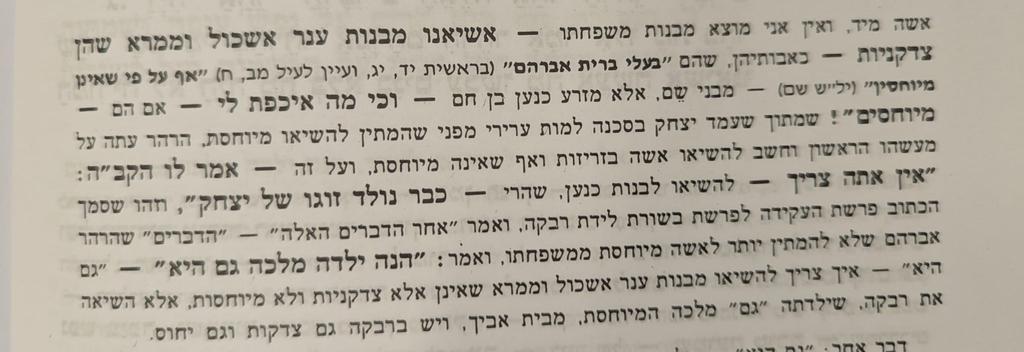
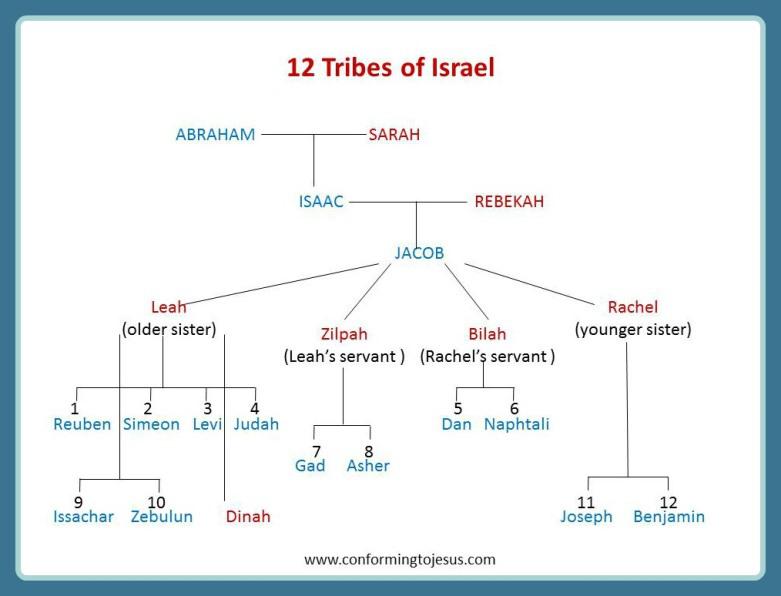
(כא) אֶת־ע֥וּץ בְּכֹר֖וֹ וְאֶת־בּ֣וּז אָחִ֑יו וְאֶת־קְמוּאֵ֖ל אֲבִ֥י אֲרָֽם׃ (כב) וְאֶת־כֶּ֣שֶׂד וְאֶת־חֲז֔וֹ וְאֶת־פִּלְדָּ֖שׁ וְאֶת־יִדְלָ֑ף וְאֵ֖ת בְּתוּאֵֽל׃ (כג) וּבְתוּאֵ֖ל יָלַ֣ד אֶת־רִבְקָ֑ה שְׁמֹנָ֥ה אֵ֙לֶּה֙ יָלְדָ֣ה מִלְכָּ֔ה לְנָח֖וֹר אֲחִ֥י אַבְרָהָֽם׃
(21) Uz the first-born, and Buz his brother, and Kemuel the father of Aram; (22) and Chesed, Hazo, Pildash, Jidlaph, and Bethuel”— (23) Bethuel being the father of Rebekah. These eight Milcah bore to Nahor, Abraham’s brother.
אִ֛ישׁ הָיָ֥ה בְאֶֽרֶץ־ע֖וּץ אִיּ֣וֹב שְׁמ֑וֹ
There was a person in the Land of Utz, Job was his name.
There was a person in The Land, Utz-Job was his name.
‘Not again, God,’ one can almost hear the beleaguered patriarch, ‘haven’t I had enough suffering?’ ‘Not to worry,’ replies God, ‘you won’t have to suffer any further, rather Utz, also known as Job, will pick up the suffering that you are afraid of.’
The opening verse of the Book of Job is universally understood as ‘There was a man in the Land of Utz, Job was his name.’ This Midrash, however, flagrantly disregards such niceties. Instead Reish Lakish suggests that Job lived in The Land (i.e. Israel) and that Job was one of two names by which our protagonist was known.
(י) וַיֹּ֣אמֶר אֵלֶ֗יהָ כְּדַבֵּ֞ר אַחַ֤ת הַנְּבָלוֹת֙ תְּדַבֵּ֔רִי גַּ֣ם אֶת־הַטּ֗וֹב נְקַבֵּל֙ מֵאֵ֣ת הָאֱלֹהִ֔ים וְאֶת־הָרָ֖ע לֹ֣א נְקַבֵּ֑ל בְּכׇל־זֹ֛את לֹא־חָטָ֥א אִיּ֖וֹב בִּשְׂפָתָֽיו׃ {פ}
(10) But he said to her, “You talk as any shameless woman might talk! Should we accept only good from God and not accept evil?” For all that, Job said nothing sinful.
(ז) וּבְנֵ֨י יַעֲקֹ֜ב בָּ֤אוּ מִן־הַשָּׂדֶה֙ כְּשׇׁמְעָ֔ם וַיִּֽתְעַצְּבוּ֙ הָֽאֲנָשִׁ֔ים וַיִּ֥חַר לָהֶ֖ם מְאֹ֑ד כִּֽי־נְבָלָ֞ה עָשָׂ֣ה בְיִשְׂרָאֵ֗ל לִשְׁכַּב֙ אֶת־בַּֽת־יַעֲקֹ֔ב וְכֵ֖ן לֹ֥א יֵעָשֶֽׂה׃
(7) Meanwhile Jacob’s sons, having heard the news, came in from the field. The men were distressed and very angry, because he had committed an outrage in Israel by lying with Jacob’s daughter—a thing not to be done.
(יד) מָה־אֱנ֥וֹשׁ כִּֽי־יִזְכֶּ֑ה וְכִי־יִ֝צְדַּ֗ק יְל֣וּד אִשָּֽׁה׃ (טו) הֵ֣ן בִּ֭קְדֹשָׁו לֹ֣א יַאֲמִ֑ין וְ֝שָׁמַ֗יִם לֹא־זַכּ֥וּ בְעֵינָֽיו׃ (טז) אַ֭ף כִּי־נִתְעָ֥ב וְֽנֶאֱלָ֑ח אִישׁ־שֹׁתֶ֖ה כַמַּ֣יִם עַוְלָֽה׃ (יז) אֲחַוְךָ֥ שְֽׁמַֽע־לִ֑י וְזֶֽה־חָ֝זִ֗יתִי וַאֲסַפֵּֽרָה׃
(14) What is man that he can be cleared of guilt, One born of woman, that he be in the right? (15) He puts no trust in His holy ones; The heavens are not guiltless in His sight; (16) What then of one loathsome and foul, Man, who drinks wrongdoing like water! (17) I will hold forth; listen to me; What I have seen, I will declare—
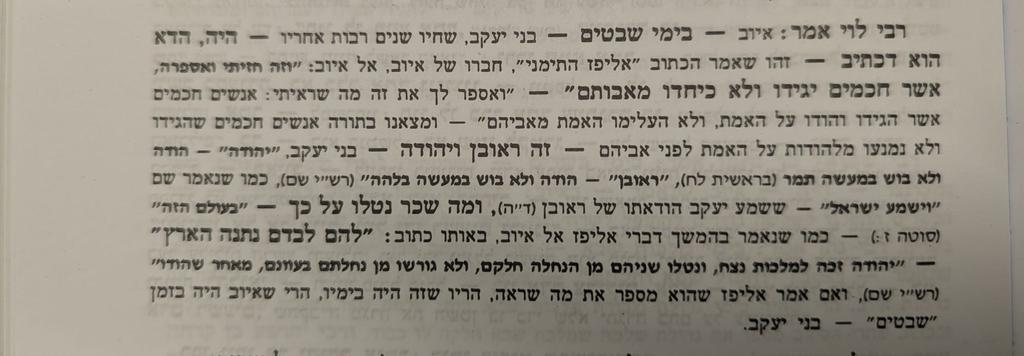
(ג) רְאוּבֵן֙ בְּכֹ֣רִי אַ֔תָּה כֹּחִ֖י וְרֵאשִׁ֣ית אוֹנִ֑י יֶ֥תֶר שְׂאֵ֖ת וְיֶ֥תֶר עָֽז׃ (ד) פַּ֤חַז כַּמַּ֙יִם֙ אַל־תּוֹתַ֔ר כִּ֥י עָלִ֖יתָ מִשְׁכְּבֵ֣י אָבִ֑יךָ אָ֥ז חִלַּ֖לְתָּ יְצוּעִ֥י עָלָֽה׃ {פ}
(3) Reuben, you are my first-born, My might and first fruit of my vigor, Exceeding in rank And exceeding in honor. (4) Unstable as water, you shall excel no longer; For when you mounted your father’s bed, You brought disgrace—my couch he mounted!
UP TO HERE
(יז) אֲחַוְךָ֥ שְֽׁמַֽע־לִ֑י וְזֶֽה־חָ֝זִ֗יתִי וַאֲסַפֵּֽרָה׃ (יח) אֲשֶׁר־חֲכָמִ֥ים יַגִּ֑ידוּ וְלֹ֥א כִ֝חֲד֗וּ מֵאֲבוֹתָֽם׃ (יט) לָהֶ֣ם לְ֭בַדָּם נִתְּנָ֣ה הָאָ֑רֶץ וְלֹא־עָ֖בַר זָ֣ר בְּתוֹכָֽם׃
(17) I will hold forth; listen to me; What I have seen, I will declare— (18) That which wise men have transmitted from their fathers, And have not withheld, (19) To whom alone the land was given, No stranger passing among them:
. רבי לוי אמר: איוב בימי שבטים - בני יעקב, שחיו שנים רבות אחריו היה, הדא הוא דכתיב זהו שאמר הכתוב "אליפז התימני", אשר חכמים יגידו ולא כיחדו מאבותם" "ואספר לך את זה מה שראיתי: אנשים חכמים אשר הגידו והודו על האמת, ולא העלימו האמת מאביהם" מצאנו בתורה אנשים חכמים ים שהגידו הודה ולא נמנעו מלהודות על האמת לפני אביהם זה ראובן ויהודן בני יעקב, "יהודה" ולא בוש במעשה תמר (בראשית לח), "ראובן" הודה ולא בוש במעשה בלהה" (ר (רשייי שם),
אֲשֶׁר חֲכָמִים יַגִּידוּ. וְיִתְוַדּוּ פִּשְׁעָם וְלֹא כִחֲדוּ עֲוֹנָם מֵאֲבוֹתָם. זֶהוּ אֲשֶׁר רָאִיתִי, וְהִנְנִי אֲסַפֵּר לְךָ. וְהֵיכָן רָאִיתִי? יְהוּדָה הוֹדָה וְלֹא בוֹשׁ בְּמַעֲשֵׂה תָמָר (בראשית לח), רְאוּבֵן הוֹדָה וְלֹא בוֹשׁ בְּמַעֲשֵׂה בִּלְהָה (בראשית לה:כב). וּמֶה הָיָה שְׂכָרָם?
That the wise men tell and confess their transgression. and do not hide their iniquity from their fathers. This is what I saw, and behold, I will tell you. Now where did I see it? Judah confessed and was not ashamed in the incident of Tamar. Reuben confessed and was not ashamed in the incident of Bilhah. And what was their reward?
לָהֶם לְבַדָּם נִתְּנָה הָאָרֶץ. בִּשְׂכַר זֶה זָכָה יְהוּדָה לְמַלְכוּת נֶצַח, וְנָטְלוּ שְׁנֵיהֶם מִן הַנַּחֲלָה חֶלְקָם, וְלֹא גֹרְשׁוּ מִן נַחֲלָתָם בַּעֲוֹנָם, מֵאַחַר שֶׁהוֹדוּ:
To them alone the land was given As a reward for this, Judah merited eternal kingship, and both took their share of the heritage, and they were not driven out of their heritage because of their iniquity, since they confessed.
(ד) וּשְׁמָהּ קְטוּרָה (בראשית כה, א), רַב אָמַר זוֹ הָגָר, אֲמַר לֵיהּ רַבִּי נְחֶמְיָה וְהָכְתִיב (בראשית כה, א): וַיֹּסֶף, אֲמַר לֵיהּ עַל פִּי הַדִּבּוּר נְשָׂאָהּ, הֵיךְ מָה דְאַתְּ אָמַר (ישעיה ח, ה): וַיֹּסֶף יהוה דַּבֵּר אֵלַי עוֹד. אֲמַר לֵיהּ וְהָכְתִיב: וּשְׁמָהּ קְטוּרָה. אֲמַר לֵיהּ שֶׁמְקֻטֶּרֶת מִצְווֹת וּמַעֲשִׂים טוֹבִים. אֲמַר לֵיהּ וְהָכְתִיב (בראשית כה, ו): וְלִבְנֵי הַפִּילַגְשִׁים אֲשֶׁר לְאַבְרָהָם, אֲמַר לֵיהּ פִּלַגְשָׁם כְּתִיב. (בראשית כה, ו): בְּעוֹדֶנּוּ חַי, אוֹתָהּ שֶׁיָּשְׁבָה עַל הַבְּאֵר וְאָמְרָה לְחַי הָעוֹלָמִים רְאֵה בְּעֶלְבּוֹנִי. אָמַר רַבִּי בֶּרֶכְיָה אַף עַל גַּב דְּאַתְּ אָמַר (בראשית כא, יד): וַתֵּלֶךְ וַתֵּתַע בְּמִדְבַּר וגו', תֹּאמַר שֶׁנֶּחְשַׁד עָלֶיהָ בִּרְיָה, תַּלְמוּד לוֹמַר (בראשית כה, א): וּשְׁמָהּ קְטוּרָה, מִן קְטַר, כָּזֶה שֶׁהוּא חוֹתֵם גַּנְזַכָּה וּמוֹצִיאָהּ בְּחוֹתֶמֶת קְשׁוּרָה וַחֲתוּמָה. בַּר קַפָּרָא אָמַר תּוֹסַפְתּוֹ שֶׁל הַקָּדוֹשׁ בָּרוּךְ הוּא מְרֻבָּה עַל הָעִקָּר, קַיִן עִקָּר וְהֶבֶל עַל יְדֵי שֶׁהוּא תּוֹסֶפֶת, דִּכְתִיב (בראשית ד, ב): וַתֹּסֶף לָלֶדֶת, נוֹלַד הוּא וּשְׁתֵּי תְּאוֹמוֹתָיו. יוֹסֵף עִקָּר, וּבִנְיָמִין עַל יְדֵי שֶׁכָּתוּב בּוֹ תּוֹסֶפֶת הוּא מַעֲמִיד עֲשָׂרָה, דִּכְתִיב (בראשית מו, כא): וּבְנֵי בִנְיָמִין בֶּלַע וָבֶכֶר וגו'. עֵר עִקָּר, וְשֵׁלָה עַל יְדֵי שֶׁהוּא לְשׁוֹן תּוֹסֶפֶת הוּא מַעֲמִיד עֲשָׂרָה בָּתֵּי דִּינִים, הֲדָא הוּא דִכְתִיב בְּדִבְרֵי הַיָּמִים (דברי הימים א ד, כא כג): בְּנֵי שֵׁלָּה בֶן יְהוּדָה עֵר אֲבִי לֵכָה וְלַעְדָּה אֲבִי מָרֵשָׁה וּמִשְׁפְּחוֹת בֵּית עֲבֹדַת הַבֻּץ לְבֵית אַשְׁבֵּעַ וגו'. עִקַּר שָׁנָיו שֶׁל אִיּוֹב לֹא הָיוּ אֶלָּא שִׁבְעִים שָׁנָה, נִתּוֹסַף לוֹ מֵאָה וְאַרְבָּעִים שָׁנָה, דִּכְתִיב (איוב מב, טז): וַיְחִי אִיּוֹב אַחֲרֵי זֹאת מֵאָה וְאַרְבָּעִים שָׁנָה. עִקַּר מַלְכוּתוֹ שֶׁל יְחִזְקִיָּהוּ לֹא הָיוּ אֶלָּא אַרְבַּע עֶשְׂרֵה שָׁנָה, וְנִתּוֹסַף לוֹ חֲמֵשׁ עֶשְׂרֵה שָׁנָה, שֶׁנֶּאֱמַר (ישעיה לח, ה): הִנְנִי יוֹסִף עַל יָמֶיךָ חֲמֵשׁ עֶשְׂרֵה שָׁנָה. יִשְׁמָעֵאל עִקָּר וּבְנֵי קְטוּרָה עַל יְדֵי שֶׁהֵן לְשׁוֹן תּוֹסֶפֶת (בראשית כה, ב): וַתֵּלֶד לוֹ אֶת זִמְרָן וגו'.
(4) “And her name was Ketura” – Rav said: This is Hagar. Rabbi Neḥemya said to him: ‘But is it not written “[Abraham took] another [vayosef]”?’ He said to him: ‘[That means only that] he married her on the basis of a divine command, just as it says: “The Lord continued [vayosef] speaking to me again, saying”’ (Isaiah 8:5). He said to him: ‘But is it not written “and her name was Ketura”?’ He said to him: ‘That is because she was perfumed [mekuteret] with mitzvot and good deeds.’ [He said to him:] But is it not written: “And to the sons of the concubines of Abraham [Abraham gave gifts and sent them away from Isaac his son, while he was still alive…]”?’ (Genesis 25:6). He said to him: ‘Pilagsham is written. “While he was still alive [ḥai]” – [this alludes to Hagar] the one who had sat by the well and said to the One who lives [ḥai] forever: See my misery.’ Rabbi Berekhya said: Even though it says: “She [Hagar] went off and wandered in the wilderness…” (Genesis 21:14), lest you say that perhaps some person was suspected [of becoming immorally involved] with her, the verse states: “And her name was Ketura” – from the word ‘bound up’ [ketar]; she was like one who seals a treasure and takes it out bound and sealed. Bar Kappara said: Additions [tosafto] that are granted by the Holy One blessed be He are even greater than the original item. Cain was the original son [of Eve], and Abel, because he was considered an addition, as it is written: “She continued [vatosef] giving birth…[to Abel]” (Genesis 4:2) – he was born with his two twin sisters. Joseph was the original son [of Rachel], and Benjamin, because addition is written in his regard, he produced ten children, as it is written: “And the sons of Benjamin: Bela, and Bekher…” (Genesis 46:21). Er was the original son [of Judah], and Shela, because an expression of addition is used for him, he produced ten courts. That is what is written in Chronicles: “The sons of Shela son of Judah: Er, father of Lekha; and Lada father of Maresha; and the families of the house of the craft of fine linen, of the house of Ashbe’a...” (I Chronicles 4:21–23). Job’s age was originally only seventy years, and one hundred and forty years were added to his life, as it is written: “After this, Job lived for one hundred and forty years” (Job 42:16). Hezekiah’s original reign was only fourteen years, but fifteen years were added to it, as it is stated: “Behold, I am adding fifteen years to your days” (Isaiah 38:5). Ishmael was the original son, and the sons of Ketura, because an expression of addition is used regarding them [the verse tells us] “She bore him Zimran…” (Genesis 25:2).
גרי, גָּרָה (b. h.) 1)to be rough, grating, scraping; v. גֵּרָה, גָּרוֹן &c. —2)to be hot, burn, singe (cmp. חָרָה). Pi. - גִּירָה, גֵּרָהto incite, stir up, let loose. Snh. 107ᵇ שגי׳ דובים וכ׳ because he let the bears loose against the children. Ex. R. s. 21 ג׳ לפרעה He incited Pharaoh &c. Gen. R. s. 19, end (interpret. hishshiani, Gen. III, 13) גִּירַנִי. Cant. R. to I, 4 (play on משכני ib.) ממה שגֵּרִיתָ בי שכני הרעים from my hostile neighbors whom thou hast incited against me.—Trnsf. ג׳ את הדוב ב־ to let temptation loose against. Gen. R. s. 87 אני מְגָרֶה בך וכ׳ I shall lay temptation in thy way; a. fr.—Lev. R. s. 17 ביום שיְגָרֶה וכ׳ on the day when the Lord shall stir up his anger &c. Hithpa. - הִתְגָּרֶה, , Nithpa. נִתְגָּרֶה 1)to be inflamed, jealous; to rival. Snh. 19ᵃ מִתְגָּרוֹת זו בזו jealous of one another. —2)to engage in battle, to fight. Ber. 7ᵇ; Meg. 6ᵇ מותר להִתְגָּרוֹת וכ׳ it is permitted to enter into combat with the wicked (with reference to b. h. התחרה).—Num. R. s. 19 נתג׳ בהם he attacked them. —3)to be let loose. Esth. R. introd. נִתְגָּרְתָה אותה הדוב that temptation was aroused (against Joseph), v. supra; Num. R. s. 13 מִתְגָּרַת. —4)to have a passion for, to indulge freely in. Yoma 76ᵇ wine is called תיר̇ש̇, because he המִתְגָּרֶה בו נעשה ר̇ש̇ who indulges in it becomes poor. Ab. Zar. 18ᵇ; 19ᵇ אֶתְגָּרֶה בשינה I will freely indulge in sleep (idleness). —5) (denom. of תִּגְרָה) to incite. Num. R. s. 18; Tanḥ. Koraḥ 3 להִתְגָּרוֹת בו את וכֹ׳ to incite Israel against him.
Act in such a way that you treat humanity, whether in your own person or in the person of any other, never merely as a means to an end, but always at the same time as an end.
— Immanuel Kant, Groundwork of the Metaphysics of Morals[10]
(יא) יַסְגִּירֵ֣נִי אֵ֭ל אֶ֣ל עֲוִ֑יל וְעַל־יְדֵ֖י רְשָׁעִ֣ים יִרְטֵֽנִי׃
(11) God hands me over to an evil man, Thrusts me into the clutches of the wicked.
† יָרַטvb. be precipitate, precipitate (trans.) (cf. Arabic وَرَّطَ conjecit, praecipitem dedit in puteum, exitium, Frey.)—Qal Pf. יָרַט Nu 22:32, app. c. subj. הַדֶּרֶךְ; the way is precipitate, (RVmheadlong) before me, but transit. על־ידי רשׁעים ירטני Jb 16:11into the hands of wicked men he precipitates me (v. Di; יִרְטֵנִי = יִֽרְטֵנִי; Baer’s text יִרְטֵנִי points to √ רטה q.v.); hence perhaps read יָרַטְתָּ Nu 22:32; thou hast precipitated the journey in front of me, i.e. rushed recklessly in front of me; v. Di; KauAT leaves untransl.
(א) אִ֛ישׁ הָיָ֥ה בְאֶֽרֶץ־ע֖וּץ אִיּ֣וֹב שְׁמ֑וֹ וְהָיָ֣ה ׀ הָאִ֣ישׁ הַה֗וּא תָּ֧ם וְיָשָׁ֛ר וִירֵ֥א אֱלֹהִ֖ים וְסָ֥ר מֵרָֽע׃ (ב) וַיִּוָּ֥לְדוּ ל֛וֹ שִׁבְעָ֥ה בָנִ֖ים וְשָׁל֥וֹשׁ בָּנֽוֹת׃ (ג) וַיְהִ֣י מִ֠קְנֵ֠הוּ שִֽׁבְעַ֨ת אַלְפֵי־צֹ֜אן וּשְׁלֹ֧שֶׁת אַלְפֵ֣י גְמַלִּ֗ים וַחֲמֵ֨שׁ מֵא֤וֹת צֶֽמֶד־בָּקָר֙ וַחֲמֵ֣שׁ מֵא֣וֹת אֲתוֹנ֔וֹת וַעֲבֻדָּ֖ה רַבָּ֣ה מְאֹ֑ד וַֽיְהִי֙ הָאִ֣ישׁ הַה֔וּא גָּד֖וֹל מִכׇּל־בְּנֵי־קֶֽדֶם׃ (ד) וְהָלְכ֤וּ בָנָיו֙ וְעָשׂ֣וּ מִשְׁתֶּ֔ה בֵּ֖ית אִ֣ישׁ יוֹמ֑וֹ וְשָׁלְח֗וּ וְקָֽרְאוּ֙ לִשְׁלֹ֣שֶׁת אַחְיֹתֵיהֶ֔ם לֶאֱכֹ֥ל וְלִשְׁתּ֖וֹת עִמָּהֶֽם׃ (ה) וַיְהִ֡י כִּ֣י הִקִּ֩יפוּ֩ יְמֵ֨י הַמִּשְׁתֶּ֜ה וַיִּשְׁלַ֧ח אִיּ֣וֹב וַֽיְקַדְּשֵׁ֗ם וְהִשְׁכִּ֣ים בַּבֹּ֘קֶר֮ וְהֶעֱלָ֣ה עֹלוֹת֮ מִסְפַּ֣ר כֻּלָּם֒ כִּ֚י אָמַ֣ר אִיּ֔וֹב אוּלַי֙ חָטְא֣וּ בָנַ֔י וּבֵרְכ֥וּ אֱלֹהִ֖ים בִּלְבָבָ֑ם כָּ֛כָה יַעֲשֶׂ֥ה אִיּ֖וֹב כׇּל־הַיָּמִֽים׃ {פ} (ו) וַיְהִ֣י הַיּ֔וֹם וַיָּבֹ֙אוּ֙ בְּנֵ֣י הָאֱלֹהִ֔ים לְהִתְיַצֵּ֖ב עַל־יהוה וַיָּב֥וֹא גַֽם־הַשָּׂטָ֖ן בְּתוֹכָֽם׃ (ז) וַיֹּ֧אמֶר יהוה אֶל־הַשָּׂטָ֖ן מֵאַ֣יִן תָּבֹ֑א וַיַּ֨עַן הַשָּׂטָ֤ן אֶת־יהוה וַיֹּאמַ֔ר מִשּׁ֣וּט בָּאָ֔רֶץ וּמֵֽהִתְהַלֵּ֖ךְ בָּֽהּ׃ (ח) וַיֹּ֤אמֶר יהוה אֶל־הַשָּׂטָ֔ן הֲשַׂ֥מְתָּ לִבְּךָ֖ עַל־עַבְדִּ֣י אִיּ֑וֹב כִּ֣י אֵ֤ין כָּמֹ֙הוּ֙ בָּאָ֔רֶץ אִ֣ישׁ תָּ֧ם וְיָשָׁ֛ר יְרֵ֥א אֱלֹהִ֖ים וְסָ֥ר מֵרָֽע׃ (ט) וַיַּ֧עַן הַשָּׂטָ֛ן אֶת־יהוה וַיֹּאמַ֑ר הַֽחִנָּ֔ם יָרֵ֥א אִיּ֖וֹב אֱלֹהִֽים׃ (י) הֲלֹֽא־[אַ֠תָּ֠ה] (את) שַׂ֣כְתָּ בַעֲד֧וֹ וּבְעַד־בֵּית֛וֹ וּבְעַ֥ד כׇּל־אֲשֶׁר־ל֖וֹ מִסָּבִ֑יב מַעֲשֵׂ֤ה יָדָיו֙ בֵּרַ֔כְתָּ וּמִקְנֵ֖הוּ פָּרַ֥ץ בָּאָֽרֶץ׃ (יא) וְאוּלָם֙ שְֽׁלַֽח־נָ֣א יָֽדְךָ֔ וְגַ֖ע בְּכׇל־אֲשֶׁר־ל֑וֹ אִם־לֹ֥א עַל־פָּנֶ֖יךָ יְבָרְכֶֽךָּ׃ (יב) וַיֹּ֨אמֶר יהוה אֶל־הַשָּׂטָ֗ן הִנֵּ֤ה כׇל־אֲשֶׁר־לוֹ֙ בְּיָדֶ֔ךָ רַ֣ק אֵלָ֔יו אַל־תִּשְׁלַ֖ח יָדֶ֑ךָ וַיֵּצֵא֙ הַשָּׂטָ֔ן מֵעִ֖ם פְּנֵ֥י יהוה׃ (יג) וַיְהִ֖י הַיּ֑וֹם וּבָנָ֨יו וּבְנֹתָ֤יו אֹֽכְלִים֙ וְשֹׁתִ֣ים יַ֔יִן בְּבֵ֖ית אֲחִיהֶ֥ם הַבְּכֽוֹר׃ (יד) וּמַלְאָ֛ךְ בָּ֥א אֶל־אִיּ֖וֹב וַיֹּאמַ֑ר הַבָּקָר֙ הָי֣וּ חֹֽרְשׁ֔וֹת וְהָאֲתֹנ֖וֹת רֹע֥וֹת עַל־יְדֵיהֶֽם׃ (טו) וַתִּפֹּ֤ל שְׁבָא֙ וַתִּקָּחֵ֔ם וְאֶת־הַנְּעָרִ֖ים הִכּ֣וּ לְפִי־חָ֑רֶב וָאִמָּ֨לְטָ֧ה רַק־אֲנִ֛י לְבַדִּ֖י לְהַגִּ֥יד לָֽךְ׃ (טז) ע֣וֹד ׀ זֶ֣ה מְדַבֵּ֗ר וְזֶה֮ בָּ֣א וַיֹּאמַר֒ אֵ֣שׁ אֱלֹהִ֗ים נָֽפְלָה֙ מִן־הַשָּׁמַ֔יִם וַתִּבְעַ֥ר בַּצֹּ֛אן וּבַנְּעָרִ֖ים וַתֹּֽאכְלֵ֑ם וָאִמָּ֨לְטָ֧ה רַק־אֲנִ֛י לְבַדִּ֖י לְהַגִּ֥יד לָֽךְ׃ (יז) ע֣וֹד ׀ זֶ֣ה מְדַבֵּ֗ר וְזֶה֮ בָּ֣א וַיֹּאמַר֒ כַּשְׂדִּ֞ים שָׂ֣מוּ ׀ שְׁלֹשָׁ֣ה רָאשִׁ֗ים וַֽיִּפְשְׁט֤וּ עַל־הַגְּמַלִּים֙ וַיִּקָּח֔וּם וְאֶת־הַנְּעָרִ֖ים הִכּ֣וּ לְפִי־חָ֑רֶב וָאִמָּ֨לְטָ֧ה רַק־אֲנִ֛י לְבַדִּ֖י לְהַגִּ֥יד לָֽךְ׃ (יח) עַ֚ד זֶ֣ה מְדַבֵּ֔ר וְזֶ֖ה בָּ֣א וַיֹּאמַ֑ר בָּנֶ֨יךָ וּבְנוֹתֶ֤יךָ אֹֽכְלִים֙ וְשֹׁתִ֣ים יַ֔יִן בְּבֵ֖ית אֲחִיהֶ֥ם הַבְּכֽוֹר׃ (יט) וְהִנֵּה֩ ר֨וּחַ גְּדוֹלָ֜ה בָּ֣אָה ׀ מֵעֵ֣בֶר הַמִּדְבָּ֗ר וַיִּגַּע֙ בְּאַרְבַּע֙ פִּנּ֣וֹת הַבַּ֔יִת וַיִּפֹּ֥ל עַל־הַנְּעָרִ֖ים וַיָּמ֑וּתוּ וָאִמָּ֨לְטָ֧ה רַק־אֲנִ֛י לְבַדִּ֖י לְהַגִּ֥יד לָֽךְ׃ (כ) וַיָּ֤קׇם אִיּוֹב֙ וַיִּקְרַ֣ע אֶת־מְעִל֔וֹ וַיָּ֖גׇז אֶת־רֹאשׁ֑וֹ וַיִּפֹּ֥ל אַ֖רְצָה וַיִּשְׁתָּֽחוּ׃ (כא) וַיֹּ֩אמֶר֩ עָרֹ֨ם יָצָ֜תִי מִבֶּ֣טֶן אִמִּ֗י וְעָרֹם֙ אָשׁ֣וּב שָׁ֔מָּה יהוה נָתַ֔ן וַֽיהוה לָקָ֑ח יְהִ֛י שֵׁ֥ם יהוה מְבֹרָֽךְ׃ (כב) בְּכׇל־זֹ֖את לֹא־חָטָ֣א אִיּ֑וֹב וְלֹא־נָתַ֥ן תִּפְלָ֖ה לֵאלֹהִֽים׃ {פ}
(1) There was a man in the land of Uz named Job. That man was blameless and upright; he feared God and shunned evil. (2) Seven sons and three daughters were born to him; (3) his possessions were seven thousand sheep, three thousand camels, five hundred yoke of oxen and five hundred she-asses, and a very large household. That man was wealthier than anyone in the East. (4) It was the custom of his sons to hold feasts, each on his set day in his own home. They would invite their three sisters to eat and drink with them. (5) When a round of feast days was over, Job would send word to them to sanctify themselves, and, rising early in the morning, he would make burnt offerings, one for each of them; for Job thought, “Perhaps my children have sinned and blasphemed God in their thoughts.” This is what Job always used to do. (6) One day the divine beings presented themselves before the LORD, and the Adversary came along with them. (7) The LORD said to the Adversary, “Where have you been?” The Adversary answered the LORD, “I have been roaming all over the earth.” (8) The LORD said to the Adversary, “Have you noticed My servant Job? There is no one like him on earth, a blameless and upright man who fears God and shuns evil!” (9) The Adversary answered the LORD, “Does Job not have good reason to fear God? (10) Why, it is You who have fenced him round, him and his household and all that he has. You have blessed his efforts so that his possessions spread out in the land. (11) But lay Your hand upon all that he has and he will surely blaspheme You to Your face.” (12) The LORD replied to the Adversary, “See, all that he has is in your power; only do not lay a hand on him.” The Adversary departed from the presence of the LORD. (13) One day, as his sons and daughters were eating and drinking wine in the house of their eldest brother, (14) a messenger came to Job and said, “The oxen were plowing and the she-asses were grazing alongside them (15) when Sabeans attacked them and carried them off, and put the boys to the sword; I alone have escaped to tell you.” (16) This one was still speaking when another came and said, “God’s fire fell from heaven, took hold of the sheep and the boys, and burned them up; I alone have escaped to tell you.” (17) This one was still speaking when another came and said, “A Chaldean formation of three columns made a raid on the camels and carried them off and put the boys to the sword; I alone have escaped to tell you.” (18) This one was still speaking when another came and said, “Your sons and daughters were eating and drinking wine in the house of their eldest brother (19) when suddenly a mighty wind came from the wilderness. It struck the four corners of the house so that it collapsed upon the young people and they died; I alone have escaped to tell you.” (20) Then Job arose, tore his robe, cut off his hair, and threw himself on the ground and worshiped. (21) He said, “Naked came I out of my mother’s womb, and naked shall I return there; the LORD has given, and the LORD has taken away; blessed be the name of the LORD.” (22) For all that, Job did not sin nor did he cast reproach on God.
(יב) הֵן־אַתֶּ֣ם כֻּלְּכֶ֣ם חֲזִיתֶ֑ם וְלָמָּה־זֶּ֝֗ה הֶ֣בֶל תֶּהְבָּֽלוּ׃
(12) All of you have seen it, So why talk nonsense?
הנה נה הרי אתם כולכם ראיתם בעיניכם את ההבל הנעשה לנגד עין עיניכם, ולמה תדברו גם אתם דברי ברי הבל! ודרוש: "אין איזהו דור שכולו הבל! הוי אומר זה דורו של שפוטים (ב'ב טו) - שכולו הבל הט הטובים שבהם לא היו כלום (רשייי שם) כמו מו שדרשו חכמים (רות א, א): "ויהי בימי שפוט השופטים" "דור ששופט את שופטי היו כלום, שהנשפט היה לו פתחון פה לשפוט את שופטו ומוכיחו א): "ישובי השולמית וזה היה (שהייש ז, בנשים" (רשייי שם), איוב שטוף בזימה היה, שנאמר: "הן אתם כולכם חזיתם", וכתוב ולחזות -"לשון זימה להסתכל חזיתם" נגמ' שם, ועייייש), וכן רו שם "דורו של איוב אמר הרי ונחזה בך" - שלשון דור שפוט השופטים שהיה שטוף בזימה, וזהו שאמר לחביריו: "חזיתם מצוות ומעשים טובים, מעשי ומעשי דורי, חזיתם מעשי הגרנות שול וראיתם מעשה דורי מה בין שטופי הזימה תבואה, בעבור זנותן. זנותן, ואין זה שהן מבקשין ליתן שכר לזונות מן להניח אפילו לעבדיהם ומשרתיהם דרכן של צדיקים
שכר לזונות מן הגרנות, לעשות עבירה בממונם, ובפרהסיה, לתת - להיות נותנין הו שאמר הכתוב בדברי הנביא על חוצפת והפלגת רשעות הזונה המרשעת: מופקר הדא הוא. דכתיב זהו - בפרהסיה וגילוי, והרי שהיה איוב בדור שהכל היה "אהבת אתנן על כל גרנות דגן"
למחזה עינים, והוא דור שפוט השופטים.
תַּנָּאֵי הִיא. דְּתַנְיָא, רַבִּי אֶלְעָזָר אוֹמֵר: אִיּוֹב בִּימֵי שְׁפוֹט הַשּׁוֹפְטִים הָיָה, שֶׁנֶּאֱמַר: ״הֵן אַתֶּם כֻּלְּכֶם חֲזִיתֶם, וְלָמָּה זֶּה הֶבֶל תֶּהְבָּלוּ״ – אֵיזֶה דּוֹר שֶׁכּוּלּוֹ הֶבֶל? הֱוֵי אוֹמֵר: זֶה דּוֹרוֹ שֶׁל שְׁפוֹט הַשּׁוֹפְטִים.
The Gemara responds: The matter of whether or not Job was Jewish is a dispute between tanna’im, as it is taught in a baraita with regard to the period during which Job lived: Rabbi Elazar says: Job lived in the days of the judging of the Judges, as it is stated in connection with Job: “Behold, all you yourselves have seen it; why then have you become altogether vain?” (Job 27:12). Which generation was completely vain? You must say it was the generation of the judging of the Judges, when the people judged the Judges, as will be explained shortly.
(א) אַל־תִּשְׂמַ֨ח יִשְׂרָאֵ֤ל ׀ אֶל־גִּיל֙ כָּעַמִּ֔ים כִּ֥י זָנִ֖יתָ מֵעַ֣ל אֱלֹהֶ֑יךָ אָהַ֣בְתָּ אֶתְנָ֔ן עַ֖ל כׇּל־גׇּרְנ֥וֹת דָּגָֽן׃
(1) Rejoice not, O Israel, As other peoples exult; For you have strayed Away from your God: You have loved a prostitute’s fee By every threshing floor of new grain.
(יז) ע֣וֹד ׀ זֶ֣ה מְדַבֵּ֗ר וְזֶה֮ בָּ֣א וַיֹּאמַר֒ כַּשְׂדִּ֞ים שָׂ֣מוּ ׀ שְׁלֹשָׁ֣ה רָאשִׁ֗ים וַֽיִּפְשְׁט֤וּ עַל־הַגְּמַלִּים֙ וַיִּקָּח֔וּם וְאֶת־הַנְּעָרִ֖ים הִכּ֣וּ לְפִי־חָ֑רֶב וָאִמָּ֨לְטָ֧ה רַק־אֲנִ֛י לְבַדִּ֖י לְהַגִּ֥יד לָֽךְ׃
(17) This one was still speaking when another came and said, “A Chaldean formation of three columns made a raid on the camels and carried them off and put the boys to the sword; I alone have escaped to tell you.”
The name Chaldaea is a latinization of the Greek Khaldaía (Χαλδαία), a hellenization of Akkadian māt Kaldu or Kašdu, suggesting an underlying /kaɬdu/.[4] The term Chaldea appears in Hebrew in the Bible as Kaśdim (כַּשְׂדִּים),[5] while Chaldeans are Hebrew Kaśdim (כַּשְׂדִּים) and Aramaic Kaśdā'in (כַּשְׂדָּאִין).[6][7][8]
Genesis 22:22 lists Kesed (כֶּשֶׂד, reconstructed /kaɬd/[9]), perhaps a singular form of Kasdim, as son of Abraham's brother Nahor (and brother of Kemuel the father of Aram), residing in Aram Naharaim. Jubilees 11:7 claims that "Ur son of Kesed built the city of Ur-Kasdim, and he named it after himself and his father".
Jewish historian Flavius Josephus (37–c. 100) links Arpachshad and Chaldaea in his Antiquities of the Jews: "Arphaxad named the Arphaxadites, who are now called Chaldeans."[10] Umberto Cassuto suggests that the name "Arpachshad" (ארפכשד) may be compounded from Arapcha-Kesed.[11]
(טו) וַתִּפֹּ֤ל שְׁבָא֙ וַתִּקָּחֵ֔ם וְאֶת־הַנְּעָרִ֖ים הִכּ֣וּ לְפִי־חָ֑רֶב וָאִמָּ֨לְטָ֧ה רַק־אֲנִ֛י לְבַדִּ֖י לְהַגִּ֥יד לָֽךְ׃
(15) when Sabeans attacked them and carried them off, and put the boys to the sword; I alone have escaped to tell you.”
(ב) וַיֹּאמְר֥וּ נַעֲרֵֽי־הַמֶּ֖לֶךְ מְשָׁרְתָ֑יו יְבַקְשׁ֥וּ לַמֶּ֛לֶךְ נְעָר֥וֹת בְּתוּל֖וֹת טוֹב֥וֹת מַרְאֶֽה׃
(2) The king’s servants who attended him said, “Let beautiful young virgins be sought out for Your Majesty.
(טו) וְלֹ֨א נִמְצָ֜א נָשִׁ֥ים יָפ֛וֹת כִּבְנ֥וֹת אִיּ֖וֹב בְּכׇל־הָאָ֑רֶץ וַיִּתֵּ֨ן לָהֶ֧ם אֲבִיהֶ֛ם נַחֲלָ֖ה בְּת֥וֹךְ אֲחֵיהֶֽם׃
(15) Nowhere in the land were women as beautiful as Job’s daughters to be found. Their father gave them estates together with their brothers.
https://rabbionanarrowbridge.blogspot.com/search?q=reish+lakish
רָבָא אָמַר: אִיּוֹב בִּימֵי מְרַגְּלִים הָיָה – כְּתִיב הָכָא: ״אִישׁ הָיָה בְאֶרֶץ עוּץ, אִיּוֹב שְׁמוֹ״, וּכְתִיב הָתָם: ״הֲיֵשׁ בָּהּ עֵץ״. מִי דָּמֵי?! הָכָא ״עוּץ״, הָתָם ״עֵץ״! הָכִי קָאָמַר לְהוּ מֹשֶׁה לְיִשְׂרָאֵל: יֶשְׁנוֹ לְאוֹתוֹ אָדָם שֶׁשְּׁנוֹתָיו אֲרוּכּוֹת כְּעֵץ, וּמֵגֵין עַל דּוֹרוֹ כְּעֵץ? יָתֵיב הָהוּא מֵרַבָּנַן קַמֵּיהּ דְּרַבִּי שְׁמוּאֵל בַּר נַחְמָנִי, וְיָתֵיב וְקָאָמַר: אִיּוֹב לֹא הָיָה וְלֹא נִבְרָא, אֶלָּא מָשָׁל הָיָה. אֲמַר לֵיהּ: עָלֶיךָ אָמַר קְרָא: ״אִישׁ הָיָה בְאֶרֶץ עוּץ, אִיּוֹב שְׁמוֹ״. אֶלָּא מֵעַתָּה, ״וְלָרָשׁ אֵין כֹּל כִּי אִם כִּבְשָׂה אַחַת קְטַנָּה, אֲשֶׁר קָנָה וַיְחַיֶּהָ וְגוֹ׳״, מִי הֲוָה? אֶלָּא מָשָׁל בְּעָלְמָא, הָכָא נָמֵי מָשָׁל בְּעָלְמָא. אִם כֵּן, שְׁמוֹ וְשֵׁם עִירוֹ לָמָּה? רַבִּי יוֹחָנָןוְרַבִּי אֶלְעָזָר דְאָמְרִי תַּרְוַיְיהוּ: אִיּוֹב מֵעוֹלֵי גוֹלָה הָיָה, וּבֵית מִדְרָשׁוֹ בִּטְבֶרְיָא הָיָה. מֵיתִיבִי: יְמֵי שְׁנוֹתָיו שֶׁל אִיּוֹב – מִשָּׁעָה שֶׁנִּכְנְסוּ יִשְׂרָאֵל לְמִצְרַיִם, וְעַד שֶׁיָּצְאוּ!
Rava says: Job lived at the time of the spies whom Moses sent to scout the land of Canaan. This is proven by the fact that it is written here: “There was a man in the land of Utz, whose name was Job” (Job 1:1), and it is written there in the account of the spies: “Whether there are trees [eitz] in it” (Numbers 13:20). The Gemara asks: Is it comparable? Here the word that is used is Utz, whereas there the word is eitz. The Gemara answers: This is what Moses said to Israel, i.e., to the spies: Is that man named Job still alive, he whose years are as long as the years of a tree and who protects his generation like a tree? This is why the allusion to him here is through the word eitz, rather than Utz. The Gemara relates that one of the Sages sat before Rabbi Shmuel bar Naḥmani and he sat and said: Job never existed and was never created; there was never such a person as Job. Rather, his story was a parable.Rabbi Shmuel bar Naḥmanisaid to him: In rebuttal to you, the verse states: “There was a man in the Land of Utz whose name was Job” (Job 1:1), which indicates that such a man did indeed exist. The Gemara asks: But if that is so, that the words “there was” prove that Job existed, what shall we say about the parable that Natan the prophet presented to David: “There were two men in one city; the one rich and the other poor. The rich man had very many flocks and herds, but the poor man had nothing except one little lamb, which he had bought and reared” (II Samuel 12:3)? Was there really such a person? Rather, it was merely a parable; here too it is merely a parable. The Gemara answers: If so, that it is a parable, why state his name and the name of his city? Rather, Job was clearly a real person. The Gemara cites another opinion with regard to the time when Job lived. Rabbi Yoḥanan and Rabbi Elazar both say: Job was among those who ascended from the exile to Eretz Yisrael at the start of the Second Temple period, and his house of study was in Tiberias. The Gemara raises an objection from what is taught in a baraita: The days of Job’s life extended from when Israel entered Egypt until they left, indicating that this is the period during which he lived and not, as suggested, in the early days of the Second Temple.
״וַיַּעַן הַשָּׂטָן אֶת יהוה וַיֹּאמַר: עוֹר בְּעַד עוֹר, וְכֹל אֲשֶׁר לָאִישׁ יִתֵּן בְּעַד נַפְשׁוֹ. אוּלָם שְׁלַח נָא יָדְךָ וְגַע אֶל עַצְמוֹ וְאֶל בְּשָׂרוֹ, אִם לֹא עַל פָּנֶיךָ יְבָרְכֶךָּ. וַיֹּאמֶר יהוה אֶל הַשָּׂטָן: הִנּוֹ בְיָדֶךָ, אַךְ אֶת נַפְשׁוֹ שְׁמֹר. וַיֵּצֵא הַשָּׂטָן מֵאֵת פְּנֵי יהוה, וַיַּךְ אֶת אִיּוֹב וְגוֹ׳״. אָמַר רַבִּי יִצְחָק: קָשֶׁה צַעֲרוֹ שֶׁל שָׂטָן, יוֹתֵר מִשֶּׁל אִיּוֹב – מָשָׁל לְעֶבֶד שֶׁאָמַר לוֹ רַבּוֹ: שְׁבוֹר חָבִית, וּשְׁמוֹר אֶת יֵינָהּ. אָמַר רֵישׁ לָקִישׁ: הוּא שָׂטָן, הוּא יֵצֶר הָרָע, הוּא מַלְאַךְ הַמָּוֶת. הוּא שָׂטָן – דִּכְתִיב: ״וַיֵּצֵא הַשָּׂטָן מֵאֵת פְּנֵי ה׳״. הוּא יֵצֶר הָרָע – כְּתִיב הָתָם: ״רַק רַע כׇּל הַיּוֹם״, וּכְתִיב הָכָא: (״רַק אֶת נַפְשׁוֹ שְׁמֹר״) [״רַק אֵלָיו אַל תִּשְׁלַח יָדֶךָ״]. הוּא מַלְאַךְ הַמָּוֶת – דִּכְתִיב: ״(רַק) [אַךְ] אֶת נַפְשׁוֹ שְׁמֹר״ – אַלְמָא בְּדִידֵיהּ קָיְימָא.
The Gemara returns to discuss the text of the book of Job: “And the Satan answered the Lord, and said: Skin for skin, for all that a man has he will give for his life. But put forth Your hand now, and touch his bone and his flesh, and he will curse You to Your face. And the Lord said to the Satan: Behold, he is in your hand; only spare his life. So the Satan went forth from the presence of the Lord, and smote Job with vile sores from the sole of his foot to his crown” (Job 2:4–7). Rabbi Yitzḥak says: Satan’s suffering was more difficult than that of Job. This can be explained by means of a parable involving a servant whose master said to him: Break the barrel but save its wine. Here too, God told the Satan that he could do whatever he liked short of taking Job’s life, and that limitation caused Satan to suffer. Reish Lakish says: Satan, the evil inclination, and the Angel of Death are one, that is, they are three aspects of the same essence. He is the Satan who seduces people and then accuses them, as it is written: “So the Satan went forth from the presence of the Lord, and smote Job with vile sores” (Job 2:7). He is also the evil inclination, as it is written there: “The impulse of the thoughts of his heart was only evil continuously” (Genesis 6:5); and it is written here: “Only upon himself do not put forth your hand” (Job 1:12). The verbal analogy between the various uses of the word “only” teaches that the evil inclination is to be identified with the Satan. He is also the Angel of Death, as it is written: “Only spare his life” (Job 2:6); apparentlyJob’s life depends upon him, the Satan, and accordingly the Satan must also be the Angel of Death.
וּפְלִיגָא דְּרַבִּי שִׁמְעוֹן בֶּן לָקִישׁ, דְּאָמַר: אֵין גֵּיהִנָּם לָעוֹלָם הַבָּא, אֶלָּא הַקָּדוֹשׁ בָּרוּךְ הוּא מוֹצִיא חַמָּה מִנַּרְתִּיקָהּ, צַדִּיקִים מִתְרַפְּאִין בָּהּ וּרְשָׁעִים נִידּוֹנִין בָּהּ. שֶׁנֶּאֱמַר: ״וְזָרְחָה לָכֶם יִרְאֵי שְׁמִי שֶׁמֶשׁ וְגוֹ׳״. וְלֹא עוֹד, אֶלָּא שֶׁמִּתְעַדְּנִין בָּהּ, שֶׁנֶּאֱמַר: ״וִיצָאתֶם וּפִשְׁתֶּם כְּעֶגְלֵי מַרְבֵּק״.
The Gemara comments: Abayedisagrees with the opinion of Rabbi Shimon ben Lakish, who said: There is no Gehenna in the World-to-Come. Rather, the Holy One, Blessed be He, will remove the sun from its sheath [minartika], and the righteous will be healed by it and the wicked will be punished by it. The righteous will be healed by it, as it is stated: “But to you that fear My name shall the sun of righteousness arise with healing in its wings”; and moreover, not only will they be healed by it but they will even be rejuvenated by it, as it is stated: “And you shall go forth and leap as calves of the stall.”
אָמַר רַב קַטִּינָא: כָּל הַמִּתְלוֹצֵץ מְזוֹנוֹתָיו מִתְמַעֲטִין, שֶׁנֶּאֱמַר: ״מָשַׁךְ יָדוֹ אֶת לֹצְצִים״. אָמַר רַבִּי שִׁמְעוֹן בֶּן לָקִישׁ: כׇּל הַמִּתְלוֹצֵץ נוֹפֵל בְּגֵיהִנָּם, שֶׁנֶּאֱמַר: ״זֵד יָהִיר לֵץ שְׁמוֹ עוֹשֶׂה בְּעֶבְרַת זָדוֹן״, וְאֵין עֶבְרָה אֶלָּא גֵּיהִנָּם, שֶׁנֶּאֱמַר: ״יוֹם עֶבְרָה הַיּוֹם הַהוּא״.
Rav Ketina says: Concerning anyone who scoffs, his sustenance is lessened, as it is stated: “He stretches out his hand with scorners” (Hosea 7:5), meaning that God withdraws His providence from scoffers and does not provide for them. Rabbi Shimon ben Lakish says: Anyone who scoffs falls into Gehenna, as it is stated: “A proud and haughty man, scorner is his name, he acts in arrogant wrath” (Proverbs 21:24). And wrath means nothing other than Gehenna, as it is stated with regard to the Day of Judgment: “That day is a day of wrath” (Zephaniah 1:15).
לָא צְרִיכָא, דְּקָא אָמְרִי עֵדִים: ״בְּפָנֵינוּ הוֹדָה לוֹ״. הָנָךְ – אִיכָּא לְמֵימַר קוּשְׁטָא קָא אָמְרִי. הַאי – אַף עַל גַּב דְּאוֹדִי נָמֵי לָא מְהֵימַן, כִּדְרַב כָּהֲנָא – דְּאָמַר רַב כָּהֲנָא: אִי לָאו דְּאוֹדִי לֵיהּ, הֲוָה מַמְטֵי לֵיהּ וּלְחַמְרֵיהּ לְשַׁחְווֹר. אָמַר רָבָא: פְּעָמִים שֶׁאֲפִילּוּ בֶּן בְּנוֹ שֶׁל גַּזְלָן נָמֵי אֵין לוֹ חֲזָקָה. הֵיכִי דָּמֵי? כְּגוֹן דְּקָא אָתֵי בְּטַעְנְתָא דְּאַבָּא דַּאֲבוּהּ.
The Gemara answers: No, it is necessary to state this distinction in a case where the witnesses say: The prior owner admitted to their father in our presence that the property was the father’s and not stolen. The Gemara explains: With regard to these, the sons of the craftsman and sharecropper, it can be said that the sons are saying the truth, as their claim is substantiated by the testimony of the admission. But with regard to that one, the son of the robber, even though the prior owner admitted this, the son is still not deemed credible, in accordance with the statement of Rav Kahana, as Rav Kahana said: If the prior owner would not have admitted this to the robber, the robber would have brought him and his donkey to the taskmaster [leshaḥvar], meaning he would have caused him great difficulties. As a robber is assumed to be a ruffian, it is likely that the prior owner admitted this because he was intimidated, and not because the statement was true, so there is no evidence to support the claim of the robber’s son. Rava says: There are times when even the son of the son of the robber does not have the ability to establish the presumption of ownership. What are the circumstances under which this is so? This is so, for example, in a case where he comes to court with the claim that the item in question belonged to his father’s father. Since his claim is based on its having belonged to one who did not have the ability to establish the presumption of ownership, he too is unable to establish the presumption of ownership.
לוּדָאָה m. 1) = h. לוֹדִיLyddan. Ab. Zar. 36ᵃ שמלאי ל׳ קאמרת thou citest Samlai, the Lyddan; (Y. ib. II, 41ᵈ bot. הדרומי).—Yeb. 71ᵇ, v. preced.—Pl. לוּדָאֵי. Ab. Zar. l. c. שאני ל׳ דמזלזלי it is different with Lyddan scholars, because they disregard traditional laws. —2) לוּדָאֵי (denom. of ludi, the latter being treated as a geographical term) people hiring men for gladiatorial contests, lanistae (v. Sm. Ant. s. v. Gladiator). Gitt. 46ᵇ bot. ההוא גברא דזבין נפשיה לל׳ there was the case of a man who had sold himself to the Ludaë. Ib. 47ᵃ ריש לקיש … לל׳ Resh Lakish had sold himself &c.—Y. Ter. VIII, 45ᵈ top אילו זבנת גרמך ללוּדָנִין הות מזבין וכ׳ (not הוה; prob. to be read: לוּדָיִין) if thou hadst sold thyself to the lanistae, thou wouldst have sold (thyself) at a high price, but here thou hast sold (risked) thy life for a trifle.—V. לוּדִים.
Baba Metzia 84a
One day Rabbi Yochanan was swimming in the Jordan when Reish Lakish saw him. And leaped into the Jordan after him.
[Rabbi Yochanan] said to him, "your strength to Torah."
[Reish Lakish] said to him, "your beauty to women."
[Rabbi Yochanan] said to him, "if you return I will give you my sister who is more beautiful than me.
[Reish Lakish] accepted [the proposal] and wanted to return to retrieve his clothes and was not able.
He returned.
[Rabbi Yochanan] taught him Torah and oral law and changed him into a mighty Master .
One day they were arguing in the Study Hall , "a sword, a knife, a dagger a spear, a handsaw and a sickle, at what point are they susceptible to receive ritual impurity?"
"From the moment of the completion of their work."
"And when is the completion of their work?"
Rabbi Yochanan said "from when the smelting of them in furnace [is complete].
Reish Lakish said "from when the furbishing of them is the water [is complete].
[Rabbi Yochanan] said to him, "A brigand knows the ways of a brigand"
[Reish Lakish] said to him, "What good have you done me? Here they called Master, there they called me Master?
[Rabbi Yochanan] said to him, "The good is that I brought you under the wings of the Divine Presence
The knowledge of R Yochanan was weakened.
Reish Lakish was weakened.
His [Rabbi Yochanan's] sister [Reish Lakish's wife] came, weeping, and said to him, "do it [retract your words] for the sake of my son"
He said to her "Leave your orphans I will preserve them alive" (Jeremiah 49:11)
[She said to him] "do it [retract your words] for the sake of my widowhood"
He said to her "Trust your widowhood on me" (Jeremiah 49:11)
The soul of Rabbi Shimon Ben Lakish [Reish Lakish] passed away.
Rabbi Yochanan was saddened [at the loss] of his good study partner.
The shift to Halachah feels sudden, coming, as it does, directly after the high drama of Reish Lakish’s epiphany in the waters. Moreover it is redundant; both parties seeming to miss the authoritative Mishnah (Kelim 14:5) which gives a different answer to either rabbi.[xiii] It is surely fair to ask what could lead Reish Lakish to feel that a sword is only ‘completed’ if it emerges from the water as a weapon of violence? With our understanding of his poetic sensibility it is clear that Reish Lakish sees himself as the violent weapon, but not one that was ever ‘completed in its work.’ In other words Reish Lakish believes that individuals with dark pasts, violent weapons, are always capable of being redeemed by water. He is arguing about his own life journey. Again, understanding the poetic nature of Reish Lakish’s truth claims strengthens the power of his contributions. Rejecting the notion that this is literally an argument about metalwork, at least for Reish Lakish, helps us understand why he is so mortified by Rabbi Yochanan’s response to his claim.
‘Trust a brigand to know the ways of a brigand’
Rabbi Yochanan has missed the point. He thinks Reish Lakish is arguing from a position of expertise about literal swords, knives and daggers. Rabbi Yochanan can’t understand Reish Lakish’s sense of poetics and in doing so he drags our hero’s sense of self out of the Bet Midrash and back into the company of thieves. Reish Lakish’s entire rabbinic identity crumbles away, he ‘is weakened’ the Talmud tells us, and shortly thereafter ‘his soul passes away.’ Poetic truth claims have tremendous power; they cannot be disregarded as the playthings of a wordsmith.
Devarim Rabba 3:12, Ekev 12 DHM beit hahi.
Reish Lakish said that at the time Moses wrote the Torah he received a facial radiance [lit. ziv hapanim, see Exodus 34:29]. How did this happen? Reish Lakish said that Torah was given to Moses on a scroll of white fire and was carved with black fire, and the Torah was fire enwrapped with fire. While writing [Moses, at a certain point,] dried the reed on his hair, and from this he received a radiance
(כט) וַיְהִ֗י בְּרֶ֤דֶת מֹשֶׁה֙ מֵהַ֣ר סִינַ֔י וּשְׁנֵ֨י לֻחֹ֤ת הָֽעֵדֻת֙ בְּיַד־מֹשֶׁ֔ה בְּרִדְתּ֖וֹ מִן־הָהָ֑ר וּמֹשֶׁ֣ה לֹֽא־יָדַ֗ע כִּ֥י קָרַ֛ן ע֥וֹר פָּנָ֖יו בְּדַבְּר֥וֹ אִתּֽוֹ׃
(29) So Moses came down from Mount Sinai. And as Moses came down from the mountain bearing the two tablets of the Pact, Moses was not aware that the skin of his face was radiant, since he had spoken with God.
References to a Torah of fire can also be found in statements of Reish Lakish in TY Shekalim 6:1 49d, with parallels TY Sotah 8:3 22d and Shir Rabba 5:15. The image of Moses wiping the fire of Torah on his hair also appears, again in the name of Reish Lakish, in Shmot Rabba 47:6.
This text, about Sinaitic revelation,[xv] has to be poesy, indeed even to say so courts redundancy. Did Reish Lakish believe in revelation as a moment of
divine dictation? Yes, but equally clearly the way he believed was as a poet, not as a journalist or historian. There is nothing in this captivating and provocative text that suggests it should be understood as a literal truth claim. Indeed given what we know about Reish Lakish’s relationship to poesy one might even argue that to understand this midrash as a literal truth claim betrays a certain childishness. After all when an adult takes a poetic claim as a literal truth they demonstrate not piety, but foolery. Rejecting poetic truth claims as if they are childish errors is an erroneous and ultimately sad contemporary response to a proud and ancient religious tradition. A person who rejects self-consciously poetic truth claims on the mistaken basis that they were meant to be literal claims risks losing the vibrancy and texture of their spiritual inheritance. Without poetic truth claims, the sky can seem very drab indeed.
(כ) וַיָּ֤קׇם אִיּוֹב֙ וַיִּקְרַ֣ע אֶת־מְעִל֔וֹ וַיָּ֖גׇז אֶת־רֹאשׁ֑וֹ וַיִּפֹּ֥ל אַ֖רְצָה וַיִּשְׁתָּֽחוּ׃
(20) Then Job arose, tore his robe, cut off his hair, and threw himself on the ground and worshiped.
Ahem, My Eulogy for Rabbi Jacobs
And what of the rest of us.
We are of course left with the books, but the spirit of Rabbi Jacobs is not to be left on the bookshelf. It is to be lived, it is to be taken forward.
This space, this sacred place of prayer and study must not be allowed to wither.
We have this week lost our Moreh Derekh, the one who led this community for over forty years, but we have not been left without signposts to illuminate the way ahead.
I want to conclude with an extract from one of Rabbi Jacobs’ books. It seems appropriate. In the Tree of Life, Rabbi Jacobs wishes to suggest that a deep rooted system of values, a spirit, informs the Halachah.
This brief extract encapsulates many of the great virtues of Rabbi Jacobs’ scholarship; a source that makes his point perfectly, the ability to prick the balloon of any suggestion of hyperbole and always, underneath, the love of Torah and pursuit of truth.
The correct Jewish response to suffering seems to be expressed in the rule that when a mourner rends his garment in grief at the death of a near relative, he should do so while standing, not while sitting. As Dr Hertz puts it, [and here Rabbi Jacobs quotes] ‘According to ancient Jewish custom, the ceremony of rending our garments when our nearest and dearest on earth is lying dead before us, is to be performed standing up. This teaches, meet all sorrow standing upright. The future may be dark veiled through the eyes of mortals … but hard as life’s terms may be life never dictates unrighteousness, unholiness, dishonour’ [end quote, and here he adds his own comment]. If this interpretation is considered too homeletical, the rule about standing upright might have been intended to denote a rising to the tragic occasion.
A rising to the tragic occasion.
Rabbi Jacobs was never bowed, never folded in the face of idols. And neither can we, his friends, disciples.
My charge is Rabbi Jacobs’ charge – to rise to the tragic occasion.
It is a charge I pledge myself to, and one I commend to us all.
