


INTRO TO SHEMOT
NECHAMA LEIBOWITZ ON GALUT MODELS

MODEL I: Improvement/Refinement
(20) but you ה׳ took and brought out of Egypt, that iron blast furnace, to be God’s very own people, as is now the case.
Words:
- כור הברזל – iron furnace
- גר – a stranger/foreigner
- תלחץ – Oppress
- נפש – spirit/soul
Explanation:
-
Hashem took us out of Egypt which was the iron furnace (that purified us), to be his nation. (WE WERE STILL GOLD EVEN THOUGH WE WERE NOT YET PURIFIED BEFORE).
-
Shemot- If a stranger should stress, you know the feeling of the stranger because you guys were strangers in Mitzrayim
-
The purpose of Galut/exile is to improve us for future and make us better than what we were - refinement.
MODEL II: Punishment
(ח) רַבָּנָן פָּתְחִין פִּתְחָא לְהַאי קְרָא (הושע ה, ז): בַּה׳ בָּגָדוּ כִּי בָּנִים זָרִים יָלָדוּ... לְלַמֶּדְךָ, כְּשֶׁמֵּת יוֹסֵף הֵפֵרוּ בְּרִית מִילָה, אָמְרוּ נִהְיֶה כַּמִּצְרִים. ...וְכֵיוָן שֶׁעָשׂוּ כֵן, הָפַךְ הַקָּדוֹשׁ בָּרוּךְ הוּא הָאַהֲבָה שֶׁהָיוּ הַמִּצְרִיִּים אוֹהֲבִין אוֹתָן, לְשִׂנְאָה, שֶׁנֶּאֱמַר (תהלים קה, כה): הָפַךְ לִבָּם לִשְׂנֹא עַמּוֹ לְהִתְנַכֵּל בַּעֲבָדָיו... מֶלֶךְ חָדָשׁ, שֶׁעָמַד וְחִדֵּשׁ עֲלֵיהֶם גְּזֵרוֹתָיו.
(8) The Rabbis introduced [this matter] with this verse: “They have betrayed the Lord, for they have begotten foreign children...(Hosea 5:7) teaching that when Joseph died, they abrogated the covenant of circumcision. They said: ‘Let us be like the Egyptians.’ ... Once they did this, the Holy One blessed be He transformed the love that the Egyptians felt for them into hatred, as it is stated: “He changed their hearts to hate His people, to harass His servants” (Psalms 105:25)... the new [ḥadash] king, who issued new decrees against them.
Words:
- פתחין פתחא – Opening words
- קרא – verse
- בגדו – betray
- אהבה – love
- שנאה – hatred
- גזרותיו – his decrees
Explanation:
-
When Yosef died, the Hebrews in Egypt became irreligious and didn’t do Brit Milah; because of this, Hashem changed the love that he had for them to hatred. He changed the hearts of the Egyptians to hate his nation and to harass them; and, he installed a new king who placed new decrees against them.
-
The purpose of Galut/exile is to punish us for wrongdoing
MOSHE FAMILY TREE
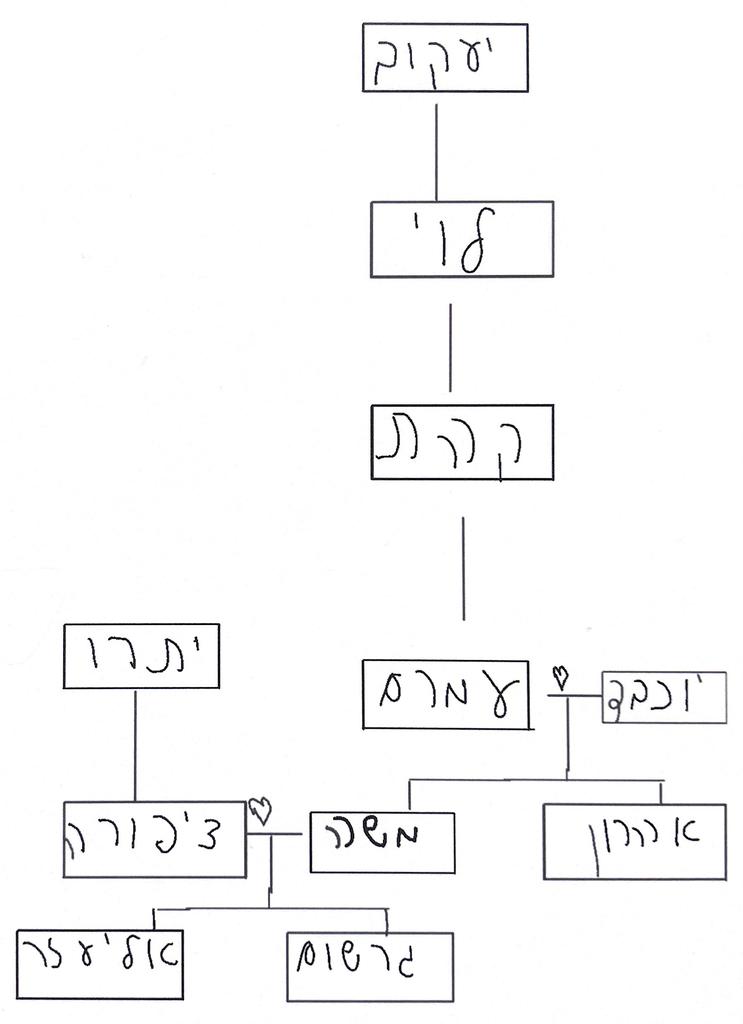
+ מירים - Miriam — Moshe's older sister but younger than Aharon (middle child) and daughter of Amram and Yocheved
THE TEN PLAGUES
|
ּ1. Blood |
דם |
|
2. Frogs |
צפרדע |
|
3. Lice |
כינים |
|
4. Insect Swarms |
ערוב |
|
5. Cattle Plague |
דבר |
|
6. Boils |
שכין |
|
7. Hail |
ברד |
|
8. Locusts |
ארבה |
|
9. Darkness |
חושך |
|
10. Death of the First-Born |
מכת בכורות |
HOW TO NAVIGATE A TANAKH:
- פתוחה – {פ} : New paragraph // major change of topic
- סתומה – {ס} : Indent/gap in line // minor change of topic
- אתנחתא – ט֑וֹב : Pause or a comma in a sentence // common Hebrew trope
CHUMASH:
PEREK יב
(א) וַיֹּ֤אמֶר ה׳ אֶל־מֹשֶׁ֣ה וְאֶֽל־אַהֲרֹ֔ן בְּאֶ֥רֶץ מִצְרַ֖יִם לֵאמֹֽר׃
(ב) הַחֹ֧דֶשׁ הַזֶּ֛ה לָכֶ֖ם רֹ֣אשׁ חֳדָשִׁ֑ים רִאשׁ֥וֹן הוּא֙ לָכֶ֔ם לְחׇדְשֵׁ֖י הַשָּׁנָֽה׃
(1) ה׳ said to Moses and Aaron in the land of Egypt:
(2) This month shall mark for you the beginning of the months; it shall be the first of the months of the year for you.
Ramban 12:2 - החודש הזה
- Question 1: It says in the previous Pasuk that Hashem spoke to Moshe and Aharon in Eretz Mitzraim. Isn’t it obvious that they’re in Mitzraim?
- Answer: It is to specify that this Mitzvah was given in Egypt while the other mitzvot were given on Har Sinai
- Question 2: What is the reason for this being the first month?
- Answer: So that anytime we say the date (e.g. today is the second day of the third month) we remember Yetziat Mitzraim because our whole calendar is based off of it.
- Additionally, any time there is a date in all of Chumash, it’s referenced in numbers from Nisan at Yitziat Mitzraim. Ramban gives three examples.
- Counting numbers is always meant to emphasize a focal point. For example, we count the days of the week around Shabbat. Counting months is comparable to counting the days of the week, except around Yetziat Mitzraim. The only other difference is that for days, the focal point is at the end whereas Nisan is the first.
- Kushya: But wait! Don’t we say Rosh Hashana from Tishrei? Why do we do this if the Torah says start at Nisan?
- We count months from Nisan (months #1, 2, 3) but years from Tishrei (what year is it? How many years have passed?)
- Answer: So that anytime we say the date (e.g. today is the second day of the third month) we remember Yetziat Mitzraim because our whole calendar is based off of it.
- Question 3: Where do we get the names of the months from?
- From Persia/Babylon
- In the Babylonian Galut there were these Babylonian names and we adopted their names in order to remember the Geulah of Bavel.
- There is a Pasuk in Yirmiyahu that says we remember Hashem’s Geulah through our calendar. We started our calendar/month cycle in Nisan from Geulat Mitzraim.
- Similarly, we start another calendar and take month names from Geulat Bavel.
- We remember Hashem as the GOD who took us out of Egypt, and we likewise must remember Hashem as the GOD who took us out of Bavel.
Rashi 12:2 - החודש הזה
- The way to know when Rosh Chodesh is when you see the moon at the first stage of its renewal after the new moon. Rashi takes this from the word הזה which usually points to an image. Rashi explains that the image הזה is pointing to is the new moon. Hashem showed Moshe the first stage of the moon’s renewal cycle and said: “look! This is how you know it is Rosh Chodesh.”
- Not Pshat
- According to Rashi, the Pshat is: Hashem is just saying that this month that we are in now starts the calendar of the year. The second month is Iyar, then Sivan, etc.
Rashi Bereshit 1:1 - בראשית
- The Torah is a law book and that is the whole point of the Torah.
- Thus, the whole Torah should have started on Shemot יב:ב when we receive the first Mitzvah.
- However, the reason we have the first book of Chumash is to provide proof to the Goyim of our legitimate claim to Eretz Yisrael.
(ג) דַּבְּר֗וּ אֶֽל־כׇּל־עֲדַ֤ת יִשְׂרָאֵל֙ לֵאמֹ֔ר בֶּעָשֹׂ֖ר לַחֹ֣דֶשׁ הַזֶּ֑ה וְיִקְח֣וּ לָהֶ֗ם אִ֛ישׁ שֶׂ֥ה לְבֵית־אָבֹ֖ת שֶׂ֥ה לַבָּֽיִת׃
(ד) וְאִם־יִמְעַ֣ט הַבַּ֘יִת֮ מִהְי֣וֹת מִשֶּׂה֒ וְלָקַ֣ח ה֗וּא וּשְׁכֵנ֛וֹ הַקָּרֹ֥ב אֶל־בֵּית֖וֹ בְּמִכְסַ֣ת נְפָשֹׁ֑ת אִ֚ישׁ לְפִ֣י אׇכְל֔וֹ תָּכֹ֖סּוּ עַל־הַשֶּֽׂה׃
(ה) שֶׂ֥ה תָמִ֛ים זָכָ֥ר בֶּן־שָׁנָ֖ה יִהְיֶ֣ה לָכֶ֑ם מִן־הַכְּבָשִׂ֥ים וּמִן־הָעִזִּ֖ים תִּקָּֽחוּ׃
(ו) וְהָיָ֤ה לָכֶם֙ לְמִשְׁמֶ֔רֶת עַ֣ד אַרְבָּעָ֥ה עָשָׂ֛ר י֖וֹם לַחֹ֣דֶשׁ הַזֶּ֑ה וְשָׁחֲט֣וּ אֹת֗וֹ כֹּ֛ל קְהַ֥ל עֲדַֽת־יִשְׂרָאֵ֖ל בֵּ֥ין הָעַרְבָּֽיִם׃
(3) Speak to the community leadership of Israel and say that on the tenth of this month each of them shall take a lamb*lamb Or “kid.” Heb. seh means either “sheep” or “goat”; cf. v. 5. to a family, a lamb to a household.
(4) But if the household is too small for a lamb, let it share one with a neighbor who dwells nearby, in proportion to the number of persons: you shall contribute for the lamb according to what each household will eat.
(5) Your lamb shall be without blemish, a yearling male; you may take it from the sheep or from the goats.
(6) You shall keep watch over it until the fourteenth day of this month; and all the assembled congregation of the Israelites shall slaughter it at twilight.
(א) והיה לכם למשמרת. זֶהוּ לְשׁוֹן בִּקּוּר, שֶׁטָּעוּן בִּקּוּר מִמּוּם אַרְבָּעָה יָמִים קֹדֶם שְׁחִיטָה (פסחים צ"ו). וּמִפְּנֵי מָה הִקְדִּים לְקִיחָתוֹ לִשְׁחִיטָתוֹ אַרְבָּעָה יָמִים, מַה שֶּׁלֹּא צִוָּה כֵן בְּפֶסַח דּוֹרוֹת? הָיָה רַ' מַתְיָא בֶּן חָרָשׁ אוֹמֵר, הֲרֵי הוּא אוֹמֵר "וָאֶעֱבֹר עָלַיִךְ וָאֶרְאֵךְ וְהִנֵּה עִתֵּךְ עֵת דּוֹדִים" (יחזקאל ט"ז) – הִגִּיעָה שְׁבוּעָה שֶׁנִּשְׁבַּעְתִּי לְאַבְרָהָם שֶׁאֶגְאַל אֶת בָּנָיו, וְלֹא הָיוּ בְיָדָם מִצְווֹת לְהִתְעַסֵּק בָּהֶם כְּדֵי שֶׁיִּגָּאֲלוּ, שֶׁנֶּאֱמַר "וְאַתְּ עֵרוֹם וְעֶרְיָה" (שם), וְנָתַן לָהֶם שְׁתֵּי מִצְווֹת, דַּם פֶּסַח וְדַם מִילָה, שֶׁמָּלוּ בְאוֹתוֹ הַלַּיְלָה, שֶׁנֶּאֱמַר "מִתְבּוֹסֶסֶת בְּדָמָיִךְ" (שם) – בִּשְׁנֵי דָּמִים, וְאוֹמֵר "גַּם אַתְּ בְּדַם בְּרִיתֵךְ שִׁלַּחְתִּי אֲסִירַיִךְ מִבּוֹר אֵין מַיִם בּוֹ" (זכריה ט'); וּלְפִי שֶׁהָיוּ שְׁטוּפִין בֶּאֱלִילִים אָמַר לָהֶם משכו וקחו לכם, מִשְׁכוּ יְדֵיכֶם מֵאֱלִילִים, וּקְחוּ לָכֶם צֹאן שֶׁל מִצְוָה (מכילתא):
(1) והיה לכם למשמרת AND IT SHALL BE IN YOUR KEEPING (or watching) — This expresses the idea of examining, and the text therefore implies that it requires examination against any blemish during the four days before slaughter (Pesachim 96a). And why did He order that it should be taken from the flock four days before its slaughter, something which He did not command in respect to the paschal-lamb that was offered by succeeding generations? Rabbi Mathia, the son of Cheresh, said, in answer: Behold, it (Scripture) says, (Ezekiel 16:8) “And I passed over thee (an allusion to God’s passing over the Israelites in Egypt) and looked upon thee, and behold, thy time was the time of love” — there had arrived the time to fulfil the oath which I had sworn to Abraham to redeem his children. They, however, possessed no divine commands in which to engage in order that they should merit to be redeemed — as it is said (Ezekiel 16:7) “thou wast naked and bare” (i. e. bare of all merit earned through the fulfilment of God’s commands). He therefore gave them two commands, relating respectively to the blood of the paschal-lamb and the blood of the circumcision — for that night they circumcised themselves, as it is said (Ezekiel 16:6) “[When I passed over thee] I saw thee wallowing in thy bloods (בְּדָמַיִךְ is plural)” i. e. in two kinds of blood. Further it states, (Zechariah 9:11) “As for thee, also, because of the blood of the covenant I released thy prisoners out of the pit wherin there is no water”. And yet another reply to this question is, that because they were sunk in idolatry and had no merit gained by the practice of a divine command, He said unto them, (v. 21) משכו “Draw” — withdraw your hands from idols; וקחו לכם צאן “and take unto yourselves a lamb” to fulfil a divine command (Mekhilta d'Rabbi Yishmael 12:2:1).
Rashi 12:6 - משמרת
-
Hashem is stuck because on one hand, he promised to free Bnei Yisrael to Avraham, but on the other hand, they were impure and doing Avodah Zarah and didn’t deserve to be free.
-
Thus, Hashem gave them an easy mitzvah for them to “rack up points” so they could merit Geulah.
-
מצוות דם - Category of Mitzvot
-
Blood on door
-
Korban Pesach
-
-
- (א) והיה הדם לכם לאת. לָכֶם לְאוֹת וְלֹא לַאֲחֵרִים לְאוֹת (שם). מִכָּאן שֶׁלֹּא נָתְנוּ הַדָּם אֶלָּא מִבִּפְנִים:
(1) והיה הדם לכם לאת AND THE BLOOD SHALL BE UNTO YOU FOR A SIGN — it shall be to you for a sign, and not to others for a sign (Mekhilta d'Rabbi Yishmael 12:13:1). From this we may learn that they put the blood only inside their houses.
(ז) וְלָֽקְחוּ֙ מִן־הַדָּ֔ם וְנָ֥תְנ֛וּ עַל־שְׁתֵּ֥י הַמְּזוּזֹ֖ת וְעַל־הַמַּשְׁק֑וֹף עַ֚ל הַבָּ֣תִּ֔ים אֲשֶׁר־יֹאכְל֥וּ אֹת֖וֹ בָּהֶֽם׃
(ח) וְאָכְל֥וּ אֶת־הַבָּשָׂ֖ר בַּלַּ֣יְלָה הַזֶּ֑ה צְלִי־אֵ֣שׁ וּמַצּ֔וֹת עַל־מְרֹרִ֖ים יֹאכְלֻֽהוּ׃
(ט) אַל־תֹּאכְל֤וּ מִמֶּ֙נּוּ֙ נָ֔א וּבָשֵׁ֥ל מְבֻשָּׁ֖ל בַּמָּ֑יִם כִּ֣י אִם־צְלִי־אֵ֔שׁ רֹאשׁ֥וֹ עַל־כְּרָעָ֖יו וְעַל־קִרְבּֽוֹ׃
(י) וְלֹא־תוֹתִ֥ירוּ מִמֶּ֖נּוּ עַד־בֹּ֑קֶר וְהַנֹּתָ֥ר מִמֶּ֛נּוּ עַד־בֹּ֖קֶר בָּאֵ֥שׁ תִּשְׂרֹֽפוּ׃
(יא) וְכָ֘כָה֮ תֹּאכְל֣וּ אֹתוֹ֒ מׇתְנֵיכֶ֣ם חֲגֻרִ֔ים נַֽעֲלֵיכֶם֙ בְּרַגְלֵיכֶ֔ם וּמַקֶּלְכֶ֖ם בְּיֶדְכֶ֑ם וַאֲכַלְתֶּ֤ם אֹתוֹ֙ בְּחִפָּז֔וֹן פֶּ֥סַח ה֖וּא לַה׳׃
(יב) וְעָבַרְתִּ֣י בְאֶֽרֶץ־מִצְרַ֘יִם֮ בַּלַּ֣יְלָה הַזֶּה֒ וְהִכֵּיתִ֤י כׇל־בְּכוֹר֙ בְּאֶ֣רֶץ מִצְרַ֔יִם מֵאָדָ֖ם וְעַד־בְּהֵמָ֑ה וּבְכׇל־אֱלֹקֵ֥י מִצְרַ֛יִם אֶֽעֱשֶׂ֥ה שְׁפָטִ֖ים אֲנִ֥י ה׳׃
(יג) וְהָיָה֩ הַדָּ֨ם לָכֶ֜ם לְאֹ֗ת עַ֤ל הַבָּתִּים֙ אֲשֶׁ֣ר אַתֶּ֣ם שָׁ֔ם וְרָאִ֙יתִי֙ אֶת־הַדָּ֔ם וּפָסַחְתִּ֖י עֲלֵכֶ֑ם וְלֹֽא־יִֽהְיֶ֨ה בָכֶ֥ם נֶ֙גֶף֙ לְמַשְׁחִ֔ית בְּהַכֹּתִ֖י בְּאֶ֥רֶץ מִצְרָֽיִם׃
(7) They shall take some of the blood and put it on the two doorposts and the lintel of the houses in which they are to eat it.
(8) They shall eat the flesh that same night; they shall eat it roasted over the fire, with unleavened bread and with bitter herbs.
(9) Do not eat any of it raw, or cooked in any way with water, but roasted—head, legs, and entrails—over the fire.
(10) You shall not leave any of it over until morning; if any of it is left until morning, you shall burn it.
(11) This is how you shall eat it: your loins girded, your sandals on your feet, and your staff in your hand; and you shall eat it hurriedly: it is a passover offering*passover offering Or “protective offering”; Heb. pesaḥ. to ה׳.
(12) For that night I will go through the land of Egypt and strike down every [male] first-born in the land of Egypt, both human and beast; and I will mete out punishments to all the gods of Egypt, I ה׳.
(13) And the blood on the houses where you are staying shall be a sign for you: when I see the blood I will pass over*pass over Or “protect”; cf. v. 11 and note there. you, so that no plague will destroy you when I strike the land of Egypt.
(13) The blood will be for you as a sign on the houses where you are [staying]. I will see the blood and I will pass over [have mercy upon] you. There will be no plague against you when I strike the land of Egypt.
(3) ופסחתי — This signifies I WILL SPARE you; similar to this is, (Isaiah 31:5) “Sparing (פסוח) and delivering”. (This is the explanation of Menachem ben Seruk). But I say that wherever the root פסח occurs it is an expression for leaping and springing over, so that ופסחתי here denotes that He sprang from the houses of the Israelites when He reached them, without having entered them, to the houses of the Egyptians — for they (the Egyptians and the Israelites) dwelt one next to the other. Of a like import is, (1 Kings 18:21) “How long will ye leap (פוסחים) upon two twigs?” So, too, all פסחים lame people walk as though they were springing, and are therefore termed פסחים. This, too, is the meaning of, (Isaiah 31:5) פסוח והמליט “He springs over him and delivers him” from amongst those who are being killed.
Rashi 12:13 - ופסחתי
- Two Answers
- [1] Agrees with Onkelos that this word means to have mercy
- [2] דילוג וקפילה – skip and jump
- Proved from pasuk in Eliyahu that says: עד מתי אתם פוסחים בין
(יד) וְהָיָה֩ הַיּ֨וֹם הַזֶּ֤ה לָכֶם֙ לְזִכָּר֔וֹן וְחַגֹּתֶ֥ם אֹת֖וֹ חַ֣ג לַֽה׳ לְדֹרֹ֣תֵיכֶ֔ם חֻקַּ֥ת עוֹלָ֖ם תְּחׇגֻּֽהוּ׃
(טו) שִׁבְעַ֤ת יָמִים֙ מַצּ֣וֹת תֹּאכֵ֔לוּ אַ֚ךְ בַּיּ֣וֹם הָרִאשׁ֔וֹן תַּשְׁבִּ֥יתוּ שְּׂאֹ֖ר מִבָּתֵּיכֶ֑ם כִּ֣י ׀ כׇּל־אֹכֵ֣ל חָמֵ֗ץ וְנִכְרְתָ֞ה הַנֶּ֤פֶשׁ הַהִוא֙ מִיִּשְׂרָאֵ֔ל מִיּ֥וֹם הָרִאשֹׁ֖ן עַד־י֥וֹם הַשְּׁבִעִֽי׃
(טז) וּבַיּ֤וֹם הָרִאשׁוֹן֙ מִקְרָא־קֹ֔דֶשׁ וּבַיּוֹם֙ הַשְּׁבִיעִ֔י מִקְרָא־קֹ֖דֶשׁ יִהְיֶ֣ה לָכֶ֑ם כׇּל־מְלָאכָה֙ לֹא־יֵעָשֶׂ֣ה בָהֶ֔ם אַ֚ךְ אֲשֶׁ֣ר יֵאָכֵ֣ל לְכׇל־נֶ֔פֶשׁ ה֥וּא לְבַדּ֖וֹ יֵעָשֶׂ֥ה לָכֶֽם׃
(14) This day shall be to you one of remembrance: you shall celebrate it as a festival to ה׳ throughout the ages; you shall celebrate it as an institution for all time.
(15) Seven days you shall eat unleavened bread; on the very first day you shall remove leaven from your houses, for whoever eats leavened bread from the first day to the seventh day, that person shall be cut off from Israel.
(16) You shall celebrate a sacred occasion on the first day, and a sacred occasion on the seventh day; no work at all shall be done on them; only what every person is to eat, that alone may be prepared for you.
Rashi 12:16 - מקרא קודש
- What does a "holy occasion" mean?
- Eating
- Drinking
- Dressing well
(א) ושמרתם את המצות. שֶׁלֹּא יָבֹאוּ לִידֵי חִמּוּץ; מִכָּאן אָמְרוּ תָּפַח תִּלְטֹשׁ בְּצוֹנֵן, רַבִּי יֹאשִׁיָּה אוֹמֵר אַל תְּהִי קוֹרֵא אֶת הַמַּצּוֹת, אֶלָּא אֶת הַמִּצְווֹת – כְּדֶרֶךְ שֶׁאֵין מַחֲמִיצִין אֶת הַמַּצָּה, כָּךְ אֵין מַחֲמִיצִין אֶת הַמִּצְוָה, אֶלָּא אִם בָּאָה לְיָדְךָ, עֲשֵׂה אוֹתָהּ מִיָּד (שם):
(1) ושמרתם את המצות AND YE SHALL WATCH THE UNLEAVENED BREAD that it shall not reach the stage of becoming leavened; hence the Rabbis said, if it (the dough) is rising (a sign that the leavening process is setting in) she (the woman kneading the dough) polishes it with cold water (i. e. she slaps the dough with hands dipped in cold water). Rabbi Josiah said: Do not read “את המַּצּוֹת”, the unleavened bread, but את הַמִּצְוֹת “[ye shall watch] the commandements” — just as we may not cause the unleavened bread to become leavened by letting the dough remain in its raw state too long so we may not let the commandment become “leavened” by waiting too long before we perform it; but if it (a commandment) comes to your hand, perform it immediately (Mekhilta d'Rabbi Yishmael 12:17:1).
Rashi 12:17 - ושמרתם את המצות
-
What does this mean (lit. “to guard the matzot”)
-
[1] You must observe the Matzah so that it does not rise and become חמץ.
-
[2] Rav Yoshiya says: אל תקראי matzot, אלא Mitzvot.
-
Just like you can’t let Matzot sit and become Chametz, you cannot let Mitzvot sit and become Chametz—
-
If you have an oppurtunity to do a mitzvah, do it now and don’t let it sit and become Chametz, i.e. procrastinate and do it later. — זריזים מקדימים למצוות.
-
-
-
(יז) וּשְׁמַרְתֶּם֮ אֶת־הַמַּצּוֹת֒ כִּ֗י בְּעֶ֙צֶם֙ הַיּ֣וֹם הַזֶּ֔ה הוֹצֵ֥אתִי אֶת־צִבְאוֹתֵיכֶ֖ם מֵאֶ֣רֶץ מִצְרָ֑יִם וּשְׁמַרְתֶּ֞ם אֶת־הַיּ֥וֹם הַזֶּ֛ה לְדֹרֹתֵיכֶ֖ם חֻקַּ֥ת עוֹלָֽם׃
(יח) בָּרִאשֹׁ֡ן בְּאַרְבָּעָה֩ עָשָׂ֨ר י֤וֹם לַחֹ֙דֶשׁ֙ בָּעֶ֔רֶב תֹּאכְל֖וּ מַצֹּ֑ת עַ֠ד י֣וֹם הָאֶחָ֧ד וְעֶשְׂרִ֛ים לַחֹ֖דֶשׁ בָּעָֽרֶב׃
(יט) שִׁבְעַ֣ת יָמִ֔ים שְׂאֹ֕ר לֹ֥א יִמָּצֵ֖א בְּבָתֵּיכֶ֑ם כִּ֣י ׀ כׇּל־אֹכֵ֣ל מַחְמֶ֗צֶת וְנִכְרְתָ֞ה הַנֶּ֤פֶשׁ הַהִוא֙ מֵעֲדַ֣ת יִשְׂרָאֵ֔ל בַּגֵּ֖ר וּבְאֶזְרַ֥ח הָאָֽרֶץ׃
(כ) כׇּל־מַחְמֶ֖צֶת לֹ֣א תֹאכֵ֑לוּ בְּכֹל֙ מוֹשְׁבֹ֣תֵיכֶ֔ם תֹּאכְל֖וּ מַצּֽוֹת׃ {פ}
(כא) וַיִּקְרָ֥א מֹשֶׁ֛ה לְכׇל־זִקְנֵ֥י יִשְׂרָאֵ֖ל וַיֹּ֣אמֶר אֲלֵהֶ֑ם מִֽשְׁכ֗וּ וּקְח֨וּ לָכֶ֥ם צֹ֛אן לְמִשְׁפְּחֹתֵיכֶ֖ם וְשַׁחֲט֥וּ הַפָּֽסַח׃
(כב) וּלְקַחְתֶּ֞ם אֲגֻדַּ֣ת אֵז֗וֹב וּטְבַלְתֶּם֮ בַּדָּ֣ם אֲשֶׁר־בַּסַּף֒ וְהִגַּעְתֶּ֤ם אֶל־הַמַּשְׁקוֹף֙ וְאֶל־שְׁתֵּ֣י הַמְּזוּזֹ֔ת מִן־הַדָּ֖ם אֲשֶׁ֣ר בַּסָּ֑ף וְאַתֶּ֗ם לֹ֥א תֵצְא֛וּ אִ֥ישׁ מִפֶּֽתַח־בֵּית֖וֹ עַד־בֹּֽקֶר׃
(כג) וְעָבַ֣ר ה׳ לִנְגֹּ֣ף אֶת־מִצְרַ֒יִם֒ וְרָאָ֤ה אֶת־הַדָּם֙ עַל־הַמַּשְׁק֔וֹף וְעַ֖ל שְׁתֵּ֣י הַמְּזוּזֹ֑ת וּפָסַ֤ח ה׳ עַל־הַפֶּ֔תַח וְלֹ֤א יִתֵּן֙ הַמַּשְׁחִ֔ית לָבֹ֥א אֶל־בָּתֵּיכֶ֖ם לִנְגֹּֽף׃
(כד) וּשְׁמַרְתֶּ֖ם אֶת־הַדָּבָ֣ר הַזֶּ֑ה לְחׇק־לְךָ֥ וּלְבָנֶ֖יךָ עַד־עוֹלָֽם׃
(כה) וְהָיָ֞ה כִּֽי־תָבֹ֣אוּ אֶל־הָאָ֗רֶץ אֲשֶׁ֨ר יִתֵּ֧ן ה׳ לָכֶ֖ם כַּאֲשֶׁ֣ר דִּבֵּ֑ר וּשְׁמַרְתֶּ֖ם אֶת־הָעֲבֹדָ֥ה הַזֹּֽאת׃
(כו) וְהָיָ֕ה כִּֽי־יֹאמְר֥וּ אֲלֵיכֶ֖ם בְּנֵיכֶ֑ם מָ֛ה הָעֲבֹדָ֥ה הַזֹּ֖את לָכֶֽם׃
(כז) וַאֲמַרְתֶּ֡ם זֶֽבַח־פֶּ֨סַח ה֜וּא לַֽה׳ אֲשֶׁ֣ר פָּ֠סַ֠ח עַל־בָּתֵּ֤י בְנֵֽי־יִשְׂרָאֵל֙ בְּמִצְרַ֔יִם בְּנׇגְפּ֥וֹ אֶת־מִצְרַ֖יִם וְאֶת־בָּתֵּ֣ינוּ הִצִּ֑יל וַיִּקֹּ֥ד הָעָ֖ם וַיִּֽשְׁתַּחֲוֽוּ׃
(כח) וַיֵּלְכ֥וּ וַֽיַּעֲשׂ֖וּ בְּנֵ֣י יִשְׂרָאֵ֑ל כַּאֲשֶׁ֨ר צִוָּ֧ה ה׳ אֶת־מֹשֶׁ֥ה וְאַהֲרֹ֖ן כֵּ֥ן עָשֽׂוּ׃ {ס}
(כט) וַיְהִ֣י ׀ בַּחֲצִ֣י הַלַּ֗יְלָה וַֽה׳ הִכָּ֣ה כׇל־בְּכוֹר֮ בְּאֶ֣רֶץ מִצְרַ֒יִם֒ מִבְּכֹ֤ר פַּרְעֹה֙ הַיֹּשֵׁ֣ב עַל־כִּסְא֔וֹ עַ֚ד בְּכ֣וֹר הַשְּׁבִ֔י אֲשֶׁ֖ר בְּבֵ֣ית הַבּ֑וֹר וְכֹ֖ל בְּכ֥וֹר בְּהֵמָֽה׃
(ל) וַיָּ֨קׇם פַּרְעֹ֜ה לַ֗יְלָה ה֤וּא וְכׇל־עֲבָדָיו֙ וְכׇל־מִצְרַ֔יִם וַתְּהִ֛י צְעָקָ֥ה גְדֹלָ֖ה בְּמִצְרָ֑יִם כִּֽי־אֵ֣ין בַּ֔יִת אֲשֶׁ֥ר אֵֽין־שָׁ֖ם מֵֽת׃
(לא) וַיִּקְרָא֩ לְמֹשֶׁ֨ה וּֽלְאַהֲרֹ֜ן לַ֗יְלָה וַיֹּ֙אמֶר֙ ק֤וּמוּ צְּאוּ֙ מִתּ֣וֹךְ עַמִּ֔י גַּם־אַתֶּ֖ם גַּם־בְּנֵ֣י יִשְׂרָאֵ֑ל וּלְכ֛וּ עִבְד֥וּ אֶת־ה׳ כְּדַבֶּרְכֶֽם׃
(לב) גַּם־צֹאנְכֶ֨ם גַּם־בְּקַרְכֶ֥ם קְח֛וּ כַּאֲשֶׁ֥ר דִּבַּרְתֶּ֖ם וָלֵ֑כוּ וּבֵֽרַכְתֶּ֖ם גַּם־אֹתִֽי׃
(לג) וַתֶּחֱזַ֤ק מִצְרַ֙יִם֙ עַל־הָעָ֔ם לְמַהֵ֖ר לְשַׁלְּחָ֣ם מִן־הָאָ֑רֶץ כִּ֥י אָמְר֖וּ כֻּלָּ֥נוּ מֵתִֽים׃
(לד) וַיִּשָּׂ֥א הָעָ֛ם אֶת־בְּצֵק֖וֹ טֶ֣רֶם יֶחְמָ֑ץ מִשְׁאֲרֹתָ֛ם צְרֻרֹ֥ת בְּשִׂמְלֹתָ֖ם עַל־שִׁכְמָֽם׃
(לה) וּבְנֵי־יִשְׂרָאֵ֥ל עָשׂ֖וּ כִּדְבַ֣ר מֹשֶׁ֑ה וַֽיִּשְׁאֲלוּ֙ מִמִּצְרַ֔יִם כְּלֵי־כֶ֛סֶף וּכְלֵ֥י זָהָ֖ב וּשְׂמָלֹֽת׃
(לו) וַֽה׳ נָתַ֨ן אֶת־חֵ֥ן הָעָ֛ם בְּעֵינֵ֥י מִצְרַ֖יִם וַיַּשְׁאִל֑וּם וַֽיְנַצְּל֖וּ אֶת־מִצְרָֽיִם׃ {פ}
(לז) וַיִּסְע֧וּ בְנֵֽי־יִשְׂרָאֵ֛ל מֵרַעְמְסֵ֖ס סֻכֹּ֑תָה כְּשֵׁשׁ־מֵא֨וֹת אֶ֧לֶף רַגְלִ֛י הַגְּבָרִ֖ים לְבַ֥ד מִטָּֽף׃
(לח) וְגַם־עֵ֥רֶב רַ֖ב עָלָ֣ה אִתָּ֑ם וְצֹ֣אן וּבָקָ֔ר מִקְנֶ֖ה כָּבֵ֥ד מְאֹֽד׃
(לט) וַיֹּאפ֨וּ אֶת־הַבָּצֵ֜ק אֲשֶׁ֨ר הוֹצִ֧יאוּ מִמִּצְרַ֛יִם עֻגֹ֥ת מַצּ֖וֹת כִּ֣י לֹ֣א חָמֵ֑ץ כִּֽי־גֹרְשׁ֣וּ מִמִּצְרַ֗יִם וְלֹ֤א יָֽכְלוּ֙ לְהִתְמַהְמֵ֔הַּ וְגַם־צֵדָ֖ה לֹא־עָשׂ֥וּ לָהֶֽם׃
(מ) וּמוֹשַׁב֙ בְּנֵ֣י יִשְׂרָאֵ֔ל אֲשֶׁ֥ר יָשְׁב֖וּ בְּמִצְרָ֑יִם שְׁלֹשִׁ֣ים שָׁנָ֔ה וְאַרְבַּ֥ע מֵא֖וֹת שָׁנָֽה׃
(מא) וַיְהִ֗י מִקֵּץ֙ שְׁלֹשִׁ֣ים שָׁנָ֔ה וְאַרְבַּ֥ע מֵא֖וֹת שָׁנָ֑ה וַיְהִ֗י בְּעֶ֙צֶם֙ הַיּ֣וֹם הַזֶּ֔ה יָ֥צְא֛וּ כׇּל־צִבְא֥וֹת ה׳ מֵאֶ֥רֶץ מִצְרָֽיִם׃
(מב) לֵ֣יל שִׁמֻּרִ֥ים הוּא֙ לַֽה׳ לְהוֹצִיאָ֖ם מֵאֶ֣רֶץ מִצְרָ֑יִם הֽוּא־הַלַּ֤יְלָה הַזֶּה֙ לַֽה׳ שִׁמֻּרִ֛ים לְכׇל־בְּנֵ֥י יִשְׂרָאֵ֖ל לְדֹרֹתָֽם׃ {פ}
(מג) וַיֹּ֤אמֶר ה׳ אֶל־מֹשֶׁ֣ה וְאַהֲרֹ֔ן זֹ֖את חֻקַּ֣ת הַפָּ֑סַח כׇּל־בֶּן־נֵכָ֖ר לֹא־יֹ֥אכַל בּֽוֹ׃
(מד) וְכׇל־עֶ֥בֶד אִ֖ישׁ מִקְנַת־כָּ֑סֶף וּמַלְתָּ֣ה אֹת֔וֹ אָ֖ז יֹ֥אכַל בּֽוֹ׃
(מה) תּוֹשָׁ֥ב וְשָׂכִ֖יר לֹא־יֹ֥אכַל בּֽוֹ׃
(מו) בְּבַ֤יִת אֶחָד֙ יֵאָכֵ֔ל לֹא־תוֹצִ֧יא מִן־הַבַּ֛יִת מִן־הַבָּשָׂ֖ר ח֑וּצָה וְעֶ֖צֶם לֹ֥א תִשְׁבְּרוּ־בֽוֹ׃
(מז) כׇּל־עֲדַ֥ת יִשְׂרָאֵ֖ל יַעֲשׂ֥וּ אֹתֽוֹ׃
(מח) וְכִֽי־יָג֨וּר אִתְּךָ֜ גֵּ֗ר וְעָ֣שָׂה פֶ֘סַח֮ לַה׳ הִמּ֧וֹל ל֣וֹ כׇל־זָכָ֗ר וְאָז֙ יִקְרַ֣ב לַעֲשֹׂת֔וֹ וְהָיָ֖ה כְּאֶזְרַ֣ח הָאָ֑רֶץ וְכׇל־עָרֵ֖ל לֹֽא־יֹ֥אכַל בּֽוֹ׃
(מט) תּוֹרָ֣ה אַחַ֔ת יִהְיֶ֖ה לָֽאֶזְרָ֑ח וְלַגֵּ֖ר הַגָּ֥ר בְּתוֹכְכֶֽם׃
(נ) וַיַּֽעֲשׂ֖וּ כׇּל־בְּנֵ֣י יִשְׂרָאֵ֑ל כַּאֲשֶׁ֨ר צִוָּ֧ה ה׳ אֶת־מֹשֶׁ֥ה וְאֶֽת־אַהֲרֹ֖ן כֵּ֥ן עָשֽׂוּ׃ {ס}
(נא) וַיְהִ֕י בְּעֶ֖צֶם הַיּ֣וֹם הַזֶּ֑ה הוֹצִ֨יא ה׳ אֶת־בְּנֵ֧י יִשְׂרָאֵ֛ל מֵאֶ֥רֶץ מִצְרַ֖יִם עַל־צִבְאֹתָֽם׃ {פ}
(17) You shall observe the [Feast of] Unleavened Bread, for on this very day I brought your ranks out of the land of Egypt; you shall observe this day throughout the ages as an institution for all time.
(18) In the first month, from the fourteenth day of the month at evening, you shall eat unleavened bread until the twenty-first day of the month at evening.
(19) No leaven shall be found in your houses for seven days. For whoever eats what is leavened, that person—whether a stranger or a citizen of the country—shall be cut off from the community of Israel.
(20) You shall eat nothing leavened; in all your settlements you shall eat unleavened bread.
(21) Moses then summoned all the elders of Israel and said to them, “Go, pick out lambs for your families, and slaughter the passover offering.
(22) Take a bunch of hyssop, dip it in the blood that is in the basin, and apply some of the blood that is in the basin to the lintel and to the two doorposts. None of you shall go outside the door of your house until morning.
(23) For ה׳, when going through to smite the Egyptians, will see the blood on the lintel and the two doorposts, and ה׳ will pass over*pass over See note at v. 13. the door and not let the Destroyer enter and smite your home.
(24) “You shall observe this as an institution for all time, for you and for your descendants.
(25) And when you enter the land that ה׳ will give you, as promised, you shall observe this rite.
(26) And when your children ask you, ‘What do you mean by this rite?’
(27) you shall say, ‘It is the passover sacrifice to ה׳, who passed over the houses of the Israelites in Egypt when smiting the Egyptians, but saved our houses.’ Those assembled then bowed low in homage.
(28) And the Israelites went and did so; just as ה׳ had commanded Moses and Aaron, so they did.
(29) In the middle of the night ה׳ struck down all the [male] first-born in the land of Egypt, from the first-born of Pharaoh who sat on the throne to the first-born of the captive who was in the dungeon, and all the first-born of the cattle.
(30) And Pharaoh arose in the night, with all his courtiers and all the Egyptians—because there was a loud cry in Egypt; for there was no house where there was not someone dead.
(31) He summoned Moses and Aaron in the night and said, “Up, depart from among my people, you and the Israelites with you! Go, worship ה׳ as you said!
(32) Take also your flocks and your herds, as you said, and begone! And may you bring a blessing upon me also!”
(33) The Egyptians urged the people on, impatient to have them leave the country, for they said, “We shall all be dead.”
(34) So the people took their dough before it was leavened, their kneading bowls wrapped in their cloaks upon their shoulders.
(35) The Israelites had done Moses’ bidding and borrowed from the Egyptians objects of silver and gold, and clothing.
(36) And ה׳ had disposed the Egyptians favorably toward the people, and they let them have their request; thus they stripped the Egyptians.
(37) The Israelites journeyed from Rameses to Succoth, about six hundred thousand fighting men on foot, aside from noncombatants.
(38) Moreover, a mixed multitude went up with them, and very much livestock, both flocks and herds.
(39) And they baked unleavened cakes of the dough that they had taken out of Egypt, for it was not leavened, since they had been driven out of Egypt and could not delay; nor had they prepared any provisions for themselves.
(40) The length of time that the Israelites lived in Egypt was four hundred and thirty years;
(41) at the end of the four hundred and thirtieth year, to the very day, all the ranks of ה׳ departed from the land of Egypt.
(42) That was for ה׳ a night of vigil to bring them out of the land of Egypt; that same night is יהוה’s, one of vigil for all the children of Israel throughout the ages.
(43) ה׳ said to Moses and Aaron: This is the law of the passover offering: No foreigner shall eat of it.
(44) But any householder’s*householder’s NJPS “a man [has bought]”; trad. “man’s.” See the Dictionary under ’ish. purchased male slave may eat of it once he has been circumcised.
(45) No bound or hired laborer shall eat of it.
(46) It shall be eaten in one house: you shall not take any of the flesh outside the house; nor shall you break a bone of it.
(47) The whole community of Israel shall offer it.
(48) If a male stranger who dwells with you would offer the passover to ה׳, all his males must be circumcised; then he shall be admitted to offer it; he shall then be as a citizen of the country. But no uncircumcised man may eat of it.
(49) There shall be one law for the citizen and for the stranger who dwells among you.
(50) And all the Israelites did so; as ה׳ had commanded Moses and Aaron, so they did.
(51) That very day ה׳ freed the Israelites from the land of Egypt, troop by troop.
THEMES:
- פסח מצרים – The two mitzvot of דם על מזוזה ומשקוף and of משמרת were two mitzvot that fell into this category as being mitzvot that are only relevant to the first Pesach that took place in Mitzraim. The other mitzvah unique to Pesach Mitzraim was "כָ֘כָה֮ תֹּאכְל֣וּ אֹתוֹ֒ מׇתְנֵיכֶ֣ם חֲגֻרִ֔ים נַֽעֲלֵיכֶם֙ בְּרַגְלֵיכֶ֔ם וּמַקֶּלְכֶ֖ם בְּיֶדְכֶ֑ם וַאֲכַלְתֶּ֤ם אֹתוֹ֙ בְּחִפָּז֔וֹן פֶּ֥סַח ה֖וּא לַה׳׃", where the Israelites had to put on their sandals and get dressed sspecieally for the korban.
- Sefer HaChinuch does not count these in his counting of 613 mitzvot.
-
פסח דורות - The mitzvot of Pesach that we all follow until today.
-
עונש כרת - literally: to be cut off
-
Examples (36 total) of mitzvot punished by Karet: [Note: all things punishable by כרת are mitzvot לא תעשה/Prohibitions. The only exception is the positive commandment to get a Brit Milah and to eat Korban Pesach]
-
מחלל שבת
-
לא עשה ברית מילה
-
לא אכל קרבן פסח
-
אכילה ביום כיפור
-
עריות
-
Etc.
-
-
Punishments of כרת [dealt out by Hashem only]
-
Premature death
-
Children dying
-
No עולם הבא
-
-
-
Diff. between Shabbat and Yom Tov: אכל נפש - food that you can make on Yom Tov but you can’t make food on Shabbat for any reason because of the Malacha of Bishul
-
Yetziat Mitzraim -
-
Who went:
-
600,000 גברים
-
Rashi on גברים: Adult men 20+ years
-
Real number is much higher bc this doesn't count women and children
-
-
-
ערב רב - mixed groups of other peoples [two approaches:]
-
Like converts who genuinely want to serve Hashem righteously (Rashi)
-
Winner-pickers who want the protection of Hashem
-
-
-
What they brought:
-
No provisions for the road
-
Rashi says this is a PRAISE to them in their trust to Hashem that they are like brides (see Yirmiyahu 2:2)
-
-
- How long:
- The Pasuk says that Bnei Yisrael was in Egypt for 430 years, which does not make sense chronologically, according to Rashi. Thus, he crafts a timeline to explain how events really hapened, beginning at the giving of the Brit Bein HaBetarim to Avraham Avinu.
-
Rashi's Timeline:
| Year from Brit Bein HaBetarim | Event that Occurred |
|---|---|
| Year 0 | Brit Bein HaBetarim |
| Year 30 | Yitzchak is born |
| Year 220 | Early Hebrews (Sons of Yaakov) come to Egypt |
|
Year 430 |
Yetziat Mitzraim |
(ב) הָלֹ֡ךְ וְֽקָרָ֩אתָ֩ בְאׇזְנֵ֨י יְרוּשָׁלַ֜͏ִם לֵאמֹ֗ר כֹּ֚ה אָמַ֣ר ה׳ זָכַ֤רְתִּי לָךְ֙ חֶ֣סֶד נְעוּרַ֔יִךְ אַהֲבַ֖ת כְּלוּלֹתָ֑יִךְ לֶכְתֵּ֤ךְ אַֽחֲרַי֙ בַּמִּדְבָּ֔ר בְּאֶ֖רֶץ לֹ֥א זְרוּעָֽה׃
(2) Go proclaim to Jerusalem: Thus said GOD:
I accounted to your favor
The devotion of your youth,
Your love as a bride—
How you followed Me in the wilderness,
In a land not sown.
- Yirmiyahu Pasuk:
- Shows our dedication to GOD
- Ms. Kelman walked down the aisle to this song
HEBREW CALENDAR
| HOLIDAY | MONTH |
|---|---|
|
ניסּן |
|
סוון |
|
תמוז |
|
אּב |
|
תשרי |
|
כיסלו |
|
טבת |
|
אדר |
* Bold = 3 רגלים
* Underline = 6 Fast Days
MITZVOT WITH ROSH CHODESH
- ראש חודש –
- After a 29 day month - first day of next month
- After a 30 day month - 30th day of month before and first day of new month
- שבת מברכים –
- The Shabbat before Rosh chodesh where we announce that Rosh chodesh is next week
- קידוש לבנה –
- Monthly blessing on new moon
- Said after Shabbat on days 3-14th after the Molad. If no Motzei Shabbat nights are available than any weeknight in that range.
- מולד –
- The time when the new moon becomes visible
(Other)
- קידוש החודש –
- The mitzvah to make a calendar (done by the Sanhedrin)
- First mitzvah in Torah
- Symbolic of our freedom
PEREK יג
3 Main Mitzvot of Parashat בא:
- קדושת בכור – The firstborns of all Jews, kosher cattle, and donkeys are set aside to be sanctified by Hashem
- סיפור זכירת יציאת מצרים – The obligation to tell the story of Yetziat Mitzraim
- תפילין – Tefillin
KEDUSHAT BECHOR
PSHAT OF THE MITZVAH (Exodus 13:2,12-13):
- The Laws of Redemption for the Firstborn
- Firstborn boy: dedicated to Hashem until they are redeemed (תפדה) during their Pidyon HaBen when their Kedusha (holiness/sanctification/separateness) is transferred to silver coins by a Cohen.
- Kosher Cattle: Korban
- חמור/Donkey: Redeem it with (for) a sheep (as a Korban, since you can't offer a donkey as Korban because it is unkosher), OR, if you do not, you must break its neck (וערפתו)
SEFER HACHINUKH
- Template of Sefer HaChinukh in General
- Definition
- Reasons/Shorshei HaMitzvah
- Halachot regarding the mitzvah
- Scope of applicability
- Reasons/Shorshei HaMitzvah of Kedushat Bechor
- אין לנו דבר בעולם – After all of the hard work you put into something (e.g. a child or anything), the first 'harvest' or 'thing' that we get out from that effort is something that is very dear to us and we love them, more so than anything else. By giving it to Hashem, that is really a difficult sacrifice, and shows the extent of our dedication.
- לזכור הנס הגדול – This is an act of gratitude towards Hashem because the Bechorim of Bnei Yisrael were spared during the 10th Plague, so we give our Bechors to Hashem in thankfulness for that.
Rashi 13:3 (זכור) - Zachor means to mention, and this obligation is to mention Yetziat Mitzraim every day
סיפור VS זכירה
RAV SOLOVEITCHIK:
| סיפור | זכירה | |
|---|---|---|
| מתי חייב? | Only on Pesach—ליל הסדר | Every day |
| איך מקיימים? | Saying the full story | Mentioning it |
| למי יספר? | To anyone | to yourself |
| ?מצווה בפני עצמה | Its own mitzvah—the whole seder | Part of Shema or something else |
| מה חיביים לעשות כתגובה (how to fulfill) | הלל |
Nothing (just mention it) |
(ד) הַיּ֖וֹם אַתֶּ֣ם יֹצְאִ֑ים בְּחֹ֖דֶשׁ הָאָבִֽיב׃
(ה) וְהָיָ֣ה כִֽי־יְבִיאֲךָ֣ ה׳ אֶל־אֶ֣רֶץ הַֽ֠כְּנַעֲנִ֠י וְהַחִתִּ֨י וְהָאֱמֹרִ֜י וְהַחִוִּ֣י וְהַיְבוּסִ֗י אֲשֶׁ֨ר נִשְׁבַּ֤ע לַאֲבֹתֶ֙יךָ֙ לָ֣תֶת לָ֔ךְ אֶ֛רֶץ זָבַ֥ת חָלָ֖ב וּדְבָ֑שׁ וְעָבַדְתָּ֛ אֶת־הָעֲבֹדָ֥ה הַזֹּ֖את בַּחֹ֥דֶשׁ הַזֶּֽה׃
(ו) שִׁבְעַ֥ת יָמִ֖ים תֹּאכַ֣ל מַצֹּ֑ת וּבַיּוֹם֙ הַשְּׁבִיעִ֔י חַ֖ג לַה׳׃
(ז) מַצּוֹת֙ יֵֽאָכֵ֔ל אֵ֖ת שִׁבְעַ֣ת הַיָּמִ֑ים וְלֹֽא־יֵרָאֶ֨ה לְךָ֜ חָמֵ֗ץ וְלֹֽא־יֵרָאֶ֥ה לְךָ֛ שְׂאֹ֖ר בְּכׇל־גְּבֻלֶֽךָ׃
(ח) וְהִגַּדְתָּ֣ לְבִנְךָ֔ בַּיּ֥וֹם הַה֖וּא לֵאמֹ֑ר בַּעֲב֣וּר זֶ֗ה עָשָׂ֤ה ה׳ לִ֔י בְּצֵאתִ֖י מִמִּצְרָֽיִם׃
(ט) וְהָיָה֩ לְךָ֨ לְא֜וֹת עַל־יָדְךָ֗ וּלְזִכָּרוֹן֙ בֵּ֣ין עֵינֶ֔יךָ לְמַ֗עַן תִּהְיֶ֛ה תּוֹרַ֥ת ה׳ בְּפִ֑יךָ כִּ֚י בְּיָ֣ד חֲזָקָ֔ה הוֹצִֽאֲךָ֥ ה׳ מִמִּצְרָֽיִם׃
(י) וְשָׁמַרְתָּ֛ אֶת־הַחֻקָּ֥ה הַזֹּ֖את לְמוֹעֲדָ֑הּ מִיָּמִ֖ים יָמִֽימָה׃ {פ}
(יא) וְהָיָ֞ה כִּֽי־יְבִאֲךָ֤ ה׳ אֶל־אֶ֣רֶץ הַֽכְּנַעֲנִ֔י כַּאֲשֶׁ֛ר נִשְׁבַּ֥ע לְךָ֖ וְלַֽאֲבֹתֶ֑יךָ וּנְתָנָ֖הּ לָֽךְ׃
(יב) וְהַעֲבַרְתָּ֥ כׇל־פֶּֽטֶר־רֶ֖חֶם לַֽה׳ וְכׇל־פֶּ֣טֶר ׀ שֶׁ֣גֶר בְּהֵמָ֗ה אֲשֶׁ֨ר יִהְיֶ֥ה לְךָ֛ הַזְּכָרִ֖ים לַה׳׃
(יג) וְכׇל־פֶּ֤טֶר חֲמֹר֙ תִּפְדֶּ֣ה בְשֶׂ֔ה וְאִם־לֹ֥א תִפְדֶּ֖ה וַעֲרַפְתּ֑וֹ וְכֹ֨ל בְּכ֥וֹר אָדָ֛ם בְּבָנֶ֖יךָ תִּפְדֶּֽה׃
(יד) וְהָיָ֞ה כִּֽי־יִשְׁאָלְךָ֥ בִנְךָ֛ מָחָ֖ר לֵאמֹ֣ר מַה־זֹּ֑את וְאָמַרְתָּ֣ אֵלָ֔יו בְּחֹ֣זֶק יָ֗ד הוֹצִיאָ֧נוּ ה׳ מִמִּצְרַ֖יִם מִבֵּ֥ית עֲבָדִֽים׃
(טו) וַיְהִ֗י כִּֽי־הִקְשָׁ֣ה פַרְעֹה֮ לְשַׁלְּחֵ֒נוּ֒ וַיַּהֲרֹ֨ג ה׳ כׇּל־בְּכוֹר֙ בְּאֶ֣רֶץ מִצְרַ֔יִם מִבְּכֹ֥ר אָדָ֖ם וְעַד־בְּכ֣וֹר בְּהֵמָ֑ה עַל־כֵּן֩ אֲנִ֨י זֹבֵ֜חַ לַֽה׳ כׇּל־פֶּ֤טֶר רֶ֙חֶם֙ הַזְּכָרִ֔ים וְכׇל־בְּכ֥וֹר בָּנַ֖י אֶפְדֶּֽה׃
(טז) וְהָיָ֤ה לְאוֹת֙ עַל־יָ֣דְכָ֔ה וּלְטוֹטָפֹ֖ת בֵּ֣ין עֵינֶ֑יךָ כִּ֚י בְּחֹ֣זֶק יָ֔ד הוֹצִיאָ֥נוּ ה׳ מִמִּצְרָֽיִם׃ {ס}
(4) You go free on this day, in the month*in the month Or “on the new moon.” of Abib.
(5) So, when ה׳ has brought you into the land of the Canaanites, the Hittites, the Amorites, the Hivites, and the Jebusites, which was sworn to your fathers to be given you, a land flowing with milk and honey, you shall observe in this month the following practice:
(6) “Seven days you shall eat unleavened bread, and on the seventh day there shall be a festival of ה׳.
(7) Throughout the seven days unleavened bread shall be eaten; no leavened bread shall be found with you, and no leaven shall be found in all your territory.
(8) And you shall explain to your child on that day, ‘It is because of what ה׳ did for me when I went free from Egypt.’
(9) “And this shall serve you as a sign on your hand and as a reminder on your forehead*on your forehead Lit. “between your eyes”; cf. Deut. 6.8. —in order that the Teaching of ה׳ may be in your mouth—that with a mighty hand ה׳ freed you from Egypt.
(10) You shall keep this institution at its set time from year to year.
(11) “And when ה׳ has brought you into the land of the Canaanites, as [God] swore to you and to your fathers, and has given it to you,
(12) you shall set apart for ה׳ every first issue of the womb: every male firstling that your cattle drop shall be יהוה’s.
(13) But every firstling ass you shall redeem with a sheep; if you do not redeem it, you must break its neck. And you must redeem every male first-born among your children.
(14) And when, in time to come, a child of yours asks you, saying, ‘What does this mean?’ you shall reply, ‘It was with a mighty hand that ה׳ brought us out from Egypt, the house of bondage.
(15) When Pharaoh stubbornly refused to let us go, ה׳ slew every [male] first-born in the land of Egypt, the first-born of both human and beast. Therefore I sacrifice to ה׳ every first male issue of the womb, but redeem every male first-born among my children.’
(16) “And so it shall be as a sign upon your hand and as a symbol*symbol Others “frontlet.” on your forehead that with a mighty hand ה׳ freed us from Egypt.”
Theme:
כניסה למדבר
WHERE THEY WENT:
מצרים ––> סוכות––> אתם––> פי החירות
RESOURCES:
- armed with weapons
- money/gold from Egyptians
- cattle
COMPLAINTS:
- Constantly complaining for food and water to Moshe. Moshe cries to GOD for help, and Hashem is surprisingly helpful, acquiescing to all their demands.
- Throughout the entire story
REACTIONS - JUSTIFIED?
- Discussions in class:
- Their reactions may be understandable because they are newly freed from slavery. For example, in the case with the מן, it may be that they hoarded because they are not used to having someone provide for them every day, so it was their instinct to save up because they were unsure whether they were going to get more food. In the case with Marah and the thirst, it is reasonable that they are very thirsty after being without water for three days, and in the desert, no less.
- At the same time, however, they have witnessed the might of GOD firsthand, and are traveling by pillars of cloud and fire. At this point, they really should have faith that Hashem has their best interests at heart and wants to help them. They should be able to trust that Hashem will continue to provide food for them. Regarding Marah and the water, yes they may have been thirsty but they could have asked in a nicer way instead of וילונו which means to complain and moan to Moshe.
Rashi 13:17 (כי קרוב הוא) - Hashem did not let the Israelites take the path through the Land of the Plishtim, even though it was closer, because he was worried they might have had a change of heart and want to return to Egypt. Thus, Hashem took them the far way so they would not be tempted.
וְאַסְחַר ה׳ יָת עַמָא אֹרַח מַדְבְּרָא יַמָא דְסוּף וּמְזָרְזִין סְלִיקוּ בְּנֵי יִשְׂרָאֵל מֵאַרְעָא דְמִצְרָיִם:
And so Elohim led the people round-about by way of the Reed Sea Desert, and the B’nei Yisrael went up armed from the land of Egypt.
חמושים
What does the word חמושים mean?
- Onkelos --> armed
- They went out of Egypt armed
- Rashi --> armed/provided with weapons - so that when we later get to the part of the battle with Amalek, we do not wonder with which weapons they fought with, because this is telling us they took weapons from Egypt.
- Midrash: Only 1/5 of all Bnei Yisrael actually left Egypt. 80% wasn't worthy of redemption and they all died in מכת חושך.
וַיִּקַּ֥ח מֹשֶׁ֛ה אֶת־עַצְמ֥וֹת יוֹסֵ֖ף עִמּ֑וֹ כִּי֩ הַשְׁבֵּ֨עַ הִשְׁבִּ֜יעַ אֶת־בְּנֵ֤י יִשְׂרָאֵל֙ לֵאמֹ֔ר פָּקֹ֨ד יִפְקֹ֤ד אֱלֹקִים֙ אֶתְכֶ֔ם וְהַעֲלִיתֶ֧ם אֶת־עַצְמֹתַ֛י מִזֶּ֖ה אִתְּכֶֽם׃
They set out from Succoth, and encamped at Etham, at the edge of the wilderness.
PATH OUT OF EGYPT (Rashi)
מצרים(רעמסס) ––> סוכות––> אתם––> פי החירות ––> מרה ––> אילם ––> רפידים ––> הר סיני
PEREK יד
(א) וַיְדַבֵּ֥ר ה׳ אֶל־מֹשֶׁ֥ה לֵּאמֹֽר׃
(ב) דַּבֵּר֮ אֶל־בְּנֵ֣י יִשְׂרָאֵל֒ וְיָשֻׁ֗בוּ וְיַחֲנוּ֙ לִפְנֵי֙ פִּ֣י הַחִירֹ֔ת בֵּ֥ין מִגְדֹּ֖ל וּבֵ֣ין הַיָּ֑ם לִפְנֵי֙ בַּ֣עַל צְפֹ֔ן נִכְח֥וֹ תַחֲנ֖וּ עַל־הַיָּֽם׃
(ג) וְאָמַ֤ר פַּרְעֹה֙ לִבְנֵ֣י יִשְׂרָאֵ֔ל נְבֻכִ֥ים הֵ֖ם בָּאָ֑רֶץ סָגַ֥ר עֲלֵיהֶ֖ם הַמִּדְבָּֽר׃
(ד) וְחִזַּקְתִּ֣י אֶת־לֵב־פַּרְעֹה֮ וְרָדַ֣ף אַחֲרֵיהֶם֒ וְאִכָּבְדָ֤ה בְּפַרְעֹה֙ וּבְכׇל־חֵיל֔וֹ וְיָדְע֥וּ מִצְרַ֖יִם כִּֽי־אֲנִ֣י ה׳ וַיַּֽעֲשׂוּ־כֵֽן׃
(ה) וַיֻּגַּד֙ לְמֶ֣לֶךְ מִצְרַ֔יִם כִּ֥י בָרַ֖ח הָעָ֑ם וַ֠יֵּהָפֵ֠ךְ לְבַ֨ב פַּרְעֹ֤ה וַעֲבָדָיו֙ אֶל־הָעָ֔ם וַיֹּֽאמְרוּ֙ מַה־זֹּ֣את עָשִׂ֔ינוּ כִּֽי־שִׁלַּ֥חְנוּ אֶת־יִשְׂרָאֵ֖ל מֵעׇבְדֵֽנוּ׃
(ו) וַיֶּאְסֹ֖ר אֶת־רִכְבּ֑וֹ וְאֶת־עַמּ֖וֹ לָקַ֥ח עִמּֽוֹ׃
(ז) וַיִּקַּ֗ח שֵׁשׁ־מֵא֥וֹת רֶ֙כֶב֙ בָּח֔וּר וְכֹ֖ל רֶ֣כֶב מִצְרָ֑יִם וְשָׁלִשִׁ֖ם עַל־כֻּלּֽוֹ׃
(ח) וַיְחַזֵּ֣ק ה׳ אֶת־לֵ֤ב פַּרְעֹה֙ מֶ֣לֶךְ מִצְרַ֔יִם וַיִּרְדֹּ֕ף אַחֲרֵ֖י בְּנֵ֣י יִשְׂרָאֵ֑ל וּבְנֵ֣י יִשְׂרָאֵ֔ל יֹצְאִ֖ים בְּיָ֥ד רָמָֽה׃
(ט) וַיִּרְדְּפ֨וּ מִצְרַ֜יִם אַחֲרֵיהֶ֗ם וַיַּשִּׂ֤יגוּ אוֹתָם֙ חֹנִ֣ים עַל־הַיָּ֔ם כׇּל־סוּס֙ רֶ֣כֶב פַּרְעֹ֔ה וּפָרָשָׁ֖יו וְחֵיל֑וֹ עַל־פִּי֙ הַֽחִירֹ֔ת לִפְנֵ֖י בַּ֥עַל צְפֹֽן׃
(י) וּפַרְעֹ֖ה הִקְרִ֑יב וַיִּשְׂאוּ֩ בְנֵֽי־יִשְׂרָאֵ֨ל אֶת־עֵינֵיהֶ֜ם וְהִנֵּ֥ה מִצְרַ֣יִם ׀ נֹסֵ֣עַ אַחֲרֵיהֶ֗ם וַיִּֽירְאוּ֙ מְאֹ֔ד וַיִּצְעֲק֥וּ בְנֵֽי־יִשְׂרָאֵ֖ל אֶל־ה׳׃
(יא) וַיֹּאמְרוּ֮ אֶל־מֹשֶׁה֒ הֲֽמִבְּלִ֤י אֵין־קְבָרִים֙ בְּמִצְרַ֔יִם לְקַחְתָּ֖נוּ לָמ֣וּת בַּמִּדְבָּ֑ר מַה־זֹּאת֙ עָשִׂ֣יתָ לָּ֔נוּ לְהוֹצִיאָ֖נוּ מִמִּצְרָֽיִם׃
(יב) הֲלֹא־זֶ֣ה הַדָּבָ֗ר אֲשֶׁר֩ דִּבַּ֨רְנוּ אֵלֶ֤יךָ בְמִצְרַ֙יִם֙ לֵאמֹ֔ר חֲדַ֥ל מִמֶּ֖נּוּ וְנַֽעַבְדָ֣ה אֶת־מִצְרָ֑יִם כִּ֣י ט֥וֹב לָ֙נוּ֙ עֲבֹ֣ד אֶת־מִצְרַ֔יִם מִמֻּתֵ֖נוּ בַּמִּדְבָּֽר׃
(יג) וַיֹּ֨אמֶר מֹשֶׁ֣ה אֶל־הָעָם֮ אַל־תִּירָ֒אוּ֒ הִֽתְיַצְּב֗וּ וּרְאוּ֙ אֶת־יְשׁוּעַ֣ת ה׳ אֲשֶׁר־יַעֲשֶׂ֥ה לָכֶ֖ם הַיּ֑וֹם כִּ֗י אֲשֶׁ֨ר רְאִיתֶ֤ם אֶת־מִצְרַ֙יִם֙ הַיּ֔וֹם לֹ֥א תֹסִ֛פוּ לִרְאֹתָ֥ם ע֖וֹד עַד־עוֹלָֽם׃
(יד) ה׳ יִלָּחֵ֣ם לָכֶ֑ם וְאַתֶּ֖ם תַּחֲרִשֽׁוּן׃ {פ}
(1) ה׳ said to Moses:
(2) Tell the Israelites to turn back and encamp before Pi-hahiroth, between Migdol and the sea, before Baal-zephon; you shall encamp facing it, by the sea.
(3) Pharaoh will say of the Israelites, “They are astray in the land; the wilderness has closed in on them.”
(4) Then I will stiffen Pharaoh’s heart and he will pursue them, that I may gain glory through Pharaoh and all his host; and the Egyptians shall know that I am ה׳. And they did so.
(5) When the king of Egypt was told that the people had fled, Pharaoh and his courtiers had a change of heart about the people and said, “What is this we have done, releasing Israel from our service?”
(6) He ordered*ordered See note at Gen. 46.29. his chariot and took his force with him;
(7) he took six hundred of his picked chariots, and the rest of the chariots of Egypt, with officers*officers Heb. shalish; originally “third man on royal chariot”; hence “adjutant,” “officer.” in all of them.
(8) ה׳ stiffened the heart of Pharaoh king of Egypt, and he gave chase to the Israelites. As the Israelites were departing defiantly,*defiantly Lit. “with upraised hand”; cf. Num. 33.3.
(9) the Egyptians gave chase to them, and all the chariot horses of Pharaoh, his riders, and his warriors overtook them encamped by the sea, near Pi-hahiroth, before Baal-zephon.
(10) As Pharaoh drew near, the Israelites caught sight of the Egyptians advancing upon them. Greatly frightened, the Israelites cried out to ה׳.
(11) And they said to Moses, “Was it for want of graves in Egypt that you brought us to die in the wilderness? What have you done to us, taking us out of Egypt?
(12) Is this not the very thing we told you in Egypt, saying, ‘Let us be, and we will serve the Egyptians, for it is better for us to serve the Egyptians than to die in the wilderness’?”
(13) But Moses said to the people, “Have no fear! Stand by, and witness the deliverance which ה׳ will work for you today; for the Egyptians whom you see today you will never see again.
(14) ה׳ will battle for you; you hold your peace!”
Rashi 14:15 (מה תצעק) - Hashem is berating Moshe, saying: "why are you calling out to me in prayer when Israel is in trouble? You should be helping them instead of wasting time praying!"
(טז) וְאַתָּ֞ה הָרֵ֣ם אֶֽת־מַטְּךָ֗ וּנְטֵ֧ה אֶת־יָדְךָ֛ עַל־הַיָּ֖ם וּבְקָעֵ֑הוּ וְיָבֹ֧אוּ בְנֵֽי־יִשְׂרָאֵ֛ל בְּת֥וֹךְ הַיָּ֖ם בַּיַּבָּשָֽׁה׃
(יז) וַאֲנִ֗י הִנְנִ֤י מְחַזֵּק֙ אֶת־לֵ֣ב מִצְרַ֔יִם וְיָבֹ֖אוּ אַחֲרֵיהֶ֑ם וְאִכָּבְדָ֤ה בְּפַרְעֹה֙ וּבְכׇל־חֵיל֔וֹ בְּרִכְבּ֖וֹ וּבְפָרָשָֽׁיו׃
(יח) וְיָדְע֥וּ מִצְרַ֖יִם כִּי־אֲנִ֣י ה׳ בְּהִכָּבְדִ֣י בְּפַרְעֹ֔ה בְּרִכְבּ֖וֹ וּבְפָרָשָֽׁיו׃
(יט) וַיִּסַּ֞ע מַלְאַ֣ךְ הָאֱלֹקִ֗ים הַהֹלֵךְ֙ לִפְנֵי֙ מַחֲנֵ֣ה יִשְׂרָאֵ֔ל וַיֵּ֖לֶךְ מֵאַחֲרֵיהֶ֑ם וַיִּסַּ֞ע עַמּ֤וּד הֶֽעָנָן֙ מִפְּנֵיהֶ֔ם וַיַּֽעֲמֹ֖ד מֵאַחֲרֵיהֶֽם׃
(כ) וַיָּבֹ֞א בֵּ֣ין ׀ מַחֲנֵ֣ה מִצְרַ֗יִם וּבֵין֙ מַחֲנֵ֣ה יִשְׂרָאֵ֔ל וַיְהִ֤י הֶֽעָנָן֙ וְהַחֹ֔שֶׁךְ וַיָּ֖אֶר אֶת־הַלָּ֑יְלָה וְלֹא־קָרַ֥ב זֶ֛ה אֶל־זֶ֖ה כׇּל־הַלָּֽיְלָה׃
(כא) וַיֵּ֨ט מֹשֶׁ֣ה אֶת־יָדוֹ֮ עַל־הַיָּם֒ וַיּ֣וֹלֶךְ ה׳ ׀ אֶת־הַ֠יָּ֠ם בְּר֨וּחַ קָדִ֤ים עַזָּה֙ כׇּל־הַלַּ֔יְלָה וַיָּ֥שֶׂם אֶת־הַיָּ֖ם לֶחָרָבָ֑ה וַיִּבָּקְע֖וּ הַמָּֽיִם׃
(כב) וַיָּבֹ֧אוּ בְנֵֽי־יִשְׂרָאֵ֛ל בְּת֥וֹךְ הַיָּ֖ם בַּיַּבָּשָׁ֑ה וְהַמַּ֤יִם לָהֶם֙ חוֹמָ֔ה מִֽימִינָ֖ם וּמִשְּׂמֹאלָֽם׃
(כג) וַיִּרְדְּפ֤וּ מִצְרַ֙יִם֙ וַיָּבֹ֣אוּ אַחֲרֵיהֶ֔ם כֹּ֚ל ס֣וּס פַּרְעֹ֔ה רִכְבּ֖וֹ וּפָרָשָׁ֑יו אֶל־תּ֖וֹךְ הַיָּֽם׃
(כד) וַֽיְהִי֙ בְּאַשְׁמֹ֣רֶת הַבֹּ֔קֶר וַיַּשְׁקֵ֤ף ה׳ אֶל־מַחֲנֵ֣ה מִצְרַ֔יִם בְּעַמּ֥וּד אֵ֖שׁ וְעָנָ֑ן וַיָּ֕הׇם אֵ֖ת מַחֲנֵ֥ה מִצְרָֽיִם׃
(כה) וַיָּ֗סַר אֵ֚ת אֹפַ֣ן מַרְכְּבֹתָ֔יו וַֽיְנַהֲגֵ֖הוּ בִּכְבֵדֻ֑ת וַיֹּ֣אמֶר מִצְרַ֗יִם אָנ֙וּסָה֙ מִפְּנֵ֣י יִשְׂרָאֵ֔ל כִּ֣י ה׳ נִלְחָ֥ם לָהֶ֖ם בְּמִצְרָֽיִם׃ {פ}
(כו) וַיֹּ֤אמֶר ה׳ אֶל־מֹשֶׁ֔ה נְטֵ֥ה אֶת־יָדְךָ֖ עַל־הַיָּ֑ם וְיָשֻׁ֤בוּ הַמַּ֙יִם֙ עַל־מִצְרַ֔יִם עַל־רִכְבּ֖וֹ וְעַל־פָּרָשָֽׁיו׃
(כז) וַיֵּט֩ מֹשֶׁ֨ה אֶת־יָד֜וֹ עַל־הַיָּ֗ם וַיָּ֨שׇׁב הַיָּ֜ם לִפְנ֥וֹת בֹּ֙קֶר֙ לְאֵ֣יתָנ֔וֹ וּמִצְרַ֖יִם נָסִ֣ים לִקְרָאת֑וֹ וַיְנַעֵ֧ר ה׳ אֶת־מִצְרַ֖יִם בְּת֥וֹךְ הַיָּֽם׃
(כח) וַיָּשֻׁ֣בוּ הַמַּ֗יִם וַיְכַסּ֤וּ אֶת־הָרֶ֙כֶב֙ וְאֶת־הַפָּ֣רָשִׁ֔ים לְכֹל֙ חֵ֣יל פַּרְעֹ֔ה הַבָּאִ֥ים אַחֲרֵיהֶ֖ם בַּיָּ֑ם לֹֽא־נִשְׁאַ֥ר בָּהֶ֖ם עַד־אֶחָֽד׃
(כט) וּבְנֵ֧י יִשְׂרָאֵ֛ל הָלְכ֥וּ בַיַּבָּשָׁ֖ה בְּת֣וֹךְ הַיָּ֑ם וְהַמַּ֤יִם לָהֶם֙ חֹמָ֔ה מִֽימִינָ֖ם וּמִשְּׂמֹאלָֽם׃
(ל) וַיּ֨וֹשַׁע ה׳ בַּיּ֥וֹם הַה֛וּא אֶת־יִשְׂרָאֵ֖ל מִיַּ֣ד מִצְרָ֑יִם וַיַּ֤רְא יִשְׂרָאֵל֙ אֶת־מִצְרַ֔יִם מֵ֖ת עַל־שְׂפַ֥ת הַיָּֽם׃
(לא) וַיַּ֨רְא יִשְׂרָאֵ֜ל אֶת־הַיָּ֣ד הַגְּדֹלָ֗ה אֲשֶׁ֨ר עָשָׂ֤ה ה׳ בְּמִצְרַ֔יִם וַיִּֽירְא֥וּ הָעָ֖ם אֶת־ה׳ וַיַּֽאֲמִ֙ינוּ֙ בַּֽה׳ וּבְמֹשֶׁ֖ה עַבְדּֽוֹ׃ {פ}
(16) And you lift up your rod and hold out your arm over the sea and split it, so that the Israelites may march into the sea on dry ground.
(17) And I will stiffen the hearts of the Egyptians so that they go in after them; and I will gain glory through Pharaoh and all his warriors, his chariots, and his riders.
(18) Let the Egyptians know that I am ה׳, when I gain glory through Pharaoh, his chariots, and his riders.”
(19) The messenger of God, who had been going ahead of the Israelite army, now moved and followed behind them; and the pillar of cloud shifted from in front of them and took up a place behind them,
(20) and it came between the army of the Egyptians and the army of Israel. Thus there was the cloud with the darkness, and it cast a spell upon*and it cast a spell upon From root ’-r-r, “cast a spell” or “curse.” Others “and it lit up.” the night, so that the one could not come near the other all through the night.
(21) Then Moses held out his arm over the sea and ה׳ drove back the sea with a strong east wind all that night, and turned the sea into dry ground. The waters were split,
(22) and the Israelites went into the sea on dry ground, the waters forming a wall for them on their right and on their left.
(23) The Egyptians came in pursuit after them into the sea, all of Pharaoh’s horses, chariots, and riders.
(24) At the morning watch, ה׳ looked down upon the Egyptian army from a pillar of fire and cloud, and threw the Egyptian army into panic.
(25) [God] locked*locked From root ’-s-r, with several ancient versions. Others “took off.” the wheels of their chariots so that they moved forward with difficulty. And the Egyptians said, “Let us flee from the Israelites, for ה׳ is fighting for them against Egypt.”
(26) Then ה׳ said to Moses, “Hold out your arm over the sea, that the waters may come back upon the Egyptians and upon their chariots and upon their riders.”
(27) Moses held out his arm over the sea, and at daybreak the sea returned to its normal state, and the Egyptians fled at its approach. But ה׳ hurled the Egyptians into the sea.
(28) The waters turned back and covered the chariots and the riders—Pharaoh’s entire army that followed them into the sea; not one of them remained.
(29) But the Israelites had marched through the sea on dry ground, the waters forming a wall for them on their right and on their left.
(30) Thus ה׳ delivered Israel that day from the Egyptians. Israel saw the Egyptians dead on the shore of the sea.
(31) And when Israel saw the wondrous power which ה׳ had wielded against the Egyptians, the people feared ה׳; they had faith in ה׳ and in God’s servant Moses.
HOW TO LOOK AT BNEI YISRAEL
| Nervous | Confident |
|---|---|
| "פן ינחם...נשבו למצרים" — afraid that they will return to Egypt | "לכתךָ אחרי במדבר" (Rashi on Yirmiyahu) —they followed GOD without provisions into the desert |
| חמושים (Onkelos) — Armed - they were worried about war | בתפים (Rashi) — Women took instruments because they were sure that GOD will do something praiseworthy |
THE MITZRIM CHASE THE HEBREWS:
- Responses of Bnei Yisrael to the Mitzrim coming:
- Good: They cry out to Hashem
- Bad: [sarcastically:] was it for lack of graves that you took us out of Egypt to die in the desert? We would have rathered been slaves in Egypt than die in the wilderness.
- You should have left us in Egypt
- This is all your fault
- Response of Moshe:
- Prays to GOD for help and Hashem will help us and battle for us
- Response to Hashem:
- Stop Praying and go help Bnei Yisrael! (מה תצעק)
PEREK טו
(א) אָ֣ז יָשִֽׁיר־מֹשֶׁה֩ וּבְנֵ֨י יִשְׂרָאֵ֜ל אֶת־הַשִּׁירָ֤ה הַזֹּאת֙ לַֽה׳ וַיֹּאמְר֖וּ לֵאמֹ֑ר אָשִׁ֤ירָה לַֽה׳ כִּֽי־גָאֹ֣ה גָּאָ֔ה ס֥וּס וְרֹכְב֖וֹ רָמָ֥ה בַיָּֽם׃
(ב) עׇזִּ֤י וְזִמְרָת֙ יָ֔הּ וַֽיְהִי־לִ֖י לִֽישׁוּעָ֑ה זֶ֤ה אֵלִי֙ וְאַנְוֵ֔הוּ אֱלֹקֵ֥י אָבִ֖י וַאֲרֹמְמֶֽנְהוּ׃
(ג) ה׳ אִ֣ישׁ מִלְחָמָ֑ה ה׳ שְׁמֽוֹ׃
(ד) מַרְכְּבֹ֥ת פַּרְעֹ֛ה וְחֵיל֖וֹ יָרָ֣ה בַיָּ֑ם וּמִבְחַ֥ר שָֽׁלִשָׁ֖יו טֻבְּע֥וּ בְיַם־סֽוּף׃
(ה) תְּהֹמֹ֖ת יְכַסְיֻ֑מוּ יָרְד֥וּ בִמְצוֹלֹ֖ת כְּמוֹ־אָֽבֶן׃
(ו) יְמִֽינְךָ֣ ה׳ נֶאְדָּרִ֖י בַּכֹּ֑חַ יְמִֽינְךָ֥ ה׳ תִּרְעַ֥ץ אוֹיֵֽב׃
(ז) וּבְרֹ֥ב גְּאוֹנְךָ֖ תַּהֲרֹ֣ס קָמֶ֑יךָ תְּשַׁלַּח֙ חֲרֹ֣נְךָ֔ יֹאכְלֵ֖מוֹ כַּקַּֽשׁ׃
(ח) וּבְר֤וּחַ אַפֶּ֙יךָ֙ נֶ֣עֶרְמוּ מַ֔יִם נִצְּב֥וּ כְמוֹ־נֵ֖ד נֹזְלִ֑ים קָֽפְא֥וּ תְהֹמֹ֖ת בְּלֶב־יָֽם׃
(ט) אָמַ֥ר אוֹיֵ֛ב אֶרְדֹּ֥ף אַשִּׂ֖יג אֲחַלֵּ֣ק שָׁלָ֑ל תִּמְלָאֵ֣מוֹ נַפְשִׁ֔י אָרִ֣יק חַרְבִּ֔י תּוֹרִישֵׁ֖מוֹ יָדִֽי׃
(י) נָשַׁ֥פְתָּ בְרוּחֲךָ֖ כִּסָּ֣מוֹ יָ֑ם צָֽלְלוּ֙ כַּֽעוֹפֶ֔רֶת בְּמַ֖יִם אַדִּירִֽים׃
(יא) מִֽי־כָמֹ֤כָה בָּֽאֵלִם֙ ה׳ מִ֥י כָּמֹ֖כָה נֶאְדָּ֣ר בַּקֹּ֑דֶשׁ נוֹרָ֥א תְהִלֹּ֖ת עֹ֥שֵׂה פֶֽלֶא׃
(יב) נָטִ֙יתָ֙ יְמִ֣ינְךָ֔ תִּבְלָעֵ֖מוֹ אָֽרֶץ׃
(יג) נָחִ֥יתָ בְחַסְדְּךָ֖ עַם־ז֣וּ גָּאָ֑לְתָּ נֵהַ֥לְתָּ בְעׇזְּךָ֖ אֶל־נְוֵ֥ה קׇדְשֶֽׁךָ׃
(יד) שָֽׁמְע֥וּ עַמִּ֖ים יִרְגָּז֑וּן חִ֣יל אָחַ֔ז יֹשְׁבֵ֖י פְּלָֽשֶׁת׃
(טו) אָ֤ז נִבְהֲלוּ֙ אַלּוּפֵ֣י אֱד֔וֹם אֵילֵ֣י מוֹאָ֔ב יֹֽאחֲזֵ֖מוֹ רָ֑עַד נָמֹ֕גוּ כֹּ֖ל יֹשְׁבֵ֥י כְנָֽעַן׃
(טז) תִּפֹּ֨ל עֲלֵיהֶ֤ם אֵימָ֙תָה֙ וָפַ֔חַד בִּגְדֹ֥ל זְרוֹעֲךָ֖ יִדְּמ֣וּ כָּאָ֑בֶן עַד־יַעֲבֹ֤ר עַמְּךָ֙ ה׳ עַֽד־יַעֲבֹ֖ר עַם־ז֥וּ קָנִֽיתָ׃
(יז) תְּבִאֵ֗מוֹ וְתִטָּעֵ֙מוֹ֙ בְּהַ֣ר נַחֲלָֽתְךָ֔ מָכ֧וֹן לְשִׁבְתְּךָ֛ פָּעַ֖לְתָּ ה׳ מִקְּדָ֕שׁ אדושם כּוֹנְנ֥וּ יָדֶֽיךָ׃
(יח) ה׳ ׀ יִמְלֹ֖ךְ לְעֹלָ֥ם וָעֶֽד׃
(יט) כִּ֣י בָא֩ ס֨וּס פַּרְעֹ֜ה בְּרִכְבּ֤וֹ וּבְפָרָשָׁיו֙ בַּיָּ֔ם וַיָּ֧שֶׁב ה׳ עֲלֵהֶ֖ם אֶת־מֵ֣י הַיָּ֑ם וּבְנֵ֧י יִשְׂרָאֵ֛ל הָלְכ֥וּ בַיַּבָּשָׁ֖ה בְּת֥וֹךְ הַיָּֽם׃ {פ}
(1) Then Moses and the Israelites sang this song to ה׳. They said:
I will sing to ה׳, for He*He The poetic figure in vv. 1–4 takes ancient Near Eastern gender roles as a given: the (male) role of expert warrior represented salvation from military threats. See the Dictionary under “male metaphors for God.” has triumphed gloriously;
Horse and driver He has hurled into the sea.
(2) יהוה* ה׳ Heb. Yah. is my strength and might;*might Others “song.”
He is become my deliverance.
This is my God and I will enshrine*enshrine Others “glorify.” Him;
The God of my father’s [house], and I will exalt Him.
(3) ה׳, the Warrior—
ה׳ is His name!
(4) Pharaoh’s chariots and his army
He has cast into the sea;
And the pick of his officers
Are drowned in the Sea of Reeds.
(5) The deeps covered them;
They went down into the depths like a stone.
(6) Your right hand, ה׳, glorious in power,
Your right hand, ה׳, shatters the foe!
(7) In Your great triumph You break Your opponents;
You send forth Your fury, it consumes them like straw.
(8) At the blast of Your nostrils the waters piled up,
The floods stood straight like a wall;
The deeps froze in the heart of the sea.
(9) The foe said,
“I will pursue, I will overtake,
I will divide the spoil;
My desire shall have its fill of them.
I will bare my sword—
My hand shall subdue them.”
(10) You made Your wind blow, the sea covered them;
They sank like lead in the majestic waters.
(11) Who is like You, ה׳, among the celestials;*celestials Others “mighty.”
Who is like You, majestic in holiness,
Awesome in splendor, working wonders!
(12) You put out Your right hand,
The earth swallowed them.
(13) In Your love You lead the people You redeemed;
In Your strength You guide them to Your holy abode.
(14) The peoples hear, they tremble;
Agony grips the dwellers in Philistia.
(15) Now are the clans of Edom dismayed;
The tribes of Moab—trembling grips them;
All the dwellers in Canaan are aghast.
(16) Terror and dread descend upon them;
Through the might of Your arm they are still as stone—
Till Your people cross over, ה׳,
Till Your people cross whom You have ransomed.
(17) You will bring them and plant them in Your own mountain,
The place You made to dwell in, ה׳,
The sanctuary, O my lord, which Your hands established.
(18) ה׳ will reign for ever and ever!
(19) For the horses of Pharaoh, with his chariots and riders, went into the sea; and ה׳ turned back on them the waters of the sea; but the Israelites marched on dry ground in the midst of the sea.
Then Miriam the prophet, Aaron’s sister, picked up a hand-drum, and all the women went out after her in dance with hand-drums.
Rashi 15:20 (בתפים) - The women of Israel were super righteous and were confident that Hashem would perform astounding miracles meriting praise. Thus, they brought their hand-drums in anticipation of this miracle that would merit song and instrument, demonstrating their powerful faith in Hashem.
Sing to ה׳, for He has triumphed gloriously;
Horse and driver He has hurled into the sea. Then Moses caused Israel to set out from the Sea of Reeds. They went on into the wilderness of Shur; they traveled three days in the wilderness and found no water.
The Story of Marah:
Rashi 15:25 (שם שם) – Hashem gave Bnei Yisrael 3 laws (חוק ומישפט) at Marah:
- Shabbat
- Parah Adumah - the only way to purify תומת מט (impurity of the dead) - paradigm of a חוק
- דינים - legal laws of justice - משפט
חוק – CHOK:
- Reasonless Mitzvah
Pasuk כו: The things we have to do for Hashem:
IF...
- שומע לקול ה׳ – Listen to/obey Hashem's words (lit. voice)
- הישר בעניו תעשה – do what is right in Hashem's eyes
- האזנת למצוותיו – Listen to His commandments
- ושמרתָ כל חוקיו – Keep all His laws
THEN,
- You won't get the plagues and diseases that Egypt got.
- Rashi 15:26 (כל חוקיו) - Mitzvah without a reason. More example's include:
- Sha'atnez
- Eating pigs
- Para Aduma
- Rambam disagrees and thinks there is no such thing as a reasonless mitzvah, even though maybe some specific details of a mitzvah may have no reason.
- Gemara talks about the danger of reasons, that one may come to think that they could argue that a mitzvah does not apply to them if the reasons don't apply.
Ibn Ezra 15:26 (המחלה) – Literally, doctor/healer. According to Ibn Ezra, we don't need kavana because Hashem can do everything a doctor can do and more. He also says that, unlike Hashem, doctors can't cleanse bitter water. This opinion is widely rejected by more of the Modern Orthodox tradition. Also, Ibn Ezra adds that Hashem can even do the reverse actions and is all-powerful. For example, in Egypt during Macat Dam (Plague of Blood) he turns the sweet waters of the Nile bitter and undrinkable, whereas here, in Marah, he turns the bitter waters of the river sweet and drinkable.
The Story of the מן at Elim:
Characteristics of Each Place:
- Marah --> bitter/salty waters
- Elim --> 12 Springs and 70 Date trees
- Rephidim --> no water at all
PEREK טז:
(א) וַיִּסְעוּ֙ מֵֽאֵילִ֔ם וַיָּבֹ֜אוּ כׇּל־עֲדַ֤ת בְּנֵֽי־יִשְׂרָאֵל֙ אֶל־מִדְבַּר־סִ֔ין אֲשֶׁ֥ר בֵּין־אֵילִ֖ם וּבֵ֣ין סִינָ֑י בַּחֲמִשָּׁ֨ה עָשָׂ֥ר יוֹם֙ לַחֹ֣דֶשׁ הַשֵּׁנִ֔י לְצֵאתָ֖ם מֵאֶ֥רֶץ מִצְרָֽיִם׃
(ב) (וילינו) [וַיִּלּ֜וֹנוּ] כׇּל־עֲדַ֧ת בְּנֵי־יִשְׂרָאֵ֛ל עַל־מֹשֶׁ֥ה וְעַֽל־אַהֲרֹ֖ן בַּמִּדְבָּֽר׃
(ג) וַיֹּאמְר֨וּ אֲלֵהֶ֜ם בְּנֵ֣י יִשְׂרָאֵ֗ל מִֽי־יִתֵּ֨ן מוּתֵ֤נוּ בְיַד־ה׳ בְּאֶ֣רֶץ מִצְרַ֔יִם בְּשִׁבְתֵּ֙נוּ֙ עַל־סִ֣יר הַבָּשָׂ֔ר בְּאׇכְלֵ֥נוּ לֶ֖חֶם לָשֹׂ֑בַע כִּֽי־הוֹצֵאתֶ֤ם אֹתָ֙נוּ֙ אֶל־הַמִּדְבָּ֣ר הַזֶּ֔ה לְהָמִ֛ית אֶת־כׇּל־הַקָּהָ֥ל הַזֶּ֖ה בָּרָעָֽב׃ {ס}
(ד) וַיֹּ֤אמֶר ה׳ אֶל־מֹשֶׁ֔ה הִנְנִ֨י מַמְטִ֥יר לָכֶ֛ם לֶ֖חֶם מִן־הַשָּׁמָ֑יִם וְיָצָ֨א הָעָ֤ם וְלָֽקְטוּ֙ דְּבַר־י֣וֹם בְּיוֹמ֔וֹ לְמַ֧עַן אֲנַסֶּ֛נּוּ הֲיֵלֵ֥ךְ בְּתוֹרָתִ֖י אִם־לֹֽא׃
(ה) וְהָיָה֙ בַּיּ֣וֹם הַשִּׁשִּׁ֔י וְהֵכִ֖ינוּ אֵ֣ת אֲשֶׁר־יָבִ֑יאוּ וְהָיָ֣ה מִשְׁנֶ֔ה עַ֥ל אֲשֶֽׁר־יִלְקְט֖וּ י֥וֹם ׀ יֽוֹם׃
(ו) וַיֹּ֤אמֶר מֹשֶׁה֙ וְאַהֲרֹ֔ן אֶֽל־כׇּל־בְּנֵ֖י יִשְׂרָאֵ֑ל עֶ֕רֶב וִֽידַעְתֶּ֕ם כִּ֧י ה׳ הוֹצִ֥יא אֶתְכֶ֖ם מֵאֶ֥רֶץ מִצְרָֽיִם׃
(ז) וּבֹ֗קֶר וּרְאִיתֶם֙ אֶת־כְּב֣וֹד ה׳ בְּשׇׁמְע֥וֹ אֶת־תְּלֻנֹּתֵיכֶ֖ם עַל־ה׳ וְנַ֣חְנוּ מָ֔ה כִּ֥י (תלונו) [תַלִּ֖ינוּ] עָלֵֽינוּ׃
(ח) וַיֹּ֣אמֶר מֹשֶׁ֗ה בְּתֵ֣ת ה׳ לָכֶ֨ם בָּעֶ֜רֶב בָּשָׂ֣ר לֶאֱכֹ֗ל וְלֶ֤חֶם בַּבֹּ֙קֶר֙ לִשְׂבֹּ֔עַ בִּשְׁמֹ֤עַ ה׳ אֶת־תְּלֻנֹּ֣תֵיכֶ֔ם אֲשֶׁר־אַתֶּ֥ם מַלִּינִ֖ם עָלָ֑יו וְנַ֣חְנוּ מָ֔ה לֹא־עָלֵ֥ינוּ תְלֻנֹּתֵיכֶ֖ם כִּ֥י עַל־ה׳׃
(ט) וַיֹּ֤אמֶר מֹשֶׁה֙ אֶֽל־אַהֲרֹ֔ן אֱמֹ֗ר אֶֽל־כׇּל־עֲדַת֙ בְּנֵ֣י יִשְׂרָאֵ֔ל קִרְב֖וּ לִפְנֵ֣י ה׳ כִּ֣י שָׁמַ֔ע אֵ֖ת תְּלֻנֹּתֵיכֶֽם׃
(י) וַיְהִ֗י כְּדַבֵּ֤ר אַהֲרֹן֙ אֶל־כׇּל־עֲדַ֣ת בְּנֵֽי־יִשְׂרָאֵ֔ל וַיִּפְנ֖וּ אֶל־הַמִּדְבָּ֑ר וְהִנֵּה֙ כְּב֣וֹד ה׳ נִרְאָ֖ה בֶּעָנָֽן׃ {פ}
(יא) וַיְדַבֵּ֥ר ה׳ אֶל־מֹשֶׁ֥ה לֵּאמֹֽר׃
(יב) שָׁמַ֗עְתִּי אֶת־תְּלוּנֹּת֮ בְּנֵ֣י יִשְׂרָאֵל֒ דַּבֵּ֨ר אֲלֵהֶ֜ם לֵאמֹ֗ר בֵּ֤ין הָֽעַרְבַּ֙יִם֙ תֹּאכְל֣וּ בָשָׂ֔ר וּבַבֹּ֖קֶר תִּשְׂבְּעוּ־לָ֑חֶם וִֽידַעְתֶּ֕ם כִּ֛י אֲנִ֥י ה׳ אֱלֹקֵיכֶֽם׃
(יג) וַיְהִ֣י בָעֶ֔רֶב וַתַּ֣עַל הַשְּׂלָ֔ו וַתְּכַ֖ס אֶת־הַֽמַּחֲנֶ֑ה וּבַבֹּ֗קֶר הָֽיְתָה֙ שִׁכְבַ֣ת הַטַּ֔ל סָבִ֖יב לַֽמַּחֲנֶֽה׃
(יד) וַתַּ֖עַל שִׁכְבַ֣ת הַטָּ֑ל וְהִנֵּ֞ה עַל־פְּנֵ֤י הַמִּדְבָּר֙ דַּ֣ק מְחֻסְפָּ֔ס דַּ֥ק כַּכְּפֹ֖ר עַל־הָאָֽרֶץ׃
(טו) וַיִּרְא֣וּ בְנֵֽי־יִשְׂרָאֵ֗ל וַיֹּ֨אמְר֜וּ אִ֤ישׁ אֶל־אָחִיו֙ מָ֣ן ה֔וּא כִּ֛י לֹ֥א יָדְע֖וּ מַה־ה֑וּא וַיֹּ֤אמֶר מֹשֶׁה֙ אֲלֵהֶ֔ם ה֣וּא הַלֶּ֔חֶם אֲשֶׁ֨ר נָתַ֧ן ה׳ לָכֶ֖ם לְאׇכְלָֽה׃
(טז) זֶ֤ה הַדָּבָר֙ אֲשֶׁ֣ר צִוָּ֣ה ה׳ לִקְט֣וּ מִמֶּ֔נּוּ אִ֖ישׁ לְפִ֣י אׇכְל֑וֹ עֹ֣מֶר לַגֻּלְגֹּ֗לֶת מִסְפַּר֙ נַפְשֹׁ֣תֵיכֶ֔ם אִ֛ישׁ לַאֲשֶׁ֥ר בְּאׇהֳל֖וֹ תִּקָּֽחוּ׃
(1) Setting out from Elim, the whole Israelite community came to the wilderness of Sin, which is between Elim and Sinai, on the fifteenth day of the second month after their departure from the land of Egypt.
(2) In the wilderness, the whole Israelite community grumbled against Moses and Aaron.
(3) The Israelites said to them, “If only we had died by the hand of ה׳ in the land of Egypt, when we sat by the fleshpots, when we ate our fill of bread! For you have brought us out into this wilderness to starve this whole congregation to death.”
(4) And ה׳ said to Moses, “I will rain down bread for you from the sky, and the people shall go out and gather each day that day’s portion—that I may thus test them, to see whether they will follow My instructions or not.
(5) But on the sixth day, when they apportion what they have brought in, it shall prove to be double the amount they gather each day.”
(6) So Moses and Aaron said to all the Israelites, “By evening you shall know it was ה׳ who brought you out from the land of Egypt;
(7) and in the morning you shall behold the Presence*Presence Others “glory.” of ה׳, because [God] has heard your grumblings against ה׳. For who are we that you should grumble against us?
(8) Since it is ה׳,” Moses continued, “who will give you flesh to eat in the evening and bread in the morning to the full—because ה׳ has heard the grumblings you utter—what is our part? Your grumbling is against ה׳, not against us!”
(9) Then Moses said to Aaron, “Say to the whole Israelite community: Advance toward ה׳, who has heard your grumbling.”
(10) And as Aaron spoke to the whole Israelite community, they turned toward the wilderness, and there, in a cloud, appeared the Presence of ה׳.
(11) ה׳ spoke to Moses:
(12) “I have heard the grumbling of the Israelites. Speak to them and say: By evening you shall eat flesh, and in the morning you shall have your fill of bread; and you shall know that I ה׳ am your God.”
(13) In the evening quail appeared and covered the camp; in the morning there was a fall of dew about the camp.
(14) When the fall of dew lifted, there, over the surface of the wilderness, lay a fine and flaky substance, as fine as frost on the ground.
(15) When the Israelites saw it, they said to one another, “What is it?”*What is it? Heb. man hu; others “It is manna.” —for they did not know what it was. And Moses said to them, “That is the bread which ה׳ has given you to eat.
(16) This is what ה׳ has commanded: Each household shall gather as much as it requires to eat—an omer to a person for as many of you as there are; each household shall fetch according to those in its tent.”
THE LAWS OF מן
RULES AND REGULATIONS:
- Every day, bread will rain from the sky
- Each person should only take 1 portion that they require to eat
- 1 Omer / person(גולגולת)
- 1 Omer = 40 egg volumes (1/10 an איפה)
- 1 Omer / person(גולגולת)
- Double portions on Friday because there will be none on Saturday
- The saved מן for Saturday will not rot
- Do not look for the מן on Saturday
- Do not save leftovers for the next morning
- Keep one Omer in a jar to preserve it for all generations
PURPOSES OF THE RULES
- A test for Bnei Yisrael to see if they will follow Hashem's laws
- So they recognize Hashem as their God.
- No מן on Saturday because it is Shabbat which is a day of rest for Hashem
- One Omer was preserved for all generations as a testimony to the bread that Hashem fed Bnei Yisrael in the desert.
VIOLATIONS OF THE RULES & CONSEQUENCES
- They left it over until morning
- It rotted and was infested with maggots
- Moshe was angry
- Some people went to look for מן on Shabbat
- Everyone was immobilized and forced to remain in place throughout Saturday.
Rashi 16:17 (המרבה והממעית) - A miracle: Everyone gathered just the right amount of מן for an Omer / person in their tent, even those who had gathered less and those who had gathered a lot.
(יח) וַיָּמֹ֣דּוּ בָעֹ֔מֶר וְלֹ֤א הֶעְדִּיף֙ הַמַּרְבֶּ֔ה וְהַמַּמְעִ֖יט לֹ֣א הֶחְסִ֑יר אִ֥ישׁ לְפִֽי־אׇכְל֖וֹ לָקָֽטוּ׃
(יט) וַיֹּ֥אמֶר מֹשֶׁ֖ה אֲלֵהֶ֑ם אִ֕ישׁ אַל־יוֹתֵ֥ר מִמֶּ֖נּוּ עַד־בֹּֽקֶר׃
(כ) וְלֹא־שָׁמְע֣וּ אֶל־מֹשֶׁ֗ה וַיּוֹתִ֨רוּ אֲנָשִׁ֤ים מִמֶּ֙נּוּ֙ עַד־בֹּ֔קֶר וַיָּ֥רֻם תּוֹלָעִ֖ים וַיִּבְאַ֑שׁ וַיִּקְצֹ֥ף עֲלֵהֶ֖ם מֹשֶֽׁה׃
(כא) וַיִּלְקְט֤וּ אֹתוֹ֙ בַּבֹּ֣קֶר בַּבֹּ֔קֶר אִ֖ישׁ כְּפִ֣י אׇכְל֑וֹ וְחַ֥ם הַשֶּׁ֖מֶשׁ וְנָמָֽס׃
(כב) וַיְהִ֣י ׀ בַּיּ֣וֹם הַשִּׁשִּׁ֗י לָֽקְט֥וּ לֶ֙חֶם֙ מִשְׁנֶ֔ה שְׁנֵ֥י הָעֹ֖מֶר לָאֶחָ֑ד וַיָּבֹ֙אוּ֙ כׇּל־נְשִׂיאֵ֣י הָֽעֵדָ֔ה וַיַּגִּ֖ידוּ לְמֹשֶֽׁה׃
(כג) וַיֹּ֣אמֶר אֲלֵהֶ֗ם ה֚וּא אֲשֶׁ֣ר דִּבֶּ֣ר ה׳ שַׁבָּת֧וֹן שַׁבַּת־קֹ֛דֶשׁ לַֽה׳ מָחָ֑ר אֵ֣ת אֲשֶׁר־תֹּאפ֞וּ אֵפ֗וּ וְאֵ֤ת אֲשֶֽׁר־תְּבַשְּׁלוּ֙ בַּשֵּׁ֔לוּ וְאֵת֙ כׇּל־הָ֣עֹדֵ֔ף הַנִּ֧יחוּ לָכֶ֛ם לְמִשְׁמֶ֖רֶת עַד־הַבֹּֽקֶר׃
(כד) וַיַּנִּ֤יחוּ אֹתוֹ֙ עַד־הַבֹּ֔קֶר כַּאֲשֶׁ֖ר צִוָּ֣ה מֹשֶׁ֑ה וְלֹ֣א הִבְאִ֔ישׁ וְרִמָּ֖ה לֹא־הָ֥יְתָה בּֽוֹ׃
(כה) וַיֹּ֤אמֶר מֹשֶׁה֙ אִכְלֻ֣הוּ הַיּ֔וֹם כִּֽי־שַׁבָּ֥ת הַיּ֖וֹם לַה׳ הַיּ֕וֹם לֹ֥א תִמְצָאֻ֖הוּ בַּשָּׂדֶֽה׃
(כו) שֵׁ֥שֶׁת יָמִ֖ים תִּלְקְטֻ֑הוּ וּבַיּ֧וֹם הַשְּׁבִיעִ֛י שַׁבָּ֖ת לֹ֥א יִֽהְיֶה־בּֽוֹ׃
(כז) וַֽיְהִי֙ בַּיּ֣וֹם הַשְּׁבִיעִ֔י יָצְא֥וּ מִן־הָעָ֖ם לִלְקֹ֑ט וְלֹ֖א מָצָֽאוּ׃ {ס}
(כח) וַיֹּ֥אמֶר ה׳ אֶל־מֹשֶׁ֑ה עַד־אָ֙נָה֙ מֵֽאַנְתֶּ֔ם לִשְׁמֹ֥ר מִצְוֺתַ֖י וְתוֹרֹתָֽי׃
(כט) רְא֗וּ כִּֽי־ה׳ נָתַ֣ן לָכֶ֣ם הַשַּׁבָּת֒ עַל־כֵּ֠ן ה֣וּא נֹתֵ֥ן לָכֶ֛ם בַּיּ֥וֹם הַשִּׁשִּׁ֖י לֶ֣חֶם יוֹמָ֑יִם שְׁב֣וּ ׀ אִ֣ישׁ תַּחְתָּ֗יו אַל־יֵ֥צֵא אִ֛ישׁ מִמְּקֹמ֖וֹ בַּיּ֥וֹם הַשְּׁבִיעִֽי׃
(ל) וַיִּשְׁבְּת֥וּ הָעָ֖ם בַּיּ֥וֹם הַשְּׁבִעִֽי׃
(לא) וַיִּקְרְא֧וּ בֵֽית־יִשְׂרָאֵ֛ל אֶת־שְׁמ֖וֹ מָ֑ן וְה֗וּא כְּזֶ֤רַע גַּד֙ לָבָ֔ן וְטַעְמ֖וֹ כְּצַפִּיחִ֥ת בִּדְבָֽשׁ׃
(לב) וַיֹּ֣אמֶר מֹשֶׁ֗ה זֶ֤ה הַדָּבָר֙ אֲשֶׁ֣ר צִוָּ֣ה ה׳ מְלֹ֤א הָעֹ֙מֶר֙ מִמֶּ֔נּוּ לְמִשְׁמֶ֖רֶת לְדֹרֹתֵיכֶ֑ם לְמַ֣עַן ׀ יִרְא֣וּ אֶת־הַלֶּ֗חֶם אֲשֶׁ֨ר הֶאֱכַ֤לְתִּי אֶתְכֶם֙ בַּמִּדְבָּ֔ר בְּהוֹצִיאִ֥י אֶתְכֶ֖ם מֵאֶ֥רֶץ מִצְרָֽיִם׃
(לג) וַיֹּ֨אמֶר מֹשֶׁ֜ה אֶֽל־אַהֲרֹ֗ן קַ֚ח צִנְצֶ֣נֶת אַחַ֔ת וְתֶן־שָׁ֥מָּה מְלֹֽא־הָעֹ֖מֶר מָ֑ן וְהַנַּ֤ח אֹתוֹ֙ לִפְנֵ֣י ה׳ לְמִשְׁמֶ֖רֶת לְדֹרֹתֵיכֶֽם׃
(לד) כַּאֲשֶׁ֛ר צִוָּ֥ה ה׳ אֶל־מֹשֶׁ֑ה וַיַּנִּיחֵ֧הוּ אַהֲרֹ֛ן לִפְנֵ֥י הָעֵדֻ֖ת לְמִשְׁמָֽרֶת׃
(לה) וּבְנֵ֣י יִשְׂרָאֵ֗ל אָֽכְל֤וּ אֶת־הַמָּן֙ אַרְבָּעִ֣ים שָׁנָ֔ה עַד־בֹּאָ֖ם אֶל־אֶ֣רֶץ נוֹשָׁ֑בֶת אֶת־הַמָּן֙ אָֽכְל֔וּ עַד־בֹּאָ֕ם אֶל־קְצֵ֖ה אֶ֥רֶץ כְּנָֽעַן׃
(לו) וְהָעֹ֕מֶר עֲשִׂרִ֥ית הָאֵיפָ֖ה הֽוּא׃ {פ}
(18) But when they measured it by the omer, anyone who had gathered much had no excess, and anyone who had gathered little had no deficiency: each household had gathered as much as it needed to eat.
(19) And Moses said to them, “Let no one leave any of it over until morning.”
(20) But they paid no attention to Moses; some of them left of it until morning, and it became infested with maggots and stank. And Moses was angry with them.
(21) So they gathered it every morning, as much as each one needed to eat; for when the sun grew hot, it would melt.
(22) On the sixth day they gathered double the amount of food, two omers for each; and when all the chieftains of the community came and told Moses,
(23) he said to them, “This is what ה׳ meant: Tomorrow is a day of rest, a holy sabbath of ה׳. Bake what you would bake and boil what you would boil; and all that is left put aside to be kept until morning.”
(24) So they put it aside until morning, as Moses had ordered; and it did not turn foul, and there were no maggots in it.
(25) Then Moses said, “Eat it today, for today is a sabbath of ה׳; you will not find it today on the plain.
(26) Six days you shall gather it; on the seventh day, the sabbath, there will be none.”
(27) Yet some of the people went out on the seventh day to gather, but they found nothing.
(28) And ה׳ said to Moses, “How long will you all refuse to obey My commandments and My teachings?
(29) Mark that it is ה׳ who, having given you the sabbath, therefore gives you two days’ food on the sixth day. Let everyone remain in place: let no one leave the vicinity on the seventh day.”
(30) So the people remained inactive on the seventh day.
(31) The house of Israel named it manna;*manna Heb. man. it was like coriander seed, white, and it tasted like wafers*wafers Meaning of Heb. ṣappiḥith uncertain. in honey.
(32) Moses said, “This is what ה׳ has commanded: Let one omer of it be kept throughout the ages, in order that they may see the bread that I fed you in the wilderness when I brought you out from the land of Egypt.”
(33) And Moses said to Aaron, “Take a jar, put one omer of manna in it, and place it before ה׳, to be kept throughout the ages.”
(34) As ה׳ had commanded Moses, Aaron placed it before the Pact,*Pact Others “Testimony.” to be kept.
(35) And the Israelites ate manna forty years, until they came to a settled land; they ate the manna until they came to the border of the land of Canaan.
(36) The omer is a tenth of an ephah.
PEREK יז
(א) וַ֠יִּסְע֠וּ כׇּל־עֲדַ֨ת בְּנֵֽי־יִשְׂרָאֵ֧ל מִמִּדְבַּר־סִ֛ין לְמַסְעֵיהֶ֖ם עַל־פִּ֣י ה׳ וַֽיַּחֲנוּ֙ בִּרְפִידִ֔ים וְאֵ֥ין מַ֖יִם לִשְׁתֹּ֥ת הָעָֽם׃
(ב) וַיָּ֤רֶב הָעָם֙ עִם־מֹשֶׁ֔ה וַיֹּ֣אמְר֔וּ תְּנוּ־לָ֥נוּ מַ֖יִם וְנִשְׁתֶּ֑ה וַיֹּ֤אמֶר לָהֶם֙ מֹשֶׁ֔ה מַה־תְּרִיבוּן֙ עִמָּדִ֔י מַה־תְּנַסּ֖וּן אֶת־ה׳׃
(ג) וַיִּצְמָ֨א שָׁ֤ם הָעָם֙ לַמַּ֔יִם וַיָּ֥לֶן הָעָ֖ם עַל־מֹשֶׁ֑ה וַיֹּ֗אמֶר לָ֤מָּה זֶּה֙ הֶעֱלִיתָ֣נוּ מִמִּצְרַ֔יִם לְהָמִ֥ית אֹתִ֛י וְאֶת־בָּנַ֥י וְאֶת־מִקְנַ֖י בַּצָּמָֽא׃
(ד) וַיִּצְעַ֤ק מֹשֶׁה֙ אֶל־ה׳ לֵאמֹ֔ר מָ֥ה אֶעֱשֶׂ֖ה לָעָ֣ם הַזֶּ֑ה ע֥וֹד מְעַ֖ט וּסְקָלֻֽנִי׃
(ה) וַיֹּ֨אמֶר ה׳ אֶל־מֹשֶׁ֗ה עֲבֹר֙ לִפְנֵ֣י הָעָ֔ם וְקַ֥ח אִתְּךָ֖ מִזִּקְנֵ֣י יִשְׂרָאֵ֑ל וּמַטְּךָ֗ אֲשֶׁ֨ר הִכִּ֤יתָ בּוֹ֙ אֶת־הַיְאֹ֔ר קַ֥ח בְּיָדְךָ֖ וְהָלָֽכְתָּ׃
(ו) הִנְנִ֣י עֹמֵד֩ לְפָנֶ֨יךָ שָּׁ֥ם ׀ עַֽל־הַצּוּר֮ בְּחֹרֵב֒ וְהִכִּ֣יתָ בַצּ֗וּר וְיָצְא֥וּ מִמֶּ֛נּוּ מַ֖יִם וְשָׁתָ֣ה הָעָ֑ם וַיַּ֤עַשׂ כֵּן֙ מֹשֶׁ֔ה לְעֵינֵ֖י זִקְנֵ֥י יִשְׂרָאֵֽל׃
(ז) וַיִּקְרָא֙ שֵׁ֣ם הַמָּק֔וֹם מַסָּ֖ה וּמְרִיבָ֑ה עַל־רִ֣יב ׀ בְּנֵ֣י יִשְׂרָאֵ֗ל וְעַ֨ל נַסֹּתָ֤ם אֶת־ה׳ לֵאמֹ֔ר הֲיֵ֧שׁ ה׳ בְּקִרְבֵּ֖נוּ אִם־אָֽיִן׃ {פ}
(1) From the wilderness of Sin the whole Israelite community continued by stages as ה׳ would command. They encamped at Rephidim, and there was no water for the people to drink.
(2) The people quarreled with Moses. “Give us water to drink,” they said; and Moses replied to them, “Why do you quarrel with me? Why do you try ה׳ ?”
(3) But the people thirsted there for water; and the people grumbled against Moses and said, “Why did you bring us up from Egypt, to kill us and our children and livestock with thirst?”
(4) Moses cried out to ה׳, saying, “What shall I do with this people? Before long they will be stoning me!”
(5) Then ה׳ said to Moses, “Pass before the people; take with you some of the elders of Israel, and take along the rod with which you struck the Nile, and set out.
(6) I will be standing there before you on the rock at Horeb. Strike the rock and water will issue from it, and the people will drink.” And Moses did so in the sight of the elders of Israel.
(7) The place was named Massah*Massah I.e., “Trial.” and Meribah,*Meribah I.e., “Quarrel.” because the Israelites quarreled and because they tried ה׳, saying, “Is ה׳ present among us or not?”
The Story of Amalek at Rephidim:
Rashi on 17:8 - ויבא עמלק
1. רשי יז/ח ד״ה ויבא עמלק
What question is Rashi addressing?
-
Why is this story placed directly after the story of them questioning Hashem?
What משל does he bring? Who do each of the characters in the משל represent?
Why does he bring this משל - what does it add to his explanation by describing it this way?
-
He brings the Mashal of a son being carried by his father in the desert, and the father gives his son anything the son wants in the desert. However, the son still asks another stranger if ראיתָ את אבא? Did you see my father? The father is carrying the son, and threw him off and said "Don't you know I'm here?" A dog then came and bit the boy.
-
Father = ה׳
-
Son = Children of Israel
-
Stranger = Moshe
-
Dog = Amalek
-
-
He brings the Mashal to demonstrate the ridiculousness of Bnei Yisrael that they are asking "Where is Hashem" when Hashem is literally right there, supporting them and caring for them with miracles upon miracles.
-
It adds to the explanation by emphasizing the criticism of Bnei Yisrael and that Bnei Yisrael are blind to Hashem.
2. רש״י יז/יב ד״ה אבן וישימו תחתיו
Where did we see this same value demonstrated earlier in ספר שמות?
- We see this value of not being comfortable, luxurious, and grand when others are in suffering in the story of the burning bush, when Hashem appeared a s a bush and not a giant tree, because עמו אנוכי בצרה
3. Open the משנה מסכת ראש השנה פרק ג משנה ה
What theological message is the mishna addressing? What is it's repsonse?
- How can it be that the hands of Moshe made them win the war or lose the war? How did Moshe have such power? Rather, the answer is that it is not about Moshe's hands, but rather when Bnei Yisrael looked toward Shamayim and held God in their hearts, they prevailed, and when they didn't they were losing
What episode from ספר במדבר does the mishna compare it to? (Yes, you will need to open a chumash to find the answer)
- The story of נחש נחשת when they looked at the copper snake, they were healed. It is similar because there is the question of whether the snake has such power, The answer is the same that it is when they turned their heads to look up at the snake and at Shamayim, they are healed, but if they do not, they will die.
Why do you think this comes up in מסכת ראש השנה? What is the connection to שופר?
-
I think that this comes up in Rosh Hashana, because that, along with Yom Kippur, is the time that we look to Hashem and ask him for forgiveness and for a year full of parnassah and success. We acknowledge that Hashem is omnipotent and will decide our fates. This is related to the story of the war and of the copper snake, because if we turn to Hashem and embrace his Torah and Mitzvot, He may grant us success in life, but if we don't, He may turn from us and we will fail in this world and be left to rot.
-
The connection to the Shofar is that the Shofar is the symbol of us calling to Hashem for redemption and salvation, which is what we do on Rosh Hashana. According to the Mishna, this is also the same thing that we did during the two episodes mentioned above. We turn to Hashem and plead for his aid.
-
In this case, a deaf, mute, unintelligent/mad, or a minor person is not obligated in Shofar. This relates to our case because the whole point of the Shofar is to scream out to Hashem and call for him to help us. If one is, חס שלום, mentally impaired or undeveloped, they are unable to have the proper intention and Kavannah. Thus, Shofar becomes meaningless, and they have no obligation to that Mitzvah; they are exempt. However, this means that they cannot blow the Shofar for the kehila, because the Mishna says that those who hear the Shofar from who is exempt, are not Yotzeh from the Mitzvah. This may be because (complete guess, I don't know) if the Shofar is not being blown with the right Kavannah, then Kal VaChomer that Shofar cannot be heard with the proper Kavanna. Thus, you are not Yotzeh because the listeners too didn't have the right Kavannah that is crucial to the mitzvah of Shofar.
-
Malbim 17:8 (ויבאֹ עמלק) -
(Outside only)
LAYOUT OF THE MALBIM:
- Outlines the evil of Amalek
- Declares the 5 reasons for all of war
- Explains why each reason doesn't apply in order to prove Amalek's evil in provoking a completely irrational war
THE MALBIM:
| Reason For War | Why Not Applicable | |
|---|---|---|
| 1 | Expansion—לכבוש | Bnei Yisrael was wandering in the desert and they had no land to conquer—בדרך |
| 2 | Defense—להגן על גבולית | Bnei Yisrael was leaving Egypt and not encroaching on their land—בצאתכם ממצרים |
| 3 | History of tension between the two parties—מריבה | Happened randomly upon us in the desert—קרך בדרך |
| 4 | To demonstrate their strength—להראות כחו | They attacked our weakest members from behind—זנב כל הנחלשים ואתה עיף ויגע |
| 5 | Religious war/Jihad—שימצא חן בעיני אלוהיו | Says they did not fear a god—לא ירא אלוהים |
(ט) וַיֹּ֨אמֶר מֹשֶׁ֤ה אֶל־יְהוֹשֻׁ֙עַ֙ בְּחַר־לָ֣נוּ אֲנָשִׁ֔ים וְצֵ֖א הִלָּחֵ֣ם בַּעֲמָלֵ֑ק מָחָ֗ר אָנֹכִ֤י נִצָּב֙ עַל־רֹ֣אשׁ הַגִּבְעָ֔ה וּמַטֵּ֥ה הָאֱלֹקִ֖ים בְּיָדִֽי׃
(י) וַיַּ֣עַשׂ יְהוֹשֻׁ֗עַ כַּאֲשֶׁ֤ר אָֽמַר־לוֹ֙ מֹשֶׁ֔ה לְהִלָּחֵ֖ם בַּעֲמָלֵ֑ק וּמֹשֶׁה֙ אַהֲרֹ֣ן וְח֔וּר עָל֖וּ רֹ֥אשׁ הַגִּבְעָֽה׃
(יא) וְהָיָ֗ה כַּאֲשֶׁ֨ר יָרִ֥ים מֹשֶׁ֛ה יָד֖וֹ וְגָבַ֣ר יִשְׂרָאֵ֑ל וְכַאֲשֶׁ֥ר יָנִ֛יחַ יָד֖וֹ וְגָבַ֥ר עֲמָלֵֽק׃
(יב) וִידֵ֤י מֹשֶׁה֙ כְּבֵדִ֔ים וַיִּקְחוּ־אֶ֛בֶן וַיָּשִׂ֥ימוּ תַחְתָּ֖יו וַיֵּ֣שֶׁב עָלֶ֑יהָ וְאַהֲרֹ֨ן וְח֜וּר תָּֽמְכ֣וּ בְיָדָ֗יו מִזֶּ֤ה אֶחָד֙ וּמִזֶּ֣ה אֶחָ֔ד וַיְהִ֥י יָדָ֛יו אֱמוּנָ֖ה עַד־בֹּ֥א הַשָּֽׁמֶשׁ׃
(יג) וַיַּחֲלֹ֧שׁ יְהוֹשֻׁ֛עַ אֶת־עֲמָלֵ֥ק וְאֶת־עַמּ֖וֹ לְפִי־חָֽרֶב׃ {פ}
(יד) וַיֹּ֨אמֶר ה׳ אֶל־מֹשֶׁ֗ה כְּתֹ֨ב זֹ֤את זִכָּרוֹן֙ בַּסֵּ֔פֶר וְשִׂ֖ים בְּאׇזְנֵ֣י יְהוֹשֻׁ֑עַ כִּֽי־מָחֹ֤ה אֶמְחֶה֙ אֶת־זֵ֣כֶר עֲמָלֵ֔ק מִתַּ֖חַת הַשָּׁמָֽיִם׃
(טו) וַיִּ֥בֶן מֹשֶׁ֖ה מִזְבֵּ֑חַ וַיִּקְרָ֥א שְׁמ֖וֹ ה׳ ׀ נִסִּֽי׃
(טז) וַיֹּ֗אמֶר כִּֽי־יָד֙ עַל־כֵּ֣ס יָ֔הּ*(בכתר ארם צובה היה כתוב כֵּ֣סְיָ֔הּ בתיבה אחת) מִלְחָמָ֥ה לַה׳ בַּֽעֲמָלֵ֑ק מִדֹּ֖ר דֹּֽר׃ {פ}
(9) Moses said to Joshua, “Pick some troops*troops Lit. “participants whose involvement defines the depicted situation”; trad. “men.” See the Dictionary under ’ish. for us, and go out and do battle with Amalek. Tomorrow I will station myself on the top of the hill, with the rod of God in my hand.”
(10) Joshua did as Moses told him and fought with Amalek, while Moses, Aaron, and Hur went up to the top of the hill.
(11) Then, whenever Moses held up his hand, Israel prevailed; but whenever he let down his hand, Amalek prevailed.
(12) But Moses’ hands grew heavy; so they took a stone and put it under him and he sat on it, while Aaron and Hur, one on each side, supported his hands; thus his hands remained steady until the sun set.
(13) And Joshua overwhelmed the people of Amalek*the people of Amalek Lit. “Amalek and his people.” with the sword.
(14) Then ה׳ said to Moses, “Inscribe this in a document as a reminder, and read it aloud to Joshua: I will utterly blot out the memory of Amalek from under heaven!”
(15) And Moses built an altar and named it Adonai-nissi.*Adonai-nissi I.e., “יהוה is my banner.”
(16) He said, “It means, ‘Hand upon the throne*throne Meaning of Heb. kes uncertain. of ה׳ !’ ה׳ will be at war with Amalek throughout the ages.”
The Story of Yitro at Har Sinai:
(א) וַיִּשְׁמַ֞ע יִתְר֨וֹ כֹהֵ֤ן מִדְיָן֙ חֹתֵ֣ן מֹשֶׁ֔ה אֵת֩ כׇּל־אֲשֶׁ֨ר עָשָׂ֤ה אֱלֹקִים֙ לְמֹשֶׁ֔ה וּלְיִשְׂרָאֵ֖ל עַמּ֑וֹ כִּֽי־הוֹצִ֧יא ה׳ אֶת־יִשְׂרָאֵ֖ל מִמִּצְרָֽיִם׃
(ב) וַיִּקַּ֗ח יִתְרוֹ֙ חֹתֵ֣ן מֹשֶׁ֔ה אֶת־צִפֹּרָ֖ה אֵ֣שֶׁת מֹשֶׁ֑ה אַחַ֖ר שִׁלּוּחֶֽיהָ׃
(ג) וְאֵ֖ת שְׁנֵ֣י בָנֶ֑יהָ אֲשֶׁ֨ר שֵׁ֤ם הָֽאֶחָד֙ גֵּֽרְשֹׁ֔ם כִּ֣י אָמַ֔ר גֵּ֣ר הָיִ֔יתִי בְּאֶ֖רֶץ נׇכְרִיָּֽה׃
(ד) וְשֵׁ֥ם הָאֶחָ֖ד אֱלִיעֶ֑זֶר כִּֽי־אֱלֹקֵ֤י אָבִי֙ בְּעֶזְרִ֔י וַיַּצִּלֵ֖נִי מֵחֶ֥רֶב פַּרְעֹֽה׃
(ה) וַיָּבֹ֞א יִתְר֨וֹ חֹתֵ֥ן מֹשֶׁ֛ה וּבָנָ֥יו וְאִשְׁתּ֖וֹ אֶל־מֹשֶׁ֑ה אֶל־הַמִּדְבָּ֗ר אֲשֶׁר־ה֛וּא חֹנֶ֥ה שָׁ֖ם הַ֥ר הָאֱלֹקִֽים׃
(ו) וַיֹּ֙אמֶר֙ אֶל־מֹשֶׁ֔ה אֲנִ֛י חֹתֶנְךָ֥ יִתְר֖וֹ בָּ֣א אֵלֶ֑יךָ וְאִ֨שְׁתְּךָ֔ וּשְׁנֵ֥י בָנֶ֖יהָ עִמָּֽהּ׃
(ז) וַיֵּצֵ֨א מֹשֶׁ֜ה לִקְרַ֣את חֹֽתְנ֗וֹ וַיִּשְׁתַּ֙חוּ֙ וַיִּשַּׁק־ל֔וֹ וַיִּשְׁאֲל֥וּ אִישׁ־לְרֵעֵ֖הוּ לְשָׁל֑וֹם וַיָּבֹ֖אוּ הָאֹֽהֱלָה׃
(ח) וַיְסַפֵּ֤ר מֹשֶׁה֙ לְחֹ֣תְנ֔וֹ אֵת֩ כׇּל־אֲשֶׁ֨ר עָשָׂ֤ה ה׳ לְפַרְעֹ֣ה וּלְמִצְרַ֔יִם עַ֖ל אוֹדֹ֣ת יִשְׂרָאֵ֑ל אֵ֤ת כׇּל־הַתְּלָאָה֙ אֲשֶׁ֣ר מְצָאָ֣תַם בַּדֶּ֔רֶךְ וַיַּצִּלֵ֖ם ה׳׃
(ט) וַיִּ֣חַדְּ יִתְר֔וֹ עַ֚ל כׇּל־הַטּוֹבָ֔ה אֲשֶׁר־עָשָׂ֥ה ה׳ לְיִשְׂרָאֵ֑ל אֲשֶׁ֥ר הִצִּיל֖וֹ מִיַּ֥ד מִצְרָֽיִם׃
(י) וַיֹּ֘אמֶר֮ יִתְרוֹ֒ בָּר֣וּךְ ה׳ אֲשֶׁ֨ר הִצִּ֥יל אֶתְכֶ֛ם מִיַּ֥ד מִצְרַ֖יִם וּמִיַּ֣ד פַּרְעֹ֑ה אֲשֶׁ֤ר הִצִּיל֙ אֶת־הָעָ֔ם מִתַּ֖חַת יַד־מִצְרָֽיִם׃
(יא) עַתָּ֣ה יָדַ֔עְתִּי כִּֽי־גָד֥וֹל ה׳ מִכׇּל־הָאֱלֹקִ֑ים כִּ֣י בַדָּבָ֔ר אֲשֶׁ֥ר זָד֖וּ עֲלֵיהֶֽם׃
(יב) וַיִּקַּ֞ח יִתְר֨וֹ חֹתֵ֥ן מֹשֶׁ֛ה עֹלָ֥ה וּזְבָחִ֖ים לֵֽאלֹקִ֑ים וַיָּבֹ֨א אַהֲרֹ֜ן וְכֹ֣ל ׀ זִקְנֵ֣י יִשְׂרָאֵ֗ל לֶאֱכׇל־לֶ֛חֶם עִם־חֹתֵ֥ן מֹשֶׁ֖ה לִפְנֵ֥י הָאֱלֹקִֽים׃
(יג) וַיְהִי֙ מִֽמׇּחֳרָ֔ת וַיֵּ֥שֶׁב מֹשֶׁ֖ה לִשְׁפֹּ֣ט אֶת־הָעָ֑ם וַיַּעֲמֹ֤ד הָעָם֙ עַל־מֹשֶׁ֔ה מִן־הַבֹּ֖קֶר עַד־הָעָֽרֶב׃
(יד) וַיַּרְא֙ חֹתֵ֣ן מֹשֶׁ֔ה אֵ֛ת כׇּל־אֲשֶׁר־ה֥וּא עֹשֶׂ֖ה לָעָ֑ם וַיֹּ֗אמֶר מָֽה־הַדָּבָ֤ר הַזֶּה֙ אֲשֶׁ֨ר אַתָּ֤ה עֹשֶׂה֙ לָעָ֔ם מַדּ֗וּעַ אַתָּ֤ה יוֹשֵׁב֙ לְבַדֶּ֔ךָ וְכׇל־הָעָ֛ם נִצָּ֥ב עָלֶ֖יךָ מִן־בֹּ֥קֶר עַד־עָֽרֶב׃
(טו) וַיֹּ֥אמֶר מֹשֶׁ֖ה לְחֹתְנ֑וֹ כִּֽי־יָבֹ֥א אֵלַ֛י הָעָ֖ם לִדְרֹ֥שׁ אֱלֹקִֽים׃
(טז) כִּֽי־יִהְיֶ֨ה לָהֶ֤ם דָּבָר֙ בָּ֣א אֵלַ֔י וְשָׁ֣פַטְתִּ֔י בֵּ֥ין אִ֖ישׁ וּבֵ֣ין רֵעֵ֑הוּ וְהוֹדַעְתִּ֛י אֶת־חֻקֵּ֥י הָאֱלֹקִ֖ים וְאֶת־תּוֹרֹתָֽיו׃
(יז) וַיֹּ֛אמֶר חֹתֵ֥ן מֹשֶׁ֖ה אֵלָ֑יו לֹא־טוֹב֙ הַדָּבָ֔ר אֲשֶׁ֥ר אַתָּ֖ה עֹשֶֽׂה׃
(יח) נָבֹ֣ל תִּבֹּ֔ל גַּם־אַתָּ֕ה גַּם־הָעָ֥ם הַזֶּ֖ה אֲשֶׁ֣ר עִמָּ֑ךְ כִּֽי־כָבֵ֤ד מִמְּךָ֙ הַדָּבָ֔ר לֹא־תוּכַ֥ל עֲשֹׂ֖הוּ לְבַדֶּֽךָ׃
(יט) עַתָּ֞ה שְׁמַ֤ע בְּקֹלִי֙ אִיעָ֣צְךָ֔ וִיהִ֥י אֱלֹקִ֖ים עִמָּ֑ךְ הֱיֵ֧ה אַתָּ֣ה לָעָ֗ם מ֚וּל הָֽאֱלֹקִ֔ים וְהֵבֵאתָ֥ אַתָּ֛ה אֶת־הַדְּבָרִ֖ים אֶל־הָאֱלֹקִֽים׃
(כ) וְהִזְהַרְתָּ֣ה אֶתְהֶ֔ם אֶת־הַחֻקִּ֖ים וְאֶת־הַתּוֹרֹ֑ת וְהוֹדַעְתָּ֣ לָהֶ֗ם אֶת־הַדֶּ֙רֶךְ֙ יֵ֣לְכוּ בָ֔הּ וְאֶת־הַֽמַּעֲשֶׂ֖ה אֲשֶׁ֥ר יַעֲשֽׂוּן׃
(כא) וְאַתָּ֣ה תֶחֱזֶ֣ה מִכׇּל־הָ֠עָ֠ם אַנְשֵׁי־חַ֜יִל יִרְאֵ֧י אֱלֹקִ֛ים אַנְשֵׁ֥י אֱמֶ֖ת שֹׂ֣נְאֵי בָ֑צַע וְשַׂמְתָּ֣ עֲלֵהֶ֗ם שָׂרֵ֤י אֲלָפִים֙ שָׂרֵ֣י מֵא֔וֹת שָׂרֵ֥י חֲמִשִּׁ֖ים וְשָׂרֵ֥י עֲשָׂרֹֽת׃
(כב) וְשָׁפְט֣וּ אֶת־הָעָם֮ בְּכׇל־עֵת֒ וְהָיָ֞ה כׇּל־הַדָּבָ֤ר הַגָּדֹל֙ יָבִ֣יאוּ אֵלֶ֔יךָ וְכׇל־הַדָּבָ֥ר הַקָּטֹ֖ן יִשְׁפְּטוּ־הֵ֑ם וְהָקֵל֙ מֵֽעָלֶ֔יךָ וְנָשְׂא֖וּ אִתָּֽךְ׃
(כג) אִ֣ם אֶת־הַדָּבָ֤ר הַזֶּה֙ תַּעֲשֶׂ֔ה וְצִוְּךָ֣ אֱלֹקִ֔ים וְיָֽכׇלְתָּ֖ עֲמֹ֑ד וְגַם֙ כׇּל־הָעָ֣ם הַזֶּ֔ה עַל־מְקֹמ֖וֹ יָבֹ֥א בְשָׁלֽוֹם׃
(כד) וַיִּשְׁמַ֥ע מֹשֶׁ֖ה לְק֣וֹל חֹתְנ֑וֹ וַיַּ֕עַשׂ כֹּ֖ל אֲשֶׁ֥ר אָמָֽר׃
(כה) וַיִּבְחַ֨ר מֹשֶׁ֤ה אַנְשֵׁי־חַ֙יִל֙ מִכׇּל־יִשְׂרָאֵ֔ל וַיִּתֵּ֥ן אֹתָ֛ם רָאשִׁ֖ים עַל־הָעָ֑ם שָׂרֵ֤י אֲלָפִים֙ שָׂרֵ֣י מֵא֔וֹת שָׂרֵ֥י חֲמִשִּׁ֖ים וְשָׂרֵ֥י עֲשָׂרֹֽת׃
(כו) וְשָׁפְט֥וּ אֶת־הָעָ֖ם בְּכׇל־עֵ֑ת אֶת־הַדָּבָ֤ר הַקָּשֶׁה֙ יְבִיא֣וּן אֶל־מֹשֶׁ֔ה וְכׇל־הַדָּבָ֥ר הַקָּטֹ֖ן יִשְׁפּוּט֥וּ הֵֽם׃
(כז) וַיְשַׁלַּ֥ח מֹשֶׁ֖ה אֶת־חֹתְנ֑וֹ וַיֵּ֥לֶךְ ל֖וֹ אֶל־אַרְצֽוֹ׃ {פ}
(1) Jethro priest of Midian, Moses’ father-in-law, heard all that God had done for Moses and for Israel, God’s people, how ה׳ had brought Israel out from Egypt.
(2) So Jethro, Moses’ father-in-law, took Zipporah, Moses’ wife, after she had been sent home,
(3) and her two sons—of whom one was named Gershom, that is to say, “I have been a stranger*stranger Heb. ger. in a foreign land”;
(4) and the other was named Eliezer,*Eliezer Lit. “(My) God is help.” meaning, “The God of my father’s [house] was my help, delivering me from the sword of Pharaoh.”
(5) Jethro, Moses’ father-in-law, brought Moses’ sons and wife to him in the wilderness, where he was encamped at the mountain of God.
(6) He sent word to Moses, “I, your father-in-law Jethro, am coming to you, with your wife and her two sons.”
(7) Moses went out to meet his father-in-law; he bowed low and kissed him; each asked after the other’s welfare, and they went into the tent.
(8) Moses then recounted to his father-in-law everything that ה׳ had done to Pharaoh and to the Egyptians for Israel’s sake, all the hardships that had befallen them on the way, and how ה׳ had delivered them.
(9) And Jethro rejoiced over all the kindness that ה׳ had shown Israel when delivering them from the Egyptians.
(10) “Blessed be ה׳,” Jethro said, “who delivered you from the Egyptians and from Pharaoh, and who delivered the people from under the hand of the Egyptians.
(11) Now I know that ה׳ is greater than all gods, yes, by the result of their very schemes against [the people].”*yes, by the result of their very schemes against [the people] Meaning of Heb. uncertain.
(12) And Jethro, Moses’ father-in-law, brought a burnt offering and sacrifices for God; and Aaron came with all the elders of Israel to partake of the meal before God with Moses’ father-in-law.
(13) Next day, Moses sat as magistrate among the people, while the people stood about Moses from morning until evening.
(14) But when Moses’ father-in-law saw how much he had to do for the people, he said, “What is this thing that you are doing to the people? Why do you act*act Lit. “sit” as magistrate; cf. v. 13. alone, while all the people stand about you from morning until evening?”
(15) Moses replied to his father-in-law, “It is because the people come to me to inquire of God.
(16) When they have a dispute, it comes before me, and I decide between one party and another, and I make known the laws and teachings of God.”
(17) But Moses’ father-in-law said to him, “The thing you are doing is not right;
(18) you will surely wear yourself out, and these people as well. For the task is too heavy for you; you cannot do it alone.
(19) Now listen to me. I will give you counsel, and God be with you! You represent the people before God: you bring the disputes before God,
(20) and enjoin upon them the laws and the teachings, and make known to them the way they are to go and the practices they are to follow.
(21) You shall also seek out, from among all the people, capable individuals*individuals Lit. “participants whose involvement defines the depicted situation”; trad. “men.” See the Dictionary under ’ish. who fear God—trustworthy ones who spurn ill-gotten gain. Set these over them as chiefs of thousands, hundreds, fifties, and tens, and
(22) let them judge the people at all times. Have them bring every major dispute to you, but let them decide every minor dispute themselves. Make it easier for yourself by letting them share the burden with you.
(23) If you do this—and God so commands you—you will be able to bear up; and all these people too will go home unwearied.”
(24) Moses heeded his father-in-law and did just as he had said.
(25) Moses chose capable individuals*individuals See note at v. 21. out of all Israel, and appointed them heads over the people—chiefs of thousands, hundreds, fifties, and tens;
(26) and they judged the people at all times: the difficult matters they would bring to Moses, and all the minor matters they would decide themselves.
(27) Then Moses bade his father-in-law farewell, and he went his way to his own land.
YITRO:
SUMMARY OF STORY:
Yitro heard what happened in Yetziat Mitzraim and all that Hashem had done for Moshe and Bnei Yisrael, and set out with Moshe's family (wife and sons whom Moshe had sent back to Midyan for safety) and brought them to the Midbar to Moshe where he was encamped by The Mountain of God (הר הא-לוקים). He sent word ahead of himself that he was coming. When he arrived, Moshe went out to greet him, bow to him, and kiss him. They exchanged small talk and Moshe told Yitro what had occurred since they were last together. Yitro was awed by Hashem's power and offered a Korban to Hashem. The next day, Yitro observed Moshe go about his daily duties as the only magistrate/judge in the camp, to pass judgment among the people and resolves disputes. Moshe worked straight from morning till evening. Yitro was astonished at this and berated Moshe for acting and judging the people alone, saying it was too much responsibility and pressure for Moshe, and it would wear him down. He said that what Moshe was doing was not good and gave him advice: seek capable individuals from among the people with the following attributes*, and have them resolve all the minor disputes, and only bring the major disputes before Moshe. This was in order to make it easier for Moshe and share the burden. Moshe heeded Yitro and did this. Then, Moshe said goodbye to Yitro and Yitro returned to his own land.
PROBLEM YITRO IDENTIFIES:
- Moshe has too much on his shoulders and is too involved with other people's problems to help himself because he is judging them all day and night.
YITRO'S SOLUTION:
- Have a group of capable, trained people to deal with all the less major problems and you only have to deal with the big and major issues. Use people who have fear of God, and people of truth, and hate to receive money.
*ATTRIBUTES OF MOSHE'S HELPERS:
- שאני בצע—Hate to receive money
- ירא א-לוקים—Fear Hashem
- אנשי אמת—People of Truth
WHY IS IT IMPORTANT TO HATE MONEY?
- Bribes
- Money corrupts justice
- innocent casualties at risk if a case is judged unfairly
- This is a higher demand than just saying no bribes
- People look up to leaders so they have Higher Standards.
ARTICLES ON שאני בצע
ARTICLE I: [Judge] Thomas accepted more gifts from billionaire benefactors
- The conservative Supreme Court Justice Clarence Thomas accepted more vacations and gifts from billionaire benefactors.
- Received at least:
- 38 vacations
- 26 private jet flights
- 8 flights by helicopter
- 12 VIP passes to sports events
- Cruises
- Free stays at luxury resorts in Florida and Jamaica
- His mother's house
- His nephew's tuition payments.
- Received at least:
- Violated the law by failing to disclose such gifts
- Provoked questions about ethical rules that justices are supposed to follow and the corruption in the justice system
- He is not the only one
- e.g.
- Justice Samuel Alito
- Leader of the conservative Federalist Society Leonard Leo
- e.g.
ARTICLE II: [NJ] Sen. Menendez charged with receiving gifts from Qatar in new allegations in corruption scheme
- Accepted race car tickets and other gifts from Qatar
- Yearslong corruption scheme
- He is accused of helping Qatar as it joins Egypt as another foreign country
- Accepted payments from his co-conspirator, NJ real estate developer Fred Daibes, in exchange for using his influence to help Daibes obtain millions of dollars from an investment fund tied to Qatar.
- He, his wife Nadine, Daibes, and two other NJ businessman were indicted as part of a bribery scheme but have pleaded not guilty and have vigorously denied any wrongdoing.
אין מוקדם ומאוחר בתורה
PSUKIM IN BAMIDBAR:
- BaMidbar 1:1 - וידבר ה׳ אל משה...באחד לחודש השני בשנה השנית לצאתם מארץ מצרים
- The first day of the second month in the second year since they left Egypt.
- BaMidbar 9:1 - וידבר ה׳ אל משה...בשנה השנית לצאתם מארץ מצרים בחודש הראשון
- The second month of the second year since they left Egypt.
Note that in the text of the Torah, the two Psukim follow one another, but chronologically the second one should go before the first.
RASHI ON THIS PASUK: אין מוקדם ומאוחר בתורה
- The order of the Psukim is like this because Perek ט׳ (the second Pasuk) is embarrassing to Bnei Yisrael since that was the only time in 40 years of desert that they kept Pesach.
- Though the default of the Torah is in chronological order, it is perfectly OK to switch around the order whenever you have a valid reason.
- Rashi thinks this happened after Matan Torah, which is in tandem with his usual opinion.
IBN EZRA:
- Agrees with Rashi
- Why is this story placed here?
- We just saw the evil of Amalek, and Yitro was associated with Amalek. Thus, we mention this story here to emphasize Yitro's goodness to us, so that when we go out to destroy all of Amalek, we spare Yitro and all of his descendants.
- This is called SMICHUT PARSHIOT
- We just saw the evil of Amalek, and Yitro was associated with Amalek. Thus, we mention this story here to emphasize Yitro's goodness to us, so that when we go out to destroy all of Amalek, we spare Yitro and all of his descendants.
RAMBAN: יש מוקדם ומאוחר בתורה
- Unless the text explicitly says otherwise, like the case of the two psukim given above, the Torah is chronological
- There are two possible ways to read the story of Yitro:
- Before Matan Torah
- Proof: how it's written in the text/Pshat
- After Matan Torah
- Proof: The story discusses Torah and חוקים which wasn't given until Matan Torah
- Before Matan Torah
- Ramban thinks that it happens after Matan Torah which is against his usual opinion that the text is chronological.
PEREK כ
The Ten Commandments:
(ב) אָֽנֹכִ֖י֙ ה׳ אֱלֹקֶ֑֔יךָ אֲשֶׁ֧ר הוֹצֵאתִ֛יךָ מֵאֶ֥רֶץ מִצְרַ֖יִם מִבֵּ֣֥ית עֲבָדִ֑͏ֽים׃
(ג) לֹֽ֣א־יִהְיֶ֥͏ֽה־לְךָ֛֩ אֱלֹקִ֥֨ים אֲחֵרִ֖֜ים עַל־פָּנָֽ͏ַ֗י׃
(ד) לֹֽ֣א־תַֽעֲשֶׂ֨ה־לְךָ֥֣ פֶ֣֙סֶל֙ ׀ וְכׇל־תְּמוּנָ֔֡ה אֲשֶׁ֤֣ר בַּשָּׁמַ֣֙יִם֙ ׀ מִמַּ֔֡עַל וַֽאֲשֶׁ֥ר֩ בָּאָ֖֨רֶץ מִתָּ֑͏ַ֜חַת וַאֲשֶׁ֥ר בַּמַּ֖֣יִם ׀ מִתַּ֥֣חַת לָאָֽ֗רֶץ׃
(ה) לֹֽא־תִשְׁתַּחֲוֶ֥֣ה לָהֶ֖ם֮ וְלֹ֣א תׇעׇבְדֵ֑ם֒ כִּ֣י אָֽנֹכִ֞י ה׳ אֱלֹקֶ֙יךָ֙ אֵ֣ל קַנָּ֔א פֹּ֠קֵ֠ד עֲוֺ֨ן אָבֹ֧ת עַל־בָּנִ֛ים עַל־שִׁלֵּשִׁ֥ים וְעַל־רִבֵּעִ֖ים לְשֹׂנְאָֽ֑י׃
(ו) וְעֹ֥֤שֶׂה חֶ֖֙סֶד֙ לַאֲלָפִ֑֔ים לְאֹהֲבַ֖י וּלְשֹׁמְרֵ֥י מִצְוֺתָֽי׃ {ס}
(ז) לֹ֥א תִשָּׂ֛א אֶת־שֵֽׁם־ה׳ אֱלֹקֶ֖יךָ לַשָּׁ֑וְא כִּ֣י לֹ֤א יְנַקֶּה֙ ה׳ אֵ֛ת אֲשֶׁר־יִשָּׂ֥א אֶת־שְׁמ֖וֹ לַשָּֽׁוְא׃ {פ}
(ח) זָכ֛וֹר֩ אֶת־י֥֨וֹם הַשַּׁבָּ֖֜ת לְקַדְּשֽׁ֗וֹ׃
(ט) שֵׁ֤֣שֶׁת יָמִ֣ים֙ תַּֽעֲבֹ֔ד֮ וְעָשִׂ֖֣יתָ כׇּֿל־מְלַאכְתֶּֽךָ֒׃
(י) וְי֨וֹם֙ הַשְּׁבִיעִ֔֜י שַׁבָּ֖֣ת ׀ לַה׳ אֱלֹקֶ֑֗יךָ לֹֽ֣א־תַעֲשֶׂ֣֨ה כׇל־מְלָאכָ֜֡ה אַתָּ֣ה ׀ וּבִנְךָ֣͏ֽ־וּ֠בִתֶּ֗ךָ עַבְדְּךָ֤֨ וַאֲמָֽתְךָ֜֙ וּבְהֶמְתֶּ֔֗ךָ וְגֵרְךָ֖֙ אֲשֶׁ֥֣ר בִּשְׁעָרֶֽ֔יךָ׃
(יא) כִּ֣י שֵֽׁשֶׁת־יָמִים֩ עָשָׂ֨ה ה׳ אֶת־הַשָּׁמַ֣יִם וְאֶת־הָאָ֗רֶץ אֶת־הַיָּם֙ וְאֶת־כׇּל־אֲשֶׁר־בָּ֔ם וַיָּ֖נַח בַּיּ֣וֹם הַשְּׁבִיעִ֑י עַל־כֵּ֗ן בֵּרַ֧ךְ ה׳ אֶת־י֥וֹם הַשַּׁבָּ֖ת וַֽיְקַדְּשֵֽׁהוּ׃ {ס}
(יב) כַּבֵּ֥ד אֶת־אָבִ֖יךָ וְאֶת־אִמֶּ֑ךָ לְמַ֙עַן֙ יַאֲרִכ֣וּן יָמֶ֔יךָ עַ֚ל הָאֲדָמָ֔ה אֲשֶׁר־ה׳ אֱלֹקֶ֖יךָ נֹתֵ֥ן לָֽךְ׃ {ס}
(יג) לֹ֥֖א תִּֿרְצָ֖͏ֽח׃ {ס} לֹ֣֖א תִּֿנְאָ֑͏ֽף׃ {ס} לֹ֣֖א תִּֿגְנֹֽ֔ב׃ {ס} לֹֽא־תַעֲנֶ֥ה בְרֵעֲךָ֖ עֵ֥ד שָֽׁקֶר׃ {ס}
(יד) לֹ֥א תַחְמֹ֖ד בֵּ֣ית רֵעֶ֑ךָ {ס} לֹֽא־תַחְמֹ֞ד אֵ֣שֶׁת רֵעֶ֗ךָ וְעַבְדּ֤וֹ וַאֲמָתוֹ֙ וְשׁוֹר֣וֹ וַחֲמֹר֔וֹ וְכֹ֖ל אֲשֶׁ֥ר לְרֵעֶֽךָ׃ {פ}
(2) I ה׳ am your God who brought you out of the land of Egypt, the house of bondage:
(3) You*You The Decalogue is couched both in the second-person masculine singular and in terms of a household—the basic social and economic unit. Such a format addresses the legal provisions to whichever responsible party they apply—most typically the (male) householder, or he and his (primary) wife as household administrators, or every man, or every adult member of the community. Cf. note at Deut. 12.7. See further the Dictionary under “house,” “householder,” and “you.” shall have no other gods besides Me.
(4) You shall not make for yourself a sculptured image, or any likeness of what is in the heavens above, or on the earth below, or in the waters under the earth.
(5) You shall not bow down to them or serve them. For I your God ה׳ am an impassioned God, visiting the guilt of the parents upon the children, upon the third and upon the fourth generations of those who reject Me.
(6) but showing kindness to the thousandth generation of those who love Me and keep My commandments.
(7) You shall not swear falsely by*swear falsely by Others “take in vain.” the name of your God ה׳; for ה׳ will not clear one who swears falsely by God’s name.
(8) Remember the sabbath day and keep it holy.
(9) Six days you shall labor and do all your work,
(10) but the seventh day is a sabbath of your God ה׳: you shall not do any work—you, your son or daughter, your male or female slave, or your cattle, or the stranger who is within your settlements.
(11) For in six days ה׳ made heaven and earth and sea—and all that is in them—and then rested on the seventh day; therefore ה׳ blessed the sabbath day and hallowed it.
(12) Honor your father and your mother, that you may long endure on the land that your God ה׳ is assigning to you.
(13) You shall not murder. You shall not commit adultery. You shall not steal. You shall not bear false witness against your neighbor.
(14) You shall not covet your neighbor’s house:*house I.e., the corporate household, both persons and possessions. (Cf. Deut. 5.18.) Heb. bayith, in construct form (beth). See the Dictionary under “house.” you shall not covet your neighbor’s wife,*wife In ancient Israel, a typical man could take a woman (even more than one) into his household as a wife; but a typical woman was not in a symmetrical position—which explains why “husband” is not also mentioned. See also note at v. 3. or male or female slave, or ox or ass, or anything that is your neighbor’s.
THE TEN COMMANDMENTS
- אנוכי ה׳—I am your GOD who took you out of Egypt
- לא יהיה לךָ אלוקים אחרים—You shall have no other gods besides Me
- לא תשא את שם ה׳ לשוא—Do not use GOD's Name in vain/swear falsely
- זכור את יום השבת לקדשו—Shabbat
- כבת את אביךָ ואת אמךָ—Respect your parents
- לא תרצח—Don't murder
- לא תנאף—Don't commit adultery (sleep with another man's wife)
- לא תגנוב—Don't steal
- לא תענה ברעךָ עד שקר—Don't be a false witness in court
- לא תחמוד—Don't be Jealous (of property or spouse of another person)
RAMBAM ON THE IMPORTANCE OF THE TEN COMMANDMENTS:
- On a theological level, there is no difference between the mitzvot of אנכו ה׳ and שמע ישראל. All mitzvot are given by GOD and none should be prioritized over the other.
MIDRASH ON THE TEN COMMANDMENTS
The Midrash offers an alternate explanation for how to read the Two Tablets of the Ten Commandments. Instead of grouping them vertically, organized by אדם למקום and אדם לחברו, they can be read horizontally, which teaches us a message.
| Side #1 | Side #2 | Connection |
|---|---|---|
| אנכי ה׳ | לא תרצח | We are all, every person, created in the image of Hashem and are the 'icons' of Hashem. Thus, by murdering a person, we are attacking Hashem. |
| לא יהיה לךָ אלוקים אחרים | לא תנאף | Bnei Yisrael's relationship with Hashem is compared to marriage. By committing adultery, it is like you cheated on Hashem and worshipped another god. |
| לא תשא שם ה׳ לשוא | לא תגנוב | If you steal, you're going to end up forced to lie and swear falsely to court that you didn't do it. This is referred to as: עברה גוררת לעברה—One sin leads to another. |
| שבת | לא תענה ברעך עד שקר | Keeping Shabbat is us testifying that Hashem created the world in seven days and rested on the Seventh Day, which He did. Thus, breaking Shabbat is testifying falsely. |
| כיבוד אב ואם | לא תחמוד | If you're a jealous person and are always envying another, then your children won't respect you. Rather, they will respect the person you look up to, since they get the memo that you do not respect yourself and want to be like that person. If so, why would they look up to you. They will look up to the other person that you are jealous of, not you. |
PARSHAT MISHPATIM
Mishpatim Mitzvot:
| 1) Meaning & 2) Reason |
|---|
|
כל אלמנה ויתום לא תענון – 65
|
|
לא לשבע בעבודה זרה – 86
|
|
לא יעיד בעל עברה – 75
|
MISHKAN
KELIM OF THE MISHKAN:
| Item | Purpose/Function |
|---|---|
| ארון הקודש | The holding place of the לוחות and the place from which Hashem commands Bnei Yisrael |
| שולחן | To hold the לחם פנים |
| מנורה | ???To give Light (symbolizes 7 days of creation)??? |
| מזבח הנחושת | To Bring Korbanot of animals |
| מזבח הזהב | To bring Korbanot of Incense - קטורת תמיד/סמים |
| בגדי כהונה | 8 for Cohen Gadol and 4 for Regular Cohen – for Aharon & Cohanim |
PEREK לב
Rashi 32:1 (כי בשש משה) - Rashi gives a timeline of events at Har Sinai and answers the question of why Bnei Yisrael counted wrong. This is according to the Gemara Shabbat.
TIMELINE OF EVENTS:
- 7 Sivan --> Moshe goes up the mountain
- 16 Tammuz --> Bnei Yisrael expects Moshe back
- Satan came and threw the world into confusion and made Bnei Yisrael think that Moshe was late and dead.
- Bnei Yisrael was counting the day that Moshe left
- 17 Tammuz --> Moshe comes back after 40 days, not including the first day.
- Moshe was counting including the first day, as he counted a day starting from the night, as is the proper Jewish way to count days.
- 10 Tishrei --> Yom Kippur; Hashem forgave us and we received the second pair of Luchot
(א) וַיַּ֣רְא הָעָ֔ם כִּֽי־בֹשֵׁ֥שׁ מֹשֶׁ֖ה לָרֶ֣דֶת מִן־הָהָ֑ר וַיִּקָּהֵ֨ל הָעָ֜ם עַֽל־אַהֲרֹ֗ן וַיֹּאמְר֤וּ אֵלָיו֙ ק֣וּם ׀ עֲשֵׂה־לָ֣נוּ אֱלֹקִ֗ים אֲשֶׁ֤ר יֵֽלְכוּ֙ לְפָנֵ֔ינוּ כִּי־זֶ֣ה ׀ מֹשֶׁ֣ה הָאִ֗ישׁ אֲשֶׁ֤ר הֶֽעֱלָ֙נוּ֙ מֵאֶ֣רֶץ מִצְרַ֔יִם לֹ֥א יָדַ֖עְנוּ מֶה־הָ֥יָה לֽוֹ׃
(ב) וַיֹּ֤אמֶר אֲלֵהֶם֙ אַהֲרֹ֔ן פָּֽרְקוּ֙ נִזְמֵ֣י הַזָּהָ֔ב אֲשֶׁר֙ בְּאׇזְנֵ֣י נְשֵׁיכֶ֔ם בְּנֵיכֶ֖ם וּבְנֹתֵיכֶ֑ם וְהָבִ֖יאוּ אֵלָֽי׃
(ג) וַיִּתְפָּֽרְקוּ֙ כׇּל־הָעָ֔ם אֶת־נִזְמֵ֥י הַזָּהָ֖ב אֲשֶׁ֣ר בְּאׇזְנֵיהֶ֑ם וַיָּבִ֖יאוּ אֶֽל־אַהֲרֹֽן׃
(ד) וַיִּקַּ֣ח מִיָּדָ֗ם וַיָּ֤צַר אֹתוֹ֙ בַּחֶ֔רֶט וַֽיַּעֲשֵׂ֖הוּ עֵ֣גֶל מַסֵּכָ֑ה וַיֹּ֣אמְר֔וּ אֵ֤לֶּה אֱלֹקֶ֙יךָ֙ יִשְׂרָאֵ֔ל אֲשֶׁ֥ר הֶעֱל֖וּךָ מֵאֶ֥רֶץ מִצְרָֽיִם׃
(ה) וַיַּ֣רְא אַהֲרֹ֔ן וַיִּ֥בֶן מִזְבֵּ֖חַ לְפָנָ֑יו וַיִּקְרָ֤א אַֽהֲרֹן֙ וַיֹּאמַ֔ר חַ֥ג לַה׳ מָחָֽר׃
(ו) וַיַּשְׁכִּ֙ימוּ֙ מִֽמׇּחֳרָ֔ת וַיַּעֲל֣וּ עֹלֹ֔ת וַיַּגִּ֖שׁוּ שְׁלָמִ֑ים וַיֵּ֤שֶׁב הָעָם֙ לֶֽאֱכֹ֣ל וְשָׁת֔וֹ וַיָּקֻ֖מוּ לְצַחֵֽק׃ {פ}
(ז) וַיְדַבֵּ֥ר ה׳ אֶל־מֹשֶׁ֑ה לֶךְ־רֵ֕ד כִּ֚י שִׁחֵ֣ת עַמְּךָ֔ אֲשֶׁ֥ר הֶעֱלֵ֖יתָ מֵאֶ֥רֶץ מִצְרָֽיִם׃
(ח) סָ֣רוּ מַהֵ֗ר מִן־הַדֶּ֙רֶךְ֙ אֲשֶׁ֣ר צִוִּיתִ֔ם עָשׂ֣וּ לָהֶ֔ם עֵ֖גֶל מַסֵּכָ֑ה וַיִּשְׁתַּֽחֲווּ־לוֹ֙ וַיִּזְבְּחוּ־ל֔וֹ וַיֹּ֣אמְר֔וּ אֵ֤לֶּה אֱלֹקֶ֙יךָ֙ יִשְׂרָאֵ֔ל אֲשֶׁ֥ר הֶֽעֱל֖וּךָ מֵאֶ֥רֶץ מִצְרָֽיִם׃
(ט) וַיֹּ֥אמֶר ה׳ אֶל־מֹשֶׁ֑ה רָאִ֙יתִי֙ אֶת־הָעָ֣ם הַזֶּ֔ה וְהִנֵּ֥ה עַם־קְשֵׁה־עֹ֖רֶף הֽוּא׃
(י) וְעַתָּה֙ הַנִּ֣יחָה לִּ֔י וְיִֽחַר־אַפִּ֥י בָהֶ֖ם וַאֲכַלֵּ֑ם וְאֶֽעֱשֶׂ֥ה אוֹתְךָ֖ לְג֥וֹי גָּדֽוֹל׃
(יא) וַיְחַ֣ל מֹשֶׁ֔ה אֶת־פְּנֵ֖י ה׳ אֱלֹקָ֑יו וַיֹּ֗אמֶר לָמָ֤ה ה׳ יֶחֱרֶ֤ה אַפְּךָ֙ בְּעַמֶּ֔ךָ אֲשֶׁ֤ר הוֹצֵ֙אתָ֙ מֵאֶ֣רֶץ מִצְרַ֔יִם בְּכֹ֥חַ גָּד֖וֹל וּבְיָ֥ד חֲזָקָֽה׃
(יב) לָ֩מָּה֩ יֹאמְר֨וּ מִצְרַ֜יִם לֵאמֹ֗ר בְּרָעָ֤ה הֽוֹצִיאָם֙ לַהֲרֹ֤ג אֹתָם֙ בֶּֽהָרִ֔ים וּ֨לְכַלֹּתָ֔ם מֵעַ֖ל פְּנֵ֣י הָֽאֲדָמָ֑ה שׁ֚וּב מֵחֲר֣וֹן אַפֶּ֔ךָ וְהִנָּחֵ֥ם עַל־הָרָעָ֖ה לְעַמֶּֽךָ׃
(יג) זְכֹ֡ר לְאַבְרָהָם֩ לְיִצְחָ֨ק וּלְיִשְׂרָאֵ֜ל עֲבָדֶ֗יךָ אֲשֶׁ֨ר נִשְׁבַּ֣עְתָּ לָהֶם֮ בָּךְ֒ וַתְּדַבֵּ֣ר אֲלֵהֶ֔ם אַרְבֶּה֙ אֶֽת־זַרְעֲכֶ֔ם כְּכוֹכְבֵ֖י הַשָּׁמָ֑יִם וְכׇל־הָאָ֨רֶץ הַזֹּ֜את אֲשֶׁ֣ר אָמַ֗רְתִּי אֶתֵּן֙ לְזַרְעֲכֶ֔ם וְנָחֲל֖וּ לְעֹלָֽם׃
(יד) וַיִּנָּ֖חֶם ה׳ עַל־הָ֣רָעָ֔ה אֲשֶׁ֥ר דִּבֶּ֖ר לַעֲשׂ֥וֹת לְעַמּֽוֹ׃ {פ}
(טו) וַיִּ֜פֶן וַיֵּ֤רֶד מֹשֶׁה֙ מִן־הָהָ֔ר וּשְׁנֵ֛י לֻחֹ֥ת הָעֵדֻ֖ת בְּיָד֑וֹ לֻחֹ֗ת כְּתֻבִים֙ מִשְּׁנֵ֣י עֶבְרֵיהֶ֔ם מִזֶּ֥ה וּמִזֶּ֖ה הֵ֥ם כְּתֻבִֽים׃
(טז) וְהַ֨לֻּחֹ֔ת מַעֲשֵׂ֥ה אֱלֹקִ֖ים הֵ֑מָּה וְהַמִּכְתָּ֗ב מִכְתַּ֤ב אֱלֹקִים֙ ה֔וּא חָר֖וּת עַל־הַלֻּחֹֽת׃
(יז) וַיִּשְׁמַ֧ע יְהוֹשֻׁ֛עַ אֶת־ק֥וֹל הָעָ֖ם בְּרֵעֹ֑ה וַיֹּ֙אמֶר֙ אֶל־מֹשֶׁ֔ה ק֥וֹל מִלְחָמָ֖ה בַּֽמַּחֲנֶֽה׃
(יח) וַיֹּ֗אמֶר אֵ֥ין קוֹל֙ עֲנ֣וֹת גְּבוּרָ֔ה וְאֵ֥ין ק֖וֹל עֲנ֣וֹת חֲלוּשָׁ֑ה ק֣וֹל עַנּ֔וֹת אָנֹכִ֖י שֹׁמֵֽעַ׃
(יט) וַֽיְהִ֗י כַּאֲשֶׁ֤ר קָרַב֙ אֶל־הַֽמַּחֲנֶ֔ה וַיַּ֥רְא אֶת־הָעֵ֖גֶל וּמְחֹלֹ֑ת וַיִּֽחַר־אַ֣ף מֹשֶׁ֗ה וַיַּשְׁלֵ֤ךְ מִיָּדָו֙ אֶת־הַלֻּחֹ֔ת וַיְשַׁבֵּ֥ר אֹתָ֖ם תַּ֥חַת הָהָֽר׃
(כ) וַיִּקַּ֞ח אֶת־הָעֵ֨גֶל אֲשֶׁ֤ר עָשׂוּ֙ וַיִּשְׂרֹ֣ף בָּאֵ֔שׁ וַיִּטְחַ֖ן עַ֣ד אֲשֶׁר־דָּ֑ק וַיִּ֙זֶר֙ עַל־פְּנֵ֣י הַמַּ֔יִם וַיַּ֖שְׁקְ אֶת־בְּנֵ֥י יִשְׂרָאֵֽל׃
(כא) וַיֹּ֤אמֶר מֹשֶׁה֙ אֶֽל־אַהֲרֹ֔ן מֶֽה־עָשָׂ֥ה לְךָ֖ הָעָ֣ם הַזֶּ֑ה כִּֽי־הֵבֵ֥אתָ עָלָ֖יו חֲטָאָ֥ה גְדֹלָֽה׃
(כב) וַיֹּ֣אמֶר אַהֲרֹ֔ן אַל־יִ֥חַר אַ֖ף אֲדֹנִ֑י אַתָּה֙ יָדַ֣עְתָּ אֶת־הָעָ֔ם כִּ֥י בְרָ֖ע הֽוּא׃
(כג) וַיֹּ֣אמְרוּ לִ֔י עֲשֵׂה־לָ֣נוּ אֱלֹקִ֔ים אֲשֶׁ֥ר יֵלְכ֖וּ לְפָנֵ֑ינוּ כִּי־זֶ֣ה ׀ מֹשֶׁ֣ה הָאִ֗ישׁ אֲשֶׁ֤ר הֶֽעֱלָ֙נוּ֙ מֵאֶ֣רֶץ מִצְרַ֔יִם לֹ֥א יָדַ֖עְנוּ מֶה־הָ֥יָה לֽוֹ׃
(כד) וָאֹמַ֤ר לָהֶם֙ לְמִ֣י זָהָ֔ב הִתְפָּרָ֖קוּ וַיִּתְּנוּ־לִ֑י וָאַשְׁלִכֵ֣הוּ בָאֵ֔שׁ וַיֵּצֵ֖א הָעֵ֥גֶל הַזֶּֽה׃
(כה) וַיַּ֤רְא מֹשֶׁה֙ אֶת־הָעָ֔ם כִּ֥י פָרֻ֖עַ ה֑וּא כִּֽי־פְרָעֹ֣ה אַהֲרֹ֔ן לְשִׁמְצָ֖ה בְּקָמֵיהֶֽם׃
(כו) וַיַּעֲמֹ֤ד מֹשֶׁה֙ בְּשַׁ֣עַר הַֽמַּחֲנֶ֔ה וַיֹּ֕אמֶר מִ֥י לַה׳ אֵלָ֑י וַיֵּאָסְפ֥וּ אֵלָ֖יו כׇּל־בְּנֵ֥י לֵוִֽי׃
(כז) וַיֹּ֣אמֶר לָהֶ֗ם כֹּֽה־אָמַ֤ר ה׳ אֱלֹקֵ֣י יִשְׂרָאֵ֔ל שִׂ֥ימוּ אִישׁ־חַרְבּ֖וֹ עַל־יְרֵכ֑וֹ עִבְר֨וּ וָשׁ֜וּבוּ מִשַּׁ֤עַר לָשַׁ֙עַר֙ בַּֽמַּחֲנֶ֔ה וְהִרְג֧וּ אִֽישׁ־אֶת־אָחִ֛יו וְאִ֥ישׁ אֶת־רֵעֵ֖הוּ וְאִ֥ישׁ אֶת־קְרֹבֽוֹ׃
(כח) וַיַּֽעֲשׂ֥וּ בְנֵֽי־לֵוִ֖י כִּדְבַ֣ר מֹשֶׁ֑ה וַיִּפֹּ֤ל מִן־הָעָם֙ בַּיּ֣וֹם הַה֔וּא כִּשְׁלֹ֥שֶׁת אַלְפֵ֖י אִֽישׁ׃
(כט) וַיֹּ֣אמֶר מֹשֶׁ֗ה מִלְא֨וּ יֶדְכֶ֤ם הַיּוֹם֙ לַֽה׳ כִּ֛י אִ֥ישׁ בִּבְנ֖וֹ וּבְאָחִ֑יו וְלָתֵ֧ת עֲלֵיכֶ֛ם הַיּ֖וֹם בְּרָכָֽה׃
(ל) וַיְהִי֙ מִֽמׇּחֳרָ֔ת וַיֹּ֤אמֶר מֹשֶׁה֙ אֶל־הָעָ֔ם אַתֶּ֥ם חֲטָאתֶ֖ם חֲטָאָ֣ה גְדֹלָ֑ה וְעַתָּה֙ אֶֽעֱלֶ֣ה אֶל־ה׳ אוּלַ֥י אֲכַפְּרָ֖ה בְּעַ֥ד חַטַּאתְכֶֽם׃
(לא) וַיָּ֧שׇׁב מֹשֶׁ֛ה אֶל־ה׳ וַיֹּאמַ֑ר אָ֣נָּ֗א חָטָ֞א הָעָ֤ם הַזֶּה֙ חֲטָאָ֣ה גְדֹלָ֔ה וַיַּֽעֲשׂ֥וּ לָהֶ֖ם אֱלֹקֵ֥י זָהָֽב׃
(לב) וְעַתָּ֖ה אִם־תִּשָּׂ֣א חַטָּאתָ֑ם וְאִם־אַ֕יִן מְחֵ֣נִי נָ֔א מִֽסִּפְרְךָ֖ אֲשֶׁ֥ר כָּתָֽבְתָּ׃
(לג) וַיֹּ֥אמֶר ה׳ אֶל־מֹשֶׁ֑ה מִ֚י אֲשֶׁ֣ר חָֽטָא־לִ֔י אֶמְחֶ֖נּוּ מִסִּפְרִֽי׃
(לד) וְעַתָּ֞ה לֵ֣ךְ ׀ נְחֵ֣ה אֶת־הָעָ֗ם אֶ֤ל אֲשֶׁר־דִּבַּ֙רְתִּי֙ לָ֔ךְ הִנֵּ֥ה מַלְאָכִ֖י יֵלֵ֣ךְ לְפָנֶ֑יךָ וּבְי֣וֹם פׇּקְדִ֔י וּפָקַדְתִּ֥י עֲלֵהֶ֖ם חַטָּאתָֽם׃
(לה) וַיִּגֹּ֥ף ה׳ אֶת־הָעָ֑ם עַ֚ל אֲשֶׁ֣ר עָשׂ֣וּ אֶת־הָעֵ֔גֶל אֲשֶׁ֥ר עָשָׂ֖ה אַהֲרֹֽן׃ {ס}
(1) When the people saw that Moses was so long in coming down from the mountain, the people gathered against Aaron and said to him, “Come, make us a god who shall go before us, for that fellow Moses—the man who brought us from the land of Egypt—we do not know what has happened to him.”
(2) Aaron said to them, “[You men,] take off the gold rings that are on the ears of your wives, your sons, and your daughters, and bring them to me.”
(3) And all the people took off the gold rings that were in their ears and brought them to Aaron.
(4) This he took from them and cast in a mold,*cast in a mold Cf. Zech. 11.13 (beth hayyoṣer, “foundry”); others “fashioned it with a graving tool.” and made it into a molten calf. And they exclaimed, “This is your god,*This is your god Others “These are your gods.” O Israel, who brought you out of the land of Egypt!”
(5) When Aaron saw this, he built an altar before it; and Aaron announced: “Tomorrow shall be a festival of יהוה!”
(6) Early next day, the people offered up burnt offerings and brought sacrifices of well-being; they sat down to eat and drink, and then rose to dance.
(7) ה׳ spoke to Moses, “Hurry down, for your people, whom you brought out of the land of Egypt, have acted basely.
(8) They have been quick to turn aside from the way that I enjoined upon them. They have made themselves a molten calf and bowed low to it and sacrificed to it, saying: ‘This is your god, O Israel, who brought you out of the land of Egypt!’”
(9) ה׳ further said to Moses, “I see that this is a stiffnecked people.
(10) Now, let Me be, that My anger may blaze forth against them and that I may destroy them, and make of you a great nation.”
(11) But Moses implored his God ה׳, saying, “Let not Your anger, ה׳, blaze forth against Your people, whom You delivered from the land of Egypt with great power and with a mighty hand.
(12) Let not the Egyptians say, ‘It was with evil intent that he delivered them, only to kill them off in the mountains and annihilate them from the face of the earth.’ Turn from Your blazing anger, and renounce the plan to punish Your people.
(13) Remember Your servants, Abraham, Isaac, and Israel, how You swore to them by Your Self and said to them: I will make your offspring as numerous as the stars of heaven, and I will give to your offspring this whole land of which I spoke, to possess forever.”
(14) And ה׳ renounced the punishment planned for God’s people.
(15) Thereupon Moses turned and went down from the mountain bearing the two tablets of the Pact, tablets inscribed on both their surfaces: they were inscribed on the one side and on the other.
(16) The tablets were God’s work, and the writing was God’s writing, incised upon the tablets.
(17) When Joshua heard the sound of the people in its boisterousness, he said to Moses, “There is a cry of war in the camp.”
(18) But he answered,
“It is not the sound of the tune of triumph,
Or the sound of the tune of defeat;
It is the sound of song that I hear!”
(19) As soon as Moses came near the camp and saw the calf and the dancing, he became enraged; and he hurled the tablets from his hands and shattered them at the foot of the mountain.
(20) He took the calf that they had made and burned it; he ground it to powder and strewed it upon the water and so made the Israelites drink it.
(21) Moses said to Aaron, “What did this people do to you that you have brought such great sin upon them?”
(22) Aaron said, “Let not my lord be enraged. You know that this people is bent on evil.
(23) They said to me, ‘Make us a god to lead us; for that fellow Moses—the man who brought us from the land of Egypt—we do not know what has happened to him.’
(24) So I said to them, ‘Whoever has gold, take it off!’ They gave it to me and I hurled it into the fire and out came this calf!”
(25) Moses saw that the people were out of control—since Aaron had let them get out of control—so that they were a menace*a menace Others “an object of derision.” to any who might oppose them.
(26) Moses stood up in the gate of the camp and said, “Whoever is for ה׳, come here!” And all the men of Levi rallied to him.
(27) He said to them, “Thus says ה׳, the God of Israel: Each of you put sword on thigh, go back and forth from gate to gate throughout the camp, and slay sibling, neighbor, and kin.”
(28) The men of Levi did as Moses had bidden; and some three thousand of the people fell that day.
(29) And Moses said, “Dedicate yourselves*Dedicate yourselves Lit. “fill your hands.” to ה׳ this day—for each of you has been against blood relations—that [God] may bestow a blessing upon you today.”
(30) The next day Moses said to the people, “You have been guilty of a great sin. Yet I will now go up to ה׳; perhaps I may win forgiveness for your sin.”
(31) Moses went back to ה׳ and said, “Alas, this people is guilty of a great sin in making for themselves a god of gold.
(32) Now, if You will forgive their sin [well and good]; but if not, erase me from the record which You have written!”
(33) But ה׳ said to Moses, “Only one who has sinned against Me will I erase from My record.
(34) Go now, lead the people where I told you. See, My messenger shall go before you. But when I make an accounting, I will bring them to account for their sins.”
(35) Then ה׳ sent a plague upon the people, for what they did with the calf that Aaron made.*for what they did with the calf that Aaron made Meaning of Heb. uncertain.
WHAT IS THE SIN OF THE GOLDEN CALF?
RASHI 1:1: Avodah Zarah
- Bnei Yisrael wished to have many gods, and when Moshe 'died,' they needed to make a new god.
- This implied that the sin was that they views Moshe as the god that took them out of Egypt, and not in Hashem Himself. They wanted a new god to physically worship
RAMBAN: Disagrees with Rashi
- The text only indicated that they wanted a replacement for Moshe, not many gods.
- His proof is that the pasuk said that they said that Moshe had been gone too long and they wanted an אלוקים to follow after, the same Elohim who took them out of Egypt. We also know that they did not view Moshe as a god. Thus, we see that they wanted another Moshe to guide them, not a whole new god/divinity who would give them gifts and a Next World, etc. Also, they didn't stop Moshe from coming back as leader and accepted him again.
TIMELINE OF PARSHIOT
Ramban: Mishkan is לכתחילה and the peak of redemption and this is what Hashem wants
- Yetziat Mitzraim
- Commandment to Build Mishkan
- Sin of Golden Calf
- Building of Mishkan
Rashi: Mishkan is בדי עבד and only as a result of the Golden Calf because after Sin Hashem realized we need a physical place to do physical worship even though it's unideal. If it were not for the Sin, there would be no Mishkan, but the Sin necessitated the Mishkan
- Yetziat Mitzraim
- Sin of Golden Calf
- Commandment to Build Mishkan
- Building of Mishkan
NAVI
TIMELINE OF EVENTS:
- Destruction of First Temple: 586 BCE
- Destruction of Second Temple: 70 CE
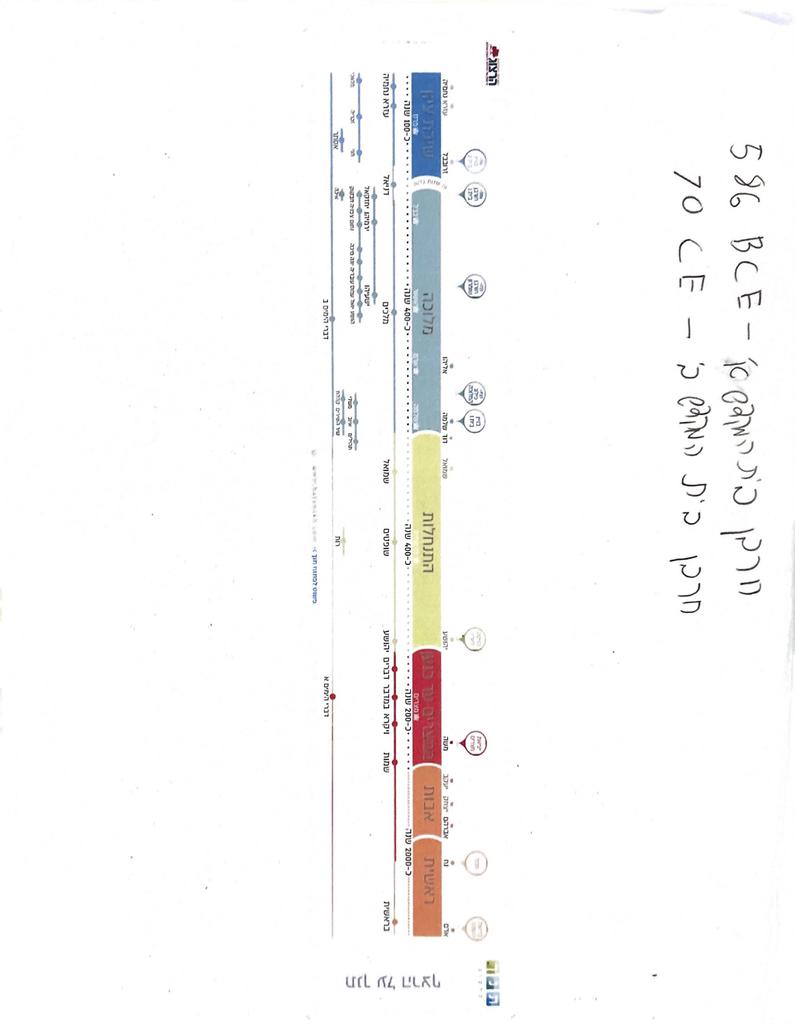
24 Books of Tanakh
| כתווים | נביאים | תורה |
|---|---|---|
| תהילים | יהושוע | בראשית |
| מישלי | שופטים | שמות |
| איוב | שמואל | ויקרא |
| שיר השירים (Friday night) | מלכים | במידבר |
| רות (Shavuot) | ישעיהו | דברים |
| איכה (Tisha b'Av) | ירמיהו | |
| קהלת (Never) | יחזקל | |
| אסתר (Purim) | הושע | |
| דניאל | יואל | |
| עזרה | עמוס | |
| נחמיה | עובדיה | |
| דברי הימים | יונה | |
| מיכה | ||
| נחום | ||
| חבקוק | ||
| צפניה | ||
| חגי | ||
| זכריה | ||
| מלאכי |
Neviim Categories:
- נביאים ראשונים–Former Prophets -
- In Red font color
- נביאים אחרונים–Latter Prophets -
- Everything from Yishayahu to the end
- Underlined
- תרי עשר–Twelve Minor Prophets
- Italics + underline because they are still Latter Prophets.
Video Songs:
Hip Hop - https://www.youtube.com/watch?v=5C8rjY7piIs
Hebrew - https://youtu.be/cr9PdRr1QtM
Radak on Sections of Tanakh:
- Difference Between Neviim and Ketuvim:
- Neviim - Written with actual Nevuah, i.e. Hashem is actually helping write the words
- נבואה is defined as an out-of-body expirience/vision
- Who recieves Nevuah?
- חכם
- שלום במדותיו - one who does lots of of good deeds and has good Midot
- Ketuvim - Written with רוח הקודש which is divinely inspiration but not Hashem Himself
- Ruach HaKodesh is defined as when you are still connected to your physical senses and are awake but you are acting with divine inspirtation
- Who recieves Ruach HaKodesh
- A person of peace
- Neviim - Written with actual Nevuah, i.e. Hashem is actually helping write the words
מהות הגלות
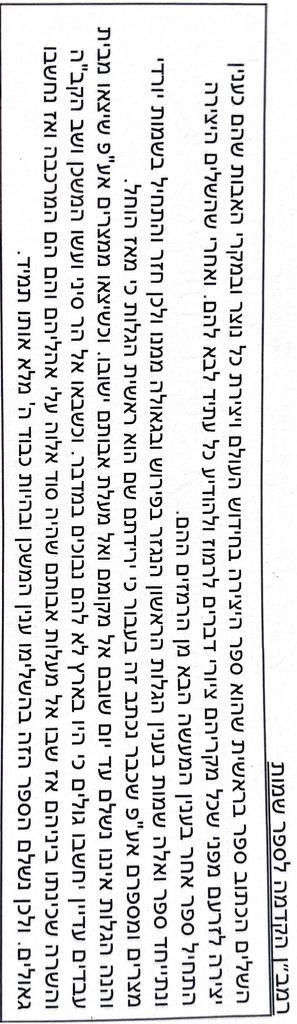
Ramban Mahut HaGalut:
- When are we considered in Geulah?
- Peak of Geulah is considered when we have the Mishkan
- Geulah is not about land alone but mainly about spiritual level you are at
- Israel + Mishkan = Geulah
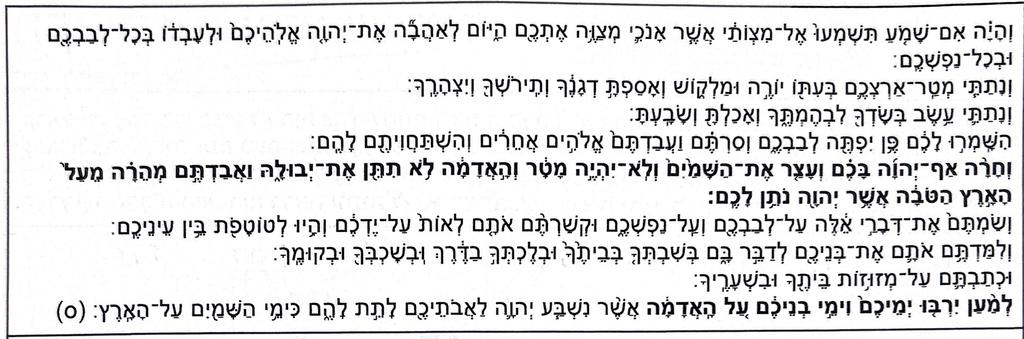
Dvarim 11
- What are the conditions for living in Israel? To what extent is having a land unconditional?
- If you are in Israel, you must keep the mitzvot or else you will no longer have Israel.
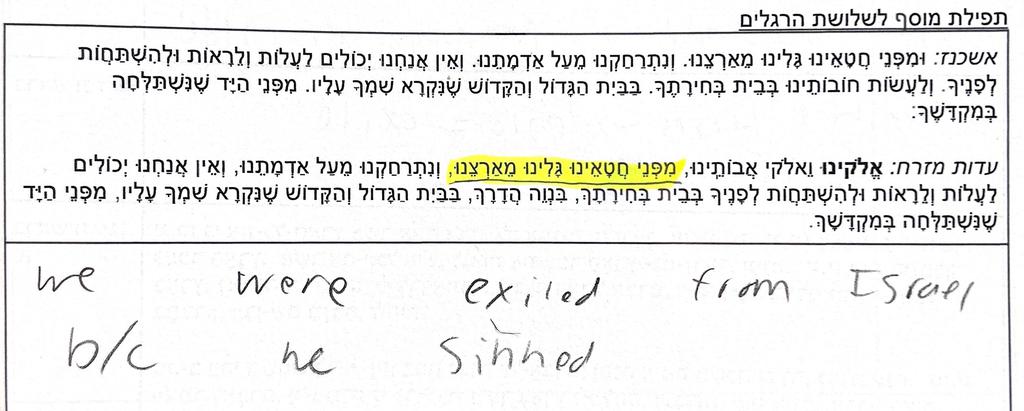
Our Connection to the Land of Israel
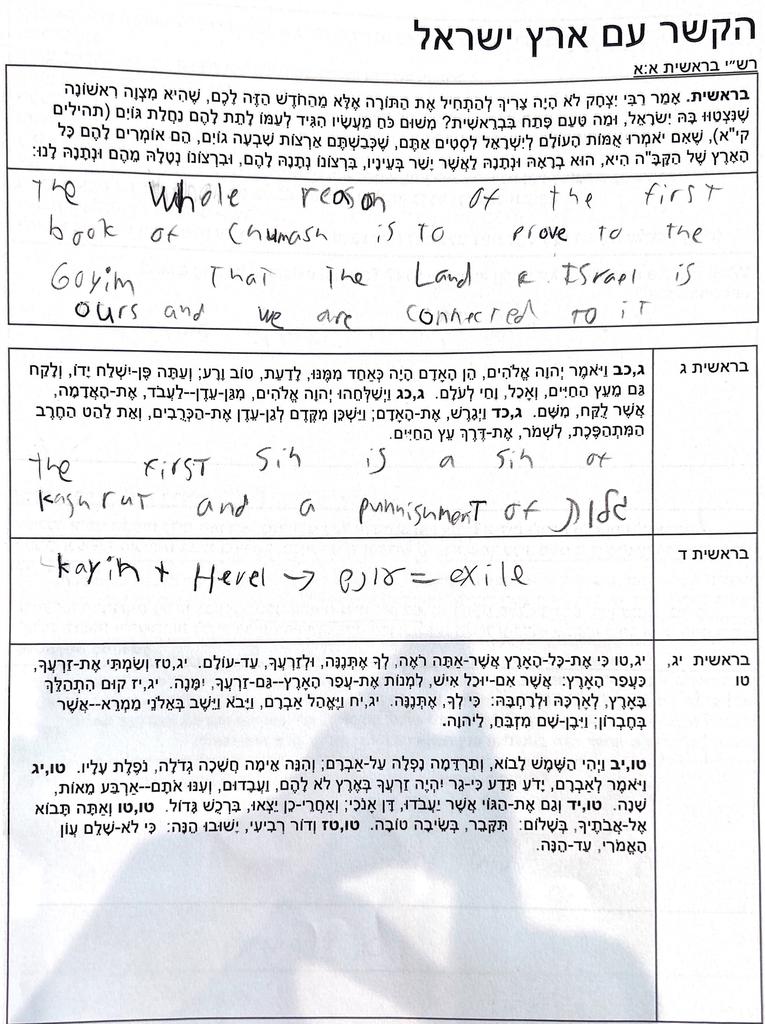
(^Above^) Bereshit Brit Bein HaBetarim:
- The Land of Israel is promised here as a reward to Avraham.
|
שמות – דברים |
YIRMIYAHU
Time Period & Context of Yirmiyahu
- Time Period:
- He was the Navi through the reign of Yoshiyahu, Yehoyakim, Chizkiyahu, and Tzidkiyahu. He witnessed the Exile of Babylon, or the גלות בבל under Nebuchadnezzar.
- Context:
- Yirmiyahu never wanted to be a Navi and spent his whole life prophesizing doom and false prophets contested him and everyone mocked him bc all the false prophets who were saying that things were going to be good. He had a really hard life.
- Everyone was sinning so he was the guy to tell them that they will be punished by Hashem and that they are not safe. No one wants to hear that so they chose to believe the false prophets instead and threw him in prison for a time.
| מי נגלה לפי הפסוקים – Who was taken? | המלך | פסוקים | |
|---|---|---|---|
| Children who were perfect (smart&handsome) | יהויקים | דניאל א: א–ו | גלות ילדים – Exile of the Children |
|
יהויכין/יכניה | מלכים ב כד: ח–יד | גלות חרש ומסגר – Exile of the Nobility & Upper Class |
|
צדקיהו | מלכים ב כד/יח – כה יח | גלות יתר העם – Exile of the Rest of the Nation |
***See Relevant Sources Below***
(א) בִּשְׁנַ֣ת שָׁל֔וֹשׁ לְמַלְכ֖וּת יְהוֹיָקִ֣ים מֶֽלֶךְ־יְהוּדָ֑ה בָּ֣א נְבוּכַדְנֶאצַּ֧ר מֶֽלֶךְ־בָּבֶ֛ל יְרוּשָׁלַ֖͏ִם וַיָּ֥צַר עָלֶֽיהָ׃
(ב) וַיִּתֵּן֩ אדושם בְּיָד֜וֹ אֶת־יְהוֹיָקִ֣ים מֶֽלֶךְ־יְהוּדָ֗ה וּמִקְצָת֙ כְּלֵ֣י בֵית־הָֽאֱלֹקִ֔ים וַיְבִיאֵ֥ם אֶֽרֶץ־שִׁנְעָ֖ר בֵּ֣ית אֱלֹקָ֑יו וְאֶת־הַכֵּלִ֣ים הֵבִ֔יא בֵּ֖ית אוֹצַ֥ר אֱלֹקָֽיו׃
(ג) וַיֹּ֣אמֶר הַמֶּ֔לֶךְ לְאַשְׁפְּנַ֖ז רַ֣ב סָרִיסָ֑יו לְהָבִ֞יא מִבְּנֵ֧י יִשְׂרָאֵ֛ל וּמִזֶּ֥רַע הַמְּלוּכָ֖ה וּמִן־הַֽפַּרְתְּמִֽים׃
(ד) יְלָדִ֣ים אֲשֶׁ֣ר אֵֽין־בָּהֶ֣ם כׇּל־מאוּם֩ וְטוֹבֵ֨י מַרְאֶ֜ה וּמַשְׂכִּלִ֣ים בְּכׇל־חׇכְמָ֗ה וְיֹ֤דְעֵי דַ֙עַת֙ וּמְבִינֵ֣י מַדָּ֔ע וַאֲשֶׁר֙ כֹּ֣חַ בָּהֶ֔ם לַעֲמֹ֖ד בְּהֵיכַ֣ל הַמֶּ֑לֶךְ וּֽלְלַמְּדָ֥ם סֵ֖פֶר וּלְשׁ֥וֹן כַּשְׂדִּֽים׃
(ה) וַיְמַן֩ לָהֶ֨ם הַמֶּ֜לֶךְ דְּבַר־י֣וֹם בְּיוֹמ֗וֹ מִפַּת־בַּ֤ג הַמֶּ֙לֶךְ֙ וּמִיֵּ֣ין מִשְׁתָּ֔יו וּֽלְגַדְּלָ֖ם שָׁנִ֣ים שָׁל֑וֹשׁ וּמִ֨קְצָתָ֔ם יַֽעַמְד֖וּ לִפְנֵ֥י הַמֶּֽלֶךְ׃
(ו) וַיְהִ֥י בָהֶ֖ם מִבְּנֵ֣י יְהוּדָ֑ה דָּנִיֵּ֣אל חֲנַנְיָ֔ה מִֽישָׁאֵ֖ל וַעֲזַרְיָֽה׃
(1) In the third year of the reign of King Jehoiakim of Judah, King Nebuchadnezzar of Babylon came to Jerusalem and laid siege to it.
(2) The Lord delivered King Jehoiakim of Judah into his power, together with some of the vessels of the House of God, and he brought them to the land of Shinar to the house of his god; he deposited the vessels in the treasury of his god.
(3) Then the king ordered Ashpenaz, his chief officer, to bring some Israelites of royal descent and of the nobility—
(4) youths without blemish, handsome, proficient in all wisdom, knowledgeable and intelligent, and capable of serving in the royal palace—and teach them the writings and the language of the Chaldeans.
(5) The king allotted daily rations to them from the king’s food and from the wine he drank. They were to be educated for three years, aOr “and some of them.”at the end of which they-a were to enter the king’s service.
(6) Among them were the Judahites Daniel, Hananiah, Mishael, and Azariah.
(ח) בֶּן־שְׁמֹנֶ֨ה עֶשְׂרֵ֤ה שָׁנָה֙ יְהוֹיָכִ֣ין בְּמׇלְכ֔וֹ וּשְׁלֹשָׁ֣ה חֳדָשִׁ֔ים מָלַ֖ךְ בִּירֽוּשָׁלָ֑͏ִם וְשֵׁ֣ם אִמּ֔וֹ נְחֻשְׁתָּ֥א בַת־אֶלְנָתָ֖ן מִירוּשָׁלָֽ͏ִם׃
(ט) וַיַּ֥עַשׂ הָרַ֖ע בְּעֵינֵ֣י ה׳ כְּכֹ֥ל אֲשֶׁר־עָשָׂ֖ה אָבִֽיו׃
(י) בָּעֵ֣ת הַהִ֔יא (עלה) [עָל֗וּ] עַבְדֵ֛י נְבֻכַדְנֶאצַּ֥ר מֶלֶךְ־בָּבֶ֖ל יְרוּשָׁלָ֑͏ִם וַתָּבֹ֥א הָעִ֖יר בַּמָּצֽוֹר׃
(יא) וַיָּבֹ֛א נְבֻכַדְנֶאצַּ֥ר מֶלֶךְ־בָּבֶ֖ל עַל־הָעִ֑יר וַעֲבָדָ֖יו צָרִ֥ים עָלֶֽיהָ׃
(יב) וַיֵּצֵ֞א יְהוֹיָכִ֤ין מֶֽלֶךְ־יְהוּדָה֙ עַל־מֶ֣לֶךְ בָּבֶ֔ל ה֣וּא וְאִמּ֔וֹ וַעֲבָדָ֖יו וְשָׂרָ֣יו וְסָרִיסָ֑יו וַיִּקַּ֤ח אֹתוֹ֙ מֶ֣לֶךְ בָּבֶ֔ל בִּשְׁנַ֥ת שְׁמֹנֶ֖ה לְמׇלְכֽוֹ׃
(יג) וַיּוֹצֵ֣א מִשָּׁ֗ם אֶת־כׇּל־אֽוֹצְרוֹת֙ בֵּ֣ית ה׳ וְאוֹצְר֖וֹת בֵּ֣ית הַמֶּ֑לֶךְ וַיְקַצֵּ֞ץ אֶת־כׇּל־כְּלֵ֣י הַזָּהָ֗ב אֲשֶׁ֨ר עָשָׂ֜ה שְׁלֹמֹ֤ה מֶֽלֶךְ־יִשְׂרָאֵל֙ בְּהֵיכַ֣ל ה׳ כַּאֲשֶׁ֖ר דִּבֶּ֥ר ה׳׃
(יד) וְהִגְלָ֣ה אֶת־כׇּל־יְ֠רוּשָׁלַ֠͏ִם וְֽאֶת־כׇּל־הַשָּׂרִ֞ים וְאֵ֣ת ׀ כׇּל־גִּבּוֹרֵ֣י הַחַ֗יִל (עשרה) [עֲשֶׂ֤רֶת] אֲלָפִים֙ גּוֹלֶ֔ה וְכׇל־הֶחָרָ֖שׁ וְהַמַּסְגֵּ֑ר לֹ֣א נִשְׁאַ֔ר זוּלַ֖ת דַּלַּ֥ת עַם־הָאָֽרֶץ׃
(טו) וַיֶּ֥גֶל אֶת־יְהוֹיָכִ֖ין בָּבֶ֑לָה וְאֶת־אֵ֣ם הַ֠מֶּ֠לֶךְ וְאֶת־נְשֵׁ֨י הַמֶּ֜לֶךְ וְאֶת־סָרִיסָ֗יו וְאֵת֙ (אולי) [אֵילֵ֣י] הָאָ֔רֶץ הוֹלִ֛יךְ גּוֹלָ֥ה מִירוּשָׁלַ֖͏ִם בָּבֶֽלָה׃
(טז) וְאֵת֩ כׇּל־אַנְשֵׁ֨י הַחַ֜יִל שִׁבְעַ֣ת אֲלָפִ֗ים וְהֶחָרָ֤שׁ וְהַמַּסְגֵּר֙ אֶ֔לֶף הַכֹּ֕ל גִּבּוֹרִ֖ים עֹשֵׂ֣י מִלְחָמָ֑ה וַיְבִיאֵ֧ם מֶלֶךְ־בָּבֶ֛ל גּוֹלָ֖ה בָּבֶֽלָה׃
(יז) וַיַּמְלֵ֧ךְ מֶלֶךְ־בָּבֶ֛ל אֶת־מַתַּנְיָ֥ה דֹד֖וֹ תַּחְתָּ֑יו וַיַּסֵּ֥ב אֶת־שְׁמ֖וֹ צִדְקִיָּֽהוּ׃ {פ}
(8) Jehoiachin was eighteen years old when he became king, and he reigned three months in Jerusalem; his mother’s name was Nehushta daughter of Elnathan of Jerusalem.
(9) He did what was displeasing to GOD, just as his father had done.
(10) At that time, the troopsatroops Heb. “servants.” of King Nebuchadnezzar of Babylon marched against Jerusalem, and the city came under siege.
(11) King Nebuchadnezzar of Babylon advanced against the city while his troops were besieging it.
(12) Thereupon King Jehoiachin of Judah, along with his mother, and his courtiers, commanders, and officers, surrendered to the king of Babylon. The king of Babylon took him captive in the eighth year of his reign.
(13) He carried off from Jerusalembfrom Jerusalem Heb. “from there.” all the treasures of the House of GOD and the treasures of the royal palace; he stripped off all the golden decorations in the Temple of GOD—which King Solomon of Israel had made—as GOD had warned.
(14) He exiled all of Jerusalem: all the commanders and all the warriors—ten thousand exiles—as well as all the artisans and smiths; only the poorest people in the land were left.
(15) He deported Jehoiachin to Babylon; and the king’s mother and wives and officers and the notables of the land were brought as exiles from Jerusalem to Babylon.
(16) All the able men, to the number of seven thousand—all of them warriors, trained for battle—and a thousand artisans and smiths were brought to Babylon as exiles by the king of Babylon.
(17) And the king of Babylon appointed Mattaniah, Jehoiachin’scJehoiachin’s Heb. “his.” uncle, king in his place, changing his name to Zedekiah.
(יח) בֶּן־עֶשְׂרִ֨ים וְאַחַ֤ת שָׁנָה֙ צִדְקִיָּ֣הוּ בְמׇלְכ֔וֹ וְאַחַ֤ת עֶשְׂרֵה֙ שָׁנָ֔ה מָלַ֖ךְ בִּירוּשָׁלָ֑͏ִם וְשֵׁ֣ם אִמּ֔וֹ (חמיטל) [חֲמוּטַ֥ל] בַּֽת־יִרְמְיָ֖הוּ מִלִּבְנָֽה׃
(יט) וַיַּ֥עַשׂ הָרַ֖ע בְּעֵינֵ֣י ה׳ כְּכֹ֥ל אֲשֶׁר־עָשָׂ֖ה יְהוֹיָקִֽים׃
(כ) כִּ֣י ׀ עַל־אַ֣ף ה׳ הָיְתָ֤ה בִירוּשָׁלַ֙͏ִם֙ וּבִ֣יהוּדָ֔ה עַד־הִשְׁלִכ֥וֹ אֹתָ֖ם מֵעַ֣ל פָּנָ֑יו וַיִּמְרֹ֥ד צִדְקִיָּ֖הוּ בְּמֶ֥לֶךְ בָּבֶֽל׃ {ס}
(א) וַיְהִי֩ בִשְׁנַ֨ת הַתְּשִׁיעִ֜ית לְמׇלְכ֗וֹ בַּחֹ֣דֶשׁ הָעֲשִׂירִי֮ בֶּעָשׂ֣וֹר לַחֹ֒דֶשׁ֒ בָּ֠א נְבֻכַדְנֶאצַּ֨ר מֶלֶךְ־בָּבֶ֜ל ה֧וּא וְכׇל־חֵיל֛וֹ עַל־יְרוּשָׁלַ֖͏ִם וַיִּ֣חַן עָלֶ֑יהָ וַיִּבְנ֥וּ עָלֶ֛יהָ דָּיֵ֖ק סָבִֽיב׃
(ב) וַתָּבֹ֥א הָעִ֖יר בַּמָּצ֑וֹר עַ֚ד עַשְׁתֵּ֣י עֶשְׂרֵ֣ה שָׁנָ֔ה לַמֶּ֖לֶךְ צִדְקִיָּֽהוּ׃
(ג) בְּתִשְׁעָ֣ה לַחֹ֔דֶשׁ וַיֶּחֱזַ֥ק הָֽרָעָ֖ב בָּעִ֑יר וְלֹא־הָ֥יָה לֶ֖חֶם לְעַ֥ם הָאָֽרֶץ׃
(ד) וַתִּבָּקַ֣ע הָעִ֗יר וְכׇל־אַנְשֵׁ֨י הַמִּלְחָמָ֤ה ׀ הַלַּ֙יְלָה֙ דֶּ֜רֶךְ שַׁ֣עַר ׀ בֵּ֣ין הַחֹמֹתַ֗יִם אֲשֶׁר֙ עַל־גַּ֣ן הַמֶּ֔לֶךְ וְכַשְׂדִּ֥ים עַל־הָעִ֖יר סָבִ֑יב וַיֵּ֖לֶךְ דֶּ֥רֶךְ הָעֲרָבָֽה׃
(ה) וַיִּרְדְּפ֤וּ חֵיל־כַּשְׂדִּים֙ אַחַ֣ר הַמֶּ֔לֶךְ וַיַּשִּׂ֥גוּ אֹת֖וֹ בְּעַֽרְב֣וֹת יְרֵח֑וֹ וְכׇ֨ל־חֵיל֔וֹ נָפֹ֖צוּ מֵעָלָֽיו׃
(ו) וַֽיִּתְפְּשׂוּ֙ אֶת־הַמֶּ֔לֶךְ וַיַּעֲל֥וּ אֹת֛וֹ אֶל־מֶ֥לֶךְ בָּבֶ֖ל רִבְלָ֑תָה וַיְדַבְּר֥וּ אִתּ֖וֹ מִשְׁפָּֽט׃
(ז) וְאֶת־בְּנֵי֙ צִדְקִיָּ֔הוּ שָׁחֲט֖וּ לְעֵינָ֑יו וְאֶת־עֵינֵ֤י צִדְקִיָּ֙הוּ֙ עִוֵּ֔ר וַיַּאַסְרֵ֙הוּ֙ בַּֽנְחֻשְׁתַּ֔יִם וַיְבִאֵ֖הוּ בָּבֶֽל׃ {ס}
(ח) וּבַחֹ֤דֶשׁ הַחֲמִישִׁי֙ בְּשִׁבְעָ֣ה לַחֹ֔דֶשׁ הִ֗יא שְׁנַת֙ תְּשַֽׁע־עֶשְׂרֵ֣ה שָׁנָ֔ה לַמֶּ֖לֶךְ נְבֻכַדְנֶאצַּ֣ר מֶֽלֶךְ־בָּבֶ֑ל בָּ֞א נְבוּזַרְאֲדָ֧ן רַב־טַבָּחִ֛ים עֶ֥בֶד מֶלֶךְ־בָּבֶ֖ל יְרוּשָׁלָֽ͏ִם׃
(ט) וַיִּשְׂרֹ֥ף אֶת־בֵּית־ה׳ וְאֶת־בֵּ֣ית הַמֶּ֑לֶךְ וְאֵ֨ת כׇּל־בָּתֵּ֧י יְרוּשָׁלַ֛͏ִם וְאֶת־כׇּל־בֵּ֥ית גָּד֖וֹל שָׂרַ֥ף בָּאֵֽשׁ׃
(י) וְאֶת־חוֹמֹ֥ת יְרֽוּשָׁלַ֖͏ִם סָבִ֑יב נָֽתְצוּ֙ כׇּל־חֵ֣יל כַּשְׂדִּ֔ים אֲשֶׁ֖ר רַב־טַבָּחִֽים׃
(יא) וְאֵת֩ יֶ֨תֶר הָעָ֜ם הַנִּשְׁאָרִ֣ים בָּעִ֗יר וְאֶת־הַנֹּֽפְלִים֙ אֲשֶׁ֤ר נָֽפְלוּ֙ עַל־הַמֶּ֣לֶךְ בָּבֶ֔ל וְאֵ֖ת יֶ֣תֶר הֶהָמ֑וֹן הֶגְלָ֕ה נְבוּזַרְאֲדָ֖ן רַב־טַבָּחִֽים׃
(יב) וּמִדַּלַּ֣ת הָאָ֔רֶץ הִשְׁאִ֖יר רַב־טַבָּחִ֑ים לְכֹרְמִ֖ים וּלְיֹגְבִֽים׃
(יג) וְאֶת־עַמּוּדֵ֨י הַנְּחֹ֜שֶׁת אֲשֶׁ֣ר בֵּית־ה׳ וְֽאֶת־הַמְּכֹנ֞וֹת וְאֶת־יָ֧ם הַנְּחֹ֛שֶׁת אֲשֶׁ֥ר בְּבֵית־ה׳ שִׁבְּר֣וּ כַשְׂדִּ֑ים וַיִּשְׂא֥וּ אֶת־נְחֻשְׁתָּ֖ם בָּבֶֽלָה׃
(יד) וְאֶת־הַסִּירֹ֨ת וְאֶת־הַיָּעִ֜ים וְאֶת־הַֽמְזַמְּר֣וֹת וְאֶת־הַכַּפּ֗וֹת וְאֵ֨ת כׇּל־כְּלֵ֧י הַנְּחֹ֛שֶׁת אֲשֶׁ֥ר יְשָֽׁרְתוּ־בָ֖ם לָקָֽחוּ׃
(טו) וְאֶת־הַמַּחְתּוֹת֙ וְאֶת־הַמִּזְרָק֔וֹת אֲשֶׁ֤ר זָהָב֙ זָהָ֔ב וַאֲשֶׁר־כֶּ֖סֶף כָּ֑סֶף לָקַ֖ח רַב־טַבָּחִֽים׃
(טז) הָעַמּוּדִ֣ים ׀ שְׁנַ֗יִם הַיָּ֤ם הָֽאֶחָד֙ וְהַמְּכֹנ֔וֹת אֲשֶׁר־עָשָׂ֥ה שְׁלֹמֹ֖ה לְבֵ֣ית ה׳ לֹא־הָיָ֣ה מִשְׁקָ֔ל לִנְחֹ֖שֶׁת כׇּל־הַכֵּלִ֥ים הָאֵֽלֶּה׃
(יז) שְׁמֹנֶה֩ עֶשְׂרֵ֨ה אַמָּ֜ה קוֹמַ֣ת ׀ הָעַמּ֣וּד הָאֶחָ֗ד וְכֹתֶ֨רֶת עָלָ֥יו ׀ נְחֹ֘שֶׁת֮ וְקוֹמַ֣ת הַכֹּתֶ֘רֶת֮ שָׁלֹ֣שׁ (אמה) [אַמּוֹת֒] וּשְׂבָכָ֨ה וְרִמֹּנִ֧ים עַֽל־הַכֹּתֶ֛רֶת סָבִ֖יב הַכֹּ֣ל נְחֹ֑שֶׁת וְכָאֵ֛לֶּה לַעַמּ֥וּד הַשֵּׁנִ֖י עַל־הַשְּׂבָכָֽה׃
(יח) וַיִּקַּ֣ח רַב־טַבָּחִ֗ים אֶת־שְׂרָיָה֙ כֹּהֵ֣ן הָרֹ֔אשׁ וְאֶת־צְפַנְיָ֖הוּ כֹּהֵ֣ן מִשְׁנֶ֑ה וְאֶת־שְׁלֹ֖שֶׁת שֹׁמְרֵ֥י הַסַּֽף׃
(18) dFor the rest of this book cf. Jer. 39 and 52. Zedekiah was twenty-one years old when he became king, and he reigned eleven years in Jerusalem; his mother’s name was Hamutal daughter of Jeremiah of Libnah.
(19) He did what was displeasing to GOD, just as Jehoiakim had done.
(20) Indeed, Jerusalem and Judah were a cause of anger for GOD, so thatewere a cause of anger for GOD, so that Meaning of Heb. uncertain. they were cast out of the divine presence.
Zedekiah rebelled against the king of Babylon.
(1) And in the ninth year of hisahis I.e., Zedekiah’s. reign, on the tenth day of the tenth month, Nebuchadnezzar moved against Jerusalem with his whole army. He besieged it; and they built towers against it all around.
(2) The city continued in a state of siege until the eleventh year of King Zedekiah.
(3) By the ninth day [of the fourth month]b[of the fourth month] Cf. Jer. 52.6. the famine had become acute in the city; there was no food left for the common people.
(4) Then [the wall of] the city was breached. All the soldiers [left the city] by night through the gate between the double walls, which is near the king’s garden—the Chaldeans were all around the city; and [the king] set out for the Arabah.cArabah Hoping to escape across the Jordan.
(5) But the Chaldean troops pursued the king, and they overtook him in the steppes of Jericho as his entire force left him and scattered.
(6) They captured the king and brought him before the king of Babylon at Riblah; and they put him on trial.
(7) They slaughtered Zedekiah’s sons before his eyes; then Zedekiah’s eyes were put out. He was chained in bronze fetters and he was brought to Babylon.
(8) On the seventh day of the fifth month—that was the nineteenth year of King Nebuchadnezzar of Babylon—Nebuzaradan, the chief of the guards, an officer of the king of Babylon, came to Jerusalem.
(9) He burned the House of GOD, the king’s palace, and all the houses of Jerusalem; he burned down the house of every notable person.dthe house of every notable person Meaning of Heb. uncertain.
(10) The entire Chaldean force that was with the chief of the guard tore down the walls of Jerusalem on every side.
(11) The remnant of the people that was left in the city, the defectors who had gone over to the king of Babylon—and the remnant of the population—were taken into exile by Nebuzaradan, the chief of the guards.
(12) But some of the poorest in the land were left by the chief of the guards, to be vinedressers and field hands.
(13) The Chaldeans broke up the bronze columns of the House of GOD, the stands, and the bronze tank that was in the House of GOD; and they carried the bronze away to Babylon.
(14) They also took all the pails, scrapers, snuffers, ladles, and all the other bronze vessels used in the service.
(15) The chief of the guards took whatever was of gold and whatever was of silver: firepans and sprinkling bowls.
(16) The two columns, the one tank, and the stands that Solomon provided for the House of GOD—all these objects contained bronze beyond weighing.
(17) The one column was eighteen cubits high. It had a bronze capital above it; the height of the capital was three cubits, and there was a meshwork [decorated] with pomegranates about the capital, all made of bronze. And the like was true of the other column with its meshwork.
(18) The chief of the guards also took Seraiah, the chief priest, Zephaniah, the deputy priest, and the three guardians of the threshold.
YIRMIYAHU
(א) הַדָּבָר֙ אֲשֶׁ֣ר הָיָ֣ה אֶֽל־יִרְמְיָ֔הוּ מֵאֵ֥ת ה׳ לֵאמֹֽר׃
(ב) עֲמֹ֗ד בְּשַׁ֙עַר֙ בֵּ֣ית ה׳ וְקָרָ֣אתָ שָּׁ֔ם אֶת־הַדָּבָ֖ר הַזֶּ֑ה וְאָמַרְתָּ֞ שִׁמְע֣וּ דְבַר־ה׳ כׇּל־יְהוּדָה֙ הַבָּאִים֙ בַּשְּׁעָרִ֣ים הָאֵ֔לֶּה לְהִֽשְׁתַּחֲוֺ֖ת לַה׳׃ {ס}
(ג) כֹּֽה־אָמַ֞ר ה׳ צְבָאוֹת֙ אֱלֹקֵ֣י יִשְׂרָאֵ֔ל הֵיטִ֥יבוּ דַרְכֵיכֶ֖ם וּמַעַלְלֵיכֶ֑ם וַאֲשַׁכְּנָ֣ה אֶתְכֶ֔ם בַּמָּק֖וֹם הַזֶּֽה׃
(ד) אַל־תִּבְטְח֣וּ לָכֶ֔ם אֶל־דִּבְרֵ֥י הַשֶּׁ֖קֶר לֵאמֹ֑ר הֵיכַ֤ל ה׳ הֵיכַ֣ל ה׳ הֵיכַ֥ל ה׳ הֵֽמָּה׃
(ה) כִּ֤י אִם־הֵיטֵיב֙ תֵּיטִ֔יבוּ אֶת־דַּרְכֵיכֶ֖ם וְאֶת־מַעַלְלֵיכֶ֑ם אִם־עָשׂ֤וֹ תַֽעֲשׂוּ֙ מִשְׁפָּ֔ט בֵּ֥ין אִ֖ישׁ וּבֵ֥ין רֵעֵֽהוּ׃
(ו) גֵּ֣ר יָת֤וֹם וְאַלְמָנָה֙ לֹ֣א תַעֲשֹׁ֔קוּ וְדָ֣ם נָקִ֔י אַֽל־תִּשְׁפְּכ֖וּ בַּמָּק֣וֹם הַזֶּ֑ה וְאַחֲרֵ֨י אֱלֹקִ֧ים אֲחֵרִ֛ים לֹ֥א תֵלְכ֖וּ לְרַ֥ע לָכֶֽם׃
(ז) וְשִׁכַּנְתִּ֤י אֶתְכֶם֙ בַּמָּק֣וֹם הַזֶּ֔ה בָּאָ֕רֶץ אֲשֶׁ֥ר נָתַ֖תִּי לַאֲבוֹתֵיכֶ֑ם לְמִן־עוֹלָ֖ם וְעַד־עוֹלָֽם׃
(ח) הִנֵּ֤ה אַתֶּם֙ בֹּטְחִ֣ים לָכֶ֔ם עַל־דִּבְרֵ֖י הַשָּׁ֑קֶר לְבִלְתִּ֖י הוֹעִֽיל׃
(ט) הֲגָנֹ֤ב ׀ רָצֹ֙חַ֙ וְֽנָאֹ֔ף וְהִשָּׁבֵ֥עַ לַשֶּׁ֖קֶר וְקַטֵּ֣ר לַבָּ֑עַל וְהָלֹ֗ךְ אַחֲרֵ֛י אֱלֹקִ֥ים אֲחֵרִ֖ים אֲשֶׁ֥ר לֹֽא־יְדַעְתֶּֽם׃
(י) וּבָאתֶ֞ם וַעֲמַדְתֶּ֣ם לְפָנַ֗י בַּבַּ֤יִת הַזֶּה֙ אֲשֶׁ֣ר נִקְרָֽא־שְׁמִ֣י עָלָ֔יו וַאֲמַרְתֶּ֖ם נִצַּ֑לְנוּ לְמַ֣עַן עֲשׂ֔וֹת אֵ֥ת כׇּל־הַתּוֹעֵב֖וֹת הָאֵֽלֶּה׃
(יא) הַֽמְעָרַ֣ת פָּרִצִ֗ים הָיָ֨ה הַבַּ֧יִת הַזֶּ֛ה אֲשֶׁר־נִקְרָֽא־שְׁמִ֥י עָלָ֖יו בְּעֵינֵיכֶ֑ם גַּ֧ם אָנֹכִ֛י הִנֵּ֥ה רָאִ֖יתִי נְאֻם־ה׳׃
(יב) כִּ֣י לְכוּ־נָ֗א אֶל־מְקוֹמִי֙ אֲשֶׁ֣ר בְּשִׁיל֔וֹ אֲשֶׁ֨ר שִׁכַּ֧נְתִּֽי שְׁמִ֛י שָׁ֖ם בָּרִֽאשׁוֹנָ֑ה וּרְאוּ֙ אֵ֣ת אֲשֶׁר־עָשִׂ֣יתִי ל֔וֹ מִפְּנֵ֕י רָעַ֖ת עַמִּ֥י יִשְׂרָאֵֽל׃
(יג) וְעַתָּ֗ה יַ֧עַן עֲשׂוֹתְכֶ֛ם אֶת־כׇּל־הַמַּעֲשִׂ֥ים הָאֵ֖לֶּה נְאֻם־ה׳ וָאֲדַבֵּ֨ר אֲלֵיכֶ֜ם הַשְׁכֵּ֤ם וְדַבֵּר֙ וְלֹ֣א שְׁמַעְתֶּ֔ם וָאֶקְרָ֥א אֶתְכֶ֖ם וְלֹ֥א עֲנִיתֶֽם׃
(יד) וְעָשִׂ֜יתִי לַבַּ֣יִת ׀ אֲשֶׁ֧ר נִֽקְרָא־שְׁמִ֣י עָלָ֗יו אֲשֶׁ֤ר אַתֶּם֙ בֹּטְחִ֣ים בּ֔וֹ וְלַ֨מָּק֔וֹם אֲשֶׁר־נָתַ֥תִּי לָכֶ֖ם וְלַאֲבוֹתֵיכֶ֑ם כַּאֲשֶׁ֥ר עָשִׂ֖יתִי לְשִׁלֽוֹ׃
(טו) וְהִשְׁלַכְתִּ֥י אֶתְכֶ֖ם מֵעַ֣ל פָּנָ֑י כַּאֲשֶׁ֤ר הִשְׁלַ֙כְתִּי֙ אֶת־כׇּל־אֲחֵיכֶ֔ם אֵ֖ת כׇּל־זֶ֥רַע אֶפְרָֽיִם׃ {פ}
(טז) וְאַתָּ֞ה אַל־תִּתְפַּלֵּ֣ל ׀ בְּעַד־הָעָ֣ם הַזֶּ֗ה וְאַל־תִּשָּׂ֧א בַעֲדָ֛ם רִנָּ֥ה וּתְפִלָּ֖ה וְאַל־תִּפְגַּע־בִּ֑י כִּֽי־אֵינֶ֥נִּי שֹׁמֵ֖עַ אֹתָֽךְ׃
(יז) הַאֵינְךָ֣ רֹאֶ֔ה מָ֛ה הֵ֥מָּה עֹשִׂ֖ים בְּעָרֵ֣י יְהוּדָ֑ה וּבְחֻצ֖וֹת יְרֽוּשָׁלָֽ͏ִם׃
(יח) הַבָּנִ֞ים מְלַקְּטִ֣ים עֵצִ֗ים וְהָאָבוֹת֙ מְבַעֲרִ֣ים אֶת־הָאֵ֔שׁ וְהַנָּשִׁ֖ים לָשׁ֣וֹת בָּצֵ֑ק לַעֲשׂ֨וֹת כַּוָּנִ֜ים לִמְלֶ֣כֶת הַשָּׁמַ֗יִם וְהַסֵּ֤ךְ נְסָכִים֙ לֵאלֹקִ֣ים אֲחֵרִ֔ים לְמַ֖עַן הַכְעִסֵֽנִי׃
(יט) הַאֹתִ֛י הֵ֥ם מַכְעִסִ֖ים נְאֻם־ה׳ הֲל֣וֹא אֹתָ֔ם לְמַ֖עַן בֹּ֥שֶׁת פְּנֵיהֶֽם׃
(כ) לָכֵ֞ן כֹּה־אָמַ֣ר ׀ אדושם ה׳ הִנֵּ֨ה אַפִּ֤י וַחֲמָתִי֙ נִתֶּ֙כֶת֙ אֶל־הַמָּק֣וֹם הַזֶּ֔ה עַל־הָאָדָם֙ וְעַל־הַבְּהֵמָ֔ה וְעַל־עֵ֥ץ הַשָּׂדֶ֖ה וְעַל־פְּרִ֣י הָאֲדָמָ֑ה וּבָעֲרָ֖ה וְלֹ֥א תִכְבֶּֽה׃ {פ}
(כא) כֹּ֥ה אָמַ֛ר ה׳ צְבָא֖וֹת אֱלֹקֵ֣י יִשְׂרָאֵ֑ל עֹלוֹתֵיכֶ֛ם סְפ֥וּ עַל־זִבְחֵיכֶ֖ם וְאִכְל֥וּ בָשָֽׂר׃
(כב) כִּ֠י לֹֽא־דִבַּ֤רְתִּי אֶת־אֲבֽוֹתֵיכֶם֙ וְלֹ֣א צִוִּיתִ֔ים בְּי֛וֹם (הוציא) [הוֹצִיאִ֥י] אוֹתָ֖ם מֵאֶ֣רֶץ מִצְרָ֑יִם עַל־דִּבְרֵ֥י עוֹלָ֖ה וָזָֽבַח׃
(כג) כִּ֣י אִֽם־אֶת־הַדָּבָ֣ר הַ֠זֶּ֠ה צִוִּ֨יתִי אוֹתָ֤ם לֵאמֹר֙ שִׁמְע֣וּ בְקוֹלִ֔י וְהָיִ֤יתִי לָכֶם֙ לֵֽאלֹקִ֔ים וְאַתֶּ֖ם תִּֽהְיוּ־לִ֣י לְעָ֑ם וַהֲלַכְתֶּ֗ם בְּכׇל־הַדֶּ֙רֶךְ֙ אֲשֶׁ֣ר אֲצַוֶּ֣ה אֶתְכֶ֔ם לְמַ֖עַן יִיטַ֥ב לָכֶֽם׃
(כד) וְלֹ֤א שָֽׁמְעוּ֙ וְלֹא־הִטּ֣וּ אֶת־אׇזְנָ֔ם וַיֵּֽלְכוּ֙ בְּמֹ֣עֵצ֔וֹת בִּשְׁרִר֖וּת לִבָּ֣ם הָרָ֑ע וַיִּהְי֥וּ לְאָח֖וֹר וְלֹ֥א לְפָנִֽים׃
(כה) לְמִן־הַיּ֗וֹם אֲשֶׁ֨ר יָצְא֤וּ אֲבֽוֹתֵיכֶם֙ מֵאֶ֣רֶץ מִצְרַ֔יִם עַ֖ד הַיּ֣וֹם הַזֶּ֑ה וָאֶשְׁלַ֤ח אֲלֵיכֶם֙ אֶת־כׇּל־עֲבָדַ֣י הַנְּבִיאִ֔ים י֖וֹם הַשְׁכֵּ֥ם וְשָׁלֹֽחַ׃
(כו) וְל֤וֹא שָֽׁמְעוּ֙ אֵלַ֔י וְלֹ֥א הִטּ֖וּ אֶת־אׇזְנָ֑ם וַיַּקְשׁוּ֙ אֶת־עׇרְפָּ֔ם הֵרֵ֖עוּ מֵאֲבוֹתָֽם׃
(כז) וְדִבַּרְתָּ֤ אֲלֵיהֶם֙ אֶת־כׇּל־הַדְּבָרִ֣ים הָאֵ֔לֶּה וְלֹ֥א יִשְׁמְע֖וּ אֵלֶ֑יךָ וְקָרָ֥אתָ אֲלֵיהֶ֖ם וְלֹ֥א יַעֲנֽוּכָה׃
(כח) וְאָמַרְתָּ֣ אֲלֵיהֶ֗ם זֶ֤ה הַגּוֹי֙ אֲשֶׁ֣ר לֽוֹא־שָׁמְע֗וּ בְּקוֹל֙ ה׳ אֱלֹקָ֔יו וְלֹ֥א לָקְח֖וּ מוּסָ֑ר אָֽבְדָה֙ הָאֱמוּנָ֔ה וְנִכְרְתָ֖ה מִפִּיהֶֽם׃ {ס}
(כט) גׇּזִּ֤י נִזְרֵךְ֙ וְֽהַשְׁלִ֔יכִי וּשְׂאִ֥י עַל־שְׁפָיִ֖ם קִינָ֑ה כִּ֚י מָאַ֣ס ה׳ וַיִּטֹּ֖שׁ אֶת־דּ֥וֹר עֶבְרָתֽוֹ׃
(ל) כִּי־עָשׂ֨וּ בְנֵֽי־יְהוּדָ֥ה הָרַ֛ע בְּעֵינַ֖י נְאֻם־ה׳ שָׂ֣מוּ שִׁקּוּצֵיהֶ֗ם בַּבַּ֛יִת אֲשֶׁר־נִקְרָֽא־שְׁמִ֥י עָלָ֖יו לְטַמְּאֽוֹ׃
(לא) וּבָנ֞וּ בָּמ֣וֹת הַתֹּ֗פֶת אֲשֶׁר֙ בְּגֵ֣יא בֶן־הִנֹּ֔ם לִשְׂרֹ֛ף אֶת־בְּנֵיהֶ֥ם וְאֶת־בְּנֹתֵיהֶ֖ם בָּאֵ֑שׁ אֲשֶׁר֙ לֹ֣א צִוִּ֔יתִי וְלֹ֥א עָלְתָ֖ה עַל־לִבִּֽי׃ {פ}
(לב) לָכֵ֞ן הִנֵּֽה־יָמִ֤ים בָּאִים֙ נְאֻם־ה׳ וְלֹא־יֵאָמֵ֨ר ע֤וֹד הַתֹּ֙פֶת֙ וְגֵ֣יא בֶן־הִנֹּ֔ם כִּ֖י אִם־גֵּ֣יא הַהֲרֵגָ֑ה וְקָבְר֥וּ בְתֹ֖פֶת מֵאֵ֥ין מָקֽוֹם׃
(לג) וְֽהָ֨יְתָ֜ה נִבְלַ֨ת הָעָ֤ם הַזֶּה֙ לְמַֽאֲכָ֔ל לְע֥וֹף הַשָּׁמַ֖יִם וּלְבֶהֱמַ֣ת הָאָ֑רֶץ וְאֵ֖ין מַחֲרִֽיד׃
(לד) וְהִשְׁבַּתִּ֣י ׀ מֵֽעָרֵ֣י יְהוּדָ֗ה וּמֵֽחֻצוֹת֙ יְר֣וּשָׁלַ֔͏ִם ק֤וֹל שָׂשׂוֹן֙ וְק֣וֹל שִׂמְחָ֔ה ק֥וֹל חָתָ֖ן וְק֣וֹל כַּלָּ֑ה כִּ֥י לְחׇרְבָּ֖ה תִּֽהְיֶ֥ה הָאָֽרֶץ׃
(1) The word that came to Jeremiah from GOD:
(2) Stand at the gate of the House of GOD, and there proclaim this word: Hear the word of GOD, all you of Judah who enter these gates to worship GOD!
(3) Thus said GOD of Hosts, the God of Israel: Mend your ways and your actions, and I will let you dwell in this place.
(4) Don’t put your trust in illusions and say, “The Temple of GOD, the Temple of GOD, the Temple of GOD are these [buildings].”
(5) No, if you really mend your ways and your actions; if you execute justice between one party and another;
(6) if you do not oppress the stranger, the orphan, and the widow; if you do not shed the blood of the innocent in this place; if you do not follow other gods, to your own hurt—
(7) then only will I let you dwell in this place, in the land that I gave to your ancestors for all time.
(8) See, you are relying on illusions that are of no avail.
(9) Will you steal and murder and commit adultery and swear falsely, and sacrifice to Baal, and follow other gods whom you have not experienced,
(10) and then come and stand before Me in this House that bears My name and say, “We are safe”?—[Safe] to do all these abhorrent things!
(11) Do you consider this House, which bears My name, to be a den of thieves? As for Me, I have been watching—declares GOD.
(12) Just go to My place at Shiloh, where I had established My name formerly, and see what I did to it because of the wickedness of My people Israel.
(13) And now, because you do all these things—declares GOD—and though I spoke to you persistently, you would not listen; and though I called to you, you would not respond—
(14) therefore I will do to the House that bears My name, on which you rely, and to the place that I gave you and your ancestors, just what I did to Shiloh.
(15) And I will cast you out of My presence as I cast out your kinsfolk, the whole brood of Ephraim.
(16) As for you, do not pray for this people, do not raise a cry of prayer on their behalf, do not plead with Me; for I will not listen to you.
(17) Don’t you see what they are doing in the towns of Judah and in the streets of Jerusalem?
(18) The children gather sticks, the fathers build the fire, and the mothers knead dough, to make cakes for the Queen of Heaven, and they pour libations to other gods, to vex Me.
(19) Is it Me they are vexing?—says GOD. It is rather themselves, to their own disgrace.
(20) Assuredly, thus said my Sovereign GOD: My wrath and My fury will be poured out upon this place, on human beings and on animals, on the trees of the field and the fruit of the soil. It shall burn, with none to quench it.
(21) Thus said GOD of Hosts, the God of Israel: Add your burnt offerings to your other sacrifices and eat the meat!
(22) For when I freed your ancestors from the land of Egypt, I did not speak with them or command them concerning burnt offerings or sacrifice.
(23) But this is what I commanded them: Do My bidding, that I may be your God and you may be My people; walk only in the way that I enjoin upon you, that it may go well with you.
(24) Yet they did not listen or give ear; they followed their own counsels, the willfulness of their evil hearts. They have gone backward, not forward,
(25) from the day your ancestors left the land of Egypt until today. And though I kept sending all My servants, the prophets, to themethem Heb. “you.” daily and persistently,
(26) they would not listen to Me or give ear. They stiffened their necks, they acted worse than their ancestors.
(27) You shall say all these things to them, but they will not listen to you; you shall call to them, but they will not respond to you.
(28) Then say to them: This is the nation that would not obey the ETERNAL their God, that would not accept rebuke. Faithfulness has perished, vanished from their mouths.
(29) Shear your locks and cast them away,
Take up a lament on the heights,
For GOD has spurned and cast off
The brood that provoked such wrath.
(30) For the people of Judah have done what displeases Me—declares GOD. They have set up their abominations in the House that is called by My name, and they have defiled it.
(31) And they have built the shrines of Topheth in the Valley of Ben-hinnom to burn their sons and daughters in fire—which I never commanded, which never came to My mind.
(32) Assuredly, a time is coming—declares GOD—when this peoplefthis people Heb. “they.” shall no longer speak of Topheth or the Valley of Ben-hinnom, but of the Valley of Slaughter; and they shall bury in Topheth until no room is left.
(33) The carcasses of this people shall be food for the birds of the sky and the beasts of the earth, with none to frighten them off.
(34) And I will silence in the towns of Judah and the streets of Jerusalem the sound of mirth and gladness, the voice of bridegroom and bride. For the whole land shall fall to ruin.
(א) אל דברי השקר. אל דבר שאין בו ממש שהם אומרים היכל ה׳ וכו׳ המה ר״ל הלא היכל ה׳ המה בתוכנו ולא יחריב ה׳ את היכלו
...No English Translation Available...
Meaning: They believe that Hashem won't destroy his own temple and thus as long as they offer Korbanot they are safe since Hashem wouldn't ever destroy his own home. They don't realize how sorely mistaken they truly are.
- What's the false belief that Bnei Yisrael are holding on to? Why do you think it was important that ירמיה say this Nevuah from the gates of the Temple?
- That GOD didn't abandon them and his Schina is still residing in the Beit HaMikdash?
- They are still safe and the Temple is secure
- From gates because more powerful from there
- That GOD didn't abandon them and his Schina is still residing in the Beit HaMikdash?
- פסוקים ה–ז: What are the crimes that they are committing? What should they do better? What is the condition ה׳ presents?
- Crimes:
- Oppressing orphans, widows, גר
- killing innocents
- Avodah Zarah
- Specifically violating all of the 10 Commandments
- Conditions: Stop doing this bad stuff/sinning and Hashem will come down and the Schina will return to the Temple.
- Crimes:
- פסוקים ח–טו: What is the hypocrisy they are engaged in? What example does ירמיה quote to show this fallacy? What is the warning he gives them?
- Hypocrisy:
- stealing, worshipping idols, breaking 10 Commandments, and then go to Beit HaMikdash and claim that they are safe (to do all of their sins). They think that doing a Korbanot is an automatic canceler of all of their sins, but this is FALSE.
- ירמיה asks the rhetorical question of: Is the Beit HaMikdash a מערת פריצים (Den of Robbers)
- Example: ירמיה brings the example of Shilo/שילו where the Mishkan was stored a while back. The people of Shiloh thought they were safe and did lots of sins because they had the Mishkan their which supposedly "protected" them. They were wrong and after a fair warning, Hashem punished them and destroyed the Mishkan there.
- Warning: Repent and fix your ways or I will exile you like I did Ephraim and I will do to you what I did to Shiloh.
- Hypocrisy:
- פסוקים טז–כ: The focus of this criticism is for what main category of חטא? How would you characterize ירמיה's tone?
- עבודה זרה
- Rhetorical
- פסוקים כא–כח: What are the priorities that Hashem lays out?
- More important to listen to Hashem's words than to just do Korbanot
- פסוקים לב–לד: What is the punishment Hashem lays out?
- bodies will be food to animals
- so many bodies that there will be no room to bury them
- Gey Ben Hinom -
- the valley where they did Molech, i.e. sacrificed kids
- will become the Valley of Killing where I will kill you all
- silence all mirth
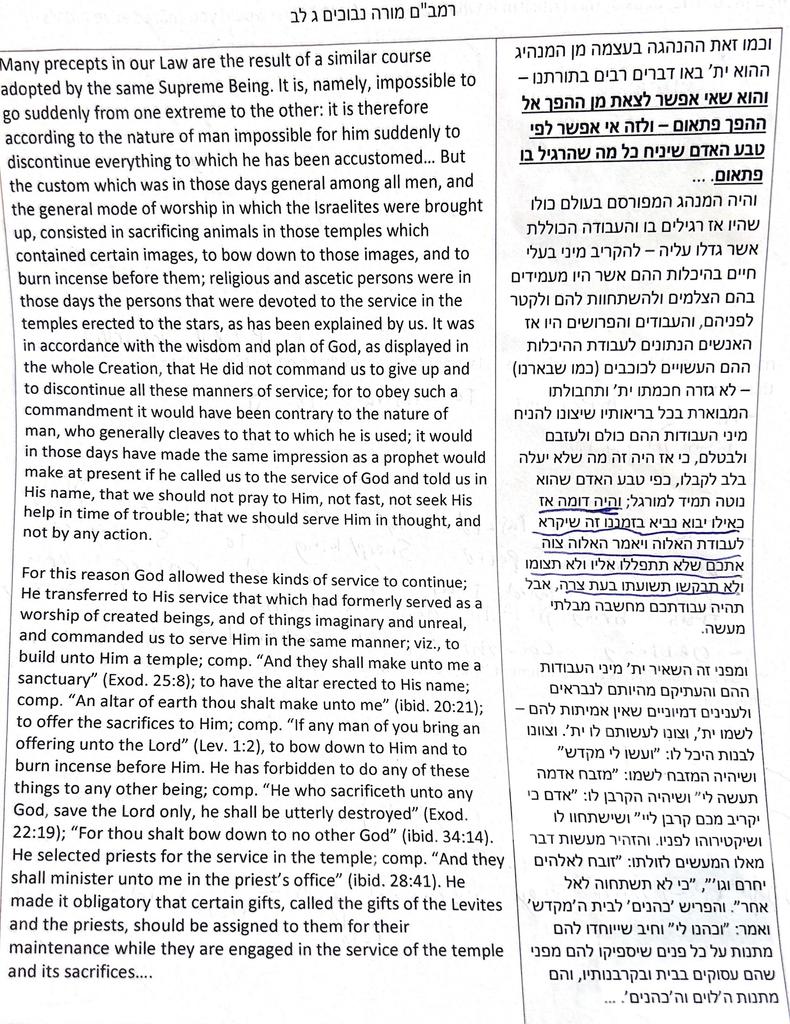
- According to the Rambam above, why did Hashem instruct us to have Korbanot?
- Because the original point of the Korban was to transition us gradually into spiritual worship and switch physical worship from idols (that we were used to from Egypt) to physical worship of Hashem, since it's not in Human nature to go from one extreme (pure physical worship) to the polar opposite (pure spiritual worship) so quickly, even though purely spiritual was the ideal.
- The reason it is Korbanot specifically is because that was the norm for other religions.
In YIRMIYAHU 7, Yirmiyahu says that GOD never even asked for korbanot, but this is not true.
Rambam (underlines): The korbanot are a means to an end of worshiping Hashem, but Bnei Yisrael was missing the point and doing korbanot without the serving Hashem part.
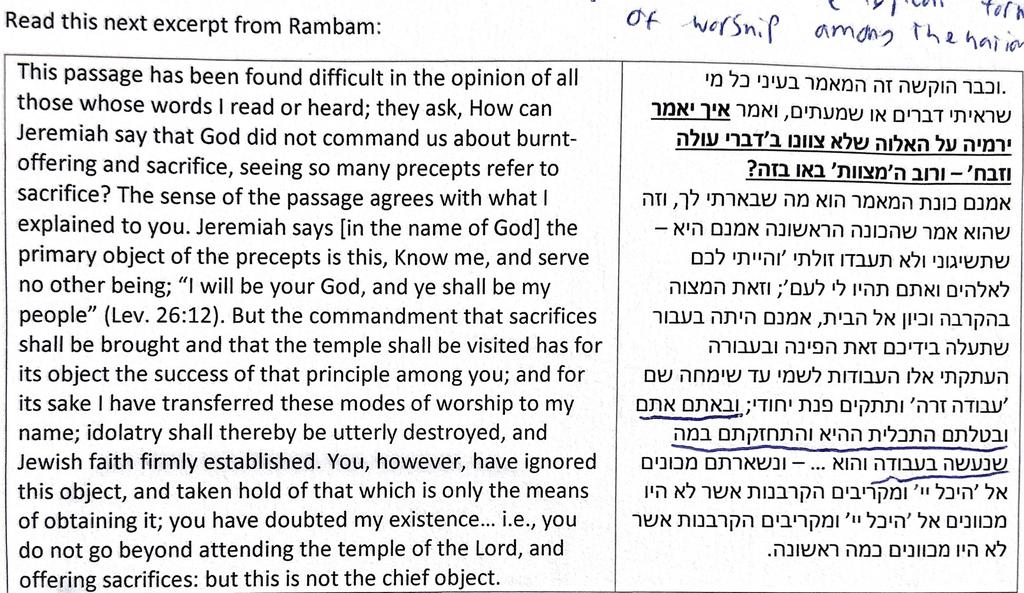
- What is the mistake, according to the Rambam above, that Bnei Yisrael have made?
- The point of Korbanot was to make us closer to Hashem and worship him, but we have taken the spiritual out of the physical (like borer! :)) and use think sacrafices are everything and actual spiritual worship doesn't do anything, which is FALSE
(א) הַדָּבָ֛ר אֲשֶׁר־הָיָ֥ה אֶֽל־יִרְמְיָ֖הוּ מֵאֵ֣ת ה׳ בִּשְׁלֹ֨חַ אֵלָ֜יו הַמֶּ֣לֶךְ צִדְקִיָּ֗הוּ אֶת־פַּשְׁחוּר֙ בֶּן־מַלְכִּיָּ֔ה וְאֶת־צְפַנְיָ֧ה בֶן־מַעֲשֵׂיָ֛ה הַכֹּהֵ֖ן לֵאמֹֽר׃
(ב) דְּרׇשׁ־נָ֤א בַעֲדֵ֙נוּ֙ אֶת־ה׳ כִּ֛י נְבוּכַדְרֶאצַּ֥ר מֶֽלֶךְ־בָּבֶ֖ל נִלְחָ֣ם עָלֵ֑ינוּ אוּלַי֩ יַעֲשֶׂ֨ה ה׳ אוֹתָ֙נוּ֙ כְּכׇל־נִפְלְאֹתָ֔יו וְיַעֲלֶ֖ה מֵעָלֵֽינוּ׃
(ג) וַיֹּ֥אמֶר יִרְמְיָ֖הוּ אֲלֵיהֶ֑ם כֹּ֥ה תֹֽאמְרֻ֖ן אֶל־צִדְקִיָּֽהוּ׃ {ס}
(ד) כֹּה־אָמַ֨ר ה׳ אֱלֹקֵ֣י יִשְׂרָאֵ֗ל הִנְנִ֣י מֵסֵב֮ אֶת־כְּלֵ֣י הַמִּלְחָמָה֮ אֲשֶׁ֣ר בְּיֶדְכֶם֒ אֲשֶׁ֨ר אַתֶּ֜ם נִלְחָמִ֣ים בָּ֗ם אֶת־מֶ֤לֶךְ בָּבֶל֙ וְאֶת־הַכַּשְׂדִּ֔ים הַצָּרִ֣ים עֲלֵיכֶ֔ם מִח֖וּץ לַחוֹמָ֑ה וְאָסַפְתִּ֣י אוֹתָ֔ם אֶל־תּ֖וֹךְ הָעִ֥יר הַזֹּֽאת׃
(ה) וְנִלְחַמְתִּ֤י אֲנִי֙ אִתְּכֶ֔ם בְּיָ֥ד נְטוּיָ֖ה וּבִזְר֣וֹעַ חֲזָקָ֑ה וּבְאַ֥ף וּבְחֵמָ֖ה וּבְקֶ֥צֶף גָּדֽוֹל׃
(ו) וְהִכֵּיתִ֗י אֶת־יֽוֹשְׁבֵי֙ הָעִ֣יר הַזֹּ֔את וְאֶת־הָאָדָ֖ם וְאֶת־הַבְּהֵמָ֑ה בְּדֶ֥בֶר גָּד֖וֹל יָמֻֽתוּ׃
(ז) וְאַחֲרֵי־כֵ֣ן נְאֻם־ה׳ אֶתֵּ֣ן אֶת־צִדְקִיָּ֣הוּ מֶלֶךְ־יְהוּדָ֣ה וְאֶת־עֲבָדָ֣יו ׀ וְאֶת־הָעָ֡ם וְאֶת־הַנִּשְׁאָרִים֩ בָּעִ֨יר הַזֹּ֜את מִן־הַדֶּ֣בֶר ׀ מִן־הַחֶ֣רֶב וּמִן־הָרָעָ֗ב בְּיַד֙ נְבוּכַדְרֶאצַּ֣ר מֶלֶךְ־בָּבֶ֔ל וּבְיַד֙ אֹֽיְבֵיהֶ֔ם וּבְיַ֖ד מְבַקְשֵׁ֣י נַפְשָׁ֑ם וְהִכָּ֣ם לְפִי־חֶ֔רֶב לֹא־יָח֣וּס עֲלֵיהֶ֔ם וְלֹ֥א יַחְמֹ֖ל וְלֹ֥א יְרַחֵֽם׃
(ח) וְאֶל־הָעָ֤ם הַזֶּה֙ תֹּאמַ֔ר כֹּ֖ה אָמַ֣ר ה׳ הִנְנִ֤י נֹתֵן֙ לִפְנֵיכֶ֔ם אֶת־דֶּ֥רֶךְ הַחַיִּ֖ים וְאֶת־דֶּ֥רֶךְ הַמָּֽוֶת׃
(ט) הַיֹּשֵׁב֙ בָּעִ֣יר הַזֹּ֔את יָמ֕וּת בַּחֶ֖רֶב וּבָרָעָ֣ב וּבַדָּ֑בֶר וְהַיּוֹצֵא֩ וְנָפַ֨ל עַל־הַכַּשְׂדִּ֜ים הַצָּרִ֤ים עֲלֵיכֶם֙ (יחיה) [וְחָיָ֔ה] וְהָיְתָה־לּ֥וֹ נַפְשׁ֖וֹ לְשָׁלָֽל׃
(י) כִּ֣י שַׂ֣מְתִּי פָ֠נַי בָּעִ֨יר הַזֹּ֧את לְרָעָ֛ה וְלֹ֥א לְטוֹבָ֖ה נְאֻם־ה׳ בְּיַד־מֶ֤לֶךְ בָּבֶל֙ תִּנָּתֵ֔ן וּשְׂרָפָ֖הּ בָּאֵֽשׁ׃ {ס}
(יא) וּלְבֵית֙ מֶ֣לֶךְ יְהוּדָ֔ה שִׁמְע֖וּ דְּבַר־ה׳׃
(יב) בֵּ֣ית דָּוִ֗ד כֹּ֚ה אָמַ֣ר ה׳ דִּ֤ינוּ לַבֹּ֙קֶר֙ מִשְׁפָּ֔ט וְהַצִּ֥ילוּ גָז֖וּל מִיַּ֣ד עוֹשֵׁ֑ק פֶּן־תֵּצֵ֨א כָאֵ֜שׁ חֲמָתִ֗י וּבָֽעֲרָה֙ וְאֵ֣ין מְכַבֶּ֔ה מִפְּנֵ֖י רֹ֥עַ (מעלליהם) [מַעַלְלֵיכֶֽם]׃
(יג) הִנְנִ֨י אֵלַ֜יִךְ יֹשֶׁ֧בֶת הָעֵ֛מֶק צ֥וּר הַמִּישֹׁ֖ר נְאֻם־ה׳ הָאֹֽמְרִים֙ מִֽי־יֵחַ֣ת עָלֵ֔ינוּ וּמִ֥י יָב֖וֹא בִּמְעוֹנוֹתֵֽינוּ׃
(יד) וּפָקַדְתִּ֧י עֲלֵיכֶ֛ם כִּפְרִ֥י מַעַלְלֵיכֶ֖ם נְאֻם־ה׳ וְהִצַּ֤תִּי אֵשׁ֙ בְּיַעְרָ֔הּ וְאָכְלָ֖ה כׇּל־סְבִיבֶֽיהָ׃
(1) The word that came to Jeremiah from GOD—when King Zedekiah sent to him Pashhur son of Malchiah and the priest Zephaniah, son of Maaseiah, to say,
(2) “Please inquire of GOD on our behalf, for King Nebuchadrezzar of Babylon is attacking us. Perhaps GOD will act for our sake in accordance with all the priorathe prior Lit. “His.” wonders, so that he will withdraw from us.”
(3) Jeremiah answered them, “Thus shall you say to Zedekiah:
(4) Thus said the ETERNAL, the God of Israel: I am going to turn around the weapons in your hands with which you are battling outside the wall against those who are besieging you—the king of Babylon and the Chaldeans—and I will take them into the midst of this city;
(5) and I Myself will battle against you with an outstretched mighty arm, with anger and rage and great wrath.
(6) I will strike the inhabitants of this city, both human and animal: they shall die by a terrible pestilence.
(7) And then—declares GOD—I will deliver King Zedekiah of Judah and his courtiers and the people—those in this city who survive the pestilence, the sword, and the famine—into the hands of King Nebuchadrezzar of Babylon, into the hands of their enemies, into the hands of those who seek their lives. He will put them to the sword without pity, without compassion, without mercy.
(8) “And to this people you shall say: Thus said GOD: I set before you the way of life and the way of death.
(9) Whoever remains in this city shall die by the sword, by famine, and by pestilence; but whoever leaves and goes over to the Chaldeans who are besieging you shall live; he shall at least gain his life.bhe shall at least gain his life Lit. “he shall have his life as booty.”
(10) For I have set My face against this city for evil and not for good—declares GOD. It shall be delivered into the hands of the king of Babylon, who will destroy it by fire.”
(11) To the House of the king of Judah: Hear the word of GOD!
(12) O House of David, thus said GOD:
Render just verdicts
Morning by morning;
Rescue from the defrauder
Anyone who is robbed.
Else My wrath will break forth like fire
And burn, with none to quench it,
Because of your wicked acts.
(13) I will deal with you, O inhabitants of the valley,
O rock of the plaincO inhabitants of the valley, / O rock of the plain Force of Heb. uncertain.—declares GOD—
You who say, “Who can come down against us?
Who can get into our lairs?”
(14) I will punish you according to your deeds
—declares GOD.
I will set fire to its forest;dforest Perhaps a reference to the royal palace; cf. 1 Kings 7.2.
It shall consume all that is around it.
- 1-2: Context & Tzidkiyahu's request:
- Nebuchadnezzar is attacking Israel and מלך צדקיהו asks Yirmiyahu to appeal to Hashem on their behalf
- 3-7: Response to מלך צדקיהו. What episode does ירמיה invoke in Pasuk ה?
- I am going to take the weapons of Nebuchadnezzar and I am going to fight you and kill you. Anyone who surrenders will be given to Nebuchadnezzar.
- Hashem saved us before by יד חזקה וזרוע נטויה and no he is killing us with the reverse: יד נטויה וזרוע חזקה
- 8-10: what are the two paths that Hashem presents?
- Life/חיים - Surrender to Nebuchadnezzar
- Death/מות - Fight and Hashem will kill you all.
(א) הִרְאַ֘נִי֮ ה׳ וְהִנֵּ֗ה שְׁנֵי֙ דּוּדָאֵ֣י תְאֵנִ֔ים מוּעָדִ֕ים לִפְנֵ֖י הֵיכַ֣ל ה׳ אַחֲרֵ֣י הַגְל֣וֹת נְבוּכַדְרֶאצַּ֣ר מֶלֶךְ־בָּבֶ֡ל אֶת־יְכׇנְיָ֣הוּ בֶן־יְהוֹיָקִ֣ים מֶלֶךְ־יְהוּדָה֩ וְאֶת־שָׂרֵ֨י יְהוּדָ֜ה וְאֶת־הֶחָרָ֤שׁ וְאֶת־הַמַּסְגֵּר֙ מִיר֣וּשָׁלַ֔͏ִם וַיְבִאֵ֖ם בָּבֶֽל׃
(ב) הַדּ֣וּד אֶחָ֗ד תְּאֵנִים֙ טֹב֣וֹת מְאֹ֔ד כִּתְאֵנֵ֖י הַבַּכֻּר֑וֹת וְהַדּ֣וּד אֶחָ֗ד תְּאֵנִים֙ רָע֣וֹת מְאֹ֔ד אֲשֶׁ֥ר לֹא־תֵאָכַ֖לְנָה מֵרֹֽעַ׃ {פ}
(ג) וַיֹּ֨אמֶר ה׳ אֵלַ֗י מָה־אַתָּ֤ה רֹאֶה֙ יִרְמְיָ֔הוּ וָאֹמַ֖ר תְּאֵנִ֑ים הַתְּאֵנִ֤ים הַטֹּבוֹת֙ טֹב֣וֹת מְאֹ֔ד וְהָֽרָעוֹת֙ רָע֣וֹת מְאֹ֔ד אֲשֶׁ֥ר לֹא־תֵאָכַ֖לְנָה מֵרֹֽעַ׃ {פ}
(ד) וַיְהִ֥י דְבַר־ה׳ אֵלַ֥י לֵאמֹֽר׃
(ה) כֹּֽה־אָמַ֤ר ה׳ אֱלֹקֵ֣י יִשְׂרָאֵ֔ל כַּתְּאֵנִ֥ים הַטֹּב֖וֹת הָאֵ֑לֶּה כֵּֽן־אַכִּ֞יר אֶת־גָּל֣וּת יְהוּדָ֗ה אֲשֶׁ֨ר שִׁלַּ֜חְתִּי מִן־הַמָּק֥וֹם הַזֶּ֛ה אֶ֥רֶץ כַּשְׂדִּ֖ים לְטוֹבָֽה׃
(ו) וְשַׂמְתִּ֨י עֵינִ֤י עֲלֵיהֶם֙ לְטוֹבָ֔ה וַהֲשִׁבֹתִ֖ים עַל־הָאָ֣רֶץ הַזֹּ֑את וּבְנִיתִים֙ וְלֹ֣א אֶהֱרֹ֔ס וּנְטַעְתִּ֖ים וְלֹ֥א אֶתּֽוֹשׁ׃
(ז) וְנָֽתַתִּי֩ לָהֶ֨ם לֵ֜ב לָדַ֣עַת אֹתִ֗י כִּ֚י אֲנִ֣י ה׳ וְהָיוּ־לִ֣י לְעָ֔ם וְאָ֣נֹכִ֔י אֶהְיֶ֥ה לָהֶ֖ם לֵאלֹקִ֑ים כִּֽי־יָשֻׁ֥בוּ אֵלַ֖י בְּכׇל־לִבָּֽם׃ {ס}
(ח) וְכַתְּאֵנִים֙ הָרָע֔וֹת אֲשֶׁ֥ר לֹא־תֵאָכַ֖לְנָה מֵרֹ֑עַ כִּי־כֹ֣ה ׀ אָמַ֣ר ה׳ כֵּ֣ן אֶ֠תֵּ֠ן אֶת־צִדְקִיָּ֨הוּ מֶלֶךְ־יְהוּדָ֤ה וְאֶת־שָׂרָיו֙ וְאֵ֣ת ׀ שְׁאֵרִ֣ית יְרוּשָׁלַ֗͏ִם הַנִּשְׁאָרִים֙ בָּאָ֣רֶץ הַזֹּ֔את וְהַיֹּשְׁבִ֖ים בְּאֶ֥רֶץ מִצְרָֽיִם׃
(ט) וּנְתַתִּים֙ (לזועה) [לְזַעֲוָ֣ה] לְרָעָ֔ה לְכֹ֖ל מַמְלְכ֣וֹת הָאָ֑רֶץ לְחֶרְפָּ֤ה וּלְמָשָׁל֙ לִשְׁנִינָ֣ה וְלִקְלָלָ֔ה בְּכׇל־הַמְּקֹמ֖וֹת אֲשֶֽׁר־אַדִּיחֵ֥ם שָֽׁם׃
(י) וְשִׁלַּ֣חְתִּי בָ֔ם אֶת־הַחֶ֖רֶב אֶת־הָרָעָ֣ב וְאֶת־הַדָּ֑בֶר עַד־תֻּמָּם֙ מֵעַ֣ל הָאֲדָמָ֔ה אֲשֶׁר־נָתַ֥תִּי לָהֶ֖ם וְלַאֲבוֹתֵיהֶֽם׃ {פ}
(1) GOD showed me two baskets of figs, placed in front of the Temple of GOD. This was after King Nebuchadrezzar of Babylon had exiled King Jeconiah son of Jehoiakim of Judah, and the officials of Judah, and the artisans and smiths, and had brought them from Jerusalem to Babylon.
(2) One basket contained very good figs, like first-ripened figs, and the other basket contained very bad figs, so bad that they could not be eaten.
(3) And GOD said to me, “What do you see, Jeremiah?” I answered, “Figs—the good ones are very good, and the bad ones very bad, so bad that they cannot be eaten.”
(4) Then the word of GOD came to me:
(5) Thus said the ETERNAL, the God of Israel: As with these good figs, so will I single out for good the Judean exiles whom I have driven out from this place to the land of the Chaldeans.
(6) I will look upon them favorably, and I will bring them back to this land; I will build them and not overthrow them; I will plant them and not uproot them.
(7) And I will give them the understanding to acknowledge Me, for I am GOD. And they shall be My people and I will be their God, when they turn back to Me with all their heart.
(8) And like the bad figs, which are so bad that they cannot be eaten—thus said GOD—so will I treat King Zedekiah of Judah and his officials and the remnant of Jerusalem that is left in this land, and those who are living in the land of Egypt:
(9) I will make them a horror—an evil—to all the kingdoms of the earth, a disgrace and a proverb, a byword and a curseaa curse I.e., a standard by which people curse; cf. Gen. 12.2 and note; Zech. 8.13. in all the places to which I banish them.
(10) I will send the sword, famine, and pestilence against them until they are exterminated from the land that I gave to them and their ancestors.
- Context: Nebuchadnezzar completed the second stage of גלות and Hashem shows ירמיה in a vision 2 baskets of figs: good and bad placed outside the Temple
- -10:
- Good figs - Hashem will treat the exiles (people in בבל) favorably and will return them to Israel
- Bad Figs - Hashem will punish מלך צדקיהו and his nobles and curse them for not surrendering to the גלות.
- For the people remaining in Israel and those who fled to Egypt.
(א) וְאֵ֙לֶּה֙ דִּבְרֵ֣י הַסֵּ֔פֶר אֲשֶׁ֥ר שָׁלַ֛ח יִרְמְיָ֥ה הַנָּבִ֖יא מִירוּשָׁלָ֑͏ִם אֶל־יֶ֜תֶר זִקְנֵ֣י הַגּוֹלָ֗ה וְאֶל־הַכֹּהֲנִ֤ים וְאֶל־הַנְּבִיאִים֙ וְאֶל־כׇּל־הָעָ֔ם אֲשֶׁ֨ר הֶגְלָ֧ה נְבֽוּכַדְנֶאצַּ֛ר מִירוּשָׁלַ֖͏ִם בָּבֶֽלָה׃
(ב) אַחֲרֵ֣י צֵ֣את יְכׇנְיָֽה־הַ֠מֶּ֠לֶךְ וְהַגְּבִירָ֨ה וְהַסָּרִיסִ֜ים שָׂרֵ֨י יְהוּדָ֧ה וִירוּשָׁלַ֛͏ִם וְהֶחָרָ֥שׁ וְהַמַּסְגֵּ֖ר מִירוּשָׁלָֽ͏ִם׃
(ג) בְּיַד֙ אֶלְעָשָׂ֣ה בֶן־שָׁפָ֔ן וּגְמַרְיָ֖ה בֶּן־חִלְקִיָּ֑ה אֲשֶׁ֨ר שָׁלַ֜ח צִדְקִיָּ֣ה מֶלֶךְ־יְהוּדָ֗ה אֶל־נְבוּכַדְנֶאצַּ֛ר מֶ֥לֶךְ בָּבֶ֖ל בָּבֶ֥לָה לֵאמֹֽר׃
(ד) כֹּ֥ה אָמַ֛ר ה׳ צְבָא֖וֹת אֱלֹקֵ֣י יִשְׂרָאֵ֑ל לְכׇ֨ל־הַגּוֹלָ֔ה אֲשֶׁר־הִגְלֵ֥יתִי מִירוּשָׁלַ֖͏ִם בָּבֶֽלָה׃
(ה) בְּנ֥וּ בָתִּ֖ים וְשֵׁ֑בוּ וְנִטְע֣וּ גַנּ֔וֹת וְאִכְל֖וּ אֶת־פִּרְיָֽן׃
(ו) קְח֣וּ נָשִׁ֗ים וְהוֹלִ֘ידוּ֮ בָּנִ֣ים וּבָנוֹת֒ וּקְח֨וּ לִבְנֵיכֶ֜ם נָשִׁ֗ים וְאֶת־בְּנֽוֹתֵיכֶם֙ תְּנ֣וּ לַאֲנָשִׁ֔ים וְתֵלַ֖דְנָה בָּנִ֣ים וּבָנ֑וֹת וּרְבוּ־שָׁ֖ם וְאַל־תִּמְעָֽטוּ׃
(ז) וְדִרְשׁ֞וּ אֶת־שְׁל֣וֹם הָעִ֗יר אֲשֶׁ֨ר הִגְלֵ֤יתִי אֶתְכֶם֙ שָׁ֔מָּה וְהִתְפַּֽלְל֥וּ בַעֲדָ֖הּ אֶל־ה׳ כִּ֣י בִשְׁלוֹמָ֔הּ יִהְיֶ֥ה לָכֶ֖ם שָׁלֽוֹם׃
(1) This is the text of the letter that the prophet Jeremiah sent from Jerusalem to the priests, the prophets, the rest of the elders of the exile community, and to all the people whom Nebuchadnezzar had exiled from Jerusalem to Babylon—
(2) after King Jeconiah, the queen mother, the eunuchs, the officials of Judah and Jerusalem, and the artisans and smiths had left Jerusalem.
(3) [The letter was sent] through Elasah son of Shaphan and Gemariah son of Hilkiah, whom King Zedekiah of Judah had dispatched to Babylon, to King Nebuchadnezzar of Babylon.
(4) Thus said GOD of Hosts, the God of Israel, to the whole community that I exiled from Jerusalem to Babylon:
(5) Build houses and live in them, plant gardens and eat their fruit.
(6) YouaYou I.e., the men in the community. should take wives and beget sons and daughters; and you should take wives for your sons, and give your daughters to husbands, that they may bear sons and daughters. Multiply there, do not decrease.
(7) And seek the welfare of the city to which I have exiled you and pray to GOD in its behalf; for in its prosperity you shall prosper.
- 1-2: Context: ירמיה sends a book to בבל to tell the exiles what to do
- 4-7: What activities are they to engage in while in גלות?
- Build Houses + sit down
- Copulate with each other // procreation
- Plant fruit trees
- ALL THIS IMPLIES SETTLING FOR A LONG TIME -
- Pray to Hashem for peace in the government
(ב) רַבִּי חֲנִינָא סְגַן הַכֹּהֲנִים אוֹמֵר, הֱוֵי מִתְפַּלֵּל בִּשְׁלוֹמָהּ שֶׁל מַלְכוּת, שֶׁאִלְמָלֵא מוֹרָאָהּ, אִישׁ אֶת רֵעֵהוּ חַיִּים בְּלָעוֹ.
(2) Rabbi Hanina, the vice-high priest said: pray for the welfare of the government, for were it not for the fear it inspires, every man would swallow his neighbor alive.
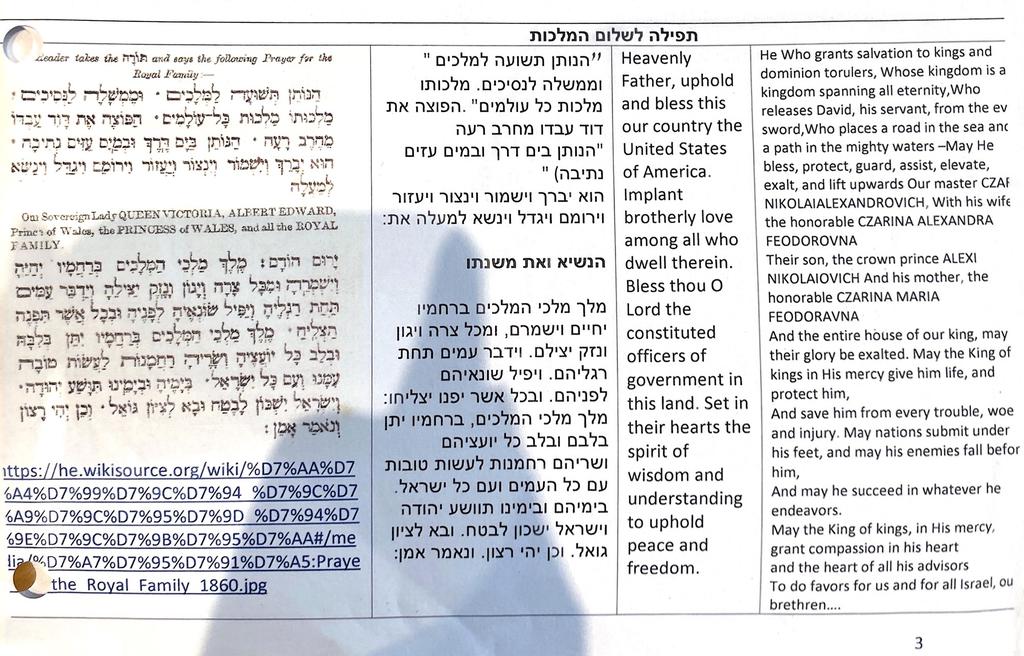
-
- This is a rare case of deriving Halacha from Navi. We have to pray for the gov’t even if we don’t like them.
- Why? Because no one wants anarchy and peace for them is peace for us. We also pray for the welfare of the president, and for them to like Israel. The question in Fiddler on the Roof is should we pray for a gov’t we don’t like? Yirmiyahu answers YES.
- How does this letter serve as a model for Galut in general?
- Even when we are in Galut we should stil settle and be comfortable because we're going to be there for a long time.
- 8-10: Why is this an important message? What is the חידוש?
- That they should pray for their government EVEN if that is a bad government, because anything is better than anarchy. This is especially relevant to us in Galut now.
- 10-14: What promise did Hashem make?
- For anyone who is obediently in Galut, GOD will keep them in mind and bring them back to the Land of Israel in 70 years, but anyone who stays in Israel is done for.
(א) בִּשְׁנַ֣ת שָׁל֔וֹשׁ לְמַלְכ֖וּת יְהוֹיָקִ֣ים מֶֽלֶךְ־יְהוּדָ֑ה בָּ֣א נְבוּכַדְנֶאצַּ֧ר מֶֽלֶךְ־בָּבֶ֛ל יְרוּשָׁלַ֖͏ִם וַיָּ֥צַר עָלֶֽיהָ׃
(ב) וַיִּתֵּן֩ אדושם בְּיָד֜וֹ אֶת־יְהוֹיָקִ֣ים מֶֽלֶךְ־יְהוּדָ֗ה וּמִקְצָת֙ כְּלֵ֣י בֵית־הָֽאֱלֹקִ֔ים וַיְבִיאֵ֥ם אֶֽרֶץ־שִׁנְעָ֖ר בֵּ֣ית אֱלֹקָ֑יו וְאֶת־הַכֵּלִ֣ים הֵבִ֔יא בֵּ֖ית אוֹצַ֥ר אֱלֹקָֽיו׃
(ג) וַיֹּ֣אמֶר הַמֶּ֔לֶךְ לְאַשְׁפְּנַ֖ז רַ֣ב סָרִיסָ֑יו לְהָבִ֞יא מִבְּנֵ֧י יִשְׂרָאֵ֛ל וּמִזֶּ֥רַע הַמְּלוּכָ֖ה וּמִן־הַֽפַּרְתְּמִֽים׃
(ד) יְלָדִ֣ים אֲשֶׁ֣ר אֵֽין־בָּהֶ֣ם כׇּל־מאוּם֩ וְטוֹבֵ֨י מַרְאֶ֜ה וּמַשְׂכִּלִ֣ים בְּכׇל־חׇכְמָ֗ה וְיֹ֤דְעֵי דַ֙עַת֙ וּמְבִינֵ֣י מַדָּ֔ע וַאֲשֶׁר֙ כֹּ֣חַ בָּהֶ֔ם לַעֲמֹ֖ד בְּהֵיכַ֣ל הַמֶּ֑לֶךְ וּֽלְלַמְּדָ֥ם סֵ֖פֶר וּלְשׁ֥וֹן כַּשְׂדִּֽים׃
(ה) וַיְמַן֩ לָהֶ֨ם הַמֶּ֜לֶךְ דְּבַר־י֣וֹם בְּיוֹמ֗וֹ מִפַּת־בַּ֤ג הַמֶּ֙לֶךְ֙ וּמִיֵּ֣ין מִשְׁתָּ֔יו וּֽלְגַדְּלָ֖ם שָׁנִ֣ים שָׁל֑וֹשׁ וּמִ֨קְצָתָ֔ם יַֽעַמְד֖וּ לִפְנֵ֥י הַמֶּֽלֶךְ׃
(ו) וַיְהִ֥י בָהֶ֖ם מִבְּנֵ֣י יְהוּדָ֑ה דָּנִיֵּ֣אל חֲנַנְיָ֔ה מִֽישָׁאֵ֖ל וַעֲזַרְיָֽה׃
(ז) וַיָּ֧שֶׂם לָהֶ֛ם שַׂ֥ר הַסָּרִיסִ֖ים שֵׁמ֑וֹת וַיָּ֨שֶׂם לְדָֽנִיֵּ֜אל בֵּ֣לְטְשַׁאצַּ֗ר וְלַֽחֲנַנְיָה֙ שַׁדְרַ֔ךְ וּלְמִֽישָׁאֵ֣ל מֵישַׁ֔ךְ וְלַעֲזַרְיָ֖ה עֲבֵ֥ד נְגֽוֹ׃
(ח) וַיָּ֤שֶׂם דָּנִיֵּאל֙ עַל־לִבּ֔וֹ אֲשֶׁ֧ר לֹֽא־יִתְגָּאַ֛ל בְּפַת־בַּ֥ג הַמֶּ֖לֶךְ וּבְיֵ֣ין מִשְׁתָּ֑יו וַיְבַקֵּשׁ֙ מִשַּׂ֣ר הַסָּרִיסִ֔ים אֲשֶׁ֖ר לֹ֥א יִתְגָּאָֽל׃
(ט) וַיִּתֵּ֤ן הָֽאֱלֹקִים֙ אֶת־דָּ֣נִיֵּ֔אל לְחֶ֖סֶד וּֽלְרַחֲמִ֑ים לִפְנֵ֖י שַׂ֥ר הַסָּרִיסִֽים׃
(י) וַיֹּ֜אמֶר שַׂ֤ר הַסָּרִיסִים֙ לְדָ֣נִיֵּ֔אל יָרֵ֤א אֲנִי֙ אֶת־אֲדֹנִ֣י הַמֶּ֔לֶךְ אֲשֶׁ֣ר מִנָּ֔ה אֶת־מַאֲכַלְכֶ֖ם וְאֶת־מִשְׁתֵּיכֶ֑ם אֲשֶׁ֡ר לָ֩מָּה֩ יִרְאֶ֨ה אֶת־פְּנֵיכֶ֜ם זֹֽעֲפִ֗ים מִן־הַיְלָדִים֙ אֲשֶׁ֣ר כְּגִֽילְכֶ֔ם וְחִיַּבְתֶּ֥ם אֶת־רֹאשִׁ֖י לַמֶּֽלֶךְ׃
(יא) וַיֹּ֥אמֶר דָּנִיֵּ֖אל אֶל־הַמֶּלְצַ֑ר אֲשֶׁ֤ר מִנָּה֙ שַׂ֣ר הַסָּֽרִיסִ֔ים עַל־דָּנִיֵּ֣אל חֲנַנְיָ֔ה מִֽישָׁאֵ֖ל וַעֲזַרְיָֽה׃
(יב) נַס־נָ֥א אֶת־עֲבָדֶ֖יךָ יָמִ֣ים עֲשָׂרָ֑ה וְיִתְּנוּ־לָ֜נוּ מִן־הַזֵּרֹעִ֛ים וְנֹאכְלָ֖ה וּמַ֥יִם וְנִשְׁתֶּֽה׃
(יג) וְיֵרָא֤וּ לְפָנֶ֙יךָ֙ מַרְאֵ֔ינוּ וּמַרְאֵה֙ הַיְלָדִ֔ים הָאֹ֣כְלִ֔ים אֵ֖ת פַּת־בַּ֣ג הַמֶּ֑לֶךְ וְכַאֲשֶׁ֣ר תִּרְאֵ֔ה עֲשֵׂ֖ה עִם־עֲבָדֶֽיךָ׃
(יד) וַיִּשְׁמַ֥ע לָהֶ֖ם לַדָּבָ֣ר הַזֶּ֑ה וַיְנַסֵּ֖ם יָמִ֥ים עֲשָׂרָֽה׃
(טו) וּמִקְצָת֙ יָמִ֣ים עֲשָׂרָ֔ה נִרְאָ֤ה מַרְאֵיהֶם֙ ט֔וֹב וּבְרִיאֵ֖י בָּשָׂ֑ר מִ֨ן־כׇּל־הַיְלָדִ֔ים הָאֹ֣כְלִ֔ים אֵ֖ת פַּת־בַּ֥ג הַמֶּֽלֶךְ׃
(טז) וַיְהִ֣י הַמֶּלְצַ֗ר נֹשֵׂא֙ אֶת־פַּת־בָּגָ֔ם וְיֵ֖ין מִשְׁתֵּיהֶ֑ם וְנֹתֵ֥ן לָהֶ֖ם זֵרְעֹנִֽים׃
(יז) וְהַיְלָדִ֤ים הָאֵ֙לֶּה֙ אַרְבַּעְתָּ֔ם נָתַ֨ן לָהֶ֧ם הָֽאֱלֹקִ֛ים מַדָּ֥ע וְהַשְׂכֵּ֖ל בְּכׇל־סֵ֣פֶר וְחׇכְמָ֑ה וְדָנִיֵּ֣אל הֵבִ֔ין בְּכׇל־חָז֖וֹן וַחֲלֹמֽוֹת׃
(יח) וּלְמִקְצָת֙ הַיָּמִ֔ים אֲשֶׁר־אָמַ֥ר הַמֶּ֖לֶךְ לַהֲבִיאָ֑ם וַיְבִיאֵם֙ שַׂ֣ר הַסָּרִיסִ֔ים לִפְנֵ֖י נְבֻכַדְנֶצַּֽר׃
(יט) וַיְדַבֵּ֣ר אִתָּם֮ הַמֶּ֒לֶךְ֒ וְלֹ֤א נִמְצָא֙ מִכֻּלָּ֔ם כְּדָנִיֵּ֣אל חֲנַנְיָ֔ה מִֽישָׁאֵ֖ל וַעֲזַרְיָ֑ה וַיַּֽעַמְד֖וּ לִפְנֵ֥י הַמֶּֽלֶךְ׃
(כ) וְכֹ֗ל דְּבַר֙ חׇכְמַ֣ת בִּינָ֔ה אֲשֶׁר־בִּקֵּ֥שׁ מֵהֶ֖ם הַמֶּ֑לֶךְ וַֽיִּמְצָאֵ֞ם עֶ֣שֶׂר יָד֗וֹת עַ֤ל כׇּל־הַֽחַרְטֻמִּים֙ הָֽאַשָּׁפִ֔ים אֲשֶׁ֖ר בְּכׇל־מַלְכוּתֽוֹ׃
(כא) וַֽיְהִי֙ דָּֽנִיֵּ֔אל עַד־שְׁנַ֥ת אַחַ֖ת לְכ֥וֹרֶשׁ הַמֶּֽלֶךְ׃ {ס}
(1) In the third year of the reign of King Jehoiakim of Judah, King Nebuchadnezzar of Babylon came to Jerusalem and laid siege to it.
(2) The Lord delivered King Jehoiakim of Judah into his power, together with some of the vessels of the House of God, and he brought them to the land of Shinar to the house of his god; he deposited the vessels in the treasury of his god.
(3) Then the king ordered Ashpenaz, his chief officer, to bring some Israelites of royal descent and of the nobility—
(4) youths without blemish, handsome, proficient in all wisdom, knowledgeable and intelligent, and capable of serving in the royal palace—and teach them the writings and the language of the Chaldeans.
(5) The king allotted daily rations to them from the king’s food and from the wine he drank. They were to be educated for three years, aOr “and some of them.”at the end of which they-a were to enter the king’s service.
(6) Among them were the Judahites Daniel, Hananiah, Mishael, and Azariah.
(7) The chief officer gave them new names; he named Daniel Belteshazzar, Hananiah Shadrach, Mishael Meshach, and Azariah Abed-nego.
(8) Daniel resolved not to defile himself with the king’s food or the wine he drank, so he sought permission of the chief officer not to defile himself,
(9) and God disposed the chief officer to be kind and compassionate toward Daniel.
(10) The chief officer said to Daniel, “I fear that my lord the king, who allotted food and drink to you, will notice that you look out of sorts, unlike the other youths of your age—and you will put my lifebLit. “head.” in jeopardy with the king.”
(11) Daniel replied to the guard whom the chief officer had put in charge of Daniel, Hananiah, Mishael, and Azariah,
(12) “Please test your servants for ten days, giving us legumes to eat and water to drink.
(13) Then compare our appearance with that of the youths who eat of the king’s food, and do with your servants as you see fit.”
(14) He agreed to this plan of theirs, and tested them for ten days.
(15) When the ten days were over, they looked better and healthier than all the youths who were eating of the king’s food.
(16) So the guard kept on removing their food, and the wine they were supposed to drink, and gave them legumes.
(17) God made all four of these young men intelligent and proficient in all writings and wisdom, and Daniel had understanding of visions and dreams of all kinds.
(18) When the time the king had set for their presentation had come, the chief officer presented them to Nebuchadnezzar.
(19) The king spoke with them, and of them all none was equal to Daniel, Hananiah, Mishael, and Azariah; so these entered the king’s service.
(20) Whenever the king put a question to them requiring wisdom and understanding, he found them to be ten times better than all the magicians and exorcists throughout his realm.
(21) Daniel was there until the first year of King Cyrus.
DANIEL ALEPH (back in time) – in galut expirience
- Nebuchadnezar kidnaps/recruits young perfect boys to serve/counsil him in his palace.
- Who is taken? ז׳
|
Persian nams |
Hebrew names |
|
בלטשאצר |
דניאל |
|
שדרך |
חנניה |
|
מישך |
מישאל |
|
עבד נגו |
עזריה |
- Three stories that are often linked together because have a lot of common. Yosef, Daniel, Esther
- Court Jew
- Away from their family
- New names
- Common language too – שר הסריסים, מישתה
- Pasuk Chet… – Daniel decided that he wasn’t going to defile himself but eating the food of the king. Hashem made the Chief Supervisor of the Servants like Daniel. Daniel asks this of the Chief of Servants (Sar HaSarisim). Sar HaSarisim responds that he is afraid Daniel will look malnourished and the king will cut his head off for not taking care of the kids. Daniel responds that: test us for ten days we will only eat seeds and water and we will look fine.
- Why doesn’t want to eat?
- Not Kosher
- בישול עכו׳׳ם
- After ten days of seeds and water, they are miraculously looking even healthier than before.
- Why doesn’t want to eat?
Background: Daniel is in Bavel. Yechania goes with the second stage of Galut, then Nebuchadnezar comes for Tzidkiyahu, kills his children, burned the Beit Hamikdash, and blinds Tzidkiyahu. Yirmiyahu was through this whole time frame.
(א) וּבִשְׁנַ֣ת אַחַ֗ת לְכ֙וֹרֶשׁ֙ מֶ֣לֶךְ פָּרַ֔ס לִכְל֥וֹת דְּבַר־ה׳ מִפִּ֣י יִרְמְיָ֑ה הֵעִ֣יר ה׳ אֶת־ר֙וּחַ֙ כֹּ֣רֶשׁ מֶֽלֶךְ־פָּרַ֔ס וַיַּֽעֲבֶר־קוֹל֙ בְּכׇל־מַלְכוּת֔וֹ וְגַם־בְּמִכְתָּ֖ב לֵאמֹֽר׃
(ב) כֹּ֣ה אָמַ֗ר כֹּ֚רֶשׁ מֶ֣לֶךְ פָּרַ֔ס כֹּ֚ל מַמְלְכ֣וֹת הָאָ֔רֶץ נָ֣תַן לִ֔י ה׳ אֱלֹקֵ֣י הַשָּׁמָ֑יִם וְהֽוּא־פָקַ֤ד עָלַי֙ לִבְנֽוֹת־ל֣וֹ בַ֔יִת בִּירוּשָׁלַ֖͏ִם אֲשֶׁ֥ר בִּֽיהוּדָֽה׃
(ג) מִֽי־בָכֶ֣ם מִכׇּל־עַמּ֗וֹ יְהִ֤י אֱלֹקָיו֙ עִמּ֔וֹ וְיַ֕עַל לִירוּשָׁלַ֖͏ִם אֲשֶׁ֣ר בִּיהוּדָ֑ה וְיִ֗בֶן אֶת־בֵּ֤ית ה׳ אֱלֹקֵ֣י יִשְׂרָאֵ֔ל ה֥וּא הָאֱלֹקִ֖ים אֲשֶׁ֥ר בִּירוּשָׁלָֽ͏ִם׃
(ד) וְכׇל־הַנִּשְׁאָ֗ר מִֽכׇּל־הַמְּקֹמוֹת֮ אֲשֶׁ֣ר ה֣וּא גָֽר־שָׁם֒ יְנַשְּׂא֙וּהוּ֙ אַנְשֵׁ֣י מְקֹמ֔וֹ בְּכֶ֥סֶף וּבְזָהָ֖ב וּבִרְכ֣וּשׁ וּבִבְהֵמָ֑ה עִ֨ם־הַנְּדָבָ֔ה לְבֵ֥ית הָאֱלֹקִ֖ים אֲשֶׁ֥ר בִּירוּשָׁלָֽ͏ִם׃
(ה) וַיָּק֜וּמוּ רָאשֵׁ֣י הָאָב֗וֹת לִֽיהוּדָה֙ וּבִנְיָמִ֔ן וְהַכֹּהֲנִ֖ים וְהַלְוִיִּ֑ם לְכֹ֨ל הֵעִ֤יר הָאֱלֹקִים֙ אֶת־רוּח֔וֹ לַעֲל֣וֹת לִבְנ֔וֹת אֶת־בֵּ֥ית ה׳ אֲשֶׁ֥ר בִּירוּשָׁלָֽ͏ִם׃
(ו) וְכׇל־סְבִיבֹֽתֵיהֶם֙ חִזְּק֣וּ בִֽידֵיהֶ֔ם בִּכְלֵי־כֶ֧סֶף בַּזָּהָ֛ב בָּרְכ֥וּשׁ וּבַבְּהֵמָ֖ה וּבַמִּגְדָּנ֑וֹת לְבַ֖ד עַל־כׇּל־הִתְנַדֵּֽב׃ {פ}
(ז) וְהַמֶּ֣לֶךְ כּ֔וֹרֶשׁ הוֹצִ֖יא אֶת־כְּלֵ֣י בֵית־ה׳ אֲשֶׁ֨ר הוֹצִ֤יא נְבֽוּכַדְנֶצַּר֙ מִיר֣וּשָׁלַ֔͏ִם וַֽיִּתְּנֵ֖ם בְּבֵ֥ית אֱלֹקָֽיו׃
(ח) וַיּֽוֹצִיאֵ֗ם כּ֚וֹרֶשׁ מֶ֣לֶךְ פָּרַ֔ס עַל־יַ֖ד מִתְרְדָ֣ת הַגִּזְבָּ֑ר וַֽיִּסְפְּרֵם֙ לְשֵׁשְׁבַּצַּ֔ר הַנָּשִׂ֖יא לִיהוּדָֽה׃ {ס}
(ט) וְאֵ֖לֶּה מִסְפָּרָ֑ם אֲגַרְטְלֵ֨י זָהָ֜ב שְׁלֹשִׁ֗ים אֲגַרְטְלֵי־כֶ֙סֶף֙ אָ֔לֶף מַחֲלָפִ֖ים תִּשְׁעָ֥ה וְעֶשְׂרִֽים׃ {ס}
(י) כְּפוֹרֵ֤י זָהָב֙ שְׁלֹשִׁ֔ים כְּפ֤וֹרֵי כֶ֙סֶף֙ מִשְׁנִ֔ים אַרְבַּ֥ע מֵא֖וֹת וַעֲשָׂרָ֑ה כֵּלִ֥ים אֲחֵרִ֖ים אָֽלֶף׃
(יא) כׇּל־כֵּלִים֙ לַזָּהָ֣ב וְלַכֶּ֔סֶף חֲמֵ֥שֶׁת אֲלָפִ֖ים וְאַרְבַּ֣ע מֵא֑וֹת הַכֹּ֞ל הֶעֱלָ֣ה שֵׁשְׁבַּצַּ֗ר עִ֚ם הֵעָל֣וֹת הַגּוֹלָ֔ה מִבָּבֶ֖ל לִירוּשָׁלָֽ͏ִם׃ {פ}
(1) In the first year of King Cyrus of Persia, when the word of the LORD spoken by Jeremiah was fulfilled,aCf. Jer. 29.10. the LORD roused the spirit of King Cyrus of Persia to issue a proclamation throughout his realm by word of mouth and in writing as follows:
(2) “Thus said King Cyrus of Persia: The LORD God of Heaven has given me all the kingdoms of the earth and has charged me with building Him a house in Jerusalem, which is in Judah.
(3) Anyone of you of all His people—may his God be with him, and let him go up to Jerusalem that is in Judah and build the House of the LORD God of Israel, the God that is in Jerusalem;
(4) and all who stay behind, wherever he may be living, let the people of his place assist him with silver, gold, goods, and livestock, besides the freewill offering to the House of God that is in Jerusalem.”
(5) So the chiefs of the clans of Judah and Benjamin, and the priests and Levites, all whose spirit had been roused by God, got ready to go up to build the House of the LORD that is in Jerusalem.
(6) All their neighbors supported them with silver vessels, with gold, with goods, with livestock, and with precious objects, besides what had been given as a freewill offering.
(7) King Cyrus released the vessels of the LORD’s house which Nebuchadnezzar had taken away from Jerusalem and had put in the house of his god.
(8) These King Cyrus of Persia released through the office of Mithredath the treasurer, who gave an inventory of them to Sheshbazzar the prince of Judah.
(9) This is the inventory: 30 gold basins, 1,000 silver basins, 29 knives,
(10) 30 gold bowls, 410 silver bMeaning of Heb. uncertain.double bowls,-b 1,000 other vessels;
(11) in all, 5,400 gold and silver vessels. Sheshbazzar brought all these back when the exiles came back from Babylon to Jerusalem.
(א) וַיִּגַּע֙ הַחֹ֣דֶשׁ הַשְּׁבִיעִ֔י וּבְנֵ֥י יִשְׂרָאֵ֖ל בֶּעָרִ֑ים {ס} וַיֵּאָסְפ֥וּ הָעָ֛ם כְּאִ֥ישׁ אֶחָ֖ד אֶל־יְרוּשָׁלָֽ͏ִם׃ {ס}
(ב) וַיָּ֩קׇם֩ יֵשׁ֨וּעַ בֶּן־יֽוֹצָדָ֜ק וְאֶחָ֣יו הַכֹּהֲנִ֗ים וּזְרֻבָּבֶ֤ל בֶּן־שְׁאַלְתִּיאֵל֙ וְאֶחָ֔יו וַיִּבְנ֕וּ אֶת־מִזְבַּ֖ח אֱלֹקֵ֣י יִשְׂרָאֵ֑ל לְהַעֲל֤וֹת עָלָיו֙ עֹל֔וֹת כַּכָּת֕וּב בְּתוֹרַ֖ת מֹשֶׁ֥ה אִישׁ־הָאֱלֹקִֽים׃
(ג) וַיָּכִ֤ינוּ הַמִּזְבֵּ֙חַ֙ עַל־מְכ֣וֹנֹתָ֔יו כִּ֚י בְּאֵימָ֣ה עֲלֵיהֶ֔ם מֵעַמֵּ֖י הָאֲרָצ֑וֹת (ויעל) [וַיַּעֲל֨וּ] עָלָ֤יו עֹלוֹת֙ לַֽה׳ עֹל֖וֹת לַבֹּ֥קֶר וְלָעָֽרֶב׃
(ד) וַֽיַּעֲשׂ֛וּ אֶת־חַ֥ג הַסֻּכּ֖וֹת כַּכָּת֑וּב וְעֹלַ֨ת י֤וֹם בְּיוֹם֙ בְּמִסְפָּ֔ר כְּמִשְׁפַּ֖ט דְּבַר־י֥וֹם בְּיוֹמֽוֹ׃
(ה) וְאַחֲרֵי־כֵ֞ן עֹלַ֤ת תָּמִיד֙ וְלֶ֣חֳדָשִׁ֔ים וּלְכׇל־מוֹעֲדֵ֥י ה׳ הַמְקֻדָּשִׁ֑ים וּלְכֹ֛ל מִתְנַדֵּ֥ב נְדָבָ֖ה לַה׳׃
(ו) מִיּ֤וֹם אֶחָד֙ לַחֹ֣דֶשׁ הַשְּׁבִיעִ֔י הֵחֵ֕לּוּ לְהַעֲל֥וֹת עֹל֖וֹת לַה׳ וְהֵיכַ֥ל ה׳ לֹ֥א יֻסָּֽד׃
(ז) וַיִּ֨תְּנוּ־כֶ֔סֶף לַחֹצְבִ֖ים וְלֶחָרָשִׁ֑ים וּמַאֲכָ֨ל וּמִשְׁתֶּ֜ה וָשֶׁ֗מֶן לַצִּֽדֹנִים֙ וְלַצֹּרִ֔ים לְהָבִיא֩ עֲצֵ֨י אֲרָזִ֤ים מִן־הַלְּבָנוֹן֙ אֶל־יָ֣ם יָפ֔וֹא כְּרִשְׁי֛וֹן כּ֥וֹרֶשׁ מֶֽלֶךְ־פָּרַ֖ס עֲלֵיהֶֽם׃ {פ}
(ח) וּבַשָּׁנָ֣ה הַשֵּׁנִ֗ית לְבוֹאָ֞ם אֶל־בֵּ֤ית הָֽאֱלֹקִים֙ לִיר֣וּשָׁלַ֔͏ִם בַּחֹ֖דֶשׁ הַשֵּׁנִ֑י הֵחֵ֡לּוּ זְרֻבָּבֶ֣ל בֶּן־שְׁ֠אַלְתִּיאֵ֠ל וְיֵשׁ֨וּעַ בֶּן־יֽוֹצָדָ֜ק וּשְׁאָ֥ר אֲחֵיהֶ֣ם ׀ הַכֹּהֲנִ֣ים וְהַלְוִיִּ֗ם וְכׇל־הַבָּאִים֙ מֵהַשְּׁבִ֣י יְרֽוּשָׁלַ֔͏ִם וַיַּעֲמִ֣ידוּ אֶת־הַלְוִיִּ֗ם מִבֶּ֨ן עֶשְׂרִ֤ים שָׁנָה֙ וָמַ֔עְלָה לְנַצֵּ֖חַ עַל־מְלֶ֥אכֶת בֵּית־ה׳׃
(ט) וַיַּעֲמֹ֣ד יֵשׁ֡וּעַ בָּנָ֣יו וְ֠אֶחָ֠יו קַדְמִיאֵ֨ל וּבָנָ֤יו בְּנֵֽי־יְהוּדָה֙ כְּאֶחָ֔ד לְנַצֵּ֛חַ עַל־עֹשֵׂ֥ה הַמְּלָאכָ֖ה בְּבֵ֣ית הָאֱלֹקִ֑ים {ס} בְּנֵי֙ חֵֽנָדָ֔ד בְּנֵיהֶ֥ם וַאֲחֵיהֶ֖ם הַלְוִיִּֽם׃
(י) וְיִסְּד֥וּ הַבֹּנִ֖ים אֶת־הֵיכַ֣ל ה׳ וַיַּעֲמִ֩ידוּ֩ הַכֹּהֲנִ֨ים מְלֻבָּשִׁ֜ים בַּחֲצֹֽצְר֗וֹת וְהַלְוִיִּ֤ם בְּנֵֽי־אָסָף֙ בַּֽמְצִלְתַּ֔יִם לְהַלֵּל֙ אֶת־ה׳ עַל־יְדֵ֖י דָּוִ֥יד מֶֽלֶךְ־יִשְׂרָאֵֽל׃
(יא) וַֽ֠יַּעֲנ֠וּ בְּהַלֵּ֨ל וּבְהוֹדֹ֤ת לַֽה׳ כִּ֣י ט֔וֹב כִּֽי־לְעוֹלָ֥ם חַסְדּ֖וֹ עַל־יִשְׂרָאֵ֑ל וְכׇל־הָעָ֡ם הֵרִ֩יעוּ֩ תְרוּעָ֨ה גְדוֹלָ֤ה בְהַלֵּל֙ לַֽה׳ עַ֖ל הוּסַ֥ד בֵּית־ה׳׃
(יב) וְרַבִּ֡ים מֵהַכֹּהֲנִ֣ים וְהַלְוִיִּם֩ וְרָאשֵׁ֨י הָאָב֜וֹת הַזְּקֵנִ֗ים אֲשֶׁ֨ר רָא֜וּ אֶת־הַבַּ֤יִת הָֽרִאשׁוֹן֙ בְּיׇסְד֔וֹ זֶ֤ה הַבַּ֙יִת֙ בְּעֵ֣ינֵיהֶ֔ם בֹּכִ֖ים בְּק֣וֹל גָּד֑וֹל וְרַבִּ֛ים בִּתְרוּעָ֥ה בְשִׂמְחָ֖ה לְהָרִ֥ים קֽוֹל׃
(יג) וְאֵ֣ין הָעָ֗ם מַכִּירִים֙ ק֚וֹל תְּרוּעַ֣ת הַשִּׂמְחָ֔ה לְק֖וֹל בְּכִ֣י הָעָ֑ם כִּ֣י הָעָ֗ם מְרִיעִים֙ תְּרוּעָ֣ה גְדוֹלָ֔ה וְהַקּ֥וֹל נִשְׁמַ֖ע עַד־לְמֵרָחֽוֹק׃ {פ}
(1) When the seventh month arrived—the Israelites being settled in their towns—the entire people assembled as one man in Jerusalem.
(2) Then Jeshua son of Jozadak and his brother priests, and Zerubbabel son of Shealtiel and his brothers set to and built the altar of the God of Israel to offer burnt offerings upon it as is written in the Teaching of Moses, the man of God.
(3) They set up the altar on its site because they were in fear of the peoples of the land, and they offered burnt offerings on it to the LORD, burnt offerings each morning and evening.
(4) Then they celebrated the festival of Tabernacles as is written, with its daily burnt offerings in the proper quantities, on each day as is prescribed for it,
(5) followed by the regular burnt offering and the offerings for the new moons and for all the sacred fixed times of the LORD, and whatever freewill offerings were made to the LORD.
(6) From the first day of the seventh month they began to make burnt offerings to the LORD, though the foundation of the Temple of the LORD had not been laid.
(7) They paid the hewers and craftsmen with money, and the Sidonians and Tyrians with food, drink, and oil to bring cedarwood from Lebanon by sea to Joppa, in accord with the authorization granted them by King Cyrus of Persia.
(8) In the second year after their arrival at the House of God, at Jerusalem, in the second month, Zerubbabel son of Shealtiel and Jeshua son of Jozadak, and the rest of their brother priests and Levites, and all who had come from the captivity to Jerusalem, as their first step appointed Levites from the age of twenty and upward to supervise the work of the House of the LORD.
(9) Jeshua, his sons and brothers, Kadmiel and his sons, aI.e., Hodaviah of 2.40.the sons of Judah,-a together were appointed in charge of those who did the work in the House of God; also the sons of Henadad, their sons and brother Levites.
(10) When the builders had laid the foundation of the Temple of the LORD, priests in their vestments with trumpets, and Levites sons of Asaph with cymbals were stationed to give praise to the LORD, as King David of Israel had ordained.
(11) They sang songs extolling and praising the LORD, bCf. Pss. 106.1; 136.“For He is good, His steadfast love for Israel is eternal.”-b All the people raised a great shout extolling the LORD because the foundation of the House of the LORD had been laid.
(12) Many of the priests and Levites and the chiefs of the clans, the old men who had seen the first house, wept loudly at the sight of the founding of this house. Many others shouted joyously at the top of their voices.
(13) The people could not distinguish the shouts of joy from the people’s weeping, for the people raised a great shout, the sound of which could be heard from afar.
-
- Yud Aleph – After they’ve laid out the foundation, the people said Hallel and celebrated that they’ve established the Beit HaMikdash
- Yud bet – The people who had seen the first Beit HaMikdash were weeping bc the 2nd one wasn’t nearly as good.
- Idea that coming back from Galut isn’t as good as it was before
- Yud Gimel - Saddest Pasuk all year
THANK YOU
VIEL GLÜCK