


וַיְדַבֵּ֤ר יְהֹוָה֙ אֶל־מֹשֶׁ֔ה אַחֲרֵ֣י מ֔וֹת שְׁנֵ֖י בְּנֵ֣י אַהֲרֹ֑ן בְּקׇרְבָתָ֥ם לִפְנֵי־יְהֹוָ֖ה וַיָּמֻֽתוּ׃ וַיֹּ֨אמֶר יְהֹוָ֜ה אֶל־מֹשֶׁ֗ה דַּבֵּר֮ אֶל־אַהֲרֹ֣ן אָחִ֒יךָ֒ וְאַל־יָבֹ֤א בְכׇל־עֵת֙ אֶל־הַקֹּ֔דֶשׁ מִבֵּ֖ית לַפָּרֹ֑כֶת אֶל־פְּנֵ֨י הַכַּפֹּ֜רֶת אֲשֶׁ֤ר עַל־הָאָרֹן֙ וְלֹ֣א יָמ֔וּת כִּ֚י בֶּֽעָנָ֔ן אֵרָאֶ֖ה עַל־הַכַּפֹּֽרֶת׃ בְּזֹ֛את יָבֹ֥א אַהֲרֹ֖ן אֶל־הַקֹּ֑דֶשׁ בְּפַ֧ר בֶּן־בָּקָ֛ר לְחַטָּ֖את וְאַ֥יִל לְעֹלָֽה׃ כְּתֹֽנֶת־בַּ֨ד קֹ֜דֶשׁ יִלְבָּ֗שׁ וּמִֽכְנְסֵי־בַד֮ יִהְי֣וּ עַל־בְּשָׂרוֹ֒ וּבְאַבְנֵ֥ט בַּד֙ יַחְגֹּ֔ר וּבְמִצְנֶ֥פֶת בַּ֖ד יִצְנֹ֑ף בִּגְדֵי־קֹ֣דֶשׁ הֵ֔ם וְרָחַ֥ץ בַּמַּ֛יִם אֶת־בְּשָׂר֖וֹ וּלְבֵשָֽׁם׃ וּמֵאֵ֗ת עֲדַת֙ בְּנֵ֣י יִשְׂרָאֵ֔ל יִקַּ֛ח שְׁנֵֽי־שְׂעִירֵ֥י עִזִּ֖ים לְחַטָּ֑את וְאַ֥יִל אֶחָ֖ד לְעֹלָֽה׃ וְהִקְרִ֧יב אַהֲרֹ֛ן אֶת־פַּ֥ר הַחַטָּ֖את אֲשֶׁר־ל֑וֹ וְכִפֶּ֥ר בַּעֲד֖וֹ וּבְעַ֥ד בֵּיתֽוֹ׃ וְלָקַ֖ח אֶת־שְׁנֵ֣י הַשְּׂעִירִ֑ם וְהֶעֱמִ֤יד אֹתָם֙ לִפְנֵ֣י יְהֹוָ֔ה פֶּ֖תַח אֹ֥הֶל מוֹעֵֽד׃ וְנָתַ֧ן אַהֲרֹ֛ן עַל־שְׁנֵ֥י הַשְּׂעִירִ֖ם גֹּרָל֑וֹת גּוֹרָ֤ל אֶחָד֙ לַיהֹוָ֔ה וְגוֹרָ֥ל אֶחָ֖ד לַעֲזָאזֵֽל׃ וְהִקְרִ֤יב אַהֲרֹן֙ אֶת־הַשָּׂעִ֔יר אֲשֶׁ֨ר עָלָ֥ה עָלָ֛יו הַגּוֹרָ֖ל לַיהֹוָ֑ה וְעָשָׂ֖הוּ חַטָּֽאת׃ וְהַשָּׂעִ֗יר אֲשֶׁר֩ עָלָ֨ה עָלָ֤יו הַגּוֹרָל֙ לַעֲזָאזֵ֔ל יׇֽעֳמַד־חַ֛י לִפְנֵ֥י יְהֹוָ֖ה לְכַפֵּ֣ר עָלָ֑יו לְשַׁלַּ֥ח אֹת֛וֹ לַעֲזָאזֵ֖ל הַמִּדְבָּֽרָה׃ וְהִקְרִ֨יב אַהֲרֹ֜ן אֶת־פַּ֤ר הַֽחַטָּאת֙ אֲשֶׁר־ל֔וֹ וְכִפֶּ֥ר בַּֽעֲד֖וֹ וּבְעַ֣ד בֵּית֑וֹ וְשָׁחַ֛ט אֶת־פַּ֥ר הַֽחַטָּ֖את אֲשֶׁר־לֽוֹ׃ וְלָקַ֣ח מְלֹֽא־הַ֠מַּחְתָּ֠ה גַּֽחֲלֵי־אֵ֞שׁ מֵעַ֤ל הַמִּזְבֵּ֙חַ֙ מִלִּפְנֵ֣י יְהֹוָ֔ה וּמְלֹ֣א חׇפְנָ֔יו קְטֹ֥רֶת סַמִּ֖ים דַּקָּ֑ה וְהֵבִ֖יא מִבֵּ֥ית לַפָּרֹֽכֶת׃ וְנָתַ֧ן אֶֽת־הַקְּטֹ֛רֶת עַל־הָאֵ֖שׁ לִפְנֵ֣י יְהֹוָ֑ה וְכִסָּ֣ה ׀ עֲנַ֣ן הַקְּטֹ֗רֶת אֶת־הַכַּפֹּ֛רֶת אֲשֶׁ֥ר עַל־הָעֵד֖וּת וְלֹ֥א יָמֽוּת׃ וְלָקַח֙ מִדַּ֣ם הַפָּ֔ר וְהִזָּ֧ה בְאֶצְבָּע֛וֹ עַל־פְּנֵ֥י הַכַּפֹּ֖רֶת קֵ֑דְמָה וְלִפְנֵ֣י הַכַּפֹּ֗רֶת יַזֶּ֧ה שֶֽׁבַע־פְּעָמִ֛ים מִן־הַדָּ֖ם בְּאֶצְבָּעֽוֹ׃ וְשָׁחַ֞ט אֶת־שְׂעִ֤יר הַֽחַטָּאת֙ אֲשֶׁ֣ר לָעָ֔ם וְהֵבִיא֙ אֶת־דָּמ֔וֹ אֶל־מִבֵּ֖ית לַפָּרֹ֑כֶת וְעָשָׂ֣ה אֶת־דָּמ֗וֹ כַּאֲשֶׁ֤ר עָשָׂה֙ לְדַ֣ם הַפָּ֔ר וְהִזָּ֥ה אֹת֛וֹ עַל־הַכַּפֹּ֖רֶת וְלִפְנֵ֥י הַכַּפֹּֽרֶת׃ וְכִפֶּ֣ר עַל־הַקֹּ֗דֶשׁ מִטֻּמְאֹת֙ בְּנֵ֣י יִשְׂרָאֵ֔ל וּמִפִּשְׁעֵיהֶ֖ם לְכׇל־חַטֹּאתָ֑ם וְכֵ֤ן יַעֲשֶׂה֙ לְאֹ֣הֶל מוֹעֵ֔ד הַשֹּׁכֵ֣ן אִתָּ֔ם בְּת֖וֹךְ טֻמְאֹתָֽם׃ וְכׇל־אָדָ֞ם לֹא־יִהְיֶ֣ה ׀ בְּאֹ֣הֶל מוֹעֵ֗ד בְּבֹא֛וֹ לְכַפֵּ֥ר בַּקֹּ֖דֶשׁ עַד־צֵאת֑וֹ וְכִפֶּ֤ר בַּעֲדוֹ֙ וּבְעַ֣ד בֵּית֔וֹ וּבְעַ֖ד כׇּל־קְהַ֥ל יִשְׂרָאֵֽל׃ וְיָצָ֗א אֶל־הַמִּזְבֵּ֛חַ אֲשֶׁ֥ר לִפְנֵֽי־יְהֹוָ֖ה וְכִפֶּ֣ר עָלָ֑יו וְלָקַ֞ח מִדַּ֤ם הַפָּר֙ וּמִדַּ֣ם הַשָּׂעִ֔יר וְנָתַ֛ן עַל־קַרְנ֥וֹת הַמִּזְבֵּ֖חַ סָבִֽיב׃ וְהִזָּ֨ה עָלָ֧יו מִן־הַדָּ֛ם בְּאֶצְבָּע֖וֹ שֶׁ֣בַע פְּעָמִ֑ים וְטִהֲר֣וֹ וְקִדְּשׁ֔וֹ מִטֻּמְאֹ֖ת בְּנֵ֥י יִשְׂרָאֵֽל׃ וְכִלָּה֙ מִכַּפֵּ֣ר אֶת־הַקֹּ֔דֶשׁ וְאֶת־אֹ֥הֶל מוֹעֵ֖ד וְאֶת־הַמִּזְבֵּ֑חַ וְהִקְרִ֖יב אֶת־הַשָּׂעִ֥יר הֶחָֽי׃ וְסָמַ֨ךְ אַהֲרֹ֜ן אֶת־שְׁתֵּ֣י יָדָ֗ו עַ֣ל רֹ֣אשׁ הַשָּׂעִיר֮ הַחַי֒ וְהִתְוַדָּ֣ה עָלָ֗יו אֶת־כׇּל־עֲוֺנֹת֙ בְּנֵ֣י יִשְׂרָאֵ֔ל וְאֶת־כׇּל־פִּשְׁעֵיהֶ֖ם לְכׇל־חַטֹּאתָ֑ם וְנָתַ֤ן אֹתָם֙ עַל־רֹ֣אשׁ הַשָּׂעִ֔יר וְשִׁלַּ֛ח בְּיַד־אִ֥ישׁ עִתִּ֖י הַמִּדְבָּֽרָה׃ וְנָשָׂ֨א הַשָּׂעִ֥יר עָלָ֛יו אֶת־כׇּל־עֲוֺנֹתָ֖ם אֶל־אֶ֣רֶץ גְּזֵרָ֑ה וְשִׁלַּ֥ח אֶת־הַשָּׂעִ֖יר בַּמִּדְבָּֽר׃ וּבָ֤א אַהֲרֹן֙ אֶל־אֹ֣הֶל מוֹעֵ֔ד וּפָשַׁט֙ אֶת־בִּגְדֵ֣י הַבָּ֔ד אֲשֶׁ֥ר לָבַ֖שׁ בְּבֹא֣וֹ אֶל־הַקֹּ֑דֶשׁ וְהִנִּיחָ֖ם שָֽׁם׃ וְרָחַ֨ץ אֶת־בְּשָׂר֤וֹ בַמַּ֙יִם֙ בְּמָק֣וֹם קָד֔וֹשׁ וְלָבַ֖שׁ אֶת־בְּגָדָ֑יו וְיָצָ֗א וְעָשָׂ֤ה אֶת־עֹֽלָתוֹ֙ וְאֶת־עֹלַ֣ת הָעָ֔ם וְכִפֶּ֥ר בַּעֲד֖וֹ וּבְעַ֥ד הָעָֽם׃ וְאֵ֛ת חֵ֥לֶב הַֽחַטָּ֖את יַקְטִ֥יר הַמִּזְבֵּֽחָה׃ וְהַֽמְשַׁלֵּ֤חַ אֶת־הַשָּׂעִיר֙ לַֽעֲזָאזֵ֔ל יְכַבֵּ֣ס בְּגָדָ֔יו וְרָחַ֥ץ אֶת־בְּשָׂר֖וֹ בַּמָּ֑יִם וְאַחֲרֵי־כֵ֖ן יָב֥וֹא אֶל־הַֽמַּחֲנֶֽה׃ וְאֵת֩ פַּ֨ר הַֽחַטָּ֜את וְאֵ֣ת ׀ שְׂעִ֣יר הַֽחַטָּ֗את אֲשֶׁ֨ר הוּבָ֤א אֶת־דָּמָם֙ לְכַפֵּ֣ר בַּקֹּ֔דֶשׁ יוֹצִ֖יא אֶל־מִח֣וּץ לַֽמַּחֲנֶ֑ה וְשָׂרְפ֣וּ בָאֵ֔שׁ אֶת־עֹרֹתָ֥ם וְאֶת־בְּשָׂרָ֖ם וְאֶת־פִּרְשָֽׁם׃ וְהַשֹּׂרֵ֣ף אֹתָ֔ם יְכַבֵּ֣ס בְּגָדָ֔יו וְרָחַ֥ץ אֶת־בְּשָׂר֖וֹ בַּמָּ֑יִם וְאַחֲרֵי־כֵ֖ן יָב֥וֹא אֶל־הַֽמַּחֲנֶֽה׃ וְהָיְתָ֥ה לָכֶ֖ם לְחֻקַּ֣ת עוֹלָ֑ם בַּחֹ֣דֶשׁ הַ֠שְּׁבִיעִ֠י בֶּֽעָשׂ֨וֹר לַחֹ֜דֶשׁ תְּעַנּ֣וּ אֶת־נַפְשֹֽׁתֵיכֶ֗ם וְכׇל־מְלָאכָה֙ לֹ֣א תַעֲשׂ֔וּ הָֽאֶזְרָ֔ח וְהַגֵּ֖ר הַגָּ֥ר בְּתוֹכְכֶֽם׃ כִּֽי־בַיּ֥וֹם הַזֶּ֛ה יְכַפֵּ֥ר עֲלֵיכֶ֖ם לְטַהֵ֣ר אֶתְכֶ֑ם מִכֹּל֙ חַטֹּ֣אתֵיכֶ֔ם לִפְנֵ֥י יְהֹוָ֖ה תִּטְהָֽרוּ׃ שַׁבַּ֨ת שַׁבָּת֥וֹן הִיא֙ לָכֶ֔ם וְעִנִּיתֶ֖ם אֶת־נַפְשֹׁתֵיכֶ֑ם חֻקַּ֖ת עוֹלָֽם׃ וְכִפֶּ֨ר הַכֹּהֵ֜ן אֲשֶׁר־יִמְשַׁ֣ח אֹת֗וֹ וַאֲשֶׁ֤ר יְמַלֵּא֙ אֶת־יָד֔וֹ לְכַהֵ֖ן תַּ֣חַת אָבִ֑יו וְלָבַ֛שׁ אֶת־בִּגְדֵ֥י הַבָּ֖ד בִּגְדֵ֥י הַקֹּֽדֶשׁ׃ וְכִפֶּר֙ אֶת־מִקְדַּ֣שׁ הַקֹּ֔דֶשׁ וְאֶת־אֹ֧הֶל מוֹעֵ֛ד וְאֶת־הַמִּזְבֵּ֖חַ יְכַפֵּ֑ר וְעַ֧ל הַכֹּהֲנִ֛ים וְעַל־כׇּל־עַ֥ם הַקָּהָ֖ל יְכַפֵּֽר׃ וְהָֽיְתָה־זֹּ֨את לָכֶ֜ם לְחֻקַּ֣ת עוֹלָ֗ם לְכַפֵּ֞ר עַל־בְּנֵ֤י יִשְׂרָאֵל֙ מִכׇּל־חַטֹּאתָ֔ם אַחַ֖ת בַּשָּׁנָ֑ה וַיַּ֕עַשׂ כַּאֲשֶׁ֛ר צִוָּ֥ה יְהֹוָ֖ה אֶת־מֹשֶֽׁה׃ {פ}
The LORD spoke to Moses after the death of the two sons of Aaron who died when they drew too close to the presence of the LORD. The LORD said to Moses:Tell your brother Aaron that he is not to come at will into the Shrine behind the curtain, in front of the cover that is upon the ark, lest he die; for I appear in the cloud over the cover. Thus only shall Aaron enter the Shrine: with a bull of the herd for a sin offering and a ram for a burnt offering.— He shall be dressed in a sacral linen tunic, with linen breeches next to his flesh, and be girt with a linen sash, and he shall wear a linen turban. They are sacral vestments; he shall bathe his body in water and then put them on.— And from the Israelite community he shall take two he-goats for a sin offering and a ram for a burnt offering. Aaron is to offer his own bull of sin offering, to make expiation for himself and for his household. Aaron shall take the two he-goats and let them stand before the LORD at the entrance of the Tent of Meeting; and he shall place lots upon the two goats, one marked for the LORD and the other marked for Azazel. Aaron shall bring forward the goat designated by lot for the LORD, which he is to offer as a sin offering; while the goat designated by lot for Azazel shall be left standing alive before the LORD, to make expiation with it and to send it off to the wilderness for Azazel. Aaron shall then offer his bull of sin offering, to make expiation for himself and his household. He shall slaughter his bull of sin offering, and he shall take a panful of glowing coals scooped from the altar before the LORD, and two handfuls of finely ground aromatic incense, and bring this behind the curtain. He shall put the incense on the fire before the LORD, so that the cloud from the incense screens the cover that is over [the Ark of] the Pact, lest he die. He shall take some of the blood of the bull and sprinkle it with his finger over the cover on the east side; and in front of the cover he shall sprinkle some of the blood with his finger seven times. He shall then slaughter the people’s goat of sin offering, bring its blood behind the curtain, and do with its blood as he has done with the blood of the bull: he shall sprinkle it over the cover and in front of the cover. Thus he shall purge the Shrine of the uncleanness and transgression of the Israelites, whatever their sins; and he shall do the same for the Tent of Meeting, which abides with them in the midst of their uncleanness. When he goes in to make expiation in the Shrine, nobody else shall be in the Tent of Meeting until he comes out.When he has made expiation for himself and his household, and for the whole congregation of Israel, he shall go out to the altar that is before the LORD and purge it: he shall take some of the blood of the bull and of the goat and apply it to each of the horns of the altar; and the rest of the blood he shall sprinkle on it with his finger seven times. Thus he shall cleanse it of the uncleanness of the Israelites and consecrate it. When he has finished purging the Shrine, the Tent of Meeting, and the altar, the live goat shall be brought forward. Aaron shall lay both his hands upon the head of the live goat and confess over it all the iniquities and transgressions of the Israelites, whatever their sins, putting them on the head of the goat; and it shall be sent off to the wilderness through a designated man. Thus the goat shall carry on it all their iniquities to an inaccessible region; and the goat shall be set free in the wilderness. And Aaron shall go into the Tent of Meeting, take off the linen vestments that he put on when he entered the Shrine, and leave them there. He shall bathe his body in water in the holy precinct and put on his vestments; then he shall come out and offer his burnt offering and the burnt offering of the people, making expiation for himself and for the people. The fat of the sin offering he shall turn into smoke on the altar. He who set the Azazel-goat free shall wash his clothes and bathe his body in water; after that he may reenter the camp. The bull of sin offering and the goat of sin offering whose blood was brought in to purge the Shrine shall be taken outside the camp; and their hides, flesh, and dung shall be consumed in fire. He who burned them shall wash his clothes and bathe his body in water; after that he may re-enter the camp. And this shall be to you a law for all time: In the seventh month, on the tenth day of the month, you shall practice self-denial; and you shall do no manner of work, neither the citizen nor the alien who resides among you. For on this day atonement shall be made for you to cleanse you of all your sins; you shall be clean before the LORD. It shall be a sabbath of complete rest for you, and you shall practice self-denial; it is a law for all time. The priest who has been anointed and ordained to serve as priest in place of his father shall make expiation. He shall put on the linen vestments, the sacral vestments. He shall purge the innermost Shrine; he shall purge the Tent of Meeting and the altar; and he shall make expiation for the priests and for all the people of the congregation. This shall be to you a law for all time: to make atonement for the Israelites for all their sins once a year.And Moses did as the LORD had commanded him.
שִׁבְעַת יָמִים קֹדֶם יוֹם הַכִּפּוּרִים מַפְרִישִׁין כֹּהֵן גָּדוֹל מִבֵּיתוֹ לְלִשְׁכַּת פַּרהֶדְרִין, וּמַתְקִינִין לוֹ כֹהֵן אַחֵר תַּחְתָּיו, שֶׁמָּא יֶאֱרַע בּוֹ פְסוּל.
רַבִּי יְהוּדָה אוֹמֵר, אַף אִשָּׁה אַחֶרֶת מַתְקִינִין לוֹ, שֶׁמָּא תָמוּת אִשְׁתּוֹ, שֶׁנֶּאֱמַר (ויקרא טז) וְכִפֶּר בַּעֲדוֹ וּבְעַד בֵּיתוֹ. בֵּיתוֹ, זוֹ אִשְׁתּוֹ.
אָמְרוּ לוֹ, אִם כֵּן, אֵין לַדָּבָר סוֹף:
Seven days before Yom Kippur they separate the high priest from his house to the Parhedrin chamber and they prepare another priest to take his place in case he is disqualified.
Rabbi Judah said: they even prepare another wife for him in case his wife should die, as it says “And he shall make atonement for himself and for his house” (Leviticus 16:6): “his house” this refers to his wife.
They said to him: if so there would be no end to the matter.
כָּל שִׁבְעַת הַיָּמִים הוּא זוֹרֵק אֶת הַדָּם וּמַקְטִיר אֶת הַקְּטֹרֶת וּמֵטִיב אֶת הַנֵּרוֹת וּמַקְרִיב אֶת הָרֹאשׁ וְאֶת הָרֶגֶל.
וּשְׁאָר כָּל הַיָּמִים, אִם רָצָה לְהַקְרִיב, מַקְרִיב, שֶׁכֹּהֵן גָּדוֹל מַקְרִיב חֵלֶק בָּרֹאשׁ וְנוֹטֵל חֵלֶק בָּרֹאשׁ:
All seven days he sprinkles the blood and burns the incense and cleans lamps and offers the head and the leg.
On all other days, if he wishes to offer he offers, for the high priest has priority in choosing to offer a portion and has priority in taking a portion.
מָסְרוּ לוֹ זְקֵנִים מִזִּקְנֵי בֵית דִּין, וְקוֹרִין לְפָנָיו בְּסֵדֶר הַיּוֹם,
וְאוֹמְרִים לוֹ, אִישִׁי כֹהֵן גָּדוֹל, קְרָא אַתָּה בְּפִיךָ, שֶׁמָּא שָׁכַחְתָּ אוֹ שֶׁמָּא לֹא לָמָדְתָּ.
עֶרֶב יוֹם הַכִּפּוּרִים שַׁחֲרִית, מַעֲמִידִין אוֹתוֹ בְּשַׁעַר מִזְרָח, וּמַעֲבִירִין לְפָנָיו פָּרִים וְאֵילִים וּכְבָשִׂים, כְּדֵי שֶׁיְּהֵא מַכִּיר וְרָגִיל בָּעֲבוֹדָה:
They sent to him elders from the elders of the court and they read before him from the order of the day.
And they say to him, “My lord High Priest, you read it with your own mouth, lest you have forgotten or lest you have never learned.”
On the eve of Yom Kippur in the morning they place him at the eastern gate and pass before him oxen, rams and sheep, so that he may recognize and become familiar with the service.
כָּל שִׁבְעַת הַיָּמִים לֹא הָיוּ מוֹנְעִין מִמֶּנּוּ מַאֲכָל וּמִשְׁתֶּה, עֶרֶב יוֹם הַכִּפּוּרִים עִם חֲשֵׁכָה, לֹא הָיוּ מַנִּיחִים אוֹתוֹ לֶאֱכֹל הַרְבֵּה, מִפְּנֵי שֶׁהַמַּאֲכָל מֵבִיא אֶת הַשֵּׁנָה:
All seven days they did not withhold food or drink from him. On the eve of Yom Kippur near nightfall they would not let him eat much because food brings about sleep.
מְסָרוּהוּ זִקְנֵי בֵית דִּין לְזִקְנֵי כְהֻנָּה, וְהֶעֱלוּהוּ לַעֲלִיַּת בֵּית אַבְטִינָס, וְהִשְׁבִּיעוּהוּ וְנִפְטְרוּ וְהָלְכוּ לָהֶם.
וְאָמְרוּ לוֹ, אִישִׁי כֹהֵן גָּדוֹל, אָנוּ שְׁלוּחֵי בֵית דִּין, וְאַתָּה שְׁלוּחֵנוּ וּשְׁלִיחַ בֵּית דִּין, מַשְׁבִּיעִין אָנוּ עָלֶיךָ בְּמִי שֶׁשִּׁכֵּן שְׁמוֹ בַבַּיִת הַזֶּה, שֶׁלֹּא תְשַׁנֶּה דָבָר מִכָּל מַה שֶּׁאָמַרְנוּ לָךְ. הוּא פוֹרֵשׁ וּבוֹכֶה, וְהֵן פּוֹרְשִׁין וּבוֹכִין:
The elders of the court handed him over to the elders of the priesthood and they took him up to the upper chamber of the house of Avtinas. They adjured him and then left.
And they said to him, “My lord High Priest, we are emissaries of the court and you are our emissary and the emissary of the court. We adjure you by the one that caused His name to dwell in this house that you do not change anything of what we said to you.”
He turns aside and weeps and they turn aside and weep.
The Sadducees interpreted Chapter 16, Verse 2 to mean that the High Priest enters with smoke already coming from the censer in his hand: God appears in the smoke.
וַיֹּ֨אמֶר יְהֹוָ֜ה אֶל־מֹשֶׁ֗ה דַּבֵּר֮ אֶל־אַהֲרֹ֣ן אָחִ֒יךָ֒ וְאַל־יָבֹ֤א בְכׇל־עֵת֙ אֶל־הַקֹּ֔דֶשׁ מִבֵּ֖ית לַפָּרֹ֑כֶת אֶל־פְּנֵ֨י הַכַּפֹּ֜רֶת אֲשֶׁ֤ר עַל־הָאָרֹן֙ וְלֹ֣א יָמ֔וּת כִּ֚י בֶּֽעָנָ֔ן אֵרָאֶ֖ה עַל־הַכַּפֹּֽרֶת׃
And the Lord said unto Moses: ‘Speak unto Aaron thy brother, that he come not at all times into the holy place within the curtain, before the ark-cover which is upon the ark; that he die not; for I appear in the cloud upon the ark-cover.'
The Pharisees interpreted Chapter 16, Verses 12-13 to mean that the High Priest enters with the incense in one hand and the censer in the other. He only places the incense on the fire in the censer after he enters.
וְלָקַ֣ח מְלֹֽא־הַ֠מַּחְתָּ֠ה גַּֽחֲלֵי־אֵ֞שׁ מֵעַ֤ל הַמִּזְבֵּ֙חַ֙ מִלִּפְנֵ֣י יְהֹוָ֔ה וּמְלֹ֣א חׇפְנָ֔יו קְטֹ֥רֶת סַמִּ֖ים דַּקָּ֑ה וְהֵבִ֖יא מִבֵּ֥ית לַפָּרֹֽכֶת׃ וְנָתַ֧ן אֶֽת־הַקְּטֹ֛רֶת עַל־הָאֵ֖שׁ לִפְנֵ֣י יְהֹוָ֑ה וְכִסָּ֣ה ׀ עֲנַ֣ן הַקְּטֹ֗רֶת אֶת־הַכַּפֹּ֛רֶת אֲשֶׁ֥ר עַל־הָעֵד֖וּת וְלֹ֥א יָמֽוּת׃
And he shall take a censer full of coals of fire from off the altar before the Lord, and a handful of sweet incense beaten small, and bring it within the curtain. And he shall put the incense upon the fire before the Lord, that the cloud of the incense may cover the ark-cover that is upon the testimony, that he die not.
אִם הָיָה חָכָם, דּוֹרֵשׁ. וְאִם לָאו, תַּלְמִידֵי חֲכָמִים דּוֹרְשִׁין לְפָנָיו.
וְאִם רָגִיל לִקְרוֹת, קוֹרֵא. וְאִם לָאו, קוֹרִין לְפָנָיו. וּבַמֶּה קוֹרִין לְפָנָיו, בְּאִיּוֹב וּבְעֶזְרָא וּבְדִבְרֵי הַיָּמִים. זְכַרְיָה בֶּן קְבוּטָל אוֹמֵר, פְּעָמִים הַרְבֵּה קָרִיתִי לְפָנָיו בְּדָנִיֵּאל:
If he was a sage he would expound, and if not, the disciples of the sages would expound before him.
If he was used to reading he would read, if not they would read before him. From what would they read before him? From Job, Ezra and Chronicles. Zechariah ben Kv’utal says: I have often read before him from Daniel.
והן פורשין ובוכין. על שחשדוהו. דאמר מר [שבת צ״ז.] החושד בכשרים לוקה בגופו:
They cry. Because they suspected him, as in Shabbat 97a: “A person who suspects those who are kosher is whipped on his body.”
מסרוהו זקני ב"ד לזקני כהונה והעלוהו כו':
והוא היה בוכה מפני שחשדוהו במינות. והם היו בוכין שחשדוהו כי אסור בתורתנו לחשוד ולחשוב מחשבה רעה על אדם שענינו מסופק אלא לצורך הכרחי כמו שתראה:
He would cry because they had suspected him of heresy.
They would cry because they had suspected him, for it is forbidden in our Torah to suspect or to think an evil thought about a person when the issue is in doubt except when necessary, as you will see.
בִּקֵּשׁ לְהִתְנַמְנֵם, פִּרְחֵי כְהֻנָּה מַכִּין לְפָנָיו בְּאֶצְבַּע צְרֵדָה, וְאוֹמְרִים לוֹ, אִישִׁי כֹהֵן גָּדוֹל, עֲמֹד וְהָפֵג אַחַת עַל הָרִצְפָּה. וּמַעֲסִיקִין אוֹתוֹ עַד שֶׁיַּגִּיעַ זְמַן הַשְּׁחִיטָה:
If he wished to sleep, young priests would snap their middle finger before him and say: “My lord High Priest, stand up and cool down once on the floor.
And they would keep him busy until the time for the slaughtering.
בְּכָל יוֹם תּוֹרְמִין אֶת הַמִּזְבֵּחַ מקְרות הַגֶּבֶר אוֹ סָמוּךְ לוֹ, בֵּין לְפָנָיו בֵּין לְאַחֲרָיו. בְּיוֹם הַכִּפּוּרִים מֵחֲצוֹת, וּבָרְגָלִים מֵאַשְׁמוּרָה הָרִאשׁוֹנָה,
וְלֹא הָיְתָה מקְרות הַגֶּבֶר מַגַּעַת עַד שֶׁהָיְתָה עֲזָרָה מְלֵאָה מִיִּשְׂרָאֵל:
Every day they would clear the altar at the man's crying / cock’s crow [mikrot hagever] or close to it, either before or after. On Yom Kippur from midnight, and on the festivals at the first watch.
And mikrot hagever would not arrive before the Temple court was full of Israelites.
The first watch. The night is divided into three "watches" of four hours each. If the night begins approximately at 6 pm, the end of the first watch is at 10 pm.
גֶּבֶר m. (b. h.; גבר) 1) man, master. Lam. R. to III, 1. Kidd. 80ᵇ (ref. to Lam. III, 39) וכי ג׳ על הטאיו הוא (Rashi) is man master over his sins (sinless)? —2) cock. Yoma I, 8 בקריאת הג׳ at the time of the crowing of the cock; ib. 20ᵇ; Y. Shek. V, 48ᵈ bot.; Y. Succ. V, 55ᶜ disputed meaning: man’s (the cryer’s) crying, or the cock’s crowing, v. כָּרוֹזָא. [Jastrow]
מִי שֶׁהוּא רוֹצֶה לִתְרֹם אֶת הַמִּזְבֵּחַ, מַשְׁכִּים וְטוֹבֵל עַד שֶׁלֹּא יָבֹא הַמְמֻנֶּה. וְכִי בְאֵיזוֹ שָׁעָה הַמְמֻנֶּה בָא. לֹא כָל הָעִתִּים שָׁווֹת, פְּעָמִים שֶׁהוּא בָא מִקְרִואת הַגֶּבֶר, אוֹ סָמוּךְ לוֹ מִלְּפָנָיו אוֹ מִלְּאַחֲרָיו.
Whoever wants to clear the altar rises early and immerses before the appointed one arrives. And at what time does the appointed one arrive? The times are not all the same: sometimes he comes at the cock's crow [mikrot hagever], or at an adjacent time, either before it or after it.
בָּרִאשׁוֹנָה כָּל מִי שֶׁרוֹצֶה לִתְרֹם אֶת הַמִּזְבֵּחַ, תּוֹרֵם. וּבִזְמַן שֶׁהֵן מְרֻבִּין, רָצִין וְעוֹלִין בַּכֶּבֶשׁ, וְכָל הַקּוֹדֵם אֶת חֲבֵרוֹ בְאַרְבַּע אַמּוֹת זָכָה.
וְאִם הָיוּ שְׁנֵיהֶם שָׁוִין, הַמְמֻנֶּה אוֹמֵר לָהֶם הַצְבִּיעוּ. וּמָה הֵן מוֹצִיאִין, אַחַת אוֹ שְׁתַּיִם, וְאֵין מוֹצִיאִין אֲגֻדָּל בַּמִּקְדָּשׁ:
Originally anyone who wished to clear the altar did so. When they were many, they would run up the ramp and he that came before his fellow within four cubits won the privilege.
If two were even, the officer would say to them: raise the finger! And how many did they put out? One or two but one does not put out a thumb in the Temple.
מַעֲשֶׂה שֶׁהָיוּ שְׁנֵיהֶם שָׁוִין וְרָצִין וְעוֹלִין בַּכֶּבֶשׁ, וְדָחַף אֶחָד מֵהֶן אֶת חֲבֵרוֹ, וְנָפַל וְנִשְׁבְּרָה רַגְלוֹ.
וְכֵיוָן שֶׁרָאוּ בֵית דִּין שֶׁבָּאִין לִידֵי סַכָּנָה, הִתְקִינוּ שֶׁלֹּא יְהוּ תוֹרְמִין אֶת הַמִּזְבֵּחַ אֶלָּא בְפַיִס.
אַרְבָּעָה פְיָסוֹת הָיוּ שָׁם, וְזֶה הַפַּיִס הָרִאשׁוֹן:
It once happened that two were even as they ran up the ramp, and one of them pushed his fellow who fell and broke his leg.
When the court saw that they incurred danger, they decreed that they would remove the ashes from only by allotment.
There were four allotments and this is the first.
מַעֲשֶׂה בִּשְׁנֵי כֹהֲנִים שֶׁהָיוּ שְׁנֵיהֶן שָׁוִין, וְרָצִין וְעוֹלִין בַּכֶּבֶשׁ, קָדַם אֶחָד מֵהֶן לְתוֹךְ אַרְבַּע אַמּוֹת שֶׁל חֲבֵירוֹ, נָטַל סַכִּין וְתָקַע לוֹ בְּלִבּוֹ.
Two were even as they were running and ascending on the ramp. One of them reached the four cubits before his fellow. He took a knife and stabbed him in the heart.
בָּא אָבִיו שֶׁל תִּינוֹק וּמְצָאוֹ כְּשֶׁהוּא מְפַרְפֵּר. אָמַר: הֲרֵי הוּא כַּפָּרַתְכֶם, וַעֲדַיִין בְּנִי מְפַרְפֵּר, וְלֹא נִטְמְאָה סַכִּין.
לְלַמֶּדְךָ שֶׁקָּשָׁה עֲלֵיהֶם טׇהֳרַת כֵּלִים יוֹתֵר מִשְּׁפִיכוּת דָּמִים.
וְכֵן הוּא אוֹמֵר: ״וְגַם דָּם נָקִי שָׁפַךְ מְנַשֶּׁה הַרְבֵּה מְאֹד עַד אֲשֶׁר מִלֵּא [אֶת] יְרוּשָׁלִַים פֶּה לָפֶה״.
The father of the child came and found that he was convulsing. He said: May he be an atonement for you. My son is still convulsing so the knife has not become impure.
This teaches you that the ritual purity of utensils was of more concern to them than the shedding of blood.
And similarly, it says: “Furthermore, Manasseh spilled innocent blood very much, till he had filled Jerusalem from one end to another” (II Kings 21:16).
הַפַּיִס הַשֵּׁנִי, מִי שׁוֹחֵט, מִי זוֹרֵק, וּמִי מְדַשֵּׁן מִזְבֵּחַ הַפְּנִימִי, וּמִי מְדַשֵּׁן אֶת הַמְּנוֹרָה, וּמִי מַעֲלֶה אֵבָרִים לַכֶּבֶשׁ, הָרֹאשׁ וְהָרֶגֶל, וּשְׁתֵּי הַיָּדַיִם, הָעֹקֶץ וְהָרֶגֶל, הֶחָזֶה וְהַגֵּרָה, וּשְׁתֵּי הַדְּפָנוֹת, וְהַקְּרָבַיִם, וְהַסֹּלֶת, וְהַחֲבִתִּין, וְהַיָּיִן.
שְׁלשָׁה עָשָׂר כֹּהֲנִים זָכוּ בוֹ.
אָמַר בֶּן עַזַּאי לִפְנֵי רַבִּי עֲקִיבָא מִשּׁוּם רַבִּי יְהוֹשֻׁעַ, דֶּרֶךְ הִלּוּכוֹ הָיָה קָרֵב:
The second allotment: who slaughters, who sprinkles, who removes the ashes from the inner altar, who removes the ashes from the candlestick, who takes the limbs, the head and the hind-leg, the two forelegs, the tail and the hind-leg, the breast and the throat, the two flanks, the innards, the fine flour, the cakes and the wine.
Altogether thirteen priests merited a task.
Ben Azzai said before Rabbi Akiba in the name of Rabbi Joshua: it was offered up in the way it walks.
הַפַּיִס הַשְּׁלִישִׁי, חֲדָשִׁים לַקְּטֹרֶת בֹּאוּ וְהָפִיסוּ.
וְהָרְבִיעִי, חֲדָשִׁים עִם יְשָׁנִים, מִי מַעֲלֶה אֵבָרִים מִן הַכֶּבֶשׁ וְלַמִּזְבֵּחַ:
The third allotment: “New priests come up and be alloted for the incense.”
The fourth: “New and old priests, who will take up the limbs from the ramp to the altar.”
מְגִלָּה נִקְרֵאת בְּאַחַד עָשָׂר, בִּשְׁנֵים עָשָׂר, בִּשְׁלֹשָׁה עָשָׂר, בְּאַרְבָּעָה עָשָׂר, בַּחֲמִשָּׁה עָשָׂר, לֹא פָחוֹת וְלֹא יוֹתֵר.
כְּרַכִּין הַמֻּקָּפִין חוֹמָה מִימוֹת יְהוֹשֻׁעַ בִּן נוּן, קוֹרִין בַּחֲמִשָּׁה עָשָׂר. כְּפָרִים וַעֲיָרוֹת גְּדוֹלוֹת, קוֹרִין בְּאַרְבָּעָה עָשָׂר, אֶלָּא שֶׁהַכְּפָרִים מַקְדִּימִין לְיוֹם הַכְּנִיסָה:
The Megilla is read on the eleventh, on the twelfth, on the thirteenth, on the fourteenth, or on the fifteenth, no less and no more.
Cities that have been surrounded by a wall since the days of Joshua, son of Nun, read on the fifteenth; villages and large towns read on the fourteenth villages may advance to market day.
תָּמִיד קָרֵב בְּתִשְׁעָה, בַּעֲשָׂרָה, בְּאַחַד עָשָׂר, בִּשְׁנֵים עָשָׂר, לֹא פָחוֹת וְלֹא יוֹתֵר.
כֵּיצַד. עַצְמוֹ בְּתִשְׁעָה. בֶּחָג, בְּיַד אֶחָד צְלוֹחִית שֶׁל מַיִם, הֲרֵי כָאן עֲשָׂרָה. בֵּין הָעַרְבַּיִם, בְּאַחַד עָשָׂר, הוּא עַצְמוֹ בְּתִשְׁעָה, וּשְׁנַיִם בְּיָדָם שְׁנֵי גְזִירֵי עֵצִים. וּבְשַׁבָּת בְּאַחַד עָשָׂר, הוּא עַצְמוֹ בְּתִשְׁעָה, וּשְׁנַיִם בְּיָדָם שְׁנֵי בְזִיכֵי לְבוֹנָה שֶׁל לֶחֶם הַפָּנִים.
וּבְשַׁבָּת שֶׁבְּתוֹךְ הֶחָג, בְּיַד אֶחָד צְלוֹחִית שֶׁל מָיִם:
The tamid was offered up by nine, ten, eleven or twelve, no less and no more.
How so? It itself by nine.
At Sukkot one of them has a flask of water in his hand, so ten.
In the evening by eleven: it itself by nine and two hold in the hands two logs of wood.
On Shabbat by eleven: it itself by nine and two hold in the hand the two handfuls of incense for the showbread.
And on Shabbat during the festival of Sukkot one of them has a flask of water in his hand.
וְ֠נָתְנ֠וּ בְּנֵ֨י אַהֲרֹ֧ן הַכֹּהֵ֛ן אֵ֖שׁ עַל־הַמִּזְבֵּ֑חַ וְעָרְכ֥וּ עֵצִ֖ים עַל־הָאֵֽשׁ׃
The sons of Aaron the priest shall put fire on the altar and lay out wood upon the fire;
וְלָקַחְתָּ֣ סֹ֔לֶת וְאָפִיתָ֣ אֹתָ֔הּ שְׁתֵּ֥ים עֶשְׂרֵ֖ה חַלּ֑וֹת שְׁנֵי֙ עֶשְׂרֹנִ֔ים יִהְיֶ֖ה הַֽחַלָּ֥ה הָאֶחָֽת׃ וְשַׂמְתָּ֥ אוֹתָ֛ם שְׁתַּ֥יִם מַֽעֲרָכ֖וֹת שֵׁ֣שׁ הַֽמַּעֲרָ֑כֶת עַ֛ל הַשֻּׁלְחָ֥ן הַטָּהֹ֖ר לִפְנֵ֥י יְהֹוָֽה׃ וְנָתַתָּ֥ עַל־הַֽמַּעֲרֶ֖כֶת לְבֹנָ֣ה זַכָּ֑ה וְהָיְתָ֤ה לַלֶּ֙חֶם֙ לְאַזְכָּרָ֔ה אִשֶּׁ֖ה לַֽיהֹוָֽה׃
And thou shalt take fine flour, and bake twelve cakes thereof: two tenth parts of an ephah shall be in one cake. And thou shalt set them in two rows, six in a row, upon the pure table before the LORD. And thou shalt put pure frankincense with each row, that it may be to the bread for a memorial-part, even an offering made by fire unto the LORD.
אַיִל קָרֵב בְּאַחַד עָשָׂר, הַבָּשָׂר בַּחֲמִשָּׁה, הַקְּרָבַיִם וְהַסֹּלֶת וְהַיַּיִן בִּשְׁנַיִם שְׁנָיִם:
A ram was offered by eleven: the flesh by five, the innards, the fine flour, and the wine by two each.
פַּר קָרֵב בְּעֶשְׂרִים וְאַרְבָּעָה, הָרֹאשׁ וְהָרֶגֶל, הָרֹאשׁ בְּאֶחָד, וְהָרֶגֶל בִּשְׁנַיִם.
הָעֹקֶץ וְהָרֶגֶל, הָעֹקֶץ בִּשְׁנַיִם, וְהָרֶגֶל בִּשְׁנַיִם.
הֶחָזֶה וְהַגֵּרָה, הֶחָזֶה בְּאֶחָד, וְהַגֵּרָה בִּשְׁלשָׁה.
שְׁתֵּי יָדַיִם בִּשְׁנַיִם.
שְׁתֵּי דְפָנּוֹת בִּשְׁנַיִם.
הַקְּרָבַיִם וְהַסֹּלֶת וְהַיַּיִן בִּשְׁלשָׁה שְׁלשָׁה.
בַּמֶּה דְבָרִים אֲמוּרִים, בְּקָרְבְּנוֹת צִבּוּר. אֲבָל בְּקָרְבַּן יָחִיד, אִם רָצָה לְהַקְרִיב, מַקְרִיב.
הֶפְשֵׁטָן וְנִתּוּחָן שֶׁל אֵלּוּ וָאֵלּוּ שָׁוִין:
A bull was offered by twenty-four: the head and hind-leg: the head by one and the hind-leg by two.
The tail and hind-leg: the tail by two and the hind-leg by two.
The breast and neck: the breast by one and the neck by three.
The two fore-legs by two,
The two flanks by two.
The innards, the fine flour, and the wine by three each.
To what does this refer? To communal offerings. But individual offerings, if a person wants to offer, he may do so.
The flaying and dismembering of both are the same.
אָמַר לָהֶם הַמְמֻנֶּה, צְאוּ וּרְאוּ אִם הִגִּיעַ זְמַן הַשְּׁחִיטָה. אִם הִגִּיעַ, הָרוֹאֶה אוֹמֵר, בַּרְקַאי.
מַתִּתְיָא בֶּן שְׁמוּאֵל אוֹמֵר, הֵאִיר פְּנֵי כָל הַמִּזְרָח! עַד שֶׁבְּחֶבְרוֹן? וְהוּא אוֹמֵר הֵן:
The officer said to them: “Go out and see whether the time for slaughtering has arrived.” If it had arrived then he who saw it said: “Barkai - It is daylight!”
Matitya ben Shmuel says: “It has lit the face of whole of the east.” “Even unto Hebron?” And he answered “Yes.”
הלכה: אָמַר לָהֶן הַמְמוּנֶּה כול׳. מָהוּ בּוֹרְקִי. בַּרֶקֶת. תַּמָּן אָֽמְרִין. בְּרוֹק בּוֹרְקָה. אַנְהר מַנְהָרָא.
HALAKHAH: “The overseer said to them,” etc. What means borqi? Bareqet. There, they are saying, בְּרוֹק בּוֹרְקָה, getting light, radiant.
וְלָמָּה עַד שֶׁהוּא בְּחֶבְרוֹן [ וְהוּא] אוֹמֵר הֵין׃ בָּא לְהַזְכִּיר זְכוּת אָבוֹת.
And why “up to who is in Hebron? And he answers yes”? He comes to commemorate the merit of the Patriarchs.
וְלָמָה הֻצְרְכוּ לְכָךְ, שֶׁפַּעַם אַחַת עָלָה מְאוֹר הַלְּבָנָה וְדִמּוּ שֶׁהֵאִיר מִזְרָח, וְשָׁחֲטוּ אֶת הַתָּמִיד, וְהוֹצִיאוּהוּ לְבֵית הַשְּׂרֵפָה.
הוֹרִידוּ כֹהֵן גָּדוֹל לְבֵית הַטְּבִילָה. זֶה הַכְּלָל הָיָה בַמִּקְדָּשׁ, כָּל הַמֵּסֵךְ אֶת רַגְלָיו טָעוּן טְבִילָה, וְכָל הַמַּטִּיל מַיִם טָעוּן קִדּוּשׁ יָדַיִם וְרַגְלָיִם:
And why was all that necessary? Because once the light of the moon rose and they thought that the east was lit up and slaughtered the tamid offering, they had to take it out to the place of burning.
They led the high priest down to the place of immersion. This was the rule in the Temple: whoever "covers his feet" required an immersion, and whoever passed water required sanctification of his hands and feet.
אֵין אָדָם נִכְנָס לָעֲזָרָה לָעֲבוֹדָה, אֲפִלּוּ טָהוֹר, עַד שֶׁיִּטְבֹּל.
חָמֵשׁ טְבִילוֹת וַעֲשָׂרָה קִדּוּשִׁין טוֹבֵל כֹּהֵן גָּדוֹל וּמְקַדֵּשׁ בּוֹ בַיּוֹם, וְכֻלָּן בַּקֹּדֶשׁ עַל בֵּית הַפַּרְוָה, חוּץ מִזּוֹ בִלְבָד:
A man may not enter the Temple courtyard or to worship even if he was clean until he immerses himself. Five immersions and ten sanctifications did the high priest perform on that day. And all in sanctity on Bet Haparvah with the exception of this one alone.
Tasks for which the High Priest changes his garments
| Activity | Garments | |
| 1. | Morning tamid offering | Gold |
| 2. | Confessions over the two goats | White |
| 3. | The High Priest's own sin-offering and that of the people | Gold |
| 4. | Bringing the fire-pan and incense into the Holy of Holies | White |
| 5 | The afternoon tamid offering | Gold |
פֵּרְסוּ סָדִין שֶׁל בּוּץ בֵּינוֹ לְבֵין הָעָם. פָּשַׁט, יָרַד וְטָבַל, עָלָה וְנִסְתַּפֵּג.
הֵבִיאוּ לוֹ בִגְדֵי זָהָב, וְלָבַשׁ וְקִדֵּשׁ יָדָיו וְרַגְלָיו.
הֵבִיאוּ לוֹ אֶת הַתָּמִיד. קְרָצוֹ, וּמֵרַק אַחֵר שְׁחִיטָה עַל יָדוֹ. קִבֵּל אֶת הַדָּם וּזְרָקוֹ.
נִכְנַס לְהַקְטִיר קְטֹרֶת שֶׁל שַׁחַר, וּלְהֵטִיב אֶת הַנֵּרוֹת, וּלְהַקְרִיב אֶת הָרֹאשׁ וְאֶת הָאֵבָרִים וְאֶת הַחֲבִתִּין וְאֶת הַיָּיִן:
They spread out a linen sheet between him and the people. He stripped off, went down and immersed himself, came up and dried himself.
They brought him the golden garments, he put them on and sanctified his hands and feet.
They brought him the tamid. He made the required cut and some one else finished it for him. He received the blood and sprinkled it.
He went inside to smoke the morning incense and to trim the lamps and to offer up the head and the limbs and the griddle cakes and the wine.
קְטֹרֶת שֶׁל שַׁחַר הָיְתָה קְרֵבָה בֵּין דָּם לָאֵבָרִים.
שֶׁל בֵּין הָעַרְבַּיִם, בֵּין אֵבָרִים לַנְּסָכִים.
אִם הָיָה כֹהֵן גָּדוֹל זָקֵן אוֹ אִסְטְנִיס, מְחַמִּין לוֹ חַמִּין וּמְטִילִין לְתוֹךְ הַצּוֹנֵן, כְּדֵי שֶׁתָּפוּג צִנָּתָן:
The morning incense was offered up between the blood and the limbs.
That of the evening between the limbs and the drink-offerings.
If the high priest was either old or of delicate health warm water they would heat some water for him and pour into the cold, to temper its coldness.
וְעָשִׂ֥יתָ מִזְבֵּ֖חַ מִקְטַ֣ר קְטֹ֑רֶת עֲצֵ֥י שִׁטִּ֖ים תַּעֲשֶׂ֥ה אֹתֽוֹ׃
You shall make an altar for burning incense; make it of acacia wood.
וְהִקְטִ֥יר עָלָ֛יו אַהֲרֹ֖ן קְטֹ֣רֶת סַמִּ֑ים בַּבֹּ֣קֶר בַּבֹּ֗קֶר בְּהֵיטִיב֛וֹ אֶת־הַנֵּרֹ֖ת יַקְטִירֶֽנָּה׃
On it Aaron shall burn aromatic incense: he shall burn it in the morning, in the morning, when he tends the lamps,
וּבְהַעֲלֹ֨ת אַהֲרֹ֧ן אֶת־הַנֵּרֹ֛ת בֵּ֥ין הָעַרְבַּ֖יִם יַקְטִירֶ֑נָּה קְטֹ֧רֶת תָּמִ֛יד לִפְנֵ֥י יְהֹוָ֖ה לְדֹרֹתֵיכֶֽם׃
And Aaron shall burn it at twilight when he lights the lamps—a regular incense offering before the Lord through your generations.
רָחַץ לַיְלָה הָרִאשׁוֹן שֶׁמֵּתָה אִשְׁתּוֹ. אָמְרוּ לוֹ תַלְמִידָיו, לֹא לִמַּדְתָּנוּ, רַבֵּנוּ, שֶׁאָבֵל אָסוּר לִרְחֹץ.
אָמַר לָהֶם, אֵינִי כִשְׁאָר כָּל אָדָם, אִסְטְנִיס אָנִי:
He [Rabban Gamliel] bathed on the first night after his wife died. His students said to him: Have you not taught us, our teacher, that a mourner is prohibited to bathe?
He said to them: I am not like other people, I am delicate [istenis].
תַּנֵּי. אָמַר רִבִּי יְהוּדָה. עֲשָׁתוֹת שֶׁלְבַּרְזֶל הָיוּ מַרְתִּיחִין אוֹתָן מֵעֶרֶב יוֹם הַכִּיּפּוּרִים וּמַטִּילִין לְתוֹךְ הַצּוֹנִין כְּדֵי שֶּׁתָּפוּג צִינָּתָן. וְלֹא נִמְצָא כִמְכַבֶּה בְּיוֹם הַכִּיּפּוּרִים. טָעֲמָא דְהָדֵין תַּנָּייָא. שֶׁלֹּא יְהוּ אוֹמְרִים. רְאִינוּ כֹּהֵן גָּדוֹל טוֹבֵל בְּמַים שְׁאוּבִין בְּיוֹם הַכִּיּפּוּרִים.
It was stated: Rebbi Jehudah says, iron bars they were heating on the eve of the Day of atonement which they dropped into the water to mitigate its cold. And isn't this like putting out fire on Yom Kippur? . .
The reason of this Tanna was that people should not say, we saw the High Priest immersing himself in drawn water on the Day of Atonement.
הֱבִיאוּהוּ לְבֵית הַפַּרְוָה, וּבַקֹּדֶשׁ הָיְתָה.
פָּרְסוּ סָדִין שֶׁל בּוּץ בֵּינוֹ לְבֵין הָעָם, קִדֵּשׁ יָדָיו וְרַגְלָיו וּפָשַׁט.
רַבִּי מֵאִיר אוֹמֵר, פָּשַׁט, קִדֵּשׁ יָדָיו וְרַגְלָיו.
יָרַד וְטָבַל, עָלָה וְנִסְתַּפֵּג.
הֵבִיאוּ לוֹ בִגְדֵי לָבָן, לָבַשׁ וְקִדֵּשׁ יָדָיו וְרַגְלָיו:
They brought him to the Bet Haparvah, which was on holy ground.
They spread a sheet of linen between him and the people. He sanctified his hands and his feet and stripped.
Rabbi Meir says: he stripped, then sanctified his hands and his feet.
He went down and immersed himself, came up and dried himself.
Afterwards they brought him white garments. He put them on and sanctified his hands and his feet.
Pliny's "Natural History" records that Pelisium, in the Nile delta, was a great centre for linen.
בַּשַּׁחַר הָיָה לוֹבֵשׁ פִּלּוּסִין שֶׁל שְׁנֵים עָשָׂר מָנֶה, וּבֵין הָעַרְבַּיִם הִנְדְּוִין שֶׁל שְׁמֹנֶה מֵאוֹת זוּז, דִּבְרֵי רַבִּי מֵאִיר.
וַחֲכָמִים אוֹמְרִים, בַּשַּׁחַר הָיָה לוֹבֵשׁ שֶׁל שְׁמֹנָה עָשָׂר מָנֶה, וּבֵין הָעַרְבַּיִם שֶׁל שְׁנֵים עָשָׂר מָנֶה, הַכֹּל שְׁלשִׁים מָנֶה.
אֵלּוּ מִשֶּׁל צִבּוּר. וְאִם רָצָה לְהוֹסִיף, מוֹסִיף מִשֶּׁלּוֹ:
In the morning he would wear Pelisian linen worth twelve minas (1200 zuz); in the evening Indian linen worth eight hundred zuz, according to Rabbi Meir.
The sages say: in the morning he would wear the worth of eighteen minas and at in the evening of twelve minas, altogether thirty minas.
These were at the cost of the community and if he wanted to add, he added more from his own.
Mishnaic money - refresher
בָּא לוֹ אֵצֶל פָּרוֹ, וּפָרוֹ הָיָה עוֹמֵד בֵּין הָאוּלָם וְלַמִּזְבֵּחַ, רֹאשׁוֹ לַדָּרוֹם וּפָנָיו לַמַּעֲרָב, וְהַכֹּהֵן עוֹמֵד בַּמִּזְרָח וּפָנָיו לַמַּעֲרָב, וְסוֹמֵךְ שְׁתֵּי יָדָיו עָלָיו וּמִתְוַדֶּה.
וְכָךְ הָיָה אוֹמֵר, אָנָּא הַשֵּׁם, עָוִיתִי פָּשַׁעְתִּי חָטָאתִי לְפָנֶיךָ אֲנִי וּבֵיתִי.
אָנָּא הַשֵּׁם, כַּפֶּר נָא לָעֲוֹנוֹת וְלַפְּשָׁעִים וְלַחֲטָאִים, שֶׁעָוִיתִי וְשֶׁפָּשַׁעְתִּי וְשֶׁחָטָאתִי לְפָנֶיךָ אֲנִי וּבֵיתִי, כַּכָּתוּב בְּתוֹרַת משֶׁה עַבְדֶּךָ, כִּי בַיּוֹם הַזֶּה . . . [יְכַפֵּר עֲלֵיכֶם לְטַהֵר אֶתְכֶם מִכֹּל חַטֹּאתֵיכֶם לִפְנֵי יְיָ תִּטְהָרוּ. (ויקרא טז) ]
וְהֵן עוֹנִין אַחֲרָיו, בָּרוּךְ שֵׁם כְּבוֹד מַלְכוּתוֹ לְעוֹלָם וָעֶד:
He came to his bull and his bull was standing between the sanctuary and the altar, its head to the south and its face to the west. The priest stands on the eastern side facing the west, and he presses both his hands upon it and confesses.
Thus he would say: “Please, O Lord! I have done wrong, I have transgressed, I have sinned before You, I and my house.
Please, O Lord! Forgive the wrongdoings, the transgressions, the sins which I have committed and transgressed and sinned before You, I and my house, as it is written in the Torah of Moses Your servant: “For on this day . . . [shall atonement be made for you to cleanse you of all your sins; you shall be clean before the Lord” (Leviticus 16:30)].
And they answer after him: “Blessed be the name of His glorious kingdom for ever and ever!”
בָּא לוֹ לְמִזְרַח הָעֲזָרָה, לִצְפוֹן הַמִּזְבֵּחַ, הַסְּגָן מִימִינוֹ וְרֹאשׁ בֵּית אָב מִשְּׂמֹאלוֹ.
וְשָׁם שְׁנֵי שְׂעִירִים, וְקַלְפִּי הָיְתָה שָׁם וּבָהּ שְׁנֵי גוֹרָלוֹת. שֶׁל אֶשְׁכְּרוֹעַ הָיוּ, וַעֲשָׂאָן בֶּן גַּמְלָא שֶׁל זָהָב, וְהָיוּ מַזְכִּירִין אוֹתוֹ לְשָׁבַח:
He went to the east of the Temple court, to the north of the altar, the deputy high priest at his right and the head of the family at his left.
There were two goats there and an urn, and in it were two lots. They were of box-wood and Ben Gamala made them of gold and they would mention his name in praise.
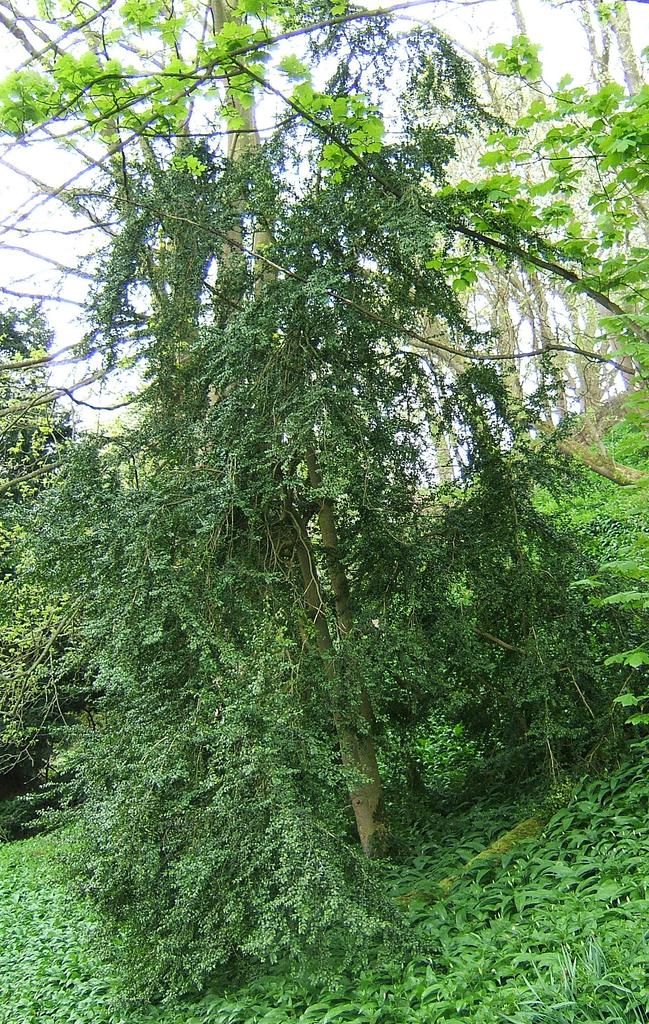
19th-century English flute made of boxwood (detail)
Slow growth of box renders the wood ("boxwood") very hard (possibly the hardest in Europe) and heavy, and free of grain produced by growth rings, making it ideal for cabinet-making, the crafting of flutes and oboes, engraving, marquetry, woodturning, tool handles, mallet heads and as a substitute for ivory; the wood is yellow in color. "Digging sticks" fashioned by Neanderthals more than 170,000 years ago in Italy were made from boxwood.The British wood-engraver Thomas Bewick pioneered the use of boxwood blocks for wood-engraving.
In Old English, a box was originally a receptacle made of boxwood. [Wikipedia]
בא לו למזרח העזרה לצפון המזבח הסגן מימינו כו':קלפי הוא כלי עץ חלול. אשכרוע קורין אותו בערבי בק"ס והוא בלשון עברי ברוש:
A kalpi is vessel made of hollowed-out wood. "Box" is called "boks" in Arabic and in Hebrew is "brosh"
בֶּן קָטִין עָשָׂה שְׁנֵים עָשָׂר דַּד לַכִּיּוֹר, שֶׁלֹּא הָיוּ לוֹ אֶלָּא שְׁנַיִם. וְאַף הוּא עָשָׂה מוּכְנִי לַכִּיּוֹר, שֶׁלֹּא יִהְיו מֵימָיו נִפְסָלִין בְּלִינָה.
מֻנְבַּז הַמֶּלֶךְ הָיָה עוֹשֶׂה כָל יְדוֹת הַכֵּלִים שֶׁל יוֹם הַכִּפּוּרִים שֶׁל זָהָב.
הִילְנִי אִמּוֹ עָשְׂתָה נִבְרֶשֶׁת שֶׁל זָהָב עַל פִּתְחוֹ שֶׁל הֵיכָל. וְאַף הִיא עָשְׂתָה טַבְלָא שֶׁל זָהָב שֶׁפָּרָשַׁת סוֹטָה כְתוּבָה עָלֶיהָ.
נִיקָנוֹר נַעֲשׂוּ נִסִּים לְדַלְתוֹתָיו, וְהָיוּ מַזְכִּירִין אוֹתוֹ לְשָׁבַח:
Ben Katin made twelve spigots for the laver, for there had been before only two. He also made a mechanism for the laver, in order that its water should not become unfit by remaining overnight.
King Monbaz had all the handles of all the vessels used on Yom HaKippurim made of gold.
His mother Helena made a golden candelabrum over the opening of the Hekhal. She also made a golden tablet, on which the portion concerning the suspected adulteress was inscribed.
Nicanor - miracles happened to his doors. And they used to mention him for praise.
King Monbaz was king of Adiabene, which is north of Israel, and is now part of Turkey. He, as well as his brother and mother, are mentioned as converts in Josephus. They ruled in the first century C.E., slightly before the destruction of the Temple. According to the mishnah, he paid to make the handles of vessels out of gold, in cases such as a knife, where the vessel itself could not be made of gold. (Joshua Kulp)
וְאֵלּוּ לִגְנַאי, שֶׁל בֵּית גַּרְמוּ לֹא רָצוּ לְלַמֵּד עַל מַעֲשֵׂה לֶחֶם הַפָּנִים.
שֶׁל בֵּית אַבְטִינָס לֹא רָצוּ לְלַמֵּד עַל מַעֲשֵׂה הַקְּטֹרֶת.
הֻגְרַס בֶּן לֵוִי הָיָה יוֹדֵעַ פֶּרֶק בַּשִּׁיר וְלֹא רָצָה לְלַמֵּד.
בֶּן קַמְצָר לֹא רָצָה לְלַמֵּד עַל מַעֲשֵׂה הַכְּתָב.
עַל הָרִאשׁוֹנִים נֶאֱמַר (משלי י), זֵכֶר צַדִּיק לִבְרָכָה. וְעַל אֵלּוּ נֶאֱמַר, וְשֵׁם רְשָׁעִים יִרְקָב:
And these shame: those of the House of Garmu did not want to teach about the preparation of the showbread.
Of the House of Avtinas did not teach to anything about the preparation of the incense.
Hugros ben Levi knew a chapter of the song but did not want to teach it.
Ben Kamtzar did not want teach anyone his art of writing.
Of the former it was said: “The memory of the righteous shall be for a blessing”; of those it was said: “And the name of the wicked shall rot.” (Proverbs 10:7)
זֵ֣כֶר צַ֭דִּיק לִבְרָכָ֑ה וְשֵׁ֖ם רְשָׁעִ֣ים יִרְקָֽב׃
The memory of the righteous shall be for a blessing and the name of the wicked shall rot.
טָרַף בַּקַּלְפִּי וְהֶעֱלָה שְׁנֵי גוֹרָלוֹת. אֶחָד כָּתוּב עָלָיו לַשֵּׁם וְאֶחָד כָּתוּב עָלָיו לַעֲזָאזֵל.
הַסְּגָן בִּימִינוֹ וְרֹאשׁ בֵּית אָב מִשְּׂמֹאלוֹ. אִם שֶׁל שֵׁם עָלָה בִימִינוֹ, הַסְּגָן אוֹמֵר לוֹ, אִישִׁי כֹהֵן גָּדוֹל, הַגְבֵּהַּ יְמִינֶךָ. וְאִם שֶׁל שֵׁם עָלָה בִשְׂמֹאלוֹ, רֹאשׁ בֵּית אָב אוֹמֵר לוֹ, אִישִׁי כֹהֵן גָּדוֹל, הַגְּבֵּהַּ שְׂמֹאלֶךָ.
נְתָנוֹ עַל שְׁנֵי הַשְּׂעִירִים וְאוֹמֵר, לַיְיָ חַטָּאת. רַבִּי יִשְׁמָעֵאל אוֹמֵר, לֹא הָיָה צָרִיךְ לוֹמַר חַטָּאת, אֶלָּא לַיְיָ.
וְהֵן עוֹנִין אַחֲרָיו, בָּרוּךְ שֵׁם כְּבוֹד מַלְכוּתוֹ לְעוֹלָם וָעֶד:
He shook the urn and brought up the two lots. On one was inscribed: “For the Lord”, and on the other: “For Azazel.”
The deputy high priest was at his right hand, the head of the family on his left. If the lot “For the Lord” came up in his right hand, the deputy high priest would say to him: “My lord High Priest, raise your right hand!” And if the lot “For the Name” came up in his left hand, the head of the family would say: “My lord High Priest, raise your left hand!”
Then he placed them on the two goats and said: “A sin-offering for the Lord!” Rabbi Ishmael said: he did not need to say, “a sin-offering”, but just “for the Lord.”
And they answered after him: “Blessed be the name of His glorious kingdom for ever and ever!”
לְכוּ־נָ֛א וְנִוָּכְחָ֖ה יֹאמַ֣ר יְהֹוָ֑ה אִם־יִהְי֨וּ חֲטָאֵיכֶ֤ם כַּשָּׁנִים֙ כַּשֶּׁ֣לֶג יַלְבִּ֔ינוּ אִם־יַאְדִּ֥ימוּ כַתּוֹלָ֖ע כַּצֶּ֥מֶר יִֽהְיֽוּ׃
Come now, and let us reason together, says the LORD; Though your sins be as scarlet, they shall be as white as snow; though they be red like crimson, they shall be as wool.”
קָשַׁר לָשׁוֹן שֶׁל זְהוֹרִית בְּרֹאשׁ שָׂעִיר הַמִּשְׁתַּלֵּחַ וְהֶעֱמִידוֹ כְנֶגֶד בֵּית שִׁלּוּחוֹ, וְלַנִּשְׁחָט כְּנֶגֶד בֵּית שְׁחִיטָתוֹ.
בָּא לוֹ אֵצֶל פָּרוֹ שְׁנִיָּה, וְסוֹמֵךְ שְׁתֵּי יָדָיו עָלָיו וּמִתְוַדֶּה. וְכָךְ הָיָה אוֹמֵר, אָנָּא הַשֵּׁם, עָוִיתִי פָּשַׁעְתִּי חָטָאתִי לְפָנֶיךָ אֲנִי וּבֵיתִי וּבְנֵי אַהֲרֹן עַם קְדוֹשֶׁיךָ. אָנָּא הַשֵּׁם, כַּפֶּר נָא . . . . . . [לָעֲוֹנוֹת וְלַפְּשָׁעִים וְלַחֲטָאִים, שֶׁעָוִיתִי וְשֶׁפָּשַׁעְתִּי וְשֶׁחָטָאתִי לְפָנֶיךָ אֲנִי וּבֵיתִי וּבְנֵי אַהֲרֹן עַם קְדוֹשֶׁךָ,
כַּכָּתוּב בְּתוֹרַת משֶׁה עַבְדֶּךָ (ויקרא טז), כִּי בַיּוֹם הַזֶּה יְכַפֵּר עֲלֵיכֶם לְטַהֵר אֶתְכֶם מִכֹּל חַטֹּאתֵיכֶם לִפְנֵי יְיָ תִּטְהָרוּ.
וְהֵן עוֹנִין אַחֲרָיו, בָּרוּךְ שֵׁם כְּבוֹד מַלְכוּתוֹ לְעוֹלָם וָעֶד:]
He bound a thread of crimson wool onto the head of the goat which was to be sent away, and he stood it opposite the gate where it was to be sent away, and onto the one that was to be slaughtered at the place of the slaughtering.
He came to his bull a second time, pressed his two hands upon it and made confession. And thus he would say: “Please, O Lord! I have done wrong, I have transgressed, I have sinned before You, I and my house and the sons of Aaron Your holy people. Please, O Lord forgive! . . . [the wrongdoings, the transgressions, the sins which I have committed and transgressed and sinned before You, I and my house and the sons of Aaron Your holy people,
as it is written in the Torah of Moses Your servant: “For on this day . . . [shall atonement be made for you to cleanse you of all your sins; you shall be clean before the Lord” (Leviticus 16:30).
And they answer after him: “Blessed be the name of His glorious kingdom for ever and ever!”]
שְׁחָטוֹ וְקִבֵּל בַּמִּזְרָק אֶת דָּמוֹ, וּנְתָנוֹ לְמִי שֶׁהוּא מְמָרֵס בּוֹ עַל הָרֹבֶד הָרְבִיעִי שֶׁבַּהֵיכָל, כְּדֵי שֶׁלֹּא יִקְרֹשׁ.
נָטַל מַחְתָּה וְעָלָה לְרֹאשׁ הַמִּזְבֵּחַ, וּפִנָּה גֶחָלִים אֵילָךְ וְאֵילָךְ, וְחוֹתֶה מִן הַמְעֻכָּלוֹת הַפְּנִימִיּוֹת, וְיָרַד וְהִנִּיחָהּ עַל הָרֹבֶד הָרְבִיעִי שֶׁבָּעֲזָרָה:
He killed it [the bull] and received its blood in a bowl, and he gave it to the one who stirs it up on the fourth pavement within the sanctuary so that it should not congeal.
He took the coal-pan and went up to the top of the altar, and cleared the coals to both sides, and scoop up from the inner embers, and he came down and placed it on the fourth pavement in the Temple Court.
בְּכָל יוֹם הָיָה חוֹתֶה בְּשֶׁל כֶּסֶף וּמְעָרֶה בְתוֹךְ שֶׁל זָהָב, וְהַיּוֹם חוֹתֶה בְשֶׁל זָהָב וּבָהּ הָיָה מַכְנִיס.
בְּכָל יוֹם חוֹתֶה בְשֶׁל אַרְבַּעַת קַבִּין וּמְעָרֶה בְתוֹךְ שֶׁל שְׁלשֶׁת קַבִּין, וְהַיּוֹם חוֹתֶה בְשֶׁל שְׁלשֶׁת קַבִּין, וּבָהּ הָיָה מַכְנִיס.
רַבִּי יוֹסֵי אוֹמֵר, בְּכָל יוֹם חוֹתֶה בְשֶׁל סְאָה וּמְעָרֶה בְתוֹךְ שֶׁל שְׁלשֶׁת קַבִּין, וְהַיּוֹם חוֹתֶה בְשֶׁל שְׁלשֶׁת קַבִּין, וּבָהּ הָיָה מַכְנִיס.
בְּכָל יוֹם הָיְתָה כְבֵדָה, וְהַיּוֹם קַלָּה.
בְּכָל יוֹם הָיְתָה יָדָהּ קְצָרָה, וְהַיּוֹם אֲרֻכָּה.
בְּכָל יוֹם הָיָה זְהָבָהּ יָרוֹק, וְהַיּוֹם אָדֹם, דִּבְרֵי רַבִּי מְנַחֵם.
בְּכָל יוֹם מַקְרִיב פְּרָס בְּשַׁחֲרִית וּפְרָס בֵּין הָעַרְבַּיִם, וְהַיּוֹם מוֹסִיף מְלֹא חָפְנָיו.
בְּכָל יוֹם הָיְתָה דַקָּה, וְהַיּוֹם דַּקָּה מִן הַדַּקָּה:
On other days he would scoop up with silver coal-pan, and pour it into gold, but this day he scooped up with a golden one and in it he brought them in.
On other days he would scoop up with one of four kabs, and empty it into one containing three kabs, but this day hescooped up with one of three kabs, and in it he brought them in.
Rabbi Yose says: on other days he would scooped up with one containing one se’ah [six kabs], and empty it into one containing three kabs, this day he took them out with one containing three kabs, and in it he brought them in.
On other days the pan was heavy, today it was light.
On other days its handle was short, today it was long.
On other days it was of greenish gold, today of reddish gold, according to Rabbi Menahem.
On other days he would offer a pras in the morning and a pras in the afternoon, today he would two handfuls.
On other days it was finely ground, but today it was the finest of the finest.
וְעָשִׂ֤יתָ אֹתָהּ֙ קְטֹ֔רֶת רֹ֖קַח מַעֲשֵׂ֣ה רוֹקֵ֑חַ מְמֻלָּ֖ח טָה֥וֹר קֹֽדֶשׁ׃ וְשָֽׁחַקְתָּ֣ מִמֶּ֘נָּה֮ הָדֵק֒ וְנָתַתָּ֨ה מִמֶּ֜נָּה לִפְנֵ֤י הָעֵדֻת֙ בְּאֹ֣הֶל מוֹעֵ֔ד אֲשֶׁ֛ר אִוָּעֵ֥ד לְךָ֖ שָׁ֑מָּה קֹ֥דֶשׁ קׇֽדָשִׁ֖ים תִּהְיֶ֥ה לָכֶֽם׃
And thou shalt make of it incense, a perfume after the art of the perfumer, seasoned with salt, pure and holy.
And thou shalt beat some of it very small, and put of it before the testimony in the tent of meeting, where I will meet with thee; it shall be unto you most holy. .
בְּכָל יוֹם כֹּהֲנִים עוֹלִים בְּמִזְרָחוֹ שֶׁל כֶּבֶשׁ וְיוֹרְדִין בְּמַעֲרָבוֹ, וְהַיּוֹם כֹּהֵן גָּדוֹל עוֹלֶה בָאֶמְצַע וְיוֹרֵד בָּאֶמְצַע.
רַבִּי יְהוּדָה אוֹמֵר, לְעוֹלָם כֹּהֵן גָּדוֹל עוֹלֶה בָאֶמְצַע וְיוֹרֵד בָּאֶמְצַע.
בְּכָל יוֹם כֹּהֵן גָּדוֹל מְקַדֵּשׁ יָדָיו וְרַגְלָיו מִן הַכִּיּוֹר, וְהַיּוֹם מִן הַקִּיתוֹן שֶׁל זָהָב.
רַבִּי יְהוּדָה אוֹמֵר, לְעוֹלָם כֹּהֵן גָּדוֹל מְקַדֵּשׁ יָדָיו וְרַגְלָיו מִן הַקִּיתוֹן שֶׁל זָהָב:
On other days the priests would go up on the east side of the ramp and come down on the west side, but this day the high priest goes up in the middle and comes down in the middle.
Rabbi Judah says: the high priest always goes up in the middle and comes down in the middle.
On other days the high priest sanctified his hands and feet from the laver, but this day from a golden ladle.
Rabbi Judah says: the high priest always sanctifies his hands and feet from a golden ladle.
בְּכָל יוֹם הָיוּ שָׁם אַרְבַּע מַעֲרָכוֹת, וְהַיּוֹם חָמֵשׁ, דִּבְרֵי רַבִּי מֵאִיר.
רַבִּי יוֹסֵי אוֹמֵר, בְּכָל יוֹם שָׁלשׁ, וְהַיּוֹם אַרְבַּע.
רַבִּי יְהוּדָה אוֹמֵר, בְּכָל יוֹם שְׁתַּיִם, וְהַיּוֹם שָׁלשׁ:
On other days there were four wood-piles there, but on this day five, the words of Rabbi Meir.
Rabbi Yose says: on other days three, but on this day four.
Judah says: on other days two, but on this day three.
הוֹצִיאוּ לוֹ אֶת הַכַּף וְאֶת הַמַּחְתָּה, וְחָפַן מְלֹא חָפְנָיו וְנָתַן לְתוֹךְ הַכַּף, הַגָּדוֹל לְפִי גָדְלוֹ, וְהַקָּטָן לְפִי קָטְנוֹ, וְכָךְ הָיְתָה מִדָּתָהּ.
נָטַל אֶת הַמַּחְתָּה בִּימִינוֹ וְאֶת הַכַּף בִּשְׂמֹאלוֹ. הָיָה מְהַלֵּךְ בַּהֵיכָל, עַד שֶׁמַּגִּיעַ לְבֵין שְׁתֵּי הַפָּרֹכוֹת הַמַּבְדִּילוֹת בֵּין הַקֹּדֶשׁ וּבֵין קֹדֶשׁ הַקָּדָשִׁים, וּבֵינֵיהֶן אַמָּה.
רַבִּי יוֹסֵי אוֹמֵר, לֹא הָיְתָה שָׁם אֶלָּא פָרֹכֶת אַחַת בִּלְבָד, שֶׁנֶּאֱמַר (שמות כו), וְהִבְדִּילָה הַפָּרֹכֶת לָכֶם בֵּין הַקֹּדֶשׁ וּבֵין קֹדֶשׁ הַקָּדָשִׁים.
הַחִיצוֹנָה הָיְתָה פְרוּפָה מִן הַדָּרוֹם, וְהַפְּנִימִית מִן הַצָּפוֹן. מְהַלֵּךְ בֵּינֵיהֶן, עַד שֶׁמַּגִּיעַ לַצָּפוֹן. הִגִּיעַ לַצָּפוֹן, הוֹפֵךְ פָּנָיו לַדָּרוֹם, מְהַלֵּךְ לִשְׂמֹאלוֹ עִם הַפָּרֹכֶת עַד שֶׁהוּא מַגִּיעַ לָאָרוֹן.
הִגִּיעַ לָאָרוֹן. נוֹתֵן אֶת הַמַּחְתָּה בֵּין שְׁנֵי הַבַּדִּים. צָבַר אֶת הַקְּטֹרֶת עַל גַּבֵּי גֶחָלִים, וְנִתְמַלֵּא כָל הַבַּיִת כֻּלּוֹ עָשָׁן.
יָצָא וּבָא לוֹ בְדֶרֶךְ בֵּית כְּנִיסָתוֹ, וּמִתְפַּלֵּל תְּפִלָּה קְצָרָה בַּבַּיִת הַחִיצוֹן, וְלֹא הָיָה מַאֲרִיךְ בִּתְפִלָּתוֹ, שֶׁלֹּא לְהַבְעִית אֶת יִשְׂרָאֵל:
They brought out to him the ladle and the pan and he took two hands full and put it into the ladle, a large according to his size, a small one according to his size and thus was its measure.
He took the pan in his right hand and the ladle in his left hand. He walked through the Hechal until he came to the place between the two curtains which separated the Holy from the Holy of Holies; between them was one cubit.
Rabbi Yose says: there was but one curtain, as it is said: “And the curtain shall serve you as a partition between the Holy and the Holy of Holies” (Exodus 26:33).
The outer curtain was looped on the south side and the inner curtain on the north side. He walked along between them until he reached the north side. When he reached the north side he turned round to the south and went on along the curtain, to his left, until he reached the Ark.
When he reached the Ark he put the pan of burning coals between the two poles. He heaped up the incense upon the coals and the whole house became full with smoke.
He came out by the way he entered and in the outer house he uttered a short prayer. He did not make the prayer long so as not to frighten Israel.
מִשֶּׁנִּטַּל הָאָרוֹן, אֶבֶן הָיְתָה שָׁם מִימוֹת נְבִיאִים רִאשׁוֹנִים, וּשְׁתִיָּה הָיְתָה נִקְרֵאת, גְּבוֹהָה מִן הָאָרֶץ שָׁלשׁ אֶצְבָּעוֹת, וְעָלֶיהָ הָיָה נוֹתֵן:
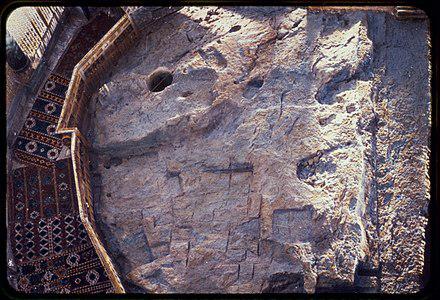
After the Ark had been taken away, there was a stone from the days of the earlier prophets, called “shtiyah”, three fingers above the ground, on which he would place it.
Photograph of the stone which currently sits in the middle of the Dome of the Rock mosque on Temple Mount.
וְנָתַ֧ן אֶֽת־הַקְּטֹ֛רֶת עַל־הָאֵ֖שׁ לִפְנֵ֣י יְהֹוָ֑ה וְכִסָּ֣ה ׀ עֲנַ֣ן הַקְּטֹ֗רֶת אֶת־הַכַּפֹּ֛רֶת אֲשֶׁ֥ר עַל־הָעֵד֖וּת וְלֹ֥א יָמֽוּת׃
וְלָקַח֙ מִדַּ֣ם הַפָּ֔ר וְהִזָּ֧ה בְאֶצְבָּע֛וֹ עַל־פְּנֵ֥י הַכַּפֹּ֖רֶת קֵ֑דְמָה וְלִפְנֵ֣י הַכַּפֹּ֗רֶת יַזֶּ֧ה שֶֽׁבַע־פְּעָמִ֛ים מִן־הַדָּ֖ם בְּאֶצְבָּעֽוֹ׃
וְשָׁחַ֞ט אֶת־שְׂעִ֤יר הַֽחַטָּאת֙ אֲשֶׁ֣ר לָעָ֔ם וְהֵבִיא֙ אֶת־דָּמ֔וֹ אֶל־מִבֵּ֖ית לַפָּרֹ֑כֶת וְעָשָׂ֣ה אֶת־דָּמ֗וֹ כַּאֲשֶׁ֤ר עָשָׂה֙ לְדַ֣ם הַפָּ֔ר וְהִזָּ֥ה אֹת֛וֹ עַל־הַכַּפֹּ֖רֶת וְלִפְנֵ֥י הַכַּפֹּֽרֶת׃
וְכִפֶּ֣ר עַל־הַקֹּ֗דֶשׁ מִטֻּמְאֹת֙ בְּנֵ֣י יִשְׂרָאֵ֔ל וּמִפִּשְׁעֵיהֶ֖ם לְכׇל־חַטֹּאתָ֑ם וְכֵ֤ן יַעֲשֶׂה֙ לְאֹ֣הֶל מוֹעֵ֔ד הַשֹּׁכֵ֣ן אִתָּ֔ם בְּת֖וֹךְ טֻמְאֹתָֽם׃
And he shall put the incense upon the fire before the LORD, that the cloud of the incense may cover the ark-cover that is upon the testimony, that he die not.
And he shall take of the blood of the bullock, and sprinkle it with his finger upon the ark-cover on the east; and before the ark-cover shall he sprinkle of the blood with his finger seven times.
Then shall he kill the goat of the sin-offering, that is for the people, and bring his blood within the veil, and do with his blood as he did with the blood of the bullock, and sprinkle it upon the ark-cover, and before the ark-cover.
And he shall make atonement for the holy place, because of the uncleannesses of the children of Israel, and because of their transgressions, even all their sins; and so shall he do for the tent of meeting, that dwelleth with them in the midst of their uncleannesses.
נָטַל אֶת הַדָּם מִמִּי שֶׁהָיָה מְמָרֵס בּוֹ, נִכְנַס לַמָּקוֹם שֶׁנִּכְנַס, וְעָמַד בַּמָּקוֹם שֶׁעָמַד, וְהִזָּה מִמֶּנּוּ אַחַת לְמַעְלָה וְשֶׁבַע לְמַטָּה, וְלֹא הָיָה מִתְכַּוֵּן לְהַזּוֹת לֹא לְמַעְלָה וְלֹא לְמַטָּה, אֶלָּא כְמַצְלִיף.
וְכָךְ הָיָה מוֹנֶה, אַחַת, אַחַת וְאַחַת, אַחַת וּשְׁתַּיִם, אַחַת וְשָׁלשׁ, אַחַת וְאַרְבַּע, אַחַת וְחָמֵשׁ, אַחַת וָשֵׁשׁ, אַחַת וָשֶׁבַע. יָצָא וְהִנִּיחוֹ עַל כַּאַן הַזָּהָב שֶׁבַּהֵיכָל:
He would take the blood from the one who was stirring it, and enter into the place where he had entered, and stand on the place on which he had stood, and sprinkle once upwards and seven times downwards, and he wouldn’t intend to sprinkle either upwards nor downwards but rather like one who cracks a whip.
And thus would he count: one, one and one, one and two, one and three, one and four, one and five, one and six, one and seven. Then he would go out and put it on the golden stand in the sanctuary.
הֵבִיאוּ לוֹ אֶת הַשָּׂעִיר, שְׁחָטוֹ וְקִבֵּל בַּמִּזְרָק אֶת דָּמוֹ. נִכְנַס לִמְקוֹם שֶׁנִּכְנַס, וְעָמַד בִּמְקוֹם שֶׁעָמַד, וְהִזָּה מִמֶּנּוּ אַחַת לְמַעְלָה וְשֶׁבַע לְמַטָּה, וְלֹא הָיָה מִתְכַּוֵּן לְהַזּוֹת לֹא לְמַעְלָה וְלֹא לְמַטָּה, אֶלָּא כְמַצְלִיף.
וְכָךְ הָיָה מוֹנֶה . . . .
יָצָא וְהִנִּיחוֹ עַל כַּאַן הַשֵּׁנִי שֶׁהָיָה בַהֵיכָל. רַבִּי יְהוּדָה אוֹמֵר, לֹא הָיָה שָׁם אֶלָּא כַּאַן אֶחָד בִּלְבָד.
נָטַל דַּם הַפָּר וְהִנִּיחַ דַּם הַשָּׂעִיר, וְהִזָּה מִמֶּנּוּ עַל הַפָּרֹכֶת שֶׁכְּנֶגֶד הָאָרוֹן מִבַּחוּץ, אַחַת לְמַעְלָה וְשֶׁבַע לְמַטָּה, וְלֹא הָיָה מִתְכַּוֵּן לְהַזּוֹת לֹא לְמַעְלָה וְלֹא לְמַטָּה, אֶלָּא כְמַצְלִיף.
וְכָךְ הָיָה מוֹנֶה . . . .
נָטַל דַּם הַשָּׂעִיר וְהִנִּיחַ דַּם הַפָּר, וְהִזָּה מִמֶּנּוּ עַל הַפָּרֹכֶת שֶׁכְּנֶגֶד הָאָרוֹן מִבַּחוּץ, אַחַת לְמַעְלָה וְשֶׁבַע לְמַטָּה, וְלֹא הָיָה מִתְכַּוֵּן לְהַזּוֹת לֹא לְמַעְלָה וְלֹא לְמַטָּה, אֶלָּא כְמַצְלִיף.
וְכָךְ הָיָה מוֹנֶה . . . .
עֵרָה דַם הַפָּר לְתוֹךְ דַּם הַשָּׂעִיר, וְנָתַן אֶת הַמָּלֵא בָרֵיקָן:
They would bring him the goat. He would slay it and receive its blood in a bowl. He entered into the place where he had entered, and stood on the place on which he had stood, and sprinkled once upwards and seven times downwards, and he wouldn’t intend to sprinkle either upwards or downwards but rather like one who cracks a whip.
And thus would he count: . . . .
Then he would go out and place it on the second stand in the Hekhal. Rabbi Judah said: there was only one golden stand there.
He would take the blood of the bull and put down the blood of the goat, and sprinkle from it upon the curtains facing the Ark outside, once upwards, seven times downward, aiming to sprinkle neither upwards nor downwards, and he wouldn’t intend to sprinkle either upwards or downwards but rather like one who cracks a whip.
And thus would he count . . . .
Then he would take the blood of the goat, and put down the blood of the bull, and sprinkle from it upon the curtain facing the ark outside once upwards, seven times downwards
And thus would he count . . . . .
Then he would pour the blood of the bull into the blood of the goat emptying the full vessel into the empty one.
וְיָצָ֗א אֶל־הַמִּזְבֵּ֛חַ אֲשֶׁ֥ר לִפְנֵֽי־יְהֹוָ֖ה וְכִפֶּ֣ר עָלָ֑יו וְלָקַ֞ח מִדַּ֤ם הַפָּר֙ וּמִדַּ֣ם הַשָּׂעִ֔יר וְנָתַ֛ן עַל־קַרְנ֥וֹת הַמִּזְבֵּ֖חַ סָבִֽיב׃
וְהִזָּ֨ה עָלָ֧יו מִן־הַדָּ֛ם בְּאֶצְבָּע֖וֹ שֶׁ֣בַע פְּעָמִ֑ים וְטִהֲר֣וֹ וְקִדְּשׁ֔וֹ מִטֻּמְאֹ֖ת בְּנֵ֥י יִשְׂרָאֵֽל׃
וְכִלָּה֙ מִכַּפֵּ֣ר אֶת־הַקֹּ֔דֶשׁ וְאֶת־אֹ֥הֶל מוֹעֵ֖ד וְאֶת־הַמִּזְבֵּ֑חַ וְהִקְרִ֖יב אֶת־הַשָּׂעִ֥יר הֶחָֽי׃
And he shall go out unto the altar that is before the LORD, and make atonement for it; and shall take of the blood of the bullock, and of the blood of the goat, and put it upon the horns of the altar round about.
And he shall sprinkle of the blood upon it with his finger seven times, and cleanse it, and hallow it from the uncleannesses of the children of Israel.
And when he hath made an end of atoning for the holy place, and the tent of meeting, and the altar, he shall present the live goat.
וְעָשִׂ֥יתָ מִזְבֵּ֖חַ מִקְטַ֣ר קְטֹ֑רֶת עֲצֵ֥י שִׁטִּ֖ים תַּעֲשֶׂ֥ה אֹתֽוֹ׃
You shall make an altar for burning incense; make it of acacia wood.
וְהִקְטִ֥יר עָלָ֛יו אַהֲרֹ֖ן קְטֹ֣רֶת סַמִּ֑ים בַּבֹּ֣קֶר בַּבֹּ֗קֶר בְּהֵיטִיב֛וֹ אֶת־הַנֵּרֹ֖ת יַקְטִירֶֽנָּה׃
On it Aaron shall burn aromatic incense: he shall burn it every morning when he tends the lamps,
וּבְהַעֲלֹ֨ת אַהֲרֹ֧ן אֶת־הַנֵּרֹ֛ת בֵּ֥ין הָעַרְבַּ֖יִם יַקְטִירֶ֑נָּה קְטֹ֧רֶת תָּמִ֛יד לִפְנֵ֥י יְהֹוָ֖ה לְדֹרֹתֵיכֶֽם׃
and Aaron shall burn it at twilight when he lights the lamps—a regular incense offering before the Lord throughout the ages.
וְיָצָא אֶל הַמִּזְבֵּחַ אֲשֶׁר לִפְנֵי יְיָ, זֶה מִזְבַּח הַזָּהָב.
הִתְחִיל מְחַטֵּא וְיוֹרֵד. מֵהֵיכָן הוּא מַתְחִיל, מִקֶּרֶן מִזְרָחִית צְפוֹנִית, צְפוֹנִית מַעֲרָבִית, מַעֲרָבִית דְּרוֹמִית, דְּרוֹמִית מִזְרָחִית.
מְקוֹם שֶׁהוּא מַתְחִיל בַּחַטָּאת עַל מִזְבֵּחַ הַחִיצוֹן, מִשָּׁם הָיָה גוֹמֵר עַל מִזְבֵּחַ הַפְּנִימִי.
רַבִּי אֱלִיעֶזֶר אוֹמֵר, בִּמְקוֹמוֹ הָיָה עוֹמֵד וּמְחַטֵּא.
וְעַל כֻּלָּן הָיָה נוֹתֵן מִלְּמַטָּה לְמַעְלָה, חוּץ מִזּוֹ שֶׁהָיְתָה לְפָנָיו, שֶׁעָלֶיהָ הָיָה נוֹתֵן מִלְמַעְלָה לְמָטָּה:
“And he shall go out to the altar that is before the Lord” - that is the golden altar.
He begins to purify and goes down. From where does he begin? From the north-east horn, north-west, south-west, then the south-east.
From the place where he begins a sin-offering on the outer altar, there he completes on the inner altar.
Rabbi Eliezer says: he remained in his place and sprinkled.
And on every horn he would sprinkle from below upwards, with the exception of the horn at which he was standing, which he would sprinkle from above downwards.
חטי, חָטָא, חָטָה I [to stroll idly, saunter (v. Fl. to Levy Targ. Dict. I, 4242),] to live in luxury, to be like a nobleman, to be well-dressed, clean &c. (cmp. פנק, פרנק). Pi. - חִטֵּא, חִטָּה to make look well, polish, dress, cleanse, prepare. Ḥull. 27ᵃ (play on וש̇ח̇ט̇, Lev. I, 5) ממקום שש̇ח̇ חַטֵֹּהוּ from the place where the animal bends (its head, the front of the neck), cleanse it (let its blood run out). Ib. ממאי דהאי חטהו לישנא דדכויי הוא how can you prove that this ḥattehu has the meaning of cleansing?—Ib. ממקום שס̇ח̇ ח̇ט̇הו from where it utters sound, cleanse it. [Cant. R. to VII, 2, v. infra.]
חטי, חָטָא II (b. h.) [to miss,] to fail, err, sin. Yoma IV, 2, sq. Ber. 17ᵃ; a. fr. R. Hash. 26ᵃ חוֹטֵא בל יקריב he that sinned (with gold by making the golden calf) shall not bring nigh (the gold, enter with gold garments); ח׳ בל יתגאה he that sinned (with gold) shall not parade himself (with it).—Keth. 11ᵃ שלא יהא חוטא נשכר that the sinner may not profit by his sin; Yeb. 92ᵇ; a. e. Pi. - חִטֵּא to expiate (cleanse from sin, v. חָטָא I). Yoma V, 5 (58ᵇ) מְחַטֵּא ויורד he expiates (sprinkles) and goes down (sprinkling downward; Rashi: moves his arm downward). Ib. במקומו היה עומד ומח׳ he remained in his place and sprinkled. Zeb. 53ᵃ
הִזָּה עַל טָהֳרוֹ שֶׁל מִזְבֵּחַ שֶׁבַע פְּעָמִים, וּשְׁיָרֵי הַדָּם הָיָה שׁוֹפֵךְ עַל יְסוֹד מַעֲרָבִי שֶׁל מִזְבֵּחַ הַחִיצוֹן, וְשֶׁל מִזְבֵּחַ הַחִיצוֹן הָיָה שׁוֹפֵךְ עַל יְסוֹד דְּרוֹמִי.
אֵלּוּ וָאֵלּוּ מִתְעָרְבִין בָּאַמָּה וְיוֹצְאִין לְנַחַל קִדְרוֹן, וְנִמְכָּרִין לַגַּנָּנִין לְזֶבֶל, וּמוֹעֲלִין בָּהֶן:
Then he sprinkled the surface of the altar seven times. And he would pour out the remainder of the blood at the western base of the outer altar. And of the outer altar he poured out at the southern base.
Both mingled in the aqueduct and flowed into Nahal Kidron, and they were sold to gardeners as manure and the law of me'ilah applies to it.
כָּל מַעֲשֵׂה יוֹם הַכִּפּוּרִים הָאָמוּר עַל הַסֵּדֶר, אִם הִקְדִּים מַעֲשֶׂה לַחֲבֵרוֹ, לֹא עָשָׂה כְלוּם.
הִקְדִּים דַּם הַשָּׂעִיר לְדַם הַפָּר, יַחֲזֹר וְיַזֶּה מִדַּם הַשָּׂעִיר לְאַחַר דַּם הַפָּר.
וְאִם עַד שֶׁלֹּא גָמַר אֶת הַמַּתָּנוֹת שֶׁבִּפְנִים נִשְׁפַּךְ הַדָּם, יָבִיא דָם אַחֵר וְיַחֲזֹר וְיַזֶּה בַתְּחִלָּה בִּפְנִים. וְכֵן בַּהֵיכָל, וְכֵן בְּמִזְבַּח הַזָּהָב, שֶׁכֻּלָּן כַּפָּרָה בִפְנֵי עַצְמָן.
רַבִּי אֶלְעָזָר וְרַבִּי שִׁמְעוֹן אוֹמְרִים, מִמְּקוֹם שֶׁפָּסַק, מִשָּׁם הוּא מַתְחִיל:
With every act of Yom Kippur mentioned in the prescribed order: if performed before its fellow, it is as if it he had done nothing at all.
If he dealt with the blood of the goat before the blood of the bull, he must start over again, and sprinkle the blood of the goat after the blood of the bull.
If, before he had finished the sprinklings within, the blood was spilled away, he must bring other blood, and start over again and sprinkle again within. Similarly in the Hekhal and the golden altar, since they are each a separate act of atonement.
Rabbi Elazar and Rabbi Shimon say: wherever he stopped, there he may begin again.
שְׁנֵי שְׂעִירֵי יוֹם הַכִּפּוּרִים, מִצְוָתָן שֶׁיִּהְיוּ שְׁנֵיהֶן שָׁוִין בְּמַרְאֶה וּבְקוֹמָה וּבְדָמִים וּבִלְקִיחָתָן כְּאֶחָד.
אַף עַל פִּי שֶׁאֵינָן שָׁוִין, כְּשֵׁרִין. לָקַח אֶחָד הַיּוֹם וְאֶחָד לְמָחָר, כְּשֵׁרִין.
מֵת אֶחָד מֵהֶן, אִם עַד שֶׁלֹּא הִגְרִיל מֵת, יִקַּח זוּג לַשֵּׁנִי. וְאִם מִשֶּׁהִגְרִיל מֵת, יָבִיא זוּג אַחֵר וְיַגְרִיל עֲלֵיהֶם בַּתְּחִלָּה, וְיֹאמַר, אִם שֶׁלַשֵּׁם מֵת, זֶה שֶׁעָלָה עָלָיו הַגּוֹרָל לַשֵּׁם יִתְקַיֵּם תַּחְתָּיו. וְאִם שֶׁלַעֲזָאזֵל מֵת, זֶה שֶׁעָלָה עָלָיו הַגּוֹרָל לַעֲזָאזֵל יִתְקַיֵּם תַּחְתָּיו.
וְהַשֵּׁנִי יִרְעֶה עַד שֶׁיִּסְתָּאֵב, וְיִמָּכֵר וְיִפְּלוּ דָמָיו לִנְדָבָה, שֶׁאֵין חַטַּאת צִבּוּר מֵתָה.
רַבִּי יְהוּדָה אוֹמֵר, תָּמוּת. וְעוֹד אָמַר רַבִּי יְהוּדָה, נִשְׁפַּךְ הַדָּם, יָמוּת הַמִּשְׁתַּלֵּחַ. מֵת הַמִּשְׁתַּלֵּחַ, יִשָּׁפֵךְ הַדָּם:
The two goats of Yom Kippur: it is a requirement that they be equal in appearance, in size, in value, and that they be bought at the same time.
But if they are not alike they are still valid. If he bought one today and the other tomorrow, they are valid.
If one of them died before the lot was cast another pair is bought for the second. But if after the lot was cast, another pair must be bought and he must cast lots for them over again. If the one ‘For Hashem’ died, he should say: “This one upon which the lot ‘For Hashem’ has fallen stands in its stead.” And if the one that was ‘For Azazel’ died he should say: “This one upon which the lot ‘For Azazel’ has fallen stands in its stead.” The other one is left to pasture until it becomes blemished and it is to be sold and its value goes for voluntary offerings, for the sin-offering of the congregation is not to be left to die.
Rabbi Judah says: it is left to die. Furthermore Rabbi Judah said: if the blood was poured away, the goat which is to be sent away is left to die. If the goat to be sent away dies, the blood is poured away.
בָּא לוֹ אֵצֶל שָׂעִיר הַמִּשְׁתַּלֵּחַ וְסוֹמֵךְ שְׁתֵּי יָדָיו עָלָיו וּמִתְוַדֶּה. וְכָךְ הָיָה אוֹמֵר, אָנָּא הַשֵּׁם, עָווּ פָּשְׁעוּ חָטְאוּ לְפָנֶיךָ עַמְּךָ בֵּית יִשְׂרָאֵל. אָנָּא בַּשֵּׁם . . .
[כַּפֶּר נָא לָעֲוֹנוֹת וְלַפְּשָׁעִים וְלַחֲטָאִים, שֶׁעָווּ וְשֶׁפָּשְׁעוּ וְשֶׁחָטְאוּ לְפָנֶיךָ עַמְּךָ בֵּית יִשְׂרָאֵל, כַּכָּתוּב בְּתוֹרַת משֶׁה עַבְדֶּךָ לֵאמֹר (ויקרא טז), כִּי בַיּוֹם הַזֶּה יְכַפֵּר עֲלֵיכֶם לְטַהֵר אֶתְכֶם מִכֹּל חַטֹּאתֵיכֶם לִפְנֵי יְיָ תִּטְהָרוּ. וְהַכֹּהֲנִים וְהָעָם הָעוֹמְדִים בָּעֲזָרָה, כְּשֶׁהָיוּ שׁוֹמְעִים שֵׁם הַמְפֹרָשׁ שֶׁהוּא יוֹצֵא מִפִּי כֹהֵן גָּדוֹל, הָיוּ כּוֹרְעִים וּמִשְׁתַּחֲוִים וְנוֹפְלִים עַל פְּנֵיהֶם, וְאוֹמְרִים, בָּרוּךְ שֵׁם כְּבוֹד מַלְכוּתוֹ לְעוֹלָם וָעֶד:
He came to the scapegoat and pressed his two hands upon it and confessed. And thus he would say: “Please, O Lord! They have done wrong, they have transgressed, they have sinned before You, Your people the House of Israel. Please, in the name of the Lord! . . . .
[Forgive the wrongdoings, the transgressions, the sins which your people, the House of Israel, have committed and transgressed and sinned before You, as it is written in the torah of Moses Your servant: “For on this day shall atonement be made for you [to cleanse you of all your sins; you shall be clean before the Lord”] (Leviticus 16:30). And the priests and the people standing in the courtyard, when they would hear God’s name explicated coming out of the high priest’s mouth, would bend their knees, bow down and fall on their faces and say “Blessed be the name of His glorious kingdom for ever and ever!”
מְסָרוֹ לְמִי שֶׁהָיָה מוֹלִיכוֹ. הַכֹּל כְּשֵׁרִין לְהוֹלִיכוֹ, אֶלָּא שֶׁעָשׂוּ הַכֹּהֲנִים גְּדוֹלִים קֶבַע וְלֹא הָיוּ מַנִּיחִין אֶת יִשְׂרָאֵל לְהוֹלִיכוֹ. אָמַר רַבִּי יוֹסֵי, מַעֲשֶׂה וְהוֹלִיכוֹ עַרְסְלָא, וְיִשְׂרָאֵל הָיָה:
They handed it over to him who was to lead it away. All were fit to lead it away, but the priests made a fixed rule not to permit an Israelite to lead it away. Rabbi Yose said: it once happened that Arsela led it away, although he was an Israelite.
וְנָשָׂ֨א הַשָּׂעִ֥יר עָלָ֛יו אֶת־כׇּל־עֲוֺנֹתָ֖ם אֶל־אֶ֣רֶץ גְּזֵרָ֑ה וְשִׁלַּ֥ח אֶת־הַשָּׂעִ֖יר בַּמִּדְבָּֽר׃
And the goat shall carry on him all their sins to a cut-off land; and he shall let send the goat away in the desert.
וְכֶבֶשׁ עָשׂוּ לוֹ מִפְּנֵי הַבַּבְלִיִּים, שֶׁהָיוּ מְתַלְּשִׁים בִּשְׂעָרוֹ, וְאוֹמְרִים לוֹ, טֹל וָצֵא, טֹל וָצֵא.
מִיַּקִּירֵי יְרוּשָׁלַיִם הָיוּ מְלַוִּין אוֹתוֹ עַד סֻכָּה הָרִאשׁוֹנָה. עֶשֶׂר סֻכּוֹת מִירוּשָׁלַיִם וְעַד צוּק, תִּשְׁעִים רִיס, שִׁבְעָה וּמֶחֱצָה לְכָל מִיל:
And they made a ramp for him [it?] because of the Babylonians, who would pull his hair, saying to him: “Take it and go, take it and go.”
Some of the important people of Jerusalem would accompany him up to the first booth. There were ten booths from Jerusalem to Tzuk, that is ninety ris, seven and a half of which make a mil.
וְכֶבֶשׁ עָשׂוּ לוֹ כּוּ׳. אָמַר רַבָּה בַּר בַּר חָנָה: לֹא בָּבְלִיִּים הָיוּ, אֶלָּא אֲלֶכְּסַנְדְּרִיִּים הָיוּ. וּמִתּוֹךְ שֶׁשּׂוֹנְאִים אֶת הַבָּבְלִיִּים הָיוּ קוֹרִין אוֹתָן עַל שְׁמָן. תַּנְיָא רַבִּי יְהוּדָה אוֹמֵר: לֹא בָּבְלִיִּים הָיוּ, אֶלָּא אֲלֶכְּסַנְדְּרִיִּים הָיוּ. אָמַר לוֹ רַבִּי יוֹסֵי: תָּנוּחַ דַּעְתְּךָ, שֶׁהִנַּחְתָּ אֶת דַּעְתִּי.
"They made a ramp for him". Rabba bar bar Ḥana said: They were not Babylonians, rather they were Alexandrians. And since they hate the Babylonians, they would call them by their name.
7.5 risk to a mil.
90 ris in total, so 12 mil to the "cut-off land".
10 booths, each one mil apart (total distance 9 mil) with one mil at the start and two at the end.
2,000 amot in a mil - this is the shabbat walking-distance
עַל כָּל סֻכָּה וְסֻכָּה אוֹמְרִים לוֹ, הֲרֵי מָזוֹן וַהֲרֵי מַיִם. וּמְלַוִּין אוֹתוֹ מִסֻּכָּה לְסֻכָּה, חוּץ מֵאַחֲרוֹנָה שֶׁבָּהֶן, שֶׁאֵינוֹ מַגִּיעַ עִמּוֹ לַצּוּק, אֶלָּא עוֹמֵד מֵרָחוֹק וְרוֹאֶה אֶת מַעֲשָׂיו:
At every booth they would say to him: here is food and here is water. And they accompanied him from booth to booth, except the last one, for they would not go with him up to Zuk, but rather stand from afar, and see what his deeds.
עַל כׇּל סוּכָּה וְסוּכָּה אוֹמְרִים לוֹ: הֲרֵי מָזוֹן וַהֲרֵי מַיִם.
תָּנָא: מֵעוֹלָם לֹא הוּצְרַךְ אָדָם לְכָךְ, אֶלָּא שֶׁאֵינוֹ דּוֹמֶה מִי שֶׁיֵּשׁ לוֹ פַּת בְּסַלּוֹ, לְמִי שֶׁאֵין לוֹ פַּת בְּסַלּוֹ.
"At every booth they would say to him: here is food and here is water."
No-one ever needed this. However, someone who has bread in his pack can't be compared to one who doesn't have bread in his basket.
מֶה הָיָה עוֹשֶׂה, חוֹלֵק לָשׁוֹן שֶׁל זְהוֹרִית, חֶצְיוֹ קָשַׁר בַּסֶּלַע וְחֶצְיוֹ קָשַׁר בֵּין שְׁתֵּי קַרְנָיו, וּדְחָפוֹ לַאֲחוֹרָיו, וְהוּא מִתְגַּלְגֵּל וְיוֹרֵד, וְלֹא הָיָה מַגִּיעַ לַחֲצִי הָהָר עַד שֶׁנַּעֲשָׂה אֵבָרִים אֵבָרִים.
בָּא וְיָשַׁב לוֹ תַּחַת סֻכָּה אַחֲרוֹנָה עַד שֶׁתֶּחְשָׁךְ.
וּמֵאֵימָתַי מְטַמֵּא בְגָדִים? מִשֶּׁיֵּצֵא חוּץ לְחוֹמַת יְרוּשָׁלַיִם.
רַבִּי שִׁמְעוֹן אוֹמֵר, מִשְּׁעַת דְּחִיָּתוֹ לַצּוּק:
What did he do?
He divided the thread of crimson wool, and tied one half to the rock, the other half between its horns, and pushed it from behind, and it went rolling down and before it had reached half its way down hill it had broken into limbs.
He came back and sat down under the last booth until it grew dark.
And from when are his clothes unclean? From the moment he has gone outside the walls of Jerusalem.
Rabbi Shimon says: from the moment he pushes it into Zuk.
וְהַֽמְשַׁלֵּ֤חַ אֶת־הַשָּׂעִיר֙ לַֽעֲזָאזֵ֔ל יְכַבֵּ֣ס בְּגָדָ֔יו וְרָחַ֥ץ אֶת־בְּשָׂר֖וֹ בַּמָּ֑יִם וְאַחֲרֵי־כֵ֖ן יָב֥וֹא אֶל־הַֽמַּחֲנֶֽה׃
And he that letteth go the goat for Azazel shall wash his clothes, and bathe his flesh in water, and afterward he may come into the camp.
וְנָשָׂ֨א הַשָּׂעִ֥יר עָלָ֛יו אֶת־כׇּל־עֲוֺנֹתָ֖ם אֶל־אֶ֣רֶץ גְּזֵרָ֑ה וְשִׁלַּ֥ח אֶת־הַשָּׂעִ֖יר בַּמִּדְבָּֽר׃
וּבָ֤א אַהֲרֹן֙ אֶל־אֹ֣הֶל מוֹעֵ֔ד וּפָשַׁט֙ אֶת־בִּגְדֵ֣י הַבָּ֔ד אֲשֶׁ֥ר לָבַ֖שׁ בְּבֹא֣וֹ אֶל־הַקֹּ֑דֶשׁ וְהִנִּיחָ֖ם שָֽׁם׃
וְרָחַ֨ץ אֶת־בְּשָׂר֤וֹ בַמַּ֙יִם֙ בְּמָק֣וֹם קָד֔וֹשׁ וְלָבַ֖שׁ אֶת־בְּגָדָ֑יו וְיָצָ֗א וְעָשָׂ֤ה אֶת־עֹֽלָתוֹ֙ וְאֶת־עֹלַ֣ת הָעָ֔ם וְכִפֶּ֥ר בַּעֲד֖וֹ וּבְעַ֥ד הָעָֽם׃
וְאֵ֛ת חֵ֥לֶב הַֽחַטָּ֖את יַקְטִ֥יר הַמִּזְבֵּֽחָה׃
And the goat shall bear upon him all their iniquities unto a land which is cut off; and he shall let go the goat in the wilderness.
And Aaron shall come into the tent of meeting, and shall put off the linen garments, which he put on when he went into the holy place, and shall leave them there.
And he shall bathe his flesh in water in a holy place and put on his other vestments, and come forth, and offer his burnt-offering and the burnt-offering of the people, and make atonement for himself and for the people.
And the fat of the sin-offering shall he make smoke upon the altar.
וְאֵת֩ פַּ֨ר הַֽחַטָּ֜את וְאֵ֣ת ׀ שְׂעִ֣יר הַֽחַטָּ֗את אֲשֶׁ֨ר הוּבָ֤א אֶת־דָּמָם֙ לְכַפֵּ֣ר בַּקֹּ֔דֶשׁ יוֹצִ֖יא אֶל־מִח֣וּץ לַֽמַּחֲנֶ֑ה וְשָׂרְפ֣וּ בָאֵ֔שׁ אֶת־עֹרֹתָ֥ם וְאֶת־בְּשָׂרָ֖ם וְאֶת־פִּרְשָֽׁם׃
וְהַשֹּׂרֵ֣ף אֹתָ֔ם יְכַבֵּ֣ס בְּגָדָ֔יו וְרָחַ֥ץ אֶת־בְּשָׂר֖וֹ בַּמָּ֑יִם וְאַחֲרֵי־כֵ֖ן יָב֥וֹא אֶל־הַֽמַּחֲנֶֽה׃
The bull of the sin-offering and the goat of the sin-offering whose blood was brought in to atone for the sanctuary shall be taken outside the camp; and they shall burn their hides, their flesh, and their dung in fire.
The one who burned them shall wash his clothes and bathe his flesh in water—and after that may re-enter the camp.
בָּא לוֹ אֵצֶל פָּר וְשָׂעִיר הַנִּשְׂרָפִין. קְרָעָן וְהוֹצִיא אֶת אֵמוּרֵיהֶן, נְתָנָן בְּמָגֵיס, וְהִקְטִירָן עַל גַּבֵּי הַמִּזְבֵּחַ.
קְלָעָן בְּמִקְלָעוֹת, וְהוֹצִיאָן לְבֵית הַשְּׂרֵפָה.
וּמֵאֵימָתַי מְטַמְּאִין בְּגָדִים, מִשֶּׁיֵּצְאוּ חוּץ לְחוֹמַת הָעֲזָרָה. רַבִּי שִׁמְעוֹן אוֹמֵר, מִשֶּׁיִּצַּת הָאוּר בְּרֻבָּן:
He came to the bull and the goat that were to be burnt. He cut them open and took out the sacrificial portions and put them on a tray, and them burned them on the altar.
He twisted them around carrying poles and took them out to the place of burning.
And from when are his clothes unclean? After they have gone outside the walls of the Temple courtyard. Rabbi Shimon says: from the moment the fire has taken hold of most of them.
אָמְרוּ לוֹ לְכֹהֵן גָּדוֹל, הִגִּיעַ שָׂעִיר לַמִּדְבָּר. וּמִנַּיִן הָיוּ יוֹדְעִין שֶׁהִגִּיעַ שָׂעִיר לַמִּדְבָּר?
דַּרְכִּיּוֹת הָיוּ עוֹשִׂין, וּמְנִיפִין בַּסּוּדָרִין, וְיוֹדְעִין שֶׁהִגִּיעַ שָׂעִיר לַמִּדְבָּר.
אָמַר רַבִּי יְהוּדָה, וַהֲלֹא סִימָן גָּדוֹל הָיָה לָהֶם, מִירוּשָׁלַיִם וְעַד בֵּית חִדּוּדוֹ שְׁלשָׁה מִילִין. הוֹלְכִין מִיל, וְחוֹזְרִין מִיל, וְשׁוֹהִין כְּדֵי מִיל, וְיוֹדְעִין שֶׁהִגִּיעַ שָׂעִיר לַמִּדְבָּר.
[רַבִּי יִשְׁמָעֵאל אוֹמֵר, וַהֲלֹא סִימָן אַחֵר הָיָה לָהֶם, לָשׁוֹן שֶׁל זְהוֹרִית הָיָה קָשׁוּר עַל פִּתְחוֹ שֶׁל הֵיכָל, וּכְשֶׁהִגִּיעַ שָׂעִיר לַמִּדְבָּר הָיָה הַלָּשׁוֹן מַלְבִּין, שֶׁנֶּאֱמַר (ישעיה א), אִם יִהְיוּ חֲטָאֵיכֶם כַּשָּׁנִים כַּשֶּׁלֶג יַלְבִּינוּ:]
They said to the high priest: the goat has reached the wilderness. And how did they know that the goat had reached the wilderness?
They used to set up scouts [watch-towers?] and they would wave scarves, and they would know that the goat had reached the wilderness.
Rabbi Judah said: but did they not have a great sign? From Jerusalem to Bet Hidudo [Haroron in Kaufman] was three mils. They could walk a mil, return the mil, then wait the time it takes to walk a mil, and thus know that the goat had reached the wilderness.
[Rabbi Ishmael said: but did they not have a different sign? A thread of crimson wool was tied to the door of the Temple, and when the goat reached the wilderness the thread turned white, as it is written, “Though your sins be as scarlet they shall be as white as snow” (Isaiah 1:18).]
Raymond Weill excavations in the City of David, 1913
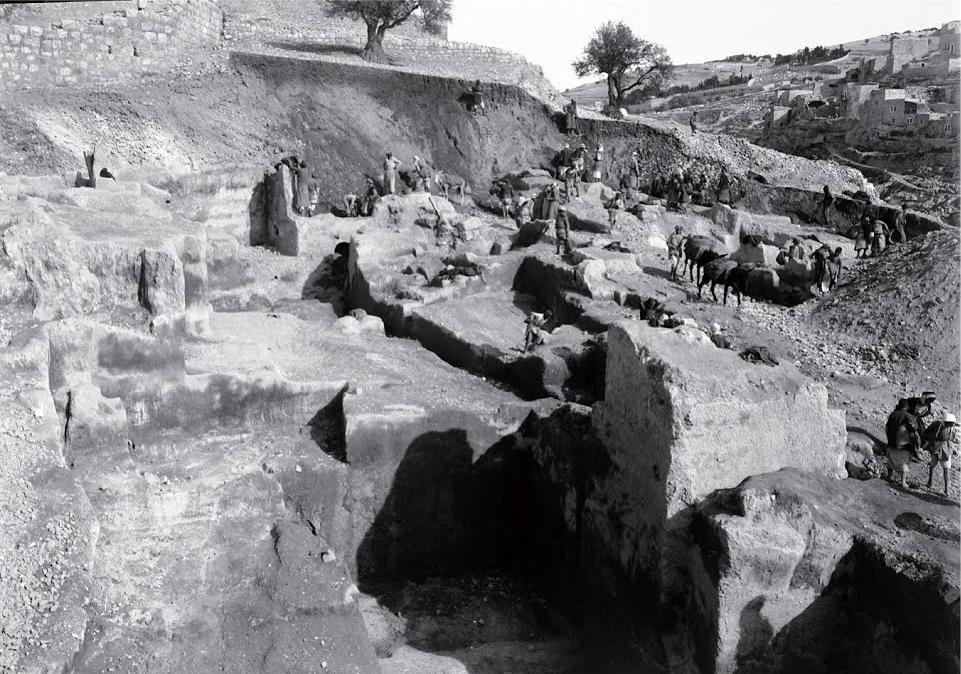
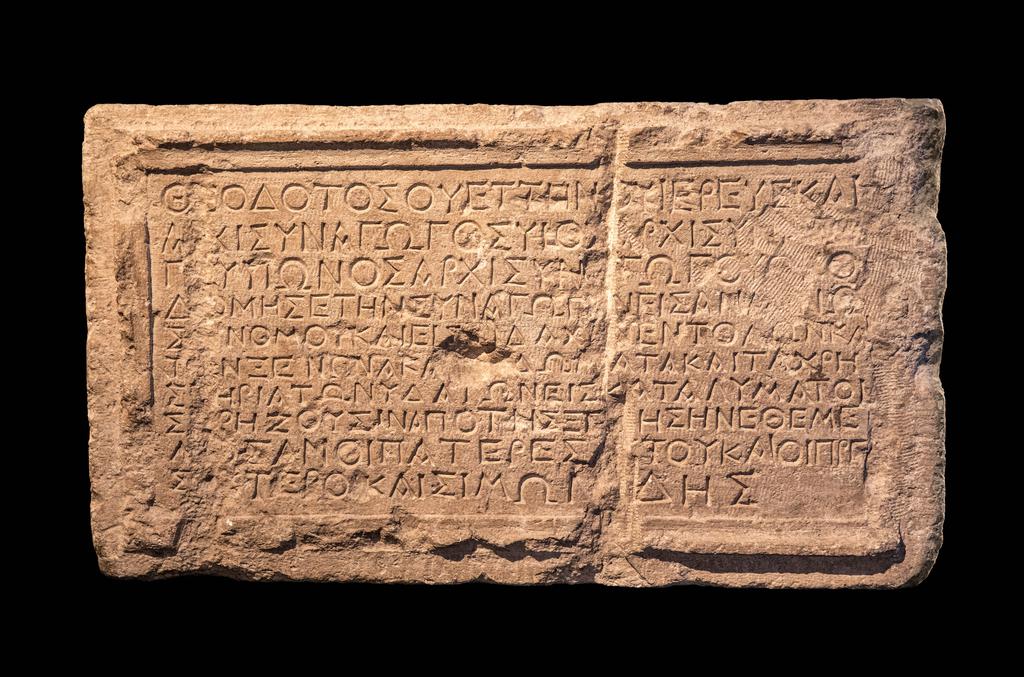
"Theodotos son of Vettenus, priest and head of the synagogue (archisynágōgos), son of a head of the synagogue, and grandson of a head of the synagogue, built the synagogue for the reading of the law and for the teaching of the commandments, as well as the guest room, the chambers, and the water fittings as an inn for those in need from abroad, the synagogue which his fathers founded with the elders and Simonides."
בָּא לוֹ כֹהֵן גָּדוֹל לִקְרוֹת. אִם רָצָה לִקְרוֹת בְּבִגְדֵי בוּץ, קוֹרֵא. וְאִם לֹא, קוֹרֵא בְאִצְטְלִית לָבָן מִשֶּׁלּוֹ.
חַזַּן הַכְּנֶסֶת נוֹטֵל סֵפֶר תּוֹרָה וְנוֹתְנוֹ לְרֹאשׁ הַכְּנֶסֶת, וְרֹאשׁ הַכְּנֶסֶת נוֹתְנוֹ לַסְּגָן, וְהַסְּגָן נוֹתְנוֹ לְכֹהֵן גָּדוֹל, וְכֹהֵן גָּדוֹל עוֹמֵד וּמְקַבֵּל וְקוֹרֵא עוֹמֵד, וְקוֹרֵא אַחֲרֵי מוֹת וְאַךְ בֶּעָשׂוֹר.
וְגוֹלֵל סֵפֶר תּוֹרָה וּמַנִּיחוֹ בְחֵיקוֹ, וְאוֹמֵר, יוֹתֵר מִמַּה שֶּׁקָּרָאתִי לִפְנֵיכֶם כָּתוּב כָּאן, וּבֶעָשׂוֹר שֶׁבְּחֻמַּשׁ הַפְּקוּדִים קוֹרֵא עַל פֶּה.
וּמְבָרֵךְ עָלֶיהָ שְׁמֹנֶה בְרָכוֹת, עַל הַתּוֹרָה, וְעַל הָעֲבוֹדָה, וְעַל הַהוֹדָאָה, וְעַל מְחִילַת הֶעָוֹן, וְעַל הַמִּקְדָּשׁ בִּפְנֵי עַצְמוֹ, וְעַל יִשְׂרָאֵל בִּפְנֵי עַצְמָן וְעַל יְרוּשָׁלַיִם בִּפְנֵי עַצְמָהּ וְעַל הַכֹּהֲנִים בִּפְנֵי עַצְמָן וְעַל שְׁאָר הַתְּפִלָּה:
The high priest came to read. If he wished to read in linen garments, he reads, and if not he reads in his own white cloak.
The synagogue hazan would take a Torah scroll and give it to the head of the synagogue, and the head of the synagogue would give it to the deputy High Priest, and the deputy High Priest would give it to the High Priest, and the High Priest would stand and receive it, and read, “After the death …” (Leviticus 16:1-34) and “But on the tenth…” (Leviticus 23:26-32).
He would roll up the Torah scroll and put it in his bosom and say, “More than what I have read out before you is written here.” And he would read “On the tenth …” (Numbers 29:7-11) in the Book of Numbers by heart.
And he recites on it eight benedictions: “For the law”, “For the Temple service,” “For thanksgiving,” “For the forgiveness of sins” and “For the Temple” on its own, and “For Israel” on its own and “For Jerusalem” on its own, “For the priests” on their own and “For the rest of the prayer.”
בא לו כהן גדול לקרות אם רצה לקרות כו':
והקריאה היתה בעזרת הנשים שמותר לאדם לישב שם כי אמרו עומד ראיה שהיה יושב קודם לכן אבל בעזרת ישראל ומה שאחריה לא ישב שום אדם כלל אלא מלכי בית דוד בלבד . . . וחותם ברוך אתה ה' שומע תפלה:
The reading was in the Women's Court.
For a person is allowed to sit down there and the fact that the text says "would stand" is proof that he was sitting until then.
But in the Court of Israel and further in nobody was allowed to sit other than the kings of the house of David.
. . . .
He finished with "Blessed is he who hears prayer."
הָרוֹאֶה כֹהֵן גָּדוֹל כְּשֶׁהוּא קוֹרֵא, אֵינוֹ רוֹאֶה פַר וְשָׂעִיר הַנִּשְׂרָפִים. וְהָרוֹאֶה פַר וְשָׂעִיר הַנִּשְׂרָפִים, אֵינוֹ רוֹאֶה כֹהֵן גָּדוֹל כְּשֶׁהוּא קוֹרֵא. וְלֹא מִפְּנֵי שֶׁאֵינוֹ רַשַּׁאי, אֶלָּא שֶׁהָיְתָה דֶרֶךְ רְחוֹקָה, וּמְלֶאכֶת שְׁנֵיהֶן שָׁוָה כְאֶחָת:
He who sees the high priest when he reads does not see the bull and the goat that are being burned, and he that sees the bull and the goat that are being burned does not see the high priest when he reads, not because he was not permitted but because the distance apart was great and the work of both was like one.
אִם בְּבִגְדֵי בוּץ קוֹרֵא, קִדֵּשׁ יָדָיו וְרַגְלָיו, פָּשַׁט יָרַד וְטָבַל, עָלָה וְנִסְתַּפֵּג. הֵבִיאוּ לוֹ בִגְדֵי זָהָב, וְלָבַשׁ, וְקִדֵּשׁ יָדָיו וְרַגְלָיו, וְיָצָא וְעָשָׂה אֶת אֵילוֹ וְאֶת אֵיל הָעָם, וְאֶת שִׁבְעַת כְּבָשִׂים תְּמִימִים בְּנֵי שָׁנָה, דִּבְרֵי רַבִּי אֱלִיעֶזֶר.
רַבִּי עֲקִיבָא אוֹמֵר, עִם תָּמִיד שֶׁל שַׁחַר הָיוּ קְרֵבִין, וּפַר הָעוֹלָה וְשָׂעִיר הַנַּעֲשֶׂה בַחוּץ הָיוּ קְרֵבִין עִם תָּמִיד שֶׁל בֵּין הָעַרְבָּיִם:
If he read in the garments of linen, he would then sanctify his hands and feet, strip off his clothes, go down and immerse himself, come up and dry himself.
They brought him the golden clothes, he put them on, sanctified his hands and feet, went out, offered up his own ram and the ram of the people, and the seven unblemished, one-year-old-lambs, according to Rabbi Eliezer.
Rabbi Akiba says: these were offered up together with the morning tamid while the bull for the whole-offering and the goat which is offered up outside were offered up together with the evening tamid.
קִדֵּשׁ יָדָיו וְרַגְלָיו, וּפָשַׁט וְיָרַד וְטָבַל וְעָלָה וְנִסְתַּפֵּג.
הֵבִיאוּ לוֹ בִגְדֵי לָבָן, וְלָבַשׁ, וְקִדֵּשׁ יָדָיו וְרַגְלָיו. נִכְנַס לְהוֹצִיא אֶת הַכַּף וְאֶת הַמַּחְתָּה.
קִדֵּשׁ יָדָיו וְרַגְלָיו, וּפָשַׁט וְיָרַד וְטָבָל, עָלָה וְנִסְתַּפֵּג.
הֵבִיאוּ לוֹ בִגְדֵי זָהָב וְלָבַשׁ, וְקִדֵּשׁ יָדָיו וְרַגְלָיו, וְנִכְנַס לְהַקְטִיר קְטֹרֶת שֶׁל בֵּין הָעַרְבַּיִם וּלְהֵטִיב אֶת הַנֵּרוֹת, וְקִדֵּשׁ יָדָיו וְרַגְלָיו, וּפָשַׁט.
הֵבִיאוּ לוֹ בִגְדֵי עַצְמוֹ, וְלָבַשׁ. וּמְלַוִּין אוֹתוֹ עַד בֵּיתוֹ. וְיוֹם טוֹב הָיָה עוֹשֶׂה לְאוֹהֲבָיו בְּשָׁעָה שֶׁיָּצָא בְשָׁלוֹם מִן הַקֹּדֶשׁ:
He sanctified his hands and feet, stripped off his clothes, went down and immersed himself, came up and dried himself.
They brought him white clothes, he put them on and sanctified his hands and his feet. Then he went in to bring out the ladle and the fire-pan.
He sanctified his hands and feet, stripped off his clothes, went down and immersed himself, came up and dried himself.
They brought him golden clothes, he put them on, sanctified his hands and feet, and went in to burn up the evening incense, and adjust the lamp and he sanctified his hands and feet and stripped, went down, immersed himself, came up and dried himself.
They brought him his own clothes and he put them on. And they would accompany him to his house. And he would make a holiday for those he loved at the time that he came out of the holy place in peace.
כֹּהֵן גָּדוֹל מְשַׁמֵּשׁ בִּשְׁמֹנָה כֵלִים. וְהַהֶדְיוֹט בְּאַרְבָּעָה, בְּכֻתֹּנֶת וּמִכְנָסַיִם וּמִצְנֶפֶת וְאַבְנֵט.
מוֹסִיף עָלָיו כֹּהֵן גָּדוֹל, חשֶׁן וְאֵפוֹד וּמְעִיל וָצִיץ.
בְּאֵלּוּ נִשְׁאָלִין בְּאוּרִים וְתֻמִּים. וְאֵין נִשְׁאָלִין אֶלָּא לַמֶּלֶךְ וּלְבֵית דִּין וּלְמִי שֶׁהַצִּבּוּר צָרִיךְ בּוֹ:
The high priest performs the service in eight pieces of clothing, and the common priest in four: in tunic, breeches, a headdress, and a sash. The high priest adds the breastpiece, the ephod, the robe and the frontlet.
In these were the Urim and Tummim inquired of. But they were not inquired of except by the king, by the head of the court or by one whom the community needs.
וְנָתַתָּ֞ אֶל־חֹ֣שֶׁן הַמִּשְׁפָּ֗ט אֶת־הָאוּרִים֙ וְאֶת־הַתֻּמִּ֔ים וְהָיוּ֙ עַל־לֵ֣ב אַהֲרֹ֔ן בְּבֹא֖וֹ לִפְנֵ֣י יְהֹוָ֑ה וְנָשָׂ֣א אַ֠הֲרֹ֠ן אֶת־מִשְׁפַּ֨ט בְּנֵי־יִשְׂרָאֵ֧ל עַל־לִבּ֛וֹ לִפְנֵ֥י יְהֹוָ֖ה תָּמִֽיד׃ {ס}
Inside the breastpiece of judgment you shall place the Urim and Thummim, so that they are over Aaron’s heart when he comes before the Lord. Thus Aaron shall carry the instrument of decision for the Israelites over his heart before the Lord at all times.
וְלִפְנֵ֨י אֶלְעָזָ֤ר הַכֹּהֵן֙ יַעֲמֹ֔ד וְשָׁ֥אַל ל֛וֹ בְּמִשְׁפַּ֥ט הָאוּרִ֖ים לִפְנֵ֣י יְהֹוָ֑ה עַל־פִּ֨יו יֵצְא֜וּ וְעַל־פִּ֣יו יָבֹ֗אוּ ה֛וּא וְכׇל־בְּנֵי־יִשְׂרָאֵ֥ל אִתּ֖וֹ וְכׇל־הָעֵדָֽה׃
He shall stand before Eleazar the priest, and he shall ask for him the decision of the Urim before the Lord.
By his mouth they shall go out and by his mouth they shall come in, he and all Israel with him, and the whole community.
תָּנוּ רַבָּנַן: כֵּיצַד שׁוֹאֲלִין? הַשּׁוֹאֵל פָּנָיו כְּלַפֵּי נִשְׁאָל, וְהַנִּשְׁאָל פָּנָיו כְּלַפֵּי שְׁכִינָה.
הַשּׁוֹאֵל אוֹמֵר: ״אֶרְדּוֹף אַחֲרֵי הַגְּדוּד הַזֶּה״, וְהַנִּשְׁאָל אוֹמֵר: ״כֹּה אָמַר ה׳ עֲלֵה וְהַצְלַח״.
רַבִּי יְהוּדָה אוֹמֵר: אֵין צָרִיךְ לוֹמַר ״כֹּה אָמַר ה׳״, אֶלָּא ״עֲלֵה וְהַצְלַח״.
אֵין שׁוֹאֲלִין בְּקוֹל, שֶׁנֶּאֱמַר: ״וְשָׁאַל לוֹ״.
לֹא מְהַרְהֵר בְּלִבּוֹ, שֶׁנֶּאֱמַר: ״וְשָׁאַל לוֹ לִפְנֵי ה׳ . . . ״,
אֶלָּא כְּדֶרֶךְ שֶׁאָמְרָה חַנָּה בִּתְפִלָּתָהּ, שֶׁנֶּאֱמַר: ״וְחַנָּה הִיא מְדַבֶּרֶת עַל לִבָּהּ״.
The Sages taught: How does one ask? The one asking stands with his face toward the one who is asked, and the one who is asked turns his face toward the Divine Presence.
The one who asks says: “Shall I pursue after this troop?” (I Samuel 30:8). And the one who is asked says: Thus says God: Go up and succeed.
Rabbi Yehuda says: He need not say: Thus says God; rather: Go up and succeed.
One does not ask in a loud voice, as it is stated: “He shall stand before Eleazar the priest, and he shall ask for him” (Numbers 27:21).
And he should not just think his question in his heart, as it is stated: “And he shall ask for him the decision of the Urim before the Lord . . . by his mouth they shall go out and by his mouth they shall come in.”
Rather, in the way that Hannah spoke in her prayer, as it is stated: “Now Hannah spoke in her heart".
וְהָיְתָ֥ה לָכֶ֖ם לְחֻקַּ֣ת עוֹלָ֑ם בַּחֹ֣דֶשׁ הַ֠שְּׁבִיעִ֠י בֶּֽעָשׂ֨וֹר לַחֹ֜דֶשׁ תְּעַנּ֣וּ אֶת־נַפְשֹֽׁתֵיכֶ֗ם וְכׇל־מְלָאכָה֙ לֹ֣א תַעֲשׂ֔וּ הָֽאֶזְרָ֔ח וְהַגֵּ֖ר הַגָּ֥ר בְּתוֹכְכֶֽם׃
כִּֽי־בַיּ֥וֹם הַזֶּ֛ה יְכַפֵּ֥ר עֲלֵיכֶ֖ם לְטַהֵ֣ר אֶתְכֶ֑ם מִכֹּל֙ חַטֹּ֣אתֵיכֶ֔ם לִפְנֵ֥י יְהֹוָ֖ה תִּטְהָֽרוּ׃
שַׁבַּ֨ת שַׁבָּת֥וֹן הִיא֙ לָכֶ֔ם וְעִנִּיתֶ֖ם אֶת־נַפְשֹׁתֵיכֶ֑ם חֻקַּ֖ת עוֹלָֽם׃
And it shall be a statute for ever unto you: in the seventh month, on the tenth day of the month, ye shall afflict your souls, and shall do no manner of work, the home-born, or the stranger that sojourneth among you.
For on this day shall atonement be made for you, to cleanse you; from all your sins shall ye be clean before the LORD.
It is a sabbath of solemn rest unto you, and ye shall afflict your souls; it is a statute for ever.
יוֹם הַכִּפּוּרִים אָסוּר בַּאֲכִילָה וּבִשְׁתִיָּה וּבִרְחִיצָה וּבְסִיכָה וּבִנְעִילַת הַסַּנְדָּל וּבְתַשְׁמִישׁ הַמִּטָּה.
וְהַמֶּלֶךְ וְהַכַּלָּה יִרְחֲצוּ אֶת פְּנֵיהֶם, וְהֶחָיָה תִנְעֹל אֶת הַסַּנְדָּל, דִּבְרֵי רַבִּי אֱלִיעֶזֶר, וַחֲכָמִים אוֹסְרִין:
On Yom Kippur it is forbidden to eat, to drink, to wash, to anoint oneself, to put on sandals, or to have sexual relations.
A king or bride may wash their face, and a woman after childbirth may put on sandals, according to Rabbi Eliezer. But the sages forbid it.
הָאוֹכֵל כְּכוֹתֶבֶת הַגַּסָּה, כָּמוֹהָ וּכְגַרְעִינָתָהּ, וְהַשּׁוֹתֶה מְלֹא לֻגְמָיו, חַיָּב.
כָּל הָאֳכָלִין מִצְטָרְפִין לִכְכוֹתֶבֶת. כָּל הַמַּשְׁקִין מִצְטָרְפִין לִמְלֹא לֻגְמָיו. הָאוֹכֵל וְשׁוֹתֶה, אֵין מִצְטָרְפִין:
Someone who eats like a large date, like it and its seed, or drank a mouthful, is liable.
All foods add up to make up a date, and all the liquids add up to make up a mouthful. Food and drink do not add up.
אָכַל וְשָׁתָה בְּהֶעְלֵם אַחַת, אֵינוֹ חַיָּב אֶלָּא חַטָּאת אֶחָת.
אָכַל וְעָשָׂה מְלָאכָה, חַיָּב שְׁתֵּי חַטָּאוֹת.
אָכַל אֳכָלִין שֶׁאֵינָן רְאוּיִין לַאֲכִילָה, וְשָׁתָה מַשְׁקִין שֶׁאֵינָן רְאוּיִין לִשְׁתִיָּה, וְשָׁתָה צִיר אוֹ מֻרְיָס, פָּטוּר:
Someone who ate and drank in one state of unawareness is not obligated to bring more than one sin-offering.
If he ate and performed work while in one state of unawareness he is obligated for two sin-offerings.
If he ate foods unfit for eating, or drank liquids unfit for drinking, or drank fish-brine or fish pickling liquid, he is not liable.
יום הכפורים אסור באכילה ובשתיה וברחיצה כו':לא בארה התורה מניעה מאלו הדברים ביום צום כפור אבל אמר הכתוב לשון עינוי חמש פעמים. . . . ובאה הקבלה כי באו לאסור חמשה דברים מהנאת הגוף . . . . מלבד האכילה והשתיה שהוא חייב כרת . . אמר הש"י בעונש העינוי (שם כג) והאבדתי את הנפש ההיא מקרב עמה ובאה הקבלה דבר שהנפש תלויה בו זו אכילה ושתיה.
The Torah did not spell out these five prohibitions on the fast of Kippur but the text mentioned the word "afflict" [inui] five times.. . . . and the tradition taught that they came to prohibit enjoyment of five things . . . but only the prohibition of eating and drinking carries "cutting off" . . The text mentions in the context of punishment of "affliction", "I will destroy this soul from the midst of its people" and the tradition teaches, "something that the soul depends on, this is eating and drinking".
הַתִּינוֹקוֹת, אֵין מְעַנִּין אוֹתָן בְּיוֹם הַכִּפּוּרִים, אֲבָל מְחַנְּכִין אוֹתָם לִפְנֵי שָׁנָה וְלִפְנֵי שְׁנָתַיִם, בִּשְׁבִיל שֶׁיִּהְיוּ רְגִילִין בַּמִּצְוֹת:
Children - one does not “afflict” them on Yom Kippur but one educates them a year or two before so that they become accustomed to the commandments.
עֻבָּרָה שֶׁהֵרִיחָה, מַאֲכִילִין אוֹתָהּ עַד שֶׁתָּשִׁיב נַפְשָׁהּ.
חוֹלֶה מַאֲכִילִין אוֹתוֹ עַל פִּי בְקִיאִין. וְאִם אֵין שָׁם בְּקִיאִין, מַאֲכִילִין אוֹתוֹ עַל פִּי עַצְמוֹ, עַד שֶׁיֹּאמַר דָּי:
If a pregnant woman smelled, they feed her until she her spirit returns.
A sick person is fed at the word of experts. And, if no experts are present, they feed him upon his own word until he says: "Enough".
עוברה שהדיחה מאכילין אותה עד שתשיב נפשה כו':וכן עוברה שהריחה בשר קדש או בשר חזיר ונתעורר טבעה ותאותה לאכול מאכילין אותה ממנו עד שיתישב נפשה.
And similarly, if a pregnant woman smells meat that is holy or pig's meat and her nature is aroused and she desires to eat it then one feeds her from the forbidden food until her spirit returns.
חוֹלֶה אוֹמֵר. יָכוֹל אָנִי. וְרוֹפֶא אוֹמֵר. אֵינוֹ יָכוֹל. שׁוֹמְעִין לָרוֹפֶא.
רוֹפֶא אוֹמֵר. יָכוֹל הוּא. וְחוֹלֶה אוֹמֵר. אֵינוֹ יָכוֹל. שׁוֹמְעִין לַחוֹלֶה.
לָא צוֹרְכָא אֶלָּא חוֹלֶה אוֹמֵר. יָכוֹל אָנִי. וְרוֹפֶא אוֹמֵר. אֵינִי יוֹדֵעַ. רִבִּי אַבָּהוּ בְשֵׁם רִבִּי יוֹחָנָן. נַעֲשֶׂה כִּסְפֵק נְפָשׁוֹת. וְכָל־סְפֵק נְפָשׁוֹת דּוֹחֶה אֶת הַשַׁבָּת.
The sick person says, I can, but the physician says, he cannot; one listens to the physician.
The physician says, he can, but the sick person says, he cannot; one listens to the sick person.
The only question is if the sick person says, I can, and the physician says, I do not know. Rebbi Abbahu in the name of Rebbi Joḥanan: It is treated as an uncertainty of a danger to life, and any uncertainty of a danger to life pushes the Sabbath aside.
מִי שֶׁאֲחָזוֹ בֻלְמוּס, מַאֲכִילִין אוֹתוֹ אֲפִלּוּ דְבָרִים טְמֵאִים, עַד שֶׁיֵּאוֹרוּ עֵינָיו.
מִי שֶׁנְּשָׁכוֹ כֶלֶב שׁוֹטֶה, אֵין מַאֲכִילִין אוֹתוֹ מֵחֲצַר כָּבֵד שֶׁלוֹ, וְרַבִּי מַתְיָא בֶן חָרָשׁ מַתִּיר.
וְעוֹד אָמַר רַבִּי מַתְיָא בֶן חָרָשׁ, הַחוֹשֵׁשׁ בִּגְרוֹנוֹ, מַטִּילִין לוֹ סַם בְּתוֹךְ פִּיו בְּשַׁבָּת, מִפְּנֵי שֶׁהוּא סְפֵק נְפָשׁוֹת, וְכָל סְפֵק נְפָשׁוֹת דּוֹחֶה אֶת הַשַּׁבָּת:
If someone is seized by a bulmus [ravenous hunger?], they feed him, even unclean things, until his eyes light up.
If someone was bitten by a mad dog, they don't feed him the lobe of its liver, but Rabbi Matia ben Harash permits it.
Moreover Rabbi Matia ben Harash said, if someone has pain in his throat, they may drop medicine into his mouth on Shabbat, because it is may be a danger to life and every possible danger to life overrides the Shabbat.
מִי שֶׁנָּפְלָה עָלָיו מַפֹּלֶת, סָפֵק הוּא שָׁם סָפֵק אֵינוֹ שָׁם, סָפֵק חַי סָפֵק מֵת, סָפֵק נָכְרִי סָפֵק יִשְׂרָאֵל, מְפַקְּחִין עָלָיו אֶת הַגַּל.
מְצָאוּהוּ חַי, מְפַקְּחִין עָלָיו. וְאִם מֵת, יַנִּיחוּהוּ:
If a ruined building fell on someone, and it is not certain whether he is there, or whether he is alive or dead, or whether he is a foreigner or a Jew, one clears the debris from above him.
If they find him alive they clear the debris, but if dead they should leave him.
חַטָּאת וְאָשָׁם וַדַּאי מְכַפְּרִין. מִיתָה וְיוֹם הַכִּפּוּרִים מְכַפְּרִין עִם הַתְּשׁוּבָה. הַתְּשׁוּבָה מְכַפֶּרֶת עַל עֲבֵרוֹת קַלּוֹת עַל עֲשֵׂה וְעַל לֹא תַעֲשֶׂה.
וְעַל הַחֲמוּרוֹת הִיא תוֹלָה עַד שֶׁיָּבֹא יוֹם הַכִּפּוּרִים וִיכַפֵּר:
The sin-offering and the unconditional guilt-offering effect atonement.
Death and Yom Kippur effect atonement together with repentance.
Repentance effects atonement for light transgressions, positive and negative.
For severe ones it suspends punishment until Yom Kippur arrives and effects atonement.
הָאוֹמֵר, אֶחֱטָא וְאָשׁוּב, אֶחֱטָא וְאָשׁוּב, אֵין מַסְפִּיקִין בְּיָדוֹ לַעֲשׂוֹת תְּשׁוּבָה.
אֶחֱטָא וְיוֹם הַכִּפּוּרִים מְכַפֵּר, אֵין יוֹם הַכִּפּוּרִים מְכַפֵּר.
עֲבֵרוֹת שֶׁבֵּין אָדָם לַמָּקוֹם, יוֹם הַכִּפּוּרִים מְכַפֵּר. עֲבֵרוֹת שֶׁבֵּין אָדָם לַחֲבֵרוֹ, אֵין יוֹם הַכִּפּוּרִים מְכַפֵּר, עַד שֶׁיְּרַצֶּה אֶת חֲבֵרוֹ.
אֶת זוֹ דָּרַשׁ רַבִּי אֶלְעָזָר בֶּן עֲזַרְיָה, "מִכֹּל חַטֹּאתֵיכֶם לִפְנֵי יְיָ תִּטְהָרוּ" (ויקרא טז), עֲבֵרוֹת שֶׁבֵּין אָדָם לַמָּקוֹם, יוֹם הַכִּפּוּרִים מְכַפֵּר. עֲבֵרוֹת שֶׁבֵּין אָדָם לַחֲבֵרוֹ, אֵין יוֹם הַכִּפּוּרִים מְכַפֵּר, עַד שֶׁיְּרַצֶּה אֶת חֲבֵרוֹ.
אָמַר רַבִּי עֲקִיבָא, אַשְׁרֵיכֶם יִשְׂרָאֵל, לִפְנֵי מִי אַתֶּם מִטַּהֲרִין, וּמִי מְטַהֵר אֶתְכֶם, אֲבִיכֶם שֶׁבַּשָּׁמַיִם, שֶׁנֶּאֱמַר (יחזקאל לו), "וְזָרַקְתִּי עֲלֵיכֶם מַיִם טְהוֹרִים וּטְהַרְתֶּם".
וְאוֹמֵר (ירמיה יז), "מִקְוֵה יִשְׂרָאֵל יְיָ", מַה מִּקְוֶה מְטַהֵר אֶת הַטְּמֵאִים, אַף הַקָּדוֹשׁ בָּרוּךְ הוּא מְטַהֵר אֶת יִשְׂרָאֵל:
Someone who says, I shall sin and repent, I shall sin and repent, cannot carry out repentance.
If he says, I shall sin and Yom Kippur will atone for me, Yom Kippur does not effect atonement.
For transgressions between man and God Yom Kippur effects atonement, but for transgressions between man and his fellow Yom Kippur does not effect atonement until he has appeased his fellow.
Rabbi Elazar b. Azariah expounded, “From all your sins before the Lord you shall be clean” (Leviticus 16:30) to mean that for transgressions between man and God Yom Kippur effects atonement, but for transgressions between man and his fellow Yom Kippur does not effect atonement until he has appeased his fellow.
Rabbi Akiva said: Happy are you, Israel! Before whom you are you made pure and who is it that purifies you? Your Father who is in heaven, as it is said: “And I will sprinkle clean water upon you and you shall be clean” (Ezekiel 36:25). And it says: “Israel's hope [mikveh] is the Lord” (Jeremiah 17:13. Just as a mikveh purifies the unclean, so too does the Holy One, blessed be He, purify Israel.
הֲדְרָן עֲלָךְ מַסֶּכֶת יוֹמָּא וְהֲדְרָךְ עֲלָן. דַּעְתָּן עֲלָךְ מַסֶּכֶת יוֹמָּא וְדַעְתָּךְ עֲלָן.
לָא נִתֽנְשֵׁי מִינָךְ מַסֶּכֶת יוֹמָּא וְלֹא תִתְנְשֵׁי מִינָן, לָא בְּעָלְמָא הָדֵין וְלֹא בְּעָלְמָא דְאַָתֵי:
We will return to you, Tractate Yoma, and you will return to us; our mind is on you, Tractate Yoma, and your mind is on us.
We will not forget you, Tractate Yoma, and you will not forget us – not in this world and not in the next world.