


fiery flames His servants.
(25) Jacob was left alone. And a man wrestled with him until the break of dawn.
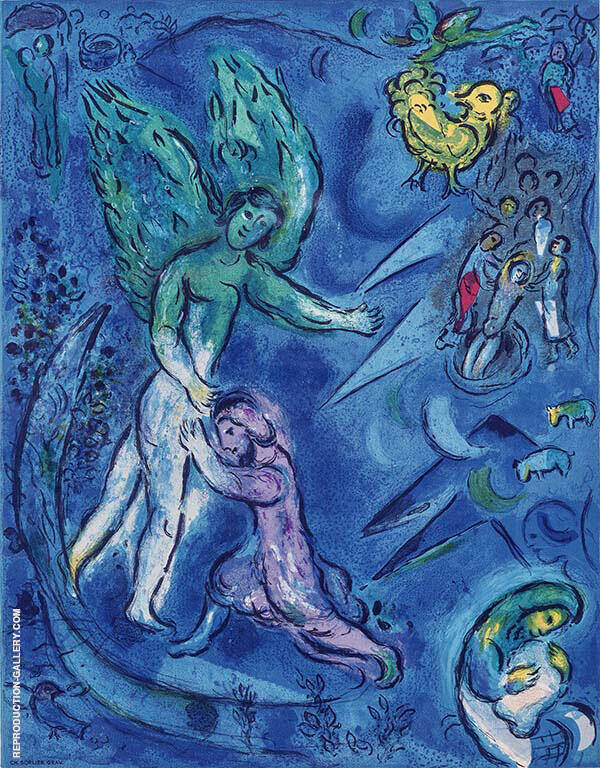
The other had to weep and implore him.
At Bethel [Jacob] would meet him,
There to commune with him.
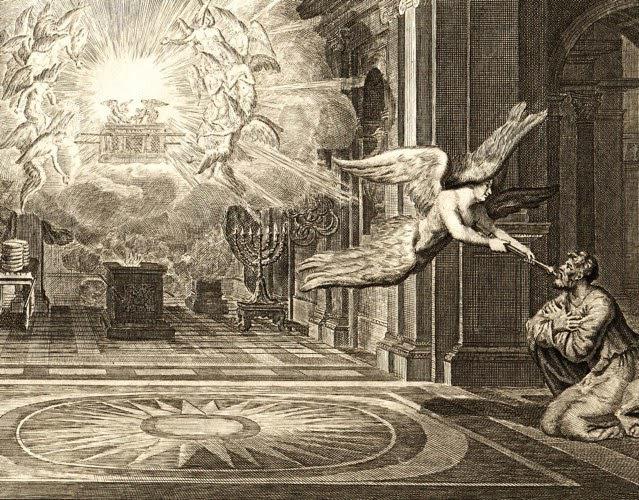
(1) In the year that King Uzziah died, I beheld my Lord seated on a high and lofty throne; and the skirts of His robe filled the Temple. (2) Seraphs stood in attendance on Him. Each of them had six wings: with two he covered his face, with two he covered his legs, and with two he would fly.
(3) And one would call to the other,
“Holy, holy, holy!
The LORD of Hosts!
His presence fills all the earth!”
(4) The doorposts would shake at the sound of the one who called, and the House kept filling with smoke. (5) I cried,
“Woe is me; I am lost!
For I am a man of unclean lips-b
And I live among a people
Of unclean lips;
Yet my own eyes have beheld
The King LORD of Hosts.”
(6) Then one of the seraphs flew over to me with a live coal, which he had taken from the altar with a pair of tongs. (7) He touched it to my lips and declared,
“Now that this has touched your lips,
Your guilt shall depart
And your sin be purged away.”
(6) Your wonders, O LORD, are praised by the heavens, Your faithfulness, too, in the assembly of holy beings. (7) For who in the skies can equal the LORD, can compare with the LORD among the divine beings, (8) a God greatly dreaded in the council of holy beings, held in awe by all around Him?
(א) וַיְהִ֣י ׀ בִּשְׁלֹשִׁ֣ים שָׁנָ֗ה בָּֽרְבִיעִי֙ בַּחֲמִשָּׁ֣ה לַחֹ֔דֶשׁ וַאֲנִ֥י בְתֽוֹךְ־הַגּוֹלָ֖ה עַל־נְהַר־כְּבָ֑ר נִפְתְּחוּ֙ הַשָּׁמַ֔יִם וָאֶרְאֶ֖ה מַרְא֥וֹת אֱלֹהִֽים׃ ... (ד) וָאֵ֡רֶא וְהִנֵּה֩ ר֨וּחַ סְעָרָ֜ה בָּאָ֣ה מִן־הַצָּפ֗וֹן עָנָ֤ן גָּדוֹל֙ וְאֵ֣שׁ מִתְלַקַּ֔חַת וְנֹ֥גַֽהּ ל֖וֹ סָבִ֑יב וּמִ֨תּוֹכָ֔הּ כְּעֵ֥ין הַחַשְׁמַ֖ל מִתּ֥וֹךְ הָאֵֽשׁ׃ (ה) וּמִ֨תּוֹכָ֔הּ דְּמ֖וּת אַרְבַּ֣ע חַיּ֑וֹת וְזֶה֙ מַרְאֵיהֶ֔ן דְּמ֥וּת אָדָ֖ם לָהֵֽנָּה׃ (ו) וְאַרְבָּעָ֥ה פָנִ֖ים לְאֶחָ֑ת וְאַרְבַּ֥ע כְּנָפַ֖יִם לְאַחַ֥ת לָהֶֽם׃ (ז) וְרַגְלֵיהֶ֖ם רֶ֣גֶל יְשָׁרָ֑ה וְכַ֣ף רַגְלֵיהֶ֗ם כְּכַף֙ רֶ֣גֶל עֵ֔גֶל וְנֹ֣צְצִ֔ים כְּעֵ֖ין נְחֹ֥שֶׁת קָלָֽל׃ (ח) (וידו) [וִידֵ֣י] אָדָ֗ם מִתַּ֙חַת֙ כַּנְפֵיהֶ֔ם עַ֖ל אַרְבַּ֣עַת רִבְעֵיהֶ֑ם וּפְנֵיהֶ֥ם וְכַנְפֵיהֶ֖ם לְאַרְבַּעְתָּֽם׃ (ט) חֹ֥בְרֹ֛ת אִשָּׁ֥ה אֶל־אֲחוֹתָ֖הּ כַּנְפֵיהֶ֑ם לֹא־יִסַּ֣בּוּ בְלֶכְתָּ֔ן אִ֛ישׁ אֶל־עֵ֥בֶר פָּנָ֖יו יֵלֵֽכוּ׃ (י) וּדְמ֣וּת פְּנֵיהֶם֮ פְּנֵ֣י אָדָם֒ וּפְנֵ֨י אַרְיֵ֤ה אֶל־הַיָּמִין֙ לְאַרְבַּעְתָּ֔ם וּפְנֵי־שׁ֥וֹר מֵהַשְּׂמֹ֖אול לְאַרְבַּעְתָּ֑ן וּפְנֵי־נֶ֖שֶׁר לְאַרְבַּעְתָּֽן׃ (יא) וּפְנֵיהֶ֕ם וְכַנְפֵיהֶ֥ם פְּרֻד֖וֹת מִלְמָ֑עְלָה לְאִ֗ישׁ שְׁ֚תַּיִם חֹבְר֣וֹת אִ֔ישׁ וּשְׁתַּ֣יִם מְכַסּ֔וֹת אֵ֖ת גְּוִיֹּתֵיהֶֽנָה׃ (יב) וְאִ֛ישׁ אֶל־עֵ֥בֶר פָּנָ֖יו יֵלֵ֑כוּ אֶ֣ל אֲשֶׁר֩ יִֽהְיֶה־שָּׁ֨מָּה הָר֤וּחַ לָלֶ֙כֶת֙ יֵלֵ֔כוּ לֹ֥א יִסַּ֖בּוּ בְּלֶכְתָּֽן׃
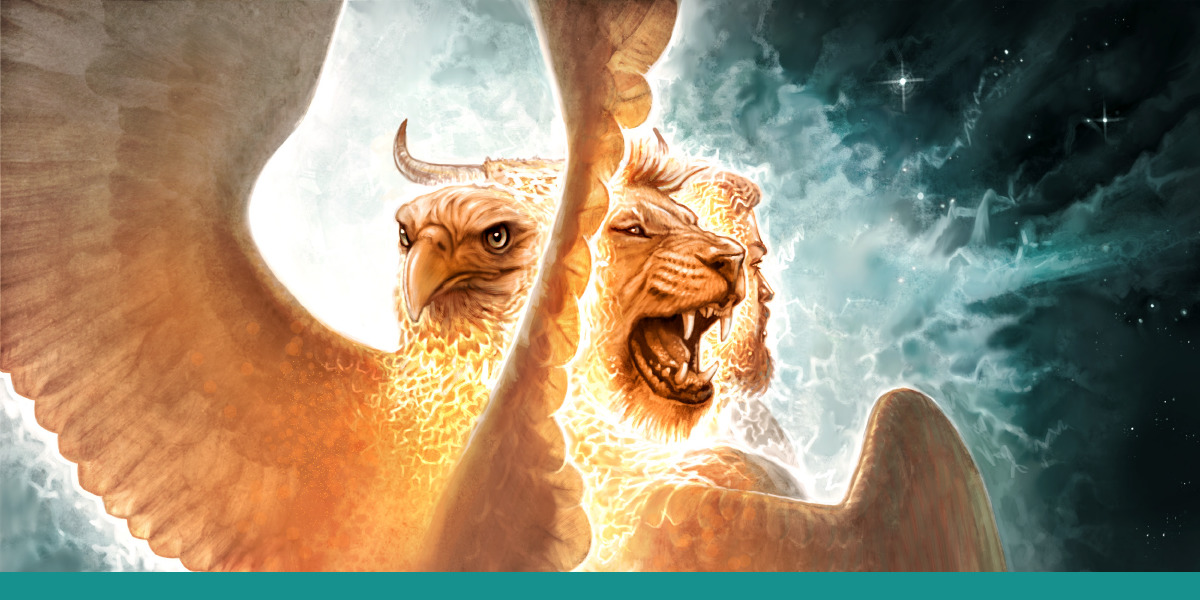
(1) In the thirtieth year, on the fifth day of the fourth month, when I was in the community of exiles by the Chebar Canal, the heavens opened and I saw visions of God... (4) I looked, and lo, a stormy wind came sweeping out of the north—a huge cloud and flashing fire, surrounded by a radiance; and in the center of it, in the center of the fire, a gleam as of amber. (5) In the center of it were also the figures of four creatures. And this was their appearance: They had the figures of human beings. (6) However, each had four faces, and each of them had four wings; (7) the legs of each were [fused into] a single rigid leg, and the feet of each were like a single calf’s hoof; and their sparkle was like the luster of burnished bronze. (8) They had human hands below their wings. The four of them had their faces and their wings on their four sides. (9) Each one’s wings touched those of the other. They did not turn when they moved; each could move in the direction of any of its faces. (10) Each of them had a human face [at the front]; each of the four had the face of a lion on the right; each of the four had the face of an ox on the left; and each of the four had the face of an eagle [at the back]. (11) Such were their faces. As for their wings, they were separated: above, each had two touching those of the others, while the other two covered its body. (12) And each could move in the direction of any of its faces; they went wherever the spirit impelled them to go, without turning when they moved.
From Encyclopedia Judaica
During the Second Temple period it was assumed that only the great prophets of earlier times had had the privilege of direct communication with God while in later generations mysteries of the end of days and of man's future could be discovered only through the intermediary of angels. This led to attempts to explore the nature and individual character of the angels. Furthermore, Jewish literature of this period sought to teach the mysteries of nature, of heaven, of the end of days, etc.; revelation no longer served as the point of departure for the acquisition of knowledge, but as corroboration of the validity of existing doctrines – on medicine, botany, astronomy, cosmology, etc... In addition, various religious concepts accepted by the Jewish people under the influence of pagan magic and demonology – insofar as they were not in direct contradiction to monotheism – were eventually incorporated into the doctrine of angels.
ואני (הוא) רפאל המלאך אחד מן השרים המשרתים לפני כסא הכבוד.
... Now I am the angel Raphael, one of the princes who minister before the throne of glory...
Encyclopedia Judaica
A group of seven angels is frequently described as heading the world of angels; also designated as "archangels,". They are
Uriel, whose function is to lead the angelic host and guard the underworld (Sheol);
Raphael, who is in charge of the spirits of humans;
Raguel, who takes revenge upon the world of lights;
Michael, who watches over Israel;
Sariel, whose duties are not defined;
Gabriel, who rules Paradise;
Jeremiel, who according to a later apocalyptic composition guards the souls of the underworld.
These seven angels are always in the proximity of God and are the ones that are always called upon to carry out tasks of special significance for world history, such as the punishment of the fallen angels
(2nd Century CE)
In [the heaven next to] it are the archangels, who minister and make propitiation to the Lord for all the sins of ignorance of the righteous; Offering to the Lord a sweet- smelling savour, a reasonable and a bloodless offering. And [in the heaven below this] are the angels who bear answers to the angels of the presence of the Lord. And in the heaven next to this are thrones and dominions, in which always they offer praise to God.
אֲמַר לֵיהּ שְׁמוּאֵל לְחִיָּיא בַּר רַב: בַּר אַרְיָא! תָּא אֵימָא לָךְ מִילְּתָא מֵהָנֵי מִילֵּי מְעַלְּיָיתָא דַּהֲוָה אָמַר אֲבוּךְ: כֹּל יוֹמָא וְיוֹמָא נִבְרָאִין מַלְאֲכֵי הַשָּׁרֵת מִנְּהַר דִּינוּר, וְאָמְרִי שִׁירָה וּבָטְלִי, שֶׁנֶּאֱמַר: ״חֲדָשִׁים לַבְּקָרִים רַבָּה אֱמוּנָתֶךָ״.
Shmuel said to Ḥiyya bar Rav: Son of great ones, come and I will tell you something of the great things that your father would say: Each and every day, ministering angels are created from the River Dinur (a river of fire), and they recite song to God and then immediately cease to exist, as it is stated: “They are new every morning; great is Your faithfulness” (Lamentations 3:23), indicating that new angels praise God each morning.
And that which is written: “And the cloud covered him,” (i.e. Moses) ...the verse comes only to cleanse the food and drink that was in his intestines, to render him like the ministering angels who require neither food nor drink.
Life and Dearth
Higher and Lower
Archangels: Gabriel, Michael, Raphael, Uriel (ministering angels)
Angels who control things like prayer, hail, rain, anger, Gehinnom, birth, pregnancy
Guardian angels (for the nations of the earth)
אָמַר רַבִּי שְׁמוּאֵל בַּר יִצְחָק, הִנֵּה טוֹב מְאֹד, זֶה מַלְאַךְ חַיִּים. וְהִנֵּה טוֹב מְאֹד, זֶה מַלְאַךְ הַמָּוֶת.
Rabbi Shmuel son of Issac said, "This is very good: This angel of life. AND, this is very good: This angel of death."
(א) שָׁלוֹם עֲלֵיכֶם מַלְאֲכֵי הַשָּׁרֵת מַלְאֲכֵי עֶלְיוֹן
(ב) מִמֶּלֶךְ מַלְכֵי הַמְּלָכִים הַקָּדוֹשׁ בָּרוּךְ הוּא
(ג) בּוֹאֲכֶם לְשָׁלוֹם מַלְאֲכֵי הַשָּׁלוֹם מַלְאֲכֵי עֶלְיוֹן
(ד) מִמֶּלֶךְ מַלְכֵי הַמְּלָכִים הַקָּדוֹשׁ בָּרוּךְ הוּא
(ה) בָּרְכוּנִי לְשָׁלוֹם מַלְאֲכֵי הַשָּׁלוֹם מַלְאָכֵי עֶלְיוֹן
(ו) מִמֶּלֶךְ מַלְכֵי הַמְּלָכִים הַקָּדוֹשׁ בָּרוּךְ הוּא
(ז) צֵאתְכֶם לְשָׁלוֹם מַלְאֲכֵי הַשָּׁלוֹם מַלְאָכֵי עֶלְיוֹן
(ח) מִמֶּלֶךְ מַלְכֵי הַמְּלָכִים הַקָּדוֹשׁ בָּרוּךְ הוּא
(1) Peace be with you, ministering angels, messengers of the Most High,
(2) sent by the King of Kings, the Holy One, Blessed be He.
(3) Come in peace, messengers of peace, messengers of the Most High,
(4) sent by the King of Kings, the Holy One, Blessed be He.
(5) Bless me with peace, messengers of peace, messengers of the Most High,
(6) sent by the King of Kings, the Holy One, Blessed be He.
(7) Go in peace, messengers of peace, messengers of the Most High,
(8) sent by the King of Kings, the Holy One, Blessed be He.
Invocation of the archangels
(ג"פ:) בְּשֵׁם ה' אֱלֹקֵי יִשְׂרָאֵל,
מִימִינִי מִיכָאֵל, וּמִשְּׂמֹאלִי גַּבְרִיאֵל, וּמִלְּפָנַי אוֹרִיאֵל, וּמֵאֲחוֹרַי רְפָאֵל,
וְעַל רֹאשִׁי שְׁכִינַת אֵל:
Invocation of the archangels - three times:
In the name of the Lord, God of Israel: On my right hand is Michael, on my left is Gavriel, before me Uriel and behind me Rafael.
And upon my head is the Shechinah of El.
(ה) וּבַמֶּה יִפָּרְדוּ הַצּוּרוֹת זוֹ מִזּוֹ וַהֲרֵי אֵינָן גּוּפִין. לְפִי שֶׁאֵינָן שָׁוִין בִּמְצִיאוּתָן אֶלָּא כָּל אֶחָד מֵהֶן לְמַטָּה מִמַּעֲלָתוֹ שֶׁל חֲבֵרוֹ. וְהוּא מָצוּי מִכֹּחוֹ זֶה לְמַעְלָה מִזֶּה וְהַכּל נִמְצָאִים מִכֹּחוֹ שֶׁל הַקָּדוֹשׁ בָּרוּךְ הוּא וְטוּבוֹ. וְזֶהוּ שֶׁרָמַז שְׁלֹמֹה בְּחָכְמָתוֹ וְאָמַר (קהלת ה ז) "כִּי גָבֹהַּ מֵעַל גָּבֹהַּ שֹׁמֵר":
(ו) זֶה שֶׁאָמַרְנוּ לְמַטָּה מִמַּעֲלָתוֹ שֶׁל חֲבֵרוֹ אֵינָהּ מַעֲלַת מָקוֹם. כְּמוֹ אָדָם שֶׁיּוֹשֵׁב לְמַעְלָה מֵחֲבֵרוֹ. אֶלָּא כְּמוֹ שֶׁאוֹמְרִין בִּשְׁנֵי חֲכָמִים שֶׁאֶחָד גָּדוֹל מֵחֲבֵרוֹ בְּחָכְמָה שֶׁהוּא לְמַעְלָה מִמַּעֲלָתוֹ שֶׁל זֶה. וּכְמוֹ שֶׁאוֹמְרִין בְּעִלָּה שֶׁהִיא לְמַעְלָה מִן הֶעָלוּל:
(ז) שִׁנּוּי שְׁמוֹת הַמַּלְאָכִים עַל שֵׁם מַעֲלָתָם הוּא. וּלְפִיכָךְ נִקְרָאִים חַיּוֹת הַקֹּדֶשׁ וְהֵם לְמַעְלָה מִן הַכּל וְאוֹפַנִּים וְאֶרְאֶלִּים וְחַשְׁמַלִּים וּשְׂרָפִים וּמַלְאָכִים וֵאלֹהִים וּבְנֵי אֱלֹהִים וּכְרוּבִים וְאִישִׁים. כָּל אֵלּוּ עֲשָׂרָה הַשֵּׁמוֹת שֶׁנִּקְרְאוּ בָּהֶן הַמַּלְאָכִים עַל שֵׁם עֶשֶׂר מַעֲלוֹת שֶׁלָּהֶן הֵן, וּמַעֲלָה שֶׁאֵין לְמַעְלָה מִמֶּנָּה אֶלָּא מַעֲלַת הָאֵל בָּרוּךְ הוּא הִיא מַעֲלַת הַצּוּרָה שֶׁנִּקְרֵאת חַיּוֹת. לְפִיכָךְ נֶאֱמַר בַּנְּבוּאָה שֶׁהֵן תַּחַת כִּסֵּא הַכָּבוֹד. וּמַעֲלָה עֲשִׂירִית הִיא מַעֲלַת הַצּוּרָה שֶׁנִּקְרֵאת אִישִׁים וְהֵם הַמַּלְאָכִים הַמְדַבְּרִים עִם הַנְּבִיאִים וְנִרְאִים לָהֶם בְּמַרְאֵה הַנְּבוּאָה. לְפִיכָךְ נִקְרְאוּ אִישִׁים שֶׁמַּעֲלָתָם קְרוֹבָה לְמַעֲלַת דַּעַת בְּנֵי אָדָם:
(ח) וְכָל הַצּוּרוֹת הָאֵלּוּ חַיִּים וּמַכִּירִין אֶת הַבּוֹרֵא וְיוֹדְעִים אוֹתוֹ דֵּעָה גְּדוֹלָה עַד לִמְאֹד. כָּל צוּרָה וְצוּרָה לְפִי מַעֲלָתָהּ לֹא לְפִי גָּדְלָהּ. אֲפִלּוּ מַעֲלָה הָרִאשׁוֹנָה אֵינָהּ יְכוֹלָה לְהַשִּׂיג אֲמִתַּת הַבּוֹרֵא כְּמוֹ שֶׁהוּא אֶלָּא דַּעְתָּהּ קְצָרָה לְהַשִּׂיג וְלֵידַע אֲבָל מַשֶּׂגֶת וְיוֹדַעַת יוֹתֵר מִמַּה שֶּׁמַּשֶּׂגֶת וְיוֹדַעַת צוּרָה שֶׁלְּמַטָּה מִמֶּנָּה. וְכֵן כָּל מַעֲלָה וּמַעֲלָה עַד מַעֲלָה עֲשִׂירִית גַּם הִיא יוֹדַעַת הַבּוֹרֵא דֵּעָה שֶׁאֵין כֹּחַ בְּנֵי הָאָדָם הַמְחֻבָּרִים מִגּלֶם וְצוּרָה יָכוֹל לְהַשִּׂיג וְלֵידַע כְּמוֹתָהּ. וְהַכּל אֵינָן יוֹדְעִין הַבּוֹרֵא כְּמוֹ שֶׁהוּא יוֹדֵעַ עַצְמוֹ:
(ט) כָּל הַנִּמְצָאִים חוּץ מִן הַבּוֹרֵא מִצּוּרָה הָרִאשׁוֹנָה עַד יַתּוּשׁ קָטָן שֶׁיִּהְיֶה בְּטַבּוּר הָאָרֶץ הַכּל מִכֹּחַ אֲמִתָּתוֹ נִמְצְאוּ. וּלְפִי שֶׁהוּא יוֹדֵעַ עַצְמוֹ וּמַכִּיר גְּדֻלָּתוֹ וְתִפְאַרְתּוֹ וַאֲמִתָּתוֹ הוּא יוֹדֵעַ הַכּל וְאֵין דָּבָר נֶעֱלָם מִמֶּנּוּ:
(5) Since they possess no body, what separates the form [of the angels] from each other? Their existence is not alike. Rather each one is below the level of the other and exists by virtue of its influence, [in a progression of levels,] one above the other.
Everything exists by virtue of the influence of the Holy One, blessed be He, and His goodness. Solomon alluded to this [concept] in his wisdom, saying (Ecclesiastes 5:7 : "Because above the one who is high there is a watcher [and there are others higher than them]."
(6) The expression "below the level of the other" does not refer to height in a spatial sense as [one might say], he is sitting higher than his colleague, [but rather, in regard to spiritual level]. For example, when speaking about two sages, one of whom is greater than the other, we say, "one is above the level of the other." Similarly, a cause is referred to as "above" the effect [it produces].
(7) The different names with which the angels are called reflect their [spiritual] levels. Thus, they are called:
1) The holy chayyot, who are above all the others;
2) the ofanim; 7) the elohim;
3) the er'elim; 8) the sons of the elohim;
4) the chashmalim; 9) the keruvim;
5) the serafim; 10) the ishim.
6) the mal'achim;
These ten names which are used to refer to the angels reflect their ten [different spiritual] levels. The level above which there is no higher level except that of God, blessed be He, is that of the form called chayyot. Therefore, the prophets state that they are below God's throne of glory.
The tenth [and lowest] level is that of the form called ishim. They are the angels who communicate with the prophets and are perceived by them in prophetic visions. Therefore, they are called ishim, (“men”), because their level is close to the level of human knowledge.
(8) All these [spiritual] forms are alive. They recognize and know the Creator with very immense knowledge, each of the forms according to its level and not according to its greatness.
Even the highest level is unable to conceive of the true nature of the Creator as He [truly] is, since its intellectual capacity is too limited to know or to grasp [Him]. It does, however, comprehend and know more than the form which is below it.
This is true regarding each and every level, including the tenth level. This [level] also knows the Creator in a manner that surpasses the potential to know and comprehend [God possessed by] human beings made up of body and soul. None [of these levels] can know the Creator as He knows Himself.
(9) All existence, aside from the Creator - from the first form down to a small mosquito in the depths of the earth - came into being from the influence of His truth. Since He knows Himself and recognizes His greatness, beauty, and truth, He knows everything, and nothing is hidden from Him.
Encyclopedia Judaica
The modern Jewish attitude to angels tends to regard the traditional references and descriptions as symbolic, poetic, or representing an earlier world-concept. Contemporary movements such as Reform Judaism and certain sections of the Conservative Movement have either completely expunged from the liturgy all references to angels or where they remain have understood them in poetic or mythological terms. They feel that a belief in their existence is out of keeping with a modern approach to the world and God and cannot be reconciled with modern rationalism.
The attitude prevailing among many of the Orthodox is ambiguous. They have retained the relevant liturgical passages and accept the appropriate biblical and rabbinic references, but nevertheless modern Orthodoxy tends to demythologize them and reinterpret them without compromising the belief in their ontological status. Angels are interpreted symbolically and belief in their existence is not denied altogether. The degree of literalness of this belief varies from sub-group to sub-group. It is only among the small fundamentalistic sections, such as some of the Ḥasidim as well as the Oriental Jewish communities, that the literal belief in angels, which for so long characterized Jewish thought, is still upheld.