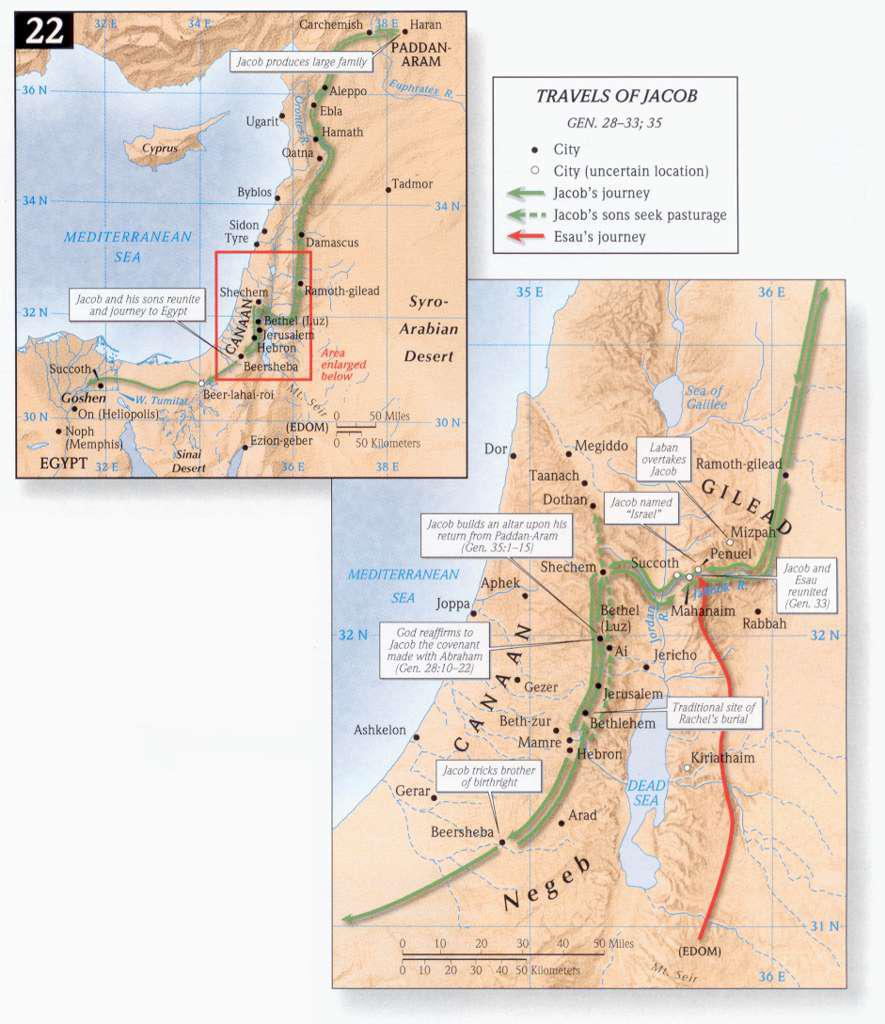
(4) Jacob sent messengers ahead to his brother Esau in the land of Seir, the country of Edom,
(4) Jacob sent messengers ahead to his brother Esau in the land of Seir, the country of Edom, (5) and instructed them as follows, “Thus shall you say, ‘To my lord Esau, thus says your servant Jacob: I stayed with Laban and remained until now; (6) I have acquired cattle, asses, sheep, and male and female slaves; and I send this message to my lord in the hope of gaining your favor.’”
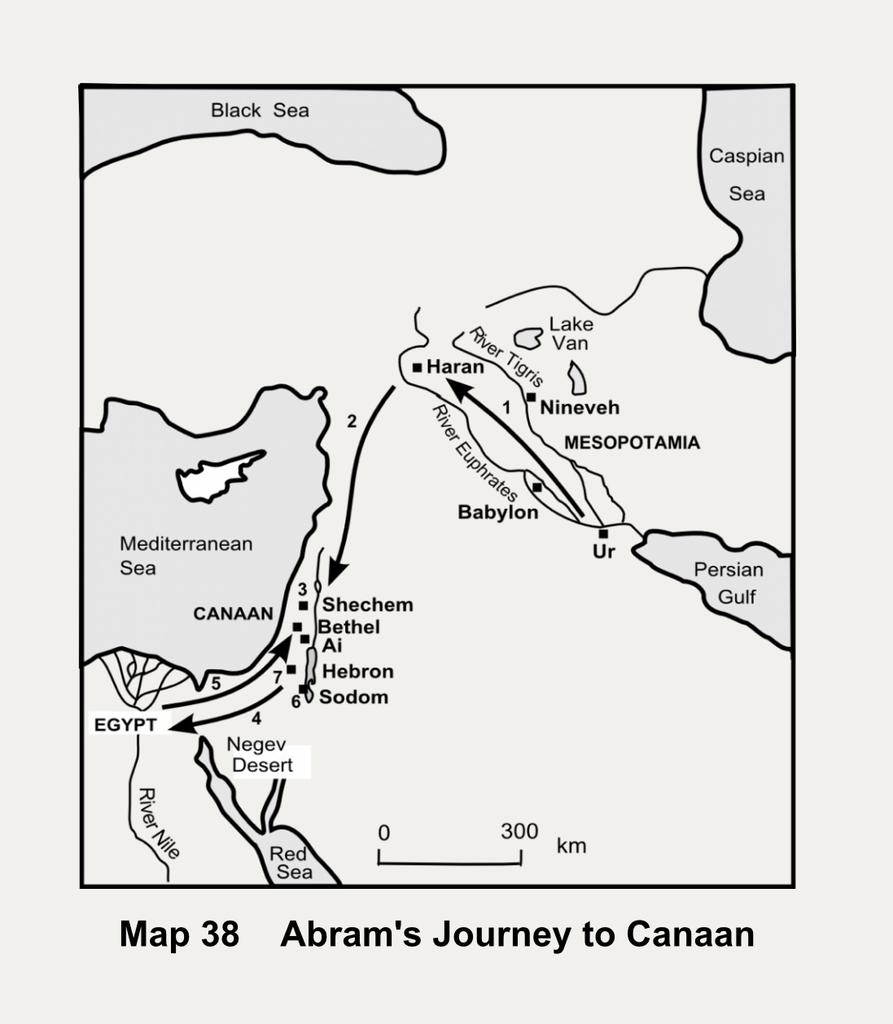
(1) TO ESAU HIS BROTHER UNTO THE LAND SE’IR. Since the southern part of the Land of Israel adjoins Edom, and Jacob’s father dwelt in the land of the South, he had to pass through Edom or near there. Therefore, he feared lest Esau hear of it, and he took the initiative by sending messengers to him in his country.
(1) גרתי I HAVE SOJOURNED — I have become neither a prince nor other person of importance but merely a sojourner. It is not worth your while to hate me on account of the blessing of your father who blessed me (27:29) “Be master over thy brethren”, for it has not been fulfilled in me.
(2) כה אמר עבדך יעקב, “thus has said your obedient servant Yaakov;” Yaakov used this subservient posture in order to cool Esau’s burning anger at what he perceived that Yaakov had done to him. He hinted broadly that his father’s blessing which had portrayed Esau as subservient to him had not been fulfilled at all. In fact, he, Yaakov, was quite ready to recognise his older brother as also his senior.
(1) לאדני, לעשו, “to my lord, to Esau.” We find Yaakov addressing Esau as “my lord,” no fewer than eight times in this portion. This may be the reason why eight kings ruled in the land of Edom before the first king ruled in the land of Israel.
(1) ויהי לי שור וחמור, “I acquired oxen and donkeys, sheep and servants.” Yaakov mentioned his great wealth by understating it, i.e. as if he had only acquired a single ox and a single donkey, etc., as he did not want to appear boastful.
(2) Actually, if the Torah had followed its own rules, it should have mentioned the sheep first, i.e. צאן וחמור, שור seeing that the category called צאן, i.e. sheep and goats, is the most superior species amongst the animals. [Various cites to instances where sheep are mentioned first.] If Yaakov did not want to mention his sheep and goats first this was because Esau had “lost” his blessing on account of these goats. Rivkah had sent Yaakov to the צאן, instructing him to select two good goats to prepare a meal for Yitzchak which could compete with the venison Esau was expected to hunt. Mentioning the צאן first would have sounded like rubbing salt in Esau’s wound.
1) THEN JACOB WAS GREATLY AFRAID. [Jacob] greatly feared for his life, for he said, “He has not taken all these men except for the purpose of waging war against me.”
It appears to me in this matter that Esau did not receive the messengers properly and paid them no heed. Perhaps they did not even come before him for he did not at all give permission for them to come before him and speak to him for otherwise, Scripture would have related that Esau questioned them concerning his brother’s welfare and about his circumstances and those of his household and children.
(1) ויירא יעקב, “Yaakov was greatly afraid;” seeing that Yaakov had had many assurances from G–d, why would he be afraid of the encounter with his brother Esau? He realised –belatedly-that he had erred in staying with Lavan after having completed his 14 years of service, in order to marry. During the years when he had worked to amass material wealth, his brother Esau had performed the commandment of honouring father and mother. He was afraid that he did not have sufficient merits to overcome Esau’s lead in that department.
(14) After spending the night there, he selected from what was at hand these presents for his brother Esau: (15) 200 she-goats and 20 he-goats; 200 ewes and 20 rams; (16) 30 milch camels with their colts; 40 cows and 10 bulls; 20 she-asses and 10 he-asses. (17) These he put in the charge of his servants, drove by drove, and he told his servants, “Go on ahead, and keep a distance between droves.” (18) He instructed the one in front as follows, “When my brother Esau meets you and asks you, ‘Who’s your master? Where are you going? And whose [animals] are these ahead of you?’ (19) you shall answer, ‘Your servant Jacob’s; they are a gift sent to my lord Esau; and [Jacob] himself is right behind us.’” (20) He gave similar instructions to the second one, and the third, and all the others who followed the droves, namely, “Thus and so shall you say to Esau when you reach him. (21) And you shall add, ‘And your servant Jacob himself is right behind us.’” For he reasoned, “If I propitiate him with presents in advance, and then face him, perhaps he will show me favor.”
(25) Jacob was left alone. And a figure wrestled with him until the break of dawn.
(1) ויותר יעקב AND JACOB WAS LEFT ALONE — . Our Rabbis of blessed memory explained that he was Esau’s guardian angel.
(א) וַיִּשָּׂ֨א יַעֲקֹ֜ב עֵינָ֗יו וַיַּרְא֙ וְהִנֵּ֣ה עֵשָׂ֣ו בָּ֔א וְעִמּ֕וֹ אַרְבַּ֥ע מֵא֖וֹת אִ֑ישׁ וַיַּ֣חַץ אֶת־הַיְלָדִ֗ים עַל־לֵאָה֙ וְעַל־רָחֵ֔ל וְעַ֖ל שְׁתֵּ֥י הַשְּׁפָחֽוֹת׃ (ב) וַיָּ֧שֶׂם אֶת־הַשְּׁפָח֛וֹת וְאֶת־יַלְדֵיהֶ֖ן רִֽאשֹׁנָ֑ה וְאֶת־לֵאָ֤ה וִֽילָדֶ֙יהָ֙ אַחֲרֹנִ֔ים וְאֶת־רָחֵ֥ל וְאֶת־יוֹסֵ֖ף אַחֲרֹנִֽים׃ (ג) וְה֖וּא עָבַ֣ר לִפְנֵיהֶ֑ם וַיִּשְׁתַּ֤חוּ אַ֙רְצָה֙ שֶׁ֣בַע פְּעָמִ֔ים עַד־גִּשְׁתּ֖וֹ עַד־אָחִֽיו׃ (ד) וַיָּ֨רׇץ עֵשָׂ֤ו לִקְרָאתוֹ֙ וַֽיְחַבְּקֵ֔הוּ וַיִּפֹּ֥ל עַל־צַוָּארָ֖ו וַׄיִּׄשָּׁׄקֵ֑ׄהׄוּׄ וַיִּבְכּֽוּ׃
(1) Looking up, Jacob saw Esau coming, with a retinue of four hundred. He divided the children among Leah, Rachel, and the two maids, (2) putting the maids and their children first, Leah and her children next, and Rachel and Joseph last. (3) He himself went on ahead and bowed low to the ground seven times until he was near his brother. (4) Esau ran to greet him. He embraced him and, falling on his neck, he kissed him; and they wept.
(2) וישקהו AND HE KISSED HIM — Dots are placed above the letters of this word, and a difference of opinion is expressed ... as to what these dots are intended to suggest: some explain the dotting as meaning that he did not kiss him with his whole heart, whereas R Simeon the son of Johai said: Is it not well-known that Esau hated Jacob? But at that moment his pity was really aroused and he kissed him with his whole heart.
(1) וישקהו, “and he kissed him.” Here the reason they placed these dots was to let us know that this kiss was not whole-hearted. It was a kiss which originated in anger.
(1) וירץ, when Esau saw that Yaakov had humbled himself so much before him, he forgave what he had done to him and his sense of compassion was stirred. (2) וישקהו, the word has a dot on each of the letters. ... Rabbi Shimon ben Elazar says that everywhere where you find the dots do not cover each letter of the word underneath we give preference to the meaning of the text as is, without the dots. When there are more dots than letters, we give emphasis in our interpretation to the dots. In this instance, there are as many dots as there are letters in the word וישקהו, so that we understand that Esau kissed Esau sincerely with all his heart. To this Rabbi Yannai countered by asking that if this is indeed so, why bother to put any dots on the word if they do not affect the meaning? We therefore must interpret that originally Esau had intended to bite Yaakov’s neck feigning an embrace. G’d made his teeth as soft as wax and Yaakov’s neck as hard as ivory. ויבכו, one on account of his neck, the other on account of his teeth.
(ח) וַיֹּ֕אמֶר מִ֥י לְךָ֛ כׇּל־הַמַּחֲנֶ֥ה הַזֶּ֖ה אֲשֶׁ֣ר פָּגָ֑שְׁתִּי וַיֹּ֕אמֶר לִמְצֹא־חֵ֖ן בְּעֵינֵ֥י אֲדֹנִֽי׃ (ט) וַיֹּ֥אמֶר עֵשָׂ֖ו יֶשׁ־לִ֣י רָ֑ב אָחִ֕י יְהִ֥י לְךָ֖ אֲשֶׁר־לָֽךְ׃ (י) וַיֹּ֣אמֶר יַעֲקֹ֗ב אַל־נָא֙ אִם־נָ֨א מָצָ֤אתִי חֵן֙ בְּעֵינֶ֔יךָ וְלָקַחְתָּ֥ מִנְחָתִ֖י מִיָּדִ֑י כִּ֣י עַל־כֵּ֞ן רָאִ֣יתִי פָנֶ֗יךָ כִּרְאֹ֛ת פְּנֵ֥י אֱלֹהִ֖ים וַתִּרְצֵֽנִי׃ (יא) קַח־נָ֤א אֶת־בִּרְכָתִי֙ אֲשֶׁ֣ר הֻבָ֣את לָ֔ךְ כִּֽי־חַנַּ֥נִי אֱלֹהִ֖ים וְכִ֣י יֶשׁ־לִי־כֹ֑ל וַיִּפְצַר־בּ֖וֹ וַיִּקָּֽח׃
(1) ויבן לו בית AND HE BUILT FOR HIMSELF A HOUSE — He stayed there eighteen months — summer, winter and summer again; for the first mention of Succoth (booths which are erected for the cattle) points to the summer (when booths are necessary for the cattle), the mention of building a house to the winter, and the second mention of booths to the next summer.
(1) WHY THIS? LET ME FIND FAVOUR IN THE EYES OF MY LORD.
Our Rabbis have further seen an advisory aspect in this entire chapter. Thus they have said: “Before embarking on a journey to the Roman ruler, Rabbi Yanai would peruse this section of the Torah, and he never took Romans with him as an escort on the return journey. One time he did not peruse this section and he took Romans with him, and he had not yet reached Acco when he was compelled to sell his travelling cloak for bribery money.” ... Thus he would not accept the company of the Romans as an escort for they draw no man near to them except for their own interest and take liberties with people’s belongings.
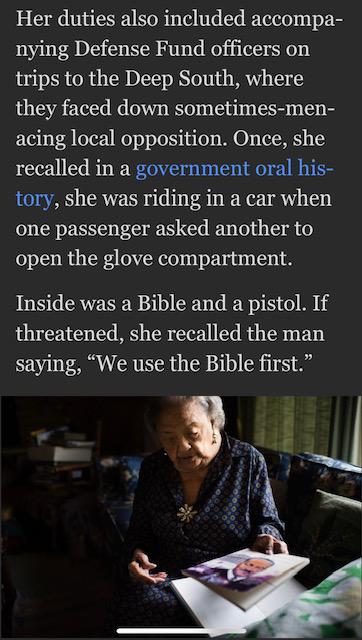
The following is from an appreciation of Cissy Marshall, the wife of Justice Thurgood Marshall. Cissy was Marshall's secretary at the Legal Defense Fund, and she traveled the country with the lawyers of the LDF, provided them support on their court appearances. They married after Marshall's wife died shortly following the Brown decision.