
Save "משנה אבות ה' י"ז ואילך
"
משנה אבות ה' י"ז ואילך

כָּל מַחֲלֹקֶת שֶׁהִיא לְשֵׁם שָׁמַיִם, סוֹפָהּ לְהִתְקַיֵּם.
וְשֶׁאֵינָהּ לְשֵׁם שָׁמַיִם, אֵין סוֹפָהּ לְהִתְקַיֵּם.

אֵיזוֹ הִיא מַחֲלֹקֶת שֶׁהִיא לְשֵׁם שָׁמַיִם, זוֹ מַחֲלֹקֶת הִלֵּל וְשַׁמַּאי.

וְשֶׁאֵינָהּ לְשֵׁם שָׁמַיִם, זוֹ מַחֲלֹקֶת קֹרַח וְכָל עֲדָתוֹ:

Every dispute that is for the sake of Heaven, will in the end endure; But one that is not for the sake of Heaven, will not endure. Which is the controversy that is for the sake of Heaven? Such was the controversy of Hillel and Shammai. And which is the controversy that is not for the sake of Heaven? Such was the controversy of Korah and all his congregation.

כָּל מַחֲלֹקֶת שֶׁהִיא לְשֵׁם שָׁמַיִם סוֹפָהּ לְהִתְקַיֵּם. כְּלוֹמַר שֶׁאַנְשֵׁי הַמַּחֲלֹקֶת הַהִיא מִתְקַיְּמִים וְאֵינָם אוֹבְדִין, כְּמַחֲלֹקֶת הִלֵּל וְשַׁמַּאי שֶׁלֹּא אָבְדוּ לֹא תַּלְמִידֵי בֵּית שַׁמַּאי וְלֹא תַּלְמִידֵי בֵּית הִלֵּל.
אֲבָל קֹרַח וַעֲדָתוֹ אָבְדוּ.


וַאֲנִי שָׁמַעְתִּי, פֵּרוּשׁ סוֹפָהּ, תַּכְלִיתָהּ הַמְבֻקָּשׁ מֵעִנְיָנָהּ.
וְהַמַּחֲלֹקֶת שֶׁהִיא לְשֵׁם שָׁמַיִם, הַתַּכְלִית וְהַסּוֹף הַמְבֻקָּשׁ מֵאוֹתָהּ מַחֲלֹקֶת לְהַשִּׂיג הָאֱמֶת, וְזֶה מִתְקַיֵּם, כְּמוֹ שֶׁאָמְרוּ מִתּוֹךְ הַוִּכּוּחַ יִתְבָּרֵר הָאֱמֶת,

וּכְמוֹ שֶׁנִּתְבָּאֵר בְּמַחֲלֹקֶת הִלֵּל וְשַׁמַּאי שֶׁהֲלָכָה כְּבֵית הִלֵּל.
וּמַחֲלֹקֶת שֶׁאֵינָהּ לְשֵׁם שָׁמַיִם, תַּכְלִית הַנִּרְצֶה בָּהּ הִיא בַּקָּשַׁת הַשְּׂרָרָה וְאַהֲבַת הַנִּצּוּחַ, וְזֶה הַסּוֹף אֵינוֹ מִתְקַיֵּם,
כְּמוֹ שֶׁמָּצִינוּ בְּמַחֲלֹקֶת קֹרַח וַעֲדָתוֹ שֶׁתַּכְלִית וְסוֹף כַּוָּנָתָם הָיְתָה בַּקָּשַׁת הַכָּבוֹד וְהַשְּׂרָרָה וְהָיוּ לְהֶפֶךְ:

Every argument that is for [the sake of] heaven's name, it is destined (literally, its end is) to endure: That is to say that the [parties to] the argument are destined to endure and not perish, as with the argument between Hillel and Shammai, [whereby] neither the students of the School of Hillel nor the students of the School of Shammai perished. But Korach and his congregation perished. And I heard the explanation of “its end” is its purpose that is sought from its subject. And [with] the argument which is for the sake of Heaven, the purpose and aim that is sought from that argument is to arrive at the truth, and this endures; like that which they said, "From a dispute the truth will be clarified," and as it became elucidated from the argument between Hillel and Shammai - that the law was like the school of Hillel. And [with] argument which is not for the sake of Heaven, its desired purpose is to achieve power and the love of contention, and its end will not endure; as we found in the argument of Korach and his congregation - that their aim and ultimate intent was to achieve honor and power, and the opposite was [achieved].

סופה להתקיים. אני מפרשו כמשמעו. לפי שאלו ואלו דברי אלקים חיים. לכן סופה להתקיים המחלוקת עצמה. והמחלוקת במקומה עומדת לעולם. שכן נזכרים ונעשים בכל דור. וזכרם לא יסוף ולא יעדור. ואינם לבטלה חלילה.

רַבִּי יוֹחָנָן הַסַּנְדְּלָר אוֹמֵר, כָּל כְּנֵסִיָּה שֶׁהִיא לְשֵׁם שָׁמַיִם, סוֹפָהּ לְהִתְקַיֵּם. וְשֶׁאֵינָהּ לְשֵׁם שָׁמַיִם, אֵין סוֹפָהּ לְהִתְקַיֵּם:

Rabbi Yochanan Hasandlar said: every assembly which is for the sake of heaven, will in the end endure; and every assembly which is not for the sake of heaven, will not endure in the end.

(יא) דִּבְרֵ֤י חֲכָמִים֙ כַּדָּ֣רְבֹנ֔וֹת וּֽכְמַשְׂמְר֥וֹת נְטוּעִ֖ים בַּעֲלֵ֣י אֲסֻפּ֑וֹת נִתְּנ֖וּ מֵרֹעֶ֥ה אֶחָֽד׃

(11) The sayings of the wise are like goads, like nails fixed in prodding sticks.-o They were given by one Shepherd.-p

״בַּעֲלֵי אֲסֻפּוֹת״ — אֵלּוּ תַּלְמִידֵי חֲכָמִים, שֶׁיּוֹשְׁבִין אֲסוּפּוֹת אֲסוּפּוֹת וְעוֹסְקִין בַּתּוֹרָה. הַלָּלוּ מְטַמְּאִין וְהַלָּלוּ מְטַהֲרִין, הַלָּלוּ אוֹסְרִין וְהַלָּלוּ מַתִּירִין, הַלָּלוּ פּוֹסְלִין וְהַלָּלוּ מַכְשִׁירִין,
שֶׁמָּא יֹאמַר אָדָם: הֵיאַךְ אֲנִי לָמֵד תּוֹרָה מֵעַתָּה — תַּלְמוּד לוֹמַר: ״כּוּלָּם נִתְּנוּ מֵרוֹעֶה אֶחָד״. אֵל אֶחָד נְתָנָן, פַּרְנָס אֶחָד אֲמָרָן, מִפִּי אֲדוֹן כׇּל הַמַּעֲשִׂים בָּרוּךְ הוּא, דִּכְתִיב: ״וַיְדַבֵּר אֱלֹקִים אֶת כׇּל הַדְּבָרִים הָאֵלֶּה״.
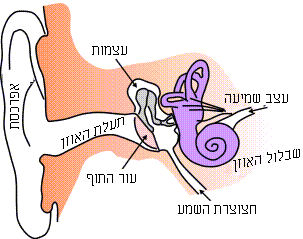
אַף אַתָּה, עֲשֵׂה אׇזְנֶיךָ כַּאֲפַרְכֶּסֶת, וּקְנֵה לְךָ לֵב מֵבִין לִשְׁמוֹעַ אֶת דִּבְרֵי מְטַמְּאִים וְאֶת דִּבְרֵי מְטַהֲרִים, אֶת דִּבְרֵי אוֹסְרִין וְאֶת דִּבְרֵי מַתִּירִין, אֶת דִּבְרֵי פוֹסְלִין וְאֶת דִּבְרֵי מַכְשִׁירִין.

“Those that are composed in collections [ba’alei asufot]”: These are Torah scholars who sit in many groups [asupot] and engage in Torah study. There are often debates among these groups, as some of these Sages render an object or person ritually impure and these render it pure; these prohibit an action and these permit it; these deem an item invalid and these deem it valid. Lest a person say: Now, how can I study Torah when it contains so many different opinions? The verse states that they are all “given from one shepherd.” One God gave them; one leader, i.e., Moses, said them from the mouth of the Master of all creation, Blessed be He, as it is written: “And God spoke all these words” (Exodus 20:1). The plural form “words” indicates that God transmitted all the interpretations of the Ten Commandments. Since the Sages invariably utilize the Torah itself or the statements of the prophets as the sources for their opinions, there is a certain unity to the study of Torah, despite the numerous explanations and applications. So too you, the student, make your ears like a funnel and acquire for yourself an understanding heart to hear both the statements of those who render objects ritually impure and the statements of those who render them pure; the statements of those who prohibit actions and the statements of those who permit them; the statements of those who deem items invalid and the statements of those who deem them valid. When Rabbi Yehoshua heard these interpretations, he said to them in these words: No generation is considered orphaned, i.e. without a leader, if Rabbi Elazar ben Azarya dwells among it.

אפרכסת
  1. כלי חלול בעל פתח כניסה רחב ופתח יציאה צר. מונח על הרחיים לקבל את החיטים הנטחנות.
  2. כלי גלילי כעין משפך המונח על האוזן להגברת השמיעה.
    (וויקימילון)
כָּל הַמְזַכֶּה אֶת הָרַבִּים, אֵין חֵטְא בָּא עַל יָדוֹ.
וְכָל הַמַּחֲטִיא אֶת הָרַבִּים, אֵין מַסְפִּיקִין בְּיָדוֹ לַעֲשׂוֹת תְּשׁוּבָה.
משֶׁה זָכָה וְזִכָּה אֶת הָרַבִּים, זְכוּת הָרַבִּים תָּלוּי בּוֹ, שֶׁנֶּאֱמַר (דברים לג) צִדְקַת ה' עָשָׂה וּמִשְׁפָּטָיו עִם יִשְׂרָאֵל.

יָרָבְעָם חָטָא וְהֶחֱטִיא אֶת הָרַבִּים, חֵטְא הָרַבִּים תָּלוּי בּוֹ, שֶׁנֶּאֱמַר (מלכים א טו) עַל חַטֹּאות יָרָבְעָם (בֶּן נְבָט) אֲשֶׁר חָטָא וַאֲשֶׁר הֶחֱטִיא אֶת יִשְׂרָאֵל:

Whoever causes the multitudes to be righteous, sin will not occur on his account; And whoever causes the multitudes to sin, they do not give him the ability to repent. Moses was righteous and caused the multitudes to be righteous, [therefore] the righteousness of the multitudes is hung on him, as it is said, “He executed the Lord’s righteousness and His decisions with Israel” (Deut. 33:21). Jeroboam, sinned and caused the multitudes to sin, [therefore] the sin of the multitudes is hung on him, as it is said, “For the sins of Jeroboam which he sinned, and which he caused Israel to sin thereby” (I Kings 15:30).

אֵין חֵטְא בָּא עַל יָדוֹ. כְּדֵי שֶׁלֹּא יְהֵא הוּא בַּגֵּיהִנֹּם וְתַלְמִידָיו בְּגַן עֵדֶן:

Sin does not result from him: So that he will not be in gehinnom and his students in the Garden of Eden.

אֵין מַסְפִּיקִין בְּיָדוֹ לַעֲשׂוֹת תְּשׁוּבָה. שֶׁלֹּא יְהֵא הוּא בְּגַן עֵדֶן וְתַלְמִידָיו בַּגֵּיהִנֹּם:

is not given enough [time] to repent: So that he not be in the Garden of Eden and his students in gehinnom.

אלו הענינים על צד הגמול והעונש
כי מי שיחלק לא לכונת סתירת דברי חבירו אלא לרצותו לדעת האמת יתקיימו דבריו ולא יפסיקו:
וכל מי שיישר בני אדם יגמלהו ה' יתברך כשימנעהו מן החטא
וכל מי שיטעה בני אדם יענשהו ה' יתברך כשימנעהו מן התשובה

This is all clear, as these matters are from the angle of reward and punishment. So that anyone who disagrees not with the intention to contradict the words of his fellow but from his wanting to know the truth, his words will endure and not end. And anyone who makes people straight, God, may He be blessed, will reward him by preventing him from transgression. And anyone who deceives people, God, may He be blessed, will punish him by preventing him from repentance. And this is clear and there is no difficulty in it, if you understand what we have outlined in the eighth chapter (Eight Chapters 8:14-16).

יומא חד הוה קרי [יום אחד היה קורא] ר' יהושע בן פרחיה קרית (קריאת) שמע,

אתא לקמיה [בא ישו לפניו].

הוה בדעתיה לקבוליה [היה בדעתו לקבלו] בפעם זו, אחוי ליה בידיה [הראה לו בידו] שימתין, ואילו ישו סבר מדחא דחי ליה [חשב שהוא דוחה אותו] לגמרי,

אזל זקף לבינתא פלחא [הלך העמיד לבינה ועבד אותה] כעבודה זרה.
אמר ליה [לו] ר' יהושע בן פרחיה: חזור בך!
אמר ליה
[לו]: כך מקובלני ממך, כל החוטא ומחטיא את הרבים אין מספיקין בידו לעשות תשובה.
שאמר מר [החכם]: ישו הנוצרי כישף והסית והדיח והחטיא את ישראל.
(ביאור שטיינזלץ)

One day, Rabbi Yehoshua ben Peraḥya was reciting Shema when Jesus came before him. He intended to accept him on this occasion, so he signaled to him with his hand to wait. Jesus thought he was rejecting him entirely. He therefore went and stood up a brick and worshipped it as an idol. Rabbi Yehoshua ben Peraḥya said to him: Return from your sins. Jesus said to him: This is the tradition that I received from you: Anyone who sins and causes the masses to sin is not given the opportunity to repent. The Gemara explains how he caused the masses to sin: For the Master said: Jesus the Nazarene performed sorcery, and he incited the masses, and subverted the masses, and caused the Jewish people to sin.

ר' ראובן אומר, הכל הולך אחר הראש. אימתי, בזמן שהרועה תועה הצאן תועין אחריו, שנ' על חטאת ירבעם בן נבט אשר חטא ואשר החטיא את ישראל. ואימתי, בזמן שהרועה טוב הצאן הולכים אחריו והולכין בדרך ישרה, ומשה רבנו עליו השלום רועה נאמן היה והתחיל לשורר ולזמר לפני הב"ה והלכו כל ישראל אחריו, שנ' אז ישיר משה ובני ישראל ראתה מרים התחילה לשורר ולזמר לפני הב"ה והלכו כל הנשים אחריה שנ' ותקח מרים הנביאה אחות אהרן את התוף בידה וכי מניין היה להם תופים ומחולות אלא לעולם הצדיקים יודעין ומתפייסין ומבטיחין שהב"ה עושה להם נסים וגבורות עד יציאתן ממצרים התקינו להם תופים ומחולות.

Rabbi Reuben said: The entire body follows the head, and when the shepherd goes astray the sheep go astray after him, as it is said, "For the sins of Jeroboam which he sinned, and wherewith he made Israel to sin" (1 Kings 15:30). When the shepherd is good, all follow after him. Moses began to sing, and to utter praises before the Holy One, blessed be He, and all Israel followed him, as it is said, "Then sang Moses and the children of Israel" (Ex. 15:1). Miriam began to sing and to utter praises, before the Holy One, blessed be He, and all the women followed her, as it is said, "And Miriam the prophetess, the sister of Aaron, took a timbrel… and all the women went out after her" (Ex. 15:20). Whence did they have timbrels and chorus in the wilderness? But the righteous always know and conciliate (God), and are assured that the Omnipresent, blessed be He, performs for them miracles and mighty deeds. Before (the time of) their departure from Egypt they prepared for themselves timbrels and chorus.

מי שאין מתקן אלא נפשו בלבד תהיה זכותו מעטה ומי שמתקן נפשו ונפשות רבות תכפל זכותו כפי זכיות.

Likewise, my brother, if one rectifies only himself, he will have a small merit. But if one rectifies himself and many other people, he will have his merit multiplied according to the merits of all the people who he rectified to G-dver" (Daniel 12:3).

מִתַּלְמִידָיו שֶׁל אַבְרָהָם אָבִינוּ. לָמֵד מִמֶּנּוּ וְהוֹלֵךְ בִּדְרָכָיו:
From the students of Abraham, our father: He has learned from him and walks in his ways.

כָּל מִי שֶׁיֵּשׁ בְּיָדוֹ שְׁלשָׁה דְבָרִים הַלָּלוּ, מִתַּלְמִידָיו שֶׁל אַבְרָהָם אָבִינוּ.
וּשְׁלשָׁה דְבָרִים אֲחֵרִים, מִתַּלְמִידָיו שֶׁל בִּלְעָם הָרָשָׁע.
עַיִן טוֹבָה, וְרוּחַ נְמוּכָה, וְנֶפֶשׁ שְׁפָלָה, מִתַּלְמִידָיו שֶׁל אַבְרָהָם אָבִינוּ.

עַיִן רָעָה, וְרוּחַ גְּבוֹהָה, וְנֶפֶשׁ רְחָבָה, מִתַּלְמִידָיו שֶׁל בִּלְעָם הָרָשָׁע.
מַה בֵּין תַּלְמִידָיו שֶׁל אַבְרָהָם אָבִינוּ לְתַלְמִידָיו שֶׁל בִּלְעָם הָרָשָׁע.
תַּלְמִידָיו שֶׁל אַבְרָהָם אָבִינוּ, אוֹכְלִין בָּעוֹלָם הַזֶּה וְנוֹחֲלִין בָּעוֹלָם הַבָּא, שֶׁנֶּאֱמַר (משלי ח) לְהַנְחִיל אֹהֲבַי יֵשׁ, וְאֹצְרֹתֵיהֶם אֲמַלֵּא.

אֲבָל תַּלְמִידָיו שֶׁל בִּלְעָם הָרָשָׁע יוֹרְשִׁין גֵּיהִנֹּם וְיוֹרְדִין לִבְאֵר שַׁחַת, שֶׁנֶּאֱמַר (תהלים נה) וְאַתָּה אֱלֹקִים תּוֹרִידֵם לִבְאֵר שַׁחַת, אַנְשֵׁי דָמִים וּמִרְמָה לֹא יֶחֱצוּ יְמֵיהֶם, וַאֲנִי אֶבְטַח בָּךְ:

Whoever possesses these three things, he is of the disciples of Abraham, our father; and [whoever possesses] three other things, he is of the disciples of Balaam, the wicked. A good eye, a humble spirit and a moderate appetite he is of the disciples of Abraham, our father. An evil eye, a haughty spirit and a limitless appetite he is of the disciples of Balaam, the wicked. What is the difference between the disciples of Abraham, our father, and the disciples of Balaam, the wicked? The disciples of Abraham, our father, enjoy this world, and inherit the world to come, as it is said: “I will endow those who love me with substance, I will fill their treasuries” (Proverbs 8:21). But the disciples of Balaam, the wicked, inherit gehinnom, and descend into the nethermost pit, as it is said: “For you, O God, will bring them down to the nethermost pit those murderous and treacherous men; they shall not live out half their days; but I trust in You” (Psalms 55:24).
  1. עין טובה היא ההסתפקות
  2. ונפש שפלה היא הזהירות
  3. ורוח נמוכה היא הענוה יתירה

כמו שהתבאר בפרק שלפני זה
והשלש שכנגדן הוא

  1. החריצות לקנות הממון והוא עין רעה
  2. ורוב התאוה והיא נפש רחבה
  3. והגאוה והיא רוח גבוהה

והשלש מעלות ההן נתפרסמו לאברהם אבינו ומפני זה יקרא כל מי שימצאו בו אלו המעלו' מתלמידיו של אברהם אבינו מפני שהתנהג במדותיו.
וכל מי שימצאו בו אלו השלשה פחיתיות הוא מתלמידיו של בלעם הרשע אחר שהתנהג במדותיו
ואני אזכיר המקומות שהתבארו בהן אלו המעלות לאברהם והפחיתיות ההן כולם לבלעם והן נמצאות כולן בתורה אמנם ההסתפקות באברהם הוא אמרו למלך סדום אם מחוט ועד שרוך נעל ואם אקח מכל אשר לך וגו' וזה תכלית ההסתפקות והוא שיניח אדם ממון גדול ולא יהנה ממנו אפילו בדבר מועט. אבל זהירתו אמרו לשרה ביום בואו מצרימה. הנה נא ידעתי כי אשה יפת מראה את ובא בפי' שלא הסתכל בצורתה הסתכלות שלימה רק ביום ההוא וזה תכלית הזהירות ועוד אמרו על הגר אחר שלקחה הנה שפחתך בידך עשי לה כטוב בעיניך מורה שלא היה לו רצון להתענג עמה וכן כשביקשה ממנו שרה לגרשה עם ישמעאל עד שתמנעהו מנטות אחריה בעבור המשגל העיד הכתוב שהרע בעיניו על ישמעאל לבד והוא אמרו וירע הדבר מאוד בעיני אברהם על אודות בנו: אלו כולם מופתי הזהירות. ואמנם ענותנותו הוא אמרו ואנכי עפר ואפר. והתפרסם לבלעם הרשע החריצות על הממון והוא בואו מארם נהרים בעבור הממון אשר נשכר בו לקלל את ישראל והוא אמרו יתברך אשר שכר עליך את בלעם בן בעור וגו'. ואמנם רוב תאותו בענין המשגל היא סבת עצתו לבלק שיפקיר הנשים לזנות עם ישראל וישים זונות מפורסמות כי לולי רוב התאוה אשר היתה לו והיות הזנות טוב בעיניו לא היה מצוה בו שמצות בני אדם אינם רק לפי דעתם כי הטובים לא יצוו ברע אבל יזהירו ממנו ולשון הכתוב הן הנה היו לבני ישראל בדבר בלעם וגו' וחכמים אמרו בלעם בועל אתונו היה ואין ספק בו שמי שזה דעתו בזה תהיה פעולתו. ואמנם גאותו אמרו נאם שומע אמרי אל ואמנם הביאו ראיה על בלעם מאמרו ואתה אלקים תורידם לבאר שחת אנשי דמים וגו' פירוש מפני שהיה איש הדמים שהוא היה סיבת מות ישראל במגפה והוא ג"כ איש מרמה בעשותו תחבולות לפעולת הרע: והביאו ראיה על תלמידי אברהם מאומרו להנחיל אוהבי יש ואוצרותיהם אמלא כמו שקראו זרע אברהם אוהבי:

A good eye: We have explained many times that the matter of a good eye is sufficing and [that] a small appetite is carefulness and [that] a humble spirit is extreme humility as was explained in the chapter before this one (Rambam on Pirkei Avot 4:4). And the three [negative traits] that correspond to them are zeal to acquire money and that is an evil eye, and much desire and that is a broad appetite and arrogance and that is a haughty spirit. And these three virtues are publicized in Abraham, our father. And because of this, anyone who is found to have these virtues is called one of the students of Abraham, our father - as he followed his traits. And anyone within whom is found these three vices is of the students of Bilaam the evildoer - as he followed his traits. And I will mention the places in which are elucidated these virtues in Abraham and these vices in Bilaam, and they are all found in the Torah. Indeed, the sufficing of Abraham is in his saying to the king of Sedom (Genesis 14:23), "If from a thread to a sandal strap, and if I take from any of what is yours, etc." And that is the epitome of sufficing - that a man leave much money and not benefit from it, even a little bit. But his caution is his saying to Sarah on the day they came to Egypt (Genesis 12:11), "Behold, I have known that you are a woman of beautiful appearance." And the explanation comes that he did not fully look at her form besides that day - and that is the epitome of carefulness. And [it is also shown] in his saying about Hagar after he married her (Genesis 16:6), " Behold, your maidservant is in your hands - do to her as is good in your eyes." [This] shows that he did not wish to enjoy himself with her. And so [too] when Sarah requested from him to expel her with Yishmael such that he would be prevented from inclining towards [Hagar] for sexual matters, the verse testifies that it was only bad in his eyes about Yishmael, and that is its stating (Genesis 21:11), "And the matter was very bad in the eyes of Abraham on account of his son." These are all signs of carefulness. And, indeed, his humility is his stating (Genesis 18:27), "and I am dust and ashes." And Bilaam the evildoer's zeal for money was publicized and that is his coming from Aram Naharaim for the sake of the money with which he was hired to curse Israel. And that is His, may He be blessed, stating (Deuteronomy 23:5), "since he hired against you Balaam son of Beor, etc." And, indeed, his great desire in sexual matters is the reason for his advice to Balak that he set loose the women to be promiscuous with [the men of] Israel and to place known harlots [in front of them]. As were it not for the great desire that he had and that harlots were good in his eyes, he would not have commanded this - since the commands of people are only according to their opinions. As the good will not command to [do] evil, but will rather warn against it. And the language of Scripture (Numbers 31:16) is "They are the very ones against the children of Israel by the word of Bilaam, etc." And the sages said (Sanhedrin 105a) [that] Bilaam had sexual relations with his donkey. And there is no doubt about it that one with such an opinion will have actions [like] this. And indeed, his arrogance is his stating (Numbers 24:16), "Speaks the one who hears the words of God." And indeed that which it brought a proof about Bilaam from its stating (Psalms 55:24), "And You, God, will bring them down to the pit of destruction; the people of blood, etc." - [its] explanation is [that it is] because he was a man of blood - as he was the cause of the Israelites' death in the plague; and he was also a man of deceit in his creating a machination to bring about the evil. And its bringing a proof about the students of Abraham from its stating (Proverbs 8:21), "There is what for those that love Me to inherit, and their treasuries will I fill" is like that which He called him (Isaiah 41:8), "the seed of Abraham, the one I love."

מתלמידיו של אברהם אבינו
אפילו הוא עכו"ם, עכ"פ הוא מתלמידי אאע"ה שלימד לכל בני עולם דעת אלקים ומדות ישרות. ומה"ט לא נקט תנא תלמידי משרע"ה, דתלמידי משרע"ה צריכים לקיים כל התורה:

יְהוּדָה בֶן תֵּימָא אוֹמֵר, הֱוֵי עַז כַּנָּמֵר, וְקַל כַּנֶּשֶׁר, וְרָץ כַּצְּבִי, וְגִבּוֹר כָּאֲרִי, לַעֲשׂוֹת רְצוֹן אָבִיךָ שֶׁבַּשָּׁמָיִם.
הוּא הָיָה אוֹמֵר, עַז פָּנִים לְגֵיהִנֹּם, וּבֹשֶׁת פָּנִים לְגַן עֵדֶן.
יְהִי רָצוֹן מִלְּפָנֶיךָ ה' אֱלֹקֵינוּ שֶׁתִּבְנֶה עִירְךָ בִּמְהֵרָה בְיָמֵינוּ וְתֵן חֶלְקֵנוּ בְתוֹרָתֶךָ:

Judah ben Tema said: Be strong as a leopard, and swift as an eagle, and fleet as a gazelle, and brave as a lion, to do the will of your Father who is in heaven. He used to say: the arrogant is headed for Gehinnom and the blushing for the garden of Eden. May it be the will, O Lord our God, that your city be rebuilt speedily in our days and set our portion in the studying of your Torah.
יהודה בן תימא
תנאים - דור רביעי. c.110 - c.135 CE 110 - 135 לספירה בקירוב
לא הרבה ידוע על רבי יהודה בן תימא, אך הוא נזכר כ"בעל משנה". היה תלמידו של רבי יהודה הנשיא.

הוּא הָיָה אוֹמֵר,

בֶּן חָמֵשׁ שָׁנִים לַמִּקְרָא,

בֶּן עֶשֶׂר לַמִּשְׁנָה,

בֶּן שְׁלשׁ עֶשְׂרֵה לַמִּצְוֹת,

בֶּן חֲמֵשׁ עֶשְׂרֵה לַתַּלְמוּד,

בֶּן שְׁמֹנֶה עֶשְׂרֵה לַחֻפָּה,

בֶּן עֶשְׂרִים לִרְדֹּף,

בֶּן שְׁלשִׁים לַכֹּחַ,

בֶּן אַרְבָּעִים לַבִּינָה,

בֶּן חֲמִשִּׁים לָעֵצָה,

בֶּן שִׁשִּׁים לַזִּקְנָה,

בֶּן שִׁבְעִים לַשֵּׂיבָה,

בֶּן שְׁמֹנִים לַגְּבוּרָה,

בֶּן תִּשְׁעִים לָשׁוּחַ,

בֶּן מֵאָה כְּאִלּוּ מֵת וְעָבַר וּבָטֵל מִן הָעוֹלָם:

He used to say: At five years of age the study of Scripture; At ten the study of Mishnah; At thirteen subject to the commandments; At fifteen the study of Talmud; At eighteen the bridal canopy; At twenty for pursuit [of livelihood]; At thirty the peak of strength; At forty wisdom; At fifty able to give counsel; At sixty old age; At seventy fullness of years; At eighty the age of “strength”; At ninety a bent body; At one hundred, as good as dead and gone completely out of the world.

בֶּן עֶשְׂרִים לִרְדֹּף. אַחַר מְזוֹנוֹתָיו. לְאַחַר שֶׁלָּמַד מִקְרָא מִשְׁנָה וּגְמָרָא וְנָשָׂא אִשָּׁה וְהוֹלִיד בָּנִים, צָרִיךְ הוּא לַחֲזֹר וּלְבַקֵּשׁ אַחַר מְזוֹנוֹת. פֵּרוּשׁ אַחֵר, בֶּן עֶשְׂרִים לִרְדֹּף אוֹתוֹ מִן הַשָּׁמַיִם וּלְהַעֲנִישׁוֹ עַל מַעֲשָׂיו, שֶׁאֵין בֵּית דִּין שֶׁל מַעֲלָה מַעֲנִישִׁין פָּחוֹת מִבֶּן עֶשְׂרִים:

"Twenty [is the age] for pursuit": of his sustenance. After he has studied Scripture, Mishnah and Talmud, and married a woman and produced children, he must seek out sustenance. A different explanation: Twenty [is the age] of his being pursued from the Heavens and to punish him for his deeds; as the court Above does not punish [someone] less than twenty years old.

**בֶּן חֲמִשִּׁים לָעֵצָה. שֶׁנֶּאֱמַר בַּלְּוִיִּם (במדבר ח) וּמִבֶּן חֲמִשִּׁים שָׁנָה יָשׁוּב מִצְּבָא הָעֲבוֹדָה וְלֹא יַעֲבֹד עוֹד וְשֵׁרֵת אֶת אֶחָיו וְגוֹ', וּמַהוּ הַשֵּׁרוּת, שֶׁיִּתֵּן לָהֶם עֵצָה:

"Fifty [is the age] for [giving] counsel": As it is stated with the Levites (Numbers 8:25), "And from fifty years, he shall return from service and not serve more; and serve his brothers, etc." - and what is the service? That he give them counsel.

בֶּן שִׁבְעִים לַשֵּׁיבָה. דִּכְתִיב בְּדָוִד (דברי הימים א כט) וַיָּמָת בְּשֵׂיבָה טוֹבָה, וִימֵי חַיָּיו הָיוּ שִׁבְעִים שָׁנָה:

"Seventy [is the age] for a hoary head:" As is written about David (I Chronicles 29:28), "And he died with a good hoary head"; and the days of his life were seventy years.

בֶּן שְׁמֹנִים לִגְבוּרוֹת. דִּכְתִיב (תהלים צ) וְאִם בִּגְבוּרוֹת שְׁמֹנִים שָׁנָה:

"Eighty [is the age] for [superadded] strength (gevurot)": As is written (Psalms 90:10), "and if with great strength (gevurot), eighty years."

בֶּן תִּשְׁעִים לָשׁוּחַ. הוֹלֵךְ שָׁחוּחַ וְכָפוּף. וְיֵשׁ אוֹמְרִים, לְשׁוֹן שׁוּחָה עֲמֻקָּה:

"Ninety [is the age] for [a] bending [stature]": He walks stooping and bent over. And some say, it is an expression [similar to its usage in Proverbs 22:14], "A deep pit."

בֶּן בַּג בַּג אוֹמֵר,
הֲפֹךְ בָּהּ וַהֲפֹךְ בָּהּ, דְּכֹלָּא בָהּ.
וּבָהּ תֶּחֱזֵי,
וְסִיב וּבְלֵה בָהּ,
וּמִנַּהּ לֹא תָזוּעַ,
שֶׁאֵין לְךָ מִדָּה טוֹבָה הֵימֶנָּה:

Ben Bag Bag said: Turn it over, and [again] turn it over, for all is therein. And look into it; And become gray and old therein; And do not move away from it, for you have no better portion than it.

חכם ארץ ישראלי שזמנו לא ברור, והוא נזכר במשנה רק כאן, אך מאמרים שונים מפיו נמסרים פה ושם בספרות חז"ל.
אפשר שהיה בן דורו של הלל הזקן (ובמדרש אבות דרבי נתן נוסח א, יב אכן מיוחס מאמר זה להלל), אך נראה יותר שהוא "יוחנן בן בג בג" הנזכר בתלמוד הבבלי (קידושין י ע"ב) כאדם שהיה "בקי בחדרי תורה", כלומר במסתריה ובפרטי פרטיה, וחי בתקופה מאוחרת יותר. מסורות מימי הביניים קובעות שהיה גר במוצאו, ויסודן כנראה בניסיון להסביר את שמו המשונה (ויש הכותבים את שם אביו במילה אחת – "בגבג"). ויש אף המזהים אותו עם "בן הא הא" שנזכר להלן, שהרי "בג" בגימטריה הוא 5, כמו ערכה של האות ה"א.

הֲפֹךְ בָּהּ וַהֲפֹךְ בָּהּ. בַּתּוֹרָה:
"Search in it and search in it": in the Torah.
וְסִיב וּבְלֵה בָהּ. גַּם עַד זִקְנָה וְשֵׂיבָה לֹא תַּעַזְבֶנָּה:
and grow old and be worn in it": Even until your old age and hoary-headedness, do not leave it.

וּמִנַּהּ לֹא תָּזוּעַ. שֶׁלֹּא תֹּאמַר לָמַדְתִּי חָכְמַת יִשְׂרָאֵל אֵלֵךְ וְאֶלְמַד חָכְמַת יְוָנִית, שֶׁאֵין מֻתָּר לִלְמֹד חָכְמַת יְוָנִית אֶלָּא בְּמָקוֹם שֶׁאָסוּר לְהַרְהֵר בְּדִבְרֵי תּוֹרָה, כְּגוֹן בְּבֵית הַמֶּרְחָץ אוֹ בְּבֵית הַכִּסֵּא.
שֶׁשָּׁאֲלוּ אֶת רַבִּי יְהוֹשֻׁעַ מַהוּ לְלַמֵּד אָדָם אֶת בְּנוֹ חָכְמַת יְוָנִית, אָמַר לָהֶם יְלַמְּדֶנּוּ בְּשָׁעָה שֶׁאֵינוֹ לֹא יוֹם וְלֹא לַיְלָה, דְּהָא כְּתִיב וְהָגִיתָ בּוֹ יוֹמָם וָלַיְלָה:

"and from it do not move": [such] that you not say, "I have learned the wisdom of Israel, I will [now] go and learn Greek wisdom." As it is not permissible to learn Greek wisdom, except in a place that is forbidden to contemplate words of Torah - for example, in a bathhouse or in a bathroom. As they asked Rabbi Yehoshua, "What is [the law regarding] teaching one's son Greek wisdom?" He said to them, "He should teach it at a time which is not day and not night, as behold, it is written, 'and you will meditate upon them day and night.'"

בֶּן הֵא הֵא אוֹמֵר, לְפוּם צַעֲרָא אַגְרָא:

Ben He He said: According to the labor is the reward.

ואמר בן הא הא לפי מה שתצטער בתורה יהיה שכרך
ואמרו שלא יתקיים מן החכמה אלא מה שתלמוד בטורח עמל ויראה מן המלמד
אבל קריאת התענוג והמנוחה אין קיום לה ולא תועלת בה
ואמרו בפירוש מאמרו אף חכמתו עמדה לי חכמה שלמדתי באף עמדה לי
ומפני זה צוה להטיל אימה על התלמידים ואמרו זרוק מורא בתלמידים:

And Ben Hey Hey said [that] according to that which you are in pain with Torah will be your reward. And they said that only that which you study with exertion, labor and fear from the teacher will endure; but reading of enjoyment and leisure has no endurance to it and [so] no point in it. And they said in the explanation of his statement (Ecclesiastes 2:9), "even (af, which can also be understood as anger) my wisdom remained with me" - the wisdom that I studied with anger remained with me. And because of this, they commanded to place fear upon the students; and they said (Ketuvot 103b), "Throw fear upon the students."

** לְפוּם צַעֲרָא אַגְרָא. כְּפִי רֹב הַצַּעַר שֶׁאַתָּה סוֹבֵל בְּלִמּוּד הַתּוֹרָה וַעֲשִׂיַּת הַמִּצְוָה, יִהְיֶה שְׂכָרְךָ מְרֻבֶּה:

"According to the pain is the reward": According to the greatness of the pain, that you endure in the study of Torah and in the performance of the commandments, will your reward be great.

גן עדן; גיהנם: יש מדרשים שונים על תכונת הגן עדן והגיהגם של מטה ושל מעלה, הגן עדן הוא משכן נשמות הצדיקים המקבלים שכרם והגיהנם הוא משכן נשמות הרשעים אשד ישיגו שם ענשם, ואמרו עז פנים לגיהנם ובושת פנים לגן עדן (אבות פ״ה כ״ג). ר׳ אלעזר התפלל ותשים חלקנו בגן עדן (ברכות ט״ז:).

בן הא-הא אומר: לפום צערא אגרא (אבות ה, כו). נראה לי בסייעתא דשמיא הצדיק נקרא "בן הא-הא", כי ידוע דחלק הנפשיות שבאדם -- הן נפש, הן רוח, הן נשמה –- מוכרח שיש בו חמישה חלקים שהם: נפש, רוח, נשמה, חיה, יחידה (שהם בחינת שם הוי"ה עם קוצו של יוד שהם: כתר, חכמה, בינה, תפארת, מלכות). וזהו בחלק הנפשיות. וכנגדן בחלק הגופניות יש חמישה חושים. וכתב בקהילות יעקב ז"ל