


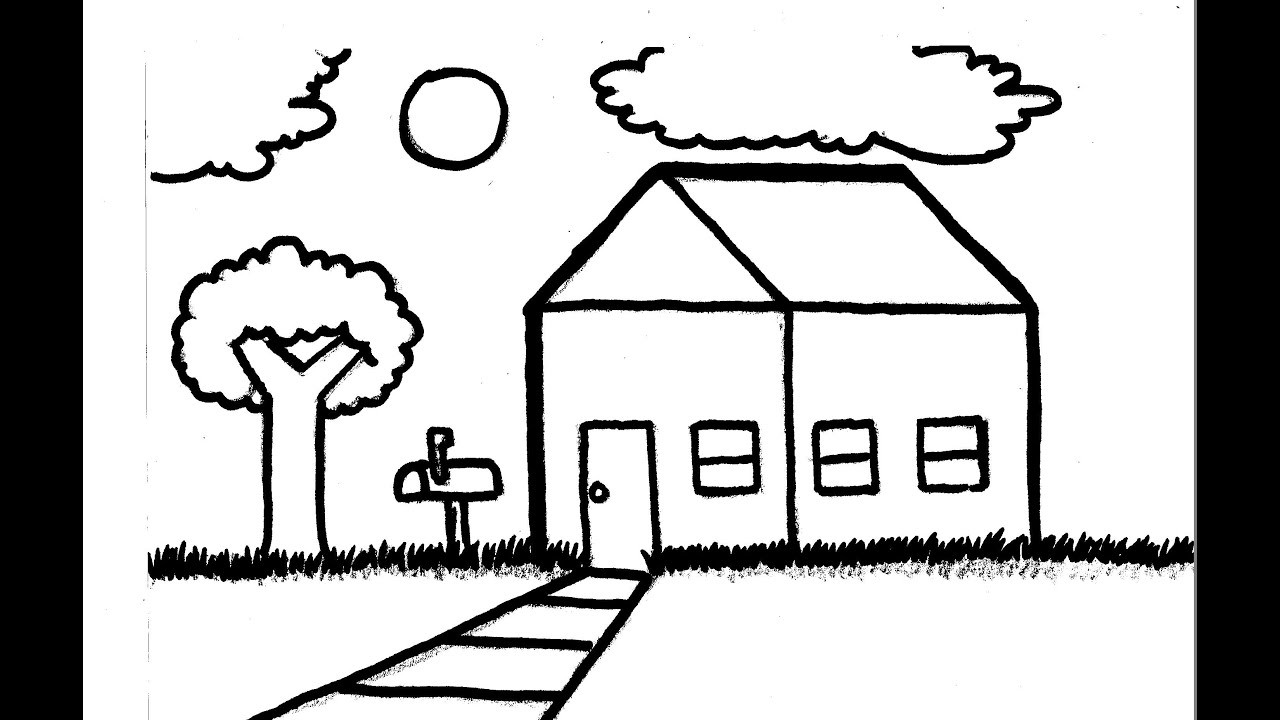

əˈmerəkən drēm/
noun
noun: American dream; plural noun: American dreams
-
the ideal that every US citizen should have an equal opportunity to achieve success and prosperity through hard work, determination, and initiative.
(לג) וַיְדַבֵּ֥ר יְהוָ֖ה אֶל־מֹשֶׁ֥ה לֵּאמֹֽר׃ (לד) דַּבֵּ֛ר אֶל־בְּנֵ֥י יִשְׂרָאֵ֖ל לֵאמֹ֑ר בַּחֲמִשָּׁ֨ה עָשָׂ֜ר י֗וֹם לַחֹ֤דֶשׁ הַשְּׁבִיעִי֙ הַזֶּ֔ה חַ֧ג הַסֻּכּ֛וֹת שִׁבְעַ֥ת יָמִ֖ים לַיהֹוָֽה׃ (לה) בַּיּ֥וֹם הָרִאשׁ֖וֹן מִקְרָא־קֹ֑דֶשׁ כָּל־מְלֶ֥אכֶת עֲבֹדָ֖ה לֹ֥א תַעֲשֽׂוּ׃ (לו) שִׁבְעַ֣ת יָמִ֔ים תַּקְרִ֥יבוּ אִשֶּׁ֖ה לַיהוָ֑ה בַּיּ֣וֹם הַשְּׁמִינִ֡י מִקְרָא־קֹדֶשׁ֩ יִהְיֶ֨ה לָכֶ֜ם וְהִקְרַבְתֶּ֨ם אִשֶּׁ֤ה לַֽיהוָה֙ עֲצֶ֣רֶת הִ֔וא כָּל־מְלֶ֥אכֶת עֲבֹדָ֖ה לֹ֥א תַעֲשֽׂוּ׃...(מ) וּלְקַחְתֶּ֨ם לָכֶ֜ם בַּיּ֣וֹם הָרִאשׁ֗וֹן פְּרִ֨י עֵ֤ץ הָדָר֙ כַּפֹּ֣ת תְּמָרִ֔ים וַעֲנַ֥ף עֵץ־עָבֹ֖ת וְעַרְבֵי־נָ֑חַל וּשְׂמַחְתֶּ֗ם לִפְנֵ֛י יְהוָ֥ה אֱלֹהֵיכֶ֖ם שִׁבְעַ֥ת יָמִֽים׃ (מא) וְחַגֹּתֶ֤ם אֹתוֹ֙ חַ֣ג לַֽיהוָ֔ה שִׁבְעַ֥ת יָמִ֖ים בַּשָּׁנָ֑ה חֻקַּ֤ת עוֹלָם֙ לְדֹרֹ֣תֵיכֶ֔ם בַּחֹ֥דֶשׁ הַשְּׁבִיעִ֖י תָּחֹ֥גּוּ אֹתֽוֹ׃ (מב) בַּסֻּכֹּ֥ת תֵּשְׁב֖וּ שִׁבְעַ֣ת יָמִ֑ים כָּל־הָֽאֶזְרָח֙ בְּיִשְׂרָאֵ֔ל יֵשְׁב֖וּ בַּסֻּכֹּֽת׃ (מג) לְמַעַן֮ יֵדְע֣וּ דֹרֹֽתֵיכֶם֒ כִּ֣י בַסֻּכּ֗וֹת הוֹשַׁ֙בְתִּי֙ אֶת־בְּנֵ֣י יִשְׂרָאֵ֔ל בְּהוֹצִיאִ֥י אוֹתָ֖ם מֵאֶ֣רֶץ מִצְרָ֑יִם אֲנִ֖י יְהוָ֥ה אֱלֹהֵיכֶֽם׃ (מד) וַיְדַבֵּ֣ר מֹשֶׁ֔ה אֶת־מֹעֲדֵ֖י יְהוָ֑ה אֶל־בְּנֵ֖י יִשְׂרָאֵֽל׃ (פ)
(33) And the LORD spoke unto Moses, saying: (34) Speak unto the children of Israel, saying: On the fifteenth day of this seventh month is the feast of tabernacles for seven days unto the LORD. (35) On the first day shall be a holy convocation; ye shall do no manner of servile work. (36) Seven days ye shall bring an offering made by fire unto the LORD; on the eighth day shall be a holy convocation unto you; and ye shall bring an offering made by fire unto the LORD; it is a day of solemn assembly; ye shall do no manner of servile work.... (40) And ye shall take you on the first day the fruit of goodly trees, branches of palm-trees, and boughs of thick trees, and willows of the brook, and ye shall rejoice before the LORD your God seven days.
(41) And ye shall keep it a feast unto the LORD seven days in the year; it is a statute for ever in your generations; ye shall keep it in the seventh month. (42) Ye shall dwell in booths seven days; all that are home-born in Israel shall dwell in booths; (43) that your generations may know that I made the children of Israel to dwell in booths, when I brought them out of the land of Egypt: I am the LORD your God. (44) And Moses declared unto the children of Israel the appointed seasons of the LORD.
(א) סֻכָּה שֶׁהִיא גְבוֹהָה לְמַעְלָה מֵעֶשְׂרִים אַמָּה, פְּסוּלָה. רַבִּי יְהוּדָה מַכְשִׁיר. וְשֶׁאֵינָהּ גְּבוֹהָה עֲשָׂרָה טְפָחִים, וְשֶׁאֵין לָהּ שְׁלֹשָׁה דְּפָנוֹת, וְשֶׁחַמָּתָהּ מְרֻבָּה מִצִּלָּתָהּ, פְּסוּלָה. סֻכָּה יְשָׁנָה, בֵּית שַׁמַּאי פּוֹסְלִין, וּבֵית הִלֵּל מַכְשִׁירִין. וְאֵיזוֹ הִיא סֻכָּה יְשָׁנָה, כָּל שֶׁעֲשָׂאָהּ קֹדֶם לֶחָג שְׁלשִׁים יוֹם. אֲבָל אִם עֲשָׂאָהּ לְשֵׁם חָג, אֲפִלּוּ מִתְּחִלַּת הַשָּׁנָה, כְּשֵׁרָה:
(1) A sukkah taller than twenty cubits is invalid. Rabbi Yehudah validates it. And one which is not ten hand-breadths tall, or does not contain three walls, or whose whose [area of] sun is greater than its shade is invalid. Regarding an old sukkah, Beit Shammai invalidate it, and Beit Hillel validate it. What is an old sukkah? Any [sukkah] which one made it thirty days before the festival. But if one made it for the sake of the festival, even [if he made it] from the beginning of the year, it is valid.
(א) בסכת תשבו שבעת ימים אין לי אלא ימים לילות מנין הריני דן נאמר כאן תשבו ונאמר להלן באהל מועד תשבו מה תשבו האמור באהל מועד עשה בו הלילות כימים אף תשבו האמור כאן וכו׳ וחכמים אומרים נאמר חמשה עשר בחג המצות ונאמר חמשה עשר בחג הסוכות מה להלן לילה הראשון חובה מכאן ואילך רשות אף כאן.בסכת תשבו שבעת ימים כנגד ענני הכבוד.
Hurricane. we think we are so safe and stable and we get reminders that our power is very limited.
This is a mindful experience. It is about noticing and realizing and experiencing what it means to count on God in the Sukkah.
(א) למען ידעו דורותיכם - חג הסוכות תעשה לך באספך מגרנך ומיקבך - באספך את תבואת הארץ ובתיכם מלאים כל טוב דגן ותירוש ויצהר. למען תזכרו - כי בסוכות הושבתי את בני ישראל במדבר ארבעים שנה - בלא יישוב ובלא נחלה ומתוך כך תתנו הודאה למי שנתן לכם נחלה ובתים מלאים כל טוב ואל תאמרו בלבבכם כחי ועוצם ידי עשה לי את החיל הזה. וכסדר הזה נמצא בפרשת עקב תשמעון. וזכרת את כל הדרך אשר הוליכך ה' אלהיך זה ארבעים שנה וגו' ויאכילך את המן וגו'. ולמה אני מצוה לך לעשות זאת? כי ה' אלהיך מביאך אל ארץ טובה ואכלת ושבעת ורם לבבך ושכחת את ה' וגו' ואמרת בלבבך כחי ועוצם ידי עשה לי את החיל הזה וזכרת את ה' אלהיך כי הוא הנותן לך כח לעשות חיל. ולכך יוצאים מבתים מלאים כל טוב בזמן אסיפה ויושבין בסוכות לזכרון שלא היה להם נחלה במדבר ולא בתים לשבת. ומפני הטעם הזה קבע הקב"ה את חג הסוכות בזמן אסיפת גורן ויקב לבלתי רום לבבו על בתיהם מלאים כל טוב, פן יאמרו ידינו עשו לנו את החיל הזה.
The meaning of the verse then would be: “construct for yourselves the festival of huts when you gather in your grain and grape harvest (Deuteronomy 16,13) You are to do this at the time you gather in the produce of the earth and your houses are filled with all the good things the earth produces such a grain, grape, wine and oil (olives). This is to be done in order that you will remember” כי בסוכות הושבתי את בני ישראל, in the desert for a period of 40 years when they neither owned land nor found themselves in a cultivated part of the earth. Remembering all this you will have ample reason to be grateful to the One Who has provided you with all of your present wealth and comfort. You must not fall into the trap of thinking that all this success is due to your own efforts. We find a similar thought expressed in Deuteronomy 8,2-3 “you shall remember all the way which the Lord your G’d has led you for these last 40 years…and He fed you the manna, etc.” Why do I command you to do all this? For the Lord your G’d brings you to a good …and you will eat and be satisfied, etc. As a result your heart may become haughty and you will credit yourself with all this as your own achievement. (Deuteronomy 8 7-18) In order that this will not happen and to show that the Israelites G’d’s part in their success they will move out of their solid houses as a reminder to the time when they had not been blessed with any of these benefits which they enjoy ever since inheriting the land of their forefathers. They acknowledge that it is G’d Who provides the Jewish people with the ability and valor.
This is like the middle of the busiest work season, to take vacation. It is taking a few says off the week before finals week during the biggest studying period. We stop. Atzeret. Stop. God is in control.
This Is Real and You Are Completely Unprepared by Rabbi Alan Lew
So now we sit flush with the world, in a “house” that calls attention to the fact that it gives us no shelter. It is not really a house. It is the interrupted idea of a house, a parody of a house. According to Jewish law, this booth we must dwell in for seven days need only have closed walls on two and a half sides, and we must be able to see the stars through the organic material— the leaves and branches— that constitutes its roof. This is not a house; it is the bare outline of a house. It is like that architectural feature called the broken pediment, the notch in the roofline of the façade of a house which leaves the mind to complete the line, and thus implants the idea of a line in the mind even more forcefully than an unbroken line would. So it is that the sukkah, with its broken lines, its open roof, its walls that don’t quite surround us, calls the idea of the house to mind more forcefully than a house itself might do.
And it exposes the idea of a house as an illusion. The idea of a house is that it gives us security, shelter, haven from the storm. But no house can really offer us this. No building of wood and stone can ever afford us protection from the disorder that is always lurking all around us. No shell we put between us and the world can ever really keep us secure from it. And we know this. We never really believed in this illusion. That’s why we never felt truly secure in it.
In the sukkah, a house that is open to the world, a house that freely acknowledges that it cannot be the basis of our security, we let go of this need. The illusion of protection falls away, and suddenly we are flush with our life, feeling our life, following our life, doing its dance, one step after another.
(א) שְׁנַיִם טְמֵאִים בְּמֵת, אֶחָד טָמֵא טֻמְאַת שִׁבְעָה וְאֶחָד טָמֵא טֻמְאַת עָרֶב. שְׁלשָׁה טְמֵאִין בְּמֵת, שְׁנַיִם טְמֵאִין טֻמְאַת שִׁבְעָה וְאֶחָד טָמֵא טֻמְאַת עָרֶב. אַרְבָּעָה טְמֵאִין בְּמֵת, שְׁלשָׁה טְמֵאִין טֻמְאַת שִׁבְעָה וְאֶחָד טָמֵא טֻמְאַת עָרֶב. כֵּיצַד שְׁנַיִם. אָדָם הַנּוֹגֵעַ בְּמֵת, טָמֵא טֻמְאַת שִׁבְעָה. וְאָדָם הַנּוֹגֵע בּוֹ, טָמֵא טֻמְאַת עָרֶב:
(1) If two people become impure from a corpse, one becomes impure for seven days and one becomes impure until evening. If three people become impure from a corpse, two become impure for seven days and one becomes impure until evening. If four people become impure from a corpse, three become impure for seven days and one becomes impure until evening. How do two [become impure]? One person touches a corpse and becomes impure for seven days, and any person who touches him becomes impure until evening.