Stepped in so far, that, should I wade no more,
Returning were as tedious as go o'er..."
Macbeth, Act 3 Scene iv

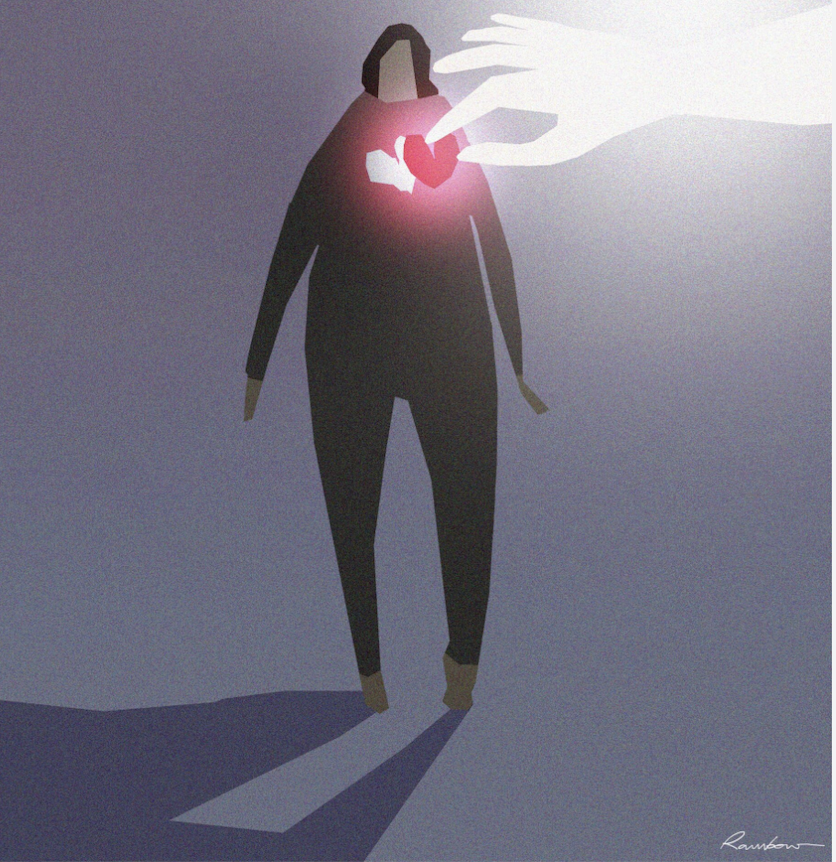
To be inured means to become accustomed to something unpleasant, difficult, or painful through prolonged exposure, making it seem less shocking or impactful, like being "inured to the cold" or "inured to violence". It suggests a hardening or toughening against hardship or violence.
When I was very little, I once had a boil on my body, just one; I remembered how much it had hurt. Why had God sent boils all over the bodies of all of the little girls and everyone in Egypt?
Slightly older, I remember thinking: since it was Pharaoh whose decisions affected the Hebrews, why was everyone in Egypt affected by the plagues?
I remember wondering why the little Egyptian boys needed to be killed. What had they done?
Decades later, I still have these questions, which repeatedly and persistently arise, challenging me and inviting me to deeply consider ... so many things. I invite you to join me in this exploration."
(ט) כִּי֩ יְדַבֵּ֨ר אֲלֵכֶ֤ם פַּרְעֹה֙ לֵאמֹ֔ר תְּנ֥וּ לָכֶ֖ם מוֹפֵ֑ת וְאָמַרְתָּ֣ אֶֽל־אַהֲרֹ֗ן קַ֧ח אֶֽת־מַטְּךָ֛ וְהַשְׁלֵ֥ךְ לִפְנֵֽי־פַרְעֹ֖ה יְהִ֥י לְתַנִּֽין׃
(9) “When Pharaoh speaks to you and says, ‘Produce your marvel,’ you shall say to Aaron, ‘Take your rod and cast it down before Pharaoh.’ It shall turn into a serpent.”
"Aaron's rod is distinguished from that of Moses, and is not called the 'rod of God' (see on iv 17), but this miracle is very similar to the first sign delivered to Moses to perform before the children of Israel, namely, the transformation of his rod into a serpent. In place of the serpent [נחש nachash], which is more suited to the desert, where the sign was given to Moses, we have here a תַנִּֽין tannin, that is, a crocodile, which is more in keeping with the Egyptian envirnment." (p. 94)

Crocodiles held significant cultural and religious importance in ancient Egypt. They were associated with the Nile River, which was a vital source of life and fertility for the Egyptians. Crocodiles were seen as powerful and dangerous creatures, and their behavior and characteristics were often attributed to various deities.One of the most prominent deities associated with crocodiles was Sobek, the crocodile-headed god. Sobek was worshipped as a protective deity, particularly in areas where crocodiles were prevalent. Temples dedicated to Sobek were built, and rituals and offerings were made to appease him and seek his favor.Crocodiles were also believed to possess a connection to the afterlife. They were associated with the god Sobek-Re, a combination of Sobek and the sun god Re. Sobek-Re was believed to guide souls through the underworld, and crocodile-shaped coffins and amulets were used in funerary practices."
(ט) כִּי֩ יְדַבֵּ֨ר אֲלֵכֶ֤ם פַּרְעֹה֙ לֵאמֹ֔ר תְּנ֥וּ לָכֶ֖ם מוֹפֵ֑ת וְאָמַרְתָּ֣ אֶֽל־אַהֲרֹ֗ן קַ֧ח אֶֽת־מַטְּךָ֛ וְהַשְׁלֵ֥ךְ לִפְנֵֽי־פַרְעֹ֖ה יְהִ֥י לְתַנִּֽין׃ (י) וַיָּבֹ֨א מֹשֶׁ֤ה וְאַהֲרֹן֙ אֶל־פַּרְעֹ֔ה וַיַּ֣עֲשׂוּ כֵ֔ן כַּאֲשֶׁ֖ר צִוָּ֣ה ה׳ וַיַּשְׁלֵ֨ךְ אַהֲרֹ֜ן אֶת־מַטֵּ֗הוּ לִפְנֵ֥י פַרְעֹ֛ה וְלִפְנֵ֥י עֲבָדָ֖יו וַיְהִ֥י לְתַנִּֽין׃ (יא) וַיִּקְרָא֙ גַּם־פַּרְעֹ֔ה לַֽחֲכָמִ֖ים וְלַֽמְכַשְּׁפִ֑ים וַיַּֽעֲשׂ֨וּ גַם־הֵ֜ם חַרְטֻמֵּ֥י מִצְרַ֛יִם בְּלַהֲטֵיהֶ֖ם כֵּֽן׃ (יב) וַיַּשְׁלִ֙יכוּ֙ אִ֣ישׁ מַטֵּ֔הוּ וַיִּהְי֖וּ לְתַנִּינִ֑ם וַיִּבְלַ֥ע מַטֵּֽה־אַהֲרֹ֖ן אֶת־מַטֹּתָֽם׃
(9) “When Pharaoh speaks to you and says, ‘Produce your marvel,’ you shall say to Aaron, ‘Take your rod and cast it down before Pharaoh.’ It shall turn into a serpent.” (10) So Moses and Aaron came before Pharaoh and did just as ה׳ had commanded: Aaron cast down his rod in the presence of Pharaoh and his courtiers, and it turned into a serpent. (11) Then Pharaoh, for his part, summoned the sages and the sorcerers; and the Egyptian magician-priests, in turn, did the same with their spells: (12) each cast down his rod, and they turned into serpents. But Aaron’s rod swallowed their rods.
(יט) וַיֹּ֨אמֶר ה׳ אֶל־מֹשֶׁ֗ה אֱמֹ֣ר אֶֽל־אַהֲרֹ֡ן קַ֣ח מַטְּךָ֣ וּנְטֵֽה־יָדְךָ֩ עַל־מֵימֵ֨י מִצְרַ֜יִם עַֽל־נַהֲרֹתָ֣ם ׀ עַל־יְאֹרֵיהֶ֣ם וְעַל־אַגְמֵיהֶ֗ם וְעַ֛ל כׇּל־מִקְוֵ֥ה מֵימֵיהֶ֖ם וְיִֽהְיוּ־דָ֑ם וְהָ֤יָה דָם֙ בְּכׇל־אֶ֣רֶץ מִצְרַ֔יִם וּבָעֵצִ֖ים וּבָאֲבָנִֽים׃ (כ) וַיַּֽעֲשׂוּ־כֵן֩ מֹשֶׁ֨ה וְאַהֲרֹ֜ן כַּאֲשֶׁ֣ר ׀ צִוָּ֣ה ה׳ וַיָּ֤רֶם בַּמַּטֶּה֙ וַיַּ֤ךְ אֶת־הַמַּ֙יִם֙ אֲשֶׁ֣ר בַּיְאֹ֔ר לְעֵינֵ֣י פַרְעֹ֔ה וּלְעֵינֵ֖י עֲבָדָ֑יו וַיֵּהָ֥פְכ֛וּ כׇּל־הַמַּ֥יִם אֲשֶׁר־בַּיְאֹ֖ר לְדָֽם׃ (כא) וְהַדָּגָ֨ה אֲשֶׁר־בַּיְאֹ֥ר מֵ֙תָה֙ וַיִּבְאַ֣שׁ הַיְאֹ֔ר וְלֹא־יָכְל֣וּ מִצְרַ֔יִם לִשְׁתּ֥וֹת מַ֖יִם מִן־הַיְאֹ֑ר וַיְהִ֥י הַדָּ֖ם בְּכׇל־אֶ֥רֶץ מִצְרָֽיִם׃
(19) And ה׳ said to Moses, “Say to Aaron: Take your rod and hold out your arm over the waters of Egypt—its rivers, its canals, its ponds, all its bodies of water—that they may turn to blood; there shall be blood throughout the land of Egypt, even in vessels of wood and stone.” (20) Moses and Aaron did just as ה׳ commanded: he lifted up the rod and struck the water in the Nile in the sight of Pharaoh and his courtiers, and all the water in the Nile was turned into blood (21) and the fish in the Nile died. The Nile stank so that the Egyptians could not drink water from the Nile; and there was blood throughout the land of Egypt.

Egypt and the Nile
"The ancient Egyptians, who were always keen observers of nature, often associated the Nile Valley with life and abundance and the neighboring deserts with death and chaos.
...The Egyptians constructed their calendar around the yearly cycle of the Nile. It included three main seasons: Akhet, the period of the Nile’s inundation, Peret, the growing season, and Shemu, harvest season. The Egyptians made Nilometers to measure and track the height of the annual inundation – they used the recorded readings from these Nilometers much like more contemporary farmers would use almanacs. One particularly well-preserved example is located on Elephantine Island at Aswan.The close connection between the Egyptians the Nile River led them to identify a number of Egyptian gods with aspects of the river, its annual flood, and the fertility and abundance associated with them....
The close connection between the Egyptians the Nile River led them to identify a number of Egyptian gods with aspects of the river, its annual flood, and the fertility and abundance associated with them.
...the natural environment of Egypt and the Nile River impacted every aspect of life in ancient Egypt. The river’s floodplain, water, and silt provided the foundation for civilization and served as a source of inspiration for the people who inhabited northeastern Africa during this pivotal period in history."

Fishing in Ancient Egypt
"The Nile in Pharaonic times was one of the richest freshwater ecosystems in the world, and the Egyptians knew its fish well, both for daily diet and symbolic meaning...[represented in] ancient tomb scenes, texts, and archaeological remains...."
"The Nile was far more than a ribbon of water through Egypt’s deserts: it was a living larder, brimming with silvered scales and darting fins. From its depths and from the quiet marshes at its edges, fish provided nourishment, inspiration, and mystery to the Egyptians for thousands of years. To the farmer in his reed hut, they were a ready meal, netted, speared, or trapped for the table.
"Fishing in Ancient Egypt was thus both the most ordinary of labours and the most extraordinary of symbols. It was a boy casting his net in the shallows, a nobleman spearing in the papyrus thickets, a tilapia swimming beside the sun god’s barque. To follow the fish is to follow Egypt itself: a civilisation fed, sustained, and inspired by the eternal bounty of the river."
(א) וַיֹּ֣אמֶר ה׳ אֶל־מֹשֶׁה֒ אֱמֹ֣ר אֶֽל־אַהֲרֹ֗ן נְטֵ֤ה אֶת־יָדְךָ֙ בְּמַטֶּ֔ךָ עַ֨ל־הַנְּהָרֹ֔ת עַל־הַיְאֹרִ֖ים וְעַל־הָאֲגַמִּ֑ים וְהַ֥עַל אֶת־הַֽצְפַרְדְּעִ֖ים עַל־אֶ֥רֶץ מִצְרָֽיִם׃ (ב) וַיֵּ֤ט אַהֲרֹן֙ אֶת־יָד֔וֹ עַ֖ל מֵימֵ֣י מִצְרָ֑יִם וַתַּ֙עַל֙ הַצְּפַרְדֵּ֔עַ וַתְּכַ֖ס אֶת־אֶ֥רֶץ מִצְרָֽיִם׃
(1) And ה׳ said to Moses, “Say to Aaron: Hold out your arm with the rod over the rivers, the canals, and the ponds, and bring up the frogs on the land of Egypt.” (2) Aaron held out his arm over the waters of Egypt, and the frogs came up and covered the land of Egypt.

"The worship of the frog was one of the oldest cults in Egypt. Frog gods and frog goddesses were thought to have had a vital role in the creation of the world. Just prior to the annual flooding of the Nile River, frogs appeared in great numbers, which possibly led to their association with fecundity and with the beginning of life in the world. Frog amulets were common in ancient Egypt as charms for fertility. The Ogdoad (a group of eight gods) of the ancient city of Hermopolis inhabited the inchoate world before creation and consisted of four pairs of very early primeval gods and their corresponding goddesses, who represented water, darkness, uncertainty, and infinity. The gods were all depicted with the heads of frogs, while their female counterparts were depicted with the heads of serpents."

Elisheva Nesis
(ח) וַיֹּ֣אמֶר ה׳ אֶל־מֹשֶׁ֣ה וְאֶֽל־אַהֲרֹן֒ קְח֤וּ לָכֶם֙ מְלֹ֣א חׇפְנֵיכֶ֔ם פִּ֖יחַ כִּבְשָׁ֑ן וּזְרָק֥וֹ מֹשֶׁ֛ה הַשָּׁמַ֖יְמָה לְעֵינֵ֥י פַרְעֹֽה׃ (ט) וְהָיָ֣ה לְאָבָ֔ק עַ֖ל כׇּל־אֶ֣רֶץ מִצְרָ֑יִם וְהָיָ֨ה עַל־הָאָדָ֜ם וְעַל־הַבְּהֵמָ֗ה לִשְׁחִ֥ין פֹּרֵ֛חַ אֲבַעְבֻּעֹ֖ת בְּכׇל־אֶ֥רֶץ מִצְרָֽיִם׃ (י) וַיִּקְח֞וּ אֶת־פִּ֣יחַ הַכִּבְשָׁ֗ן וַיַּֽעַמְדוּ֙ לִפְנֵ֣י פַרְעֹ֔ה וַיִּזְרֹ֥ק אֹת֛וֹ מֹשֶׁ֖ה הַשָּׁמָ֑יְמָה וַיְהִ֗י שְׁחִין֙ אֲבַעְבֻּעֹ֔ת פֹּרֵ֕חַ בָּאָדָ֖ם וּבַבְּהֵמָֽה׃
(8) Then ה׳ said to Moses and Aaron, “Each of you take handfuls of soot from the kiln, and let Moses throw it toward the sky in the sight of Pharaoh. (9) It shall become a fine dust all over the land of Egypt, and cause an inflammation breaking out in boils on human and beast throughout the land of Egypt.” (10) So they took soot of the kiln and appeared before Pharaoh; Moses threw it toward the sky, and it caused an inflammation breaking out in boils on human and beast.
"Having many boils (or a cluster known as a carbuncle) on your body is extremely painful and uncomfortable. It feels like having multiple, tender, firm-to-squishy red lumps—sometimes as large as a golf ball—on your skin, often causing intense throbbing pain, severe itching, fever, and fatigue. The areas are often hot to the touch and can make sitting, sleeping, or moving uncomfortable.
Key Sensations and Symptoms:
Intense Pain and Tenderness: The lumps are very painful as they fill with pus and dead tissue.
Throbbing and Heat: Infected areas feel warm, swollen, and constantly throb.Itching: The skin around the area may itch intensely before the boil develops.
Physical Weakness: A widespread infection can cause generalized illness, fatigue, chills, and fever.
Pressure/Tightness: As they grow, they feel tight, shiny, and swollen.
Oozing: They may drain yellow or white fluid, creating a sticky or crusty sensation."
Here is a poem she wrote in Cairo toward the end of her life, about a different sort of plague, called "Cholera".
Listen to the footsteps of the passerby,
in the silence of the dawn.
Listen, look at the mourning processions,
ten, twenty, no…countless:
...
Everywhere lies a corpse, mourned
without a eulogy or a moment of silence.
...
Humanity protests against the crimes of death.
…
Cholera is the vengeance of death.
…
Even the gravedigger has succumbed,
the muezzin is dead,
and who will eulogize the dead?
…
O Egypt, my heart is torn by the ravages of death.
(כו) וְנָתַתִּ֤י לָכֶם֙ לֵ֣ב חָדָ֔שׁ וְר֥וּחַ חֲדָשָׁ֖ה אֶתֵּ֣ן בְּקִרְבְּכֶ֑ם וַהֲסִ֨רֹתִ֜י אֶת־לֵ֤ב הָאֶ֙בֶן֙ מִבְּשַׂרְכֶ֔ם וְנָתַתִּ֥י לָכֶ֖ם לֵ֥ב בָּשָֽׂר׃
(26) And I will give you a new heart and put a new spirit into you: I will remove the heart of stone from your body and give you a heart of flesh...
O my country and my home, my heart is torn by the ravages of hard-heartedness.
May all our hearts of stone be torn by the ravages of death, may our hard-hearts, so inured to violence, be softened and made tender.