


"IDF targets more high-rise buildings used by Hamas terrorists as it ramps up pressure on Gaza City"
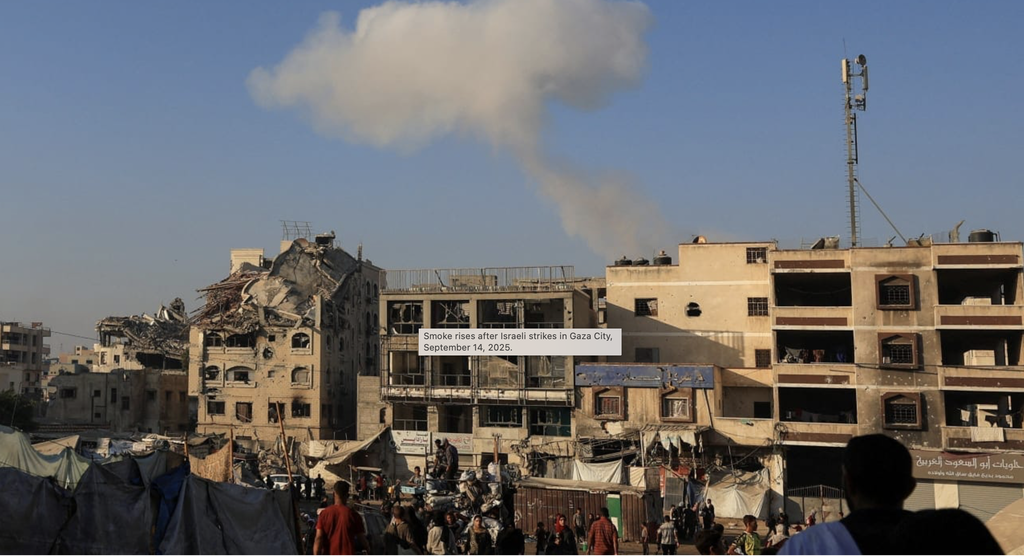
Surely there were children, women and men, parents and grandparents, who lived there, who were simply living their lives.
The targeting of innocent civilians is called collective punishment.
I wrote about collective punishment as it is reflected in Parashat Vayera nearly one year ago, and am moved to write about it today (please see my Sefaria sheet, Vayera 5785 Abraham and Collective Punishment | The Innocent Along With the Guilty | Sefaria).
I included text from the Geneva Conventions of 1949 in that Sefaria sheet, and will do so again here:
Geneva Convention (IV) 1949 Article 33Individual responsibility, collective penalties, pillage, reprisals.
"No protected person may be punished for an offence he or she has not personally committed. Collective penalties and likewise all measures of intimidation or of terrorism are prohibited. Pillage is prohibited.
"Collective punishment is a punishment or sanction imposed on a group or whole community for acts allegedly perpetrated by a member or some members of that group or area, which could be an ethnic or political group, or just the family, friends and neighbors of the perpetrator, as well as entire cities and communities where the perpetrator (s) allegedly committed the crime. Because individuals who are not responsible for the acts are targeted, collective punishment is not compatible with the basic principle of individual responsibility. The punished group may often have no direct association with the perpetrator other than living in the same area and can not be assumed to exercise control over the perpetrator's actions. Collective punishment is prohibited by treaty in both international and non-international armed conflicts, more specifically Common Article 33 of the Fourth Geneva Convention and Article 4 of the Additional Protocol II." https://en.wikipedia.org/wiki/Collective_punishment#:~:text=International%20law%20posits%20that%20no,Geneva%20Conventions%20and%20their%20protocols
The first verses of this week's Torah portion, Parashat Nitzavim:
(ט) אַתֶּ֨ם נִצָּבִ֤ים הַיּוֹם֙ כֻּלְּכֶ֔ם לִפְנֵ֖י ה׳ אֱלֹקֵיכֶ֑ם רָאשֵׁיכֶ֣ם שִׁבְטֵיכֶ֗ם זִקְנֵיכֶם֙ וְשֹׁ֣טְרֵיכֶ֔ם כֹּ֖ל אִ֥ישׁ יִשְׂרָאֵֽל׃ (י) טַפְּכֶ֣ם נְשֵׁיכֶ֔ם וְגֵ֣רְךָ֔ אֲשֶׁ֖ר בְּקֶ֣רֶב מַחֲנֶ֑יךָ מֵחֹטֵ֣ב עֵצֶ֔יךָ עַ֖ד שֹׁאֵ֥ב מֵימֶֽיךָ׃ (יא) לְעׇבְרְךָ֗ בִּבְרִ֛ית ה׳ אֱלֹקֶ֖יךָ וּבְאָלָת֑וֹ אֲשֶׁר֙ ה׳ אֱלֹקֶ֔יךָ כֹּרֵ֥ת עִמְּךָ֖ הַיּֽוֹם׃ (יב) לְמַ֣עַן הָקִֽים־אֹתְךָ֩ הַיּ֨וֹם ׀ ל֜וֹ לְעָ֗ם וְה֤וּא יִֽהְיֶה־לְּךָ֙ לֵֽאלֹקִ֔ים כַּאֲשֶׁ֖ר דִּבֶּר־לָ֑ךְ וְכַאֲשֶׁ֤ר נִשְׁבַּע֙ לַאֲבֹתֶ֔יךָ לְאַבְרָהָ֥ם לְיִצְחָ֖ק וּֽלְיַעֲקֹֽב׃ (יג) וְלֹ֥א אִתְּכֶ֖ם לְבַדְּכֶ֑ם אָנֹכִ֗י כֹּרֵת֙ אֶת־הַבְּרִ֣ית הַזֹּ֔את וְאֶת־הָאָלָ֖ה הַזֹּֽאת׃ (יד) כִּי֩ אֶת־אֲשֶׁ֨ר יֶשְׁנ֜וֹ פֹּ֗ה עִמָּ֙נוּ֙ עֹמֵ֣ד הַיּ֔וֹם לִפְנֵ֖י ה׳ אֱלֹקֵ֑ינוּ וְאֵ֨ת אֲשֶׁ֥ר אֵינֶ֛נּוּ פֹּ֖ה עִמָּ֥נוּ הַיּֽוֹם׃
(9) You stand this day, all of you, before your God ה׳ —your tribal heads, your elders, and your officials, every householder in Israel, (10) your children, your wives, even the stranger within your camp, from woodchopper to waterdrawer— (11) to enter into the covenant of your God ה׳, which your God ה׳ is concluding with you this day, with its sanctions; (12) in order to establish you this day as God’s people and in order to be your God, as promised you and as sworn to your fathers Abraham, Isaac, and Jacob. (13) I make this covenant, with its sanctions, not with you alone, (14) but both with those who are standing here with us this day before our God ה׳ and with those who are not with us here this day.
Moses will soon remind the community of the Covenant between the children of Israel and God. For me, as I read and listen to these verses, there is a resonance with the two occasions in the Torah when we hear the 10 Utterances (or "commandments"). Weren't we all present then, as well: all standing at Sinai? Covenantal time travel.
The Ten Utterances first appear in Parashat Yitro (Exodus 20:2-14) and then are restated by Moses in Parashat Va'etchanan earlier in Deuteronomy. What do we take upon ourselves, in the most fundamental way, by accepting our part in this Covenant? I suggest that even a schoolchild will likely say that the most basic part of this Covenant is the 10 Utterances, the 10 Commandments.
Today I draw our attention to two of the utterances in particular:
(יז)לֹ֥֖א תִּֿרְצָ֖͏ֽח׃ {ס} וְלֹ֣֖א תִּֿנְאָ֑͏ֽף׃ {ס} וְלֹ֣֖א תִּֿגְנֹֽ֔ב׃ {ס} וְלֹֽא־תַעֲנֶ֥ה בְרֵֽעֲךָ֖ עֵ֥ד שָֽׁוְא׃ {ס}(יח) וְלֹ֥א תַחְמֹ֖ד אֵ֣שֶׁת רֵעֶ֑ךָ {ס} וְלֹ֨א תִתְאַוֶּ֜ה בֵּ֣ית רֵעֶ֗ךָ שָׂדֵ֜הוּ וְעַבְדּ֤וֹ וַאֲמָתוֹ֙ שׁוֹר֣וֹ וַחֲמֹר֔וֹ וְכֹ֖ל אֲשֶׁ֥ר לְרֵעֶֽךָ׃ {ס}
(17)You shall not murder. You shall not commit adultery. You shall not steal. You shall not bear false witness against your neighbor. (18)You shall not covet your neighbor’s wife/ spouse. Likewise, none of you shall crave your neighbor’s house, or field, or male or female slave, or ox, or ass, or anything that is your neighbor’s.
You shall not covet your neighbor's house, or field, or anything that is your neighbor's.
A reasonable alternate translation would be: You shall not covet the house, or field, or anything that is belongs to another person. I imagine that some would argue that this applies only to other Jews, and not to others who are not Jews. How do you think about this? Are Jews' possessions more precious to them than possessions of other humans who are not Jewish?
(Please see my recent commentary on Parashat Shoftim, Shoftim 5785 - Rules of war: Are Jewish lives more valuable than others' lives? | Sefaria.)
(יח) לֹֽא־תִקֹּ֤ם וְלֹֽא־תִטֹּר֙ אֶת־בְּנֵ֣י עַמֶּ֔ךָ וְאָֽהַבְתָּ֥ לְרֵעֲךָ֖ כָּמ֑וֹךָ אֲנִ֖י ה׳׃
(18) You shall not take vengeance or bear a grudge against members of your people. Love your neighbor [same word as in Exodus 20:14 and Deuteronomy 5:18] as yourself: I am ה׳.
How can we fail to search within ourselves, at this season when we are taking an honest accounting of our souls, and not state in the strongest possible terms that Jewish values fundamentally condemn collective punishment?
There are two additional provocative elements in this brief parsha that I would like to include in this commentary: the ambiguous and puzzling verses: Deuteronomy 29:17-18 and 29:28.
(כח) הַנִּ֨סְתָּרֹ֔ת לַה׳ אֱלֹקֵ֑ינוּ וְהַנִּגְלֹ֞ת לָ֤ׄנׄוּׄ וּׄלְׄבָׄנֵ֙ׄיׄנׄוּ֙ׄ עַׄד־עוֹלָ֔ם לַעֲשׂ֕וֹת אֶת־כׇּל־דִּבְרֵ֖י הַתּוֹרָ֥ה הַזֹּֽאת׃ {ס}
(28) Concealed acts concern our God ה׳; but with overt acts, it is for us and our children ever to apply all the provisions of this Teaching.
Nitzavim x Psalm 27 / Elul 5784 Extraordinary points | Sefaria
(יז) פֶּן־יֵ֣שׁ בָּ֠כֶ֠ם אִ֣ישׁ אֽוֹ־אִשָּׁ֞ה א֧וֹ מִשְׁפָּחָ֣ה אוֹ־שֵׁ֗בֶט אֲשֶׁר֩ לְבָב֨וֹ פֹנֶ֤ה הַיּוֹם֙ מֵעִם֙ ה׳ אֱלֹקֵ֔ינוּ לָלֶ֣כֶת לַעֲבֹ֔ד אֶת־אֱלֹקֵ֖י הַגּוֹיִ֣ם הָהֵ֑ם פֶּן־יֵ֣שׁ בָּכֶ֗ם שֹׁ֛רֶשׁ פֹּרֶ֥ה רֹ֖אשׁ וְלַעֲנָֽה׃ (יח) וְהָיָ֡ה בְּשׇׁמְעוֹ֩ אֶת־דִּבְרֵ֨י הָאָלָ֜ה הַזֹּ֗את וְהִתְבָּרֵ֨ךְ בִּלְבָב֤וֹ לֵאמֹר֙ שָׁל֣וֹם יִֽהְיֶה־לִּ֔י כִּ֛י בִּשְׁרִר֥וּת לִבִּ֖י אֵלֵ֑ךְ לְמַ֛עַן סְפ֥וֹת הָרָוָ֖ה אֶת־הַצְּמֵאָֽה׃
(17) Perchance there is among you some man or woman, or some clan or tribe, whose heart is even now turning away from our God ה׳ to go and worship the gods of those nations—perchance there is among you a stock sprouting poison weed and wormwood. (18) When hearing the words of these sanctions, they may imagine a special immunity, thinking, “I shall be safe, though I follow my own willful heart”—to the utter ruin of moist and dry alike.
(JPS translation)
My translation of verse 18:
"And it will be, upon hearing the words of this covenant, that they may bless themselves in their own imagination and say to themselves, 'It will happen that I will find shalom in my heart as I go on my path [ie irrespective of my actions], since my actions obscure the difference between righteousness and injustice'."
Thus, we authorize ourselves to behave in a transgressive manner, that would seem to diverge from our covenantal obligations, while finding a way to excuse ourselves and to expect for ourselves that we will find shalom in our hearts, irrespective of our actions.
Can we truly be righteous if we have acted wickedly?
Do you think this is possible?
I leave you with this question, particularly pressing on this 21st day of Elul, as Rosh Hashanah draws closer and closer:
From Ibn Ezra's commentary on these verses:
"Scripture compares the righteous to the well watered, as in And he shall be like a tree planted by streams of water (Ps. 1:3). It compares the wicked to the dry. Compare, For he shall be like a tamarisk in the desert (Jer. 17: 6). The fact that Scripture at first reads, a root that beareth gall and wormwood (Deut 29:17), is proof of this. It is in a dry place."


(א) אַ֥שְֽׁרֵי־הָאִ֗ישׁ אֲשֶׁ֤ר ׀ לֹ֥א הָלַךְ֮ בַּעֲצַ֢ת רְשָׁ֫עִ֥ים וּבְדֶ֣רֶךְ חַ֭טָּאִים לֹ֥א עָמָ֑ד וּבְמוֹשַׁ֥ב לֵ֝צִ֗ים לֹ֣א יָשָֽׁב׃ (ב) כִּ֤י אִ֥ם־בְּתוֹרַ֥ת ה׳ חֶ֫פְצ֥וֹ וּֽבְתוֹרָת֥וֹ יֶהְגֶּ֗ה יוֹמָ֥ם וָלָֽיְלָה׃ (ג) וְֽהָיָ֗ה כְּעֵץ֮ שָׁת֢וּל עַֽל־פַּלְגֵ֫י־מָ֥יִם אֲשֶׁ֤ר פִּרְי֨וֹ ׀ יִתֵּ֬ן בְּעִתּ֗וֹ וְעָלֵ֥הוּ לֹֽא־יִבּ֑וֹל וְכֹ֖ל אֲשֶׁר־יַעֲשֶׂ֣ה יַצְלִֽיחַ׃
(1) Happy is the man who has not followed the counsel of the wicked, or taken the path of sinners, or joined the company of the insolent; (2) rather, the teaching of the LORD is his delight, and he studies that teaching day and night. (3) He is like a tree planted beside streams of water, which yields its fruit in season, whose foliage never fades, and whatever it produces thrives.
(ט)אַתֶּ֨ם נִצָּבִ֤ים הַיּוֹם֙ כֻּלְּכֶ֔ם לִפְנֵ֖י ה׳ אֱלֹקֵיכֶ֑ם רָאשֵׁיכֶ֣ם שִׁבְטֵיכֶ֗ם זִקְנֵיכֶם֙ וְשֹׁ֣טְרֵיכֶ֔ם כֹּ֖ל אִ֥ישׁ יִשְׂרָאֵֽל׃
(9)You stand this day, all of you, before your God ה׳—your tribal heads, your elders, and your officials, every householder in Israel,