(לא) וַיִּקַּ֨ח תֶּ֜רַח אֶת־אַבְרָ֣ם בְּנ֗וֹ וְאֶת־ל֤וֹט בֶּן־הָרָן֙ בֶּן־בְּנ֔וֹ וְאֵת֙ שָׂרַ֣י כַּלָּת֔וֹ אֵ֖שֶׁת אַבְרָ֣ם בְּנ֑וֹ וַיֵּצְא֨וּ אִתָּ֜ם מֵא֣וּר כַּשְׂדִּ֗ים לָלֶ֙כֶת֙ אַ֣רְצָה כְּנַ֔עַן וַיָּבֹ֥אוּ עַד־חָרָ֖ן וַיֵּ֥שְׁבוּ שָֽׁם׃
(31) Terah took his son Abram, his grandson Lot the son of Haran, and his daughter-in-law Sarai, the wife of his son Abram, and they set out together from Ur of the Chaldeans for the land of Canaan; but when they had come as far as Haran, they settled there.
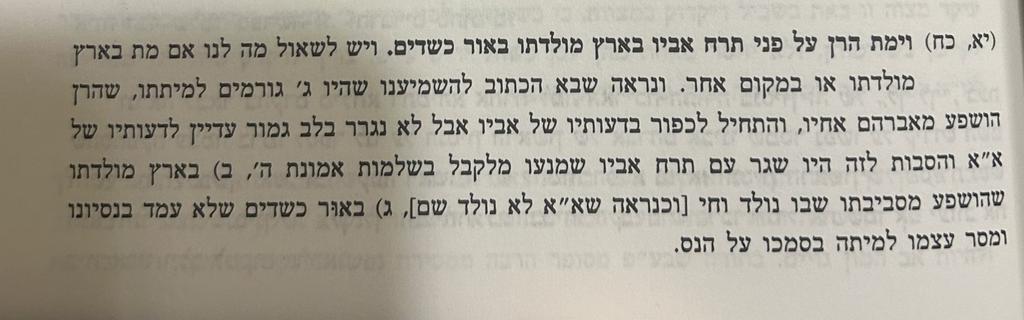
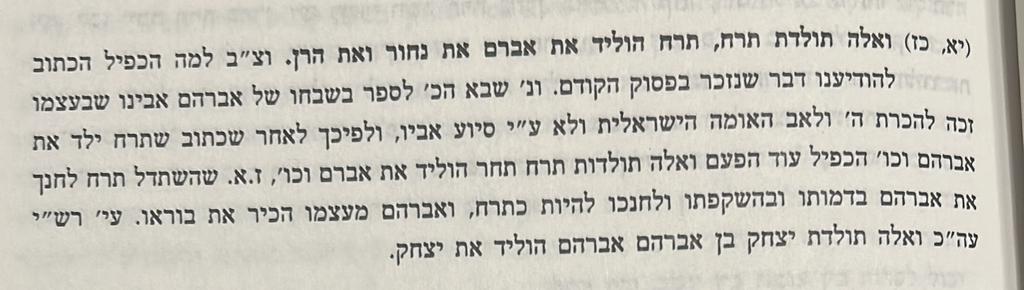
ויקח תרח את אברם בנו. אברהם לקח את תרח אלא שאין זה דרך ארץ לכתוב כן, ועוד שהפרשה עוסקת בתולדות תרח ולכן תלה הכתוב בו, אבל נרמז בויצאו אתם ולא אתו. תרח היה כבן ק"מ שנה, ומפני זקנותו לא הלך כל הדרך לארץ כנען אלא נתישב בחרן, וראה בסמוך.
ויצאו אתם. גם זה קשה לכאורה: מי יצא עם מי? רבים מתקנים, על סמך תורת השומרונים ותרגום השבעים והתרגומים הלטיניים: וַיּוֹצֵא אֹתָם; אחרים על סמך התרגום הסורי: וַיֵצֵא אִתָּם; ואחרים, בדרך השערה: ויצאו אִתּוֹ. אבל אין תיקונים אלו מתקבלים על הדעת: הראשון מפני שלא היה מן הראוי להגיד שתרח הוציא את בני ביתו מבלי להגיד שגם הוא יצא; השני מפני שתרח היה ראש המשפחה ומנהיגה, ולא הוא יצא אתם אלא הם יצאו אתו; והשלישי מפני שגם תרח יצא, וגם הוא כלול בנושא של הפועל ויצאו, ולפיכך לא היה אפשר להוסיף אִתּוֹ אחר ויצאו, כשם שאינו נמצא בפסוק הדומה י״ב,ה.
כדי להבין את הכתוב, עלינו לשים לב לאותו הפסוק הדומה, י״ב, ה.הדמיון שבין שני הכתובים, לא רק בנוסחה, אלא גם בשמות הפרטים וביתר הביטויים מורה על יחס פנימי שביניהם, ובא כאילו להשמיענו שכבר לפני צאתם מחרן, וכבר בהיות המשפחה עדיין באור כשדים, היו אברם ושרי ולוט קשורים קשר הדוק זה בזה, ומהווים מעין חוג מיוחד בתוך החוג הכללי של המשפחה. ולא לחנם נאמר בפסוק זה ללכת ארצה כנען כמו שנאמר שם. כנראה מתכוון הכתוב להגיד שכבר בתחילה, בשבתם עדיין באור כשדים, עלה במחשבתם של אברם ושרי ולוט ללכת אל ארץ כנען, והשפיעו על תרח ועל יתר בני המשפחה עד כדי כך, שכולם יצאו אתם מתוך כוונה ללכת יחדיו אל מחוז חפצם. נסעו דרך ה״קשת הפוריה״, וכשהגיעו, באמצע הדרך, לחרן, נתעכבו שם ולא המשיכו ללכת. רק "חוגו של אברם", לאחר זמן מה, המשיך את דרכו והגיע למטרה המכוונת מראש, כמו שיסופר בפסוקים הראשונים של פרק י״ב.
לפי זה, כך הוא שיעור הפסוק: ויקח תרח, ראש המשפחה, את אברם בנו ואת שרי ולוט הקשורים אתו במיוחד, ויצאו כל בני המשפחה אִתָּם, כלומר את אברהם ואת שרי ואת לוט**, ללכת אִתָּם, לפי יזמתם, אל ארץ כנען, אבל כשהגיעו לחרן נתיישבו שם. הביטוי ויצאו אתם, שהיה קשה לכאורה, מתבאר כך בקלות. ואף חסרון הזכרה מפורשת של נחור ומלכה מתבארת בדרך זו: כלולים הם, כמו כל יתר הנספחים לבית תרח, בנושא הכללי של הפועל יצאו. לא היה מן הצורך להזכיר את כולם בפרטות, מכיון שהמשך הסיפור לא יטפל בהם, אלא רק באברם ושרי ולוט: רק שמותיהם של אלה, גיבורי הפרשיות הבאות ויוזמי הנסיעה, מודגשים במיוחד. ללכת ארצה כנען. עיין מה שכתבתי למעלה, על המלים ויצאו אתם. בהשפעת אברם וחוגו, הרגישו אף תרח ויתר בני המשפחה מעין דחיפה פנימית, לא חזקה כל צרכה ולא ברורה כל צרכה, לאותו הכיוון הרוחני שאליו התכוון אברם בכל לבבו ובכל נפשו. אבל הם לא הצליחו להתגבר בהחלט על כוח משיכתה של עבודת האלילים ולא עלה בידם לצאת מתחום האלילות:
ויצאו תרח ואברם.אע"ג דאפשר לפרש איפכא ויצא לוט ושרי עם תרח ואברם אלא להורות שתרח ואברם היו עיקר ולוט ושרי טפלים. אבל קשה דלעיל מיני' כתיב ויקח תרח את אברם משמע שתרח אביו היה המוציא וכאן משמע שאברם ג"כ היה מן המוציאים. יש לומר אע"פ שגם אברם היה המוציא אפ"ה תלה אברם הכבוד באביו כאילו הוא היה המוציא לבדו לכן כ' ויקח תרח ואילולי מקרא ה"א שהאמת שתרח היה המוציאם לבדו. [נח"י]:
Terach and Avram went forth. [Theoretically,] it could be the other way around: Lot and Sarai went forth, bringing along Terach and Avram. Thus, Rashi is telling us that Terach and Avram were primary while Sarai and Lot were secondary. But if so, why is it written before: “Terach took his son Avram...” implying that Terach [alone] took them out, while here it implies that also Avram took them out? The answer is: Also Avram took them out. Nevertheless, he accorded the honor to his father as if his father alone took them out, which is why it is written, “Terach took...” And if not for, “With them they departed,” we would assume that in truth, Terach alone took them out. (Nachalas Yaakov)
(א)ללכת ארצה כנען. שהיתה מוכנת אל גרם המעלות במושכלות ורצויה מכל הארצות כאמרו ארץ אשר יהוה אלהיך דורש אותה ולא הוזק אוירה בגשם המבול כאויר כל שאר הארצות כאמרו לא גשמה ביום זעם. וכבר אמרו חז"ל אוירה של ארץ ישראל מחכים:
(1) ללכת ארצה כנען, this land is prepared for enabling its residents to acquire all intellectual advantages, and, as far as G’d is concerned, it is the most preferred of all the countries on earth. We have this on the authority of the Torah itself which says of that land (Deuteronomy 11,12) ארץ אשר יהוה אלוהיך דורש אותה תמיד עיני יהוה אלוהיך בה מרשית השנה ועד אחרית שנה, “and concerning which G’d enquires constantly, His eyes being trained on it from the beginning of the year until the year’s end.” The climate of the land of Canaan had not been negatively affected by the rains of the deluge, as had the climate of all other parts of the globe. We have this on the authority of Ezekiel 22,24 ארץ לא גשמה ביום זעם, “a land which did not experience rain on the day of the fury.” This may well be the reason why the sages (Baba Batra 58) said that the climate of the land of Israel makes people smarter.
וימת תרח בחרן. במשך כל ימי חייו, לא עצר כוח להמשיך את נסיעתו ולהגיע אל המטרה שאליה התכוון בתחילה, בהשפעת אברם בנו. אמנם ניסה להתרחק ממקום פולחן הלבנה שבאור כשדים, אבל כשהגיע לעיר אחרת מוקדשת לאותו הפולחן, לחרן, לא זכה להשתחרר מפיתויי העבודה הזרה, ועמד שם. ובמקום שעמד, שם נפטר מן העולם.
(ד) כִּ֧י אֶל־אַרְצִ֛י וְאֶל־מוֹלַדְתִּ֖י תֵּלֵ֑ךְ וְלָקַחְתָּ֥ אִשָּׁ֖ה לִבְנִ֥י לְיִצְחָֽק׃
(4) but will go to the land of my birth and get a wife for my son Isaac.”
(ז) יהוה ׀ אֱלֹהֵ֣י הַשָּׁמַ֗יִם אֲשֶׁ֨ר לְקָחַ֜נִי מִבֵּ֣ית אָבִי֮ וּמֵאֶ֣רֶץ מֽוֹלַדְתִּי֒ וַאֲשֶׁ֨ר דִּבֶּר־לִ֜י וַאֲשֶׁ֤ר נִֽשְׁבַּֽע־לִי֙ לֵאמֹ֔ר לְזַ֨רְעֲךָ֔ אֶתֵּ֖ן אֶת־הָאָ֣רֶץ הַזֹּ֑את ה֗וּא יִשְׁלַ֤ח מַלְאָכוֹ֙ לְפָנֶ֔יךָ וְלָקַחְתָּ֥ אִשָּׁ֛ה לִבְנִ֖י מִשָּֽׁם׃
(7)יהוה, the God of heaven—who took me from my father’s house and from my native land, who promised me on oath, saying, ‘I will assign this land to your offspring’—will send a messenger before you, and you will get a wife for my son from there.
ומארץ מולדתי. מֵאוּר כַּשְׂדִּים:
ומארץ מולדתי AND FROM THE LAND OF MY NATIVITY — from Ur-Kasdim.
מבית אבי מחרן מארץ מולדתי מאור כשדים. הרמב"ן ז"ל טען ואמר אם כן יהיה אל ארצי ואל מולדתי אור כשדים וחלילה שיתערב זרע קדש בבני חם הפושע ועוד איך הלך העבד לחרן והוא לא צוה לו אלא אל ארצי ואל מולדתי תלך שהיא אור כשדים כדעת הרב ואולי יחשוב הרב כי ארץ מולדתו אור כשדים אבל מולדתו הוא משפחתו וארצו חרן אשר גר בה וכל אלה דברים בטלים כי בכאן אמר ולקחת אשה לבני משם ועוד כי ימים רבים עמד בארץ כנען יותר מחרן ולמה תקרא חרן ארצו בעבור שגר בה ימים עכ"ד: ונראה לי שאין טענה על דברי הרב כלל כי מה שאמר איך הלך העבד לחרן כו' שתי תשובות בדבר האחד שבהיות דירת אברהם בארץ כנען וקראו כל מקומות עבר הנהר בשם ארצו ומולדתו על צד הכללות כי כלן באיקלי' אחד הם נכללים וכאלו אמר אל איקלי' ארצי ומולדתי תלך והנה גם חרן בכלל כי כן מנהג הנעתק מאיקלים לאיקלי' לכנות כל האיקלי' אשר נעתק ממנו בשם ארצו ומולדתו כאשר יאמרו היום כל אנשי ספרד אשר באו ממלכות ספרד למלכות רומניא שארצם ומולדתם היא ספרד אע"פ שארצם ומולדתם היא עיר א' מערי ספרד ולכן יהי' פי' אל ארצי ואל מולדתי תלך אל עבר הנהר בכלל והעבד הלך לחרן מפני ששם משפחת אדוניו שצוה לו אדוניו שיקח אשה לבנו משם