



Birkat HaChodesh is a prayer said the Shabbat morning before Rosh Chodesh, the beginning of the next Hebrew month (“Shabbat Mevarchim”). “Birkat HaChodesh” literally means "Blessing of the month". In Yiddish, this is called “Rosh Chodesh Bentchen”. For more about Rosh Chodesh, see: What is Rosh Chodesh?
It used to be that the new month was announced when the new moon was sighted and verified in Jerusalem. Blessings would be said when the moon was sighted (Sopherim 19:9). In the 4th century CE the Christian Church prevailed on the Roman Empire to stop this so that Christians wouldn’t look to the Jews to know when Easter was. So, in 358 CE Hillel II fixed the calendar and it was therefore possible to say a blessing for the upcoming month the Shabbat beforehand. In the 800s during the Geonic Period, before calendars were widely available, it was decided to announce the New Month the Shabbat beforehand so that people knew when to add the Rosh Chodesh prayers and women knew when they could take off work. This harkened as well to the original custom of blessings for the new month, but now said with the larger Shabbat congregation rather than those who came on Rosh Chodesh for services. The first paragraph was added in the 1800s, making it the latest addition to the Ashkenazi liturgy.
Birkat HaChodesh is said after the Haftarah before the prayer Ashrei and the Torah is returned. It is said before every month except Tishrei (Mishnah Berurah 417:1), because Rosh Chodesh of Tishrei is Rosh Hashanah and not a regular Rosh Chodesh (Eruvin 40b:6). Also, it is assumed that everybody knows that Tishrei is coming (for instance, the shofar is blown at weekday morning services the month before Rosh Hashanah). Finally, there used to be a concern that we would alert Satan to the coming of Rosh Hashanah and then he would accuse the Jewish people before G-d that day.
The leader starts the prayer while somebody else holds the Torah next to them. At the point where the date of the month is actually announced the leader takes the Torah and holds it for the rest of the prayer. This makes it a more serious announcement. Everybody stands for it, partly because the Torah is up and partly because people stood when the New Moon was announced in Jerusalem (Magen Avraham 417:1, Arukh HaShulchan 417:8).
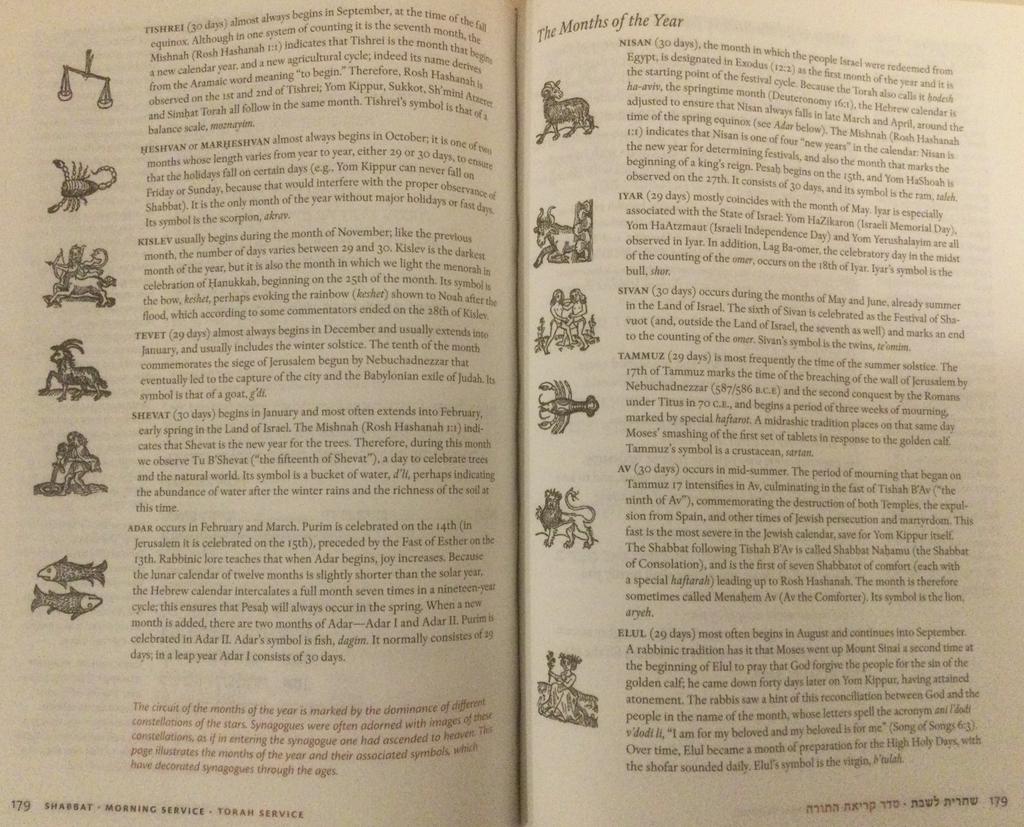
The announcement of the month says that the month of ____ will begin on _____ day of the week. However, if the month that is ended has 30 days, then it is considered a 2-day Rosh Chodesh and the announcement says that the month of ____ will begin on ____day and its morrow of _____day. The 30-day months are Tishrei, sometimes Cheshvan, sometimes Kislev, Shevat, Adar I, Nisan, Sivan, Av (the months mostly alternate 29 and 30 days).
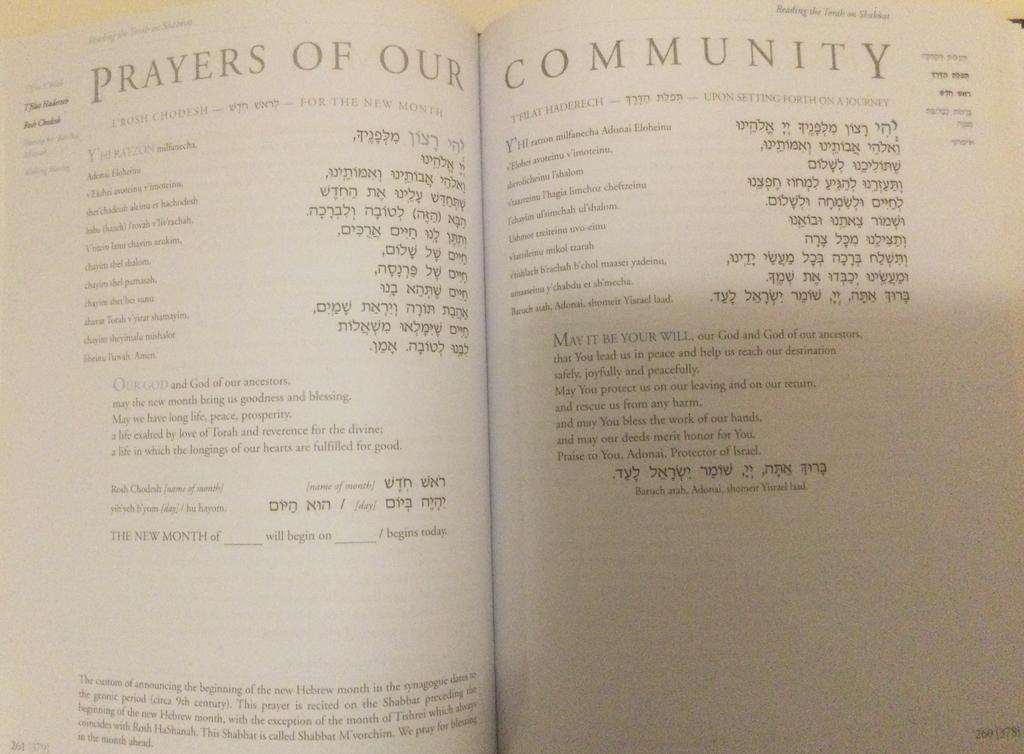
According to the Babylonian Talmud, the words were a prayer by Rav (3rd century CE) that he would say at the end of the Amidah (Brachot 16b:22). These later became the words of the first part of the prayer in the 1800s.
(ב) יְהִי רָצון מִלְּפָנֶיךָ יהוה אֱלהֵינוּ וֵאלהֵי אֲבותֵינוּ. שֶׁתְּחַדֵּשׁ עָלֵינוּ אֶת הַחדֶשׁ הַזֶּה לְטובָה וְלִבְרָכָה. וְתִתֶּן לָנוּ חַיִּים אֲרוּכִּים. חַיִּים שֶׁל שָׁלום. חַיִּים שֶׁל טובָה. חַיִּים שֶׁל בְּרָכָה. חַיִּים שֶׁל פַּרְנָסָה. חַיִּים שֶׁל חִלּוּץ עֲצָמות. חַיִּים שֶׁיֵשׁ בָּהֶם יִרְאַת שָׁמַיִם וְיִרְאַת חֵטְא. חַיִּים שֶׁאֵין בָּהֶם בּוּשָׁה וּכְלִמָּה. חַיִּים שֶׁל עשֶׁר וְכָבוד. חַיִּים שֶׁתְּהֵא בָנוּ אַהֲבַת תּורָה וְיִרְאַת שָׁמַיִם. חַיִּים שֶׁיִּמָלְאוּ מִשְׁאֲלות לִבֵּנוּ לְטובָה אָמֵן סֶלָה:
(ג) מִי שֶׁעָשה נִסִּים לַאֲבותֵינוּ וְגָאַל אותָם מֵעַבְדוּת לְחֵרוּת. הוּא יִגְאַל אותָנוּ בְּקָרוב וִיקַבֵּץ נִדָּחֵינוּ מֵאַרְבַּע כַּנְפות הָאָרֶץ. חֲבֵרִים כָּל יִשרָאֵל וְנאמַר אָמֵן:
(ד) ראשׁ חדֶשׁ פלוני יִהְיֶה בְּיום פלוני הַבָּא עָלֵינוּ וְעַל כָּל יִשרָאֵל לְטובָה:
(ה) יְחַדְּשֵׁהוּ הַקָּדושׁ בָּרוּךְ הוּא עָלֵינוּ וְעַל כָּל עַמּו בֵּית יִשרָאֵל (בְּכָל מָקום שֶׁהֵם. לְטובָה וְלִבְרָכָה.) לְששון וּלְשמְחָה. לִישׁוּעָה וּלְנֶחָמָה. (לְפַרְנָסָה טובָה וּלְכַלְכָּלָה.) לְחַיִּים וּלְשָׁלום. (לִשְׁמוּעות טובות. וְלִבְשורות טובות. בחורף - וְלִגְשָׁמִים בְּעִתָּם. וְלִרְפוּאָה שְׁלֵמָה. וְלִגְאוּלָה קְרובָה) וְנאמַר אָמֵן:
May it be Your will, Lord our God and God of our ancestors, that You renew for us this coming month for goodness and blessing, and give us a long life, a life of peace, a life of goodness, a life of blessing, a life of sustenance, a life of physical vitality, a life that has fear of heaven and fear of sin, a life free of shame and reproach, a life of abundance and honor, a life that has in it love of Torah and fear of heaven, a life in which the requests of our heart are fulfilled for good, Amen.
May the One who made miracles for our ancestors, redeeming them from slavery to freedom, redeem us soon and gather us from the four corners of the earth. May all of Israel be friends, and let us say Amen.
The new month of _______ will be[gin] on _____day; may it come for us and for all Israel for good.
May the Holy Blessed One renew for us and for all God's people, the house of Israel, for life and peace (Amen), for joy and gladness (Amen), for deliverance and consolation, and let us say Amen.
Renew for us: This plays on the root ch.d.sh, meaning both “month” and “new”. Originally a “month” was the period from new moon to new moon. What does renewal look / feel like? Have you ever felt this?
For goodness and blessing: Why both words? How are they different?
Life of peace: The word for “peace” comes from the root sh.l.m, meaning “whole or complete”. Thus, the verb “to pay” is related because you complete a transaction. When you have peace, everything is whole. Have you felt that before?
Physical vitality: It’s easy to not realize that this is a blessing until you don’t have it. Have you had a situation that made you more grateful for how a certain body part worked?
Fear of Heaven and fear of sin: One way to distinguish these is the fear that you’ll be seen doing something wrong, vs fear of the wrongdoing at all. Which of these is more powerful?
Requests of our heart are fulfilled for good: Why would “for good” be added here?
May all of Israel be friends: Note that in the 11th century, there was a version with an addition so that it read “May all Israel be united in fellowship with Jerusalem the holy city” (Machzor Vitry 190:5). How could you help to bring about the friendship of all Israel?
Joy and gladness: What’s the difference?
Kislev: Maoz Tzur (German tune)
Tevet: Maoz Tzur (German tune)
Shevat: Atze Zetim
Adar I / II: Chag Purim
Nisan: Adir Hu (German tune)
Iyar: Hatikvah
Sivan: Akdamut / Festival Kiddush
Tammuz: Eli Tziyon
Av: Eli Tziyon
Elul: Mi Chamocha of HHD Arvit, or L’Eila L’Eila if more notes are needed.
רַב בָּתַר צְלוֹתֵיהּ אָמַר הָכִי: ״יְהִי רָצוֹן מִלְּפָנֶיךָ יהוה אֱלֹהֵינוּ שֶׁתִּתֵּן לָנוּ חַיִּים אֲרוּכִּים, חַיִּים שֶׁל שָׁלוֹם, חַיִּים שֶׁל טוֹבָה, חַיִּים שֶׁל בְּרָכָה, חַיִּים שֶׁל פַּרְנָסָה, חַיִּים שֶׁל חִלּוּץ עֲצָמוֹת, חַיִּים שֶׁיֵּשׁ בָּהֶם יִרְאַת חֵטְא, חַיִּים שֶׁאֵין בָּהֶם בּוּשָׁה וּכְלִימָּה, חַיִּים שֶׁל עוֹשֶׁר וְכָבוֹד, חַיִּים שֶׁתְּהֵא בָּנוּ אַהֲבַת תּוֹרָה וְיִרְאַת שָׁמַיִם, חַיִּים שֶׁתְּמַלֵּא לָנוּ אֶת כָּל מִשְׁאֲלוֹת לִבֵּנוּ לְטוֹבָה״.
After his prayer, Rav said the following:May it be Your will, Lord our God,that You grant us long life, a life of peace,a life of goodness, a life of blessing,a life of sustenance, a life of freedom of movement from place to place, where we are not tied to one place,
a life of dread of sin, a life without shame and disgrace,a life of wealth and honor,a life in which we have love of Torah and reverence for Heaven,a life in which You fulfill all the desires of our heart for good.
Appendix A: D'var Tefillah from Rabbi David Russo (used with permission)
Appendix B: Why the Calendar Really Got Fixed
Appendix C: Texts about Birkat HaChodesh
(א) (א) ר"ח וכו' - מנהג קדמונינו לברך את החודש בשבת שלפני ר"ח חוץ מלפני ר"ח תשרי ורמז לזה בכסה ליום חגנו. ויש מקומות שאין נוהגין לברך ר"ח אב משום שהוא חודש של פורעניות. ואין ברכת ר"ח כקידוש החודש שהיה מלפנים אלא שמודיעים להעולם מתי יחול ר"ח ויזהרו בכל הלכות החודש. ומ"מ נהגו לעמוד בשעת אמירת ר"ח פלוני ביום פלוני דוגמת קידוש החודש שהיה מעומד [מ"א]:
Appendix D: Other versions of the prayer
(ג)יְהִי רָצוֹן מִלִּפְנֵי אֱלֹהֵי הַשָּׁמַיִם, לְכוֹנֵן אֶת בֵּית חַיֵּינוּ וּלְהָשִׁיב שְׁכִינָתוֹ לְתוֹכוֹ בִּמְהֵרָה בְּיָמֵינוּ, וְאִמְרוּ אָמֵן:
(ד)יְהִי רָצוֹן מִלִּפְנֵי אֱלֹהֵי הַשָּׁמַיִם, לְרַחֵם עַל פְּלֵיטָתֵנוּ, וְלַעֲצוֹר הַמַּגֵּפָה, וְהַמַּשְׁחִית, וְהַחֶרֶב, וְהָרָעָב, וְהַשְּׁבִי, וְהַבִּזָּה, מֵעָלֵינוּ וּמֵעַל עַמּוֹ יִשְׂרָאֵל, וְאִמְרוּ אָמֵן:
(ה)יְהִי רָצוֹן מִלִּפְנֵי אֱלֹהֵי הַשָּׁמַיִם, לְקַיֵּם לָנוּ אֶת כָּל־חַכְמֵי יִשְׂרָאֵל, הֵם וּנְשֵׁיהֶם וּבְנֵיהֶם וְתַלְמִידֵיהֶם, בְּכָל־מְקוֹמוֹת מוֹשְׁבוֹתֵיהֶם, וְאִמְרוּ אָמֵן:
(ו)יְהִי רָצוֹן מִלִּפְנֵי אֱלֹהֵי הַשָּׁמַיִם, שֶׁנִּשְׁמַע וְנִתְבַּשֵּׂר בְּשׂוֹרוֹת טוֹבוֹת, בְּשׂוֹרוֹת יְשׁוּעוֹת וְנֶחָמוֹת, מֵאַרְבַּע כַּנְפוֹת הָאָרֶץ, וְאִמְרוּ אָמֵן:
(ז)מִי שֶׁעָשָׂה נִסִּים לַאֲבוֹתֵינוּ וּמִמִּצְרַיִם גְּאָלָם, הוּא יִגְאַל אוֹתָנוּ וְיָשִׁיב בָּנִים לִגְבוּלָם, בְּסִימָן טוֹב יְהֵא לָנוּ רֹאשׁ חֹדֶשׁ פלוני בְּיוֹם פלוני ופלוני(חִדּוּשֵׁיהּ בְּיוֹם פְּלוֹנִי וּקְבוּעֵיהּ וּמִנְיָנֵיהּ בְּיוֹם פְּלוֹנִי). יְחַדְּשֵׁהוּ הַקָּדוֹשׁ בָּרוּךְ הוּא עָלֵינוּ וְעַל עַמּוֹ יִשְׂרָאֵל בְּכָל־מָקוֹם שֶׁהֵם, לְטוֹבָה וְלִבְרָכָה, לְשָׂשׂוֹן וּלְשִׂמְחָה, לִישׁוּעָה וּלְנֶחָמָה, לְפַרְנָסָה וּלְכַלְכָּלָה טוֹבָה, לִשְׁמוּעוֹת טוֹבוֹת, וְלִבְשׂוֹרוֹת טוֹבוֹת, בחורף וְלִגְשָׁמִים בְּעִתָּם, בקיץ וּלְטַלְלֵי בְרָכָה, וְלִרְפוּאָה שְׁלֵמָה, וְלִגְאֻלָּה קְרוֹבָה, וְאִמְרוּ אָמֵן: