



Too little in faith in oneself
Note the many parallels between Akeidat Yitzhak (the binding of Issac) and Moses ascending the mountain. What, in the end, is different about the outcome of these two narratives?
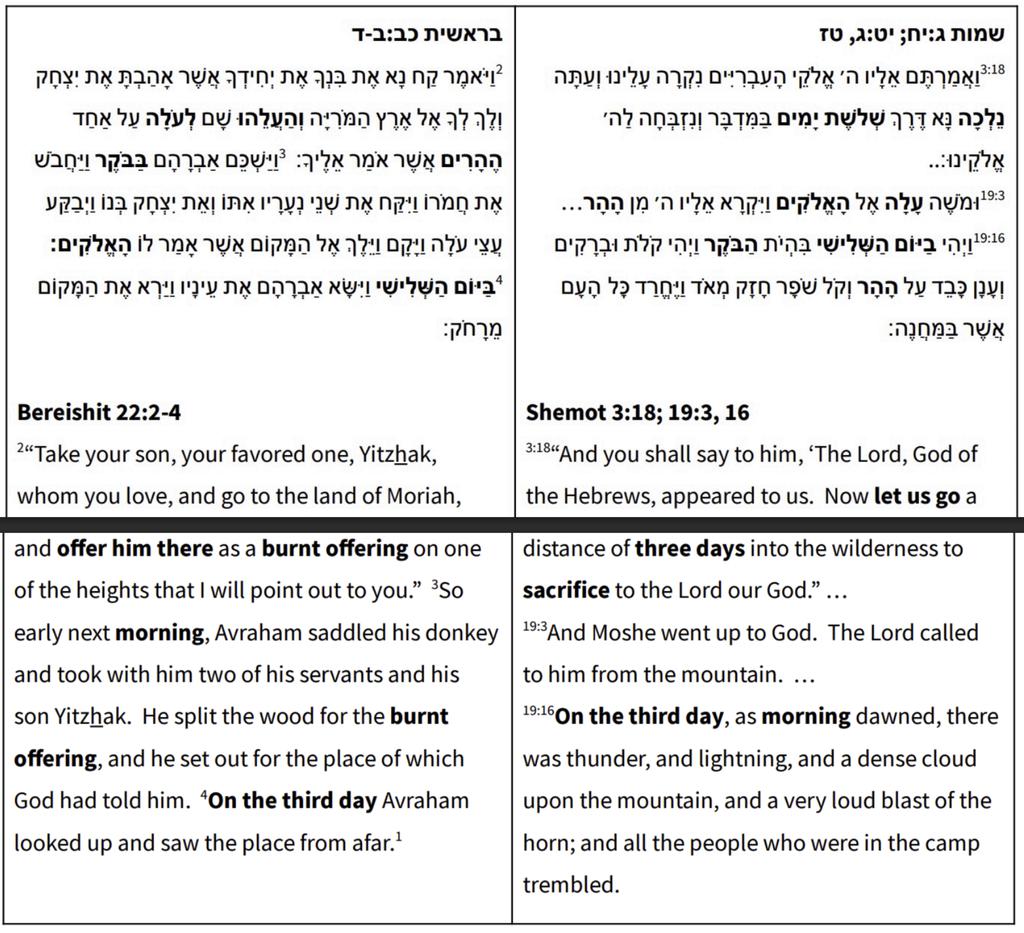


When Moshe doesn’t return, the Jewish people think they understand. They were extras in this story, just like the servants and the donkey that accompanied Yitzhak and Avraham to Har ha-Moriah so many years before. It was Moshe that God wanted all along. This time, they think, God didn’t change His mind at the last moment. This time, God took His human sacrifice—His olah, both the word used for the intended sacrifice in the story of the Akeidah and an echo of the language Moshe uses to describe his ascent up the mountain. And they, servants and donkeys, are alone, without a leader and without the God Who, they believe, only ever cared about Moshe.
It’s a devastating read of reality, not only because they believe Moshe will never return to them, but because it means that they believe, in their hearts of hearts, that it was never them, never the people as a whole, that God wanted at all. Everything—God’s promises to Avraham, the descent to and destruction of Egypt, the plagues and the miracles—leading not to the birth of a people, but to the choice of one man. In this moment, the Jewish people betray their own deep-seated sense of worthlessness ...
This is why, immediately after Moshe ascends the mountain, God reminds us just how much God needs each of us.
Rabbi Tali Adler, "Who Does God Desire", Hadar "Ki Tissa" 5785
(יח) וַיָּבֹ֥א מֹשֶׁ֛ה בְּת֥וֹךְ הֶעָנָ֖ן וַיַּ֣עַל אֶל־הָהָ֑ר וַיְהִ֤י מֹשֶׁה֙ בָּהָ֔ר אַרְבָּעִ֣ים י֔וֹם וְאַרְבָּעִ֖ים לָֽיְלָה׃ {פ} (א) וַיְדַבֵּ֥ר יהוה אֶל־מֹשֶׁ֥ה לֵּאמֹֽר׃ (ב) דַּבֵּר֙ אֶל־בְּנֵ֣י יִשְׂרָאֵ֔ל וְיִקְחוּ־לִ֖י תְּרוּמָ֑ה מֵאֵ֤ת כׇּל־אִישׁ֙ אֲשֶׁ֣ר יִדְּבֶ֣נּוּ לִבּ֔וֹ תִּקְח֖וּ אֶת־תְּרוּמָתִֽי׃
(18) Moses went inside the cloud and ascended the mountain; and Moses remained on the mountain forty days and forty nights. (1) יהוה spoke to Moses, saying: (2) Tell the Israelite people to bring Me gifts; you shall accept gifts for Me from every person whose heart is so moved.
Humility can be a difficult word in a society like ours, which values individualism over community. It sticks in the throat. To be humble is seen as to be less-than, to be small, to take a step on the road that leads to obscurity. The Mussar definition of "humility" (anavah, אנוה) is different. In Hebrew, the word for self-abasement is sh'filah, שפילה. Maimonides places anavah, "humility," as the center point between self-abasement (sh'filah) and arrogance (gaavah, גאוה). Humility, properly conceived, is a state of being that places individuals into a social structure that allows both them and the society around them to thrive.
Rabbi Max Weiss, The Mussar Torah Commentary
When the Chofetz Chaim asked where he was heading, the man replied, "I'm going into town to hear the Chofetz Chaim speak. He's the greatest tzaddik (righteous person) in the Jewish world today." Embarrassed by what he was hearing, the Chofetz Chaim told the man, "People exaggerate about his greatness. I know him very well and he's not that great." The man became infuriated by what he was hearing and slapped the Chofetz Chaim in the face.
That night, the man was horrified when he came to the lecture and realized that the person he hit was actually the Chofetz Chaim. As soon as the lecture was over, the man pleaded for forgiveness. The Chofetz Chaim smiled and said, "There's no need for forgiveness - you were defending me. In fact, you taught me a great lesson: my whole life I've been teaching people not to defame others; now I've learned that it's also wrong to defame yourself."
Too much faith in a leader
Moses is taught about appropriate leadership from his father-in-law, Yitro. What are the lessons Yitro seeks to convey in this earlier passage?
(יג) וַיְהִי֙ מִֽמׇּחֳרָ֔ת וַיֵּ֥שֶׁב מֹשֶׁ֖ה לִשְׁפֹּ֣ט אֶת־הָעָ֑ם וַיַּעֲמֹ֤ד הָעָם֙ עַל־מֹשֶׁ֔ה מִן־הַבֹּ֖קֶר עַד־הָעָֽרֶב׃ (יד) וַיַּרְא֙ חֹתֵ֣ן מֹשֶׁ֔ה אֵ֛ת כׇּל־אֲשֶׁר־ה֥וּא עֹשֶׂ֖ה לָעָ֑ם וַיֹּ֗אמֶר מָֽה־הַדָּבָ֤ר הַזֶּה֙ אֲשֶׁ֨ר אַתָּ֤ה עֹשֶׂה֙ לָעָ֔ם מַדּ֗וּעַ אַתָּ֤ה יוֹשֵׁב֙ לְבַדֶּ֔ךָ וְכׇל־הָעָ֛ם נִצָּ֥ב עָלֶ֖יךָ מִן־בֹּ֥קֶר עַד־עָֽרֶב׃ (טו) וַיֹּ֥אמֶר מֹשֶׁ֖ה לְחֹתְנ֑וֹ כִּֽי־יָבֹ֥א אֵלַ֛י הָעָ֖ם לִדְרֹ֥שׁ אֱלֹהִֽים׃ (טז) כִּֽי־יִהְיֶ֨ה לָהֶ֤ם דָּבָר֙ בָּ֣א אֵלַ֔י וְשָׁ֣פַטְתִּ֔י בֵּ֥ין אִ֖ישׁ וּבֵ֣ין רֵעֵ֑הוּ וְהוֹדַעְתִּ֛י אֶת־חֻקֵּ֥י הָאֱלֹהִ֖ים וְאֶת־תּוֹרֹתָֽיו׃ (יז) וַיֹּ֛אמֶר חֹתֵ֥ן מֹשֶׁ֖ה אֵלָ֑יו לֹא־טוֹב֙ הַדָּבָ֔ר אֲשֶׁ֥ר אַתָּ֖ה עֹשֶֽׂה׃ (יח) נָבֹ֣ל תִּבֹּ֔ל גַּם־אַתָּ֕ה גַּם־הָעָ֥ם הַזֶּ֖ה אֲשֶׁ֣ר עִמָּ֑ךְ כִּֽי־כָבֵ֤ד מִמְּךָ֙ הַדָּבָ֔ר לֹא־תוּכַ֥ל עֲשֹׂ֖הוּ לְבַדֶּֽךָ׃ (יט) עַתָּ֞ה שְׁמַ֤ע בְּקֹלִי֙ אִיעָ֣צְךָ֔ וִיהִ֥י אֱלֹהִ֖ים עִמָּ֑ךְ הֱיֵ֧ה אַתָּ֣ה לָעָ֗ם מ֚וּל הָֽאֱלֹהִ֔ים וְהֵבֵאתָ֥ אַתָּ֛ה אֶת־הַדְּבָרִ֖ים אֶל־הָאֱלֹהִֽים׃ (כ) וְהִזְהַרְתָּ֣ה אֶתְהֶ֔ם אֶת־הַחֻקִּ֖ים וְאֶת־הַתּוֹרֹ֑ת וְהוֹדַעְתָּ֣ לָהֶ֗ם אֶת־הַדֶּ֙רֶךְ֙ יֵ֣לְכוּ בָ֔הּ וְאֶת־הַֽמַּעֲשֶׂ֖ה אֲשֶׁ֥ר יַעֲשֽׂוּן׃ (כא) וְאַתָּ֣ה תֶחֱזֶ֣ה מִכׇּל־הָ֠עָ֠ם אַנְשֵׁי־חַ֜יִל יִרְאֵ֧י אֱלֹהִ֛ים אַנְשֵׁ֥י אֱמֶ֖ת שֹׂ֣נְאֵי בָ֑צַע וְשַׂמְתָּ֣ עֲלֵהֶ֗ם שָׂרֵ֤י אֲלָפִים֙ שָׂרֵ֣י מֵא֔וֹת שָׂרֵ֥י חֲמִשִּׁ֖ים וְשָׂרֵ֥י עֲשָׂרֹֽת׃ (כב) וְשָׁפְט֣וּ אֶת־הָעָם֮ בְּכׇל־עֵת֒ וְהָיָ֞ה כׇּל־הַדָּבָ֤ר הַגָּדֹל֙ יָבִ֣יאוּ אֵלֶ֔יךָ וְכׇל־הַדָּבָ֥ר הַקָּטֹ֖ן יִשְׁפְּטוּ־הֵ֑ם וְהָקֵל֙ מֵֽעָלֶ֔יךָ וְנָשְׂא֖וּ אִתָּֽךְ׃ (כג) אִ֣ם אֶת־הַדָּבָ֤ר הַזֶּה֙ תַּעֲשֶׂ֔ה וְצִוְּךָ֣ אֱלֹהִ֔ים וְיָֽכׇלְתָּ֖ עֲמֹ֑ד וְגַם֙ כׇּל־הָעָ֣ם הַזֶּ֔ה עַל־מְקֹמ֖וֹ יָבֹ֥א בְשָׁלֽוֹם׃ (כד) וַיִּשְׁמַ֥ע מֹשֶׁ֖ה לְק֣וֹל חֹתְנ֑וֹ וַיַּ֕עַשׂ כֹּ֖ל אֲשֶׁ֥ר אָמָֽר׃ (כה) וַיִּבְחַ֨ר מֹשֶׁ֤ה אַנְשֵׁי־חַ֙יִל֙ מִכׇּל־יִשְׂרָאֵ֔ל וַיִּתֵּ֥ן אֹתָ֛ם רָאשִׁ֖ים עַל־הָעָ֑ם שָׂרֵ֤י אֲלָפִים֙ שָׂרֵ֣י מֵא֔וֹת שָׂרֵ֥י חֲמִשִּׁ֖ים וְשָׂרֵ֥י עֲשָׂרֹֽת׃ (כו) וְשָׁפְט֥וּ אֶת־הָעָ֖ם בְּכׇל־עֵ֑ת אֶת־הַדָּבָ֤ר הַקָּשֶׁה֙ יְבִיא֣וּן אֶל־מֹשֶׁ֔ה וְכׇל־הַדָּבָ֥ר הַקָּטֹ֖ן יִשְׁפּוּט֥וּ הֵֽם׃ (כז) וַיְשַׁלַּ֥ח מֹשֶׁ֖ה אֶת־חֹתְנ֑וֹ וַיֵּ֥לֶךְ ל֖וֹ אֶל־אַרְצֽוֹ׃ {פ}
(13) Next day, Moses sat as magistrate among the people, while the people stood about Moses from morning until evening. (14) But when Moses’ father-in-law saw how much he had to do for the people, he said, “What is this thing that you are doing to the people? Why do you act alone, while all the people stand about you from morning until evening?” (15) Moses replied to his father-in-law, “It is because the people come to me to inquire of God. (16) When they have a dispute, it comes before me, and I decide between one party and another, and I make known the laws and teachings of God.” (17) But Moses’ father-in-law said to him, “The thing you are doing is not right; (18) you will surely wear yourself out, and these people as well. For the task is too heavy for you; you cannot do it alone. (19) Now listen to me. I will give you counsel, and God be with you! You represent the people before God: you bring the disputes before God, (20) and enjoin upon them the laws and the teachings, and make known to them the way they are to go and the practices they are to follow. (21) You shall also seek out, from among all the people, capable individuals who fear God—trustworthy ones who spurn ill-gotten gain. Set these over them as chiefs of thousands, hundreds, fifties, and tens, and (22) let them judge the people at all times. Have them bring every major dispute to you, but let them decide every minor dispute themselves. Make it easier for yourself by letting them share the burden with you. (23) If you do this—and God so commands you—you will be able to bear up; and all these people too will go home unwearied.” (24) Moses heeded his father-in-law and did just as he had said. (25) Moses chose capable individuals out of all Israel, and appointed them heads over the people—chiefs of thousands, hundreds, fifties, and tens; (26) and they judged the people at all times: the difficult matters they would bring to Moses, and all the minor matters they would decide themselves. (27) Then Moses bade his father-in-law farewell, and he went his way to his own land.
In the incident of the Golden Calf, how is it that the people have not internalized the lesson Moses seems to have in his willingness to leave them on their own?
(ב) דַּבֵּ֞ר אֶל־בְּנֵ֣י יִשְׂרָאֵל֮ לֵאמֹר֒ נֶ֗פֶשׁ כִּֽי־תֶחֱטָ֤א בִשְׁגָגָה֙ מִכֹּל֙ מִצְוֺ֣ת יהוה אֲשֶׁ֖ר לֹ֣א תֵעָשֶׂ֑ינָה וְעָשָׂ֕ה מֵאַחַ֖ת מֵהֵֽנָּה׃ (ג) אִ֣ם הַכֹּהֵ֧ן הַמָּשִׁ֛יחַ יֶחֱטָ֖א לְאַשְׁמַ֣ת הָעָ֑ם וְהִקְרִ֡יב עַ֣ל חַטָּאתוֹ֩ אֲשֶׁ֨ר חָטָ֜א פַּ֣ר בֶּן־בָּקָ֥ר תָּמִ֛ים לַיהוה לְחַטָּֽאת׃ ...
(יג) וְאִ֨ם כׇּל־עֲדַ֤ת יִשְׂרָאֵל֙ יִשְׁגּ֔וּ וְנֶעְלַ֣ם דָּבָ֔ר מֵעֵינֵ֖י הַקָּהָ֑ל וְ֠עָשׂ֠וּ אַחַ֨ת מִכׇּל־מִצְוֺ֧ת יהוה אֲשֶׁ֥ר לֹא־תֵעָשֶׂ֖ינָה וְאָשֵֽׁמוּ׃ (יד) וְנֽוֹדְעָה֙ הַֽחַטָּ֔את אֲשֶׁ֥ר חָטְא֖וּ עָלֶ֑יהָ וְהִקְרִ֨יבוּ הַקָּהָ֜ל פַּ֤ר בֶּן־בָּקָר֙ לְחַטָּ֔את וְהֵבִ֣יאוּ אֹת֔וֹ לִפְנֵ֖י אֹ֥הֶל מוֹעֵֽד׃ ...
(כב) אֲשֶׁ֥ר נָשִׂ֖יא יֶֽחֱטָ֑א וְעָשָׂ֡ה אַחַ֣ת מִכׇּל־מִצְוֺת֩ יהוה אֱלֹהָ֜יו אֲשֶׁ֧ר לֹא־תֵעָשֶׂ֛ינָה בִּשְׁגָגָ֖ה וְאָשֵֽׁם׃ (כג) אֽוֹ־הוֹדַ֤ע אֵלָיו֙ חַטָּאת֔וֹ אֲשֶׁ֥ר חָטָ֖א בָּ֑הּ וְהֵבִ֧יא אֶת־קׇרְבָּנ֛וֹ שְׂעִ֥יר עִזִּ֖ים זָכָ֥ר תָּמִֽים׃
(2) Speak to the Israelite people thus: When a person unwittingly incurs guilt in regard to any of יהוה’s commandments about things not to be done, and does one of them— (3) If it is the anointed priest who has incurred guilt, so that blame falls upon the people, he shall offer for the sin of which he is guilty a bull of the herd without blemish ...
(13) If it is the community leadership of Israel that has erred and the matter escapes the notice of the congregation, so that they do any of the things which by יהוה’s commandments ought not to be done, and they realize guilt— (14) when the sin through which they incurred guilt becomes known, the congregation shall offer a bull of the herd as a sin offering, and bring it before the Tent of Meeting ...
(22) In case it is a chieftain who incurs guilt by doing unwittingly any of the things which by the commandment of his God יהוה ought not to be done, and he realizes guilt— (23) or the sin of which he is guilty is made known—he shall bring as his offering a male goat without blemish.
(א) אשר נשיא יחטא. והכי כתיב ביחיד אלא מרומז דהנשיאות גורמת לחטוא בעבירות חמורות כ״כ אשר לא תעשינה בשגגה. שאין דרך לחטוא בהם אפילו בשגגה:
It is written in the singular to allude that the [leader’s] elevated status causes him to commit sins that are so egregious that [ordinary] people do not even commit them unwittingly.
Discussion: What does this imply about the nature of political leadership? What is the compromise Torah seems willing to make with accepting leaders? How do we respond to a leader who does not "realize ... guilt"?
Deuteronomy is a book of Words. That is its name in Hebrew: dèvãrîm ... In places, especially near its end, it is beautiful—inspired and inspirational. Moses is eloquent. And that is ironic and instructive when we turn back to Moses’ first meeting with God, at the burning bush. There he tries to escape from the assignment to go speak to the Pharaoh by saying, “I’m not a man of words” (Exod 4:10)! Now he has become a man of words. It is interesting, remarkable, ironic, and inspiring to see Moses’ development through all that has happened in forty years into a man of words. More than any other human in the Bible, Moses grows and changes in the course of his life. One can change: change professions, change values, change lifestyle, change character. One can grow and become stronger and better.
Richard Elliott Friedman, Commentary on the Torah, p. 2501