


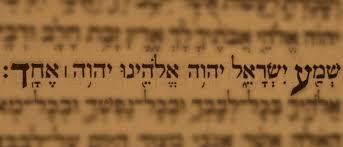
1. When is the line “Shema Yisrael…” said?
2. What texts constitute the shema? Why these?
3. What ritual items are closely connected with the shema?
4. Why is the shema considered so fundamentally important to Jews and Judaism?
5. What is the relationship between the shema and liturgies for prayer?
(ד) שְׁמַ֖ע יִשְׂרָאֵ֑ל ה׳ אֱלֹקֵ֖ינוּ ה׳ ׀ אֶחָֽד׃
(ה) וְאָ֣הַבְתָּ֔ אֵ֖ת ה׳ אֱלֹקֶ֑יךָ בְּכׇל־לְבָבְךָ֥ וּבְכׇל־נַפְשְׁךָ֖ וּבְכׇל־מְאֹדֶֽךָ׃ (ו) וְהָי֞וּ הַדְּבָרִ֣ים הָאֵ֗לֶּה אֲשֶׁ֨ר אָנֹכִ֧י מְצַוְּךָ֛ הַיּ֖וֹם עַל־לְבָבֶֽךָ׃ (ז) וְשִׁנַּנְתָּ֣ם לְבָנֶ֔יךָ וְדִבַּרְתָּ֖ בָּ֑ם בְּשִׁבְתְּךָ֤ בְּבֵיתֶ֙ךָ֙ וּבְלֶכְתְּךָ֣ בַדֶּ֔רֶךְ וּֽבְשׇׁכְבְּךָ֖ וּבְקוּמֶֽךָ׃ (ח) וּקְשַׁרְתָּ֥ם לְא֖וֹת עַל־יָדֶ֑ךָ וְהָי֥וּ לְטֹטָפֹ֖ת בֵּ֥ין עֵינֶֽיךָ׃ (ט) וּכְתַבְתָּ֛ם עַל־מְזֻז֥וֹת בֵּיתֶ֖ךָ וּבִשְׁעָרֶֽיךָ׃ {ס}
(4) Hear, O Israel! ה׳ is our God, ה׳ alone.
Others “The Lord our God, the Lord is one.”
(5) You shall love your God ה׳ with all your heart and with all your soul and with all your might. (6) Take to heart these instructions with which I charge you this day. (7) Impress them upon your children. Recite them when you stay at home and when you are away, when you lie down and when you get up. (8) Bind them as a sign on your hand and let them serve as a symbol Others “frontlet”; cf. Exod. 13.16. on your forehead; Lit. “between your eyes”; cf. Exod. 13.9. (9) inscribe them on the doorposts of your house and on your gates.
(יג) וְהָיָ֗ה אִם־שָׁמֹ֤עַ תִּשְׁמְעוּ֙ אֶל־מִצְוֺתַ֔י אֲשֶׁ֧ר אָנֹכִ֛י מְצַוֶּ֥ה אֶתְכֶ֖ם הַיּ֑וֹם לְאַהֲבָ֞ה אֶת־ה׳ אֱלֹֽהֵיכֶם֙ וּלְעׇבְד֔וֹ בְּכׇל־לְבַבְכֶ֖ם וּבְכׇל־נַפְשְׁכֶֽם׃ (יד) וְנָתַתִּ֧י מְטַֽר־אַרְצְכֶ֛ם בְּעִתּ֖וֹ יוֹרֶ֣ה וּמַלְק֑וֹשׁ וְאָסַפְתָּ֣ דְגָנֶ֔ךָ וְתִירֹֽשְׁךָ֖ וְיִצְהָרֶֽךָ׃ (טו) וְנָתַתִּ֛י עֵ֥שֶׂב בְּשָׂדְךָ֖ לִבְהֶמְתֶּ֑ךָ וְאָכַלְתָּ֖ וְשָׂבָֽעְתָּ׃ (טז) הִשָּֽׁמְר֣וּ לָכֶ֔ם פֶּ֥ן יִפְתֶּ֖ה לְבַבְכֶ֑ם וְסַרְתֶּ֗ם וַעֲבַדְתֶּם֙ אֱלֹקִ֣ים אֲחֵרִ֔ים וְהִשְׁתַּחֲוִיתֶ֖ם לָהֶֽם׃ (יז) וְחָרָ֨ה אַף־ה׳ בָּכֶ֗ם וְעָצַ֤ר אֶת־הַשָּׁמַ֙יִם֙ וְלֹֽא־יִהְיֶ֣ה מָטָ֔ר וְהָ֣אֲדָמָ֔ה לֹ֥א תִתֵּ֖ן אֶת־יְבוּלָ֑הּ וַאֲבַדְתֶּ֣ם מְהֵרָ֗ה מֵעַל֙ הָאָ֣רֶץ הַטֹּבָ֔ה אֲשֶׁ֥ר ה׳ נֹתֵ֥ן לָכֶֽם׃ (יח) וְשַׂמְתֶּם֙ אֶת־דְּבָרַ֣י אֵ֔לֶּה עַל־לְבַבְכֶ֖ם וְעַֽל־נַפְשְׁכֶ֑ם וּקְשַׁרְתֶּ֨ם אֹתָ֤ם לְאוֹת֙ עַל־יֶדְכֶ֔ם וְהָי֥וּ לְטוֹטָפֹ֖ת בֵּ֥ין עֵינֵיכֶֽם׃ (יט) וְלִמַּדְתֶּ֥ם אֹתָ֛ם אֶת־בְּנֵיכֶ֖ם לְדַבֵּ֣ר בָּ֑ם בְּשִׁבְתְּךָ֤ בְּבֵיתֶ֙ךָ֙ וּבְלֶכְתְּךָ֣ בַדֶּ֔רֶךְ וּֽבְשׇׁכְבְּךָ֖ וּבְקוּמֶֽךָ׃ (כ) וּכְתַבְתָּ֛ם עַל־מְזוּז֥וֹת בֵּיתֶ֖ךָ וּבִשְׁעָרֶֽיךָ׃ (כא) לְמַ֨עַן יִרְבּ֤וּ יְמֵיכֶם֙ וִימֵ֣י בְנֵיכֶ֔ם עַ֚ל הָֽאֲדָמָ֔ה אֲשֶׁ֨ר נִשְׁבַּ֧ע ה׳ לַאֲבֹתֵיכֶ֖ם לָתֵ֣ת לָהֶ֑ם כִּימֵ֥י הַשָּׁמַ֖יִם עַל־הָאָֽרֶץ׃{ס}
(13) If, then, you obey the commandments that I enjoin upon you this day, loving your God ה׳ and serving [God] with all your heart and soul, (14) I will grant the rain for your land in season, the early rain and the late. You shall gather in your new grain and wine and oil— (15) I will also provide grass in the fields for your cattle—and thus you shall eat your fill. (16) Take care not to be lured away to serve other gods and bow to them. (17) For ה’s anger will flare up against you, shutting up the skies so that there will be no rain and the ground will not yield its produce; and you will soon perish from the good land that ה׳ is assigning to you. (18) Therefore impress these My words upon your very heart: Lit. “heart and self.” bind them as a sign on your hand and let them serve as a symbol on your forehead, (19) and teach them to your children—reciting them when you stay at home and when you are away, when you lie down and when you get up; (20) and inscribe them on the doorposts of your house and on your gates— (21) to the end that you and your children may endure, in the land that ה׳ swore to your fathers to assign to them, as long as there is a heaven over the earth.
(37) ה׳ said to Moses as follows: (38) Speak to the Israelite people* Israelite people Heb. bene yisra’el; whether women are in view is uncertain. and instruct them to make for themselves fringes on the corners of their garments throughout the ages; let them attach a cord of blue to the fringe at each corner. (39) That shall be your fringe; look at it and recall all the commandments of ה׳ and observe them, so that you do not follow your heart and eyes in your lustful urge. (40) Thus you shall be reminded to observe all My commandments and to be holy to your God. (41) I ה׳ am your God, who brought you out of the land of Egypt to be your God: I, your God ה׳.
https://opensiddur.org/prayers/solilunar/everyday/shema/shema-translated-by-zalman-schachter-shalomi/
Maimonides, an authoritative medieval philosopher and explainer of Jewish law, explains why these three paragraphs constitute the Shema, and why they are recited in this order:
(ב) ומה הוא קורא שלשה פרשיות אלו הן:
שמע
והיה אם שמוע
ויאמר
ומקדימין לקרות פרשת שמע מפני שיש בה יחוד השם ואהבתו ותלמודו שהוא העיקר הגדול שהכל תלוי בו.
ואחריה והיה אם שמוע שיש בה צווי על (זכירת) שאר כל המצות
ואחר כך פרשת ציצית שגם היא יש בה צווי זכירת כל המצות.
(2) What does one recite? The three paragraphs beginning with the words Hear (Deut. 6:4-9); If, then, you obey (Deut. II: 13-21); and The Lord said (Num. 15:37-41).
The paragraph Hear… is recited first because it contains commandments concerning God's unity, the love of God, and the study of God, which is the basic principle on which all depends?
After it, If, then, you obey… is recited since the passage commands obedience to all the other commandments.
After that, the paragraph concerning the tzitzit / fringes is recited, since it also contains a command to recall all the commandments....
The shema is a foundational rubric of Jewish prayer. In fact, it is the very first thing discussed by the Mishnah, which is the earliest stratum of the Talmud, or Oral Law.
(א) מֵאֵימָתַי קוֹרִין אֶת שְׁמַע בְּעַרְבִית. מִשָּׁעָה שֶׁהַכֹּהֲנִים נִכְנָסִים לֶאֱכֹל בִּתְרוּמָתָן, עַד סוֹף הָאַשְׁמוּרָה הָרִאשׁוֹנָה, דִּבְרֵי רַבִּי אֱלִיעֶזֶר. וַחֲכָמִים אוֹמְרִים, עַד חֲצוֹת. רַבָּן גַּמְלִיאֵל אוֹמֵר, עַד שֶׁיַּעֲלֶה עַמּוּד הַשָּׁחַר. מַעֲשֶׂה שֶׁבָּאוּ בָנָיו מִבֵּית הַמִּשְׁתֶּה, אָמְרוּ לוֹ, לֹא קָרִינוּ אֶת שְׁמַע. אָמַר לָהֶם, אִם לֹא עָלָה עַמּוּד הַשַּׁחַר, חַיָּבִין אַתֶּם לִקְרוֹת. וְלֹא זוֹ בִּלְבַד, אֶלָּא כָּל מַה שֶּׁאָמְרוּ חֲכָמִים עַד חֲצוֹת, מִצְוָתָן עַד שֶׁיַּעֲלֶה עַמּוּד הַשָּׁחַר. הֶקְטֵר חֲלָבִים וְאֵבָרִים, מִצְוָתָן עַד שֶׁיַּעֲלֶה עַמּוּד הַשָּׁחַר. וְכָל הַנֶּאֱכָלִים לְיוֹם אֶחָד, מִצְוָתָן עַד שֶׁיַּעֲלֶה עַמּוּד הַשָּׁחַר. אִם כֵּן, לָמָּה אָמְרוּ חֲכָמִים עַד חֲצוֹת, כְּדֵי לְהַרְחִיק אֶת הָאָדָם מִן הָעֲבֵרָה:
(ב) מֵאֵימָתַי קוֹרִין אֶת שְׁמַע בְּשַׁחֲרִית. מִשֶּׁיַּכִּיר בֵּין תְּכֵלֶת לְלָבָן. רַבִּי אֱלִיעֶזֶר אוֹמֵר, בֵּין תְּכֵלֶת לְכַרְתִּי. וְגוֹמְרָהּ עַד הָנֵץ הַחַמָּה. רַבִּי יְהוֹשֻׁעַ אוֹמֵר, עַד שָׁלֹשׁ שָׁעוֹת, שֶׁכֵּן דֶּרֶךְ בְּנֵי מְלָכִים לַעֲמֹד בְּשָׁלֹשׁ שָׁעוֹת. הַקּוֹרֵא מִכָּאן וְאֵילָךְ לֹא הִפְסִיד, כְּאָדָם הַקּוֹרֵא בַתּוֹרָה:
(ג) בֵּית שַׁמַּאי אוֹמְרִים, בָּעֶרֶב כָּל אָדָם יַטּוּ וְיִקְרְאוּ, וּבַבֹּקֶר יַעַמְדוּ, שֶׁנֶּאֱמַר (דברים ו) וּבְשָׁכְבְּךָ וּבְקוּמֶךָ. וּבֵית הִלֵּל אוֹמְרִים, כָּל אָדָם קוֹרֵא כְדַרְכּוֹ, שֶׁנֶּאֱמַר (שם) וּבְלֶכְתְּךָ בַדֶּרֶךְ. אִם כֵּן, לָמָּה נֶאֱמַר וּבְשָׁכְבְּךָ וּבְקוּמֶךָ, בְּשָׁעָה שֶׁבְּנֵי אָדָם שׁוֹכְבִים, וּבְשָׁעָה שֶׁבְּנֵי אָדָם עוֹמְדִים. אָמַר רַבִּי טַרְפוֹן, אֲנִי הָיִיתִי בָא בַדֶּרֶךְ, וְהִטֵּתִי לִקְרוֹת, כְּדִבְרֵי בֵית שַׁמַּאי, וְסִכַּנְתִּי בְעַצְמִי מִפְּנֵי הַלִּסְטִים. אָמְרוּ לוֹ, כְּדַי הָיִיתָ לָחוּב בְּעַצְמְךָ, שֶׁעָבַרְתָּ עַל דִּבְרֵי בֵית הִלֵּל:
(ד) בַּשַּׁחַר מְבָרֵךְ שְׁתַּיִם לְפָנֶיהָ וְאַחַת לְאַחֲרֶיהָ, וּבָעֶרֶב שְׁתַּיִם לְפָנֶיהָ וּשְׁתַּיִם לְאַחֲרֶיהָ. אַחַת אֲרֻכָּה וְאַחַת קְצָרָה. מָקוֹם שֶׁאָמְרוּ לְהַאֲרִיךְ, אֵינוֹ רַשַּׁאי לְקַצֵּר. לְקַצֵּר, אֵינוֹ רַשַּׁאי לְהַאֲרִיךְ. לַחְתֹּם, אֵינוֹ רַשַּׁאי שֶׁלֹּא לַחְתֹּם. וְשֶׁלֹּא לַחְתֹּם, אֵינוֹ רַשַּׁאי לַחְתֹּם:
(ה) מַזְכִּירִין יְצִיאַת מִצְרַיִם בַּלֵּילוֹת. אָמַר רַבִּי אֶלְעָזָר בֶּן עֲזַרְיָה, הֲרֵי אֲנִי כְּבֶן שִׁבְעִים שָׁנָה, וְלֹא זָכִיתִי שֶׁתֵּאָמֵר יְצִיאַת מִצְרַיִם בַּלֵּילוֹת, עַד שֶׁדְּרָשָׁהּ בֶּן זוֹמָא, שֶׁנֶּאֱמַר (דברים טז) לְמַעַן תִּזְכֹּר אֶת יוֹם צֵאתְךָ מֵאֶרֶץ מִצְרַיִם כֹּל יְמֵי חַיֶּיךָ. יְמֵי חַיֶּיךָ, הַיָּמִים. כֹּל יְמֵי חַיֶּיךָ, הַלֵּילוֹת. וַחֲכָמִים אוֹמְרִים, יְמֵי חַיֶּיךָ, הָעוֹלָם הַזֶּה. כֹּל יְמֵי חַיֶּיךָ, לְהָבִיא לִימוֹת הַמָּשִׁיחַ:
The beginning of tractate Berakhot, the first tractate in the first of the six orders of Mishna, opens with a discussion of the recitation of Shema, as the recitation of Shema encompasses an acceptance of the yoke of Heaven and of the mitzvot, and as such, forms the basis for all subsequent teachings. The Mishna opens with the laws regarding the appropriate time to recite Shema:
(1) From when, that is, from what time, does one recite Shema in the evening? From the time when the priests enter to partake of their teruma. Until when does the time for the recitation of the evening Shema extend? Until the end of the first watch. The term used in the Torah (Deuteronomy 6:7) to indicate the time for the recitation of the evening Shema is beshokhbekha, when you lie down, which refers to the time in which individuals go to sleep. Therefore, the time for the recitation of Shema is the first portion of the night, when individuals typically prepare for sleep. That is the statement of Rabbi Eliezer. The Rabbis say: The time for the recitation of the evening Shema is until midnight. Rabban Gamliel says: One may recite Shema until dawn, indicating that beshokhbekha is to be understood as a reference to the entire time people sleep in their beds, the whole night. The mishna relates that Rabban Gamliel practiced in accordance with his ruling. …
(2) From when does one recite Shema in the morning? From when a person can distinguish between sky-blue [tekhelet] and white.
Rabbi Eliezer says: From when one can distinguish between sky-blue and leek-green.
And one must finish reciting Shema until the end of the period when you rise, i.e., sunrise, when the sun begins to shine.
Rabbi Yehoshua says: One may recite the morning Shema until three hours of the day, which this is still considered when you rise, as that is the habit of kings to rise from their sleep at three hours of the day. While there is a set time frame for the recitation of Shema, one who recites Shema from that time onward loses nothing. Although he does not fulfill the mitzva of reciting of Shema at its appointed time, he is nevertheless considered like one who reads the Torah, and is rewarded accordingly.
(3) Beit Shammai and Beit Hillel disputed the proper way to recite Shema. Beit Shammai say: One should recite Shema in the manner indicated in the text of Shema itself. Therefore, in the evening every person must recline on his side and recite Shema, in fulfillment of the verse: “When you lie down,” and in the morning he must stand and recite Shema, in fulfillment of the verse: When you rise, as it is stated: “When you lie down, and when you rise.” And Beit Hillel say: Every person recites Shema as he is, and he may do so in whatever position is most comfortable for him, both day and night, as it is stated: “And when you walk along the way,” when one is neither standing nor reclining (Me’iri). If so, according to Beit Hillel, why was it stated: “When you lie down, and when you rise”? This is merely to denote time; at the time when people lie down and the time when people rise. …
(4) From the laws of the recitation of Shema itself, the mishna proceeds to discuss the blessings recited in conjunction with Shema. Here, the order is established: In the morning when reciting Shema, one recites two blessings beforehand, the first on the radiant lights and the second the blessing on the love of Torah, and one thereafter, which begins with: True and Firm [emet veyatziv]. And in the evening one recites two blessings beforehand, on the radiant lights and on the love of God, and two thereafter, the blessing of redemption: True and Faithful [emet ve’emuna], and the blessing: Help us lie down. With regard to the blessing: True and Faithful, whether one recites it in its long formula and whether one recites it in its short formula, he fulfills his obligation (Tosafot). However, the general principle is: Where the Sages said to recite a long blessing, one may not shorten it, and so too, wherever they said to recite a short blessing, one may not lengthen it. Where the Sages said that a blessing must conclude with a second blessing at the end, he may not fail to conclude with that blessing. Similarly, if the Sages said that a blessing must not conclude with a second blessing, one may not conclude with a blessing.
(5) It is a mitzva by Torah law to mention the exodus from Egypt at night, but some held that this mitzva was, like phylacteries or ritual fringes, fulfilled only during the day and not at night. For this reason it was decided: The exodus from Egypt is mentioned at night, adjacent to the recitation of Shema. Rabbi Elazar ben Azarya said: I am approximately seventy years old, and although I have long held this opinion, I was never privileged to prevail (Me’iri) and prove that there is a biblical obligation to fulfill the accepted custom (Ra’avad) and have the exodus from Egypt mentioned at night, until Ben Zoma interpreted it homiletically and proved it obligatory. Ben Zoma derived it as it is stated: “That you may remember the day you went out of the land of Egypt all the days of your life” (Deuteronomy 16:3). The days of your life, refers to daytime alone; however, the addition of the word all, as it is stated: All the days of your life, comes to add nights as well. And the Rabbis, who posit that there is no biblical obligation to mention the exodus from Egypt at night, explain the word, all, differently and say: The days of your life, refers to the days in this world, all is added to include the days of the Messiah.