


There are more idols than realities in the world: that is my "evil eye" for this world, which is also my "evil ear".
Friedrich Nietzsche
(א) וַיְדַבֵּ֨ר יְהֹוָ֧ה אֶל־מֹשֶׁ֛ה בְּמִדְבַּ֥ר סִינַ֖י בְּאֹ֣הֶל מוֹעֵ֑ד בְּאֶחָד֩ לַחֹ֨דֶשׁ הַשֵּׁנִ֜י בַּשָּׁנָ֣ה הַשֵּׁנִ֗ית לְצֵאתָ֛ם מֵאֶ֥רֶץ מִצְרַ֖יִם לֵאמֹֽר׃ (ב) שְׂא֗וּ אֶת־רֹאשׁ֙ כׇּל־עֲדַ֣ת בְּנֵֽי־יִשְׂרָאֵ֔ל לְמִשְׁפְּחֹתָ֖ם לְבֵ֣ית אֲבֹתָ֑ם בְּמִסְפַּ֣ר שֵׁמ֔וֹת כׇּל־זָכָ֖ר לְגֻלְגְּלֹתָֽם׃ (ג) מִבֶּ֨ן עֶשְׂרִ֤ים שָׁנָה֙ וָמַ֔עְלָה כׇּל־יֹצֵ֥א צָבָ֖א בְּיִשְׂרָאֵ֑ל תִּפְקְד֥וּ אֹתָ֛ם לְצִבְאֹתָ֖ם אַתָּ֥ה וְאַהֲרֹֽן׃
(1) On the first day of the second month, in the second year following the exodus from the land of Egypt, יהוה spoke to Moses in the wilderness of Sinai, in the Tent of Meeting, saying: (2) Take a census of the whole Israelite company [of fighters]*company [of fighters] NJPS “community,” trad. “congregation.” See the Dictionary under ‘edah. by the clans of its ancestral houses,*its ancestral houses I.e., its tribes. listing the names, every male, head by head. (3) You and Aaron shall record them by their groups, from the age of twenty years up, all those in Israel who are able to bear arms.
לגלגלתם. עַ"יְ שְׁקָלִים — בֶּקַע לַגֻּלְגֹּלֶת:
לגלגלתם BY THEIR POLLS — i. e. by means of shekels — “a beka a head (לגלגלת)”, as was prescribed on a previous occasion (Exodus 38:26).
(כו) בֶּ֚קַע לַגֻּלְגֹּ֔לֶת מַחֲצִ֥ית הַשֶּׁ֖קֶל בְּשֶׁ֣קֶל הַקֹּ֑דֶשׁ לְכֹ֨ל הָעֹבֵ֜ר עַל־הַפְּקֻדִ֗ים מִבֶּ֨ן עֶשְׂרִ֤ים שָׁנָה֙ וָמַ֔עְלָה לְשֵׁשׁ־מֵא֥וֹת אֶ֙לֶף֙ וּשְׁלֹ֣שֶׁת אֲלָפִ֔ים וַחֲמֵ֥שׁ מֵא֖וֹת וַחֲמִשִּֽׁים׃
(26) a half-shekel*half-shekel Heb. beqa‘. a head, half a shekel by the sanctuary weight, for each one who was entered in the records, from the age of twenty years up, 603,550 men.
כִּ֣י תִשָּׂ֞א אֶת־רֹ֥אשׁ בְּנֵֽי־יִשְׂרָאֵל֮ לִפְקֻדֵיהֶם֒ וְנָ֨תְנ֜וּ אִ֣ישׁ כֹּ֧פֶר נַפְשׁ֛וֹ לַיהֹוָ֖ה בִּפְקֹ֣ד אֹתָ֑ם וְלֹא־יִהְיֶ֥ה בָהֶ֛ם נֶ֖גֶף בִּפְקֹ֥ד אֹתָֽם׃
When you take a census of the Israelite men according to their army enrollment, each shall pay יהוה a ransom for himself on being enrolled, that no plague may come upon them through their being enrolled.
כי תשא. לְשׁוֹן קַבָּלָה, כְּתַרְגּוּמוֹ; כְּשֶׁתַּחְפֹּץ לְקַבֵּל סְכוּם מִנְיָנָם לָדַעַת כַּמָּה הֵם, אַל תִּמְנֵם לַגֻּלְגֹּלֶת, אֶלָּא יִתְּנוּ כָּל אֶחָד מַחֲצִית הַשֶּׁקֶל וְתִמְנֶה אֶת הַשְּׁקָלִים וְתֵדַע מִנְיָנָם:
ולא יהיה בהם נגף. שֶׁהַמִּנְיָן שׁוֹלֵט בּוֹ עַיִן הָרָע, וְהַדֶּבֶר בָּא עֲלֵיהֶם, כְּמוֹ שֶׁמָּצִינוּ בִימֵי דָּוִד (שמואל ב כ"ד):
כי תשא This has the meaning of obtaining: WHEN THOU TAKEST [THE SUM], (not of “lifting up” as in Genesis 40:13); as the Targum has it, תקבל. The sense is: when you wish to obtain the sum total of their number — to know how many they are — do not take their census by their polls but each of them shall give half a shekel, and you shall count these, and so ascertain their number.
ולא יהיה בהם נגף THAT THERE BE NO CALAMITY AMONG THEM — for numbers (i. e. things that have been numbered) are subject to the influence of the “evil eye”, and therefore if you count them by their polls pestilence may befall them, as we find happened, in the days of David (II Samuel 24:10 and 15).
(א) וַיֹּ֙סֶף֙ אַף־יְהֹוָ֔ה לַֽחֲר֖וֹת בְּיִשְׂרָאֵ֑ל וַיָּ֨סֶת אֶת־דָּוִ֤ד בָּהֶם֙ לֵאמֹ֔ר לֵ֛ךְ מְנֵ֥ה אֶת־יִשְׂרָאֵ֖ל וְאֶת־יְהוּדָֽה׃ (ב) וַיֹּ֨אמֶר הַמֶּ֜לֶךְ אֶל־יוֹאָ֣ב ׀ שַׂר־הַחַ֣יִל אֲשֶׁר־אִתּ֗וֹ שֽׁוּט־נָ֞א בְּכׇל־שִׁבְטֵ֤י יִשְׂרָאֵל֙ מִדָּן֙ וְעַד־בְּאֵ֣ר שֶׁ֔בַע וּפִקְד֖וּ אֶת־הָעָ֑ם וְיָ֣דַעְתִּ֔י אֵ֖ת מִסְפַּ֥ר הָעָֽם׃ {ס} (ג) וַיֹּ֨אמֶר יוֹאָ֜ב אֶל־הַמֶּ֗לֶךְ וְיוֹסֵ֣ף יְהֹוָה֩ אֱלֹהֶ֨יךָ אֶל־הָעָ֜ם כָּהֵ֤ם ׀ וְכָהֵם֙ מֵאָ֣ה פְעָמִ֔ים וְעֵינֵ֥י אֲדֹנִֽי־הַמֶּ֖לֶךְ רֹא֑וֹת וַאדֹנִ֣י הַמֶּ֔לֶךְ לָ֥מָּה חָפֵ֖ץ בַּדָּבָ֥ר הַזֶּֽה׃ (ד) וַיֶּחֱזַ֤ק דְּבַר־הַמֶּ֙לֶךְ֙ אֶל־יוֹאָ֔ב וְעַ֖ל שָׂרֵ֣י הֶחָ֑יִל וַיֵּצֵ֨א יוֹאָ֜ב וְשָׂרֵ֤י הַחַ֙יִל֙ לִפְנֵ֣י הַמֶּ֔לֶךְ לִפְקֹ֥ד אֶת־הָעָ֖ם אֶת־יִשְׂרָאֵֽל׃ (ה) וַיַּעַבְר֖וּ אֶת־הַיַּרְדֵּ֑ן וַיַּֽחֲנ֣וּ בַעֲרוֹעֵ֗ר יְמִ֥ין הָעִ֛יר אֲשֶׁ֛ר בְּתוֹךְ־הַנַּ֥חַל הַגָּ֖ד וְאֶל־יַעְזֵֽר׃ (ו) וַיָּבֹ֙אוּ֙ הַגִּלְעָ֔דָה וְאֶל־אֶ֥רֶץ תַּחְתִּ֖ים חׇדְשִׁ֑י וַיָּבֹ֙אוּ֙ דָּ֣נָה יַּ֔עַן וְסָבִ֖יב אֶל־צִידֽוֹן׃ (ז) וַיָּבֹ֙אוּ֙ מִבְצַר־צֹ֔ר וְכׇל־עָרֵ֥י הַחִוִּ֖י וְהַֽכְּנַעֲנִ֑י וַיֵּ֥צְא֛וּ אֶל־נֶ֥גֶב יְהוּדָ֖ה בְּאֵ֥ר שָֽׁבַע׃ (ח) וַיָּשֻׁ֖טוּ בְּכׇל־הָאָ֑רֶץ וַיָּבֹ֜אוּ מִקְצֵ֨ה תִשְׁעָ֧ה חֳדָשִׁ֛ים וְעֶשְׂרִ֥ים י֖וֹם יְרוּשָׁלָֽ͏ִם׃ (ט) וַיִּתֵּ֥ן יוֹאָ֛ב אֶת־מִסְפַּ֥ר מִפְקַד־הָעָ֖ם אֶל־הַמֶּ֑לֶךְ וַתְּהִ֣י יִשְׂרָאֵ֡ל שְֽׁמֹנֶה֩ מֵא֨וֹת אֶ֤לֶף אִֽישׁ־חַ֙יִל֙ שֹׁ֣לֵֽף חֶ֔רֶב וְאִ֣ישׁ יְהוּדָ֔ה חֲמֵשׁ־מֵא֥וֹת אֶ֖לֶף אִֽישׁ׃ (י) וַיַּ֤ךְ לֵב־דָּוִד֙ אֹת֔וֹ אַחֲרֵי־כֵ֖ן סָפַ֣ר אֶת־הָעָ֑ם {פ}וַיֹּ֨אמֶר דָּוִ֜ד אֶל־יְהֹוָ֗ה חָטָ֤אתִי מְאֹד֙ אֲשֶׁ֣ר עָשִׂ֔יתִי וְעַתָּ֣ה יְהֹוָ֔ה הַֽעֲבֶר־נָא֙ אֶת־עֲוֺ֣ן עַבְדְּךָ֔ כִּ֥י נִסְכַּ֖לְתִּי מְאֹֽד׃ (יא) וַיָּ֥קׇם דָּוִ֖ד בַּבֹּ֑קֶר {פ}וּדְבַר־יְהֹוָ֗ה הָיָה֙ אֶל־גָּ֣ד הַנָּבִ֔יא חֹזֵ֥ה דָוִ֖ד לֵאמֹֽר׃ (יב) הָל֞וֹךְ וְדִבַּרְתָּ֣ אֶל־דָּוִ֗ד כֹּ֚ה אָמַ֣ר יְהֹוָ֔ה שָׁלֹ֕שׁ אָנֹכִ֖י נוֹטֵ֣ל עָלֶ֑יךָ בְּחַר־לְךָ֥ אַחַת־מֵהֶ֖ם וְאֶעֱשֶׂה־לָּֽךְ׃ (יג) וַיָּבֹא־גָ֥ד אֶל־דָּוִ֖ד וַיַּגֶּד־ל֑וֹ וַיֹּ֣אמֶר ל֡וֹ הֲתָב֣וֹא לְךָ֣ שֶׁבַע־שָׁנִ֣ים ׀ רָעָ֣ב ׀ בְּאַרְצֶ֡ךָ אִם־שְׁלֹשָׁ֣ה חֳ֠דָשִׁ֠ים נֻסְךָ֨ לִפְנֵי־צָרֶ֜יךָ וְה֣וּא רֹדְפֶ֗ךָ וְאִם־הֱ֠י֠וֹת שְׁלֹ֨שֶׁת יָמִ֥ים דֶּ֙בֶר֙ בְּאַרְצֶ֔ךָ עַתָּה֙ דַּ֣ע וּרְאֵ֔ה מָה־אָשִׁ֥יב שֹׁלְחִ֖י דָּבָֽר׃ {ס}
(1) aThis chapter is also found, with some variations, in 1 Chron. 21.1–7.The anger of the LORD againbCf. above 21.1–14. flared up against Israel; and He incited David against them, saying, “Go and number Israel and Judah.” (2) The king said to Joab, c1 Chron. 21.2 reads “and to the officers of the army”; cf. below v. 4.his army commander,c1 Chron. 21.2 reads “and to the officers of the army”; cf. below v. 4. “Make the rounds of all the tribes of Israel, from Dan to Beer-sheba, and take a census of the people, so that I may know the size of the population.” (3) Joab answered the king, “May the LORD your God increase the number of the people a hundredfold, while your own eyes see it! But why should my lord king want this?” (4) However, the king’s command to Joab and to the officers of the army remained firm; and Joab and the officers of the army set out, at the instance of the king, to take a census of the people of Israel. (5) They crossed the Jordan and dSome Septuagint mss. read “began at Aroer, and from the town, which is…Gad, they.”encamped at Aroer, on the right side of the town, which is in the middle of the wadi of Gad, and-d [went on] to Jazer. (6) They continued to Gilead and to the region of eMeaning of Heb. uncertain.Tahtim-hodshi, and they came to Dan-jaan and around to-e Sidon. (7) They went onto the fortress of Tyre and all the towns of the Hivites and Canaanites, and finished at Beer-sheba in southern Judah. (8) They traversed the whole country, and then they came back to Jerusalem at the end of nine months and twenty days. (9) Joab reported to the king the number of the people that had been recorded: in Israel there were 800,000 soldiers ready to draw the sword, and the men of Judah numbered 500,000. (10) But afterward David fSee note at 1 Sam. 24.6.reproached himself-f for having numbered the people. And David said to the LORD, “I have sinned grievously in what I have done. Please, O LORD, remit the guilt of Your servant, for I have acted foolishly.” (11) When David rose in the morning, the word of the LORD had come to the prophet Gad, David’s seer: (12) “Go and tell David, ‘Thus said the LORD: I hold three things over you; choose one of them, and I will bring it upon you.’” (13) Gad came to David and told him; he asked, “Shall a seven-year famine come upon you in the land, or shall you be in flight from your adversaries for three months while they pursue you, or shall there be three days of pestilence in your land? Now consider carefully what reply I shall take back to Him who sent me.”
במספר שמות כל זכר לגלגלותם. פרש״י בקע לגלגלת. והוא פלא דמחצית השקל הי׳ במנין הראשון לאדנים. ושוב לא היו נצרכים...
...אלא לשון המקרא כמשמעו במספר שמות. כל א׳ הושיט שמו ושם שבטו. ואח״כ מנו הפתקות אבל הי׳ מצורף לכל פתקא האדם בעצמו. הוא בעצמו הביא פתקא שלו והיינו לגולגלותם אצל הגלגולת. ולא שיושיט א׳ כמה פתקות של חבריו. דבזה הי׳ מקום לחוש אולי יניח א׳ כמה שמות בשקר. מש״ה הי׳ הצווי שכל א׳ יושיט את שמו סמוך לגולגלתו. ומנו את הפתקות...
פְּתַח אִידַּךְ וַאֲמַר: הַאי מַאן דְּעָיֵיל לְמָתָא וְדָחֵיל מֵעֵינָא בִּישָׁא, לִנְקוֹט זִקְפָּא דִּידָא דְיַמִּינֵיהּ בִּידָא דִשְׂמָאלֵיהּ וְזִקְפָּא דִּידָא דִשְׂמָאלֵיהּ בִּידָא דְיַמִּינֵיהּ, וְלֵימָא הָכִי: אֲנָא פְּלוֹנִי בַּר פְּלוֹנִי מִזַּרְעָא דְיוֹסֵף קָאָתֵינָא, דְּלָא שָׁלְטָא בֵּיהּ עֵינָא בִישָׁא, שֶׁנֶּאֱמַר: ״בֵּן פֹּרָת יוֹסֵף בֵּן פֹּרָת עֲלֵי עָיִן וְגוֹ׳״, אַל תִּקְרֵי ״עֲלֵי עָיִן״, אֶלָּא ״עוֹלֵי עָיִן״. רַבִּי יוֹסֵי בְּרַבִּי חֲנִינָא אָמַר, מֵהָכָא: ״וְיִדְגּוּ לָרֹב בְּקֶרֶב הָאָרֶץ״ — מָה דָּגִים שֶׁבַּיָּם מַיִם מְכַסִּים עֲלֵיהֶם וְאֵין עַיִן רָעָה שׁוֹלֶטֶת בָּהֶם, אַף זַרְעוֹ שֶׁל יוֹסֵף אֵין עַיִן רָעָה שׁוֹלֶטֶת בָּהֶם. וְאִי דָּחֵיל מֵעֵינָא בִּישָׁא דִּילֵיהּ, לִיחְזֵי אַטְרְפָא דִּנְחִירֵיהּ דִּשְׂמָאלֵיהּ.
Another began and said: One who enters a city and fears the evil eye should hold the thumb [zekafa] of his right hand in his left hand and the thumb of his left hand in his right hand and recite the following: I, so-and-so son of so-and-so, come from the descendants of Joseph, over whom the evil eye has no dominion, as it is stated: “Joseph is a fruitful vine, a fruitful vine by a fountain [alei ayin]; its branches run over the wall” (Genesis 49:22). Do not read it as alei ayin; but rather, read it as olei ayin, who rise above the eye and the evil eye has no dominion over him. Rabbi Yosei, son of Rabbi Ḥanina, said: Derive it from here, from what is stated in Jacob’s blessing of Joseph’s sons: “And let them grow like fish into a multitude in the midst of the earth” (Genesis 48:16): Just as fish in the sea are covered by water and the evil eye has no dominion over them as they cannot be seen, so too the offspring of Joseph, the evil eye has no dominion over them. And if he is concerned about his own evil eye, lest it damage others, he should look at the side of his left nostril.
הַאי מַאן דְּעַיִל לְמָתָא וְדָחִיל מֵעֵינָא בִּישָׁא, לִינְקוֹט זָקְפָא דְּיָדָא דְּיַמִּינֵיהּ בְּיָדָא דִּשְׂמָאלֵיהּ וְזָקְפָא דְּיָדָא דִּשְׂמָאלֵיהּ בְּיָדָא דְּיַמִּינֵיהּ. נראה לי בס"ד טעם לסגולה זו, דהגודל רומז לישראל לכך הוא מובדל משאר אצבעות, וכן ישראל כתיב בהו (במדבר כ"ג ט') הֶן עָם לְבָדָד יִשְׁכֹּן וּבַגּוֹיִם לֹא יִתְחַשָּׁב, והארבע אצבעות עם הכף הם י"ג פרקים כמנין אחד [13], וכמנין אהבה [13], ואם יניח גודל הימין בתוך י"ג הנזכר, וכן של שמאל בימין יהיה מזה אחד ומזה אחד מספר שם הוי"ה [26] השומר את ישראל מעין רעה, כמו שנאמר (תהלים קכא ז) ה' יִשְׁמָרְךָ מִכָּל רָע, שהוא 'עין הרע' הכוללת כָּל רָע שבעולם, וזה שנאמר אֶחָד בְּאֶחָד יִגַּשׁוּ וְרוּחַ לֹא יָבוֹא בֵינֵיהֶם (איוב מא ח) רצונו לומר רוּחַ הנמשך מן עין הרע.
בְּמַעְרְבָא לָא קָפְדִי אַזּוּגֵי. רַב דִּימִי מִנְּהַרְדְּעָא קָפֵיד אֲפִילּוּ אַרוּשְׁמָא דְחָבִיתָא. הֲוָה עוֹבָדָא וּפְקַע חָבִיתָא. כְּלָלָא דְמִילְּתָא, כׇּל דְּקָפֵיד — קָפְדִי בַּהֲדֵיהּ, וּדְלָא קָפֵיד — לָא קָפְדִי בַּהֲדֵיהּ, וּמִיהוּ לְמֵיחַשׁ מִיבְּעֵי.
The Gemara relates that in the West, Eretz Yisrael, they were not particular with regard to pairs. Rav Dimi from Neharde’a was particular about pairs even with regard to the signs on a barrel; he would not write pairs of symbols on a barrel. There was an incident in which there were pairs of symbols on a barrel and the barrel burst. The Gemara concludes: The rule of the matter is that all who are particular about pairs, the demons are particular with him; and if one is not particular, they are not particular with him. However, one is required to be concerned about the harm that might result from purposely performing actions in pairs.
רַבִּי יְהוֹשֻׁעַ אוֹמֵר, עַיִן הָרָע, וְיֵצֶר הָרָע, וְשִׂנְאַת הַבְּרִיּוֹת, מוֹצִיאִין אֶת הָאָדָם מִן הָעוֹלָם:
Rabbi Joshua said: an evil eye, the evil inclination, and hatred for humankind put a person out of the world.
רבי יהושע אומר עין הרע. פי' מי שאינו שמח בחלקו ועויין את חברו העשיר ממנו מתי יעשר עושר גדול כמוהו והוא גורם רע לעצמו. ולחברו כאשר אמרו חכמי הטבע. מכל אשר לרעהו אויר עולה מן המחשבה ההוא ושורף את הדברים שעויין בהם בעיניו הרע. גם בקרבו ישרף אחר שמתאוה לדברים שאין יכולת מצוי בידו לעשות המחשבה ההיא מקלקלת גופו כי יתקצר רוחו ומציאתו מן העולם וזהו עין הרע שאמר ר' יהושע
Rabbi Yehoshua says: The evil eye: Its explanation is one who is not happy with his lot and places his eye on his fellow who is wealthier than he, [thinking] when will I be as wealthy as the great wealth of this man? And this causes evil to himself and to his fellow. [It is] like the wise men of science say about everything that is his neighbors: vapor comes up from that thought and burns the things that he put his eye towards with an evil eye. He also burns [himself] inside. Since he desires things, the thought of which he does not have the ability in his hand to materialize his, he destroys his body - as he shortens his spirit and removes it from the world. And this is the evil eye about which Rabbi Yehoshua spoke.
בֶּן זוֹמָא אוֹמֵר, ...אֵיזֶהוּ עָשִׁיר, הַשָּׂמֵחַ בְּחֶלְקוֹ, שֶׁנֶּאֱמַר (תהלים קכח) יְגִיעַ כַּפֶּיךָ כִּי תֹאכֵל אַשְׁרֶיךָ וְטוֹב לָךְ
Ben Zoma said: ... Who is rich? He who rejoices in his lot, as it is said: “You shall enjoy the fruit of your labors, you shall be happy and you shall prosper” (Psalms 128:2)
לֹ֥א תַחְמֹ֖ד בֵּ֣ית רֵעֶ֑ךָ לֹֽא־תַחְמֹ֞ד אֵ֣שֶׁת רֵעֶ֗ךָ וְעַבְדּ֤וֹ וַאֲמָתוֹ֙ וְשׁוֹר֣וֹ וַחֲמֹר֔וֹ וְכֹ֖ל אֲשֶׁ֥ר לְרֵעֶֽךָ׃ (פ)
You shall not covet your neighbor’s house: you shall not covet your neighbor’s wife, or male or female slave, or ox or ass, or anything that is your neighbor’s.
לא תחמוד. אנשים רבים יתמהו על זאת המצוה. איך יהיה אדם שלא יחמוד דבר יפה בלבו כל מה שהוא נחמד למראה עיניו.
THOU SHALT NOT COVET. Many people are amazed at this commandment. They ask, how is it possible for a person not to covet in his heart all beautiful things that appear desirable to him?
ענין עין הרע הוא, שראובן רואה בשמעון עושר עצום או רואה אותו שהוא גבור גדול ובריא או טוב תואר ואומר ראובן 'מפני מה יש לזה ממון הרבה'? או מפני מה הוא טוב תואר? הדבר גורם כי יבקרו את פנקס שמעון למעלה לעיין המעשים הכתובים שם וימצאו כתובים בו חטאיו הרבים ואז מענישים את שמעון.
Rabbi Yitzhak Karo, Eyil Miluim,
צְרִיכִין לִזָּהֵר, שֶׁלֹּא לִמְנֹת אֵת הָאֲנָשִׁים לְגֻלְגְּלוֹתָם לֵידַע אִם יֵשׁ מִנְיָן, כִּי אָסוּר לִמְנֹת אֵת יִשְֹרָאֵל לְגֻלְגְּלוֹתָם, אֲפִלּוּ לִדְבַר מִצְוָה דִּכְתִיב וַיְשַׁמַּע שָׁאוּל אֵת הָעָם וַיִפְקְּדֵם בַּטְּלָאִים (פר"ח) וְנוֹהֲגִין לִמְנוֹתָם בַּאֲמִירַת הַפָּסוּק הוֹשִׁיעָה אֵת עַמֶךָ וְגוֹ' שֶׁיֵּשׁ בּוֹ עֲשָׂרָה תֵּבוֹת.
Care should be taken not to take a head-count of people to verify whether there is a minyan, because it is forbidden to take a head-count of Jews even for the purpose of a mitzvah, for it is written: "And Saul gathered the nation and counted them by means of lambs." It is customary to count them by reciting the verse: Hoshiah es amecha etc which contains ten words.
ידוע סיפור הגמרא ששנים עשר אלף זוגות תלמידים היו לרבי עקיבא... וכולם מתו בפרק אחד, משום שלא נהגו כבוד זה בזה. ויש לבאר: מובא בירושלמי שעשרים וארבע קרונות נכנסה בהם עין הרע ושל בית רבי, נכנסו לעבר שנה בלוד ומתו בפרק אחד. ויש ללמוד שסיבת תלמידי רבי עקיבא בפרק אחד כ"ד היתה משום שהגיע מספרם ל – אלף מספר גדול ביותר וזה גרם שתכנס בהם עין הרע וכולם מתו. ואכן, זה ש"לא נהגו כבוד זה בזה" מצד עצמו אינו חטא גדול כל כך שייענשו עבורו בעונש מיתה, אלא שבאו תו פרק נכנסה בהם עין הרע ונענשו גם על חטא קל כזה.
Lubavicher Rebbe, Likutei Sichot 32/149
Rabbi Moshe Fainstein, Igrot Moshe, Even HaEzer 3/26
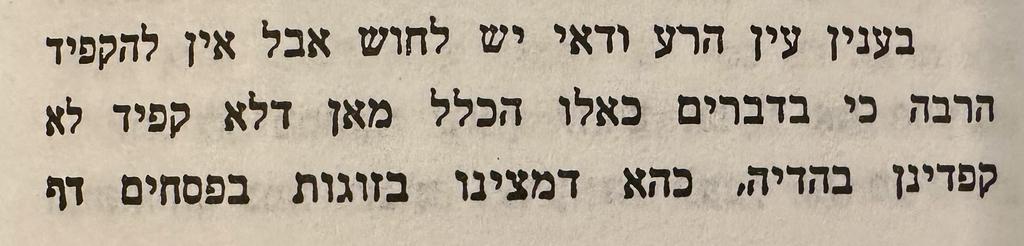
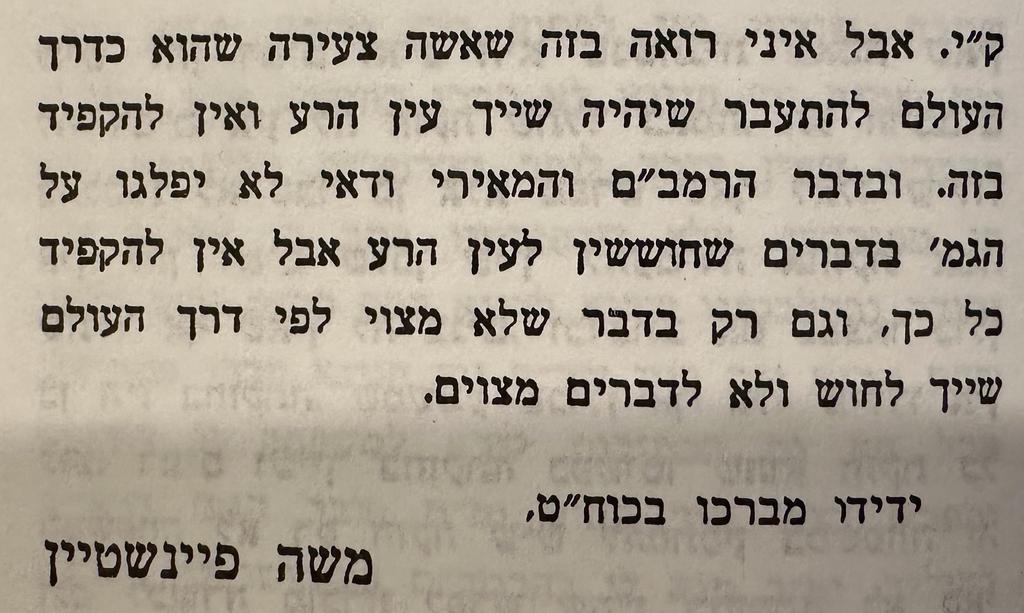
ישנם השואלים (אודות עריכת סיומים פומביים) מדברי המדרש: 'לוחות ראשונות ניתנו ברעש [מתן תורה] לפיכך שלטה בהן עין הרע והשתברו. לפיכך בלוחות שניות נאמר 'פסל לך' (לבדך,בצנעא), שאין לך יפה מן הצניעות, שנאמר (מיכה ו) 'ומה ה' דורש ממך כי אם עשה משפט ואה בת חסד והצנע לכת'. אבל לאידך מצינו שבדבר שבקדושה צריך להיות בפרסום, וכתשובת הרשב"א (שנפסקה להלכה בשולחן ערוך יו"ד רמט,יג): 'מצוה לפרסם עושי מצוה'.
Lubavicher Rebbe, Torat Menachem, 5744/2/1061
ויהיו כל פקודי בני ישראל לבית אבתם וגו' כל יצא צבא בישראל ...ובמדבר סיני רבה ראיתי כך במספר שמות לגולגלותם אמר לו הקב"ה למנותם בכבוד ובגדולה לכל אחד ואחד לא תהיה אומר לראש המשפחה "כמה במשפחתך" "כמה בנים יש לך" אלא כולהון יהון עוברים לפניך באימה ובכבוד ואתה מונה אותם
כי כולם שווים במעלה, ומעלת כל אחד נפרדת ממעלת חברו
That is the difference between na’aseh and nishma. We do the Godly deed “together”. We respond to His commands “with one voice”. But we hear God’s presence in many ways, for though God is One, we are all different, and we encounter Him each in our own way.
Rabbi Johnathan Sacks, C&C, Mishpatim 5780