.... הדר שדר גונדא אחרינא אבתריה אמר להו לא תשתעו מידי בהדיה כי נקטי ליה ואזלי חזא מזוזתא [דמנחא אפתחא] אותיב ידיה עלה ואמר להו מאי האי אמרו ליה אימא לן את אמר להו מנהגו של עולם מלך בשר ודם יושב מבפנים ועבדיו משמרים אותו מבחוץ ואילו הקב"ה עבדיו מבפנים והוא משמרן מבחוץ שנאמר (תהלים קכא, ח) ה' ישמר צאתך ובואך מעתה ועד עולם איגיור תו לא שדר בתריה (בראשית כה, כג)
אמר רבא מצוה להניחה בטפח הסמוך לרה"ר מאי טעמא רבנן אמרי כדי שיפגע במזוזה מיד רב חנינא מסורא אומר כי היכי דתינטריה אמר רבי חנינא בוא וראה שלא כמדת הקב"ה מדת בשר ודם מדת בשר ודם מלך יושב מבפנים ועם משמרין אותו מבחוץ מדת הקב"ה אינו כן עבדיו יושבין מבפנים והוא משמרן מבחוץ שנאמר (תהלים קכא, ה) ה' שומרך ה' צלך על יד ימינך
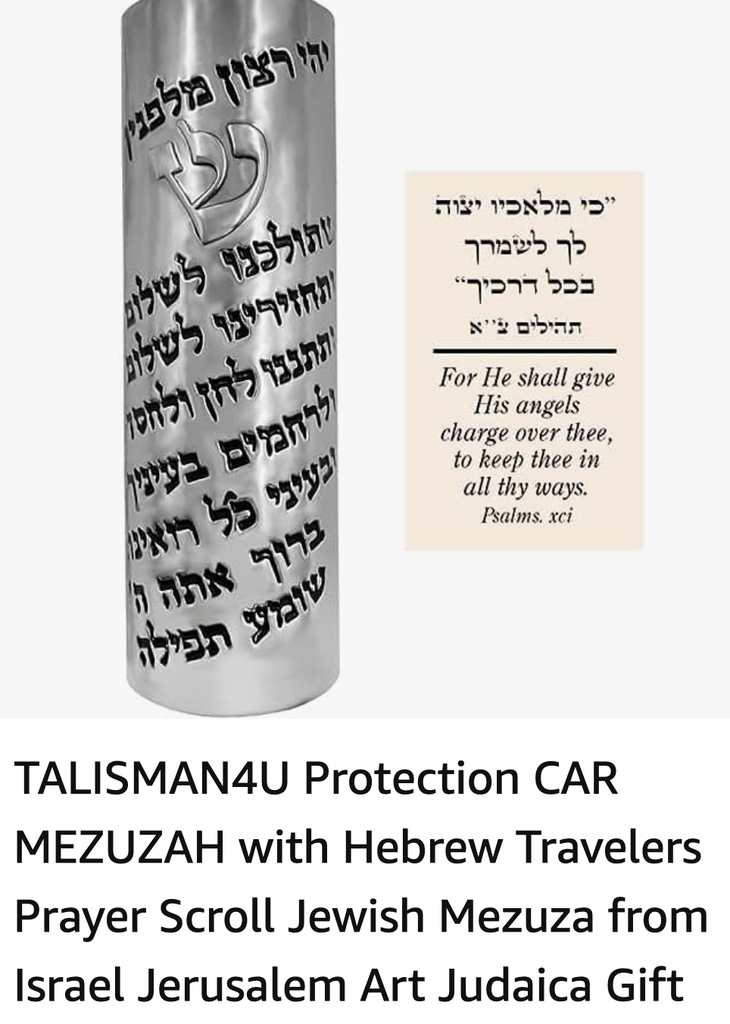
(ד) מִנְהָג פָּשׁוּט שֶׁכּוֹתְבִים עַל הַמְּזוּזָה מִבַּחוּץ כְּנֶגֶד הָרֶוַח שֶׁבֵּין פָּרָשָׁה לְפָרָשָׁה שַׁדַּי וְאֵין בָּזֶה הֶפְסֵד לְפִי שֶׁהוּא מִבַּחוּץ. אֲבָל אֵלּוּ שֶׁכּוֹתְבִין מִבִּפְנִים שְׁמוֹת הַמַּלְאָכִים אוֹ שֵׁמוֹת קְדוֹשִׁים אוֹ פָּסוּק אוֹ חוֹתָמוֹת הֲרֵי הֵן בִּכְלַל מִי שֶׁאֵין לָהֶם חֵלֶק לָעוֹלָם הַבָּא. שֶׁאֵלּוּ הַטִּפְּשִׁים לֹא דַּי לָהֶם שֶׁבִּטְּלוּ הַמִּצְוָה אֶלָּא שֶׁעָשׂוּ מִצְוָה גְּדוֹלָה שֶׁהִיא יִחוּד הַשֵּׁם שֶׁל הַקָּדוֹשׁ בָּרוּךְ הוּא וְאַהֲבָתוֹ וַעֲבוֹדָתוֹ כְּאִלּוּ הוּא קָמֵעַ שֶׁל הֲנָיַת עַצְמָן כְּמוֹ שֶׁעָלָה עַל לִבָּם הַסָּכָל שֶׁזֶּהוּ דָּבָר הַמְהַנֶּה בְּהַבְלֵי הָעוֹלָם:
(4) It is a common custom to write [God's name,] Shaddai,1This name serves as an acronym for the Hebrew words, שומר דלתות ישראל, "Guardian of the gates of Israel" (Mishnat Chassidim). on the outside of a mezuzah opposite the empty space left between the two passages.2The Kessef Mishneh cites the Zohar (Vol. III, 266a) which states that Shaddai should be written opposite the word, V'hayah. There is no difficulty in this, since [the addition is made] outside.3See also the Ramah (Yoreh De'ah 288:15) who states that it is also common to write the letters, כוזו במוכסז כוזו, opposite the words, י-ה-ו-ה א-להנו י-ה-ו-ה, on the outer side of a mezuzah. These letters are the letters which follow the letters in those names of God - i.e., the כ follows the י, the ז follows the ו.
Those, however, who write the names of angels, other sacred names, verses, or forms, on the inside [of a mezuzah] are among those who do not have a portion in the world to come.4In Hilchot Avodat Kochavim 11:12, the Rambam states:
A person who whispers an incantation over a wound and then recites a verse from the Torah, who recites a verse over a child so that he will not become scared, or who places a Torah scroll or tefillin over a baby so that it will sleep, is considered to be a soothsayer or one who casts spells. Furthermore, such people are included among those who deny the Torah, because they relate to the words of the Torah as if they are cures for the body, when, in fact, they are cures for the soul, as [Proverbs 3:22] states: "And they shall be life for your soul."
The inclusion of these people among "those who do not have a portion in the world to come" is based on Hilchot Teshuvah 3:8, which makes such a statement about "those who deny the Torah." Not only do these fools nullify the mitzvah,5As stated in the previous halachah, any addition made on the inside of the mezuzah invalidates it. (Significantly, the Shulchan Aruch 288:15 states that it is forbidden to add to the inside of the mezuzah, but does not explicitly say that the mezuzah becomes invalidated.) but furthermore, they make from a great mitzvah [which reflects] the unity of the name of the Holy One, blessed be He, the love of Him, and the service of Him,6These are the subjects discussed in the two passages written within the mezuzah. a talisman for their own benefit. They, in their foolish conception, think that this will help them regarding the vanities of the world.7The Rambam's statements have aroused questions from many commentaries who note that, in several places, the Talmud associates a mezuzah with Divine protection - e.g., Menachot 33b, the Jerusalem Talmud, Pe'ah 1:1.
The Kessef Mishneh resolves this difficulty explaining that, although a mezuzah affords Divine protection, that protection comes, in and of itself, in reward for the fulfillment of the mitzvah. There is no need for any additions on man's part. Indeed, a person who makes additions to the mezuzah in an attempt to increase its influence demonstrates that he is concerned with "his own benefit" and "the vanities of the world" and not with the fulfillment of God's mitzvah. Therefore, he deserves the Rambam's severe words of criticism. See Likkutei Sichot, Vol. 19.1. Our translation follows the standard text of the Mishneh Torah. The Kessef Mishneh mentions another version which states "at the beginning or the end of the line." That version parallels the apparent source for the halachah, Menachot 31b.2. This custom is also recorded by Rav Yitzchak Alfasi, and earlier, in the halachot of Rav Yehudai Gaon. It is not clear when this custom was begun.3. As mentioned in Halachah 2, a space is left at the beginning of the line so that the passage, V'hayah im shamo'a, will be written in the s'tumah form.
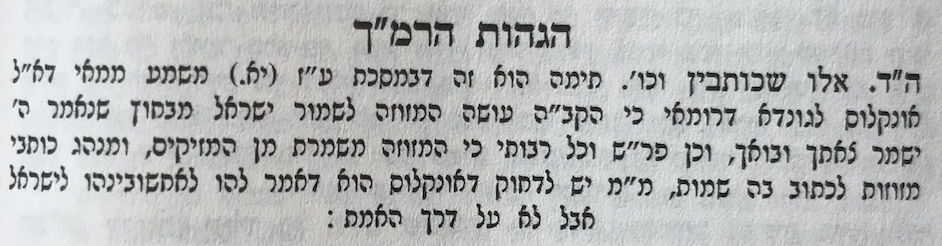
ואין זו טענה דהא בפרק הקומץ (מנחות דף ל״ג:) גבי מזוזה צריך להניחה בטפח הסמוך לר״ה אמר רב הונא מ״ט כי היכי דתנטריה לכך צ״ל דאין הכי נמי שהמזוזה שומרת הבית כשהיא כתובה כתקנה לא המלאכים הכתובים בה מבפנים וגם אין הכוונה בעשייתה לשמור הבית אלא צריך שיכוין לקיים מצות הקדוש ברוך הוא וממילא נמשך שתשמור הבית.
בפנים אין להוסיף מאומה…לפי שנראה כאילו מכוין לעשות לו קמיע לשמירה. אלא יעשה המצוה כתיקונה לקיים מאמר הבורא יתברך דהוא שומרנו וצילנו.
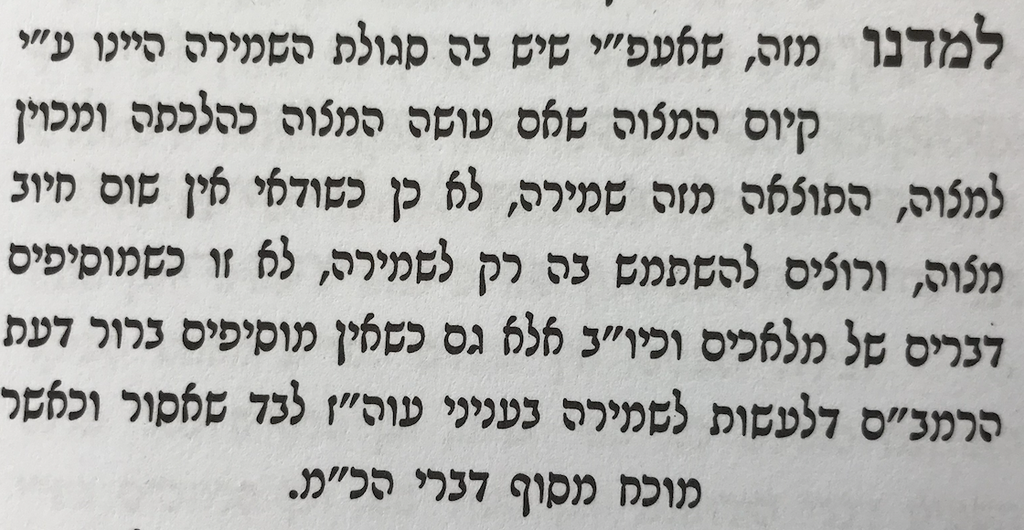
עוד יש שואלים היאך שרי לשדורי תפילין בי"ט משום דהוי דבר שניאותין בו בחול מ"מ לא הוי צורך י"ט ואפי' במועד אמרינן אין מוליכין ומביאין כלים מבית האומן אלא לצורך המועד כ"ש בי"ט י"ל כיון ששמח עכשיו בהן צורך הוא א"נ שרוצה ללמוד בהם תורה א"נ שרוצה להניחם לנטורי נפשיה ולא בתורת חיוב עכ"ל.
(כה) (כד) כ"א לצורך - היינו כדי שלא יגנבו או שלא יתקלקלו בחמה וכיוצא בזה והט"ז ומ"א מחמירין וסוברין דתפלין מקרי כלי שמלאכתו לאיסור דהרי אסור להניחן בשבת וכנ"ל בסימן ל"א וע"כ אין לטלטלן כ"א בצריך לגופן [היינו כדי שישמרוהו מהמזיקין] או למקומן ומ"מ במקום הדחק יש להקל כדעה הראשונה וכמו שכתבנו בסימן ל"א בבה"ל ע"ש:
אַרְטַבָּן שְׁלַח לְרַבֵּינוּ הַקָּדוֹשׁ חַד מַרְגְּלִי טָבָא אַטִימֵיטוֹן. אֲמַר לֵיהּ שְׁלַח לִי מִילָּה דְּטָבָה דִכְווָתָהּ. שְׁלַח לֵיהּ חַד מְזוּזָה. אֲמַר לֵיהּ אֲנָה שְׁלָחִית לָךְ מִילָּה דְּלֵית לָהּ טִימֵי. וְאַתְּ שְׁלַחְתְּ לִי מִילָּה דְּטָבָא חַד פוֹלָר. אֲמָר לֵיהּ חֲפָצֶיךָ וַחֲפָצַי לֹא יִשְׁווּ בָהּ. וְלֹא עוֹד אֶלָּא דְּאַתְּ שְׁלַחְתְּ לִי מִילָּה דַּאֲנָא מְנַטַּר לָהּ. וַאֲנָא שְׁלָחִית לָךְ מִילָּה דְּאַתְּ דְּמָךְ לָךְ וְהִיא מְנַטְּרָא לָךְ דִּכְתִיב בְּהִתְהֲלֶכְךָ תַּנְחֶה אוֹתָךְ.
Artaban sent a priceless precious pearl to Rebbi and said to him: Send me a thing of equal value. He sent him a mezuzah. He said to him: I sent you a priceless thing and you send me something worth a follis! He said to him, your possessions and mine together are not equal to it! Not only that, but you sent me something that I have to watch over and I sent you something that watches over you while you are sleeping
מיד נכנס שד בבתו של ארטבן ולא היה לו אלא בת אחת ובאו כל הרופאים ולא הועילו לה כיון שנטל ארטבן את המזוזה ושם לה על הפתח מיד ברחה אותה שדה ונטל רבינו הקדוש מרגלית לעצמו
ואע״פ שבשו״ת שבט לוי כתב שאין הדבר נוח לו מ״מ כשעושים כן מצד אמונה שיש בה כדי להגן, אין למנוע מזה, שיש להם על מה שיסמוכו.