


- The literary construct is the image of a woman (Bowen, p.418, footnote 4)
- The image of a woman as presented to us in biblical literature has limited value in telling us who women were.
- We cannot know for certain whether women wrote any of our texts, though we will look at a few good arguments.
Part One: Women and Early Religious Leadership
Enheduanna & Miriam
𒂗𒃶𒌌𒀭𒈾
23rd Century BCE
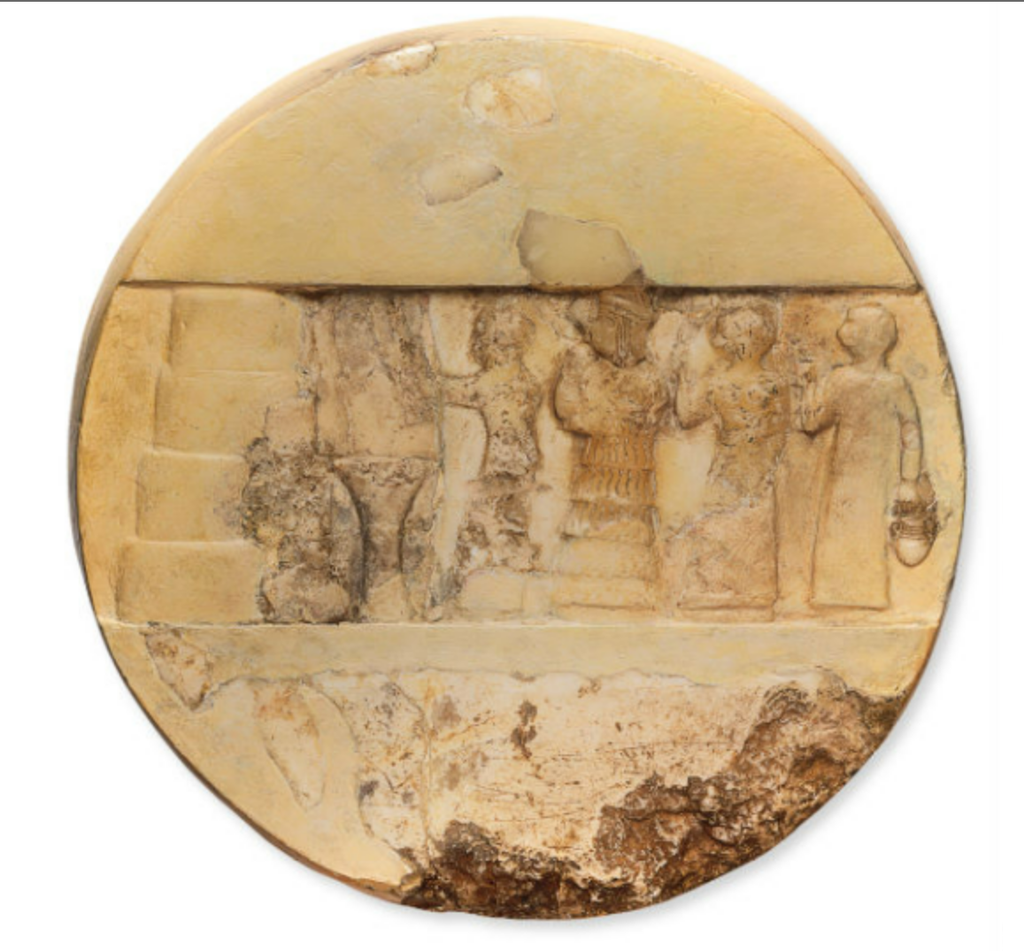
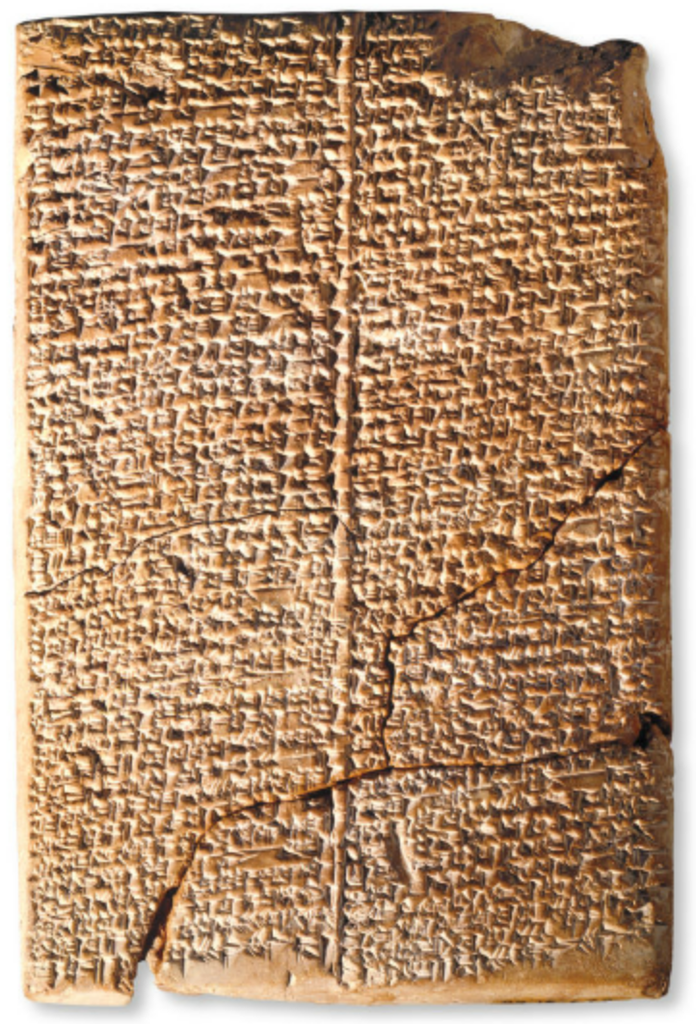
Mesopotamia, Nippur (modern Nuffar)
Old Babylonian period, ca. 1750 BCE
Clay
University of Pennsylvania Museum of Archaeology and Anthropology, Philadelphia, USA, Babylonian Expedition Fund Purchase, 1888; CBS 7847
Courtesy of the Penn Museum
Sidney Babcock: "The Exaltation of Inanna" is a powerful statement of Enheduanna's devotion to the goddess of sexual love and warfare, with invaluable autobiographical references to the author's life as a high priestess. The extract is from the beginning of the poem, in praise of Inanna's might and anger:
Nimet Habachy:
“Queen of all cosmic powers, bright light shining from above,
Steadfast woman, arrayed in splendor, beloved of earth and sky,
Consort of Heaven, whose gem of rank is greatest of them all,
Favored for the noblest diadem, meet for highest sacral rank,
Who has taken up in hand cosmic powers sevenfold,
My lady! You are warden of the greatest cosmic powers,
You bore them off on high, you took them firm in hand,
You gathered them together, you pressed them to your breast.
You spew venom on a country, like a dragon.
Wherever you raise your voice, like a tempest, no crop is left standing.
You are a deluge, bearing that country away.
You are the sovereign of heaven and earth, you are their warrior goddess!"
Tikva Frymer-Kensky
She was the Shakespeare of ancient Sumerian literature in that her beautiful compositions were studied, copied, and recited for more than half a millennium after her death.
Joyce Salisbury, p.101
Sargon faced the problem of how to unite the peoples of his expanded kingdom, and not surprisingly for the anie, he se religion as the unifying principle. He assigned that task to his daughter Enheduanna, who performed the job with astonishing creativity and success.
...
She proved so successful in joining the worship of the favorites goddesses, thus linking people's political loyalties to some degree, that Sargon's successors continued the practice of making their daughters high priestesses and thus forging a link between the cultures of the region.
But what about Miriam?
Miriam (Torah)
Deborah (Judges)
Huldah (II Kings)
Isaiah's Unnamed Wife (Isaiah)
Noadiah (Nehemiah)
(Try to put aside the midrash!)
(1) Then Moses and the Israelites sang this song to the LORD. They said:
I will sing to the LORD, for He has triumphed gloriously; Horse and driver He has hurled into the sea.
(11) Who is like You, LORD, among the gods; Who is like You, majestic in holiness,
Awesome in splendor, working wonders!
(20) Then Miriam the Prophet, Aaron’s sister, picked up a timbrel and all the women went out after her in dance with timbrels. (21) And Miriam chanted for them:
Sing to the LORD, for He has triumphed gloriously; Horse and driver He has hurled into the sea.
(1) Miriam and Aaron spoke in Moses because of the Cushite woman he had taken, for he had taken a Cushite woman. (2) They said, “Has the LORD spoken only in Moses? Has He not spoken in us as well?” And the LORD heard.
(15) So Miriam was shut out of camp seven days; and the people did not march on until Miriam was readmitted.
Frank Moore Cross Jr, David Noel Freedman, pp.31-33
It is easy to understand the ascription of the hymn to the great leader [Moses]. It would be more difficult to explain the association of Miriam with the song as a secondary development.
...
[Verse 21, "And Miriam sang for them, Sing to the LORD"] is not a different or shorter or the original version of the song, but simply the title of the song, taken from a different cycle of traditions.
...
It would appear, therefore, that the Song of Miriam is the oldest of the extant sources for this event in Israelite history, being earlier than the parallel prose narratives just as the Song of Deborah is clearly anterior to the prose account in Judges 4. The priority of the poetic form of the tradition over the prose form is normally to be expected in this cultural milieu.
Susan Ackerman, pp.111-112
But it is a curious feature of ancient Israelite religion - or at least of ancient Israelite religion as depicted in the Bible - that we have no significant evidence for priestesses, for we have significant evidence for priestesses and related female religious functionaries from "right next door" to ancient Israel, so to speak: both from ancient Phoenicia, just north of the Israelite border, as well as some fragmentary data from late ninth- or early eighth-century BCE plaster inscriptions that come from the site of Deir 'Alla, just a few kilometers east of the Jordan River.
In its lack of evidence for priestesses, Israel is thus an outlier in its own "neighborhood."
Part Two: Regular Women's Worship
"The Women Knead Dough"
Rachel (Genesis 31; taken from the house of Lavan; t'rafim)
Michal (1 Samuel 19; uses to pretend David is in bed; t'rafim)
Micah's Mother (Judges 17; part of a polemic against Danite worship, but specifically related to the God of Israel; pesel umaseikha)
Women Baking Cakes (Jeremiah 7 & 44; lead-up to exile; m'lechet hashamayim)
(Honourable mentions: women crying for Tammus in Ezekiel 8:14, women weaving for Asherah in II Kings 23:8.)
(טז) וְאַתָּ֞ה אַל־תִּתְפַּלֵּ֣ל ׀ בְּעַד־הָעָ֣ם הַזֶּ֗ה וְאַל־תִּשָּׂ֧א בַעֲדָ֛ם רִנָּ֥ה וּתְפִלָּ֖ה וְאַל־תִּפְגַּע־בִּ֑י כִּֽי־אֵינֶ֥נִּי שֹׁמֵ֖עַ אֹתָֽךְ׃ (יז) הַאֵינְךָ֣ רֹאֶ֔ה מָ֛ה הֵ֥מָּה עֹשִׂ֖ים בְּעָרֵ֣י יְהוּדָ֑ה וּבְחֻצ֖וֹת יְרֽוּשָׁלָֽ͏ִם׃ (יח) הַבָּנִ֞ים מְלַקְּטִ֣ים עֵצִ֗ים וְהָאָבוֹת֙ מְבַעֲרִ֣ים אֶת־הָאֵ֔שׁ וְהַנָּשִׁ֖ים לָשׁ֣וֹת בָּצֵ֑ק לַעֲשׂ֨וֹת כַּוָּנִ֜ים לִמְלֶ֣כֶת הַשָּׁמַ֗יִם וְהַסֵּ֤ךְ נְסָכִים֙ לֵאלֹקִ֣ים אֲחֵרִ֔ים לְמַ֖עַן הַכְעִסֵֽנִי׃ (יט) הַאֹתִ֛י הֵ֥ם מַכְעִסִ֖ים נְאֻם־ה' הֲל֣וֹא אֹתָ֔ם לְמַ֖עַן בֹּ֥שֶׁת פְּנֵיהֶֽם׃ (כ) לָכֵ֞ן כֹּה־אָמַ֣ר ׀ אדושם ה' הִנֵּ֨ה אַפִּ֤י וַחֲמָתִי֙ נִתֶּ֙כֶת֙ אֶל־הַמָּק֣וֹם הַזֶּ֔ה עַל־הָאָדָם֙ וְעַל־הַבְּהֵמָ֔ה וְעַל־עֵ֥ץ הַשָּׂדֶ֖ה וְעַל־פְּרִ֣י הָאֲדָמָ֑ה וּבָעֲרָ֖ה וְלֹ֥א תִכְבֶּֽה׃ {פ}
(16) As for you, do not pray for this people, do not raise a cry of prayer on their behalf, do not plead with Me; for I will not listen to you. (17) Don’t you see what they are doing in the towns of Judah and in the streets of Jerusalem? (18) The children gather sticks, the fathers build the fire, and the mothers knead dough, to make cakes for the Queen of Heaven, and they pour libations to other gods, to vex Me. (19) Is it Me they are vexing?—says GOD. It is rather themselves, to their own disgrace. (20) Assuredly, thus said my Sovereign GOD: My wrath and My fury will be poured out upon this place, on human beings and on animals, on the trees of the field and the fruit of the soil. It shall burn, with none to quench it.
[It is commonly understood that] the Masoretic pointing is an attempt to remove any hint that the people of Judah worshipped the Queen of Heaven. The correct reading ... is supported by the Greek translations of Aquila, Symmachus, and Theodotion; by tthe rendering of 44:17, 18, 19, and 25 in the LXX; and by the Latin Vulgate.
- Susan Ackerman, "Gods, Goddesses, and the Women Who Worship Them", p.6, note 3
(טו) וַיַּעֲנ֣וּ אֶֽת־יִרְמְיָ֗הוּ כׇּל־הָאֲנָשִׁ֤ים הַיֹּֽדְעִים֙ כִּֽי־מְקַטְּר֤וֹת נְשֵׁיהֶם֙ לֵאלֹקִ֣ים אֲחֵרִ֔ים וְכׇל־הַנָּשִׁ֥ים הָעֹמְד֖וֹת קָהָ֣ל גָּד֑וֹל וְכׇל־הָעָ֛ם הַיֹּשְׁבִ֥ים בְּאֶרֶץ־מִצְרַ֖יִם בְּפַתְר֥וֹס לֵאמֹֽר׃ (טז) הַדָּבָ֛ר אֲשֶׁר־דִּבַּ֥רְתָּ אֵלֵ֖ינוּ בְּשֵׁ֣ם ה' אֵינֶ֥נּוּ שֹׁמְעִ֖ים אֵלֶֽיךָ׃ (יז) כִּי֩ עָשֹׂ֨ה נַעֲשֶׂ֜ה אֶֽת־כׇּל־הַדָּבָ֣ר ׀ אֲשֶׁר־יָצָ֣א מִפִּ֗ינוּ לְקַטֵּ֞ר לִמְלֶ֣כֶת הַשָּׁמַ֘יִם֮ וְהַסֵּֽיךְ־לָ֣הּ נְסָכִים֒ כַּאֲשֶׁ֨ר עָשִׂ֜ינוּ אֲנַ֤חְנוּ וַאֲבֹתֵ֙ינוּ֙ מְלָכֵ֣ינוּ וְשָׂרֵ֔ינוּ בְּעָרֵ֣י יְהוּדָ֔ה וּבְחֻצ֖וֹת יְרוּשָׁלָ֑͏ִם וַנִּֽשְׂבַּֽע־לֶ֙חֶם֙ וַנִּהְיֶ֣ה טוֹבִ֔ים וְרָעָ֖ה לֹ֥א רָאִֽינוּ׃ (יח) וּמִן־אָ֡ז חָדַ֜לְנוּ לְקַטֵּ֨ר לִמְלֶ֧כֶת הַשָּׁמַ֛יִם וְהַסֵּֽךְ־לָ֥הּ נְסָכִ֖ים חָסַ֣רְנוּ כֹ֑ל וּבַחֶ֥רֶב וּבָרָעָ֖ב תָּֽמְנוּ׃ (יט) וְכִֽי־אֲנַ֤חְנוּ מְקַטְּרִים֙ לִמְלֶ֣כֶת הַשָּׁמַ֔יִם וּלְהַסֵּ֥ךְ לָ֖הּ נְסָכִ֑ים הֲמִֽבַּלְעֲדֵ֣י אֲנָשֵׁ֗ינוּ עָשִׂ֨ינוּ לָ֤הּ כַּוָּנִים֙ לְהַ֣עֲצִבָ֔הֿ וְהַסֵּ֥ךְ לָ֖הּ נְסָכִֽים׃ {ס}
(15) Thereupon they answered Jeremiah—all the men who knew that their wives made offerings to other gods; all the women present, a large gathering; and all the people who lived in Pathros in the land of Egypt: (16) “We will not listen to you in the matter about which you spoke to us in the name of GOD. (17) On the contrary, we will do everything that we have vowed to make offerings to the Queen of Heaven and to pour libations to her, as we used to do, we and our ancestors, our kings and our officials, in the towns of Judah and the streets of Jerusalem. For then we had plenty to eat, we were well-off, and suffered no misfortune. (18) But ever since we stopped making offerings to the Queen of Heaven and pouring libations to her, we have lacked everything, and we have been consumed by the sword and by famine. (19) And when we make offerings to the Queen of Heaven and pour libations to her, is it without our husbands’ approval that we have made cakes in her likeness and poured libations to her?”
(כה) כֹּֽה־אָמַ֣ר יְהֹוָֽה־צְבָאוֹת֩ אֱלֹקֵ֨י יִשְׂרָאֵ֜ל לֵאמֹ֗ר אַתֶּ֨ם וּנְשֵׁיכֶ֜ם וַתְּדַבֵּ֣רְנָה בְּפִיכֶם֮ וּבִידֵיכֶ֣ם מִלֵּאתֶ֣ם ׀ לֵאמֹר֒ עָשֹׂ֨ה נַעֲשֶׂ֜ה אֶת־נְדָרֵ֗ינוּ אֲשֶׁ֤ר נָדַ֙רְנוּ֙ לְקַטֵּר֙ לִמְלֶ֣כֶת הַשָּׁמַ֔יִם וּלְהַסֵּ֥ךְ לָ֖הּ נְסָכִ֑ים הָקֵ֤ים תָּקִ֙ימְנָה֙ אֶת־נִדְרֵיכֶ֔ם וְעָשֹׂ֥ה תַעֲשֶׂ֖ינָה אֶת־נִדְרֵיכֶֽם׃ {ס}
(25) Thus said GOD of Hosts, the God of Israel: You and your wives have confirmed by deed what you spoke in words: ‘We will fulfill the vows that we made, to burn incense to the Queen of Heaven and to pour libations to her.’ So fulfill your vows; perform your vows!
οὕτως εἶπεν κύριος ὁ θεὸς Ισραηλ ὑμεῖς γυναῖκες τῷ στόματι ὑμῶν ἐλαλήσατε
καὶ ταῖς χερσὶν ὑμῶν ἐπληρώσατε λέγουσαι ποιοῦσαι ποιήσομεν τὰς ὁμολογί
ας ἡμῶν ἃς ὡμολογήσαμεν θυμιᾶν τῇ βασιλίσσῃ τοῦ οὐρανοῦ καὶ σπένδειν
αὐτῇ σπονδάς ἐμμείνασαι ἐνεμείνατε ταῖς ὁμολογίαις ὑμῶν καὶ ποιοῦσαι
ἐποιήσατε
(Much less grammatically ambiguous than the Hebrew. Appropriately gendered to be referring to the women speaking and vowing.)
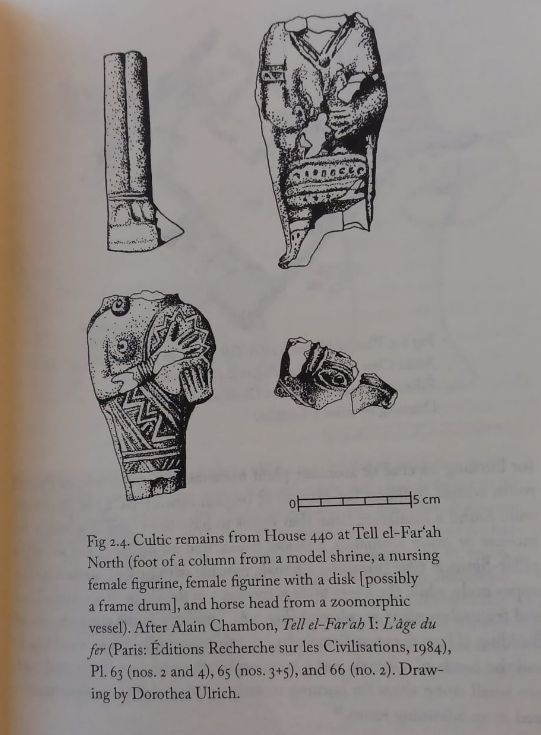
This whole chapter outlines many found "shrine niches" in ancient Israel from this era.
Susan Ackerman (2022), pp.80-81 (summary of conclusion on the chapter of household shrines)
I asked both earlier in this chapter and at the end of the last: to what degree did women participate in the central rites of ancient Israelite household religion - making grain and other foodstuff offerings, pouring out drink libations, and burning incense and other aromatics - to which the cultic remains from the houses at Khirbat Raddana, Tell el-Far'ah North, Beersheba, and similar sites point? I am now prepared to answer emphatically: as in Jer 7:18 and 44:15, 19, and 25, women would have been active and essential participants in household religion's devotional acts, playing a key role in providing the grain and foodstuff offerings integral to the observances...
Likewise, as in Judg 17:4, women could serve as patrons, and even the primary patrons, of their households' shrines, creating or commissioning sacred objects that would have been the focus of worshippers' veneration.
Susan Ackerman, pp.22-23
[On the women weaving for Asherah, II Kings 23:7]
Still, in the case of spinning and weaving, a correlation between women spinners and weavers on earth and a female patron of spinning and weaving in the heavens does seem to hold, as is suggested by evidence from three Near Eastern and eastern Mediterranean societies.
Gods, Goddesses, and the Women Who Serve Them, Susan Ackerman (2022)
Good for: several essays on women's participation in Ancient Israelite religion
Women and the Religion of Ancient Israel, Susan Ackerman (2022)
Good for: survey of latest archaeological discoveries and analysis re: gender
In the Wake of the Goddesses: Women, Culture and the Biblical Transformation of Pagan Myth, Tikva Frymer-Kensky (1992)
Good for: exploration of "polytheism", relationship with biblical theology
Studies in Ancient Yhwistic Poetry, Frank Moore Cross Jr., David Noel Freedman (1997)
Good for: detailed analysis of biblical poetry, documentary hypothesis, and cognate literature
Encyclopedia of Women in the Ancient World, Joyce Salisbury (2001)
Good for: what it says on the tin!
In the Days of Yael: Reclaiming the History of Women in Ancient Israel, Jo Ann Hackett (1985)
Good for: theory on women in the social, religious, and domestic sphere
Discovering Eve: Ancient Israelite Women in Context, Carol Meyers (1991)
Good for: theory on women's involvement and its relationship with societal unrest
Honourable Mention:
The Hebrew Goddess, Raphael Patai (1967)
Good for: exploring how goddess concepts made their way into Jewish monotheism via concepts like the shekhina, Shabbat, and kabbalah