(ד) שְׁמַ֖ע יִשְׂרָאֵ֑ל ה' אֱלֹקֵ֖ינוּ ה' ׀ אֶחָֽד׃ (ה) וְאָ֣הַבְתָּ֔ אֵ֖ת ה' אֱלֹקֶ֑יךָ בְּכׇל־לְבָבְךָ֥ וּבְכׇל־נַפְשְׁךָ֖ וּבְכׇל־מְאֹדֶֽךָ׃ (ו) וְהָי֞וּ הַדְּבָרִ֣ים הָאֵ֗לֶּה אֲשֶׁ֨ר אָנֹכִ֧י מְצַוְּךָ֛ הַיּ֖וֹם עַל־לְבָבֶֽךָ׃ (ז) וְשִׁנַּנְתָּ֣ם לְבָנֶ֔יךָ וְדִבַּרְתָּ֖ בָּ֑ם בְּשִׁבְתְּךָ֤ בְּבֵיתֶ֙ךָ֙ וּבְלֶכְתְּךָ֣ בַדֶּ֔רֶךְ וּֽבְשׇׁכְבְּךָ֖ וּבְקוּמֶֽךָ׃ (ח) וּקְשַׁרְתָּ֥ם לְא֖וֹת עַל־יָדֶ֑ךָ וְהָי֥וּ לְטֹטָפֹ֖ת בֵּ֥ין עֵינֶֽיךָ׃ (ט) וּכְתַבְתָּ֛ם עַל־מְזֻז֥וֹת בֵּיתֶ֖ךָ וּבִשְׁעָרֶֽיךָ׃ {ס}
(4) Hear, O Israel! HaShem is our God, Hashem is One. (5) You shall love your Hashem your God with all your heart and with all your soul and with all your might. (6) Take to heart these instructions with which I charge you this day. (7) Impress them upon your children. Recite them when you stay at home and when you are away, when you lie down and when you get up. (8) Bind them as a sign on your hand and let them serve as a symbol between your eyes (9) inscribe them on the doorposts of your house and on your gates.
(כב) בָּרוּךְ שֵׁם כְּבוֹד מַלְכוּתוֹ לְעוֹלָם וָעֶד:
(22) Blessed be the Name of His glorious kingdom forever.
(יט) וּבָר֤וּךְ ׀ שֵׁ֥ם כְּבוֹד֗וֹ לְע֫וֹלָ֥ם וְיִמָּלֵ֣א כְ֭בוֹדוֹ אֶת־כֹּ֥ל הָאָ֗רֶץ אָ֘מֵ֥ן ׀ וְאָמֵֽן׃
Blessed is His glorious name forever; His glory fills the whole world. Amen and Amen.
דָּבָר אַחֵר, שְׁמַע יִשְׂרָאֵל,
רַבָּנָן אָמְרִין, בְּשָׁעָה שֶׁעָלָה משֶׁה לַמָּרוֹם שָׁמַע לְמַלְאֲכֵי הַשָּׁרֵת שֶׁהָיוּ אוֹמְרִים לְהַקָּדוֹשׁ בָּרוּךְ הוּא בָּרוּךְ שֵׁם כְּבוֹד מַלְכוּתוֹ לְעוֹלָם וָעֶד, וְהוֹרִיד אוֹתָהּ לְיִשְׂרָאֵל,
וְלָמָּה אֵין יִשְׂרָאֵל אוֹמְרִים אוֹתוֹ בְּפַרְהֶסְיָא,
אָמַר רַבִּי אַסֵּי לְמָה הַדָּבָר דּוֹמֶה לְאֶחָד שֶׁגָּנַב קוֹזְמִין מִתּוֹךְ פָּלָטִין שֶׁל מֶלֶךְ, נְתָנָהּ לָהּ לְאִשְׁתּוֹ וְאָמַר לָהּ אַל תִּתְקַשְׁטִי בָּהּ בְּפַרְהֶסְיָא אֶלָּא בְּתוֹךְ בֵּיתֵךְ,
אֲבָל בְּיוֹם הַכִּפּוּרִים שֶׁהֵן נְקִיִּים כְּמַלְאֲכֵי הַשָּׁרֵת, הֵן אוֹמְרִים אוֹתוֹ בְּפַרְהֶסְיָא, בָּרוּךְ שֵׁם כְּבוֹד מַלְכוּתוֹ לְעוֹלָם וָעֶד.
Another interpretation of Shema Yisrael.
Our rabbis say: When Moshe went up to heaven, he heard the ministering angels who were saying to God: "Blessed be the Name of His glorious kingdom forever" and he brought it down to the Jewish people.
Why then does Israel not say it in public?
Said Rabbi Yosei: To what can this be compared? It is like someone who stole a piece of jewelry from the king's palace and gave it to his wife; he said to her: "Do not adorn yourself with this publicly, rather only in your house."
However, on Yom Kippur, when they [the Jewish people] are pure like the ministering angels, they say it out loud: "Praised be the Name of the glory of his kingdom forever and ever."
מַתְנִי׳ שִׁשָּׁה דְּבָרִים עָשׂוּ אַנְשֵׁי יְרִיחוֹ, עַל שְׁלֹשָׁה מִיחוּ בְּיָדָם וְעַל שְׁלֹשָׁה לֹא מִיחוּ בְּיָדָם.
וְאֵלּוּ הֵן שֶׁלֹּא מִיחוּ בְּיָדָם: מַרְכִּיבִין דְּקָלִים כׇּל הַיּוֹם, וְכוֹרְכִין אֶת שְׁמַע, וְקוֹצְרִין וְגוֹדְשִׁין לִפְנֵי הָעוֹמֶר. וְאֵלּוּ שֶׁמִּיחוּ בְּיָדָם: מַתִּירִין גַּמְזִיּוֹת שֶׁל הֶקְדֵּשׁ,
MISHNA: The mishna continues the discussion of the halakhot of Passover eve, along with other local customs. Six actions were performed by the Jewish residents of Jericho, contrary to common practice. With regard to three, the Sages reprimanded them, and with regard to three, the Sages did not reprimand them. And these are the ones with regard to which they did not reprimand them: The residents of Jericho would graft palm trees the entire day on the fourteenth of Nisan; and they would bundle Shema, as explained in the Gemara; and they would harvest and pile grain before the omer offering was brought. And these are the ones with regard to which the Sages reprimanded them: They would permit the use of consecrated branches of carob or sycamore trees. This refers to trees whose branches were cut and consecrated for Temple upkeep, which subsequently sprouted new branches;
וְכוֹרְכִין אֶת שְׁמַע. הֵיכִי עָבְדִי? אָמַר רַב יְהוּדָה: אוֹמְרִים ״שְׁמַע יִשְׂרָאֵל ה׳ אֱלֹקֵינוּ ה׳ אֶחָד״, וְלֹא הָיוּ מַפְסִיקִין.
...תָּנוּ רַבָּנַן:
כֵּיצַד הָיוּ כּוֹרְכִין אֶת שְׁמַע? אוֹמְרִים ״שְׁמַע יִשְׂרָאֵל ה׳ אֱלֹקֵינוּ ה׳ אֶחָד״, וְלֹא הָיוּ מַפְסִיקִין, דִּבְרֵי רַבִּי מֵאִיר.
רַבִּי יְהוּדָה אוֹמֵר: מַפְסִיקִין הָיוּ, אֶלָּא שֶׁלֹּא הָיוּ אוֹמְרִים ״בָּרוּךְ שֵׁם כְּבוֹד מַלְכוּתוֹ לְעוֹלָם וָעֶד״.
וַאֲנַן, מַאי טַעְמָא אָמְרִינַן לֵיהּ?
כִּדְדָרֵישׁ רַבִּי שִׁמְעוֹן בֶּן לָקִישׁ. דְּאָמַר רַבִּי שִׁמְעוֹן בֶּן לָקִישׁ: ״וַיִּקְרָא יַעֲקֹב אֶל בָּנָיו וַיֹּאמֶר הֵאָסְפוּ וְאַגִּידָה לָכֶם״. בִּיקֵּשׁ יַעֲקֹב לְגַלּוֹת לְבָנָיו קֵץ הַיָּמִין, וְנִסְתַּלְּקָה מִמֶּנּוּ שְׁכִינָה. אָמַר: שֶׁמָּא חַס וְשָׁלוֹם יֵשׁ בְּמִטָּתִי פְּסוּל, כְּאַבְרָהָם שֶׁיָּצָא מִמֶּנּוּ יִשְׁמָעֵאל, וְאָבִי יִצְחָק שֶׁיָּצָא מִמֶּנּוּ עֵשָׂו? אָמְרוּ לוֹ בָּנָיו: ״שְׁמַע יִשְׂרָאֵל, ה׳ אֱלֹקֵינוּ ה׳ אֶחָד״. אָמְרוּ: כְּשֵׁם שֶׁאֵין בְּלִבְּךָ אֶלָּא אֶחָד, כָּךְ אֵין בְּלִבֵּנוּ אֶלָּא אֶחָד. בְּאוֹתָהּ שָׁעָה פָּתַח יַעֲקֹב אָבִינוּ וְאָמַר: ״בָּרוּךְ שֵׁם כְּבוֹד מַלְכוּתוֹ לְעוֹלָם וָעֶד״.
אָמְרִי רַבָּנַן: הֵיכִי נַעֲבֵיד? נֵאמְרֵיהּ, לֹא אֲמָרוֹ מֹשֶׁה רַבֵּינוּ. לָא נֵאמְרֵיהּ, אֲמָרוֹ יַעֲקֹב.
הִתְקִינוּ שֶׁיְּהוּ אוֹמְרִים אוֹתוֹ בַּחֲשַׁאי.
אָמַר רַבִּי יִצְחָק, אָמְרִי דְּבֵי רַבִּי אַמֵּי: מָשָׁל לְבַת מֶלֶךְ שֶׁהֵרִיחָה צִיקֵי קְדֵירָה. אִם תֹּאמַר — יֵשׁ לָהּ גְּנַאי. לֹא תֹּאמַר — יֵשׁ לָהּ צַעַר. הִתְחִילוּ עֲבָדֶיהָ לְהָבִיא בַּחֲשַׁאי.
We learned in the mishna that the residents of Jericho would bundle Shema. The Gemara asks: What does it mean that they bundled Shema? How did they do so? Rabbi Yehuda said that they recited: “Hear Israel: The Lord is our God, the Lord is One” (Deuteronomy 6:4), and they would not pause between words.
....The Sages taught in the Tosefta:
How would they bundle Shema? They recited: “Hear Israel, the Lord is our God the Lord is One,” without pausing; this is the statement of Rabbi Meir.
Rabbi Yehuda says: They paused, but they would not recite: Blessed be the name of His glorious kingdom for ever and ever.
The Gemara asks: What is the reason that we recite that passage: Blessed be the name of His glorious kingdom for ever and ever, even though it does not appear in the Torah?
The Gemara answers: We recite it in accordance with that which Rabbi Shimon ben Lakish interpreted homiletically. As Rabbi Shimon ben Lakish said that it is written: “And Jacob called his sons and said, Gather around and I will tell you what will occur to you in the end of days” (Genesis 49:1). Jacob wanted to reveal to his sons when the complete redemption would arrive at the end of days (see Daniel 12:13), but the Divine Presence abandoned him, rendering him unable to prophesy. He said: Perhaps the Divine Presence has abandoned me because, Heaven forfend, one of my descendants is unfit, as was the case with my grandfather Abraham, from whom Ishmael emerged, and like my father Isaac, from whom Esau emerged. His sons said to him: Hear Israel, our father, the Lord is our God, the Lord is One. They said: Just as there is only one God in your heart, so too, there is only one in our hearts. At that moment Jacob our father said in praise: Blessed be the name of His glorious kingdom for ever and ever, as all his children were righteous.
The Rabbis said: What should we do? Shall we recite this verse? But Moses our teacher did not say it in the Torah as part of Shema. Shall we not recite it? But Jacob said it.
In order to resolve this dilemma they established that this passage should be recited surreptitiously.
Rabbi Yitzḥak said that the school of Rabbi Ami said: This is analogous to the daughter of a king who smelled the fragrance of the dried spices stuck to the bottom of the pot and craved to eat them. What can she do? If she tells her servants to give it to her, she will be disgraced, as the dried spices are a contemptible food. However, if she does not say she wants to eat them, she will endure suffering. Her servants began to bring them to her surreptitiously. One should conduct himself in that manner in similar cases of uncertainty.
(א) הלכות קריאת שמע
...ואומרים בשכמל"ו אע"פ שאינו מן הפרשה משום הא דאיתמר בפסחים בפ' מקום שנהגו (פסחים נו.) כשקרא יעקב לבניו בקש לגלות להם הקץ ונסתלקה ממנו שכינה אמר שמא יש בכם שאינו הגון פתחו כולם ואמרו שמע ישראל ה' אלקינו ה' אחד פתח הזקן ואמר בשכמל"ו ואמרינן נמי התם היכי ניעביד נימריה לא אמריה משה לא נימריה הא אמריה יעקב תקנו לומר אותו בחשאי ע"כ נוהגין לאומרו בחשאי...
...We add Baruch Shem Kevod Malchuot l'Olam Vae'd even though it is not from the Devarim Chapter 6 - this is on account of what is taught in Talmud Pesachim 56a concerning when Jacob called for his sons and requested to revealm to them the end of time and God's presence left him. He worried and told his sons "Perhaps there is among you one who is not worthy?" All of them responded: Shem Yisrael HaShem Elokeinu Hashem Echad.
The Talmud further explains - what should we do?
Shall we add Baruch Shem...?Moses did not say it!
Shall we not add Baruch Shem...? Jacob said it!
They established to recite it quietly and therefore the custom is to recite it quietly...
וכורכין את שמע. בפרק מקום שנהגו (פסחים נו.) מפרש היכי עבדי אמר רב יהודה אמר שמואל ולא היו מפסיקים ונראה לפרש דלא היו מפסיקין בין ישראל לשם שלא יהא נראה כאומר לישראל שישמע את השם ופשטיה דקרא היינו שמע ישראל כי ה' אלקינו ה' אחד ובירושלמי אמרינן שלא היו מפסיקין בין תיבה לתיבה ויש מי שאומר שלא היו מפסיקין בין אחד לברוך:
They would bundle Shema...Rav Yehuda said that Shmuel said it meant they did not pause...some explain this means they did not paus between Ehad and Baruch.
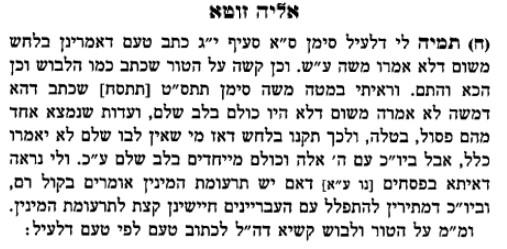
...ונוהגין באשכנז לומר ברוך שם כבוד מלכותו לעולם ועד בקול רם וסמך לדבר במדרש ואלה הדברים רבה בפרשת ואתחנן כשעלה משה לרקיע שמע מלאכי השרת שהיו מקלסין להקב"ה ברוך שם כבוד מלכותו לעולם ועד והורידו לישראל למה הדבר דומה לאדם שגנב הורמין פי' חפץ נאה מתוך פלטרין של מלך ונתנו לאשתו ואמר לה אל תתקשטי בו אלא בצנעה בתוך ביתך לכן כל השנה אומרים אותו בלחש ובי"ה אומרים אותו בפרהסיא לפי שאנו כמלאכים...
...The custom in the Ashkenazic lands is to recite Baruch Shem Kevod Malchuto l'Olam Va'ed in a loud voice and they base themselves on the Midrash Devarim Rabbah: When Moshe went up to heaven, he heard the ministering angels who were saying to God: "Blessed be the Name of His glorious kingdom forever" and he brought it down to the Jewish people.
To what can this be compared? It is like someone who stole a piece of jewelry from the king's palace and gave it to his wife; he said to her: "Do not adorn yourself with this publicly, rather only in your house." However, on Yom Kippur, when they [the Jewish people] are pure like the ministering angels, they say it out loud: "Praised be the Name of the glory of his kingdom forever and ever."
...וְכָךְ הָיוּ נוֹהֲגִין בִּגְבוּלִין. אֲבָל בַּמִּקְדָּשׁ, הָיוּ אוֹמְרִים: ״בָּרוּךְ ה׳ אֱלֹקֵי יִשְׂרָאֵל מִן הָעוֹלָם וָעֶד הָעוֹלָם. בָּרוּךְ גּוֹאֵל יִשְׂרָאֵל.״ וְלֹא הָיוּ עוֹנִין אַחֲרָיו ״אָמֵן״.
וְכׇל כָּךְ לָמָּה? לְפִי שֶׁאֵין עוֹנִין ״אָמֵן״ בַּמִּקְדָּשׁ,
וּמִנַּיִן שֶׁאֵין עוֹנִין ״אָמֵן״ בַּמִּקְדָּשׁ, שֶׁנֶּאֱמַר: ״קוּמוּ בָּרְכוּ אֶת ה׳ אֱלֹקֵיכֶם מִן הָעוֹלָם עַד הָעוֹלָם וִיבָרְכוּ שֵׁם כְּבוֹדֶךָ וּמְרוֹמַם עַל כׇּל בְּרָכָה וּתְהִלָּה״ — עַל כׇּל בְּרָכָה וּבְרָכָה תֵּן לוֹ תְּהִלָּה.
תָּנוּ רַבָּנַן: עַל הָרִאשׁוֹנוֹת הוּא אוֹמֵר ״בָּרוּךְ ה׳ אֱלֹקֵי יִשְׂרָאֵל מִן הָעוֹלָם וָעֶד הָעוֹלָם. בָּרוּךְ גּוֹאֵל יִשְׂרָאֵל״. וְהֵן עוֹנִין אַחֲרָיו: ״בָּרוּךְ שֵׁם כְּבוֹד מַלְכוּתוֹ לְעוֹלָם וָעֶד״.
And some say that they acted as it is taught in a baraita: And he recites twenty-four blessings before them: The eighteen blessings of the everyday Amida prayer, to which he adds another six blessings. And those extra six, where does he recite them? Between the blessings: Redeemer of Israel, and: Healer of the sick. And he lengthens the earlier prayer of redemption, and the congregation answers amen after him, for each and every blessing. And this was the custom in the outlying areas, outside the Temple. However, in the Temple they would recite: Blessed be the Lord, God of Israel, from everlasting to everlasting. Blessed are You, Lord, Redeemer of Israel, and they would not answer amen after him.
And why did the practice differ so much? Because one does not answer amen in the Temple.
And from where is it derived that one does not answer amen in the Temple? As it is stated: “Stand up and bless the Lord, your God, from everlasting to everlasting, and let them say: Blessed be Your glorious Name, that is exalted above all blessing and praise” (Nehemiah 9:5). As stated above, this verse indicates that for every blessing, you should give it its own praise.
The Sages taught: In concluding the first blessing he recites: Blessed be the Lord, God of Israel, from everlasting to everlasting. Blessed are You, Lord, Redeemer of Israel, and they would answer after him: Blessed be the name of His glorious kingdom forever and all time.
(א) וּקְרָא אָבוּנָן יַעֲקב לִבְנוֹי וַאֲמַר לְהוֹן אִתְכְּנִישׁוּ וְאַתְנִי לְכוֹן קִיצָא גְנִיזָא רַזְיָא טְמִירַיָא וּמִיתַּן אַגְרַיָא דְצַדִיקַיָא וּפוּרְעֲנוּתְהוֹן דְרַשִׁיעַיָא וּטְלָיוּתֵיהּ דְעֵדֶן מַה הוּא כַּחֲדָא אִתְכַּנָשׁוּ תְּרֵי עֲשַרְתֵּי שִׁבְטַיָא דְיַעֲקב וּמַקְפִין לְדַרְגְשָׁא דְדַהֲבָא דַהֲוָה אָבוּנָן יַעֲקב רְבִיעַ בְּגַוָהּ בַּעֲיָין דִי יְתַנִי לְהוֹן קֵץ בִּרְכָתָא וְנֶחֱמָתָא מִן דִי אִיתְגְלֵי לֵיהּ רָזָא אִתְכַסֵי מִנֵיהּ מִן דִי אַפְתַּח לֵיהּ תַּרְעָא אִיטְרַד מִנֵיהּ חֲזַר אֲבוּנָן יַעֲקב וּבְרִיךְ לִבְנוֹי גְבַר כְּעוֹבָדוֹי טַבְיָא בְּרִיךְ יַתְהוֹן: מִן דְאִתְכַּנְשׁוּ תְּרֵי עֲשַרְתֵּי שִׁבְטוֹי דְיַעֲקב וְאַקִיפוּ דַרְגְשָׁא דְדַהֲבָא דַהֲוָה אֲבוּנָן יַעֲקב רְבִיעַ בְּגַוָהּ סָבְרִין דְהוּא גְלֵי לְהוֹן סְדָרֵי בִּרְכָתָא וְנֶחֱמָתָא וְאִתְכְסִי מִינֵיהּ: עָנָא אֲבוּנָן יַעֲקב וַאֲמַר לְהוֹן אַבְרָהָם אָבוֹי דְאַבָּא קָם מִינֵיהּ פִּיסוּל יִשְׁמָעֵאל וְכָל בְּנֵי קְטוּרָה וְיִצְחָק אַבָּא קָם מִינֵיהּ פִּיסוּל עֵשָו אָחִי וַאֲנָא דָחִיל דְלָא יְהֵי בֵּינֵיכוֹן גְבַר לִבֵּיהּ פְּלִיג עַל אָחוֹי לְמֵיזַל לְמִפְלַח קָדָם טַעֲוָון אוֹחֲרַנְיָין עַנְיַן תְּרֵי עֲשַרְתֵּי שִׁבְטוֹי דְיַעֲקב כּוּלְהוֹן כַּחֲדָא וְאָמְרִין שְׁמַע מִינָן יִשְרָאֵל אָבוּנָן ה' אֱלָהָנָא ה' חַד עָנִי יַעֲקב אֲבוּנָן וְאָמַר יְהֵא שְׁמֵיהּ רַבָּא מְבָרֵךְ לְעָלְמֵי עַלְמִין:
(1) And our father Jakob called his sons, and said to them, Gather together, and I will teach yon the concealed end, the secret mysteries, the recompense of reward for the just, and the punishment of the wicked, and the blessedness of Eden, what it is. And the twelve tribes of Jakob assembled and surrounded the golden bed whereon our father Jakob lay, desiring that he should teach them (at the) end in benediction and consolation. Then was revealed to him the secret that had been hidden from him, and then was opened the door which had been shut to him. Our father Jakob turned therefore and blessed his sons, every man according to his good did he bless him. When the twelve tribes of Jakob were assembled, and surrounded the golden bed whereon our father Jakob lay, they expected that he would make known to them the order of blessing and consolation: but they were hidden from him. Our father Jakob answered and said to them: From Abraham my father’s father arose the profane Ishmael and all the sons of Keturah; and from Izhak my father arose the profane Esau, my brother; and I am afraid lest there should be among you a man whose heart is separated from his brethren to go and worship before strange idols. The twelve tribes of Jakob answered all together, and said, HEAR US, ISRAEL OUR FATHER! THE LORD OUR GOD IS ONE LORD! And Jakob our father answered, and said, May His Great Name be blessed for ever and ever!