


Baruch atah Adonai
Eloheinu Melech ha-olam
asher kid'shanu b'mitzvotav
v'tzivanu la'asok b'divrei Torah.
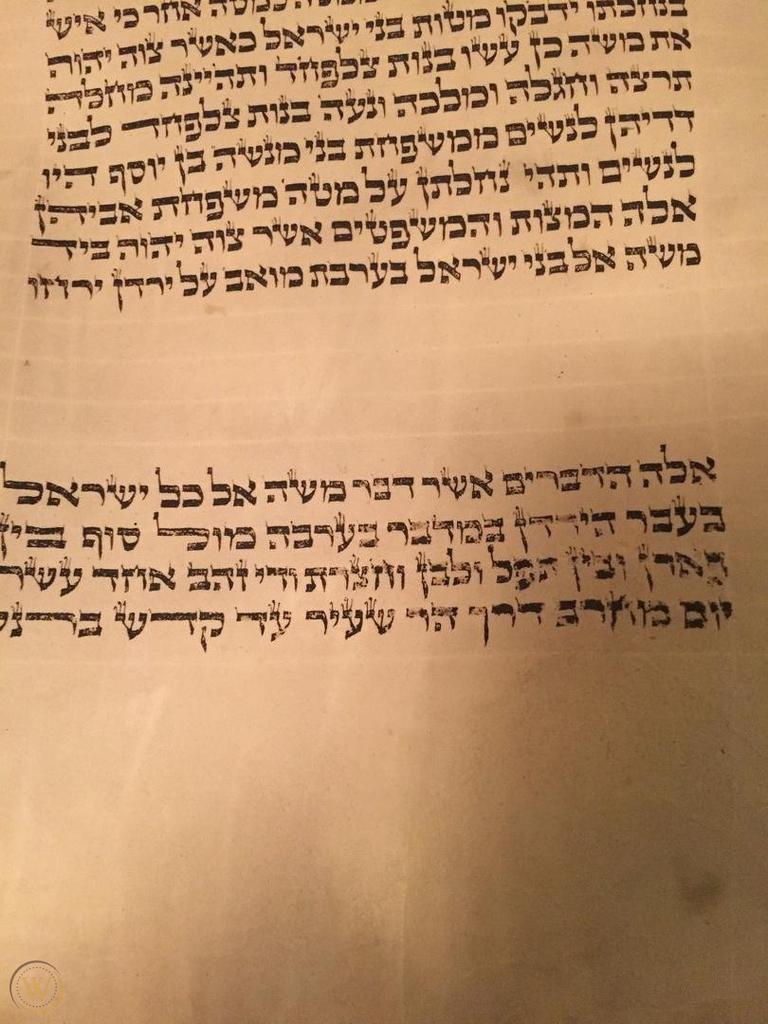
For me, the encounter with this liminal space is a calendrical alarm clock, reminding me that the Jewish New Year is approaching. In the Torah it is like a sign in the desert that announces: “Welcome to California,” or the moment when you cross the George Washington Bridge and the sign reads: “Welcome to New York.” Here the white space says: “Welcome to Deuteronomy.” It reminds us that we are quickly coming to the end of the Torah’s yearly journey. But that space also sings and whispers to me the familiar narrative of the Jewish people: “You are on your journey home…you’ve come so far…let’s finish this expedition together…and we will soon sing our High Holiday tune: Hashiveinu v’nashuva…Return us back to You, so we can return…
~Cantor Evan Kent, reformjudaism.org
(ט) וָאֹמַ֣ר אֲלֵכֶ֔ם בָּעֵ֥ת הַהִ֖וא לֵאמֹ֑ר לֹא־אוּכַ֥ל לְבַדִּ֖י שְׂאֵ֥ת אֶתְכֶֽם׃(י) יהוה אֱלֹהֵיכֶ֖ם הִרְבָּ֣ה אֶתְכֶ֑ם וְהִנְּכֶ֣ם הַיּ֔וֹם כְּכוֹכְבֵ֥י הַשָּׁמַ֖יִם לָרֹֽב׃(יא) יהוה אֱלֹהֵ֣י אֲבֽוֹתֵכֶ֗ם יֹסֵ֧ף עֲלֵיכֶ֛ם כָּכֶ֖ם אֶ֣לֶף פְּעָמִ֑ים וִיבָרֵ֣ךְ אֶתְכֶ֔ם כַּאֲשֶׁ֖ר דִּבֶּ֥ר לָכֶֽם׃(יב) אֵיכָ֥ה אֶשָּׂ֖א לְבַדִּ֑י טׇרְחֲכֶ֥ם וּמַֽשַּׂאֲכֶ֖ם וְרִֽיבְכֶֽם׃(יג) הָב֣וּ לָ֠כֶ֠ם אֲנָשִׁ֨ים חֲכָמִ֧ים וּנְבֹנִ֛ים וִידֻעִ֖ים לְשִׁבְטֵיכֶ֑ם וַאֲשִׂימֵ֖ם בְּרָאשֵׁיכֶֽם׃(יד) וַֽתַּעֲנ֖וּ אֹתִ֑י וַתֹּ֣אמְר֔וּ טֽוֹב־הַדָּבָ֥ר אֲשֶׁר־דִּבַּ֖רְתָּ לַעֲשֽׂוֹת׃(טו) וָאֶקַּ֞ח אֶת־רָאשֵׁ֣י שִׁבְטֵיכֶ֗ם אֲנָשִׁ֤ים חֲכָמִים֙ וִֽידֻעִ֔ים וָאֶתֵּ֥ן אוֹתָ֛ם רָאשִׁ֖ים עֲלֵיכֶ֑ם שָׂרֵ֨י אֲלָפִ֜ים וְשָׂרֵ֣י מֵא֗וֹת וְשָׂרֵ֤י חֲמִשִּׁים֙ וְשָׂרֵ֣י עֲשָׂרֹ֔ת וְשֹׁטְרִ֖ים לְשִׁבְטֵיכֶֽם׃(טז) וָאֲצַוֶּה֙ אֶת־שֹׁ֣פְטֵיכֶ֔ם בָּעֵ֥ת הַהִ֖וא לֵאמֹ֑ר שָׁמֹ֤עַ בֵּין־אֲחֵיכֶם֙ וּשְׁפַטְתֶּ֣ם צֶ֔דֶק בֵּֽין־אִ֥ישׁ וּבֵין־אָחִ֖יו וּבֵ֥ין גֵּרֽוֹ׃(יז) לֹֽא־תַכִּ֨ירוּ פָנִ֜ים בַּמִּשְׁפָּ֗ט כַּקָּטֹ֤ן כַּגָּדֹל֙ תִּשְׁמָע֔וּן לֹ֤א תָג֙וּרוּ֙ מִפְּנֵי־אִ֔ישׁ כִּ֥י הַמִּשְׁפָּ֖ט לֵאלֹהִ֣ים ה֑וּא וְהַדָּבָר֙ אֲשֶׁ֣ר יִקְשֶׁ֣ה מִכֶּ֔ם תַּקְרִב֥וּן אֵלַ֖י וּשְׁמַעְתִּֽיו׃(יח) וָאֲצַוֶּ֥ה אֶתְכֶ֖ם בָּעֵ֣ת הַהִ֑וא אֵ֥ת כׇּל־הַדְּבָרִ֖ים אֲשֶׁ֥ר תַּעֲשֽׂוּן׃
(9) Thereupon I said to you, “I cannot bear the burden of you by myself.(10) Your God יהוה has multiplied you until you are today as numerous as the stars in the sky.—(11) May יהוה, the God of your ancestors, increase your numbers a thousandfold, and bless you as promised.—(12) How can I bear unaided the trouble of you, and the burden, and the bickering!(13) Pick from each of your tribes candidates who are wise, discerning, and experienced, and I will appoint them as your heads.”(14) You answered me and said, “What you propose to do is good.”(15) So I took your tribal leaders, wise and experienced men, and appointed them heads over you: chiefs of thousands, chiefs of hundreds, chiefs of fifties, and chiefs of tens, and officials for your tribes.(16) I charged your magistrates at that time as follows, “Hear out your fellow Israelites, and decide justly between one party and the other—be it a fellow Israelite or a stranger.(17) You shall not be partial in judgment: hear out low and high alike. Fear neither party, for judgment is God’s. And any matter that is too difficult for you, you shall bring to me and I will hear it.”(18) Thus I instructed you, at that time, about the various things that you should do.
“Fulfillment [of God's promises] does not mean that all is perfect and there is nothing left to do, as if the story of God's way with Israel or a fairy tale that comes to an end once the primary goal is reached... The blessing brings with it demands and responsibilities, indeed in a way not true before the promise was accomplished." From here on, Deuteronomy stresses that that blessing, gifts and prosperity, by their very existence, place burdens, require leadership, and demand shared responsibilities and work.”
-Patrick Miller, Bible scholar, as quoted by Rabbi Shai Held
“But we must accept one central truth and responsibility as participants in a democracy: Freedom is not a state; it is an act. It is not some enchanted garden perched high on a distant plateau where we can finally sit down and rest. Freedom is the continuous action we all must take, and each generation must do its part to create an even more fair, more just society.”
― John Lewis, Across That Bridge: A Vision for Change and the Future of America
QUESTION: Why does Moses begin with this retelling?
The origins of the tradition of the Haftara, the supplementary biblical reading associated with the weekly Torah portion, are obscure. Normally, the selection is tied to the content of the Torah portion, or to a key word or personality found in the Torah reading.
However, the rhythm of the Jewish calendar also helps to determine the Haftara reading, as is the case this week. This Shabbat comes just before the mid-summer fast day of Tisha B’Av on which we commemorate the destruction of the First and Second Temples in Jerusalem (586 BCE and 70 CE). It is the last of three special Haftaras of “rebuke”, in which the prophets of ancient Israel warn the people to repent lest their sins bring national ruin.
Tisha B’Av was, throughout the centuries, a day of serious sorrow and reflective repentance. It’s negative gravitational pull attracted other historical disasters of Jewish history, regardless of whether they occurred on that specific day. Thus, for example, the expulsion of the Jews from various European countries during the Middle Ages was believed to have occurred on Tisha B’Av.
~Rabbi Richard Hirsh, Shabbat Hazon
Intro to Haftarah for D'varim:
This is the third of three commemorative "haftarot of affliction" read each year between the 17th day of Tamuz (when the Babylonian army breached the city walls) and the 9th of Av (when it razed the Temple). The Book of Lamentations, which will be read during the following week (on the 9th of Av), opens with similar language and mournful tone as found here.
Intro to Haftarah for next week's portion, V'etchanan:
This is the first of seven "haftarot of consolation" read on consecutive sabbaths between Tisha b'Av and Rosh Hashanah. Thus recited just after Tisha b'Av, which commemorates the destruction of the Temple in Jerusalem (in 587 BCE), this haftarah begins with words of comfort: God not only desires to liberate Israel but can and will do so.
~The Torah: A Modern Commentary, Gunther Plaut, p. 1180
Tisha B’Av , the ninth day of the month of Av (which month coincides with July and/or August), is the major day of communal mourning in the Jewish calendar. Although a large number of disasters are said to have befallen the Jews on this day, the major commemoration is of the destruction of the First and Second Temples in Jerusalem in 586 B.C.E. and 70 C.E., respectively. Central to the observance of this day is fasting.
Tisha B’Av is therefore observed as a day of communal mourning, which is expressed through fasting and the abstention from pleasurable activities and extraneous diversions. A whole literature of dirges appropriate to this day of mourning, beginning with the biblical Book of Lamentations on the destruction of the First Temple, has been created to serve the needs of the Jewish community at this time.
Tisha B’Av itself is a day of intense mourning, whose practice mirrors that of Yom Kippur in many respects. It is a day of fasting, on which one also is to refrain from washing, sexual activity, using perfume and other such ointments, and wearing leather. The Book of Lamentations (Megillat Eicha) and other dirges (kinot) are read in the synagogue.
(כא) הֲשִׁיבֵ֨נוּ יהוה ׀ אֵלֶ֙יךָ֙ (ונשוב)[וְֽנָשׁ֔וּבָה] חַדֵּ֥שׁ יָמֵ֖ינוּ כְּקֶֽדֶם׃
(21) Take us back, O LORD, to Yourself,
And let us come back;
Renew our days as of old!
And let us come back;
Renew our days as of old!
Hashiveinu Hashiveinu / Adonai eilecha / v'nashuva v'nashuva /
chadesh chadesh yameinu k'kedem.
Isaiah is perhaps the best loved of all the prophetic books. It is cited more than any other prophetic text in rabbinic literature, and more haftarot are taken from Isaiah than from any other prophetic book containing the work of literary prophets. Isaiah is a major source of prooftexts for some of Judaism's main tenets, such as messianism, the centrality of Jerusalem, and economic and social justice. Not only rabbinic Judaism but also Christianity and Western culture have emphasized the book of Isaiah.
Most passages in this book are poetry, often of a highly complex and elusive sort. It is impossible to read quickly through Isaiah the way one might read a biblical book that tells a story...
The prophet Isaiah, the son of Amoz, lived in Jerusalem during the last half of the 8th c. BCE. His prophecies are deeply rooted in his time and place, and many of them address current events of his day.
~The Jewish Study Bible, p. 763
Some famous verses from Isaiah:
(ד) וְשָׁפַט֙ בֵּ֣ין הַגּוֹיִ֔ם וְהוֹכִ֖יחַ לְעַמִּ֣ים רַבִּ֑ים וְכִתְּת֨וּ חַרְבוֹתָ֜ם לְאִתִּ֗ים וַחֲנִיתֽוֹתֵיהֶם֙ לְמַזְמֵר֔וֹת לֹא־יִשָּׂ֨א ג֤וֹי אֶל־גּוֹי֙ חֶ֔רֶב וְלֹֽא־יִלְמְד֥וּ ע֖וֹד מִלְחָמָֽה׃ {פ}
(4)Thus [God] will judge among the nationsAnd arbitrate for the many peoples,And they shall beat their swords into plowsharesAnd their spears into pruning hooks:Nation shall not take upSword against nation;They shall never again know war.
(ג) וְקָרָ֨א זֶ֤ה אֶל־זֶה֙ וְאָמַ֔ר קָד֧וֹשׁ ׀ קָד֛וֹשׁ קָד֖וֹשׁ יהוה צְבָא֑וֹת מְלֹ֥א כׇל־הָאָ֖רֶץ כְּבוֹדֽוֹ׃
(3)And one would call to the other,“Holy, holy, holy!
GOD of Hosts—
Whose presence fills all the earth!”
GOD of Hosts—
Whose presence fills all the earth!”
(א) נַחֲמ֥וּ נַחֲמ֖וּ עַמִּ֑י יֹאמַ֖ר אֱלֹֽהֵיכֶֽם׃
(1)Comfort, oh comfort My people,Says your God.
(א) ק֥וּמִי א֖וֹרִי כִּ֣י בָ֣א אוֹרֵ֑ךְ וּכְב֥וֹד יהוה עָלַ֥יִךְ זָרָֽח׃
(1)Arise, shine, for your light has dawned;The Presence of GOD has shone upon you!
Some of this week's Haftarah portion:
(א) חֲזוֹן֙ יְשַֽׁעְיָ֣הוּ בֶן־אָמ֔וֹץ אֲשֶׁ֣ר חָזָ֔ה עַל־יְהוּדָ֖ה וִירֽוּשָׁלָ֑͏ִם בִּימֵ֨י עֻזִּיָּ֧הוּ יוֹתָ֛ם אָחָ֥ז יְחִזְקִיָּ֖הוּ מַלְכֵ֥י יְהוּדָֽה׃(ב) שִׁמְע֤וּ שָׁמַ֙יִם֙ וְהַאֲזִ֣ינִי אֶ֔רֶץ כִּ֥י יהוה דִּבֵּ֑ר בָּנִים֙ גִּדַּ֣לְתִּי וְרוֹמַ֔מְתִּי וְהֵ֖ם פָּ֥שְׁעוּ בִֽי׃(ג) יָדַ֥ע שׁוֹר֙ קֹנֵ֔הוּ וַחֲמ֖וֹר אֵב֣וּס בְּעָלָ֑יו יִשְׂרָאֵל֙ לֹ֣א יָדַ֔ע עַמִּ֖י לֹ֥א הִתְבּוֹנָֽן׃(ד) ה֣וֹי ׀ גּ֣וֹי חֹטֵ֗א עַ֚ם כֶּ֣בֶד עָוֺ֔ן זֶ֣רַע מְרֵעִ֔ים בָּנִ֖ים מַשְׁחִיתִ֑ים עָזְב֣וּ אֶת־יהוה נִֽאֲצ֛וּ אֶת־קְד֥וֹשׁ יִשְׂרָאֵ֖ל נָזֹ֥רוּ אָחֽוֹר׃(ה) עַ֣ל מֶ֥ה תֻכּ֛וּ ע֖וֹד תּוֹסִ֣יפוּ סָרָ֑ה כׇּל־רֹ֣אשׁ לׇֽחֳלִ֔י וְכׇל־לֵבָ֖ב דַּוָּֽי׃(ו) מִכַּף־רֶ֤גֶל וְעַד־רֹאשׁ֙ אֵֽין־בּ֣וֹ מְתֹ֔ם פֶּ֥צַע וְחַבּוּרָ֖ה וּמַכָּ֣ה טְרִיָּ֑ה לֹא־זֹ֙רוּ֙ וְלֹ֣א חֻבָּ֔שׁוּ וְלֹ֥א רֻכְּכָ֖ה בַּשָּֽׁמֶן׃(ז) אַרְצְכֶ֣ם שְׁמָמָ֔ה עָרֵיכֶ֖ם שְׂרֻפ֣וֹת אֵ֑שׁ אַדְמַתְכֶ֗ם לְנֶגְדְּכֶם֙ זָרִים֙ אֹכְלִ֣ים אֹתָ֔הּ וּשְׁמָמָ֖ה כְּמַהְפֵּכַ֥ת זָרִֽים׃(ח) וְנוֹתְרָ֥ה בַת־צִיּ֖וֹן כְּסֻכָּ֣ה בְכָ֑רֶם כִּמְלוּנָ֥ה בְמִקְשָׁ֖ה כְּעִ֥יר נְצוּרָֽה׃(ט) לוּלֵי֙ יהוה צְבָא֔וֹת הוֹתִ֥יר לָ֛נוּ שָׂרִ֖יד כִּמְעָ֑ט כִּסְדֹ֣ם הָיִ֔ינוּ לַעֲמֹרָ֖ה דָּמִֽינוּ׃ {פ}
(1) The prophecies of Isaiah son of Amoz, who prophesied concerning Judah and Jerusalem in the reigns of Uzziah, Jotham, Ahaz, and Hezekiah, kings of Judah.(2)Hear, O heavens, and give ear, O earth,For GOD has spoken:
“I reared children and brought them up—And they have rebelled against Me!(3)An ox knows its owner,A donkey its master’s crib:Israel does not know,My people takes no thought.”(4)Ah, sinful nation!People laden with iniquity!Brood of evildoers!Depraved children!They have forsaken GOD,
Spurned the Holy One of Israel,Turned their backs.(5)Why do you seek further beatings,That you continue to offend?Every head is ailing,And every heart is sick.(6)From head to footNo spot is sound:All bruises, and welts,And festering sores—Not pressed out, not bound up,Not softened with oil.(7)Your land is a waste,Your cities burnt down;Before your eyes, the yield of your soilIs consumed by strangers—A wasteland as overthrown by strangers!(8)Fair Zion is left
Like a booth in a vineyard,Like a hut in a cucumber field,Like a city beleaguered.(9)Had not GOD of Hosts
Left us some survivors,We should be like Sodom,Another Gomorrah.
“I reared children and brought them up—And they have rebelled against Me!(3)An ox knows its owner,A donkey its master’s crib:Israel does not know,My people takes no thought.”(4)Ah, sinful nation!People laden with iniquity!Brood of evildoers!Depraved children!They have forsaken GOD,
Spurned the Holy One of Israel,Turned their backs.(5)Why do you seek further beatings,That you continue to offend?Every head is ailing,And every heart is sick.(6)From head to footNo spot is sound:All bruises, and welts,And festering sores—Not pressed out, not bound up,Not softened with oil.(7)Your land is a waste,Your cities burnt down;Before your eyes, the yield of your soilIs consumed by strangers—A wasteland as overthrown by strangers!(8)Fair Zion is left
Like a booth in a vineyard,Like a hut in a cucumber field,Like a city beleaguered.(9)Had not GOD of Hosts
Left us some survivors,We should be like Sodom,Another Gomorrah.
(יח) לְכוּ־נָ֛א וְנִוָּכְחָ֖ה יֹאמַ֣ר יהוה אִם־יִהְי֨וּ חֲטָאֵיכֶ֤ם כַּשָּׁנִים֙ כַּשֶּׁ֣לֶג יַלְבִּ֔ינוּ אִם־יַאְדִּ֥ימוּ כַתּוֹלָ֖ע כַּצֶּ֥מֶר יִֽהְיֽוּ׃(יט) אִם־תֹּאב֖וּ וּשְׁמַעְתֶּ֑ם ט֥וּב הָאָ֖רֶץ תֹּאכֵֽלוּ׃(כ) וְאִם־תְּמָאֲנ֖וּ וּמְרִיתֶ֑ם חֶ֣רֶב תְּאֻכְּל֔וּ כִּ֛י פִּ֥י יהוה דִּבֵּֽר׃ {פ}
(18)“Come, let us reach an understanding,—says GOD.
Be your sins like crimson,They can turn snow-white;Be they red as dyed wool,They can become like fleece.”(19)If, then, you agree and give heed,You will eat the good things of the earth;(20)But if you refuse and disobey,You will be devoured [by] the sword. —
For it was GOD who spoke.
Be your sins like crimson,They can turn snow-white;Be they red as dyed wool,They can become like fleece.”(19)If, then, you agree and give heed,You will eat the good things of the earth;(20)But if you refuse and disobey,You will be devoured [by] the sword. —
For it was GOD who spoke.
(כו) וְאָשִׁ֤יבָה שֹׁפְטַ֙יִךְ֙ כְּבָרִ֣אשֹׁנָ֔ה וְיֹעֲצַ֖יִךְ כְּבַתְּחִלָּ֑ה אַֽחֲרֵי־כֵ֗ן יִקָּ֤רֵא לָךְ֙ עִ֣יר הַצֶּ֔דֶק קִרְיָ֖ה נֶאֱמָנָֽה׃(כז) צִיּ֖וֹן בְּמִשְׁפָּ֣ט תִּפָּדֶ֑ה וְשָׁבֶ֖יהָ בִּצְדָקָֽה׃
(26)I will restore your magistrates as of old,And your counselors as of yore.After that you shall be calledCity of Righteousness, Faithful City.”(27)Zion shall be saved in the judgment;
Her repentant ones, in the retribution.
Her repentant ones, in the retribution.
The observance of Tisha B’Av is an opportunity to reexamine the adaptive theology whereby generations of Jews managed to persevere in the face of adversity, oppression, even destruction. It is probably a good thing that Isaiah, Jeremiah, Ezekiel, and a host of other prophets convinced the people of ancient Israel that the fall of Jerusalem was their punishment by a God who yet believed in them and would not abandon them. Without such an interpretation, the people might have abandoned the Covenant altogether, or fallen into a corporate state of depression from which recovery would have been impossible.
But when we reach the 20th century, we find that we can no longer simply endorse the prophetic version of history. Having moved out of the supernatural universe of discourse in which our ancestors lived, we find it increasingly difficult to endorse their theological rationalizations for their fate.
...
So what do we as modern Jews make of Tisha B’Av, and of the vision of Isaiah preserved in this week’s Haftara?
There is a certain sense of liberation from the “if…then” theology of the past. It is probably healthy to avoid ascribing to specific human behaviors the rationalization for global catastrophe. But it is also a bit terrifying to realize that despite our best efforts and commitments, some national- political disasters are going to engulf us regardless.
Perhaps we can still learn from Isaiah, who not only preached the coming destruction, but also restoration and renewal. “Though your sins be scarlet, they shall whiten as snow…Zion will be redeemed with justice, and they who are restored with righteousness” (Isaiah 1:18, 27).
The key to understanding Jewish history is not in accepting the explanations of why, but in studying the ways of how: how, following disaster after disaster, the Jewish people found the courage to start anew, to recommit to Torah, and to reaffirm that life had — or at least could have — meaning, notwithstanding the evil that was so often manifest.
In our own day we have seen it, as the modern state of Israel arose: “After all this, you shall be called the city of righteousness, a community of faithfulness” (Isaiah 1:26). As we mourn the destruction of the Temples and the coordinate loss of life, so may we also affirm that meaning can be found, and that history itself can be redeemed.
~Rabbi Richard Hirsh, Shabbat Hazon
QUESTIONS:
How have you persevered despite the challenges of your own life? What has kept you going?
How do you explain the Jews perseverance through the tragedies of our history?
What can we take away from Moses' and Isaiah's words?