


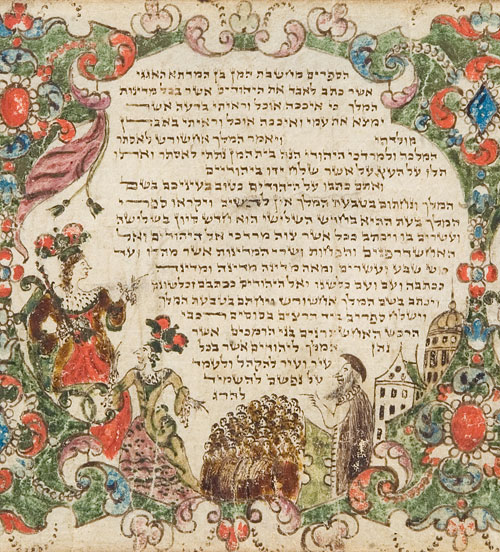
What are some examples of acts of loving-kindness?
- Ruth in the Field
- The Gezer Calendar
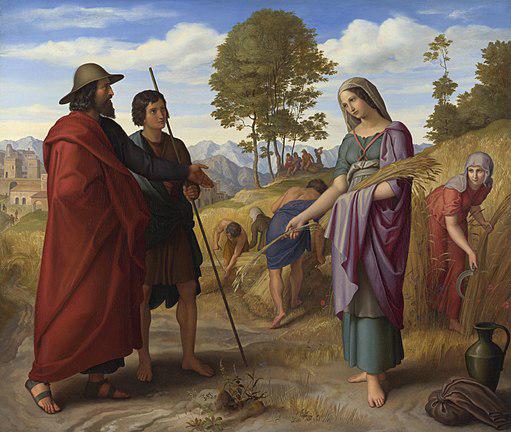
Ruth in the fields of Boaz by Julius Schnorr von Carolsfeld, 1828
National Gallery, London, Public Domain, https://commons.wikimedia.org/w/index.php?curid=536505
Julius Schnorr von Carolsfeld (1794 – 1872) ... was a German painter, chiefly of Biblical subjects. As a young man he associated with the painters of the Nazarene movement who revived the florid Renaissance style in religious art. He is remembered for his extensive Picture Bible, and his designs for stained glass windows in cathedrals. [Source: Wikipedia]

Gezer Calendar
Istanbul Archaeology Museums, CC BY-SA 3.0, https://commons.wikimedia.org/w/index.php?curid=34520838
From Wikipedia: The Gezer calendar is a small limestone tablet with an early Canaanite inscriptiondiscovered in 1908 by Irish archaeologist R. A. Stewart Macalister in the ancient city of Gezer, 20 miles west of Jerusalem. It is commonly dated to the 10th century BCE...
The calendar is inscribed on a limestone plaque and describes monthly or bi-monthly periods and attributes to each a duty such as harvest, planting, or tending specific crops.
The inscription, known as KAI 182, is in Phoenician or paleo-Hebrew script...
Which in equivalent square Hebrew letters is as follows:
ירחואספ ירחוז
רע ירחולקש
ירחעצדפשת
ירחקצרשערמ
ירחקצרוכל
ירחוזמר
ירחקצ
אבי (ה)
This corresponds to the following transliteration, with spaces added for word divisions:
yrḥw ʾsp yrḥw z
rʿ yrḥw lqš
yrḥ ʿṣd pšt
yrḥ qṣr šʿrm
yrḥ qṣrw kl
yrḥw zmr
yrḥ qṣ
ʾby [h]
The text has been translated as:
Two months gathering (October, November — in the Hebrew calendar Tishrei, Cheshvan)
Two months planting (December, January — Kislev, Tevet)
Two months late sowing (February, March — Shvat, Adar)
One month cutting flax (April — Nisan)
One month reaping barley (May — Iyar)
One month reaping and measuring grain (June — Sivan)
Two months pruning (July, August — Tammuz, Av)
One month summer fruit (September — Elul)
Abij [ah][9]
Scholars have speculated that the calendar could be a schoolboy's memory exercise, the text of a popular folk song or a children's song. Another possibility is something designed for the collection of taxes from farmers.
The scribe of the calendar is probably "Abijah", which means "Yah (a shortened form of the Tetragrammaton) is my father". This name appears in the Bible for several individuals, including a king of Judah (1 Kings 14:31). If accurate, then it is the earliest attestation of the name YHWH currently known, predating the Mesha Stele by more than a century.
Questions to consider as we read chapter 2
- What do we learn about Naomi, Ruth, and Boaz from this chapter?
- What are Boaz' first words in the book?
- What does chapter 2 (or chapter 1) say about Ruth's appearance?
- How does Ruth fit into the agricultural society of Bethlehem?
- What role(s) does God play in this passage?
- At what time of year do events occur in this chapter?
- Do you hear allusions to other stories and characters in Tanach here?
A Day in the Field, part 1
(1) Now Naomi had a kinsman on her husband’s side, a man of substance, of the family of Elimelech, whose name was Boaz. (2) Ruth the Moabite said to Naomi, “I would like to go to the fields and glean among the ears of grain, behind someone who may show me kindness.” “Yes, daughter, go,” she replied; (3) and off she went. She came and gleaned in a field, behind the reapers; and, as luck would have it, it was the piece of land belonging to Boaz, who was of Elimelech’s family. (4) Presently Boaz arrived from Bethlehem. He greeted the reapers, “The LORD be with you!” And they responded, “The LORD bless you!” (5) Boaz said to the servant who was in charge of the reapers, “Whose girl is that?” (6) The servant in charge of the reapers replied, “She is a Moabite girl who came back with Naomi from the country of Moab. (7) She said, ‘Please let me glean and gather among the sheaves behind the reapers.’ She has been on her feet ever since she came this morning. She has rested but little in the hut.”-a
A Day in the Field, part 2
(8) Boaz said to Ruth, “Listen to me, daughter.-b Don’t go to glean in another field. Don’t go elsewhere, but stay here close to my girls. (9) Keep your eyes on the field they are reaping, and follow them. I have ordered the men not to molest you. And when you are thirsty, go to the jars and drink some of [the water] that the men have drawn.” (10) She prostrated herself with her face to the ground, and said to him, “Why are you so kind as to single me out, when I am a foreigner?” (11) Boaz said in reply, “I have been told of all that you did for your mother-in-law after the death of your husband, how you left your father and mother and the land of your birth and came to a people you had not known before. (12) May the LORD reward your deeds. May you have a full recompense from the LORD, the God of Israel, under whose wings you have sought refuge!” (13) She answered, “You are most kind, my lord, to comfort me and to speak gently to your maidservant—though I am not so much as one of your maidservants.”
A Day in the Field, part 3
(14) At mealtime, Boaz said to her, “Come over here and partake of the meal, and dip your morsel in the vinegar.” So she sat down beside the reapers. He handed her roasted grain, and she ate her fill and had some left over. (15) When she got up again to glean, Boaz gave orders to his workers, “You are not only to let her glean among the sheaves, without interference, (16) but you must also pull some [stalks] out of the heaps and leave them for her to glean, and not scold her.”
Back home. The rest of the grain harvest.
(17) She gleaned in the field until evening. Then she beat out what she had gleaned—it was about an ephah of barley— (18) and carried it back with her to the town. When her mother-in-law saw what she had gleaned, and when she also took out and gave her what she had left over after eating her fill, (19) her mother-in-law asked her, “Where did you glean today? Where did you work? Blessed be he who took such generous notice of you!” So she told her mother-in-law whom she had worked with, saying, “The name of the man with whom I worked today is Boaz.” (20) Naomi said to her daughter-in-law, “Blessed be he of the LORD, who has not failed in His kindness to the living or to the dead! For,” Naomi explained to her daughter-in-law, “the man is related to us; he is one of our redeeming kinsmen.” (21) Ruth the Moabite said, “He even told me, ‘Stay close by my workers until all my harvest is finished.’” (22) And Naomi answered her daughter-in-law Ruth, “It is best, daughter, that you go out with his girls, and not be annoyed in some other field.” (23) So she stayed close to the maidservants of Boaz, and gleaned until the barley harvest and the wheat harvest were finished. Then she stayed at home with her mother-in-law.
- Chapter 2 in general Gleaning לקט/l.k.t. - 12 times in chapter 2.
- 2:9 A 'meeting at the well'
- 2:11 Leaving the land of one's birth
- 2:17 About an ephah of barley
- 2:23 The time period of chapter 2
- 2:23 Staying at home/coming home at the end of chapters 1-3
Gleaning in Ruth chapter 2
(2) Ruth the Moabite said to Naomi, “I would like to go to the fields and glean among the ears of grain, behind someone who may show me kindness.” “Yes, daughter, go,” she replied;
(ט) וּֽבְקֻצְרְכֶם֙ אֶת־קְצִ֣יר אַרְצְכֶ֔ם לֹ֧א תְכַלֶּ֛ה פְּאַ֥ת שָׂדְךָ֖ לִקְצֹ֑ר וְלֶ֥קֶט קְצִֽירְךָ֖ לֹ֥א תְלַקֵּֽט׃ (י) וְכַרְמְךָ֙ לֹ֣א תְעוֹלֵ֔ל וּפֶ֥רֶט כַּרְמְךָ֖ לֹ֣א תְלַקֵּ֑ט לֶֽעָנִ֤י וְלַגֵּר֙ תַּעֲזֹ֣ב אֹתָ֔ם אֲנִ֖י ה' אֱלֹקֵיכֶֽם׃
Laws of gleaning...
(9) When you reap the harvest of your land, you shall not reap all the way to the edges (DR: or corners) of your field, or gather the gleanings of your harvest. (10) You shall not pick your vineyard bare, or gather the fallen fruit of your vineyard; you shall leave them for the poor and the stranger: I ה' am your God.
(א) אֵלּוּ דְבָרִים שֶׁאֵין לָהֶם שִׁעוּר. הַפֵּאָה, וְהַבִּכּוּרִים, וְהָרֵאָיוֹן, וּגְמִילוּת חֲסָדִים, וְתַלְמוּד תּוֹרָה.
אֵלּוּ דְבָרִים שֶׁאָדָם אוֹכֵל פֵּרוֹתֵיהֶן בָּעוֹלָם הַזֶּה וְהַקֶּרֶן קַיֶּמֶת לוֹ לָעוֹלָם הַבָּא. כִּבּוּד אָב וָאֵם, וּגְמִילוּת חֲסָדִים, וַהֲבָאַת שָׁלוֹם בֵּין אָדָם לַחֲבֵרוֹ, וְתַלְמוּד תּוֹרָה כְּנֶגֶד כֻּלָּם:
Opening of the Tractate of the Mishnah about leaving the corner of the fields for the poor.
(1) These are the things that have no definite quantity: The corners [of the field]. First-fruits; [The offerings brought] on appearing [at the Temple on the three pilgrimage festivals]. The performance of righteous deeds; And the study of the torah.
The following are the things for which a man enjoys the fruits in this world while the principal remains for him in the world to come: Honoring one’s father and mother; The performance of righteous deeds; And the making of peace between a person and his friend; And the study of the torah is equal to them all.
Tamara Cohn Eskenazi and Tikva Frymer-Kensky, JPS Commentary to Ruth, comment to 2:9
when you are thirsty, go to the jars and drink some of [the water] that the men have drawn. A number of biblical narratives depict a 'meeting at the well,' in which a man travels to a foreign place and meets his future wife at the local well. Typically, the woman draws water for the man. The ancestral stories of Genesis and Exodus include versions of this type of scene, leading to the betrothals of Rebekah and Isaac (Genesis 24), Rachel and Jacob (Genesis 29), as well as Moses and Jethro's daughter (Exodus 2). Note the gender reversals in Ruth.
Eskenazi and Frymer-Kensky, Comment to 2:11
how you left your father and mother and the land of your birth and came to a people you had not known before. As [Phyllis] Trible observes [in her article about the Book of Ruth, "The Human Comedy"], 'Boaz's language envelops Ruth in the Abrahamic paradigm, which breaks with the past. Boaz's description of Ruth's merit specifically echoes God's call to Abraham: 'Go forth from your native land and from your father's house to the land that I will show you" (Genesis 12:1).
Robert Alter
Ruth's paradoxical journey outward from home that proves to be a 'going back' to home has been aptly summarized by Herbert Marks: these 'brief chapters outline the two principal archetypes of Western narrative, the Abrahamic myth of definitive rupture and the Odysseian myth of ultimate return, the journey home.'
An Ephah: about an ephah of barley.
Oxford Annotated Bible, Weights and Measures, p. 2317: 22.9 liters
Aryeh Carmell, Aiding Talmud Study, 5th edition, Feldheim, 1986: Capacity, p. 78: 24.8 liters (following the work of Rabbi A. H. Noeh)
Note that a bushel is equivalent to ~35 liters, so Ruth brought back about 2/3 of a bushel of beaten (similar to threshed) barley.
According to Exodus 16:36, an omer is 1/10 of an ephah and is enough for one person per day.
(כ) וַתֹּ֨אמֶר נׇעֳמִ֜י לְכַלָּתָ֗הּ בָּר֥וּךְ הוּא֙ לַה' אֲשֶׁר֙ לֹא־עָזַ֣ב חַסְדּ֔וֹ אֶת־הַחַיִּ֖ים וְאֶת־הַמֵּתִ֑ים וַתֹּ֧אמֶר לָ֣הּ נׇעֳמִ֗י קָר֥וֹב לָ֙נוּ֙ הָאִ֔ישׁ מִֽגֹּאֲלֵ֖נוּ הֽוּא׃
Redeeming Kinsmen/Go'el/גואל
(20) Naomi said to her daughter-in-law, “Blessed be he of the LORD, who has not failed in His kindness to the living or to the dead! For,” Naomi explained to her daughter-in-law, “the man is related to us; he is one of our redeeming kinsmen.”
(כה) כִּֽי־יָמ֣וּךְ אָחִ֔יךָ וּמָכַ֖ר מֵאֲחֻזָּת֑וֹ וּבָ֤א גֹֽאֲלוֹ֙ הַקָּרֹ֣ב אֵלָ֔יו וְגָאַ֕ל אֵ֖ת מִמְכַּ֥ר אָחִֽיו׃
(25) If one of your kin is in straits and has to sell part of a holding, the nearest redeemer shall come and redeem what that relative has sold.
Eskenazi and Frymer-Kensky
until the barley harvest and the wheat harvest were finished Ruth's easy access to grain extends through two harvests. According to Oded Borowski, [Daily Life in Biblical Times, p. 28] 'Barley harvesting (spring equinox to late April)...signaled the beginning of ingathering. Following was the harvesting of wheat (late April to late May), which ended with the celebration of ... Pentecost [=Shavuot].' ... the end of the harvest season means the end of Ruth's access to food.
(כג) וַתִּדְבַּ֞ק בְּנַעֲר֥וֹת בֹּ֙עַז֙ לְלַקֵּ֔ט עַד־כְּל֥וֹת קְצִֽיר־הַשְּׂעֹרִ֖ים וּקְצִ֣יר הַֽחִטִּ֑ים וַתֵּ֖שֶׁב אֶת־חֲמוֹתָֽהּ׃
Conclusion of ch. 2: Staying at home
(23) So she stayed close to the maidservants of Boaz, and gleaned until the barley harvest and the wheat harvest were finished. Then she stayed at home/vatteishev/ותשב with her mother-in-law.
(כב) וַתָּ֣שׇׁב נׇעֳמִ֗י וְר֨וּת הַמּוֹאֲבִיָּ֤ה כַלָּתָהּ֙ עִמָּ֔הּ הַשָּׁ֖בָה מִשְּׂדֵ֣י מוֹאָ֑ב וְהֵ֗מָּה בָּ֚אוּ בֵּ֣ית לֶ֔חֶם בִּתְחִלַּ֖ת קְצִ֥יר שְׂעֹרִֽים׃
Conclusion of ch. 1: Returning (home)
(22) Thus Naomi returned/vattashov/ותשב from the country of Moab; she returned with her daughter-in-law Ruth the Moabite. They arrived in Bethlehem at the beginning of the barley harvest.
(יח) וַתֹּ֙אמֶר֙ שְׁבִ֣י בִתִּ֔י עַ֚ד אֲשֶׁ֣ר תֵּֽדְעִ֔ין אֵ֖יךְ יִפֹּ֣ל דָּבָ֑ר כִּ֣י לֹ֤א יִשְׁקֹט֙ הָאִ֔ישׁ כִּֽי־אִם־כִּלָּ֥ה הַדָּבָ֖ר הַיּֽוֹם׃
Conclusion of ch. 3: Staying at home
(18) And Naomi said, “Stay here/shevi/שבי, daughter, till you learn how the matter turns out. For the man will not rest, but will settle the matter today.”
Ruth 3 - At the Threshing Floor