


“I shivered in those
solitudes
when I heard
the voice
of
the salt
in the desert.”
― Pablo Neruda
וְהָא ״הוֹדָאָה וָשֶׁבַח״ קָתָנֵי! תְּנִי: עַל לוֹט וְעַל אִשְׁתּוֹ מְבָרְכִים שְׁתַּיִם. עַל אִשְׁתּוֹ אוֹמֵר ״בָּרוּךְ … דַּיַּין הָאֱמֶת״, וְעַל לוֹט אוֹמֵר ״בָּרוּךְ … זוֹכֵר אֶת הַצַּדִּיקִים״. אָמַר רַבִּי יוֹחָנָן: אֲפִילּוּ בִּשְׁעַת כַּעֲסוֹ שֶׁל הַקָּדוֹשׁ בָּרוּךְ הוּא, זוֹכֵר אֶת הַצַּדִּיקִים, שֶׁנֶּאֱמַר: ״וַיְהִי בְּשַׁחֵת אֱלֹהִים אֶת עָרֵי הַכִּכָּר וַיִּזְכֹּר אֱלֹהִים אֶת אַבְרָהָם וַיְשַׁלַּח אֶת לוֹט מִתּוֹךְ הַהֲפֵכָה וְגוֹ׳״.
(טו) וּכְמוֹ֙ הַשַּׁ֣חַר עָלָ֔ה וַיָּאִ֥יצוּ הַמַּלְאָכִ֖ים בְּל֣וֹט לֵאמֹ֑ר קוּם֩ קַ֨ח אֶֽת־אִשְׁתְּךָ֜ וְאֶת־שְׁתֵּ֤י בְנֹתֶ֙יךָ֙ הַנִּמְצָאֹ֔ת פֶּן־תִּסָּפֶ֖ה בַּעֲוֺ֥ן הָעִֽיר׃ (טז) וַֽיִּתְמַהְמָ֓הּ ׀ וַיַּחֲזִ֨יקוּ הָאֲנָשִׁ֜ים בְּיָד֣וֹ וּבְיַד־אִשְׁתּ֗וֹ וּבְיַד֙ שְׁתֵּ֣י בְנֹתָ֔יו בְּחֶמְלַ֥ת יְהֹוָ֖ה עָלָ֑יו וַיֹּצִאֻ֥הוּ וַיַּנִּחֻ֖הוּ מִח֥וּץ לָעִֽיר׃ (יז) וַיְהִי֩ כְהוֹצִיאָ֨ם אֹתָ֜ם הַח֗וּצָה וַיֹּ֙אמֶר֙ הִמָּלֵ֣ט עַל־נַפְשֶׁ֔ךָ אַל־תַּבִּ֣יט אַחֲרֶ֔יךָ וְאַֽל־תַּעֲמֹ֖ד בְּכׇל־הַכִּכָּ֑ר הָהָ֥רָה הִמָּלֵ֖ט פֶּן־תִּסָּפֶֽה׃
(כד) וַֽיהֹוָ֗ה הִמְטִ֧יר עַל־סְדֹ֛ם וְעַל־עֲמֹרָ֖ה גׇּפְרִ֣ית וָאֵ֑שׁ מֵאֵ֥ת יְהֹוָ֖ה מִן־הַשָּׁמָֽיִם׃ (כה) וַֽיַּהֲפֹךְ֙ אֶת־הֶעָרִ֣ים הָאֵ֔ל וְאֵ֖ת כׇּל־הַכִּכָּ֑ר וְאֵת֙ כׇּל־יֹשְׁבֵ֣י הֶעָרִ֔ים וְצֶ֖מַח הָאֲדָמָֽה׃ (כו) וַתַּבֵּ֥ט אִשְׁתּ֖וֹ מֵאַחֲרָ֑יו וַתְּהִ֖י נְצִ֥יב מֶֽלַח׃
(15) As dawn broke, the messengers urged Lot on, saying, “Up, take your wife and your two remaining daughters, lest you be swept away because of the iniquity of the city.” (16) Still he delayed. So the agents seized his hand, and the hands of his wife and his two daughters—in יהוה’s mercy on him—and brought him out and left him outside the city. (17) When they had brought them outside, one said, “Flee for your life! Do not look behind you, nor stop anywhere in the Plain; flee to the hills, lest you be swept away.”
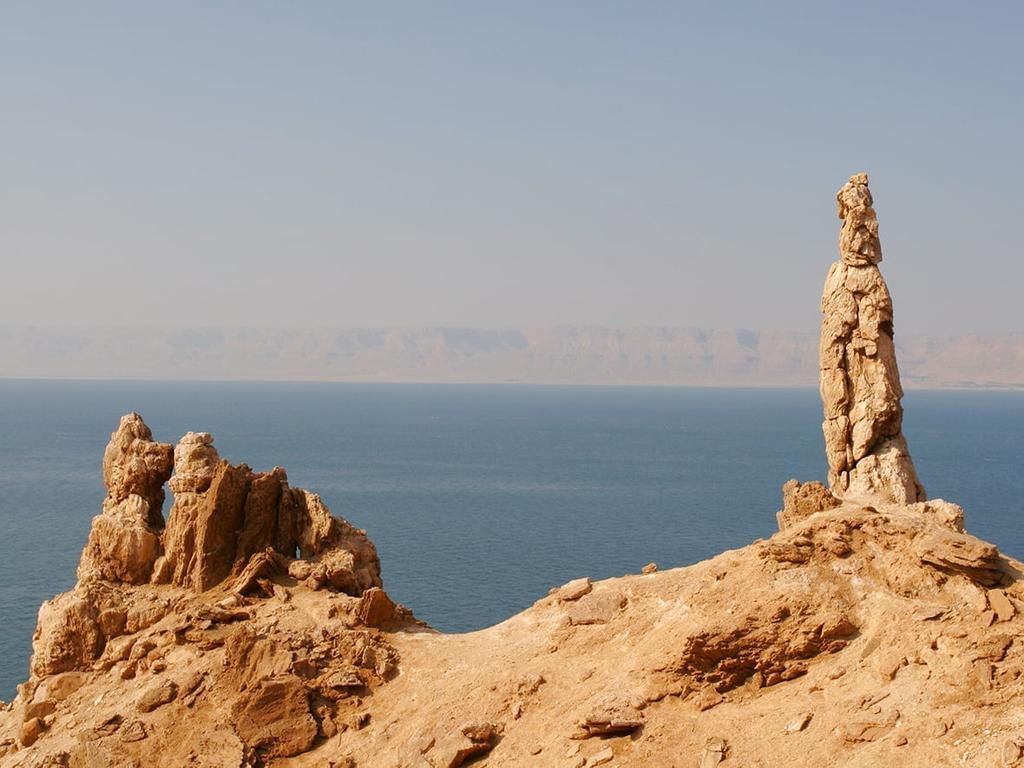
(24) יהוה rained upon Sodom and Gomorrah sulfurous fire from יהוה out of heaven— (25) annihilating those cities and the entire Plain, and all the inhabitants of the cities and the vegetation of the ground. (26) Lot’s wife looked back, and she thereupon turned into a pillar of salt. (27) Next morning, Abraham hurried to the place where he had stood before יהוה,
שהרי ירדה שכינתו של הב"ה להמטיר על סדום ועל עמורה גפרית ואש עירית אשתו של לוט נכמרו רחמה על בנותיה הנשואות והביטה לאחריה לראות אם הולכות אחריה אם לא (וראת אחרי) [וראתה אחריה] השכינה ונעשית נציב מלח, שנאמר ותבט אשתו מאחריו ותהי נציב מלח:
... for verily the Shekhinah of the Holy One, blessed be He, has descended in order to rain upon Sodom and upon Gomorrah brimstone and fire. The pity of 'Edith the wife of Lot was stirred for her daughters, who were married in Sodom, and she looked back behind her to see if they were coming after her or not. And she saw behind the Shekhinah, and she became a pillar of salt, as it is said, "And his wife looked back from behind him, and she became a pillar of salt" (Gen. 19:26).
Lot’s wife, against the instruction of the angels, actually did look back as the cities of the plain disappeared under fire and brimstone and the anger of God. Immediately she was turned into a pillar of salt, the Torah’s graphic description of a woman so overwhelmed by shock and grief as to be unable to move on.
It ... helps us understand Abraham after the death of Sarah. He set the precedent: first build the future, and only then can you mourn the past. If you reverse the order, you will be held captive by the past. You will be unable to move on. You will become like Lot’s wife.
Something of this deep truth drove the work of one of the most remarkable survivors of the Holocaust, the psychotherapist Viktor Frankl. ...He did this by finding for each of them a task that was calling to them, something they had not yet done but that only they could do. In effect, he gave them a future. This allowed them to survive the present and turn their minds away from the past.
Rabbi Johnathan Sacks, Chayei Sarah, 5776
‘The inherent vice of capitalism is the unequal sharing of blessings. The inherent virtue of Socialism is the equal sharing of miseries.’
Winston Churchill, House of Commons, 22 October 1945
ת"ר אנשי סדום לא נתגאו אלא בשביל טובה שהשפיע להם הקב"ה ומה כתיב בהם (איוב כח, ה) ארץ ממנה יצא לחם ותחתיה נהפך כמו אש מקום ספיר אבניה ועפרות זהב לו נתיב לא ידעו עיט ולא שזפתו עין איה לא הדריכוהו בני שחץ לא עדה עליו שחל אמרו וכי מאחר שארץ ממנה יצא לחם ועפרות זהב לו למה לנו עוברי דרכים שאין באים אלינו אלא לחסרינו [מממוננו] בואו ונשכח תורת רגל מארצנו שנאמר (איוב כח, ד) פרץ נחל מעם גר הנשכחים מני רגל דלו מאנוש נעו
The Sages taught: The people of Sodom became haughty and sinned due only to the excessive goodness that the Holy One, Blessed be He, bestowed upon them. And what is written concerning them, indicating that goodness? “As for the earth, out of it comes bread, and underneath it is turned up as it were by fire. Its stones are the place of sapphires, and it has dust of gold. That path no bird of prey knows, neither has the falcon’s eye seen it. The proud beasts have not trodden it, nor has the lion passed thereby” (Job 28:5–8). The reference is to the city of Sodom, which was later overturned, as it is stated thereafter: “He puts forth His hand upon the flinty rock; He overturns the mountains by the roots” (Job 28:9). The people of Sodom said: Since we live in a land from which bread comes and has the dust of gold, we have everything that we need. Why do we need travelers, as they come only to divest us of our property? Come, let us cause the proper treatment of travelers to be forgotten from our land, as it is stated: “He breaks open a watercourse in a place far from inhabitants, forgotten by pedestrians, they are dried up, they have moved away from men” (Job 28:4).
תָּנוּ רַבָּנַן: מַעֲשֶׂה בְּרַבָּן יוֹחָנָן בֶּן זַכַּאי שֶׁהָיָה רוֹכֵב עַל הַחֲמוֹר וְהָיָה יוֹצֵא מִירוּשָׁלַיִם, וְהָיוּ תַּלְמִידָיו מְהַלְּכִין אַחֲרָיו. רָאָה רִיבָה אַחַת שֶׁהָיְתָה מְלַקֶּטֶת שְׂעוֹרִים מִבֵּין גֶּלְלֵי בְהֶמְתָּן שֶׁל עַרְבִיִּים. כֵּיוָן שֶׁרָאֲתָה אוֹתוֹ, נִתְעַטְּפָה בִּשְׂעָרָהּ וְעָמְדָה לְפָנָיו. אָמְרָה לוֹ: רַבִּי, פַּרְנְסֵנִי. אָמַר לָהּ: בִּתִּי, מִי אַתְּ? אָמְרָה לוֹ: בַּת נַקְדִּימוֹן בֶּן גּוּרְיוֹן אֲנִי. אֲמַר לַהּ: בִּתִּי, מָמוֹן שֶׁל בֵּית אָבִיךָ הֵיכָן הָלַךְ? אָמְרָה לוֹ: רַבִּי, לָא כְּדֵין מָתְלִין מַתְלָא בִּירוּשָׁלַיִם: ״מֶלַח מָמוֹן — חֶסֶר״? וְאָמְרִי לַהּ: ״חֶסֶד״. וְשֶׁל בֵּית חָמִיךְ הֵיכָן הוּא? אָמְרָה לוֹ: בָּא זֶה וְאִיבֵּד אֶת זֶה. אָמְרָה לוֹ: רַבִּי, זָכוּר אַתָּה כְּשֶׁחָתַמְתָּ עַל כְּתוּבָּתִי? אָמַר לָהֶן לְתַלְמִידָיו: זָכוּר אֲנִי כְּשֶׁחָתַמְתִּי עַל כְּתוּבָּתָהּ שֶׁל זוֹ, וְהָיִיתִי קוֹרֵא בָּהּ: אֶלֶף אֲלָפִים דִּינְרֵי זָהָב מִבֵּית אָבִיהָ, חוּץ מִשֶּׁל חָמִיהָ. בָּכָה רַבָּן יוֹחָנָן בֶּן זַכַּאי וְאָמַר: אַשְׁרֵיכֶם יִשְׂרָאֵל, בִּזְמַן שֶׁעוֹשִׂין רְצוֹנוֹ שֶׁל מָקוֹם אֵין כׇּל אוּמָּה וְלָשׁוֹן שׁוֹלֶטֶת בָּהֶם, וּבִזְמַן שֶׁאֵין עוֹשִׂין רְצוֹנוֹ שֶׁל מָקוֹם, מוֹסְרָן בְּיַד אוּמָּה שְׁפָלָה. וְלֹא בְּיַד אוּמָּה שְׁפָלָה, אֶלָּא בְּיַד בְּהֶמְתָּן שֶׁל אוּמָּה שְׁפָלָה.
Apropos the daughter of Nakdimon ben Guryon, the Gemara relates what later became of her: The Sages taught: There was an incident involving Rabban Yoḥanan ben Zakkai. When he was riding on a donkey and leaving Jerusalem, and his students were walking after him to learn from him, he saw a certain young woman who was gathering barley from among the dung of the animals of Arabs. She was so poor that she subsisted on the undigested barley within the dung. When she saw him, she wrapped herself in her hair, as she had nothing else with which to cover herself, and stood before him. She said to him: My teacher, sustain me. He did not recognize her, so he said to her: My daughter, who are you? She said to him: I am the daughter of Nakdimon ben Guryon. He said to her: My daughter, the money of your father’s household, where did it go? How did you become so poor? She said to him: My teacher, is it not that they say such a proverb in Jerusalem: Salt for money is lacking [ḥaser]? There is nothing with which to preserve it and prevent it from being lost. And some say the proverb asserts that kindness [ḥesed] is salt for money, i.e., using money for acts of kindness preserves it. He continued to ask her: And the money of your father-in-law’s house, which was used properly, for benevolent acts, where is it? She said to him: This one came and destroyed that one; all the money was combined, and it was all lost together. She said to him: My teacher, do you remember when you signed on my marriage contract? He said to his students: I remember that when I signed on the marriage contract of this woman, and I read in it, it listed a thousand thousands, i.e., one million gold dinars as a dowry from her father’s house, aside from that which was promised her from her father-in-law. Rabban Yoḥanan ben Zakkai cried and said: How fortunate are you, Israel, for when Israel performs the will of the Omnipresent, no nation or tongue can rule over them; and when Israel does not perform the will of the Omnipresent, He delivers them into the hand of a lowly nation. Not only are they delivered into the hand of a lowly nation, but even into the hand of the animals of a lowly nation, as in the pitiful instance of Nakdimon’s daughter.
אל תביט אחריך. לפי שלוט ואשתו היו מצטערים על שלא הצילו גם את כל ממונם לכך נאמר ותבט אשתו מאחריו ותהי נציב מלח מאחריה מבעי לה להביט ואם כדברי רז״ל (בר״ר נ ד) שנעשית נציב מלח לפי שחטאה במלח שלא נתנה לעני, קשה. למה נענשה דווקא בפעם הזאת. אלא לפי שעכשיו נצטערה על איבוד ממונה והביטה במה שיהיה אחרי מות בעלה זה״ש מאחריו, כי אמרה שבעלה לא ישאיר אחריו מאומה ולא יהיה לה מקום לגבות כתובתה ממנו, ע״כ היתה הבטה זו לה למזכרת עון, כי מדת הדין קטרגה לאמר לא די שלא עשתה מן ממונה צדקה שנמשלה למלח על דרך (כתובות סו:) מלח ממון חסר. והיתה עיניה צרה גם באורחים, כי מצות אפה משמע הוא ולא היא. ואם כן חטא חטאה אשתו כי בתוך ההפכה הגדולה ההיא נצטערה על ממונה לא כדי לעשות בו צדקה, כי לאו בת הכי היתה על כן נענשה ותהי נציב מלח כי במלת ממון חסר חטאה ובמלח נדונה.
במה שכותב אודות מצב הפרנסה הדחוק של אביו שי', בודאי יש לו כמה מכירים במקום דירתו ויתייעץ עמהם על פרנסה מתאימה במצב דעתה, אלא שביחד עם זה יעשה עניינים המוסיפים בהצלחת ה' יתברך וברכתו, וכוונתי על עצת חז"ל 'מלח ממון חסר', להרבות בצדקה ולחלק את הסכום בפעמים רבות.
Lubavicher Rebbe, Igrot HaKodesh 17/ 289
"You cannot shake hands with a clenched fist."
— Indira Gandhi