


With his commentary to Scripture, Rashi has ensured that from the outset of their education, Jewish children view Scripture through the perspective of the Oral Tradition.
(א) וישמעו. יֵשׁ מִדְרְשֵׁי אַגָּדָה רַבִּים וּכְבָר סִדְּרוּם רַבּוֹתֵינוּ עַל מְכוֹנָם בִּבְ"רַ וּבִשְׁאָר מִדְרָשׁוֹת; וַאֲנִי לֹא בָאתִי אֶלָּא לִפְשׁוּטוֹ שֶׁל מִקְרָא וּלְאַגָּדָה הַמְיַשֶּׁבֶת דִּבְרֵי הַמִּקְרָא דָבָר דָּבוּר עַל אֳפַנָּיו:
(1) וישמעו AND THEY HEARD — There are many Midrashic explanations and our Teachers have already collected them in their appropriate places in Genesis Rabbah and in other Midrashim. I, however, am only concerned with the plain sense of Scripture and with such Agadoth that explain the words of Scripture in a manner that fits in with them.
(א) אלה תולדות יעקב - ישכילו ויבינו אוהבי שכל מה שלימדונו רבותינו, כי אין מקרא יוצא מידי פשוטו. אף כי עיקרה של תורה באה ללמדנו ולהודיענו ברמיזת הפשט וההגדות וההלכות והדינין ועל ידי אריכות הלשון ועל ידי שלושים ושתים מידות של ר' אליעזר בנו של ר' יוסי הגלילי וע"י שלש עשרה מידות של ר' ישמעאל והראשונים מתוך חסידותם נתעסקו לנטות אחרי הדרשות שהן עיקר ומתוך כך לא הורגלו בעומק פשוטו של מקרא. ולפי שאמרו חכמים: אל תרבו בניכם בהגיון. וגם אמרו: העוסק במקרא מדה ואינה מדה, העוסק בתלמוד אין לך מדה גדולה מזו ומתוך כך לא הורגלו כל כך בפשוטן של מקראות וכדאמרינן במסכת שבת: הוינא בר תמני סרי שנין וגרסינן כולה תלמודא ולא הוה ידענא דאין מקרא יוצא מידי פשוטו. וגם רבינו שלמה אבי אמי מאיר עיני גולה שפירש תורה נביאים וכתובים, נתן לב לפרש פשוטו של מקרא. ואף אני שמואל ב"ר מאיר חתנו זצ"ל נתווכחתי עמו ולפניו והודה לי שאילו היה לו פנאי, היה צריך לעשות פירושים אחרים לפי הפשטות המתחדשים בכל יום. ועתה יראו המשכילים מה שפירשו הראשונים. (ב) אלה תולדות יעקב - אלה המקראות ומאורעות שאירעו ליעקב. והנה זה הבל הוא, כי כל אלה תולדות האמורים בתורה ובכתובים יש מהם שמפרש בני האדם ויש מהם רבים שמפרשים בני בנים, כאשר פירשתי באלה תולדות נח. למעלה בפ' בראשית כתיב: ויהי נח בן חמש מאות שנה ויולד נח את שם את חם ואת יפת. ואחרי כן מפרש כי העולם חטאו: ונח מצא חן ואחרי כן מפרש: אלה תולדות נח בני בניו היאך כי שלשה בנים היה לו וצווה הקב"ה להכניסם בתיבה י"ב חדש ובצאתם ויולדו להם בנים אחר המבול, עד שעולים לשבעים בנים שהיו שבעים אומות, כדכתיב: מאלה נפרדו וגו'. וכן בעשו פרשה ראשונה מפרש בני עשו שנולדו לו במקום אביו ואחרי כן וילך אל ארץ וגו' וישב לו בהר שעיר וכל הפרשה. וכתיב: אלה תולדות עשו אבי אדום בהר שעיר. וכל פרשה שנייה זאת בבני עשו, וכשם שמצינו בעשו שפירש שבניו נולדו במגורי אביו קודם שהלך אל ארץ מפני יעקב, ובני בניו נולדו בהר שעיר, כן ביעקב למעלה כתיב: ויהיו בני יעקב שנים עשר וגו'. ומפרש לבסוף אלה בני יעקב אשר ילדו לו בפדן ארם ויבא אל יצחק אביו וגו' הרי פירש בניו של יעקב והיכן נולדו כאשר עשה בבני עשו. ועתה כותב אלה תולדות יעקב בני בניו שהיו שבעים והיאך נולדו. כיצד יוסף היה בן שבע עשרה שנה ונתקנאו בו אחיו ומתוך כך ירד יהודה מאת אחיו והיה לו בנים בכזיב ובעדולם שלה ופרץ וזרח ונתגלגל הדבר שיוסף הורד מצרימה ונולדו לו במצרים מנשה ואפרים ושלח יוסף בשביל אביו וביתו עד שהיו שבעים, וכל זה היה צריך משה רבנו לכתוב שעל זה הוכיחם בשבעים נפש ירדו אבותיך וגו'. (ג) בן שבע עשרה שנה - להודיעך כי עשרים ושתים שנה נעלם מאביו יעקב, שהרי בן שלשים שנה היה בעמדו לפני פרעה ושבע שנים השובע ושני שנים של רעב ואז בא אביו, כדכתיב: ועוד חמש שנים אשר אין חריש וקציר. (ד) היה רועה את אחיו בצאן - בני לאה, לפי דרך ארץ קרא אחיו ולא בני השפחות. (ה) והוא נער את בני בלהה וגו' - נערותו ורגילותו ומשתאיו היו עם בני בלהה ובני זלפה ומתוך כך התחילו אחיו בני לאה לשנוא אותו. (ו) את אחיו - עם אחיו רועה ובשמחת נערותו היה נבדל מהם ורגיל עם בני השפחות ולא עימהם כמו נער. כדכתיב: כי נער ישראל. וכתיב: יקומו נא הנערים וישחקו לפנינו. הולך ומונה כל מיני עניינים שגרמו לשנוא אותו. וגם - (ז) ויבא יוסף את דבתם רעה - את דיבתם של אחיו רעה. כמדרש אגדה לפי פירושי, שאמר לאביו: כך מבזים הם בני השפחות אבל אני מכבדם ואני רגיל אצלם. פשטנים אחרים לא עמדו על העיקר.
(Excerpt) Rabbi Shlomoh, my mother’s father of blessed memory (Rashi) the brilliant exegete, who wrote commentaries on the entire Bible, was careful not to ignore the plain meaning of the text. I, Shmuel, son of Rabbi Meir, Rashi’s son-in-law, have argued with him, and he admitted to me that if he had the opportunity, he would compose an additional commentary in which he would concentrate on the plain meaning as it became clearer to him with each passing day.
You shall each revere/fear your mother and your father, and keep My sabbaths: I יהוה am your God.
1) Why does it say "fear" instead of "honor" in the Leviticus version of the commandment?
2) Why does mother precede father in the Leviticus version of the commandment?
אמו ואביו תיראו EVERYBODY OF YOU SHALL FEAR HIS MOTHER AND HIS FATHER — Here Scripture mentions the mother before the father because it is manifest to Him that the child fears the father more than the mother and therefore by mentioning the mother first Scripture stresses the duty of fearing her. In the case of honoring one's parents, however, Scripture mentions the father before the mother because it is manifest to Him that the child honors the mother more than the father because she endeavors to win him over by kindly words. Therefore by mentioning the father first Scripture emphasizes the duty of honoring him.
(5) God called the light Day and called the darkness Night. And there was evening and there was morning, a first day (literally "day one").
(4) Hear, O Israel! יהוה is our God, יהוה is one.
To the elders he had said, “Wait here for us until we return to you. You have Aaron and Hur with you; let anyone who בעל things approach them.”
-
- owner, husband, lord
- owner
- a husband
- citizens, inhabitants
- rulers, lords
- (noun of relationship used to characterise-ie, master of dreams)
- lord (used of foreign gods)
- owner, husband, lord
וּלְסָבַיָא אֲמַר אוֹרִיכוּ לָנָא הָכָא עַד דִנְתוּב לְוָתְכוֹן וְהָא אַהֲרֹן וְחוּר עִמְכוֹן מָן דְאִית לֵהּ דִינָא יִתְקְרֵב לִקֳדָמֵיהוֹן:
He [Moshe] said to the elders, “Wait here for us until we return to you, and Aharon and Hur will be with you. Whoever has a claim can approach [before] them.”
מי בעל דברים HE WHO HAS ANY MATTER TO DO — i. e. he who has any law-suit.
וַיֹּאמְרוּ֮ אֶל־מֹשֶׁה֒ הֲֽמִבְּלִ֤י אֵין־קְבָרִים֙ בְּמִצְרַ֔יִם לְקַחְתָּ֖נוּ לָמ֣וּת בַּמִּדְבָּ֑ר מַה־זֹּאת֙ עָשִׂ֣יתָ לָּ֔נוּ לְהוֹצִיאָ֖נוּ מִמִּצְרָֽיִם׃
המבלי אין קברים signifies, was it on account of lack of graves — because there were no graves in Egypt in which to be buried — that thou didst bring us out from there? old French si pour faillance de non fossés.
וְרָבְצוּ־שָׁ֣ם צִיִּ֔ים וּמָלְא֥וּ בָתֵּיהֶ֖ם אֹחִ֑ים וְשָׁ֤כְנוּ שָׁם֙ בְּנ֣וֹת יַעֲנָ֔ה וּשְׂעִירִ֖ים יְרַקְּדוּ־שָֽׁם׃
But beasts shall lie down there,
And the houses be filled with owls;
There shall ostriches make their home,
And there shall satyrs dance.
ferrets Heb. אֹחִים. I do not know what kind of animal they are. [אֹחִים is an expression of thorns, thistles, and briars.]
ופניהם וכנפיהם פרודות מלמעלה. אלמלא שראיתי טעם זקף גדול נקוד על ופניהם לא הייתי יודע לפרשו אבל הניקוד למדני להבדילם זו מזו ולהעמיד תיבת ופניהם בפני עצמה
And so were their faces, and their wings were extended upward Had I not seen the cantillation sign of a “zakef gadol” [indicating a pause] punctuating “And so were their faces,” I would not know how to explain it, but the punctuation taught me to separate them [the words of the verse] one from the other and to place the word וּפְנֵיהֶם by itself...
וחמשים. אֵין חֲמוּשִׁים אֶלָּא מְזֻיָּנִים; (לְפִי שֶׁהֱסִבָּן בַּמִּדְבָּר הוּא גָּרַם לָהֶם שֶׁעָלוּ חֲמוּשִׁים, שֶׁאִלּוּ הֱסִבָּן דֶּרֶךְ יִשּׁוּב, לֹא הָיוּ מְחֻמָּשִׁים לָהֶם כָּל מַה שֶּׁצְּרִיכִין, אֶלָּא כְּאָדָם שֶׁעוֹבֵר מִמָּקוֹם לְמָקוֹם וּבְדַעְתּוֹ לִקְנוֹת שָׁם מַה שֶּׁיִּצְטָרֵךְ, אֲבָל כְּשֶׁהוּא פּוֹרֵשׁ לַמִּדְבָּר צָרִיךְ לְזַמֵּן לוֹ כָּל הַצֹּרֶךְ; וּמִקְרָא זֶה לֹא נִכְתַּב כִּי אִם לְשַׂבֵּר אֶת הָאֹזֶן, שֶׁלֹּא תִתְמַהּ בְּמִלְחֶמֶת עֲמָלֵק וּבְמִלְחֶמֶת סִיחוֹן וְעוֹג וּמִדְיָן מֵהֵיכָן הָיוּ לָהֶם כְּלֵי זַיִן שֶׁהִכּוּ אוֹתָם בַּחֶרֶב
וחמשים — The word חמשים means provided with weapons (Mekhilta d'Rabbi Yishmael 13:19:2). — [Because He led them by a circuitous route through the wilderness He brought it about that they went up from Egypt well-provided; for had He led them circuitously by the route of an inhabited district they would not have provided for themselves every thing that they needed, but only a part, like a person who is travelling from place to place and intends to purchase there whatever he will require. But if he were setting out for the wilderness he must provide all that he will require. — This verse (statement in the verse) is written only with the view of making the ear understand (preparing you for a later statement) viz., that you should not wonder with regard to the war with Amalek and the war with Sihon and Og and Midian where they obtained weapons, since they smote them with the sword].
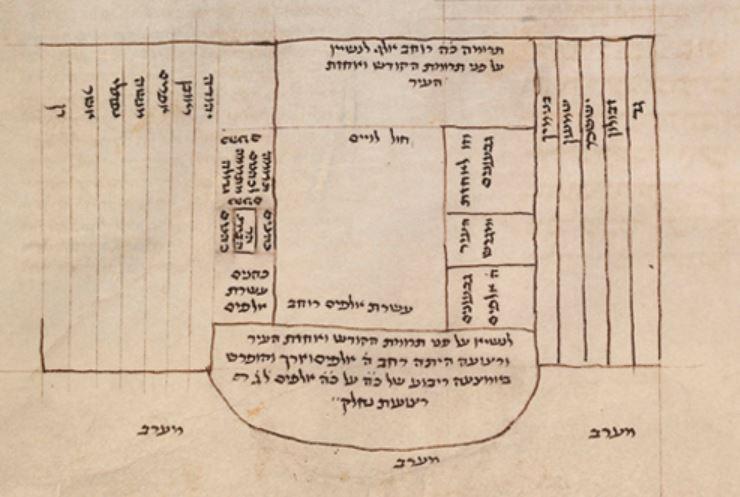
ומלאת את ידם AND CONSECRATE THEM (more lit., fill their hand) — wherever the term “filling the hand” is used it denotes the installation ceremony performed when one enters for the first time into an office, as a sign that he is entitled to it from that day and henceforth. And in the old French language — when a person is appointed to the charge of a matter, the Prince puts into his hand a leathern glove which they call “gant” in old French and by that means he gives him a right to the matter, and they term that transmission of the glove and the office, revestir in old French This is the connection between the literal and the metaphorical meaning of “filling the hand”.
MISHNA: From when, one recite Shema in the evening? From the time when the priests enter to partake of their teruma. Until the end of the first watch. That is the statement of Rabbi Eliezer.
עד סוף האשמורה הראשונה – שליש הלילה כדמפרש בגמרא (דף ג.) ומשם ואילך עבר זמן דלא מקרי תו זמן שכיבה ולא קרינן ביה בשכבך ומקמי הכי נמי לאו זמן שכיבה לפיכך הקורא קודם לכן לא יצא ידי חובתו...
UNTIL THE END OF THE FIRST WATCH- A third of the night, as will be explained in the Gemara (p. 3a), and from then on the time has passed for it is not the time of lying down, and is not referred to in the words "Bishachbicha". Also, before this period is not considered the time for lying down. Therefore, if one read the Shema before, he does not fulfill his obligation...
MISHNA: From when, that is, from what time, does one recite Shema in the evening? From the time when the priests enter to partake of their teruma. Until when does the time for the recitation of the evening Shema extend? Until the end of the first watch. The term used in the Torah (Deuteronomy 6:7) to indicate the time for the recitation of the evening Shema is beshokhbekha, when you lie down, which refers to the time in which individuals go to sleep. Therefore, the time for the recitation of Shema is the first portion of the night, when individuals typically prepare for sleep. That is the statement of Rabbi Eliezer.