


(מה) וְהַצָּר֜וּעַ אֲשֶׁר־בּ֣וֹ הַנֶּ֗גַע בְּגָדָ֞יו יִהְי֤וּ פְרֻמִים֙ וְרֹאשׁוֹ֙ יִהְיֶ֣ה פָר֔וּעַ וְעַל־שָׂפָ֖ם יַעְטֶ֑ה וְטָמֵ֥א ׀ טָמֵ֖א יִקְרָֽא׃ (מו) כׇּל־יְמֵ֞י אֲשֶׁ֨ר הַנֶּ֥גַע בּ֛וֹ יִטְמָ֖א טָמֵ֣א ה֑וּא בָּדָ֣ד יֵשֵׁ֔ב מִח֥וּץ לַֽמַּחֲנֶ֖ה מוֹשָׁבֽוֹ׃ {ס}
(45) As for the person with a leprous affection: the clothes shall be rent, the head shall be overgrown, and the upper lip shall be covered over; and that person shall call out, “Impure! Impure!” (46) The person shall be impure as long as the disease is present. Being impure, that person shall dwell apart—in a dwelling outside the camp.
(ל) וְדָוִ֡ד עֹלֶה֩ בְמַעֲלֵ֨ה הַזֵּיתִ֜ים עֹלֶ֣ה ׀ וּבוֹכֶ֗ה וְרֹ֥אשׁ לוֹ֙ חָפ֔וּי וְה֖וּא הֹלֵ֣ךְ יָחֵ֑ף וְכׇל־הָעָ֣ם אֲשֶׁר־אִתּ֗וֹ חָפוּ֙ אִ֣ישׁ רֹאשׁ֔וֹ וְעָל֥וּ עָלֹ֖ה וּבָכֹֽה׃
(ה) וְהַמֶּ֙לֶךְ֙ לָאַ֣ט אֶת־פָּנָ֔יו וַיִּזְעַ֥ק הַמֶּ֖לֶךְ ק֣וֹל גָּד֑וֹל בְּנִי֙ אַבְשָׁל֔וֹם אַבְשָׁל֖וֹם בְּנִ֥י בְנִֽי׃ {ס}
(טז) בֶּן־אָדָ֕ם הִנְנִ֨י לֹקֵ֧חַ מִמְּךָ֛ אֶת־מַחְמַ֥ד עֵינֶ֖יךָ בְּמַגֵּפָ֑ה וְלֹ֤א תִסְפֹּד֙ וְלֹ֣א תִבְכֶּ֔ה וְל֥וֹא תָב֖וֹא דִּמְעָתֶֽךָ׃ (יז) הֵאָנֵ֣ק ׀ דֹּ֗ם מֵתִים֙ אֵ֣בֶל לֹא־תַֽעֲשֶׂ֔ה פְּאֵֽרְךָ֙ חֲב֣וֹשׁ עָלֶ֔יךָ וּנְעָלֶ֖יךָ תָּשִׂ֣ים בְּרַגְלֶ֑יךָ וְלֹ֤א תַעְטֶה֙ עַל־שָׂפָ֔ם וְלֶ֥חֶם אֲנָשִׁ֖ים לֹ֥א תֹאכֵֽל׃
A mourner is obligated to wrap his head, as Hashem says to Ezekiel: “And cover not your upper lip” (Ezek. 24:17), by inference that everyone else is obligated to do so.
פְּרִיעַת הָרֹאשׁ, חֲזָרַת קֶרַע לַאֲחוֹרָיו, זְקִיפַת הַמִּטָּה — חוֹבָה. נְעִילַת הַסַּנְדָּל, תַּשְׁמִישׁ הַמִּטָּה, רְחִיצַת יָדַיִם וְרַגְלַיִם בְּחַמִּין עַרְבִית — רְשׁוּת. וְרַב אָמַר: אַף פְּרִיעַת הָרֹאשׁ רְשׁוּת. ... שְׁמוּאֵל לְטַעְמֵיהּ, דְּאָמַר שְׁמוּאֵל: כׇּל קֶרַע שֶׁאֵינוֹ בִּשְׁעַת חִימּוּם — אֵינוֹ קֶרַע. וְכׇל עֲטִיפָה שֶׁאֵינָהּ כַּעֲטִיפַת יִשְׁמְעֵאלִים — אֵינָהּ עֲטִיפָה. מַחְוֵי רַב נַחְמָן עַד גּוּבֵּי דְּדִיקְנָא.
Uncovering the head, i.e., removing the head covering usually worn by a mourner; reversing the tear to the back and standing the bed upright, are all obligatory for the mourner to uphold in honor of Shabbat. However, wearing shoes, engaging in sexual relations, and washing one’s hands and feet in hot water in the evening are optional activities on Shabbat. And Rav said: Uncovering the head is also an optional activity. ...The Gemara answers: Shmuel conforms to his standard line of reasoning, for Shmuel said: Any rending of garments that is not done at the time of the most intense grief, i.e., the time of death, is not considered proper rending of garments. And any wrapping of the head that is not done in the manner of the wrapping of the Ishmaelites, is not wrapping. Rav Naḥman demonstrated the elaborate procedure by covering up his face to the sides of the beard, leaving only the center of his face exposed.
(יב) וַיָּ֥שׇׁב מׇרְדֳּכַ֖י אֶל־שַׁ֣עַר הַמֶּ֑לֶךְ וְהָמָן֙ נִדְחַ֣ף אֶל־בֵּית֔וֹ אָבֵ֖ל וַחֲפ֥וּי רֹֽאשׁ׃
And this is as it is written: “And Mordecai returned to the king’s gate” (Esther 6:12). Rav Sheshet said: This means that he returned to his sackcloth and his fasting over the troubles of the Jewish people. Simultaneously, “but Haman hastened to his house, mourning, and having his head covered” (Esther 6:12). “Mourning”; over the death of his daughter. “And having his head covered”; due to what had happened to him, as his head was full of filth.
״וַיַּעֲבוֹר ה׳ עַל פָּנָיו וַיִּקְרָא״. אָמַר רַבִּי יוֹחָנָן: אִלְמָלֵא מִקְרָא כָּתוּב, אִי אֶפְשָׁר לְאוֹמְרוֹ. מְלַמֵּד שֶׁנִּתְעַטֵּף הַקָּדוֹשׁ בָּרוּךְ הוּא כִּשְׁלִיחַ צִבּוּר, וְהֶרְאָה לוֹ לְמֹשֶׁה סֵדֶר תְּפִלָּה. אָמַר לוֹ: כׇּל זְמַן שֶׁיִּשְׂרָאֵל חוֹטְאִין — יַעֲשׂוּ לְפָנַי כַּסֵּדֶר הַזֶּה וַאֲנִי מוֹחֵל לָהֶם.
“And the Lord passed by before him, and proclaimed” (Ex. 34:6). Rabbi Yoḥanan said: Were it not explicitly written in the verse, it would be impossible to say, this teaches that the Holy One, Blessed be He, wrapped Himself like a prayer leader and showed Moses the order of the prayer. He said to him: Whenever the Jewish people sin, let them act before Me in accordance with this order, and I will forgive them.
תָּנוּ רַבָּנַן: פַּעַם אַחַת עָלוּ כׇּל יִשְׂרָאֵל לָרֶגֶל לִירוּשָׁלַיִם, וְלֹא הָיָה לָהֶם מַיִם לִשְׁתּוֹת. הָלַךְ נַקְדִּימוֹן בֶּן גּוּרְיוֹן אֵצֶל הֶגְמוֹן אֶחָד, אָמַר לוֹ: הַלְוֵינִי שְׁתֵּים עֶשְׂרֵה מַעֲיָינוֹת מַיִם לְעוֹלֵי רְגָלִים, וַאֲנִי אֶתֵּן לָךְ שְׁתֵּים עֶשְׂרֵה עֵינוֹת מַיִם. וְאִם אֵינִי נוֹתֵן לְךָ — הֲרֵינִי נוֹתֵן לָךְ שְׁתֵּים עֶשְׂרֵה כִּכַּר כֶּסֶף, וְקָבַע לוֹ זְמַן. כֵּיוָן שֶׁהִגִּיעַ הַזְּמַן וְלֹא יֵרְדוּ גְּשָׁמִים, בַּשַּׁחֲרִית שָׁלַח לוֹ: שַׁגֵּר לִי אוֹ מַיִם אוֹ מָעוֹת שֶׁיֵּשׁ לִי בְּיָדְךָ. שָׁלַח לוֹ: עֲדַיִין יֵשׁ לִי זְמַן, כׇּל הַיּוֹם כּוּלּוֹ שֶׁלִּי הוּא. בַּצָּהֳרַיִים שָׁלַח לוֹ: שַׁגֵּר לִי אוֹ מַיִם אוֹ מָעוֹת שֶׁיֵּשׁ לִי בְּיָדְךָ. שָׁלַח לוֹ: עֲדַיִין יֵשׁ לִי שְׁהוּת בַּיּוֹם. בַּמִּנְחָה שָׁלַח לוֹ: שַׁגֵּר לִי מַיִם אוֹ מָעוֹת שֶׁיֵּשׁ לִי בְּיָדְךָ. שָׁלַח לוֹ: עֲדַיִין יֵשׁ לִי שְׁהוּת בַּיּוֹם. לִגְלֵג עָלָיו אוֹתוֹ הֶגְמוֹן, אָמַר: כׇּל הַשָּׁנָה כּוּלָּהּ לֹא יָרְדוּ גְּשָׁמִים, וְעַכְשָׁיו יֵרְדוּ גְּשָׁמִים?! נִכְנַס לְבֵית הַמֶּרְחָץ בְּשִׂמְחָה. עַד שֶׁהָאָדוֹן נִכְנַס בְּשִׂמְחָתוֹ לְבֵית הַמֶּרְחָץ, נַקְדִּימוֹן נִכְנַס לְבֵית הַמִּקְדָּשׁ כְּשֶׁהוּא עָצוּב. נִתְעַטֵּף, וְעָמַד בִּתְפִלָּה. אָמַר לְפָנָיו: רִבּוֹנוֹ שֶׁל עוֹלָם! גָּלוּי וְיָדוּעַ לְפָנֶיךָ שֶׁלֹּא לִכְבוֹדִי עָשִׂיתִי, וְלֹא לִכְבוֹד בֵּית אַבָּא עָשִׂיתִי, אֶלָּא לִכְבוֹדְךָ עָשִׂיתִי, שֶׁיְּהוּ מַיִם מְצוּיִין לְעוֹלֵי רְגָלִים. מִיָּד נִתְקַשְּׁרוּ שָׁמַיִם בְּעָבִים, וְיָרְדוּ גְּשָׁמִים עַד שֶׁנִּתְמַלְּאוּ שְׁתֵּים עֶשְׂרֵה מַעֲיָנוֹת מַיִם וְהוֹתִירוּ.
§ The Sages taught: Once all the Jewish people ascended for the pilgrimage Festival to Jerusalem and there was not enough water for them to drink. Nakdimon ben Guryon, went to a certain gentile officer [hegemon] and said to him: Lend me twelve wells of water for the pilgrims, and I will give back to you twelve wells of water. And if I do not give them to you, I will give you twelve talents of silver. And the officer set him a time limit for returning the water. When the set time arrived and no rain had fallen, in the morning the official sent a message to Nakdimon: Send me either the water or the coins that you owe me. Nakdimon sent a message to him: I still have time, as the entire day is mine. At noontime the official again sent a message to him: Send me either the water or the coins that you owe me. Nakdimon sent a message to him: I still have time left in the day. In the afternoon he sent a message to him: Send me either the water or the coins that you owe me. Nakdimon sent a message to him: I still have time left in the day. That officer ridiculed him, saying: Throughout the entire year rain has not fallen, and now it will rain? He entered the bathhouse in a state of joy, anticipating the large sum of money he was about to receive. As the master entered the bathhouse in his joy, Nakdimon entered the Temple in a state of sadness. He wrapped himself in his prayer shawl and stood in prayer. He said before God: Master of the Universe, it is revealed and known before You that I did not act for my own honor, nor did I act for the honor of my father’s house. Rather, I acted for Your honor, so that there should be water for the Festival pilgrims. Immediately the sky became overcast and rain fell until the twelve cisterns were filled with water, and there was even more water, so that they overflowed.
רַבִּי חֲנִינָא מִיעֲטֵף וְקָאֵי אַפַּנְיָא דְמַעֲלֵי שַׁבְּתָא, אָמַר: ״בּוֹאוּ וְנֵצֵא לִקְרַאת שַׁבָּת הַמַּלְכָּה״. רַבִּי יַנַּאי לָבֵישׁ מָאנֵי מְעַלּוּ (שַׁבָּת) [וּמִיכַּסֵּי], וְאָמַר: ״בּוֹאִי כַלָּה, בּוֹאִי כַלָּה״.
Rabbi Ḥanina would wrap himself in his garment and stand at nightfall on Shabbat eve, and say: Come and we will go out to greet Shabbat the queen. Rabbi Yannai put on his garment on Shabbat eve and said: Enter, O bride. Enter, O bride.
מַאי מִצְוָה? דְּאָמַר רַב יְהוּדָה אָמַר רַב: כָּךְ הָיָה מִנְהָגוֹ שֶׁל רַבִּי יְהוּדָה בַּר אִלְעַאי, עֶרֶב שַׁבָּת מְבִיאִים לוֹ עֲרֵיבָה מְלֵאָה חַמִּין וְרוֹחֵץ פָּנָיו יָדָיו וְרַגְלָיו וּמִתְעַטֵּף, וְיוֹשֵׁב בִּסְדִינִין הַמְצוּיָּיצִין, וְדוֹמֶה לְמַלְאַךְ ה׳ צְבָאוֹת. וְהָיוּ תַּלְמִידָיו מְחַבִּין מִמֶּנּוּ כַּנְפֵי כְסוּתָן. אָמַר לָהֶן: בָּנַי, לֹא כָּךְ שָׁנִיתִי לָכֶם: סָדִין בְּצִיצִית, בֵּית שַׁמַּאי פּוֹטְרִין וּבֵית הִלֵּל מְחַיְּיבִין — וַהֲלָכָה כְּדִבְרֵי בֵּית הִלֵּל. וְאִינְהוּ סָבְרִי, גְּזֵירָה מִשּׁוּם כְּסוּת לַיְלָה.
This was the custom of Rabbi Yehuda bar Elai: On Shabbat eve, they would bring him a bowl full of hot water to wash his face, hands, and feet, and he would wrap himself, and sit in linen cloaks with ritual fringes, like an angel of the Lord of hosts. And his students, would conceal the corners of their linen garments from him. He said to them: My sons, did I not teach you to attach ritual fringes to a linen cloak: Beit Shammai exempt linen sheet because the wool of the ritual fringes would mixt with the linen? And Beit Hillel obligate linen because positive mitzva overrides the prohibition. The halakha is in accordance with Beit Hillel, that linen require ritual fringes. And the students held: the Sages issued a decree that one may not do so due to garments worn at night when there is no mitzva of fringes to override.
(ה) ... דֶּרֶךְ כָּל הַחֲכָמִים וְתַלְמִידֵיהֶם שֶׁלֹּא יִתְפַּלְּלוּ אֶלָּא כְּשֶׁהֵן עֲטוּפִים:
(5) ... The practice of all the sages and their disciples is not to pray unless their heads are wrapped in the Talith (praying shawl).
אָמַר רַבִּי יְהוּדָה: מַעֲשֶׂה בְּהוּרְקָנוֹס בְּנוֹ שֶׁל רַבִּי אֱלִיעֶזֶר בֶּן הוּרְקָנוֹס שֶׁיָּצָא בְּסוּדָר שֶׁעַל כְּתֵיפוֹ בַּשַּׁבָּת, אֶלָּא שֶׁנִּימָא כְּרוּכָה לוֹ בְּאֶצְבָּעוֹ, וּכְשֶׁבָּא הַדָּבָר לִפְנֵי חֲכָמִים, אָמְרוּ: אֲפִילּוּ אֵין נִימָא כְּרוּכָה לוֹ בְּאֶצְבָּעוֹ. דָּרֵשׁ רַב נַחְמָן בַּר רַב חִסְדָּא מִשְּׁמֵיהּ דְּרַב חִסְדָּא: הֲלָכָה אַף עַל פִּי שֶׁאֵין נִימָא כְּרוּכָה לוֹ בְּאֶצְבְּעוֹתָיו.
Rabbi Yehuda said: There was an incident involving Hyrcanus, son of Rabbi Eliezer ben Hyrcanus, who went outside with a scarf on his shoulder on Shabbat. However, a thread from the garment was tied around his finger so that the garment would not fall. When this matter came before the Sages, they said: It is permitted to go out in that manner even if a thread is not tied around one’s finger. And likewise, Rav Naḥman bar Rav Ḥisda taught in the name of Rav Ḥisda: The halakha is that one may go outside with a garment around one’s shoulders even if a thread from the garment is not tied around one’s finger.
אָמַר רַב הוּנָא: הָיְתָה טַלִּיתוֹ חֲגוּרָה לוֹ עַל מׇתְנָיו — מוּתָּר לִקְרוֹת קְרִיאַת שְׁמַע. תַּנְיָא נָמֵי הָכִי: הָיְתָה טַלִּיתוֹ שֶׁל בֶּגֶד וְשֶׁל עוֹר וְשֶׁל שַׂק חֲגוּרָה עַל מׇתְנָיו — מוּתָּר לִקְרוֹת קְרִיאַת שְׁמַע.
הִגִּיעַ חַמָּה לַחֲצִי הַסּוּכָּה, אָמַר לוֹ: מַהוּ שֶׁאֶפְרוֹשׂ עָלֶיהָ סָדִין? אָמַר לוֹ: אֵין לְךָ כׇּל שֵׁבֶט וְשֵׁבֶט מִיִּשְׂרָאֵל שֶׁלֹּא יָצְאוּ מִמֶּנּוּ נְבִיאִים. שֵׁבֶט יְהוּדָה וּבִנְיָמִין הֶעֱמִידוּ מְלָכִים עַל פִּי נְבִיאִים. הִגִּיעַ חַמָּה לְמַרְגְּלוֹתָיו שֶׁל רַבִּי אֱלִיעֶזֶר, נָטַל יוֹחָנָן סָדִין וּפֵירַשׂ עָלֶיהָ, הִפְשִׁיל רַבִּי אֱלִיעֶזֶר טַלִּיתוֹ לַאֲחוֹרָיו וְיָצָא. לֹא מִפְּנֵי שֶׁהִפְלִיגוֹ בִּדְבָרִים, אֶלָּא מִפְּנֵי שֶׁלֹּא אָמַר דָּבָר שֶׁלֹּא שָׁמַע מִפִּי רַבּוֹ לְעוֹלָם.
the sun reached directly over the midpoint of the sukka roof. Once again, Rabbi Yoḥanan said to him: What is the halakha; may I spread a sheet over it? Rabbi Eliezer evaded and said to him: There is no tribe of Israel from which prophets did not emerge. And the tribes of Judah and Benjamin were unique because they established kings according to prophets, as Saul and David were anointed by the prophet Samuel. At that point, the light of the sun reached the feet of Rabbi Eliezer. Yoḥanan took a sheet and spread it over the sukka. Rabbi Eliezer slung his cloak over his shoulder behind him and emerged not because he was seeking to avoid answering by diverting his attention with his words, but because Rabbi Eliezer never said a matter that he did not hear from his teacher.
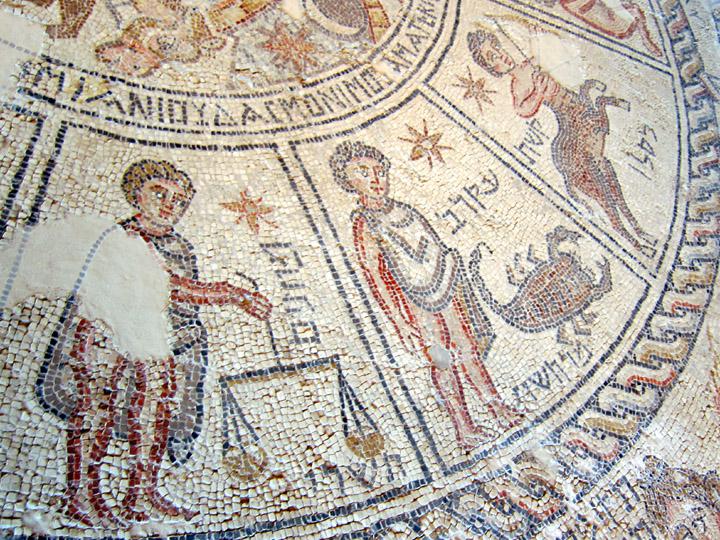
Synagogue Zodiac Mosaic, Tzipor9 (5th C. (CE))
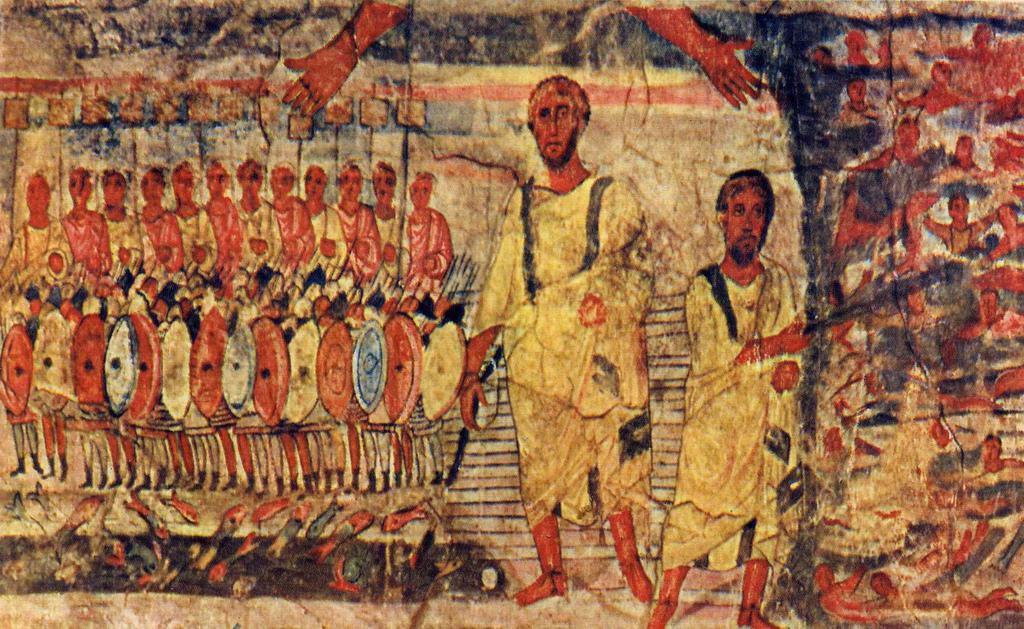
Duro Eurpos Synagogue Red Sea Fresco (3rd C CE, Syria)
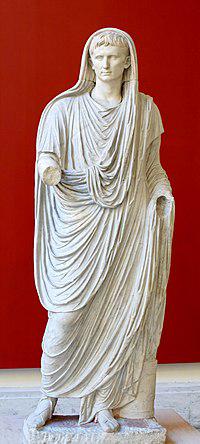
Emporer Augustus dressed as Pontifex Maximus (Pagan High Priest)
Indian Prime Minister Narendra Modi (with gamucha)

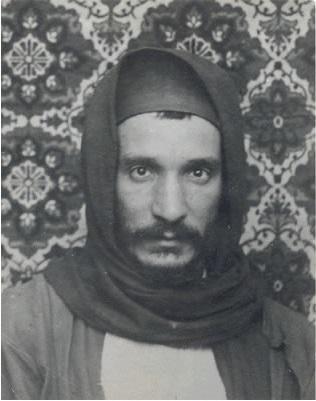
Chacham Yisrael Abuhatzeira (Baba Sali)
(14) So she took off her widow’s garb, covered her face with a veil, and, wrapping herself up, sat down at the entrance to Enaim, which is on the road to Timnah; for she saw that Shelah was grown up, yet she had not been given to him as wife.
(ב) כֵּיצַד שָׁוֶה לַאֲנָשִׁים: מְטַמֵּא בְּלֹבֶן כַּאֲנָשִׁים, וּמִתְעַטֵּף כַּאֲנָשִׁים..:
(2) In what ways is a hermaphrodite like men? He causes impurity with white discharge, like men; He dresses like men...
(טו) ... העושה ציצית [לעצמו] אומר ברוך שהגיענו וכשהוא מתעטף אומר להתעטף [בציצית] ...
(15) ...[If a person] makes [a garment] with Tzitzit (fringes) [on it] for himself he says [the following Beracha after completing it]: Baruch Shehigiyanu. When he wraps himself in it he says: Baruch Asher Kideshanu Lehitatef Batzitzit...
What is added by the statement of a baraita: Everyone is obligated in ritual fringes? to add a minor who knows how to wrap himself in a garment. As it is taught: A minor who knows how to wrap himself is obligated in ritual fringes.
(א) הלכות ציצית ועטיפתו. יתעטף בציצית ויברך מעומד: (ב) סדר עטיפתו כדרך בני אדם שמתכסים בכסותן ועוסקים במלאכתם פעמים בכיסוי הראש פעמים בגלוי הראש ונכון שיכסה ראשו בטלית:
(1) He shall wrap himself in a fringed garment and make the blessing over it while standing up. (2) The order of wrapping is like the way that a person covers his head for work. Sometimes his head is covered and sometimes his head is exposed. And it is correct to cover the head with the fringed garment.
(ד) בטלית – שכיסוי זה מכניע לב האדם ומביאו לידי יראת שמים. ... וכתב הב"ח דצריך שיהא הטלית על ראשו מתחילת התפלה עד סופה. ועל כל פנים יעמוד כך מעוטף לפחות כדי הילוך ארבע אמות. כתוב בכוונות האר"י ז"ל: היה מכסה הטלית על התפילין של ראש. ועיין סוף סימן כ"ז דעל כל פנים לא יכסה לגמרי. בשעת עטיפה מכסה ראשו בהטלית עד שיגיע עד פיו, ומשליך כל הארבע ציציות לצד שמאל כדי הילוך ארבע אמות. ואחר כך יסיר העטיפה, עד שהשל ראש יהיה נראה קצת, וכנ"ל. ויעמיד כל אחת מהציצית על מקומה, וכדאיתא בסעיף ד'. וזהו העטיפה שיוצאין בה לכולי עלמא. ולא כמו שנוהגין איזה אנשים, שמושכין הטלית על עצמן עד שמגיע הראש לחצי אורך הטלית ומתעטפין בו, דזהו איננו נקרא עטיפה, עיין במועד קטן כד א. משמע בגמרא שבחור לא היה מכסה ראשו בטלית, אפילו הוא תלמיד חכם.
(א) הלכות ציצית ומיד אחר נטילת ידיו יתעטף בציצית מעומד וסדר עטיפתו פירשו הגאונים כעטיפת ישמעאלים שהיא עטיפה גמורה ובעל העיטור כתב דלא בעינן כולי האי אלא כדרך בני אדם שמתכסין בכסותן ועסוקין במלאכתן פעמים בכיסוי הראש ופעמים בגילוי הראש ודרך העטיפה רחבה לקומת האיש ומחזיר ב' ציציות לפניו וב' ציציות לאחריו שיהא מסובב במצות ומכסה ראשו שלא יהא בגילוי הראש ויברך להתעטף בציצית ונקראת ציצית על שם החוטין הנפרדין ממנה ...
(1) Immediately after hand washing he should wrap himself in tzitzit while standing. The geonim explained the order of wrapping as being like that of the Ishmaelites, which is complete wrapping. The master of the Ittur wrote that we do not require such an extent, but rather like the way people who wear coverings and engage in their work; sometimes with a covered head and sometimes with an uncovered head. The manner of wrapping: its width is a man’s height. He places two tzitzit before him and two tzitzit behind him, so that he is surrounded with mitzvot, and he covers his head in order that he not be of uncovered head. He should recite the blessing ‘to be wrapped in tzitzit.’ It is called a tzitzit on account of the threads which separate from it, ...
ובעל העיטור כתב דלא בעינן כולי האי אלא כדרך שבני אדם מתכסין בכסותן וכו' נראה שטעמו מדאיתא בפרק אלו מגלחין דרב פליג עליה דשמואל ומשמע דס"ל דעטיפת הראש אע"פ שאינה כעטיפת הישמעאלים הוי עטיפה וקיי"ל דבאיסורין הלכה א כרב לגבי שמואל ורבינו הגדול מהרי"א ז"ל כתב שטעמו דלא בעינן עטיפת ישמעאלים אלא גבי אבילות אבל גבי ציצית שהתורה חייבה אותו בכסות שאדם מתכסה ככה יהיה החיוב נאמר שלשון להתעטף לשון כסוי הוא בזה הענין עכ"ל ואחר זמן רב בא לידי בעל העיטור וכתוב בו כלשון הזה רבותי הגאונים כתבו עטיפתם כעטיפת הישמעאלים עטיפה גמורה ומסתברא לן דעטיפת ישמעאלים לא הוזכרה אלא לגבי אבילות דאמר שמואל כל עטיפה שאינה כעטיפת הישמעאלים אינה עטיפה מחוי רב נחמן עד גובי דיקנא פי' צריך לכסות פיו והתם הוא דכתיב לא תעטה על שפם מכלל דכ"ע מיחייבי ובמצורע כתיב על שפם יעטה ובמנודה קא מיבעיא לן אבל כ"ע לא מיחייבי בעטיפת הראש דא"כ יכסה פיו וכי ר"י בר אילעי שהי' מתעטף בסדינים המצוייצים (שבת כה:) וכן החתנים מי היו מתעטפים כ"כ ואף על גב דמברכין להתעטף ר"ל כיסוי דכתיב אשר תכסה בה שמנהג ב"א שמכסין בכסותן והולכין ועושין עסקיהם פעמים בגילוי הראש פעמים בכיסוי הראש עכ"ל וזה מבואר בדברי רבינו הגדול ז"ל: