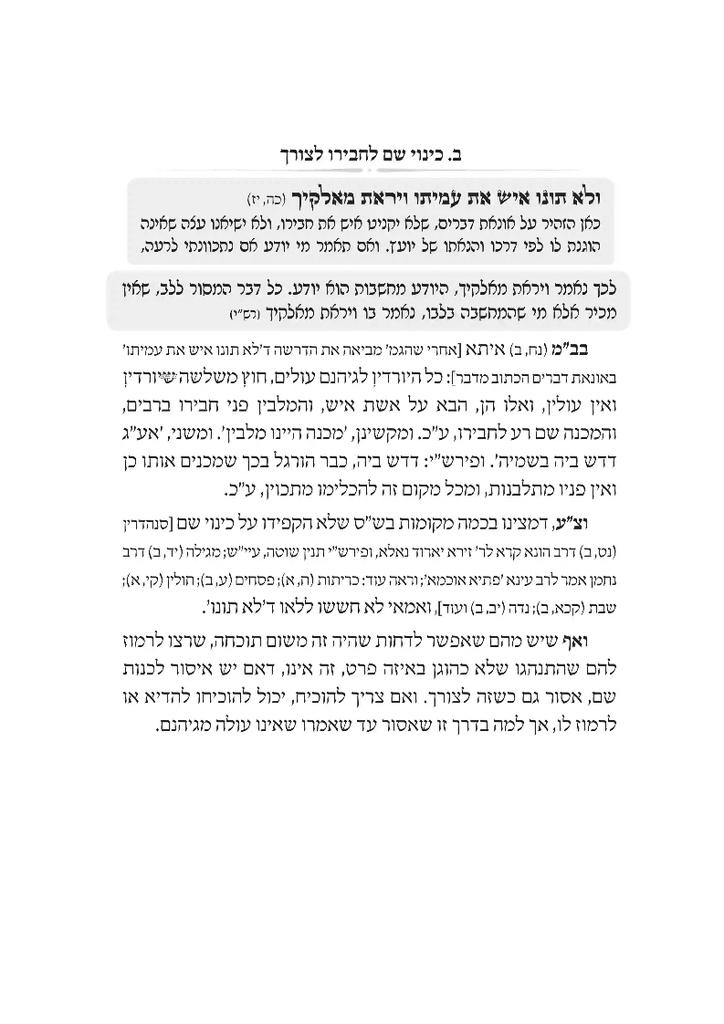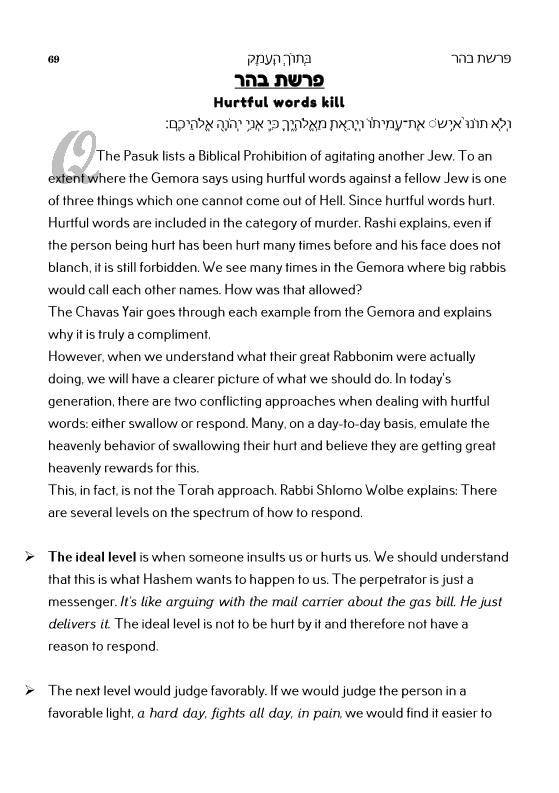
וְלֹ֤א תוֹנוּ֙ אִ֣ישׁ אֶת־עֲמִית֔וֹ וְיָרֵ֖אתָ מֵֽאֱלֹהֶ֑יךָ כִּ֛י אֲנִ֥י יְהֹוָ֖ה אֱלֹהֵיכֶֽם׃
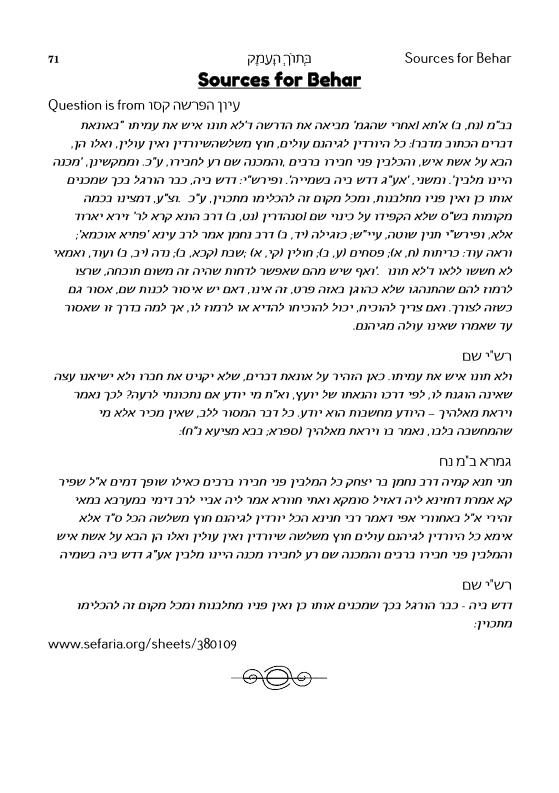
ולא תונו איש את עמיתו. כָּאן הִזְהִיר עַל אוֹנָאַת דְּבָרִים, שֶׁלֹּא יַקְנִיט אֶת חֲבֵרוֹ וְלֹא יַשִּׂיאֶנּוּ עֵצָה שֶׁאֵינָהּ הוֹגֶנֶת לוֹ, לְפִי דַּרְכּוֹ וַהֲנָאָתוֹ שֶׁל יוֹעֵץ, וְאִ"תֹּ מִי יוֹדֵעַ אִם נִתְכַּוַּנְתִּי לְרָעָה? לְכָךְ נֶאֱמַר וְיָרֵאתָ מֵּאֱלֹהֶיךָ — הַיּוֹדֵעַ מַחֲשָׁבוֹת הוּא יוֹדֵעַ. כָּל דָּבָר הַמָּסוּר לַלֵּב, שֶׁאֵין מַכִּיר אֶלָּא מִי שֶׁהַמַּחֲשָׁבָה בְלִבּוֹ, נֶאֱמַר בּוֹ וְיָרֵאתָ מֵּאֱלֹהֶיךָ (ספרא; בבא מציעא נ"ח):
תני תנא קמיה דרב נחמן בר יצחק כל המלבין פני חבירו ברבים כאילו שופך דמים א"ל שפיר קא אמרת דחזינא ליה דאזיל סומקא ואתי חוורא אמר ליה אביי לרב דימי במערבא במאי זהירי א"ל באחוורי אפי דאמר רבי חנינא הכל יורדין לגיהנם חוץ משלשה הכל ס"ד אלא אימא כל היורדין לגיהנם עולים חוץ משלשה שיורדין ואין עולין ואלו הן הבא על אשת איש והמלבין פני חבירו ברבים והמכנה שם רע לחבירו מכנה היינו מלבין אע"ג דדש ביה בשמיה
The Gemara relates that the tanna who recited mishnayot and baraitot in the study hall taught a baraita before Rav Naḥman bar Yitzḥak: Anyone who humiliates another in public, it is as though he were spilling blood. Rav Naḥman bar Yitzḥak said to him: You have spoken well, as we see that after the humiliated person blushes, the red leaves his face and pallor comes in its place, which is tantamount to spilling his blood. Abaye said to Rav Dimi: In the West, i.e., Eretz Yisrael, with regard to what mitzva are they particularly vigilant? Rav Dimi said to him: They are vigilant in refraining from humiliating others, as Rabbi Ḥanina says: Everyone descends to Gehenna except for three.
The Gemara asks: Does it enter your mind that everyone descends to Gehenna? Rather, say: Anyone who descends to Gehenna ultimately ascends, except for three who descend and do not ascend, and these are they: One who engages in intercourse with a married woman, as this transgression is a serious offense against both God and a person; and one who humiliates another in public; and one who calls another a derogatory name. The Gemara asks with regard to one who calls another a derogatory name: That is identical to one who shames him; why are they listed separately? The Gemara answers: Although the victim grew accustomed to being called that name in place of his name, and he is no longer humiliated by being called that name, since the intent was to insult him, the perpetrator’s punishment is severe.
דדש ביה - כבר הורגל בכך שמכנים אותו כן ואין פניו מתלבנות ומכל מקום זה להכלימו מתכוין:
https://www.sefaria.org/Havot_Yair.152?lang=bi
Look at this source how he answers the question
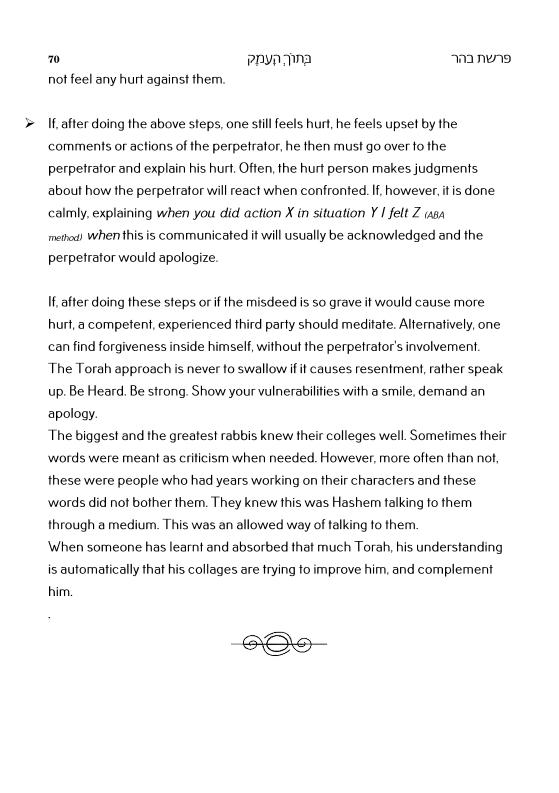
תָּנוּ רַבָּנַן הַנֶּעֱלָבִין וְאֵינָן עוֹלְבִים שׁוֹמְעִין חֶרְפָּתָן וְאֵין מְשִׁיבִין עוֹשִׂין מֵאַהֲבָה וּשְׂמֵחִין בְּיִסּוּרִין עֲלֵיהֶן הַכָּתוּב אוֹמֵר וְאוֹהֲבָיו כְּצֵאת הַשֶּׁמֶשׁ בִּגְבוּרָתוֹ
- What is the best approach?
- How do we react when we get upset?
- Are we doing a sin, by reacting this way?
The עלי שור writes on this subject