


HUGH M. CAPERTON, et al., PETITIONERS v.
A. T. MASSEY COAL COMPANY, INC., et al. (2009)
A Talmudic maxim instructs with respect to the Scripture: “Turn it over, and turn it over, for all is therein.” The Babylonian Talmud, Tractate Aboth, Ch. V, Mishnah 22 (I. Epstein ed. 1935). Divinely inspired text may contain the answers to all earthly questions, but the Due Process Clause most assuredly does not. The Court today continues its quixotic quest to right all wrongs and repair all imperfections through the Constitution. Alas, the quest cannot succeed—which is why some wrongs and imperfections have been called nonjusticiable.
https://www.law.cornell.edu/supct/html/08-22.ZD1.html
(כב) בֶּן בַּג בַּג אוֹמֵר, הֲפֹךְ בָּהּ וַהֲפֹךְ בָּהּ, דְּכֹלָּא בָהּ.
(22) Ben Bag Bag said: Turn it over, and [again] turn it over, for all is therein.
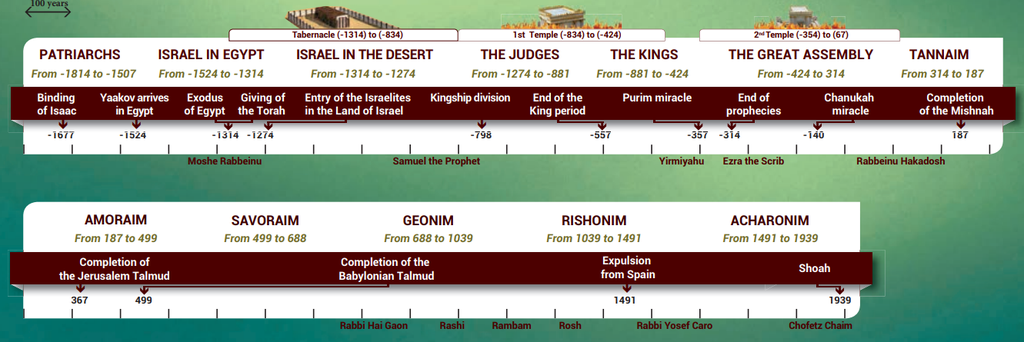
משֶׁה קִבֵּל תּוֹרָה מִסִּינַי, וּמְסָרָהּ לִיהוֹשֻׁעַ, וִיהוֹשֻׁעַ לִזְקֵנִים, וּזְקֵנִים לִנְבִיאִים, וּנְבִיאִים מְסָרוּהָ לְאַנְשֵׁי כְנֶסֶת הַגְּדוֹלָה. הֵם אָמְרוּ שְׁלשָׁה דְבָרִים, הֱווּ מְתוּנִים בַּדִּין, וְהַעֲמִידוּ תַלְמִידִים הַרְבֵּה, וַעֲשׂוּ סְיָג לַתּוֹרָה:
(א) רַבִּי יִשְׁמָעֵאל אומֵר. בִּשְׁלשׁ עֶשרֵה מִדּות הַתּורָה נִדְרֶשֶׁת בָּהֵן:
(ב) א מִקַּל וָחמֶר
(ג) ב וּמִגְּזֵרָה שָׁוָה.
(ד) ג מִבִּנְיַן אָב מִכָּתוּב אֶחָד. וּמִבִּנְיַן אָב מִשְּׁנֵי כְתוּבִים.
(ה) ד מִכְּלָל וּפְרָט.
(ו) ה וּמִפְּרָט וּכְלָל.
(ז) ו כְּלָל וּפְרָט וּכְלָל. אִי אַתָּה דָן אֶלָּא כְּעֵין הַפְּרָט.
(ח) ז מִכְּלָל שֶׁהוּא צָרִיךְ לִפְרָט. וּמִפְּרָט שֶׁהוּא צָרִיךְ לִכְלָל.
(ט) ח כָּל דָּבָר שֶׁהָיָה בִּכְלָל וְיָצָא מִן הַכְּלָל לְלַמֵּד. לא לְלַמֵּד עַל עַצְמו יָצָא. אֶלָּא לְלַמֵּד עַל הַכְּלָל כֻּלּו יָצָא.
(י) ט כָּל דָּבָר שֶׁהָיָה בִּכְלָל וְיָצָא לִטְעון טועַן אֶחָד שֶׁהוּא כְעִנְיָנו. יָצָא לְהָקֵל וְלא לְהַחֲמִיר.
(יא) י כָּל דָּבָר שֶׁהָיָה בִּכְלָל וְיָצָא לִטְעון טועַן אַחֵר שֶׁלּא כְעִנְיָנו. יָצָא לְהָקֵל וּלְהַחֲמִיר.
(יב) יא כָּל דָּבָר שֶׁהָיָה בִּכְלָל וְיָצָא לִדּון בַּדָּבָר הֶחָדָשׁ. אִי אַתָּה יָכול לְהַחֲזִירו לִכְלָלו עַד שֶׁיַּחֲזִירֶנּוּ הַכָּתוּב לִכְלָלו בְּפֵרוּשׁ.
(יג) יב דָּבָר הַלָּמֵד מֵעִנְיָנו. וְדָבָר הַלָּמֵד מִסּופו.
(יד) יג וְכֵן נ"א וְכַאן שְׁנֵי כְתוּבִים הַמַּכְחִישִׁים זֶה אֶת זֶה. עַד שֶׁיָּבוא הַכָּתוּב הַשְּׁלִישִׁי וְיַכְרִיעַ בֵּינֵיהֶם:
1) Rabbi Yishmael says: The Torah is expounded through thirteen methods:
- Kal va-ḥomer: a minore ad maius - an argument that denotes an inference from smaller to bigger and vice versa
- Gezerah shavah: an anology or inference from one verse to another
- Binyan av: Rules deduced from a single passage of Scripture and rules deduced from two passages.
- Kelal u-Peraṭ: The general and the particular.
- u-Peraṭ u-kelal: The particular and the general.
- Kelal u-Peraṭ u-kelal: The general, the particular, and the general.
- The general which requires elucidation by the particular, and the particular which requires elucidation by the general.
- The particular implied in the general and excepted from it for pedagogic purposes elucidates the general as well as the particular.
- The particular implied in the general and excepted from it on account of the special regulation which corresponds in concept to the general, is thus isolated to decrease rather than to increase the rigidity of its application.
- The particular implied in the general and excepted from it on account of some other special regulation which does not correspond in concept to the general, is thus isolated either to decrease or to increase the rigidity of its application.
- The particular implied in the general and excepted from it on account of a new and reversed decision can be referred to the general only in case the passage under consideration makes an explicit reference to it.
- Deduction from the context.
- When two Biblical passages contradict each other the contradiction in question must be solved by reference to a third passage.
(ד) וַיֹּ֣אמֶר מֹשֶׁ֔ה אֶל־כׇּל־עֲדַ֥ת בְּנֵֽי־יִשְׂרָאֵ֖ל לֵאמֹ֑ר זֶ֣ה הַדָּבָ֔ר אֲשֶׁר־צִוָּ֥ה ה' לֵאמֹֽר׃ (ה) קְח֨וּ מֵֽאִתְּכֶ֤ם תְּרוּמָה֙ לַֽה' כֹּ֚ל נְדִ֣יב לִבּ֔וֹ יְבִיאֶ֕הָ אֵ֖ת תְּרוּמַ֣ת ה' זָהָ֥ב וָכֶ֖סֶף וּנְחֹֽשֶׁת׃
These are the things that the LORD has commanded you to do: (2) On six days work may be done, but on the seventh day you shall have a sabbath of complete rest, holy to the LORD; whoever does any work on it shall be put to death. (3) You shall kindle no fire throughout your settlements on the sabbath day. (4) Moses said further to the whole community of Israelites:
This is what the LORD has commanded: (5) Take from among you gifts to the LORD; everyone whose heart so moves him shall bring them—gifts for the LORD: gold, silver, and copper;
(א) וַיְדַבֵּ֥ר ה' אֶל־מֹשֶׁ֥ה לֵּאמֹֽר׃ (ב) רְאֵ֖ה קָרָ֣אתִֽי בְשֵׁ֑ם בְּצַלְאֵ֛ל בֶּן־אוּרִ֥י בֶן־ח֖וּר לְמַטֵּ֥ה יְהוּדָֽה׃ (ג) וָאֲמַלֵּ֥א אֹת֖וֹ ר֣וּחַ אֱלֹקִ֑ים בְּחׇכְמָ֛ה וּבִתְבוּנָ֥ה וּבְדַ֖עַת וּבְכׇל־מְלָאכָֽה׃ (ד) לַחְשֹׁ֖ב מַחֲשָׁבֹ֑ת לַעֲשׂ֛וֹת בַּזָּהָ֥ב וּבַכֶּ֖סֶף וּבַנְּחֹֽשֶׁת׃ (ה) וּבַחֲרֹ֥שֶׁת אֶ֛בֶן לְמַלֹּ֖את וּבַחֲרֹ֣שֶׁת עֵ֑ץ לַעֲשׂ֖וֹת בְּכׇל־מְלָאכָֽה׃ (ו) וַאֲנִ֞י הִנֵּ֧ה נָתַ֣תִּי אִתּ֗וֹ אֵ֣ת אׇהֳלִיאָ֞ב בֶּן־אֲחִֽיסָמָךְ֙ לְמַטֵּה־דָ֔ן וּבְלֵ֥ב כׇּל־חֲכַם־לֵ֖ב נָתַ֣תִּי חׇכְמָ֑ה וְעָשׂ֕וּ אֵ֖ת כׇּל־אֲשֶׁ֥ר צִוִּיתִֽךָ׃ ...
(יב) וַיֹּ֥אמֶר ה' אֶל־מֹשֶׁ֥ה לֵּאמֹֽר׃ (יג) וְאַתָּ֞ה דַּבֵּ֨ר אֶל־בְּנֵ֤י יִשְׂרָאֵל֙ לֵאמֹ֔ר אַ֥ךְ אֶת־שַׁבְּתֹתַ֖י תִּשְׁמֹ֑רוּ כִּי֩ א֨וֹת הִ֜וא בֵּינִ֤י וּבֵֽינֵיכֶם֙ לְדֹרֹ֣תֵיכֶ֔ם לָדַ֕עַת כִּ֛י אֲנִ֥י ה' מְקַדִּשְׁכֶֽם׃ (יד) וּשְׁמַרְתֶּם֙ אֶת־הַשַּׁבָּ֔ת כִּ֛י קֹ֥דֶשׁ הִ֖וא לָכֶ֑ם מְחַֽלְלֶ֙יהָ֙ מ֣וֹת יוּמָ֔ת כִּ֗י כׇּל־הָעֹשֶׂ֥ה בָהּ֙ מְלָאכָ֔ה וְנִכְרְתָ֛ה הַנֶּ֥פֶשׁ הַהִ֖וא מִקֶּ֥רֶב עַמֶּֽיהָ׃ (טו) שֵׁ֣שֶׁת יָמִים֮ יֵעָשֶׂ֣ה מְלָאכָה֒ וּבַיּ֣וֹם הַשְּׁבִיעִ֗י שַׁבַּ֧ת שַׁבָּת֛וֹן קֹ֖דֶשׁ לַה' כׇּל־הָעֹשֶׂ֧ה מְלָאכָ֛ה בְּי֥וֹם הַשַּׁבָּ֖ת מ֥וֹת יוּמָֽת׃
(1) The LORD spoke to Moses: (2) See, I have singled out by name Bezalel son of Uri son of Hur, of the tribe of Judah. (3) I have endowed him with a divine spirit of skill, ability, and knowledge in every kind of craft; (4) to make designs for work in gold, silver, and copper, (5) to cut stones for setting and to carve wood—to work in every kind of craft. (6) Moreover, I have assigned to him Oholiab son of Ahisamach, of the tribe of Dan; and I have also granted skill to all who are skillful, that they may make everything that I have commanded you: ...(12) And the LORD said to Moses: (13) Speak to the Israelite people and say: Nevertheless, you must keep My sabbaths, for this is a sign between Me and you throughout the ages, that you may know that I the LORD have consecrated you. (14) You shall keep the sabbath, for it is holy for you. He who profanes it shall be put to death: whoever does work on it, that person shall be cut off from among his kin. (15) Six days may work be done, but on the seventh day there shall be a sabbath of complete rest, holy to the LORD; whoever does work on the sabbath day shall be put to death.
(יט) ...לֹֽא־תְבַשֵּׁ֥ל גְּדִ֖י בַּחֲלֵ֥ב אִמּֽוֹ׃ {פ}
(19)You shall not boil a kid in its mother’s milk.
The school of Rabbi Yishmael taught: The Torah states three times: “You shall not cook a kid in its mother’s milk” (Exodus 23:19, 34:26; Deuteronomy 14:21). One verse serves to teach the prohibition against eating meat cooked in milk, and one serves to teach the prohibition against deriving benefit from it, and one serves to teach the prohibition against cooking meat in milk.
בידעך כי הבשר והחלב ביחש תיקון המאכל הם כ"כ רחוקים, כ"כ מתועבים, עד כדי איסור הנאה בישול ואכילה, תכיר בבא מועד כי חיי החי לא נוצרו בעבור קיבתך התאונית, והחלב עקרו נועד להיות למזון למי שעבורו בא הטבע למלא את תפקידו, כמו שחלב שדי אמך היה לך למבטח בימי הנקתך. איסור חיבור הבשר עם החלב יכפול את הרושם המוסרי שראוי להיות רשומו הולך ונחקק ג"כ מעת המעבר. בעוד לא צמח האור הזרוע לעתיד לבא, אף שעוד לא נשלם חינוך האנושיות להיות מובנת הערת הלב, לעת המאושרה שתוכל בנקל ההערה השכלית להופיע שלא לבד אכילת בשר ראויה למניעה, מצד מעלת המוסר הטהור כאשר יתנשא לראש, כך גם אל החלב הנחלב יש ערך חטא וגזל מוסרי, כשיהיה נלקח באופן הדומה ללקיחת הבשר, ע"י צערו והפסדו של החי ע"י מניעת התפתחות טובת ילדיה, שיוכרו אז מטעם שערי צדק הנפתחים בעולם לבעלים הברורים של קניניהם הטבעיים שהם להם מתנת אלקים נכבדה. זה האור יחדור דוקא ע"י איסור אכילת בשר בחלב עם כל הרחבתו וחומריו, המורה על יקרת ערך תעודתו, התעודה האלקית הצפונה בזה שרק באופן ההנהגה המעשית לשם עבודת ה' ושמירת חוקיו, כדי להרחיב על ידם משכיות של דעת האלקים הטהורה היא פועלת לצרף את הבריות דור אחר דור.
RAV KOOK
When you recognize that (the cooking of meat in milk is so foreign to the improvement of your eating habits, and so abominable that it is prohibited to (use them in combination) for enjoyment, for cooking, or for eating, then you will know, when the time comes, that the life of the animal was not created in order to satisfy your lustful appetite, and that the milk was principally intended to be nourishment for the one whom nature conceived to fulfill its role, just as the milk of your mother's breasts was vouchsafed for you when you were nursing. The prohibition of combining the meat with the milk intensifies the moral impact, the effect of which will be progressively legislated from the period of transition as well, during which the light that is sown for the future has not yet flourished.
And still incomplete is humanity's instruction in being prepared for that prompting of the heart which will, in good time, easily enable "the intellectual prompting" to appear. For then not only will it be fitting that the eating of meat wil be prevented, from the lofty standpoint of pure morality, when it arises into consciousness, but also (it will be understood that) there is a measure of sin and robbery, morally speaking, even in the extraction of the milk, when it is taken in a manner similar to the taking of meat: by causing suffering or loss to the animal by means of
preventing the enhancement of its offspring's well-being. It will then be acknowledged, due to the opening of the gates of righteousness in the world to the indisputable owners of their natural possessions, that (their offspring) are for them an esteemed gift from God. This is the light which will shine through precisely because of the prohibition of eating meat with milk, with all its ramifications and in all its strictness, teaching the value of its cherished purpose.
The divine purpose which is hidden in all this, (and which is made manifest) only through practical behavior performed only for the sake of serving God and observing God's laws, in 'order to enlarge upon the thoughts of God's pure mind, serves to refine (all) creatures from one generation to the next.
וזה הוא תנור של עכנאי מאי עכנאי אמר רב יהודה אמר שמואל שהקיפו דברים כעכנא זו וטמאוהו תנא באותו היום השיב רבי אליעזר כל תשובות שבעולם ולא קיבלו הימנו אמר להם אם הלכה כמותי חרוב זה יוכיח נעקר חרוב ממקומו מאה אמה ואמרי לה ארבע מאות אמה אמרו לו אין מביאין ראיה מן החרוב חזר ואמר להם אם הלכה כמותי אמת המים יוכיחו חזרו אמת המים לאחוריהם אמרו לו אין מביאין ראיה מאמת המים חזר ואמר להם אם הלכה כמותי כותלי בית המדרש יוכיחו הטו כותלי בית המדרש ליפול גער בהם רבי יהושע אמר להם אם תלמידי חכמים מנצחים זה את זה בהלכה אתם מה טיבכם לא נפלו מפני כבודו של רבי יהושע ולא זקפו מפני כבודו של ר"א ועדיין מטין ועומדין חזר ואמר להם אם הלכה כמותי מן השמים יוכיחו יצאתה בת קול ואמרה מה לכם אצל ר"א שהלכה כמותו בכ"מ עמד רבי יהושע על רגליו ואמר (דברים ל, יב) לא בשמים היא מאי לא בשמים היא אמר רבי ירמיה שכבר נתנה תורה מהר סיני אין אנו משגיחין בבת קול שכבר כתבת בהר סיני בתורה (שמות כג, ב) אחרי רבים להטות אשכחיה רבי נתן לאליהו א"ל מאי עביד קוב"ה בההיא שעתא א"ל קא חייך ואמר נצחוני בני נצחוני בני
And this is known as the oven of akhnai... The Sages taught: On that day, when they discussed this matter, Rabbi Eliezer answered all possible answers in the world to support his opinion, but the Rabbis did not accept his explanations from him. After failing to convince the Rabbis logically, Rabbi Eliezer said to them: If the halakha is in accordance with my opinion, this carob tree will prove it. The carob tree was uprooted from its place one hundred cubits, and some say four hundred cubits. The Rabbis said to him: One does not cite halakhic proof from the carob tree. Rabbi Eliezer then said to them: If the halakha is in accordance with my opinion, the stream will prove it. The water in the stream turned backward and began flowing in the opposite direction. They said to him: One does not cite halakhic proof from a stream. Rabbi Eliezer then said to them: If the halakha is in accordance with my opinion, the walls of the study hall will prove it. The walls of the study hall leaned inward and began to fall. Rabbi Yehoshua scolded the walls and said to them: If Torah scholars are contending with each other in matters of halakha, what is the nature of your involvement in this dispute? The Gemara relates: The walls did not fall because of the deference due Rabbi Yehoshua, but they did not straighten because of the deference due Rabbi Eliezer, and they still remain leaning. Rabbi Eliezer then said to them: If the halakha is in accordance with my opinion, Heaven will prove it. A Divine Voice emerged from Heaven and said: Why are you differing with Rabbi Eliezer, as the halakha is in accordance with his opinion in every place that he expresses an opinion? Rabbi Yehoshua stood on his feet and said: It is written: “It is not in heaven” (Deuteronomy 30:12). The Gemara asks: What is the relevance of the phrase “It is not in heaven” in this context? Rabbi Yirmeya says: Since the Torah was already given at Mount Sinai, we do not regard a Divine Voice, as You already wrote at Mount Sinai, in the Torah: “After a majority to incline” (Exodus 23:2). Since the majority of Rabbis disagreed with Rabbi Eliezer’s opinion, the halakha is not ruled in accordance with his opinion. The Gemara relates: Years after, Rabbi Natan encountered Elijah the prophet and said to him: What did the Holy One, Blessed be He, do at that time, when Rabbi Yehoshua issued his declaration? Elijah said to him: The Holy One, Blessed be He, smiled and said: My children have triumphed over Me; My children have triumphed over Me.