שֵׁ֣שֶׁת יָמִים֮ תֵּעָשֶׂ֣ה מְלָאכָה֒ וּבַיּ֣וֹם הַשְּׁבִיעִ֗י יִהְיֶ֨ה לָכֶ֥ם קֹ֛דֶשׁ שַׁבַּ֥ת שַׁבָּת֖וֹן לַיהֹוָ֑ה כׇּל־הָעֹשֶׂ֥ה ב֛וֹ מְלָאכָ֖ה יוּמָֽת׃
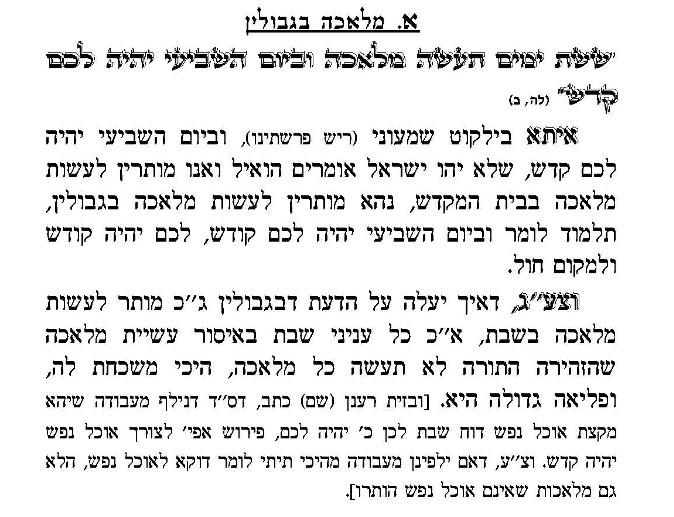
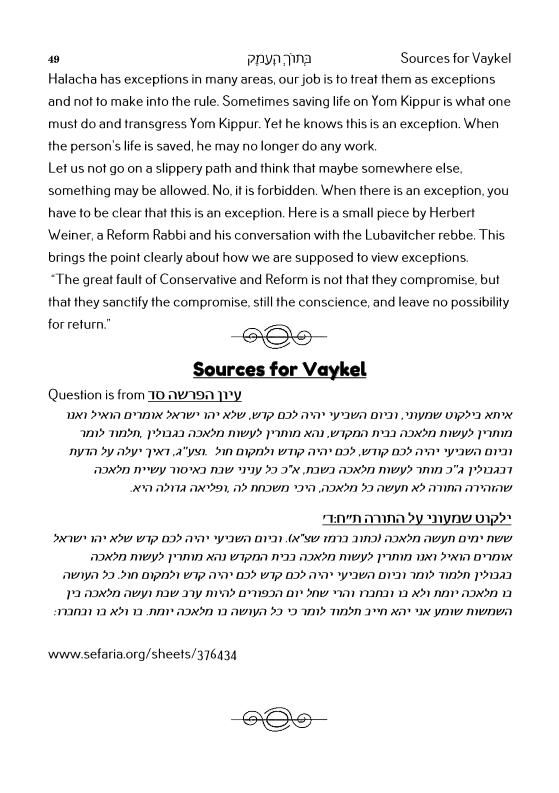
ששת ימים תעשה מלאכה (כתוב ברמז שצ"א). וביום השביעי יהיה לכם קדש שלא יהו ישראל אומרים הואיל ואנו מותרין לעשות מלאכה בבית המקדש נהא מותרין לעשות מלאכה בגבולין תלמוד לומר וביום השביעי יהיה לכם קדש לכם יהיה קדש ולמקום חול. כל העושה בו מלאכה יומת ולא בו ובחברו והרי שחל יום הכפורים להיות ערב שבת ועשה מלאכה בין השמשות שומע אני יהא חייב תלמוד לומר כי כל העושה בו מלאכה יומת. בו ולא בו ובחברו:
The question is why would one think that he can do malacha outside the Beis Hamikdash?
Although many Halachos are black and white, muttar is assur, there are some exceptions to these rules, rarely do we even bend the rules.
as we see above even when something is seemingly allowed for a cause we have to understand why it is allowed and view it as an exception. Part of a military slope is seeing it as an allowance in one case and applying this exception to other examples where it doesn't apply to and eventually it becomes muttar.
The Yalkut is saying that the Torah is very clear that this is an exception and only here can we use it.
as we see above even when something is seemingly allowed for a cause we have to understand why it is allowed and view it as an exception. When we start to see allowances in one case and apply this exception to other examples where it doesn't apply to and eventually it becomes muttar.
The Yalkut is saying that the Torah is very clear that this is an exception and only here can we use it.
https://www.chabad.org/therebbe/article_cdo/aid/2781550/jewish/The-Rebbe-and-the-Reform-Leader.htm
On another occasion, I was discussing with the Rebbe the differences between Chabad and the Reform or Conservative movements. The Rebbe remarked that when you ask a question in Jewish law of a Reform or Conservative rabbi, his answer will take into account every possibility—he will tell you that you can go this way, you can go that way, you can do this much, you can do more, you can do less, and in the end, you will be invited to make your own choice, and you will be told not to feel guilty about making such a choice.
As the Rebbe said to me, “The great fault of Conservative and Reform is not that they compromise, but that they sanctify the compromise, still the conscience, and leave no possibility for return.”
Whereas, when you ask such a question of a Chabad rabbi, his answer will take into account your potential. He may also present you with options. If you cannot fulfil every mitzvah at this time, he may give you the option of doing what you can do now, and gradually trying to do more—to eventually fulfil what is asked of you by G‑d.