


Why did Elisha's Talmidim want to leave Shomron?
(טז) וַיֹּאמְר֣וּ אֵלָ֡יו הִנֵּה־נָ֣א יֵֽשׁ־אֶת־עֲבָדֶ֩יךָ֩ חֲמִשִּׁ֨ים אֲנָשִׁ֜ים בְּנֵי־חַ֗יִל יֵ֣לְכוּ נָא֮ וִיבַקְשׁ֣וּ אֶת־אֲדֹנֶ֒יךָ֒ פֶּן־נְשָׂאוֹ֙ ר֣וּחַ יְהֹוָ֔ה וַיַּשְׁלִכֵ֙הוּ֙ בְּאַחַ֣ד הֶהָרִ֔ים א֖וֹ בְּאַחַ֣ת (הגיאות) [הַגֵּיאָי֑וֹת] וַיֹּ֖אמֶר לֹ֥א תִשְׁלָֽחוּ׃
(16) They said to him, “Your servants have fifty able men with them. Let them go and look for your master; perhaps the spirit of the LORD has carried him off and cast him upon some mountain or into some valley.” “Do not send them,” he replied.
(מג) וַיֹּ֙אמֶר֙ מְשָׁ֣רְת֔וֹ מָ֚ה אֶתֵּ֣ן זֶ֔ה לִפְנֵ֖י מֵ֣אָה אִ֑ישׁ וַיֹּ֗אמֶר תֵּ֤ן לָעָם֙ וְיֹאכֵ֔לוּ כִּ֣י כֹ֥ה אָמַ֛ר יְהֹוָ֖ה אָכֹ֥ל וְהוֹתֵֽר׃
(43) His attendant replied, “How can I set this before a hundred men?” But he said, “Give it to the people and let them eat. For thus said the LORD: They shall eat and have some left over.”
(א) וַיֹּאמְר֥וּ בְנֵֽי־הַנְּבִיאִ֖ים אֶל־אֱלִישָׁ֑ע הִנֵּה־נָ֣א הַמָּק֗וֹם אֲשֶׁ֨ר אֲנַ֜חְנוּ יֹשְׁבִ֥ים שָׁ֛ם לְפָנֶ֖יךָ צַ֥ר מִמֶּֽנּוּ׃
(1) The disciples of the prophets said to Elisha, “See, the place where we live under your direction is too cramped for us.
סנהדרין 107ב
גחזי דכתיב וילך אלישע דמשק להיכא אזל א"ר יוחנן שהלך להחזיר גחזי בתשובה ולא חזר אמר לו חזור בך אמר לו כך מקובלני ממך החוטא ומחטיא את הרבים אין מספיקין בידו לעשות תשובה מאי עבד איכא דאמרי אבן שואבת תלה לחטאת ירבעם והעמידה בין שמים לארץ ואיכא דאמרי שם חקק בפיה והיתה מכרזת ואומרת אנכי ולא יהיה לך וא"ד רבנן דחה מקמיה שנאמר (מלכים ב ו, א) ויאמרו בני הנביאים אל אלישע הנה [נא] המקום אשר אנחנו יושבים שם לפניך צר ממנו מכלל דעד השתא לא הוו (פיישי) [צר] תנו רבנן לעולם תהא שמאל דוחה וימין מקרבת לא כאלישע שדחפו לגחזי בשתי ידים [ולא כרבי יהושע בן פרחיה שדחפו ליש"ו בשתי ידים]
Sanhedrin 107b
§ The mishna states that Gehazi, the attendant of Elisha, has no share in the World-to-Come. The Gemara explains that this is as it is written: And Elisha went to Damascus (see II Kings 8:7). Where did he go, and for what purpose? Rabbi Yoḥanan says: He went to cause Gehazi to repent, but he did not repent. Elisha said to him: Repent. Gehazi said to him: This is the tradition that I received from you: Whoever sins and causes the masses to sin is not given the opportunity to repent.
What did he do that caused the masses to sin? There are those who say that he hung a magnetic rock on Jeroboam’s sin, i.e., on the golden calf that Jeroboam established as an idol, so that he suspended it between heaven and earth, i.e., he caused it to hover above the ground. This seemingly miraculous occurrence caused the people to worship it even more devoutly than before. And there are those who say: He engraved the sacred name of God on its mouth, and it would declare and say: “I am the Lord your God” (Exodus 20:2), and: “You shall not have other gods” (Exodus 20:3). The idol would quote the two prohibitions from the Ten Commandments that prohibit idol worship, causing the people to worship it even more devoutly than before.
And there are those who say: Gehazi pushed the Sages away from coming before him, i.e., he prevented them from learning from Elisha, as it is stated: “And the sons of the prophets said to Elisha, behold this place where we are staying before you is too cramped for us” (II Kings 6:1). It may be derived by inference that until now they were not numerous and the place was not cramped for them, as Gehazi would turn people away.
The Sages taught: Always have the left hand drive sinners away and the right draw them near, so that the sinner will not totally despair of atonement. This is unlike Elisha, who pushed away Gehazi with his two hands and caused him to lose his share in the World-to-Come, and unlike Yehoshua ben Peraḥya, who pushed away Jesus the Nazarene with his two hands.
The Floating Ax-Head
וַיְהִ֤י הָֽאֶחָד֙ מַפִּ֣יל הַקּוֹרָ֔ה וְאֶת־הַבַּרְזֶ֖ל נָפַ֣ל אֶל־הַמָּ֑יִם וַיִּצְעַ֥ק וַיֹּ֛אמֶר אֲהָ֥הּ אֲדֹנִ֖י וְה֥וּא שָׁאֽוּל׃
As one of them was felling a trunk, the iron ax head fell into the water. And he cried aloud, “Alas, master, it was a borrowed one!”
(ו) וַיֹּ֥אמֶר אִישׁ־הָאֱלֹהִ֖ים אָ֣נָה נָפָ֑ל וַיַּרְאֵ֙הוּ֙ אֶת־הַמָּק֔וֹם וַיִּקְצׇב־עֵץ֙ וַיַּשְׁלֶךְ־שָׁ֔מָּה וַיָּ֖צֶף הַבַּרְזֶֽל׃
(6) “Where did it fall?” asked the man of God. He showed him the spot; and he cut off a stick and threw it in, and he made the ax head float.
Compare Elisha to Moshe
מנין היה משה יודע היכן יוסף קבור אמרו סרח בת אשר [היתה באותו הדור הלכה ואמרה לו למשה בנילוס נהר] יוסף קבור שעשו לו מצרים שפודין של מתכת וחברום בבעץ [והלך] משה ועמד על נילוס נהר ואמר יוסף יוסף הגיעה [שעה] שהקב"ה גואל את ישראל הרי שכינה מעוכבת לך וישראל מתעכבין לך וענני כבוד מתעכבין לך אם אתה מגלה א"ע מוטב ואם לאו נקיים אנו משבועה שהשבעת את אבותינו מיד צף ארונו של יוסף לשפת ונטלו משה ובא לו ואל תתמה שהרי הוא אומר (מלכים ב ו׳:ה׳) ויהי האחד מפיל הקורה ואת הברזל נפל וגו' ויאמר איש האלהים אנה נפל ויראהו את המקום ויקצב עץ וישלך שמה ויצף הברזל והלא דברים ק"ו ומה אלישע תלמידו של אליהו ואליהו תלמידו של משה [כך הציף הברזל] משה רבו של אליהו רבו של אלישע על אחת כמה וכמה יש אומרים בקברות מלכים יוסף [היה] קבור והלך משה ועמד על [קברות המלכים] ואמר יוסף יוסף הגיעה שעה שהקב"ה גואל את ישראל [הרי שכינה מעכבת לך וישראל מעוכבין לך וענני כבוד מעוכבין לך] אם אתה מגלה [את] עצמך מוטב ואם לאו נקיים [אנחנו משבועה אשר השבעת את אבותינו מיד הקיץ ארונו של יוסף ונטלו משה ובא לו] והיו שני ארונות מהלכין אחד ארון קודש [וארון] של מת והיו [כל] עוברין ושבין אומרין מה טיבן של שני ארונות הללו [אמרו להם] אחד ארון קודש ואחד של מת אמרו להם וכי אפשר לארון קודש להלוך עם ארונו של מת. א"ל מת שבארון זה קיים מה שכתוב ומונח בארון קודש זה.
How did Moses know where Joseph had been buried? They said: Serakh daughter, of Asher was of the same generation, and she went and said to Moses: "In the Nile River, Joseph is buried. And the Egyptians made for him metal skewers and affixed them with wood." Moses went and stood at the Nile River and said, "Joseph, the time has come for the Holy Blessed One to redeem Israel. Behold, the Shekhina is delayed for you, and the Israelites are delayed for you, and the clouds of glory are delayed for you. If you reveal yourself, good (okay!), and if not, we are cleansed of the oath which you have sworn upon our fathers." Then the coffin of Joseph floated to the surface and Moses took hold of it and went.
(יט) וַיִּקַּ֥ח מֹשֶׁ֛ה אֶת־עַצְמ֥וֹת יוֹסֵ֖ף עִמּ֑וֹ כִּי֩ הַשְׁבֵּ֨עַ הִשְׁבִּ֜יעַ אֶת־בְּנֵ֤י יִשְׂרָאֵל֙ לֵאמֹ֔ר פָּקֹ֨ד יִפְקֹ֤ד אֱלֹהִים֙ אֶתְכֶ֔ם וְהַעֲלִיתֶ֧ם אֶת־עַצְמֹתַ֛י מִזֶּ֖ה אִתְּכֶֽם׃
(19) And Moses took with him the bones of Joseph, who had exacted an oath from the children of Israel, saying, “God will be sure to take notice of you: then you shall carry up my bones from here with you.”
(ט) וַיִּרְדְּפ֨וּ מִצְרַ֜יִם אַחֲרֵיהֶ֗ם וַיַּשִּׂ֤יגוּ אוֹתָם֙ חֹנִ֣ים עַל־הַיָּ֔ם כׇּל־סוּס֙ רֶ֣כֶב פַּרְעֹ֔ה וּפָרָשָׁ֖יו וְחֵיל֑וֹ עַל־פִּי֙ הַֽחִירֹ֔ת לִפְנֵ֖י בַּ֥עַל צְפֹֽן׃ (י) וּפַרְעֹ֖ה הִקְרִ֑יב וַיִּשְׂאוּ֩ בְנֵֽי־יִשְׂרָאֵ֨ל אֶת־עֵינֵיהֶ֜ם וְהִנֵּ֥ה מִצְרַ֣יִם ׀ נֹסֵ֣עַ אַחֲרֵיהֶ֗ם וַיִּֽירְאוּ֙ מְאֹ֔ד וַיִּצְעֲק֥וּ בְנֵֽי־יִשְׂרָאֵ֖ל אֶל־יְהֹוָֽה׃
(9) the Egyptians gave chase to them, and all the chariot horses of Pharaoh, his horsemen, and his warriors overtook them encamped by the sea, near Pi-hahiroth, before Baal-zephon. (10) As Pharaoh drew near, the Israelites caught sight of the Egyptians advancing upon them. Greatly frightened, the Israelites cried out to the LORD.
The War with Aram
FN 3 - p 115: Cf. to Naaman - Aram attacks, servant suggests that Elisha is the solution, king of Aram sends delegation to abduct Elisha, Elisha's miracle, Arameans return, Aram stops its attacks.
Also, look at chiastic structure on p 117.
וַיֵּרְדוּ֮ אֵלָיו֒ וַיִּתְפַּלֵּ֨ל אֱלִישָׁ֤ע אֶל־יְהֹוָה֙ וַיֹּאמַ֔ר הַךְ־נָ֥א אֶת־הַגּוֹי־הַזֶּ֖ה בַּסַּנְוֵרִ֑ים וַיַּכֵּ֥ם בַּסַּנְוֵרִ֖ים כִּדְבַ֥ר אֱלִישָֽׁע׃
[The Arameans] came down against him, and Elisha prayed to the LORD: “Please strike this people with a blinding light.” And He struck them with a blinding light, as Elisha had asked.
(יא) וְֽאֶת־הָאֲנָשִׁ֞ים אֲשֶׁר־פֶּ֣תַח הַבַּ֗יִת הִכּוּ֙ בַּסַּנְוֵרִ֔ים מִקָּטֹ֖ן וְעַד־גָּד֑וֹל וַיִּלְא֖וּ לִמְצֹ֥א הַפָּֽתַח׃
(11) And the people who were at the entrance of the house, young and old, they struck with blinding light, so that they were helpless to find the entrance.
Dothan
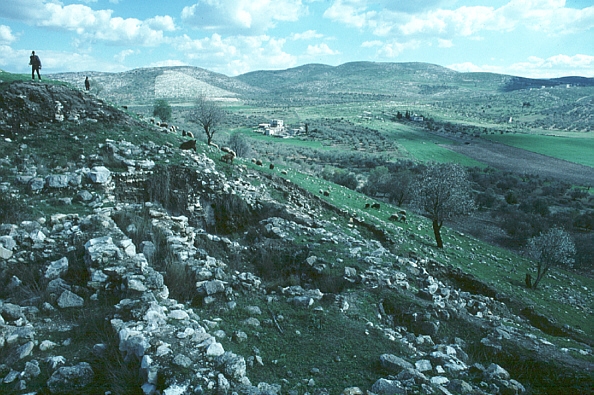
וַיֹּ֗אמֶר לְכ֤וּ וּרְאוּ֙ אֵיכֹ֣ה ה֔וּא וְאֶשְׁלַ֖ח וְאֶקָּחֵ֑הוּ וַיֻּגַּד־ל֥וֹ לֵאמֹ֖ר הִנֵּ֥ה בְדֹתָֽן׃
“Go find out where he is,” he said, “so that I can have him seized.” It was reported to him that [Elisha] was in Dothan;
(יז) וַיֹּ֤אמֶר הָאִישׁ֙ נָסְע֣וּ מִזֶּ֔ה כִּ֤י שָׁמַ֙עְתִּי֙ אֹֽמְרִ֔ים נֵלְכָ֖ה דֹּתָ֑יְנָה וַיֵּ֤לֶךְ יוֹסֵף֙ אַחַ֣ר אֶחָ֔יו וַיִּמְצָאֵ֖ם בְּדֹתָֽן׃ (יח) וַיִּרְא֥וּ אֹת֖וֹ מֵרָחֹ֑ק וּבְטֶ֙רֶם֙ יִקְרַ֣ב אֲלֵיהֶ֔ם וַיִּֽתְנַכְּל֥וּ אֹת֖וֹ לַהֲמִיתֽוֹ׃
(17) The man said, “They have gone from here, for I heard them say: Let us go to Dothan.” So Joseph followed his brothers and found them at Dothan. (18) They saw him from afar, and before he came close to them they conspired to kill him.
https://www.ynetnews.com/articles/0,7340,L-4860333,00.html
Siege and Famine
וַֽיְהִי֙ אַֽחֲרֵי־כֵ֔ן וַיִּקְבֹּ֛ץ בֶּן־הֲדַ֥ד מֶלֶךְ־אֲרָ֖ם אֶת־כׇּל־מַחֲנֵ֑הוּ וַיַּ֕עַל וַיָּ֖צַר עַל־שֹׁמְרֽוֹן׃
Sometime later, King Ben-hadad of Aram mustered his entire army and marched upon Samaria and besieged it.
(כח) וַיֹּאמֶר־לָ֥הּ הַמֶּ֖לֶךְ מַה־לָּ֑ךְ וַתֹּ֗אמֶר הָאִשָּׁ֨ה הַזֹּ֜את אָמְרָ֣ה אֵלַ֗י תְּנִ֤י אֶת־בְּנֵךְ֙ וְנֹאכְלֶ֣נּוּ הַיּ֔וֹם וְאֶת־בְּנִ֖י נֹאכַ֥ל מָחָֽר׃ (כט) וַנְּבַשֵּׁ֥ל אֶת־בְּנִ֖י וַנֹּאכְלֵ֑הוּ וָאֹמַ֨ר אֵלֶ֜יהָ בַּיּ֣וֹם הָאַחֵ֗ר תְּנִ֤י אֶת־בְּנֵךְ֙ וְנֹ֣אכְלֶ֔נּוּ וַתַּחְבִּ֖א אֶת־בְּנָֽהּ׃
(28) But what troubles you?” the king asked her. The woman answered, “That woman said to me, ‘Give up your son and we will eat him today; and tomorrow we’ll eat my son.’ (29) So we cooked my son and we ate him. The next day I said to her, ‘Give up your son and let’s eat him’; but she hid her son.”
(נג) וְאָכַלְתָּ֣ פְרִֽי־בִטְנְךָ֗ בְּשַׂ֤ר בָּנֶ֙יךָ֙ וּבְנֹתֶ֔יךָ אֲשֶׁ֥ר נָתַן־לְךָ֖ יְהֹוָ֣ה אֱלֹהֶ֑יךָ בְּמָצוֹר֙ וּבְמָצ֔וֹק אֲשֶׁר־יָצִ֥יק לְךָ֖ אֹיְבֶֽךָ׃
(53) you shall eat your own issue, the flesh of your sons and daughters that the LORD your God has assigned to you, because of the desperate straits to which your enemy shall reduce you.
רְאֵ֤ה יְהֹוָה֙ וְֽהַבִּ֔יטָה לְמִ֖י עוֹלַ֣לְתָּ כֹּ֑ה אִם־תֹּאכַ֨לְנָה נָשִׁ֤ים פִּרְיָם֙ עֹלְלֵ֣י טִפֻּחִ֔ים אִם־יֵהָרֵ֛ג בְּמִקְדַּ֥שׁ אֲדֹנָ֖י כֹּהֵ֥ן וְנָבִֽיא׃ {ס}
See, O LORD, and behold,To whom You have done this!Alas, women eat their own fruit,Their new-born babes!Alas, priest and prophet are slainIn the Sanctuary of the Lord!
(א) אִם תֺּאכַלְנָה נָשִׁים פִּרְיָם עוֹלְלֵי טִפּוּחִים.
(ב) אַלְלַי לִי:
(ג) אִם תְּבַשֵּׁלְנָה נָשִׁים רַחֲמָנִיּוֹת יַלְדֵיהֶן (נ"א יְלָדִים) הַמְּדוּדִים טְפָחִים טְפָחִים.
(ד) אַלְלַי לִי:
(ה) אִם תִּגּוֹזְנָה (נ"א תָּגוֹזְנָה) פְּאַת רֺאשָׁם וְתִקָּשַׁרְנָה לְסוּסִים פּוֹרְחִים.
(ו) אַלְלַי לִי:
(ז) אִם תִּדְבַּק לְשׁוֹן יוֹנֵק לְחֵךְ בְּצִמְאוֹן צְחִיחִים.
(ח) אַלְלַי לִי:
(ט) אִם תֵּהֺמְנָה (נ"א תְּהוֹמֶינָה) זוֹ לְעֻמַּת זוֹ בּוֹאִי וּנְבַשֵּׁל אֶת בָּנֵינוּ צוֹרְחִים.
(1) If women could eat the fruit of their womb, the little babes clapping their hands...
(2) Alas for me!
(3) If women so full of compassion could boil their children, measured hand height by hand height...
(4) Alas for me!
(5) If the fine locks of their heads could be shorn and bound as decorations for horses...
(6) Alas for me!
(7) If the tongue of a nursing baby could glue to his palate from blinding white thirst...
(8) Alas for me!
(9) If one could sigh one to another: "Come on and let's boil our screeching sons...
אֲמַר לֵיהּ רַב נַחְמָן לְרַבִּי יִצְחָק, מַאי דִּכְתִיב: ״כִּי קָרָא ה׳ לָרָעָב וְגַם בָּא אֶל הָאָרֶץ שֶׁבַע שָׁנִים״, בְּהָנָךְ שֶׁבַע שָׁנִים מַאי אֲכוּל?
§ Incidental to the interpretation of these verses, the Gemara cites a series of verses, starting with the topic of hunger, that also involve questions that Rav Naḥman posed to Rabbi Yitzḥak. Rav Naḥman said to Rabbi Yitzḥak: What is the meaning of that which is written: “For the Lord has called upon a famine and it shall also come upon the land seven years” (II Kings 8:1)? Specifically, in those seven years, what did they eat?
אֲמַר לֵיהּ, הָכִי אָמַר רַבִּי יוֹחָנָן: שָׁנָה רִאשׁוֹנָה אָכְלוּ מַה שֶּׁבַּבָּתִּים, שְׁנִיָּה אָכְלוּ מַה שֶּׁבַּשָּׂדוֹת, שְׁלִישִׁית בְּשַׂר בְּהֵמָה טְהוֹרָה, רְבִיעִית בְּשַׂר בְּהֵמָה טְמֵאָה, חֲמִישִׁית בְּשַׂר שְׁקָצִים וּרְמָשִׂים, שִׁשִּׁית בְּשַׂר בְּנֵיהֶם וּבְנוֹתֵיהֶם, שְׁבִיעִית בְּשַׂר זְרוֹעוֹתֵיהֶם, לְקַיֵּים מַה שֶּׁנֶּאֱמַר: ״אִישׁ בְּשַׂר זְרֹעוֹ יֹאכֵלוּ״.
Rabbi Yitzḥak said to Rabbi Naḥman that Rabbi Yoḥanan said as follows: In the first year they ate that which was in their houses; in the second year they ate that which was in their fields; in the third year they ate the meat of their remaining kosher animals; in the fourth year they ate the meat of their remaining non-kosher animals; in the fifth year they ate the meat of repugnant creatures and creeping animals, i.e., any insects they found; in the sixth year they ate the flesh of their sons and their daughters; and in the seventh year they ate the flesh of their own arms, to fulfill that which is stated: “Each man shall eat the flesh of his own arm” (Isaiah 9:19).
(לא) וַיֹּ֕אמֶר כֹּֽה־יַעֲשֶׂה־לִּ֥י אֱלֹהִ֖ים וְכֹ֣ה יוֹסִ֑ף אִֽם־יַעֲמֹ֞ד רֹ֣אשׁ אֱלִישָׁ֧ע בֶּן־שָׁפָ֛ט עָלָ֖יו הַיּֽוֹם׃
(31) He said, “Thus and more may God do to me if the head of Elisha son of Shaphat remains on his shoulders-e today.”
Why blame Elisha? Did he not pray sufficiently to intercede with HaShem? Did he bring about the famine (see 8:1 and Taanit 5a above)? Did he cause the armies of Aram to be able to attack Israel (6:22-23)?
4. Now when these men were come back, and had showed Benhadad how strange an accident had befallen them, and what an appearance and power they had experienced of the God of Israel, he wondered at it, as also at that prophet with whom God was so evidently present; so he determined to make no more secret attempts upon the king of Israel, out of fear of Elisha, but resolved to make open war with them, as supposing he could be too hard for his enemies by the multitude of his army and power. So he made an expedition with a great army against Joram, who, not thinking himself a match for him, shut himself up in Samaria, and depended on the strength of its walls; but Benhadad supposed he should take the city, if not by his engines of war, yet that he should overcome the Samaritans by famine, and the want of necessaries, and brought his army upon them, and besieged the city; and the plenty of necessaries was brought so low with Joram, that from the extremity of want an ass's head was sold in Samaria for fourscore pieces of silver, and the Hebrews bought a sextary of dore's dung, instead of salt, for five pieces of silver. Now Joram was in fear lest somebody should betray the city to the enemy, by reason of the famine, and went every day round the walls and the guards to see whether any such were concealed among them; and by being thus seen, and taking such care, he deprived them of the opportunity of contriving any such thing; and if they had a mind to do it, he, by this means, prevented them: but upon a certain woman's crying out, "Have pity on me, my lord," while he thought that she was about to ask for somewhat to eat, he imprecated God's curse upon her, and said he had neither thrashing-floor nor wine-press, whence he might give her any thing at her petition. Upon which she said she did not desire his aid in any such thing, nor trouble him about food, but desired that he would do her justice as to another woman. And when he bade her say on, and let him know what she desired, she said she had made an agreement with the other woman who was her neighbor and her friend, that because the famine and want was intolerable, they should kill their children, each of them having a son of their own, and we will live upon them ourselves for two days, the one day upon one son, and the other day upon the other; and," said she, I have killed my son the first day, and we lived upon my son yesterday; but this other woman will not do the same thing, but hath broken her agreement, and hath hid her son." This story mightily grieved Joram when he heard it; so he rent his garment, and cried out with a loud voice, and conceived great wrath against Elisha the prophet, and set himself eagerly to have him slain, because he did not pray to God to provide them some exit and way of escape out of the miseries with which they were surrounded; and sent one away immediately to cut off his head, who made haste to kill the prophet. But Elisha was not unacquainted with the wrath of the king against him; for as he sat in his house by himself, with none but his disciples about him, he told them that Joram, (10) who was the son of a murderer, had sent one to take away his head; "but," said he, "when he that is commanded to do this comes, take care that you do not let him come in, but press the door against him, and hold him fast there, for the king himself will follow him, and come to me, having altered his mind." Accordingly, they did as they were bidden, when he that was sent by the king to kill Elisha came. But Joram repented of his wrath against the prophet; and for fear he that was commanded to kill him should have done it before he came, he made haste to hinder his slaughter, and to save the prophet: and when he came to him, he accused him that he did not pray to God for their deliverance from the miseries they now lay under, but saw them so sadly destroyed by them. Hereupon Elisha promised, that the very next day, at the very same hour in which the king came to him, they should have great plenty of food, and that two seahs of barley should be sold in the market for a shekel, and a seah of fine flour should be sold for a shekel. This prediction made Joram, and those that were present, very joyful, for they did not scruple believing what the prophet said, on account of the experience they had of the truth of his former predictions; and the expectation of plenty made the want they were in that day, with the uneasiness that accompanied it, appear a light thing to them: but the captain of the third band, who was a friend of the king, and on whose hand the king leaned, said, "Thou talkest of incredible things, O prophet! for as it is impossible for God to pour down torrents of barley, or fine flour, out of heaven, so is it impossible that what thou sayest should come to pass." To which the prophet made this reply," Thou shalt see these things come to pass, but thou shalt not be in the least a partaker of them."
וְאָמַר רַבִּי אֶלְעָזָר: אֵין אָדָם חָשׁוּב רַשַּׁאי לַחֲגוֹר שַׂק אֶלָּא אִם כֵּן נַעֲנֶה כִּיהוֹרָם בֶּן אַחְאָב, שֶׁנֶּאֱמַר: ״וַיְהִי כִשְׁמֹעַ הַמֶּלֶךְ אֶת דִּבְרֵי הָאִשָּׁה וַיִּקְרַע אֶת בְּגָדָיו וְהוּא עֹבֵר עַל הַחֹמָה וַיַּרְא הָעָם וְהִנֵּה הַשַּׂק עַל בְּשָׂרוֹ וְגוֹ׳״.
And Rabbi Elazar said: An important person is permitted to gird himself in sackcloth as a sign of mourning and to pray for mercy only if he is certain that he will be answered like Jehoram, son of Ahab, as it is stated: “And it came to pass, when the king heard the words of the woman, that he rent his clothes, now he was passing by upon the wall, and the people looked, and, behold, he had sackcloth within upon his flesh” (II Kings 6:30). Although he was wicked, Jehoram was later answered and the suffering of the Jews was alleviated.
(א) וַיֹּ֣אמֶר אֱלִישָׁ֔ע שִׁמְע֖וּ דְּבַר־יְהֹוָ֑ה כֹּ֣ה ׀ אָמַ֣ר יְהֹוָ֗ה כָּעֵ֤ת ׀ מָחָר֙ סְאָה־סֹ֣לֶת בְּשֶׁ֗קֶל וְסָאתַ֧יִם שְׂעֹרִ֛ים בְּשֶׁ֖קֶל בְּשַׁ֥עַר שֹׁמְרֽוֹן׃
(1) And Elisha replied, “Hear the word of the LORD. Thus said the LORD: This time tomorrow, a seah of choice flour shall sell for a shekel at the gate of Samaria, and two seahs of barley for a shekel.”
וַיֹּ֣אמֶר ׀ יְהֹוָ֣ה אֱלֹהִ֗ים הֵ֤ן הָֽאָדָם֙ הָיָה֙ כְּאַחַ֣ד מִמֶּ֔נּוּ לָדַ֖עַת ט֣וֹב וָרָ֑ע וְעַתָּ֣ה ׀ פֶּן־יִשְׁלַ֣ח יָד֗וֹ וְלָקַח֙ גַּ֚ם מֵעֵ֣ץ הַֽחַיִּ֔ים וְאָכַ֖ל וָחַ֥י לְעֹלָֽם׃
And the ETERNAL God said, “Now that humankind has become like any of us, knowing good and bad, what if one should stretch out a hand and take also from the tree of life and eat, and live forever!”
וְהָ֣אָדָ֔ם יָדַ֖ע אֶת־חַוָּ֣ה אִשְׁתּ֑וֹ וַתַּ֙הַר֙ וַתֵּ֣לֶד אֶת־קַ֔יִן וַתֹּ֕אמֶר קָנִ֥יתִי אִ֖ישׁ אֶת־יְהֹוָֽה׃
Now the Human knew his wife Eve, and she conceived and bore Cain, saying, “I have gained someone new with GOD’s help.”
וְהָ֣אָדָ֔ם יָדַ֖ע אֶת־חַוָּ֣ה אִשְׁתּ֑וֹ וַתַּ֙הַר֙ וַתֵּ֣לֶד אֶת־קַ֔יִן וַתֹּ֕אמֶר קָנִ֥יתִי אִ֖ישׁ אֶת־יְהֹוָֽה׃
Now the Human knew his wife Eve, and she conceived and bore Cain, saying, “I have gained someone new with GOD’s help.”
וְהָ֣אָדָ֔ם יָדַ֖ע אֶת־חַוָּ֣ה אִשְׁתּ֑וֹ וַתַּ֙הַר֙ וַתֵּ֣לֶד אֶת־קַ֔יִן וַתֹּ֕אמֶר קָנִ֥יתִי אִ֖ישׁ אֶת־יְהֹוָֽה׃
Now the Human knew his wife Eve, and she conceived and bore Cain, saying, “I have gained someone new with GOD’s help.”