
Save "Pinchas - NumbersMaking Torah Personal 25:10–30:1"
Pinchas - Numbers Making Torah Personal 25:10–30:1
Some questions: In what ways does the text offer us information about Pinchas' character? Serious moral questions are raised by Pinchas' actions...to what extent is passion necessary for braveness or an excuse for zealousness? How do the sages weigh in? What can we learn about our relationship to God from the case of the daughters of Zelophechad?
Key Points in the Parsha
Pinhas is rewarded for his zeal
Ramifications of Idol Worship
Census Taking
Division of Land (Canaan)
Challenge to Laws of Inheritance
Offerings
Recap from Parasha Balak
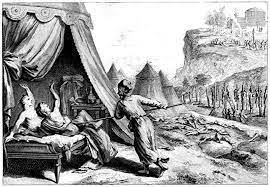
B'nai Yisrael began worshipping the god Ba'al Pe'or, specifically connected with sexual perversions and relations between Israelite men and women from Moab and Midian.

וַיֵּ֥שֶׁב יִשְׂרָאֵ֖ל בַּשִּׁטִּ֑ים וַיָּ֣חֶל הָעָ֔ם לִזְנ֖וֹת אֶל־בְּנ֥וֹת מוֹאָֽב׃ וַתִּקְרֶ֣אןָ לָעָ֔ם לְזִבְחֵ֖י אֱלֹהֵיהֶ֑ן וַיֹּ֣אכַל הָעָ֔ם וַיִּֽשְׁתַּחֲו֖וּ לֵאלֹֽהֵיהֶֽן׃ וַיִּצָּ֥מֶד יִשְׂרָאֵ֖ל לְבַ֣עַל פְּע֑וֹר וַיִּֽחַר־אַ֥ף יְהֹוָ֖ה בְּיִשְׂרָאֵֽל׃ וַיֹּ֨אמֶר יְהֹוָ֜ה אֶל־מֹשֶׁ֗ה קַ֚ח אֶת־כׇּל־רָאשֵׁ֣י הָעָ֔ם וְהוֹקַ֥ע אוֹתָ֛ם לַיהֹוָ֖ה נֶ֣גֶד הַשָּׁ֑מֶשׁ וְיָשֹׁ֛ב חֲר֥וֹן אַף־יְהֹוָ֖ה מִיִּשְׂרָאֵֽל׃ וַיֹּ֣אמֶר מֹשֶׁ֔ה אֶל־שֹׁפְטֵ֖י יִשְׂרָאֵ֑ל הִרְגוּ֙ אִ֣ישׁ אֲנָשָׁ֔יו הַנִּצְמָדִ֖ים לְבַ֥עַל פְּעֽוֹר׃ וְהִנֵּ֡ה אִישׁ֩ מִבְּנֵ֨י יִשְׂרָאֵ֜ל בָּ֗א וַיַּקְרֵ֤ב אֶל־אֶחָיו֙ אֶת־הַמִּדְיָנִ֔ית לְעֵינֵ֣י מֹשֶׁ֔ה וּלְעֵינֵ֖י כׇּל־עֲדַ֣ת בְּנֵי־יִשְׂרָאֵ֑ל וְהֵ֣מָּה בֹכִ֔ים פֶּ֖תַח אֹ֥הֶל מוֹעֵֽד׃ וַיַּ֗רְא פִּֽינְחָס֙ בֶּן־אֶלְעָזָ֔ר בֶּֽן־אַהֲרֹ֖ן הַכֹּהֵ֑ן וַיָּ֙קׇם֙ מִתּ֣וֹךְ הָֽעֵדָ֔ה וַיִּקַּ֥ח רֹ֖מַח בְּיָדֽוֹ׃ וַ֠יָּבֹ֠א אַחַ֨ר אִֽישׁ־יִשְׂרָאֵ֜ל אֶל־הַקֻּבָּ֗ה וַיִּדְקֹר֙ אֶת־שְׁנֵיהֶ֔ם אֵ֚ת אִ֣ישׁ יִשְׂרָאֵ֔ל וְאֶת־הָאִשָּׁ֖ה אֶל־קֳבָתָ֑הּ וַתֵּֽעָצַר֙ הַמַּגֵּפָ֔ה מֵעַ֖ל בְּנֵ֥י יִשְׂרָאֵֽל׃ וַיִּהְי֕וּ הַמֵּתִ֖ים בַּמַּגֵּפָ֑ה אַרְבָּעָ֥ה וְעֶשְׂרִ֖ים אָֽלֶף׃ {פ}

While Israel was staying at Shittim, the people profaned themselves by whoring with the Moabite women, who invited the people to the sacrifices for their god. The people partook of them and worshiped that god. Thus Israel attached itself to Baal-peor, and the LORD was incensed with Israel. The LORD said to Moses, “Take all the ringleaders and have them publicly impaled before the LORD, so that the LORD’s wrath may turn away from Israel.” So Moses said to Israel’s officials, “Each of you slay those of his men who attached themselves to Baal-peor.” Just then one of the Israelites came and brought a Midianite woman over to his companions, in the sight of Moses and of the whole Israelite community who were weeping at the entrance of the Tent of Meeting. When Phinehas, son of Eleazar son of Aaron the priest, saw this, he left the assembly and, taking a spear in his hand, he followed the Israelite into the chamber and stabbed both of them, the Israelite and the woman, through the belly. Then the plague against the Israelites was checked. Those who died of the plague numbered twenty-four thousand.

Pinchas's maternal grandfather was Jethro, who advised Moses about delegating leadership (he was a Midianite /pagan priest who our sages say converted to Judaism.

(י) וַיְדַבֵּ֥ר יְהֹוָ֖ה אֶל־מֹשֶׁ֥ה לֵּאמֹֽר׃ (יא) פִּֽינְחָ֨ס בֶּן־אֶלְעָזָ֜ר בֶּן־אַהֲרֹ֣ן הַכֹּהֵ֗ן הֵשִׁ֤יב אֶת־חֲמָתִי֙ מֵעַ֣ל בְּנֵֽי־יִשְׂרָאֵ֔ל בְּקַנְא֥וֹ אֶת־קִנְאָתִ֖י בְּתוֹכָ֑ם וְלֹא־כִלִּ֥יתִי אֶת־בְּנֵֽי־יִשְׂרָאֵ֖ל בְּקִנְאָתִֽי׃ (יב) לָכֵ֖ן אֱמֹ֑ר הִנְנִ֨י נֹתֵ֥ן ל֛וֹ אֶת־בְּרִיתִ֖י שָׁלֽוֹם׃ (יג) וְהָ֤יְתָה לּוֹ֙ וּלְזַרְע֣וֹ אַחֲרָ֔יו בְּרִ֖ית כְּהֻנַּ֣ת עוֹלָ֑ם תַּ֗חַת אֲשֶׁ֤ר קִנֵּא֙ לֵֽאלֹהָ֔יו וַיְכַפֵּ֖ר עַל־בְּנֵ֥י יִשְׂרָאֵֽל׃ (יד) וְשֵׁם֩ אִ֨ישׁ יִשְׂרָאֵ֜ל הַמֻּכֶּ֗ה אֲשֶׁ֤ר הֻכָּה֙ אֶת־הַמִּדְיָנִ֔ית זִמְרִ֖י בֶּן־סָל֑וּא נְשִׂ֥יא בֵֽית־אָ֖ב לַשִּׁמְעֹנִֽי׃ (טו) וְשֵׁ֨ם הָֽאִשָּׁ֧ה הַמֻּכָּ֛ה הַמִּדְיָנִ֖ית כׇּזְבִּ֣י בַת־צ֑וּר רֹ֣אשׁ אֻמּ֥וֹת בֵּֽית־אָ֛ב בְּמִדְיָ֖ן הֽוּא׃ {פ}

(10) The LORD spoke to Moses, saying, (11) “Phinehas, son of Eleazar son of Aaron the priest, has turned back My wrath from the Israelites by displaying among them his passion for Me, so that I did not wipe out the Israelite people in My passion. (12) Say, therefore, ‘I grant him My pact of friendship. (13) It shall be for him and his descendants after him a pact of priesthood for all time, because he took impassioned action for his God, thus making expiation for the Israelites.’” (14) The name of the Israelite who was killed, the one who was killed with the Midianite woman, was Zimri son of Salu, chieftain of a Simeonite ancestral house. (15) The name of the Midianite woman who was killed was Cozbi daughter of Zur; he was the tribal head of an ancestral house in Midian.

ותעצר המגפה שכבר גזר האל יתעלה כאמרו וכל מנאצי לא יראוה:
ותעצר המגפה, for G’d had already decreed previously that all the people who had spurned Him would not see the land of Israel. (Numbers 14,25). [this justifies the letter ה before a מגפה which we had not heard about. Ed,]
Idolatry ~ Avodah Zarah

זֹבֵ֥חַ לָאֱלֹהִ֖ים יׇֽחֳרָ֑ם בִּלְתִּ֥י לַיהֹוָ֖ה לְבַדּֽוֹ׃

Whoever sacrifices to a god other than the LORD alone shall be proscribed.

ישראל הבא על העובדת כוכבים הלכה למשה מסיני היא דאמר מר הבועל ארמית קנאין פוגעין בו
The Gemara rejects this: The prohibition concerning a Jew who engaged in intercourse with a gentile woman is a halakha transmitted to Moses from Sinai, not a rabbinic ordinance. As the Master said: With regard to one who engages in intercourse with an Aramean woman, zealots may attack him, as Pinehas did to Zimri in the wilderness (see Numbers 25:6–8).
Passion Killing?
א"ר חסדא הבא לימלך אין מורין לו איתמר נמי אמר רבה בר בר חנה א"ר יוחנן הבא לימלך אין מורין לו

Rav Ḥisda says: Concerning one who comes to consult with the court when he sees a Jewish man engaging in intercourse with a gentile woman, the court does not instruct him that it is permitted to kill the transgressor. It was also stated that Rabba bar bar Ḥana says that Rabbi Yoḥanan says: Concerning one who comes to consult with the court, the court does not instruct him that it is permitted to kill the Jewish man engaging in intercourse with a gentile woman.

ולא עוד אלא שאם פירש זמרי והרגו פנחס נהרג עליו נהפך זמרי והרגו לפנחס אין נהרג עליו שהרי רודף הוא
Moreover, if Zimri son of Salu (see Numbers 25:1–9) had separated himself from the woman and only then Pinehas killed him, Pinehas would have been executed for killing him, because it is permitted for zealots to kill only while the transgressor is engaged in the act of intercourse. Furthermore, if Zimri would have turned and killed Pinehas in self-defense, he would not have been executed for killing him, as Pinehas was a pursuer. One is allowed to kill a pursuer in self-defense, provided that the pursued is not liable to be executed by the court.
Samson Rafael Hirsch
Phinehas acted meritoriously only because he punished the transgression in flagranto, in the act. Had he done it afterwards it would have been murder.
בעל מום דעבודתו פסולה מנלן אמר רב יהודה אמר שמואל דאמר קרא (במדבר כה, יב) לכן אמור הנני נותן לו את בריתי שלום כשהוא שלם ולא כשהוא חסר והא שלום כתיב אמר רב נחמן וי"ו דשלום קטיעה היא
The Gemara continues its analysis of the baraita. From where do we derive that the service of a blemished priest is retroactively invalid? Rav Yehuda says that Shmuel says: As the verse states with regard to Pinehas: “Wherefore say: Behold, I give to him My covenant of peace [shalom]” (Numbers 25:12), which means that he receives the covenant when he is whole [shalem], but not when he is blemished and lacking a limb. The Gemara comments: But shalom is written, rather than shalem. Rav Naḥman says: The letter vav in the word shalom is severed. According to tradition, this letter is written with a break in it, and therefore the word can be read as though the vav were missing.
Iturei Torah
After the great zealousness that he acted upon for God, God gives him as a gift the Covenant of Shalom. It is as if the Torah is hinting that the path of Shalom is always preferable to, and more successful than, the path of zealousness and war.
(במדבר כה, ה) ויאמר משה אל שופטי ישראל וגו' הלך שבטו של שמעון אצל זמרי בן סלוא אמרו לו הן דנין דיני נפשות ואתה יושב ושותק מה עשה עמד וקיבץ כ"ד אלף מישראל והלך אצל כזבי אמר לה השמיעי לי אמרה לו בת מלך אני וכן צוה לי אבי לא תשמעי אלא לגדול שבהם אמר לה אף הוא נשיא שבט הוא ולא עוד אלא שהוא גדול ממנו שהוא שני לבטן והוא שלישי לבטן
It is stated: “And Moses said to the judges of Israel: Each of you shall slay his men who have adhered unto Ba’al-Peor” (Numbers 25:5). The tribe of Simeon went to Zimri, son of Salu, their leader, and said to him: They are judging cases of capital law and executing us and you are sitting and are silent? What did Zimri do? He arose and gathered twenty-four thousand people from the children of Israel, and went to Cozbi, daughter of Zur, princess of Midian, and said to her: Submit to me and engage in intercourse with me. She said to him: I am the daughter of a king, and this is what my father commanded me: Submit only to the greatest of them. Zimri said to her: He, too, referring to himself, is the head of a tribe; moreover, he is greater than Moses, as he is the second of the womb, as he descends from Simeon, the second son of Jacob, and Moses is the third of the womb, as he descends from Levi, the third son of Jacob.
מה ראה אמר רב ראה מעשה ונזכר הלכה אמר לו אחי אבי אבא לא כך לימדתני ברדתך מהר סיני הבועל את כותית קנאין פוגעין בו אמר לו קריינא דאיגרתא איהו ליהוי פרוונקא
The Gemara asks: What did Pinehas see that led him to arise and take action? Rav says: He saw the incident taking place before him and he remembered the halakha. He said to Moses: Brother of the father of my father, as Moses was the brother of his grandfather Aaron, did you not teach me this during your descent from Mount Sinai: One who engages in intercourse with a gentile woman, zealots strike him? Moses said to him: Let the one who reads the letter be the agent [parvanka] to fulfill its contents.
ושמואל אמר ראה שאין (משלי כא, ל) חכמה ואין תבונה ואין עצה נגד ה' כל מקום שיש חילול השם אין חולקין כבוד לרב ר' יצחק אמר ר"א ראה שבא מלאך והשחית בעם

And Shmuel says: Pinehas saw and considered the meaning of the verse: “There is neither wisdom nor understanding nor counsel against the Lord” (Proverbs 21:30), which the Sages interpreted to mean: Anywhere that there is desecration of the Lord’s name, one does not show respect to the teacher. In those situations, one need not consult his teacher, but must immediately proceed to right the wrong that is transpiring. Therefore, he took the spear and took immediate action. Rabbi Yitzḥak says that Rabbi Eliezer says: He saw that an angel came and destroyed among the people in punishment for the sin of Zimri, and he realized that he must take immediate action to ameliorate the situation.

א"ר יוחנן ששה נסים נעשו לו לפנחס אחד שהיה לו לזמרי לפרוש ולא פירש ואחד שהיה לו לדבר ולא דבר ואחד שכוון בזכרותו של איש ובנקבותה של אשה ואחד שלא נשמטו מן הרומח ואחד שבא מלאך והגביה את המשקוף ואחד שבא מלאך והשחית בעם
Rabbi Yoḥanan says: Six miracles were performed for Pinehas when he killed Zimri. One is that Zimri should have separated himself from Cozbi, and he did not separate himself. Had he done so, it would have been prohibited for Pinehas to kill him. And one is that Zimri should have spoken and alerted the members of his tribe to come to his assistance, and he did not speak. And one is that Pinehas directed the spear precisely to the male genitals of Zimri and to the female genitals of Cozbi so that the reason that he killed them would be evident. And one is that Zimri and Cozbi did not fall from the spear. And one is that an angel came and raised the lintel of that chamber so that Pinehas could emerge holding them aloft on the spear. And one is that an angel came and caused destruction among the people, distracting them from interfering with the actions of Pinehas.
בא וחבטן לפני המקום אמר לפניו רבש"ע על אלו יפלו כ"ד אלף מישראל שנאמר (במדבר כה, ט) ויהיו המתים במגפה ארבעה ועשרים אלף והיינו דכתיב (תהלים קו, ל) ויעמד פנחס ויפלל
Pinehas came and slammed them on the ground before the Omnipresent and said before Him: Master of the Universe, will twenty-four thousand of the children of Israel fall due to these sinners? As it is stated: “And those that died in the plague were twenty-four thousand” (Numbers 25:9). And that is the meaning of that which is written: “And Pinehas stood and wrought judgment and the plague was stayed” (Psalms 106:30).
אמר רבי אלעזר ויתפלל לא נאמר אלא ויפלל מלמד כביכול שעשה פלילות עם קונו בקשו מלאכי השרת לדחפו אמר להן הניחו לו קנאי בן קנאי הוא משיב חימה בן משיב חימה הוא
Rabbi Elazar says: It is not stated in the verse: And prayed [vayitpallel]; rather, it is stated vayefalel. This teaches that Pinehas, as it were, wrought judgment [pelilut] with his Creator. The ministering angels sought to push him away because he spoke harshly to God. The Holy One, Blessed be He, said to them: Leave him be; he is a zealot, son of a zealot, from the tribe of Levi, who was zealous in avenging the violation of his sister Dinah; he is an alleviator of wrath, son of an alleviator of wrath, a descendant of Aaron, who alleviated the wrath of God during the plague that followed the assembly of Korah.
התחילו שבטים מבזין אותו ראיתם בן פוטי זה שפיטם אבי אמו עגלים לעבודת כוכבים והרג נשיא שבט מישראל בא הכתוב ויחסו פנחס בן אלעזר בן אהרן הכהן
The tribes began to demean Pinehas: Did you see this son of Puti, so-called because his mother was one of the daughters of Putiel (see Exodus 6:25), and they interpreted homiletically: As Yitro, the father of his mother, according to one rabbinic tradition, fattened [shepittem] calves for idol worship, and he impudently killed the prince of a tribe of Israel without a trial. In response, the verse comes and provides his lineage as “Pinehas, son of Elazar, son of Aaron the priest” (Numbers 25:11). It is due to that lineage that he zealously executed Zimri.
א"ל הקב"ה למשה הקדם לו שלום שנאמר (במדבר כה, יב) לכן אמור הנני נותן לו את בריתי שלום וראויה כפרה זו שתהא מכפרת והולכת לעולם
The Holy One, Blessed be He, said to Moses: Be the first to greet Pinehas with a blessing of peace, to honor him before the people, as it is stated: “Therefore say: I hereby give to him My covenant of peace” (Numbers 25:12), and it is stated: “And it shall be unto him and to his descendants after him a covenant of eternal priesthood, because he was zealous for his God and he atoned for the children of Israel” (Numbers 25:13), and this atonement that he facilitated is worthy of continuing to atone forever.
דבר אחר והלא פינחס היה עמהן שפיר קאמרי ליה סבר לה כרבי אלעזר דאר"א א"ר חנינא לא נתכהן פינחס עד שהרגו לזמרי דכתיב (במדבר כה, יג) והיתה לו ולזרעו אחריו ברית כהונת עולם

As Rabbi Elazar says that Rabbi Ḥanina says: Pinehas did not become a priest until he killed Zimri, who had engaged in intercourse with a Midianite woman (see Numbers 25:6–8). As it is written only after that incident concerning Pinehas: “And it shall be unto him and to his seed after him the covenant of an everlasting priesthood” (Numbers 25:13). Before that incident, at the time of the inauguration of the Tabernacle, the only priests were Aaron and his sons.

Getting back to the text of Pinchas
וַיְדַבֵּ֥ר יְהֹוָ֖ה אֶל־מֹשֶׁ֥ה לֵּאמֹֽר׃ צָר֖וֹר אֶת־הַמִּדְיָנִ֑ים וְהִכִּיתֶ֖ם אוֹתָֽם׃ כִּ֣י צֹרְרִ֥ים הֵם֙ לָכֶ֔ם בְּנִכְלֵיהֶ֛ם אֲשֶׁר־נִכְּל֥וּ לָכֶ֖ם עַל־דְּבַר־פְּע֑וֹר וְעַל־דְּבַ֞ר כׇּזְבִּ֨י בַת־נְשִׂ֤יא מִדְיָן֙ אֲחֹתָ֔ם הַמֻּכָּ֥ה בְיוֹם־הַמַּגֵּפָ֖ה עַל־דְּבַר־פְּעֽוֹר׃
The LORD spoke to Moses, saying, “Assail the Midianites and defeat them— for they assailed you by the trickery they practiced against you—because of the affair of Peor and because of the affair of their kinswoman Cozbi, daughter of the Midianite chieftain, who was killed at the time of the plague on account of Peor.”
וּבְנֵ֣י אֱלִיאָ֔ב נְמוּאֵ֖ל וְדָתָ֣ן וַאֲבִירָ֑ם הֽוּא־דָתָ֨ן וַאֲבִירָ֜ם (קרואי) [קְרִיאֵ֣י] הָעֵדָ֗ה אֲשֶׁ֨ר הִצּ֜וּ עַל־מֹשֶׁ֤ה וְעַֽל־אַהֲרֹן֙ בַּעֲדַת־קֹ֔רַח בְּהַצֹּתָ֖ם עַל־יְהֹוָֽה׃ וַתִּפְתַּ֨ח הָאָ֜רֶץ אֶת־פִּ֗יהָ וַתִּבְלַ֥ע אֹתָ֛ם וְאֶת־קֹ֖רַח בְּמ֣וֹת הָעֵדָ֑ה בַּאֲכֹ֣ל הָאֵ֗שׁ אֵ֣ת חֲמִשִּׁ֤ים וּמָאתַ֙יִם֙ אִ֔ישׁ וַיִּהְי֖וּ לְנֵֽס׃

The sons of Eliab were Nemuel, and Dathan and Abiram. These are the same Dathan and Abiram, chosen in the assembly, who agitated against Moses and Aaron as part of Korah’s band when they agitated against the LORD. Whereupon the earth opened its mouth and swallowed them up with Korah—when that band died, when the fire consumed the two hundred and fifty men—and they became an example.

וּצְלׇפְחָ֣ד בֶּן־חֵ֗פֶר לֹא־הָ֥יוּ ל֛וֹ בָּנִ֖ים כִּ֣י אִם־בָּנ֑וֹת וְשֵׁם֙ בְּנ֣וֹת צְלׇפְחָ֔ד מַחְלָ֣ה וְנֹעָ֔ה חׇגְלָ֥ה מִלְכָּ֖ה וְתִרְצָֽה׃
Now Zelophehad son of Hepher had no sons, only daughters. The names of Zelophehad’s daughters were Mahlah, Noah, Hoglah, Milcah, and Tirzah.—
Census itemized in the next verses
וּבְאֵ֙לֶּה֙ לֹא־הָ֣יָה אִ֔ישׁ מִפְּקוּדֵ֣י מֹשֶׁ֔ה וְאַהֲרֹ֖ן הַכֹּהֵ֑ן אֲשֶׁ֥ר פָּקְד֛וּ אֶת־בְּנֵ֥י יִשְׂרָאֵ֖ל בְּמִדְבַּ֥ר סִינָֽי׃

Among these there was not one of those enrolled by Moses and Aaron the priest when they recorded the Israelites in the wilderness of Sinai.

Legal case of inheritance brought by five daughters
וַתִּקְרַ֜בְנָה בְּנ֣וֹת צְלׇפְחָ֗ד בֶּן־חֵ֤פֶר בֶּן־גִּלְעָד֙ בֶּן־מָכִ֣יר בֶּן־מְנַשֶּׁ֔ה לְמִשְׁפְּחֹ֖ת מְנַשֶּׁ֣ה בֶן־יוֹסֵ֑ף וְאֵ֙לֶּה֙ שְׁמ֣וֹת בְּנֹתָ֔יו מַחְלָ֣ה נֹעָ֔ה וְחׇגְלָ֥ה וּמִלְכָּ֖ה וְתִרְצָֽה׃ וַֽתַּעֲמֹ֜דְנָה לִפְנֵ֣י מֹשֶׁ֗ה וְלִפְנֵי֙ אֶלְעָזָ֣ר הַכֹּהֵ֔ן וְלִפְנֵ֥י הַנְּשִׂיאִ֖ם וְכׇל־הָעֵדָ֑ה פֶּ֥תַח אֹֽהֶל־מוֹעֵ֖ד לֵאמֹֽר׃ אָבִ֘ינוּ֮ מֵ֣ת בַּמִּדְבָּר֒ וְה֨וּא לֹא־הָיָ֜ה בְּת֣וֹךְ הָעֵדָ֗ה הַנּוֹעָדִ֛ים עַל־יְהֹוָ֖ה בַּעֲדַת־קֹ֑רַח כִּֽי־בְחֶטְא֣וֹ מֵ֔ת וּבָנִ֖ים לֹא־הָ֥יוּ לֽוֹ׃ לָ֣מָּה יִגָּרַ֤ע שֵׁם־אָבִ֙ינוּ֙ מִתּ֣וֹךְ מִשְׁפַּחְתּ֔וֹ כִּ֛י אֵ֥ין ל֖וֹ בֵּ֑ן תְּנָה־לָּ֣נוּ אֲחֻזָּ֔ה בְּת֖וֹךְ אֲחֵ֥י אָבִֽינוּ׃

The daughters of Zelophehad, of Manassite family—son of Hepher son of Gilead son of Machir son of Manasseh son of Joseph—came forward. The names of the daughters were Mahlah, Noah, Hoglah, Milcah, and Tirzah. They stood before Moses, Eleazar the priest, the chieftains, and the whole assembly, at the entrance of the Tent of Meeting, and they said, “Our father died in the wilderness. He was not one of the faction, Korah’s faction, which banded together against the LORD, but died for his own sin; and he has left no sons. Let not our father’s name be lost to his clan just because he had no son! Give us a holding among our father’s kinsmen!”

וַיַּקְרֵ֥ב מֹשֶׁ֛ה אֶת־מִשְׁפָּטָ֖ן לִפְנֵ֥י יְהֹוָֽה׃ {פ}
וַיֹּ֥אמֶר יְהֹוָ֖ה אֶל־מֹשֶׁ֥ה לֵּאמֹֽר׃ כֵּ֗ן בְּנ֣וֹת צְלׇפְחָד֮ דֹּבְרֹת֒ נָתֹ֨ן תִּתֵּ֤ן לָהֶם֙ אֲחֻזַּ֣ת נַחֲלָ֔ה בְּת֖וֹךְ אֲחֵ֣י אֲבִיהֶ֑ם וְהַֽעֲבַרְתָּ֛ אֶת־נַחֲלַ֥ת אֲבִיהֶ֖ן לָהֶֽן׃ וְאֶל־בְּנֵ֥י יִשְׂרָאֵ֖ל תְּדַבֵּ֣ר לֵאמֹ֑ר אִ֣ישׁ כִּֽי־יָמ֗וּת וּבֵן֙ אֵ֣ין ל֔וֹ וְהַֽעֲבַרְתֶּ֥ם אֶת־נַחֲלָת֖וֹ לְבִתּֽוֹ׃ וְאִם־אֵ֥ין ל֖וֹ בַּ֑ת וּנְתַתֶּ֥ם אֶת־נַחֲלָת֖וֹ לְאֶחָֽיו׃ וְאִם־אֵ֥ין ל֖וֹ אַחִ֑ים וּנְתַתֶּ֥ם אֶת־נַחֲלָת֖וֹ לַאֲחֵ֥י אָבִֽיו׃ וְאִם־אֵ֣ין אַחִים֮ לְאָבִיו֒ וּנְתַתֶּ֣ם אֶת־נַחֲלָת֗וֹ לִשְׁאֵר֞וֹ הַקָּרֹ֥ב אֵלָ֛יו מִמִּשְׁפַּחְתּ֖וֹ וְיָרַ֣שׁ אֹתָ֑הּ וְֽהָ֨יְתָ֜ה לִבְנֵ֤י יִשְׂרָאֵל֙ לְחֻקַּ֣ת מִשְׁפָּ֔ט כַּאֲשֶׁ֛ר צִוָּ֥ה יְהֹוָ֖ה אֶת־מֹשֶֽׁה׃ {פ}

Moses brought their case before the LORD. And the LORD said to Moses, “The plea of Zelophehad’s daughters is just: you should give them a hereditary holding among their father’s kinsmen; transfer their father’s share to them. “Further, speak to the Israelite people as follows: ‘If a man dies without leaving a son, you shall transfer his property to his daughter. If he has no daughter, you shall assign his property to his brothers. If he has no brothers, you shall assign his property to his father’s brothers. If his father had no brothers, you shall assign his property to his nearest relative in his own clan, and he shall inherit it.’ This shall be the law of procedure for the Israelites, in accordance with the LORD’s command to Moses.”

ותקרבנה בנות צלפחד – כיון ששמעו בנות צלפחד שהארץ מתחלקת לשבטים ולא לנקבות, נתקבצו כולן זו על זו ליטול עצה. אמרו: לא כרחמי ב"ו רחמי המקום! ב"ו רחמיו על הזכרים יותר מן הנקבות, אבל מי שאמר והיה העולם אינו כן, אלא על הזכרים ועל הנקבות, רחמיו על הכל, שנאמר (תהלים קמה) טוב ה' לכל ורחמיו על כל מעשיו: בן חפר בן גלעד בן מכיר בן מנשה – מגיד הכתוב שכשם שהיה צלפחד בכור – כך היו כולן בכורות; וללמדך שהיו זכאות בנות זכאי. וכל מי שמעשיו סתומים מעשה אבותיו סתומים, והכתוב מייחסו לשבח – הרי זה צריק בן צדיק; וכל מי שמעשיו סתומים ומעשה אבותיו סתומים, והכתוב מייחסו לגנאי – הרי זה רשע בן רשע. ר' נתן אומר: בא הכתוב ללמדך שכל צדיק וצדיק שגדל בחיק רשע ולא עשה כמעשיו – להודיע כמה צדיק גדול, שגדל בחיק רשע ולא עשה כמעשיו. וכל רשע שגדל בחיק צדיק ולא עשה כמעשיו – להודיע כמה רשע גדול, שגדל בחיק צדיק ולא עשה כמעשיו. עשו גדל בין ב' צדיקים, בין יצחק ובין רבקה – ולא עשה כמעשיהם:

(Bamidbar 27:1) "And there drew near the daughters of Tzelofchad": When the daughters of Tzelofchad heard that the land was to be apportioned to the tribes and not to females, they gathered together to take counsel, saying: Not as the mercies of flesh and blood are the mercies of the L-rd. The mercies of flesh and blood are greater for males than for females. Not so the mercies of He who spoke and brought the world into being. His mercies are for males and females (equally). His mercies are for all! As it is written (Psalms 145:9) "The L-rd is good to all, and His mercies are upon all of His creations." "the son of Chefer, the son of Gilad, the son of Machir, the son of Menashe": Scripture apprises us that just as Tzelofchad was a first-born, so, were all of the others first-born, and to apprise us that they (the daughters) were worthy daughters of a worthy man. For all whose deeds and the deeds of whose fathers are veiled and who Scripture traces (to their forbears) for praise are righteous ones the seed of righteous ones; and all whose deeds and the deeds of whose fathers are veiled and who Scripture traces (to their forbears) for denigration are evildoers the seed of evildoers. R. Nathan says: It is written above (26:65) "For the L-rd had said of them: They will surely die in the desert. And there was left not a man of them, etc.", followed by "And there drew near the daughters of Tzelofchad, etc." What is the connection? Scripture comes to teach us that the strength of the women in that generation was greater than that of the men, the men saying (Bamidbar 14:4) "Let us make a leader and return to Egypt, and the women saying (Ibid. 27:4) "Give us a holding, etc."

וַיֹּ֤אמֶר יְהֹוָה֙ אֶל־מֹשֶׁ֔ה עֲלֵ֛ה אֶל־הַ֥ר הָעֲבָרִ֖ים הַזֶּ֑ה וּרְאֵה֙ אֶת־הָאָ֔רֶץ אֲשֶׁ֥ר נָתַ֖תִּי לִבְנֵ֥י יִשְׂרָאֵֽל׃ וְרָאִ֣יתָה אֹתָ֔הּ וְנֶאֱסַפְתָּ֥ אֶל־עַמֶּ֖יךָ גַּם־אָ֑תָּה כַּאֲשֶׁ֥ר נֶאֱסַ֖ף אַהֲרֹ֥ן אָחִֽיךָ׃

The LORD said to Moses, “Ascend these heights of Abarim and view the land that I have given to the Israelite people. When you have seen it, you too shall be gathered to your kin, just as your brother Aaron was.

וַיֹּ֤אמֶר יְהֹוָה֙ אֶל־מֹשֶׁ֔ה עֲלֵ֛ה אֶל־הַ֥ר הָעֲבָרִ֖ים הַזֶּ֑ה וּרְאֵה֙ אֶת־הָאָ֔רֶץ אֲשֶׁ֥ר נָתַ֖תִּי לִבְנֵ֥י יִשְׂרָאֵֽל׃ וְרָאִ֣יתָה אֹתָ֔הּ וְנֶאֱסַפְתָּ֥ אֶל־עַמֶּ֖יךָ גַּם־אָ֑תָּה כַּאֲשֶׁ֥ר נֶאֱסַ֖ף אַהֲרֹ֥ן אָחִֽיךָ׃ כַּאֲשֶׁר֩ מְרִיתֶ֨ם פִּ֜י בְּמִדְבַּר־צִ֗ן בִּמְרִיבַת֙ הָֽעֵדָ֔ה לְהַקְדִּישֵׁ֥נִי בַמַּ֖יִם לְעֵינֵיהֶ֑ם הֵ֛ם מֵֽי־מְרִיבַ֥ת קָדֵ֖שׁ מִדְבַּר־צִֽן׃ {ס}

The LORD said to Moses, “Ascend these heights of Abarim and view the land that I have given to the Israelite people. When you have seen it, you too shall be gathered to your kin, just as your brother Aaron was. For, in the wilderness of Zin, when the community was contentious, you disobeyed My command to uphold My sanctity in their sight by means of the water.” Those are the Waters of Meribath-kadesh, in the wilderness of Zin.

וַיְדַבֵּ֣ר מֹשֶׁ֔ה אֶל־יְהֹוָ֖ה לֵאמֹֽר׃ יִפְקֹ֣ד יְהֹוָ֔ה אֱלֹהֵ֥י הָרוּחֹ֖ת לְכׇל־בָּשָׂ֑ר אִ֖ישׁ עַל־הָעֵדָֽה׃ אֲשֶׁר־יֵצֵ֣א לִפְנֵיהֶ֗ם וַאֲשֶׁ֤ר יָבֹא֙ לִפְנֵיהֶ֔ם וַאֲשֶׁ֥ר יוֹצִיאֵ֖ם וַאֲשֶׁ֣ר יְבִיאֵ֑ם וְלֹ֤א תִהְיֶה֙ עֲדַ֣ת יְהֹוָ֔ה כַּצֹּ֕אן אֲשֶׁ֥ר אֵין־לָהֶ֖ם רֹעֶֽה׃
Moses spoke to the LORD, saying, “Let the LORD, Source of the breath of all flesh, appoint someone over the community who shall go out before them and come in before them, and who shall take them out and bring them in, so that the LORD’s community may not be like sheep that have no shepherd.”
וַיְדַבֵּ֣ר מֹשֶׁ֔ה אֶל־יְהֹוָ֖ה לֵאמֹֽר׃ יִפְקֹ֣ד יְהֹוָ֔ה אֱלֹהֵ֥י הָרוּחֹ֖ת לְכׇל־בָּשָׂ֑ר אִ֖ישׁ עַל־הָעֵדָֽה׃ אֲשֶׁר־יֵצֵ֣א לִפְנֵיהֶ֗ם וַאֲשֶׁ֤ר יָבֹא֙ לִפְנֵיהֶ֔ם וַאֲשֶׁ֥ר יוֹצִיאֵ֖ם וַאֲשֶׁ֣ר יְבִיאֵ֑ם וְלֹ֤א תִהְיֶה֙ עֲדַ֣ת יְהֹוָ֔ה כַּצֹּ֕אן אֲשֶׁ֥ר אֵין־לָהֶ֖ם רֹעֶֽה׃ וַיֹּ֨אמֶר יְהֹוָ֜ה אֶל־מֹשֶׁ֗ה קַח־לְךָ֙ אֶת־יְהוֹשֻׁ֣עַ בִּן־נ֔וּן אִ֖ישׁ אֲשֶׁר־ר֣וּחַ בּ֑וֹ וְסָמַכְתָּ֥ אֶת־יָדְךָ֖ עָלָֽיו׃
Moses spoke to the LORD, saying, “Let the LORD, Source of the breath of all flesh, appoint someone over the community who shall go out before them and come in before them, and who shall take them out and bring them in, so that the LORD’s community may not be like sheep that have no shepherd.” And the LORD answered Moses, “Single out Joshua son of Nun, an inspired man, and lay your hand upon him.
וַיְדַבֵּ֥ר יְהֹוָ֖ה אֶל־מֹשֶׁ֥ה לֵּאמֹֽר׃ צַ֚ו אֶת־בְּנֵ֣י יִשְׂרָאֵ֔ל וְאָמַרְתָּ֖ אֲלֵהֶ֑ם אֶת־קׇרְבָּנִ֨י לַחְמִ֜י לְאִשַּׁ֗י רֵ֚יחַ נִֽיחֹחִ֔י תִּשְׁמְר֕וּ לְהַקְרִ֥יב לִ֖י בְּמוֹעֲדֽוֹ׃
The LORD spoke to Moses, saying: Command the Israelite people and say to them: Be punctilious in presenting to Me at stated times the offerings of food due Me, as offerings by fire of pleasing odor to Me.
וַיֹּ֥אמֶר מֹשֶׁ֖ה אֶל־בְּנֵ֣י יִשְׂרָאֵ֑ל כְּכֹ֛ל אֲשֶׁר־צִוָּ֥ה יְהֹוָ֖ה אֶת־מֹשֶֽׁה׃ {פ}
So Moses spoke to the Israelites just as the Lord had commanded Moses.