


Outline
1. Introduction and queries about Chanukah
2. General overview/timeline
3. Is there any biblical connection to Chanukah (even though it is post-biblical)?
4. Rabbinic sparse reference to the story of Chanukah. why?
5. Sefarim chitzonim
a. Book of Maccabees 1
b. Josephus
c. Megilat Antiochus
d. Shadal on Chanukah
HISTORY of Israel: Timeline
-
Timeline of Historical Highlights
-
Remember the days of old, consider the years of many generations... (Deuteronomy 32:7)
TIMELINE OF HISTORICAL HIGHLIGHTS
17th-6th C. BCE BIBLICAL TIMES (BCE - Before the Common Era) c.17th century
Abraham, Isaac, Jacob - patriarchs of the Jewish people and bearers of a belief in one God - settle in the Land of Israel.
Famine forces Israelites to migrate to Egypt.c.13th century Exodus from Egypt: Moses leads Israelites from Egypt, followed by 40 years of wandering in the desert.
Torah, including the Ten Commandments, received at Mount Sinai.13th-12th
centuriesIsraelites settle in the Land of Israel c.1020 Jewish monarchy established; Saul, first king. c.1000 Jerusalem made capital of David's kingdom. c.960 First Temple, the national and spiritual center of the Jewish people, built in Jerusalem by King Solomon. c. 930 Divided kingdom: Judah and Israel 722-720 Israel crushed by Assyrians; 10 tribes exiled (Ten Lost Tribes). 586 Judah conquered by Babylonia; Jerusalem and First Temple destroyed; most Jews exiled.
THE SECOND TEMPLE PERIOD538-142 Persian and Hellenistic periods 538-515 Many Jews return from Babylonia; Temple rebuilt. 332 Land conquered by Alexander the Great; Hellenistic rule. 166-160 Maccabean (Hasmonean) revolt against restrictions on practice of Judaism and desecration of the Temple 142-129 Jewish autonomy under Hasmoneans. 129-63 Jewish independence under Hasmonean monarchy. 63 Jerusalem captured by Roman general, Pompey. 63 BCE-313
CERoman rule 63-4 BCE Herod, Roman vassal king, rules the Land of Israel;
Temple in Jerusalem refurbished
(CE - The Common Era)c. 20-33 Jesus of Nazareth 66 Jewish revolt against the Romans 70 Destruction of Jerusalem and Second Temple. 73 Last stand of Jews at Masada. 132-135 Bar Kokhba uprising against Rome. c. 210 Codification of Jewish oral law (Mishna) completed.
What are the sources of Chanukah biblical and otherwise?
Biblical Sources
(44) So Moses declared to the Israelites the set times of the LORD. (1) The LORD spoke to Moses, saying: (2) Command the Israelite people to bring you clear oil of beaten olives for lighting, for kindling lamps regularly. (3) Aaron shall set them up in the Tent of Meeting outside the curtain of the Pact [to burn] from evening to morning before the LORD regularly; it is a law for all time throughout the ages. (4) He shall set up the lamps on the pure lampstand before the LORD [to burn] regularly.
(א) בהעלתך. לָמָּה נִסְמְכָה פָרָשַׁת הַמְּנוֹרָה לְפָרָשַׁת הַנְּשִׂיאִים? לְפִי שֶׁכְּשָׁרָאָה אַהֲרֹן חֲנֻכַּת הַנְּשִׂיאִים חָלְשָׁה אָז דַּעְתּוֹ, שֶׁלֹּא הָיָה עִמָּהֶם בַּחֲנֻכָּה לֹא הוּא וְלֹא שִׁבְטוֹ, אָמַר לוֹ הַקָּבָּ"ה חַיֶּיךָ שֶׁלְּךָ גְדוֹלָה מִשֶּׁלָּהֶם, שֶׁאַתָּה מַדְלִיק וּמֵטִיב אֶת הַנֵּרוֹת (עי' תנחומא):
(1) בהעלתך WHEN THOU LIGHTEST [THE LAMPS] — Why is the section treating of the candelabrum put in juxtaposition with the section dealing with the offerings of the princes? Because when Aaron saw the dedication offerings of the princes, he felt distressed because neither he nor his tribe was with them in the dedication, whereupon the Holy One, blessed be He, said to him, “By your life! Your part is of greater importance than theirs, for you will kindle and set in order the lamps”
(א) בהעלתך "למה נסמכה פרשת מנורה לחנכת הנשיאים? לפי שכשראה אהרן חנוכת הנשיאים, חלשה דעתו שלא היה עמהם בחנוכה, לא הוא ולא שבטו; אמר לו הקב"ה: חייך, שלך גדולה משלהם, שאתה מדליק ומטיב את הנרות בקר וערב", לשון רש"י ממדרש אגדה. ולא נתברר לי, למה ניחמו בהדלקת הנרות, ולא ניחמו בקטורת בקר וערב, ששיבחו בו הכתוב (דברים לג י): "ישימו קטורה באפך", ובכל הקרבנות, ובמנחת חביתין, ובעבודת יום הכפורים שאינה כשרה אלא בו, ונכנס לפני ולפנים, ושהוא קדוש ה׳ עומד בהיכלו לשרתו ולברך בשמו, ושבטו כלו משרתי אלהינו? ועוד: מה טעם לחלישות הדעת הזו? והלא קרבנו גדול משל נשיאים, שהקריב בימים ההם קרבנות הרבה כל ימי המלואים! אבל ענין ההגדה הזו, לדרוש רמז מן הפרשה על חנוכה של נרות שהיתה בבית שני על ידי אהרן ובניו, רצוני לומר חשמונאי כהן גדול ובניו. ובלשון הזה מצאתיה במגלת סתרים לרבינו נסים, שהזכיר האגדה הזו ואמר: "ראיתי במדרש, כיון שהקריבו שנים עשר שבטים ולא הקריב שבט לוי וכו', אמר לו הקב"ה למשה דבר אל אהרן ואמרת אליו, יש חנכה אחרת שיש בה הדלקת הנרות ואני עושה בה לישראל על ידי בניך נסים ותשועה וחנכה שקרויה על שמם, והיא חנכת בני חשמונאי, ולפיכך הסמיך פרשה זו לפרשת חנכת המזבח", עד כאן לשונו.
...
WHEN THOU LIGHTEST THE LAMPS. “Why does the section dealing with the candelabrum follow [the section which tells of] the dedication-offerings of the princes? The reason is that when Aaron saw the dedication-offerings of the princes, he became disheartened because neither he nor his tribe participated with them in the dedication; whereupon the Holy One, blessed be He, said to him: ‘By thy life! Thy contribution is [of] greater [significance] than theirs, for thou wilt kindle and trim the lamps every morning and evening.’” This is Rashi’s language, from a Midrash Agadah.
But it is not clear to me why G-d consoled Aaron [by reminding him of his function] in lighting the lamps, rather than consoling him with the burning of the incense every morning and evening, which is [the specific function of his] with which Scripture praised him, as it is said, they shall put incense before Thee. Or [G-d could have reminded him of] all the offerings [performed only by his descendants], and the meal-offerin... Moreover, what reason was there for Aaron’s uneasiness of mind [upon seeing the offerings of the princes]? Was not his [dedication-] offering greater than that of the [other] princes, for he offered up during those days — all the [seven] days of the initiation [of the priests] — many offerings?
But the intention of this homiletic text is to derive an allusion from this section [of the Torah] to the Chanukah (“Dedication”) of lights which occurred in the period of the Second Temple through Aaron and his sons, namely [Matithyahu] the Hasmonean, who was High Priest, and his sons. There is another Dedication in which there will be lighting of the lamps, when I will perform through your sons miracles and salvation for Israel, and a ...Now it is an obvious fact that when the Sanctuary is not in existence and the offerings are not brought because of its destruction, the lighting of the lamps [of the candelabrum in the Sanctuary] also ceases [so what does the Midrash mean in saying that G-d promised Aaron that the lighting of the lamps would never stop]! Therefore [we must say] that the Sages of the Midrash were alluding to the lights of the Dedication of the Hasmoneans, which applies [on the festival of Chanukah] even after the destruction of the Sanctuary, in our exile.
(א) בַּשְּׁבִיעִ֕י בְּעֶשְׂרִ֥ים וְאֶחָ֖ד לַחֹ֑דֶשׁ הָיָה֙ דְּבַר־ה' בְּיַד־חַגַּ֥י הַנָּבִ֖יא לֵאמֹֽר׃ (ב) אֱמָר־נָ֗א אֶל־זְרֻבָּבֶ֤ל בֶּן־שַׁלְתִּיאֵל֙ פַּחַ֣ת יְהוּדָ֔ה וְאֶל־יְהוֹשֻׁ֥עַ בֶּן־יְהוֹצָדָ֖ק הַכֹּהֵ֣ן הַגָּד֑וֹל וְאֶל־שְׁאֵרִ֥ית הָעָ֖ם לֵאמֹֽר׃ (ג) מִ֤י בָכֶם֙ הַנִּשְׁאָ֔ר אֲשֶׁ֤ר רָאָה֙ אֶת־הַבַּ֣יִת הַזֶּ֔ה בִּכְבוֹד֖וֹ הָרִאשׁ֑וֹן וּמָ֨ה אַתֶּ֜ם רֹאִ֤ים אֹתוֹ֙ עַ֔תָּה הֲל֥וֹא כָמֹ֛הוּ כְּאַ֖יִן בְּעֵינֵיכֶֽם׃ (ד) וְעַתָּ֣ה חֲזַ֣ק זְרֻבָּבֶ֣ל ׀ נְאֻם־ה' וַחֲזַ֣ק יְהוֹשֻׁ֣עַ בֶּן־יְהוֹצָדָק֩ הַכֹּהֵ֨ן הַגָּד֜וֹל וַחֲזַ֨ק כָּל־עַ֥ם הָאָ֛רֶץ נְאֻם־ה' וַֽעֲשׂ֑וּ כִּֽי־אֲנִ֣י אִתְּכֶ֔ם נְאֻ֖ם ה' צְבָאֽוֹת׃ (ה) אֶֽת־הַדָּבָ֞ר אֲשֶׁר־כָּרַ֤תִּי אִתְּכֶם֙ בְּצֵאתְכֶ֣ם מִמִּצְרַ֔יִם וְרוּחִ֖י עֹמֶ֣דֶת בְּתוֹכְכֶ֑ם אַל־תִּירָֽאוּ׃ (ס) (ו) כִּ֣י כֹ֤ה אָמַר֙ ה' צְבָא֔וֹת...(ח) לִ֥י הַכֶּ֖סֶף וְלִ֣י הַזָּהָ֑ב נְאֻ֖ם ה' צְבָאֽוֹת׃ (ט) גָּד֣וֹל יִֽהְיֶ֡ה כְּבוֹד֩ הַבַּ֨יִת הַזֶּ֤ה הָאַֽחֲרוֹן֙ מִן־הָ֣רִאשׁ֔וֹן אָמַ֖ר ה' צְבָא֑וֹת וּבַמָּק֤וֹם הַזֶּה֙ אֶתֵּ֣ן שָׁל֔וֹם נְאֻ֖ם ה' צְבָאֽוֹת׃ (פ) (י) בְּעֶשְׂרִ֤ים וְאַרְבָּעָה֙ לַתְּשִׁיעִ֔י בִּשְׁנַ֥ת שְׁתַּ֖יִם לְדָרְיָ֑וֶשׁ הָיָה֙ דְּבַר־ה' אֶל־חַגַּ֥י הַנָּבִ֖יא לֵאמֹֽר׃... (טו) וְעַתָּה֙ שִֽׂימוּ־נָ֣א לְבַבְכֶ֔ם מִן־הַיּ֥וֹם הַזֶּ֖ה וָמָ֑עְלָה מִטֶּ֧רֶם שֽׂוּם־אֶ֛בֶן אֶל־אֶ֖בֶן בְּהֵיכַ֥ל ה'׃ (יח) שִׂימוּ־נָ֣א לְבַבְכֶ֔ם מִן־הַיּ֥וֹם הַזֶּ֖ה וָמָ֑עְלָה מִיּוֹם֩ עֶשְׂרִ֨ים וְאַרְבָּעָ֜ה לַתְּשִׁיעִ֗י לְמִן־הַיּ֛וֹם אֲשֶׁר־יֻסַּ֥ד הֵֽיכַל־ה' שִׂ֥ימוּ לְבַבְכֶֽם׃ (יט) הַע֤וֹד הַזֶּ֙רַע֙ בַּמְּגוּרָ֔ה וְעַד־הַגֶּ֨פֶן וְהַתְּאֵנָ֧ה וְהָרִמּ֛וֹן וְעֵ֥ץ הַזַּ֖יִת לֹ֣א נָשָׂ֑א מִן־הַיּ֥וֹם הַזֶּ֖ה אֲבָרֵֽךְ׃ (ס)
(1) on the twenty-first day of the seventh month, the word of the LORD came through the prophet Haggai: (2) Speak to Zerubbabel son of Shealtiel, the governor of Judah,
(In charge of the return of Jews to Israel after the destruction of the first Temple. and charged with rebuilding second one)
and to the high priest Joshua son of Jehozadak, and to the rest of the people: (3) Who is there left among you who saw this House in its former splendor? How does it look to you now? It must seem like nothing to you. (4) But be strong, O Zerubbabel—says the LORD—be strong, O high priest Joshua son of Jehozadak; be strong, all you people of the land—says the LORD—and act! For I am with you—says the LORD of Hosts. (5) So I promised you when you came out of Egypt, and My spirit is still in your midst. Fear not! (6) For thus said the LORD of Hosts:...(9) The glory of this latter House shall be greater than that of the former one, said the LORD of Hosts; and in this place I will grant prosperity—declares the LORD of Hosts. (10) On the twenty-fourth day of the ninth [month], in the second year of Darius, the word of the LORD came to the prophet Haggai: ...(15) And now take thought, from this day backward: As long as no stone had been laid on another in the House of the LORD, . (18) Take note, from this day forward—from the twenty-fourth day of the ninth month, from the day when the foundation was laid for the LORD’s Temple—take note
(א) בעשרים. הם החלו להכין בנין הבית בחדש הששי שהוא אלול ובחדש התשיעי שהוא כסליו בכ"ד בו החלו לבנות ובו ביום היה דבר ה' ביד חגי הנביא לאמר לכהנים ולשאול אותם על הלכות טומאה ...
(כז) וּבַחֲנֻכַּ֞ת חוֹמַ֣ת יְרוּשָׁלִַ֗ם בִּקְשׁ֤וּ אֶת־הַלְוִיִּם֙ מִכָּל־מְק֣וֹמֹתָ֔ם לַהֲבִיאָ֖ם לִֽירוּשָׁלִָ֑ם לַעֲשֹׂ֨ת חֲנֻכָּ֤ה וְשִׂמְחָה֙ וּבְתוֹד֣וֹת וּבְשִׁ֔יר מְצִלְתַּ֖יִם נְבָלִ֥ים וּבְכִנֹּרֽוֹת׃
(27) At the dedication of the wall of Jerusalem, the Levites, wherever they lived, were sought out and brought to Jerusalem to celebrate a joyful dedication with thanksgiving and with song, accompanied by cymbals, harps, and lyres.
(א) מִזְמ֡וֹר שִׁיר־חֲנֻכַּ֖ת הַבַּ֣יִת לְדָוִֽד׃
Rabbinic Sources
מַאי חֲנוּכָּה? דְּתָנוּ רַבָּנַן: בְּכ״ה בְּכִסְלֵיו יוֹמֵי דַחֲנוּכָּה תְּמָנְיָא אִינּוּן דְּלָא לְמִסְפַּד בְּהוֹן וּדְלָא לְהִתְעַנּוֹת בְּהוֹן. שֶׁכְּשֶׁנִּכְנְסוּ יְווֹנִים לַהֵיכָל טִמְּאוּ כׇּל הַשְּׁמָנִים שֶׁבַּהֵיכָל. וּכְשֶׁגָּבְרָה מַלְכוּת בֵּית חַשְׁמוֹנַאי וְנִצְּחוּם, בָּדְקוּ וְלֹא מָצְאוּ אֶלָּא פַּךְ אֶחָד שֶׁל שֶׁמֶן שֶׁהָיָה מוּנָּח בְּחוֹתָמוֹ שֶׁל כֹּהֵן גָּדוֹל, וְלֹא הָיָה בּוֹ אֶלָּא לְהַדְלִיק יוֹם אֶחָד. נַעֲשָׂה בּוֹ נֵס וְהִדְלִיקוּ מִמֶּנּוּ שְׁמוֹנָה יָמִים. לְשָׁנָה אַחֶרֶת קְבָעוּם וַעֲשָׂאוּם יָמִים טוֹבִים בְּהַלֵּל וְהוֹדָאָה.
The Gemara asks: What is Hanukkah, and why are lights kindled on Hanukkah? The Gemara answers: The Sages taught in Megillat Ta’anit: On the twenty-fifth of Kislev, the days of Hanukkah are eight. One may not eulogize on them and one may not fast on them. What is the reason? When the Greeks entered the Sanctuary they defiled all the oils that were in the Sanctuary by touching them. And when the Hasmonean monarchy overcame them and emerged victorious over them, they searched and found only one cruse of oil that was placed with the seal of the High Priest, undisturbed by the Greeks. And there was sufficient oil there to light the candelabrum for only one day. A miracle occurred and they lit the candelabrum from it eight days. The next year the Sages instituted those days and made them holidays with recitation of hallel and special thanksgiving in prayer and blessings.
What's missing from the Gemara's rendition? What miracle is focused on?
Why is the first line in Aramaic?

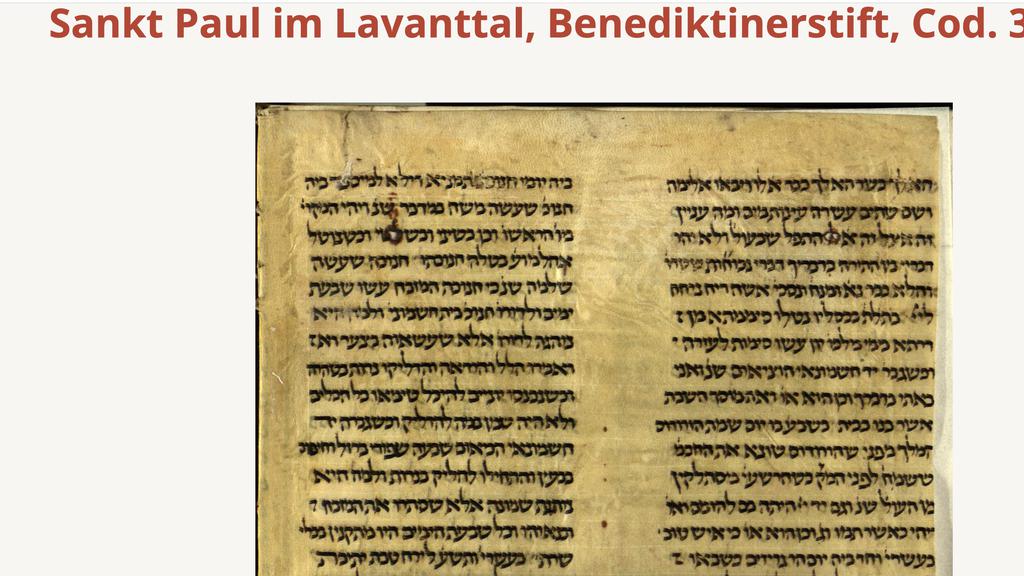
(ז) בכ"ה ביה יום חנוכה תמניא יומין דִלָא לְמִסְפָּד:
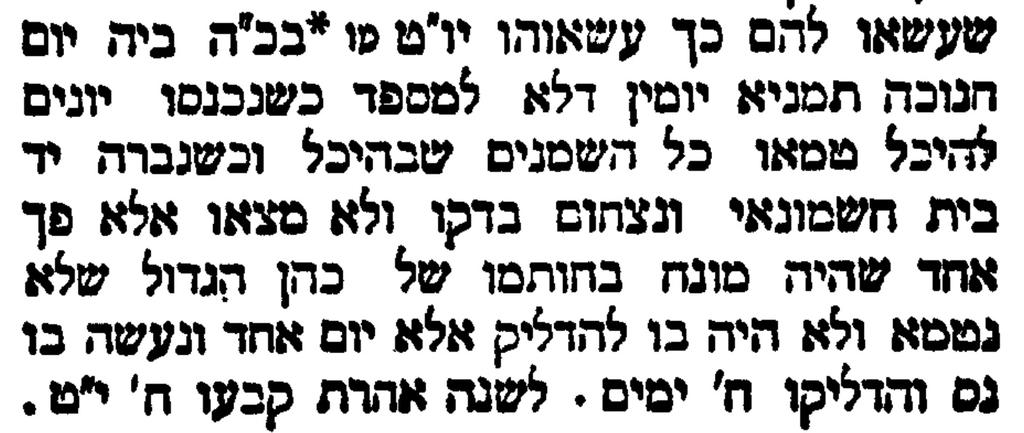
(ח) כשנכנסו יונים להיכל טמאו כל השמנים שבהיכל וכשגברה יד בית חשמונאי ונצחום בדקו ולא מצאו אלא פך אחד שהיה מונח בחותמו של כהן הגדול שלא נטמא ולא היה בו להדליק אלא יום אחד ונעשה בו נס והדליקו ח' ימים. לשנה אחרת קבעו ח' י"ט. ומה ראו לעשות חנוכה ח' ימים והלא חנוכה שעשה משה במדבר לא עשה אלא שבעה ימים שנא' ומפתח אהל מועד לא תצאו שבעת ימים וגו' ואומר ויהי המקריב ביום הראשון את קרבנו וגו' ובשביעי הקריב אפרים. וכן מצינו בחנוכה שעשה שלמה שלא עשה אלא שבעת ימים שנא' כי חנוכת המזבח עשו שבעת הימים והחג ז' ימים ומה ראו לעשות חנוכה זו ח' ימים אלא בימי מלכות יון נכנסו בית חשמונאי להיכל ובנו את המזבח ושדוהו בשיד ותקנו בו כלי שרת והיו מתעסקין בו ח' ימים. ומה ראו להדליק את הנרות אלא בימי מלכות יון שנכנסו בית חשמונאי להיכל שבעה שפודין של ברזל בידם וחפום בעץ והדליקו בהם את המנורה. ומה ראו לגמור בהם את הלל אלא שכל תשועה ותשועה שהקב"ה עושה להם לישראל היו מקדימין לפניו בהלל בשירה ובשבח ובהודאה כענין שנא' ויענו בהלל ובהודו לה׳ כי טוב וגו' מצות חנוכה נר איש וביתו והמהדרין נר לכל נפש ונפש והמהדרין מן המהדרין בש"א יום ראשון מדליק שמונה מכאן ואילך פוחת והולך ובה"א יום ראשון מדליק א' מכאן ואילך מוסיף והולך. שני זקנים היו בצידן אחד עשה כדברי ב"ש ואחד עשה כדברי ב"ה זה נותן טעם לדבריו וזה נותן טעם לדבריו זה אומר כפרי החג וזה אומר מעלין בקודש ואין מורידין. מצות הדלקתה משתשקע החמה עד שתכלה רגל מן השוק ומצוה להניחה על פתח ביתו מבחוץ ואם היה דר בעליה מניחה בחלון הסמוכה לרה"ר ואם מתירא מן הלצים מניחה על פתח ביתו מבפנים ובשעת הסכנה מניחה על שלחנו ודיו:
(7) On the twenty fifth of the month is Channuka, eight days on which one does not eulogize
(8) because when the Greeks entered the Temple they defiled all the oil there. When the hand of the Hasmoneans was made strong and they defeat the Greeks, they checked (in the Temple) and only found one jar of oil sealed with the mark of the High Priest which remained undefiled. Though there was only enough in it to light for one day, a miracle occurred through it and they lit the Temple lamps from it for eight days. The following year they decreed these to be eight days of celebration. And what justification did they see for making Channuka eight days? Wasn’t the dedication (channuka) which Moshe did in the wilderness only seven days? As it says “And you shall not leave the entrance of the Tent of Meeting for seven days…” (Vayikra 8:33) And it says “The one who brought his offering on the first day was…” (Bamidbar 7:12) and on the seventh day Ephraim made his offering. So too we find at the dedication which Shlomo made that it only lasted seven days, as it says “…for the inauguration of the altar they made seven days, and the feast seven days.” (Divre HaYamim II 7:9) So what reason did they see to make this dedication eight days? In the days of the kingdom of Greece the Hasmoneans entered the Temple, built the altar, plastered it with plaster and for eight days they were preparing the vessels for service. The re-dedication done by the Hasmoneans it to be marked for all generations. And why is it a practice for all generations? They fixed it when they came out from a narrow place into broad spaces, and they said praises and thanksgiving, lighting lamps in purity. Since the Greeks had gone into the Temple and defiled all the vessels, there was nothing with which to light. When the Hasmoneans were victorious, they brought seven skewers of iron, covered them with tin and began to light.
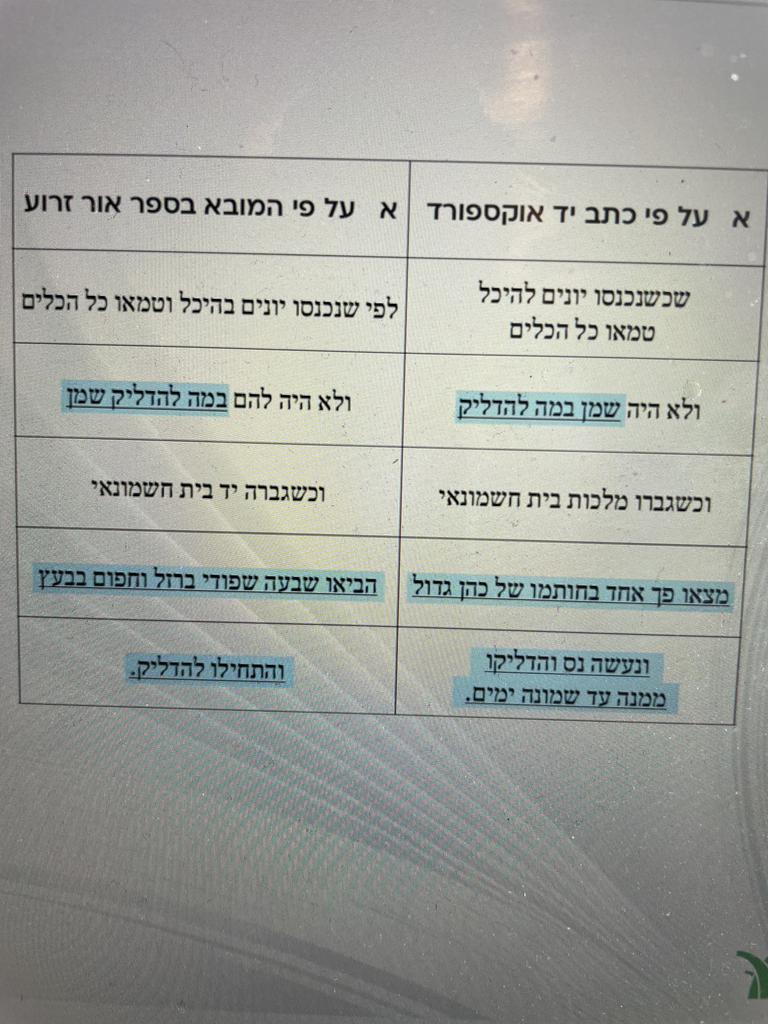
(א) מאי חנוכה דתניא בעשרים וחמשה בכסלו יומין תמניא אילין דלא למיספד בהון שכשנכנסו יונים להיכל טמאו כל השמנים שבהיכל וכשגברו בית חשמונאי ונצחום בדקו ולא מצאו אלא פך אחד של שמן שהיה מונה בחותמו של כה"ג ולא היה בו להדליק אלא יום אחד ונעשה בו נס והדליקו ממנו שמונה ימים לשנה אחרת קבעום ימים טובים בהלל ובהודאה. ולא שאסורים במלאכה דלא נקבעו אלא לקרות הלל ולומר על הנסים בהודאה. ואין להתענות בחנוכה כשם שאין להתענות בפורים אע"ג דלא מיחייבי לבשומי נפשיה כמו בפורים בתענית מיהא אסור דאמרי' פ"ק דראש השנה רב ור' חנינא אמרי בטלה מגילת תענית וריב"ל אמר לא בטלה מגילת תענית והלכת' בטלה והלכת' לא בטלה קשיא הלכתא אהילכת' ל"ק כאן בחנוכה ופורים. לא בטלה. כאן בשאר יומי. בטלה. ואמרי' בירושלמי פ"ב דמסכת תענית ר' חנינא ר' יונתן ר' יהושע אומ' בטלה מגילת תענית א"ר יוחנן אמש הייתי יושב ושונה מעשה שגזרו תענית בחנוכה בלוד ואמרו עליו על ר' אליעזר שסיפר ור' יהושע רחץ אמר להן ר' יהושע צאו והתענו על מה שעשיתם שהתעניתם ואת אמר בטלה מגילת תענית א"ר בא אע"ג דאיתמר בטלה מגילת תענית חנוכה ופורים לא בטלו מילהון דרבנן אמרין בטלה מגילת תענית ר' יונתן ציים כל ערובא דריש שתא ר' אבהו ציים כל ערובא שובא ר' זעירא צם תלת מאוון צמין ואית דאמרין תשע מאה ולא חש על מגילת תעני' ר' יעקב בר אבא מפקד לספריא אי אתא איתתא למשאלכון אמרין לה בכל מתענין חוץ משבתות וימים טובים ור"ה וחוש"מ וחנוכה ופורים. הא למדת אפי' קיי"ל דבטלה מגילת תענית אפ"ה אסור להתענות בחנוכה ופורים דלענין חנוכה ופורים לא בטלה. והא דנעשה נס שהיה דולק שמונ' ימים פי' מורי רבי' יהודה בר' יצחק משום שהיו טרודים כל ז' ימים בבנין המזבח ובכלי שרת דאמרי' במגילת תענית ולדורות חנוכ' בית חשמונאי ולמה היא נוהגת לדורות אלא שעשאוהו בצער ואמרו בו הלל והודאה והדליקו בו נרות בטהרה לפי שנכנסו יונים בהיכל וטמאו כל הכלים ולא היה להם במה להדליק שמן וכשגבר' יד בית חשמונאי הביאו שבעה שפודי ברזל וחיפום בבעץ והתחילו להדליק ולמה היא נוהגת להדליק שמונה אלא שסתרו המזבח ובנאוהו וכל שבעת הימים היו מתקנים בכלי שרת ופי' דמיד היו מתקנין שמן אחר אלא שהיו טרודין להכין ולטהר כלי שרת ולעשות המזבח ולא יכלו ליקח שמן אחר ולכך נעשה נס בפך שמן ונתקיים שמונה ימים ולפיכך נקרא חנוכה על שם חנוכת המזבח שנסתר ובנאוהו. והיינו נמי דאמרי' במדרש למה נסמכה פרשת בהעלותך לחנוכת נשיאים לפי שהיה לוי מתרעם על שלא [זכה] להקריב ואמר לו הקב"ה שלהם לא היה אלא יום אחד לנשיא ולפי שעה וחנוכה שלך תהיה ח' ימים ולדורות משמע שגם הוא היה נקרא ע"ש חנוכ' המזבח כמו אותן של נשיאים׃
(ו) עַל הַנִּסִּים וְעַל הַפֻּרְקָן וְעַל הַגְּ֒בוּרוֹת וְעַל הַתְּ֒שׁוּעוֹת וְעַל הַמִּלְחָמוֹת שֶׁעָשִֽׂיתָ לַאֲבוֹתֵֽינוּ בַּיָּמִים הָהֵם בִּזְּ֒מַן הַזֶּה:
(ז) בחנוכה: בִּימֵי מַתִּתְיָֽהוּ בֶּן יוֹחָנָן כֹּהֵן גָּדוֹל חַשְׁמוֹנָאִי וּבָנָיו כְּשֶׁעָמְ֒דָה מַלְכוּת יָוָן הָרְ֒שָׁעָה עַל־עַמְּ֒ךָ יִשְׂרָאֵל לְהַשְׁכִּיחָם תּוֹרָתֶֽךָ וּלְהַעֲבִירָם מֵחֻקֵּי רְצוֹנֶֽךָ, וְאַתָּה בְּרַחֲמֶֽיךָ הָרַבִּים עָמַֽדְתָּ לָהֶם בְּעֵת צָרָתָם רַֽבְתָּ אֶת־רִיבָם דַּֽנְתָּ אֶת־דִּינָם נָקַֽמְתָּ אֶת־נִקְמָתָם מָסַֽרְתָּ גִבּוֹרִים בְּיַד חַלָּשִׁים וְרַבִּים בְּיַד מְעַטִּים וּטְמֵאִים בְּיַד טְהוֹרִים וּרְשָׁעִים בְּיַד צַדִּיקִים וְזֵדִים בְּיַד עוֹסְ֒קֵי תוֹרָתֶֽךָ וּלְךָ עָשִֽׂיתָ שֵׁם גָּדוֹל וְקָדוֹשׁ בְּעוֹלָמֶֽךָ וּלְעַמְּ֒ךָ יִשְׂרָאֵל עָשִֽׂיתָ תְּשׁוּעָה גְדוֹלָה וּפֻרְקָן כְּהַיּוֹם הַזֶּה וְאַחַר־כֵּן בָּֽאוּ בָנֶֽיךָ לִדְבִיר בֵּיתֶֽךָ וּפִנּוּ אֶת־הֵיכָלֶֽךָ וְטִהֲרוּ אֶת־מִקְדָּשֶֽׁךָ וְהִדְלִֽיקוּ נֵרוֹת בְּחַצְרוֹת קָדְשֶֽׁךָ וְקָבְ֒עוּ שְׁמוֹנַת יְמֵי חֲנֻכָּה אֵֽלּוּ לְהוֹדוֹת וּלְהַלֵּל לְשִׁמְךָ הַגָּדוֹל:
[We thank You] for the miracles, for the redemption, for the mighty deeds, for the deliverances and for the wars that You performed for our fathers in those days at this season.
(7) On Chanukah: In the days of Matisyahu, son of Yochanan the High Priest, the Hasmonean and his sons, when the evil Greek kingdom rose up against Your people Israel to make them forget Your Torah52This refers to rationally conceived laws. S.R. Hirsch comments: The Greeks knew that the key to the Jewish religion is the Torah. If Torah were forgotten, the decline of ritual observance would be inevitable and rapid. Thus, they concentrated first on causing Torah to be forgotten, knowing that the deterioration of religious observance would swiftly follow. and to turn them away from the statutes of Your will— You, in Your abundant mercy, stood by them in their time of distress, You defended their cause, You judged their grievances, You avenged them. You delivered the mighty into the hands of the weak, many into the hands of the few, defiled people into the hands of the undefiled, the wicked into the hands of the righteous, and insolent [sinners] into the hands of diligent students of Your Torah. And You made Yourself a great and sanctified name in Your world. And for Your people, Israel, You performed a great deliverance and redemption unto this very day. Afterwards, Your sons entered the Holy of Holies of Your Abode, cleaned Your Temple, purified Your Sanctuary, and kindled lights in the Courtyards of Your Sanctuary, and designated these eight days of Chanukah to thank and praise Your great Name.
Origin of the prayer unclear. Tosefta Berachot mentions 'a semblance of the incident' in the Amidah.
Rav Acha in his book 'Sheiltot' (7th century Bavel) mentions the words 'Al Hanisim'
Rav Amram Gaon (9th century Bavel) has the complete nusach.
What's missing from this rendition? What miracle is focused on?
What is the real miracle of Chanuka?
Who is the battle against? What major themes seem to repeat over history?

External sources
(א) ויהי אחרי הכות אלכסנדרוס מלך מקדוניא את דריוש מלך פרס, וימלוך תחתיו.
(ב) הוא אלכסנדרוס בן פוליפוס אשר יצא מארץ כיתים, וימלוך בארץ יון לראשונה.
(ג) ויוסף להלחם מלחמות רבות, וילכד ערים בצורות, ויך את מלכי הארץ לפי חרב.
(ז) ויהי אחר הדברים האלה, וייפול למשכב ויחל.
(ח) וירא כי קרבו ימיו למות, ויקרא לכל שריו ועבדיו אשר גדלו אתו מנעוריו, ויחלק להם את מלכותו בעודנו חי.
(ט) וימלוך אלכסנדרוס שתים עשרה שנה וימות.
(י) ויהי אחרי מותו ויירשו שריו את כל מדינות מלכותו, וילכדו איש איש את ארצו.
(יא) וישימו כתר מלכות בראשם, וימלכו הם וזרעם אחריהם ימים רבים, והרעות גברו מאוד בארץ.
(יב) מהם יצא שורש רע על הארץ, הוא אנטיוכוס המפואר בן-אנטיוכוס, אשר היה בן ערובה ברומא.
(יג) ותהי ראשית מלכותו בשנת שבע ושלושים ומאה למלכות יון.
(יד) ויהי בעת ההיא ויצאו אנשים בני-בלייעל מקרב ישראל, וידיחו את עם הארץ לאמור.
(טו) הבה נכרתה ברית את הגויים אשר סביבותינו, כי מאז אשר סרנו מאחריהם מצאונו צרות רבות ורעות.
(טז) וייטב הדבר בעיני העם, וישלחו מלאכים אל המלך, ויצווה המלך בידם ללכת בדרכי הגויים ובחוקותיהם.
(יז) ויקימו בית משחק בירושלים במשפט הגויים, ולא מלו עוד את בניהם, ויעזבו את ברית הקודש ללכת בחקותם, ויתמכרו לעשות הרע בעיני ה׳.
(יח) ויהי כשבת אנטיוכוס בטח על כסא מלכותו, וישאהו לבו לכבוש את ארץ מצרים ולהשתרר על שתי הממלכות.
(יט) ויקום וילך ארצה מצרים, ואת עמו לקח עמו, ויהי לו רכב ופרשים ושנהבים ואוניות, מחנה כבד מאוד.
(כ) וילחם את תלמי מלך מצרים. ויירא תלמי מפניו וינוס, והעם נפלו חללים חללים.
(כא) וילכוד כל עיר מבצר במצרים, ויבוז שלל רב מאוד.
(כב) ויהי אחרי שובו מהכות את מצרים, בשנת שלוש וארבעים ומאה, ויעל על ישראל למלחמה, ויבוא בחיל כבד ועצום ירושלימה.
(כג) ויבוא בעזות מצח אל הקודש פנימה, ויקח את מזבח הזהב ואת המנורה ואת כל כליה, ואת שולחן הפנים ואת קערותיו ואת כפותיו, ואת המזרקות ואת פרוכת המסך ואת הכותרות, וכל עדי הזהב אשר לפני ההיכל, ויקצץ אותם.
(כד) וייקח גם את הכסף ואת הזהב וכל כלי חמדה וכל אוצר טמון אשר מצא, וייקחם ויעבירם אל ארצו.
(כה) ויך מכה רבה בעם, וידבר אליהם בגאווה ובוז.
(כו) ויהי אבל גדול לישראל בכל מושבותם.
(כז) שרים וזקנים נאנחו, בחורים ובתולות אומללו, ופני נשים יפות חמרמרו.
(כח) חתן וכלה בחופתם ספדו ויילילו
(כט) אבלה נבלה הארץ על יושביה, ובכל בית יעקב תאניה ואנייה.
(ל) ויהי מקץ שנתיים ימים, וישלח המלך את שר המסים על ערי יהודה, ויעל בעם כבד ירושלימה.
(לא) וידבר אתם טובות, אך תוך ומרמה היו בלבבו.
(לב) כי כאשר האמינו לחלקת שפתיו, ויאספוהו העירה, וייפול עליה באגרוף רשע, ויהרוג עם רב מישראל.
(לג) ויבוז את העיר, ויצת אש בקרבה, ויהרוס את הבתים ואת החומות מסביב.
(לד) וייקח את הנשים ואת הטף ויוליכם בשבי, וינהג את מקניהם.
(לה) ויבצר את עיר דוד בחומות גבוהות ומגדלים, ותהי להם למצודה.
(לו) וישכן אנשי בלייעל בקרבה, ויתחזקו בה, ויצברו בה אוכל ונשק וכל רכוש ירושלים העבירו שמה.
(לז) ויארבו מעל המצודה למקדש ה׳, וישפכו דם נקי סביבותיו ויחללוהו, ותהי לשטן ולמוקש לישראל ימים רבים.
(לח) וינוס כל אזרח בישראל מירושלים, וזרים ישבו תחתם. ותהי העיר זרה לזרעה, ותקיא את בניה.
(לט) מקדשה היה לשמה, ומועדיה נהפכו לאבל.
(מ) שבתו שבתותיה וכל כבודה לאין,
(מא) ותרב חרפתה וקלונה מתפארתה והדריה.
(מב) ויכתוב המלך אנטיוכוס אל כל מדינות מלכותו לאמור: אך תורה אחת וחוקה אחת לכל יושבי ארצנו.
(מג) ויעזבו כל עמי הארץ את חוקותיהם ויעשו כאשר ציוה אותם המלך.
(מד) ויאותו גם רבים מבני ישראל ויזבחו לאלילים ויחללו את השבת.
(מה) וישלח המלך ספרים ביד הרצים אל ירושלים ולכל ערי יהודה, ויצוום ללכת בדרכי גויי הארץ.
(מו) לבלתי הקריב עוד עולה ומנחה בקודש, ולבלתי הסך נסך לה׳, ולהפר את השבתות ואת המועדים.
(מז) לחלל את המקדש ואת הכוהנים, ולהקים במות ובתים לאלילים, ולהקריב בשר חזיר וכל בהמה טמאה.
(מח) ויצווה לבלתי המול להם כל זכר, ולשקץ את נפשותם בכל דבר פיגול, להעבירם מחוקות אלוקים ולשנות את דרכם.
(מט) וכל איש אשר ימרה את פי המלך - מות יומת.
(נ) אלה הדברים אשר העביר בכל מדינות מלכותו, ויפקד פקידים על הארץ לעשותם. וישלח לכל ערי יהודה, ויצוום לזבוח זבח.
(נא) וייסוגו רבים ממצות ה׳ וייצמדו לגויים, ותשחת כל הארץ לפניהם.
(נב) ויהי הם נוגשים את העם, ויתחבאו במערות ובכל מקום אשר מצאו שם מפלט.
(נג) ויהי בשנת מאה וארבעים וחמש, בחמשה עשר יום לחודש כסלו, ויקימו שיקוץ משומם על מזבח ה׳, ויבנו במות בכל ערי יהודה מסביב.
(נד) ויזבחו ויקטרו בחוצות העיר ולפני פתחי ביתם, ויקרעו את ספרי תורת ה׳ לקרעים, וישרפו אותם באש.
(נה) וכל אשר נמצא אתו ספר ברית ה׳, וכל השומר את פי ה׳, היכו לפי חרב כאשר ציוה המלך.
(נו) כמשפט הזה עשו לבני ישראל מדי חודש בחודשו בהיקבץ העם אל הערים.
(נז) ובחמישה ועשרים יום לחודש זבחו את זבחיהם על הבמה אשר הקימו נוכח מזבח ה׳.
(נח) והנשים אשר מלו את בניהן הומתו על פי המלך.
(נט) את העוללים תלו בצווארם, ואת המלים אותם הרגו בחרב ויבוזו את בתיהם.
(ס) ורבים מבני ישראל דבקו בתורת ה׳ ויישמרו מאכול כל דבר טמא.
(סא) ויבחרו את המוות משקץ את נפשותם, ומחלל את ברית ה׳, וימותו.
(סב) ויהי קצף גדול על כל ישראל.
Originally in Hebrew, written in Israel (then lost and Greek translation found, this is translation of that into Hebrew) and written close to the events.
(1) And it came to pass, after the triumph of Alexandros the Makedonian, son
(2) of Philippos, who first reigned in Hellas, who came out of the land of Khettiim, had defeated Dareios king of the Persians and the Medes:
(3) And He fought a lot of battles, and took almost all the strong holds, and slew almost all the kings of the earth,
(4) And went through to the ends of the earth, and took spoils of many nations,
(5) insomuch that the earth was quiet before him; whereupon he was exalted and his heart was lifted up.
(6) And he gathered a mighty strong host and ruled over countries, and nations, and kings, who became tributaries unto him.
(7) And after these things he fell sick, and perceived that he should die.
(8) Wherefore he called his servants, such as were honourable, and had been brought up with him from his youth, and parted his kingdom among them, while he was yet alive.
(9) So Alexander reigned twelve years, and then died.
(10) And his servants bare rule every one in his place. And after his death they all put crowns upon themselves;
(11) so did their sons after them many years: and evils were multiplied in the earth.
(12) And there came out of them a wicked root, Antiochus surnamed Epiphanes, son of Antiochus the king, who had been a hostage at Rome,
(13) and he reigned in the hundred and thirty and seventh year of the kingdom of the Greeks. (185ish bce)
(14) In those days went there out of Israel wicked men, who persuaded many, saying,
(15) “Let us go and make a covenant with the heathen that are round about us: for since we departed from them we have had much sorrow.” (Hellenists?)
(16) So this device pleased them well. Then certain of the people were so forward herein, that they went to the king, who gave them a license to do after the ordinances of the heathen,
(17) whereupon they built a place of exercise at Jerusalem according to the customs of the heathen and made themselves uncircumcised, and forsook the holy covenant, and joined themselves to the heathen, and were sold to do mischief.
(18) Now when the kingdom was established before Antiochus, he thought to reign over Egypt that he might have the dominion of two realms.
(19) Wherefore he entered into Egypt with a great multitude, with chariots, and elephants, and horsemen, and a great navy,
(20) and made war against Ptolemee king of Egypt: but Ptolemee was afraid of him, and fled; and many were wounded to death.
(21) Thus they got the strong cities in the land of Egypt and he took the spoils thereof.
(22) And after that Antiochus had smitten Egypt, he returned again in the hundred forty and third year, and went up against Israel and Jerusalem with a great multitude,
(23) And entered proudly into the sanctuary, and took away the golden altar, and the candlestick of light, and all the vessels thereof, And the table of the shewbread, and the pouring vessels, and the vials, and the censers of gold, and the veil, and the crown, and the golden ornaments that were before the temple, all which he pulled off.
(24) He took also the silver and the gold, and the precious vessels: also he took the hidden treasures which he found.
(25) And when he had taken all away, he went into his own land, having made a great massacre, and spoken very proudly.
(26) Therefore there was a great mourning in Israel, in every place where they were,
(27) so that the princes and elders mourned, the virgins and young men were made feeble, and the beauty of women was changed.
(28) Every bridegroom took up lamentation, and she that sat in the marriage chamber was in heaviness,
(29) and the land also was moved for the inhabitants thereof, and all the house of Jacob was covered with confusion.
(30) And after two years fully expired the king sent his chief collector of tribute unto the cities of Juda, who came unto Jerusalem with a great multitude,
(31) And spake peaceable words unto them, but all was deceit:
(32) for when they had given him credence, he fell suddenly upon the city, and smote it very sore, and destroyed much people of Israel.
(33) And when he had taken the spoils of the city, he set it on fire, and pulled down the houses and walls thereof on every side.
(34) But the women and children took they captive, and possessed the cattle.
(35) Then builded they the city of David with a great and strong wall, and with mighty towers, and made it a strong hold for them.
(36) And they put therein a sinful nation, wicked men, and fortified themselves therein. They stored it also with armour and victuals, and when they had gathered together the spoils of Jerusalem, they laid them up there,
(37) and so they became a sore snare: For it was a place to lie in wait against the sanctuary, and an evil adversary to Israel.
38) Thus they shed innocent blood on every side of the sanctuary, and defiled it: Insomuch that the inhabitants of Jerusalem fled because of them: whereupon the city was made an habitation of strangers, and became strange to those that were born in her; and her own children left her.
(39) Her sanctuary was laid waste like a wilderness, her feasts were turned into mourning, her sabbaths into reproach her honour into contempt.
(40) As had been her glory, so was her dishonour increased,
(41) and her excellency was turned into mourning.
(42) Moreover king Antiochus wrote to his whole kingdom, that all should be one people,
(43) And every one should leave his laws: so all the heathen agreed according to the commandment of the king.
(44) Yea, many also of the Israelites consented to his religion, and sacrificed unto idols, and profaned the sabbath.
(45) For the king had sent letters by messengers unto Jerusalem and the cities of Juda that they should follow the strange laws of the land,
(46) And forbid burnt offerings, and sacrifice, and drink offerings, in the temple; and that they should profane the sabbaths and festival days:
(47) And pollute the sanctuary and holy people: Set up altars, and groves, and chapels of idols, and sacrifice swine’s flesh, and unclean beasts:
(48) That they should also leave their children uncircumcised, and make their souls abominable with all manner of uncleanness and profanation: To the end they might forget the law, and change all the ordinances.
(49) And whosoever would not do according to the commandment of the king, he said, he should die.
(50) In the selfsame manner wrote he to his whole kingdom, and appointed overseers over all the people, commanding the cities of Juda to sacrifice, city by city.
(51) Then many of the people were gathered unto them, to wit every one that forsook the law; and so they committed evils in the land;
(52) And drove the Israelites into secret places, even wheresoever they could flee for succour.
(53) Now the fifteenth day of the month Casleu, in the hundred forty and fifth year, they set up the abomination of desolation upon the altar, and builded idol altars throughout the cities of Juda on every side;
(54) And burnt incense at the doors of their houses, and in the streets. And when they had rent in pieces the books of the law which they found, they burnt them with fire.
(55) And whosoever was found with any the book of the testament, or if any committed to the law, the king’s commandment was, that they should put him to death.
(56) Thus did they by their authority unto the Israelites every month, to as many as were found in the cities.
(57) Now the five and twentieth day of the month they did sacrifice upon the idol altar, which was upon the altar of God.
(58) At which time according to the commandment they put to death certain women, that had caused their children to be circumcised.
(59) And they hanged the infants about their necks, and rifled their houses, and slew them that had circumcised them.
(60) Howbeit many in Israel were fully resolved and confirmed in themselves not to eat any unclean thing.
(61) Wherefore the rather to die, that they might not be defiled with meats, and that they might not profane the holy covenant: so then they died
(62) And there was very great wrath upon Israel.
(א) בימים ההם היה כהן בישראל ושמו מתתיהו בן יוחנן בן שמעון מבני יהויריב בירושלים והוא יושב בהר מודעית.
(ב) ויהיו לו חמישה בנים ואלה שמותם. יוחנן הקדשי,
(ג) שמעון התסי ויהודה המכבי.
(ד) אלעזר החורני ויונתן הופסי.
(ה) וירא מתתיהו את התועבות אשר ביהודה ובירושלים ויקונן ויאמר:
(ו) אוי לי כי נולדתי לחזות את שבר עמי וקריה הקדושה בידי בני נכר.
(ז) מקדש אלוק בכף זרים, והיכלו לזרא כאיש חרם.
(ח) כל מחמודיו נהלכו, עוללים בחוצות נחנקו, ומבחר בחורים לטבח הובלו.
(ט) צבי תפארתנו לחבל שוסים, ורכושנו שלל גויים.
(י) חלפה כלתה כל הדרה, שרתי במדינות נהפכה לשפחה.
(יא) מקדש ה' לשמה, ותפארתנו למשיסה. שדוד ושמם בכף עם לועז.
(יב) ועתה איככה לא אקוץ בחיי.
(יג) ויקרעו מתתיהו ובניו את בגדיהם וילבשו שק ויתאבלו מאוד.
(יד) ויהי כאשר באו פקידי המלך עיר מודעית להעביר את העם מתורת ה' לעבודת האלילים ולזבוח להם.
(טו) וילוו אליהם רבים מבני ישראל, ומתתיהו ובניו התחזקו.
(טז) ויאמרו שרי המלך אל מתתיהו לאמור.
(יז) הן איש נגיד ונכבד אתה בקרב עמך, ומספר בניך רבים וגם רבה משפחתך, לכן קרב נא אתה ראשונה לעשות את מצות המלך כאשר עשו בכל מדינות מלכותו, וגם כל אנשי יהודה וירושלים.
(יח) ואתה ובניך תמצאו חן בעיני המלך, וייתן לכם זהב וכסף ומתנות יקרות.
(יט) וישא מתתיהו את קולו ויאמר.
(כ) אם אמנם יסורו כל עבדי המלך גוי גוי מאלוקיו וישמעון לקולו להמיר את חוקות אבותיהם.
(כא) לא כן אנכי ומשפחתי, כי לא נסור ימין ושמאל מאחרי חוקות אבותינו.
(כב) חלילה לנו לשוב ממצוות ה' אלוקינו ולהפר בריתו אתנו.
(כג) לכן את דתי המלך לא נעשה, ואת חוקותינו לא נמיר בחוקות המלך.
(כד) ויהי ככלותו לדבר, ויגש איש מבני ישראל לעיני כל הניצבים אל הבמה אשר במודעית לזבוח זבח כאשר ציוה המלך.
(כה) וירא מתתיהו, ויחם לבבו ותבער קנאתו על תורת אלוקיו.
(כו) וירוץ בחמתו אל האיש, וימיתהו אצל הבמה, וגם את הפקיד המית, ויתוץ את הבמה.
(כז) ויקנא לתורת אלוקיו כאשר עשה פנחס לזמרי בן סלוא.
(כח) וירץ אחרי כן בתוך העיר ויקרא בקול גדול ויאמר: מי האיש החרד לתורת אלוקיו ומחזיק בבריתו - יבא אחרי.
(כט) ויברח הוא ובניו אל הרי המדבר, ויעזבו כל אשר להם בתוך העיר.
(ל) וכל האנשים אשר נגעה תורת ה' בלבבם הלכו אחריהם וינוסו המדברה.
(לא) וישבו שם הם ונשיהם וטפם ומקניהם, כי גבר הקצף מאוד מאוד.
(לב) וישמעו אנשי המלך בעיר דוד אשר בירושלים כי רבים הכבידו את לבם לבלתי עשות את מצות המלך.
(לג) וכי גם עזבו את הערים להסתתר במדבר ונקבצו אליהם עם רב.
(לד) ויקומו פתאום להתגולל עליהם ביום השבת. ויאמר להם:
(לה) עד אנה מיאנתם לשמוע בקול המלך, קומו נא וצאו מזה ועשו את מצוותיו וישבתם בטח.
(לו) ויענו ויאמרו, לא נצא, כי את דבר המלך לא נעשה, ואת השבת לא נחלל.
(לז) וייגשו אל המערה ויערכו כלי מלחמה לקראתה.
(לח) והאנשים אשר בקרבה לא הרימו את ידיהם לירות אבן או לסכור את פיה.
(לט) ויאמרו אליהם: נמותה הפעם בניקיון כפנו, והשמים והארץ עדים בנו כי בזדון תהרגונו.
(מ) ויפלו עליהם ביום השבת, ויהרגו כל אשר במערה. וימותו הם ונשיהם וטפם ומקניהם.
(מא) ויהיו המתים כאלף נפש.
(מב) ומתתיהו ורעיו שמעו את הדבר וייצר להם מאוד.
(מג) ויאמרו איש אל אחיו: אם עשה נעשה כאשר עשו אחינו, לבלתי התייצב לפני הגויים בעד נפשנו ותורתנו, עוד מעט והשמידונו.
(מד) ויוועצו כולם ביום ההוא לאמור אם הילחם ילחמו אויבינו בנו ביום השבת, ויצאנו לקראתם ועמדנו על נפשנו, ולא נמות כמות אחינו במערות.
(מה) ויתקבצו אליהם רבים מחסידי בני ישראל אשר יראת ה' בלבבם, וכל הממלטים את נפשם מפני עוכריהם ויתחזקו בם.
(מו) ויהי כי חזקו וגם גברו חיל, ויכו באפם ובחמתם כל הפושעים בישראל, והנמלטים נסו אל הגויים.
(מז) ומתתיהו ורעיו עברו בכל גבולי ישראל, ויתצו את הבמות, וימולו את הילדים אשר לא נמול בשר ערלתם.
(מח) ותצלח המלאכה בידם, וירדפו ביד רמה אחרי רודפיהם.
(מט) ויצילו את תורת ה' מיד הגויים ומלכיהם, ולא נתנום עוד הרים את קרנם.
(נ) ויהי כי זקן מתתיהו וקרבו ימיו למות ויקרא אל בניו ויאמר אליהם.
(נא) הנה עת רעה וזוועה עת צרה ותוכחה לישראל.
(נב) לכן קומו בני וקנאו לתורת אלוקינו, שימו נפשכם בכפיכם על ברית אלוקינו.
(נג) זכרו את המעשים אשר עשו אבותינו בימי קדם, והיו לכם לשם ולתפארת לדורות עולם.
(נד) אברהם אבינו נוסה במסה, והאמין בה' ותחשב לו לצדקה.
(נה) יוסף שמר את משמרת ה' בעת צרתו, ויהי לאדון במצרים.
(נו) פינחס אבינו קנא לאלוקיו, ותהי לו ברית כהונת עולם.
(נז) יהושע מלא אחרי ה', ויהי לראש ולנגיד על ישראל.
(נח) כלב ענה עדות אמת בקהל עם, ותהי לו נחלת סגולה.
(נט) דוד הלך בדרך תמים, ותהי לו המלוכה לירושת עולם.
(ס) אליהו קנא לאלוקיו, ויעל השמיימה.
(סא) חנניה מישאל ועזריה בטחו בה', וינצלו מתוך כבשן האש.
(סב) וגם דניאל בתומת לבבו ניצל מגוב האריות.
(סג) לכן אם תבינו שנות דור ודור, וידעתם כי כל הבוטח בה' יסובבנהו חסד.
(סד) ועתה אל תגורו מפני כעס הרשע, כי כל כבודו כעש וכדומן על פני השדה.
(סה) היום יעלה וישגה ומחר איננו, וכי ישוב אל עפרו אבדו עשתנותיו.
(סו) לכן התאוששו בני וחזקו לבבכם בתורת ה', וירם אלוקים קרנכם.
(סז) שמעו לקול שמעון אחיכם, כי איש חכם ונבון הוא ויהי לכם לאב.
(סח) יהודה המכבי איש גיבור ובן חיל מנעוריו, הוא יהיה לכם לראש במלחמה.
(סט) ועתה אספו לכם כל הדבקים בתורת ה', לנקום את נקמת עמנו בצריכם.
(ע) השיבו להם כפועלם ושימרו את מצות ה' בכל לבבכם.
(עא) ויברך אותם וייאסף אל אבותיו.
(עב) וימת בשנת מאה וארבעים ושש, ויקברו בניו אותו אל קבר אבותיו בעיר מודעית.
(עג) ויבכו אתו כל בית ישראל, ויעשו לו אבל כבד מאוד.
(1) In those days arose Mattathias the son of John (Yochanan), the son of Simeon, a priest of the sons of Yehoyariv, from Jerusalem, and dwelt in Modiin.
(2) And he had five sons, Johannan, called Caddis:
(3) Simon; called Thassi: Judas, who was called Maccabeus:
(4) Eleazar, called Avaran: and Jonathan, whose surname was Apphus.
(5) And when he saw the blasphemies that were committed in Juda and Jerusalem,
(6) He said, Woe is me! wherefore was I born to see this misery of my people, and of the holy city, and to dwell there, when it was delivered into the hand of the enemy, and the sanctuary into the hand of strangers?
(7) Her temple is become as a man without glory.
(8) Her glorious vessels are carried away into captivity, her infants are slain in the streets, her young men with the sword of the enemy.
(9) What nation hath not had a part in her kingdom and gotten of her spoils?
(10) All her ornaments are taken away; of a free woman she is become a bondslave.
(11) And, behold, our sanctuary, even our beauty and our glory, is laid waste, and the Gentiles have profaned it.
(12) To what end therefore shall we live any longer?
(13) Then Mattathias and his sons rent their clothes, and put on sackcloth, and mourned very sore.
(14) In the mean while the king’s officers, such as compelled the people to revolt, came into the city Modiןn, to make them sacrifice.
(15) And when many of Israel came unto them, Mattathias also and his sons came together.
(16) Then answered the king’s officers, and said to Mattathias on this wise,
(17) Thou art a ruler, and an honourable and great man in this city, and strengthened with sons and brethren: Now therefore come thou first, and fulfil the king’s commandment, like as all the heathen have done, yea, and the men of Juda also, and such as remain at Jerusalem:
(18) so shalt thou and thy house be in the number of the king’s friends, and thou and thy children shall be honoured with silver and gold, and many rewards.
(19) Then Mattathias answered and spake with a loud voice,
(20) Though all the nations that are under the king’s dominion obey him, and fall away every one from the religion of their fathers, and give consent to his commandments:
(21) Yet will I and my sons and my brethren walk in the covenant of our fathers.
(22) God forbid that we should forsake the law and the ordinances.
(23) We will not hearken to the king’s words, to go from our religion, either on the right hand, or the left.
(24) Now when he had left speaking these words, there came one of the Jews in the sight of all to sacrifice on the altar which was at Modin, according to the king’s commandment.
(25) Which thing when Mattathias saw, he was inflamed with zeal, and his reins trembled, neither could he forbear to shew his anger according to judgment:
(26) wherefore he ran, and slew him upon the altar. Also the king’s commissioner, who compelled men to sacrifice, he killed at that time, and the altar he pulled down.
(27) Thus dealt he zealously for the law of God like as Pinchas did unto Zimri the son of Salu.
(28) And Matityahu cried throughout the city with a loud voice, saying, Whosoever is zealous of the law, and maintaineth the covenant, let him follow me. (not מי לה אלי)
(29) So he and his sons fled into the mountains, and left all that ever they had in the city.
(30) Then many that sought after justice and judgment went down into the wilderness,
(31) to dwell there: Both they, and their children, and their wives; and their cattle; because afflictions increased sore upon them.
(32) Now when it was told the king’s servants, and the host that was at Jerusalem, in the city of David, that certain men, who had broken the king’s commandment,
(33) were gone down into the secret places in the wilderness, They pursued after them a great number,
(34) and having overtaken them, they camped against them, and made war against them on the sabbath day. And they said unto them,
(35) Let that which ye have done hitherto suffice; come forth, and do according to the commandment of the king, and ye shall live.
(36) But they said, We will not come forth, neither will we do the king’s commandment, to profane the sabbath day
(37) So then they gave them the battle with all speed.
(38) Howbeit they answered them not, neither cast they a stone at them, nor stopped the places where they lay hid;
(39) But said, Let us die all in our innocency: heaven and earth will testify for us, that ye put us to death wrongfully. (pacifism?)
(40) So they rose up against them in battle on the sabbath, and they slew them, with their wives and children and their cattle,
(41) to the number of a thousand people.
(42) Now when Mattathias and his friends understood hereof, they mourned for them right sore.
(43) And one of them said to another, If we all do as our brethren have done, and fight not for our lives and laws against the heathen, they will now quickly root us out of the earth.
(44) At that time therefore they decreed, saying, Whosoever shall come to make battle with us on the sabbath day, we will fight against him; neither will we die all, as our brethren that were murdered in the secret places.
(47) Then Mattathias and his friends went round about, and pulled down the altars: And what children soever they found within the coast of Israel uncircumcised, those they circumcised valiantly.
(48) They pursued also after the proud men, and the work prospered in their hand.
(49) So they recovered the Torat Hashem out of the hand of the Gentiles, and out of the hand of kings, neither suffered they the sinner to triumph.
(50) Now when the time drew near that Mattathias should die, he said unto his sons,
(51) Now hath pride and rebuke gotten strength, and the time of destruction, and the wrath of indignation:
(52) Now therefore, my sons, be ye zealous for the law תורת אלקינו, and give your lives for the covenant of your fathers ברית אלקינו.
(53) Call to remembrance what acts our fathers did in their time; so shall ye receive great honour and an everlasting name
(54) Was not Abraham found faithful in temptation, and it was imputed unto him for righteousness?
(55) Joseph in the time of his distress kept the commandment and was made lord of Egypt.
(56) Phinees our father in being zealous and fervent obtained the covenant of an everlasting priesthood.
(57) Joshua for fulfilling the word was made a judge in Israel.
(58) Caleb for bearing witness before the congregation received the heritage of the land.
(59) David for being merciful possessed the throne of an everlasting kingdom
(60) אליהו for being zealous and fervent for the law was taken up into heaven.
(61) חנניה, Azarias, and Misael, by believing were saved out of the flame.
(62) Daniel for his innocency was delivered from the mouth of lions.
(63) And thus consider ye throughout all ages, that none that put their trust in him shall be overcome.
(64) Fear not then the words of a sinful man: for his glory shall be dung and worms.
(65) To day he shall be lifted up and to morrow he shall not be found, because he is returned into his dust, and his thought is come to nothing.
(66) Wherefore, ye my sons, be valiant and shew yourselves men in the behalf of the law; for by it shall ye obtain glory.
(67) And behold, I know that your brother Simon is a man of counsel, give ear unto him alway: he shall be a father unto you.
(68) As for Judas Maccabeus, he hath been mighty and strong, even from his youth up: let him be your captain, and fight the battle of the people.
(69) Take also unto you all those that observe the law, and avenge ye the wrong of your people
(70) Recompense fully the heathen, and take heed to the commandments of the law.
(71) So he blessed them, and was gathered to his fathers
(72) And he died in the hundred forty and sixth year (months after it began), and his sons buried him in the graves of his fathers at Modin,
(73) and all Israel made great lamentation for him.
(א) ויקם יהודה המכבי תחת מתתיהו אביו.
(ב) וכל אחיו וכל ההולכים אחרי אביו באו לעזרתו, ויסעו ביד רמה להלחם באויביהם.
(ג) ויהי כי-שינס כגבר חלציו וייסך על עמו בחרבו ובקשתו, וינחל כבוד וגדולה ליעקב.
(ד) מהיר במלאכתו כליש ביער, ודמיונו כאריה שואג לטרף.
(ה) רדף בזעם את זועמי עמו, ואש נשקו נשקה בעוכרימו.
(ו) פחדו ורגזו הזדים מפחדו, ופועלי עוולה יחדו נאלחו, כי תשועת עמו צלחה בימינו.
(ז) מלכי לאומים שמעו וירגזון, ויעקב שמח ועלז במעשיו, על כן זיכרו לברכה עד עולם.
(ח) ויעבור בכל ערי יהודה ויכרת כל רשעי ארץ, ויסר חרון אף ה' מישראל.
(ט) ויגדל שמו בקרב הארץ וכל עשוק ורצוץ נקבצו אליו.
(י) ואפלוניוס הזעיק עם רב ועצום מן הגויים ומאנשי שמרון לצאת בחרב לקראת ישראל.
(יא) וישמע יהודה ויסע לקראתו, ויכהו וימיתהו ויפלו חללים רבים, והשרידים ברחו לנפשם.
(יב) וישלול את שללם ויחגור את חרב אפלוניוס ותהי לו לחרב נוקמת כל הימים.
(יג) וישמע סירון שר צבא ארם כי נאספו כל יראי ה' אל יהודה, וכי נקבצו אליו עם רב למלחמה, ויאמר.
(יד) אכבדה ביהודה ובעמו ובכל בוזי דבר המלך, לעשות לי שם בארץ
(טו) ויאסור את רכבו, וחיל כבד מן הגויים עלו אתו להינקם בישראל, ויבוא עד מעלה בית חורון.
(טז) ויהודה יצא אך במתי מעט לקראתם.
(יז) ויהי בראותם את מחנה האויבים, ויאמרו הנה אנחנו יוצאים במתי מעט, ונפשנו יבשה מבלי אוכל, ואיך נעמוד לפני החיל הנורא הזה.
(יח) ויען יהודה ויאמר: היד ה' תקצר לתת רבים ביד מעטים, ואם יש מעצור לו להושיע ברב או במעט.
(יט) הן לה' התשועה, ורוב חיל לא ימלט.
(כ) הם בוטחים על המונם ועל רוב חילם להשמידנו עם נשינו וטפנו ולבוז את שללינו.
(כא) ואנחנו נעמוד על נפשנו להילחם בעד חיינו ותורתנו.
(כב) לכן אל תיראון ואל תעצרון מפניהם, כי השמד ישמידם ה' לעינינו.
(כג) ויהי ככלותו לדבר ויפול בחתף עליהם, בטרם ידעו בבואו, ויך את סירון ואת עמו לפי חרב.
(כד) וירדפם ממורד בית חורון עד הערבה, ויפלו מהם שמונה מאות איש, והנשארים נסו אל ארץ פלשתים.
(כה) ותיפול פחד יהודה ואחיו על כל העמים מסביב, ויספרו בגויים את מעשי יהודה הגדולים ויגיעו עד אזני המלך.
(כו) ויהי כשמוע אנטיוכוס את הדברים האלה ותבער כאש חמתו וישלח בכל מדינות מלכותו ויזעק חיל גדול ועצום מאוד.
(כז) ויפתח את אוצרו וייתן לכל צבאו שכר שנה תמימה, ויצוום להיות נכונים יום יום.
(כח) וירא כי לא מצאה ידו די כסף, וכי מעטו תרומות העם, יען כי פרוע הוא על דבר השערורייה אשר עשה בקרבו נגד דתי הארץ הקדמוניות.
(כט) ויירא פן תכבד עליו העבודה מנשוא כפעם בפעם, יען כי פיזר שכר ומתן מכל המלכים לפניו, ויתעצב אל לבו.
(ל) ויוועץ ללכת אל ארץ פרס להרים את התרומות, למען הרבות לו כסף.
(לא) ויישאר אחריו איש מזרע המלוכה ושמו ליזיאש, וישם אותו לפקיד על כל הארץ מנהר פרת ועד קצה ארץ מצרים.
(לב) ואת בנו אנטיוכוס הפקיד על ידו לגדלו ולחנכו עד שובו מארץ נכריה.
(לג) ויחלק לו את מחצית החיל, ואת מחצית השנהבים, ויצווהו על כל אודותיו ועל כל ארץ יהודה וירושלים.
(לד) לשלוח אנשי צבא לקראתם ולהשמיד ולהכרית את שארית יהודה וירושלים, ולמחות זכרם מתחת השמים.
(לה) ויצווה להושיב גויים בקרבה, ולחלק את הארץ בגורל לכל בני הנכר.
(לו) ויהי בשנת שבע וארבעים ומאה וייקח המלך את מחצית כל חילו ויסע מאנטוכיא הבירה, ויעבור את נהר פרת לעלות אל הארצות העליונות.
(לז) ויבחר לו ליזיאש מנכבדי הארץ ומקרובי המלך את תלמי בן דורימון ואת נקנור ואת גורגיאש.
(לח) ויחלק להם ארבעים אלף איש רגלי, ושבעת אלפים פרשים, וישלחם אל ארץ יהודה לשחתה, כאשר ציוה המלך
(לט) ויהי בנוסעם עם כל המחנה הזה, ויחנו ראשונה בערבה אשר על יד אמה.
(מ) ויוודע הדבר לסוחרי הארץ מסביב, ויבואו אל המחנה וכסף רב בידם, לקנות את שבויי העברים לעבדים, ויילוו אליהם עם רב מארם ומגויי הארץ מסביב.
(מא) וירא יהודה ואחיו כי הקצף הולך וגדל, וכי קרב הצר אל קצה גבולי הארץ, וגם שמעו את דבר המלך אשר אמר להכריתם מגוי.
(מב) ויאמרו איש אל אחיו, הבה נעמוד בפרץ עמנו ונלחמה בעד נפשנו ומקדשנו.
(מג) וייקהלו קהל גדול ויחלצו למלחמה, ויתחננו אל ה' לתת להם ישועה ורחמים.
(מד) והעיר ירושלים הייתה שממה מאין יושב אין יוצא ואין בא מכל בניה, ומקדש ה' מחולל.
(מה) המצודה הייתה למושב זרים, וכל כבוד גלה מיעקב, קול חליל וכינור לא נשמע בכל הארץ.
(מו) ויתקבץ העם במצפה מול ירושלים, כי מצפה לפנים מקום תפילה לישראל.
(מז) ויצומו ביום ההוא וילבשו שק ויעלו עפר על ראשם ויקרעו את בגדיהם.
(מח) ויפרשו את ספרי תורת ה' אשר חפשו אותם הגויים להתוות בם את פסילי גילוליהם, וגם את פארי הכהונה הביאו שמה.
(מט) ואת המעשרות ואת הביכורים ואת הנזירים אשר מלאו את ימי נזרם.
(נ) ויצעקו בקול בכי אל ה' אלוקים ויאמרו: אהה אנה נפלט את אלה היום.
(נא) הן מקדשך לטמאה וכוהניך נרדפו וילבשו בושת.
(נב) כל העמים כולם קמו עלינו לכלותנו, ולא נכחד ממך את אשר יזמו לעשות.
(נג) איככה נעמוד לפניהם אם לא תושיענו ימינך.
(נד) ויצווה יהודה ויתקעו בשופרות ויריעו תרועה, ויתן ראשים על העם שרי מאות ושרי חמישים ושרי עשרות.
(נה) ויעבר קול במחנה לאמור: מי האיש אשר בנה בית חדש ולא חנכו, או ארש אשה ולא לקחה, או נטע כרם ולא חללו, או איש אשר ירך לבבו - ילך וישוב לביתו, ככתוב בספר תורת ה'.
(נו) ואחרי כן נסעו ויטו את אוהליהם מנגד לאמה.
(נז) וידבר יהודה אל העם לאמור.
(נח) התקדשו למחר והיו לבני חיל להלחם באויביכם אשר התקבצו להכריתנו ולאבד את מקדשנו.
(נט) כי טוב לנו למות במלחמה, מראות ברע אשר ימצא את עמנו ואת מקדשנו.
(ס) וה' אלוקים את הטוב בעיניו יעשה.
(1) Then his son Judas, called Maccabeus, rose up in his stead.
(2) And all his brethren helped him, and so did all they that held with his father, and they fought with cheerfulness the battle of Israel.
(3) So he gat his people great honour, and put on a breastplate as a giant, and girt his warlike harness about him, and he made battles, protecting the host with his sword.
(4) In his acts he was like a lion, and like a lion’s whelp roaring for his prey.
(5) For He pursued the wicked, and sought them out, and burnt up those that vexed his people.
(6) Wherefore the wicked shrunk for fear of him, and all the workers of iniquity were troubled, because salvation prospered in his hand.
(7) He grieved also many kings, and made Jacob glad with his acts, and his memorial is blessed for ever.
(8) Moreover he went through the cities of Juda, destroying the ungodly out of them, and turning away wrath from Israel:
(9) So that he was renowned unto the utmost part of the earth, and he received unto him such as were ready to perish.
(10) Then Apollonius gathered the Gentiles together, and a great host out of Samaria, to fight against Israel.
(11) Which thing when Judas perceived, he went forth to meet him, and so he smote him, and slew him: many also fell down slain, but the rest fled.
(12) Wherefore Judas took their spoils, and Apollonius’ sword also, and therewith he fought all his life long.
(13) 13 Now when Seron, a prince of the army of Syria, heard say that Judas had gathered unto him a multitude and company of the faithful to go out with him to war; He said,
(14) I will get me a name and honour in the kingdom; for I will go fight with Judas and them that are with him, who despise the king’s commandment.
(15) So he made him ready to go up, and there went with him a mighty host of the ungodly to help him, and to be avenged of the children of Israel. And when he came near to the going up of Bethhoron,
(16) Judas went forth to meet him with a small company:
(17) Who, when they saw the host coming to meet them, said unto Judas, How shall we be able, being so few, to fight against so great a multitude and so strong, seeing we are ready to faint with fasting all this day?
(18) Unto whom Judas answered, It is no hard matter for many to be shut up in the hands of a few;
(19) and with the God of heaven it is all one, to deliver with a great multitude, or a small company:
(20) For the victory of battle standeth not in the multitude of an host; but strength cometh from heaven. They come against us in much pride and iniquity to destroy us, and our wives and children, and to spoil us:
(21) But we fight for our lives and our laws.
(22) Wherefore the Lord himself will overthrow them before our face: and as for you, be ye not afraid of them.
(23) Now as soon as he had left off speaking, he leapt suddenly upon them, and so Seron and his host was overthrown before him.
(24) And they pursued them from the going down of Bethhoron unto the plain, where were slain about eight hundred men of them; and the residue fled into the land of the Philistines.
(25) Then began the fear of Judas and his brethren, and an exceeding great dread, to fall upon the nations round about them: Insomuch as his fame came unto the king, and all nations talked of the battles of Judas.
(26) Now when king Antiochus heard these things, he was full of indignation: wherefore he sent and gathered together all the forces of his realm, even a very strong army.
(27) He opened also his treasure, and gave his soldiers pay for a year, commanding them to be ready whensoever he should need them.
(28) Nevertheless, when he saw that the money of his treasures failed and that the tributes in the country were small, because of the dissension and plague, which he had brought upon the land in taking away the laws which had been of old time;
(29) He feared that he should not be able to bear the charges any longer, nor to have such gifts to give so liberally as he did before: for he had abounded above the kings that were before him.Wherefore, being greatly perplexed in his mind,
(30) he determined to go into Persia, there to take the tributes of the countries, and to gather much money.
(31) So he left Lysias, a nobleman, and one of the blood royal, to oversee the affairs of the king from the river Euphrates unto the borders of Egypt:
(32) And to bring up his son Antiochus, until he came again.
(33) Moreover he delivered unto him the half of his forces, and the elephants, and gave him charge of all things that he would have done, as also concerning them that dwelt in Juda and Jerusalem:
(34) To wit, that he should send an army against them, to destroy and root out the strength of Israel, and the remnant of Jerusalem, and to take away their memorial from that place;
(35) And that he should place strangers in all their quarters, and divide their land by lot.
(36) So the king took the half of the forces that remained, and departed from Antioch, his royal city, the hundred forty and seventh year; and having passed the river Euphrates, he went through the high countries.
(37) Then Lysias chose Ptolemee the son of Dorymenes, Nicanor, and Gorgias, mighty men of the king’s friends:
(38) And with them he sent forty thousand footmen, and seven thousand horsemen, to go into the land of Juda, and to destroy it, as the king commanded.
(39) So they went forth with all their power, and came and pitched by Emmaus in the plain country.
(40) And the merchants of the country, hearing the fame of them, took silver and gold very much, with servants, and came into the camp to buy the children of Israel for slaves: a power also of Syria and of the land of the Philistines joined themselves unto them.
(41) Now when Judas and his brethren saw that miseries were multiplied, and that the forces did encamp themselves in their borders: for they knew how the king had given commandment to destroy the people, and utterly abolish them;
(42) They said one to another, Let us restore the decayed fortune of our people, and let us fight for our people and the sanctuary.
(43) Then was the congregation gathered together, that they might be ready for battle, and that they might pray, and ask mercy and compassion.
(44) Now Jerusalem lay void as a wilderness, there was none of her children that went in or out: the sanctuary also was trodden down,
(45) and aliens kept the strong hold; the heathen had their habitation in that place; and joy was taken from Jacob, and the pipe with the harp ceased.
(46) Wherefore the Israelites assembled themselves together, and came to Maspha, over against Jerusalem; for in Maspha was the place where they prayed aforetime in Israel.
(47) Then they fasted that day, and put on sackcloth, and cast ashes upon their heads, and rent their clothes,
(48) And laid open the book of the law, wherein the heathen had sought to paint the likeness of their images.
(49) They brought also the priests’ garments, and the firstfruits, and the tithes: and the Nazarites they stirred up, who had accomplished their days.
(50) Then cried they with a loud voice toward heaven, saying, What shall we do with these, and whither shall we carry them away?
(51) For thy sanctuary is trodden down and profaned, and thy priests are in heaviness, and brought low.
(52) And lo, the heathen are assembled together against us to destroy us: what things they imagine against us, thou knowest.
(53) How shall we be able to stand against them, except thou, O God, be our help?
(54) Then sounded they with trumpets, and cried with a loud voice.
(55) And after this Judas ordained captains over the people, even captains over thousands, and over hundreds, and over fifties, and over tens. But as for such as were building houses, or had betrothed wives, or were planting vineyards, or were fearful, those he commanded that they should return, every man to his own house, according to the law.
(56) So the camp removed, and pitched upon the south side of Emmaus.
(57) And Judas said, arm yourselves, and be valiant men,
(58) and see that ye be in readiness against the morning, that ye may fight with these nations, that are assembled together against us to destroy us and our sanctuary:
(59) For it is better for us to die in battle, than to behold the calamities of our people and our sanctuary. 6
(60) Nevertheless, as the will of God is in heaven, so let him do.
(א) ויקם גורגיאש לילה ויבחר חמשת אלפים איש רגלי ואלף פרשים.
(ב) ויקרבו בלאט אל מחנה היהודים להתנפל פתאום עליהם, ואנשי המצודה היו להם לעיניים.
(ג) וישמע יהודה ויקום עם אנשי צבאו לרדת אל מחנה המלך אשר באמה, ולהכותם בעודם נטושים על פני השדה.
(ד) ויהי כאשר הקריב גורגיאש לבוא אל מחנה יהודה, וירא כי אין איש, וישתאה ויאמר, אך נסים הם לפנינו, וייסע אחריהם ההרה.
(ה) וכמו השחר עלה, והנה יהודה בערבה, ושלושת אלפים איש בחור עמו, ושריונות וחרבות לא היו להם עוד די מחסורם.
(ו) ויהי בראותם את מחנה הגויים כי עצום הוא, ואיש איש לבוש שריון קשקשים, וגם פרשים להם כולם מלומדי מלחמה, וייראו.
(ז) ויאמר יהודה אליהם, אל תיראו מפני המונם, ואל תחפזו מפני רוב כוחם.
(ח) זכרו את אבותינו אשר הצילם ה' על ים סוף ברדוף פרעה אחריהם ברכבו ובפרשיו.
(ט) קומו נא ונצעק אל ה' אלוקינו לתת לנו חסד ורחמים, ויזכור את בריתו אשר כרת את אבותינו, וישמיד את כל החיל הזה לעינינו.
(י) למען ידעו העמים כולם כי ה' הוא האלוקים הפודה את עמו ישראל מכל צרותיו.
(יא) ויהי כי ראו הגויים את מחנה היהודים נוסעים לקראתם, ויצאו גם הם מן המחנה, ויסעו במערכה לקראתם, ואנשי יהודה תוקעים בשופרות.
(יב) ויפגעו באויביהם, וינגעו לפני בני ישראל, וינוסו דרך הערבה.
(יג) ויזנבו את הנחשלים בהם וידלקו אחריהם עד חצרון ועד שדה אדום מול אשדוד ויבנה, ויפלו מהם כשלושת אלפים איש.
(יד) ויהי כי שב יהודה מרדוף אחריהם, ויצווה את אנשיו לאמור.
(טו) הישמרו לכם פן תפשטו על השלל אשר במחנה, כי לא כלתה עוד המלחמה.
(טז) הנה גורגיאש ונדודיו לפנינו על ההר, לכן עמדו על נפשכם במערכה, ואחרי הכותכם אותם תפשטו על השלל ואין מחריד.
(יז) עודנו מדבר, והנה גדוד האויב נראה בראש ההר.
(יח) וישא גורגיאש את עיניו, וירא כי נסו אנשיו וכי הוצת אש במחנה, כי הקיטור עלה השמיימה, ויראהו את אשר נעשה.
(יט) ויהי בראותם את יהודה וחילו ערוכי מלחמה עומדים במערכה, וייבהלו מאוד, ויפנו עורף וינוסו אל ארץ הגויים.
(כ) וישב יהודה ואנשיו אל המחנה, ויעוטו אל השלל, ויבוזו זהב וכסף ובגדי תכלת וארגמן ורכוש עד אין מספר.
(כא) ואחרי כן שבו אל ארצם, ויהללו את ה' בשירים, ויזמרו הודו לה' כי טוב כי לעולם חסדו.
(כב) ויהי ביום ההוא תשועה גדולה לישראל.
(כג) והגויים מן יתר הפליטה באו אל ליזיאש ויספרו לו את הקורות אותם.
(כד) וישמע ליזיאש, ותפעם רוחו ויתעלף, כי ראה כי כשל כוחו בישראל וכי לא נפל הדבר כרצון המלך.
(כה) ויהי לתקופת השנה וישב ליזיאש ויקהל ששים אלף איש בחור וחמשת אלפים רוכבים בסוסים לכבוש את ירושלים.
(כו) ויעתק את מחנהו בארץ אדום ויחן לפני בית צור.
(כז) ויצא יהודה לקראתו ועשרת אלפים איש אתו.
(כח) וירא את מחנה האויב כי כבד הוא מאוד, ויתפלל אל ה' ויאמר.
(כט) ברוך אתה ה' אלוקי ישראל וגואלו, אתה הכית את בן הענק ביד דוד עבדך, ונתת את חיל הגויים ביד יונתן בן שאול ונושא כליו.
(ל) תנה גם עתה את המחנה הלזה ביד עמך ישראל, למען יבושו וייכלמו ברב כוחם והמונם.
(לא) תן מורך בלבבם, והפל עליהם אימה ופחד, שלח ידך בהם להומם ולאבדם.
(לב) למען יפלו בחרב אוהביך, וכל יודעי שמך יזמרו שירי תהילתך.
(לג) ויתגר בם יהודה וינגף ליזיאש לפניו ויהיו המתים במגפה ההיא חמשת אלפים איש.
(לד) וירא ליזיאש כי נסו אנשיו, והעברים אנשים מרי נפש הם ונכונים למוות ולחיים כבני חיל, וישוב לאנטוכיא לאסוף עוד חיל גדול מבראשונה, ולצאת לקראת יהודה למלחמה.
(לה) וידבר יהודה ואחיו אל העם לאמור.
(לו) הן האויב ניגף לפנינו, ועתה עלה נעלה וטיהרנו את מקדש ה'.
(לז) וייקהלו כל אנשי הצבא ויעלו יחדו על הר ציון.
(לח) ויהי בראותם את המקדש כי שמם, ואת המזבח כי חולל, והדלתות שרופות באש והלשכות נהרסות, ועשב השדה צמח בכל גבולו מסביב.
(לט) ויקרעו את בגדיהם ויזרקו עפר על ראשם ויתאבלו מאוד.
(מ) ויריעו בחצוצרות תרועה, ויפלו על פניהם ותעל שוועתם השמיימה.
(מא) ויצווה יהודה את גדוד אחד מאנשיו לצור על המצודה עד טהרם את המקדש.
(מב) ויבחר מן הכוהנים אשר לא נטמאו ואשר לא עזבו את ברית אלוהיהם, ויצוום לטהר את המקדש ולהשליך את האבנים אשר נטמאו אל מקום טמא.
(מג) ויראו את מזבח העולה כי חולל, ויועצו לב יחדו כדת מה לעשות.
(מד) ותהי העצה היעוצה לנתוץ את המזבח עד רדתו, לבלתי היות להם למכשול, יען כי חיללוהו זרים. וייתצו אתו.
(מה) ויניחו את האבנים על הר הבית אל מקום פלוני אלמוני, עד אשר יקום נביא בישראל להורותם את אשר יעשון.
(מו) ויקחו אבנים שלמות אשר לא עלה עליהן ברזל, ככתוב בתורת ה' ויבנו מזבח חדש כתבנית הראשון.
(מז) וישובו לבנות את פרצי המקדש ואת כל אשר מבית להיכל, ויחטאו את החצר ואת כל אשר בו.
(מח) ויחדשו את כל כלי הקודש, וישימו את המנורה אל ההיכל ואת מזבח הקטורת ואת שולחן הפנים.
(מט) וישימו את הקטורת על המזבח, ועל המנורה העלו את נרותיה להאיר במקדש.
(נ) ויתנו את לחם הפנים על השולחן, ואת הפרוכת המסך על הארון, ותכל כל העבודה כאשר בתחילה.
(נא) ויהי ביום החמישי ועשרים לחדש התשיעי הוא כסלו, בשנת שמונה וארבעים ומאה, וישכימו בבוקר ויעלו עולות על המזבח החדש כמשפט.
(נב) ויחנכו את המזבח בעצם היום אשר טמאו אותו הגויים, ויהללו לה' בשירים ובכינורות בחלילים ובמצלצלים.
(נג) ויפלו על פניהם וישתחוו לה' על אשר נתן להם עוז ותשועה.
(נד) ויחוגו את חנוכת המזבח שמונת ימים, ויעלו עולות ותודות בשמחת לבבם.
(נה) ויפארו את פני ההיכל בעטרות ובמגיני זהב ויחטאו את השערים ואת לשכות הכוהנים, וישימו את הדלתות.
(נו) ותהי שמחה גדולה בכל העם, כי גלל ה' את חרפת הגויים מעליהם.
(נז) ויצווה יהודה ואחיו וכל קהל ישראל לחוג את חנוכת המזבח ביום החמישה ועשרים לחדש כסלו שמונת ימים מדי שנה בשנה בהלל ובתודה לה'.
(נח) ויבנו גם בעת ההיא חומות בצרות ומגדלים גבוהים מסביב למקדש על הר ציון למען לא יוסיפו הגויים עוד לשחתו כבראשונה.
(נט) ויתן יהודה מצב בתוכם, לשמור את המקדש, ויבצר גם את בית צור למען היות להם למבצר מנגד לאדום.
(1) Then took Gorgias five thousand footmen, and a thousand of the best horsemen, and removed out of the camp by night;
(2) To the end he might rush in upon the camp of the Jews, and smite them suddenly. And the men of the fortress were his guides.
(3) Now when Judas heard thereof he himself removed, and the valiant men with him, that he might smite the king’s army which was at Emmaus, While as yet the forces were dispersed from the camp.
(4) In the mean season came Gorgias by night into the camp of Judas: and when he found no man there, he sought them in the mountains: for said he, These fellows flee from us
(5) But as soon as it was day, Judas shewed himself in the plain with three thousand men, who nevertheless had neither armour nor swords to their minds.
(6) And they saw the camp of the heathen, that it was strong and well harnessed, and compassed round about with horsemen; and these were expert of war.
(7) Then said Judas to the men that were with him, Fear ye not their multitude, neither be ye afraid of their assault.
(8) Remember how our fathers were delivered in the Red sea, when Pharaoh pursued them with an army.
(9) Now therefore let us cry unto heaven, if peradventure the Lord will have mercy upon us, and remember the covenant of our fathers, and destroy this host before our face this day:
(10) That so all the heathen may know that there is one who delivereth and saveth Israel.
(11) Then the strangers lifted up their eyes, and saw them coming over against them. Wherefore they went out of the camp to battle; but they that were with Judas sounded their trumpets.
(12) So they joined battle, and the heathen being discomfited fled into the plain.
(13) Howbeit all the hindmost of them were slain with the sword: for they pursued them unto Gazera, and unto the plains of Idumea, and Azotus, and Jamnia, so that there were slain of them upon a three thousand men.
(14) This done, Judas returned again with his host from pursuing them, And said to the people,
(15) Be not greedy of the spoil inasmuch as there is a battle before us,
(16) And Gorgias and his host are here by us in the mountain: but stand ye now against our enemies, and overcome them, and after this ye may boldly take the spoils.
(17) As Judas was yet speaking these words, there appeared a part of them looking out of the mountain:
(18) Who when they perceived that the Jews had put their host to flight and were burning the tents; for the smoke that was seen declared what was done:
(19) When therefore they perceived these things, they were sore afraid, and seeing also the host of Judas in the plain ready to fight, They fled every one into the land of strangers.
(20) Then Judas returned to spoil the tents, where they got much gold, and silver, and blue silk, and purple of the sea, and great riches.
(21) After this they went home, and sung a song of thanksgiving, and praised the Lord in heaven: because it is good, because his mercy endureth forever.
(22) Thus Israel had a great deliverance that day.
(23) Now all the strangers that had escaped came and told Lysias what had happened:
(24) Who, when he heard thereof, was confounded and discouraged, because neither such things as he would were done unto Israel, nor such things as the king commanded him were come to pass.
(25) The next year therefore following Lysias gathered together sixty thousand choice men of foot, and five thousand horsemen, that he might subdue them.
(26) So they came into Idumea, and pitched their tents at Bethsura,
(27) and Judas met them with ten thousand men.
(28) And when he saw that mighty army, he prayed and said,
(29) Blessed art thou, O Saviour of Israel, who didst quell the violence of the mighty man by the hand of thy servant David, and gavest the host of strangers into the hands of Jonathan the son of Saul, and his armour bearer;
(30) Shut up this army in the hand of thy people Israel, and let them be confounded in their power and horsemen:
(31) Make them to be of no courage, and cause the boldness of their strength to fall away, and let them quake at their destruction:
(32) Cast them down with the sword of them that love thee, and let all those that know thy name praise thee with thanksgiving.
(33) So they joined battle; and there were slain of the host of Lysias about five thousand men, even before them were they slain.
(34) Now when Lysias saw his army put to flight, and the manliness of Judas’ soldiers, and how they were ready either to live or die valiantly, he went into Antiochia, and gathered together a company of strangers, and having made his army greater than it was, he purposed to come again into Judea.
(35) Then said Judas and his brethren,
(36) Behold, our enemies are defeated: let us go up to cleanse and dedicate the sanctuary.
(37) Upon this all the host assembled themselves together, and went up into mount Sion.
(38) And when they saw the sanctuary desolate, and the altar profaned, and the gates burned up, and shrubs growing in the courts as in a forest, or in one of the mountains, yea, and the priests’ chambers pulled down;
(39) They rent their clothes, and made great lamentation, and cast ashes upon their heads,
(40) And fell down flat to the ground upon their faces, and blew an alarm with the trumpets, and cried toward heaven.
(41) Then Judas appointed certain men to fight against those that were in the fortress, until he had cleansed the sanctuary.
(42) So he chose priests of blameless conversation, such as had pleasure in the law: Who cleansed the sanctuary, and bare out the defiled stones into an unclean place.
(43) And when as they consulted what to do with the altar of burnt offerings, which was profaned;
(44) They thought it best to pull it down, lest it should be a reproach to them, because the heathen had defiled it: wherefore they pulled it down,
(45) And laid up the stones in the mountain of the temple in a convenient place, until there should come a prophet to shew what should be done with them.
(46) Then they took whole stones according to the law, and built a new altar according to the former;
(47) And made up the sanctuary, and the things that were within the temple, and hallowed the courts.
(48) They made also new holy vessels, and into the temple they brought the candlestick, and the altar of burnt offerings, and of incense, and the table.
(49) And upon the altar they burned incense, and the lamps that were upon the candlestick they lighted, that they might give light in the temple.
(50) Furthermore they set the loaves upon the table, and spread out the veils, and finished all the works which they had begun to make.
(51) Now on the five and twentieth day of the ninth month, which is called the month Casleu, in the hundred forty and eighth year, they rose up betimes in the morning, And offered sacrifice according to the law upon the new altar of burnt offerings, which they had made.
(52) Look, at what time and what day the heathen had profaned it, even in that was it dedicated with songs, and citherns, and harps, and cymbals.
(53) Then all the people fell upon their faces, worshipping and praising the God of heaven, who had given them good success.
(54) And so they kept the dedication of the altar eight days and offered burnt offerings with gladness, and sacrificed the sacrifice of deliverance and praise.
(55) They decked also the forefront of the temple with crowns of gold, and with shields; and the gates and the chambers they renewed, and hanged doors upon them.
(56) Thus was there very great gladness among the people, for that the reproach of the heathen was put away.
(57) Moreover Judas and his brethren with the whole congregation of Israel ordained, that the days of the dedication of the altar should be kept in their season from year to year by the space of eight days, from the five and twentieth day of the month Casleu, with mirth and gladness.
(58) At that time also they builded up the mount Sion with high walls and strong towers round about, lest the Gentiles should come and tread it down as they had done before.
(59) And they set there a garrison to keep it, and fortified Bethsura to preserve it; that the people might have a defence against Idumea.
(א) וישמעו הגויים מסביב כי הוקם המזבח, וכי טיהרו את המקדש כבראשונה, וייחר אפם במאוד מאוד.
(ב) ויוועצו יחדו להכרית ולעקור את כל עדת יעקב, ויחלו לשלוח יד ביהודים אשר בגבולם וימיתום.
(ג) ויהודה יצא לקראת ארץ אדום למלחמה על בני עשו, וייפול עליהם במעלה עקרבים אשר חנו שם על בני ישראל, ויך בהם מכה רבה, וייקח את שללם.
(ד) וגם יושבי בית און היו למוקש ולמארב לישראל על הדרך, וימיתו רבים מהם.
(ה) ויפקוד יהודה עליהם את פשעם, ויצבא על המגדלים אשר היו בם ויחרימם, וישרוף אותם וכל האנשים אשר בתוכם.
(ו) ומשם פנה מול בני עמון עם גיבורי חיל למלחמה, וימצאם חמושים, ושם שר צבאם טימוטיוס.
(ז) ויעש אתם מלחמות רבות ויוכל להם, וילכוד את יעזר ואת בנותיה וישב אל ארץ יהודה.
(ח) ויהי בעת ההיא ויקומו גם יושבי גלעד על היהודים אשר בארצם לכלותם, וימלטו אל מבצר דימון.
(ט) וישלחו ספרים אל יהודה ואל אחיו לאמור.
(י) כל הגויים אשר סביבותינו שתו עלינו לכלותנו וטימוטיוס בראשם, ועתה הם צרים על המבצר אשר נמלטנו שם להבקיעהו.
(יא) לכן חושה נא לעזרתנו למען הצילנו מידם כי רבים ממנו נפלו בחרב.
(יב) וגם מאחינו היושבים בארץ טוב המיתו כאלף נפש, ואת נשיהם וטפם הוליכו בשבי, ויבוזו את שללם.
(יג) ויהי הם קוראים עוד את המכתב, והנה מלאכים באים מן הגליל ומדיהם קרועים, ויגידו חדשות כאלה ויאמרו.
(יד) הנה הגויים מכל הערים מסביב מעכו ומצור ומצידון וכל יושבי הגליל קמו עלינו להשמידנו ותמלא הארץ אותם.
(טו) ויהי כשמוע יהודה ואנשיו את הדברים האלה ויועצו לב יחדו מה לעשות להושיע את אחיהם במבוכה הזאת.
(טז) ויצווה יהודה את אחיו את שמעון ויאמר בחר לך אנשים ולך אל הגליל להושיע את אחינו, ואני ויונתן אחי ניסע אל הגלעד.
(יז) וישם את יוסף בן זכריה ואת עזריה לנציבים אל שארית העם ועל אנשי המלחמה, ויפקד את ארץ יהודה על ידם לשמרה.
(יח) ויצווה אתם לאמור, שפטו את העם, אך הישמרו לכם ואל תצאו למלחמה על הגויים עד שובי אליכם.
(יט) ויחלק שמעון שלושת אלפים איש אבירי לב ללכת אל הגליל, ויהודה שם את פעמיו הגלעד, ומספר פקודיו שמונת אלפים.
(כ) ויהי בבוא שמעון אל הגליל, וילחם מלחמות רבות את הגויים, ותכבד ידו עליהם ויכם וירדפם עד פתח שערי עכו.
(כא) ויפלו כשלושת אלפים נפש מן הגויים וישלול את שללם.
(כב) ואת אחיו אשר בגליל ובארפד לקח וינהג אתם ואת נשיהם וטפם ואת כל רכושם אל ארץ יהודה, וילכו אתו שמחים וטובי לב.
(כג) ויהודה המכבי ויונתן אחיו עברו את הירדן וילכו דרך שלושת ימים במדבר.
(כד) ויפגשו את אנשי נבו ויקראו להם לשלום, ויספרו לו את הקורות את אחיהם בארץ הגלעד.
(כה) כי הוליכו הגויים אותם בשבי ויכלאום בבצרה ובבצר ובעלמון ובחשבון ובמקד ובקרניים, ערים גדולות ובצורות מאוד, וגם רבים מהם אסורים בערי הגלעד.
(כו) וכי נוסדו יחד להתנפל למחרתו על המבצרים האלה להבקיעם ולכלותם ביום אחד.
(כז) ויפן יהודה פתאום עם כל חילו, וילך דרך מדבר בצר, וייפול על העיר וילכוד אותה.
(כח) ויהרוג את כל זכורה לפי חרב ויבוז את שללה, ואת העיר הצית באש, ובעוד לילה קרב אל המבצר.
(כט) הבוקר אור ויישאו את עיניהם ויראו והנה המון גדול עד אין מספר נושאים סולמות וכל כלי משחית לעלות על המבצר ולתפשו.
(ל) וירא יהודה כי החלה המלחמה, ונאקת אנשי העיר וקול התרועה גדלו עד לב השמים, ויעורר את רוח אנשיו להילחם בעד נפש אחיהם.
(לא) ויחץ את עמו לשלשה ראשים, ואחרי נושאם את קולם אל ה' תקעו בשופרות ויתגרו באויביהם מאחור.
(לב) ויהי כי הכירו אנשי טימוטיוס את יהודה בעקבם, וינוסו מפניו, ויך בהם מכה גדולה, ויפלו מהם ביום ההוא כשמונת אלפים נפש.
(לג) ויפן משם יהודה וייסע מול מצפה, ויערוך לקראתה ויתפשה, ויהרוג את כל זכורה ויבוז את שלל העיר, וייצת אש בקרבה.
(לד) ואחרי כן שם פעמיו אל חשבון ובצרה ומקדה ואל יתר ערי הגלעד ויפלו בידו.
(לה) ויהי אחר הדברים האלה ויאסוף טימוטיוס עוד חיל, ויחן על רבה מעבר לנחל.
(לו) וישלח יהודה מרגלים לתור את מחנה האויב, וישובו ויאמרו.
(לז) הנה כל הגויים מסביב נקבצו יחד ויכסו את עין הארץ.
(לח) וכל חיל ערב אתם אשר שכרו בכסף, וכל העם חלוצי מלחמה חונים מעבר לנחל.
(לט) וטימטיוס אמר אל שרי צבאו לאמור: זה לנו האות.
(מ) אם עבור יעבור יהודה את הנחל ולא יירא מגשת אלינו, לא נוכל לו כי עצום הוא ממנו.
(מא) אולם כי יירא לעבור ותחתיו יעמוד, ועברנו אנחנו כי יכול נוכל לו.
(מב) ויהי כי קרב יהודה אל הנחל ויצג את שוטרי העם על שפת הנחל ויצווה אתם לאמור, האיצו בכל העם לעבור למלחמה, ולא יוותר איש במחנה.
(מג) ויעבור הוא ראשונה וכל העם אחריו, ויינגפו כל הגויים לפניהם וישליכו איש איש את חרבו, ויברחו אל בית גלוליהם אשר בקרניים להימלט על נפשם.
(מד) ויתפוש יהודה את העיר, וישרוף את בית העשתרות וכל אשר בתוכו, ויהרוס את קרניים עד היסוד בה, ולא יכלו להתייצב לפני יהודה.
(מה) ויקבוץ אחרי כן כל איש ישראל אשר בגלעד למקטון ועד גדול, הם ונשיהם וטפם וכל רכושם, לשוב אל ארץ יהודה.
(מו) ויהי בהיותם בדרך, ויפגעו בעיר גדולה ובצורה היא עפרון, ואין דרך לנטות ימין ושמאל בלתי עבור בתוכה.
(מז) ויסגרו אנשי העיר בעדם, ואת מבואי העיר מלאו אבנים.
(מח) וישלח להם יהודה דברי שלום לאמור.
(מט) נעברה נא בעירכם לשוב אל ארצנו, לא ירע לכם איש, רק אין דבר בלתי עבור ברגלינו. ויקשו את ערפם ולא נתנום לעבור.
(נ) ויצווה יהודה לכל אנשיו לערוך מערכה לקראת העיר איש איש על דגלו.
(נא) ויחלצו ויסעו לקראתה וילחמו בה כל היום ההוא וכל הלילה, עד נתנה האלוקים בידם.
(נב) ויך יהודה את כל זכורה לפי חרב, ויבוז את העיר ויעשה תל עולם, וילכו על פגרי מתיהם עד אשר עברו את הירדן, ויבואו בערבה מול בית שאן.
(נג) ויקבץ יהודה את הנחלשים בעם, וידבר על לבם כל הדרך עד בואם אל ארץ יהודה.
(נד) ויעלו כולם בשמחה על הר ציון, ויקריבו עולות לה' יען כי לא נעדר מהם איש עד שובם אל ארץ אחזתם.
(נה) ויהי בהיות יהודה ויונתן בארץ הגלעד ושמעון אחיהם בגליל לצור על עכו.
(נו) ויוסף בן זכריה ועזריה שמעו את כל הגדולות אשר עשו ויאמרו.
(נז) למה נגרע מעשות לנו שם בארץ כאחינו, הבה נלחמה גם אנחנו את הגויים אשר סביבותינו.
(נח) ויצוו את אנשי מלחמתם להיחלץ, ויצאו לקראת יבנה למלחמה.
(נט) ויסע גורגיאש וחילו לקראתם ויניסם עד גבולי ארץ יהודה, ויפקדו מהם כאלפים איש, ותהי מהומה גדולה בישראל.
(ס) יען אשר לא שמעו לקול יהודה ואחיו ויחשבו לעשות נפלאות, והם לא היו מזרע האנשים אשר בחר ה' בהם לתת בידם תשועה לעמו.
(סא) וליהודה ולאנשיו היה יקר וגדלה נגד כל קהל ישראל ונגד כל הגויים אשר שמעו את שמעם ויבאו ויברכו אותם.
(סב) ויהי אחרי כן ויצא יהודה ואחיו להלחם בבני עשו היושבים בארץ מנגב וילכדו את חברון ואת בנותיה, ויהרסו את המבצר ואת המגדלים מסביב שרפו באש.
(סג) ויפנו משם ויסעו אל גלילות הגויים, ויעברו את שומרון.
(סד) ביום ההוא נפלו מן הכוהנים אשר נשאם רוחם להראות את כוחם וילכו להלחם בלי דעת.
(סה) ויעתק יהודה משם את מחנהו מול אשדוד בגלילי הגויים, וייתוץ את המזבחות, ואת פסילי אלוהיהם שרף באש ואחרי קחתו את שלל הערים שב אל ארץ יהודה.
(1) Now when the nations round about heard that the altar was built and the sanctuary renewed as before, it displeased them very much.
(2) Wherefore they thought to destroy the generation of Jacob that was among them, and thereupon they began to slay and destroy the people.
(3) Then Judas fought against the children of Esau in Idumea at Arabattine, because they besieged Gael: and he gave them a great overthrow, and abated their courage, and took their spoils.
(4) Also he remembered the injury of the children of Bean, who had been a snare and an offence unto the people, in that they lay in wait for them in the ways.
(5) He shut them up therefore in the towers, and encamped against them, and destroyed them utterly, and burned the towers of that place with fire, and all that were therein.
(6) Afterward he passed over to the children of Ammon, where he found a mighty power, and much people, with Timotheus their captain.
(7) So he fought many battles with them, till at length they were discomfited before him; and he smote them. And when he had taken Jazar, with the towns belonging thereto, he returned into Judea.
(8) Then the heathen that were at Galaad assembled themselves together against the Israelites that were in their quarters, to destroy them; but they fled to the fortress of Dathema.
(9) And sent letters unto Judas and his brethren,
(10) The heathen that are round about us are assembled together against us to destroy us: 11 And they are preparing to come and take the fortress whereunto we are fled, Timotheus being captain of their host.
(11) Come now therefore, and deliver us from their hands, for many of us are slain:
(12) Yea, all our brethren that were in the places of Tobie are put to death: their wives and their children also they have carried away captives, and borne away their stuff; and they have destroyed there about a thousand men.
(13) While these letters were yet reading, behold, there came other messengers from Galilee with their clothes rent, who reported on this wise,
(14) And said, They of Ptolemais, and of Tyrus, and Sidon, and all Galilee of the Gentiles, are assembled together against us to consume us.
(15) Now when Judas and the people heard these words, there assembled a great congregation together, to consult what they should do for their brethren, that were in trouble, and assaulted of them.
(16) Then said Judas unto Simon his brother, Choose thee out men, and go and deliver thy brethren that are in Galilee, for I and Jonathan my brother will go into the country of Galaad.
(17) So he left Joseph the son of Zacharias, and Azarias, captains of the people, with the remnant of the host in Judea to keep it.
(18) Unto whom he gave commandment, saying, Take ye the charge of this people, and see that ye make not war against the heathen until the time that we come again.
(19) Now unto Simon were given three thousand men to go into Galilee, and unto Judas eight thousand men for the country of Galaad.
(20) Then went Simon into Galilee, where he fought many battles with the heathen, so that the heathen were discomfited by him. 22 And he pursued them unto the gate of Ptolemais;
(21) and there were slain of the heathen about three thousand men, whose spoils he took.
(22) And those that were in Galilee, and in Arbattis, with their wives and their children, and all that they had, took he away with him, and brought them into Judea with great joy.
(23) Judas Maccabeus also and his brother Jonathan went over Jordan, and travelled three days’ journey in the wilderness,
(24) Where they met with the Nabathites, who came unto them in a peaceable manner, and told them every thing that had happened to their brethren in the land of Galaad:
(25) And how that many of them were shut up in Bosora, and Bosor, and Alema, Casphor, Maked, and Carnaim; all these cities are strong and great: And that they were shut up in the rest of the cities of the country of Galaad,
(26) and that against to morrow they had appointed to bring their host against the forts, and to take them, and to destroy them all in one day.
(27) Hereupon Judas and his host turned suddenly by the way of the wilderness unto Bosora; and when he had won the city,
(28) he slew all the males with the edge of the sword, and took all their spoils, and burned the city with fire, From whence he removed by night, and went till he came to the fortress.
(29) And betimes in the morning they looked up, and, behold, there was an innumerable people bearing ladders and other engines of war, to take the fortress: for they assaulted them.
(30) When Judas therefore saw that the battle was begun, and that the cry of the city went up to heaven, with trumpets, and a great sound, 32 He said unto his host, Fight this day for your brethren.
(31) So he went forth behind them in three companies, who sounded their trumpets, and cried with prayer.
(32) Then the host of Timotheus, knowing that it was Maccabeus, fled from him: wherefore he smote them with a great slaughter; so that there were killed of them that day about eight thousand men.
(33) This done, Judas turned aside to Maspha; and after he had assaulted it he took and slew all the males therein, and received the spoils thereof and burnt it with fire.
(34) From thence went he, and took Casphon, Maged, Bosor, and the other cities of the country of Galaad.
(35) After these things gathered Timotheus another host and encamped against Raphon beyond the brook.
(36) So Judas sent men to espy the host, who brought him word, saying,
(37) All the heathen that be round about us are assembled unto them, even a very great host.
(38) He hath also hired the Arabians to help them and they have pitched their tents beyond the brook, ready to come and fight against thee. Upon this Judas went to meet them.
(39) Then Timotheus said unto the captains of his host, When Judas and his host come near the brook,
(40) if he pass over first unto us, we shall not be able to withstand him; for he will mightily prevail against us:
(41) But if he be afraid, and camp beyond the river, we shall go over unto him, and prevail against him.
(42) Now when Judas came near the brook, he caused the scribes of the people to remain by the brook: unto whom he gave commandment, saying, Suffer no man to remain in the camp, but let all come to the battle.
(43) So he went first over unto them, and all the people after him: then all the heathen, being discomfited before him, cast away their weapons, and fled unto the temple that was at Carnaim.
(44) But they took the city, and burned the temple with all that were therein. Thus was Carnaim subdued, neither could they stand any longer before Judas.
(45) Then Judas gathered together all the Israelites that were in the country of Galaad, from the least unto the greatest, even their wives, and their children, and their stuff, a very great host, to the end they might come into the land of Judea.
(46) Now when they came unto Ephron, (this was a great city in the way as they should go, very well fortified) they could not turn from it, either on the right hand or the left, but must needs pass through the midst of it.
(47) Then they of the city shut them out, and stopped up the gates with stones.
(48) Whereupon Judas sent unto them in peaceable manner, saying,
(49) Let us pass through your land to go into our own country, and none shall do you any hurt; we will only pass through on foot: howbeit they would not open unto him.
(50) Wherefore Judas commanded a proclamation to be made throughout the host, that every man should pitch his tent in the place where he was.
(51) So the soldiers pitched, and assaulted the city all that day and all that night, till at the length the city was delivered into his hands:
(52) Who then slew all the males with the edge of the sword, and raised the city, and took the spoils thereof, and passed through the city over them that were slain.
(53) After this went they over Jordan into the great plain before Bethsan. And Judas gathered together those that came behind, and exhorted the people all the way through, till they came into the land of Judea.
(54) So they went up to mount Sion with joy and gladness, where they offered burnt offerings, because not one of them were slain until they had returned in peace.
(55) Now what time as Judas and Jonathan were in the land of Galaad, and Simon his brother in Galilee before Ptolemais,
(56) Joseph the son of Zacharias, and Azarias, captains of the garrisons, heard of the valiant acts and warlike deeds which they had done. Wherefore they said,
(57) Let us also get us a name, and go fight against the heathen that are round about us.
(58) So when they had given charge unto the garrison that was with them, they went toward Jamnia.
(59) Then came Gorgias and his men out of the city to fight against them. And so it was, that Joseph and Azarias were put to flight, and pursued unto the borders of Judea: and there were slain that day of the people of Israel about two thousand men.
(60) Thus was there a great overthrow among the children of Israel, because they were not obedient unto Judas and his brethren, but thought to do some valiant act. Moreover these men came not of the seed of those, by whose hand deliverance was given unto Israel.
(61) Howbeit the man Judas and his brethren were greatly renowned in the sight of all Israel, and of all the heathen, wheresoever their name was heard of; Insomuch as the people assembled unto them with joyful acclamations.
(62) Afterward went Judas forth with his brethren, and fought against the children of Esau in the land toward the south, where he smote Hebron, and the towns thereof, and pulled down the fortress of it, and burned the towers thereof round about.
(63) From thence he removed to go into the land of the Philistines, and passed through Samaria.
(64) At that time certain priests, desirous to shew their valour, were slain in battle, for that they went out to fight unadvisedly.
(65) So Judas turned to Azotus in the land of the Philistines, and when he had pulled down their altars, and burned their carved images with fire, and spoiled their cities, he returned into the land of Judea.
(א) ויהי בנסוע אנטיוכוס בארצות העליונות מעיר לעיר, ויאמר לו הנה עיר גדולה בארץ פרס ושמה עילם והיא מלאה כסף וזהב.
(ב) ובאוצר בית אלוקיה יריעות זהב ושריונות ושליטים אשר הביאם שם אלכסנדרוס בן פוליפוס מלך מקדוניא.
(ג) ויבוא אנטיוכוס ויצבא על העיר ללכדה ולבוז את שללה, אך תם לריק כוחו.
(ד) כי אנשי העיר נזהרו מקודם ויצאו במערכה לקראתו וירדפוהו ויפן סר וזעף בבלה.
(ה) ואיש בא ארצה פרס ויגד לו לאמור, הנה הצבא אשר שלחת אל ארץ יהודה כליל נגף.
(ו) וליזיאש ראש לכל המחנות נס מפני העברים, וישוסו את מחנהו ויקחו את כל כלי הקרב אשר בתוכה, ועתה כולם חגורי מלחמה הם ויתחזקו.
(ז) ואת השיקוץ אשר הקימות על הבמה בירושלים השליכו חוצה, ואת המקדש הקיפו חומות גבוהות כאשר בתחילה, ויבצרו את בית צור עירך.
(ח) וישמע אנטיוכוס את הדברים האלה וייבהל, ויתעצב אל לבו, וייפול למשכב ויחל כי ראה כל תקותו מאפס.
(ט) ויתמהמה ימים רבים בעיר ההיא, כי עיצבונו היה הלוך וגדול וידע כי חלה את חוליו למות.
(י) ויקרא לכל אוהביו ויאמר אליהם: הנה נדדה שנתי מעיני ותנומה מעפעפי מיגון ומעצב.
(יא) ואומר בלבבי הנה כל כבודי נהפך עלי למשחית וצרות כשטף עברו על נפשי.
(יב) לו הייתי מחונן ברוב כוחי ויקרתי בעיני עמי.
(יג) ועתה מעי חמרמרו בזוכרי את אשר התעללתי בירושלים.
(יד) את המקדש ניצלתי מכול מחמודיו זהב וכסף, ואת צבאותיי שלחתי להשמיד את יושבי יהודה על לא דבר.
(טו) על אלה אחזתני הרעה לרדת ביגון שאולה על אדמת נכר.
(טז) ויקרא לאחד מאוהביו לפוליפוס ויצוהו לפקיד על כל מלכותו.
(יז) וימסור לו את הכתר ואת הלבוש ואת טבעת המלך להביאם אל אנטיוכוס בנו, ויפקידהו על ידו להיות לו לאומן ולהמליכהו תחתיו.
(יח) וימת אנטיוכוס בשנת מאה וארבעים ושמונה.
(יט) וישמע ליזיאש כי מת המלך, וימלך את בנו למלך תחתיו, כי הוא היה באומנה אתו, ויקרא את שמו אאופטר.
(כ) והגויים אשר ישבו עוד על המצודה הרעו לבני ישראל סביבות המקדש מאוד מאוד, ויתחזקו שמה.
(1) About that time king Antiochus travelling through the high countries heard say, that Elymais in the country of Persia was a city greatly renowned for riches, silver, and gold;
(2) And that there was in it a very rich temple, wherein were coverings of gold, and breastplates, and shields, which Alexander, son of Philip, the Macedonian king, who reigned first among the Grecians, had left there.
(3) Wherefore he came and sought to take the city, and to spoil it; but he was not able, because they of the city, having had warning thereof,
(4) Rose up against him in battle: so he fled, and departed thence with great heaviness, and returned to Babylon.
(5) Moreover there came one who brought him tidings into Persia, that the armies, which went against the land of Judea, were put to flight:
(6) And that Lysias, who went forth first with a great power was driven away of the Jews; and that they were made strong by the armour, and power, and store of spoils, which they had gotten of the armies, whom they had destroyed:
(7) Also that they had pulled down the abomination, which he had set up upon the altar in Jerusalem, and that they had compassed about the sanctuary with high walls, as before, and his city Bethsura.
(8) Now when the king heard these words, he was astonished and sore moved: whereupon he laid him down upon his bed, and fell sick for grief, because it had not befallen him as he looked for.
(9) And there he continued many days: for his grief was ever more and more, and he made account that he should die.
(10) Wherefore he called for all his friends, and said unto them, The sleep is gone from mine eyes, and my heart faileth for very care.
(11) And I thought with myself, Into what tribulation am I come, and how great a flood of misery is it, wherein now I am!
(12) for I was bountiful and beloved in my power.
(13) But now I remember the evils that I did at Jerusalem,
(14) and that I took all the vessels of gold and silver that were therein, and sent to destroy the inhabitants of Judea without a cause.
(15) I perceive therefore that for this cause these troubles are come upon me, and, behold, I perish through great grief in a strange land.
(16) Then called he for Philip, one of his friends, who he made ruler over all his realm,
(17) And gave him the crown, and his robe, and his signet, to the end he should bring up his son Antiochus, and nourish him up for the kingdom.
(18) So king Antiochus died there in the hundred forty and ninth year.
(19) Now when Lysias knew that the king was dead, he set up Antiochus his son, whom he had brought up being young, to reign in his stead, and his name he called Eupator.
(20) About this time they that were in the tower shut up the Israelites round about the sanctuary, and sought always their hurt, and the strengthening of the heathen.
(21) Wherefore Judas, purposing to destroy them, called all the people together to besiege them.
(22) So they came together, and besieged them in the hundred and fiftieth year, and he made mounts for shot against them, and other engines.
(א) ויהי בשנת מאה וחמישים ואחת ויצא דימיטריוס בן סליקוס מרומא וילכוד במתי מעט עיר על שפת הים וימלוך שם.
(ב) ויהי בבואו אל הבירה ואל בית אבותיו, ויאחזו אנשיו את אנטיוכוס ואת ליזיאש להסגירם ביד דימיטריוס.
(ג) וישמע המלך ויקרא: הסירו אותם מעל פני, ויפגעו בם אנשיו וימותו. וישוב דימיטריוס על כסא מלכותו.
(ד) ויקבצו אליו כל הפוחזים והבוגדים בישראל, ואליקים בראשם, והוא נכסוף נכסף אל משמרת הכהונה.
(ה) ויצעקו חמס על יהודה ועל עמו, ויאמרו אל המלך.
(ו) הנה יהודה ואחיו המיתו כל אוהביך, ואותנו גרשו מן הארץ.
(ז) ועתה שלח נא איש אשר בטחתה בו, לראות את הרע אשר עשו לנו ולארצך, ולייסרם ואת כל עדתם.
(ח) ויבחר המלך באחד מרעיו ושמו בכחידס, הרודה בעבר הנהר, כי בטח בו המלך ושמו אדיר בארץ.
(ט) וישלח אתו את הבוגד אליקים, וימלא את ידיו לכהן, ויצווהו לעשות שפטים בבני ישראל.
(י) ויסעו בחיל גדול אל ארץ יהודה, וישלחו מלאכים אל יהודה ואל אחיו ודברי שלום בפיהם למען התעותם.
(יא) ויהודה ראה כי חיל גדול בעקבם, ויכר כי עורמה בפיהם ולא האמין להם.
(יב) ועדת סופרים התקבצו אל אליקים ואל בכחידס לדבר אתם במישרים ונלוו אליהם החסידים ראשי בני ישראל לשאול להם לשלום.
(יג) כי אמרו בלבם הלא אליקים כהן הוא, מזרע אהרן אשר בא עם החיל הזה, ובגוד לא יבגוד באחיו.
(יד) וידבר אליקים להם לשלום וישבע לאמור, חי ה' אם אשקר לכם לעשות עמכם כל רע.
(טו) ויהי כי האמינו לשבועתו, ויאחז ששים איש מהם וישחטם ביום אחד.
(טז) ככתוב בשר חסידיך לחיתו ארץ, שפכו דמם כמים סביבות ירושלים ואין קובר.
(יז) ויחרד כל העם חרדה גדולה עד מאוד, ויילילו ויאמרו הלא אין אמון בם כי הפרו את הברית ואת השבועה אשר נשבעו לנו.
(יח) ויפן בכחידס מירושלים ויחן על בית סוכו וישלח בכל הארץ מסביב לאחוז את האנשים אשר נמלטו מידו וישחטם וישליכם אל הפחת.
(יט) ואחרי כן הפקיד את אליקים על הארץ ויעזוב אנשים אתו לעזור לו וישב אל המלך.
(כ) ואליקים נלחם בעד הכהונה הגדולה, ויתקבצו אליו כל עוכרי ישראל ותכבד ידם על ארץ יהודה וירושלים.
(כא) וירא יהודה את אליקים ועדתו כי ירעו עוד מן הגויים.
(כב) ויקום ויעבור בכל גבולי יהודה, וינקם בכל הפושעים, ויעצרו משוט בארץ.
(כג) ויהי כראות אליקים את יהודה ואת עמו כי שגבו ממנו, ואין לאל ידו להתייצב לפניהם, וישב וילך אל המלך ויצעק חמס עליהם.
(כד) וישלח המלך את ראש כל שריו את נקנור, והוא שונא את ישראל מאוד, ויצוהו להשמיד ולאבד את כל העם.
(כה) וייסע נקנור בחיל כבד ירושלימה, וישלח במרמה מלאכים אל יהודה ואל אחיו ודברי שלום בפיהם לאמור.
(כו) אל נא תהי מריבה ביני וביניכם לכן במתי מעט אבוא אליכם ונדברה יחד.
(כז) ויבוא אל יהודה וישאלו איש את אחיו לשלום, והאויב ארב במארב לתפשו.
(כח) ויוגד ליהודה כי בא אליו נקנור בצדיה, ויירא מפניו וימאן לראותו עוד.
(כט) וירא נקנור כי נודעה עקבתו, ויצא בחרב לקראת יהודה על יד כפר שלמה.
(ל) וינגף חיל נקנור לפניו ויפלו כחמשת אלפים איש במגפה ההיא והנשארים נמלטו אל עיר דוד.
(לא) ויהי אחר הדברים האלה ויעל נקנור על הר (הבית?) ויצאו מן הכוהנים ומזקני העם לקראתו ויאספוהו בטוב לב הביתה ויראוהו את הקורבנות אשר הקריבו בעד שלום המלך.
(לב) ויתעלל בהם נקנור ויצחק ויגאל אותם וידבר אתם קשות.
(לג) וישבע שבועה לאמור: אם לא תסגירו את יהודה ואת אנשיו בידי שרוף אשרוף את הבית הזה בשובי בשלום וילך בחרי אף.
(לד) וישובו הכוהנים ויגשו אל מזבח ה' וישאו את קולם בבכי ויאמרו.
(לה) ה' אלוקים יען אשר רצית בבית הזה להיקרא בו שמך הגדול והוא בית תפלה לעמך ישראל.
(לו) אנא אנא ה' נקום נקמתך באיש הזה ובחילו זכור את חרפתם אשר חרפוך והפל אותם בחרב לבל יקומון עוד.
(לז) ויפן נקנור מירושלים ויחן על בית חורון וחיל ארם בא לעזרתו.
(לח) ויסע יהודה את מחנהו על יד חדשה ופקודיו שלושת אלפים איש ויתפלל אל ה' ויאמר:
(לט) ה' אלוקים עת חרפוך שלוחי סנחריב, שלחת את מלאכך ויך בחילו מאה ושמונים וחמשה אלף.
(מ) שלח נא גם היום את מגפתך על החיל הזה לעינינו למען ידעו כל הגויים כי אנפת בם עקב אשר חרפו את משכן כבודך וכי שפטת אותם כפי רשעתם.
(מא) ויהי ביום שלושה עשר לחודש אדר ויערכו מלחמה, ויינגף חיל נקנור, והוא נפל ראשונה במערכה.
(מב) וירא העם כי נפל שר צבאם, וישליכו את הנשק וינוסו.
(מג) וירדוף יהודה אחריהם דרך יום אחד מחדשה ועד גזר, ויריעו בחצוצרות אחריהם לתת אות לבני ישראל.
(מד) ויצאו מכל חוות ארץ יהודה מסביב ויפלו עליהם. ויהי בפנות האויב לקראתם, ויפלו כולם בחרב עד לא נשאר שריד ופליט.
(מה) ויעט העם אל השלל, ויכרתו את ראש נקנור ואת ידו הימנית אשר נשא בגאון לבבו, ויוקיעום בירושלים.
(מו) ותחי רוח העם ויחוגו את היום ההוא בשמחה גדולה, ויצוו לחוג את יום השלושה עשר לחודש אדר מימים ימימה.
(מז) ותשקוט ארץ יהודה ימים מספר.
(1) In the hundred and one and fiftieth year Demetrius the son of Seleucus departed from Rome, and came up with a few men unto a city of the sea coast, and reigned there.
(2) And as he entered into the palace of his ancestors, so it was, that his forces had taken Antiochus and Lysias, to bring them unto him.
(3) Wherefore, when he knew it, he said, Let me not see their faces. 4 So his host slew them. Now when Demetrius was set upon the throne of his kingdom,
(4) There came unto him all the wicked and ungodly men of Israel, having Alcimus, who was desirous to be high priest, for their captain:
(5) And they accused the people to the king, saying,
(6) Judas and his brethren have slain all thy friends, and driven us out of our own land.
(7) Now therefore send some man whom thou trustest, and let him go and see what havock he hath made among us, and in the king’s land, and let him punish them with all them that aid them.
(8) Then the king chose Bacchides, a friend of the king, who ruled beyond the flood, and was a great man in the kingdom, and faithful to the king,
(9) And him he sent with that wicked Alcimus, whom he made high priest, and commanded that he should take vengeance of the children of Israel.
(10) So they departed, and came with a great power into the land of Judea, where they sent messengers to Judas and his brethren with peaceable words deceitfully.
(11) But they gave no heed to their words; for they saw that they were come with a great power.
(12) Then did there assemble unto Alcimus and Bacchides a company of scribes, to require justice. Now the Assideans were the first among the children of Israel that sought peace of them:
(13) For said they, One that is a priest of the seed of Aaron is come with this army, and he will do us no wrong.
(14) So he spake unto them, peaceably, and sware unto them, saying, we will procure the harm neither of you nor your friends.
(15) Whereupon they believed him: howbeit he took of them threescore men, and slew them in one day,
(16) according to the words which he wrote, The flesh of thy saints have they cast out, and their blood have they shed round about Jerusalem, and there was none to bury them.
(17) Wherefore the fear and dread of them fell upon all the people, who said, There is neither truth nor righteousness in them; for they have broken the covenant and oath that they made.
(18) After this, removed Bacchides from Jerusalem, and pitched his tents in Bezeth, where he sent and took many of the men that had forsaken him, and certain of the people also, and when he had slain them, he cast them into the great pit.
(19) Then committed he the country to Alcimus, and left with him a power to aid him: so Bacchides went to the king.
(20) But Alcimus contended for the high priesthood. And unto him resorted all such as troubled the people, who, after they had gotten the land of Juda into their power, did much hurt in Israel.
(21) Now when Judas saw all the mischief that Alcimus and his company had done among the Israelites, even above the heathen,
(22) He went out into all the coasts of Judea round about, and took vengeance of them that had revolted from him, so that they durst no more go forth into the country.
(23) On the other side, when Alcimus saw that Judas and his company had gotten the upper hand, and knew that he was not able to abide their force, he went again to the king, and said all the worst of them that he could.
(24) Then the king sent Nicanor, one of his honourable princes, a man that bare deadly hate unto Israel, with commandment to destroy the people.
(25) So Nicanor came to Jerusalem with a great force; and sent unto Judas and his brethren deceitfully with friendly words, saying,
(26) Let there be no battle between me and you; I will come with a few men, that I may see you in peace.
(27) He came therefore to Judas, and they saluted one another peaceably. Howbeit the enemies were prepared to take away Judas by violence.
(28) Which thing after it was known to Judas, to wit, that he came unto him with deceit, he was sore afraid of him, and would see his face no more.
(29) Nicanor also, when he saw that his counsel was discovered, went out to fight against Judas beside Capharsalama:
(30) Where there were slain of Nicanor’s side about five thousand men, and the rest fled into the city of David.
(31) After this went Nicanor up to mount Sion, and there came out of the sanctuary certain of the priests and certain of the elders of the people, to salute him peaceably, and to shew him the burnt sacrifice that was offered for the king.
(32) But he mocked them, and laughed at them, and abused them shamefully, and spake proudly,
(33) And sware in his wrath, saying, Unless Judas and his host be now delivered into my hands, if ever I come again in safety, I will burn up this house: and with that he went out in a great rage.
(34) Then the priests entered in, and stood before the altar and the temple, weeping, and saying,
(35) Thou, O Lord, didst choose this house to be called by thy name, and to be a house of prayer and petition for thy people:
(36) Be avenged of this man and his host, and let them fall by the sword: remember their blasphemies, and suffer them not to continue any longer.
(37) So Nicanor went out of Jerusalem, and pitched his tents in Bethhoron, where an host out of Syria met him.
(38) But Judas pitched in Adasa with three thousand men, and there he prayed, saying,
(39) O Lord, when they that were sent from the king of the Assyrians blasphemed, thine angel went out, and smote an hundred fourscore and five thousand of them.
(40) Even so destroy thou this host before us this day, that the rest may know that he hath spoken blasphemously against thy sanctuary, and judge thou him according to his wickedness.
(41) So the thirteenth day of the month Adar the hosts joined battle: but Nicanor’s host was discomfited, and he himself was first slain in the battle.
(42) Now when Nicanor’s host saw that he was slain, they cast away their weapons, and fled.
(43) Then they pursued after them a day’s journey, from Adasa unto Gazera, sounding an alarm after them with their trumpets.
(44) Whereupon they came forth out of all the towns of Judea round about, and closed them in; so that they, turning back upon them that pursued them, were all slain with the sword, and not one of them was left.
(45) Afterwards they took the spoils, and the prey, and smote off Nicanor’s head, and his right hand, which he stretched out so proudly, and brought them away, and hanged them up toward Jerusalem.
(46) For this cause the people rejoiced greatly, and they kept that day a day of great gladness. Moreover they ordained to keep yearly this day, being the thirteenth of Adar.
(47) Thus the land of Juda was in rest a little while.
(א) ויהי כשמוע דימיטריוס את מפלת נקנור וחילו, ויוסף לשלוח את בכחידס ואת אליקים על ארץ יהודה עם מבחר צבאו אשר עומד תמיד לימינו במערכה.
(ב) ויסעו וילכו דרך הגלגל ויחנו על מסילות אשר בארבל וילכדוה, וישפכו שם דם רב.
(ג) ובחודש הראשון בשנת מאה וחמישים ושתים נסעו ירושלימה ויחנו עליה.
(ד)
(יח) ותהי המלחמה חזקה, ויפלו חללים רבים משני עבריהם, וגם יהודה נפל בין החללים והנשארים נסו לנפשם.
(יט) וייקח יונתן ושמעון את גופת אחיהם, ויקברו אותה בקברות אבותיו בעיר מודעית.
(כ) ויבכו אותו כל בית ישראל ויתאבלו עליו ימים רבים ויקוננו ויאמרו:
(כא) הוי כי נפל גיבור במלחמה, חוסן ישראל ומגינו.
(כג) ויהי אחרי מות יהודה וירבו המתפרצים בכל גבולות ישראל וכל עושי עולה נשאו את ראשם.
(כד) ויהי כי כבד הרעב בארץ וילכו כל העם ויתענו תחת יד בכחידס.
(כה) ויבחר לו בכחידס אנשי בלייעל וייתן אותם לראשים על העם.
(כו) ויחקרו ויחפשו את הדבקים ביהודה, ויביאו אותם אל בכחידס להתעלל ולהינקם בהם.
(כז) ותהי שערורה גדולה בישראל אשר לא נהייתה כמוה מאז אפס נביא מארץ.
(כח) ויוועדו יחדו כל אוהבי יהודה, ויבואו אל יונתן ויאמרו לו.
(כט) אחרי מות יהודה אחיך אין כמוך בארץ, לצאת ולבוא לפנינו להצילנו מכף בכחידס ומכף כל דורשי רעת עמנו.
(ל) לכן בחרנו בך להיות לראש ולנגיד עלינו תחת יהודה אחיך, וללחום את מלחמותינו.
(לא) ויואל יונתן להיות להם לראש, ויקם תחת יהודה אחיו. וישמע בכחידס ויצווה לבקש אותו ולהמיתו.
(לב) ויוגד הדבר ליונתן ולשמעון, וינוסו עם כל הנלווים אליהם אל מדבר תקוע, ויחנו על שפת ים המלח.
(לג) וישמע בכחידס את הדבר ביום השביעי, ויסע עם כל חילו ויעבור את הירדן.
...
(עה) ותשבות המלחמה בישראל וישב יונתן במכמש וישפוט את העם, ויכרת את הפושעים מקרב ישראל.
(1) Furthermore, when Demetrius heard the Nicanor and his host were slain in battle, he sent Bacchides and Alcimus into the land of Judea the second time, and with them the chief strength of his host:
(2) Who went forth by the way that leadeth to Galgala, and pitched their tents before Masaloth, which is in Arbela, and after they had won it, they slew much people.
(3) Also the first month of the hundred fifty and second year they encamped before Jerusalem:
(4) From whence they removed, and went to Berea, with twenty thousand footmen and two thousand horsemen.
(18) Whereupon there was a sore battle, insomuch as many were slain on both parts. Judas also was killed, and the remnant fled.
(19) Then Jonathan and Simon took Judas their brother, and buried him in the sepulchre of his fathers in Modin.
(20) Moreover they bewailed him, and all Israel made great lamentation for him, and mourned many days, saying,
(21) How is the valiant man fallen, that delivered Israel!
(23) Now after the death of Judas the wicked began to put forth their heads in all the coasts of Israel, and there arose up all such as wrought iniquity.
(24) In those days also was there a very great famine, by reason whereof the country revolted, and went with them.
(25) Then Bacchides chose the wicked men, and made them lords of the country.
(26) And they made enquiry and search for Judas’ friends, and brought them unto Bacchides, who took vengeance of them, and used them despitefully.
(27) So was there a great affliction in Israel, the like whereof was not since the time that a prophet was not seen among them.
(28) For this cause all Judas’ friends came together, and said unto Jonathan,
(29) Since thy brother Judas died, we have no man like him to go forth against our enemies, and Bacchides, and against them of our nation that are adversaries to us.
(30) Now therefore we have chosen thee this day to be our prince and captain in his stead, that thou mayest fight our battles.
(31) Upon this Jonathan took the governance upon him at that time, and rose up instead of his brother Judas. But when Bacchides gat knowledge thereof, he sought for to slay him.
(32) Then Jonathan, and Simon his brother, and all that were with him, perceiving that, fled into the wilderness of Thecoe, and pitched their tents by the water of the pool Asphar.
(
(75) Thus the sword ceased from Israel: but Jonathan dwelt at Machmas, and began to govern the people; and he destroyed the ungodly men out of Israel.
(א) ויהי בשנת ששים ומאה, ויעל אלכסנדרוס בן אנטיוכוס המפואר, וילכוד את עכו, ויאספוהו העירה בשלום וימלוך שם.
(ז) וילך יונתן ירושלימה, ויקרא את הספר באזני העם ובאזני האנשים אשר על המצודה.
(י) וישוב יונתן לשבת בירושלים ולבנות את העיר ולהקים את הריסותיה.
(יא) ויצווה את עושי המלאכה להקיף את הר ציון חומות אבני גזית לחזקו ויעשו כן.
(יב) ויברחו כל בני הנכר מן הערים אשר בנה בכחידס, ויעזוב איש את מקומו וילך לו אל ארצו.
(יד) ויהי כשמוע אלכסנדרוס את כל הדברים אשר כתב דימיטריוס ליונתן, ואת המלחמות וכל הגדולות אשר עשה הוא ואחיו בכל התלאה אשר מצאתם, ויאמר:
(טו) הנמצא כמוהו איש בארץ, לכה נכרתה ברית אתו ונבקשה את אהבתו.
(טז) ויכתוב לו את הדברים האלה:
(יז) המלך אלכסנדרוס ליונתן אחיו שלום.
(יח) הנה שמעתי את שמעך כי איש חיל אתה, וכי יקרת להיות מאנשי בריתי.
(יט) לכן הנני נותן אותך כוהן הגדול לעמך ואוהב המלך יקרא לך.
(כ) ועתה קח נא מידי את נזר הזהב, ואת בגד הארגמן אשר שלחתי לך, ותהי נא ידך אתי לדרוש את טובתי.
(כא) וילבש יונתן את בגדי הכהונה בחודש השביעי בחג הסוכות, בשנת ששים ומאה, ויאסוף חיל וכלי מלחמה.
(כב) ויהי כי הגיעו הדברים האלה אל אזני דימיטריוס, ויצר לו מאוד ויאמר.
(כג) מה זאת עשיתי כי הקדימני אלכסנדרוס להסב את לב העברים אליו ולהתחזק בהם.
(כד) ועתה אכתוב להם גם אני, וכבד אכבדם ביקר ובמתן, למען יפנו אלי להושיעני.
(כה) וישלח להם ספרים לאמור.
(כו) המלך דימיטריוס לעם יהודה שלום.
(כז) הנה שמעתי וישמח לבי כי לא סרתם מאחרי לדבקה בפושעים בי, וכי שמרתם את בריתי אתכם.
(כח) לכן שקדו ושמרו את ברית אהבה הזאת כל הימים.
(כט) וגמלתי אף אני לכם ככל הטוב אשר תעשון עמדי, והסר אסיר כל עול מעל שכמכם והגדלתי חסדי עמכם.
(ל) והסירותי מכם ומכל היהודים כל מכס ותרומה, את מכס המלח ואת מנת המלך.
(לא) את השלישית מתבואות הארץ ואת החצי מכל פרי עץ אשר לי המה.
(לב) והוסר כל משא מארץ יהודה ומשלושת הנפות החוברות לה בשומרון ובגליל למן היום ועד עולם.
(לג) והעיר ירושלים עם כל גבולה תהיה קודש, וחופשית מכל תרומה ומעשר המלך.
(לד) גם את המצודה אשר בירושלים אתן ביד הכהן הגדול, להיאחז בה ולתת מצב בתוכה לשמרה כאוות נפשו.
(לה) וכל שבויי היהודים אשר בארץ מלכותי לחופשי אשלחם בלי קחת פדיון נפשם, וכל מכס וכל תרומה לא יורם מהם וממקניהם.
(לו) וכל החגים והשבתות וראשי החודשים ומועדי השנה, וגם שלושת ימים לפני החג ושלושת ימים אחר החג, יהיו ימי חופש והרווחה לכל היהודים הדרים בארצי.
(לז) לא יפריע ולא ישבית איש אותם ולא יעבור עליהם לכל דבר.
(נ) והמלך אלכסנדרוס אסף חיל גדול ויצא למלחמה לקראת דימיטריוס.
(פב) ויהי כשמוע יונתן את דברי אפולוניוס ויתעצב אל לבו, ויקח עשרת אלפים איש בחור ויצא מירושלים, ושמעון אחיו בא לקראתו לעזור לו, ויעתק את מחנהו לפני יפו.
(1) In the hundred and sixtieth year Alexander, the son of Antiochus surnamed Epiphanes, went up and took Ptolemais: for the people had received him, by means whereof he reigned there,
(
(7) Then came Jonathan to Jerusalem, and read the letters in the audience of all the people, and of them that were in the tower:
(10) This done, Jonathan settled himself in Jerusalem, and began to build and repair the city.
(11) And he commanded the workmen to build the walls and the mount Sion and about with square stones for fortification; and they did so.
(12) Then the strangers, that were in the fortresses which Bacchides had built, fled away; Insomuch as every man left his place, and went into his own country
(14) Now when king Alexander had heard what promises Demetrius had sent unto Jonathan: when also it was told him of the battles and noble acts which he and his brethren had done, and of the pains that they had endured, He said,
(15) Shall we find such another man? now therefore we will make him our friend and confederate.
(16) Upon this he wrote a letter, and sent it unto him, according to these words, saying,
(17) King Alexander to his brother Jonathan sendeth greeting:
(18) We have heard of thee, that thou art a man of great power, and meet to be our friend.
(19) Wherefore now this day we ordain thee to be the high priest of thy nation, and to be called the king’s friend;
(20) (and therewithal he sent him a purple robe and a crown of gold:) and require thee to take our part, and keep friendship with us.
(21) So in the seventh month of the hundred and sixtieth year, at the feast of the tabernacles, Jonathan put on the holy robe, and gathered together forces, and provided much armour.
(22) Whereof when Demetrius heard, he was very sorry, and said,
(23) What have we done, that Alexander hath prevented us in making amity with the Jews to strengthen himself?
(24) I also will write unto them words of encouragement, and promise them dignities and gifts, that I may have their aid.
(25) He sent unto them therefore to this effect:
(26) King Demetrius unto the people of the Jews sendeth greeting:
(27) Whereas ye have kept covenants with us, and continued in our friendship, not joining yourselves with our enemies, we have heard hereof, and are glad.
(28) Wherefore now continue ye still to be faithful unto us, and we will well recompense you for the things ye do in our behalf,
(29) And will grant you many immunities, and give you rewards.
(30) And now do I free you, and for your sake I release all the Jews, from tributes, and from the customs of salt, and from crown taxes,
(31) And from that which appertaineth unto me to receive for the third part or the seed, and the half of the fruit of the trees,
(32) I release it from this day forth, so that they shall not be taken of the land of Judea, nor of the three governments which are added thereunto out of the country of Samaria and Galilee, from this day forth for evermore.
(33) Let Jerusalem also be holy and free, with the borders thereof, both from tenths and tributes.
(34) And as for the tower which is at Jerusalem, I yield up authority over it, and give the high priest, that he may set in it such men as he shall choose to keep it.
(35) Moreover I freely set at liberty every one of the Jews, that were carried captives out of the land of Judea into any part of my kingdom, and I will that all my officers remit the tributes even of their cattle.
(36) Furthermore I will that all the feasts, and sabbaths, and new moons, and solemn days, and the three days before the feast, and the three days after the feast shall be all of immunity and freedom for all the Jews in my realm.
(37) Also no man shall have authority to meddle with or to molest any of them in any matter.
(50) Then gathered king Alexander great forces, and camped over against Demetrius.
(82) So when Jonathan heard these words of Apollonius, he was moved in his mind, and choosing ten thousand men he went out of Jerusalem, where Simon his brother met him for to help him. And he pitched his tents against Joppa:
(לא) ויבקש יונתן מידו להסיר המס מערי ארץ יהודה ומשלושת הנפות אשר בשומרון ובגליל, ויאמר לשקול במחירו שלוש מאות ככר כסף אל גנזי המלך.
(לב) ויאות לו המלך ככל אשר שאל וייתן לו ספר כתוב כדברים האלה.
(31) Then Jonathan desired the king, that he would make Judea free from tribute, as also the three governments, with the country of Samaria; and he promised him three hundred talents.
(32) So the king consented, and wrote letters unto Jonathan of all these things after this manner:
(מב) ויבוא גם יונתן שמה, וארבעים אלף איש בחור עמו.
(מג) וירא טריפון את חיל יונתן כי רב הוא, ויירא משלוח בו יד, ויתחסד ויבא בכבוד לקראתו ויהלל אותו אל כל אוהביו, ויתן לו מתנות, ויצווה על עבדיו לשמוע אל קול יונתן כאשר לקולו.
(מד) ויאמר אליו מדוע תיגע את העם אשר ברגליך ואין מריבה בינינו.
(מה) שלח אותם איש לאוהלו ובחר לך מתי מעט ויעמדו אתך ובא עמדי לעכו.
(מו) ונתתיה בידך עם כל המבצרים וגם אנשי הצבא ועושי המלאכה אתן תחת ידך ואשובה לי, כי על כן יצאתי לקראתך.
(מז) ויאמן יונתן לדבריו, ויעש ככל אשר דיבר, וישלח את עמו מעליו וישובו אל ארץ יהודה.
(מח) ולא נשארו אתו בלתי שלושת אלפים איש, ומהם שלח אלפים אל הגליל, ואלף נפש נסעו אתו.
(מט) ויהי בבואו לעכו, ויסגרו אנשי עכו את דלתי העיר, ויתפשו את יונתן, ואת אנשיו הכו לפי חרב.
(נ) וישלח טריפון חיל רגלי ופרשים דרך הגליל אל הערבה הגדולה, לרדוף אחרי אנשי יונתן ולכלותם.
(42) Then Jonathan went out to meet him with forty thousand men chosen for the battle, and came to Bethsan.
(43) Now when Tryphon saw Jonathan came with so great a force, he durst not stretch his hand against him; But received him honourably, and commended him unto all his friends, and gave him gifts, and commanded his men of war to be as obedient unto him, as to himself.
(44) Unto Jonathan also he said, Why hast thou brought all this people to so great trouble, seeing there is no war betwixt us?
(45) Therefore send them now home again, and choose a few men to wait on thee, and come thou with me to Ptolemais,
(46) for I will give it thee, and the rest of the strong holds and forces, and all that have any charge: as for me, I will return and depart: for this is the cause of my coming.
(47) So Jonathan believing him did as he bade him, and sent away his host, who went into the land of Judea.
(48) And with himself he retained but three thousand men, of whom he sent two thousand into Galilee, and one thousand went with him.
(49) Now as soon as Jonathan entered into Ptolemais, they of Ptolemais shut the gates and took him, and all them that came with him they slew with the sword.
(50) Then sent Tryphon an host of footmen and horsemen into Galilee, and into the great plain, to destroy all Jonathan’s company.
(א) וישמע כי אסף טריפון חיל גדול לצבוא על ארץ יהודה ולשחתה.
(ב) וכי נמוגו כל יושבי הארץ, ויקם ויעל ירושלימה ויאסוף את העם וידבר על לבם ויאמר.
(ג) אתם ידעתם את אשר עשיתי אני ואחי וכל בית אבי בעד תורת ה' ומקדשו, וגם ידעתם את המלחמות אשר נלחמנו, וכל התלאות אשר מצאונו.
(ד) ראו כי כל אחי שכלה החרב בעבור ישראל ואותר רק אני לבדי.
(ה) ועתה חלילה לי משמור את נפשי לעת צרה כי לא טוב אנוכי מאחי.
(ו) כי אם קום אקום לנקום את נקמת עם ה' ומקדשו, ואת נקמת נשינו וטפנו מאת הגויים אשר התאספו מסביב למחות את שמנו בשנאתם אותנו.
(ז) ויהי כשומעם את הדברים האלה, ותחי רוח העם, ויענו פה אחד ויאמרו, היה אתה לנגיד עלינו תחת יהודה ויונתן אחיך.
(ח) ועתה צא ולחם את לוחמינו, ושמענו ועשינו ככל אשר תצווה עלינו.
(ט) וישמע שמעון כל אנשי חיל וימהר לבנות את חומות ירושלים ולחזק את העיר מסביב.
(י) וישלח את יונתן בן אבשלום בחיל כבד לצבא על יפו ויגרש את יושבי העיר ויאחז בה.
(1) Now when Simon heard that Tryphon had gathered together a great host to invade the land of Judea, and destroy it,
(2) And saw that the people was in great trembling and fear, he went up to Jerusalem, and gathered the people together, And gave them exhortation, saying,
(3) Ye yourselves know what great things I, and my brethren, and my father’s house, have done for the laws and the sanctuary, the battles also and troubles which we have seen.
(4) By reason whereof all my brethren are slain for Israel’s sake, and I am left alone.
(5) Now therefore be it far from me, that I should spare mine own life in any time of trouble: for I am no better than my brethren.
(6) Doubtless I will avenge my nation, and the sanctuary, and our wives, and our children: for all the heathen are gathered to destroy us of very malice.
(7) Now as soon as the people heard these words, their spirit revived. 8 And they answered with a loud voice, saying, Thou shalt be our leader instead of Judas and Jonathan thy brother.
(8) Fight thou our battles, and whatsoever, thou commandest us, that will we do.
(9) So then he gathered together all the men of war, and made haste to finish the walls of Jerusalem, and he fortified it round about.
(10) Also he sent Jonathan the son of Absalom, and with him a great power, to Joppa: who casting out them that were therein remained there in it.
(לט) וירא העם את שמעון כי כל מעשהו באמונה, ודורש אך טוב לעמו, ויגמלו לו כצדקתו וכיושר לבבו ויבחרוהו לנשיא ולכהן גדול עליהם.
(מ) ויהי ה' עמו וכל אשר עשה ה' הצליח בידו, כי הוריש את הגויים מארצנו ומעיר דוד ומן המצודה אשר נאחזו בה.
(מא) כי ממנה פרצו הגויים ויטמאו את כל סביבות הקודש, וישביתו את עבודת ה'.
(מב) והוא לקחה בחוזק יד, וייתן יהודים בתוכה להגן על הארץ ועל הקריה, ויגביה את חומותיה.
(מג) וגם המלך דימיטריוס הקימו על משמרת הכהונה, ויכבדהו ויהי לו לאוהב.
(מד) כי שמע את הברית אשר כרת הרומאים את היהודים, ויקראו אותם בשם אחים ויאספו את שלוחי שמעון בכבוד ובתפארת.
(39) The people therefore sang the acts of Simon, and unto what glory he thought to bring his nation, made him their governor and chief priest, because he had done all these things, and for the justice and faith which he kept to his nation, and for that he sought by all means to exalt his people.
(40) For in his time things prospered in his hands, so that the heathen were taken out of their country, and they also that were in the city of David in Jerusalem, who had made themselves a tower, out of which they issued,
(41) and polluted all about the sanctuary, and did much hurt in the holy place:
(42) But he placed Jews therein. and fortified it for the safety of the country and the city, and raised up the walls of Jerusalem.
(43) King Demetrius also confirmed him in the high priesthood according to those things, And made him one of his friends, and honoured him with great honour.
(44) For he had heard say, that the Romans had called the Jews their friends and confederates and brethren; and that they had entertained the ambassadors of Simon honourably;
(א) וַיְהִי בִּימֵי אַנְטְיוּכַס מֶֽלֶךְ יָוָן מֶֽלֶךְ גָּדוֺל וְחָזָק הָיָה וְתַקִּיף בְּמֶמְשַׁלְתּוֺ וְכָל־הַמְּלָכִים יִשְׁמְעוּ לוֺ׃
(ב) וְהוּא כָבַשׁ מְדִינוֺת רַבּוֺת וּמְלָכִים חֲזָקִים וְהֶחֱרִיב טִירוֺתָם וְהֵיכְלֵיהֶם שָׂרַף בָּאֵשׁ וְאַנְשֵׁיהֶם בְּבֵּית הָאֲסוּרִים אָסָר׃
(ג) (מִימֵי אַלֵכְּסַנְדְּרוֺס הַמֶּֽלֶךְ לֹא קָם מֶֽלֶך כָּמֹֽהוּ בְּכָל־עֵבֶר הַנָּהַר׃)
(ד) וְהוּא בָנָה מְּדִינָה גְדוֺלָה עַל־חוֺף הַיָּם לִהְיוֺת לוֺ לְבֵית מַלְכוּת וַיִקְרָא־לָהּ מְדִינַת אַנְטִיּוֺכְיָא עַל־שְׁמוֺ׃
(ה) וְגַם בַּגְרִיס מִשְׁנֵֽהוּ בָּנָה מְדִינָה אַחֶרֶת לְנֶגְדָּהּ וַיִּקְרָא־לָהּ בַּגְרִיס עַל־שְׁמוֺ וְכֵן שְׁמוֺתָן עַד הַיּוֺם הַזֶּה׃
(ו) בִּשְׁנַת עֶשְׂרִים וְשָׁלוֺשׁ שָׁנִים לְמָלְכוֺ הִיא שְנַת מָאתַֽיִם וּשְׁלוֺשׁ עֶשְׂרֵה שָׁנִים לְבִנְיַן בֵּית הָאֱלֹקִים שָׂם פָּנָיו לַעֲלוֺת לִירוּשָׁלָֽיִם׃
(ז) וַיַּֽעַן וַיּאֽמֶר לְשָׂרָיו הֲלֺא יְדַעְתֶּם כִּי יֵשׁ עַם הַיְּהוּדִים אֲשֶׁר בִּירוּשָלַֽיִם בֵּינֵֽינוּ׃
(ח) לֵאלֹקֵֽינוּ אֵינָם מַקְרִיבִים וְדָתֵֽינוּ אֵינָם עוֺשִׂים וְדָתֵי הַמֶֽלֶךְ עוֺזְבִים לַעֲשׂוֺת דָּתָם׃
(ט) וְגַם הֵם מְיַחֲלִים לְיוֺם שִׁבְרוֺן הַמְּלָכִים וְהַשִּׁלְטוֺנִים וְאוֺמְרִים מָתַי יִמְלֹךְ עָלֵֽינוּ מַלְכֵּֽינוּ וְנִשְׁלוֺט בַּיָּם וּבַיַּבָּשָׁה וְכָל־הָעוֺלָם יִנָּתֵן בְּיָדֵֽינוּ׃ אֵין כָּבוֺד לַמַּלְכוּת לְהָנִֽיחַ אֵֽלֶּה עַל־פְּנֵי הָאֲדָמָה׃
(י) עַתָּה בֽוֺאוּ וְנַעֲלֶה עֲלֵיהֶם וּנְבַטֵּל מֵהֶם אֶת־הַבְּרִית אֲשֶׁר כֹּרַת לָהֶם שַׁבָּת רֹאשׁ־חֽוֺדֶשׁ וּמִילָה׃
(יא) וַיִּיטַב הַדָּבָר בְעֵינֵי כָל־חֵילוֺ׃
(יב) בְּאוֺתָהּ שָׁעָה קָם אַנְטְיוּכַס הַמֶּֽלֶךְ וַיִשְׁלַח אֶת־נִיקָנוֺר מִשְׁנֵֽהוּ בְּחַֽיִל גָּדוֺל וְעַם רָב וַיִּבֹא לְעִיר יְהוּדָה לִירוּשָׁלָֽיִם׃
(יג) וַיַהֲרוֺג בָּהּ הֶֽרֶג רַב וַיִּבֶן בָּמָה בְּבֵית הַמִּקְדָּשׁ בִּמְקוֹם אֲשֶׁר אָמַר אֱלֹקֵי יִשְׂרָאֵל לַעֲבָדָיו הַנְּבִיאִים שָׁם אֲשַׁכֵּן שְׁכִינָתִי לְעוֺלָם׃ בַּמָּקוֺם הַהוּא שָׁחֲטוּ אֶת־הַחֲזִיר וַיָבִֽיאוּ אֶת־דָּמוֺ לְעֶזְרַת הַקֹּֽדֶשׁ׃
(יד) וּבִהְיוֹת זֶה כַּאֲשֶׁר שָׁמַע יוֺחָנָן בֶּן־מַתִּתְיָה כֹּהֵן גָּדוֺל כִּי זֶה הַמַּעֲשֶׂה נַעֲשָׂה נִמְלָא קֶֽצֶף וְחֵמָה וְזִיו פָּנָיו נִשְׁתַּנָּה וַיִּוָעַץ בְּלִבּוֺ מַה־שֶּׁיּוּכַל לַעֲשׂוֺת עַל־זֶה׃
(טו) וְאַז יוֹחָנָן בֶּן־מַתִּתְיָה עָשָׂה לוֺ חֶֽרֶב שְׁתֵּי זְרָתוֺת אָרְכָּהּ וְזֶֽרֶת אַחַת רָחְבָּהּ תַּֽחַת בְּגָדָיו עֲטוּפָה׃
(טז) וַיָבוֺא לִירוּשָלָֽיִם וַיַּעֲמֹד בְּשַֽׁעַר הַמֶּֽלֶךְ וַיִּקְרָא לַשּׁוֺעֲרִים וַיֹּאֽמֶר לָהֶם אֲנִי יוֺחָנָן בֶּן־מַתִּתְיָה בָּאֽתִי לָבוֺא לִפְנֵי נִיקָנוֺר׃
(יז) וְאָז בָּֽאוּ הַשּׁוֺעֲרִים וְהַשּׁוֺמְרִים וַיֹּאֽמְרוּ לוֺ הַכֹּהֵן הַגָּדוֺל שֶׁל־הַיְהוּדִים עוֺמֵד בּפֶּֽתַח וַיַּֽעַן נִיקָנוֺר וַיֹּאֽמֶר לָהֶם בּוֺא יָבוֺא׃ וְאָז יוֺחָנָן הוּבָא לִפְנֵי נִיקָנוֺר וַיַּֽעַן נִיקָנוֺר וַיּאֽמֶר לְיוֺחָנָן אַתָּה הוּא אֶחָד מִן־הַמּוֺרְדִים אֲשֶׁר מָרְדוּ בַמֶּֽלֶךְ וְאֵינָם רוֺצִים בִּשְׁלוֺם מַלְכוּתוֺ׃
(יח) וַיַּֽעַן יוֺחָנָן לִפְנֵי נִיקָנוֺר וַיֹּאֽמֶר אֲדוֺנִי אֲנִי הוּא עַתָּה בָאֽתִי לְפָנֶֽיךָ אֲשֶׁר תִּרְצֶה אֶעֲשֶׂה.
(יט) וַיַּֽעַן נִיקָנוֺר וַיֹּאֽמֶר לְיוֺחָנָן אִם כִּרְצוֺנִי אַתָּה עוֺשֶֺה קַח חֲזִיר וּשְׂחָטֵֽהוּ עַל־הַבָּמָה וְתִלְבַּשׁ בִּגְדֵי מַלְכוּת וְתִרְכַּב עַל־סוּס הַמֶּֽלֶךְ וּכְאַחַד מֵאוֺהֲבֵי הַמֶּֽלֶךְ תִּהְיֶה.
(כ) וְכַאֲשֶׁר שָׁמַע יוֺחָנָן הֳשִיבוֺ דָבָר אֲדוֺנִי אֲנִי יָרֵא מִבְּנֵי יִשְׂרָאֵל פֶּן־יִשְׁמְעוּ כִּי עָשִֽׂיתִי כֵן וְיִסְקְלֽוּנִי בָּאֲבָנִים׃
(כא) עַתָּה יֵצֵא כַל־אִישׁ מִלְּפָנֶֽיךָ פֶּן יוֺדִיעוּם. אָז נִיקָנוֺר הוֺצִיא מִלְּפָנָיו כָּל־אִישׁ׃
(כב) בָּעֵת הַהִיא נָשָׂא יוֺחָנָן בֶּן־מַתִּתְיָה עֵינָיו לַשָּׁמַֽיִם וְתִקֵּן תְּפִלָּתוֺ לִפְנֵי אֱלֹקָיו וַיֹּאמֵר אֱלֹקַי וַאֱלֹקֵי אֲבוֺתַי אַבְרָהָם יִצְחָק וְיַעֲקֹב
(כג) אַל־תִּתְּנֵֽנִי נָא בּיַד הֶעָרֵל הַזֶה כִּי אִם־יַהַרְגֵֽנִי יֵלֵךְ וְיִשְׁתַּבַּח בְּבֵית דָּגוֺן אֱלֹקָיו וְיֹאמַר אֶלֹקַי נְתָנוֺ בְיָדִי׃ בְּאוֺתָהּ שָׁעָה פָּסַע עָלָיו שָׁלֹשׁ פְּסִיעוֺת וַיִתְקַע הַחֶֽרֶב בְּלִבּוֺ וַיַּשְלֵךְ אוֺתוֺ חָלָל בְּעֶזְרַת הַקֹּֽודֶשׁ׃
(כד) לִפְנֵי אֱלֹקֵי הַשָּׁמַֽיִם. עָנָה יוֺחָנָן וְאָמָר אֱלֹקַי לֹא תָשִׂים עָלַי חֵטְא כִּי הֲרַגְתִּיו בַּקֹּדֶשׁ עַתָּה כֵּן תִּתֵּן אֶת־כָּל־הָעַמִּים אַשֶׁר בָֽאוּ עִמוֺ לְהָצֵר לִיְהוּדָה וְלִירוּשָׁלָֽיִם׃
(כה) אָז יָצָא יוֺחָנָן בֶּן־מַתִּתְיָה בַּיּוֺם הַהוּא וַיִּלָּחֵם בָּעַמִּים וַיַּהֲרֹג בָּהֶם הֶֽרֶג רָב׃
(כו) מִסְפַּר הַהֲרוּגִים אֲשֶׁר הָרַג בַּיּוֺם הַהוּא שְׁבֵע (מֵאוֺת וּשְׁנַֽיִם וְשִׁבְעִים) אֶֽלֶף אֲשֶׁר הָיוּ הוֺרְגִים אֵֽלֶּה לָאֵֽלֶּה׃
(כז) בְּשׁוּבוֺ בָּנָה עַמּוּד עַל־שְׁמוֺ וַיִּקְרָא־לוֺ מַכְבִּי מֵמִית הַחֲזָקִים׃
(כח) וַיְהִי כַּאֲשֶׁר שָׁמַע אַנְטְיוּכַס הַמֶּֽלֶךְ כִּי נֶהֳרַג נִיקָנוֺר מִשְׁנֵֽהוּ צַר לוֺ מְאֹד וַיִּשְׁלַח לְהָבִיא לוֺ בַּגְרִיס הָרָשָׁע הַמַּטְעֶה אֶת־עַמּוֺ׃
(כט) וַיַֽעַן אַנְטְיוּכַוס וַיֹּאֽמֶר לְבַגְרִיס הֲלֹא יָדַֽעְתָּ אִם־לֹא שָׁמַעְתָּ אֲשֶׁר־עָשׂוּ לִי בְּנֵי יִשְׂרָאֵל הָרְגוּ חֲיָלַי וַיָּבֹֽזּוּ מַחֲנוֺתַי וְשָׂרָי׃
(ל) עַתָּה עַל מָמוֺנֵיכֶם אַתֶּם בּוֺטְחִים אוֺ בֶתֵּיכֶם לָכֶם הֵם. בֹּֽאוּ וְנַעֲלֶה עֲלֵיהֶם וּנְבַטֵּל מֵהֶם הַבְּרִית אֲשֶׁר כָּרַת לָהֶם אֱלֹהֵיהֶם שַׁבָּת רֹאשׁ־חֹֽדֶשׁ וּמִילָה׃
(לא) אָז בַּגְרִיס הָרָשָׁע וְכָל־מַחֲנוֺתָיו בָּאוּ לִירוּשָׁלַֽיִם וַיַּהֲרֹג בָּהֶם הֶֽרֶג רַב
(לב) וַיִּגְזֹר בָּהּ גְּזֵרָה גְמוּרָה עַל־שַׁבָּת רֹאשׁ־חֹֽדֶשׁ וּמִילָה׃
(לג) בִּהְיוֺת זֶה כַּאֲשֶׁר הָיָה דְּבַר הַמֶּֽלֶךְ נֶחְפָּז מָצְאוּ אִישׁ אֲשֶׁר־מָל בְּנוֺ וַיָּבִיאוּ הָאִישׁ וְאִשְׁתּוֺ וַיִּתְלוּ אוֺתָם כְּנֶֽגֶד הַיָּֽלֶד׃
(לד) וְגַם אִשָּׁה אֲשֶׁר יָלְדָה בֵן אַחֲרֵי־מוֺת בַּעְלָהּ וַתָּֽמָל אוֺתוֺ לִשְׁמוֺנָה יָמִים וַתַּֽעַל עַל־חוֺמַת יְרוּשָׁלַֽיִם וּבְנָהּ מָהוּל בְּיָדָהּ׃
(לה) וַתַּֽעַן וַתֹּאמַר לְךָ אוֺמְרִים בַּגְרִיס הָרָשָׁע אַתֶּם חוֺשְׁבִים לְבַטֵּל מֵאִתָּֽנוּ הַבְּרִית אֲשֶׁר כֹּרַת עִמָּֽנוּ בְּרִית אֲבוֺתֵינוּ לֹא־נְבַטֵּל מִמֶּנּוּ שַׁבָּת רֹאשׁ־חֹֽדֶשׁ וּמִילָה מִבְּנֵי בָנֵינוּ לֹא יוּסָר׃ וַתַּפֵּל בְּנָהּ לָאָֽרֶץ וַתִּיּפוֺל אַחֲרָיו וַיָּמֽוּתוּ שְׁנֵיהֶם כְּאֶחָד וְרַבִּים מִבְּנֵי יִשְׂרָאֵל אֲשֶׁר הָיוּ עוֺשִׂים כֵּן בַּיָּמִים הָהֵם וְלֹא שִׁנּוּ בְּרִית אֲבוֺתָם׃
(לו) בַּזְמַן הַהוּא אָמְרוּ בְנֵי־יִשְׂרָאֵל אֵֽלֶּה לָאֵֽלֶּה בֹּאוּ וְנֵלֵךְ וְנִשְׁבּוֺת בַּמְּעָרָה פֶּן נְחַלֵּל אֶת־יוֺם הַשַּׁבָּת וַיַּלְשִׁינוּ אוֺתָם לִפְנֵי בַגְרִיס׃
(לז) אָז בַּגְרִיס הָרָשָׁע שָׁלַח אֲנָשִׁים חֲלוּצִים וַיָּבֹאוּ וַיֵּשְׁבוּ עַל־פִּי הַמְּעָרָה וַיֹּאמְרוּ אֲלֵיהֶם יְהוּדִים צְאוּ אֵלֵינוּ אִכְלוּ מִלַּחְמֵנוּ וּשְׁתוּ מִיֵּינֵנוּ וּמַעֲשֵׂינוּ תִּהְיוּ עוֺשִׂים׃
(לח) וַיַּעֲנוּ בְּנֵי יִשְׂרָאֵל וַיֹּאמְרוּ אֵלֶּה לָאֵלֶּה זוֺכְרִים אֲנַחְנוּ אֲשֶׁר צִוָּֽנוּ ה' עַל־הַר סִינַי שֵׁשֶׁת יָמִים תַּעֲבֹד וְעָשִׂיתָ כָּל־מְלַאכְתֶּֽךָ וּבַיּוֺם הַשְּׁבִיעִי תִּשְׁבּוֺת עַתָּה טוֺב לָֽנוּ אֲשֶׁר נָמוּת בַּמְעָרָה מֵאֲשֶׁר נְחַלֵּל אֶת־יוֺם הַשַּׁבָּת׃
(לט) בִּהְיוֺת זֶה כַּאֲשֶׁר לֹא־יָצְאוּ אֲלֵיהֶם הַיְּהוּדִים וַיָבִיאוּ עֵצִים וַיִּשְׂרְפוּ עַל־פִּי הַמְּעָרָה וַיָּמוּתוּ כְאֶֽלֶף אִישׁ וְאִישָּׁה׃
(מ) אַחֲרֵי כֵן יָצְאוּ חֲמִשָׁה בְנֵי־מַתִּתְיָה יוֺחָנָן וְאַרְבָּעָה אֶחָיו וַיִּלָּחֲמוּ בָעַמִּים וַיַהַרְגוּ בַהֶם הֶֽרֶג רַב
(מא) וַיְגָרְשׁוּם לְאִיֵּי הַיָּם כִּי בָטְחוּ בֵּאלֹקֵי הַשָּׁמָֽיִם׃
(מב) אָז בַּגְרִיס הָרָשָׁע נִכְנַס בִּסְפִינָה אַחַת וַיָּֽנָס אֶל־אַנְטְיוּכַס הַמֶֽלֶךְ וְעִמּוֺ אֲנָשִׁים פְּלִיטֵי חָרֶב׃
(מג) וַיַּעַן בַּגְרִיס וַיֺּאמֶר לְאַנְטְיוּכַס הַמֶּֽלֶךְ אַתָּה הַמֶּֽלֶךְ שַֽׂמְתָּ צִוּוּי לְבַטֵּל מִן־הַיְּהוּדִים שַׁבָּת רֹאשׁ־חֹֽדֶשׁ וּמִילָה מִרְמָה גְדוֺלָה וּמֶֽרֶד בְּתוֺכָהּ׃ אֲשֶׁר אִם־יֵלְכוּ כָל־הָעַמִּים וְהָאֻמּוֺת וְהַלְּשׁוֺנוֺת לֹא יוּכְלוּ לַחֲמִשָּׁה בְּנֵי מַתִּתְיָהוּ מֵאֲרָיוֺת הֵם חֲזָקִים וּמִנְּשָׁרִים הֵם קַלִּים וִּמִּדֻּבִּים הֵם מְמַהֲרִים׃
(מד) עַתָּה הַמֶּֽלֶךְ עֲצָתִי תִּיטַב עָלֶֽיךָ וְלֹא תִּלָּחֵם בָּאֲנָשִׁים מְעָט כִּי אִם־תִּלָּחֵם בָּהֶם וְתֵבוֺשׁ בְּעֵינֵי כָל־הַמְּלָכִים׃
(מה) לָכֵן כְּתוֺב וּשְׁלַח סְפָרִים בְּכָל־מְדִינוֺת מַלְכוּתֶֽךָ וְיָבֹֽאוּ שָׂרֵי הַחֲיָלוֺת וְלֹא־יִשָּׁאֵר מֵהֶם אֶחָד וְגַם פִּילִים מְלֻבָּשִׁים שִׁרְיוֺנִים יִהְיוּ עִמָּהֶם׃
(מו) וָיִּיטַב הַדָּבָר בְּעֵינֵי אַנְטְיוּכַס הָמֶּֽלֶךְ וַיִּשְׁלַח סְפָרִים לְכָל־מְדִינוֺת מַלְכוּתוֺ וַיָבֹֽאוּ שָׂרֵי כָל־הָעַמִּים וְהַמַּמְלָכוֺת וְגַם פִּילִים מְלֻבָּשִׁים שִׁרְיוֺנִים עִמָּהֶם בָּֽאוּ׃
(מז) שֵׁנִית קָם בַּגְרִיס הָרָשָׁע וָיָּבוֺא לִירוּשָׁלַיִם בָּקַע הַחוֺמָה וַיְנַתֵּק הַמָּבוֺא וַיְשַׁבֵּר בַּמִּקְדָּשׁ שְׁלֹש־עֶשְׂרֵה פְרָצוֺת וְגַם מִן־הָאֲבָנִים שִׁבֵּר עַד־אֲשֶׁר הַיוּ כֶּעָפָר
(מח) וַיַּחֲשׁוֺב בְּלִבּוֺ וַיֹּֽאמֶר הַפַּעַם הַזֹּאת לֹא יוּכְלוּ לִי כִּי רַב חֵילִי וְעֹז יָדִי. וֵאלֹקֵי הַשָּׁמַֽיִם לֹא חָשַׁב כֵּן׃
(מט) וְכִשְׁמֽוֺעַ חֲמִשָּׁה בְנֵי מַתִּתְיָה קָֽמוּ וַיָּבֹֽאוּ לְמִצְפֵּה גִלְעָד אֲשֶׁר הָיָה־שָׁם פְּלֵיטָה לְבֵית יִשְׂרָאֵל בִּימֵי שְׁמוּאֵל הַנָּבִיא׃
(נ) צוֺם גָּזָרוּ וַיֵּשְׁבוּ עַל־הָאֵֽפֶר לְבַקֵּשׁ רַחֲמִים מִלִּפְנֵי אֱלֹקֵי הַשָׁמָיִם׃
(נא) אָז נָפַל בְּלִבָּם עֵצָה טוֺבָה יְהוּדָה הַבְּכוֺר שִׁמְעוֺן הַשֵּׁנִי הַשְּׁלִישִׁי יוֺחָנָן הָרְבִיעִי יוֺנָתָן הַחֲמִישִׁי אֶלְעָזָר׃
(נב) וַיְבָֽרֶךְ אוֺתָם אֲבִיהֶם וְכֵן אָמָר יְהוּדָה בְּנִי אֲדַמֶּה אוֺתְךָ לִיהוּדָה בֶּן־יַעֲקֺב אֲשֶׁר־הָיָה נִמְשָׁל לְאַרְיֵה׃
(נג) שִׁמְעוֺן בְּנִי אֲדַמֶּה אוֺתְךָ לְשִׁמְעוֺן בֶּן־יַעֲקֹּב אֲשֶׁר הָרַג יוֺשְבֵי שְׁכֶם׃
(נד) יוֺחָנָן בְּנִי אֲדַמֶּה אוֺתְךָ לְאַבְנֵר בֶּן־נֵר שַׂר צְבָא יִשְׂרַאֵל.
(נה) יוֺנָתָן בְּנִי אֲדַמֶּה אוֺתְךָ לְיוֺנָתָן בֶּן־שָׁאוּל אֲשֶׁר הָרַג עַם פְּלִשְׁתִּים׃
(נו) אֶלְעָזָר בְּנִי אַדַמֶּה אוֺתְךָ לִפִינְחָס בֶּן־אֶלְעָזָר אֲשֶׁר קִנֵּא לֵאלֹקָיו וְהִצִּיל אֶת־בְּנֵי יִשְׂרָאֵל׃
(נז) עַל־זֶה יָצְאוּ חֲמִשָּׁה בְנֵי־מַתִּתְיָה בַּיּוֺם הַזֶּה וַיִּלָּחֲמוּ בָּעַמִּים וַיַּהַרְגוּ בָהֶם הֶרֶג רָב וַיֵּהָרֵג מֵהֶם יְהוּדָה׃
(נח) בְּאוֺתָהּ שָׁעָה כַּאֲשֶׁר רָאוּ בְּנֵי מַתִּתְיָה כִּי נֶהֱרַג יְהוּדָה שָֽׁבוּ וַיָּבֹֽאוּ אֵל־אֲבִיהֶם׃
(נט) וַיֹּאמֶר לָהֶם לָֽמָּה שַׁבְתֶּם וַיַּעֲנוּ וַיֹּֽאמְרוּ עַל־אֲשֶׁר נֶֽהָרַג אָחִֽינוּ אֲשֶׁר־הָיָה חָשׁוּב כְּכֻלָֽנוּ׃
(ס) וַיַּֽעַן מַתִּתְיָה אֲבִיהֶם וַיֹּֽאמֶר אֲלֵיהֶם אֲנִי אֵצֵא עִמָּכֶם וְאֶלָּחֵם בָּעַמִּים פֶּן־יֹאבְדוּ בֵּית יִשְׂרָאֵל וְאַתֶּם נִבְהַלְתֶּם עַל־אֲחִיכֶם׃
(סא) וַיֵּצֵא מַתִּתְיָה בַּיּוֺם הַהוּא עִם־בָּנָיו וַיִּלָּחֲמוּ בָּעָמִּים׃
(סב) וֵאלֹקֵי הַשָׁמַֽיִם נָתַן כָּל־גִּיבּוֺרֵי הָעַמִּים בְּיָדָם וַיַּהַרְגוּ בָהֶם הֶֽרֶג רַב כָּל־אֲחֽוּזֵי חֶֽרֶב וְכָל־מֽוֺשְׁכֵי קֶֽשֶׁת שָׂרֵי הַחַֽיִל וְהַסְגָנִים לֹא־נוֺתַר בָּהֶם שָׂרִיד וַיָּנֽוּסוּ שְׁאָר הָעַמִּים לִמְדִינוֺת הַיָּם׃
(סג) וְאֶלְעָזָר הָיָה מִתְעַשֶׂק לְהָמִית הַפִּילִים וַיִּטְבַּע בְּפֶֽרֶשׁ הַפִּילִים
(סד) וְכַאֲשֶׁר שָֽׁבוּ בִּקְשֽוּהוּ בֵּין הַחַיִּים וּבֵין הַמֵּתִים וְלֹא מְצָאֽוּהוּ וְאַחַר כֵּן מְצָאֽוּהוּ אֲשֶׁר טֻבַּע בְּפֶֽרֶשׁ הַפִּילִים׃
(סה) וַיִּשְׂמְחוּ בְּנֵי יִשְׂרָאֵל כִּי־נִתְּנוּ בִידֵהֶם שׂוֺנְאֵיהֶם מֵהֶם שָׂרְפוּ בָאֵשׁ וּמֵהֶם דָּקְרוּ בַחֶֽרֶב וּמֵהֶם תָּלוּ עַל־הָעֵץ׃
(סו) וּבַגְרִיס הָרָשָׁע הַמַּטְעֶה אֶת־עַמּוֺ שָׂרְפוּ אוֺתוֺ בֵּית יִשְׂרָאֵל בָּאֵשׁ׃
(סז) וְאָז אַנְטְיוּכַס הַמֶּֽלֶךְ כַּאֲשֶׁר שָׁמַע אֲשֶׁר נֶהֶרְגוּ בַּגְרִיס הָרָשָׁע וְכָל־שַׂרֵי הַחַֽיִל אֲשֶׁר עִמּוֺ נִכְנַס בִּסְפִינָה וַיָּֽנָס לִמְדִינוֺת הַיָּם וַיְהִי כָּל־מָקוֺם אֲשֶׁר הָיָה בָא שָֽׁמָּה מוֺרְדִים בּוֺ וְקוֺרְאִים אוֺתוֺ הַבּוֺרֵֽחַ׃
(סח) אַחֲרֵי כֵן בָּֽאוּ בְנֵי חַשְׁמוֺנַי לְבֵית הַמִּקְדָּשׁ וַיִּבְנוּ הַשְּׁעָרִים הַנִּשְׁבָּרִים וַיִּסְגְּרוּ הַפְּרָצוֺת וַיְטַהֲרוּ אֶת־הָעֲזָרָה מִן הַהֲרוּגִים וּמִן הַטֻּמְאוֺת׃
(סט) וַיְבַקְשׁוּ שֶֽׁמֶן זַיִת זָךְ לְהַדְלִיק הַמְּנוֺרָה וְלֺא מָצְאוּ כִּי־אִם צְלוֺחִית אַחַת אֲשֶׁר הַיְתָה חֲתוּמָה בְּטַבַּֽעַת הַכֹּהֵן הַגָּדוֺל וַיֵּדְעוּ כִּי הָיְתָה טָהוֺר וְהָיָה בָהּ כְּשִׁיעוּר הַדְלָקַת יוֺם אֶחָד׃
(ע) וֵאלֹקֵי הַשָּׁמַֽיִם אֲשֶׁר שִׁכֵּן שְׁמוֺ שָׁם נָתַן בְּרָכָה וְהִדְלִֽיקוּ מִמֶּֽנָּה שְׁמוֺנָה יָמִים׃
(עא) עַל־כֵּן קִיְּמוּ בְּנֵי חַשְׁמוֺנַי קִיּוּם וְחִזְּקוּ אִסָּר וּבְנֵי יִשְׂרָאֵל עִמָּהֶם כְּאֶחָד
(עב) לַעֲשׂוֺת שְׁמוֺנָה יָמִים הָאֵֽלֶּה יְמֵי מִשְׁתֶּה וְשִׂמְחָה כִּימֵי מוֺעֲדִים הַכְּתוּבִים בַּתּוֺרָה וּלְהַדְלִיק בָּהֶם נֵרוֺת לְהוֺדִֽיעַ אֲשֶׁר עָשָׂה לָהֶם אֱלֹקֵי הַשָּׁמַֽיִם נִצּוּחִים׃
(עג) וּבָהֶם אֵין לִסְפּוֺד וְלֹא לִגְזוֺר צוֺם וְתַעֲנִית זוּלָתִי אֲשֶׁר מְקֻבָּל עָלָיו מִלִּפְנֵי זֶה וְיִתְפַּלֵל לִפְנֵי אֶלֹקָיו׃
(עד) (אַךְ חַשְׁמוֺנַאי וּבָנָיו וְאֲחֵיהֶם לֹא־גָזְרוּ בָהֶם לְבַטֵּל עֲבוֺדַת מְלָאכָה.)
(עה) (וּמִן־הָעֵת הַהִיא לֺא־הָיָה שֵׁם לְמַלְכוּת יָוָן׃
(עו) וַיְקַבְּלוּ הַמַּלְכוּת בְּנֵי חַשְׁמוֺנַאי וּבְנֵי בְנֵיהֶם מֵהָעֵת הַזֹּאת עַד־חָרְבַּן בֵּית הָאֶלֹקִים מָאתַיִם וְשֵׁשׁ שָׁנִים׃)
(עז) (עַל־כֵּן בְּנֵי יִשְׂרָאֵל מֵהַיּוֺם הַהוּא בְּכָל־גָּלוּתָם שׁוֺמְרִים הַיָּמִים הָאֵֽלֶה וְקוֺרְאִים לָהֶם יְמֵי מִשְׁתֶּה וְשִׂמְחָה מֵחֲמִשָׁה וְעֶשְׂרִים לַחֹֽדֶשׁ כִּסְלֵו שְׁמוֺנָה יָמִים׃
(עח) מִן־הָעֵת הַהִיא וְעַד־הָעוֺלָם לֺא יָסוּרוּ מֵהֶם אֲשֶׁר הָיוּ בְּבֵית מִקְדָּשָׁם הַכֹּהֲנִים וְהַלְוִיִּם וְחַכְמֵיהֶם אֲשֶׁר קִיְּמוּ עֲלֵיהֶם וְעַל־בְּנֵי בְנֵיהֶם עַד־עוֺלָם׃)
(עט) (האל אשר עשה עמהם נס ופלא, הוא יעשה לנו נסים ונפלאות, ויקוים בנו מקרא שכתוב “כימי צאתך מארץ מצרים אראנו נפלאות”.)
(1) And it came to pass in the days of Antiochus, king of Greece, the great and mighty monarch, firm ruler over his dominion, to whom all kings hearkened.
(2) Many lands did he conquer, and mighty kings did he subdue, burning their towers and palaces, and imprisoning their men.
(3) (No king like unto him had arisen on the coastland of the Great Sea since the days of Alexander.)
(4) And he built a great city by the bank of the river, as his capital, and called it Antioch, after his own name.
(5) And Bagris his viceroy, also built a city equally great and called it Bagris after his name and so are they called to this day.
(6) In the twenty and third year of his reign which was the two hundred and thirteenth year of the erection of the Sanctuary, he set his face towards Jerusalem.
(7) And he spoke to his officers, saying, “Surely you know that there is a Jewish people in our midst in Jerusalem.
(8) They do not sacrifice to our gods, our laws they do not keep, and they neglect the laws of the king, to follow their own.
(9) And further, they look forward to a day of destruction of kings and rulers for when, they say ‘Our king will rule over us; and we shall govern land and sea, and all the world will be our dominion.’ It is not to the glory of the kingdom, to suffer them on the face of the earth.
(10) Come now, and let us go up against them, and destroy the covenant their God has made with them, their Sabbaths, new-moon [festivals], and circumcision.”
(11) And this found favor in the eyes of his officers and in the eyes of all his army.
(12) And thus it came to pass that King Antiochus arose and sent his viceroy Nicanor, with a heavy host and a large multitude, and they came to the city of Judea, Jerusalem.
(13) And many did he slay, and he set up an altar in the Sanctuary, in the place where the God of Israel had spoken to his servants, the prophet saying, “There shall I cause My Presence to dwell for ever.”[1] 12 In that place he sacrificed a swine, and brought its blood into the hall of the Sanctuary.
(14) And when Yoḥanan, the son of Matithyah, the High-Priest heard of this deed, he became filled with fury, and the radiance departed from his face And he took counsel with himself as what to do regarding this.
(15) And then Yoḥanan, the son of Matithyah, made a sword unto himself, two spans in length and one span in breadth, and he hid it beneath his garment.
(16) And he came to Jerusalem and stood in the royal gate, and he called to the guards, saying, “I am Yoḥanan, the son of Matithyah, and I am come before Nicanor.
(17) The guards came to Nicanor and said, “The High-Priest of the Jews stands in the gate. And Nicanor answered and said, “Let him surely come in.Then was Yoḥanan brought into the presence of Nicanor. And Nicanor spoke to Yoḥanan, saying, “You are one of the rebels, who have rebelled against the king and seek not the peace of his kingdom.”
(18) And Yoḥanan answered and said to Nicanor, “My lord now I am come before you. Whatsoever you desire, that will I do.”
(19) And Nicanor answered and said to Yoḥanan, “If thou will do my desire, arise and take a swine and slaughter it upon the altar. And you will be given royal dress, and will ride on the king’s horse, for you will be as one beloved of the king.”
(20) When Yoḥanan heard this, he answered, “My lord, I fear the children of Israel, lest they hear of my deed and stone me with stones.
(21) Let therefore everyone go from before you, lest they inform them.” And Nicanor ordered everyone from his presence.
(22) And Yoḥanan, the son of Matithyah, then raised his eyes to Heaven and poured forth his prayer saying, “My God and God of My fathers Avraham, Yitzḥak, and Yaakov,
(23) deliver me not into the hands of this heathen, for if he slay me he will repair to the Temple of Dagon his god, and say, ‘My god has delivered him in my hands.’”At that moment, he stepped forward and plunged the sword into Nicanor’s heart, and cast his body into the hall of the Sanctuary,
(24) before the Eylah Shemayah [God of Heaven]. And Yoḥanan spoke and said, “My God, account it not as a sin that I killed him in the Sanctuary. Thus may You do to all who came with him to oppress Judea and Jerusalem.”
(25) And Yoḥanan the son of Matithyah went forth on that day and fought the enemy and slew many of them.
(26) The number of the enemy which he did slay that day was seven thousand for they slew one another.
(27) When he returned, he built a pillar which he called after his name, “Macabee, the slayer of the mighty.”
(28) And when Antiochus the king heard that his viceroy Nicanor was slain, he was sorely vexed. And he sent for Bagris, the wicked, who leads his people astray.
(29) And Antiochus spoke to Bagris and said, “You know, for you have heard, what the children of Israel have done to me, they have slain my hosts, and have despoiled my camps and officers.
(30) Can you now put your trust in your wealth, or consider your homes as your own? Come, let us go up against them, and destroy the covenant their god has made with them through their Sabbaths, the new-moon [festival observance], and circumcision.”
(31) Then did Bagris, the wicked, and all his armies, come into Jerusalem, and slew many of its inhabitants.
(32) And he issued a severe decree banning, the Sabbath, the new moon, and circumcision.
(33) And seeing that this royal decree was issued in haste, they soon found a man who circumcised his son. And the man and his wife were brought before them, and they hung them opposite the child.
(34) There was also a woman who bore a son after the death of her husband, and she circumcised him when he was eight days old. And she went up on the wall of Jerusalem, bearing her circumcised son.
(35) And she cried out and said, “To you Bagris, the wicked, be it said ‘You plan to destroy the covenant that has been made with us, the covenant of our forefathers. Sabbath and the new-moon [festivals] and circumcision we will not abandon, neither we nor our children’s children.’ And she cast her son to the ground, and leaped down after him, and both died together. Many of the children of Israel did thus in those days rather than violate the covenant of their fathers.
(36) Therefore the Israelites said one to the other, “Come let us withdraw into a cave, lest here we be compelled to desecrate the Sabbath.” But their plan was betrayed to Bagris.
(37) Then did Bagris, the wicked, send armed men, to camp at the entrance to the cave. And they said, “Jews, come forth to us, eat with us of our bread, and drink with us of our wine, and do even as we do.”
(38) And the children of Israel spoke and said one to another, “We all remember what we were commanded upon Mount Sinai; ‘Six days shall you labor, and upon the seventh day, shall you rest.’[2] It were better to die in this cave than to profane the Sabbath day.”
(39) And when the Jews would not come forth, Bagris’ men brought wood, which they burned at the entrance of the cave, killing about a thousand men and women
(40) And the five sons of Matithyah, Yoḥanan and his four brethren, came out and fought with the enemy and slew many of them
(41) and drove them to the far islands of the sea, for they trusted in the God of Heaven.
(42) And Bagris, the wicked, boarded a ship and fled to Antioch, to the king and with him were those who escaped the sword.
(43) And Bagris spoke to Antiochus, saying, “Though, you king have commanded the Jews to cease their observance of Sabbath, the new-moon [festival], and circumcision; yet they have rebelled against you, and defraud you. Not all the peoples and tongues could conquer the five sons of Matithyah, who are mightier than lions, swifter than eagles, and fiercer than bears.
(44) And now, O King, if my counsel wins your favor, go forth to do battle against them, [so that they] shall be shamed before all the kings.
(45) Therefore, do you dispatch letters to all the provinces of your kingdom that the captains of the armies come, and let no one remain behind and their elephants, garbed with shields and harness shall they bring with them.”
(46) And this found favor in the eyes of King Antiochus. He sent letters to all the provinces of his empire. And the governors of each people and each province came and they brought elephants garbed with shields and harness.
(47) And Bagris, the wicked, arose and went up against Jerusalem a second time, and made a breach in its wall and tore down its entrance. He made thirteen breaches in the Sanctuary, and some of the stones he destroyed, causing them to crumble like dust.
(48) And he thought to himself, “Surely this time they shall not overcome me, for my host is so numerous, and my strength is so great.” The God of Heaven, however, planned otherwise.
(49) When the five sons of Mattithyah heard this, they arose and came to Mitzpah Gil’ad, where Israel had won a great victory in the day of Shmuel, the prophet.
(50) And they decreed a fast day, and sat on ashes and prayed to the God of Heaven for mercy.
(51) And a good plan occurred to Yehudah, the eldest, Shim’on, the second of the sons, Yoḥanan, the third, Yonathan, the fourth, and El’azar, the youngest.
(52) And their father blessed them and said, “Yehudah, my son, you are like Yehudah the son of Yaakov, who was like unto a lion.
(53) Shim’on, my son, you are like Shim’on the son of Yaakov who slew the people of Shkḥem.
(54) Yoḥanan, my son, you are like Avner the son of Ner, the head of the host of Israel.
(55) Yonathan, my son, you are like Yonathan the son of Shaul, who slew the Plishtim.
(56) And you El’azar, my son, you are like Pinḥas the son of El’azar who was jealous for his God’s sake, and thus delivered the children of Israel.”
(57) Following this, the five sons of Matithyah went forth that day and fought the enemy, and slew many among them. But Yehudah was slain in the battle.
(58) When the sons of Matithyah saw that their brother Yehudah was slain, they returned to their father.
(59) And when he said to them, “Why have you returned?” they replied, “Because our brother who was the equal of all the rest of us, is slain.
(60) And Matithyah said, “I will go with you and I too will fight the enemy, lest the House of Israel perish, seeing that you are so alarmed by reason of your brother’s death.”
(61) And Matithyah went forth that day with his sons and fought the enemy.
(62) And the God of Heaven delivered all the mighty men of the enemy into their hands, and they slew many among them, slaying all who were armed with swords, or who drew a bow; all the captains of the army and their lesser officers, so that none remained; for the remnant fled to distant provinces.
(63) El’azar while engaged in killing the elephants, sank in the dung of the elephants.
(64) And when they returned from battle they sought him and found him sunk in the dung of the elephants.
(65) And the children of Israel rejoiced that their enemies had been delivered into their hands; some of them they burned in fire, some they pierced with the sword, and some they hung upon the trees.
(66) And Bagris who lead his people astray, was burned by the House of Israel in fire.
(67) When King Antiochus heard that Bagris, the wicked, and all the captains who were with him were slain, he embarked upon a boat and fled to a distant province; and it came to pass that wherever he landed, they rebelled against him and called him “the Coward.”
(68) After these things, the sons of the Ḥashmonai came into the Sanctuary, restored the gates, repaired the breaches, and cleansed the hall of the dead and of all its impurity.
(69) And they sought pure olive oil with which to light the Menorah, but they found only one little vessel sealed with the seal of the High-Priest and they knew it to be pure. And it contained but sufficient oil for one day.
(70) But the God of Heaven Who caused His presence to dwell in the Sanctuary, gave His blessing and it sufficed to light the Menorah eight days.
(71) Therefore did the sons of the Ḥashmonai together with the Israelites
(72) ordain that these eight days be ever celebrated as days of joy and feasting along with the festivals ordained in the Torah; that candles be lit to commemorate the victory they achieved through the God of Heaven;
(73) that it be forbidden to mourn or to decree a fast-day during this period, except such as may have been established previously, and it was further ordained to pray and thank God.
(74) (Only the work in the Sanctuary was not prohibited by the Ḥashmonai and his sons and their brethren.)
(75) (That day saw the end of the Kingdom of Greece.
(76) And the sons of the Ḥashmonai and their sons after them did rule over Israel from that day till the destruction of the Beit haElohim [Temple of God], a period of two hundred and six years.)
(77) (Therefore do the children of Israel observe these days in all the lands of their dispersion, as days of feasting and joy, for eight days beginning with the 25th of Kislev.
(78) From that day and evermore, this festival shall not depart from the holy places of Israel, for their Kohanim, Levi’im, and sages ordained it for themselves and their descendants and pledge to keep it forever.)
(79) (May God who performed miracles on their behalf, do wonders for us so that the words of the Torah may be fulfilled even as it is written “I will show him wonders even as in the days of thy going forth from the land of Egypt.”[3] Amen.)(May God who performed miracles on their behalf, do wonders for us so that the words of the Torah may be fulfilled even as it is written “I will show him wonders even as in the days of thy going forth from the land of Egypt.”[3] Amen.)
Wikipedia
Megillat Antiochus (Hebrew: מגילת אנטיוכוס - "The Scroll of Antiochus"; also "Megillat Ha-Ḥashmonaim", "Megillat Benei Ḥashmonai", "Megillat Hanukkah", or "Megillat Yevanit") recounts the story of Hanukkah and the history of the victory of the Maccabees (or Hasmoneans) over the Seleucid Empire.
It is distinct from the Books of the Maccabees, which describe some of the same events.
Authorship[edit]
There are several theories as to the work's authorship. Some scholars date Megillat Antiochus to somewhere between the 2nd and 5th centuries, with the greater likelihood of it being composed in the 2nd century.[1] The work is first mentioned by Simeon Kayyara (ca. 743 CE) in Halakhot Gedolot,[2] wherein he claims that the scroll was compiled by the "elders of the School of Shammai and the elders of the School of Hillel."[3] Saadia Gaon (882‒942 CE) argued that it was composed in the Chaldaic (Aramaic) language by the Hasmonaeans themselves, and entitled Megillat Beit Hashmonai.[4] He translated it into Arabic in the 9th century. Hakham Moses Gaster argued for a 1st-century BCE date.[5]
Louis Ginzberg declared it a "spurious work" based on "unhistorical sources," with the exception of its citations taken from certain passages from First Book of the Maccabees.[6] Nevertheless, it was held in very high esteem by Saadia Gaon, Nissim ben Jacob, and others, while a passage contained therein is still used to determine the date of the Second Temple's building, based on Jewish chronology (see "Chronology in Megillat Antiochus" section below).
Use in ritual[edit]
During the Middle Ages, Megillat Antiochus was read in the Italian synagogues on Hanukkah (!) just as the Book of Esther is read on Purim. The Mahzor of the Kaffa Rite from the year 1735 gives the order to read the Megillat Antiochus in the Mincha of Shabbat Hanukkah.[7] It still forms part of the liturgy of the Yemenite Jews: some Baladi rite congregations had it as a custom to read the scroll to the older students during Hanukkah.
Josephus
Now Judas celebrated the festival of the restoration of the sacrifices of the temple for eight days, and omitted no sort of pleasures thereon; but he feasted them upon very rich and splendid sacrifices; and he honored God, and delighted them by hymns and psalms. Nay, they were so very glad at the revival of their customs, when, after a long time of intermission, they unexpectedly had regained the freedom of their worship, that they made it a law for their posterity, that they should keep a festival, on account of the restoration of their temple worship, for eight days. And from that time to this we celebrate this festival, and call it Lights. I suppose the reason was because this liberty beyond our hopes appeared to us; and that thence was the name given to that festival. Judas also rebuilt the walls round about the city, and reared towers of great height against the incursions of enemies, and set guards therein. He also fortified the city Bethsura, that it might serve as a citadel against any distresses that might come from our enemies
שד״ל הקדמה לספר ישעיהו
היסוד העשירי הוא כי ספרי הקדש נשמרו תמיד בקרב ישראל כסגולה יקרה וחמודה, ומעולם לא נשלחה בהם יד לזייפם ולהוסיף ולגרוע בהם, ועם כל זה לא היה אפשר שלא ימצאו בהם כה וכה קצת חילופי נסחאות, שאחת מהן היא הנכונה אשר יצאה מתחת ידי בעל הספר, והאחרת אינה אלא שגגת הסופר המעתיק.
וזה היה מצוי יותר בדורות הקדמונים, כשלא היו הספרים מחוברים באגודה אחת, כי ספרים הרבה היו בישראל, וכל החפץ היה כותב ספר חדש, והיו החכמים עוסקים כלם בספר תורת משה, ובשאר ספרים היו קוראים איש כרצונו, ורבים מהספרים הקדמונים נאבדו. אך בזמן החשמונאים, כשראו חכמי ישראל שהתחילו דרכי היונים להתפשט בקרב העם, ולהשחית מדותיהם (כי אמנם אנטיוכוס לא מלבו התעורר לבקש שיעזבו ישראל את תורתם, אבל שני אחיו של כהן גדול, יאזון ומינילאו{ס} וקצת פריצים הנלווים אליהם שאלו ממנו להביא בקרב עמם מנהגי היונים), התחכמו לעמוד בפרץ, וקבצו באגודה אחת כל מה שמצאו מן הספרים שנכתבו קודם שיתערבו ישראל עם היונים, וקראו לספרים ההם ספרי הקדש, וזירזו את העם לקרוא בהם ולא בספרים אחרים. ולפיכך נקראו גם כן בשם מקרא.
והעמידו המקרא לעמוד ברזל ולחומת נחושת ולמגדל עוז לשמירת היודאיזמוס בטהרתו, והוא היה ניסנו ומשגבנו במשך אלפים שנה ויותר, והוא יהיה מחסנו ומעוזנו עוד כל ימי הארץ. ולא התירו להכניס במקרא שום ספר חדש, מיראתם שמא יתערב בספרים החדשים דבר שאיננו על פי טהרת היודאיזמוס, ושיהיה נוטה לדעות היונים ולדרכיהם. ואולי גם כן לא התירו לכתוב עוד ספרים בלשון הקדש, כי מגלת תענית נכתבה בלשון ארמי, וספרי החשמונאים נכתבו, הראשון בלשון ארמי, והשני בלשון יוני (ומה שנמצא בספרי קצת קדמונים אשר לא מבני ישראל שהראשון נכתב בלשון הקדש, הכוונה בלשון ארמי שהיה מדובר בקרב ישראל, ואולי בקצת תערובת לשון הקדש, והראיה על זה כי אמרו שהיה שמו שַׁרְבַת שַׂר בְּנֵי אֵל, ומלת שרבת איננה בלשון הקדש, אלא בלשון סורי). והמשנה לא נכתבה, אבל נשמרה על פה. ולפיכך לא עשו על הנסים ועל הפורקן שעשה ה׳ להם במלחמת היונים שום מזמור חדש, אבל התקינו לקרוא את ההלל, כל זה מיראה שמא יתערבו החבורים החדשים בקדמונים, אשר הם לבדם נעשו על טהרת הקדש, ורוח הטומאה (בגימטריא יון) לא עבר בתוכם.
והנה בדורות הקדמונים היו ישראל כותבים בכתב עברי שנשאר אחר כך ביד הכותים, ובכתיבה ההיא אין אותיות מנצפ״ך ולא אותיות אחרות משתנות בצורתן בסוף תבה, ונמשך מזה כי בקצת מקומות טעה המעתיק ונתן את הניתנין למעלה למטה, ואת הניתנין למטה למעלה, כגון: טובם כחדק ישר ממסוכה (מיכה ז׳:ד׳), המ״ם הראשונה היתה דבקה למעלה (יְשָרָם מסוכה, היותר ישר שבהם הוא כמסוכת חדק, כמו שאמר תחלה: טובם כחדק), והסופר טעה והדביקה למטה. ולפעמים נתחלפה אות באות אחרת הדומה אליה בכתב הקדמון, כגון אל״ף ותי״ו, יו״ד וצד״י, כ״ף ומ״ם, כמו בעים רוחו (ישעיהו י״א:ט״ו) שמשפטו: בעצם. אבל אחר שנכתבו הספרים בכתב אשורי, ואחר כל הזהירות והזריזות שנהגו החכמים והעם כלו בשמירת ספרי הקדש, לא נתחדשו עוד טעויות וחילופי נסחאות רק מעט מזער. ורק בנקודות ובטעמים (שנתחדשו אחר חתימת התלמוד) נולדו במשך הדורות טעויות לא מעט.