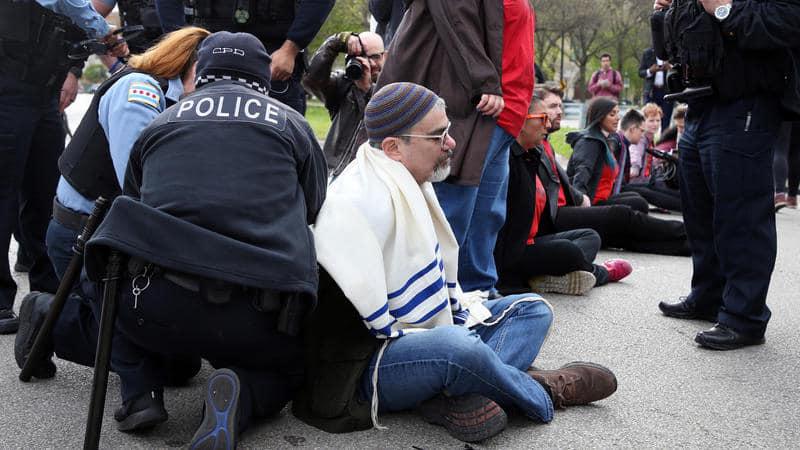
Opener: DACA Protest, Washington, DC
Questions of Character
(י) אַרְבַּע מִדּוֹת בָּאָדָם. הָאוֹמֵר שֶׁלִּי שֶׁלִּי וְשֶׁלְּךָ שֶׁלָּךְ, זוֹ מִדָּה בֵינוֹנִית. וְיֵשׁ אוֹמְרִים, זוֹ מִדַּת סְדוֹם. שֶׁלִּי שֶׁלְּךָ וְשֶׁלְּךָ שֶׁלִּי, עַם הָאָרֶץ. שֶׁלִּי שֶׁלְּךָ וְשֶׁלְּךָ שֶׁלָּךְ, חָסִיד. שֶׁלִּי שֶׁלִּי וְשֶׁלְּךָ שֶׁלִּי, רָשָׁע:
(10) There are four temperaments among men: the one who says "what is mine is mine, and what is yours is yours" -- that's an [average] temperament. And there are some who say that is the temperament of Sodom. [A second type is one who says] "what is mine is yours, and what is yours is mine" -- [that's an] am ha'arets (uneducated person). [A third type is one who says] "what is mine is yours, and what is yours is yours" -- [that's a] pious person. [A final type is one who says] "what is yours is mine, and what is mine is mine" -- [that's a] wicked person.
(ח) פְּתַח־פִּ֥יךָ לְאִלֵּ֑ם אֶל־דִּ֝֗ין כׇּל־בְּנֵ֥י חֲלֽוֹף׃ (ט) פְּתַח־פִּ֥יךָ שְׁפׇט־צֶ֑דֶק וְ֝דִ֗ין עָנִ֥י וְאֶבְיֽוֹן׃ {פ}
(8) Speak up for the dumb, For the rights of all the unfortunate. (9) Speak up, judge righteously, Champion the poor and the needy.
(יד) הוּא הָיָה אוֹמֵר, אִם אֵין אֲנִי לִי, מִי לִי. וּכְשֶׁאֲנִי לְעַצְמִי, מָה אֲנִי. וְאִם לֹא עַכְשָׁיו, אֵימָתָי:
(14) He [Rabbi Hillel] used to say: If I am not for me, who will be for me? And when I am for myself alone, what am I? And if not now, then when?
1. What is Hillel saying?
2. What is the overall guiding moral and ethical principle of Hillel’s teaching?
תלמוד בבלי מסכת תענית דף יא עמוד א
בזמן שהצבור שרוי בצער אל יאמר אדם אלך לביתי ואוכל ואשתה ושלום עליך נפשי
Babylonian Talmud Taanit, 11a
At a time when the community is suffering, no one should say, "I will go home, eat, drink, and be at peace with myself."
"Civil Disobedience" by Henry David Thoreau, 1849
If the injustice is part of the necessary friction of the machine of government, let it go, let it go: perchance it will wear smooth--certainly the machine will wear out. If the injustice has a spring, or a pulley, or a rope, or a crank, exclusively for itself, then perhaps you may consider whether the remedy will not be worse than the evil; but if it is of such a nature that it requires you to be the agent of injustice to another, then, I say, break the law. Let your life be a counter-friction to stop the machine. What I have to do is to see, at any rate, that I do not lend myself to the wrong which I condemn.
Reverend Dr. Martin Luther King, Jr. (USA, 1929-1968)
Radio Broadcast, KPFA, Santa Rita CA, January 14, 1968
Courage is an inner resolution to go forward despite obstacles. Cowardice is submissive surrender to circumstances. Courage breeds creativity; Cowardice represses fear and is mastered by it. Cowardice asks the question, is it safe? Expediency asks the question, is it politic? Vanity asks the question, is it popular? But, conscience asks the question, is it right?
Rabbi Abraham Joshua Heschel, "Religion and Race" (Jan. 14 1963)
There is an evil which most of us condone and are even guilty of: indifference to evil. We remain neutral, impartial, and not easily moved by the wrongs done unto other people. Indifference to evil is more insidious than evil itself; it is more universal, more contagious, more dangerous. A silent justification, it makes possible an evil erupting as an exception becoming the rule and being in turn accepted. The prophets’ great contribution to humanity was the discovery of the evil of indifference. One may be decent and sinister, pious and sinful...However, an honest estimation of the moral state of our society will disclose: Some are guilty, but all are responsible.
Civil Disobedience
(טו) וַיֹּ֙אמֶר֙ מֶ֣לֶךְ מִצְרַ֔יִם לַֽמְיַלְּדֹ֖ת הָֽעִבְרִיֹּ֑ת אֲשֶׁ֨ר שֵׁ֤ם הָֽאַחַת֙ שִׁפְרָ֔ה וְשֵׁ֥ם הַשֵּׁנִ֖ית פּוּעָֽה׃ (טז) וַיֹּ֗אמֶר בְּיַלֶּדְכֶן֙ אֶת־הָֽעִבְרִיּ֔וֹת וּרְאִיתֶ֖ן עַל־הָאָבְנָ֑יִם אִם־בֵּ֥ן הוּא֙ וַהֲמִתֶּ֣ן אֹת֔וֹ וְאִם־בַּ֥ת הִ֖יא וָחָֽיָה׃ (יז) וַתִּירֶ֤אןָ הַֽמְיַלְּדֹת֙ אֶת־הָ֣אֱלֹהִ֔ים וְלֹ֣א עָשׂ֔וּ כַּאֲשֶׁ֛ר דִּבֶּ֥ר אֲלֵיהֶ֖ן מֶ֣לֶךְ מִצְרָ֑יִם וַתְּחַיֶּ֖יןָ אֶת־הַיְלָדִֽים׃ (יח) וַיִּקְרָ֤א מֶֽלֶךְ־מִצְרַ֙יִם֙ לַֽמְיַלְּדֹ֔ת וַיֹּ֣אמֶר לָהֶ֔ן מַדּ֥וּעַ עֲשִׂיתֶ֖ן הַדָּבָ֣ר הַזֶּ֑ה וַתְּחַיֶּ֖יןָ אֶת־הַיְלָדִֽים׃ (יט) וַתֹּאמַ֤רְןָ הַֽמְיַלְּדֹת֙ אֶל־פַּרְעֹ֔ה כִּ֣י לֹ֧א כַנָּשִׁ֛ים הַמִּצְרִיֹּ֖ת הָֽעִבְרִיֹּ֑ת כִּֽי־חָי֣וֹת הֵ֔נָּה בְּטֶ֨רֶם תָּב֧וֹא אֲלֵהֶ֛ן הַמְיַלֶּ֖דֶת וְיָלָֽדוּ׃ (כ) וַיֵּ֥יטֶב אֱלֹהִ֖ים לַֽמְיַלְּדֹ֑ת וַיִּ֧רֶב הָעָ֛ם וַיַּֽעַצְמ֖וּ מְאֹֽד׃ (כא) וַיְהִ֕י כִּֽי־יָֽרְא֥וּ הַֽמְיַלְּדֹ֖ת אֶת־הָאֱלֹהִ֑ים וַיַּ֥עַשׂ לָהֶ֖ם בָּתִּֽים׃
(15) The king of Egypt spoke to the Hebrew midwives, one of whom was named Shiphrah and the other Puah, (16) saying, “When you deliver the Hebrew women, look at the birthstool: if it is a boy, kill him; if it is a girl, let her live.” (17) The midwives, fearing God, did not do as the king of Egypt had told them; they let the boys live. (18) So the king of Egypt summoned the midwives and said to them, “Why have you done this thing, letting the boys live?” (19) The midwives said to Pharaoh, “Because the Hebrew women are not like the Egyptian women: they are vigorous. Before the midwife can come to them, they have given birth.” (20) And God dealt well with the midwives; and the people multiplied and increased greatly. (21) And because the midwives feared God, He established households for them.
1. What choice were the midwives faced with?
2. What were the midwives able to do, even with little power given to them?
3. How is this a model for resistance? Are there any situations today that that this story can be compared to?
Shifra and Puah were Egyptian by Rabbi Mira Beth Wasserman PhD 2021
Today, new historical realities enlarge our imagination. We can imagine the righteous Shifrah and Puah as Egyptians, because we have learned that care and trust and friendship and love cross all lines of separation. We have seen allies take risks for us, some because of principles of justice and truth, others because of bonds of caring and connection. The story of the Egyptian midwives is a story for anyone who could recede into self-protection, but instead chooses to step outside of their own comfort and safety, and to take risks for others.
Rabbi Danya Ruttenberg on the Midwives
The midwives engage in a skillful game of double-entendre. On the one hand, using the word, chayot--full of life--could refer to the Israelite women's vitality. it could be that they are, as Rashi suggests, as skillful as midwives. It could be, however, that it refers to the other meaning of the word--as the Talmud quoted by Rashi suggests. That they're animals.
One wonders if they might not be intentionally deploying dehumanizing language in their explanation to Pharaoh. After all, referring to a population of human beings as animals—or vermin, or insects—is such a key part of the genocidal playbook...
It may be that the midwives, understanding Pharaoh’s agenda and hearing his rhetoric, think that their ruse will be more likely to be believed if they present it to him in his own language, or in language that seems to support his own beliefs or agenda. If they present as true believers, will Pharaoh be less likely to investigate their claims? Maybe. Regardless, their act of civil disobedience is indeed brave—their own lives were very clearly at stake—and has the ability to impact many lives.
Shabbat 54b-55a...
In any event, they said: Anyone who had the capability to effectively protest the sinful conduct of the members of his household and did not protest, he himself is apprehended for the sins of the members of his household and punished. If he is in a position to protest the sinful conduct of the people of his town, and he fails to do so, he is apprehended for the sins of the people of his town. If he is in a position to protest the sinful conduct of the whole world, and he fails to do so, he is apprehended for the sins of the whole world.
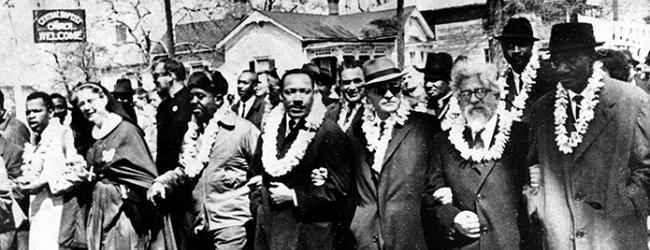
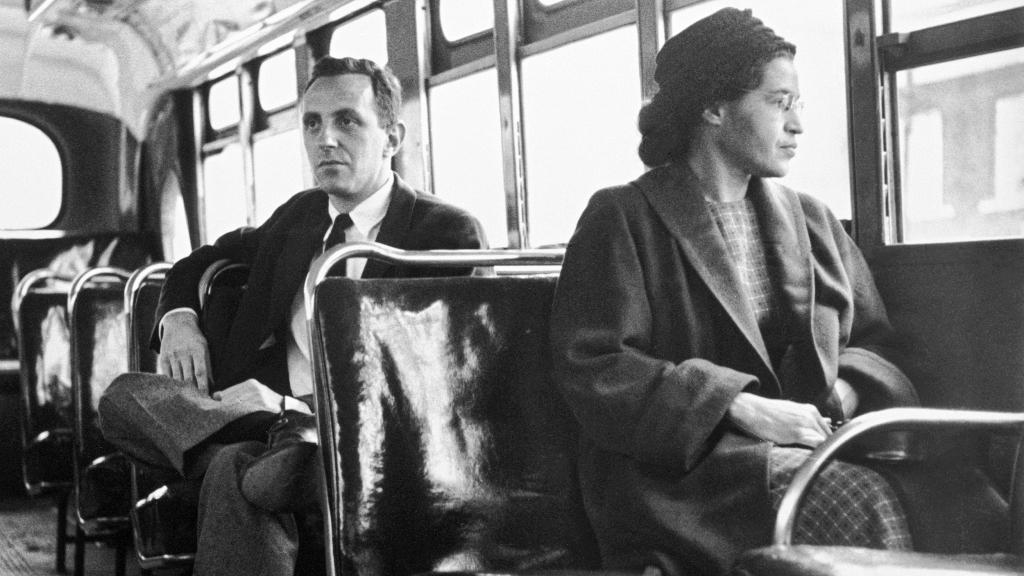
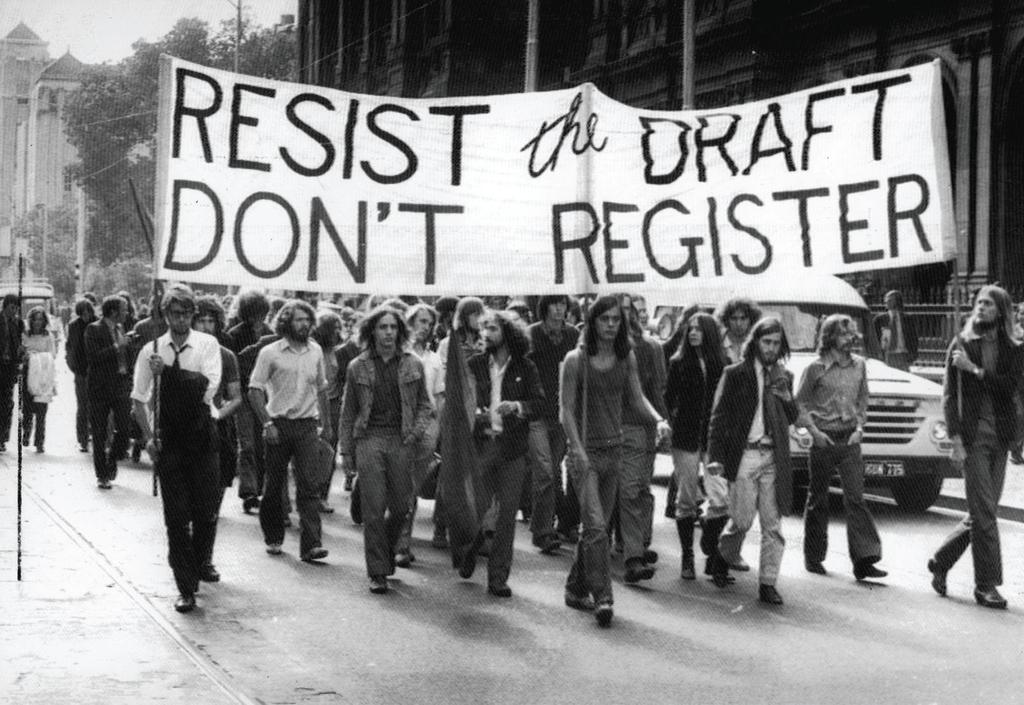
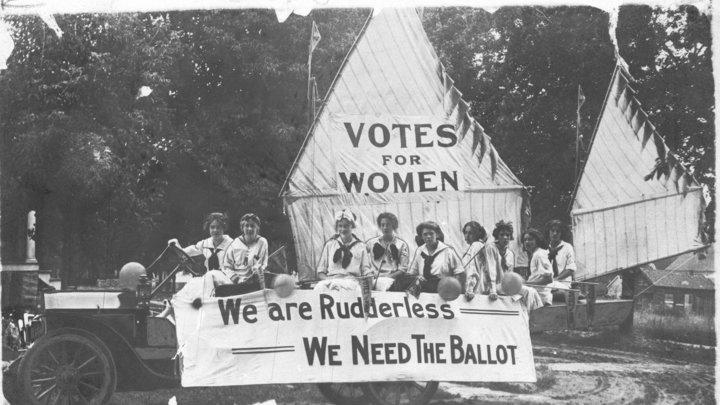
Protest in Pictures
Do you remember these events?
Have you ever engaged in civil disobedience or protest?
For which cause?
Baton Rouge, LA

Women's March, January 2017

Protesting Police Violence in Chicago, IL