


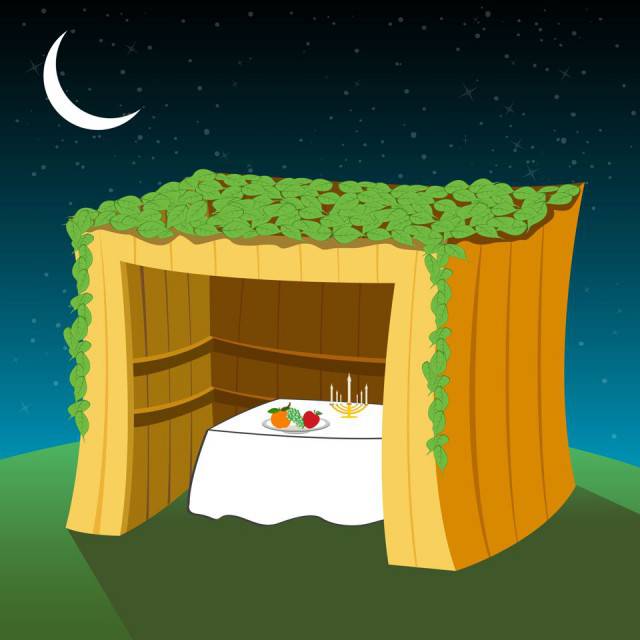
(א) הַיָּשֵׁן תַּחַת הַמִּטָּה בַסֻּכָּה, לֹא יָצָא יְדֵי חוֹבָתוֹ.
(1) One who sleeps under a bed in a sukkah has not fulfilled his obligation. Rabbi Yehudah says, "We practiced the custom of sleeping under a bed [in the sukkah] in the presence of the elders, and they never said a thing to [stop] us." Rabbi Shimon says: It happened that Tavi, the slave of Raban Gamaliel, would sleep under a bed [in the sukkah], and Raban Gamaliel said to the elders, "Have you see my slave Tavi? He is a disciple of the Sages, and he knows that slaves are exempt from [the obligations pertaining to] the sukkah; therefore, he sleeps under a bed." And thus in accordance with our way we deduce that one who sleeps under a bed [in a sukkah] has not fulfilled his obligation.
ת"ר אוכלין אכילת עראי חוץ לסוכה ואין ישנים שינת עראי חוץ לסוכה
חולים ומשמשיהם: תנו רבנן חולה שאמרו לא חולה שיש בו סכנה אלא אפילו חולה שאין בו סכנה אפי' חש בעיניו ואפילו חש בראשו ארשב"ג פעם אחת חשתי בעיני בקיסרי והתיר ר' יוסי בריבי לישן אני ומשמשי חוץ לסוכה רב שרא לרב אחא ברדלא למגנא בכילתא בסוכה משום בקי רבא שרא ליה לרבי אחא בר אדא למגנא בר ממטללתא משום סירחא דגרגישתא רבא לטעמיה דאמר רבא מצטער פטור מן הסוכה והא אנן תנן חולין ומשמשיהם פטורים מן הסוכה חולה אין מצטער לא אמרי חולה הוא ומשמשיו פטורים מצטער הוא פטור משמשיו לא:
§ It is stated in the mishna: The ill and their caretakers are exempt from the mitzva of sukka. The Sages taught in a baraita: The ill person that they said is exempt from sukka is not only an ill person whose condition is critical, but even an ill person whose condition is not critical, and even one who feels pain in his eyes, and even one who feels pain in his head. Rabban Shimon ben Gamliel said: One time I felt pain in my eyes in Caesarea, and the esteemed Rabbi Yosei ben Ḥalafta permitted me and my attendant to sleep outside the sukka. The Gemara relates a similar tale: Rav permitted Rav Aḥa Bardela to sleep beneath a canopy in the sukka due to the biting flies [baki]. He permitted this although the canopy was more than ten handbreadths high and in sleeping beneath it he did not fulfill his obligation. Rava permitted Rabbi Aḥa bar Adda to sleep outside the sukka due to the foul odor of the earth [gargishta] floor of the sukka. The Gemara comments: Rava conforms to his line of reasoning, as Rava said: One who suffers in the sukka is exempt from the mitzva of sukka. The Gemara asks: But didn’t we learn in the mishna that the ill and their caretakers are exempt from the mitzva of sukka? By inference, with regard to an ill person, yes, he is exempt; with regard to one who suffers, no, he is not exempt. The Sages say: With regard to an ill person, he and his caretakers are exempt; however, with regard to one who merely suffers in the sukka, he is exempt but his caretakers are not.
The verse equated a woman to a man with regard to all punishments and prohibitions in the Torah. The mitzvot of Yom Kippur include prohibitions, as well as the punishment of karet. Why, then, was this additional derivation necessary? Abaye said: Actually, sukka is a halakha transmitted to Moses from Sinai. Nevertheless, it was necessary to teach that a woman is exempt from the mitzva of sukka, as it might enter your mind to say: “Shall you reside” (Leviticus 23:42) indicates that you reside in the sukka as you dwell; just as dwelling is typically performed by a man and his wife, so too, the mitzva of sukka is performed by both a man and his wife. Therefore, it teaches us that women are exempt.
הכל חייבין בסוכה כהנים לוים וישראלים פשיטא אי הני לא מחייבי מאן מיחייבי כהנים איצטריכא ליה סד"א הואיל וכתיב (ויקרא כג, מב) בסוכות תשבו ואמר מר תשבו שבעת ימים כעין תדורו מה דירה איש ואשתו אף סוכה איש ואשתו והני כהנים הואיל ובני עבודה נינהו לא ליחייבו קא משמע לן נהי דפטירי בשעת עבודה בלא שעת עבודה חיובי מיחייבי מידי דהוה אהולכי דרכים דאמר מר הולכי דרכים ביום פטורין מן הסוכה ביום וחייבים בלילה:
וגם מסקינן בשמעתין שאסור לישן חוץ לסוכה אכן סומכין העולם על דבר זה שיראים מן הצנה והוי כחולה שאין בו סכנה דפטור מן הסוכה או כמי שמצטער דפטור מן הסוכה:
הַגָּה: וּמַה שֶּׁנּוֹהֲגִין לְהָקֵל עַכְשָׁו בְּשֵׁנָה, שֶׁאֵין יְשֵׁנִים בַּסֻּכָּה רַק הַמְדַקְדְּקִין בְּמִצְוֹת, יֵשׁ אוֹמְרִים מִשּׁוּם צִנָּה, דְּיֵשׁ צַעַר לִישַׁן בִּמְקוֹמוֹת הַקָּרִים (מָרְדְּכַי פ' הַיָּשֵׁן); וְלִי נִרְאֶה מִשּׁוּם דְּמִצְוַת סֻכָּה אִישׁ וּבֵיתוֹ, אִישׁ וְאִשְׁתּוֹ כְּדֶרֶךְ שֶׁהוּא דָּר כָּל הַשָּׁנָה, וּבְמָקוֹם שֶׁלֹּא יוּכַל לִישַׁן עִם אִשְׁתּוֹ, שֶׁאֵין לוֹ סֻכָּה מְיֻחֶדֶת, פָּטוּר; וְטוֹב לְהַחְמִיר וְלִהְיוֹת שָׁם עִם אִשְׁתּוֹ כְּמוֹ שֶׁהוּא דָּר כָּל הַשָּׁנָה, אִם אֶפְשָׁר לִהְיוֹת לוֹ סֻכָּה מְיֻחֶדֶת.
Rem"a: And nowadays what is practiced to be lenient in the Sukkah, such that only the scrupulously observant sleep in the Sukkah; there are those who say that it is because of the cold, for it is uncomfortable to sleep in the cold places, and it seems to me that this is because the Mitzvah of Sukkah is a man and his household, a man and his wife, and in a place where he cannot sleep with his wife, that he does not have a suitable Sukkah, he is exempt; and it is good to be stringent, and to be there with his wife, just as he resides all year, if he can have a suitable Sukkah.
(ח) איש ואשתו. כ"מ בריש ערכין דאמרינן דכהנים פטורים בעידן עבודה ע"ש וצ"ע דבסוכה דף כ"ח סד"א תשבו כעין תדורו מה דירה איש ואשתו אף סוכה איש ואשתו קמ"ל דנשים פטורות וי"ל דמ"מ הבעל אינו חייב בסוכה אלא במקום שיכול לדור שם עם אשתו ואם לאו ה"ל מצטער ופטור לישן שם וכ"כ של"ה ע"ש ומ"מ צ"ע דהא אם עשה הסוכה במקום שאינו יכול לישון לא יצא כמ"ש סי' תר"מ סי"ד בהג"ה וא"כ אם אין לו סוכה מיוחדת לא יצא כלל וע"ק דבגמרא אמרינן שכל ישראל ראוים לישב בסוכה א' ע"ש וצ"ל דמ"מ כיון שיכול לישן שם לבדו הסוכה כשרה דהוי דירה ומ"מ הוא פטור דמקרי מצטער:
(8) A Man and His Wife. Such is apparent from the beginning of Arakhin [Arakhin 3b] where they say that priests are exempt from the Sukkah during the Avodah, see there. And this requires further study, for in Sukkah 28b: Since you might have thought, sit such as you dwell, since one dwells husband and wife, so too Sukkah must be husband and wife, so you have learned that women are exempt. And it should be said, that anyway the husband is not obligated in the Sukkah but where he can dwell there with his wife, and if not, he is Mitzta'er (discomforted) and is exempt from sleeping there, and such wrote the Shela"h, see there. But anyway, this is still difficult, since if he made the Sukkah in a place where he cannot sleep, he has not fulfilled his obligation [when he sits in it], as is written in the Rem"a in Shulchan Arukh, Orach Chayyim 640:14, and if so, if he does not have a Sukkah which is isolated [so that he can sleep there with his wife modestly] he has not fulfilled his obligation at all [even when he eats therein], and another difficulty is that in the Gemara we say that "all of Israel are fit to sit in one Sukkah", see there. And it must be said that since he can sleep there alone, the Sukkah is valid, for it is a residence, but he is anyway exempt, for he is considered discomforted.
http://www.chabad.org/library/article_cdo/aid/92423/jewish/Sukkos.htm#footnote8a92423
ולכן נלע"ד דהעיקר הוא הטעם הראשון משום צינה דבמדינות הצפוניות שלנו רוב שנים הזמן קר מאד בסוכות ואין לך מצטער יותר מזה וכמה פעמים שאפשר להתנזק כשישן שם ולבד זה כיון דקיי"ל מצטער פטור מן הסוכה כמ"ש בסי' תר"ם ולפי סוכות שלנו ברובא דרובא בהכרח להצטער בשינה בסוכה כמו שאנו רואין זה בחוש ומיעוטא דמיעוטא שלא יצטער בשינה בהסוכה ולכן נהגו להקל בזה ומ"מ אינה נקראת שאינה ראויה לשינה כמ"ש בסעיף י"א ואין לך אינה ראויה לשינה כסוכה ז' על ז' ומ"מ כיון דבדוחק יכול לישן שם כשירה ומי שבאמת מצטער באופן זה פטור ואמנם הירא את דבר ד' יהדר לישן בסוכה:
(יח) (יח) פטור - ובביאור הגר"א חולק ע"ז דלא מיפטר משום זה וגם במ"א מסיק דמשום זה לא מיפטר ולימד זכות אחר על העולם משום דהו"ל מצטער כשאין יכול לישן שם עם אשתו והנה לפי טעם זה אם אין מצטער כגון שאין אצלו זמן עונה עכשיו אין לו לפטור עצמו מן השינה. ומשמע מכמה אחרונים דמאן דא"א לו לישן עם אשתו בסוכה דאין לו סוכה מיוחדת לא יבטל זמן עונה וליל טבילה ואין לחייבו לאחר שנזדווג עם אשתו שיחזור לסוכתו אלא ישן בביתו עד עמוד השחר: