


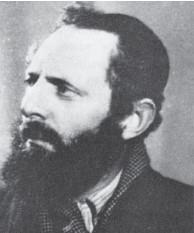
R’ Mottel Pogremanski
וַַיִִּפֹֹּל עַַל צַַוְְּארֵֵי בִִנְְיָָמִִן אָָחִִיו וַַיֵֵּבְְךְְּ וּבִִנְְיָָמִִן בָָּכָָה עַַל צַַוָָּארָָיו
Then he fell upon his brother Binyomin’s neck and wept; and Benjamin wept upon his neck (Bereishis 45:14)
Then he fell upon his brother Binyomin’s neck and wept; and Benjamin wept upon his neck (Bereishis 45:14)
Shortly after the emotionally charged moment when Yosef reveals his identity to his brothers, he and Binyamin embrace, and they both begin to weep. Rashi explains that they foresaw that the Temple that would eventually stand in Shiloh, which was in Yosef’s portion of Eretz Yisrael, and the Batei Mikdash that would stand in Binyamin’s portion, would all be destroyed, so they wept.
The question is, why cry over the Batei Mikdash now? Emotions
were obviously running pretty high after all that the shevatim had been through in 22 years of separation. I could understand that some spontaneous tears would spring to their eyes now, but that the tears should be for an event so far in the future?
were obviously running pretty high after all that the shevatim had been through in 22 years of separation. I could understand that some spontaneous tears would spring to their eyes now, but that the tears should be for an event so far in the future?
Chazal note an extra word in the pasuk often cited as a conclusion to a eulogy, “Beela hamaves lanetzach, umacha Hashem/Elokim dim’ah mei’al kol panim — [Hashem] will eliminate death forever, and my Lord Hashem/ Elokim will erase tears from all faces” (Yeshayahu 25:8). What does the word kol — from all faces
add?
add?
Chazal explain that when death is eliminated, not only will people cease to cry tears of sadness, they will also stop crying tears of joy. Hashem will wipe away all tears, even tears of joy. This is obviously supposed to be a consoling prophecy. It is definitely consoling to think of a time when people will no longer cry tears
of sadness, notes Rav Mordechai (Mottel) Pogremanski of Telshe, but what is wrong with tears of joy? Why shouldn’t people continue to cry tears of joy after death is eliminated?
of sadness, notes Rav Mordechai (Mottel) Pogremanski of Telshe, but what is wrong with tears of joy? Why shouldn’t people continue to cry tears of joy after death is eliminated?
If we think about it, tears of joy are a strange phenomenon. You are at the height of happiness, you are celebrating a special occasion, and suddenly you feel overcome with emotion, your eyes get moist, and before you can control yourself, you dissolve
into tears. Why do we cry out of joy?
into tears. Why do we cry out of joy?
Rav Mottel Pogremanski explains that we cry because we realize that the happiness cannot last. In the recesses of our souls we realize that the joy is short-lived, and we cry for the time that we will no longer feel the intense happiness we are experiencing.
Once death will be eliminated, there will no longer be a reason to cry tears of joy, explains Rav Mottel, because the happiness will not end. Yosef and Binaymin were crying tears of joy over their reunion, explains Rav Mottel, but they realized that the happiness could not last forever. At some point the happiness would be marred by the destruction of the Temples.
אָמַר הַקָּדוֹשׁ בָּרוּךְ הוּא, בָּעוֹלָם הַזֶּה אֵין הַמָּוֶת מַנִּיחַ לָאָדָם שֶׁיִּשְׂמַח. אֲבָל לָעוֹלָם הַבָּא, וּבִלַּע הַמָּוֶת לָנֶצַח (ישעיה כה, ח). וְכֵיוָן שֶׁיְּבֻלַּע הַמָּוֶת, וְגַלְתִּי בִירוּשָׁלַיִם וְשַׂשְׂתִּי בְעַמִּי וְלֹא יִשָּׁמַע בָּהּ עוֹד קוֹל בְּכִי וְקוֹל זְעָקָה (ישעיה סה, יט).
The Holy One, blessed be He, said: Death does not permit man to rejoice in this world, but in the world-to-come He will swallow up death forever (Isa. 25:8). When He does swallow up death, then I will rejoice in Jerusalem, and joy in My people; and the voice of weeping shall be no more heard in her, nor the voice of crying (Isa. 65:19).