


1 - Who was Hezekiah?
(א) וַֽיְהִי֙ בִּשְׁנַ֣ת שָׁלֹ֔שׁ לְהוֹשֵׁ֥עַ בֶּן־אֵלָ֖ה מֶ֣לֶךְ יִשְׂרָאֵ֑ל מָלַ֛ךְ חִזְקִיָּ֥ה בֶן־אָחָ֖ז מֶ֥לֶךְ יְהוּדָֽה׃ (ב) בֶּן־עֶשְׂרִ֨ים וְחָמֵ֤שׁ שָׁנָה֙ הָיָ֣ה בְמׇלְכ֔וֹ וְעֶשְׂרִ֤ים וָתֵ֙שַׁע֙ שָׁנָ֔ה מָלַ֖ךְ בִּירוּשָׁלָ֑͏ִם וְשֵׁ֣ם אִמּ֔וֹ אֲבִ֖י בַּת־זְכַרְיָֽה׃
(1) In the third year of King Hoshea son of Elah of Israel, Hezekiah son of King Ahaz of Judah became king. (2) He was twenty-five years old when he became king, and he reigned in Jerusalem twenty-nine years; his mother’s name was Abi daughter of Zechariah.
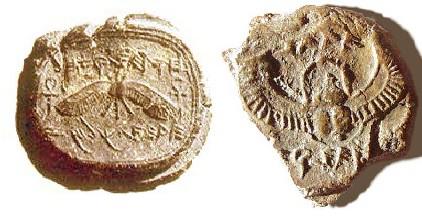
לחזקיהו [בן] אחז מלך יהדה
Belonging to Hezekiah (son of) Ahaz, king of Judah
2 - Religious Reforms
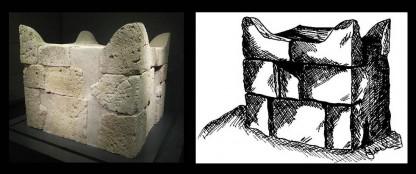
(ד) ה֣וּא ׀ הֵסִ֣יר אֶת־הַבָּמ֗וֹת וְשִׁבַּר֙ אֶת־הַמַּצֵּבֹ֔ת וְכָרַ֖ת אֶת־הָֽאֲשֵׁרָ֑ה וְכִתַּת֩ נְחַ֨שׁ הַנְּחֹ֜שֶׁת אֲשֶׁר־עָשָׂ֣ה מֹשֶׁ֗ה כִּ֣י עַד־הַיָּמִ֤ים הָהֵ֙מָּה֙ הָי֤וּ בְנֵֽי־יִשְׂרָאֵל֙ מְקַטְּרִ֣ים ל֔וֹ וַיִּקְרָא־ל֖וֹ נְחֻשְׁתָּֽן׃
(4) He abolished the shrines and smashed the pillars and cut down the sacred post. He also broke into pieces the bronze serpent that Moses had made, for until that time the Israelites had been offering sacrifices to it; it was called Nehushtan.
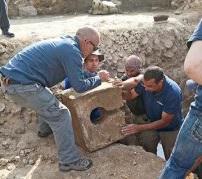
“Going to the Bathroom at Lachish” in the November/December 2017 issue of BAR.
--"Hezekiah’s Religious Reform—In the Bible and Archaeology"
3 - Death of Sargon II (705 BCE), Succeeded by Sennacherib
(ז) וְהָיָ֤ה יהוה עִמּ֔וֹ בְּכֹ֥ל אֲשֶׁר־יֵצֵ֖א יַשְׂכִּ֑יל וַיִּמְרֹ֥ד בְּמֶֽלֶךְ־אַשּׁ֖וּר וְלֹ֥א עֲבָדֽוֹ׃
(7) And GOD was always with him; he was successful wherever he turned. He rebelled against the king of Assyria and would not serve him.
(11) "[The (ruler) of Ukku has written to] the Urarṭian king [that the govern]ors of the king of Assyria are building [a fort in Kumme], and the Urarṭian king has [give]n his governors (the following) order: 'Take your troops, go and capture the governors of the king of Assyria alive from the Kummeans, and bring them to me.' I do not have the full details yet; as soon as I have heard more, I shall write by express to the crown prince that they should rush troops to me."
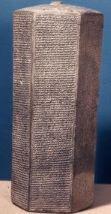
--Taylor Prism
(א) בִּשְׁנַ֨ת בֹּ֤א תַרְתָּן֙ אַשְׁדּ֔וֹדָה בִּשְׁלֹ֣חַ אֹת֔וֹ סַֽרְג֖וֹן מֶ֣לֶךְ אַשּׁ֑וּר וַיִּלָּ֥חֶם בְּאַשְׁדּ֖וֹד וַֽיִּלְכְּדָֽהּ׃
(1) It was the year that the Tartan came to Ashdod—being sent by King Sargon of Assyria—and attacked Ashdod and took it.
(יב) בָּעֵ֣ת הַהִ֡יא שָׁלַ֡ח בְּרֹאדַ֣ךְ בַּ֠לְאֲדָ֠ן בֶּֽן־בַּלְאֲדָ֧ן מֶלֶךְ־בָּבֶ֛ל סְפָרִ֥ים וּמִנְחָ֖ה אֶל־חִזְקִיָּ֑הוּ כִּ֣י שָׁמַ֔ע כִּ֥י חָלָ֖ה חִזְקִיָּֽהוּ׃ (יג) וַיִּשְׁמַ֣ע עֲלֵיהֶם֮ חִזְקִיָּ֒הוּ֒ וַיַּרְאֵ֣ם אֶת־כׇּל־בֵּ֣ית נְכֹתֹ֡ה אֶת־הַכֶּ֩סֶף֩ וְאֶת־הַזָּהָ֨ב וְאֶת־הַבְּשָׂמִ֜ים וְאֵ֣ת ׀ שֶׁ֣מֶן הַטּ֗וֹב וְאֵת֙ בֵּ֣ית כֵּלָ֔יו וְאֵ֛ת כׇּל־אֲשֶׁ֥ר נִמְצָ֖א בְּאוֹצְרֹתָ֑יו לֹא־הָיָ֣ה דָבָ֗ר אֲ֠שֶׁ֠ר לֹֽא־הֶרְאָ֧ם חִזְקִיָּ֛הוּ בְּבֵית֖וֹ וּבְכׇל־מֶמְשַׁלְתּֽוֹ׃ (יד) וַיָּבֹא֙ יְשַׁעְיָ֣הוּ הַנָּבִ֔יא אֶל־הַמֶּ֖לֶךְ חִזְקִיָּ֑הוּ וַיֹּ֨אמֶר אֵלָ֜יו מָ֥ה אָמְר֣וּ ׀ הָאֲנָשִׁ֣ים הָאֵ֗לֶּה וּמֵאַ֙יִן֙ יָבֹ֣אוּ אֵלֶ֔יךָ וַיֹּ֙אמֶר֙ חִזְקִיָּ֔הוּ מֵאֶ֧רֶץ רְחוֹקָ֛ה בָּ֖אוּ מִבָּבֶֽל׃
(12) At that time, King Berodach -baladan son of Baladan of Babylon sent [envoys with] a letter and a gift to Hezekiah, for he had heard about Hezekiah’s illness. (13) Hezekiah heard about them and he showed them all his treasure-house—the silver, the gold, the spices, and the fragrant oil—and his armory, and everything that was to be found in his storehouses. There was nothing in his palace or in all his realm that Hezekiah did not show them. (14) Then the prophet Isaiah came to King Hezekiah. “What,” he demanded of him, “did those men say to you? Where have they come to you from?” “They have come,” Hezekiah replied, “from a far country, from Babylon.”
--Britannica, History of Mesopotamia
4 - Sennacherib Responds to Hezekiah
(יז) וַיִּשְׁלַ֣ח מֶלֶךְ־אַשּׁ֡וּר אֶת־תַּרְתָּ֣ן וְאֶת־רַב־סָרִ֣יס ׀ וְאֶת־רַבְשָׁקֵ֨ה מִן־לָכִ֜ישׁ אֶל־הַמֶּ֧לֶךְ חִזְקִיָּ֛הוּ בְּחֵ֥יל כָּבֵ֖ד יְרוּשָׁלָ֑͏ִם וַֽיַּעֲלוּ֙ וַיָּבֹ֣אוּ יְרוּשָׁלַ֔͏ִם וַיַּעֲל֣וּ וַיָּבֹ֗אוּ וַיַּֽעַמְדוּ֙ בִּתְעָלַת֙ הַבְּרֵכָ֣ה הָעֶלְיוֹנָ֔ה אֲשֶׁ֕ר בִּמְסִלַּ֖ת שְׂדֵ֥ה כֹבֵֽס׃
"And the king of Assyria sent Tartan and Rab-saris and Rab-shakeh from Lachish..."
-- JPS, 1917
But the king of Assyria sent the Field-Marshal and the Chief Official and the Chief Cupbearer from Lakhish..."
--Shocken, 2014
But the king of Assyria sent the Tartan, the Rabsaris, and the Rabshakeh... *Tartan…Rabsaris…Rabshakeh Assyrian titles.
--JPS, 2023
5 - Lachish
(יג) וּבְאַרְבַּע֩ עֶשְׂרֵ֨ה שָׁנָ֜ה לַמֶּ֣לֶךְ חִזְקִיָּ֗ה עָלָ֞ה סַנְחֵרִ֤יב מֶֽלֶךְ־אַשּׁוּר֙ עַ֣ל כׇּל־עָרֵ֧י יְהוּדָ֛ה הַבְּצֻר֖וֹת וַֽיִּתְפְּשֵֽׂם׃
(13) In the fourteenth year of King Hezekiah, King Sennacherib of Assyria marched against all the fortified towns of Judah and seized them.
(ח) וַיָּ֙שׇׁב֙ רַבְשָׁקֵ֔ה וַיִּמְצָא֙ אֶת־מֶ֣לֶךְ אַשּׁ֔וּר נִלְחָ֖ם עַל־לִבְנָ֑ה כִּ֣י שָׁמַ֔ע כִּ֥י נָסַ֖ע מִלָּכִֽישׁ׃
(8) The Rabshakeh, meanwhile, heard that [the king] had left Lachish; he turned back and found the king of Assyria attacking Libnah.
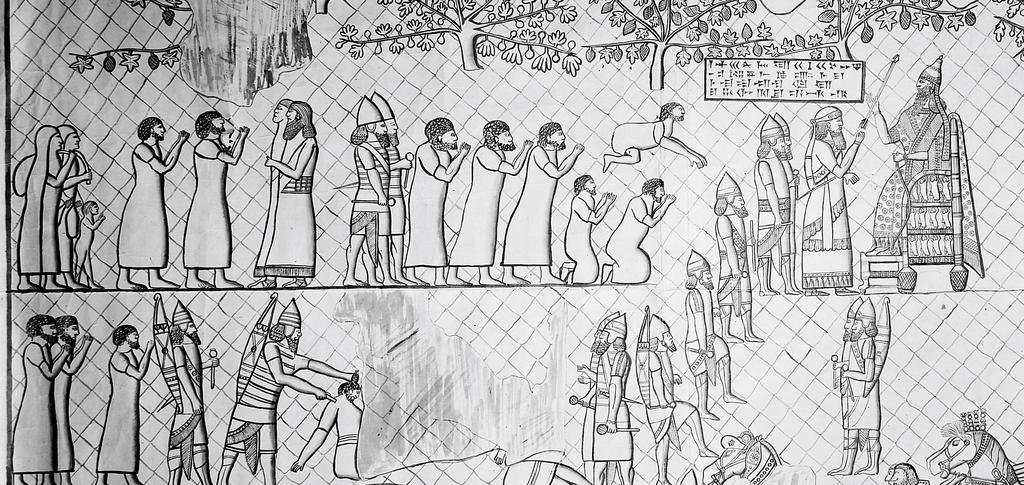
--BBC4 radio programme "A history of the world in 100 objects"
6 - Taharqa
(ט) וַיִּשְׁמַ֗ע אֶל־תִּרְהָ֤קָה מֶֽלֶךְ־כּוּשׁ֙ לֵאמֹ֔ר הִנֵּ֥ה יָצָ֖א לְהִלָּחֵ֣ם אִתָּ֑ךְ וַיָּ֙שׇׁב֙ וַיִּשְׁלַ֣ח מַלְאָכִ֔ים אֶל־חִזְקִיָּ֖הוּ לֵאמֹֽר׃
(9) But [the king of Assyria] learned that King Tirhakah of Cush had come out to fight him; so he again sent messengers to Hezekiah, saying,
(ח) וַיָּ֙שׇׁב֙ רַבְשָׁקֵ֔ה וַיִּמְצָא֙ אֶת־מֶ֣לֶךְ אַשּׁ֔וּר נִלְחָ֖ם עַל־לִבְנָ֑ה כִּ֣י שָׁמַ֔ע כִּ֥י נָסַ֖ע מִלָּכִֽישׁ׃ (ט) וַיִּשְׁמַ֗ע עַל־תִּרְהָ֤קָה מֶֽלֶךְ־כּוּשׁ֙ לֵאמֹ֔ר יָצָ֖א לְהִלָּחֵ֣ם אִתָּ֑ךְ וַיִּשְׁמַע֙ וַיִּשְׁלַ֣ח מַלְאָכִ֔ים אֶל־חִזְקִיָּ֖הוּ לֵאמֹֽר׃
(8) The Rabshakeh, meanwhile, heard that [the king] had left Lachish; he turned back and found the king of Assyria attacking Libnah. (9) But [the king of Assyria] learned that King Tirhakah of Cush had come out to fight him; and when he heard it, he sent messengers to Hezekiah, saying,
--Taylor Prism
7 - Siege of Jerusalem
(יג) וּבְאַרְבַּע֩ עֶשְׂרֵ֨ה שָׁנָ֜ה לַמֶּ֣לֶךְ חִזְקִיָּ֗ה עָלָ֞ה סַנְחֵרִ֤יב מֶֽלֶךְ־אַשּׁוּר֙ עַ֣ל כׇּל־עָרֵ֧י יְהוּדָ֛ה הַבְּצֻר֖וֹת וַֽיִּתְפְּשֵֽׂם׃ (יד) וַיִּשְׁלַ֣ח חִזְקִיָּ֣ה מֶלֶךְ־יְהוּדָ֣ה אֶל־מֶֽלֶךְ־אַשּׁוּר֩ ׀ לָכִ֨ישָׁה ׀ לֵאמֹ֤ר ׀ חָטָ֙אתִי֙ שׁ֣וּב מֵֽעָלַ֔י אֵ֛ת אֲשֶׁר־תִּתֵּ֥ן עָלַ֖י אֶשָּׂ֑א וַיָּ֨שֶׂם מֶלֶךְ־אַשּׁ֜וּר עַל־חִזְקִיָּ֣ה מֶלֶךְ־יְהוּדָ֗ה שְׁלֹ֤שׁ מֵאוֹת֙ כִּכַּר־כֶּ֔סֶף וּשְׁלֹשִׁ֖ים כִּכַּ֥ר זָהָֽב׃ (טו) וַיִּתֵּן֙ חִזְקִיָּ֔ה אֶת־כׇּל־הַכֶּ֖סֶף הַנִּמְצָ֣א בֵית־יהוה וּבְאֹצְר֖וֹת בֵּ֥ית הַמֶּֽלֶךְ׃ (טז) בָּעֵ֣ת הַהִ֗יא קִצַּ֨ץ חִזְקִיָּ֜ה אֶת־דַּלְת֨וֹת הֵיכַ֤ל יהוה וְאֶת־הָאֹ֣מְנ֔וֹת אֲשֶׁ֣ר צִפָּ֔ה חִזְקִיָּ֖ה מֶ֣לֶךְ יְהוּדָ֑ה וַֽיִּתְּנֵ֖ם לְמֶ֥לֶךְ אַשּֽׁוּר׃ {פ}
(13) In the fourteenth year of King Hezekiah, King Sennacherib of Assyria marched against all the fortified towns of Judah and seized them. (14) King Hezekiah sent this message to the king of Assyria at Lachish: “I have done wrong; withdraw from me; and I shall bear whatever you impose on me.” So the king of Assyria imposed upon King Hezekiah of Judah a payment of three hundred talents of silver and thirty talents of gold. (15) Hezekiah gave him all the silver that was on hand in the House of GOD and in the treasuries of the palace. (16) At that time Hezekiah cut down the doors and the doorposts of the Temple of GOD, which King Hezekiah had overlaid [with gold], and gave them to the king of Assyria.
8 - Assyrians Flee
(לה) וַיְהִי֮ בַּלַּ֣יְלָה הַהוּא֒ וַיֵּצֵ֣א ׀ מַלְאַ֣ךְ יהוה וַיַּךְ֙ בְּמַחֲנֵ֣ה אַשּׁ֔וּר מֵאָ֛ה שְׁמוֹנִ֥ים וַחֲמִשָּׁ֖ה אָ֑לֶף וַיַּשְׁכִּ֣ימוּ בַבֹּ֔קֶר וְהִנֵּ֥ה כֻלָּ֖ם פְּגָרִ֥ים מֵתִֽים׃ (לו) וַיִּסַּ֣ע וַיֵּ֔לֶךְ וַיָּ֖שׇׁב סַנְחֵרִ֣יב מֶלֶךְ־אַשּׁ֑וּר וַיֵּ֖שֶׁב בְּנִֽינְוֵֽה׃
(35) That night an angel of GOD went out and struck down one hundred and eighty-five thousand in the Assyrian camp, and the following morning they were all dead corpses. (36) So King Sennacherib of Assyria broke camp and retreated, and stayed in Nineveh.
-- Herodotus (5th Cent BCE Greek Historian)
-- Berossus (3rd cent BCE Babylonian Historian)
9 - End of the story
- 687 BCE - King Hezekiah dies of natural causes
- 681 BCE - Sancherib Assassinated
- 669 BCE - Esahaddon of Assyria conquers lower Egypt, driving Taharqa back
- 664 BCE - Taharqa dies in Thebes
- 612 BCE - Babylon, along with an alliance of Medes, Scythians, and Chaldeans, Conquers Nineveh.
- 587 BCE - Nebuchadnezzar of Babylon conquers Israel, beginning the Babylonian exile.