Hanukah? Chanukah? Hanukkah?!
חֲנֻכָּה! -- Dedication
Chag Chanukah Sameach -- חג חנוכה שמח -- Happy Festival of Chanukah
Chag Urim Sameach -- חג אורים שמח -- Happy Festival of Lights
A Freilichen Chanike -- א פרייליכן חנוכה -- A Joyful Chanukah
A Lichtigen Chanike -- א ליכטיגן חנוכה -- A Light-Filled Chanukah
Hanukaa Alegre -- Happy Chanukah
אֱלֹקֵֽינוּ, מֶֽלֶךְ הָעוֹלָם,
אֲשֶׁר קִדְּשָֽׁנוּ בְּמִצְוֺתָיו
וְצִוָּֽנוּ לְהַדְלִיק נֵר שֶׁל חֲנֻכָּה.
בָּרוּךְ אַתָּה, יי
אֱלֹקֵֽינוּ, מֶֽלֶךְ הָעוֹלָם,
שֶׁעָשָׂה נִסִּים לַאֲבוֹתֵֽינוּ וְאִמּוֹתֵֽינוּ
בַּיָּמִים הָהֵם בַּזְּמַן הַזֶּה.
What might the "miracles" referred to in the second blessing be? Why is it in the plural -- Was there more than one miracle?Why doesn't it specify?
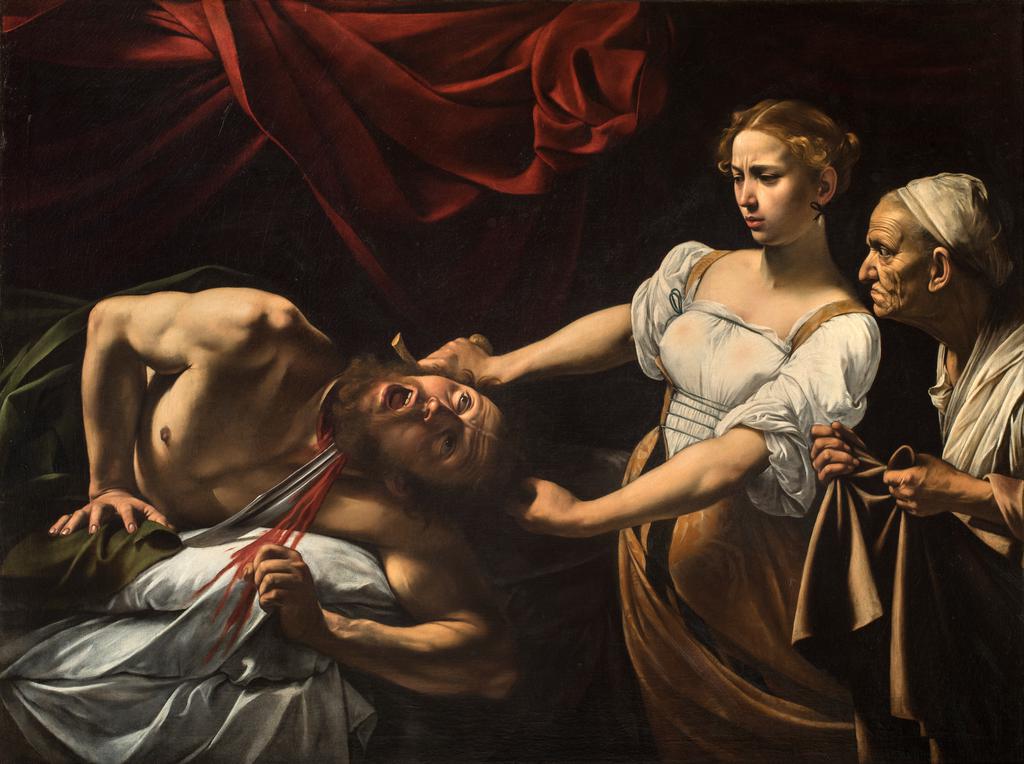
1:14 — “Whereupon they built a place of exercise at Jerusalem according to the customs of the heathen.” […]
1:41 — “Moreover king Antiochus wrote to his whole kingdom, that all should be one people…” […]
1:45 — “…and forbid burnt offerings, and sacrifice, and drink offerings in the temple; and that they should profane the sabbaths and festival days.” […]
1:47 — “Set up altars, and groves, and chapels of idols, and sacrifice swine’s flesh and unclean beasts.” […]
1:48 — “That they should also leave their children uncircumcised, and make their souls abominable with all manner of uncleanness and profanation.” […]
1:51 — “And there were built in the city of David those that had profaned the sanctuary, and put up abominable idols in the holy place.” […]
1:62–63 — “Howbeit many in Israel were fully resolved and confirmed in themselves not to eat any unclean thing. Wherefore they chose rather to die, that they might not be defiled with meats, and that they might not profane the holy covenant: so then they died.” […]
2:23 — “Now when he had left speaking these words, there came one of the Jews in the sight of all to sacrifice on the altar which was at Modin, according to the king’s commandment.” […]
2:24 — “Now when Mattathias saw it, he was inflamed with zeal, and his reins trembled, neither could he forbear to shew his anger according to judgment: wherefore he ran, and slew him upon the altar.” […]
2:27 — “And Mattathias cried throughout the city with a loud voice, saying, Whosoever is zealous of the law, and maintaineth the covenant, let him follow me.” […]
3:19 — “For the victory of battle standeth not in the multitude of an host; but strength cometh from heaven.” […]
4:9 — “Then came Judas and his brethren, and all the congregation of Israel, against them that fought against them; and the heathen that were with them were the king’s host.” […]
4:14 — “So they joined battle; and the heathen being discomfited fled into the plain.” […]
4:36 — “Then said Judas and his brethren, Behold, our enemies are discomfited: let us go up to cleanse and dedicate the sanctuary.” […]
4:59 — “Moreover Judas and his brethren with the whole congregation of Israel ordained, that the days of the dedication (chanukah) of the altar should be kept in their season from year to year by the space of eight days, from the five and twentieth day of the month Casleu, with mirth and gladness.”
Start with "What is Chanukah" towards the end.
תָּנוּ רַבָּנַן: מִצְוַת חֲנוּכָּה, נֵר אִישׁ וּבֵיתוֹ. וְהַמְהַדְּרִין, נֵר לְכׇל אֶחָד וְאֶחָד. וְהַמְהַדְּרִין מִן הַמְהַדְּרִין, בֵּית שַׁמַּאי אוֹמְרִים: יוֹם רִאשׁוֹן מַדְלִיק שְׁמֹנָה, מִכָּאן וְאֵילָךְ פּוֹחֵת וְהוֹלֵךְ. וּבֵית הִלֵּל אוֹמְרִים: יוֹם רִאשׁוֹן מַדְלִיק אַחַת, מִכָּאן וְאֵילָךְ מוֹסִיף וְהוֹלֵךְ. [...] וְטַעְמָא דְּבֵית הִלֵּל דְּמַעֲלִין בַּקֹּדֶשׁ וְאֵין מוֹרִידִין. [...]
תָּנוּ רַבָּנַן: נֵר חֲנוּכָּה מִצְוָה לְהַנִּיחָהּ עַל פֶּתַח בֵּיתוֹ מִבַּחוּץ. אִם הָיָה דָּר בַּעֲלִיָּיה — מַנִּיחָהּ בַּחַלּוֹן הַסְּמוּכָה לִרְשׁוּת הָרַבִּים. וּבִשְׁעַת הַסַּכָּנָה — מַנִּיחָהּ עַל שֻׁלְחָנוֹ וְדַיּוֹ. אָמַר רָבָא: צָרִיךְ נֵר אַחֶרֶת לְהִשְׁתַּמֵּשׁ לְאוֹרָהּ. וְאִי אִיכָּא מְדוּרָה — לֹא צָרִיךְ. וְאִי אָדָם חָשׁוּב הוּא — אַף עַל גַּב דְּאִיכָּא מְדוּרָה צָרִיךְ נֵר אַחֶרֶת.
מַאי חֲנוּכָּה? דְּתָנוּ רַבָּנַן: בְּכ״ה בְּכִסְלֵיו יוֹמֵי דַחֲנוּכָּה תְּמָנְיָא אִינּוּן דְּלָא לְמִסְפַּד בְּהוֹן וּדְלָא לְהִתְעַנּוֹת בְּהוֹן. שֶׁכְּשֶׁנִּכְנְסוּ יְוָוֽנִים לַהֵיכָל טִמְּאוּ כׇּל הַשְּׁמָנִים שֶׁבַּהֵיכָל. וּכְשֶׁגָּבְרָה מַלְכוּת בֵּית חַשְׁמוֹנַאי וְנִצְּחוּם, בָּדְקוּ וְלֹא מָצְאוּ אֶלָּא פַּךְ אֶחָד שֶׁל שֶׁמֶן שֶׁהָיָה מוּנָּח בְּחוֹתָמוֹ שֶׁל כֹּהֵן גָּדוֹל, וְלֹא הָיָה בּוֹ אֶלָּא לְהַדְלִיק יוֹם אֶחָד. נַעֲשָׂה בּוֹ נֵס וְהִדְלִיקוּ מִמֶּנּוּ שְׁמוֹנָה יָמִים. לְשָׁנָה אַחֶרֶת קְבָעוּם וַעֲשָׂאוּם יָמִים טוֹבִים בְּהַלֵּל וְהוֹדָאָה.
The Sages taught: The basic mitzvah of Hanukkah is each day to have a light kindled by a person, the head of the household, for oneself and one's household. And the mehadrin, i.e., those who are meticulous in the performance of mitzvot, kindle a light for each and every one in the household. And the mehadrin min hamehadrin, who are even more meticulous, adjust the number of lights daily.
Beit Shammai and Beit Hillel disagree as to the nature of that adjustment. Beit Shammai say: On the first day one kindles eight lights and, from there on, gradually decreases the number of lights until, on the last day of Hanukkah, he kindles one light. And Beit Hillel say: On the first day one kindles one light, and from there on, gradually increases the number of lights until, on the last day, he kindles eight lights. [...] The reason for Beit Hillel’s opinion is that the number of lights is based on the principle: We increase in holiness; we do not decrease.
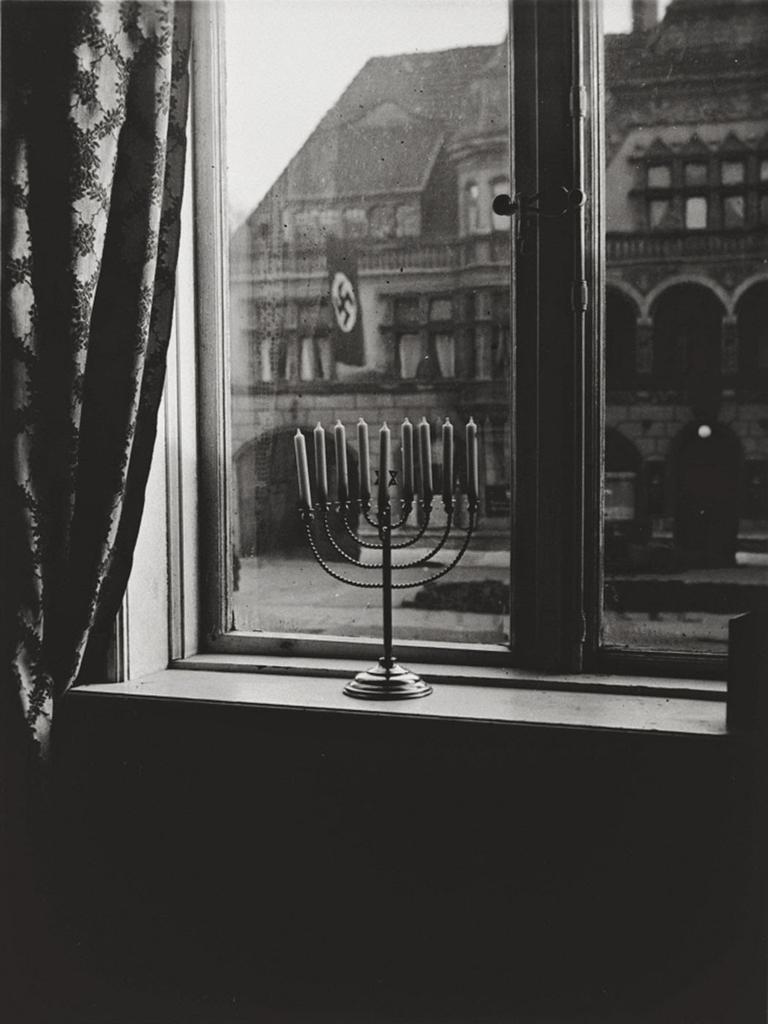
The Sages taught: It is a mitzva to place the Hanukkah lamp at the entrance to one’s house on the outside, so that all can see it. If one lived upstairs, one places it at the window adjacent to the public domain. And in a time of danger, when the gentiles issued decrees to prohibit kindling lights, one places it on the table and that is sufficient to fulfill one's obligation.
Rava said: One must kindle another light in addition to the Hanukkah lights in order to use its light, as it is prohibited to use the light of the Hanukkah lights. And if there is a bonfire, he need not light an additional light, as he can use the light of the bonfire. However, if he is an important person, who is unaccustomed to using the light of a bonfire, even though there is a bonfire, he must kindle another light.
What is Hanukkah? The Sages taught: On the twenty-fifth of Kislev, the days of Hanukkah are eight. One may not eulogize on them and one may not fast on them. When the Greeks entered the Sanctuary they defiled all the oils that were in the Sanctuary. And when the Hasmonean monarchy overcame them and emerged victorious over them, they searched and found only one cruse of oil that was placed with the seal of the High Priest, undisturbed by the Greeks. And there was sufficient oil there to light the candelabrum for only one day. A miracle occurred and they lit the candelabrum from it eight days. The next year they instituted those days and made them holidays with recitation of hallel and special thanksgiving.
Why might that address that question after discussing ways to light the Chanukah lights?
What story do the rabbis tell here about Chanukah? What's new? What's missing (wholly or in part)?
Why did they tell the story this way?
תָּנוּ רַבָּנַן: לְפִי שֶׁרָאָה אָדָם הָרִאשׁוֹן יוֹם שֶׁמִּתְמַעֵט וְהוֹלֵךְ, אָמַר: אוֹי לִי! שֶׁמָּא בִּשְׁבִיל שֶׁסָּרַחְתִּי עוֹלָם חָשׁוּךְ בַּעֲדִי וְחוֹזֵר לְתוֹהוּ וָבוֹהוּ, וְזוֹ הִיא מִיתָה שֶׁנִּקְנְסָה עָלַי מִן הַשָּׁמַיִם. עָמַד וְיָשַׁב שְׁמוֹנָה יָמִים בְּתַעֲנִית [וּבִתְפִלָּה]. כֵּיוָן שֶׁרָאָה תְּקוּפַת טֵבֵת, וְרָאָה יוֹם שֶׁמַּאֲרִיךְ וְהוֹלֵךְ, אָמַר: מִנְהָגוֹ שֶׁל עוֹלָם הוּא. הָלַךְ וְעָשָׂה שְׁמוֹנָה יָמִים טוֹבִים. לְשָׁנָה הָאַחֶרֶת עֲשָׂאָן לְאֵלּוּ וּלְאֵלּוּ יָמִים טוֹבִים. הוּא קְבָעָם לְשֵׁם שָׁמַיִם, וְהֵם קְבָעוּם לְשֵׁם עֲבוֹדָה זָרָה.
The Sages taught: When Adam the first human saw that the day was progressively diminishing, as the days become shorter from the autumnal equinox until the winter solstice, he did not yet know that this is a normal phenomenon, and therefore he said: Woe is me; perhaps because I sinned the world is becoming dark around me and will ultimately return to the primordial state of chaos and disorder. And this is the death that was sentenced upon me from Heaven, as it is written: “And to dust shall you return” (Genesis 3:19). He arose and spent eight days in fasting and in prayer. Once he saw that the season of Tevet, i.e., the winter solstice, had arrived, and saw that the day was progressively lengthening after the solstice, he said: Clearly, the days become shorter and then longer, and this is the order of the world. He went and observed a festival for eight days. Upon the next year, he observed both these eight days on which he had fasted on the previous year, and these eight days of his celebration, as days of festivities.
According to this version, what is the point of such a holiday? What psycho-spiritual purpose might it serve?
הַנֵּרוֹת הַלָּלוּ שֶׁאָנוּ מַדְלִיקִין, עַל הַנִּסִּים וְעַל הַנִּפְלָאוֹת וְעַל הַתְּשׁוּעוֹת וְעַל הַמִּלְחָמוֹת, שֶׁעָשִׂיתָ לַאֲבוֹתֵינוּ בַּיָּמִים הָהֵם בַּזְּמַן הַזֶּה, עַל יְדֵי כֹּהֲנֶיךָ הַקְּדוֹשִׁים. וְכָל שְׁמוֹנַת יְמֵי הַחֲנֻכָּה הַנֵּרוֹת הַלָּלוּ קֹדֶשׁ הֵם וְאֵין לָנוּ רְשׁוּת לְהִשְׁתַּמֵּשׁ בָּהֶם, אֶלָּא לִרְאוֹתָם בִּלְבָד, כְּדֵי לְהוֹדוֹת וּלְהַלֵּל לְשִׁמְךָ הַגָּדוֹל עַל נִסֶּיךָ וְעַל נִפְלְאוֹתֶיךָ וְעַל יְשׁוּעָתֶךָ.
We kindle these lights on account of the miracles, the deliverances and the wonders which You performed for our ancestors, by means of Your holy priests. During all the eight days of Chanukah these lights are sacred, neither is it permitted us to make any use of them; rather we are only to look at them, in order that we may give thanks to Your name for Your miracles, Your deliverances and Your wonders.
What is different about Chanukah candles and why?
Chanukah corresponds to the 36 hours that the 'hidden light' illuminated the world (at the beginning of creation). We see that the Chanukah candles are from the hidden light which illuminates in the darkness. This is alluded to by the rabbinic phrase "the hidden light would illuminate from one end of the world to the other", meaning that there is nothing hidden from this light, for another word for the natural order is "Olam" (hidden) because it hides (ma'alim) the light. But that hidden light allows one to see everything that is hidden and was stored away for the righteous. At the time of Chanukah, that generation was walking in the dark ... but the Jews in the generation sacrificed their lives and served HaShem even in the darkness, and therefore they merited to experience the hidden light, and a remnant of this light is seen on Chanukah every year. And every servant of HaShem should rejoice on these days on account of this hidden light.
(כז) נֵ֣ר יי נִשְׁמַ֣ת אָדָ֑ם
(27) A human soul is a candle of God.
"A human soul is a candle of God." [...] Searching requires a candle. One candle from another. [...]
When the Temple was standing, it was clear that all life-energy came from God. This is the meaning of [the verse] "the indwelling of Shekhinah/God's Presence [in the Temple] was witness that God dwells in Israel" [i.e. among the people]. But even now, after that dwelling-place has been hidden it can be found by searching with candles. [...]
Especially at this season, when lights were miraculously lit for Israel even though they did not have enough oil, there remains light even now to help us, with the aid of these Hanukkah candles, to find that hidden light within. Hiding takes place mainly in the dark; we need the candles' light to seek and to find...
A little light pushes away a lot of darkness
“Returning hate for hate multiplies hate, adding deeper darkness to a night already devoid of stars. Darkness cannot drive out darkness; only light can do that. Hate cannot drive out hate; only love can do that.”
"Even in the darkest of times we have the right to expect some illumination, and [...] such illumination may well come less from theories and concepts than from the uncertain, flickering, and often weak light that some men and women, in their lives and their works, will kindle under almost all circumstances and shed over the time span that was given them on earth."