


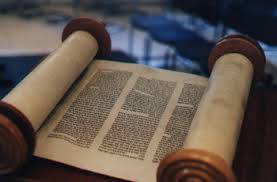


(יט) וַיֹּאמְר֖וּ אִ֣ישׁ אֶל־אָחִ֑יו הִנֵּ֗ה בַּ֛עַל הַחֲלֹמ֥וֹת הַלָּזֶ֖ה בָּֽא׃ (כ) וְעַתָּ֣ה ׀ לְכ֣וּ וְנַֽהַרְגֵ֗הוּ וְנַשְׁלִכֵ֙הוּ֙ בְּאַחַ֣ד הַבֹּר֔וֹת וְאָמַ֕רְנוּ חַיָּ֥ה רָעָ֖ה אֲכָלָ֑תְהוּ וְנִרְאֶ֕ה מַה־יִּהְי֖וּ חֲלֹמֹתָֽיו׃ (כא) וַיִּשְׁמַ֣ע רְאוּבֵ֔ן וַיַּצִּלֵ֖הוּ מִיָּדָ֑ם וַיֹּ֕אמֶר לֹ֥א נַכֶּ֖נּוּ נָֽפֶשׁ׃ (כב) וַיֹּ֨אמֶר אֲלֵהֶ֣ם ׀ רְאוּבֵן֮ אַל־תִּשְׁפְּכוּ־דָם֒ הַשְׁלִ֣יכוּ אֹת֗וֹ אֶל־הַבּ֤וֹר הַזֶּה֙ אֲשֶׁ֣ר בַּמִּדְבָּ֔ר וְיָ֖ד אַל־תִּשְׁלְחוּ־ב֑וֹ לְמַ֗עַן הַצִּ֤יל אֹתוֹ֙ מִיָּדָ֔ם לַהֲשִׁיב֖וֹ אֶל־אָבִֽיו׃
(19) They said to one another, “Here comes that dreamer! (20) Come now, let us kill him and throw him into one of the pits; and we can say, ‘A savage beast devoured him.’ We shall see what comes of his dreams!” (21) But when Reuben heard it, he tried to save him from them. He said, “Let us not take his life.” (22) And Reuben went on, “Shed no blood! Cast him into that pit out in the wilderness, but do not touch him yourselves”—intending to save him from them and restore him to his father.
Reuben tried to save him from them: "by first of all preventing immediate action by the brothers, committing an act which would prove to be irrevocable. This would have been the kind of thing Solomon had in mind when he said in Kohelet 1,15 that מעוות לא יוכל לתקן, “there are things so twisted that they are beyond repair.” He referred to matters from which sometimes the righteous person can also not be saved." -Ibn Ezra
(כט) וַיָּ֤שׇׁב רְאוּבֵן֙ אֶל־הַבּ֔וֹר וְהִנֵּ֥ה אֵין־יוֹסֵ֖ף בַּבּ֑וֹר וַיִּקְרַ֖ע אֶת־בְּגָדָֽיו׃ (ל) וַיָּ֥שׇׁב אֶל־אֶחָ֖יו וַיֹּאמַ֑ר הַיֶּ֣לֶד אֵינֶ֔נּוּ וַאֲנִ֖י אָ֥נָה אֲנִי־בָֽא׃
(29) When Reuben returned to the pit and saw that Joseph was not in the pit, he rent his clothes. (30) Returning to his brothers, he said, “The boy is gone! Now, what am I to do?”
"וישמע ראובן ויצלהו מידם. מבואר שתחלה רצה להצילו לגמרי שלא יעשו לו מאומה, וזה ויצילהו פי' שהשתדל להצילו לגמרי, וכאשר לא שמעו לו ויאמר לא נכנו נפש, עכ"פ אל תהרגו אותו, שדי בעונש אחר, וכאשר לא שמעו גם לזה"
Malbim: Reuben wanted to completely save Joseph so the brothers would not do anything to him...but when they did not listen to him he said 'let's not kill him'...another form of retribution is sufficient..."
Two perspectives from Or Ha'Chaim
(1) This action was applauded by the Torah as man is a free creature possessing freedom of choice and able to kill people who are not guilty or have not been convicted, as distinct from wild beasts which do not kill humans unless the latter are guilty of death in the eyes of G'd. The words ויצילהו מידם mean that he saved them from the evil consequences of carrying out their freedom of choice to kill. By doing what he did Reuben nullified the brothers' statement: "we shall see what happens to his dreams."
(2) What Reuben meant was "let us not kill him outright ourselves but only cause his death indirectly." When he said later: "do not shed blood, throw him into the pit," this was his argument to his brothers. He only pretended to agree that Joseph's death should be caused because he could think of no other way of saving Joseph's life and restoring him to his father. He was quite certain in his own mind that no wild beast would harm Joseph, or any other of Jacob's sons for that matter. He himself would also not allow Joseph to remain in the pit long enough to die of hunger. Proof of Reubens' intention is that the Torah reports that he returned to the pit shortly after the brothers had sold Joseph in his absence. He had planned to take Joseph out of the pit.
The attribution of primogeniture to Reuben may indicate that, originally Reuben headed the confederation of Israelite *tribes . He is mentioned first in the listing of the twelve (Gen. 46:8–23; Ex. 6:14–16; Num. 1:5–15, 20–42), and he enjoys a prominent position in the traditions of Israelite history prior to the conquest of Canaan in connection with the sale of Joseph (Gen. 37:21–22, 29–30; 42:22, 37) and rebellion against the leadership of Moses (Num. 16). The change that took place in the standing of the tribe is attributed to a sin of its ancestor; see Genesis 49:3–4;; and Genesis 35:21–22 for the incident to which they allude. In Genesis 49:3–4, Jacob rebukes Reuben for "mounting his (Jacob's) couch," by sleeping with Bilhah, Jacob's concubine, and curses him with the words paḥaz kamayim al totar, conventionally translated "unstable as water may you not be preeminent." This is interpreted by I Chronicles 5:1 to mean that Reuben lost his pre-eminent status as the first born. During the period of conquest and occupation, the tribe of Reuben lost the hegemony to the tribe of Joseph, which grew so that it split into the two tribes of Ephraim and Manasseh, and it was Joshua from the tribe of Ephraim who led the conquest of the land; while in the period of the monarchy, it was the tribe of
Judah that was of prime importance.
(א) וּבְנֵ֨י רְאוּבֵ֥ן בְּכֽוֹר־יִשְׂרָאֵל֮ כִּ֣י ה֣וּא הַבְּכוֹר֒ וּֽבְחַלְּלוֹ֙ יְצוּעֵ֣י אָבִ֔יו נִתְּנָה֙ בְּכֹ֣רָת֔וֹ לִבְנֵ֥י יוֹסֵ֖ף בֶּן־יִשְׂרָאֵ֑ל וְלֹ֥א לְהִתְיַחֵ֖שׂ לַבְּכֹרָֽה׃
(1) The sons of Reuben the first-born of Israel. (He was the first-born; but when he defiled his father’s bed, his birthright was given to the sons of Joseph son of Israel, so he is not reckoned as first-born in the genealogy;
(כב) וַיֹּ֨אמֶר אֲלֵהֶ֣ם ׀ רְאוּבֵן֮ אַל־תִּשְׁפְּכוּ־דָם֒ הַשְׁלִ֣יכוּ אֹת֗וֹ אֶל־הַבּ֤וֹר הַזֶּה֙ אֲשֶׁ֣ר בַּמִּדְבָּ֔ר וְיָ֖ד אַל־תִּשְׁלְחוּ־ב֑וֹ לְמַ֗עַן הַצִּ֤יל אֹתוֹ֙ מִיָּדָ֔ם לַהֲשִׁיב֖וֹ אֶל־אָבִֽיו׃
(22) And Reuben went on, “Shed no blood! Cast him into that pit out in the wilderness, but do not touch him yourselves”—intending to save him from them and restore him to his father.
Does everyone agree that Reuben should be praised for the way he tried to intervene in Joseph's fate?
Shemirat Ha'lashon 2, 12:4, R. Yisrael Meir Ha'Kohen (Chafetz Chayim)
And the Midrash tells us that this statement of Reuven's [("You may kill my two sons, etc.")] was fulfilled in his sons, [i.e., descendants], Dathan and Aviram [(in the episode of Korach)]. And, in truth, he [Reuven] himself was the cause of this, by saying (Bereshith 27:32): "Cast him into this pit which is in the desert." The act was extremely evil, for which reason they [Dathan and Aviram] descended, living, to Sheol, to the midst of the pit. As to his intent, being good, as it is written (Bereshith, Ibid.): "in order to rescue him from their hands to return him to his father," he merited that one of his descendants, On ben Peleth, be saved, by returning in repentance to His Father in heaven (wherefore he was called "On," his being in aninuth ["mourning" (for his sin)] all of his life, as Chazal have stated.
Sefat Emet
Similarly, I heard from my father, my master, my teacher and mentor, the righteous one who should be remembered for life in the World to Come, about what the midrash says, that if Reuven had known that the Torah had written about him “in order to save him” (Genesis 37:22), he would have carried Yosef on his shoulders back to his father (Rus Rabbah 5:6, Vayikra Rabbah 34:8)
Looking ahead to Chanukah - Joseph & brothers as an INTERNAL conflict - CHANUKAH as a CIVIL CONFLICT among Jews
"Read in its historical context, however, the Hanukkah story is really about a revolt against the Hellenized Jews who had fallen madly in love with the sophisticated, globalizing superculture of their day. The Apocrypha’s texts make it clear that the battle against Hellenization was in fact a kulturkampf among the Jews themselves. Here is how the first Book of the Maccabees describes Jerusalem on the eve of civil war and revolt in the time of Antiochus (translation by Nicholas de Lange):
Armed Hasmonean priests and their comrades from the rural town ofModi’in attacked urban Jews, priests and laity alike, who supported Greek reform, like the gymnasium and new rules for governing commerce. The Hasmoneans imposed, at sword’s edge, traditional observance. After years of protracted warfare, the priests established a Hasmonean state that never ceased fighting Jews who disagreed with its rule.