


This year I am moved to explore one word in our parsha, from the episode of Tamar and Judah (Genesis Chapter 38), and to look at its ramifications in broad terms of social justice, alienation and disrespect, and genuinely "seeing" the other.
The word for our exploration is "pledge" - עֵרָב֖וֹן (eravon); it has to do with an intermixing between the parties between whom the pledge occurs; we will see that such intermixing changes both parties. And here, in Parashat Vayeshev we will see that this pledge is given in the context of concealment / facelessness.
I will not bring answers here; rather, I will bring questions, for myself, and for you, to ponder and wrestle with.
In Parashat Vayeshev), Tamar, Judah's daughter-in-law, has disguised herself as a sex-worker ("harlot", prostitute) and sits by the side of the road in a location where she knows Judah will pass by. We understand that she has done so in order to obtain the fulfillment of having children by Judah's line, predicting that Judah will experience desire for her, and that she will become pregnant by him. No pregnancies had resulted from Tamar's marriage to Judah's eldest now-deceased eldest son, Er, nor with the attempted Levirate marriage with Onan, Judah's second son, who declined to fulfill the obligations of levirate marriage with Tamar. Further, Tamar comes to understand that it is unlikely she will have children with Judah's youngest son, Shelah, whom Judah is effectively withholding from her. Further, Judah has taken steps to place Tamar in the untenable situation of being a widow who seemingly is waiting for a Levirate marriage that will never come; on this path, she will not have children.
(יד) וַתָּ֩סַר֩ בִּגְדֵ֨י אַלְמְנוּתָ֜הּ מֵֽעָלֶ֗יהָ וַתְּכַ֤ס בַּצָּעִיף֙ וַתִּתְעַלָּ֔ף וַתֵּ֙שֶׁב֙ בְּפֶ֣תַח עֵינַ֔יִם אֲשֶׁ֖ר עַל־דֶּ֣רֶךְ תִּמְנָ֑תָה כִּ֤י רָאֲתָה֙ כִּֽי־גָדַ֣ל שֵׁלָ֔ה וְהִ֕וא לֹֽא־נִתְּנָ֥ה ל֖וֹ לְאִשָּֽׁה׃ (טו)וַיִּרְאֶ֣הָ יְהוּדָ֔ה וַֽיַּחְשְׁבֶ֖הָ לְזוֹנָ֑ה כִּ֥י כִסְּתָ֖ה פָּנֶֽיהָ׃
(14) So she took off her widow’s garb, covered her face with a veil, and, wrapping herself up, sat down at the entrance to Enaim, which is on the road to Timnah; for she saw that Shelah was grown up, yet she had not been given to him as wife. (15)When Judah saw her, he took her for a harlot; for she had covered her face.
When Judah approaches Tamar and begins negotiating with her for sex, she sets out conditions for him:
(טז) וַיֵּ֨ט אֵלֶ֜יהָ אֶל־הַדֶּ֗רֶךְ וַיֹּ֙אמֶר֙ הָֽבָה־נָּא֙ אָב֣וֹא אֵלַ֔יִךְ כִּ֚י לֹ֣א יָדַ֔ע כִּ֥י כַלָּת֖וֹ הִ֑וא וַתֹּ֙אמֶר֙ מַה־תִּתֶּן־לִ֔י כִּ֥י תָב֖וֹא אֵלָֽי׃ (יז) וַיֹּ֕אמֶר אָנֹכִ֛י אֲשַׁלַּ֥ח גְּדִֽי־עִזִּ֖ים מִן־הַצֹּ֑אן וַתֹּ֕אמֶר אִם־תִּתֵּ֥ן עֵרָב֖וֹן עַ֥ד שׇׁלְחֶֽךָ׃
(16) So he turned aside to her by the road and said, “Here, let me sleep with you”—for he did not know that she was his daughter-in-law. “What,” she asked, “will you pay for sleeping with me?” (17) He replied, “I will send a kid from my flock.” But she said, “You must leave a pledge until you have sent it.”
עֵרָב֖וֹן (eravon):


" The languages of Criticism and the Sciences of Man: The Structuralist Controversy, ed. R. Macksey and E. Donato, Baltimore: Johns Hopkins Press, 1970. https://www.lacan.com/hotel.htm
Hatley, James, Nameless Memory: Levinas, Witness and Politics in Justice and the Politics of Memory: Religion & Public Life: 33 (Religion and Public Life) (2003)
Caro, Jason, Levinas and the Palestinians. PHILOSOPHY & SOCIAL CRITICISM • vol 35 no 6 • pp. 671–684 (2009)
(יח) וַיֹּ֗אמֶר מָ֣ה הָעֵֽרָבוֹן֮ אֲשֶׁ֣ר אֶתֶּן־לָךְ֒ וַתֹּ֗אמֶר חֹתָֽמְךָ֙ וּפְתִילֶ֔ךָ וּמַטְּךָ֖ אֲשֶׁ֣ר בְּיָדֶ֑ךָ וַיִּתֶּן־לָ֛הּ וַיָּבֹ֥א אֵלֶ֖יהָ וַתַּ֥הַר לֽוֹ׃ (יט) וַתָּ֣קׇם וַתֵּ֔לֶךְ וַתָּ֥סַר צְעִיפָ֖הּ מֵעָלֶ֑יהָ וַתִּלְבַּ֖שׁ בִּגְדֵ֥י אַלְמְנוּתָֽהּ׃
(18) And he [Judah] said, “What pledge shall I give you?” She replied, “Your seal and cord, and the staff which you carry.” So he gave them to her and slept with her, and she conceived by him. (19) Then she went on her way. She took off her veil and again put on her widow’s garb.
"The Symbols Combined:
The signet, cord, and staff represent the emblems of the individual’s personal status—much like an ancient identity card. The fact that Judah possessed a signet, dressed in a garment decorated with tassels or wore his signet with a cord as jewelry, and had a staff in hand attests to his high status and importance as a leader. The Book of Genesis would later attest to this primogeniture and sovereignty over the tribes of Israel: “Judah, your brothers shall praise you; your hand shall be on the neck of your enemies … Judah is a lion’s whelp” (Genesis 49:8-9)." (emphasis added)
https://library.biblicalarchaeology.org/department/the-signs-that-bind/
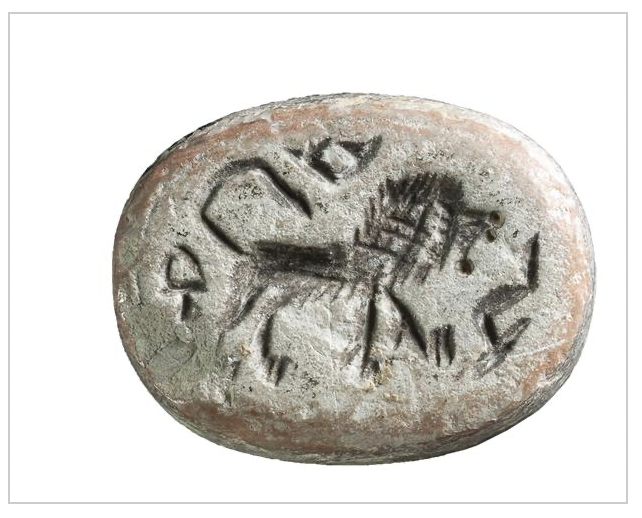
חתמך ופתילך. עִזְקְתָךְ וְשׁוֹשִׁיפָּךְ – טַבַּעַת שֶׁאַתָה חוֹתֵם בָּהּ וְשִׂמְלָתְךָ שֶׁאַתָּה מִתְכַּסֶּה בָהּ:
חתמך ופתילך THY SIGNET AND THY STRING — The Targum renders it by “Thy signet and thy cloak” — the ring which you use as a seal and the cloak with which you cover yourself
(כד) וַיְהִ֣י ׀ כְּמִשְׁלֹ֣שׁ חֳדָשִׁ֗ים וַיֻּגַּ֨ד לִֽיהוּדָ֤ה לֵאמֹר֙ זָֽנְתָה֙ תָּמָ֣ר כַּלָּתֶ֔ךָ וְגַ֛ם הִנֵּ֥ה הָרָ֖ה לִזְנוּנִ֑ים וַיֹּ֣אמֶר יְהוּדָ֔ה הוֹצִיא֖וּהָ וְתִשָּׂרֵֽף׃ (כה) הִ֣וא מוּצֵ֗את וְהִ֨יא שָׁלְחָ֤ה אֶל־חָמִ֙יהָ֙ לֵאמֹ֔ר לְאִישׁ֙ אֲשֶׁר־אֵ֣לֶּה לּ֔וֹ אָנֹכִ֖י הָרָ֑ה וַתֹּ֙אמֶר֙ הַכֶּר־נָ֔א לְמִ֞י הַחֹתֶ֧מֶת וְהַפְּתִילִ֛ים וְהַמַּטֶּ֖ה הָאֵֽלֶּה׃
(24) About three months later, Judah was told, “Your daughter-in-law Tamar has played the harlot; in fact, she is pregnant from harlotry.” “Bring her out,” said Judah. “She should be burned!” (25) As she was being brought out, she sent this message to her father-in-law, “It’s by the man to whom these belong that I’m pregnant.” And she added, “Examine these: whose seal and cord and staff are these?”
(כו) וַיַּכֵּ֣ר יְהוּדָ֗ה וַיֹּ֙אמֶר֙ צָֽדְקָ֣ה מִמֶּ֔נִּי כִּֽי־עַל־כֵּ֥ן לֹא־נְתַתִּ֖יהָ לְשֵׁלָ֣ה בְנִ֑י וְלֹֽא־יָסַ֥ף ע֖וֹד לְדַעְתָּֽהּ׃
(26) Judah recognized them, and said, “She is more in the right / righteous than I, inasmuch as I did not give her to my son Shelah.” And he was not intimate with her again.
(א)צדקה ממני מהו ממני אלא ה״ק אשר עשתה להזקק לי להקים למת זרע ממני. ולא משילה כי יראה פן ישחית זרעו כאחיו וימות.
(1) צדקה ממני, “she is more righteous than I;” why did Yehudah add the word: ממני? She did what she did because she wanted to become pregnant from him since she was afraid that Shilo also would spill his seed like his brothers had done and he would die. [The meaning is as follows: whereas both she and I indulged our libido, I did it for a merely physical gratification, whereas she was intent on becoming the mother of a member of the family of Avraham, Yitzchok and a Yaakov. I considered her as a potentially bad omen, two of her husbands having died on her, whereas her entire purpose was to bring life into the world. Ed.]
(ט) אָֽנֹכִי֙ אֶֽעֶרְבֶ֔נּוּ מִיָּדִ֖י תְּבַקְשֶׁ֑נּוּ אִם־לֹ֨א הֲבִיאֹתִ֤יו אֵלֶ֙יךָ֙ וְהִצַּגְתִּ֣יו לְפָנֶ֔יךָ וְחָטָ֥אתִֽי לְךָ֖ כׇּל־הַיָּמִֽים׃
(9) I myself will be a pledge for him; you may hold me responsible: if I do not bring him back to you and set him before you, I shall stand guilty before you forever.
(ה)וְהִנֵּה יְהוּדָה אָמַר (בראשית מ"ג ט'): "אִם לֹא הֲבִיאֹתִיו אֵלֶיךָ וְהִצַּגְתִּיו לְפָנֶיךָ וְחָטָאתִי לְךָ כָּל הַיָּמִים", שֶׁשִּׁעְבֵּד עַצְמוֹ בָּעוֹלָם הַזֶּה וּבָעוֹלָם הַבָּא, וְעַל יְדֵי זֶה נִסְבַּב לוֹ צַעַר גָּדוֹל מְאֹד יוֹתֵר מִכָּל הָאַחִים, כַּאֲשֶׁר כָּתוּב בְּפָרָשַׁת וַיִּגַּשׁ. וְסִבַּת הַדָּבָר, כִּי הוּא סִבֵּב הַדָּבָר לְמָכְרוֹ לְעֶבֶד. וּבֶאֱמֶת הוּא הָיָה הֶחָשׁוּב שֶׁבָּאַחִים, וְהָיָה לוֹ לְהִתְחַזֵּק לְהָשִׁיבוֹ אֶל אָבִיו, וְעַל כֵּן נֶעֱנַשׁ מִן הַשָּׁמַיִם, שֶׁשִּׁעְבֵּד עַצְמוֹ בְּעַרְבוּת נוֹרָאָה עַל אָח אַחֵר לְהָבִיאוֹ אֶל אָבִיו, וּבָזֶה יִתְחַזֵּקּ בְּכָל כֹּחוֹ וְגַם יִתְרַצֶּה בְּעַצְמוֹ וְיִשְׁתַּטַּח לִפְנֵי אֲדוֹן הָאָרֶץ שֶׁיִּקָּחֶנּוּ לְעֶבֶד, כְּדֵי שֶׁהָאָח יֵלֵךְ לְבֵיתוֹ לְאָבִיו. וְגַם כָּל יֶתֶר הָאַחִים שֶׁנִּתְרַצּוּ בַּמְּכִירָה, נִסְבְּבָה לָהֶם דְּאָגָה רַבָּה, אֲשֶׁר נִתְרַצּוּ עַל יְדֵי זֶה כֻּלָּם לִהְיוֹת עֲבָדִים, כַּכָּתוּב שֶׁאָמְרוּ (בראשית מ"ד ט'): "וְגַם אֲנַחְנוּ נִהְיֶה לַאֲדֹנִי לַעֲבָדִים"; וְגַם בְּסוֹף פָּרָשַׁת וַיְחִי (בראשית נ' י"ח): "וְיֵלְכוּ גַּם אֶחָיו וַיִּפְּלוּ לְפָנָיו וַיֹּאמְרוּ: הִנֶּנּוּ לְךָ לַעֲבָדִים".
(5) And Judah said (Ibid. 43:9): "If I do not bring him [Benjamin] to you and present him to you [alive], I shall have sinned against you all the days," Judah going surety both in this world and the next, and through this, experiencing great suffering, more than all of the other brothers, as written in Parshath Vayigash. The reason for this is that he caused Joseph's being sold as a slave. In truth, Judah was the most eminent of the brothers, and he should have strengthened himself to return Joseph to his father, wherefore he was punished by Heaven by having to go surety for a different brother [Benjamin], to bring him to his father. And in this, he strengthened himself with all his power, and he also acquiesced in prostrating himself before the lord of the land to be taken as a slave, so that his brother could return home to his father. And all the other brothers who acquiesced in the sale were made to undergo great sorrow by acquiescing in becoming slaves themselves, as it is written (Ibid. 44:9): "And we, too, shall be slaves to my lord." And also (Ibid. 50:18): "And his brothers also went, and they fell before him [Joseph] and they said: 'Behold, we are your slaves.'"
https://jwa.org/encyclopedia/article/tamar-bible
Amit, Yairah, 'Tamar, from Victim to Mother of a Dynasty', in Diana V. Edelman, and Ehud Ben Zvi (eds), Remembering Biblical Figures in the Late Persian and Early Hellenistic Periods: Social Memory and Imagination (Oxford, 2013; online edn, Oxford Academic, 26 Sept. 2013), https://doi.org/10.1093/acprof:oso/9780199664160.003.0016
(י) וַיֹּ֣אמֶר יַעֲקֹ֗ב אַל־נָא֙ אִם־נָ֨א מָצָ֤אתִי חֵן֙ בְּעֵינֶ֔יךָ וְלָקַחְתָּ֥ מִנְחָתִ֖י מִיָּדִ֑י כִּ֣י עַל־כֵּ֞ן רָאִ֣יתִי פָנֶ֗יךָ כִּרְאֹ֛ת פְּנֵ֥י אֱלֹהִ֖ים וַתִּרְצֵֽנִי׃
(10) But Jacob said, “No, I pray you; if you would do me this favor, accept from me this gift; for to see your face is like seeing the face of God, and you have received me favorably/ you have been pleased with me.
