


(א)בְּרֵאשִׁ֖ית בָּרָ֣א אֱלֹקִ֑ים אֵ֥ת הַשָּׁמַ֖יִם וְאֵ֥ת הָאָֽרֶץ׃ (ב) וְהָאָ֗רֶץ הָיְתָ֥ה תֹ֙הוּ֙ וָבֹ֔הוּ וְחֹ֖שֶׁךְ עַל־פְּנֵ֣י תְה֑וֹם וְר֣וּחַ אֱלֹקִ֔ים מְרַחֶ֖פֶת עַל־פְּנֵ֥י הַמָּֽיִם׃ (ג) וַיֹּ֥אמֶר אֱלֹקִ֖ים יְהִ֣י א֑וֹר וַֽיְהִי־אֽוֹר׃
(1) When God began to create heaven and earth— (2) the earth being unformed and void, with darkness over the surface of the deep and a wind from God sweeping over the water— (3) God said, “Let there be light”; and there was light.
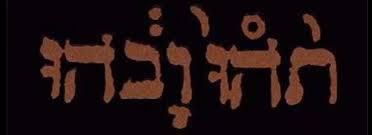
תהו ובהו. תֹּהוּ לְשׁוֹן תֵּמַהּ וְשִׁמָּמוֹן, שֶׁאָדָם תּוֹהֵא וּמִשְׁתּוֹמֵם עַל בֹּהוּ שֶׁבָּהּ:
בהו. לְשׁוֹן רֵקוּת וְצָדוּ:
תהו ובהו tohu va’vohu DESOLATE AND VOID — The word Tohu תהו signifies astonishment and amazement, for a person would have been astonished toheh and amazed at its emptiness.
בהו vohu VOID — The word signifies emptiness and empty space.
In astronomy and cosmology, dark matter is an invisible and hypothetical form of matter that does not interact with light or other electromagnetic radiation. Dark matter is implied by gravitational effects that cannot be explained by general relativity unless more matter is present than can be observed. Such effects occur in the context of formation and evolution of galaxies, gravitational lensing, the observable universe's current structure, mass position in galactic collisions, the motion of galaxies within galaxy clusters, and cosmic microwave background anisotropies. Dark matter is thought to serve as gravitational scaffolding for cosmic structures... In the standard Lambda-CDM model of cosmology, the mass–energy content of the universe is 5% ordinary matter, 26.8% dark matter, and 68.2% a form of energy known as dark energy. Thus, dark matter constitutes 85% of the total mass, while dark energy and dark matter constitute 95% of the total mass–energy content.
We're not raised to recognise wintering or to acknowledge its inevitability. Instead, we tend to see it as a humiliation, something that should be hidden from view lest we shock the world too greatly. We put on a brave public face and grieve privately; we pretend not to see other people's pain. We treat each wintering as an embarrassing anomaly that should be hidden or ignored. This means we've made a secret of an entirely ordinary process and have thereby given those who endure it a pariah status, forcing them to drop out of everyday life in order to conceal their failure. Yet we do this at a great cost. Wintering brings about some of the most profound and insightful moments of our human experience, and wisdom resides in those who have wintered.
Seasonally, those in the northern hemisphere now transition into the winter time, when the sun shines less and the nights grow longer. Our time shifts away from the dominance of the Sun and into the domain of the Moon, meaning the energies of the Moon are more activated and pronounced. The Moon represents our internal world - our mind, our emotions, our healing process. With long Moon nights, we sleep more and hence dream more as well… The Moon invites us into these prophetic experiences. Our consciousness learns to engage with the darkness in a different way. Instead of mourning the loss of the Sun, we make magic in the dark. We dance with the Moon, we navigate the waters of our internal world and the subconscious energies that invite us to come alive.
From the Dreaming the World to Come planner 5783
In bloom
The fruit became the doorway / And now it's open wide
Why Fear the Dark?
Demonization of the dark … is at the root of body-hatred, hatred of women and their bodies; destruction of peoples the colours of the earth; fear and hatred of the erotic; queer/transphobia; Islamophobia; Judeophobia; fear and hatred of paganism and earth-based traditions; fear and hatred of people with disabilities; fear of wombs, fear of tombs…
“Light” is identified as being connected with experiences of knowing, of lucidity, enlightenment and clear understanding. “Darkness” is identified with the places of not-knowing, of unknown territory and the unconscious. Thus the darkness scares us, for our greatest fear is our loss of control in the encounter with the unknown.
- From Chagigah
So What Is The Light of Chanukah?
Hadar Cohen, Dreaming the World to Come planner 5783
In order to light the chanukiah in our souls, we need for there to be darkness, and we need faith. Just like it says in the psalms, “To relate each morning Your kindnesses, and Your faithfulness by night.” We need a heart which is open to wonders. This is what enables us to light the shamas.
- From Chagigah
Albert Camus, from the essay “Return to Tipasa” (appears in the 1954 collection L'été (Summer)).
(כג) כִּ֤י נֵ֣ר מִ֭צְוָה וְת֣וֹרָה א֑וֹר וְדֶ֥רֶךְ חַ֝יִּ֗ים תּוֹכְח֥וֹת מוּסָֽר׃
(23) For the commandment is a lamp,
And the Torah light
And the way to life is the rebuke that disciplines.
זְכוּת דְּמִצְוָה מִי מַגְּנָא כּוּלֵּי הַאי? וְהָתַנְיָא: אֶת זוֹ דָּרַשׁ רַבִּי מְנַחֵם בַּר יוֹסֵי:
״כִּי נֵר מִצְוָה וְתוֹרָה אוֹר״, תָּלָה הַכָּתוּב אֶת הַמִּצְוָה בְּנֵר, וְאֶת הַתּוֹרָה בְּאוֹר.
אֶת הַמִּצְוָה בְּנֵר, לוֹמַר לָךְ: מָה נֵר אֵינָהּ מְגִינָּה אֶלָּא לְפִי שָׁעָה — אַף מִצְוָה אֵינָהּ מְגִינָּה אֶלָּא לְפִי שָׁעָה.
וְאֶת הַתּוֹרָה בְּאוֹר, לוֹמַר לָךְ: מָה אוֹר מֵגֵין לָעוֹלָם, אַף תּוֹרָה מְגִינָּה לָעוֹלָם.
וְאוֹמֵר: ״בְּהִתְהַלֶּכְךָ תַּנְחֶה אֹתָךְ וְגוֹ׳״. ״בְּהִתְהַלֶּכְךָ תַּנְחֶה אֹתָךְ״ — זֶה הָעוֹלָם הַזֶּה. ״בְּשָׁכְבְּךָ תִּשְׁמוֹר עָלֶיךָ״ — זוֹ מִיתָה. ״וַהֲקִיצוֹתָ הִיא תְשִׂיחֶךָ״ — לֶעָתִיד לָבֹא.
The Gemara asks: Does the merit of a mitzva protect one so much as to delay punishment? But isn’t it taught in a baraita: Rabbi Menaḥem bar Yosei interpreted this verse homiletically: “For the mitzva is a lamp and the Torah is light” (Proverbs 6:23). The verse associates the mitzva with a lamp and the Torah with the light of the sun. The mitzva is associated with a lamp in order to say to you: Just as a lamp does not protect one by its light extensively but only temporarily, while the lamp is in one’s hand, so too, a mitzva protects one only temporarily, i.e., while one is performing the mitzva.
And the Torah is associated with light in order to say to you: Just as the light of the sun protects one forever, so too, the Torah one studies protects one forever; and it states in the previous verse with regard to the Torah: “When you walk, it shall lead you; when you lie down, it shall watch over you; and when you awake, it shall talk with you” (Proverbs 6:22).
This verse associates the Mitzvah with a lamp and the Torah with the light of the sun. The Mitzvah is associated with a ner, a lamp, in order to tell you: ‘Just as a lamp does not protect one by its light in perpetuity but only temporarily (while the lamp is in one’s hand), so too a Mitzvah protects one only temporarily (while one is performing the Mitzvah).’ And the Torah is associated with Ohr, light itself, to tell you: ‘Just as the light of the sun protects one forever, so too, the Torah one studies protects one forever.’ (Talmud Bavli, Sotah 21a) Torah is eternal, a light that shines continuously.
- from The Month of Kislev: Rekindling Hope, Dreams and Trust
The word Shamash means sun [shemesh]. “The eternal lamp is a sign of the ever-renewed sun. The light seems to die at this winter season, yet it always comes back. … According to this view, the eight days of Chanukah represent eight segments of the year: early and late spring, early and late summer, early and late autumn and early and late winter… the same eight segments on which this book is based. The Chanukah light, which is the light of the sun, burns through all the seasons, reminding us of the beauty and distinctiveness of each one.”
- from The Jewish Book of Days, 28 Kislev