Audio
Welcome


Plan for this Class
- A framing commentary
- Greek and Hellenism in the Land of Israel during and after the time of the Mishnah
- How Rome came to control the Land of Israel
- About Rabban Gamaliel III
- Text: Avot 2:3 and 1:10
- About Rabbi Hanina Deputy High Priest
- Text: Avot 3:2
- Summary and Next Class
A Framing Commentary: from Parashat Toledot
(כג) וַיֹּ֨אמֶר י-הוה לָ֗הּ שְׁנֵ֤י (גיים)[גוֹיִם֙] בְּבִטְנֵ֔ךְ וּשְׁנֵ֣י לְאֻמִּ֔ים מִמֵּעַ֖יִךְ יִפָּרֵ֑דוּ וּלְאֹם֙ מִלְאֹ֣ם יֶֽאֱמָ֔ץ וְרַ֖ב יַעֲבֹ֥ד צָעִֽיר׃
Rebecca learns about the struggle between the twins in her womb:
(23) and י-הוה answered her,
“Two nations / גיים | גוים are in your womb,
Two separate peoples shall issue from your body;
One people shall be mightier than the other,
And the older shall serve the younger.”
(ב)שני גוים בבטנך. גיים כְּתִיב; אֵלּוּ אַנְטוֹנִינוּס וְרַבִּי, שֶׁלֹּא פָסְקוּ מֵעַל שֻׁלְחָנָם לֹא צְנוֹן וְלֹא חֲזֶרֶת לֹא בִימוֹת הַחַמָּה וְלֹא בִימוֹת הַגְּשָׁמִים (עבודה זרה י"א):
(2) שני גויים בבטנך TWO NATIONS ARE IN THY WOMB —The word is written גיים (exalted, noble persons), an allusion to Antoninus and Rabbi (Rabbi Judah the Prince) from whose table neither radish nor lettuce was absent neither in summer nor in winter (Avodah Zarah 11a)
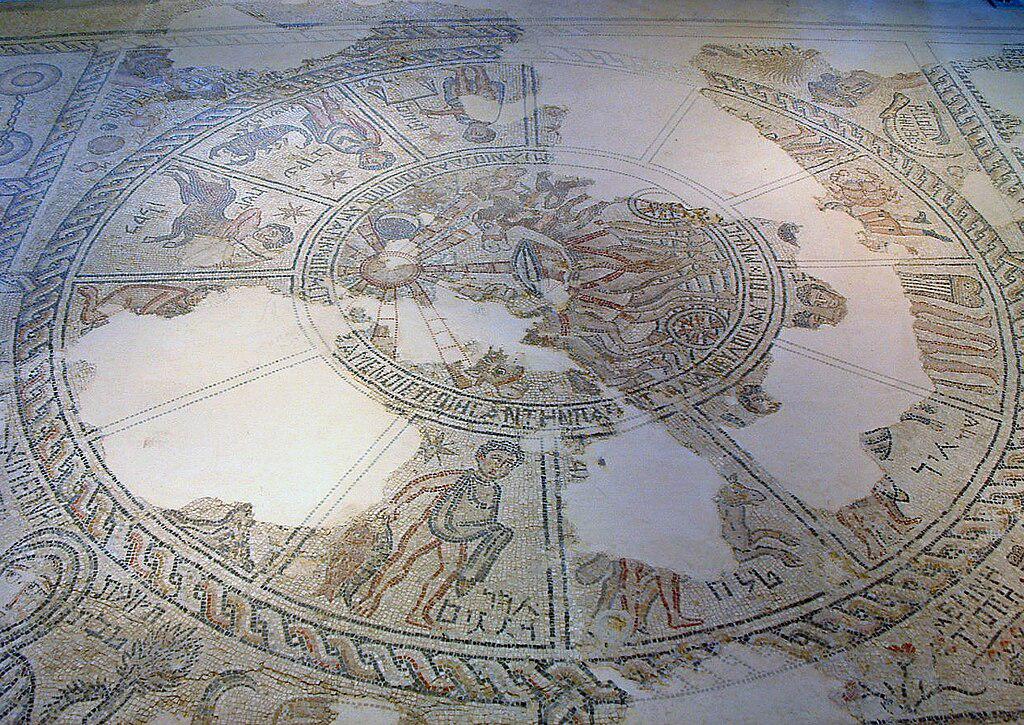
Greek and Hellenism in the Land of Israel during and after the time of the Mishnah
אָמַר רִבִּי יוֹנָתָן דְּבֵית גּוּבְרִין. אַרְבָּעָה לְשׁוֹנוֹת נָאִים שֶׁיִּשְׁתַּמֵּשׁ בָּהֶן הָעוֹלָם. וָאֵילּוּ הֵן. לָּעַז לַזֶּמֶר. רוֹמִי לַקְּרָב. סוּרְסְי לְאִילִיָיא. עִבְרִי לַדִּיבּוּר. וְיֵשׁ אוֹמְרִים. אַף אֲשׁוּרִי לִכְתָב.
Rebbi Jonathan from Bet Guvrrin said, four languages are appropriate that the world should use them, and they are these: לעז/La`az/Greek for song, Latin for war, Syriac [=Aramaic] for elegies, Hebrew for speech. Some are saying, also Assyrian for writing.
וְחׇכְמַת יְווֹנִית מִי אֲסִירָא?!
וְהָתַנְיָא: אָמַר רַבִּי: בְּאֶרֶץ יִשְׂרָאֵל – לָשׁוֹן סוּרְסִי לָמָּה? אוֹ לְשׁוֹן הַקֹּדֶשׁ, אוֹ לָשׁוֹן יְוָנִית!
And is it really prohibited to teach children Greek wisdom?
(See Lieberman, Hellenism, p. 101, n. 14.)
But isn’t it taught in a baraita: Rabbi Yehuda HaNasi said: In Eretz Yisrael, why would one speak the Syriac [Sursi] language? One should speak either the sacred tongue, Hebrew, or the Greek language.
בפולמוס של טיטוס גזרו...
ושלא ילמד אדם את בנו יונית. התירו להם לבית רבן גמליאל ללמד את בניהם יונית, מפני שהן קרובין למלכות.
During the conflict with Quietus (117 CE) (see Lieberman's Tosefta Kifshutah to this passage) they decreed... that one may not teach his son Greek. Permission was granted to the House of Rabban Gamaliel to teach the children Greek owing to its relation with the (Roman) government. (See Lieberman, Hellenism, p. 102.)
...מִשּׁוּם רַבָּן שִׁמְעוֹן בֶּן גַּמְלִיאֵל: ״עֵינִי עוֹלְלָה לְנַפְשִׁי מִכֹּל בְּנוֹת עִירִי״ – אֶלֶף יְלָדִים הָיוּ בְּבֵית אַבָּא; חֲמֵשׁ מֵאוֹת מֵהֶם לָמְדוּ תּוֹרָה, חֲמֵשׁ מֵאוֹת לָמְדוּ חׇכְמַת יְוָנִית; וְלֹא נִשְׁתַּיֵּיר מֵהֶם אֶלָּא אֲנִי – כָּאן, וּבֶן אֲחִי אַבָּא – בְּעַסְיָא!
...in the name of Rabban Shimon ben Gamliel: It is written: “My eye affected my soul, because of all the daughters of my city” (Lamentations 3:51).
Rabban Shimon ben Gamliel applied this verse to a personal tragedy: There were a thousand children in the household of my father, Rabban Gamliel; five hundred of them studied the Torah, and five hundred of them studied Greek wisdom. All of them were killed by the Romans; and the only ones that remain of them are I, who is here, and the son of my father’s brother, who is in Asia Minor [Asya]. Rabban Shimon ben Gamliel’s statement indicates that it is permitted to study Greek wisdom.
How Rome came to control the Land of Israel
"The defeat of Antigonus the Hasmonean by the Romans (37-34 BCE) gave Herod full control of Palestine. Herod's reign (until 4 CE) was above all a product of Rome's oriental policy. The borders of the kingdom of Herod were determined by the needs of Roman rulers... They approved of Herod as the ruler of Palestine because they found him strong, capable of preserving the existing order and at the same time unflinchingly loyal to and dependent upon Rome. ... Herod's kingdom was no exception in the Mediterranean world. There were other regions within the borders of the Roman Empire that the central government thought unsuitable for integration into provincial administration and that were maintained as separate kingdoms." - M. Stern, "The Political and Social History of Judea Under Roman Rule," A History of the Jewish People, 1976, p. 239.

"Herod was granted the title of 'King of Judea' by the Roman Senate [as reported by Josephus]. As such, he was a vassal of the Roman Empire, expected to support the interests of his Roman patrons." - Wikipedia, "Herod"
"During the last sixty years before the destruction of the Temple, the large majority of Palestinian Jews was subject to the rule of Roman governors, with only one brief interruption, when the government of the entire country was entrusted to the Jewish king Agrippa I (41-44 CE)." - M. Stern, Op. Cit., p 246.
About Rabban Gamaliel III
“He was appointed nasi in accordance with the testament of his father who instructed him to conduct his office with firmness (Ketubot 103b); his brother Simeon was appointed hakham [=sage] in the same testament.” Encyclopedia Judaica, “Gamaliel, Rabban,” vol. 7, col. 298.
“Rabban Gamliel [III] is the last Nasi to be mentioned in the Mishnah among the Tannaim.” - Pinchas Kehati, Commentary to Avot, comment to Avot 2:2, p. 40.
Note: The last nasi was Rabban Gamaliel VI, d. 426 CE - Encyclopedia Judaica, Op. Cit., vol. 7, col. 298.
(ב)רַבָּן גַּמְלִיאֵל בְּנוֹ שֶׁל רַבִּי יְהוּדָה הַנָּשִׂיא אוֹמֵר,
יָפֶה תַלְמוּד תּוֹרָה עִם דֶּרֶךְ אֶרֶץ, שֶׁיְּגִיעַת שְׁנֵיהֶם מְשַׁכַּחַת עָוֹן.
וְכָל תּוֹרָה שֶׁאֵין עִמָּהּ מְלָאכָה, סוֹפָהּ בְּטֵלָה וְגוֹרֶרֶת עָוֹן.
וְכָל הָעֲמֵלִים עִם הַצִּבּוּר, יִהְיוּ עֲמֵלִים עִמָּהֶם לְשֵׁם שָׁמַיִם, שֶׁזְּכוּת אֲבוֹתָם מְסַיַּעְתָּן וְצִדְקָתָם עוֹמֶדֶת לָעַד.
וְאַתֶּם, מַעֲלֶה אֲנִי עֲלֵיכֶם שָׂכָר הַרְבֵּה כְּאִלּוּ עֲשִׂיתֶם:
(2) Rabban Gamaliel the son of Rabbi Judah HaNasi said:
Excellent is the study of the Torah when combined with a worldly occupation, for toil in them both keeps sin out of one’s mind;
And Torah which is not combined with a worldly occupation, in the end comes to be neglected and becomes the cause of sin.
And all who labor with the community, should labor with them for the sake of Heaven, for the merit of their forefathers sustains them (the community), and their (the forefather’s) righteousness endures for ever;
And as for you, [God in such case says] I credit you with a rich reward, as if you [yourselves] had [actually] accomplished [it all].
Text: Avot 2:3 and 1:10
(ג) הֱווּ זְהִירִין בָּרָשׁוּת, שֶׁאֵין מְקָרְבִין לוֹ לָאָדָם אֶלָּא לְצֹרֶךְ עַצְמָן.
נִרְאִין כְּאוֹהֲבִין בִּשְׁעַת הֲנָאָתָן, וְאֵין עוֹמְדִין לוֹ לָאָדָם בִּשְׁעַת דָּחְקוֹ:
Another teaching of Rabban Gamaliel III, son of Rabbi [Judah the Prince]:
(3) Be careful [in your dealings] with the ruling authorities for they do not befriend a person except for their own needs;
they seem like friends when it is to their own interest, but they do not stand by a man in the hour of his distress.
(י)שְׁמַעְיָה וְאַבְטַלְיוֹן קִבְּלוּ מֵהֶם. שְׁמַעְיָה אוֹמֵר, אֱהֹב אֶת הַמְּלָאכָה, וּשְׂנָא אֶת הָרַבָּנוּת, וְאַל תִּתְוַדַּע לָרָשׁוּת:
(10) Shemaiah and Abtalion [--one of the Zuggot/ Pairs, 1st c. BCE, contemporaries of Herod--] received [the oral tradition] from them [=Yehudah ben Tabba and Simeon ben Shetah].
Shemaiah used to say: love work, hate acting the superior, and do not attempt to draw near to the ruling authority.
דְּעַל כְּיוֹצֵא בְּזוֹ לֹא אָמַר שְׁמַעְיָה [לְעֵיל פ"א מ"י], כִּי זוֹ מִצְוָה רַבָּה הִיא לְהִתְוַדֵּעַ לָהֶם כְּדֵי לְפַקֵּחַ עַל עִסְקֵי צִבּוּר. וּמָרְדְּכַי וְרַבֵּנוּ הַקָּדוֹשׁ יוֹכִיחוּ. מִדְרַשׁ שְׁמוּאֵל:
(עיקר תוי"ט).
18th century commentary
Since Shamaya was not speaking about [things] like this. As this is a great commandment to become acquainted with them in order to supervise communal matters and Mordechai and our holy rabbi (Rabbi) prove [it] - Midrash Shmuel [16th century].
About Rabbi Hanina Deputy High Priest
...ר' חנינא סגן הכהנים אומר גדול השלום ששקול כנגד כל מעשה בראשית שנאמר (עמוס ד׳:י״ג) כי הנה יוצר הרים ובורא רוח. (ישעיה מ"ה) עושה שלום ובורא (רע) [כל].
גדול השלום שהרי עליונים צריכים לו, שנאמר (איוב כה) המשל והפחד עמו עושה שלום במרומיו. והרי דברים קל וחומר, ומה במקום שאין איבה ותחרות ושנאה ובעלי דבבו צריכים שלום, קל וחומר למקום שיש בו כל המידות הללו.
...R. Chanina, theadjutant high-priest says: Great is peace, which is over and against the entire creation, as it is written "who makes peace … and creates all" (viz. Isaiah 45:7).
Great is peace, which is needed (even) by the celestial creations, viz. (Job 25:22) "Governance and fear is with Him: He makes peace in His heights." Now does this not follow afortiori, viz.: If in a place where there is no enmity, or rivalry, or hatred, or hostility, peace is needed — how much more so, in a place where all of these obtain!
Text: Avot 3:2
(ב) רַבִּי חֲנִינָא סְגַן הַכֹּהֲנִים אוֹמֵר, הֱוֵי מִתְפַּלֵּל בִּשְׁלוֹמָהּ שֶׁל מַלְכוּת, שֶׁאִלְמָלֵא מוֹרָאָהּ, אִישׁ אֶת רֵעֵהוּ חַיִּים בְּלָעוֹ.
(2) Rabbi Hanina, the vice-high priest said: pray for the welfare [shalom] of the government [malkhut/מלכות], for were it not for the fear it inspires, every man would swallow his neighbor alive.
(ז) וְדִרְשׁ֞וּ אֶת־שְׁל֣וֹם הָעִ֗יר אֲשֶׁ֨ר הִגְלֵ֤יתִי אֶתְכֶם֙ שָׁ֔מָּה וְהִתְפַּֽלְל֥וּ בַעֲדָ֖הּ אֶל־י-הוה כִּ֣י בִשְׁלוֹמָ֔הּ יִהְיֶ֥ה לָכֶ֖ם שָׁלֽוֹם׃
(7) And seek the welfare [shalom] of the city to which I have exiled you and pray to GOD in its behalf; for in its prosperity you shall prosper [shalom].
Summary