



Spotify | Apple Podcasts | YouTube
Link to Transcript and Substack post: here
(מג) וַיַּ֨עַן לָבָ֜ן וַיֹּ֣אמֶר אֶֽל־יַעֲקֹ֗ב הַבָּנ֨וֹת בְּנֹתַ֜י וְהַבָּנִ֤ים בָּנַי֙ וְהַצֹּ֣אן צֹאנִ֔י וְכֹ֛ל אֲשֶׁר־אַתָּ֥ה רֹאֶ֖ה לִי־ה֑וּא וְלִבְנֹתַ֞י מָֽה־אֶעֱשֶׂ֤ה לָאֵ֙לֶּה֙ הַיּ֔וֹם א֥וֹ לִבְנֵיהֶ֖ן אֲשֶׁ֥ר יָלָֽדוּ׃ (מד) וְעַתָּ֗ה לְכָ֛ה נִכְרְתָ֥ה בְרִ֖ית אֲנִ֣י וָאָ֑תָּה וְהָיָ֥ה לְעֵ֖ד בֵּינִ֥י וּבֵינֶֽךָ׃ (מה) וַיִּקַּ֥ח יַעֲקֹ֖ב אָ֑בֶן וַיְרִימֶ֖הָ מַצֵּבָֽה׃ (מו) וַיֹּ֨אמֶר יַעֲקֹ֤ב לְאֶחָיו֙ לִקְט֣וּ אֲבָנִ֔ים וַיִּקְח֥וּ אֲבָנִ֖ים וַיַּֽעֲשׂוּ־גָ֑ל וַיֹּ֥אכְלוּ שָׁ֖ם עַל־הַגָּֽל׃ (מז) וַיִּקְרָא־ל֣וֹ לָבָ֔ן יְגַ֖ר שָׂהֲדוּתָ֑א וְיַֽעֲקֹ֔ב קָ֥רָא ל֖וֹ גַּלְעֵֽד׃ (מח) וַיֹּ֣אמֶר לָבָ֔ן הַגַּ֨ל הַזֶּ֥ה עֵ֛ד בֵּינִ֥י וּבֵינְךָ֖ הַיּ֑וֹם עַל־כֵּ֥ן קָרָֽא־שְׁמ֖וֹ גַּלְעֵֽד׃ (מט) וְהַמִּצְפָּה֙ אֲשֶׁ֣ר אָמַ֔ר יִ֥צֶף ה׳ בֵּינִ֣י וּבֵינֶ֑ךָ כִּ֥י נִסָּתֵ֖ר אִ֥ישׁ מֵרֵעֵֽהוּ׃ (נ) אִם־תְּעַנֶּ֣ה אֶת־בְּנֹתַ֗י וְאִם־תִּקַּ֤ח נָשִׁים֙ עַל־בְּנֹתַ֔י אֵ֥ין אִ֖ישׁ עִמָּ֑נוּ רְאֵ֕ה אֱלֹקִ֥ים עֵ֖ד בֵּינִ֥י וּבֵינֶֽךָ׃ (נא) וַיֹּ֥אמֶר לָבָ֖ן לְיַעֲקֹ֑ב הִנֵּ֣ה ׀ הַגַּ֣ל הַזֶּ֗ה וְהִנֵּה֙ הַמַּצֵּבָ֔ה אֲשֶׁ֥ר יָרִ֖יתִי בֵּינִ֥י וּבֵינֶֽךָ׃ (נב) עֵ֚ד הַגַּ֣ל הַזֶּ֔ה וְעֵדָ֖ה הַמַּצֵּבָ֑ה אִם־אָ֗נִי לֹֽא־אֶעֱבֹ֤ר אֵלֶ֙יךָ֙ אֶת־הַגַּ֣ל הַזֶּ֔ה וְאִם־אַ֠תָּ֠ה לֹא־תַעֲבֹ֨ר אֵלַ֜י אֶת־הַגַּ֥ל הַזֶּ֛ה וְאֶת־הַמַּצֵּבָ֥ה הַזֹּ֖את לְרָעָֽה׃ (נג)אֱלֹקֵ֨י אַבְרָהָ֜ם וֵֽאלֹקֵ֤י נָחוֹר֙ יִשְׁפְּט֣וּ בֵינֵ֔ינוּ אֱלֹקֵ֖י אֲבִיהֶ֑ם וַיִּשָּׁבַ֣ע יַעֲקֹ֔ב בְּפַ֖חַד אָבִ֥יו יִצְחָֽק׃ (נד) וַיִּזְבַּ֨ח יַעֲקֹ֥ב זֶ֙בַח֙ בָּהָ֔ר וַיִּקְרָ֥א לְאֶחָ֖יו לֶאֱכׇל־לָ֑חֶם וַיֹּ֣אכְלוּ לֶ֔חֶם וַיָּלִ֖ינוּ בָּהָֽר׃
(43) Then Laban spoke up and said to Jacob, “The daughters are my daughters, the children are my children, and the flocks are my flocks; all that you see is mine. Yet what can I do now about my daughters or the children they have borne? (44) Come, then, let us make a pact, you and I, that there may be a witness between you and me.” (45) Thereupon Jacob took a stone and set it up as a pillar.(46) And Jacob said to his kinsmen, “Gather stones.” So they took stones and made a mound; and they partook of a meal there by the mound. (47) Laban named it Yegar-sahadutha, but Jacob named it Gal-ed. (48) And Laban declared, “This mound is a witness between you and me this day.” That is why it was named Gal-ed; (49) and [it was called] Mizpah, because he said, “May ה׳ watch between you and me, when we are out of sight of each other. (50) If you ill-treat my daughters or take other wives besides my daughters—though no one else be about, remember, it is God who will be witness between you and me.” (51) And Laban said to Jacob, “Here is this mound and here the pillar which I have set up between you and me: (52) this mound shall be witness and this pillar shall be witness that I am not to cross to you past this mound, and that you are not to cross to me past this mound and this pillar, with hostile intent. (53)May the God of Abraham’s [house] and the god of Nahor’s [house]”—their ancestral deities—“judge between us.” And Jacob swore by the Fear of his father Isaac’s [house]. (54) Jacob then offered up a sacrifice on the Height, and invited his kinsmen to partake of the meal. After the meal, they spent the night on the Height.
יגר שהדותא. תַּרְגּוּמוֹ שֶׁל גַּלְעֵד:
יגר שהדותא This is the Aramaic of גלעד.
וּקְרָא לֵיהּ לָבָן אוֹגַר סָהִיד וְיַעֲקב קָרָא לֵיהּ בְּלִישַׁן בֵּית קוּדְשָׁא גַלְעֵד
And Laban called it Ogar Sahid but Jakob called it in the holy tongue, Gal-ed. <<
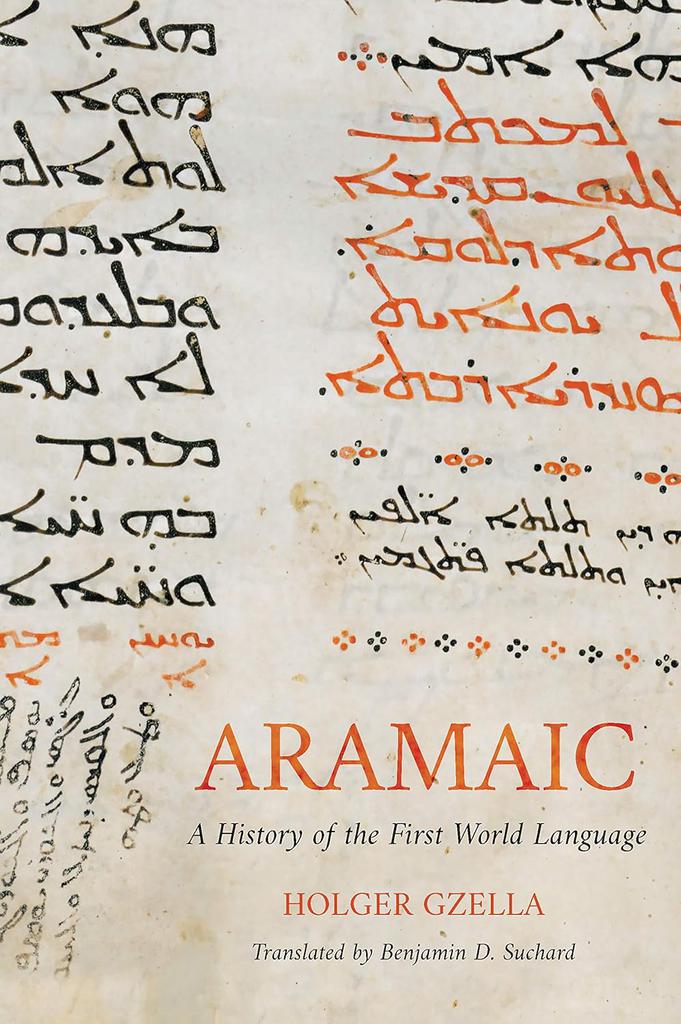
(י) וַיִּקַּ֣ח הָ֠עֶ֠בֶד עֲשָׂרָ֨ה גְמַלִּ֜ים מִגְּמַלֵּ֤י אֲדֹנָיו֙ וַיֵּ֔לֶךְ וְכׇל־ט֥וּב אֲדֹנָ֖יו בְּיָד֑וֹ וַיָּ֗קׇם וַיֵּ֛לֶךְ אֶל־אֲרַ֥ם נַֽהֲרַ֖יִם אֶל־עִ֥יר נָחֽוֹר׃
(10) Then the servant took ten of his master’s camels and set out, taking with him all the bounty of his master; and he made his way to Aram-naharaim, to the city of Nahor.
(כ) וַיְהִ֤י יִצְחָק֙ בֶּן־אַרְבָּעִ֣ים שָׁנָ֔ה בְּקַחְתּ֣וֹ אֶת־רִבְקָ֗ה בַּת־בְּתוּאֵל֙ הָֽאֲרַמִּ֔י מִפַּדַּ֖ן אֲרָ֑ם אֲח֛וֹת לָבָ֥ן הָאֲרַמִּ֖י ל֥וֹ לְאִשָּֽׁה׃
(20) Isaac was forty years old when he took to wife Rebekah, daughter of Bethuel the Aramean of Paddan-aram, sister of Laban the Aramean.
Gzella, Holger ibid
(ה) וְעָנִ֨יתָ וְאָמַרְתָּ֜ לִפְנֵ֣י ׀ ה׳ אֱלֹקֶ֗יךָ אֲרַמִּי֙ אֹבֵ֣ד אָבִ֔י וַיֵּ֣רֶד מִצְרַ֔יְמָה וַיָּ֥גׇר שָׁ֖ם בִּמְתֵ֣י מְעָ֑ט וַֽיְהִי־שָׁ֕ם לְג֥וֹי גָּד֖וֹל עָצ֥וּם וָרָֽב׃
(5) And thou shalt speak and say before the Lord thy God, An Aramean nomad was my father, and he went down to Miżrayim, and sojourned there with a few, and became there a nation, great, mighty, and populous:
Gzella, Holger. ibid
(כו) וַיֹּ֣אמֶר אֶלְיָקִ֣ים בֶּן־חִ֠לְקִיָּ֠הוּ וְשֶׁבְנָ֨ה וְיוֹאָ֜ח אֶל־רַבְשָׁקֵ֗ה דַּבֶּר־נָ֤א אֶל־עֲבָדֶ֙יךָ֙ אֲרָמִ֔ית כִּ֥י שֹׁמְעִ֖ים אֲנָ֑חְנוּ וְאַל־תְּדַבֵּ֤ר עִמָּ֙נוּ֙ יְהוּדִ֔ית בְּאׇזְנֵ֣י הָעָ֔ם אֲשֶׁ֖ר עַל־הַחֹמָֽה׃
(26) Eliakim son of Hilkiah, Shebna, and Joah replied to the Rabshakeh, “Please, speak to your servants in Aramaic, for we understand it; do not speak to us in Judean in the hearing of the people on the wall.”
(ב) אֵלִ֣י אֵ֭לִי לָמָ֣ה עֲזַבְתָּ֑נִי רָח֥וֹק מִֽ֝ישׁוּעָתִ֗י דִּבְרֵ֥י שַׁאֲגָתִֽי׃
(2) My God, my God,
why have You abandoned me;
why so far from delivering me
and from my anguished roaring?
(ב) אֵלִי אֵלִי מְטוּל מַה שְׁבַקְתַּנִי רָחִיק מִן פּוּרְקָנִי מִלֵי אַכְלְיוּתִי:
Only this kind of long-term perspective allows one to better understand why precisely Aramaic was able to become the most persistent language of the Middle East to date. This is all the more remarkable because no Aramaic empire or coherent Aramaic cultural tradition ever existed. Its success is primarily due to the interplay of demographic, political, and social factors.
he uncoordinated interaction of various factors— natural spread among the populace, prestige gained from official status, continuity as the medium of cultural traditions— makes Aramaic the unrivaled long-term memory of the region that produced some of the earliest civilizations as well as the religions that still enjoy the greatest global following. Gzella, Holger. ibid
וְלָמָּה נִקְרָא שְׁמוֹ אֲשׁוּרִי. שֶׁהוּא מְאוּשָׁר בִּכְתָבוֹ. אָמַר רִבִּי לֵוִי עַל שֵׁם שֶׁעָלָה בְיָדָם מֵאֲשׁוּר.
Why is its name called אֲשׁוּרִי? Because one is made happy in writing it. Rebbi Levi said, because they brought it with them from Assyria.
הָא לַחְמָא עַנְיָא דִּי אֲכָלוּ אַבְהָתָנָא בְּאַרְעָא דְמִצְרָיִם. כָּל דִכְפִין יֵיתֵי וְיֵיכֹל, כָּל דִצְרִיךְ יֵיתֵי וְיִפְסַח. הָשַּׁתָּא הָכָא, לְשָׁנָה הַבָּאָה בְּאַרְעָא דְיִשְׂרָאֵל. הָשַּׁתָּא עַבְדֵי, לְשָׁנָה הַבָּאָה בְּנֵי חוֹרִין.
This is the bread of affliction that our ancestors ate in the land of Egypt. Let all who are hungry come and eat. Let anyone who are in need come and observe Passover. This year we are here; next year in the Land of Israel. This year we are slaves; next year we shall be free.
ב ________________ בשבת ____________לחדש __________________________________ שנת חמשת אלפים ושבע מאות ושבעים ____________________ לבריאת עולם למנין שאנו מנין כאן _____________________ אנן סהדי איך החתן __________________________________________________________ אמר להדא _________________ מרת ___________________________________________________________________ הוי לי לאנתו כדת משה וישראל, ואנא במימרא ובסיעתא דשמיא אפלח ואוקיר ואיזון ואפרנס ואכלכל ואסובר ואכסה יתיכי כהלכות גוברין יהודאין דפלחין ומוקרין וזנין ומפרנסין ומכלכלין ומסוברין ומכסין ית נשיהון בקושטא. ויהיבנא ליכי מהר ________________ כסף זוזי ____________ דחזי ליכי, ועלי מזונייכי וכסותייכי וסיפוקיכי ומנדע יתיכי כאורח כל ארעא. וצביאת ______________________ דא והוות ליה לאינתו. ודא נדוניא דהנעלת ליה סך שהוסכם ביניהם והודה החתן הנזכר שקיבלן ועלו ובאו לידו ורשותו במושלם עד סוף פרוטה אחרונה, והוסיף לה איהו מדיליה תוספת כתובה עד שעלה סך הכל _______________________________________________________________________ לבר מעיקר כתובתה, ורצה והעלם על עצמו כנכסי צאן ברזל שאם פיחתו פיחתו לו ואם הותירו הותירו לו.
On the... [day] in the week, in the... month, the year, 57... from the creation of the world, according to the count that we are counting here... , ... the son of... said to this... the daughter of..., "Be my wife, according to the law of Moses and Israel. And I will work to honor, feed, support and maintain you, according to the laws of Jewish men, who faithfully work to honor, feed and support their wives. And I will give you... silver zuz... , which is due to you...; and your food, clothing and needs and to live with you in the manner of the whole world." And Miss ... here agreed and became his wife. And this dowry that she brought in to him from the house of... - whether in silver, in gold, in jewelry, in clothing apparel, in houseware or in bedclothes - our groom has assumed upon himself for... pieces of refined silver. And our groom... agreed and added another... pieces of refined silver from his own corresponding to them - all in all... pieces of refined silver.
חַד גַּדְיָא, חַד גַּדְיָא דְּזַבִּין אַבָּא בִּתְרֵי זוּזֵי, חַד גַּדְיָא, חַד גַּדְיָא.
חַד גַּדְיָא ONE LITTLE GOAT
one little goat
my father bought for two zuzim;
one little goat, one little goat.
(א)יִתְגַּדַּל וְיִתְקַדַּשׁ שְׁמֵהּ רַבָּא (אָמֵן)
(ב) בְּעָלְ֒מָֽא דִּי־בְרָא כִרְעוּתֵהּ וְיַמְלִיךְ מַלְכוּתֵהּ בְּחַיֵּיכוֹן וּבְיוֹמֵיכוֹן וּבְחַיֵּי דְכָל־בֵּית יִשְׂרָאֵל בַּעֲגָלָא וּבִזְמַן קָרִיב וְאִמְרוּ אָמֵן:
(1) Exalted and sanctified be His great Name
(2) in the world which He created according to His will and may He rule His kingdom. In your lifetime and in your days, and in the lifetime of the entire House of Israel, speedily and in the near future— and say Amein.
בְּרִיךְ שְׁמֵהּ דְּמָרֵא עָלְמָא. בְּרִיךְ כִּתְרַךְ וְאַתְּרָךְ. יְהֵא רְעוּתָךְ עִם עַמָּךְ יִשְׂרָאֵל לְעָלַם. וּפוּרְקָן יְמִינָךְ אַחֲזֵי לְעַמָּךְ בְּבֵית מַקְדְּשָׁךְ. וּלְאַמְטוֹיֵי לַנָא מִטּוּב נְהוֹרָךְ וּלְקַבֵּל צְלוֹתַנָא בְּרָחֲמִין. יְהֵא רַעֲוָא קָדָמָךְ דְּתוֹרִיךְ לָן חַיִּין בְּטִיְּבוּ. וְלֶהֱוֵי אֲנָא פְּקִידָא בְּגוֹ צַדִּיקַיָּא. לְמִרְחַם עָלַי וּלְמִנְּטַר יָתִי וְיָת כָּל דִּי לִי וְדִי לְעַמָּךְ יִשְׂרָאֵל...
The following prayer is said every Shabbos and on every Yom Tov
The following prayer is taken from the Zohar (Parshas Vahakhail), the basic text of Kabbalah which was written by the Mishnaic sage Rabbi Shimon bar Yochai. The Zohar states, “When the Torah is taken out to be read before the congregation, the heavenly gates of mercy are opened, and the Divine love is aroused; therefore one should say the following prayer.
Blessed is the Name of the Master of the Universe. Blessed is Your crown and Your place. May Your good will [be] with Your people Israel forever. The redemption of Your right hand, show Your people in Your Holy Temple. Bestow on us Your excellent light, and accept our prayer with compassion. May it be Your will to prolong our lives in well-being. Let me be counted among the righteous, so that You will have compassion on me and protect me and all that is mine, and all that belongs to Your people, Israel...