


- About Rabbi Judah haNasi - Leader of the Jews and Rabbinic Scholar
- Jewish Life in the Land of Israel during Rabbi's Time
- Rabbi's relations with other sages and with the Roman Empire
- The Passing of Rabbi and Praise for Rabbi
- Rabbi, the editor of the Mishnah
- Pirkei Avot 2:1
- Summary and Next class
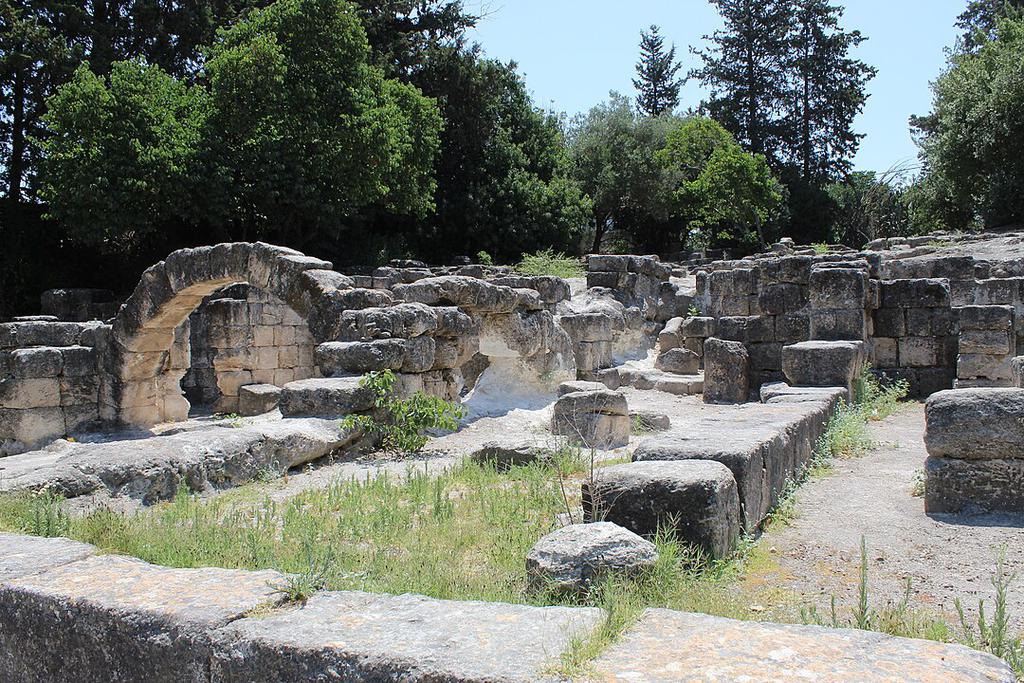
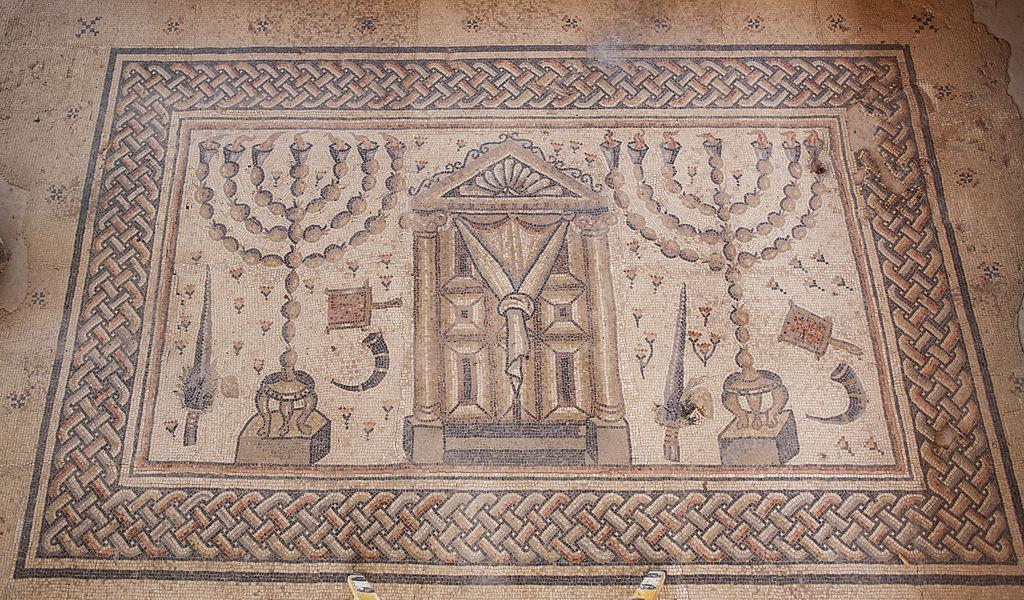
“His wisdom, sanctity, and humility, as well as his wealth and close ties with the Roman emperor, became the subject of numerous legends.” - "Judah Ha-Nasi," Encyclopedia Judaica, 10:367
“His mastery of the vast volume of tradition, his great application to his studies, his humility, coupled with self-confidence, sound judgment, and a rule that was based on a strict discipline, combined to give authority to his leadership and an undisputed status to the patriarchate.” - Ibid.
Rabbi Yehuda HaNasi says: When I went to learn Torah from Rabbi Elazar ben Shamua, his students joined together against me like the roosters of Beit Bukya, highly aggressive animals that do not allow other creatures to remain among them, and they did not let me learn there. Therefore, I managed to learn only one thing in our mishna,
...
אָמַר רַבִּי: הַאי דִּמְחַדַּדְנָא מֵחַבְרַאי דַּחֲזִיתֵיהּ לְרַבִּי מֵאִיר מֵאֲחוֹרֵיהּ, וְאִילּוּ חֲזִיתֵיהּ מִקַּמֵּיהּ הֲוָה מְחַדַּדְנָא טְפֵי — דִּכְתִיב: ״וְהָיוּ עֵינֶיךָ רוֹאוֹת אֶת מוֹרֶיךָ״.
The Gemara relates that Rabbi Yehuda HaNasi said: The fact that I am more incisive than my colleagues is due to the fact that I saw Rabbi Meir from behind, i.e., I sat behind him when I was his student. Had I seen him from the front, I would be even more incisive, as it is written: “And your eyes shall see your teacher” (Isaiah 30:20). Seeing the face of one’s teacher increases one’s understanding and sharpens one’s mind.
...אָמַר רַבִּי: הַרְבֵּה תּוֹרָה לָמַדְתִּי מֵרַבּוֹתַי, וּמֵחֲבֵירַי יוֹתֵר מֵהֶם, וּמִתַּלְמִידַי יוֹתֵר מִכּוּלָּן.
...Rabbi Yehuda HaNasi says: Much Torah have I studied from my teachers, and I have learned more from my colleagues than from them, and I have learned more from my students than from all of them.
אָמַר רַבִּי: בְּאֶרֶץ יִשְׂרָאֵל –
Rabbi Yehuda HaNasi said: In Eretz Yisrael,
לָשׁוֹן סוּרְסִי לָמָּה? אוֹ לְשׁוֹן הַקֹּדֶשׁ, אוֹ לָשׁוֹן יְוָנִית.
why would one speak the Syriac [Sursi] language? One should speak either the sacred tongue, Hebrew, or the Greek language.
Rabbi does not think that "Syriac," that is, Aramaic, should be spoken in the land of Israel.
“On one occasion when Judah and Hezekiah, the sons of Hiyya [a member of Rabbi’s intimate circle], dined with Judah ha-Nasi and were somewhat under the effects of swine, they said: ‘The son of David [i.e., the Messiah] cannot come until the two ruling houses in Israel will have come to an end, namely, the exilarchate in Babylonia and the patriarchate in Eretz Israel” (Talmud Sanhedrin 38a). This remark of theirs echoes the views of the sages who belonged to pietistic circles and were ill-disposed to the domination of the patriarchate and to its affluent and regal habits.” - Encyclopedia Judaica, 10:370-1.
Origen of Alexandria (c. 185 – c. 253), Letter to Julius Africanus 14. Origen moved to Casesarea in 232. In the following quotation, "ethnarch" refers to the position of the Nasi/Patriarch.
“Now, for instance, that the Romans rule, and the Jews pay the half-shekel to them, how great power by the concession of Cæsar the ethnarch has; so that we, who have had experience of it, know that he differs in little from a true king! Private trials are held according to the law, and some are condemned to death. And though there is not full licence for this, still it is not done without the knowledge of the ruler, as we learned and were convinced of when we spent much time in the country of that people.” Translated by Frederick Crombie. Available at New Advent.
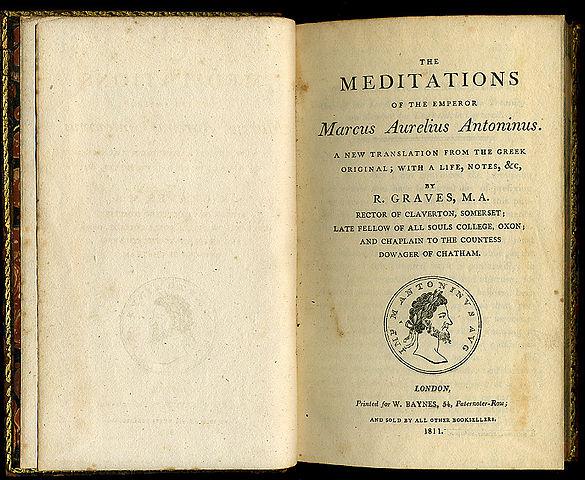
"The historian Herodian [DR: d. c. 240 CE] wrote: 'Alone of the emperors, he gave proof of his learning not by mere words or knowledge of philosophical doctrines but by his blameless character and temperate way of life.' Iain King [DR: contemporary] says Marcus's legacy was tragic: '[The emperor's] Stoic philosophy – which is about self-restraint, duty, and respect for others – was so abjectly abandoned by the imperial line he anointed on his death.'" - "Marcus Aurelius", Wikipedia
אֲמַר לֵיהּ אַנְטוֹנִינוּס לְרַבִּי: בָּעֵינָא דְּיִמְלוֹךְ אַסְוִירוּס בְּרִי תְּחוֹתַי, וְתִתְעֲבֵיד טְבֶרְיָא קָלָנְיָא, וְאִי אֵימָא לְהוּ חֲדָא — עָבְדִי, תְּרֵי — לָא עָבְדִי. אַיְיתִי גַּבְרָא, אַרְכְּבֵיהּ אַחַבְרֵיהּ, וִיהַב לֵיהּ יוֹנָה לְעִילַּאי (בִּידֵיהּ), וַאֲמַר לֵיהּ לְתַתַּאי: אֵימַר (לעילא דלמפרח) [לְעִילַּאי דְּנַפְרַח] יוֹנָה מִן יְדֵיהּ. אֲמַר: שְׁמַע מִינַּהּ הָכִי קָאָמַר לִי: אַתְּ בְּעִי מִינַּיְיהוּ דְּ״אַסְוִירוּס בְּרִי יִמְלוֹךְ תְּחוֹתַי״, וְאֵימָא לֵיהּ לְאַסְוִירוּס דְּתִעֲבֵיד טְבֶרְיָא קָלָנְיָא.
Antoninus said to Rabbi Yehuda HaNasi: I wish for Asveirus my son to rule instead of me, and that the city Tiberias be released [kelaneya] from paying taxes. And if I tell the Roman senate one of my wishes, they will do as I wish, but if I ask for two of them they will not do as I wish.
Rabbi Yehuda HaNasi conveyed his answer in the following manner: He brought a man, placed him on the shoulders of another man, and put a dove in the hands of the one on top. And he said to the one on the bottom: Tell the one on top that he should cause the dove to fly from his hands.
Antoninus said to himself: Learn from it that this is what Rabbi Yehuda HaNasi is saying to me: You should ask the Senate: Let Asveirus my son rule instead of me, and say to Asveirus that he should release Tiberias from paying taxes.
(ה) וַיְצַו אֹתָם לֵאמֹר כֹּה תֹאמְרוּן לַאדֹנִי לְעֵשָׂו (בראשית לב, ה), רַבֵּנוּ אָמַר לְרַבִּי אַפָּס כְּתוּב חַד אִגְרָא מִן שְׁמִי לְמָרָן מַלְכָּא אַנְטוֹנִינוֹס, קָם וּכְתַב מִן יְהוּדָה נְשִׂיאָה לְמָרָן מַלְכָּא אַנְטוֹנִינוֹס, נְסַבֵּיהּ וּקְרָיֵהּ וּקְרָעֵיהּ, אֲמַר לֵיהּ כְּתוּב מִן עַבְדָּךְ יְהוּדָה לְמָרָן מַלְכָּא אַנְטוֹנִינוֹס. אֲמַר לֵיהּ רַבִּי מִפְּנֵי מָה אַתָּה מְבַזֶּה עַל כְּבוֹדֶךָ, אֲמַר לֵיהּ מָה אֲנָא טַב מִן סָבִי, לֹא כָּךְ אָמַר (בראשית לב, ה): כֹּה אָמַר עַבְדְּךָ יַעֲקֹב.
(5)“He commanded them, saying: So you shall say to my lord, to Esau: So says your servant Jacob: I have resided with Laban, and tarried until now” (Genesis 32:5). “He commanded them, saying: So you shall say to my lord, to Esau” –
Rabbeinu [YehudaHaNasi] said to Rabbi Appas: ‘Write one letter in my name to our master, Emperor Antoninus.’ He stood and wrote: From Yehuda the Prince to our master, Emperor Antoninus. He took it, read it, and ripped it. He said to him: ‘Write: From your servant Yehuda to our master, Emperor Antoninus.’ He said to him: ‘My teacher, why are you demeaning your honor?’ He said to him: ‘In what way am I better than my ancestors? Did he not say this: “So says your servant Jacob”?’
סְלִיקָא אַמְּתֵיהּ דְּרַבִּי לְאִיגָּרָא, אָמְרָה: עֶלְיוֹנִים מְבַקְּשִׁין אֶת רַבִּי, וְהַתַּחְתּוֹנִים מְבַקְּשִׁין אֶת רַבִּי. יְהִי רָצוֹן שֶׁיָּכוֹפוּ תַּחְתּוֹנִים אֶת הָעֶלְיוֹנִים. כֵּיוָן דַּחֲזַאי כַּמָּה זִימְנֵי דְּעָיֵיל לְבֵית הַכִּסֵּא וְחָלַץ תְּפִילִּין וּמַנַּח לְהוּ וְקָמִצְטַעַר, אֲמַרָה: יְהִי רָצוֹן שֶׁיָּכוֹפוּ עֶלְיוֹנִים אֶת הַתַּחְתּוֹנִים.
The maidservant of Rabbi Yehuda HaNasi ascended to the roof and said: The upper realms are requesting the presence of Rabbi Yehuda HaNasi, and the lower realms are requesting the presence of Rabbi Yehuda HaNasi. May it be the will of God that the lower worlds should impose their will upon the upper worlds.
However, when she saw how many times he would enter the bathroom and remove his phylacteries, and then exit and put them back on, and how he was suffering with his intestinal disease, she said: May it be the will of God that the upper worlds should impose their will upon the lower worlds.
וְלָא הֲווֹ שָׁתְקִי רַבָּנַן מִלְּמִיבְעֵי רַחֲמֵי. שָׁקְלָה כּוּזָא, שָׁדְיָיא מֵאִיגָּרָא [לְאַרְעָא], אִישְׁתִּיקוּ מֵרַחֲמֵי, וְנָח נַפְשֵׁיהּ דְּרַבִּי.
And the Sages, meanwhile, would not be silent, i.e., they would not refrain, from begging for mercy so that Rabbi Yehuda HaNasi would not die. So she took a jug [kuza] and threw it from the roof to the ground. Due to the sudden noise, the Sages were momentarily silent and refrained from begging for mercy, and Rabbi Yehuda HaNasi died.
אֲמַרוּ לֵיהּ רַבָּנַן לְבַר קַפָּרָא: זִיל עַיֵּין, אֲזַל אַשְׁכְּחֵיהּ דְּנָח נַפְשֵׁיהּ. קַרְעֵיהּ לִלְבוּשֵׁיהּ וְאַהְדְּרֵיהּ לְקִרְעֵיהּ לַאֲחוֹרֵיהּ, פְּתַח וַאֲמַר: אֶרְאֶלִּים וּמְצוּקִים אָחֲזוּ בַּאֲרוֹן הַקֹּדֶשׁ, נִצְּחוּ אֶרְאֶלִּים אֶת הַמְּצוּקִים, וְנִשְׁבָּה אֲרוֹן הַקֹּדֶשׁ.
The Sages said to bar Kappara: Go and ascertain the condition of Rabbi Yehuda HaNasi. He went and found that Rabbi Yehuda HaNasi had died. He tore his clothing and reversed them so that the tear would be behind him and not be noticed. When he returned to the Sages he opened his remarks and said: The angels [erelim] and righteous mortals [metzukim] both clutched the sacred ark. The angels triumphed over the righteous, and the sacred ark was captured.
וְאָמַר רַבָּה בְּרֵיהּ דְּרָבָא, וְאִיתֵּימָא רַבִּי הִילֵּל בְּרֵיהּ דְּרַבִּי ווֹלֶס: מִימוֹת מֹשֶׁה וְעַד רַבִּי לֹא מָצִינוּ תּוֹרָה וּגְדוּלָּה בְּמָקוֹם אֶחָד.
Rabba, son of Rava, says, and some say that it was Rabbi Hillel, son of Rabbi Volas, who says: From the days of Moses and until the days of Rabbi Yehuda HaNasi we do not find unparalleled greatness in Torah knowledge and unparalleled greatness in secular matters, including wealth and high political office, combined in one place, i.e., in a single individual.
בְּמַתְנִיתָא תָּנָא: ״לֹא מְאַסְתִּים״ — בִּימֵי כַּשְׂדִּים, שֶׁהֶעֱמַדְתִּי לָהֶם דָּנִיֵּאלחֲנַנְיָה מִישָׁאֵל וַעֲזַרְיָה. ״וְלֹא גְעַלְתִּים״ — בִּימֵי יְווֹנִים, שֶׁהֶעֱמַדְתִּי לָהֶם שִׁמְעוֹן הַצַּדִּיק, וְחַשְׁמוֹנַאי וּבָנָיו, וּמַתִּתְיָה כֹּהֵן גָּדוֹל. ״לְכַלּוֹתָם״ — בִּימֵי הָמָן, שֶׁהֶעֱמַדְתִּי לָהֶם מׇרְדֳּכַי וְאֶסְתֵּר. ״לְהָפֵר בְּרִיתִי אִתָּם״ — בִּימֵי רוֹמִיִּים, שֶׁהֶעֱמַדְתִּי לָהֶם שֶׁל בֵּית רַבִּי וְחַכְמֵי דוֹרוֹת. ״כִּי אֲנִי יהוה אֱ-לֹהֵיהֶם״ — לֶעָתִיד לָבוֹא, שֶׁאֵין כׇּל אוּמָּה וְלָשׁוֹן יְכוֹלָה לִשְׁלוֹט בָּהֶם.
“I will not reject them”; this was in the days of the Chaldeans, when I appointed for them Daniel, Hananiah, Mishael, and Azariah to pray on their behalf.
“Nor will I abhor them”; this was in the days of the Greeks, when I appointed Shimon HaTzaddik for them, and the Hasmonean and his sons, and Mattithiah the High Priest.
“To destroy them utterly”; this was in the days of Haman, when I appointed for them the righteous leaders Mordecai and Esther.
“To break My covenant with them”; this was in the days of the Romans, when I appointed for them the Sages of the house of Rabbi Yehuda HaNasi and the Sages of other generations.
“For I am the Lord their God”; this will be in the future, when no nation or people of a foreign tongue will be able to subjugate them further.
מִשֶּׁמֵּת רַבִּי, בָּטְלָה עֲנָוָה וְיִרְאַת חֵטְא.
when Rabbi Yehuda HaNasi died, humility and fear of sin ceased.
״נֵר יְהֵא דָּלוּק בִּמְקוֹמוֹ, שׁוּלְחָן יְהֵא עָרוּךְ בִּמְקוֹמוֹ, מִטָּה תְּהֵא מוּצַּעַת בִּמְקוֹמָהּ״, מַאי טַעְמָא? כֹּל בֵּי שִׁמְשֵׁי הֲוָה אָתֵי לְבֵיתֵיהּ.
Rabbi Yehuda HaNasi commanded his sons: My lamp should be lit in its usual place, my table should be set in its usual place, and the bed should be arranged in its usual place. The Gemara asks: What is the reason he made these requests? The Gemara explains: Every Shabbat eve, even after his passing, Rabbi Yehuda HaNasi would come to his house as he had done during his lifetime, and he therefore wished for everything to be set up as usual.
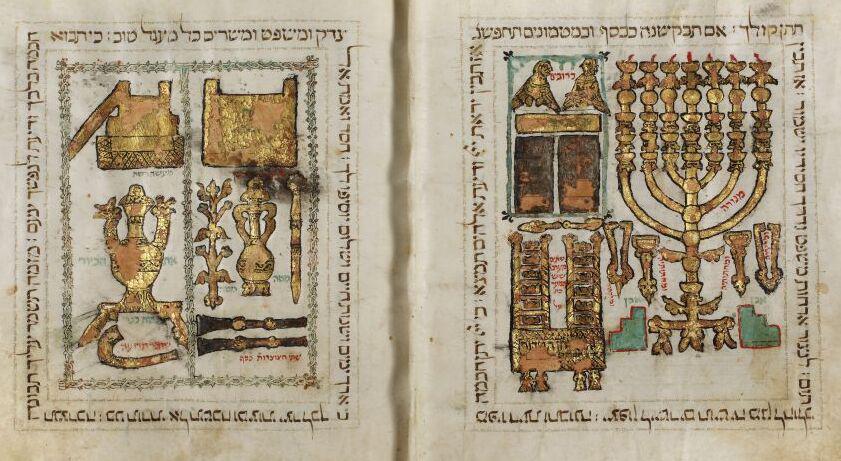
"The days of Rabbi, the son of Rabban Simeon ben Gamliel, were an opportune time. Rabbi arranged…the Mishnah. The words of the Mishnah can be compared to the words of the Almighty to Moses--tthey were like a sign and a wonder. Rabbi did not produce these words with his own mind; rather, they were the teachings of the early sages who preceded him. ...
"The Mishnah was even divided into tractates before the time of Rabbi; for Rabbi Meir told Rabbi Nathan- “Let us ask Rabban Simeon ben Gamliel to open [his lectures] with [Tractate] Uqzin, with which he is unfamiliar….
"In his halakhot Rabbi chose the way [of teaching] of Rabbi Meir, which was the way of Rabbi Akiva, because Rabbi saw that Rabbi Meir’s way was succinct and easy to teach....
"Using this approach [of Rabbi Akiva and Rabbi Meir], Rabbi arranged the six orders of the Mishnah."


(א)רַבִּי אוֹמֵר,
אֵיזוֹהִי דֶרֶךְ יְשָׁרָה שֶׁיָּבֹר לוֹ הָאָדָם, כֹּל שֶׁהִיא תִפְאֶרֶת לְעוֹשֶׂיהָ וְתִפְאֶרֶת לוֹ מִן הָאָדָם.
וֶהֱוֵי זָהִיר בְּמִצְוָה קַלָּה כְבַחֲמוּרָה, שֶׁאֵין אַתָּה יוֹדֵעַ מַתַּן שְׂכָרָן שֶׁל מִצְוֹת.
וֶהֱוֵי מְחַשֵּׁב הֶפְסֵד מִצְוָה כְּנֶגֶד שְׂכָרָהּ, וּשְׂכַר עֲבֵרָה כְנֶגֶד הֶפְסֵדָהּ.
וְהִסְתַּכֵּל בִּשְׁלשָׁה דְבָרִים וְאִי אַתָּה בָא לִידֵי עֲבֵרָה, דַּע מַה לְּמַעְלָה מִמְּךָ, עַיִן רוֹאָה וְאֹזֶן שׁוֹמַעַת, וְכָל מַעֲשֶׂיךָ בַסֵּפֶר נִכְתָּבִין:
(1)Rabbi said:
which is the straight path that a man should choose for himself? One which is an honor to the person adopting it, and [on account of which] honor [accrues] to him from others.
And be careful with a light commandment as with a grave one, for you did know not the reward for the fulfillment of the commandments.
Also, reckon the loss [that may be sustained through the fulfillment] of a commandment against the reward [accruing] thereby, and the gain [that may be obtained through the committing] of a transgression against the loss [entailed] thereby.
Apply your mind to three things and you will not come into the clutches of sin: Know what there is above you: an eye that sees, an ear that hears, and all your deeds are written in a book.