


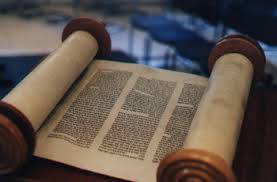


(א) וַיֹּ֤אמֶר יהוה אֶל־אַבְרָ֔ם לֶךְ־לְךָ֛ מֵאַרְצְךָ֥ וּמִמּֽוֹלַדְתְּךָ֖ וּמִבֵּ֣ית אָבִ֑יךָ אֶל־הָאָ֖רֶץ אֲשֶׁ֥ר אַרְאֶֽךָּ׃ (ב) וְאֶֽעֶשְׂךָ֙ לְג֣וֹי גָּד֔וֹל וַאֲבָ֣רֶכְךָ֔ וַאֲגַדְּלָ֖ה שְׁמֶ֑ךָ וֶהְיֵ֖ה בְּרָכָֽה׃ (ג) וַאֲבָֽרְכָה֙ מְבָ֣רְכֶ֔יךָ וּמְקַלֶּלְךָ֖ אָאֹ֑ר וְנִבְרְכ֣וּ בְךָ֔ כֹּ֖ל מִשְׁפְּחֹ֥ת הָאֲדָמָֽה׃ (ד) וַיֵּ֣לֶךְ אַבְרָ֗ם כַּאֲשֶׁ֨ר דִּבֶּ֤ר אֵלָיו֙ יהוה וַיֵּ֥לֶךְ אִתּ֖וֹ ל֑וֹט וְאַבְרָ֗ם בֶּן־חָמֵ֤שׁ שָׁנִים֙ וְשִׁבְעִ֣ים שָׁנָ֔ה בְּצֵאת֖וֹ מֵחָרָֽן׃ (ה) וַיִּקַּ֣ח אַבְרָם֩ אֶת־שָׂרַ֨י אִשְׁתּ֜וֹ וְאֶת־ל֣וֹט בֶּן־אָחִ֗יו וְאֶת־כׇּל־רְכוּשָׁם֙ אֲשֶׁ֣ר רָכָ֔שׁוּ וְאֶת־הַנֶּ֖פֶשׁ אֲשֶׁר־עָשׂ֣וּ בְחָרָ֑ן וַיֵּצְא֗וּ לָלֶ֙כֶת֙ אַ֣רְצָה כְּנַ֔עַן וַיָּבֹ֖אוּ אַ֥רְצָה כְּנָֽעַן׃ (ו) וַיַּעֲבֹ֤ר אַבְרָם֙ בָּאָ֔רֶץ עַ֚ד מְק֣וֹם שְׁכֶ֔ם עַ֖ד אֵל֣וֹן מוֹרֶ֑ה וְהַֽכְּנַעֲנִ֖י אָ֥ז בָּאָֽרֶץ׃
(1)יהוה said to Abram, “Go forth from your native land and from your father’s house to the land that I will show you. (2) I will make of you a great nation, And I will bless you; I will make your name great, And you shall be a blessing. (3) I will bless those who bless you And curse the one who curses you; And all the families of the earth Shall bless themselves by you.” (4) Abram went forth as יהוה had commanded him, and Lot went with him. Abram was seventy-five years old when he left Haran. (5) Abram took his wife Sarai and his brother’s son Lot, and all the wealth that they had amassed, and the persons that they had acquired in Haran; and they set out for the land of Canaan. When they arrived in the land of Canaan, (6)Abram passed through the land as far as the site of Shechem, at the terebinth of Moreh. The Canaanites were then in the land.

(א)ויעבר אברם בארץ. נִכְנַס לְתוֹכָהּ: (ב)עד מקום שכם. לְהִתְפַּלֵּל עַל בְּנֵי יַעֲקֹב, כְּשֶׁיָּבֹאוּ לְהִלָּחֵם בִּשְׁכֶם: (ג)אלון מורה. הוּא שְׁכֶם. הֶרְאָהוּ הַר גְּרִיזִים וְהַר עֵיבָל, שֶׁשָּׁם קִבְּלוּ יִשְׂרָאֵל שְׁבוּעַת הַתּוֹרָה: (ד)והכנעני אז בארץ. הָיָה הוֹלֵךְ וְכוֹבֵשׁ אֶת אֶרֶץ יִשְׂרָאֵל מִזַּרְעוֹ שֶׁל שֵׁם, שֶׁבְּחֶלְקוֹ שֶׁל שֵׁם נָפְלָה כְּשֶׁחָלַק נֹחַ אֶת הָאָרֶץ לְבָנָיו, שֶׁנֶּאֱמַר וּמַלְכִּי צֶדֶק מֶלֶךְ שָׁלֵם (ברא' י"ב), לְפִיכָךְ וַיֹּאמֶר יהוה אֶל אַבְרָם לְזַרְעֲךָ אֶתֵּן אֶת הָאָרֶץ הַזֹּאת, עָתִיד אֲנִי לְהַחֲזִירָהּ לְבָנֶיךָ שֶׁהֵם מִזַּרְעוֹ שֶׁל שֵׁם:
(1) ויעבר אברם בארץ AND ABRAHAM PASSED THROUGH THE LAND —he entered it. (2) עד מקום שכם UNTO THE PLACE OF SHECHEM — In order to pray on behalf of Jacob’s sons, anticipating the time when they would come to fight against Shechem. (3) אלון מורה THE PLAIN OF MOREH — This is Shechem (Sotah 32a). He showed him Mount Gerizim and Mount Ebal where Israel took upon themselves the oath to observe the Torah (cf. Deuteronomy 11:29 and Deuteronomy 111:30). (4) והכנעני אז בארץ AND THE CANAANITE WAS THEN IN THE LAND — They (the Canaanites) were gradually conquering the land of Israel from the descendants of Shem, for it had fallen to the share of Shem when Noah apportioned the earth amongst his sons, for it is said (Genesis 14:18) “And Melchizedek) king of Salem (Jerusalem)”. For this reason the Lord said to Abram (Genesis 12:7) “to thy seed will I give this land” — “I will in some future time return it to thy children who are descendants of Shem”.
This is the city of Shechem for such was the name of this place, and Shechem the son of Hamor was called by the name of his city.(Ramban)
"Avram did not stop anywhere in his journey south through the land of Canaan until G’d appeared to him as He had said: “to the land which I will show you.” (verse 1).(Seforno)
**Seforno notices God does not specify the destination - when Avram reaches Canaan, then God confirms Avram is in the right place.
עד מקום שכם. רבים חשבו שהמלה מקום פירושה מקדש, ושהכוונה כאן שהגיע אברם עד המקדש הכנעני אשר בשכם. וזה אינו מתקבל על הדעת. אמנם נכון הוא שלפעמים מורה השם מקום על מקום מקודש, למשל בפרשת העקידה (כ״ב, ג׳, ד׳), ובביטוי השכיח בספר דברים: המקום אשר יבחר. אבל באותם הכתובים קדושת המקום אינה אלא דבר הלמד מעניינו, ושם מקום כשהוא לעצמו אינו יוצא מידי פשוטו.
Cassuto - "Unto the place of Shechem" - Many thought the word MAKOM means a 'holy place' (mikdash), and then the meaning here is Avram came to a Canaanite holy place in Shechem. This is not an acceptable conclusion. It is true that sometimes the word MAKOM does refer to a holy place, as in the Akedah...
(ג) וַיַּשְׁכֵּ֨ם אַבְרָהָ֜ם בַּבֹּ֗קֶר וַֽיַּחֲבֹשׁ֙ אֶת־חֲמֹר֔וֹ וַיִּקַּ֞ח אֶת־שְׁנֵ֤י נְעָרָיו֙ אִתּ֔וֹ וְאֵ֖ת יִצְחָ֣ק בְּנ֑וֹ וַיְבַקַּע֙ עֲצֵ֣י עֹלָ֔ה וַיָּ֣קׇם וַיֵּ֔לֶךְ אֶל־הַמָּק֖וֹם אֲשֶׁר־אָֽמַר־ל֥וֹ הָאֱלֹהִֽים׃ (ד) בַּיּ֣וֹם הַשְּׁלִישִׁ֗י וַיִּשָּׂ֨א אַבְרָהָ֧ם אֶת־עֵינָ֛יו וַיַּ֥רְא אֶת־הַמָּק֖וֹם מֵרָחֹֽק׃
(3) So early next morning, Abraham saddled his ass and took with him two of his servants and his son Isaac. He split the wood for the burnt offering, and he set out for the place of which God had told him. (4) On the third day Abraham looked up and saw the place from afar.
כי הכנעני אז בארץ, שבחלק הארץ שעבר היה הכנעני נלחם וכובש את הארץ, והנסיעה בשעת חירום היא סכנה גדולה,
Malbim - In the area where Avram passed the Canaanites were fighting and engaged in conquest of the land, and Avram's journey occurred during a time of emergency and danger.
**However, Or Ha'Chaim explains...
The Torah informs us that Abraham kept moving from one location to another without any of the local inhabitants challenging him. This in spite of the fact that the Canaanites ruled in the land at the time.
The verse also hints that Abraham behaved like an itinerant traveller, not pretending to be a man of stature.
"Canaanites. Ancient inhabitants of the eastern Mediterranean region (modern-day Lebanon, southern Syria, Israel, and Jordan). Their sophisticated culture shared much with that of ancient Israel, although Israel’s writers attempted to distinguish themselves from Canaanites, whom the Bible portrays as the pre-Israelite population of the land." (Women's Torah commentary)
What is the origin story of Canaan?
(ו) וּבְנֵ֖י חָ֑ם כּ֥וּשׁ וּמִצְרַ֖יִם וּפ֥וּט וּכְנָֽעַן׃
(6) The descendants of Ham: Cush, Mizraim, Put, and Canaan.
(טו) וּכְנַ֗עַן יָלַ֛ד אֶת־צִידֹ֥ן בְּכֹר֖וֹ וְאֶת־חֵֽת׃ (טז) וְאֶת־הַיְבוּסִי֙ וְאֶת־הָ֣אֱמֹרִ֔י וְאֵ֖ת הַגִּרְגָּשִֽׁי׃ (יז) וְאֶת־הַֽחִוִּ֥י וְאֶת־הַֽעַרְקִ֖י וְאֶת־הַסִּינִֽי׃ (יח) וְאֶת־הָֽאַרְוָדִ֥י וְאֶת־הַצְּמָרִ֖י וְאֶת־הַֽחֲמָתִ֑י וְאַחַ֣ר נָפֹ֔צוּ מִשְׁפְּח֖וֹת הַֽכְּנַעֲנִֽי׃ (יט) וַיְהִ֞י גְּב֤וּל הַֽכְּנַעֲנִי֙ מִצִּידֹ֔ן בֹּאֲכָ֥ה גְרָ֖רָה עַד־עַזָּ֑ה בֹּאֲכָ֞ה סְדֹ֧מָה וַעֲמֹרָ֛ה וְאַדְמָ֥ה וּצְבֹיִ֖ם עַד־לָֽשַׁע׃
(15) Canaan begot Sidon, his first-born, and Heth; (16) and the Jebusites, the Amorites, the Girgashites, (17) the Hivites, the Arkites, the Sinites, (18) the Arvadites, the Zemarites, and the Hamathites. Afterward the clans of the Canaanites spread out. (19) (The [original] Canaanite territory extended from Sidon as far as Gerar, near Gaza, and as far as Sodom, Gomorrah, Admah, and Zeboiim, near Lasha.)
Most scholars connect the name with the Hurrian term kinaḫḫu meaning (reddish) purple. Support for this is found in the similarity between the Greek Φοῖνιξ meaning reddish purple and Φοινίκη meaning Phoenicia. Those who derive the name from the Semitic root kn' consider it either a name for the conchiferous snail which yielded purple dye, or a term for the western nations, because the sun set in the west (see also Astour 1965). Since purple cloth was the chief export of Phoenicia, the term Canaan also appears in the sense of merchant.(EJ)
Philo - 1st century CE, Egypt
Philo's On the Migration of Abraham is an allegorical commentary on Genesis 12, where he interprets Abraham's move from Chaldea as the soul's spiritual journey away from the material world towards God. The treatise explains that the "migration" is a movement of the mind, which abandons the senses, speech, and the physical body to find the higher reality of the divine. It discusses Abraham's obedience to God's command and his subsequent encounters as a metaphor for the soul's progress through stages of understanding, eventually leading to a vision of God who reveals himself to the soul.
On the Migration of Abraham 39:1
[216] To resume. The mind, when it has gone forth from the places about Haran, is said to have travelled through the country as far as the place of Shechem, to the lofty oak-tree (Gen. 12:6). Let us consider what is meant by “travelled through.” Love of learning is by nature curious and inquisitive, not hesitating to bend its steps in all directions, prying into everything, reluctant to leave anything that exists unexplored, whether material or immaterial. It has an extraordinary appetite for all that there is to be seen and heard, and, not content with what it finds in its own country, it is bent on seeking what is in foreign parts and separated by great distances.