


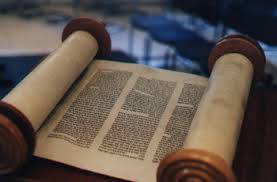
(לט) אַ֡ךְ בַּחֲמִשָּׁה֩ עָשָׂ֨ר י֜וֹם לַחֹ֣דֶשׁ הַשְּׁבִיעִ֗י בְּאׇסְפְּכֶם֙ אֶת־תְּבוּאַ֣ת הָאָ֔רֶץ תָּחֹ֥גּוּ אֶת־חַג־יהוה שִׁבְעַ֣ת יָמִ֑ים בַּיּ֤וֹם הָֽרִאשׁוֹן֙ שַׁבָּת֔וֹן וּבַיּ֥וֹם הַשְּׁמִינִ֖י שַׁבָּתֽוֹן׃ (מ) וּלְקַחְתֶּ֨ם לָכֶ֜ם בַּיּ֣וֹם הָרִאשׁ֗וֹן פְּרִ֨י עֵ֤ץ הָדָר֙ כַּפֹּ֣ת תְּמָרִ֔ים וַעֲנַ֥ף עֵץ־עָבֹ֖ת וְעַרְבֵי־נָ֑חַל וּשְׂמַחְתֶּ֗ם לִפְנֵ֛י יהוה אֱלֹהֵיכֶ֖ם שִׁבְעַ֥ת יָמִֽים׃ (מא) וְחַגֹּתֶ֤ם אֹתוֹ֙ חַ֣ג לַֽיהוה שִׁבְעַ֥ת יָמִ֖ים בַּשָּׁנָ֑ה חֻקַּ֤ת עוֹלָם֙ לְדֹרֹ֣תֵיכֶ֔ם בַּחֹ֥דֶשׁ הַשְּׁבִיעִ֖י תָּחֹ֥גּוּ אֹתֽוֹ׃ (מב) בַּסֻּכֹּ֥ת תֵּשְׁב֖וּ שִׁבְעַ֣ת יָמִ֑ים כׇּל־הָֽאֶזְרָח֙ בְּיִשְׂרָאֵ֔ל יֵשְׁב֖וּ בַּסֻּכֹּֽת׃ (מג) לְמַ֘עַן֮ יֵדְע֣וּ דֹרֹֽתֵיכֶם֒ כִּ֣י בַסֻּכּ֗וֹת הוֹשַׁ֙בְתִּי֙ אֶת־בְּנֵ֣י יִשְׂרָאֵ֔ל בְּהוֹצִיאִ֥י אוֹתָ֖ם מֵאֶ֣רֶץ מִצְרָ֑יִם אֲנִ֖י יהוה אֱלֹהֵיכֶֽם׃ (מד) וַיְדַבֵּ֣ר מֹשֶׁ֔ה אֶֽת־מֹעֲדֵ֖י יהוה אֶל־בְּנֵ֖י יִשְׂרָאֵֽל׃ {פ}
(39) Mark, on the fifteenth day of the seventh month, when you have gathered in the yield of your land, you shall observe the festival of יהוה [to last] seven days: a complete rest on the first day, and a complete rest on the eighth day. (40) On the first day you shall take the product of hadar trees, branches of palm trees, boughs of leafy trees, and willows of the brook, and you shall rejoice before your God יהוה seven days. (41) You shall observe it as a festival of יהוה for seven days in the year; you shall observe it in the seventh month as a law for all time, throughout the ages. (42) You shall live in booths seven days; all citizens in Israel shall live in booths, (43) in order that future generations may know that I made the Israelite people live in booths when I brought them out of the land of Egypt—I, your God יהוה. (44) So Moses declared to the Israelites the set times of יהוה.
(יג) חַ֧ג הַסֻּכֹּ֛ת תַּעֲשֶׂ֥ה לְךָ֖ שִׁבְעַ֣ת יָמִ֑ים בְּאׇ֨סְפְּךָ֔ מִֽגׇּרְנְךָ֖ וּמִיִּקְבֶֽךָ׃
(13) After the ingathering from your threshing floor and your vat, you shall hold the Feast of Booths for seven days.
קבע את חג הסוכות בסתו, לפני עונת הגשמים בארץ ישראל, כדי שהעצים שמהם כורתים את הסכך ואת ארבעת המינים יצמחו מחדש, כי אילו היו כורתים אותם באביב היו העצים מתים בקיץ.
"Even though both New Year and the Day of Atonement are primarily designed to help the people achieve atonement for their sins and their being remembered favourably by G’d, Sukkot is for enjoyment and giving thanks to the Lord for having enabled them to fill their barns with good produce at the end of the harvest season." Rashbam
(מ) וּלְקַחְתֶּ֨ם לָכֶ֜ם בַּיּ֣וֹם הָרִאשׁ֗וֹן פְּרִ֨י עֵ֤ץ הָדָר֙ כַּפֹּ֣ת תְּמָרִ֔ים וַעֲנַ֥ף עֵץ־עָבֹ֖ת וְעַרְבֵי־נָ֑חַל וּשְׂמַחְתֶּ֗ם לִפְנֵ֛י יהוה אֱלֹהֵיכֶ֖ם שִׁבְעַ֥ת יָמִֽים׃
(40) On the first day you shall take the product of hadar trees, branches of palm trees, boughs of leafy trees, and willows of the brook, and you shall rejoice before your God יהוה seven days.
Reggio: The Torah here elaborates on the nature of true joy being that after a successful harvest we thank Hashem with visible symbols expressing our joy, the four species of plants being one such example. The 15th day of that month, being still part of the ingathering season we observe a festival, interrupting our work in the field, just as we do on the eighth day of the festival.
**Reggio suggests we pause the harvest for the festival whereas earlier it sounded like we finish the harvest and then celebrate the festival.
(יד) וַֽיִּמְצְא֖וּ כָּת֣וּב בַּתּוֹרָ֑ה אֲשֶׁ֨ר צִוָּ֤ה יהוה בְּיַד־מֹשֶׁ֔ה אֲשֶׁר֩ יֵשְׁב֨וּ בְנֵֽי־יִשְׂרָאֵ֧ל בַּסֻּכּ֛וֹת בֶּחָ֖ג בַּחֹ֥דֶשׁ הַשְּׁבִיעִֽי׃ (טו) וַאֲשֶׁ֣ר יַשְׁמִ֗יעוּ וְיַעֲבִ֨ירוּ ק֥וֹל בְּכׇל־עָרֵיהֶם֮ וּבִירוּשָׁלַ֣͏ִם לֵאמֹר֒ צְא֣וּ הָהָ֗ר וְהָבִ֙יאוּ֙ עֲלֵי־זַ֙יִת֙ וַעֲלֵי־עֵ֣ץ שֶׁ֔מֶן וַעֲלֵ֤י הֲדַס֙ וַעֲלֵ֣י תְמָרִ֔ים וַעֲלֵ֖י עֵ֣ץ עָבֹ֑ת לַעֲשֹׂ֥ת סֻכֹּ֖ת כַּכָּתֽוּב׃ {ס}(טז) וַיֵּצְא֣וּ הָעָם֮ וַיָּבִ֒יאוּ֒ וַיַּעֲשׂוּ֩ לָהֶ֨ם סֻכּ֜וֹת אִ֤ישׁ עַל־גַּגּוֹ֙ וּבְחַצְרֹ֣תֵיהֶ֔ם וּבְחַצְר֖וֹת בֵּ֣ית הָאֱלֹהִ֑ים וּבִרְחוֹב֙ שַׁ֣עַר הַמַּ֔יִם וּבִרְח֖וֹב שַׁ֥עַר אֶפְרָֽיִם׃ {ס}(יז) וַיַּֽעֲשׂ֣וּ כׇֽל־הַ֠קָּהָ֠ל הַשָּׁבִ֨ים מִן־הַשְּׁבִ֥י ׀ סֻכּוֹת֮ וַיֵּשְׁב֣וּ בַסֻּכּוֹת֒ כִּ֣י לֹֽא־עָשׂ֡וּ מִימֵי֩ יֵשׁ֨וּעַ בִּן־נ֥וּן כֵּן֙ בְּנֵ֣י יִשְׂרָאֵ֔ל עַ֖ד הַיּ֣וֹם הַה֑וּא וַתְּהִ֥י שִׂמְחָ֖ה גְּדוֹלָ֥ה מְאֹֽד׃
(14) They found written in the Teaching that the LORD had commanded Moses that the Israelites must dwell in booths during the festival of the seventh month, (15) and that they must announce and proclaim throughout all their towns and Jerusalem as follows, “Go out to the mountains and bring leafy branches of olive trees, pine trees, myrtles, palms and [other] leafy trees to make booths, as it is written.” (16) So the people went out and brought them, and made themselves booths on their roofs, in their courtyards, in the courtyards of the House of God, in the square of the Water Gate and in the square of the Ephraim Gate. (17) The whole community that returned from the captivity made booths and dwelt in the booths—the Israelites had not done so from the days of Joshua son of Nun to that day—and there was very great rejoicing.