


(יג) חַ֧ג הַסֻּכֹּ֛ת תַּעֲשֶׂ֥ה לְךָ֖ שִׁבְעַ֣ת יָמִ֑ים בְּאׇ֨סְפְּךָ֔ מִֽגׇּרְנְךָ֖ וּמִיִּקְבֶֽךָ׃ (יד)וְשָׂמַחְתָּ֖ בְּחַגֶּ֑ךָ אַתָּ֨ה וּבִנְךָ֤ וּבִתֶּ֙ךָ֙ וְעַבְדְּךָ֣ וַאֲמָתֶ֔ךָ וְהַלֵּוִ֗י וְהַגֵּ֛ר וְהַיָּת֥וֹם וְהָאַלְמָנָ֖ה אֲשֶׁ֥ר בִּשְׁעָרֶֽיךָ׃ (טו) שִׁבְעַ֣ת יָמִ֗ים תָּחֹג֙ לַיהוה אֱלֹהֶ֔יךָ בַּמָּק֖וֹם אֲשֶׁר־יִבְחַ֣ר יהוה כִּ֣י יְבָרֶכְךָ֞ יהוה אֱלֹהֶ֗יךָ בְּכֹ֤ל תְּבוּאָֽתְךָ֙ וּבְכֹל֙ מַעֲשֵׂ֣ה יָדֶ֔יךָ וְהָיִ֖יתָ אַ֥ךְ שָׂמֵֽחַ׃
(13) After the ingathering from your threshing floor and your vat, you shall hold the Feast of Booths for seven days. (14)You shall rejoice in your festival, with your son and daughter, your male and female slave, the [family of the] Levite, the stranger, the fatherless, and the widow in your communities. (15) You shall hold a festival for your God יהוה seven days, in the place that יהוה will choose; for your God יהוה will bless all your crops and all your undertakings, and you shall have nothing but joy.


Selective inabilities to recognize faces were documented as early as the 19th century, and included case studies by Hughlings Jackson and Jean-Martin Charcot. However, it was not named until the term prosopagnosia was first used in 1947 by Joachim Bodamer [de], a German neurologist. He described three cases, including a 24-year-old man who sustained a bullet wound to the head and lost his ability to recognize his friends, family, and even his own face. However, he was able to recognize and identify them through other sensory modalities such as auditory, tactile, and even other visual stimuli patterns (such as gait and other physical mannerisms). Bodamer gave his paper the title Die Prosop-Agnosie, derived from Classical Greek πρόσωπον (prósōpon) 'face' and αγνωσία (agnōsía) 'non-knowledge'. In October 1996, Bill Choisser began popularizing the term face blindness for the condition; the earliest-known use of the term is in an 1899 medical paper."
https://en.wikipedia.org/wiki/Prosopagnosia
(יא) שְׁמׇ֨ר־לְךָ֔ אֵ֛ת אֲשֶׁ֥ר אָנֹכִ֖י מְצַוְּךָ֣ הַיּ֑וֹם הִנְנִ֧י גֹרֵ֣שׁ מִפָּנֶ֗יךָ אֶת־הָאֱמֹרִי֙ וְהַֽכְּנַעֲנִ֔י וְהַחִתִּי֙ וְהַפְּרִזִּ֔י וְהַחִוִּ֖י וְהַיְבוּסִֽי׃ (יב) הִשָּׁ֣מֶר לְךָ֗ פֶּן־תִּכְרֹ֤ת בְּרִית֙ לְיוֹשֵׁ֣ב הָאָ֔רֶץ אֲשֶׁ֥ר אַתָּ֖ה בָּ֣א עָלֶ֑יהָ פֶּן־יִהְיֶ֥ה לְמוֹקֵ֖שׁ בְּקִרְבֶּֽךָ׃ (יג) כִּ֤י אֶת־מִזְבְּחֹתָם֙ תִּתֹּצ֔וּן וְאֶת־מַצֵּבֹתָ֖ם תְּשַׁבֵּר֑וּן וְאֶת־אֲשֵׁרָ֖יו תִּכְרֹתֽוּן׃ (יד) כִּ֛י לֹ֥א תִֽשְׁתַּחֲוֶ֖ה לְאֵ֣ל אַחֵ֑ר כִּ֤י יהוה קַנָּ֣א שְׁמ֔וֹ אֵ֥ל קַנָּ֖א הֽוּא׃ (טו) פֶּן־תִּכְרֹ֥ת בְּרִ֖ית לְיוֹשֵׁ֣ב הָאָ֑רֶץ וְזָנ֣וּ ׀ אַחֲרֵ֣י אֱלֹֽהֵיהֶ֗ם וְזָבְחוּ֙ לֵאלֹ֣הֵיהֶ֔ם וְקָרָ֣א לְךָ֔ וְאָכַלְתָּ֖ מִזִּבְחֽוֹ׃ (טז) וְלָקַחְתָּ֥ מִבְּנֹתָ֖יו לְבָנֶ֑יךָ וְזָנ֣וּ בְנֹתָ֗יו אַחֲרֵי֙ אֱלֹ֣הֵיהֶ֔ן וְהִזְנוּ֙ אֶת־בָּנֶ֔יךָ אַחֲרֵ֖י אֱלֹהֵיהֶֽן׃
(11) Mark well what I command you this day. I will drive out before you the Amorites, the Canaanites, the Hittites, the Perizzites, the Hivites, and the Jebusites. (12) Beware of making a covenant with the inhabitants of the land against which you are advancing, lest they be a snare in your midst. (13) No, you must tear down their altars, smash their pillars, and cut down their sacred posts; (14) for you must not worship any other god, because יהוה, whose name is Impassioned, is an impassioned God. (15) You must not make a covenant with the inhabitants of the land, for they will lust after their gods and sacrifice to their gods and invite you, and you will eat of their sacrifices. (16) And when you take [wives into your households] from among their daughters for your sons, their daughters will lust after their gods and will cause your sons to lust after their gods.
(יב) הִשָּׁ֣מֶר לְךָ֗ פֶּן־תִּכְרֹ֤ת בְּרִית֙ לְיוֹשֵׁ֣ב הָאָ֔רֶץ אֲשֶׁ֥ר אַתָּ֖ה בָּ֣א עָלֶ֑יהָ פֶּן־יִהְיֶ֥ה לְמוֹקֵ֖שׁ בְּקִרְבֶּֽךָ׃
(12) Beware of making a covenant with the inhabitants of the land against which you are advancing, lest they be a snare in your midst.
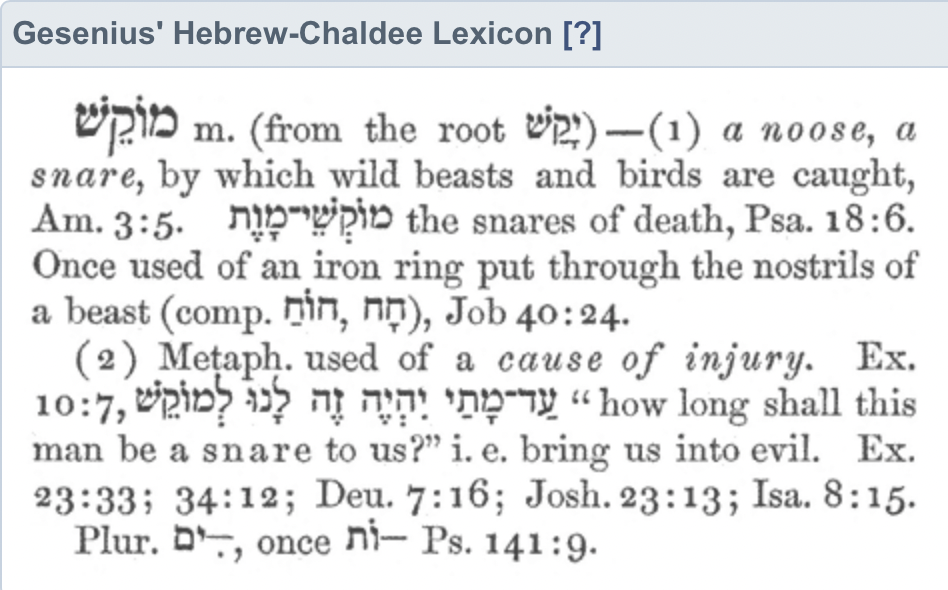

(ו) בְּפֶ֤שַֽׁע אִ֣ישׁ רָ֣ע מוֹקֵ֑שׁ וְ֝צַדִּ֗יק יָר֥וּן וְשָׂמֵֽחַ׃ (ז) יֹדֵ֣עַ צַ֭דִּיק דִּ֣ין דַּלִּ֑ים רָ֝שָׁ֗ע לֹא־יָבִ֥ין דָּֽעַת׃
(6) An evil man’s offenses are a trap for himself, But the righteous sing out joyously. (7) A righteous man is concerned with the cause of the poor/weak/powerless; A wicked man cannot understand such concern.
(ב) עִבְד֣וּ אֶת־יהוה בְּשִׂמְחָ֑ה בֹּ֥אוּ לְ֝פָנָ֗יו בִּרְנָנָֽה׃
(2) worship the LORD in gladness; come into His presence with shouts of joy.
(כה) נֶֽפֶשׁ־בְּרָכָ֥ה תְדֻשָּׁ֑ן וּ֝מַרְוֶ֗ה גַּם־ה֥וּא יוֹרֶֽא׃
(25) A generous person enjoys prosperity; and a person who waters others will themself be watered.